Alpha-Lipoic Acid Benefits for Diabetes and Neuropathy: What Research Shows
Summarized from peer-reviewed research indexed in PubMed. See citations below.
Diabetic neuropathy is the most common complication of long-standing diabetes: roughly half of people with diabetes develop nerve damage over time, and for many it starts as burning, tingling, or numbness in the feet that worsens at night. Alpha-lipoic acid (ALA) is one of the few supplements in this area with a genuine clinical trial record, including a German history as a licensed drug for diabetic neuropathy. The strongest oral evidence comes from the SYDNEY 2 trial: 181 patients with diabetic polyneuropathy took 600 mg of ALA daily for five weeks and saw their neuropathy symptom scores drop by 51 percent versus 32 percent for placebo, with 62 percent of the ALA group reaching a 50 percent symptom reduction compared with 26 percent of the placebo group. This guide walks through what the trials actually show, the difference between R-ALA and racemic forms, how to dose it, and which products deliver the studied dose at a fair price.
Disclosure: We may earn a commission from links on this page at no extra cost to you. Affiliate relationships never influence our ratings. Full policy →
What Is Alpha-Lipoic Acid and How Does It Work?
Alpha-lipoic acid, also called thioctic acid, is a sulfur-containing compound that your body produces in small amounts inside mitochondria, where it acts as a cofactor for several enzyme complexes involved in energy metabolism. You also get it from food, with organ meats, spinach, broccoli, and potatoes among the richer sources, though dietary amounts are far below the doses used in trials.
ALA also has a longer medical history than most supplements. In Germany it has been available for decades as a licensed drug for diabetic neuropathy, sold as thioctic acid, which is why the research record includes intravenous trials and pharmaceutical-grade preparations rather than only consumer supplement studies (PubMed). That history cuts both ways: it means the compound has genuine clinical attention behind it, and it also means supplement marketing borrows credibility from a drug pathway that used intravenous dosing to reach blood levels no oral capsule can match. Keeping those two layers separate, the drug history and the oral supplement reality, is essential to reading this literature correctly.
Two properties make ALA unusual among antioxidants. First, it works in both water- and fat-soluble environments, which is why it is sometimes called the universal antioxidant. Most antioxidants operate in one or the other; ALA and its reduced form, dihydrolipoic acid, cover both. Second, ALA regenerates other antioxidants after they have been used up, including glutathione, vitamin C, and vitamin E, effectively recycling the body’s antioxidant network rather than only neutralizing oxidants itself (PubMed) (PubMed).
For nerve health specifically, the relevant biology is oxidative stress. Peripheral nerves in diabetes are damaged by a combination of high glucose, oxidative stress, impaired microvascular blood flow, and advanced glycation end products that accumulate when excess sugar reacts with proteins. ALA addresses several of those pathways at once, which is why it has been studied for decades in diabetic neuropathy rather than dismissed after a single negative trial. It is important to note that ALA is not insulin, does not replace diabetes medication, and works best as one part of a broader blood sugar and nerve care plan (PubMed).
Chemically, ALA exists in two mirror-image forms. The R-form (R-ALA) is the one your body produces and uses; the S-form is a synthetic mirror image with little biological activity. Most supplements contain racemic ALA, an equal mixture of both, because it is cheaper and stable. Pure R-ALA is more active per milligram but historically unstable, which led to stabilized salt forms like sodium R-lipoate (Na-RALA). This distinction matters for dosing and is covered in detail below.
How Does Diabetic Neuropathy Develop?
Neuropathy is not one disease but a family of nerve problems, and the form that ALA research targets is distal symmetric polyneuropathy, the most common diabetic nerve complication. It starts in the longest nerves, which is why the feet are affected first and the hands later, and it follows a length-dependent pattern: tingling, burning, stabbing pain, or numbness that begins in the toes and creeps upward over years. Symptoms are often worse at night, which is why sleep disruption is one of the first complaints. A smaller group of people has the opposite problem, severe pain with light touch, called allodynia, where even bedsheets feel painful.
The damage comes from several directions at once. Chronic high glucose drives oxidative stress inside nerve cells, which are metabolically active and poorly protected. High glucose also damages the small blood vessels that supply nerves, starving them of oxygen, and produces advanced glycation end products that stiffen nerve proteins. Over time the nerve fibers themselves degenerate, starting with the smallest fibers and progressing to larger ones, which is why early neuropathy can be detected only by specialized testing long before symptoms appear. Reviews of ALA’s biology describe how the compound intersects with each of these pathways, which is the theoretical basis for its use (PubMed) (PubMed).
Detection matters because neuropathy is treatable in its early stages and disabling later. The standard screening tools are the monofilament test, where a nylon filament is pressed against the foot to check sensation, and nerve conduction studies for diagnosis. Anyone with diabetes should have a foot sensation check at least annually, and anyone with tingling, burning, or numbness in the feet should mention it at the next appointment rather than wait for it to worsen. Supplements like ALA can support nerve health, but they work far better on early nerve changes than on advanced damage, which is another way of saying that timing is part of the strategy.
What Does the Research Show for Diabetic Neuropathy?
The clinical record for ALA in diabetic neuropathy spans three decades and falls into two groups: the older intravenous trials and the newer oral trials. Both matter, because the intravenous results established the compound while the oral results determine whether a supplement you can actually buy works.
The intravenous evidence. The ALADIN study, published in Diabetologia in 1995, randomized 328 patients with type 2 diabetes and symptomatic peripheral neuropathy to three weeks of intravenous ALA at 1,200, 600, or 100 mg daily, or placebo. The total neuropathy symptom score in the feet fell by 63.5 percent in the 600 mg group versus 38.4 percent with placebo (p < 0.001), and 82.5 percent of the 600 mg group achieved at least a 30 percent symptom improvement versus 57.6 percent of the placebo group (PubMed). A 2004 meta-analysis pooled four trials with 1,258 patients, all using 600 mg of intravenous ALA daily for three weeks, and found a 24.1 percent relative difference in symptom scores favoring ALA over placebo, with responder rates of 52.7 percent versus 36.9 percent (PubMed).
The oral evidence. The trial most relevant to supplements is SYDNEY 2, published in Diabetes Care in 2006. Researchers randomized 181 patients with diabetic distal symmetric polyneuropathy to oral ALA at 600, 1,200, or 1,800 mg daily, or placebo, for five weeks. Total symptom scores fell by 51 percent in the 600 mg group, 48 percent in the 1,200 mg group, and 52 percent in the 1,800 mg group, versus 32 percent with placebo, with all three doses significantly better than placebo. Responder rates, defined as a 50 percent symptom reduction, were 62, 50, and 56 percent for the three doses versus 26 percent for placebo. Side effects rose with dose, and the authors concluded that 600 mg once daily offers the best risk-to-benefit ratio (PubMed).
The long-term picture. NATHAN 1, published in Diabetes Care in 2011, is the only four-year oral trial. It randomized 460 patients with mild to moderate diabetic neuropathy to 600 mg of ALA or placebo daily for four years. The primary composite endpoint did not reach statistical significance (p = 0.105), which is an important honest caveat that marketing rarely mentions. However, secondary measures favored ALA: the Neuropathy Impairment Score improved significantly (p = 0.028), fewer patients on ALA showed progression of nerve impairment (p = 0.013), and more showed clinically meaningful improvement. Serious adverse events were higher in the ALA group (38.1 percent versus 28.0 percent), though the overall tolerability ratings did not differ (PubMed).
Bottom line: ALA has real but imperfect evidence for diabetic neuropathy: 5 weeks of oral 600 mg daily cut symptom scores 51% vs 32% placebo in SYDNEY 2, the 3-week IV trials showed 24.1% relative improvement over placebo across 1,258 patients, and the 4-year NATHAN 1 trial missed its primary endpoint while showing benefit in secondary nerve-impairment measures.
Can Alpha-Lipoic Acid Improve Blood Sugar Control?
ALA’s effects on glucose metabolism are plausible on basic science grounds: it activates AMP-activated protein kinase (AMPK), the same energy-sensing enzyme targeted by metformin, which increases glucose uptake in muscle and other insulin-responsive tissues. Mechanistic studies show ALA stimulates glucose uptake in muscle cells through AMPK-dependent signaling (PubMed) and increases energy expenditure in animal models through the AMPK pathway (PubMed).
The clinical question is whether those mechanisms translate into measurable glucose improvements in people. A 2018 systematic review and meta-analysis by Akbari et al. in Metabolism pooled 24 randomized controlled trials of ALA supplementation in patients with metabolic diseases. The results showed significant improvements in fasting glucose (standardized mean difference -0.54), insulin levels (SMD -1.01), HOMA-IR, a measure of insulin resistance (SMD -0.76), and HbA1c (SMD -1.22), along with significant reductions in triglycerides and LDL cholesterol. HDL cholesterol did not change significantly (PubMed).
Two caveats belong next to those numbers. First, standardized mean differences summarize the direction and consistency of effects across many small trials; they do not translate directly into a specific mg/dL drop in any individual. Second, the trials were mostly in people with diabetes or metabolic syndrome, and the effect sizes are modest compared with what lifestyle change and standard diabetes medications achieve. ALA is a supporting nutrient for glucose control, not a substitute for metformin, diet, or exercise.
If you have diabetes and take medication that lowers glucose, adding ALA can increase the risk of hypoglycemia, especially sulfonylureas or insulin. The practical approach is to start at 300 mg daily, monitor blood glucose more frequently for the first couple of weeks, and tell your doctor you have added it so medication doses can be adjusted if needed.
What the data says: Across 24 randomized trials in people with metabolic diseases, ALA supplementation produced significant improvements in fasting glucose, insulin, HOMA-IR, and HbA1c (SMD -0.54 to -1.22), with the caveat that effect sizes are modest, study populations were mostly diabetic or metabolic-syndrome patients, and hypoglycemia risk rises when ALA is added to glucose-lowering medication.
What About Weight Loss and Metabolic Syndrome?
ALA is marketed in some circles as a weight loss aid, and the research does show a small effect, but the honest framing matters. A 2018 systematic review and meta-analysis by Namazi et al. in Clinical Nutrition pooled 12 placebo-controlled trials of ALA supplementation in adults. Body weight fell by a mean of 0.69 kg (about 1.5 pounds) and BMI by 0.38 kg/m2 compared with placebo, while waist circumference did not change significantly overall. The authors concluded that ALA slightly but significantly decreases body weight and BMI, noted that the safe dosage appears to be up to 1,200 mg daily, and added a blunt assessment: ALA may not be cost-effective for weight loss (PubMed).
Some caution about circulating marketing numbers: the figure sometimes quoted, “1.27 kg lost in 10-14 weeks,” is actually the upper bound of the confidence interval from that meta-analysis, not the average result. The average was 0.69 kg. A difference of roughly a pound and a half over the trial periods is real but clinically minor.
For metabolic syndrome more broadly, ALA has been studied mostly in combination with other interventions. One randomized trial in Circulation tested the effects of lipoic acid combined with irbesartan, an angiotensin receptor blocker, in people with metabolic syndrome and found improvements in endothelial function and reductions in inflammatory markers (PubMed). Because ALA was part of a combination in that trial, it supports ALA’s anti-inflammatory profile rather than proving it works alone.
The research verdict: ALA’s weight effect is a mean of 0.69 kg (~1.5 lb) over placebo across 12 trials, with no significant waist-circumference change; the authors of the meta-analysis themselves question its cost-effectiveness for weight loss, so it should be viewed as metabolic support, not a weight loss tool.
R-ALA vs Racemic ALA: Does the Form Matter?
Every ALA molecule exists as one of two mirror images, and only the R-form is biologically active. Synthetic production creates both forms in equal amounts, which is why the standard supplement, racemic ALA, delivers 300 mg of active R-ALA for every 600 mg capsule. The S-form is not harmful, but it does not perform ALA’s enzymatic and antioxidant roles.
Pharmacokinetic research supports the idea that the R-form reaches higher blood levels. A study by Carlson et al. in Alternative Medicine Review gave 12 healthy subjects 600 mg of sodium R-lipoate (Na-RALA), the stabilized salt form of pure R-ALA, and measured plasma levels over time. Na-RALA produced significantly higher peak concentrations and total exposure, with a faster time to peak, than plain R-ALA or racemic ALA, and the authors noted that Na-RALA resists the polymerization that makes pure R-ALA unstable and poorly soluble (PubMed). Claims that R-ALA achieves “40-50 percent higher blood levels” are a paraphrase that outruns this small pharmacokinetic study; what the data support is that Na-RALA produces higher plasma levels per milligram than racemic ALA, without a precise percentage attached in the published abstract.
How should that change what you buy? Consider that the outcome evidence for neuropathy and glucose control was built almost entirely on racemic ALA at 600 mg daily, which provides 300 mg of the active R-form. A 300 mg Na-RALA capsule provides a comparable or greater amount of active compound with better absorption, which is why R-ALA products can use half the milligram dose. For most people, the deciding factors are cost and tolerance: racemic 600 mg has the trial record and the lowest price, while Na-RALA is the higher-bioavailability choice for someone who wants the active form exclusively or who did not respond to racemic ALA.
What Are the Limits of the Evidence?
Reading the ALA literature honestly requires holding several caveats at once, because the marketing version of this supplement is more confident than the data.
The flagship long-term trial missed its primary endpoint. NATHAN 1, the four-year oral trial, failed to show a significant difference on its primary composite measure of nerve impairment (p = 0.105). Its positive results came from secondary analyses, which are hypothesis-generating rather than definitive. Any source that presents NATHAN 1 as an unqualified success is not reading the paper closely (PubMed).
Symptom scores are subjective. The outcome measures in the neuropathy trials, such as the Total Symptom Score, rely on patients rating their own pain, burning, and numbness. Blinding was in place in the major trials, which protects against the worst bias, but subjective scales are noisier than objective measures like nerve conduction, and the objective measures in NATHAN 1 were the ones that did not separate cleanly.
The strongest results came from intravenous administration. The ALADIN trial and the 2004 meta-analysis used IV ALA, which reaches far higher blood levels than any oral capsule. Oral ALA has notoriously poor and variable absorption, which is the gap that R-ALA and Na-RALA forms try to close. The SYDNEY 2 oral trial is the bridge between the IV evidence and what a supplement can deliver, and its results, while positive, were measured over only five weeks.
Industry involvement. The Ziegler trials were supported by the manufacturer of the study preparation, a common arrangement in this literature. That does not invalidate the results, but it is a reason the evidence base should be read with the same scrutiny applied to any company-sponsored research.
None of these caveats makes ALA useless. It has more and better evidence than the vast majority of supplements sold for nerve health. But the fair summary is “a genuinely studied compound with moderate, somewhat inconsistent evidence,” not “clinically proven to reverse neuropathy,” and the difference between those two framings is what this article is trying to preserve.
How Does ALA Compare With Other Neuropathy Options?
Alpha-lipoic acid does not exist in a vacuum, and knowing where it fits relative to medical options avoids both over-reliance and unnecessary expense.
Prescription options for neuropathic pain. Several medications are approved or widely used for diabetic neuropathic pain, including pregabalin, gabapentin, duloxetine, and topical treatments. These have larger and more rigorous evidence bases than ALA for pain relief, and they are the options a doctor will typically offer when pain is the main problem. They also have side effects that many people find limiting, which is part of why interest in ALA persists. The rational sequence for painful diabetic neuropathy is usually a medical conversation first, with ALA as a possible adjunct rather than a substitute.
Other supplements for nerve health. Methylated B vitamins target a different mechanism, supporting myelin and homocysteine metabolism, and B12 deficiency can produce neuropathy that looks identical to diabetic nerve damage, especially in long-term metformin users. Magnesium supports nerve and muscle function. Omega-3s address inflammation. None of these has the specific diabetic neuropathy trial record that ALA has, which makes ALA the better-evidenced first choice among supplements, with B-vitamin status checked as a matter of course.
Lifestyle interventions. Exercise, glucose control, foot care, and smoking cessation have evidence that rivals or exceeds most supplements for neuropathy outcomes. ALA is best understood as one component of a program built on those foundations, and the people who get the most from it are usually the ones doing the foundations well.
The practical framework: if symptoms are mild and recent, a five-week trial of 600 mg daily ALA with symptom tracking is a reasonable, low-risk step alongside glucose control. If pain is moderate to severe or disrupting sleep and function, medical options should lead. And if symptoms are progressing despite good glucose control and a fair ALA trial, the next step is a neurologist, not a higher supplement dose.
What Are the Best Alpha-Lipoic Acid Supplements?
The four picks below all deliver meaningful doses of ALA in well-defined forms, with prices checked at the time of writing:
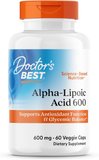

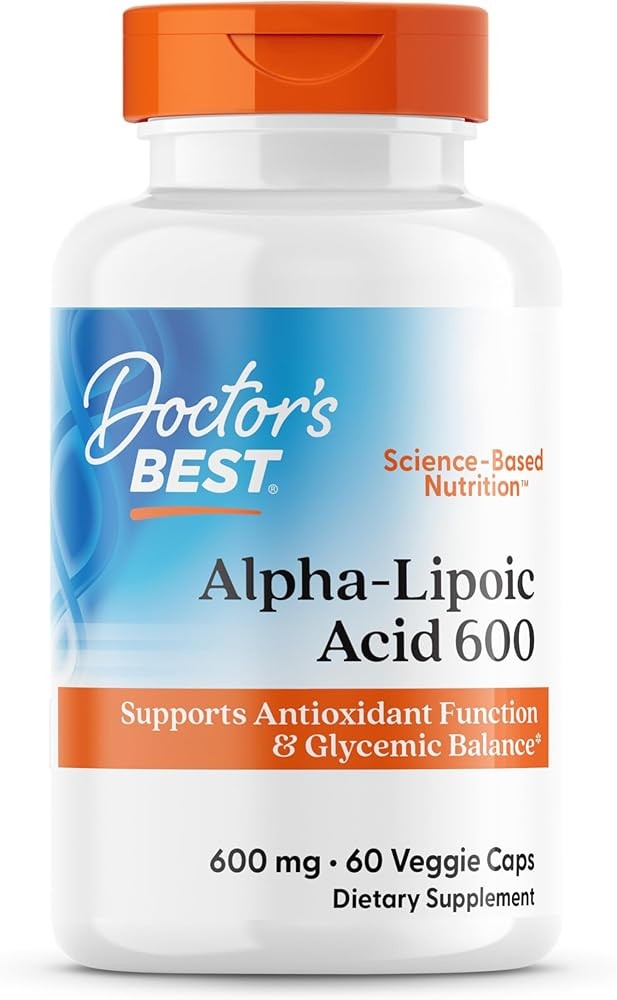
Doctor’s Best Alpha-Lipoic Acid 600 mg ($16.99 for 60 capsules) is the top pick because it delivers the exact 600 mg daily dose used in the SYDNEY 2 oral trial and the NATHAN 1 long-term trial, in a vegan capsule from a brand with third-party testing. At one capsule daily it is a two-month supply for roughly $0.28 per day. Note that this product is racemic ALA, which is consistent with the trial evidence, not a contradiction of it.
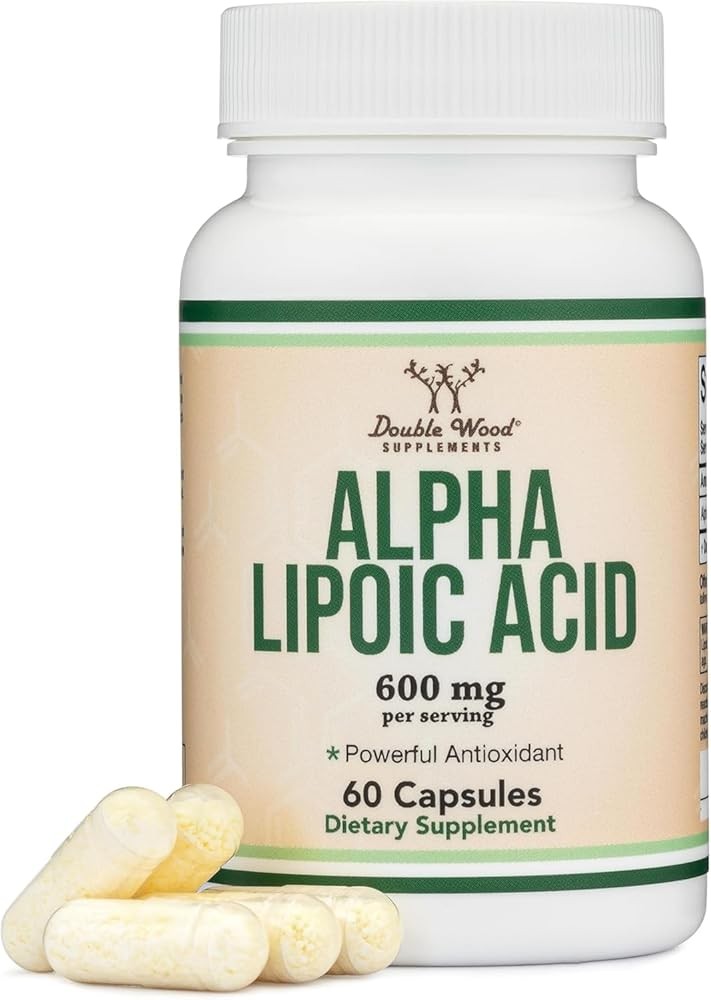
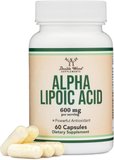
Alpha Lipoic Acid 600 mg ($9.95 for 60 capsules) is the budget entry point with the same 600 mg clinical dose, making it the cheapest way to run a two-month trial of ALA. It lacks the third-party testing pedigree of the premium brands, which matters less for a single-ingredient product than for complex blends.
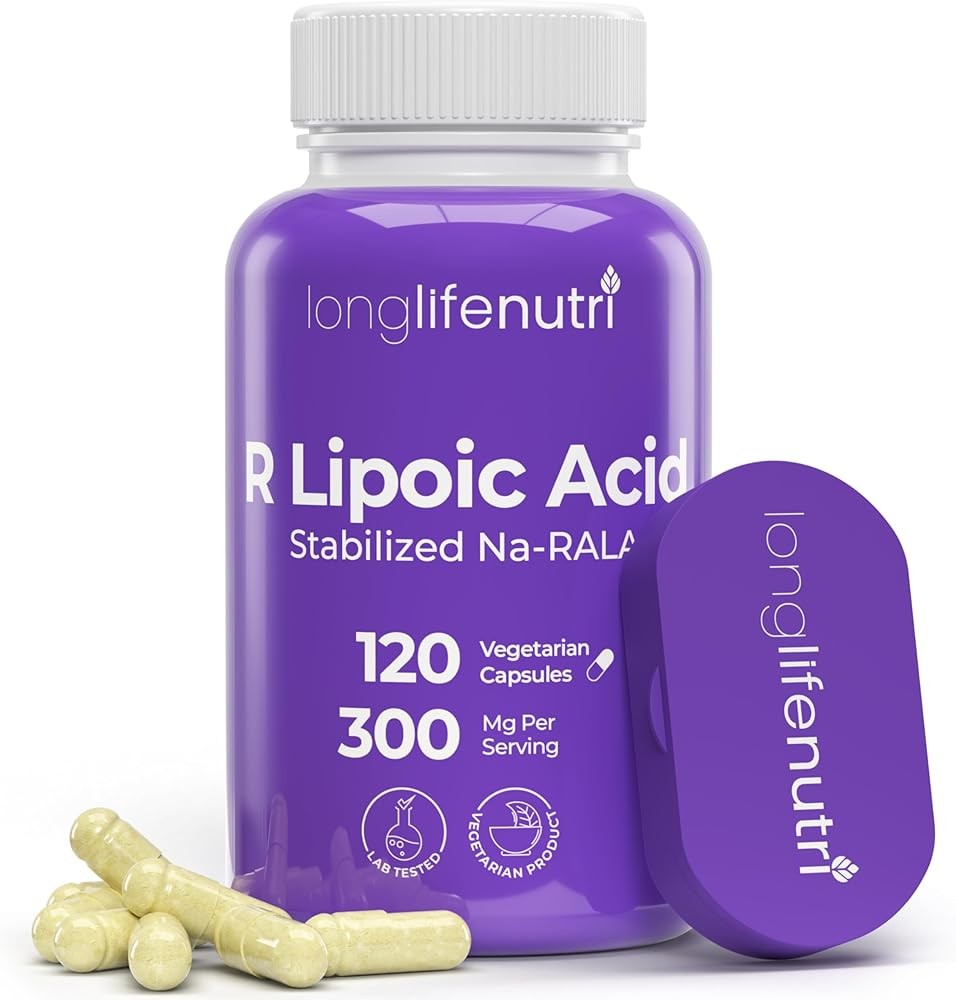
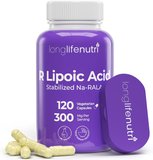
LongLifeNutri Stabilized R-Alpha Lipoic Acid 300 mg ($41.90 for 120 capsules, a four-month supply at 300 mg daily) is the R-ALA option. It uses the Na-RALA form that showed higher plasma levels in the pharmacokinetic study, and the 300 mg dose is roughly equivalent in active compound to 600 mg of racemic ALA. Two capsules daily would match a higher-dose protocol.
Micro Ingredients Alpha Lipoic Acid 600 mg with MCT Oil ($23.99 for 300 softgels) is the value pick for long-term use: three softgels deliver 600 mg of ALA, giving 100 servings for roughly $0.24 per dose. The MCT oil base is a plausible absorption aid, though no head-to-head trial proves it improves ALA uptake.
When comparing products, check three things: the ALA form (racemic versus R-ALA), the actual dose per serving in milligrams, and whether the label states a single ingredient rather than a proprietary blend. Avoid products that hide the ALA dose inside a “nerve support” blend at 50 mg per serving, which is nowhere near the studied range.
A note on pricing math: compare cost per 600 mg-equivalent dose, not cost per bottle. A 60-capsule bottle at 600 mg costs about the same per day whether it is $10 or $17 if you take one capsule daily, and a 300-softgel bottle at three softgels per serving is 100 servings even though the bottle looks enormous. The four picks above were chosen with that math in mind, and their per-day costs range from roughly $0.24 to $0.70 depending on the form.
How Do You Monitor Whether ALA Is Working?
Supplements deserve the same measurement discipline as medications, and neuropathy symptoms are measurable. The simplest system is a daily symptom diary scored on a 0 to 10 scale for each of four symptoms: burning, stabbing or shooting pain, tingling, and numbness, plus a one-line sleep quality note, since nighttime symptom flares are common.
Set a baseline first. Score symptoms for one week before starting ALA. That baseline is the reference point for everything that follows, and it avoids the classic error of judging a supplement by a good week or a bad week.
Judge at five weeks. The SYDNEY 2 trial measured its primary outcome at five weeks, and that is the shortest fair window for oral ALA. If the average of your symptom scores has dropped by a meaningful amount, typically 30 percent or more, the supplement is earning its place. If nothing has changed, the honest move is to stop and reassess rather than keep buying bottles, since the trial evidence does not support unlimited patience.
Track the context too. Glucose control, sleep, stress, and activity all move neuropathy symptoms. A month of worse blood sugar will make any supplement look ineffective, and a month of improved control can do the opposite. The diary should include a daily glucose log for people with diabetes so the supplement is judged fairly against the background.
Blood work checkpoints. For the metabolic claims, HbA1c moves on a three-month timescale, so a repeat HbA1c after three months of consistent ALA use is the meaningful test, not a fingerstick after a week. Homocysteine and B12 are worth checking once if you are also using B vitamins, since B12 deficiency produces its own neuropathy symptoms.
When to stop. Stop ALA and contact a clinician if you develop unexplained hypoglycemia, sweating episodes, or dizziness after starting it, if gastrointestinal side effects are intolerable, or if neuropathy symptoms worsen or spread despite the supplement. Worsening symptoms are never a reason to raise the dose of a supplement on your own.
A final habit worth building. Whatever you decide about ALA, the single highest-value habit for anyone with diabetes and nerve symptoms is the annual foot check and the daily foot inspection. Neuropathy removes the warning system that normally protects the feet, and the complications that follow unnoticed injuries are far more disabling than the neuropathy itself. ALA, at its best, is a modest contributor to nerve comfort; foot care, glucose control, and regular medical review are the pillars that actually determine long-term outcomes.
How Should You Dose and Time Alpha-Lipoic Acid?
The trial evidence supports a clear dosing ladder:
- Diabetic neuropathy symptoms: 600 mg daily is the best-studied oral dose, per SYDNEY 2, which found it offered the best risk-to-benefit ratio. A five-week trial is a reasonable first evaluation window.
- Blood sugar and metabolic support: 600 to 1,200 mg daily, based on the trials pooled in the Akbari meta-analysis. Doses above 600 mg are usually split into two servings.
- Higher-dose protocols: up to 1,800 mg daily has been tested in divided doses under medical supervision. Side effects, especially nausea and gastrointestinal upset, rise with dose.
- R-ALA products: because 300 mg of R-ALA approximates the active content of 600 mg of racemic ALA, R-ALA users typically take 300 to 600 mg daily.
Timing matters. Food reduces ALA absorption substantially, so the standard instruction is to take it on an empty stomach, 30 to 60 minutes before a meal or at least two hours after one. If that causes stomach upset, take it with a small amount of food and accept somewhat lower absorption. Splitting larger daily doses into morning and evening servings on an empty stomach keeps blood levels more stable and improves tolerance.
Consistency matters more than perfection. ALA has a short half-life in the body, so the benefits seen in trials came from daily dosing over weeks, not occasional use. Set a reminder, keep the bottle somewhere visible, and judge the result after at least five weeks at 600 mg daily, ideally with a symptom diary tracking pain, burning, tingling, and numbness scores.
What Are the Side Effects and Drug Interactions of Alpha-Lipoic Acid?
ALA is generally well tolerated at the studied doses, but the side effect profile deserves straight talk because the marketing usually skips it.
Common side effects. Gastrointestinal symptoms, including nausea, stomach upset, and diarrhea, are the most frequent complaints and track with dose; the SYDNEY 2 trial reported a dose-dependent increase in nausea, vomiting, and vertigo, which is one reason the 600 mg dose is preferred over 1,800 mg (PubMed). Skin rashes and itching occur occasionally and usually resolve with continued use or a lower dose. Taking ALA on an empty stomach reduces absorption-related upset for some people but worsens it for others, so find your own tolerance.
The long-term caution. The four-year NATHAN 1 trial reported more serious adverse events in the ALA group (38.1 percent) than the placebo group (28.0 percent). The events were diverse and the overall tolerability ratings were similar between groups, but the imbalance is a reminder that long-term, high-dose supplementation should happen with medical awareness rather than silently (PubMed).
Hypoglycemia risk. ALA increases glucose uptake into cells, and in people taking insulin, sulfonylureas, or other glucose-lowering medication, adding ALA can push blood sugar too low. Anyone with diabetes who starts ALA should monitor glucose more frequently for the first weeks and inform their clinician. This is the most clinically important interaction in the whole ALA file.
Other interactions. ALA can bind thyroid hormone, so take levothyroxine and ALA at least four hours apart. Because ALA chelates metal ions, separate it from iron supplements by about two hours. In cancer care, ALA’s effects on cell metabolism mean it should only be used with oncology guidance. Very high long-term doses have a theoretical link to thiamine (vitamin B1) depletion, and a B-complex is a cheap precaution for anyone on 1,200 mg or more daily.
Who Should Be Cautious or Skip Alpha-Lipoic Acid?
ALA is not for everyone, and knowing who should avoid it is part of using it responsibly:
- People with diabetes on glucose-lowering medication should use ALA only with monitoring and clinician awareness, given the hypoglycemia risk described above.
- People with thyroid disease on levothyroxine can use ALA but must separate the doses by at least four hours and, ideally, have thyroid levels rechecked after a few months.
- People on chemotherapy should not add ALA without the oncology team’s explicit guidance, because its effects on cancer cell metabolism and on certain chemo agents are not fully mapped.
- Pregnant or breastfeeding women have little safety data for ALA at supplement doses, so it is usually avoided.
- People with thiamine deficiency risk, such as heavy alcohol users, should correct B1 status before or alongside high-dose ALA.
- Anyone whose neuropathy symptoms are changing quickly, including sudden weakness, severe pain, or symptoms in the hands and arms, should see a doctor rather than self-medicating with supplements, because those patterns can signal conditions that need medical attention.
A note on a rare but reported phenomenon: there are case reports, mostly from Asia, of insulin autoimmune syndrome after ALA use, where the body makes antibodies against its own insulin and causes hypoglycemia. It is very rare, but it is another reason to use ALA with awareness rather than abandon, and to stop and seek medical advice if unexplained hypoglycemia or sweating episodes occur after starting ALA.
What Else Supports Nerve Health Alongside Alpha-Lipoic Acid?
ALA works best as part of a nerve-support program rather than as a solo intervention. The foundations matter more than any supplement:
Blood sugar control is the primary intervention. The single most important way to slow diabetic neuropathy is keeping glucose in a healthy range, which means diabetes medications as prescribed, diet, and physical activity. ALA is an adjunct to that program, not an alternative to it. Anyone framing ALA as a replacement for diabetes care is selling something.
B vitamins for nerve metabolism. Methylated B vitamins support nerve structure and homocysteine metabolism: methylcobalamin (B12), methylfolate, and pyridoxal-5-phosphate (B6) are the active forms used in nerve protocols. Our guide to B-complex vitamins with active forms compares the options in detail. B12 deficiency is common in people with diabetes, especially those on long-term metformin, and it produces its own neuropathy that can masquerade as diabetic nerve damage, so B12 status is worth checking.
Other nutrients with nerve or metabolic evidence. Magnesium supports nerve and muscle function and is widely used for cramps and nerve discomfort. Omega-3 fatty acids reduce inflammation and support nerve membrane health. Chromium has a long research history in blood sugar support, and berberine is one of the better-studied botanicals for glucose metabolism; our chromium for blood sugar guide covers the evidence. None of these replaces medical care, and stacking five supplements at once makes it impossible to know which one is helping, so add them one at a time and track symptoms.
Lifestyle measures with real data. Regular physical activity improves nerve blood flow and glucose control. Foot care is non-negotiable in diabetic neuropathy: daily inspection, proper footwear, and prompt attention to any cut or blister, because reduced sensation means injuries go unnoticed and infections escalate. Smoking cessation matters enormously for peripheral nerve health. And if neuropathic pain is disrupting sleep or daily life, that is a medical conversation about proven pain options, not a reason to keep raising supplement doses.
Diet for nerve health. The same eating pattern that supports glucose control is the nerve-support diet: consistent meals with adequate protein, plenty of vegetables, and limited refined carbohydrates and added sugar. Specific nutrients worth attention are the B vitamins, found in eggs, legumes, meat, and fortified foods; magnesium, found in nuts, seeds, and leafy greens; and omega-3s from fatty fish. For people with diabetes who take metformin long-term, B12 status deserves a specific check, because metformin is associated with B12 malabsorption over years of use, and B12-deficiency neuropathy can be mistaken for worsening diabetic nerve damage. Food alone rarely corrects an established B12 deficiency, which is when supplementation under medical guidance is appropriate.
When to escalate care. Neuropathy that is worsening despite good glucose control and a fair supplement trial warrants referral to a neurologist or a diabetes specialist center, where nerve conduction studies and other testing can characterize the problem precisely. Sudden onset, rapid progression, severe pain, or motor symptoms such as foot drop or weakness are urgent reasons to seek care rather than continue self-management. Supplements have a supporting role in nerve health; they are not the escalation pathway when the condition is progressing.
Frequently Asked Questions
Does alpha-lipoic acid really work for neuropathy, or is it hype?
It has more evidence than most supplements in this space, and the evidence has real limits. The oral SYDNEY 2 trial showed a 51 percent symptom score reduction at 600 mg daily versus 32 percent for placebo over five weeks, and the four-year NATHAN 1 trial showed benefit in secondary nerve-impairment measures while missing its primary endpoint. That is a genuinely positive but imperfect record: ALA helps many people with diabetic neuropathy symptoms, and it is not a guaranteed fix for everyone.
Why is ALA sold as a “diabetes supplement” if it is not a stand-in for medication?
Because the research consistently shows modest improvements in glucose markers and nerve symptoms when ALA is added to standard care, not because it manages diabetes on its own. Think of it as metabolic and nerve support that works alongside your doctor’s plan, with the medication unchanged unless your clinician adjusts it in response to improved glucose readings.
Is 600 mg of racemic ALA the same as 600 mg of R-ALA?
No. Racemic ALA is 50 percent R-ALA, so 600 mg of racemic ALA contains about 300 mg of the active R-form. R-ALA products deliver the active form directly, and the Na-RALA salt form improves its absorption. Most of the clinical outcome data used racemic ALA at 600 mg, which is why that dose and form have the strongest evidence base.
How fast will I notice a difference in nerve pain?
In the five-week oral trial, symptom scores separated from placebo by the end of treatment, and some people notice improvement in two to four weeks. Nerve regeneration, as opposed to symptom relief, is a slow process measured in months, so the four-year trial is the reference for structural benefit. Give ALA at least five weeks at 600 mg daily before judging it, and track symptoms daily so the judgment is based on data rather than memory.
Can I take ALA with metformin?
Yes, and the combination is common, since both work partly through AMPK. The caution is additive glucose lowering: monitor blood sugar more closely when you start ALA, and let your doctor know so medication doses can be adjusted if you trend low. ALA does not replace metformin, and metformin users should have B12 levels checked periodically regardless.
Is there a difference between ALA from food and supplements?
Yes, a large one. Food sources like organ meats, spinach, and broccoli provide tiny amounts of ALA compared with the 600 mg doses used in trials, and most dietary ALA is bound in a form with limited absorption. Nobody is eating their way to 600 mg of ALA. Supplements exist because the therapeutic dose is far above dietary intake.
Can ALA help with other types of nerve pain?
The trial record is specific to diabetic polyneuropathy. People with chemotherapy-induced neuropathy, HIV-related neuropathy, or nerve pain from other causes should not assume the diabetic data transfers, though some small studies have explored ALA in other neuropathies. If your nerve pain is not from diabetes, a doctor should guide the workup before supplements enter the picture.
What is the most common mistake people make with ALA?
Taking it with food, taking a random dose from an unlabeled blend, and quitting after two weeks. The studied dose is 600 mg daily on an empty stomach for at least five weeks, from a product that states its ALA content in milligrams. Those three details separate people who can judge ALA fairly from people who wasted money on a sub-dose.
Should R-ALA users take a different dose than racemic users?
Yes. Because 300 mg of R-ALA delivers the active compound that 600 mg of racemic ALA provides only half of, R-ALA protocols typically use 300 to 600 mg daily. The Na-RALA form’s higher plasma levels in the pharmacokinetic study mean users may need less than the racemic dose to reach comparable blood levels, though no head-to-head clinical trial has compared the two forms for neuropathy outcomes.
Can I take ALA with alcohol?
Alcohol is not a direct interaction with ALA itself, but heavy drinking is a risk factor for thiamine deficiency and for neuropathy independent of diabetes, and it undermines glucose control. The honest answer is that ALA cannot compensate for alcohol-related nerve damage or B1 depletion, and anyone with neuropathy should regard heavy drinking as part of the problem rather than expect a supplement to offset it.
Can ALA stop neuropathy from getting worse?
That is the question NATHAN 1 was designed to answer, and the answer is cautiously yes with important limits. The trial’s secondary analyses found fewer ALA-treated patients showed progression of nerve impairment over four years, but the primary endpoint was not significant. ALA is best understood as one of several measures, alongside glucose control, that may slow the course of early neuropathy, not as a guarantee against progression.
Is alpha-lipoic acid the same as omega-3 or B12 for nerves?
No, and the differences explain why they are often taken together. ALA is an antioxidant that targets oxidative and metabolic stress in nerve tissue. B12 supports myelin and homocysteine metabolism, and deficiency produces its own neuropathy. Omega-3s are anti-inflammatory and support nerve membranes. They work through different mechanisms, which is why a nerve-support protocol often includes more than one, but each should be added deliberately and tracked separately so you know what is helping.
Is ALA useful for skin, aging, or general antioxidant purposes?
ALA is a legitimate antioxidant, and there is scattered research on it for skin aging, including topical formulations, and for general oxidative stress. The reviews that summarize its molecular mechanisms cover these broader effects (PubMed). But the clinical evidence is strongest for diabetic neuropathy and metabolic markers, and that is where the dosing guidance comes from. Buying ALA for general anti-aging is fine at the same 300 to 600 mg daily range, with the expectation that the evidence is more suggestive than conclusive, and it should not crowd out the specific reasons the compound is studied.
Does ALA deplete thiamine or other B vitamins?
High-dose, long-term ALA has a theoretical link to thiamine because the two molecules share structural features and transport mechanisms, though clinically significant B1 deficiency from ALA has not been documented in trials. As a cheap precaution, anyone using 1,200 mg or more daily for months can take a B-complex, which covers B1 along with the other B vitamins relevant to nerve health. This is a low-stakes insurance policy rather than a proven requirement.
Related Reading
- Alpha-Lipoic Acid Benefits: R-ALA for Diabetes and Neuropathy
- Alpha Lipoic Acid for Blood Sugar and Nerve Health: What Clinical Trials Show
- Chromium for Blood Sugar Control: Does This Mineral Actually Help with Diabetes?
- Best B-Complex Vitamins for Nerve Health
📱 Join the discussion: Facebook | X | YouTube | Pinterest
References and Clinical Studies
- Ziegler D, Hanefeld M, Ruhnau KJ, et al. Treatment of Symptomatic Diabetic Peripheral Neuropathy With the Anti-Oxidant Alpha-Lipoic Acid: A 3-Week Multicentre Randomized Controlled Trial (ALADIN Study). Diabetologia, 1995. PubMed | DOI
- Ziegler D, Nowak H, Kempler P, et al. Treatment of Symptomatic Diabetic Polyneuropathy With the Antioxidant Alpha-Lipoic Acid: A Meta-Analysis. Diabetic Medicine, 2004. PubMed | DOI
- Ziegler D, Ametov A, Barinov A, et al. Oral Treatment With Alpha-Lipoic Acid Improves Symptomatic Diabetic Polyneuropathy: The SYDNEY 2 Trial. Diabetes Care, 2006. PubMed | DOI
- Ziegler D, Low PA, Litchy WJ, et al. Efficacy and Safety of Antioxidant Treatment With Alpha-Lipoic Acid Over 4 Years in Diabetic Polyneuropathy: The NATHAN 1 Trial. Diabetes Care, 2011. PubMed | DOI
- Akbari M, Ostadmohammadi V, Lankarani KB, et al. The Effects of Alpha-Lipoic Acid Supplementation on Glucose Control and Lipid Profiles Among Patients With Metabolic Diseases: A Systematic Review and Meta-Analysis of Randomized Controlled Trials. Metabolism, 2018. PubMed | DOI
- Namazi N, Larijani B, Azadbakht L. Alpha-Lipoic Acid Supplement in Obesity Treatment: A Systematic Review and Meta-Analysis of Clinical Trials. Clinical Nutrition, 2018. PubMed | DOI
- Carlson DA, Smith AR, Fischer SJ, et al. The Plasma Pharmacokinetics of R-(+)-Lipoic Acid Administered as Sodium R-(+)-Lipoate to Healthy Human Subjects. Alternative Medicine Review, 2007. PubMed
- Shay KP, Moreau RF, Smith EJ, et al. Alpha-Lipoic Acid as a Dietary Supplement: Molecular Mechanisms and Therapeutic Potential. Biochimica et Biophysica Acta, 2009. PubMed
- Gomes MB, Negrato CA. Alpha-Lipoic Acid as a Pleiotropic Compound With Potential Therapeutic Use in Diabetes and Other Chronic Diseases. Diabetology and Metabolic Syndrome, 2014. PubMed
- Golbidi S, Badran M, Laher I. Diabetes and Alpha Lipoic Acid. Frontiers in Pharmacology, 2011. PubMed
- Rochette L, Ghibu S, Richard C, et al. Direct and Indirect Antioxidant Properties of Alpha-Lipoic Acid and Therapeutic Potential. Molecular Nutrition and Food Research, 2013. PubMed
- Shen QW, Zhu MJ, Tong J, et al. Ca2+/Calmodulin-Dependent Protein Kinase Kinase Is Involved in AMP-Activated Protein Kinase Activation by Alpha-Lipoic Acid in C2C12 Skeletal Muscle Cells. American Journal of Physiology: Cell Physiology, 2007. PubMed
- Wang Y, Li X, Guo Y, et al. Alpha-Lipoic Acid Increases Energy Expenditure by Enhancing Adenosine Monophosphate-Activated Protein Kinase-Peroxisome Proliferator-Activated Receptor Gamma Coactivator-1alpha Signaling. Metabolism, 2010. PubMed
- Sola S, Mir MQ, Cheema FA, et al. Irbesartan and Lipoic Acid Improve Endothelial Function and Reduce Markers of Inflammation in the Metabolic Syndrome: Results of the Irbesartan and Lipoic Acid in Endothelial Dysfunction (ISLAND) Study. Circulation, 2005. PubMed
Recommended Products