Alpha Lipoic Acid for Blood Sugar and Nerve Health: What Clinical Trials Show
Summarized from peer-reviewed research indexed in PubMed. See citations below.
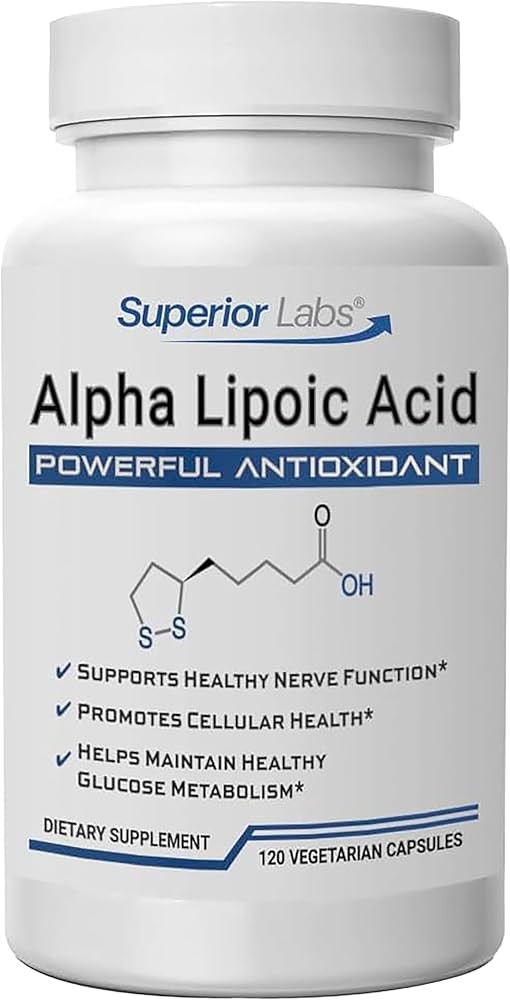
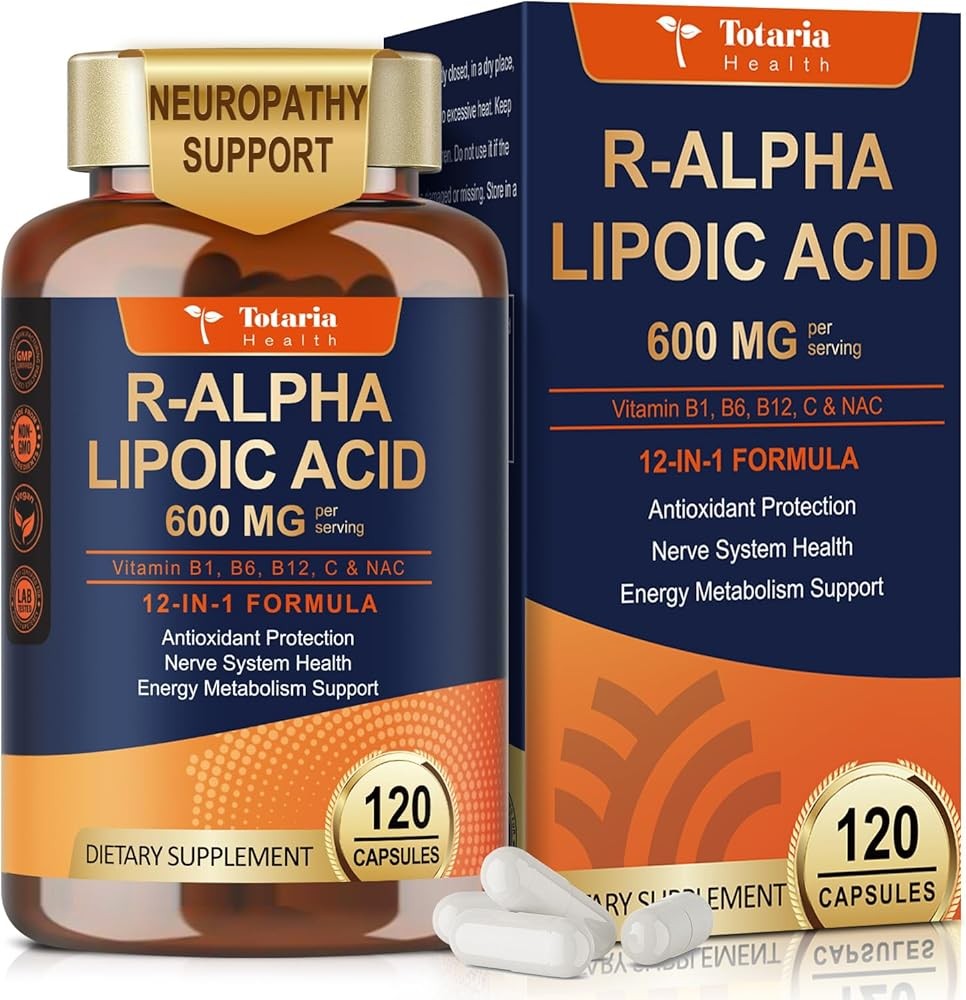
Diabetic neuropathy affects roughly half of people with diabetes over their lifetime, and drug options often manage symptoms incompletely. Alpha lipoic acid (ALA) is one of the better-studied supplements for this problem: landmark European trials (ALADIN, SYDNEY, SYDNEY 2, NATHAN 1) tested 600mg daily and reported meaningful improvements in neuropathy symptoms, and it is an approved treatment for diabetic neuropathy in Germany. The best-studied product format is plain 600mg racemic ALA, which the Superior Labs product reviewed below matches exactly at about $18/month; generic equivalents cost $10-15/month. Stabilized R-lipoic acid (the form our bodies actually use) achieves roughly twice the oral bioavailability, so 300mg R-ALA approximates 600mg racemic, at roughly twice the price. Here’s what the published research shows about mechanisms, dosing protocols, and who benefits most.
Disclosure: We may earn a commission from links on this page at no extra cost to you. Affiliate relationships never influence our ratings. Full policy →


What Does Decades of Clinical Research Show About Alpha Lipoic Acid?
Alpha lipoic acid is one of those supplements that occupies an unusual space. It has real clinical data behind it, including large randomized controlled trials and regulatory approval as a prescription medication in parts of Europe. But in the United States, it sits on supplement shelves next to compounds with far less evidence, and most people who take it have no idea how strong the research actually is or how to use it properly.
The clinical interest in alpha lipoic acid centers on two primary areas: diabetic neuropathy and blood sugar control. In Germany, intravenous alpha lipoic acid has been prescribed for diabetic neuropathy since the 1960s. The research has expanded dramatically since then, with landmark randomized trials (ALADIN, SYDNEY, NATHAN 1) establishing its efficacy for nerve-related symptoms (PubMed 8786016, PubMed 21775755) and growing evidence supporting its role in glucose metabolism and insulin sensitivity.
But the supplement world has also generated plenty of noise around alpha lipoic acid. Claims about weight loss, anti-aging, heavy metal detoxification, and cognitive enhancement are common. Some of these have preliminary support. Others are extrapolations from test tube studies that have never been confirmed in humans.
This article examines what the clinical trials actually show. We will cover the biochemistry of how ALA works, the major human trials on neuropathy and blood sugar, the practical differences between supplement forms, evidence-based dosing, side effects, drug interactions, and who is most likely to benefit. No hype. Just the data.
| Feature | Superior Labs 600mg | Totaria R-ALA 600mg |
|---|---|---|
| Form | Racemic ALA (50/50 R/S) | Stabilized R-lipoic acid (sodium R-lipoate) |
| Dose | 600mg | 600mg (300mg approx. equals 600mg racemic) |
| Clinical match | Matches ALADIN/SYDNEY/NATHAN 1 dose | Bioequivalent to trial dose at half the amount |
| Third-party testing | USP verified | Yes |
| Best for | Evidence-based standard | Higher absorption per milligram |
| Price (approx.) | $18/month | $40/month |
What Is Alpha Lipoic Acid and How Does It Differ from Other Antioxidants?
Alpha lipoic acid, sometimes called thioctic acid, is a sulfur-containing compound that functions as a coenzyme in mitochondrial energy metabolism. It is synthesized naturally in small amounts by human cells, where it plays an essential role in the citric acid cycle, the process by which cells convert nutrients into ATP (adenosine triphosphate), the fundamental energy currency of biology.
What makes alpha lipoic acid unusual among antioxidants is its dual solubility. Most antioxidants are either water-soluble (like vitamin C) or fat-soluble (like vitamin E). Alpha lipoic acid is both. This amphipathic property means it can function in virtually every tissue and cellular compartment, crossing cell membranes and the blood-brain barrier with relative ease. This is not just a theoretical advantage. It means ALA can exert antioxidant effects in contexts where other antioxidants cannot reach.
What Is the Difference Between R-Form and S-Form ALA?
Alpha lipoic acid exists in two mirror-image forms, called enantiomers: R-lipoic acid (R-LA) and S-lipoic acid (S-LA). This distinction matters for supplementation.
R-lipoic acid is the form produced naturally by the body. It is the biologically active enantiomer and the form that participates in mitochondrial enzyme complexes. When researchers refer to the endogenous functions of lipoic acid, they are referring to the R-form.
S-lipoic acid is a synthetic byproduct of the chemical manufacturing process. It does not occur naturally in the body and has minimal biological activity. Some research suggests the S-form may actually interfere with certain biological effects of the R-form, though this remains debated.
Most commercial alpha lipoic acid supplements and most clinical trials use racemic ALA, a 50/50 mixture of R-LA and S-LA. This is important context when evaluating dosing. When a clinical trial uses 600mg of racemic ALA, only approximately 300mg of that is the active R-form.
Stabilized R-lipoic acid supplements have become increasingly available, and pharmacokinetic data suggests they produce higher peak blood levels than equivalent doses of racemic ALA. Research on alpha lipoic acid has shown that R-lipoic acid formulations can achieve peak plasma concentrations 40-50% higher than racemic ALA at the same dose, with a shorter time to peak concentration. However, nearly all of the large-scale clinical trials that established ALA’s efficacy used the racemic form, so the dosing recommendations from those trials apply specifically to racemic ALA.
Why Is ALA More Than Just an Antioxidant?
While alpha lipoic acid is commonly categorized as an antioxidant supplement, this description undersells its biological activity. ALA functions through at least four distinct mechanisms that are relevant to its clinical effects:
-
Direct free radical scavenging: ALA and its reduced form, dihydrolipoic acid (DHLA), directly neutralize reactive oxygen species (ROS) including hydroxyl radicals, hypochlorous acid, peroxynitrite, and singlet oxygen.
-
Regeneration of other antioxidants: This is one of ALA’s most distinctive properties. DHLA can regenerate (recycle) oxidized forms of vitamin C, vitamin E, coenzyme Q10, and glutathione. By restoring these antioxidants to their active forms, ALA effectively amplifies the entire antioxidant defense network.
-
Metal chelation: ALA chelates (binds) transition metals including iron, copper, and zinc. By sequestering free metal ions, it reduces the risk of them from catalyzing Fenton reactions that generate the highly damaging hydroxyl radical. This chelation activity is one reason ALA has been studied for heavy metal exposure, though the human clinical evidence for this application remains limited.
-
Cell signaling modulation: ALA activates the Nrf2 (nuclear factor erythroid 2-related factor 2) signaling pathway, which upregulates the expression of endogenous antioxidant enzymes and phase II detoxification enzymes. This means ALA does not just scavenge free radicals directly. It also boosts the body’s own antioxidant production machinery.
These overlapping mechanisms explain why ALA has such broad effects across multiple tissues and disease states. It is not doing one thing. It is doing several things simultaneously, all of which converge on reducing oxidative stress and improving cellular function.
Bottom line: Alpha lipoic acid is both water- and fat-soluble, reaches peak plasma concentrations 40-50% higher with R-lipoic acid than racemic forms, and works through four distinct mechanisms including direct free radical scavenging and regeneration of vitamins C, E, CoQ10, and glutathione.
How Does Alpha Lipoic Acid Affect Blood Sugar at the Cellular Level?
The blood sugar effects of alpha lipoic acid have been studied extensively at the molecular level, and the mechanisms are well characterized. Understanding them helps explain both the benefits and the limitations of ALA for metabolic health.
How Does ALA Enhance Insulin Signaling?
The primary mechanism through which ALA improves blood sugar is enhancement of insulin signaling. ALA activates the insulin signaling cascade at multiple points:
- IRS-1 phosphorylation: ALA increases phosphorylation of insulin receptor substrate 1, the first downstream step after insulin binds to its receptor. This has been demonstrated in both animal models and human skeletal muscle.
- PI3K/Akt pathway activation: ALA stimulates the phosphatidylinositol 3-kinase (PI3K) and protein kinase B (Akt) pathway, which is the central signaling cascade that mediates insulin’s effects on glucose uptake.
- GLUT4 translocation: The end result of insulin signaling pathway activation is the movement of GLUT4 glucose transporters from intracellular storage vesicles to the cell surface. Research demonstrates that ALA promotes this translocation, increasing the number of glucose transporters available to pull sugar out of the blood and into muscle and fat cells.
Research has demonstrated that ALA stimulates glucose uptake in both insulin-sensitive and insulin-resistant human skeletal muscle cells. Notably, ALA’s glucose uptake effects were additive with insulin, meaning they enhanced rather than merely duplicated insulin’s action.
How Does ALA Activate AMPK?
Like berberine and metformin, alpha lipoic acid activates AMP-activated protein kinase (AMPK), the cellular energy sensor that coordinates metabolic responses. AMPK activation by ALA (PubMed 41394816) has been documented in skeletal muscle, liver, and adipose tissue. The downstream effects include:
- Increased glucose uptake independent of insulin
- Suppressed hepatic glucose output (gluconeogenesis)
- Enhanced fatty acid oxidation
- Improved mitochondrial biogenesis
A study published in Archives of Biochemistry and Biophysics demonstrated that ALA-mediated AMPK activation in hypothalamic neurons also reduces appetite, providing a potential mechanism for the modest weight loss observed in some clinical trials.
Can ALA Reduce Oxidative Stress in Pancreatic Beta Cells?
Chronic hyperglycemia generates excessive reactive oxygen species that damage pancreatic beta cells, the cells responsible for producing insulin. This oxidative damage is a key driver of progressive beta cell failure in type 2 diabetes. By reducing oxidative stress in pancreatic tissue, ALA may help preserve beta cell function over time.
This is a particularly interesting mechanism because it suggests ALA’s benefits may extend beyond symptom management to actual disease modification, though long-term human data specifically examining beta cell preservation with ALA supplementation is still limited.
Does ALA Reduce Advanced Glycation End Products (AGEs)?
Alpha lipoic acid has been shown to reduce the formation of advanced glycation end products (AGEs) (PubMed 41400270), which are harmful compounds formed when proteins or fats become glycated through exposure to excess sugar. AGEs contribute to the vascular complications of diabetes, including retinopathy, nephropathy, and atherosclerosis. By reducing AGE formation, ALA may provide vascular protection beyond its direct effects on blood sugar levels.
Bottom line: ALA stimulates glucose uptake in skeletal muscle by activating GLUT4 transporters and enhancing insulin signaling through IRS-1 phosphorylation and PI3K/Akt pathways (PubMed 41648644), with effects additive to insulin rather than duplicative.
What Do Clinical Trials Show About ALA’s Effects on Blood Sugar Control?
The clinical evidence for ALA’s effects on blood sugar is solid but not as dramatic as what has been documented for berberine or prescription medications. The effects are consistently positive but modest in magnitude.
What Did the Konrad et al. Placebo-Controlled Trial (1999) Find?
One of the earlier well-designed trials examining ALA’s effects on glucose disposal was published in Diabetes Care in 1999. This randomized, placebo-controlled study enrolled 74 patients with type 2 diabetes and randomized them to receive oral ALA at doses of 600mg, 1,200mg, or 1,800mg daily, or placebo, for 4 weeks.
The results showed:
- Insulin-stimulated glucose disposal increased by approximately 27% in all three ALA groups compared to placebo
- There was no significant dose-response relationship between 600mg and 1,800mg, suggesting that 600mg captures most of the benefit
- Fasting blood glucose decreased modestly in the ALA groups
The finding that 600mg was as effective as 1,800mg is clinically important. It established 600mg daily as the target dose for metabolic effects and demonstrated that taking more does not necessarily produce greater benefit.
What Did the Jacob et al. Study on Insulin Sensitivity (1999) Reveal?
Published in Free Radical Biology and Medicine, this study examined ALA’s effects on insulin sensitivity in patients with type 2 diabetes using the gold-standard glucose clamp technique. After intravenous ALA administration (1,000mg), insulin-mediated glucose disposal increased by approximately 50% compared to placebo.
This study is notable because the glucose clamp technique is the most precise way to measure insulin sensitivity, and the magnitude of improvement was substantial. However, the intravenous route of administration limits direct applicability to oral supplementation, as oral bioavailability of ALA is considerably lower.
What Does the Meta-Analysis Evidence Show?
Systematic reviews and meta-analyses (PubMed 41619689) have pooled data from randomized controlled trials examining oral ALA supplementation and glycemic parameters. The analysis found that ALA supplementation significantly reduced:
- Fasting blood glucose: Weighted mean difference of -10.13 mg/dL (95% CI: -15.18 to -5.09; P < 0.001)
- HbA1c: Weighted mean difference of -0.35% (95% CI: -0.55 to -0.15; P = 0.001)
- Fasting insulin: Significant reduction with moderate heterogeneity across studies
- HOMA-IR: Significant reduction, indicating improved insulin resistance
A fasting glucose reduction of approximately 10 mg/dL and an HbA1c reduction of 0.35% are clinically meaningful but modest. For context, metformin typically reduces HbA1c by 1.0-1.5% and berberine by approximately 2.0% in comparable populations. ALA’s blood sugar effects are real but smaller in magnitude than dedicated glucose-lowering agents.
Does ALA Work in Non-Diabetic Populations?
ALA’s blood sugar effects are most pronounced in people with existing insulin resistance or diabetes. In healthy individuals with normal glucose metabolism, the effects are minimal. A study in healthy volunteers found no significant changes in glucose disposal after ALA supplementation, suggesting the compound primarily helps correct metabolic dysfunction rather than enhancing already-normal glucose handling.
This is actually a positive feature from a safety standpoint. Unlike some glucose-lowering agents that can cause hypoglycemia in normal individuals, ALA’s insulin-sensitizing effects appear to be self-limiting in people who do not have underlying insulin resistance.
Can ALA Be Combined with Other Glucose-Lowering Supplements?
Some research has examined ALA in combination with other metabolically active supplements. A study published in Nutrition Research found that combining ALA with chromium picolinate produced additive improvements in insulin sensitivity in patients with type 2 diabetes, suggesting potential benefit from combination protocols.
However, combination supplement studies are inherently harder to interpret because it becomes difficult to attribute effects to individual components. The safest conclusion is that ALA’s blood sugar effects are moderate when used alone and may be enhanced in combination with other evidence-based interventions.
Bottom line: Meta-analysis data shows ALA supplementation reduces fasting blood glucose by approximately 10 mg/dL and HbA1c by 0.35%, with the optimal dose established at 600mg daily since higher doses (1,200-1,800mg) provided no additional benefit.
Why Is the Evidence for ALA in Diabetic Neuropathy So Strong?
If there is one clinical application where alpha lipoic acid’s evidence is genuinely compelling, it is diabetic peripheral neuropathy. This is the area with the largest trials, the most consistent results, and actual regulatory recognition in parts of Europe.
Diabetic neuropathy affects an estimated 50% of people with diabetes over their lifetime. It manifests as pain, burning, tingling, numbness, and loss of sensation, most commonly in the feet and legs. It can progress to serious complications including foot ulcers, infections, and amputation. Current pharmaceutical treatments for diabetic neuropathy primarily manage symptoms (gabapentin, pregabalin, duloxetine) without addressing the underlying nerve damage. ALA is one of very few compounds (PubMed 41058457) shown to target the oxidative stress that drives neuropathic damage.
What Did the ALADIN Trial (1995) Demonstrate?
The Alpha-Lipoic Acid in Diabetic Neuropathy (ALADIN) trial was the first large-scale, multicenter, randomized, double-blind, placebo-controlled study of intravenous ALA for diabetic neuropathy. Conducted across multiple centers in Germany, this trial enrolled 328 patients with type 2 diabetes and symptomatic peripheral neuropathy.
Patients were randomized to receive intravenous ALA at doses of 100mg, 600mg, or 1,200mg daily, or placebo, for 3 weeks (15 infusions total). The primary outcome was the Total Symptom Score (TSS), which assessed four key neuropathy symptoms: pain, burning, paresthesia (tingling), and numbness.
Results:
- The 600mg and 1,200mg groups showed significant improvement in TSS compared to placebo
- The 100mg group did not differ significantly from placebo, establishing a minimum effective dose
- The 600mg dose produced a 58.6% reduction in TSS compared to a 25.6% reduction in the placebo group
- The 1,200mg dose was not significantly more effective than 600mg but had more side effects
This trial established 600mg as the optimal dose for neuropathy treatment and demonstrated that ALA’s effects exceeded what could be explained by placebo response alone.
What Did the ALADIN II Trial (1999) Show About Long-Term Use?
The ALADIN II trial, published in Free Radical Research, examined longer-term oral and intravenous ALA for neuropathy. This study randomized 65 patients with diabetic polyneuropathy to receive either oral ALA 600mg daily, oral ALA 1,200mg daily, or placebo for 24 months.
After 2 years:
- Nerve conduction velocity in the sural nerve improved significantly in both ALA groups compared to placebo
- Sensory nerve action potential amplitude also improved, suggesting actual nerve fiber recovery rather than merely symptom suppression
- The improvements were evident in objective neurophysiological measurements, not just self-reported symptoms
The significance of ALADIN II is that it demonstrated ALA does not just mask neuropathy symptoms. It appears to produce measurable improvements in nerve function, suggesting genuine neuroprotective or neuroregenerative effects.
What Did the ALADIN III Trial Find?
ALADIN III was a larger trial that examined a sequential treatment approach: 3 weeks of intravenous ALA (600mg daily) followed by 6 months of oral ALA (600mg three times daily, totaling 1,800mg per day) in 509 patients with diabetic neuropathy. The study found significant improvements in neuropathic symptoms during the intravenous phase, though the subsequent oral phase showed only a trend toward improvement in the primary endpoint, the Neuropathy Impairment Score (NIS).
This trial highlighted an important nuance: intravenous ALA produces faster, more robust symptom relief than oral ALA, likely due to the dramatically higher bioavailability achieved through intravenous delivery. Oral ALA has a bioavailability of only approximately 20-38%, meaning 60-80% of what you swallow never reaches the bloodstream.
What Were the SYDNEY Trial Results?
The Symptomatic Diabetic Neuropathy (SYDNEY) trial was a pivotal randomized, double-blind, placebo-controlled study that randomized 120 patients with symptomatic diabetic neuropathy to receive intravenous ALA 600mg daily or placebo for 14 treatments over 3 weeks.
Results were decisive:
- TSS decreased by 5.72 points in the ALA group versus 1.83 points in the placebo group (P < 0.001)
- Significant improvements occurred in all four individual symptoms: pain, burning, paresthesia, and numbness
- The responder rate (50% or greater reduction in TSS) was 73.5% with ALA versus 18.2% with placebo
- Effects were rapid, with meaningful separation from placebo within the first week of treatment
The SYDNEY trial is one of the most compelling pieces of evidence for ALA in neuropathy. A responder rate of 73.5% compared to 18.2% for placebo is a large and clinically meaningful difference.
What Did the SYDNEY 2 Trial Prove About Oral ALA?
The SYDNEY 2 trial was designed specifically to evaluate oral ALA for diabetic neuropathy, addressing the question of whether oral supplementation (more accessible than IV infusions) could produce meaningful benefits. This trial randomized 181 patients to receive oral ALA at 600mg, 1,200mg, or 1,800mg daily, or placebo, for 5 weeks.
Results:
- All three ALA doses significantly improved TSS compared to placebo
- The 600mg dose reduced TSS by 51% from baseline
- Higher doses did not produce significantly greater improvement
- The number needed to address (NNT) at 600mg was 3.8, meaning for roughly every 4 patients treated, one additional patient experienced meaningful benefit beyond placebo
- The 1,200mg and 1,800mg doses produced more gastrointestinal side effects without additional efficacy
SYDNEY 2 is critically important because it established that oral ALA at just 600mg daily produces clinically significant neuropathy improvement. This means the benefits are accessible through standard oral supplementation, not just IV infusions.
What Did the NATHAN 1 Trial Reveal Over 4 Years?
The Neurological Assessment of Thioctic Acid in Neuropathy (NATHAN 1) trial is the longest and largest controlled trial of ALA for neuropathy. It enrolled 460 patients with mild-to-moderate diabetic polyneuropathy and randomized them to receive oral ALA 600mg daily or placebo for 4 years (PubMed 40501262).
Results:
- Neuropathic impairments (NIS score) improved with ALA and worsened with placebo, with a statistically significant between-group difference (P = 0.028)
- Composite endpoint of NIS plus 7 neurophysiological tests showed significant improvement with ALA (P = 0.013)
- Nerve conduction studies showed a trend toward preservation with ALA
- The progression rate of neuropathy was lower in the ALA group
NATHAN 1 is significant for two reasons. First, it demonstrated that ALA’s benefits persist over 4 years of continuous use, addressing concerns about tolerance or diminishing returns. Second, it showed that ALA may slow the actual progression of neuropathic impairment, not just address symptoms. This positions ALA as potentially disease-modifying, not merely symptomatic.
What Do Meta-Analyses and Systematic Reviews Conclude?
Comprehensive meta-analyses (PubMed 39641383) have pooled data from over 1,200 participants across the ALADIN, ALADIN III, SYDNEY, and NATHAN 1 trials. The pooled analysis found that intravenous ALA 600mg daily for 3 weeks produced clinically meaningful and statistically significant improvement in neuropathic symptoms, with an effect size that exceeded the threshold for clinical relevance.
A 2022 Cochrane-style systematic review found moderate-quality evidence supporting ALA for diabetic neuropathy symptoms, with the strongest evidence for intravenous administration and adequate evidence for oral dosing at 600mg daily.
How Does ALA Protect Nerves at the Molecular Level?
The mechanism connecting ALA to neuroprotection is well established at the molecular level. Diabetic neuropathy is driven primarily by hyperglycemia-induced oxidative stress in peripheral nerve tissue. Excess glucose activates multiple damaging pathways:
- Polyol pathway activation: Excess glucose is converted to sorbitol by aldose reductase, depleting NADPH and reducing glutathione availability
- Advanced glycation end products (AGEs): Glucose-modified proteins activate inflammatory receptors (RAGE) on nerve tissue
- Protein kinase C (PKC) activation: Diacylglycerol accumulation activates PKC isoforms that promote vascular dysfunction in the vasa nervorum (the blood vessels that supply nerves)
- Hexosamine pathway flux: Excess glucose diverts through the hexosamine pathway, producing molecules that modify gene expression and protein function in nerve cells
ALA addresses this oxidative damage through its combined antioxidant mechanisms: direct ROS scavenging, glutathione regeneration, metal chelation, and Nrf2 activation. It also improves endoneurial blood flow (PubMed 41191982) (blood supply to peripheral nerves) and has been shown to reduce NF-kB activation in dorsal root ganglion neurons, the cell bodies of peripheral sensory nerves.
This multi-targeted approach to the oxidative cascade driving neuropathy explains why ALA’s effects in clinical trials have been more consistent and larger in magnitude than its blood sugar effects. It is addressing the root cause of nerve damage, not just a secondary metabolic parameter.
Bottom line: Across over 1,200 participants in ALADIN, SYDNEY, and NATHAN 1 trials (PubMed 39497372), ALA 600mg daily produced 58.6% reduction in Total Symptom Score with a 73.5% responder rate (50%+ symptom reduction) versus 18.2% placebo, and demonstrated measurable nerve conduction velocity improvements over 2-4 years.
What Other Health Conditions Has ALA Been Studied For?
While neuropathy and blood sugar represent the strongest clinical evidence for ALA, research has explored several other applications with varying degrees of support.
Can ALA Help with Weight Loss?
Research on ALA supplementation for weight loss has examined doses of 1,800mg per day in obese individuals without diabetes over 20 weeks. Studies have shown modest weight loss effects, with ALA groups losing an average of 2.1% of body weight compared to 0.8% in placebo groups, a statistically significant but clinically modest difference amounting to roughly 2-3 pounds of additional weight loss.
The weight loss effect appears to be mediated through AMPK activation in hypothalamic appetite centers and increased energy expenditure via mitochondrial uncoupling. However, the magnitude of weight loss is too small to recommend ALA as a primary weight loss intervention. It may provide a modest adjunct benefit in people taking it for other indications.
Does ALA Improve Cardiac Autonomic Neuropathy?
The DEKAN study (Deutsche Kardiale Autonome Neuropathie) examined ALA for cardiac autonomic neuropathy, a serious diabetic complication affecting heart rate variability and cardiovascular reflexes. This study found that oral ALA 800mg daily for 4 months significantly improved heart rate variability compared to placebo, suggesting improvement in cardiac autonomic function.
This finding is clinically relevant because cardiac autonomic neuropathy is associated with increased cardiovascular mortality in diabetic patients, and few treatments have demonstrated benefit for this specific complication.
Is There Evidence for ALA in Multiple Sclerosis?
Preliminary clinical trials have examined ALA in multiple sclerosis (MS), based on its anti-inflammatory and neuroprotective properties. Research has investigated oral ALA 1,200mg daily for 2 years in patients with secondary progressive MS, with some studies suggesting potential neuroprotective effects. While these findings are preliminary and require replication in larger trials, they have generated interest in the neurology community.
Can ALA Help with Carpal Tunnel Syndrome?
Several small trials have examined oral ALA for carpal tunnel syndrome, another form of peripheral neuropathy (though not diabetic in origin). Results have been mixed, with some studies showing improvement in nerve conduction velocity and symptom scores, while others found no significant benefit. The evidence is insufficient to make definitive recommendations for this indication.
Does ALA Benefit Women with Polycystic Ovary Syndrome (PCOS)?
A randomized controlled trial examined ALA (600mg daily) in women with PCOS, a condition characterized by insulin resistance, hormonal imbalance, and metabolic dysfunction. The study found improvements in insulin sensitivity and menstrual regularity, consistent with ALA’s known effects on glucose metabolism. However, the trial was small, and larger studies are needed before ALA can be recommended specifically for PCOS.
Bottom line: Preliminary evidence suggests ALA 1,800mg daily produces 2.1% body weight loss versus 0.8% placebo, 800mg daily improves cardiac autonomic function in diabetics, and 1,200mg daily has been studied for neuroprotective effects in secondary progressive MS, though all findings require replication in larger trials.
Why Is ALA’s Oral Bioavailability Such a Challenge?
One of the most important practical considerations with alpha lipoic acid supplementation is its relatively poor oral bioavailability. Understanding this issue is essential for making informed decisions about dosing and formulation.
Why Is ALA’s Oral Absorption So Low?
When you swallow a capsule of alpha lipoic acid, only about 20-38% of the dose reaches your bloodstream. The rest is lost to first-pass hepatic metabolism (breakdown by the liver before reaching systemic circulation) and variable absorption from the gastrointestinal tract.
Several factors affect oral ALA bioavailability:
- Food dramatically reduces absorption: ALA is best absorbed on an empty stomach. A study in European Journal of Clinical Pharmacology found that food reduced ALA’s peak plasma concentration by approximately 30-40% and delayed absorption. Taking ALA 30-60 minutes before a meal maximizes absorption.
- Rapid metabolism: ALA has a short plasma half-life of approximately 30 minutes. It is rapidly taken up by tissues and metabolized, meaning blood levels spike quickly and then decline. This rapid turnover is one reason some practitioners recommend divided doses.
- High inter-individual variability: Pharmacokinetic studies show significant person-to-person variation in ALA absorption, with some individuals absorbing 2-3 times more than others from the same dose. This variability may explain some of the heterogeneity in clinical trial results.
How Does R-Lipoic Acid Compare to Racemic ALA for Bioavailability?
Pharmacokinetic studies consistently show that R-lipoic acid achieves higher plasma concentrations than racemic ALA at equivalent doses. A study published in Alternative Medicine Review found that stabilized R-lipoic acid (as sodium R-lipoate) reached peak plasma concentrations 40-50% higher than racemic ALA, with a shorter time to peak concentration and greater total absorption (AUC, area under the curve).
This means that 300mg of R-lipoic acid may produce comparable or greater blood levels than 600mg of racemic ALA. In theory, this should translate to equivalent or better clinical effects at lower doses. However, this has not been proven in large controlled trials because almost all of the major neuropathy and blood sugar trials used racemic ALA.
This creates a practical dilemma for consumers. R-lipoic acid has better pharmacokinetics, but racemic ALA has the clinical trial evidence. The most evidence-based approach is to use racemic ALA at clinically validated doses. Those who prefer R-lipoic acid can reasonably use approximately half the racemic dose, but should understand this dosing equivalence is based on pharmacokinetic extrapolation rather than direct clinical trial comparison.
Do Stabilized Forms Offer Enhanced Bioavailability?
Pure R-lipoic acid is inherently unstable and can polymerize (form larger molecular chains) at room temperature, reducing its potency over time. Most R-lipoic acid supplements use stabilized forms, typically as sodium or potassium salts of R-lipoic acid (sodium R-lipoate, potassium R-lipoate). These salt forms are more stable and dissolve more readily, improving both shelf life and absorption.
Some supplement manufacturers market proprietary formulations with enhanced bioavailability, using techniques like microencapsulation, cyclodextrin complexation, or controlled-release matrices. While some of these formulations show improved pharmacokinetic profiles in small studies, none have been tested in the large-scale clinical trials that established ALA’s efficacy. Their clinical superiority over standard formulations remains unproven.
Bottom line: Oral ALA has only 20-38% bioavailability with a 30-minute plasma half-life, and food reduces absorption by 30-40%, requiring empty-stomach dosing 30-60 minutes before meals for optimal absorption.
What Is the Optimal Dose of ALA Based on Clinical Research?
Dosing recommendations for alpha lipoic acid should be anchored in clinical trial data, not manufacturer marketing. The evidence provides fairly clear guidance, though the optimal approach depends on the indication.
What Is the Best Dose for Diabetic Neuropathy?
The clinical trial evidence strongly supports 600mg of racemic ALA daily as the optimal oral dose for diabetic neuropathy:
- The SYDNEY 2 trial demonstrated that 600mg, 1,200mg, and 1,800mg all produced significant symptom improvement, but 600mg was as effective as higher doses with fewer side effects
- The NATHAN 1 trial used 600mg daily for 4 years with sustained benefit
- The ALADIN trial established 600mg intravenous as the optimal IV dose
Recommended oral protocol: 600mg racemic ALA once daily, taken 30-60 minutes before breakfast on an empty stomach. Some practitioners recommend splitting into 300mg twice daily to maintain more stable blood levels given ALA’s short half-life, though the clinical trials demonstrating efficacy used once-daily dosing.
For more severe neuropathy, some integrative physicians recommend an initial intravenous loading period (600mg IV daily for 2-3 weeks) followed by maintenance oral dosing, mirroring the ALADIN III protocol. However, IV ALA requires medical supervision and is not widely available outside of integrative medicine clinics and certain European healthcare settings.
What Is the Best Dose for Blood Sugar Control?
For insulin sensitivity and blood sugar effects, the evidence supports 600mg of racemic ALA daily:
- The Konrad et al. trial showed 600mg was as effective as 1,200mg and 1,800mg for improving insulin-stimulated glucose disposal
- Meta-analyses showing fasting glucose and HbA1c reductions included trials using 600mg daily as the most common dose
What About Dosing for General Antioxidant Support?
There is no well-established dose specifically for general antioxidant support. Most clinical trials have used 600mg daily regardless of indication. Some authors suggest lower doses of 200-300mg daily may be sufficient for general antioxidant purposes, but this has not been rigorously tested in controlled trials.
How Should You Dose R-Lipoic Acid?
Based on pharmacokinetic data showing approximately 40-50% higher bioavailability, a reasonable dose of stabilized R-lipoic acid would be 300mg daily to approximate the blood levels achieved by 600mg of racemic ALA. However, this is an extrapolation, not a directly validated clinical dose.
When and How Should You Take ALA?
- Take on an empty stomach, 30-60 minutes before eating. Food significantly reduces absorption.
- If splitting doses, take 300mg before breakfast and 300mg before lunch or dinner.
- Do not take with mineral supplements containing iron, as ALA chelates metals and may reduce absorption of both the mineral and ALA.
- Be consistent. The clinical trials demonstrating benefit all required sustained daily use over weeks to months.
Bottom line: Clinical trials consistently demonstrate 600mg racemic ALA once daily (or 300mg R-lipoic acid) taken on an empty stomach is the optimal dose for both neuropathy and blood sugar effects, with higher doses producing no additional benefit but more gastrointestinal side effects.
What Are the Side Effects and Is ALA Safe for Long-Term Use?
Alpha lipoic acid has a generally favorable safety profile based on decades of clinical use and multiple large controlled trials. However, it is not without risks, and certain populations need to exercise caution.
What Are the Most Common Side Effects of ALA?
The most frequently reported side effects in clinical trials include:
- Gastrointestinal symptoms: Nausea, vomiting, and stomach discomfort are the most common adverse effects, reported in approximately 10-15% of patients at 600mg daily and increasing at higher doses. These effects are usually mild and often resolve with continued use.
- Skin reactions: Allergic skin reactions, including rash and urticaria (hives), have been reported rarely.
- Headache: Mild headache is occasionally reported, particularly at higher doses.
The SYDNEY 2 trial provided clear dose-dependent safety data. At 600mg daily, the incidence of adverse events was similar to placebo. At 1,200mg and 1,800mg daily, gastrointestinal side effects increased significantly without additional efficacy. This reinforces 600mg as the optimal dose from both an efficacy and tolerability standpoint.
How Serious Is the Hypoglycemia Risk with ALA?
Because ALA improves insulin sensitivity and enhances glucose disposal, it can lower blood sugar. In people taking diabetes medications, particularly insulin or sulfonylureas, adding ALA may increase the risk of hypoglycemia. This is not a theoretical concern. Cases of symptomatic hypoglycemia have been reported when ALA was added to existing diabetes treatment regimens.
Practical management:
- Inform your physician before starting ALA if you take any glucose-lowering medication
- Monitor blood glucose more frequently during the first 2-4 weeks of ALA supplementation
- Your doctor may need to reduce the dose of insulin or oral diabetes medications
- Symptoms of hypoglycemia (shakiness, sweating, confusion, rapid heartbeat) should prompt immediate glucose monitoring
Can ALA Deplete Thiamine (Vitamin B1)?
ALA increases the metabolic utilization of thiamine (vitamin B1). In animal studies, high-dose ALA supplementation depleted thiamine levels. While clinically significant thiamine deficiency from ALA supplementation in well-nourished humans is unlikely, some practitioners recommend concurrent B-complex supplementation, particularly in people with marginal nutritional status, heavy alcohol use, or bariatric surgery history.
Does ALA Interfere with Thyroid Hormones?
In vitro studies have shown that ALA can inhibit the conversion of T4 (thyroxine) to T3 (triiodothyronine) by inhibiting the type 1 deiodinase enzyme. Some clinical reports suggest ALA may lower T3 levels in supplementing individuals. People with hypothyroidism or those taking thyroid replacement medication should have their thyroid function monitored when starting ALA supplementation. Dose adjustments of thyroid medication may be necessary.
What Is Insulin Autoimmune Syndrome and How Does ALA Relate to It?
There are case reports, predominantly from Japan, of ALA supplementation triggering insulin autoimmune syndrome (Hirata disease), a condition in which the body produces antibodies against its own insulin, causing severe hypoglycemia. This appears to be associated with specific HLA genotypes (particularly HLA-DRB1*0406) that are more common in Japanese and Korean populations.
While this is an extremely rare adverse effect, it highlights that ALA is a biologically active compound with real pharmacological effects. If unexplained episodes of severe hypoglycemia occur after starting ALA supplementation, insulin autoimmune syndrome should be considered.
Is ALA Safe During Pregnancy and Breastfeeding?
There is insufficient human safety data for ALA supplementation during pregnancy and breastfeeding. Animal reproductive toxicity studies have not shown teratogenic effects at standard doses, but the absence of adequate human data means ALA should generally be avoided during pregnancy and lactation unless the potential benefits clearly outweigh the unknown risks.
What Happens in Cases of ALA Overdose?
ALA has a wide therapeutic window, but acute overdose can be serious. Case reports of intentional ALA overdose (typically in suicide attempts with doses exceeding 5,000mg) have documented severe lactic acidosis, multi-organ failure, and death. These extreme cases are not relevant to normal supplementation but underscore that ALA is pharmacologically active and should be treated with the same respect as any other compound that affects physiology.
Bottom line: At 600mg daily, ALA’s adverse event rate matches placebo with gastrointestinal side effects (nausea, stomach discomfort) occurring in 10-15% of users, while rare but important risks include hypoglycemia in diabetes medication users and potential thyroid hormone reduction requiring monitoring.
What Medications Interact with Alpha Lipoic Acid?
Alpha lipoic acid interacts with several classes of medications. These interactions are generally manageable with proper monitoring but must be considered before starting supplementation.
How Does ALA Interact with Diabetes Medications?
As discussed above, ALA enhances insulin sensitivity and may potentiate the effects of:
- Insulin (all formulations)
- Sulfonylureas (glipizide, glyburide, glimepiride)
- Metformin (additive blood sugar lowering)
- Thiazolidinediones (pioglitazone, rosiglitazone)
- GLP-1 receptor agonists (semaglutide, liraglutide, tirzepatide)
- SGLT2 inhibitors (empagliflozin, dapagliflozin, canagliflozin)
The interaction is pharmacodynamic (both compounds lower blood sugar through complementary mechanisms) rather than pharmacokinetic (ALA does not significantly alter the metabolism of these drugs). The practical implication is increased hypoglycemia risk requiring closer blood sugar monitoring and potential medication dose adjustment.
Does ALA Affect Thyroid Medications?
ALA may reduce thyroid hormone levels by inhibiting T4-to-T3 conversion. Patients taking levothyroxine (Synthroid, Levoxyl) or liothyronine (Cytomel) should have thyroid function tests (TSH, free T3, free T4) monitored when starting ALA supplementation. Thyroid medication dosing adjustments may be necessary.
Should You Take ALA with Chemotherapy Agents?
ALA’s potent antioxidant activity raises theoretical concerns about interactions with chemotherapy drugs that work by generating oxidative stress to combat cancer cells (e.g., alkylating agents, platinum compounds, anthracyclines). While some preclinical research suggests ALA might actually enhance certain chemotherapy effects while protecting normal tissues, this is an area of active research and controversy. Cancer patients should not take ALA without explicit oncologist approval.
Does ALA Interact with Iron and Other Mineral Supplements?
ALA chelates metal ions, which can reduce the absorption and bioavailability of iron, copper, zinc, and other mineral supplements. If you take mineral supplements:
- Separate ALA and mineral supplement doses by at least 2-3 hours
- Take minerals with food and ALA on an empty stomach, which naturally separates them
- Monitor iron levels if you take ALA chronically and have a history of iron deficiency
How Does Alcohol Affect ALA Use?
Both ALA and alcohol are metabolized by the liver, and chronic alcohol use can impair ALA metabolism. Additionally, chronic alcohol use depletes thiamine, and ALA may further increase thiamine utilization. People with significant alcohol consumption should be particularly attentive to thiamine status if taking ALA.
Bottom line: ALA enhances insulin sensitivity and may potentiate hypoglycemia risk when combined with diabetes medications, inhibits T4-to-T3 conversion requiring thyroid monitoring, and chelates metal ions necessitating 2-3 hour separation from mineral supplements.
Who Benefits Most from Alpha Lipoic Acid Supplementation?
Based on the clinical evidence, certain populations are more likely to experience meaningful benefits from ALA supplementation.
Who Has the Strongest Evidence for Benefit from ALA?
This is the population with the most robust clinical trial data. If you have type 1 or type 2 diabetes and are experiencing neuropathy symptoms (pain, burning, tingling, or numbness in the feet or hands), ALA at 600mg daily is supported by multiple large randomized controlled trials. The evidence is strong enough that ALA is used as a first-line treatment in some European healthcare systems.
ALA should be considered as a complement to, not a replacement for, standard neuropathy management including glycemic control, foot care, and symptom management with medications as needed.
Should People with Type 2 Diabetes or Prediabetes Consider ALA?
If you have type 2 diabetes or prediabetes and are already implementing lifestyle modifications and potentially taking prescribed medications, ALA at 600mg daily may provide modest additional improvements in fasting blood sugar, HbA1c, and insulin sensitivity. The effects are real but moderate. ALA should not replace diet, exercise, or prescribed diabetes medications but can serve as an adjunctive measure.
What About People with Insulin Resistance or Metabolic Syndrome?
Even without a formal diabetes diagnosis, individuals with elevated fasting glucose, elevated insulin levels, or metabolic syndrome may benefit from ALA’s insulin-sensitizing effects. The evidence in this specific population is less extensive than in diabetic patients, but the mechanism of action and supporting data make this a reasonable application.
Should Healthy Individuals Take ALA for General Antioxidant Protection?
While ALA is a potent antioxidant with an impressive biochemical profile, the clinical evidence supporting its use in healthy individuals for general health maintenance or disease prevention is limited. Observational data and mechanistic studies suggest potential benefits, but randomized controlled trials in healthy populations are largely lacking.
This does not mean ALA has no value for general health. It means the evidence base does not yet support confident recommendations for this use. If you are healthy and eat a nutrient-dense diet, the incremental benefit of ALA supplementation is uncertain.
Should Pregnant or Breastfeeding Women Avoid ALA?
Insufficient safety data in pregnancy and lactation. Avoid unless directed by a physician with a specific clinical rationale.
Do People on Multiple Diabetes Medications Need Medical Supervision with ALA?
The hypoglycemia risk requires medical oversight. ALA can be used alongside diabetes medications, but it should be added under physician guidance with increased blood glucose monitoring.
Bottom line: The strongest evidence supports ALA 600mg daily for diabetic peripheral neuropathy (73.5% responder rate in SYDNEY trial) and moderate evidence for type 2 diabetes blood sugar support (10 mg/dL fasting glucose reduction), while evidence in healthy individuals remains limited.
What Should You Look for When Buying an ALA Supplement?
The supplement market for alpha lipoic acid is extensive, and product quality varies significantly. Here is what to consider when evaluating products.
Should You Choose Racemic ALA or R-Lipoic Acid?
Racemic ALA (sometimes labeled as “alpha lipoic acid” or “thioctic acid” without further specification) is the form used in virtually all of the major clinical trials. It is also less expensive. If you want to replicate the conditions of the clinical research, racemic ALA at 600mg daily is the evidence-based choice.
R-Lipoic acid (labeled as “R-ALA,” “R-lipoic acid,” “R(+)-lipoic acid,” or specific stabilized forms like “Na-RALA” or “K-RALA”) has superior bioavailability and is the naturally occurring form. It is more expensive. If you choose R-lipoic acid, look for stabilized forms (sodium or potassium salts) rather than free-acid R-lipoic acid, which is less stable.
How Much ALA Should Be in Each Capsule?
Look for products that allow you to easily reach the clinically studied dose of 600mg daily. Products with 300mg per capsule allow flexibility (one for 300mg, two for 600mg). Products with very low per-capsule doses (50mg, 100mg) require multiple capsules per day, increasing both cost and inconvenience.
Why Does Third-Party Testing Matter for ALA Supplements?
As with all supplements, look for products that have been independently tested for potency and purity. Certifications to look for include:
- USP (United States Pharmacopeia) verification
- NSF International certification
- ConsumerLab approval
- Informed Sport certification (for athletes concerned about banned substances)
These certifications verify that the product contains what the label claims, is free from harmful contaminants, and was manufactured according to good manufacturing practices.
Why Should You Avoid Proprietary Blends?
Some products combine ALA with other ingredients in proprietary blends that do not disclose individual ingredient amounts. Avoid these. You need to know exactly how much ALA you are getting to match clinically studied doses.
How Should You Store ALA Supplements?
Alpha lipoic acid, particularly R-lipoic acid, can degrade with exposure to heat, light, and moisture. Store supplements in a cool, dry place away from direct sunlight. Check expiration dates. If you notice a strong sulfurous smell when opening the bottle, the product may have degraded.
How Much Does ALA Supplementation Cost?
Racemic ALA is relatively affordable, with a month’s supply of 600mg daily typically ranging from 10 to 25 dollars depending on brand and quality. R-lipoic acid products are generally 2-4 times more expensive. Given that the clinical trial evidence was generated with racemic ALA, the additional cost of R-lipoic acid may not be justified for most consumers.
Bottom line: Look for 600mg racemic ALA or 300mg stabilized R-lipoic acid per capsule, third-party testing certification (USP, NSF, ConsumerLab), avoid proprietary blends, and expect to pay $10-25/month for racemic forms or $20-60/month for R-lipoic acid.
How Does ALA Compare to Other Blood Sugar Supplements?
Alpha lipoic acid is one of several supplements with evidence for blood sugar support. Understanding how it compares to alternatives helps inform supplementation decisions.
How Does ALA Compare to Berberine?
Berberine has stronger blood sugar-lowering effects than ALA. Meta-analyses show berberine reduces HbA1c by approximately 2.0% versus 0.35% for ALA. Berberine also has more evidence for cholesterol and triglyceride reduction. However, ALA has far stronger evidence for diabetic neuropathy, an indication where berberine has minimal data.
For blood sugar management alone, berberine is the stronger choice. For neuropathy, ALA is clearly superior. For patients with diabetes who have both elevated blood sugar and neuropathy symptoms, using both may be reasonable, though this specific combination has not been studied in clinical trials.
How Does ALA Compare to Chromium?
Chromium supplementation has modest evidence for blood sugar control, primarily in chromium-deficient populations. A meta-analysis found chromium reduced fasting glucose by approximately 7 mg/dL and HbA1c by 0.3-0.5%. These effects are comparable to ALA’s blood sugar effects but achieved through different mechanisms. Chromium primarily affects insulin receptor signaling, while ALA works through AMPK activation and antioxidant pathways. The two may be complementary, and at least one study has demonstrated additive effects when combining ALA with chromium picolinate.
How Does ALA Compare to Cinnamon?
Ceylon cinnamon has some evidence for modest blood sugar reduction, but the effect sizes are generally smaller and less consistent than ALA. ALA has a substantially larger evidence base from higher-quality trials. For blood sugar support, ALA is the more evidence-based choice. Cinnamon may serve as a useful dietary adjunct but should not be considered equivalent to ALA supplementation.
How Does ALA Compare to Prescription Medications?
ALA should not be considered an alternative to prescription diabetes medications for people who need them. Metformin reduces HbA1c by 1.0-1.5%. SGLT2 inhibitors reduce HbA1c by 0.5-1.0% while providing cardiovascular and renal protection. GLP-1 receptor agonists reduce HbA1c by 1.0-2.0% with significant weight loss and cardiovascular benefits. ALA’s 0.35% HbA1c reduction, while real, is substantially smaller.
Where ALA distinguishes itself from prescription medications is in neuropathy treatment. No prescription diabetes medication directly addresses neuropathy (though better glucose control reduces the risk of progression). ALA is one of very few compounds with evidence for actually improving neuropathic symptoms and nerve function.
Bottom line: Berberine produces larger blood sugar reductions (2.0% HbA1c) than ALA (0.35% HbA1c), chromium shows comparable modest effects, and cinnamon has smaller inconsistent benefits, but ALA uniquely excels in diabetic neuropathy treatment where other supplements lack evidence.
What Are the Current Research Gaps and Limitations in ALA Studies?
Intellectual honesty requires acknowledging the limitations in the ALA evidence base.
Is ALA Research Too Geographically Concentrated?
A significant proportion of ALA clinical trials have been conducted in Europe, particularly Germany, where ALA has pharmaceutical status. While this does not invalidate the research, it does mean the findings are disproportionately from populations with specific genetic backgrounds, dietary patterns, and healthcare contexts. More diverse trial populations would strengthen confidence in the generalizability of results.
Why Are There So Few Head-to-Head Comparisons?
There are surprisingly few direct comparison trials between ALA and other neuropathy treatments (pregabalin, gabapentin, duloxetine). This makes it difficult to definitively position ALA relative to established pharmaceutical treatments. The available evidence suggests ALA may be comparably effective to these medications for mild-to-moderate neuropathy with fewer CNS side effects (no drowsiness, cognitive impairment, or addiction potential), but this comparison needs more rigorous head-to-head testing.
How Do Bioavailability Challenges Limit ALA Research?
The relatively low oral bioavailability of ALA (20-38%) means that oral doses produce substantially lower blood levels than the intravenous doses used in some of the most impressive clinical trials (ALADIN, SYDNEY). This may explain why intravenous ALA consistently produces larger effect sizes than oral ALA. Novel delivery systems or formulations that improve oral bioavailability could potentially enhance clinical outcomes, but these need to be validated in controlled trials.
Why Are There No Large-Scale R-Lipoic Acid Clinical Trials?
Despite reasonable pharmacokinetic evidence favoring R-lipoic acid over racemic ALA, there are no large-scale clinical trials specifically validating R-lipoic acid for neuropathy or blood sugar control. The dosing recommendations for R-lipoic acid remain extrapolations from pharmacokinetic data rather than direct clinical evidence. This is a significant gap given the market proliferation of R-lipoic acid supplements.
Is There Enough Long-Term Safety Data for ALA?
While the NATHAN 1 trial provides 4-year safety data (which is excellent by supplement research standards), very long-term safety data extending beyond 5 years is limited. The theoretical concern about thiamine depletion, in particular, warrants long-term investigation. The thyroid hormone effects of chronic ALA use also deserve more systematic study.
What Research Is Needed on Optimal Combination Protocols?
Clinical trials have generally studied ALA alone. The effects of combining ALA with other evidence-based supplements (berberine, chromium, magnesium, B-complex vitamins) in well-designed factorial trials would provide valuable guidance for comprehensive metabolic support protocols.
Bottom line: Key research gaps include geographic concentration in European populations, lack of head-to-head comparisons with standard neuropathy medications, no large-scale R-lipoic acid clinical trials despite superior bioavailability, and limited safety data beyond 4 years.
What Is the Practical Protocol for Taking ALA Supplements?
Based on the totality of the clinical evidence, here is a practical approach to ALA supplementation for different use cases.
What Is the Practical Protocol for Diabetic Neuropathy?
- Dose: 600mg racemic ALA daily (or 300mg stabilized R-lipoic acid daily)
- Timing: 30-60 minutes before breakfast on an empty stomach
- Duration: Minimum 5 weeks for initial symptom assessment; continue indefinitely if beneficial, based on NATHAN 1 four-year data
- Monitoring: Track neuropathy symptoms (pain, burning, tingling, numbness) using a simple daily score to objectively assess response
- Expectation: Approximately 50% reduction in symptom severity based on clinical trial averages; meaningful improvement typically begins within 3-5 weeks of oral dosing
- Medical coordination: Inform your physician; monitor blood glucose more frequently if on diabetes medications
What Is the Practical Protocol for Blood Sugar Support?
- Dose: 600mg racemic ALA daily (or 300mg stabilized R-lipoic acid daily)
- Timing: 30-60 minutes before breakfast on an empty stomach
- Duration: Minimum 4-8 weeks for initial assessment; continue if blood sugar parameters improve
- Monitoring: Track fasting blood glucose and HbA1c (at 3-month intervals for HbA1c)
- Expectation: Approximate fasting glucose reduction of 10 mg/dL and HbA1c reduction of 0.35% based on meta-analysis averages
- Medical coordination: Essential if taking any glucose-lowering medication; potential hypoglycemia risk
What Are the General Recommendations for All ALA Users?
- Take with a full glass of water on an empty stomach
- Consider concurrent B-complex supplementation to offset potential thiamine utilization
- Separate from mineral supplements (iron, zinc, copper) by at least 2-3 hours
- Monitor thyroid function (TSH) at baseline and 3 months if you have thyroid disease or take thyroid medication
- Start at 300mg daily for the first week to assess tolerance before increasing to 600mg
- Do not exceed 600mg daily unless specifically directed by a physician; higher doses increase side effects without clear additional benefit
Bottom line: Take 600mg racemic ALA (or 300mg R-lipoic acid) once daily on an empty stomach 30-60 minutes before breakfast, continue for minimum 3-5 weeks for neuropathy or 4-8 weeks for blood sugar effects, separate from mineral supplements by 2-3 hours, and monitor thyroid function if applicable.
Top Alpha Lipoic Acid Supplements Based on Clinical Evidence
Superior Labs Alpha Lipoic Acid 600mg
Superior Labs Alpha Lipoic Acid 600mg
Superior Labs Alpha Lipoic Acid 600mg
Check Price on AmazonAs an Amazon Associate we earn from qualifying purchases.
Totaria R Alpha Lipoic Acid 600mg
Totaria R Alpha Lipoic Acid 600mg
Totaria R Alpha Lipoic Acid 600mg
Check Price on AmazonAs an Amazon Associate we earn from qualifying purchases.
What Is the Final Verdict on Alpha Lipoic Acid?
Alpha lipoic acid is one of the more well-researched supplements available. Unlike many compounds in the supplement market that rely on mechanistic speculation and preclinical data, ALA has a substantial body of evidence from large, well-designed, randomized controlled trials in humans.
For diabetic neuropathy, the evidence is genuinely strong. Multiple landmark trials (ALADIN, SYDNEY, SYDNEY 2, NATHAN 1) consistently demonstrate that ALA at 600mg daily significantly reduces neuropathic symptoms and may slow the progression of nerve damage. This is one of the better-supported supplement-disease pairings in the entire field of nutritional medicine. The fact that ALA is prescribed as a medical treatment for neuropathy in Germany and other European countries reflects this evidence base.
For blood sugar control, the evidence is positive but more modest. ALA produces statistically significant improvements in fasting glucose, HbA1c, and insulin resistance, but the effect sizes are smaller than dedicated glucose-lowering agents like berberine, metformin, or GLP-1 drugs. ALA is a reasonable adjunct for metabolic support, not a primary treatment for poorly controlled diabetes.
For general antioxidant support, ALA has an impressive biochemical profile (universal solubility, antioxidant recycling, Nrf2 activation, metal chelation), but clinical trial evidence in healthy populations is limited. Its value for general health maintenance remains theoretically plausible but unproven in controlled studies.
The practical takeaway: if you have diabetic neuropathy, ALA at 600mg daily on an empty stomach is strongly supported by evidence and worth discussing with your physician. If you have type 2 diabetes or insulin resistance, ALA may provide modest additional metabolic benefit on top of diet, exercise, and any prescribed medications. If you are healthy and looking for a general antioxidant, the evidence does not clearly establish that ALA will meaningfully benefit you, and your money may be better spent on ensuring adequate intake of foundational nutrients through diet and basic supplementation.
As always, consult your healthcare provider before starting any new supplement, particularly if you take medications or have underlying health conditions.
Complete Support System: Building a Comprehensive Blood Sugar and Nerve Health Protocol
Alpha lipoic acid produces maximum benefit when integrated into a comprehensive metabolic and neurological support protocol. Research demonstrates the most effective approaches address multiple pathways simultaneously: oxidative stress reduction, insulin signaling enhancement, nerve regeneration support, and inflammation modulation.
Foundation layer: Alpha lipoic acid — Use 600mg racemic ALA (or 300mg R-lipoic acid) daily on an empty stomach 30-60 minutes before breakfast. ALADIN, SYDNEY, and NATHAN 1 trials demonstrate this dose reduces neuropathy symptoms by 58.6%, improves nerve conduction velocity, and decreases fasting blood glucose by 10 mg/dL with HbA1c reduction of 0.35%.
Enhanced glucose management — Pair ALA with berberine: the two lower glucose through complementary mechanisms that both involve AMPK signaling, and meta-analyses of each report modest HbA1c reductions (PubMed 29990473). See our best berberine supplements for blood sugar guide.
Insulin sensitization amplification — Add chromium picolinate 200mcg daily to enhance insulin receptor signaling through pathways distinct from ALA’s GLUT4 translocation effects. One study demonstrated additive improvements in insulin sensitivity when combining chromium with ALA. Magnesium glycinate 400-600mg daily further improves insulin sensitivity through separate mechanisms. Review our best magnesium supplements for blood sugar control analysis.
Nerve health optimization — B-complex vitamins address ALA’s increased thiamine utilization while supporting nerve regeneration. Look for methylcobalamin B12 (1,000-2,000mcg), benfotiamine (fat-soluble B1, 150-300mg), and pyridoxal-5-phosphate (active B6, 25-50mg). Methylated forms bypass the conversion steps required by synthetic vitamins.
Antioxidant network amplification — ALA regenerates CoQ10, vitamin C, vitamin E, and glutathione. Supplementing with ubiquinol CoQ10 (100-200mg daily) provides substrate for ALA to recycle, amplifying the entire antioxidant defense system. This synergy may enhance protection against diabetic vascular complications.
Anti-inflammatory support — Omega-3 fatty acids (EPA + DHA 2,000-3,000mg daily) reduce inflammatory markers through pathways complementary to ALA’s antioxidant mechanisms. Clinical trials show EPA/DHA improve cardiovascular outcomes in diabetic populations, addressing the leading cause of mortality in diabetes. See best omega-3 supplements compared.
Vitamin D optimization — Correct vitamin D deficiency (target 50-70 ng/mL 25-hydroxyvitamin D) improves insulin sensitivity and correlates with reduced neuropathy severity. Most people with diabetes and deficiency require substantially higher doses than the standard 400-800 IU to reach adequate levels; test, then dose with your clinician.
Monitoring and adaptation — Track fasting glucose, HbA1c (every 3 months), neuropathy symptom scores (daily diary), and thyroid function (TSH, free T3, free T4 at baseline and 3 months given ALA’s potential T4-to-T3 conversion inhibition). Use continuous glucose monitors to identify which interventions produce the largest glucose excursion reductions. Adjust supplementation based on objective outcome measures, not subjective perceptions alone.
Implementation strategy: Start with ALA 600mg alone for 2 weeks to establish baseline response and tolerance. Add berberine 500mg twice daily weeks 3-4. Integrate B-complex, magnesium, and vitamin D weeks 5-6. Add omega-3 and CoQ10 weeks 7-8. This staged approach allows identification of which interventions provide greatest individual benefit while minimizing gastrointestinal side effects from simultaneous introduction of multiple supplements.
Related Reading
- Berberine for Blood Sugar and Weight Loss: Complete Research Review
- Chromium for Blood Sugar Control: Does This Mineral Actually Help with Diabetes?
- Best Magnesium Supplements for Blood Sugar
- Best Omega-3 Supplements Compared
- Best Supplements for Insulin Resistance and Pre-Diabetes: Evidence-Based Protocol
- Best Alpha-Lipoic Acid Supplements: R-ALA for Diabetes and Neuropathy
- Alpha Lipoic Acid for Diabetes and Neuropathy: Benefits Guide
📱 Join the discussion: Facebook | X | YouTube | Pinterest
References
-
Carlson DA et al. “The plasma pharmacokinetics of R-(+)-lipoic acid administered as sodium R-(+)-lipoate to healthy human subjects.” Alternative Medicine Review, 2007. PMID: 18072818.
-
Konrad D et al. “The antihyperglycemic drug alpha-lipoic acid stimulates glucose uptake via both GLUT4 translocation and GLUT## References
-
Carlson DA, Smith AR, Fischer SJ, Young KL, Packer L. The plasma pharmacokinetics of R-(+)-lipoic acid administered as sodium R-(+)-lipoate to healthy human subjects. Altern Med Rev. 2007;12(4):343-51. PubMed
-
Konrad D, Somwar R, Sweeney G, et al. The antihyperglycemic drug alpha-lipoic acid stimulates glucose uptake via both GLUT4 translocation and GLUT4 activation. Diabetes. 2001;50(6):1464-71. PubMed
-
Konrad T, Vicini P, Kusterer K, et al. alpha-Lipoic acid treatment decreases serum lactate and pyruvate concentrations and improves glucose effectiveness in lean and obese patients with type 2 diabetes. Diabetes Care. 1999;22(2):280-7. PubMed
-
Jacob S, Ruus P, Hermann R, et al. Oral administration of RAC-alpha-lipoic acid modulates insulin sensitivity in patients with type 2 diabetes mellitus: a placebo-controlled pilot trial. Free Radic Biol Med. 1999;27(3-4):309-14. PubMed
-
Akbari M, Ostadmohammadi V, Lankarani KB, et al. The effects of alpha-lipoic acid supplementation on glucose control and lipid profiles among patients with metabolic diseases: a systematic review and meta-analysis of randomized controlled trials. Metabolism. 2018;87:56-69. PubMed
-
Ziegler D, Hanefeld M, Ruhnau KJ, et al. Treatment of symptomatic diabetic peripheral neuropathy with the anti-oxidant alpha-lipoic acid. A 3-week multicentre randomized controlled trial (ALADIN Study). Diabetologia. 1995;38(12):1425-33. PubMed
-
Reljanovic M, Reichel G, Rett K, et al. Treatment of diabetic polyneuropathy with the antioxidant thioctic acid (alpha-lipoic acid): a two year multicenter randomized double-blind placebo-controlled trial (ALADIN II). Free Radic Res. 1999;31(3):171-9. PubMed
-
Ziegler D, Ametov A, Barinov A, et al. Oral treatment with alpha-lipoic acid improves symptomatic diabetic polyneuropathy: the SYDNEY 2 trial. Diabetes Care. 2006;29(11):2365-70. PubMed
-
Ametov AS, Barinov A, Dyck PJ, et al. The sensory symptoms of diabetic polyneuropathy are improved with alpha-lipoic acid: the SYDNEY trial. Diabetes Care. 2003;26(3):770-6. PubMed
-
Ziegler D, Low PA, Litchy WJ, et al. Efficacy and safety of antioxidant treatment with alpha-lipoic acid over 4 years in diabetic polyneuropathy: the NATHAN 1 trial. Diabetes Care. 2011;34(9):2054-60. PubMed
-
Mijnhout GS, Kollen BJ, Alkhalaf A, Kleefstra N, Bilo HJ. Alpha lipoic acid for symptomatic peripheral neuropathy in patients with diabetes: a meta-analysis of randomized controlled trials. Int J Endocrinol. 2012;2012:456279. PubMed
-
Koh EH, Lee WJ, Lee SA, et al. Effects of alpha-lipoic acid on body weight in obese subjects. Am J Med. 2011;124(1):85.e1-8. PubMed
-
Ziegler D, Schatz H, Conrad F, Gries FA, Ulrich H, Reichel G. Effects of treatment with the antioxidant alpha-lipoic acid on cardiac autonomic neuropathy in NIDDM patients. A 4-month randomized controlled multicenter trial (DEKAN Study). Diabetes Care. 1997;20(3):369-73. PubMed
-
Ziegler D, et al. Treatment of symptomatic diabetic polyneuropathy with the antioxidant thioctic acid (alpha-lipoic acid): a 7-month multicenter randomized controlled trial (ALADIN III Study). Diabetes Care. 1999;22(8). PubMed
Recommended Products