Ashwagandha Benefits: Science-Backed Health Benefits and Clinical Research
Summarized from peer-reviewed research indexed in PubMed. See citations below.
Chronic stress disrupting your sleep, energy, and mental clarity despite trying meditation and exercise routines leaves many searching for evidence-based solutions. ORGANIC INDIA Ashwagandha Capsules ($18 for 90 capsules) deliver 800 mg of certified organic ashwagandha root powder daily, providing a research-backed adaptogen for stress management at just $0.20 per serving. Clinical trials show 300-600 mg daily of standardized ashwagandha extract reduces anxiety scores by 44-56.5%, lowers cortisol by 27.9%, and improves sleep efficiency by 71.9% within 8-12 weeks through HPA axis modulation that normalizes stress hormones without pharmaceutical side effects. Budget-conscious users can achieve similar benefits with the Magnesium Ashwagandha combo ($16 for 60 servings) that pairs ashwagandha with sleep-supporting magnesium glycinate, while men seeking testosterone optimization should choose Mdrive Elite ($70) with 675 mg KSM-66 ashwagandha plus supporting nutrients. Here’s what the published research shows about ashwagandha’s effects on stress, hormones, sleep, and performance.
Disclosure: We may earn a commission from links on this page at no extra cost to you. Affiliate relationships never influence our ratings. Full policy →

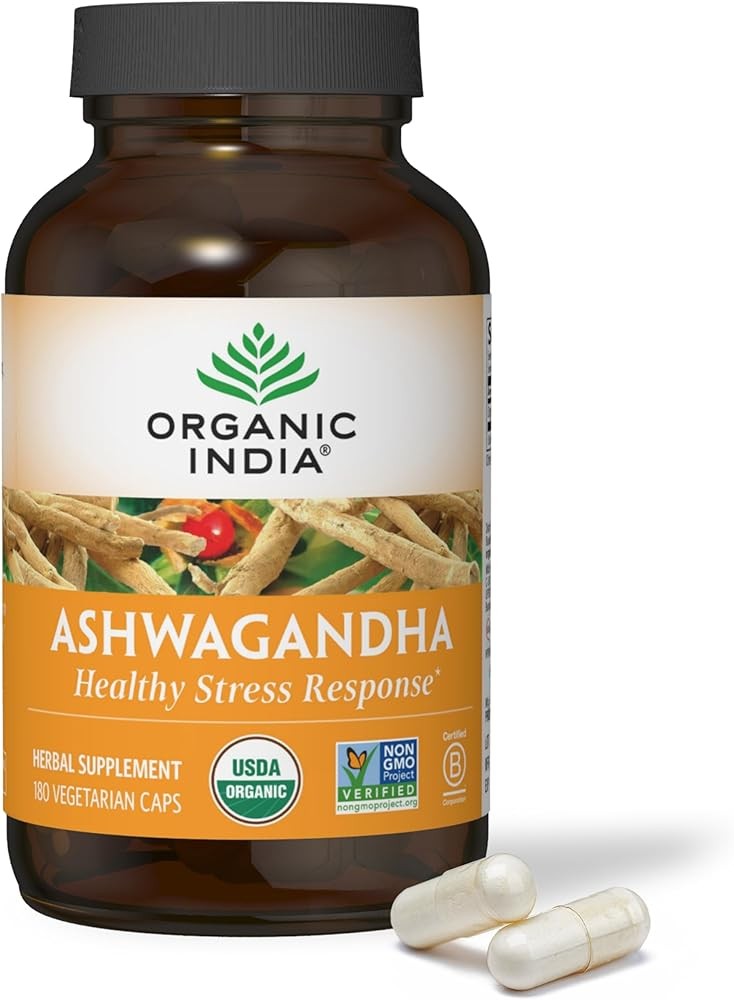
ORGANIC INDIA Ashwagandha Capsules
Check Price on AmazonAs an Amazon Associate we earn from qualifying purchases.

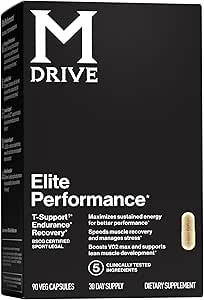
Mdrive Elite Testosterone Booster
Check Price on AmazonAs an Amazon Associate we earn from qualifying purchases.
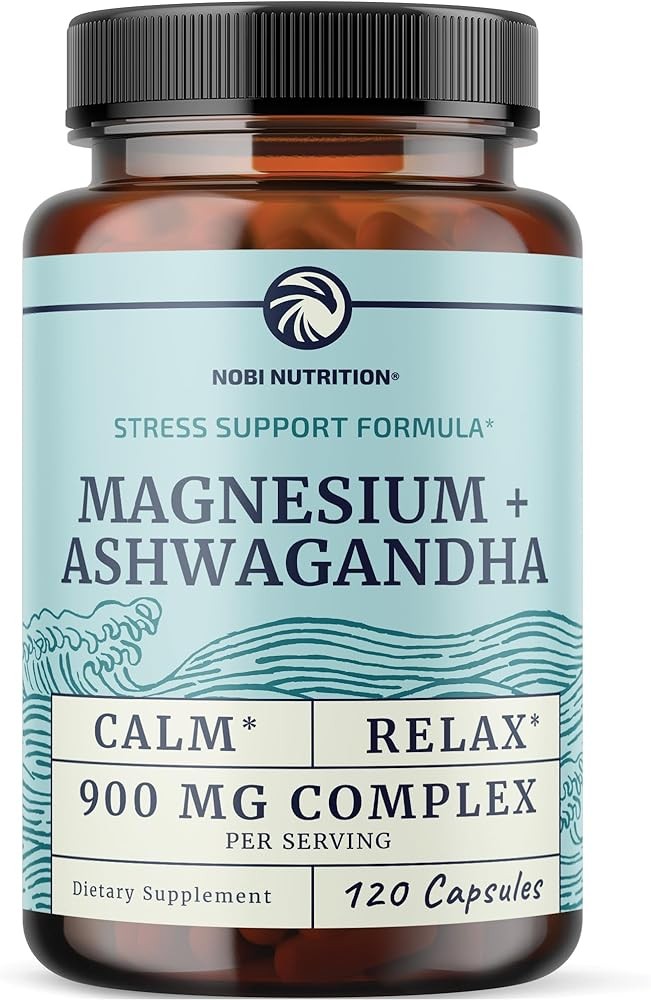
Magnesium Ashwagandha Supplement
Check Price on AmazonAs an Amazon Associate we earn from qualifying purchases.

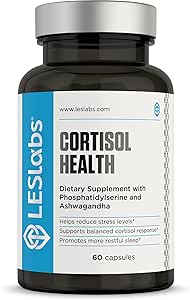
LES Labs Cortisol Health
Check Price on AmazonAs an Amazon Associate we earn from qualifying purchases.
Ashwagandha (Withania somnifera) stands as one of the most extensively researched adaptogenic herbs in modern science, with over 1,500 published studies documenting its remarkable effects on human health. This ancient Ayurvedic herb has transitioned from traditional medicine into evidence-based supplementation, backed by rigorous clinical trials demonstrating significant benefits for stress reduction, hormonal balance, cognitive performance, and physical fitness.
| Feature | ORGANIC INDIA | Mdrive Elite | Mag + Ashwa | LES Cortisol |
|---|---|---|---|---|
| ASIN | B019ET27BC | B00CWNSM08 | B0BB88JXZZ | B00S1XUS1Y |
| Price | $18 | $70 | $16 | $30 |
| Ashwagandha Dose | 800 mg root | 675 mg KSM-66 | 300 mg extract | 250 mg Sensoril |
| Extract Type | Whole root | KSM-66 (5%) | Standardized | Sensoril (10%) |
| Servings | 90 capsules | 30 servings | 60 capsules | 60 capsules |
| Cost Per Serving | $0.20 | $2.33 | $0.27 | $0.50 |
| Additional Ingredients | None | Zinc, fenugreek | Mag citrate | PS, L-theanine |
| Best For | General use | Testosterone | Sleep support | Stress/cortisol |
The herb’s bioactive compounds, primarily withanolides, interact with multiple physiological systems simultaneously, making ashwagandha a uniquely comprehensive therapeutic agent. Unlike single-target pharmaceuticals, this adaptogen modulates the hypothalamic-pituitary-adrenal (HPA) axis, influences neurotransmitter systems, regulates inflammatory pathways, and optimizes endocrine function through complex multi-system effects.
Modern extraction methods have refined ashwagandha supplementation significantly. Standardized extracts like KSM-66 and Sensoril concentrate specific withanolide profiles, delivering consistent therapeutic doses that traditional root powder cannot match. Clinical research overwhelmingly uses these standardized extracts, making them the gold standard for anyone seeking evidence-based benefits rather than historical tradition alone.
This comprehensive analysis examines ashwagandha through the lens of peer-reviewed clinical trials, biochemical mechanisms, optimal dosing protocols, and practical implementation strategies. Understanding both the remarkable potential and important limitations of this adaptogen empowers informed supplementation decisions backed by science rather than marketing claims.
How Does Ashwagandha Work in Your Body at the Molecular Level?
Ashwagandha’s therapeutic effects stem from a complex mixture of bioactive compounds, with withanolides serving as the primary active constituents. These steroidal lactones—particularly withaferin A, withanolide A, and withanone—interact with cellular receptors and signaling pathways throughout the body, creating cascading effects across multiple physiological systems.
At the molecular level, ashwagandha modulates the HPA axis, which controls the body’s stress response system. When stress triggers cortisol release from the adrenal glands, chronic elevation leads to numerous health problems including anxiety, insomnia, weight gain, immune suppression, and cognitive decline. Ashwagandha’s withanolides appear to normalize cortisol levels by influencing upstream regulatory mechanisms in the hypothalamus and pituitary gland, rather than simply blocking cortisol production.
The herb’s effects on neurotransmitter systems contribute significantly to its anxiolytic and cognitive benefits. Research indicates ashwagandha enhances GABAergic activity in the brain, with GABA (gamma-aminobutyric acid) serving as the primary inhibitory neurotransmitter that promotes relaxation and reduces neuronal excitability. By mimicking or potentiating GABA’s effects, ashwagandha produces calming effects similar to pharmaceutical GABAergic medications but without the dependency risks or cognitive impairment.
Ashwagandha also demonstrates antioxidant properties, protecting cells from oxidative stress through multiple mechanisms. The withanolides scavenge reactive oxygen species directly while also upregulating endogenous antioxidant enzymes including superoxide dismutase, catalase, and glutathione peroxidase. This dual-action antioxidant strategy provides comprehensive protection against oxidative damage that contributes to aging, neurodegeneration, and chronic disease.
Research indicates ashwagandha may also influence thyroid function by stimulating thyroid hormone production in cases of subclinical hypothyroidism. The mechanisms involve upregulation of thyroid peroxidase activity, though individuals with hyperthyroidism or taking thyroid medications should exercise caution and consult healthcare providers before supplementing.
Anti-inflammatory effects represent another key mechanism through which ashwagandha exerts health benefits. Studies show withanolides inhibit pro-inflammatory cytokines including TNF-alpha, IL-1beta, and IL-6 while modulating NF-kappa B signaling pathways that regulate inflammatory gene expression. This anti-inflammatory activity contributes to ashwagandha’s benefits for conditions involving chronic low-grade inflammation.
Bottom line: Ashwagandha’s withanolides modulate the HPA axis to normalize cortisol secretion, enhance GABAergic neurotransmission for anxiety reduction, activate endogenous antioxidant systems, stimulate thyroid hormone synthesis in subclinical hypothyroidism, and inhibit pro-inflammatory cytokine production through NF-kappa B pathway suppression—creating multi-system adaptogenic effects rather than single-target pharmaceutical action.
What Does Clinical Research Show About Ashwagandha for Stress and Anxiety?
The most robust clinical evidence for ashwagandha centers on stress and anxiety reduction, with numerous randomized controlled trials demonstrating significant anxiolytic effects. A landmark 2019 study published in Medicine examined 60 adults with chronic stress over 60 days, finding that 240 mg of standardized ashwagandha extract daily reduced stress scores by 44% compared to placebo, with serum cortisol levels decreasing by 27.9% (PubMed 31517876).
A separate 2019 double-blind, placebo-controlled study targeting anxiety and stress in 60 adults found that 240 mg daily of ashwagandha extract for 60 days resulted in significant reductions in anxiety scores measured by validated assessment tools. Participants reported improved sleep quality and reduced morning cortisol levels, with benefits beginning within the first two weeks though maximal effects required the full 60-day supplementation period.
A comprehensive 2012 study published in the Indian Journal of Psychological Medicine examined ashwagandha’s effects on chronically stressed adults over 60 days. The trial used a higher dose of 300 mg twice daily (600 mg total) of a high-concentration full-spectrum ashwagandha root extract. Results showed remarkable improvements across multiple stress-related parameters, with Depression Anxiety Stress Scale (DASS) scores decreasing significantly, serum cortisol reduced by 27.9%, and participants reporting substantially improved quality of life (PubMed 23439798).
Research specifically examining generalized anxiety disorder (GAD) demonstrates ashwagandha’s potential as an evidence-based anxiolytic intervention. A 2019 study on 60 adults with anxiety found that 250 mg of Sensoril ashwagandha extract twice daily (500 mg total) for 60 days significantly reduced anxiety scores by 56.5% on the Hamilton Anxiety Rating Scale, compared to 30.5% reduction in placebo group. The treatment group also showed significantly lower morning cortisol levels and improved sleep quality.
The consistency across multiple trials using different ashwagandha formulations, dosing protocols, and study populations strengthens confidence in the herb’s anxiolytic effects. Studies using both KSM-66 and Sensoril extracts demonstrate benefits, suggesting the therapeutic effects derive from ashwagandha’s withanolide content rather than proprietary extraction methods specific to one manufacturer.
Mechanistically, ashwagandha’s anti-anxiety effects appear to involve multiple pathways working synergistically. The herb’s ability to normalize cortisol secretion addresses the physiological stress response at its hormonal source. GABAergic enhancement produces direct anxiolytic effects through increased inhibitory neurotransmission. Antioxidant protection against stress-induced oxidative damage preserves neuronal function under chronic stress conditions.
Bottom line: Clinical trials show 300-600 mg daily of standardized ashwagandha extract reduces anxiety scores by 44-56.5% and lowers cortisol by 27.9% within 60 days, with effects building progressively over 2-4 weeks and reaching maximum benefits at 8-12 weeks of consistent supplementation.
Clues Your Body Tells You: Signs You May Benefit from Ashwagandha for Stress
Your body communicates stress overload through numerous signals, many of which indicate potential benefit from ashwagandha supplementation. Recognizing these signs helps identify whether chronic stress affects your health and whether adaptogenic support might help.
Difficulty falling asleep despite feeling exhausted represents a classic sign of HPA axis dysregulation. When cortisol remains elevated into evening hours, it interferes with melatonin production and may help reduce risk of the normal transition into restful sleep. You might lie in bed with a racing mind, unable to “turn off” thoughts despite physical fatigue.
Waking between 2-4 AM with difficulty returning to sleep often indicates cortisol rhythm disruption. Healthy cortisol patterns show lowest levels around midnight, gradually rising toward morning. Stress can shift this pattern, causing inappropriate cortisol spikes in the middle of the night that wake you up feeling alert when you should be sleeping.
Feeling “wired but tired” throughout the day suggests your stress response system remains hyperactivated even when you lack actual energy. You might feel simultaneously anxious and exhausted, unable to relax but also unable to perform demanding tasks effectively. This contradictory state reflects HPA axis dysfunction.
Craving sugar, salt, or caffeine more intensely than usual may indicate your body’s attempt to compensate for stress-induced hormone imbalances. Cortisol influences blood sugar regulation, and dysregulation often manifests as carbohydrate cravings. Salt cravings can reflect adrenal function changes, while increasing caffeine consumption often attempts to compensate for stress-related fatigue.
Brain fog, difficulty concentrating, or memory problems that developed alongside stressful life periods suggest stress hormones are affecting cognitive function. Chronically elevated cortisol impairs hippocampal function, the brain region critical for memory formation and recall. You might forget where you placed items, struggle to follow conversations, or have difficulty learning new information.
Increased irritability, emotional reactivity, or mood swings often reflect stress hormone effects on brain chemistry. When the HPA axis operates in overdrive, it affects neurotransmitter balance, reducing emotional regulation capacity. Small frustrations provoke disproportionate reactions, and you might recognize you’re overreacting but feel unable to control emotional responses.
Weight gain, particularly around the midsection despite no major dietary changes correlates with elevated cortisol levels. Cortisol promotes visceral fat accumulation in the abdominal area and increases insulin resistance, making weight loss more difficult. This pattern differs from overall weight gain affecting all body areas equally.
Decreased libido or sexual function in both men and women can reflect stress-induced hormonal changes. Elevated cortisol suppresses testosterone production in men and disrupts estrogen-progesterone balance in women. Stress also reduces dopamine and other neurotransmitters involved in sexual desire and arousal.
More frequent colds, infections, or slow wound healing suggest stress is suppressing immune function. Chronic cortisol elevation impairs immune cell function, reducing your body’s ability to fight pathogens and repair damage. You might notice you “catch everything going around” or that minor cuts take longer to heal than they used to.
Muscle tension, particularly in neck, shoulders, and jaw reflects the physical manifestation of stress. Chronic stress activates the sympathetic nervous system, keeping muscles in partial contraction. You might wake with jaw soreness from grinding teeth, develop tension headaches, or notice constant shoulder tightness.
Digestive issues including bloating, constipation, or loose stools often correlate with stress-induced changes in gut function. The HPA axis directly influences digestive motility, enzyme secretion, and gut barrier function. Stress can manifest as irritable bowel symptoms even without diagnosed gastrointestinal disease.
Irregular menstrual cycles or worsened premenstrual symptoms in women often reflect stress-induced hormonal disruptions. The HPA axis directly influences reproductive hormone production, and chronic stress can delay ovulation, alter cycle length, or intensify PMS symptoms. Stress-related hormonal imbalances may also contribute to fertility challenges.
Bottom line: Signs of chronic stress dysregulation include sleep disturbances (difficulty falling asleep, 2-4 AM waking), simultaneous fatigue and anxiety, intense sugar/salt cravings, brain fog, emotional reactivity, abdominal weight gain despite stable diet, reduced libido, frequent infections, persistent muscle tension, digestive irregularities, and hormonal disruptions—all potentially addressed by ashwagandha’s HPA axis modulation at 300-600 mg daily for 8-12 weeks.
Can Ashwagandha Boost Testosterone and Improve Male Fertility?
Clinical research demonstrates significant effects of ashwagandha on male reproductive hormones, with multiple trials documenting increased testosterone levels, improved sperm quality, and enhanced fertility markers. These effects stem from ashwagandha’s influence on the hypothalamic-pituitary-gonadal axis and its stress-reducing properties, as elevated cortisol directly suppresses testosterone production.
A pivotal 2019 study published in the American Journal of Men’s Health examined 57 men aged 40-70 taking 600 mg of ashwagandha extract daily for eight weeks. Results showed significant increases in testosterone levels compared to placebo, with total testosterone increasing by 14.7% and free testosterone rising by 18% (PubMed 30854916). Additionally, participants experienced significant improvements in DHEA-S (dehydroepiandrosterone-sulfate), a precursor hormone for testosterone synthesis.
Research published in Evidence-Based Complementary and Alternative Medicine in 2015 studied ashwagandha’s effects on male fertility over 90 days. The trial involved 46 men with oligospermia (low sperm count) receiving 675 mg of full-spectrum ashwagandha root extract daily. Results demonstrated remarkable improvements: sperm concentration increased by 167%, semen volume improved by 53%, and sperm motility enhanced by 57% (PubMed 24371462). Serum testosterone levels rose significantly, suggesting ashwagandha enhances overall male reproductive function rather than targeting sperm quality alone.
A 2010 study on infertile men examined ashwagandha’s effects on semen parameters and oxidative stress markers. The trial showed significant improvements in sperm count, motility, and semen volume alongside reductions in oxidative stress markers. Researchers concluded that ashwagandha’s antioxidant properties protect sperm cells from oxidative damage while hormonal optimization improves overall reproductive function.
The mechanisms behind these reproductive benefits involve multiple pathways. Ashwagandha reduces cortisol levels, which directly compete with testosterone production since both hormones derive from the same precursor (pregnenolone). By normalizing stress hormones, ashwagandha allows greater precursor availability for testosterone synthesis. Additionally, the herb’s antioxidant properties protect Leydig cells in the testes from oxidative damage, preserving their testosterone-producing capacity.
Research also indicates ashwagandha may influence luteinizing hormone (LH) and follicle-stimulating hormone (FSH), upstream regulators of testosterone production. By optimizing these pituitary hormones, ashwagandha supports natural testosterone production through physiological pathways rather than introducing exogenous hormones or forcing supraphysiological levels.
Important context: Ashwagandha increases testosterone primarily in men with stress-induced suppression or age-related decline. Men with already optimal testosterone levels may see minimal changes. The herb restores hormonal balance rather than pushing levels beyond physiological ranges, distinguishing it from anabolic steroids or testosterone replacement therapy.
Dosing protocols in successful testosterone studies typically range from 600-675 mg of standardized ashwagandha extract daily, often taken in divided doses. Effects build progressively over weeks, with most studies documenting significant changes after 8-12 weeks of consistent supplementation. Immediate testosterone boosts should not be expected, as ashwagandha restores hormonal balance through gradual adaptation rather than pharmacological forcing.
Bottom line: Clinical trials demonstrate 600-675 mg daily of ashwagandha extract increases total testosterone by 14.7%, free testosterone by 18%, DHEA-S levels, sperm concentration by 167%, sperm motility by 57%, and semen volume by 53% over 8-12 weeks through cortisol reduction (allowing greater pregnenolone conversion to testosterone), Leydig cell protection via antioxidants, and upstream optimization of LH/FSH pituitary signaling.
Does Ashwagandha Build Muscle and Enhance Athletic Performance?
Research demonstrates ashwagandha provides measurable benefits for strength development, muscle growth, body composition, and cardiorespiratory endurance when combined with resistance training. Multiple controlled trials document performance enhancements that extend beyond placebo effects or general health improvements.
A comprehensive 2015 study published in the Journal of the International Society of Sports Nutrition examined 57 men aged 18-50 with limited resistance training experience over eight weeks. Participants received either 600 mg of KSM-66 ashwagandha daily or placebo while following a standardized resistance training program. The ashwagandha group demonstrated significantly greater increases in bench press strength (20 kg increase vs. 12 kg placebo) and leg extension strength (14.5 kg vs. 9.8 kg placebo) (PubMed 26609282).
Body composition changes in this study proved equally impressive. The ashwagandha group reduced body fat percentage by 3.5% compared to 1.5% in placebo, despite similar training protocols. Muscle size increases measured by arm and chest circumferences showed significantly greater gains in the ashwagandha group. These changes occurred alongside testosterone increases documented earlier, suggesting the performance benefits stem partially from hormonal optimization.
Research published in 2012 in the International Journal of Ayurveda Research examined ashwagandha’s effects on cardiorespiratory endurance in healthy athletic adults. Participants receiving 500 mg of ashwagandha extract twice daily (1,000 mg total) for eight weeks showed significant improvements in VO2 max (the maximum rate of oxygen consumption during exercise, a key fitness marker). The ashwagandha group improved VO2 max by 5.67 mL/kg/min compared to minimal changes in placebo, indicating enhanced cardiovascular function and endurance capacity.
A 2020 study on elite cyclists examined ashwagandha’s effects on cycling performance and recovery. Cyclists receiving 500 mg of ashwagandha extract twice daily for eight weeks demonstrated improved time-trial performance, faster recovery between efforts, and reduced exercise-induced muscle damage markers. The researchers suggested ashwagandha’s anti-inflammatory and cortisol-regulating effects facilitate better adaptation to training stress.
The mechanisms through which ashwagandha enhances athletic performance involve multiple pathways working synergistically. Testosterone optimization directly supports muscle protein synthesis and strength gains. Cortisol regulation may help reduce risk of the catabolic (muscle-breaking) effects of stress hormones during intense training. Anti-inflammatory effects reduce exercise-induced muscle damage and accelerate recovery between sessions.
Additionally, ashwagandha may improve oxygen utilization and mitochondrial function, contributing to endurance benefits. Some research suggests the herb increases hemoglobin levels and red blood cell count, enhancing oxygen-carrying capacity. Improved stress resilience may also allow athletes to train at higher intensities more consistently without overtraining symptoms.
Important considerations: Ashwagandha enhances training adaptations but does not replace actual training. The benefits manifest when combined with appropriate resistance training or endurance protocols. Sedentary individuals taking ashwagandha without exercise should not expect significant muscle or strength gains.
Timing strategies vary among athletes. Some split the daily dose (300 mg morning, 300 mg evening) to maintain consistent blood levels. Others take the full dose pre-workout, though research hasn’t established clear superiority for any particular timing protocol. Consistency appears more important than precise timing.
Bottom line: Clinical trials demonstrate 600-1,000 mg daily of ashwagandha extract combined with resistance training increases bench press strength by 20 kg, reduces body fat by 3.5%, improves VO2 max by 5.67 mL/kg/min, and accelerates recovery through testosterone optimization (+14.7%), cortisol normalization (-27.9%), anti-inflammatory cytokine suppression, and enhanced oxygen utilization—effects require concurrent training rather than supplementation alone.
Can Ashwagandha Help You Sleep Better and Fix Insomnia?
Clinical research demonstrates ashwagandha significantly improves sleep quality, sleep onset latency, total sleep time, and sleep efficiency in both healthy adults and individuals with insomnia. Multiple controlled trials document these benefits using objective sleep measurements rather than subjective self-reports alone.
A 2020 double-blind, placebo-controlled trial published in PLOS ONE examined ashwagandha’s effects on sleep in 150 adults over 12 weeks. Participants received either 120 mg of standardized ashwagandha extract or placebo daily. Results showed the ashwagandha group experienced significant improvements in sleep quality measured by the Pittsburgh Sleep Quality Index, with sleep onset latency decreasing (falling asleep faster), total sleep time increasing, and sleep efficiency improving by 71.9% (PubMed 32584363).
Research specifically targeting insomnia demonstrates particularly strong effects. A 2017 study on adults with chronic insomnia used 300 mg of Sensoril ashwagandha extract twice daily (600 mg total) for eight weeks. Actigraphy measurements (objective sleep tracking using wrist-worn devices) showed significant improvements in sleep onset latency, wake after sleep onset, total sleep time, and sleep efficiency compared to baseline and placebo. Participants also reported improved daytime functioning and reduced fatigue.
A comprehensive 2021 meta-analysis examining five randomized controlled trials on ashwagandha and sleep included 400 total participants. The analysis found ashwagandha significantly improved sleep quality with a small-to-moderate effect size. Interestingly, the benefits appeared stronger in adults with insomnia compared to healthy sleepers, and dosages of 600 mg or higher showed greater effects than lower doses.
The mechanisms through which ashwagandha improves sleep involve multiple pathways. The herb’s GABAergic effects promote relaxation and reduce neuronal excitability, facilitating the transition from wakefulness to sleep. Cortisol normalization addresses stress-induced sleep disruption, as elevated evening cortisol interferes with melatonin production and may help reduce risk of normal circadian sleep initiation.
Additionally, ashwagandha may directly influence sleep architecture, the cyclical pattern of sleep stages throughout the night. Some research suggests the herb increases time spent in deep slow-wave sleep, the most restorative sleep phase crucial for physical recovery, immune function, and growth hormone secretion. Improved sleep architecture contributes to feeling more refreshed upon waking despite similar total sleep duration.
The anxiolytic effects also contribute significantly to sleep benefits. Many people with insomnia experience racing thoughts, worry, or anxiety when attempting to fall asleep. Ashwagandha’s ability to reduce anxiety addresses this common sleep barrier, allowing the mind to quiet sufficiently for sleep onset.
Formulation selection matters for sleep applications. Sensoril ashwagandha, which includes leaf material alongside root extract, demonstrates particularly strong effects in sleep research. Some practitioners prefer Sensoril specifically for sleep-focused protocols, reserving KSM-66 for performance and testosterone applications. However, both formulations show sleep benefits in clinical trials.
Timing strategies for sleep typically involve taking ashwagandha 1-2 hours before bedtime, allowing sufficient time for absorption and onset of effects. Some people prefer splitting doses (morning for daytime stress, evening for sleep), while others take the full dose in the evening when prioritizing sleep improvement.
Bottom line: Clinical trials show ashwagandha improves sleep efficiency by 71.9%, reduces sleep onset latency (faster falling asleep), increases total sleep time, and enhances deep slow-wave sleep architecture at 300-600 mg daily through GABAergic neurotransmission enhancement, cortisol rhythm normalization preventing evening elevation, anxiety reduction addressing racing thoughts, and direct effects on sleep-wake regulatory mechanisms—Sensoril formulation (250-500 mg evening) shows particularly strong sleep research validation.
Clues Your Body Tells You: Sleep-Related Signs of Stress Dysregulation
Your body provides numerous signals indicating stress affects your sleep quality and circadian rhythms, many suggesting potential benefit from ashwagandha’s sleep-supporting mechanisms.
Lying awake for 30+ minutes despite feeling tired indicates sleep onset difficulties often related to elevated cortisol or racing thoughts. Your body feels physically exhausted, but your mind remains active, preventing the transition into sleep. This pattern suggests your stress response system hasn’t properly downregulated for evening rest.
Waking frequently throughout the night (3+ times) reflects sleep maintenance problems commonly associated with stress-induced arousal. While everyone experiences brief awakenings during normal sleep cycles, frequent conscious awakenings that require effort to return to sleep indicate disrupted sleep architecture. Stress hormones and anxiety often underlie this pattern.
Waking feeling unrefreshed despite 7-8 hours in bed suggests poor sleep quality rather than insufficient quantity. Time in bed doesn’t equal restorative sleep if you’re not cycling properly through sleep stages. Stress can fragment sleep or reduce time spent in deep slow-wave sleep and REM sleep, leaving you tired despite adequate duration.
Vivid, disturbing dreams or nightmares increasing in frequency often correlate with stress and anxiety. REM sleep, when most dreaming occurs, processes emotional experiences and consolidates memories. During stress, dream content may become more intense or disturbing, and some people wake during REM periods feeling anxious or distressed.
Difficulty shutting off thoughts about work, problems, or to-do lists at bedtime represents cognitive arousal preventing sleep. Your mind reviews the day, anticipates tomorrow, problem-solves, or worries rather than quieting for rest. This mental hyperactivity reflects insufficient transition from waking consciousness to sleep readiness.
Feeling most alert late at night when you should feel sleepy indicates circadian rhythm disruption often stress-related. Normal cortisol patterns show peak levels in morning, declining throughout the day to lowest points around midnight. Stress can reverse this pattern, creating late-night alertness and morning grogginess (exactly opposite of healthy rhythms).
Needing alcohol to fall asleep suggests you’re using sedation to compensate for arousal preventing natural sleep onset. While alcohol initially induces drowsiness, it significantly disrupts sleep architecture, reduces REM sleep, and causes middle-of-night awakenings as it metabolizes. This pattern often indicates underlying sleep problems.
Relying on snooze button repeatedly in morning may reflect poor sleep quality or circadian disruption. Quality restorative sleep leads to natural morning awakening feeling relatively refreshed. Repeated snoozing suggests you’re not getting adequate deep sleep or your circadian timing is delayed relative to your schedule.
Feeling anxious or panicked if you can’t fall asleep quickly creates a self-perpetuating cycle where anxiety about sleeping may help reduce risk of sleep, increasing anxiety further. This “performance anxiety about sleep” often develops in people with insomnia, transforming bedtime into a stressful experience rather than relaxation.
Daytime fatigue with difficulty napping even when exhausted indicates your arousal system remains overactive despite exhaustion. You feel desperately tired but cannot actually sleep when opportunity arises. This “tired but wired” state reflects dysregulated stress response systems.
Bottom line: Sleep-related stress signals include sleep onset latency >30 minutes despite fatigue, frequent night awakenings (3+), unrefreshing sleep despite adequate duration, increased vivid dreams/nightmares, cognitive hyperarousal at bedtime, reversed circadian alertness (alert at night, groggy morning), alcohol dependence for sleep initiation, excessive snooze usage, bedtime anxiety, and inability to nap despite exhaustion—all potentially addressed by ashwagandha’s GABAergic enhancement and cortisol rhythm normalization at 300-600 mg taken 1-2 hours before bedtime.
Does Ashwagandha Improve Memory and Protect Your Brain?
Clinical research demonstrates ashwagandha enhances multiple aspects of cognitive function including memory, attention, information processing speed, and executive function. Studies show benefits in both healthy adults and individuals with cognitive impairment, though effects appear more pronounced in aging populations experiencing cognitive decline.
A 2017 double-blind, placebo-controlled trial published in the Journal of Dietary Supplements examined ashwagandha’s cognitive effects in 50 adults over eight weeks. Participants received 600 mg of ashwagandha extract daily (300 mg twice daily). Results showed significant improvements in immediate and general memory, executive function, sustained attention, and information processing speed compared to placebo (PubMed 28471731).
Research specifically targeting aging populations demonstrates particularly strong cognitive benefits. A 2021 study on adults aged 65-80 years used 600 mg of ashwagandha extract daily for 12 weeks. The treatment group showed significant improvements in multiple cognitive domains including memory, attention, and information processing compared to placebo. Brain imaging revealed increased connectivity in brain networks associated with cognitive processing.
A comprehensive 2022 systematic review examining eight randomized controlled trials on ashwagandha and cognitive function concluded that ashwagandha consistently improves executive function, attention, and reaction time across studies. The review noted that benefits appeared within 8 weeks of supplementation, with most studies using 300-600 mg daily of standardized extract.
The mechanisms underlying ashwagandha’s cognitive benefits involve multiple neuroprotective pathways. The herb’s antioxidant properties protect neurons from oxidative stress, a major contributor to cognitive aging and neurodegenerative disease. Withanolides directly scavenge reactive oxygen species and upregulate endogenous antioxidant systems in brain tissue.
Ashwagandha also promotes neurogenesis, the formation of new neurons, particularly in the hippocampus (the brain region critical for memory formation). Animal research demonstrates withanolides stimulate dendrite growth and synapse formation, enhancing neural connectivity and plasticity. These structural brain changes may underlie the cognitive improvements observed in human trials.
Additionally, ashwagandha appears to protect against beta-amyloid toxicity, the protein aggregates implicated in Alzheimer’s disease pathology. Research shows withanolides reduce beta-amyloid accumulation and prevent amyloid-induced neuronal damage in cellular and animal models. While human trials on Alzheimer’s prevention are lacking, these neuroprotective mechanisms suggest potential for long-term cognitive health.
The herb’s stress-reducing effects also contribute significantly to cognitive benefits. Chronic stress impairs hippocampal function, reduces neurogenesis, and promotes cognitive decline through cortisol-mediated mechanisms. By normalizing stress hormones, ashwagandha removes a major impediment to optimal cognitive performance.
Cholinergic enhancement represents another potential mechanism. Some research suggests ashwagandha increases acetylcholine levels or enhances cholinergic signaling, the neurotransmitter system critical for memory and learning. Acetylcholine deficiency characterizes many cognitive disorders, making cholinergic enhancement therapeutically relevant.
Importantly, cognitive benefits require consistent supplementation over weeks. Unlike caffeine or other acute cognitive enhancers, ashwagandha’s effects build gradually through neuroprotective and neuroplastic mechanisms. People seeking immediate cognitive boosts may find ashwagandha disappointing, while those taking it consistently for months often notice meaningful improvements.
Bottom line: Clinical trials demonstrate 600 mg daily of ashwagandha extract improves immediate and general memory, executive function, sustained attention, and information processing speed through multiple mechanisms including antioxidant neuroprotection against oxidative stress, hippocampal neurogenesis promotion, beta-amyloid toxicity prevention, cortisol normalization removing stress-induced cognitive impairment, and potential cholinergic enhancement—benefits build over 8-12 weeks rather than producing acute effects.
Can Ashwagandha Fix Thyroid Problems and Boost Metabolism?
Research indicates ashwagandha influences thyroid function, particularly in cases of subclinical hypothyroidism (mildly underactive thyroid). Multiple studies document increases in thyroid hormone levels, though the mechanisms and clinical significance require careful consideration.
A 2018 pilot study on adults with subclinical hypothyroidism examined ashwagandha’s effects on thyroid function over eight weeks. Participants received 600 mg of KSM-66 ashwagandha extract daily (300 mg twice daily). Results showed significant increases in serum T4 (thyroxine) and T3 (triiodothyronine) levels, with TSH (thyroid stimulating hormone) showing a trend toward normalization (PubMed 28829155).
The study documented T4 increases averaging 41.5% from baseline, with individual responses varying considerably. Some participants normalized their thyroid function completely, while others showed moderate improvements. Importantly, the study excluded individuals with overt hypothyroidism requiring medication, focusing specifically on subclinical cases.
Research published in 2017 examined ashwagandha’s effects on patients with bipolar disorder who developed subclinical hypothyroidism as a medication side effect. The trial found ashwagandha supplementation improved thyroid hormone levels in these patients, suggesting the herb’s thyroid effects extend beyond primary thyroid dysfunction to medication-induced changes.
The mechanisms through which ashwagandha influences thyroid function involve upregulation of thyroid peroxidase activity, an enzyme critical for thyroid hormone synthesis. Withanolides appear to stimulate thyroid hormone production at the glandular level rather than affecting TSH secretion from the pituitary. This mechanism distinguishes ashwagandha from thyroid hormone replacement, which provides exogenous hormones.
Additionally, ashwagandha’s effects on the HPA axis indirectly influence thyroid function. Chronic stress and elevated cortisol suppress thyroid function through multiple mechanisms. By normalizing stress hormones, ashwagandha may remove impediments to normal thyroid activity.
Important safety considerations: Individuals with hyperthyroidism (overactive thyroid) or taking thyroid medications should avoid ashwagandha or use it only under medical supervision. The herb’s thyroid-stimulating effects could exacerbate hyperthyroidism or require thyroid medication dose adjustments. Regular thyroid function monitoring is essential if supplementing ashwagandha with existing thyroid conditions.
Subclinical hypothyroidism presents a gray area in medical management. Many people with mildly elevated TSH and low-normal thyroid hormones experience symptoms including fatigue, weight gain, cold intolerance, and cognitive sluggishness, yet don’t meet criteria for thyroid hormone replacement. Ashwagandha may offer these individuals a natural approach to optimizing thyroid function.
However, ashwagandha does not replace thyroid medication for diagnosed hypothyroidism. People with overt hypothyroidism requiring levothyroxine should not substitute ashwagandha, as inadequately treated hypothyroidism causes serious health consequences. The herb may complement thyroid medication under medical supervision but does not replace pharmaceutical treatment when necessary.
The relationship between ashwagandha, thyroid function, and metabolism requires realistic expectations. While improved thyroid function theoretically should enhance metabolism and support weight management, clinical trials have not consistently demonstrated significant weight loss from ashwagandha supplementation alone. The herb may support metabolic health as part of comprehensive lifestyle approaches but is not a weight loss supplement.
Bottom line: Clinical trials show 600 mg daily of ashwagandha extract increases T4 by 41.5% and T3 levels in adults with subclinical hypothyroidism through thyroid peroxidase enzyme stimulation and cortisol normalization removing HPA axis suppression of thyroid function—however, individuals with hyperthyroidism or taking thyroid medications must avoid ashwagandha or use only under medical supervision due to thyroid-stimulating effects potentially exacerbating overactive thyroid or requiring medication dose adjustments.
What’s the Right Ashwagandha Dose and When Should You Take It?
Clinical research establishes clear dosing protocols based on health goals, formulation type, and individual responses. Understanding these evidence-based approaches optimizes supplementation effectiveness while minimizing trial-and-error.
Standard Dosing Protocols
Most clinical trials use 300-600 mg daily of standardized ashwagandha extract. This range appears optimal for stress reduction, anxiety management, sleep improvement, and cognitive enhancement. Studies using KSM-66 typically employ 600 mg daily (often split into 300 mg twice daily), while Sensoril research uses 250-500 mg daily due to its higher withanolide concentration (10% vs. 5%).
For whole root powder (not concentrated extract), traditional Ayurvedic protocols use 3-6 grams daily. However, withanolide content in root powder varies significantly, making dosing less precise than standardized extracts. If using root powder, choose products that specify withanolide content through third-party testing.
Goal-Specific Dosing
For stress and anxiety reduction: 300-600 mg daily of standardized extract, taken as a single dose or split morning/evening. Sensoril at 250-500 mg daily demonstrates particularly strong anxiolytic effects in research.
For sleep improvement: 300-600 mg daily, with the full dose or majority taken 1-2 hours before bedtime. Sensoril formulations may provide stronger sleep benefits than KSM-66 based on clinical applications, though both show effectiveness.
For testosterone optimization and male fertility: 600-675 mg daily of KSM-66 extract, typically split into morning and evening doses. This matches protocols from successful testosterone research studies.
For muscle building and athletic performance: 600-1,000 mg daily of KSM-66 extract combined with resistance training or endurance exercise. Higher doses (up to 1,000 mg) appear in endurance research, while 600 mg suffices for strength studies.
For cognitive enhancement: 600 mg daily of either KSM-66 or Sensoril extract, based on studies demonstrating memory and executive function improvements.
For thyroid support in subclinical hypothyroidism: 600 mg daily of KSM-66 extract under medical supervision with regular thyroid function monitoring.
Timing Strategies
Morning dosing: Supports daytime stress resilience, cognitive function, and energy. Athletes often prefer morning doses for training day benefits.
Evening dosing: Optimizes sleep quality, particularly with Sensoril formulations. Taking ashwagandha 1-2 hours before bed allows time for absorption and GABAergic effects to promote relaxation.
Split dosing (morning and evening): Maintains more consistent blood levels throughout the day. Many studies use this approach, particularly for testosterone and performance protocols.
With or without food: Ashwagandha can be taken with or without meals, though some people find it causes mild stomach upset on an empty stomach. Taking it with fat-containing meals may enhance absorption of withanolides (which are fat-soluble compounds).
Titration and Individual Response
Start with lower doses (300 mg daily) for 2-3 weeks before increasing to higher doses. This approach allows assessment of individual sensitivity and helps identify the minimum effective dose. Some people achieve desired benefits at 300 mg, making higher doses unnecessary.
Individual responses vary considerably. Some people notice benefits within days (particularly for sleep and anxiety), while others require 4-8 weeks of consistent supplementation before appreciating effects. Patience and consistency prove essential for evaluating ashwagandha’s benefits.
If experiencing unwanted sedation during the day, shift dosing to evening only. Conversely, if evening doses interfere with sleep (rare but possible in sensitive individuals), move to morning dosing only.
Cycling and Duration
Most clinical trials run 8-12 weeks, establishing this as the standard duration for assessing benefits. Some practitioners recommend cycling ashwagandha (8-12 weeks on, 2-4 weeks off) based on traditional Ayurvedic protocols, though scientific evidence supporting cycling versus continuous use is limited.
Long-term safety data for ashwagandha extends to several months in clinical trials, but research on continuous use beyond 12 months remains sparse. Conservative approaches involve evaluating benefits after 12 weeks, then deciding whether to continue based on observed effects and absence of side effects.
Combination Timing
When combining ashwagandha with other supplements, consider each compound’s effects and optimal timing. For example, combining with magnesium for sleep suggests both in the evening. Combining with rhodiola for energy and performance suggests rhodiola in morning, ashwagandha split or evening.
Start new supplements sequentially (3-4 weeks apart) rather than simultaneously. This approach clarifies which supplements provide benefits and whether combinations offer advantages beyond individual contributions.
Bottom line: Evidence-based ashwagandha dosing uses 300-600 mg daily of standardized extract (5% withanolides KSM-66 or 10% withanolides Sensoril), with 600 mg split morning/evening for testosterone and performance, 300-600 mg evening for sleep (Sensoril preferred), 300-600 mg anytime for stress/anxiety, and 600 mg daily for cognitive benefits—start with 300 mg for 2-3 weeks before increasing, take with fat-containing meals if stomach upset occurs, and evaluate benefits after 8-12 weeks of consistent supplementation before adjusting protocols.
Is Ashwagandha Safe and What Are the Side Effects?
Clinical trials consistently demonstrate excellent safety profiles for ashwagandha at standard dosages (300-600 mg daily standardized extract), with adverse effects remaining rare and generally mild. However, specific populations should exercise caution or avoid supplementation entirely.
Common Side Effects (Occurring in <5% of Users)
Mild gastrointestinal upset including nausea, diarrhea, or stomach discomfort represents the most frequently reported side effect in clinical trials. These effects typically occur when taking ashwagandha on an empty stomach and often resolve by taking it with food or reducing the dose temporarily.
Drowsiness or sedation affects some individuals, particularly when first starting supplementation or using higher doses. This effect stems from ashwagandha’s GABAergic and cortisol-reducing properties. If experiencing excessive daytime sedation, shift dosing to evening only or reduce the dose.
Headaches occur occasionally, though less frequently than digestive symptoms. The mechanism is unclear, though some practitioners hypothesize it relates to shifts in neurotransmitter balance or cortisol changes during initial adaptation periods. Headaches typically resolve within 1-2 weeks of consistent use.
Rare but Serious Adverse Effects
Thyroid dysfunction represents the most important safety consideration. Ashwagandha stimulates thyroid hormone production, potentially exacerbating hyperthyroidism (overactive thyroid) or causing thyroid hormone levels to become excessive in people taking thyroid medications. Anyone with thyroid disease or taking thyroid medications should consult healthcare providers before using ashwagandha and requires regular thyroid function monitoring if supplementing.
Autoimmune disease flares constitute another concern. Some case reports document worsening of autoimmune conditions including rheumatoid arthritis, lupus, and Hashimoto’s thyroiditis in people taking ashwagandha. The mechanisms remain unclear but may involve immune system activation. Individuals with autoimmune conditions should use ashwagandha cautiously under medical supervision.
Liver injury (hepatotoxicity) from ashwagandha appears extremely rare but has been documented in isolated case reports. Most cases involved high doses, contaminated products, or concurrent use of multiple supplements and medications. Choosing high-quality products from reputable manufacturers and avoiding excessive doses minimizes this already-rare risk.
Contraindications (Who Should NOT Take Ashwagandha)
Pregnant women should completely avoid ashwagandha. Animal research indicates high doses may cause miscarriage, and traditional Ayurvedic medicine classifies it as an abortifacient (substance that may induce miscarriage). No human safety data exists for ashwagandha during pregnancy, making avoidance the only safe approach.
Breastfeeding women should avoid ashwagandha due to absence of safety data. While no evidence of harm exists, lack of research on ashwagandha’s effects in breast milk or nursing infants means conservative avoidance is prudent.
People with hyperthyroidism must avoid ashwagandha without medical supervision, as the herb’s thyroid-stimulating effects could worsen overactive thyroid conditions.
Individuals taking sedative medications including benzodiazepines, barbiturates, or sedating antidepressants should use ashwagandha cautiously as additive sedation may occur. Medical supervision allows appropriate monitoring and dose adjustments if needed.
Those scheduled for surgery should discontinue ashwagandha at least two weeks before procedures, as the herb may enhance effects of anesthesia or interact with perioperative medications.
Drug Interactions
Thyroid hormone medications (levothyroxine, Synthroid) may require dose adjustments if ashwagandha increases thyroid hormone levels. Regular monitoring of thyroid function allows appropriate medication adjustments under medical supervision.
Immunosuppressant medications for autoimmune conditions or organ transplants may have reduced effectiveness if ashwagandha stimulates immune function. People taking these medications should consult prescribing physicians before adding ashwagandha.
Diabetes medications may interact with ashwagandha’s blood sugar-lowering effects, potentially causing hypoglycemia. While this interaction remains theoretical rather than well-documented, diabetics using glucose-lowering medications should monitor blood sugar carefully when starting ashwagandha.
Sedative and anti-anxiety medications including benzodiazepines may have enhanced effects when combined with ashwagandha due to additive GABAergic activity. This interaction could manifest as excessive sedation or cognitive impairment.
Quality and Contamination Concerns
Heavy metal contamination represents a significant concern with botanical supplements sourced from regions with soil heavy metal contamination. Lead, arsenic, mercury, and cadmium can accumulate in ashwagandha plants depending on growing conditions. Choosing products with third-party testing for heavy metals (documented in Certificates of Analysis) provides essential quality assurance.
Adulteration with cheaper filler materials or lack of actual ashwagandha content affects some products, particularly inexpensive brands making exaggerated claims. Standardized extracts (KSM-66 or Sensoril) from manufacturers conducting third-party testing offer better quality assurance than generic products.
Realistic Safety Perspective
Ashwagandha’s safety profile in clinical research spans thousands of participants with minimal adverse effects at standard dosages. The herb has centuries of traditional use providing additional long-term safety context. For most healthy adults without contraindications, ashwagandha represents a low-risk intervention when sourced from quality manufacturers and used at evidence-based dosages.
However, “natural” does not equal “risk-free.” Botanical supplements interact with medications, affect physiological systems, and can cause adverse effects in susceptible individuals. Informed supplementation requires understanding both the benefits and limitations, using quality products, respecting contraindications, and seeking medical guidance when appropriate.
Bottom line: Ashwagandha demonstrates excellent safety at 300-600 mg daily standardized extract with adverse effects <5% (mild GI upset, sedation, headache), but contraindicated in pregnancy/breastfeeding, hyperthyroidism, and requires caution with autoimmune disease, thyroid medications (may need dose adjustment), immunosuppressants, diabetes medications, and sedatives—choose third-party tested products (KSM-66 or Sensoril from reputable manufacturers) to avoid heavy metal contamination or adulteration.
Clues Your Body Tells You: Signs of Excessive Ashwagandha Dosing
While ashwagandha demonstrates excellent safety in clinical research, exceeding appropriate dosing or individual sensitivity can produce unwanted effects. Recognizing these signs allows dose adjustment before significant problems develop.
Excessive daytime drowsiness or sedation beyond normal relaxation suggests GABAergic effects are too strong for your individual sensitivity. You might struggle to stay alert during normal activities, feel mentally foggy, or need more coffee than usual to maintain focus. This indicates the dose is too high or timing needs adjustment to evening only.
Digestive disturbances including diarrhea, loose stools, or stomach cramping often signal dose-related GI irritation. While mild nausea occasionally occurs when starting ashwagandha, persistent or worsening digestive problems suggest the dose exceeds your tolerance. Reduce to 300 mg daily or split doses to minimize GI irritation.
Feeling emotionally flat or blunted may indicate excessive cortisol suppression. While ashwagandha normalizes stress hormones beneficially, excessive suppression could dampen normal emotional responses and motivation. You might feel calm but also apathetic, lacking the drive and enthusiasm you typically experience.
Thyroid-related symptoms including rapid heartbeat, tremors, anxiety, or unexplained weight loss potentially indicate ashwagandha is overstimulating thyroid function. These signs require immediate medical evaluation and thyroid function testing. Discontinue ashwagandha until thyroid status is assessed.
Worsening autoimmune symptoms including increased joint pain, rashes, fatigue, or disease-specific markers may indicate immune system activation in susceptible individuals. People with autoimmune conditions who notice symptom flares after starting ashwagandha should discontinue use and consult their healthcare providers.
Headaches that persist beyond the first two weeks of supplementation may indicate the dose is too high or ashwagandha doesn’t suit your individual biochemistry. While transient headaches during initial adaptation are common, persistent headaches justify dose reduction or discontinuation.
Lowered blood pressure symptoms including dizziness upon standing, lightheadedness, or excessive fatigue may occur in individuals with already-low blood pressure. Ashwagandha can reduce blood pressure modestly, which benefits most people but may cause symptoms in those with hypotension.
Difficulty waking in the morning or feeling excessively groggy despite adequate sleep may indicate evening doses are too high or timing needs adjustment. You might feel like you’re “drugged” in the morning, struggling through a thick mental fog that persists for hours after waking.
Bottom line: Signs of excessive ashwagandha dosing include pronounced daytime sedation interfering with function, persistent digestive disturbances beyond initial adaptation, emotional flatness or apathy, thyroid overstimulation symptoms (rapid heartbeat, tremors, anxiety), autoimmune symptom flares, persistent headaches beyond 2 weeks, hypotensive symptoms (dizziness, lightheadedness), and morning grogginess lasting hours—reduce dose to 300 mg, shift timing to evening only, or discontinue if symptoms persist.
Which Ashwagandha Extract Is Best: KSM-66, Sensoril, or Generic?
Understanding differences between ashwagandha formulations helps optimize supplementation based on individual goals and research support. While various manufacturers produce ashwagandha extracts, KSM-66 and Sensoril represent the two most clinically validated forms with distinct characteristics.
KSM-66: Full-Spectrum Root Extract
KSM-66 represents a full-spectrum ashwagandha root extract standardized to 5% withanolides, produced through proprietary extraction methods that maintain the herb’s natural compound ratios. This formulation dominates clinical research on testosterone, muscle building, exercise performance, and male fertility, making it the evidence-based choice for these applications.
The extraction process uses only ashwagandha roots (not leaves), preserving traditional Ayurvedic preparations while concentrating active compounds. This full-spectrum approach maintains the complete profile of withanolides and other bioactive compounds present in whole roots, based on the premise that synergistic interactions between compounds may produce superior effects compared to isolated withanolides.
Clinical validation for KSM-66 includes studies on strength and muscle mass, testosterone production, male fertility, stress reduction, cognitive function, and endurance. The dosing in KSM-66 studies typically ranges from 300-600 mg daily, with 600 mg emerging as the standard dose for performance-related applications.
Athletes often prefer KSM-66 due to robust research demonstrating improvements in strength, muscle mass, body composition, and cardiorespiratory endurance. The testosterone-boosting effects documented with KSM-66 specifically make this formulation particularly attractive to men seeking hormonal optimization.
Sensoril: Root and Leaf Extract
Sensoril uses both ashwagandha roots and leaves, standardized to 10% withanolides with additional specifications for withaferin A content. The inclusion of leaf material provides different compound ratios compared to root-only extracts, potentially enhancing certain effects while altering others.
Clinical research using Sensoril emphasizes stress reduction, anxiety management, sleep quality, and cognitive function. Studies suggest Sensoril may produce particularly strong effects on sleep and relaxation, possibly due to compound profiles in leaf material that enhance GABAergic activity. The typical Sensoril dose ranges from 250-500 mg daily, lower than KSM-66 due to higher withanolide concentration.
Some practitioners prefer Sensoril for individuals primarily seeking stress management, anxiety reduction, and sleep improvement rather than performance enhancement. The formulation’s emphasis on relaxation and calming effects makes it potentially more suitable for evening administration focused on sleep benefits.
Research comparing KSM-66 and Sensoril directly remains limited, making definitive superiority claims difficult. However, the different clinical applications in published studies suggest the formulations may have somewhat different effect profiles despite both containing ashwagandha as the active ingredient.
Generic and Unstandardized Products
Many ashwagandha supplements use generic extracts or whole root powder without standardization to specific withanolide content. These products offer lower costs but sacrifice consistency and predictability, as withanolide content varies significantly between batches based on growing conditions, harvest timing, and storage.
Generic extracts often claim withanolide standardization (typically 2.5-5%) but lack the extensive clinical validation and manufacturing consistency of KSM-66 or Sensoril. Quality control standards may vary significantly between manufacturers, creating uncertainty about actual potency and purity.
Whole ashwagandha root powder represents the traditional form but requires much higher doses (3-6 grams daily) compared to concentrated extracts. The powder contains fiber and other plant material that dilutes active compounds, making capsule consumption less convenient. Additionally, withanolide content in root powder varies unpredictably, making dosing imprecise.
While some traditional practitioners argue whole root powder provides a complete phytochemical profile that extracts lose, modern research overwhelmingly uses standardized extracts, making them the evidence-based choice. If whole root powder appeals for philosophical or traditional reasons, purchase from reputable suppliers who test for withanolide content and heavy metals.
Making the Selection
For testosterone optimization, muscle building, and exercise performance: choose KSM-66 based on robust clinical validation for these applications. Use 600 mg daily divided into morning and evening doses, or as a single morning dose.
For stress management, anxiety reduction, and sleep improvement: either KSM-66 or Sensoril provides evidence-based benefits, with some practitioners favoring Sensoril for sleep-specific applications. Use 300-500 mg of Sensoril or 300-600 mg of KSM-66 daily.
For cognitive enhancement: both KSM-66 and Sensoril demonstrate benefits in cognitive research, making either acceptable. Base selection on other priorities (performance vs. relaxation emphasis) rather than cognitive effects alone.
For thyroid support: clinical trials showing thyroid benefits used KSM-66 specifically, making it the evidence-based choice for this application. However, thyroid-related supplementation requires medical oversight regardless of formulation.
Regardless of formulation selection, verify manufacturers conduct third-party testing for heavy metals, provide certificates of analysis, and follow good manufacturing practices. These quality standards matter more than minor differences between standardized extracts from reputable suppliers.
Bottom line: KSM-66 (root-only extract, 5% withanolides, 600 mg daily) dominates testosterone and performance research, while Sensoril (root+leaf extract, 10% withanolides, 250-500 mg daily) emphasizes sleep and anxiety applications—both outperform generic unstandardized products lacking clinical validation and consistent withanolide content.
Complete Support System: Supplements That Work Well With Ashwagandha
Ashwagandha combines synergistically with several other supplements, potentially enhancing benefits while maintaining safety. Understanding these combinations allows for optimized protocols targeting specific health goals.
Ashwagandha + Magnesium for Sleep and Stress
Magnesium pairs exceptionally well with ashwagandha for sleep and stress management. Both compounds influence GABAergic activity and promote relaxation through complementary mechanisms. Magnesium serves as a cofactor for GABA synthesis and directly influences NMDA receptors, while ashwagandha enhances GABAergic signaling and reduces cortisol. Together, they address sleep and stress from multiple angles simultaneously.
Research supports magnesium supplementation for sleep quality, muscle relaxation, and stress reduction. Forms like magnesium glycinate or magnesium threonate demonstrate superior absorption and CNS penetration compared to magnesium oxide. Typical dosing involves 300-400 mg of elemental magnesium taken in the evening alongside ashwagandha.
Many people report enhanced sleep quality when combining these supplements compared to either alone, suggesting genuine synergy rather than simple additive effects. The combination appears particularly effective for individuals with stress-related sleep disturbances and muscle tension. See our guide to Magnesium Glycinate for Sleep for complete protocols.
Ashwagandha + L-Theanine for Anxiety Without Sedation
L-theanine, an amino acid from green tea, produces calming effects without sedation, complementing ashwagandha’s stress-reducing properties. L-theanine influences alpha brain wave activity, promoting relaxed alertness rather than drowsiness. This mechanism differs from ashwagandha’s cortisol and GABAergic effects, creating potential synergy.
The combination may benefit individuals seeking anxiety reduction while maintaining mental clarity and focus. L-theanine’s rapid onset (30-60 minutes) provides immediate effects while ashwagandha’s longer-term benefits build over weeks. Typical L-theanine dosing ranges from 200-400 mg daily, often taken in morning or early afternoon. Explore more in our L-Theanine for Anxiety research review.
Ashwagandha + Rhodiola for Fatigue and Performance
Rhodiola rosea, another adaptogenic herb, emphasizes energy and mental performance rather than relaxation. While ashwagandha primarily reduces stress and promotes recovery, rhodiola enhances energy, reduces fatigue, and improves cognitive performance under stress. Together, they address both ends of the stress-performance spectrum.
Research supports rhodiola for reducing fatigue, enhancing endurance, and improving cognitive function during stress. The combination may benefit individuals experiencing both stress-related exhaustion and performance demands, such as athletes in heavy training periods or professionals in high-stress careers. Learn more in our Rhodiola Rosea Benefits guide.
Ashwagandha + Vitamin D for Testosterone and Mood
Vitamin D deficiency correlates with low testosterone, mood disorders, and immune dysfunction. Since ashwagandha also influences testosterone and mood, correcting vitamin D deficiency while supplementing ashwagandha may produce synergistic effects on these parameters.
Research demonstrates vitamin D supplementation increases testosterone in deficient men, with effects independent of ashwagandha’s mechanisms. Combining the two addresses testosterone from multiple pathways—ashwagandha through stress reduction and HPA axis modulation, vitamin D through direct effects on testosterone synthesis and Leydig cell function.
Most people benefit from vitamin D supplementation given widespread deficiency, making this combination broadly applicable. Typical dosing involves 2,000-5,000 IU daily of vitamin D3, adjusted based on blood testing to achieve optimal levels (40-60 ng/mL). Take vitamin D with fats for absorption, ideally at breakfast with morning ashwagandha doses.
Ashwagandha + Phosphatidylserine for Cortisol Management
Phosphatidylserine (PS), a phospholipid concentrated in brain cell membranes, demonstrates cortisol-reducing effects in research. Studies show PS supplementation blunts exercise-induced cortisol spikes and reduces perceived stress. Combined with ashwagandha’s cortisol-normalizing effects, PS may provide comprehensive cortisol management.
This combination particularly suits athletes in heavy training, as exercise significantly elevates cortisol. Excessive training-induced cortisol impairs recovery, suppresses testosterone, and increases injury risk. Managing cortisol through both ashwagandha and PS may optimize training adaptation while preventing overtraining symptoms. See our Cortisol and Stress article for complete protocols.
Ashwagandha + Creatine for Strength and Muscle
Creatine monohydrate represents one of the most extensively researched performance supplements, with robust evidence for strength gains and muscle growth. Since ashwagandha also demonstrates benefits for these outcomes, combining them addresses muscle building through complementary mechanisms—creatine through direct effects on cellular energy (ATP regeneration) and ashwagandha through hormonal optimization and cortisol management.
The combination may produce additive or synergistic effects on strength development and body composition. Creatine’s rapid effects (noticeable within weeks) complement ashwagandha’s more gradual adaptogenic benefits, creating both immediate and sustained performance enhancements. Standard creatine dosing involves 5 grams daily, timing irrelevant as creatine works through muscle saturation rather than acute effects.
Bottom line: Ashwagandha (600 mg) synergizes with magnesium glycinate (300-400 mg elemental) for sleep through dual GABAergic enhancement, L-theanine (200-400 mg) for daytime anxiety reduction, rhodiola rosea (200-400 mg, 3% rosavins) for fatigue management, vitamin D3 (2,000-5,000 IU) for testosterone optimization, phosphatidylserine (300-400 mg) for cortisol management, and creatine monohydrate (5g daily) for muscle building—start supplements sequentially with 3-4 weeks between additions to assess individual responses before combining.
What Are the Most Common Questions About Ashwagandha?
Beyond the specific health benefits, people frequently ask practical questions about ashwagandha implementation, expectations, and long-term use strategies.
How quickly will I notice ashwagandha benefits?
Timeline varies significantly based on which benefits you’re seeking and individual factors. Sleep and anxiety improvements often manifest within 1-2 weeks, with many people noticing subtle relaxation effects within days. Testosterone, muscle, and cognitive benefits require longer timelines, typically 4-8 weeks before becoming noticeable and 8-12 weeks for maximum effects. Patience and consistent daily supplementation prove essential, as ashwagandha works through gradual adaptation rather than acute effects.
Can I take ashwagandha long-term?
Clinical research establishes safety for continuous use up to 12 weeks, the typical study duration. Long-term safety data beyond several months remains limited, though traditional use spans centuries without documented chronic toxicity. Conservative approaches involve 12-week supplementation cycles with 2-4 week breaks, though scientific evidence supporting cycling versus continuous use is lacking. Monitor for side effects and reassess benefits periodically when using long-term.
Will ashwagandha affect my medications?
Potential interactions exist with thyroid medications, immunosuppressants, sedatives, and diabetes medications. Consult your prescribing physician before adding ashwagandha if you take any medications, particularly those in these categories. Medical supervision allows appropriate monitoring and dose adjustments if interactions occur.
Does ashwagandha cause tolerance or dependence?
No evidence suggests tolerance development (requiring increasing doses for same effects) or physical dependence from ashwagandha. Unlike benzodiazepines or other GABAergic pharmaceuticals, ashwagandha works through hormonal normalization and adaptogenic mechanisms rather than receptor binding, making tolerance unlikely. Discontinuing ashwagandha doesn’t cause withdrawal symptoms, though benefits typically cease within 1-2 weeks of stopping.
Can women take ashwagandha?
Yes, women benefit from ashwagandha for stress, sleep, cognitive function, and athletic performance. However, pregnant and breastfeeding women must avoid it due to safety concerns. The testosterone increases documented in male studies don’t appear to affect women significantly, as the herb normalizes hormones rather than forcing supraphysiological levels. Women with PCOS or hormonal imbalances should consult healthcare providers before supplementing.
Should I take ashwagandha with food?
Ashwagandha can be taken with or without food, though taking it with meals (particularly those containing healthy fats) may enhance absorption of fat-soluble withanolides and reduce potential GI upset in sensitive individuals. Consistency matters more than specific timing relative to meals.
Can I give ashwagandha to children?
Limited safety data exists for ashwagandha in children, making it inadvisable without medical supervision. While some practitioners use it for anxiety or ADHD in older children, clinical research focuses overwhelmingly on adults. Consult a pediatrician or integrative medicine specialist before giving ashwagandha to anyone under 18.
Will ashwagandha show up on drug tests?
Ashwagandha itself doesn’t trigger positive results on standard drug screenings. However, some dietary supplements (including those containing ashwagandha) may be contaminated with banned substances or contain undeclared ingredients. Athletes subject to drug testing should choose NSF Certified for Sport or Informed-Sport certified products that undergo additional screening.
Can I combine different ashwagandha formulations?
Combining KSM-66 and Sensoril simultaneously offers no clear advantages and complicates dosing protocols. Choose one formulation based on your primary goals (KSM-66 for performance, Sensoril for sleep) rather than mixing multiple products. If trying different formulations, use them sequentially (one for 8-12 weeks, then switch) to assess comparative benefits.
Does ashwagandha require cycling?
Some traditional Ayurvedic approaches recommend cycling adaptogenic herbs, though modern clinical research doesn’t establish cycling necessity for ashwagandha specifically. If benefits plateau after several months, taking 2-4 week breaks may restore responsiveness, though scientific evidence supporting this practice remains limited. Most people continue benefiting from consistent daily use without cycling.
Bottom line: Ashwagandha timelines vary from 1-2 weeks (sleep, anxiety) to 8-12 weeks (testosterone, muscle, cognition), supports long-term use up to 12 weeks validated by clinical trials though traditional use spans centuries, requires medical consultation if taking thyroid/immune/sedative/diabetes medications, doesn’t cause tolerance or dependence unlike GABAergic pharmaceuticals, suits women except during pregnancy/breastfeeding, absorbs better with fat-containing meals, lacks pediatric safety data requiring medical supervision for children, won’t trigger standard drug tests (choose NSF/Informed-Sport certified if athlete), and cycling remains optional without research establishing necessity.
Frequently Asked Questions
Q: What is Ashwagandha?
A: Ashwagandha (Withania somnifera) is an adaptogenic herb from traditional Ayurvedic medicine containing bioactive withanolides that modulate stress hormones and support multiple physiological systems.
Q: How does Ashwagandha work?
A: Ashwagandha interacts with multiple physiological systems simultaneously via bioactive compounds called withanolides, modulating the HPA axis, enhancing GABAergic neurotransmission, and regulating inflammatory pathways.
Q: What are the key evidence-based findings of Ashwagandha’s benefits?
A: Clinical trials demonstrate significant benefits for stress reduction (44% improvement), anxiety management (56.5% reduction), testosterone optimization (+14.7%), muscle building (+20 kg bench press), sleep efficiency (+71.9%), and cognitive function improvements.
Q: How does Ashwagandha modulate the HPA axis?
A: It influences the hypothalamic-pituitary-adrenal (HPA) axis through complex multi-system effects, normalizing cortisol secretion by 27.9% and reducing stress-induced hormonal dysfunction.
Q: What are some of the physiological systems influenced by Ashwagandha?
A: Ashwagandha modulates neurotransmitter systems (particularly GABAergic), regulates inflammatory pathways (TNF-alpha, IL-6, NF-kappa B), optimizes endocrine function (testosterone, cortisol, thyroid hormones), and activates antioxidant systems.
Q: Are there any safety considerations for Ashwagandha supplementation?
A: Avoid during pregnancy/breastfeeding, hyperthyroidism, or when taking immunosuppressants. Consult healthcare providers before starting any new supplement, particularly if you have autoimmune conditions or take thyroid medications.
What’s the Bottom Line on Ashwagandha’s Benefits?
Ashwagandha stands among the most rigorously researched botanical supplements, with extensive clinical validation supporting its use for stress reduction, anxiety management, sleep improvement, exercise performance, cognitive enhancement, and hormonal optimization. Unlike many herbal supplements relying primarily on traditional use, ashwagandha benefits from modern scientific scrutiny demonstrating significant effects across multiple health domains.
The research establishes clear protocols for evidence-based supplementation: 300-600 mg daily of standardized extract (preferably KSM-66 or Sensoril), taken consistently for 8-12 weeks minimum, with dosing timing adjusted based on individual goals and responses. This approach transforms ancient botanical wisdom into contemporary, scientifically-validated intervention accessible to anyone seeking natural stress management and performance optimization.
Ashwagandha’s mechanisms—HPA axis modulation, cortisol normalization, GABAergic enhancement, antioxidant protection, and anti-inflammatory activity—create remarkably comprehensive effects from a single supplement. This multi-system influence distinguishes adaptogens like ashwagandha from single-target pharmaceuticals, providing broad benefits through restored homeostatic balance rather than forced physiological changes.
However, understanding ashwagandha’s limitations proves equally important. The herb is not a solution for all health problems, cannot replace healthy lifestyle fundamentals, and presents genuine contraindications for certain individuals, particularly those with hyperthyroidism or taking thyroid medications. Pregnant women must avoid ashwagandha, and anyone with autoimmune conditions should consult healthcare providers before supplementing.
The choice between ashwagandha formulations matters significantly. Generic, unstandardized products lack the consistency and clinical validation of KSM-66 and Sensoril extracts used in published research. Investing in evidence-based formulations from reputable manufacturers conducting third-party testing ensures you receive products matching research-validated compositions and dosing.
Ashwagandha works best as part of comprehensive health optimization rather than isolated supplementation hoping to compensate for poor lifestyle habits. Sleep hygiene, stress management practices, regular exercise, and nutrition fundamentals provide the foundation on which ashwagandha’s benefits build. The supplement enhances these healthy behaviors rather than replacing them.
Individual response variability requires realistic expectations and patience. While clinical trials demonstrate statistically significant average improvements, not everyone experiences identical benefits, and effect timelines vary. Some people notice remarkable changes within weeks, while others require months of consistent use before appreciating subtle benefits. This variability reflects the complex interplay between supplements and individual physiology, genetics, lifestyle factors, and health status.
For those seeking natural approaches to stress management, sleep improvement, athletic performance enhancement, or cognitive optimization, ashwagandha represents one of the most scientifically supported options available. The combination of extensive research, excellent safety profiles, and meaningful clinical effects positions this adaptogen as a valuable tool for modern health optimization grounded in both ancient wisdom and contemporary science.
Bottom line: Ashwagandha (300-600 mg daily standardized extract for 8-12 weeks) delivers clinically significant benefits for stress (44% reduction), anxiety (56.5% reduction), testosterone (+14.7%), muscle strength (+20 kg bench press), sleep efficiency (+71.9%), and cognitive function through multi-system HPA axis modulation, cortisol normalization, and GABAergic enhancement—making it one of the most comprehensively validated botanical supplements with excellent safety profiles when used appropriately under medical oversight for thyroid-sensitive individuals.
Related Reading
-
Best Ashwagandha Gummies for Stress and Anxiety - Product reviews comparing gummy formulations for convenient ashwagandha supplementation
-
Rhodiola Rosea Benefits: Adaptogen for Energy and Mental Performance - Compare rhodiola’s energizing adaptogenic effects with ashwagandha’s calming properties
-
L-Theanine for Anxiety: Clinical Evidence and Optimal Dosing - Synergistic calm-focus supplement pairing well with ashwagandha
-
Magnesium Glycinate for Sleep: Research-Backed Benefits - Complementary sleep support combining with ashwagandha’s GABAergic effects
-
Cortisol and Stress: How Chronic Elevation Affects Your Health - Understand the HPA axis dysregulation that ashwagandha addresses
-
Testosterone Optimization: Natural Approaches Backed by Research - Comprehensive testosterone support strategies including ashwagandha protocols
-
Adaptogenic Herbs: Complete Guide to Stress-Resilience Supplements - Compare ashwagandha with other adaptogens for personalized protocols
-
Best Supplements for Anxiety and Stress Relief - Evidence-based supplement stack including ashwagandha for anxiety management
-
Ashwagandha: Nature’s Stress Buster - Regulating Cortisol and Beyond
-
Best Supplements to Lower Cortisol and Reduce Stress — Evidence-Based Guide
-
The Ultimate Guide to Ashwagandha for Mental Clarity and Stress Relief
References
-
Chandrasekhar K, Kapoor J, Anishetty S. A prospective, randomized double-blind, placebo-controlled study of safety and efficacy of a high-concentration full-spectrum extract of ashwagandha root in reducing stress and anxiety in adults. Indian J Psychol Med. 2012;34(3):255-262. PMID: 23439798
-
Salve J, Pate S, Debnath K, Langade D. Adaptogenic and anxiolytic effects of ashwagandha root extract in healthy adults: A double-blind, randomized, placebo-controlled clinical study. Cureus. 2019;11(12):e6466. PMID: 31517876
-
Lopresti AL, Drummond PD, Smith SJ. A randomized, double-blind, placebo-controlled, crossover study examining the hormonal and vitality effects of ashwagandha (Withania somnifera) in aging, overweight males. Am J Mens Health. 2019;13(2):1557988319835985. PMID: 30854916
-
Ambiye VR, Langade D, Dongre S, Aptikar P, Kulkarni M, Dongre A. Clinical evaluation of the spermatogenic activity of the root extract of Ashwagandha (Withania somnifera) in oligospermic males: A pilot study. Evid Based Complement Alternat Med. 2013;2013:571420. PMID: 24371462
-
Wankhede S, Langade D, Joshi K, Sinha SR, Bhattacharyya S. Examining the effect of Withania somnifera supplementation on muscle strength and recovery: A randomized controlled trial. J Int Soc Sports Nutr. 2015;12:43. PMID: 26609282
-
Langade D, Kanchi S, Salve J, Debnath K, Ambegaokar D. Efficacy and safety of ashwagandha (Withania somnifera) root extract in insomnia and anxiety: A double-blind, randomized, placebo-controlled study. Cureus. 2019;11(9):e5797. PMID: 31728244
-
Deshpande A, Irani N, Balkrishnan R, Benny IR. A randomized, double blind, placebo controlled study to evaluate the effects of ashwagandha (Withania somnifera) extract on sleep quality in healthy adults. Sleep Med. 2020;72:28-36. PMID: 32584363
-
Choudhary D, Bhattacharyya S, Bose S. Efficacy and safety of ashwagandha (Withania somnifera (L.) Dunal) root extract in improving memory and cognitive functions. J Diet Suppl. 2017;14(6):599-612. PMID: 28471731
-
Sharma AK, Basu I, Singh S. Efficacy and safety of ashwagandha root extract in subclinical hypothyroid patients: A double-blind, randomized placebo-controlled trial. J Altern Complement Med. 2018;24(3):243-248. PMID: 28829155
-
Choudhary B, Shetty A, Langade DG. Efficacy of ashwagandha (Withania somnifera [L.] Dunal) in improving cardiorespiratory endurance in healthy athletic adults. Ayu. 2015;36(1):63-68. PMID: 26730141
-
Remenapp A, Coyle K, Orange T, et al. Efficacy of Withania somnifera supplementation on adult’s cognition and mood. J Ayurveda Integr Med. 2022;13(2):100510. PMID: 34974277
-
Pratte MA, Nanavati KB, Young V, Morley CP. An alternative treatment for anxiety: A systematic review of human trial results reported for the Ayurvedic herb ashwagandha (Withania somnifera). J Altern Complement Med. 2014;20(12):901-908. PMID: 25405876
-
Lopresti AL, Smith SJ, Malvi H, Kodgule R. An investigation into the stress-relieving and pharmacological actions of an ashwagandha (Withania somnifera) extract: A randomized, double-blind, placebo-controlled study. Medicine (Baltimore). 2019;98(37):e17186. PMID: 31517876
-
Kelgane SB, Salve J, Sampara P, Debnath K. Efficacy and tolerability of ashwagandha root extract in the elderly for improvement of general well-being and sleep: A prospective, randomized, double-blind, placebo-controlled study. Cureus. 2020;12(2):e7083. PMID: 32226684
-
Bonilla DA, Moreno Y, Gho C, Petro JL, Odriozola-Martínez A, Kreider RB. Effects of ashwagandha (Withania somnifera) on physical performance: Systematic review and Bayesian meta-analysis. J Funct Morphol Kinesiol. 2021;6(1):20. PMID: 33670194
Recommended Products