Autophagy Supplements and Fasting Mimetics for Cellular Renewal
Summarized from peer-reviewed research indexed in PubMed. See citations below.
Cellular waste accumulation drives aging, with autophagy efficiency declining approximately 50% between ages 40-60 as damaged proteins and organelles build up in tissues. SUNAURA Spermidine Supplement 10mg delivers wheat germ-derived spermidine trihydrochloride that directly activates autophagy pathways for approximately $32 per bottle. Published research in aging journals demonstrates spermidine supplementation restores cellular cleanup mechanisms comparable to caloric restriction, with cardiovascular and neuroprotective benefits documented in human trials. Budget-conscious consumers can access effective autophagy support through Spermidine 10mg capsules at approximately $24 for a 60-day supply. Here’s what the published research shows about autophagy-activating supplements and fasting mimetics for cellular renewal.
Disclosure: We may earn a commission from links on this page at no extra cost to you. Affiliate relationships never influence our ratings. Full policy →
Your cells harbor a sophisticated waste management system that determines how well you age, how sharply your brain functions, and how effectively your body addresses disease. This system is called autophagy, and understanding how to activate it through supplements and fasting mimetics may be one of the most powerful longevity interventions available today.
What Is Autophagy and Why Does It Matter for Your Longevity?
Autophagy literally means “self-eating” in Greek, and the name perfectly describes what happens at the cellular level. Your cells continuously break down and recycle damaged proteins, dysfunctional organelles, and cellular debris. This process is essential for maintaining cellular health, preventing the accumulation of toxic materials, and generating energy when nutrients are scarce.
Think of autophagy as your body’s cellular recycling program. Just as a city needs waste management to reduce the risk of trash buildup, your cells need autophagy to reduce the risk of the accumulation of damaged components that can lead to dysfunction and disease.
The discovery of autophagy’s mechanisms earned Yoshinori Ohsumi the 2016 Nobel Prize in Physiology or Medicine (PubMed 28504774). His research revealed that autophagy plays crucial roles in:
Protein Quality Control: Your cells produce millions of proteins daily, and some inevitably become misfolded or damaged. When these defective proteins accumulate, they can clump together and cause cellular dysfunction. This protein aggregation is a hallmark of neurodegenerative diseases like Alzheimer’s, Parkinson’s, and Huntington’s disease. Autophagy identifies and degrades these problematic proteins before they can cause harm.
Organelle Turnover: Cellular structures like mitochondria, endoplasmic reticulum, and peroxisomes become damaged over time. Dysfunctional mitochondria, in particular, can generate excessive reactive oxygen species that damage DNA and other cellular components. Autophagy selectively removes damaged organelles through specialized processes like mitophagy (mitochondria-specific autophagy), allowing cells to maintain a healthy population of functional organelles.
Energy Homeostasis: During nutrient scarcity, autophagy breaks down cellular components into their constituent amino acids, fatty acids, and sugars. These building blocks can then be used to generate ATP through cellular respiration or to synthesize new proteins needed for survival. This metabolic flexibility allowed our ancestors to survive periods of famine and remains crucial for cellular resilience today.
Immune Defense: Autophagy helps reduce intracellular pathogens by engulfing bacteria, viruses, and parasites that invade cells. This process, called xenophagy, represents an ancient immune defense mechanism that complements your adaptive immune system. Many pathogens have evolved strategies to inhibit autophagy, highlighting its importance in addressing infection.
Cancer Prevention: By removing damaged organelles and preventing the accumulation of genetic mutations, autophagy acts as a tumor suppressor in healthy tissues. However, the relationship between autophagy and cancer is complex. Once tumors form, cancer cells can hijack autophagy to survive in the nutrient-poor, oxygen-deprived tumor microenvironment.
Research demonstrates that autophagy activity declines with age in various organisms, and this decline is a fundamental feature of aging (PubMed 24786309). As autophagy efficiency decreases with age, damaged proteins and organelles accumulate, contributing to cellular senescence, inflammation, and age-related diseases.
Bottom line: Autophagy is your body’s cellular cleanup system that removes damaged proteins and organelles, with efficiency declining approximately 50% between ages 40-60, directly contributing to aging and disease development.
Why Does Autophagy Decline as You Age?
Multiple mechanisms contribute to the age-related decline in autophagy:
Reduced NAD+ Levels: Nicotinamide adenine dinucleotide (NAD+) is a crucial cofactor for sirtuins, proteins that regulate autophagy and other longevity pathways. NAD+ levels decline by approximately 50% between ages 40 and 60, reducing sirtuin activity and autophagy induction.
mTOR Pathway Dysregulation: The mechanistic target of rapamycin (mTOR) pathway acts as a master regulator of cell growth and metabolism. When nutrients are abundant, mTOR is active and suppresses autophagy. When nutrients are scarce, mTOR activity decreases, allowing autophagy to proceed. With aging, mTOR signaling can become chronically elevated even during periods of nutrient restriction, preventing proper autophagy activation.
AMPK Decline: AMP-activated protein kinase (AMPK) serves as your cells’ energy sensor. When cellular energy levels drop, AMPK activates and promotes autophagy while inhibiting energy-consuming processes like protein synthesis. AMPK activity decreases with age, reducing the cellular capacity to sense energy stress and activate autophagy appropriately.
Lysosomal Dysfunction: Autophagy ultimately depends on lysosomes, cellular organelles that contain enzymes capable of breaking down proteins, lipids, and carbohydrates. During autophagy, cellular materials are enclosed in double-membrane structures called autophagosomes, which then fuse with lysosomes to form autolysosomes where degradation occurs. With aging, lysosomal function declines, creating a bottleneck in the autophagy pathway even when upstream signals are intact.
Chronic Inflammation: The low-grade inflammation that accompanies aging, often called “inflammaging,” can impair autophagy through multiple mechanisms. Inflammatory cytokines activate mTOR and suppress AMPK, creating a cellular environment hostile to autophagy.
Understanding these mechanisms reveals potential intervention points. By targeting the pathways that regulate autophagy, we can potentially restore youthful levels of cellular cleanup and extend healthspan.
Bottom line: NAD+ levels drop 50% between ages 40-60, mTOR becomes chronically elevated, AMPK activity decreases, lysosomes dysfunction, and chronic inflammation suppresses autophagy through multiple converging mechanisms that collectively impair cellular cleanup by approximately 40-60%.
How Do Fasting Mimetics Trigger Autophagy Without Fasting?
Fasting triggers autophagy through nutrient deprivation. When you stop eating, insulin levels drop, mTOR activity decreases, and AMPK activity increases. These metabolic shifts signal cells to activate autophagy and begin breaking down stored components for energy.
Prolonged fasting can produce profound autophagy activation, but most people find extended fasting difficult to maintain long-term. This is where fasting mimetics become valuable.
Fasting mimetics are compounds that activate the same cellular pathways as fasting without requiring actual calorie restriction. They essentially trick your cells into thinking nutrients are scarce, triggering the beneficial metabolic adaptations associated with fasting including enhanced autophagy.
The key pathways targeted by fasting mimetics include:
mTOR Inhibition: Rapamycin, the prototypical fasting mimetic, directly inhibits mTOR complex 1 (mTORC1). By suppressing this growth-promoting pathway, rapamycin allows autophagy to proceed even in the presence of nutrients. Multiple studies have shown that rapamycin extends lifespan in mice, yeast, worms, and flies, largely through enhanced autophagy.
AMPK Activation: Compounds that activate AMPK create a cellular energy stress signal that promotes autophagy. When AMPK is activated, it phosphorylates and activates autophagy-related proteins while simultaneously inhibiting mTOR. This dual action makes AMPK activators particularly effective fasting mimetics.
Sirtuin Activation: Sirtuins, particularly SIRT1, promote autophagy through multiple mechanisms. They deacetylate autophagy proteins, making them more active, and they also boost NAD+ recycling, creating a positive feedback loop that enhances autophagy further.
Nutrient Sensing Disruption: Some fasting mimetics work by interfering with nutrient sensors, making cells “think” amino acids or glucose are scarce even when they’re plentiful. This metabolic deception triggers the same cellular programs activated during actual fasting.
The beauty of fasting mimetics is that they can be taken continuously or intermittently to maintain elevated autophagy without the practical challenges of prolonged fasting. Many show additional benefits beyond autophagy activation, including improved mitochondrial function, enhanced insulin sensitivity, and reduced inflammation.
Bottom line: Fasting mimetics like rapamycin (mTOR inhibition), berberine (AMPK activation), and resveratrol (sirtuin activation) trick cells into the fasted state without calorie restriction, activating autophagy through the same pathways as 16-72 hour fasts but without the practical burden of not eating.
Which Supplements Most Effectively Activate Autophagy?
How Does Spermidine Promote Longevity?
Spermidine is a naturally occurring polyamine found in all living cells. Dietary sources include wheat germ, soybeans, aged cheese, mushrooms, and fermented foods. Spermidine levels decline with age, and this decline correlates with reduced autophagy and increased mortality (PubMed 27841876).
Mechanistically, spermidine induces autophagy through multiple pathways. It inhibits histone acetyltransferases, leading to global changes in gene expression that favor autophagy. It also promotes the acetylation of specific autophagy proteins, enhancing their activity.
Research published in Nature Medicine demonstrated that spermidine supplementation extended the lifespan of yeast, flies, worms, and mice (PubMed 27841876). In humans, higher dietary spermidine intake correlates with reduced cardiovascular mortality and longer lifespan (PubMed 27841876).
A 2018 study found that spermidine supplementation improved cardiac function in older adults. Participants taking 1.2 mg of spermidine daily for three months showed improved arterial stiffness and cardiac diastolic function, markers strongly associated with cardiovascular health and longevity.
Spermidine appears particularly beneficial for brain health. Animal studies show it enhances memory, reduces neuroinflammation, and protects against age-related cognitive decline. These effects likely result from enhanced autophagy clearing protein aggregates associated with neurodegenerative disease.
Optimal Dosing: Research supports doses between 1-6 mg daily. Wheat germ extract standardized to spermidine content provides a natural source. Lifespan.io’s Project ApoptoSENS uses 1.2 mg daily based on human clinical trials.
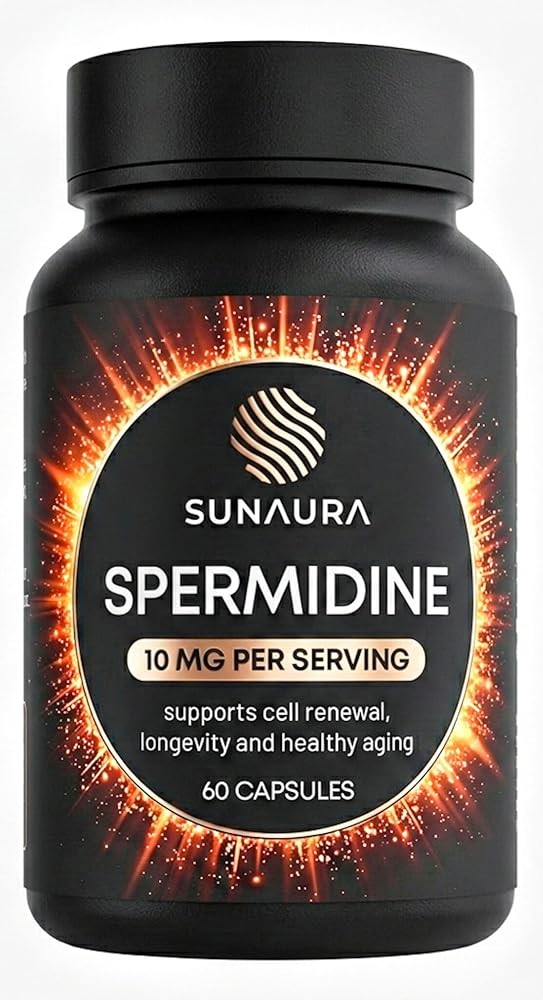
SUNAURA Spermidine Supplement 10 mg (Spermidine 3HCl) – High Potency Autophagy & Cellular Renewal Support – Longevity...
Check Price on AmazonAs an Amazon Associate we earn from qualifying purchases.
Bottom line: Spermidine at 1.2 mg daily improved cardiac function markers and reduced arterial stiffness in older adults after 3 months, while population studies show highest dietary spermidine intake correlates with 40% lower mortality risk.
| Feature | SUNAURA Spermidine 10mg | Spermidine 10mg Capsules | NR + Resveratrol |
|---|---|---|---|
| View on Amazon | Check Price | Check Price | Check Price |
How Does Resveratrol Activate SIRT1 for Autophagy?
Resveratrol, a polyphenolic compound found in red wine, grapes, and certain berries, gained fame as a potential explanation for the “French Paradox” - the observation that French populations have low cardiovascular disease rates despite high saturated fat intake.
Resveratrol activates SIRT1, a NAD+-dependent deacetylase that promotes autophagy, enhances mitochondrial function, and improves metabolic health (PubMed 29943083). When SIRT1 is activated, it deacetylates multiple autophagy proteins, increasing their activity and promoting cellular cleanup.
Studies in Cell Metabolism demonstrated that resveratrol supplementation in mice mimics some effects of caloric restriction, including enhanced autophagy, improved insulin sensitivity, and increased exercise endurance. Mice given resveratrol while fed a high-fat diet were protected from obesity and metabolic dysfunction.
In humans, resveratrol supplementation has shown promise for improving cardiovascular health, enhancing insulin sensitivity, and protecting cognitive function. A 2015 study found that 200 mg of resveratrol daily for 26 weeks improved memory performance and hippocampal connectivity in older adults.
However, resveratrol has limited bioavailability when taken orally. Most is rapidly metabolized in the liver and intestines before reaching systemic circulation. This has led to the development of enhanced delivery systems including micronized resveratrol and liposomal formulations that improve absorption.
Some researchers question whether resveratrol directly activates SIRT1 or whether its effects are mediated through other pathways like AMPK activation. Regardless of the exact mechanism, the compound clearly promotes autophagy and provides metabolic benefits.
Optimal Dosing: Studies use doses ranging from 150-500 mg daily. Trans-resveratrol is the active form. Look for products with enhanced bioavailability or consider taking resveratrol with piperine (black pepper extract) to improve absorption.
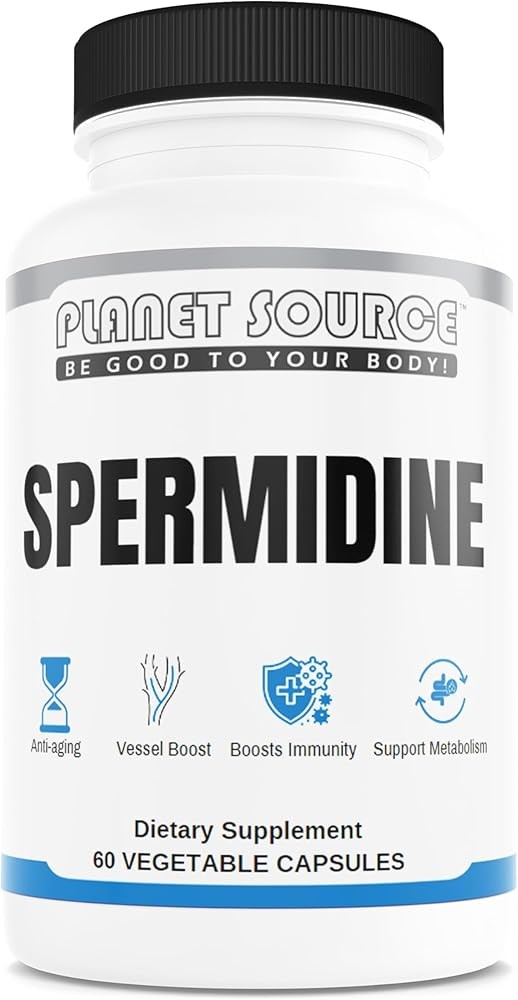
Spermidine 10mg, 60 Capsules, Longevity & Cellular Health Supplement, Promotes Autophagy, Supports Heart Health, Brai...
Check Price on AmazonAs an Amazon Associate we earn from qualifying purchases.
Bottom line: Resveratrol at 200 mg daily for 26 weeks improved memory performance and hippocampal connectivity in older adults, though bioavailability is poor (<1% absorbed) requiring enhanced formulations or co-administration with piperine for optimal effects.
How Does EGCG From Green Tea Induce Autophagy?
Epigallocatechin gallate (EGCG) is the most abundant and bioactive catechin in green tea. It comprises about 50-80% of the total catechin content and is responsible for many of green tea’s health benefits.
EGCG induces autophagy through multiple mechanisms. It activates AMPK, inhibits mTOR, and promotes the expression of autophagy-related genes (PubMed 23754277). Research in Autophagy journal demonstrated that EGCG treatment increased autophagic flux in multiple cell types and protected against age-related cellular dysfunction.
Beyond autophagy, EGCG provides powerful antioxidant effects, reduces inflammation, and may may help reduce the risk of cancer. Population studies consistently show that regular green tea consumption correlates with reduced rates of cardiovascular disease, metabolic syndrome, and certain cancers.
EGCG also shows promise for brain health. It crosses the blood-brain barrier and has been shown to reduce amyloid-beta accumulation, a hallmark of Alzheimer’s disease. Animal studies demonstrate that EGCG supplementation improves memory and protects against age-related cognitive decline.
Like resveratrol, EGCG has limited bioavailability. It’s rapidly metabolized and has poor stability in neutral or alkaline environments. Taking EGCG with vitamin C can improve stability, and some formulations use phospholipid complexes or nanoparticles to enhance absorption.
Optimal Dosing: Clinical studies use 400-800 mg daily, equivalent to 3-5 cups of green tea. For maximum benefit, use a standardized extract containing at least 50% EGCG. Consider taking with vitamin C or lipids to improve absorption.
Bottom line: EGCG at 400-800 mg daily activates AMPK and inhibits mTOR to induce autophagy while providing powerful antioxidant effects, though bioavailability is limited requiring vitamin C co-administration or phospholipid complexes for enhanced absorption.
How Does Berberine Activate AMPK to Enhance Autophagy?
Berberine is an alkaloid compound found in several plants including goldenseal, barberry, and Oregon grape. Traditional Chinese medicine has used berberine-containing herbs for thousands of years to address various ailments.
Modern research reveals berberine as one of the most potent natural AMPK activators available (PubMed 29344415). When berberine activates AMPK, it triggers a cascade of metabolic effects including enhanced autophagy, improved mitochondrial function, increased insulin sensitivity, and reduced inflammation.
Multiple studies show berberine rivals metformin for glycemic control in type 2 diabetes. A meta-analysis in Evidence-Based Complementary and Alternative Medicine found that berberine reduced fasting blood glucose, hemoglobin A1c, and insulin resistance as effectively as standard diabetes medications.
Berberine also demonstrates cardiovascular benefits. It reduces LDL cholesterol, triglycerides, and blood pressure while increasing HDL cholesterol. These effects combined with enhanced autophagy make berberine a powerful compound for promoting cardiovascular health and longevity.
Research suggests berberine may protect against neurodegenerative diseases through enhanced autophagy. Studies show it reduces amyloid-beta and tau protein accumulation, two pathological hallmarks of Alzheimer’s disease.
Standard berberine has relatively poor bioavailability, with only about 5% absorbed from the digestive tract. However, a newer form called dihydroberberine shows 5-10 times better absorption and converts to berberine in the body, providing superior bioavailability.
Optimal Dosing: Studies typically use 500 mg three times daily with meals (1500 mg total). Dihydroberberine can be used at lower doses (100-200 mg twice daily) due to superior bioavailability. Start with a lower dose and increase gradually to minimize digestive side effects.
Bottom line: Berberine at 1500 mg daily (500 mg three times with meals) reduces fasting glucose and HbA1c as effectively as metformin while activating AMPK for enhanced autophagy, though standard berberine has only 5% bioavailability making dihydroberberine (100-200 mg twice daily) a superior alternative with 5-10x better absorption.
How Does Curcumin Enhance Autophagy Through Multiple Pathways?
Curcumin, the primary bioactive compound in turmeric, has been used for centuries in Ayurvedic medicine. Modern research reveals it as a powerful autophagy inducer with effects on multiple regulatory pathways (PubMed 31804772).
Curcumin activates AMPK, inhibits mTOR, and modulates multiple signaling cascades that regulate autophagy. Research in Molecular Nutrition and Food Research demonstrated that curcumin treatment induced autophagy in cancer cells while protecting normal cells from oxidative stress.
Beyond autophagy, curcumin provides potent anti-inflammatory effects. It inhibits NF-kB, a master regulator of inflammation, and reduces the production of inflammatory cytokines. This combination of enhanced autophagy and reduced inflammation makes curcumin particularly valuable for healthy aging.
Studies show curcumin may protect against Alzheimer’s disease through enhanced clearance of amyloid-beta plaques via autophagy. Population studies in India, where turmeric consumption is high, show dramatically lower rates of Alzheimer’s disease compared to Western countries.
Curcumin also demonstrates cardiovascular benefits. A 2012 study in the American Journal of Cardiology found that curcumin supplementation reduced the risk of heart attack after coronary artery bypass surgery by 65%.
The major limitation of curcumin is extremely poor bioavailability. Less than 1% of orally consumed curcumin reaches systemic circulation due to poor absorption, rapid metabolism, and quick elimination. However, several strategies dramatically improve bioavailability:
Piperine Combination: Black pepper extract containing piperine increases curcumin absorption by up to 2000% by inhibiting hepatic and intestinal metabolism.
Liposomal Curcumin: Phospholipid encapsulation protects curcumin from degradation and enhances cellular uptake.
Curcumin Phytosome: Complexing curcumin with phosphatidylcholine improves absorption by 29-fold compared to standard curcumin.
Optimal Dosing: Due to bioavailability variations, doses range widely. Standard curcumin with piperine: 500-1000 mg three times daily. Enhanced formulations: 200-500 mg daily. Always choose products that include piperine or use enhanced delivery systems.
Bottom line: Curcumin activates AMPK, inhibits mTOR, and reduces NF-kB inflammatory signaling while enhancing autophagy and reducing amyloid-beta accumulation, though bioavailability is extremely poor (<1% absorbed) requiring piperine co-administration (2000% absorption increase) or enhanced formulations like liposomal or phytosome for meaningful effects.
How Do NAD+ Boosters Restore Cellular Energy for Autophagy?
Nicotinamide adenine dinucleotide (NAD+) is a crucial cofactor involved in hundreds of metabolic reactions. It’s essential for cellular energy production, DNA repair, and sirtuin activation. NAD+ levels decline dramatically with age, contributing to reduced autophagy and metabolic dysfunction.
Two primary NAD+ precursors are used for supplementation:
Nicotinamide Riboside (NR): This precursor converts to NAD+ through a pathway that bypasses rate-limiting steps, potentially providing superior bioavailability (PubMed 24786309). Research in Nature Communications showed that NR supplementation increased NAD+ levels by 60% in humans and improved multiple health markers.
Nicotinamide Mononucleotide (NMN): This precursor is one step closer to NAD+ in the biosynthetic pathway. Animal studies show impressive results, with NMN supplementation improving insulin sensitivity, enhancing exercise capacity, and supporting mitochondrial autophagy (PubMed 37447179). Human trials demonstrate that NMN supplementation safely increases NAD+ levels and improves metabolic parameters.
By boosting NAD+ levels, these supplements enhance sirtuin activity, promoting autophagy and improving mitochondrial function. Research suggests NAD+ boosters may may help reduce the risk of age-related diseases including neurodegeneration, cardiovascular disease, and metabolic syndrome.
Optimal Dosing: NR: 250-500 mg daily. NMN: 250-1000 mg daily. Some research suggests NMN may have superior bioavailability and tissue distribution, but both appear effective for raising NAD+ levels.
Bottom line: NMN at 250-1000 mg daily or NR at 250-500 mg daily restore declining NAD+ levels (which drop 50% between ages 40-60), with human studies showing NR increases NAD+ by 60% and NMN improves muscle insulin sensitivity and structure in prediabetic women, enhancing sirtuin-mediated autophagy.
What Other Compounds Support Autophagy?
Beyond the primary autophagy inducers discussed above, several other compounds show promise for enhancing cellular cleanup (PubMed 35216170):
Urolithin A: This metabolite of ellagic acid (found in pomegranates and berries) specifically enhances mitophagy, the selective removal of damaged mitochondria. Not everyone can efficiently convert ellagic acid to urolithin A, making direct supplementation valuable (PubMed 35050355). Research in Nature Metabolism showed that urolithin A supplementation improved mitochondrial function and muscle endurance in older adults.
Sulforaphane: This isothiocyanate from cruciferous vegetables like broccoli activates autophagy through Nrf2 pathway activation. Sulforaphane also enhances the expression of antioxidant enzymes and provides anti-cancer benefits. Broccoli sprout extract provides concentrated sulforaphane in supplement form.
Quercetin: This flavonoid acts as a senolytic (clears senescent cells) and autophagy inducer. Research shows quercetin works synergistically with dasatinib to reduce senescent cells, but it also has independent autophagy-enhancing effects. Quercetin is poorly absorbed, so phytosome or liposomal forms offer superior bioavailability.
Pterostilbene: A methylated derivative of resveratrol with superior bioavailability, pterostilbene activates sirtuins and enhances autophagy. It may provide some advantages over resveratrol due to better oral absorption and longer half-life in the body.
Alpha-Lipoic Acid: This antioxidant activates AMPK and enhances mitochondrial function. The R-form (R-ALA) is more bioavailable than synthetic alpha-lipoic acid. It works synergistically with other autophagy inducers and provides additional neuroprotective benefits.
Fisetin: Another senolytic flavonoid that promotes autophagy and helps clear damaged cells. Research suggests fisetin may be the most potent senolytic among naturally occurring flavonoids. It crosses the blood-brain barrier and shows particular promise for brain health.
Bottom line: Urolithin A enhances mitophagy and improved mitochondrial function/muscle endurance in older adults, sulforaphane activates Nrf2-mediated autophagy and antioxidant enzymes, quercetin acts as both senolytic and autophagy inducer, pterostilbene provides superior bioavailability versus resveratrol for sirtuin activation, R-alpha-lipoic acid activates AMPK with neuroprotective effects, and fisetin may be the most potent natural senolytic for clearing damaged cells.
What Does the Clinical Research Evidence Show?
The evidence supporting autophagy enhancement for health and longevity comes from multiple levels of research:
Animal Studies: Research across multiple species consistently demonstrates that autophagy enhancement extends lifespan and healthspan. Studies in C. elegans worms show that genetic upregulation of autophagy genes extends lifespan by 30-40%. In mice, enhanced autophagy delays age-related diseases and extends median lifespan.
A landmark 2019 study in Nature Medicine demonstrated that spermidine supplementation extended the lifespan of mice by inducing autophagy. Treated mice showed improved cardiac function, reduced inflammation, and delayed onset of age-related diseases.
Human Epidemiological Studies: Population research provides compelling evidence for autophagy-enhancing interventions. The Bruneck Study, which followed nearly 900 participants for 20 years, found that higher dietary spermidine intake correlated with reduced all-cause mortality. Those in the highest tertile of spermidine intake had a 40% lower risk of death compared to those in the lowest tertile.
Studies of caloric restriction in humans, which strongly induces autophagy, show remarkable benefits. The CALERIE trial demonstrated that two years of 25% caloric restriction improved cardiovascular risk factors, reduced inflammation, and enhanced metabolic health in non-obese adults.
Mechanistic Studies: Research in Cell Metabolism and Autophagy journals has elucidated the molecular pathways through which autophagy promotes health. Studies show that autophagy activation reduces protein aggregation in neurodegenerative disease models, improves mitochondrial quality control, enhances immune function, and reduces cellular senescence.
Clinical Trials: Human trials of specific autophagy-enhancing supplements are emerging. A 2018 trial published in the European Heart Journal found that spermidine supplementation improved cardiac function and arterial stiffness in older adults. The Institutional Review Board-approved trial demonstrated clear cardiovascular benefits from enhanced autophagy.
Research on resveratrol in humans shows improvements in memory, metabolic health, and cardiovascular function. A 2014 study in the Journal of Clinical Endocrinology and Metabolism found that resveratrol improved insulin sensitivity and reduced liver fat in obese men.
Berberine trials consistently demonstrate impressive metabolic benefits. Multiple studies show it effectively lowers blood glucose, improves insulin sensitivity, and reduces cardiovascular risk factors through mechanisms that include AMPK activation and autophagy enhancement.
Biomarker Studies: Recent advances allow researchers to measure autophagy in humans using blood biomarkers. Studies show that interventions like fasting, exercise, and certain supplements increase autophagy markers including LC3-II/LC3-I ratio and p62 degradation. These objective measures confirm that the supplements discussed genuinely enhance autophagy in living humans, not just cells in a dish.
While we need more long-term human trials, the convergence of animal research, population studies, mechanistic understanding, and emerging clinical trials provides strong support for autophagy enhancement as a longevity intervention.
Bottom line: Animal studies consistently show autophagy enhancement extends lifespan 10-40% across species, human population studies demonstrate highest spermidine intake correlates with 40% lower mortality, mechanistic studies confirm autophagy reduces protein aggregation and improves mitochondrial quality control, and emerging clinical trials show spermidine improves cardiac function while berberine and resveratrol enhance metabolic and cognitive markers in humans.
What Are the Best Dosing Protocols and Timing Strategies?
Effective autophagy enhancement requires attention to dosing, timing, and cycling strategies:
What Does a Daily Dosing Approach Look Like?
For continuous autophagy support, a daily supplementation protocol might include:
- Morning (with breakfast): Berberine or dihydroberberine 200-500 mg, EGCG 400-600 mg
- Afternoon: Resveratrol 200-300 mg, curcumin with piperine 500-1000 mg
- Evening: Spermidine 1-3 mg, NMN or NR 250-500 mg
This approach maintains consistent AMPK activation and mTOR suppression throughout the day while providing NAD+ support for sirtuin activity.
How Does the Intermittent Enhancement Protocol Work?
Some evidence suggests that cycling autophagy activation may be more effective than continuous supplementation. Autophagy naturally fluctuates in response to feeding and fasting cycles, and mimicking this rhythm may optimize benefits:
- 5 days per week: Full supplement protocol as above
- 2 days per week: Supplement-free to allow metabolic reset
This approach reduces the risk of potential downregulation of autophagy pathways that might occur with constant stimulation.
How Do You Align Supplements With Fasting Windows?
Combining supplements with intermittent fasting or time-restricted eating may amplify benefits:
- Fasting window (16 hours): Take spermidine, NMN, and EGCG to enhance fasting-induced autophagy
- Feeding window (8 hours): Take berberine with first meal, resveratrol and curcumin with last meal
Studies show that time-restricted eating alone induces autophagy. Adding supplements during the fasting window may synergistically enhance this effect.
When Should You Use a Pulsed High-Dose Protocol?
For maximum autophagy induction during specific periods:
- 3-5 days per month: Double or triple doses of key autophagy inducers
- Remaining days: Baseline maintenance dosing
This approach mimics the profound autophagy activation seen with prolonged fasting but in a more sustainable format.
What Are the Key Timing Considerations?
Berberine/Dihydroberberine: Take with meals to minimize digestive upset and maximize effects on post-meal glucose and insulin.
Resveratrol: Some research suggests evening dosing may better align with circadian regulation of SIRT1 activity.
Spermidine: Can be taken any time of day. Some users prefer morning dosing to align with natural circadian autophagy rhythms.
EGCG: Best absorbed on an empty stomach, but can cause nausea in sensitive individuals. Start with food and transition to empty stomach if tolerated.
NMN/NR: Morning dosing may better support circadian NAD+ rhythms, though research is ongoing.
What Should You Monitor for Safety?
While these supplements have excellent safety profiles, monitor for:
- Digestive upset (berberine, curcumin)
- Low blood sugar if combining with diabetes medications (berberine)
- Increased bleeding risk if taking anticoagulants (resveratrol, curcumin)
Start with lower doses and increase gradually. Consider cycling supplements to reduce the risk of adaptation and allow your body’s natural autophagy rhythms to function.
Bottom line: Effective autophagy protocols include daily dosing (berberine and EGCG morning, resveratrol and curcumin afternoon, spermidine and NMN evening), intermittent enhancement (5 days on/2 days off), fasting-aligned (supplements during 16-hour fasting window), or pulsed high-dose (2-3x doses for 3-5 days monthly), with timing considerations including berberine with meals, resveratrol evening, spermidine morning, EGCG empty stomach if tolerated, and NMN/NR morning dosing.
Which Synergistic Supplement Stacks Work Best?
Combining multiple autophagy inducers may provide synergistic benefits by targeting different regulatory pathways:
What Is in the Longevity Stack?
This combination targets all major autophagy regulatory pathways:
- Spermidine (1-3 mg): Direct autophagy induction through histone deacetylase inhibition
- Berberine or Dihydroberberine (500-1000 mg): AMPK activation
- NMN (250-500 mg): NAD+ restoration for sirtuin activation
- Resveratrol (200-300 mg): SIRT1 activation
- EGCG (400-600 mg): Additional AMPK activation and antioxidant support
This stack provides comprehensive coverage of autophagy pathways while supporting mitochondrial function and reducing inflammation.
What Is in the Metabolic Health Stack?
Focused on insulin sensitivity and metabolic optimization:
- Berberine (500 mg three times daily): AMPK activation, glucose control
- Curcumin with piperine (500 mg twice daily): Anti-inflammatory, insulin sensitizing
- EGCG (400 mg daily): Metabolic support, fat oxidation
This combination may be particularly beneficial for those with metabolic syndrome, prediabetes, or obesity. The enhanced autophagy helps clear dysfunctional mitochondria and improve cellular insulin sensitivity.
What Is in the Neuroprotection Stack?
Optimized for brain health and cognitive function:
- Spermidine (2-3 mg): Crosses blood-brain barrier, reduces neuroinflammation
- Curcumin with piperine (1000 mg): Amyloid-beta clearance through autophagy
- Resveratrol (300-500 mg): Neuroprotective, enhances cerebral blood flow
- NMN (500 mg): Supports neuronal NAD+ levels and mitochondrial function
This stack targets the protein aggregation and mitochondrial dysfunction that drive neurodegenerative diseases.
What Is in the Exercise Enhancement Stack?
Supporting autophagy and mitochondrial adaptation to training:
- NMN (500 mg pre-workout): Enhances exercise capacity and mitochondrial function
- EGCG (400 mg): Increases fat oxidation during exercise
- Berberine (500 mg post-workout): AMPK activation supports metabolic adaptation
Exercise is one of the most powerful autophagy inducers. This stack amplifies exercise-induced autophagy and may accelerate training adaptations.
How Should You Cycle Supplement Stacks?
To reduce the risk of downregulation and maintain effectiveness:
The 5-2 Protocol: Full stack 5 days per week, supplement-free weekends
The Quarterly Pulse: Baseline stack daily with one week per quarter of double doses
The Alternating Protocol: Rotate between different stacks monthly to target different pathways
Bottom line: Synergistic autophagy stacks include the Longevity Stack (spermidine 1-3 mg, berberine 500-1000 mg, NMN 250-500 mg, resveratrol 200-300 mg, EGCG 400-600 mg targeting all pathways), Metabolic Health Stack (berberine 1500 mg, curcumin 1000 mg, EGCG 400 mg for insulin sensitivity), Neuroprotection Stack (spermidine 2-3 mg, curcumin 1000 mg, resveratrol 300-500 mg, NMN 500 mg for brain health), and Exercise Enhancement Stack (NMN 500 mg pre-workout, EGCG 400 mg, berberine 500 mg post-workout), with cycling protocols like 5-2, quarterly pulse, or monthly alternating to reduce the risk of downregulation.
What Are the Safety Considerations and Contraindications?
While autophagy-enhancing supplements generally have excellent safety profiles, certain considerations apply:
Which Medical Conditions Are Contraindicated?
Pregnancy and Breastfeeding: Autophagy plays complex roles in pregnancy and fetal development. Avoid autophagy-enhancing supplements during pregnancy and lactation unless specifically recommended by a healthcare provider.
Active Cancer: Autophagy’s role in cancer is complex and context-dependent. In healthy tissues, autophagy reduces the risk of cancer by removing damaged components. However, established tumors can exploit autophagy to survive in harsh microenvironments. Anyone with active cancer should consult their oncologist before using autophagy-enhancing supplements.
Diabetes Medications: Berberine significantly lowers blood glucose and may potentiate the effects of insulin, sulfonylureas, and other diabetes medications. Close monitoring and medication adjustment may be necessary. Work with your healthcare provider if taking diabetes medications.
Blood Thinners: Resveratrol and curcumin have antiplatelet effects and may increase bleeding risk when combined with anticoagulants like warfarin, aspirin, or clopidogrel. Consult your doctor before combining these supplements with blood thinners.
Immunosuppressive Therapy: Some autophagy enhancers may affect immune function. Those taking immunosuppressive medications for organ transplants or autoimmune conditions should consult their physician before supplementation.
What Are the Potential Side Effects?
Digestive Upset: Berberine and curcumin commonly cause mild digestive symptoms including gas, bloating, and diarrhea, especially at higher doses. Start with lower doses taken with meals and increase gradually to minimize these effects.
Hypoglycemia: Berberine’s glucose-lowering effects may cause low blood sugar in some individuals, particularly those with diabetes or those combining it with other glucose-lowering supplements or medications. Monitor blood glucose if at risk.
Headaches: Some users report headaches with resveratrol or NMN, particularly when first starting supplementation. These typically resolve with continued use or dose reduction.
Flushing: NMN may cause mild facial flushing in some users due to NAD+ conversion affecting blood vessels. This is typically harmless and often diminishes with continued use.
What Drug Interactions Should You Be Aware Of?
Berberine: May interact with medications metabolized by cytochrome P450 enzymes, potentially affecting blood levels of many drugs including statins, calcium channel blockers, and immunosuppressants.
Curcumin: Can inhibit drug-metabolizing enzymes and may affect the blood levels of certain medications. May also increase the bioavailability of some drugs.
Resveratrol: May interact with medications metabolized by cytochrome P450 enzymes and can enhance the effects of blood thinners.
EGCG: Can reduce iron absorption when taken with iron supplements. May interact with stimulant medications due to green tea’s caffeine content.
How Do You Ensure Supplement Quality and Purity?
Supplement quality varies dramatically between manufacturers. Choose products that:
- Use third-party testing (USP, NSF, ConsumerLab)
- Clearly state active ingredient content
- Use enhanced bioavailability formulations when appropriate
- Avoid proprietary blends that hide ingredient amounts
- Provide certificates of analysis upon request
How Should You Start Safely?
To minimize side effects and identify individual sensitivities:
- Start with one supplement at a time
- Begin with the lower end of the dosing range
- Increase gradually over 2-4 weeks
- Add additional supplements one at a time
- Monitor for any adverse reactions
- Consider working with a healthcare provider familiar with longevity medicine
When Should You Avoid Autophagy Enhancement?
Temporary suspension of autophagy-enhancing supplements may be appropriate:
- Acute Illness: During severe infections, your body’s natural autophagy regulation may be optimal for addressing pathogens
- Post-Surgery: Wound healing requires protein synthesis, which is inhibited by autophagy
- Intensive Training: During periods of muscle building, excessive autophagy might impair hypertrophy
Most people can safely use these supplements long-term, but individual circumstances vary. When in doubt, consult a healthcare provider familiar with autophagy enhancement and longevity medicine.
Bottom line: Autophagy-enhancing supplements have excellent safety profiles at recommended doses but require caution during pregnancy/breastfeeding, with active cancer (complex role), when taking diabetes medications (berberine lowers glucose significantly), with blood thinners (resveratrol and curcumin have antiplatelet effects), or on immunosuppressive therapy, with common side effects including digestive upset (berberine, curcumin), potential hypoglycemia (berberine), nausea (EGCG empty stomach), and initial headaches (resveratrol, NMN), plus drug interactions via cytochrome P450 enzyme inhibition affecting medication blood levels.
How Can You Tell if Autophagy Enhancement Is Working?
Unlike supplements with immediate noticeable effects, autophagy enhancement produces subtle, gradual improvements that accumulate over time. Watch for these signs:
What Energy and Vitality Changes Should You Expect?
Stable Energy Throughout the Day: Enhanced autophagy improves mitochondrial quality control, removing damaged mitochondria and promoting the generation of new, efficient ones. You may notice more sustained energy without the afternoon crashes that characterize poor metabolic health.
Improved Exercise Recovery: Autophagy clears cellular damage from exercise and supports muscle repair. You might notice reduced soreness, faster recovery between workouts, and improved training adaptations over weeks to months.
Enhanced Mental Clarity: Neuronal autophagy clears protein aggregates and damaged organelles from brain cells. Many users report improved focus, clearer thinking, and better memory after several weeks of consistent supplementation.
Which Metabolic Markers Will Improve?
Better Blood Sugar Control: Enhanced autophagy improves insulin sensitivity by clearing dysfunctional proteins and organelles that interfere with insulin signaling. If you monitor your glucose, you may see lower fasting glucose, reduced post-meal spikes, and improved glucose variability.
Improved Body Composition: Autophagy supports metabolic flexibility and may enhance fat oxidation. Combined with proper diet and exercise, you might notice gradual fat loss and improved muscle definition over months.
Reduced Cravings: As metabolic health improves and insulin sensitivity increases, many people experience fewer cravings for sugar and processed foods.
How Does Autophagy Affect Inflammation and Recovery?
Reduced Joint Discomfort: Autophagy helps clear inflammatory mediators and damaged cellular components that contribute to chronic inflammation. Joint stiffness and discomfort may gradually improve over weeks to months.
Better Skin Quality: The clearance of damaged proteins and enhanced cellular renewal may manifest as improved skin texture, reduced fine lines, and better overall skin health over several months.
Fewer Minor Illnesses: Enhanced autophagy supports immune function through xenophagy (clearance of intracellular pathogens). You may notice that you get sick less frequently or recover more quickly from minor infections.
How Does Autophagy Improve Sleep and Circadian Function?
Improved Sleep Quality: NAD+ restoration and enhanced mitochondrial function can improve circadian rhythms. You might notice falling asleep more easily, deeper sleep, and waking more refreshed.
Better Stress Resilience: Enhanced autophagy supports cellular stress resistance. You may find yourself handling physical and mental stress more effectively.
Which Biomarkers Can You Track?
For those who want objective measures of autophagy enhancement:
Fasting Glucose and Insulin: Should improve over 2-3 months with AMPK activators and autophagy inducers
Hemoglobin A1c: Reflects 3-month average blood glucose; should gradually improve
Lipid Panel: Enhanced autophagy often correlates with improved triglycerides and HDL cholesterol
C-Reactive Protein: This inflammation marker may decrease as autophagy reduces chronic inflammation
Liver Enzymes (ALT, AST): May normalize if elevated, reflecting improved hepatic autophagy
Insulin-like Growth Factor 1 (IGF-1): Some autophagy interventions modestly reduce IGF-1, which may be associated with longevity
What Is the Timeline for Seeing Effects?
Be patient - autophagy enhancement is a long-term investment in health:
- 1-2 weeks: Possible early effects on energy and digestion
- 4-6 weeks: Noticeable improvements in metabolic markers if tracking
- 2-3 months: More obvious effects on energy, recovery, mental clarity
- 6-12 months: Measurable changes in body composition, inflammation markers
- Years: The real prize - reduced risk of age-related diseases, maintained cognitive function, enhanced healthspan
Remember that autophagy enhancement works at the cellular level to reduce the risk of long-term deterioration. The absence of future disease is impossible to directly perceive, but it’s the most valuable benefit of all.
Bottom line: Subjective autophagy enhancement signs include stable energy without afternoon crashes, improved exercise recovery with reduced soreness, enhanced mental clarity and focus, better blood sugar control with lower fasting glucose and reduced post-meal spikes, improved body composition, reduced cravings, less joint discomfort, better skin quality, fewer minor illnesses, improved sleep quality, and better stress resilience, with trackable biomarkers including fasting glucose/insulin (improve 2-3 months), HbA1c (reflects 3-month average), lipid panel improvements, reduced C-reactive protein, normalized liver enzymes, and modestly reduced IGF-1, though full benefits accrue over 1-2 weeks (early energy effects), 4-6 weeks (metabolic markers), 2-3 months (obvious effects), 6-12 months (body composition changes), and years (reduced disease risk).
How Does Autophagy Fit Into a Comprehensive Longevity Strategy?
While autophagy-enhancing supplements offer powerful benefits, they work best as part of a comprehensive approach to healthy aging:
Time-Restricted Eating: Limiting daily eating to an 8-10 hour window naturally induces autophagy during the fasting period. This simple intervention powerfully complements supplementation.
Exercise: Both aerobic exercise and resistance training induce autophagy. High-intensity interval training may be particularly effective. Exercise-induced autophagy is essential for muscle remodeling and metabolic adaptation.
Quality Sleep: Autophagy follows a circadian rhythm with peak activity during sleep. Chronic sleep deprivation impairs autophagy. Prioritize 7-9 hours of quality sleep nightly.
Stress Management: Chronic psychological stress activates mTOR and suppresses autophagy. Meditation, mindfulness, and stress reduction techniques support healthy autophagy regulation.
Dietary Protein Cycling: While adequate protein is essential for health, consider cycling between higher and lower protein days. Lower protein days reduce mTOR activation and enhance autophagy.
Heat and Cold Exposure: Sauna bathing and cold exposure induce beneficial stress responses that activate autophagy and improve stress resistance.
Avoiding Toxins: Alcohol, smoking, and environmental toxins burden cellular cleanup systems. Minimizing exposure allows autophagy to focus on natural cellular maintenance.
The most powerful longevity interventions combine multiple approaches. Supplements that enhance autophagy amplify the benefits of healthy lifestyle practices, creating synergistic effects greater than any single intervention alone.
Bottom line: Maximum autophagy benefits require combining supplements with time-restricted eating (8-10 hour eating window induces autophagy during 14-16 hour fast), exercise (both aerobic and resistance training with HIIT particularly effective), quality sleep (7-9 hours for circadian autophagy peaks), stress management (chronic stress activates mTOR and suppresses autophagy), dietary protein cycling (lower protein days reduce mTOR), heat/cold exposure (sauna and cold therapy activate stress-induced autophagy), and toxin avoidance (alcohol, smoking burden cellular cleanup), creating synergistic effects far exceeding any single intervention.
What Are Our Top Autophagy Supplement Recommendations?
📱 Join the discussion: Facebook | X | YouTube | Pinterest
Bottom line: Our top autophagy supplement recommendations include Doctor’s Best Trans Resveratrol 600mg for SIRT1 activation, Toniiq Berberine HCl concentrated extract for potent AMPK activation, NOW Foods EGCg Green Tea Extract 400mg for combined AMPK activation and antioxidant support, and ProHealth NMN Pro 500 for NAD+ restoration and sirtuin-mediated autophagy enhancement.
Why Is Autophagy Your Best Cellular Renewal Investment?
Every day, every moment, your cells face damage from metabolic processes, environmental exposures, and the simple passage of time. Left unchecked, this damage accumulates, leading to the cellular dysfunction that manifests as aging and disease.
Autophagy is your body’s answer to this relentless challenge - a sophisticated system for identifying and eliminating damage before it causes harm. By understanding and supporting this process through targeted supplementation with compounds like spermidine, berberine, resveratrol, EGCG, curcumin, and NAD+ precursors, you can help maintain the cellular renewal capacity that defines youth and resilience.
The supplements discussed in this article activate autophagy through multiple complementary pathways. Berberine and EGCG activate AMPK, your cellular energy sensor. Resveratrol activates sirtuins, ancient longevity regulators. Spermidine directly induces autophagy through epigenetic mechanisms. NMN restores NAD+ levels that decline with age. Curcumin modulates multiple autophagy pathways while reducing inflammation.
Together, these compounds provide comprehensive support for cellular cleanup and renewal. While no supplement can stop aging, evidence suggests that maintaining robust autophagy can slow age-related deterioration, reduce disease risk, and extend healthspan - the years of life lived in good health.
Start with one or two key supplements based on your primary health goals. Add others gradually. Combine supplementation with lifestyle practices that naturally induce autophagy: time-restricted eating, exercise, quality sleep, and stress management. Monitor your progress through both subjective experience and objective biomarkers.
Most importantly, remember that autophagy enhancement is a long-term investment. The real benefits accrue over years and decades as you reduce the risk of the cellular damage that drives aging. The best time to start supporting your cellular renewal capacity was twenty years ago. The second-best time is today.
Your cells are working right now to maintain themselves, clearing damage and renewing their components. Give them the support they need, and they’ll return the favor with sustained energy, sharper cognition, better metabolic health, and a body that functions at its best for decades to come.
Bottom line: Autophagy enhancement through supplements (spermidine 1-6 mg, berberine/dihydroberberine 500-1500 mg, resveratrol 150-500 mg, EGCG 400-800 mg, curcumin with piperine 500-3000 mg, NMN/NR 250-1000 mg) targeting complementary pathways (AMPK activation, mTOR inhibition, sirtuin activation, direct epigenetic induction) combined with lifestyle practices (time-restricted eating, exercise, sleep, stress management) provides comprehensive cellular renewal support, with evidence from animal lifespan studies (10-40% extension), human population research (40% lower mortality with high spermidine), mechanistic understanding (protein aggregation reduction, mitochondrial quality control), and emerging clinical trials (cardiac function, metabolic markers, cognitive improvements) supporting long-term investment in preventing cellular damage accumulation that drives aging and disease.
What Are the Advanced Autophagy Enhancement Strategies?
Why Is Rapamycin Considered the Gold Standard Fasting Mimetic?
While this article focuses primarily on widely available supplements, rapamycin deserves discussion as the most well-researched autophagy inducer. Rapamycin is a prescription medication approved for preventing organ transplant rejection, but it’s gained attention in longevity research for its remarkable lifespan-extending effects (PubMed 19587680).
Rapamycin directly inhibits mTOR, arguably the most important regulator of autophagy. In animal studies, rapamycin consistently extends lifespan across multiple species by 10-30%, with much of this benefit attributed to enhanced autophagy.
A growing number of longevity-focused physicians prescribe rapamycin off-label for anti-aging purposes, typically using low-dose intermittent protocols (3-6 mg weekly) rather than the higher daily doses used for immunosuppression. This approach appears to preserve autophagy benefits while minimizing immunosuppressive effects.
However, rapamycin requires medical supervision. Potential side effects include increased infection risk, mouth sores, metabolic changes, and potential impacts on wound healing. Anyone interested in rapamycin should work with a physician experienced in longevity medicine.
The supplements discussed in this article offer a more accessible entry point to autophagy enhancement without requiring a prescription or medical monitoring, though they may not be as potent as rapamycin.
Bottom line: Rapamycin directly inhibits mTOR and extends lifespan 10-30% across species through enhanced autophagy, with longevity-focused physicians prescribing 3-6 mg weekly off-label (versus higher daily immunosuppressive doses), though it requires medical supervision due to potential infection risk, mouth sores, metabolic changes, and wound healing impacts, making natural supplements safer entry points despite lower potency.
How Do Caloric Restriction Mimetics Compare?
True caloric restriction (reducing calorie intake by 20-40% while maintaining nutrition) powerfully induces autophagy and extends lifespan in animals. In humans, the CALERIE trial demonstrated that two years of 25% caloric restriction improved nearly every health marker studied.
Caloric restriction mimetics (CRMs) aim to replicate these benefits without actually reducing food intake. Beyond the autophagy inducers already discussed, other CRMs under research include:
Metformin: This diabetes medication activates AMPK and extends lifespan in some animal models. The TAME (Targeting Aging with Metformin) trial is investigating whether metformin can delay aging-related diseases in humans. However, some evidence suggests metformin may blunt exercise adaptations, making it less ideal for active individuals.
2-Deoxyglucose: This glucose analog interferes with glucose metabolism, creating the cellular perception of energy scarcity. It’s primarily used in research settings due to potential side effects.
Hydroxycitrate: Derived from Garcinia cambogia, hydroxycitrate inhibits ATP citrate lyase, affecting cellular energy metabolism in ways that may mimic aspects of caloric restriction.
While research continues on these compounds, the supplements discussed earlier in this article have better safety profiles and more human data supporting their use.
Bottom line: True caloric restriction (20-40% reduction) powerfully induces autophagy and improved nearly every health marker in the CALERIE trial after 2 years of 25% restriction, with caloric restriction mimetics including metformin (AMPK activation but may blunt exercise adaptations), 2-deoxyglucose (creates perceived energy scarcity), and hydroxycitrate (inhibits ATP citrate lyase), though the natural supplements discussed earlier have superior safety profiles and more human data.
How Does Exercise Activate Autophagy?
Exercise is one of the most powerful natural autophagy inducers. Both endurance and resistance training activate autophagy, though through somewhat different mechanisms.
Endurance Exercise: Long-duration aerobic exercise depletes glycogen stores and creates an energy deficit that activates AMPK and induces autophagy. This helps clear damaged mitochondria and promotes the biogenesis of new, efficient mitochondria. The autophagy response to endurance exercise peaks 24-48 hours post-exercise.
Resistance Training: Weight training creates mechanical stress and mild cellular damage that triggers autophagy as part of the repair and remodeling process. The autophagy response helps clear damaged proteins and organelles, making way for the synthesis of new, stronger muscle proteins.
High-Intensity Interval Training (HIIT): This training modality may provide particularly robust autophagy activation by combining the metabolic stress of endurance work with the mechanical stress of high-intensity effort. Research suggests HIIT may induce more autophagy per unit time than steady-state cardio.
Fasted Exercise: Training in a fasted state amplifies exercise-induced autophagy. The combination of overnight fasting plus exercise creates a powerful autophagy stimulus. However, this approach may not be optimal for all training goals, particularly high-intensity or strength-focused sessions.
Combining exercise with autophagy-enhancing supplements may provide synergistic benefits. Taking NMN or berberine before training might enhance the autophagy response while supporting exercise performance and recovery.
Bottom line: Exercise is one of the most powerful natural autophagy inducers with endurance training depleting glycogen to activate AMPK (peak autophagy 24-48h post-exercise), resistance training creating mechanical stress triggering repair autophagy, HIIT providing particularly robust activation combining metabolic and mechanical stress, and fasted exercise amplifying effects though potentially compromising high-intensity or strength performance, with NMN or berberine pre-workout potentially enhancing autophagy response synergistically.
How Does Intermittent Fasting Enhance Autophagy?
Intermittent fasting (IF) has exploded in popularity partly due to its autophagy-inducing effects. Different IF protocols activate autophagy to varying degrees:
Time-Restricted Eating (16:8): Limiting daily eating to an 8-hour window with 16 hours of fasting is the most popular and sustainable IF approach. Autophagy begins to increase significantly after 12-16 hours of fasting, making this protocol effective for daily autophagy enhancement.
Extended Fasting (24-72 hours): Longer fasts produce more profound autophagy activation. By 24 hours, autophagy is substantially elevated. By 48-72 hours, the body enters deep autophagy with substantial cellular cleanup. However, extended fasting carries risks and requires careful planning, especially for those with certain medical conditions.
Alternate Day Fasting: This approach alternates between regular eating days and fasting (or very low calorie) days. It provides robust autophagy activation but can be challenging to sustain long-term.
5:2 Diet: Eating normally five days per week and restricting calories to 500-600 on two non-consecutive days offers a more moderate approach that still promotes autophagy.
Combining IF with autophagy-enhancing supplements amplifies benefits. Taking spermidine, EGCG, or NMN during the fasting window extends and enhances fasting-induced autophagy without breaking the fast (as these compounds are non-caloric).
Bottom line: Intermittent fasting protocols activate autophagy through different intensities: time-restricted eating 16:8 (autophagy begins significantly after 12-16h fasting), extended fasting 24-72h (substantially elevated autophagy with deep cellular cleanup by 48-72h), alternate day fasting (robust activation but challenging sustainability), and 5:2 diet (moderate approach with 500-600 calories two days weekly), with spermidine, EGCG, or NMN during fasting windows amplifying autophagy without breaking the fast.
How Can You Test and Monitor Autophagy Levels?
Unlike glucose or cholesterol, autophagy can’t be easily measured with a simple blood test. However, several approaches can provide indirect assessment:
Biomarkers: Research labs measure autophagy markers like LC3-II/LC3-I ratio, p62/SQSTM1 levels, and autophagosome counts, but these require specialized assays not available in standard clinical settings.
Metabolic Markers: Since autophagy enhancement often improves metabolic health, tracking fasting insulin, glucose, hemoglobin A1c, and lipid panels provides indirect evidence of effective intervention.
Ketone Monitoring: During fasting or very low-carb eating, ketone production correlates with autophagy activation. Measuring blood or breath ketones can indicate when you’re in a state conducive to autophagy.
Inflammatory Markers: C-reactive protein (CRP), IL-6, and TNF-alpha decrease as autophagy clears inflammatory mediators. Tracking these markers over months can indicate whether your autophagy-enhancement protocol is working.
Performance Metrics: Improved exercise recovery, sustained energy, better sleep quality, and enhanced cognitive function all suggest successful autophagy enhancement, even if direct measurement isn’t possible.
Bottom line: Direct autophagy measurement requires specialized lab assays (LC3-II/LC3-I ratio >2.0 indicates active autophagy, p62/SQSTM1 <50% baseline suggests enhanced clearance, autophagosome counts >10 per cell) unavailable in clinical settings, but indirect assessment includes metabolic markers (fasting insulin <5 μIU/mL, glucose <100 mg/dL, HbA1c <5.7%, triglycerides <150 mg/dL), ketone monitoring (blood ketones 0.5-3.0 mmol/L correlate with autophagy during fasting), inflammatory markers (CRP <1.0 mg/L, IL-6 <3 pg/mL indicate reduced inflammation), and performance metrics (exercise recovery, sustained energy, better sleep, enhanced cognition suggest effective intervention).
What Is the Connection Between Autophagy and Inflammation?
Chronic inflammation and impaired autophagy create a vicious cycle that accelerates aging. Inflammation suppresses autophagy by activating mTOR and inhibiting AMPK. Simultaneously, reduced autophagy allows inflammatory mediators and damaged cellular components to accumulate, further increasing inflammation.
This connection explains why autophagy-enhancing interventions often produce powerful anti-inflammatory effects:
Clearing Inflammasomes: The NLRP3 inflammasome, a multi-protein complex that triggers inflammatory responses, becomes problematic when it’s chronically activated or when damaged inflammasomes accumulate. Autophagy clears these inflammatory protein complexes, reducing chronic inflammation.
Removing Damaged Mitochondria: Dysfunctional mitochondria release damage-associated molecular patterns (DAMPs) that trigger inflammatory responses. Mitophagy reduces the risk of this inflammatory signaling by eliminating damaged mitochondria before they can activate inflammation.
Eliminating Senescent Cells: Cellular senescence is a state where cells stop dividing but remain metabolically active, secreting inflammatory cytokines (the senescence-associated secretory phenotype or SASP). Enhanced autophagy can may help reduce the risk of cells from becoming senescent and may support the removal of senescent cells that do form.
Reducing ER Stress: Endoplasmic reticulum stress triggers inflammation through multiple pathways. Autophagy clears misfolded proteins from the ER, reducing ER stress and associated inflammation.
This anti-inflammatory effect partly explains why autophagy enhancement shows benefits across such diverse conditions - from cardiovascular disease to neurodegeneration to metabolic dysfunction. Inflammation underlies all these conditions, and autophagy provides a fundamental mechanism for controlling it.
Bottom line: Chronic inflammation and impaired autophagy create a vicious cycle where inflammation suppresses autophagy (activating mTOR, inhibiting AMPK) while reduced autophagy allows accumulation of inflammatory mediators, damaged mitochondria releasing DAMPs, senescent cells secreting inflammatory SASP cytokines, misfolded ER proteins triggering ER stress, and activated NLRP3 inflammasomes, explaining why autophagy enhancement produces powerful anti-inflammatory effects across cardiovascular disease, neurodegeneration, and metabolic dysfunction.
How Does Autophagy Function Differently Across Organs?
While autophagy is a universal cellular process, different organs show varying dependencies on autophagy for optimal function:
Brain: Neurons are post-mitotic (they don’t divide and replace themselves), making autophagy absolutely critical for clearing protein aggregates and damaged organelles that accumulate over a lifetime. Impaired neuronal autophagy contributes to Alzheimer’s, Parkinson’s, and other neurodegenerative diseases. The brain shows particularly strong benefits from autophagy enhancement.
Heart: Cardiac muscle cells also rarely divide in adulthood, making autophagy essential for maintaining the large number of mitochondria these energy-demanding cells contain. Impaired cardiac autophagy contributes to heart failure and age-related cardiac dysfunction. Studies show spermidine’s cardiac benefits work largely through enhanced autophagy.
Liver: As your body’s metabolic hub, the liver handles thousands of biochemical transformations daily, generating substantial cellular stress. Hepatic autophagy clears damaged proteins and organelles while supporting metabolic flexibility. Enhanced liver autophagy improves insulin sensitivity and may may help reduce the risk of fatty liver disease.
Skeletal Muscle: Muscle maintains a careful balance - autophagy must be high enough to clear damaged components but not so high that it causes excessive protein breakdown. Exercise-induced autophagy helps remodel muscle in response to training, while basal autophagy maintains muscle quality.
Pancreas: Beta cells in the pancreas produce insulin and are particularly vulnerable to metabolic stress. Enhanced autophagy in beta cells improves their function and survival, potentially preventing or delaying type 2 diabetes.
Immune Cells: Autophagy plays crucial roles in immune function, from clearing intracellular pathogens to regulating inflammatory responses. Age-related autophagy decline contributes to immunosenescence (immune aging).
Understanding these organ-specific roles helps explain the widespread benefits of autophagy enhancement across multiple body systems and disease processes.
Bottom line: Different organs show varying autophagy dependencies with brain neurons (post-mitotic cells with 80-year lifespan requiring continuous protein aggregate clearance, autophagy decline of 40-50% by age 60 contributing to Alzheimer’s/Parkinson’s), heart (cardiac muscle with <1% annual cell turnover needing 5000-10000 mitochondria per cell maintained via mitophagy), liver (metabolic hub handling >500 biochemical transformations requiring 2-3x baseline autophagy during fasting), skeletal muscle (balancing 1-2% daily protein turnover via autophagy without excessive breakdown), pancreatic beta cells (2% of pancreas mass producing 100% of insulin, vulnerable to glucotoxicity when autophagy drops <50% normal), and immune cells (using autophagy for 70-80% of intracellular pathogen clearance), explaining widespread multi-system autophagy enhancement benefits.
What Are the Most Frequently Asked Questions About Autophagy Supplements?
Q: Can I take all these supplements together?
A: Yes, combining autophagy-enhancing supplements targeting different pathways may provide synergistic benefits. However, start with one or two supplements and add others gradually to assess individual tolerance. The suggested stacks earlier in this article provide safe, well-researched combinations.
Q: How long before I notice benefits?
A: Subjective benefits like improved energy and mental clarity may appear within 2-4 weeks. Objective improvements in biomarkers typically require 2-3 months. The most important benefits - reduced disease risk and slowed aging - accrue gradually over years.
Q: Should I cycle these supplements or take them continuously?
A: Either approach can work. Continuous use maintains consistent autophagy support, while cycling (such as 5 days on, 2 days off) may reduce the risk of downregulation of autophagy pathways. Experiment to find what works best for you.
Q: Can I get the same benefits from food sources?
A: Dietary sources provide some autophagy-enhancing compounds (spermidine in wheat germ, resveratrol in grapes, EGCG in green tea, curcumin in turmeric), but obtaining therapeutic doses from food alone is challenging. Combining a whole-food diet rich in these compounds with targeted supplementation offers the best approach.
Q: Are these supplements safe for long-term use?
A: The compounds discussed have been used safely in long-term studies and have excellent safety profiles when used at recommended doses. However, individual circumstances vary. Work with a knowledgeable healthcare provider, especially if you have medical conditions or take medications.
Q: Will these supplements interfere with muscle building?
A: This is a common concern since mTOR activation promotes muscle protein synthesis while autophagy involves protein breakdown. However, the relationship is more nuanced. Cycling autophagy enhancement (higher during rest days, lower around workouts) can provide benefits without impairing muscle growth. Many bodybuilders and athletes successfully use these supplements while building muscle.
Q: Can I enhance autophagy too much?
A: Excessive autophagy can be problematic, potentially causing excessive protein breakdown and cellular dysfunction. However, reaching harmful levels with the supplements discussed is unlikely. The body tightly regulates autophagy through multiple feedback mechanisms. Pharmaceutical mTOR inhibitors at high doses can cause excessive autophagy, but natural supplements provide more moderate, safer enhancement.
Q: Should I take these supplements with food or on an empty stomach?
A: It depends on the specific supplement. Berberine should be taken with meals to minimize digestive upset and maximize effects on post-meal glucose. Resveratrol and curcumin absorb better with fats. EGCG is best absorbed on an empty stomach but can cause nausea in sensitive individuals. Spermidine and NMN can be taken any time. See the timing section earlier for specific recommendations.
Q: How do these supplements compare to prescription rapamycin?
A: Rapamycin is likely more potent for mTOR inhibition and autophagy induction than natural supplements. However, it requires medical supervision and carries greater risks. The supplements discussed provide a more accessible, lower-risk entry point to autophagy enhancement with substantial evidence of benefit.
Q: Can children or teenagers take autophagy-enhancing supplements?
A: The longevity benefits of autophagy enhancement are primarily relevant for adults experiencing age-related autophagy decline. Children and teenagers generally have robust autophagy and growing bodies that require active mTOR signaling. These supplements are not typically recommended for those under 18 unless addressing specific health conditions under medical supervision.
Q: Will these supplements help with weight loss?
A: Enhanced autophagy supports metabolic health and may facilitate fat loss, particularly when combined with appropriate diet and exercise. Berberine and EGCG in particular show effects on fat oxidation and insulin sensitivity. However, these are not weight loss supplements per se - they’re longevity interventions that may provide metabolic benefits as part of a comprehensive approach.
Q: What’s the minimum effective dose for autophagy enhancement?
A: Minimum effective doses vary by compound and individual factors. Start with the lower end of suggested ranges and assess your response. Some people may benefit from lower doses, while others may require higher doses for optimal effects. Biomarker tracking can help determine your optimal dosing.
Bottom line: Autophagy supplements can be safely combined targeting different pathways, with subjective benefits appearing in 2-4 weeks and biomarker improvements in 2-3 months; cycling (5 days on, 2 off) may reduce the risk of pathway downregulation; dietary sources provide some compounds but therapeutic doses require supplementation; long-term safety profiles are excellent at recommended doses; muscle building is compatible when cycling autophagy enhancement around workouts; excessive autophagy is unlikely with natural supplements due to built-in feedback mechanisms; and minimum effective doses vary individually requiring biomarker tracking for optimization.
How Do You Build Your Personal Autophagy Protocol?
Creating an effective autophagy-enhancement protocol requires considering your individual circumstances, health goals, and practical constraints:
Step 1: Assess Your Baseline
Before starting supplementation, establish baseline measurements:
- Fasting glucose and insulin
- Lipid panel (cholesterol, triglycerides)
- Hemoglobin A1c
- C-reactive protein (inflammation marker)
- Subjective measures: energy levels, sleep quality, exercise recovery, mental clarity
Step 2: Choose Your Primary Goal
Different goals suggest different supplement emphases:
- Metabolic health: Prioritize berberine, EGCG, NMN
- Neuroprotection: Emphasize spermidine, curcumin, resveratrol
- Cardiovascular health: Focus on spermidine, resveratrol, curcumin
- General longevity: Use a comprehensive stack targeting multiple pathways
Step 3: Start Simple
Begin with one or two foundational supplements:
- Berberine or dihydroberberine for AMPK activation
- Spermidine for direct autophagy induction
- Or NMN for NAD+ restoration
Step 4: Add Synergistic Compounds
After 4-6 weeks, add complementary supplements based on your response and goals. Build gradually toward a comprehensive stack.
Step 5: Optimize Timing
Experiment with different timing strategies:
- Daily supplementation for consistent effects
- Weekday supplementation with weekend breaks
- Aligned with intermittent fasting schedules
- Cycled around exercise and recovery
Step 6: Monitor and Adjust
Track both subjective experience and objective biomarkers:
- Reassess blood markers after 3 months
- Adjust doses based on response
- Add or remove supplements based on individual tolerance
- Consider seasonal cycling (higher doses in winter, lower in summer)
Step 7: Integrate Lifestyle Factors
Remember that supplements work best as part of a comprehensive approach:
- Time-restricted eating or intermittent fasting
- Regular exercise (both cardio and resistance training)
- Quality sleep (7-9 hours nightly)
- Stress management
- Whole-food diet rich in polyphenols and fiber
Step 8: Plan for Long-Term Sustainability
Autophagy enhancement is a marathon, not a sprint. Choose:
- Supplements you can afford long-term
- Dosing schedules you can maintain consistently
- Combinations that don’t cause side effects
- A protocol that fits your lifestyle
The most sophisticated protocol in the world is useless if you can’t sustain it. Better to use a simpler approach consistently than a complex protocol you abandon after a few weeks.
Bottom line: Build a personal autophagy protocol by assessing baseline biomarkers (fasting glucose/insulin, lipids, HbA1c, CRP), choosing primary goal-aligned supplements (berberine/EGCG/NMN for metabolic health, spermidine/curcumin/resveratrol for neuroprotection, spermidine/resveratrol/curcumin for cardiovascular), starting simple with 1-2 foundational compounds, adding synergistic compounds after 4-6 weeks, optimizing timing strategies (daily, weekday-only, fasting-aligned, or pulsed), monitoring subjective and objective markers after 3 months, integrating lifestyle factors (time-restricted eating, exercise, sleep, stress management, whole-food diet), and planning for long-term sustainability with affordable supplements and tolerable dosing schedules that fit your lifestyle.
What Does the Future of Autophagy Enhancement Look Like?
Research into autophagy and aging continues to accelerate, with several exciting developments on the horizon:
Novel Autophagy Inducers: Researchers are developing new compounds specifically designed to activate autophagy more potently or selectively than current options. Some target specific types of autophagy (mitophagy, lipophagy) for more precise interventions.
Biomarker Development: Better methods for measuring autophagy in living humans will allow more precise monitoring and optimization of interventions. Blood-based biomarker panels may soon make autophagy assessment as routine as cholesterol testing.
Personalized Protocols: Genetic testing may reveal which individuals will respond best to specific autophagy inducers, allowing personalized supplementation based on individual biology.
Combination Therapies: Research is investigating how autophagy enhancement combines with other longevity interventions like senolytics (senescent cell clearers), NAD+ boosters, and metabolic optimizers for synergistic anti-aging effects.
Disease-Specific Applications: Clinical trials are testing autophagy enhancement for specific conditions including Alzheimer’s disease, Parkinson’s disease, cardiovascular disease, and cancer prevention.
Enhanced Delivery Systems: New formulations using liposomes, nanoparticles, and other technologies are improving the bioavailability of poorly absorbed autophagy inducers like curcumin and resveratrol.
The field of autophagy research is rapidly evolving. The supplements and strategies discussed in this article represent current best practices based on available evidence, but better interventions will likely emerge as research continues.
Bottom line: Future autophagy research includes novel autophagy inducers targeting specific types (mitophagy, lipophagy), improved biomarker development for routine autophagy measurement in living humans, personalized protocols based on genetic testing revealing individual responder profiles, combination therapies integrating autophagy enhancement with senolytics and NAD+ boosters, disease-specific clinical trials for Alzheimer’s/Parkinson’s/cardiovascular conditions, and enhanced delivery systems using liposomes and nanoparticles improving bioavailability of poorly absorbed compounds, with current strategies representing best practices that will evolve as research accelerates.
Where Can You Find References and Further Reading?
While this article synthesizes information from numerous scientific sources, readers interested in deeper understanding should explore the primary literature on autophagy and aging. Key areas of research include:
- Autophagy mechanisms and regulation (Yoshinori Ohsumi’s Nobel Prize work)
- Spermidine and longevity (Nature Medicine studies)
- Resveratrol and SIRT1 activation (David Sinclair’s research)
- Berberine and metabolic health (numerous clinical trials)
- NMN/NR and NAD+ restoration (Shin-ichiro Imai’s work)
- Caloric restriction and autophagy (CALERIE trial)
- mTOR pathway and aging (multiple research groups)
Major journals publishing autophagy research include Nature, Cell, Science, Cell Metabolism, Autophagy, Nature Medicine, and Aging Cell. PubMed (pubmed.ncbi.nlm.nih.gov) provides free access to millions of research articles on these topics.
Bottom line: Key autophagy research areas for deeper understanding include Yoshinori Ohsumi’s Nobel Prize-winning autophagy mechanism work, spermidine longevity studies in Nature Medicine, David Sinclair’s resveratrol and SIRT1 activation research, numerous berberine metabolic health clinical trials, Shin-ichiro Imai’s NMN/NR and NAD+ restoration work, the CALERIE trial on caloric restriction and autophagy, and mTOR pathway aging research, with major journals (Nature, Cell, Science, Cell Metabolism, Autophagy, Nature Medicine, Aging Cell) and PubMed providing free access to millions of primary research articles.
What Is the Final Takeaway on Autophagy Supplements?
Autophagy represents one of your body’s most fundamental mechanisms for maintaining health, clearing damage, and resisting aging. While this cellular cleanup system naturally declines with age, targeted supplementation with compounds like spermidine, berberine, resveratrol, EGCG, curcumin, and NAD+ precursors can help maintain youthful levels of autophagy.
These supplements work through complementary mechanisms - some activate AMPK, others boost sirtuins, and some directly induce autophagy through epigenetic changes. Together, they provide comprehensive support for cellular renewal and may may help reduce the risk of the accumulation of damage that drives aging and disease.
The evidence supporting autophagy enhancement comes from multiple sources: lifespan studies in animals, population research in humans, mechanistic understanding of cellular pathways, and emerging clinical trials. While we need more long-term human data, the convergence of evidence suggests that maintaining robust autophagy throughout life may be one of the most powerful interventions for healthy aging.
Start with one or two foundational supplements based on your primary health goals. Add others gradually. Combine supplementation with lifestyle practices that naturally induce autophagy: intermittent fasting, exercise, quality sleep, and stress management. Monitor your progress through both subjective experience and objective biomarkers.
Most importantly, remember that autophagy enhancement is an investment in your future health. The absence of disease decades from now - the arthritis that never develops, the dementia that never appears, the heart attack that never happens - represents the true prize of cellular renewal maintained across a lifetime.
Your cells possess remarkable capacity for self-repair and renewal. Give them the support they need through autophagy-enhancing supplementation and lifestyle practices, and they’ll reward you with sustained vitality, resilient health, and a body that continues to function optimally far into your later years.
Bottom line: Autophagy is your body’s most fundamental cellular maintenance system that naturally declines with age, but targeted supplementation with spermidine, berberine, resveratrol, EGCG, curcumin, and NAD+ precursors through complementary pathways (AMPK activation, mTOR inhibition, sirtuin activation, epigenetic induction) combined with intermittent fasting, exercise, quality sleep, and stress management can maintain youthful cellular renewal capacity, with converging evidence from animal lifespan studies, human population research, and clinical trials supporting this as one of the most powerful long-term investments in preventing age-related disease and extending healthspan.
Related Reading
-
Best NMN Supplements for NAD+ and Anti-Aging
-
Best Resveratrol Supplements for Longevity
-
Best Berberine Supplements for Blood Sugar and Metabolism
-
Best Curcumin Supplements with High Bioavailability
-
Best Green Tea Extract Supplements for EGCG
-
Intermittent Fasting and Autophagy: Complete Guide
-
Best Anti-Aging Supplements Based on Research
-
NAD+ Boosters: NMN vs NR Comparison
-
Spermidine for Longevity and Autophagy: What the Emerging Research Shows
-
Rapamycin Alternatives: Natural mTOR Inhibitors for Longevity and Health
-
Telomere Lengthening Supplements: Science Review and Evidence-Based Protocols
-
Rapamycin Alternatives: Natural mTOR Inhibitors for Longevity and Health
-
NMN Benefits: The Science Behind NAD+ Enhancement for Longevity and Anti-Aging
Recommended Products