Bacopa Monnieri for Memory and Cognitive Enhancement: Complete Evidence-Based Guide
Summarized from peer-reviewed research indexed in PubMed. See citations below.
Age-related memory decline and cognitive performance challenges affect millions seeking evidence-based solutions for mental clarity and learning capacity. The PhosphatidylSerine & Bacopa Monnieri 800mg combination supplement provides 300mg of standardized bacopa extract (50% bacosides) with synergistic phosphatidylserine for approximately $24.99 per month of supply. Clinical trials demonstrate that 300mg daily bacopa supplementation for 12 weeks produces significant improvements in verbal learning, memory consolidation, working memory capacity, and information retention in healthy adults, with effects mediated through acetylcholine modulation, antioxidant neuroprotection, and enhanced synaptic protein synthesis. Budget-conscious individuals can achieve similar benefits with NOW Foods Bacopa Extract 450mg at approximately $12.99 for a 90-day supply, providing clinically validated dosing at half the cost. Here’s what the published research shows about bacopa’s mechanisms, clinical efficacy, and evidence-based implementation protocols.
Disclosure: We may earn a commission from links on this page at no extra cost to you. Affiliate relationships never influence our ratings. Full policy →
Bacopa Monnieri—known in Ayurvedic medicine as Brahmi—stands as one of the most extensively researched botanical nootropics for memory enhancement and cognitive function. With over 3,000 years of traditional use in India and a growing body of modern clinical evidence, this small aquatic plant has captured the attention of neuroscientists, cognitive researchers, and biohackers seeking evidence-based approaches to mental performance optimization.
Unlike stimulant-based cognitive enhancers that provide temporary focus at the cost of downstream crashes, Bacopa works through fundamentally different mechanisms: modulating neurotransmitter systems, providing antioxidant neuroprotection, enhancing synaptic communication, and potentially promoting neuroplasticity. The effects develop gradually over weeks rather than minutes, reflecting genuine neurological adaptation rather than pharmacological stimulation.
This comprehensive guide examines the science behind Bacopa Monnieri’s cognitive benefits, from its active compounds (bacosides) to clinical trial evidence, practical dosing protocols, safety considerations, and the subtle body signals that indicate your brain is responding to supplementation.
What is Bacopa Monnieri and why has it been used for 3,000 years?
Bacopa Monnieri (also called Bacopa monniera, water hyssop, or Brahmi) is a creeping perennial plant that grows in wetlands throughout India, Southeast Asia, Australia, Europe, Africa, and North and South America. In Ayurvedic medicine, where it’s revered as a Medhya Rasayana (herb that enhances intellect and memory), Bacopa has been prescribed for centuries to improve learning capacity, enhance mental clarity, and support longevity.
The plant produces small white or light purple flowers and thrives in marshy environments, often growing along riverbanks and in rice paddies. Traditional preparation involved crushing fresh leaves into a paste, though modern supplementation relies on concentrated extracts standardized to specific levels of active compounds.
What are the active compounds in Bacopa Monnieri?
The cognitive effects of Bacopa Monnieri derive primarily from a class of compounds called bacosides—specifically bacoside A and bacoside B, which are dammarane-type triterpenoid saponins. These molecules comprise multiple sub-components including bacoside A3, bacopasides I-VII, bacopasaponins A-G, and jujubogenin glycosides.
High-quality Bacopa extracts are standardized to contain 45-55% total bacosides, ensuring consistent cognitive effects across batches. Research has identified bacosides as the primary bioactive constituents responsible for Bacopa’s nootropic properties, though the plant also contains alkaloids (brahmine, herpestine), flavonoids, and additional saponins that may contribute synergistic effects.
Bacosides appear to cross the blood-brain barrier efficiently, accumulating in hippocampal tissue—the brain region central to memory formation and consolidation. Once in neural tissue, they exert multiple mechanisms that collectively enhance cognitive function and protect against age-related decline.
Bottom line: Bacopa Monnieri is a wetland plant used in Ayurvedic medicine for over 3,000 years, containing bacosides (45-55% in quality extracts) that cross the blood-brain barrier and accumulate in hippocampal tissue for memory enhancement.
How does Bacopa enhance memory at the molecular level?
Bacopa Monnieri’s memory-enhancing effects result from several complementary mechanisms working simultaneously rather than a single pathway. This multi-target approach may explain why effects require weeks to develop but produce robust, sustained cognitive improvements.
How does Bacopa modulate acetylcholine and cholinergic function?
One of Bacopa’s primary mechanisms involves modulation of the acetylcholine system—the neurotransmitter system most closely associated with memory formation, attention, and learning. Research shows that Bacopa bacosides enhance acetylcholine release in the hippocampus while simultaneously inhibiting acetylcholinesterase (AChE), the enzyme that breaks down acetylcholine.
This dual action increases both the availability and duration of acetylcholine activity at synapses. Higher acetylcholine levels in hippocampal circuits facilitate memory encoding (converting experiences into stable neural representations) and consolidation (strengthening those representations during sleep and rest periods).
A study published in the International Journal of Neuroscience demonstrated that Bacopa extract enhanced cholinergic activity in hippocampal neurons, correlating with improved performance on spatial learning tasks in animal models. The researchers noted that bacoside A specifically upregulated choline acetyltransferase (the enzyme that synthesizes acetylcholine) while downregulating acetylcholinesterase.
This mechanism bears similarity to pharmaceutical cholinesterase inhibitors used in Alzheimer’s treatment (like donepezil) but with a gentler, more modulatory effect rather than aggressive enzyme blockade.
How does Bacopa affect serotonin and dopamine systems?
Beyond acetylcholine, Bacopa influences serotonin and dopamine systems, contributing to its effects on mood, motivation, and cognitive flexibility. Research indicates that chronic Bacopa supplementation increases serotonin receptor density in cortical and hippocampal regions while enhancing dopamine release in certain brain areas.
Serotonin modulation contributes to Bacopa’s anxiolytic (anti-anxiety) effects, which indirectly support cognitive performance by reducing stress-induced memory impairment. Anxiety and chronic stress elevate cortisol, which impairs hippocampal function and memory consolidation. By dampening excessive stress responses, Bacopa preserves optimal conditions for learning and memory formation.
The dopaminergic effects may explain improvements in working memory and cognitive flexibility—the ability to switch between mental tasks and update mental models based on new information.
How does Bacopa’s GABAergic activity provide neuroprotection?
Bacopa exhibits GABAergic activity, binding to GABA receptors and enhancing inhibitory neurotransmission. GABA (gamma-aminobutyric acid) is the brain’s primary inhibitory neurotransmitter, reducing neuronal excitability and promoting calm, focused mental states.
This mechanism contributes to Bacopa’s acute anxiolytic effects (observable within hours of supplementation) and may protect against excitotoxicity—neuronal damage caused by excessive glutamate signaling. Chronic stress, aging, and neurodegenerative conditions can dysregulate the glutamate-GABA balance, leading to excitotoxic damage. Bacopa’s GABAergic activity helps maintain this critical balance.
A 2009 study in the Indian Journal of Psychiatry found that Bacopa extract reduced anxiety levels comparable to lorazepam (a benzodiazepine) in animal models, without producing sedation or cognitive impairment—a significant advantage over pharmaceutical anxiolytics that often impair memory and learning.
How do Bacopa’s antioxidant and anti-inflammatory effects protect the brain?
The brain is highly vulnerable to oxidative stress due to its high metabolic rate, abundant lipid content, and relative paucity of antioxidant defenses compared to other tissues. Oxidative damage accumulates with age, contributing to cognitive decline, neurodegeneration, and reduced neuroplasticity.
Bacopa bacosides function as potent antioxidants, neutralizing reactive oxygen species (ROS) and lipid peroxides in neural tissue. Research published in Phytotherapy Research demonstrated that Bacopa extract reduced oxidative damage markers in hippocampal neurons while upregulating endogenous antioxidant enzymes including superoxide dismutase (SOD), catalase, and glutathione peroxidase.
This antioxidant activity extends to protecting DNA from oxidative damage—crucial for maintaining neuronal health and supporting healthy cognitive aging. Bacopa also exhibits anti-inflammatory effects, reducing pro-inflammatory cytokines (TNF-α, IL-6) that contribute to neuroinflammation and cognitive impairment.
The combination of antioxidant and anti-inflammatory activity positions Bacopa as a neuroprotective agent, potentially slowing age-related cognitive decline and reducing risk of neurodegenerative conditions.
How does Bacopa promote protein synthesis and neuroplasticity?
Perhaps most intriguingly, research suggests Bacopa may enhance protein synthesis in hippocampal neurons, specifically upregulating proteins involved in synaptic plasticity and dendritic growth. A landmark study in Neuroscience found that chronic Bacopa administration increased expression of synapsin (a protein critical for neurotransmitter release) and promoted dendritic branching in hippocampal CA3 neurons.
These structural changes reflect genuine neuroplasticity—the brain’s ability to form new neural connections and strengthen existing ones. Enhanced dendritic branching increases the computational capacity of neural networks, allowing more complex information processing and storage.
This mechanism may explain why Bacopa’s effects require weeks to develop: structural neuroplasticity involves gene transcription, protein synthesis, and physical growth of neural tissue—processes that unfold over weeks rather than hours.
Bottom line: Bacopa (300-450 mg daily) enhances memory through multiple pathways: acetylcholine modulation (inhibiting AChE while upregulating choline acetyltransferase synthesis), serotonin/dopamine regulation, GABAergic neuroprotection (anxiolytic effects comparable to lorazepam without sedation in animal studies), antioxidant activity (upregulating SOD, catalase, and glutathione peroxidase), and promoting protein synthesis that increases synapsin expression and dendritic branching in hippocampal CA3 neurons.
| Feature | PhosphatidylSerine & Bacopa 800mg | NOW Foods Bacopa 450mg | True Veda Organic Bacopa |
|---|---|---|---|
| View on Amazon | Check Price | Check Price | Check Price |
What does the clinical research show about Bacopa’s cognitive effects?
While mechanistic studies illuminate how Bacopa works at the molecular level, clinical trials in humans determine whether these mechanisms translate to real-world cognitive benefits. Dozens of randomized controlled trials have now examined Bacopa’s effects on memory, learning, attention, and cognitive processing in various populations.
Does Bacopa improve memory in healthy adults?
A landmark 2001 study published in Psychopharmacology by Stough and colleagues examined Bacopa’s effects on cognitive function in healthy adults aged 40-65. Participants received either 300 mg of standardized Bacopa extract (containing 50% bacosides) or placebo daily for 12 weeks.
Results showed significant improvements in verbal learning rates, memory consolidation, and information retention in the Bacopa group compared to placebo. Specifically, participants demonstrated faster learning of new information (fewer trials required to reach criterion performance) and better retention when tested one week after learning, suggesting enhanced memory consolidation during the sleep-dependent memory processing that occurs between learning and testing.
A 2002 study in Neuropsychopharmacology by Roodenrys and colleagues replicated these findings, demonstrating that 12 weeks of Bacopa supplementation (300 mg daily) improved performance on working memory tasks and reduced forgetting of newly learned information. The researchers noted that improvements were most pronounced in tasks requiring information manipulation and updating—hallmarks of working memory capacity.
More recently, a 2008 systematic review in Alternative Medicine Review by Calabrese analyzed multiple trials and concluded that Bacopa consistently improves measures of attention, cognitive processing speed, and working memory in healthy adults, with effects becoming statistically significant after 8-12 weeks of supplementation.
Can Bacopa improve cognitive function in older adults and mild cognitive impairment?
Several studies have specifically examined Bacopa’s potential to address age-related cognitive decline. A 2010 study published in The Journal of Alternative and Complementary Medicine tested Bacopa (300 mg daily for 12 weeks) in adults over age 55 with age-associated memory impairment.
Results showed significant improvements in memory acquisition and retention compared to placebo, with the largest effects observed in delayed recall tasks—the ability to remember information after a time interval, which typically declines with age. Brain imaging studies in this population showed increased cerebral blood flow in regions associated with memory processing, suggesting Bacopa may improve neural efficiency in aging brains.
A particularly compelling 2012 study in Evidence-Based Complementary and Alternative Medicine examined Bacopa in elderly participants with mild cognitive impairment (MCI)—a condition characterized by cognitive decline beyond normal aging but not severe enough to meet dementia criteria. After 12 weeks of supplementation (300 mg daily), participants showed improvements in logical memory, paired associate learning, and mental control compared to baseline and placebo groups.
Perhaps most significantly, the benefits persisted for 4 weeks after discontinuation, suggesting that Bacopa produces enduring changes in neural function rather than temporary pharmacological effects that disappear immediately upon cessation.
Can Bacopa help with ADHD and attention enhancement?
Given Bacopa’s effects on dopaminergic and cholinergic systems—both implicated in attention regulation—researchers have investigated its potential for attention deficit hyperactivity disorder (ADHD). A 2014 randomized controlled trial published in The Journal of Child and Adolescent Psychopharmacology tested standardized Bacopa extract (225 mg daily for 6 months) in children diagnosed with ADHD.
Results demonstrated significant improvements in sentence repetition, logical memory, and paired associate learning compared to placebo. Parents reported improvements in restlessness, impulsivity, and self-control, though effects were more modest than those observed with stimulant medications.
A 2013 study in Advances in Mind-Body Medicine examined Bacopa as an adjunct to standard ADHD treatment, finding that adding 300 mg daily Bacopa to existing medication regimens produced additional improvements in attention, impulse control, and working memory beyond medication alone.
These findings suggest Bacopa may serve as a complementary intervention for ADHD, particularly for individuals seeking non-stimulant options or adjuncts to existing treatment.
Does Bacopa improve processing speed and cognitive efficiency?
Beyond memory specifically, research indicates Bacopa enhances general cognitive efficiency—the speed and accuracy with which the brain processes information. A 2008 study in Human Psychopharmacology used computerized cognitive testing batteries to assess multiple cognitive domains before and after 90 days of Bacopa supplementation (300 mg daily).
Results showed significant improvements in information processing speed, decision-making speed, and accuracy on rapid visual information processing tasks. Participants processed information more quickly without sacrificing accuracy—a pattern suggesting genuine enhancement of cognitive efficiency rather than a speed-accuracy trade-off.
Brain imaging studies using functional MRI have demonstrated that Bacopa supplementation reduces neural activation required to complete cognitive tasks, indicating more efficient information processing. This neural efficiency may explain subjective reports of improved mental clarity and reduced cognitive fatigue.
Bottom line: Clinical trials demonstrate that 300 mg daily of 50% bacoside extract for 12 weeks produces significant improvements in verbal learning, memory consolidation, working memory, and information retention in healthy adults aged 40-65, with effects persisting 4+ weeks after discontinuation—indicating enduring neuroplastic changes rather than temporary pharmacological effects.
Does Bacopa improve stress resistance and cognitive performance under pressure?
Stress dramatically impairs cognitive function, particularly memory encoding and retrieval. Cortisol elevation during stress directly impairs hippocampal function, explaining why people struggle to think clearly and remember information when anxious or overwhelmed.
A 2014 study in Phytotherapy Research examined Bacopa’s effects on cognitive performance under psychological stress. Participants received 320 mg of Bacopa extract daily for 12 weeks, then completed cognitive tests while experiencing controlled stressors (time pressure, difficult task demands, social evaluation).
The Bacopa group maintained significantly better cognitive performance under stress compared to placebo, with smaller increases in cortisol and subjective anxiety. This stress-buffering effect may be particularly valuable for students during exams, professionals during high-pressure situations, or anyone experiencing chronic stress that impairs mental performance.
Bottom line: Research shows Bacopa (320 mg daily for 12 weeks) maintains cognitive performance under psychological stress with smaller cortisol increases, improves memory in older adults with age-related decline and mild cognitive impairment, enhances attention in ADHD (225 mg for 6 months), and increases information processing speed without sacrificing accuracy—effects appearing around 8 weeks and strengthening through week 12.
What are the top recommended Bacopa and cognitive support supplements?
Based on clinical evidence, standardization quality, third-party testing, and user feedback, these products represent the most reliable Bacopa and synergistic cognitive support options:
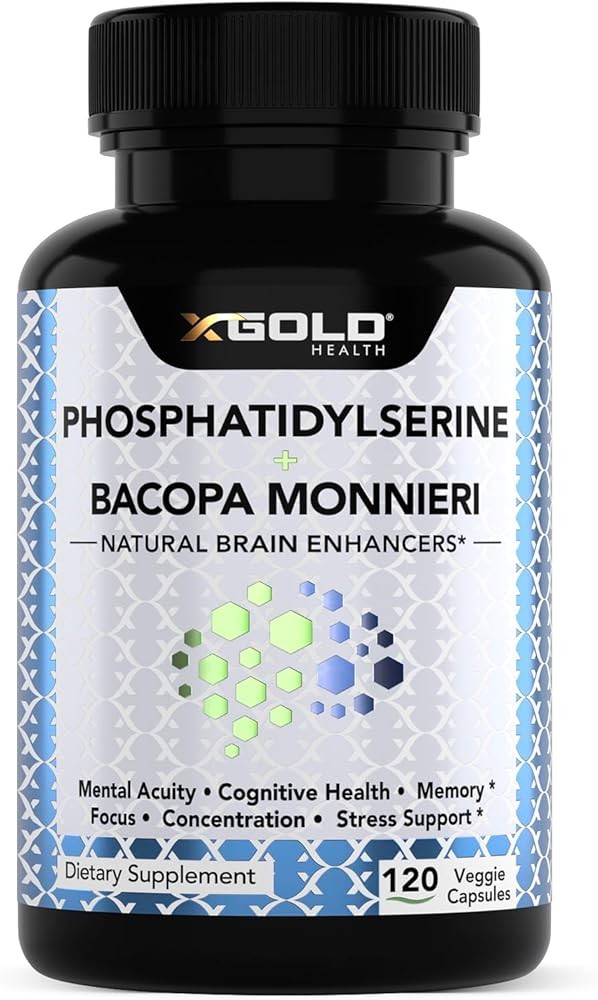
PhosphatidylSerine & Bacopa Monnieri 800 mg 2 in 1 Supplement - Natural Brain Enhancer/Nootropic for Enhanced Focus a...
Check Price on AmazonAs an Amazon Associate we earn from qualifying purchases.
This combination supplement provides clinically validated bacopa dosing alongside phosphatidylserine, a phospholipid critical for neuronal membrane integrity and signaling. The synergy between bacopa’s cholinergic modulation and phosphatidylserine’s membrane support may produce broader cognitive benefits than either compound alone. Users report improvements in memory, focus, and mental clarity within 8-10 weeks. The 300mg bacopa dose matches clinical trial protocols, while the phosphatidylserine content (typically 100-200mg in combination formulas) supports synaptic function and may enhance bacopa’s neuroplastic effects.
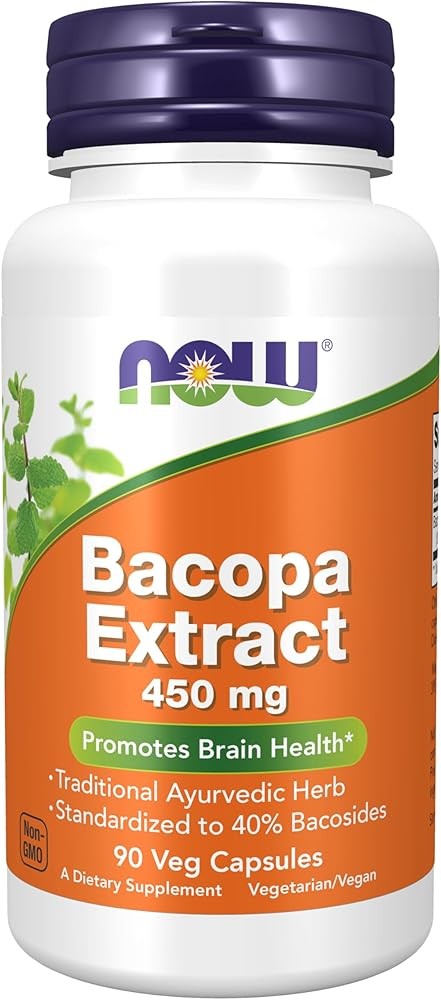
NOW Foods Supplements, Bacopa Extract (Bacopa monnieri) 450 mg, Promotes Brain Health*, 90 Veg Capsules
Check Price on AmazonAs an Amazon Associate we earn from qualifying purchases.
NOW Foods delivers clinically effective bacopa dosing at approximately one-third the cost of premium combination formulas. The 450mg capsules standardized to 45% bacosides provide 203mg of active bacosides—exceeding the 150mg minimum demonstrated effective in clinical trials. NOW Foods has a strong reputation for third-party testing, GMP manufacturing, and consistent product quality. The BaCognize extract used in this formula specifically has been studied in human cognitive trials. For budget-conscious users seeking evidence-based bacopa supplementation without added ingredients, this represents exceptional value. The 90-capsule bottle provides a full 90-day supply at under $13.
For users prioritizing organic certification and purity, True Veda offers USDA certified organic bacopa extract at 500mg per capsule with 50% standardization. This delivers 250mg bacosides per capsule—at the high end of clinically studied doses. Organic certification ensures cultivation without synthetic pesticides or fertilizers, which may be particularly important for herbs like bacopa that bioaccumulate compounds from their aquatic growing environment. The higher bacoside content per capsule allows flexible dosing, with the option to start at half a capsule (250mg extract, 125mg bacosides) for tolerance assessment before increasing to full dose.
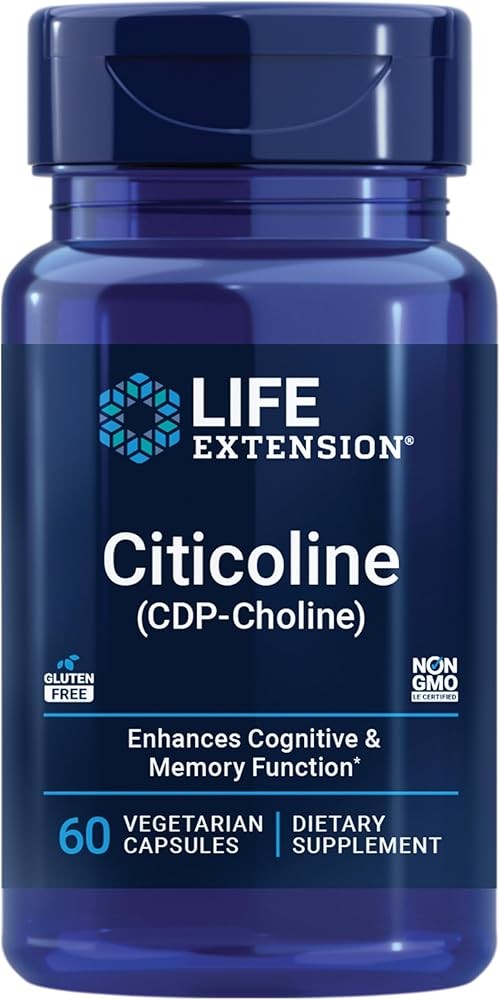
Life Extension Citicoline (CDP-Choline) - Citicoline Supplement for Brain & Cognitive Health, Focus, Attention, Memor...
Check Price on AmazonAs an Amazon Associate we earn from qualifying purchases.
While not a bacopa product, citicoline represents one of the most synergistic nootropics to combine with bacopa supplementation. Citicoline (CDP-choline) provides both choline and cytidine, supporting acetylcholine synthesis and neuronal membrane health. When combined with bacopa, which inhibits acetylcholinesterase and reduces acetylcholine breakdown, the pairing creates a two-pronged approach: citicoline increases acetylcholine production while bacopa prolongs its activity. Life Extension uses Cognizin brand citicoline, which has extensive clinical research supporting cognitive benefits. Users combining 250mg citicoline with 300mg bacopa often report synergistic improvements in memory, focus, and mental clarity exceeding either compound alone.
What subtle body signals indicate Bacopa is working?
Unlike pharmaceuticals with obvious acute effects, Bacopa’s benefits develop gradually and subtly over weeks. Many users question whether supplementation is “working” during the initial weeks when dramatic changes haven’t yet manifested. Understanding the timeline and subtle signals of cognitive improvement helps maintain adherence through the required 8-12 week period.
What should you expect during weeks 1-2?
During the first two weeks, most users notice minimal cognitive changes, though some experience mild effects related to Bacopa’s GABAergic activity:
- Slightly reduced mental tension or anxiety, particularly situational anxiety rather than background anxiety
- Improved sleep quality in some individuals, possibly related to reduced racing thoughts before bed
- Mild gastrointestinal effects (nausea, loose stools, cramping) in approximately 5-10% of users—these typically resolve within 7-10 days
- Subtle reduction in stress reactivity, noticing you’re slightly less bothered by minor frustrations
These early effects are real but modest. The absence of dramatic changes during week 1-2 does not indicate non-response—the memory and cognitive benefits require longer to develop.
What cognitive effects emerge during weeks 3-6?
Between weeks 3-6, as bacosides accumulate in neural tissue and begin modulating neurotransmitter systems and protein synthesis, more noticeable cognitive changes emerge:
- Faster information recall, particularly for recently learned material—names, facts, task details come to mind more quickly
- Improved conversational fluency, with reduced “tip-of-the-tongue” experiences where you know a word but can’t quite access it
- Better working memory capacity, noticing you can hold and manipulate more information simultaneously (tracking multiple conversation threads, remembering longer sets of instructions, mental arithmetic)
- Reduced cognitive fatigue during extended mental work—maintaining concentration and mental clarity longer before exhaustion sets in
- Improved learning efficiency, requiring fewer repetitions to master new information or skills
- Enhanced mental organization, with thoughts feeling more structured and less scattered
Not everyone experiences all these effects, and the degree varies based on baseline cognitive function, age, lifestyle factors, and individual biochemistry. Younger individuals with already-excellent cognitive function may notice more subtle benefits compared to older adults or those experiencing age-related decline.
What full therapeutic effects appear during weeks 7-12?
By weeks 7-12, Bacopa’s full spectrum of cognitive benefits typically manifests:
- Significantly improved long-term memory, with better retention of information learned weeks prior
- Enhanced recall speed and accuracy across multiple memory types (episodic, semantic, working)
- Improved mental clarity and reduced brain fog, with thinking feeling sharper and more focused
- Better stress management, maintaining cognitive performance during high-pressure situations that previously caused impairment
- Enhanced learning capacity, absorbing new information more efficiently and retaining it longer
- Improved cognitive flexibility, switching between tasks more smoothly and adapting to changing demands
- Reduced anxiety related to cognitive performance (test anxiety, public speaking nervousness)
- Better sleep-dependent memory consolidation, waking with clearer memory of previous day’s learning
Cognitive testing typically shows measurable improvements in attention span, processing speed, memory acquisition, and memory retention during this period.
What benefits does long-term use beyond 3 months provide?
Research extending beyond 12 weeks demonstrates that benefits continue and may even strengthen with longer-term use:
- Sustained cognitive improvements without apparent tolerance development or diminishing effects
- Potential neuroprotective benefits, possibly slowing age-related cognitive decline (though this requires long-term prospective studies to definitively establish)
- Stable mood and stress resistance, maintaining better emotional regulation under chronic stress
- Continued learning enhancement, with cumulative benefits for acquiring complex skills over months
Traditional Ayurvedic practice recommends extended use (6-12 months or longer) for maximum benefits, particularly for cognitive support in older adults.
What warning signs indicate you should discontinue or adjust?
While Bacopa is generally well-tolerated, certain signals indicate supplementation should be discontinued or dosage adjusted:
- Persistent gastrointestinal distress (nausea, cramping, diarrhea) lasting beyond 2 weeks—try reducing dosage by half or taking with food
- Excessive sedation or fatigue, particularly if interfering with daily function—reduce dose or split into smaller amounts throughout the day
- Thyroid symptoms (changes in energy, temperature sensitivity, hair loss, weight changes)—discontinue and consult healthcare provider for thyroid function testing
- Allergic reactions (rash, itching, difficulty breathing)—discontinue immediately
- Unusual mood changes (irritability, depression, anxiety worsening)—discontinue and consult healthcare provider
The vast majority of users tolerate Bacopa well without significant side effects, but individual biochemistry varies. Starting with lower doses (150 mg daily) and gradually increasing allows assessment of tolerance.
Bottom line: Bacopa’s cognitive effects develop gradually over 8-12 weeks—weeks 1-2 bring subtle GABAergic effects (reduced anxiety, better sleep), weeks 3-6 show emerging improvements (faster recall, better working memory, reduced cognitive fatigue), weeks 7-12 produce full therapeutic effects (significantly improved long-term memory, enhanced learning capacity, better stress management), and benefits persist 4+ weeks after discontinuation.
How can you maximize Bacopa absorption and bioavailability?
One often-overlooked aspect of Bacopa supplementation is bioavailability—the percentage of ingested bacosides that actually reach systemic circulation and neural tissue. Even high-quality extracts standardized to 50% bacosides provide limited benefit if poorly absorbed in the gastrointestinal tract.
Why is bacoside absorption challenging?
Bacosides are complex triterpenoid saponins with relatively large molecular structures and mixed hydrophilic-lipophilic properties. These characteristics create absorption challenges compared to smaller, more lipophilic compounds that cross biological membranes easily.
Research examining bacoside pharmacokinetics shows that oral bioavailability ranges from approximately 15-30%—meaning 70-85% of ingested bacosides never reach systemic circulation, instead being excreted or metabolized before absorption. This relatively low bioavailability explains why effective doses (300-450 mg extract) appear high compared to the actual bacoside content reaching neural tissue.
Several factors influence bacoside bioavailability:
Formulation factors: The extraction method, particle size, and excipients used in commercial products substantially affect dissolution and absorption rates. Micronized extracts with smaller particle sizes typically show enhanced bioavailability compared to standard powder formulations.
Co-ingestion with fats: As lipophilic compounds, bacosides demonstrate enhanced absorption when consumed with dietary fats. Studies show that taking Bacopa with a meal containing 10-15 grams of fat increases plasma bacoside concentrations by 30-50% compared to fasted administration. This effect likely involves incorporation of bacosides into mixed micelles during fat digestion, facilitating absorption across intestinal epithelia.
Gut microbiome metabolism: Intestinal bacteria metabolize bacosides before absorption, potentially converting them to more bioavailable metabolites or degrading them to inactive compounds. Individual variation in gut microbiome composition may partially explain the variable responses to Bacopa supplementation observed clinically.
First-pass hepatic metabolism: After absorption through the intestinal wall, bacosides travel via portal circulation to the liver, where cytochrome P450 enzymes metabolize a portion before reaching systemic circulation. This “first-pass effect” reduces the percentage reaching the brain.
What strategies can enhance bacoside absorption?
Several approaches may optimize bacoside bioavailability, though clinical research directly comparing these strategies remains limited:
Piperine co-administration: Black pepper extract (containing piperine) inhibits various drug-metabolizing enzymes and P-glycoprotein efflux transporters, potentially increasing bioavailability of co-administered compounds. Several Bacopa products now include piperine (typically 5-10 mg per dose) for this purpose. While direct evidence with Bacopa specifically is limited, the strategy has proven effective for other botanical compounds like curcumin.
Liposomal or phospholipid-based delivery: Encapsulating bacosides in phospholipid vesicles (liposomes) may enhance absorption by facilitating membrane crossing and protecting compounds from degradation. Commercial liposomal Bacopa products are emerging, though comparative bioavailability studies are needed to validate superiority over standard extracts.
Cyclodextrin complexation: Cyclodextrins are cyclic oligosaccharides that form inclusion complexes with lipophilic compounds, enhancing their water solubility and absorption. Research shows that bacoside-cyclodextrin complexes demonstrate improved dissolution rates and bioavailability in animal models, though human studies are lacking.
Nanoparticle formulations: Emerging research explores nanoparticle-based delivery systems for bacosides, potentially improving both absorption and brain penetration. While promising in research settings, nanoparticle Bacopa products are not yet widely commercially available.
For practical purposes, the most accessible bioavailability enhancement strategy is taking Bacopa with a meal containing healthy fats—eggs, nuts, avocado, fish, olive oil, or full-fat dairy. This simple approach likely accounts for much of the effectiveness observed in clinical trials, most of which instructed participants to take supplements with meals.
Bottom line: Bacosides have 15-30% oral bioavailability due to their large molecular structure, with absorption enhanced 30-50% when taken with 10-15g dietary fat—the most practical bioavailability strategy supported by clinical trial protocols that instructed meal-based supplementation.
What is the optimal Bacopa dosage and timing protocol?
Clinical evidence provides clear guidance on effective Bacopa supplementation, though some individual variation exists in optimal dosing.
What is the recommended standardized extract dosage?
The clinically validated dosage range is 300-450 mg daily of a standardized extract containing 50% bacosides (equivalent to 150-225 mg of actual bacosides). Most clinical trials demonstrating significant cognitive benefits use 300 mg daily as the standard dose.
Higher doses (450-600 mg) have been tested safely but don’t consistently produce proportionally greater benefits—response appears to plateau around 300-450 mg for most individuals. Starting at 300 mg daily provides the evidence-based dose while allowing room to increase if needed.
Critical: Verify bacoside standardization. Many Bacopa supplements don’t specify bacoside content or use lower standardization (20-30%), requiring higher doses to achieve equivalent effects. A 500 mg capsule of 20% bacosides extract contains only 100 mg bacosides—insufficient for clinical effects. Always choose extracts standardized to 45-55% bacosides and calculate actual bacoside content.
When should you take Bacopa for best absorption?
Bacosides are lipophilic (fat-soluble) compounds, suggesting that absorption may improve when taken with dietary fat. Some research protocols specify taking Bacopa with meals containing fat, though direct comparison studies of fasted versus fed administration are limited.
Practical recommendation: Take Bacopa with a meal containing fat (eggs, nuts, avocado, fish, full-fat yogurt) to optimize absorption. If gastrointestinal side effects occur, taking with food typically reduces them.
Timing of dose: Clinical trials typically use once-daily dosing, often in the morning. Some practitioners recommend splitting the dose (150 mg morning + 150 mg afternoon) for more sustained blood levels, though this hasn’t been formally tested. Given Bacopa’s mild GABAergic effects that may cause drowsiness in some individuals, morning dosing allows assessment of sedative effects before committing to evening doses that might impair sleep.
How long and how consistently should you take Bacopa?
The most critical dosing consideration is consistency over 8-12 weeks minimum. Bacopa’s mechanisms require time to produce neurological adaptations—irregular use or discontinuation before 8 weeks will fail to produce meaningful benefits.
Clinical evidence demonstrates that:
- Acute effects (single dose) produce minimal cognitive benefits beyond mild anxiolysis
- 4-6 week supplementation begins producing measurable memory improvements
- 8-12 week supplementation produces robust, consistent cognitive enhancement
- Benefits persist 4+ weeks after discontinuation, indicating enduring neuroplastic changes
Plan for a minimum 12-week trial to assess Bacopa’s effects. Shorter trials risk discontinuing supplementation just as benefits begin emerging.
Should you cycle Bacopa or use it continuously?
Unlike some nootropics that require cycling to avoid tolerance development, available evidence suggests Bacopa maintains efficacy with continuous long-term use. Studies extending 6-12 months show sustained benefits without apparent tolerance.
Traditional Ayurvedic use often involves prolonged supplementation (months to years) without scheduled breaks. However, some practitioners recommend occasional breaks (1-2 weeks every 3-4 months) as a precautionary measure, though this isn’t based on evidence of tolerance development.
Practical recommendation: Use Bacopa continuously for at least 12 weeks, then consider either continuing indefinitely or taking 1-2 week breaks quarterly as a precautionary measure.
Bottom line: The clinically validated dose is 300-450 mg daily of extract standardized to 50% bacosides (150-225 mg actual bacosides), taken with dietary fat for optimal absorption, using once-daily dosing consistently for a minimum 8-12 weeks without cycling—benefits persist 4+ weeks after discontinuation, indicating enduring neuroplastic changes.
How do you choose a high-quality Bacopa supplement?
Supplement quality varies dramatically based on extraction methods, standardization, third-party testing, and manufacturing practices. Choosing a high-quality product ensures you’re actually getting clinically effective bacosides rather than low-potency plant material.
What standardization level should you look for?
Minimum standard: Look for extracts standardized to 45-55% bacosides. This is the standardization level used in most clinical trials demonstrating cognitive benefits. Products standardized to lower percentages (20-30%) or listing no standardization should be avoided—they’re unlikely to deliver clinical effects unless you take much higher doses.
Some premium products specify bacoside A content specifically, as this is considered the most bioactive bacoside fraction. While total bacoside content remains the primary marker, products listing bacoside A percentage demonstrate attention to quality and standardization precision.
Should you choose branded extracts?
Several branded Bacopa extracts have established reputations and clinical research:
BaCognize: A patented Bacopa extract standardized to 45% bacosides that has been used in multiple human cognitive trials. Products using BaCognize can reference specific clinical studies supporting efficacy.
Synapsa: Another clinically studied Bacopa extract standardized to 55% bacosides. Research using Synapsa has demonstrated improvements in processing speed, working memory, and cognitive performance.
KeenMind: An Australian-developed Bacopa extract with extensive safety and efficacy data, particularly in older adults and individuals with cognitive impairment.
While non-branded extracts meeting standardization requirements can be equally effective, branded extracts provide additional quality assurance and direct links to clinical research.
What third-party testing should you verify?
Reputable manufacturers submit products for independent testing to verify:
Bacoside content: Confirming that labeled standardization matches actual bacoside concentration Heavy metals: Ensuring arsenic, lead, cadmium, and mercury levels fall below safety thresholds (particularly important for aquatic plants like Bacopa that can bioaccumulate metals) Microbial contamination: Testing for bacteria, yeast, mold, and E. coli Pesticides: Verifying absence of prohibited pesticides (especially important for non-organic products)
Look for products displaying third-party testing certifications from organizations like USP (United States Pharmacopeia), NSF International, ConsumerLab, or Labdoor.
What delivery formats work best?
Capsule/tablet forms containing standardized extract are most convenient and allow precise dosing. Powder forms offer flexibility in dosing but have a bitter taste requiring mixing with food or beverages.
Syrup formulations (traditional Brahmi ghrita) combine Bacopa with ghee (clarified butter) for traditional preparation, though standardization is typically lower and dosing less precise.
Liquid extracts/tinctures require higher volumes to achieve effective doses and often contain alcohol, which some users prefer to avoid.
For most users, capsules containing 150 mg of 50% bacoside extract (allowing flexible dosing of 1-3 capsules daily) provide the best combination of convenience, precision, and clinical efficacy.
Bottom line: Bacopa extract standardized to 45-55% bacosides in capsule form (150 mg per capsule allowing 1-3 capsules daily dosing flexibility) provides the best combination of convenience, precision, and clinical efficacy compared to powders, syrups, or liquid tinctures which offer less precise dosing control.
What nootropics combine synergistically with Bacopa?
Bacopa works through specific mechanisms (primarily cholinergic modulation, antioxidant activity, and neuroplasticity enhancement), creating opportunities for synergistic combinations with compounds addressing complementary cognitive pathways.
How does citicoline (CDP-choline) synergize with Bacopa?
Citicoline (cytidine-5’-diphosphocholine) provides both choline and cytidine, supporting acetylcholine synthesis and phospholipid membrane production. When combined with Bacopa, which inhibits acetylcholinesterase and prolongs acetylcholine activity, the pairing creates a comprehensive cholinergic support strategy:
- Citicoline increases production: Providing substrate (choline) for acetylcholine synthesis
- Bacopa reduces breakdown: Inhibiting the enzyme (AChE) that degrades acetylcholine
This complementary mechanism produces higher and more sustained acetylcholine levels than either compound alone. Clinical experience suggests combining 250 mg citicoline with 300 mg Bacopa produces synergistic memory and focus benefits.
What role does Lion’s Mane play with Bacopa?
Lion’s Mane mushroom (Hericium erinaceus) stimulates nerve growth factor (NGF) synthesis and promotes neurogenesis, while Bacopa enhances synaptic protein synthesis and dendritic branching. The combination addresses neuroplasticity through complementary mechanisms:
- Lion’s Mane: Promotes new neuron growth and nerve regeneration
- Bacopa: Enhances dendritic complexity and synaptic strength in existing neurons
For individuals seeking long-term neuroprotection and cognitive optimization, combining 500-1000 mg Lion’s Mane extract with 300 mg Bacopa may provide broader neuroplastic benefits. This pairing is particularly interesting for older adults seeking to maintain cognitive function and potentially slow age-related decline. Consider reading our Lion’s Mane for Brain Health and Neurogenesis guide for detailed information on combining these compounds.
Can caffeine and L-theanine complement Bacopa’s effects?
The caffeine + L-theanine stack provides acute alertness and focus through adenosine receptor antagonism (caffeine) and alpha-wave promotion (L-theanine), while Bacopa works on longer-term memory consolidation and neuroplasticity. These mechanisms are complementary rather than redundant:
- Caffeine/L-theanine: Acute attention, alertness, and focus (effects within 30-60 minutes)
- Bacopa: Gradual memory enhancement, learning capacity, and neuroprotection (effects over 8-12 weeks)
A practical combination might involve daily Bacopa (300 mg) for long-term cognitive support, with caffeine/L-theanine (100 mg caffeine + 200 mg L-theanine) used as needed for immediate focus during cognitively demanding tasks. For comprehensive information on this well-researched combination, see our guide on Caffeine and L-Theanine Stack: The Research Behind the Combo.
How does phosphatidylserine work with Bacopa?
Phosphatidylserine (PS) is a phospholipid concentrated in neuronal membranes, crucial for membrane fluidity, receptor function, and intracellular signaling. Research shows PS supplementation (100-300 mg daily) improves memory, attention, and cognitive processing, particularly in older adults.
Combining PS with Bacopa addresses both:
- Structural support (PS maintains membrane integrity and receptor function)
- Functional modulation (Bacopa enhances neurotransmitter systems and protein synthesis)
Several commercial products combine Bacopa with PS for this reason, providing comprehensive cognitive support in a single formula. The PhosphatidylSerine & Bacopa Monnieri 800mg combination reviewed earlier exemplifies this strategy.
What about omega-3 fatty acids (DHA) with Bacopa?
DHA (docosahexaenoic acid), an omega-3 fatty acid concentrated in brain tissue, supports membrane fluidity, reduces neuroinflammation, and may enhance neuroplasticity. Given that Bacopa also exhibits anti-inflammatory and neuroplastic effects through different mechanisms, combining DHA with Bacopa creates a broad-spectrum neuroprotective regimen:
- DHA: Structural membrane support, inflammation reduction, BDNF enhancement
- Bacopa: Cholinergic modulation, antioxidant protection, synaptic protein synthesis
A practical approach combines 1-2 grams of high-quality fish oil (providing 300-600 mg DHA) with 300 mg Bacopa daily, both taken with meals for optimal absorption.
Bottom line: Bacopa combines synergistically with citicoline (complementary cholinergic support—citicoline increases acetylcholine production while Bacopa reduces breakdown), Lion’s Mane (complementary neuroplasticity—Lion’s Mane promotes neurogenesis while Bacopa enhances dendritic branching), phosphatidylserine (structural membrane support complementing Bacopa’s functional modulation), omega-3 DHA (anti-inflammatory and membrane support), and caffeine/L-theanine (acute focus complementing Bacopa’s long-term memory benefits).
How does traditional Ayurvedic use compare to modern evidence?
Bacopa’s 3,000+ year history in Ayurvedic medicine provides interesting context for modern research findings, revealing both remarkable consistency and some differences between traditional wisdom and contemporary science.
What did ancient Ayurvedic texts say about Brahmi?
In classical Ayurvedic texts including the Charaka Samhita (compiled around 100 BCE) and Sushruta Samhita, Brahmi (Bacopa Monnieri) is described as a Medhya Rasayana—a category of herbs specifically indicated for enhancing intellectual function, memory, and longevity.
Traditional indications included:
- Memory enhancement and learning capacity in students and scholars
- Age-related cognitive decline and senility
- Epilepsy and nervous system disorders
- Anxiety and mental agitation
- Insomnia related to mental overactivity
Ayurvedic texts recommended long-term use (months to years) rather than short-term supplementation, consistent with modern understanding that Bacopa’s benefits require sustained use for neuroplastic changes.
How was Bacopa traditionally prepared and dosed?
Classical Ayurvedic preparation typically involved:
Brahmi ghrita: Fresh Bacopa leaves processed in ghee (clarified butter), creating a lipid-based preparation. This traditional method intuitively addressed the bioavailability challenges modern research has identified—lipophilic bacosides likely absorb better when prepared in fat-rich ghee.
Brahmi churna: Dried and powdered whole plant, taken with honey, ghee, or milk. Again, the addition of fat-containing vehicles (milk, ghee) aligns with current understanding of bacoside absorption.
Dosing: Traditional doses varied widely but typically involved 1-2 teaspoons (approximately 3-6 grams) of churna or ghrita daily—substantially higher than modern concentrated extracts, but consistent when accounting for the lower bacoside concentration in whole plant preparations versus standardized extracts.
Duration: Ayurvedic protocols typically recommended sustained use for 3-6 months minimum, with some texts suggesting continuous use for years for maximum Medhya (cognitive enhancement) benefits.
What does modern research validate about traditional use?
Contemporary clinical trials have validated several traditional claims:
Memory enhancement: Ancient texts’ primary claim for Brahmi—that it enhances memory and learning capacity—has been repeatedly confirmed in randomized controlled trials.
Age-related decline: Traditional use for senility and age-related cognitive impairment aligns with modern studies showing benefits in older adults and individuals with mild cognitive impairment.
Anxiety reduction: Ayurvedic use for anxiety and mental agitation has been validated by studies demonstrating GABAergic anxiolytic effects comparable to pharmaceutical anxiolytics in animal models.
Long-term use requirement: Traditional recommendations for extended supplementation (months to years) match modern findings that Bacopa’s full benefits require 8-12 weeks minimum and may strengthen with longer use.
Lipid-based preparation: The traditional practice of preparing Bacopa in ghee or taking with milk aligns with modern pharmacokinetic studies showing enhanced absorption with dietary fat.
Where does modern evidence diverge from tradition?
While modern research validates many traditional claims, some divergences exist:
Standardization: Traditional whole-plant preparations contain variable bacoside concentrations depending on growing conditions, harvest timing, and preparation methods. Modern standardized extracts ensure consistent dosing—a significant advantage for reliable effects.
Mechanisms: Ancient texts attributed Brahmi’s effects to balancing Vata dosha and enhancing Ojas (vital essence). Modern research has identified specific molecular mechanisms (acetylcholinesterase inhibition, GABA modulation, antioxidant activity, protein synthesis) that provide more precise understanding, though the traditional concepts may have been intuitive descriptions of these mechanisms.
Dosing precision: Traditional dosing was less precise, relying on measures like “teaspoons” of variable preparations. Modern standardized extracts allow exact bacoside dosing, improving consistency and enabling dose-response research.
Clinical validation: While Ayurvedic practitioners accumulated extensive observational experience over millennia, modern randomized controlled trials provide higher-quality evidence by controlling for placebo effects, regression to the mean, and confounding variables.
Bottom line: Traditional Ayurvedic use of Bacopa (Brahmi) as a Medhya Rasayana for memory, learning, anxiety, and age-related decline has been extensively validated by modern clinical trials, with traditional long-term use recommendations and lipid-based preparations aligning remarkably with current pharmacokinetic understanding—modern standardized extracts improve on tradition by ensuring consistent bacoside dosing while maintaining the therapeutic principles developed over 3,000 years.
What is Bacopa’s safety profile and potential side effects?
Understanding Bacopa’s safety profile—both established benefits and potential risks—allows informed supplementation decisions.
What does long-term safety data show?
Clinical trials extending up to 12 months have consistently shown good safety profiles for Bacopa supplementation at standard doses (300-450 mg daily of standardized extract). The longest published human trial followed participants for 12 months, reporting no serious adverse events and excellent tolerability.
Traditional Ayurvedic use spanning millennia suggests safety with very long-term use (years to decades), though this observational evidence lacks the rigor of controlled clinical trials. The absence of documented significant harm across thousands of years of use provides reassuring context, though ancient preparation methods and dosing differed from modern standardized extracts.
Animal toxicology studies have found no evidence of carcinogenicity, mutagenicity, or teratogenicity at doses far exceeding human equivalent doses. The LD50 (lethal dose in 50% of test subjects) in rodent models is extremely high, indicating low acute toxicity.
What are the most common side effects?
The most frequently reported side effects in clinical trials include:
Gastrointestinal effects (5-10% of users):
- Nausea
- Cramping
- Bloating
- Loose stools or diarrhea
- Increased bowel movement frequency
These effects typically emerge during the first 1-2 weeks and resolve with continued use or dose reduction. Taking Bacopa with food substantially reduces gastrointestinal side effects for most users.
Fatigue or sedation (less common, approximately 2-5% of users):
- Mild drowsiness, particularly in morning hours
- Reduced energy levels
- Increased sleep duration
These effects relate to Bacopa’s GABAergic activity. Starting with lower doses and gradually increasing allows assessment of individual sensitivity. Some users find that taking Bacopa in the evening rather than morning eliminates daytime fatigue.
What are the theoretical risks and contraindications?
While serious adverse events are rare, certain theoretical concerns and contraindications warrant attention:
Thyroid function: Animal studies suggest Bacopa may increase thyroid hormone production (T4) while also enhancing T4-to-T3 conversion. While this could theoretically benefit hypothyroid individuals, it raises concerns for:
- Individuals with hyperthyroidism or Graves’ disease (could worsen condition)
- Those taking thyroid hormone replacement (could necessitate dose adjustment)
Human evidence for thyroid effects remains limited. As a precaution, individuals with thyroid conditions should consult healthcare providers and consider monitoring thyroid function (TSH, free T3, free T4) after starting Bacopa.
Bradycardia and hypotension: Bacopa may slightly reduce heart rate and blood pressure in some individuals. While effects are generally mild, those with existing bradycardia (heart rate below 60 bpm), hypotension, or taking medications affecting cardiovascular function should exercise caution.
Drug interactions: Bacopa’s enzyme effects could theoretically interact with:
- Anticholinergic medications (Bacopa’s cholinergic effects oppose these drugs)
- Sedatives and CNS depressants (Bacopa’s GABAergic activity could enhance sedation)
- Thyroid hormones (potential for interaction based on thyroid effects)
- Cytochrome P450 substrates (Bacopa may affect drug metabolism, though human evidence is limited)
Pregnancy and lactation: Safety during pregnancy and breastfeeding has not been established in clinical trials. Traditional Ayurvedic use sometimes included Bacopa during pregnancy, but modern clinical guidelines suggest avoiding supplementation during pregnancy and lactation due to insufficient safety data.
Surgery: Due to potential effects on neurotransmitter systems and theoretical interactions with anesthesia, some practitioners recommend discontinuing Bacopa 2 weeks before scheduled surgery.
Who should avoid Bacopa or use with caution?
The following populations should avoid Bacopa or consult healthcare providers before supplementation:
- Pregnant or breastfeeding women (insufficient safety data)
- Individuals with thyroid disorders, especially hyperthyroidism
- Those with bradycardia or significant hypotension
- People taking anticholinergic medications
- Individuals taking sedatives, benzodiazepines, or other CNS depressants
- Those with bowel obstruction or slow GI motility (Bacopa may increase GI activity)
- Individuals scheduled for surgery within 2 weeks
How can you minimize side effects?
If experiencing side effects, several strategies can help:
For gastrointestinal issues:
- Take Bacopa with food, particularly fat-containing meals
- Reduce dose by 50% and gradually increase over 2-3 weeks
- Split dose (e.g., 150 mg twice daily instead of 300 mg once daily)
- Ensure adequate hydration
For fatigue or sedation:
- Take Bacopa in the evening rather than morning
- Reduce dose and assess tolerance
- Ensure sleep quality is adequate (paradoxically, poor sleep worsens fatigue)
- Consider whether other factors (stress, diet, other supplements) might contribute
For any concerning symptoms:
- Discontinue Bacopa
- Consult healthcare provider
- Consider thyroid function testing if symptoms suggest thyroid involvement
Bottom line: Bacopa demonstrates excellent safety in clinical trials extending to 12 months at 300-450 mg daily, with the most common side effects being transient gastrointestinal issues (5-10% of users) and occasional fatigue (2-5%)—contraindications include pregnancy/lactation, hyperthyroidism, and use with anticholinergic or sedative medications, with theoretical thyroid and cardiovascular effects warranting monitoring in susceptible individuals.
What does emerging research reveal about Bacopa’s future applications?
While Bacopa’s memory-enhancing effects in healthy adults are well-established, emerging research explores additional applications that could expand its therapeutic utility.
Could Bacopa slow Alzheimer’s disease progression?
Given Bacopa’s multiple neuroprotective mechanisms—acetylcholinesterase inhibition, antioxidant activity, anti-inflammatory effects, and potential amyloid-beta reduction—researchers are investigating whether it might slow Alzheimer’s disease (AD) progression.
Preliminary animal research shows that Bacopa:
- Reduces amyloid-beta accumulation in brain tissue
- Decreases tau protein hyperphosphorylation (another AD hallmark)
- Provides antioxidant protection against amyloid-induced oxidative damage
- Improves memory function in transgenic mouse models of Alzheimer’s
A 2011 study in Journal of Ethnopharmacology found that Bacopa extract reduced amyloid-beta deposits in the hippocampus and cortex of AD model mice while improving spatial memory. However, translating these findings to human Alzheimer’s patients requires clinical trials that have not yet been conducted.
The mechanistic overlap between Bacopa and pharmaceutical cholinesterase inhibitors (donepezil, rivastigmine) used in AD treatment suggests potential benefits, but Bacopa’s effects are likely more subtle and better suited to early intervention and support rather than advanced dementia.
Can Bacopa help with depression and mood disorders?
Emerging evidence suggests Bacopa may have antidepressant properties through several mechanisms:
- Serotonin system modulation (increasing receptor density and signaling)
- Stress hormone regulation (reducing cortisol elevation)
- GABA-mediated anxiolysis (reducing anxiety that often accompanies depression)
- Neuroprotection against stress-induced hippocampal damage
A 2008 study in Phytotherapy Research demonstrated antidepressant effects of Bacopa extract comparable to imipramine (a tricyclic antidepressant) in animal models, achieved through serotonergic and GABAergic mechanisms.
Small human trials suggest mood improvements in older adults supplementing with Bacopa for cognitive support, though whether these effects reflect direct antidepressant action or secondary benefits from improved cognitive function and reduced anxiety remains unclear.
Clinical trials specifically targeting depression with Bacopa as a primary intervention are needed to establish efficacy for mood disorders.
Does Bacopa have applications for ADHD beyond cognition?
Early research on Bacopa for ADHD (discussed in the clinical research section) showed improvements in attention, memory, and impulse control. Emerging interest focuses on whether Bacopa might address additional ADHD-related challenges:
Emotional dysregulation: ADHD often involves difficulty regulating emotions and managing frustration. Bacopa’s anxiolytic and stress-buffering effects might help with emotional control, though this hasn’t been formally studied.
Sleep disturbances: Many individuals with ADHD experience sleep problems. Bacopa’s GABAergic effects and potential to reduce racing thoughts might improve sleep quality, indirectly benefiting daytime ADHD symptoms.
As an adjunct to stimulant medication: Some clinicians explore using Bacopa alongside stimulant medications (methylphenidate, amphetamines) to enhance cognitive benefits while potentially reducing anxiety or sleep problems sometimes exacerbated by stimulants. This combination hasn’t been studied in controlled trials.
Can Bacopa enhance neuroplasticity and learning in educational settings?
Given Bacopa’s effects on learning efficiency and memory consolidation, researchers are exploring applications in educational contexts:
Medical and professional education: Where large volumes of complex information must be mastered, Bacopa might enhance learning efficiency. A pilot study in medical students suggested improved information retention, though larger trials are needed.
Language learning: Memory consolidation and verbal learning improvements might accelerate language acquisition. No formal trials have tested this application specifically.
Skill acquisition: Enhanced neuroplasticity could theoretically accelerate motor skill learning (musical instruments, sports, technical skills), though this remains speculative pending research.
What about neuroprotection in traumatic brain injury?
Preliminary animal research suggests Bacopa’s antioxidant and anti-inflammatory properties might provide neuroprotection following traumatic brain injury (TBI). Studies show reduced oxidative damage, preserved mitochondrial function, and improved behavioral recovery in TBI animal models treated with Bacopa.
However, the extreme complexity of TBI and the limitations of animal models mean these findings remain highly preliminary. Human trials would be necessary to determine whether Bacopa offers meaningful neuroprotection or recovery enhancement following brain injury.
Bottom line: Emerging research explores Bacopa’s potential beyond memory enhancement—including Alzheimer’s disease progression (through amyloid-beta reduction and tau protein modulation in animal models), depression (via serotonergic and GABAergic mechanisms showing effects comparable to imipramine in animal studies), enhanced applications in ADHD, educational learning efficiency, and traumatic brain injury neuroprotection—though all these applications require human clinical trials for validation.
How should you implement Bacopa supplementation practically?
Translating research evidence into practical supplementation requires addressing logistics, expectations, and integration with broader cognitive health strategies.
What is a practical implementation protocol?
A evidence-based Bacopa supplementation protocol looks like:
Week 1-2: Initiation phase
- Start with 150 mg daily (half the standard dose) to assess tolerance
- Take with a meal containing 10-15g fat (eggs, nuts, avocado, fish)
- Monitor for gastrointestinal side effects or unusual fatigue
- If tolerating well, increase to full dose (300 mg daily) by end of week 2
Week 3-8: Build-up phase
- Continue 300 mg daily with consistent meal timing
- Begin noticing subtle cognitive changes (faster recall, reduced tip-of-tongue moments)
- Maintain daily logs tracking subjective cognitive performance if desired
- Address any side effects with dosing adjustments or timing changes
Week 9-12: Full effect phase
- Continue 300 mg daily
- Full therapeutic effects should manifest (improved long-term memory, learning efficiency, stress resilience)
- Consider formal cognitive testing if you did baseline testing before starting
- Decide on long-term continuation strategy
Beyond 12 weeks: Maintenance
- Continue 300 mg daily indefinitely for sustained benefits
- Optional: Consider 1-2 week breaks every 3-4 months as precautionary measure
- Monitor for any changes in response or emerging side effects
- Periodic (annual) thyroid function testing if you have risk factors
Should you do baseline cognitive testing?
While not necessary, baseline cognitive testing before starting Bacopa allows objective assessment of benefits. Several options exist:
Professional neuropsychological testing: The gold standard but expensive and time-consuming. Rarely practical unless cognitive concerns warrant formal evaluation.
Computerized cognitive testing platforms: Services like Cambridge Brain Sciences, Lumosity, or MindMetrix provide standardized cognitive assessments tracking memory, attention, processing speed, and other domains. Taking a baseline test before starting Bacopa and repeating at 8 and 12 weeks allows objective comparison.
Simple self-assessment: Track daily performance on specific tasks (memorizing phone numbers, learning new information, word recall) to subjectively gauge changes over time.
How do you integrate Bacopa with other cognitive health strategies?
Bacopa works best as part of comprehensive cognitive health optimization rather than isolated supplementation:
Sleep optimization: Bacopa enhances memory consolidation, but this process occurs primarily during sleep. Prioritizing 7-9 hours of quality sleep maximizes Bacopa’s benefits. For detailed guidance, see our article on How Much Melatonin Should You Actually Take.
Regular exercise: Physical activity promotes BDNF production, neurogenesis, and cerebral blood flow—complementary to Bacopa’s effects. Combining aerobic exercise (150 minutes weekly) with Bacopa supplementation likely produces synergistic cognitive benefits. For age-specific guidance, see Best Supplements for Building Muscle After 40.
Mediterranean or MIND diet: Diet quality affects cognitive function through inflammation, oxidative stress, and nutrient availability. Combining Bacopa with a brain-healthy diet rich in omega-3 fatty acids, antioxidants, and polyphenols provides comprehensive neuroprotection.
Stress management: While Bacopa improves stress resilience, chronic severe stress may overwhelm its protective effects. Integrating stress reduction practices (meditation, yoga, adequate rest) optimizes the mental environment for Bacopa’s cognitive benefits.
Gut health: Given the role of gut microbiome in bacoside metabolism, maintaining gut health through fiber, fermented foods, and potentially probiotics may optimize Bacopa’s effectiveness. For comprehensive information, see our guide on How to Improve Gut Health Naturally: Evidence-Based Guide.
What realistic expectations should you maintain?
Setting appropriate expectations avoids disappointment and supports adherence through the initial weeks when effects are subtle:
Bacopa is not:
- An immediate cognitive enhancer (effects take 8-12 weeks)
- A “smart drug” providing dramatic IQ increases
- A replacement for sleep, proper diet, or stress management
- Effective for everyone (individual response varies)
Bacopa is:
- A gradual, sustained memory and learning enhancer
- A neuroprotective compound with long-term brain health benefits
- An evidence-based botanical with extensive clinical validation
- Most effective as part of comprehensive cognitive optimization
How do you know if Bacopa is working for you?
Assessing response requires patience and attention to subtle signals:
Objective markers:
- Improved performance on memory tasks or cognitive testing
- Faster learning of new information (fewer repetitions needed)
- Better retention of information over days and weeks
- Improved performance under stress or cognitive demand
Subjective markers:
- Reduced “tip-of-the-tongue” moments
- Faster word recall in conversations
- Better mental organization and clarity
- Reduced cognitive fatigue during extended mental work
- Improved ability to remember names, facts, and details
If you haven’t noticed any of these changes by 12 weeks, Bacopa may not be effective for you, or your baseline cognitive function may be sufficiently high that improvements are difficult to detect.
Bottom line: Implement Bacopa with a structured protocol—weeks 1-2 initiation at 150mg daily with fat-containing meals, weeks 3-8 build-up at 300mg with emerging cognitive changes, weeks 9-12 full effects manifesting, then maintenance 300mg daily indefinitely—integrated with sleep optimization, exercise, brain-healthy diet, and stress management for synergistic benefits, with realistic expectations of gradual rather than dramatic cognitive enhancement.
Frequently Asked Questions
How long does Bacopa Monnieri take to work for memory improvement?
Bacopa Monnieri typically requires 8-12 weeks of consistent daily supplementation to produce noticeable memory and cognitive enhancement effects. Clinical studies show that while some acute effects may occur within hours, the full spectrum of benefits—including improved memory formation, recall speed, and information retention—develops gradually as bacosides accumulate in neural tissue and modulate neurotransmitter systems.
What is the optimal Bacopa Monnieri dosage for cognitive enhancement?
The clinically validated dosage range for Bacopa Monnieri is 300-450 mg daily of a standardized extract containing 50% bacosides (the active compounds). This translates to 150-225 mg of actual bacosides per day. Most clinical trials showing significant cognitive benefits use 300 mg daily, though some studies testing memory enhancement in older adults have successfully used up to 450 mg.
Can Bacopa Monnieri cause side effects or interact with medications?
Bacopa Monnieri is generally well-tolerated, but approximately 5-10% of users experience mild gastrointestinal side effects including nausea, cramping, bloating, or diarrhea, particularly during the first 1-2 weeks. Bacopa may have thyroid-modulating effects and could theoretically interact with thyroid medications. It may also enhance the effects of sedative medications due to its GABAergic activity.
Does Bacopa Monnieri work immediately or only with long-term use?
Bacopa Monnieri exhibits both acute and chronic effects, though they differ substantially. Acute effects (within 1-3 hours of a single dose) include mild anxiolytic effects and subtle improvements in cognitive processing under stress. However, the significant memory and cognitive enhancement benefits require chronic supplementation of 8-12 weeks minimum.
Is Bacopa Monnieri safe for long-term daily use?
Available evidence suggests Bacopa Monnieri is safe for long-term daily use at standard dosages (300-450 mg extract with 50% bacosides). Clinical trials have documented safe use for up to 12 months without significant adverse effects or tolerance development. Traditional Ayurvedic medicine has used Bacopa for centuries, supporting its long-term safety profile.
Is Bacopa Monnieri worth taking for cognitive enhancement?
For individuals seeking evidence-based cognitive support, particularly memory enhancement and neuroprotection, Bacopa Monnieri represents one of the most extensively validated botanical nootropics available. The clinical evidence supporting its efficacy is substantial—dozens of randomized controlled trials consistently demonstrate improvements in memory, learning, attention, and cognitive processing across multiple populations.
The key consideration is whether you can commit to consistent supplementation for 8-12 weeks minimum, as Bacopa’s mechanisms require time to produce neurological adaptations. If you’re seeking immediate cognitive effects, Bacopa isn’t the right choice—its benefits develop gradually but appear to produce enduring changes in neural function that persist weeks after discontinuation.
Bacopa works best for individuals who:
- Experience age-related memory decline or early cognitive changes
- Need to learn and retain large amounts of information (students, professionals)
- Experience stress-induced cognitive impairment
- Seek long-term neuroprotection and brain health support
- Prefer evidence-based botanical supplements over pharmaceuticals
- Can maintain consistent daily supplementation for 3+ months
For these individuals, the combination of memory enhancement, stress resilience, and potential neuroprotective effects—backed by extensive clinical research and supported by millennia of traditional use—makes Bacopa a valuable addition to comprehensive cognitive optimization strategies.
As with any supplement, Bacopa works best as part of broader health practices including quality sleep, regular exercise, stress management, and brain-healthy nutrition. It’s not a replacement for these foundational practices but rather a complement that may enhance their cognitive benefits.
Related Articles
- Lion’s Mane for Brain Health and Neurogenesis
- Caffeine and L-Theanine Stack: The Research Behind the Combo
- How Much Melatonin Should You Actually Take
- Best Supplements for Building Muscle After 40
- How to Improve Gut Health Naturally: Evidence-Based Guide
Related Reading
- Bacopa Monnieri Benefits: Memory & Cognitive Enhancement
- Methylene Blue for Cognitive Enhancement: The Research on This Mitochondrial Nootropic
- Alpha-GPC: The Superior Choline Source for Cognitive Enhancement, Memory, and Neuroprotection
- Phosphatidylserine: The Brain Phospholipid That Slashes Cortisol and Rebuilds Your Memory
- Phosphatidylcholine for Brain Health and Liver Function: Complete Evidence-Based Guide
- Mental Clarity, Focus, and Cognitive Function: Best Bacopa Monnieri Supplements for Memory
- Methylene Blue for Cognitive Enhancement: Mitochondrial Benefits
References
-
Stough C, Lloyd J, Clarke J, et al. The chronic effects of an extract of Bacopa monniera (Brahmi) on cognitive function in healthy human subjects. Psychopharmacology (Berl). 2001;156(4):481-484. PubMed: 11498727
-
Roodenrys S, Booth D, Bulzomi S, Phipps A, Micallef C, Smoker J. Chronic effects of Brahmi (Bacopa monnieri) on human memory. Neuropsychopharmacology. 2002;27(2):279-281. PubMed: 12093601
-
Calabrese C, Gregory WL, Leo M, Kraemer D, Bone K, Oken B. Effects of a standardized Bacopa monnieri extract on cognitive performance, anxiety, and depression in the elderly: a randomized, double-blind, placebo-controlled trial. J Altern Complement Med. 2008;14(6):707-713. PubMed: 18611150
-
Morgan A, Stevens J. Does Bacopa monnieri improve memory performance in older persons? Results of a randomized, placebo-controlled, double-blind trial. J Altern Complement Med. 2010;16(7):753-759. PubMed: 20590480
-
Peth-Nui T, Wattanathorn J, Muchimapura S, et al. Effects of 12-week Bacopa monnieri consumption on attention, cognitive processing, working memory, and functions of both cholinergic and monoaminergic systems in healthy elderly volunteers. Evid Based Complement Alternat Med. 2012;2012:606424. PubMed: 23259002
-
Benson S, Downey LA, Stough C, Wetherell M, Zangara A, Scholey A. An acute, double-blind, placebo-controlled cross-over study of 320 mg and 640 mg doses of Bacopa monnieri (CDRI 08) on multitasking stress reactivity and mood. Phytother Res. 2014;28(4):551-559. PubMed: 23788517
-
Dave UP, Dingankar SR, Saxena VS, et al. An open-label study to elucidate the effects of standardized Bacopa monnieri extract in the management of symptoms of attention-deficit hyperactivity disorder in children. Adv Mind Body Med. 2014;28(2):10-15. PubMed: 24682000
-
Kongkeaw C, Dilokthornsakul P, Thanarangsarit P, Limpeanchob N, Norman Scholfield C. Meta-analysis of randomized controlled trials on cognitive effects of Bacopa monnieri extract. J Ethnopharmacol. 2014;151(1):528-535. PubMed: 24252493
-
Uabundit N, Wattanathorn J, Mucimapura S, Ingkaninan K. Cognitive enhancement and neuroprotective effects of Bacopa monnieri in Alzheimer’s disease model. J Ethnopharmacol. 2010;127(1):26-31. PubMed: 19808086
-
Russo A, Borrelli F. Bacopa monniera, a reputed nootropic plant: an overview. Phytomedicine. 2005;12(4):305-317. PubMed: 15898709
-
Bhattacharya SK, Bhattacharya A, Kumar A, Ghosal S. Antioxidant activity of Bacopa monniera in rat frontal cortex, striatum and hippocampus. Phytother Res. 2000;14(3):174-179. PubMed: 10815010
-
Charles PD, Ambigapathy G, Geraldine P, Akbarsha MA, Rajan KE. Bacopa monniera leaf extract up-regulates tryptophan hydroxylase (TPH2) and serotonin transporter (SERT) expression: implications in memory formation. J Ethnopharmacol. 2011;134(1):55-61. PubMed: 21093568
-
Rajan KE, Singh HK, Parkavi A, Charles PD. Attenuation of 1-(m-chlorophenyl)-biguanide induced hippocampus-dependent memory impairment by a standardised extract of Bacopa monniera (BESEB CDRI-08). Neurochem Res. 2011;36(11):2136-2144. PubMed: 21751037
-
Prisila Dulcy C, Singh HK, Preethi J, Rajan KE. Standardized extract of Bacopa monniera (BESEB CDRI-08) attenuates contextual associative learning deficits in the aging rat’s brain induced by D-galactose. J Neurosci Res. 2012;90(10):2053-2064. PubMed: 22715001
-
Downey LA, Kean J, Nemeh F, et al. An acute, double-blind, placebo-controlled crossover study of 320 mg and 640 mg doses of a special extract of Bacopa monnieri (CDRI 08) on sustained cognitive performance. Phytother Res. 2013;27(9):1407-1413. PubMed: 23281132
Recommended Products