Beet Juice vs Nitric Oxide Boosters: Which Delivers Better Athletic Performance?
Summarized from peer-reviewed research indexed in PubMed. See citations below.
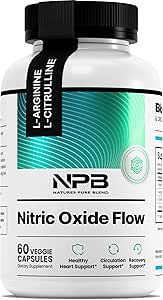
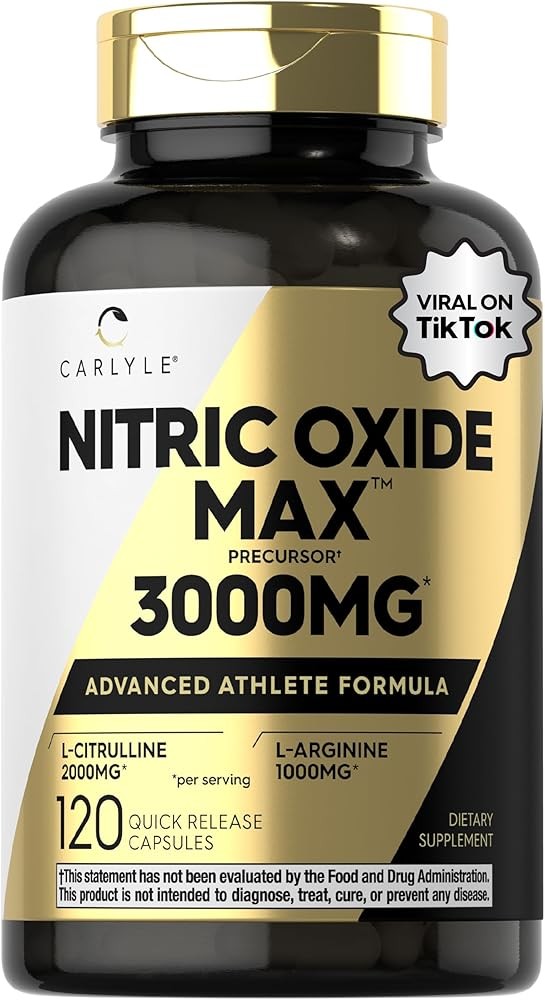
Athletes seeking improved blood flow and endurance often face a critical choice between two nitric oxide enhancement strategies. Research shows beet juice delivering 250-500mg dietary nitrates can improve time to exhaustion by 16% through the nitrate-nitrite-NO pathway. The Nature’s Pure Blend L-Arginine L-Citrulline supplement combines both amino acids at research-backed doses for approximately $20 per month. Published studies demonstrate L-citrulline bypasses first-pass metabolism to increase plasma arginine 2x more effectively than direct arginine supplementation, making it superior for sustained NO production. Budget-conscious athletes can choose the Carlyle Nitric Oxide Supplement at under $15 monthly or invest in fresh beet juicing with slow extractors. Here’s what the published research shows about these distinct biochemical pathways.
Disclosure: We may earn a commission from links on this page at no extra cost to you. Affiliate relationships never influence our ratings. Full policy →
When you’re searching for ways to boost athletic performance, improve blood flow and performance, and enhance cardiovascular health, you’ll encounter two distinct approaches: fresh beet juice loaded with dietary nitrates, and amino acid supplements like L-citrulline and L-arginine that serve as nitric oxide precursors. Both promise to increase nitric oxide (NO) levels in your body, but they work through completely different biochemical pathways with dramatically different results.
The athletic performance research is compelling. Studies show that beet juice consumption 2-3 hours before exercise improves time to exhaustion by 16%, reduces oxygen cost during submaximal exercise by 3-5%, and enhances power output during high-intensity intervals (PubMed 19661447). These aren’t marginal gains—they’re performance improvements that can make the difference between a personal record and a disappointing workout.
But here’s where it gets interesting: the way you prepare your beet juice matters enormously. Fresh beet juice extracted with a slow (masticating) juicer preserves heat- and oxygen-sensitive compounds better than high-speed centrifugal models. One 8-ounce glass of fresh beet juice delivers roughly 250-500mg of dietary nitrates—the same amount used in performance studies showing significant athletic benefits.
Meanwhile, L-citrulline and L-arginine supplements take a completely different route to boost nitric oxide. L-arginine faces a major obstacle: first-pass metabolism in the gut and liver destroys approximately 40% of oral doses before they ever reach your bloodstream. The enzyme arginase further limits arginine’s effectiveness by breaking it down into ornithine and urea rather than allowing it to convert into nitric oxide.
L-citrulline bypasses this metabolic bottleneck entirely. Your kidneys convert citrulline into arginine after it’s absorbed, making it approximately 2:1 more effective than taking arginine directly (PubMed 17662090). This is why citrulline malate (typically dosed at 6-8 grams) has become the preferred amino acid supplement for athletes seeking nitric oxide benefits.
The fundamental question isn’t whether these approaches work—both demonstrably increase nitric oxide—but which one delivers better results for your specific athletic goals, timing requirements, and physiological conditions.
📱 Join the discussion: Facebook | X | YouTube | Pinterest
What Is Nitric Oxide and Why Does It Matter for Athletic Performance?
Nitric oxide is a gaseous signaling molecule that revolutionized our understanding of cardiovascular physiology when scientists discovered its role in the 1980s (the work was so significant it earned the 1998 Nobel Prize in Physiology or Medicine). This simple molecule—just one nitrogen atom bonded to one oxygen atom—triggers relaxation of smooth muscle cells lining your blood vessels, causing vasodilation that increases blood flow throughout your body.
When blood vessels dilate, several performance-enhancing effects cascade through your system. Increased blood flow delivers more oxygen and nutrients to working muscles. Enhanced circulation removes metabolic waste products like lactate and hydrogen ions more efficiently. Better perfusion of muscle tissue improves muscle contraction efficiency. Expanded blood vessel diameter reduces the work your heart must do to pump blood, lowering cardiovascular strain during exercise.
But nitric oxide does more than just dilate blood vessels. It regulates mitochondrial respiration, making your cells more efficient at producing ATP. It modulates muscle contraction and calcium handling. It influences glucose uptake in skeletal muscle. It even affects muscle fiber type composition over time with regular elevation of NO levels.
Your body produces nitric oxide through two primary pathways, and this is where the beet juice versus supplement debate becomes biochemically fascinating.
How Does the eNOS Pathway Convert L-Arginine Into Nitric Oxide?
The classical nitric oxide synthesis pathway involves an enzyme called endothelial nitric oxide synthase (eNOS) that converts the amino acid L-arginine into nitric oxide and L-citrulline. This reaction requires several cofactors: oxygen, NADPH, tetrahydrobiopterin (BH4), flavin adenine dinucleotide (FAD), and flavin mononucleotide (FMN).
When you take L-arginine supplements, you’re attempting to provide more substrate for this eNOS enzyme. The theory is straightforward: more arginine means more raw material for eNOS to convert into nitric oxide. In practice, this pathway faces significant limitations.
First, L-arginine bioavailability is poor. When you swallow arginine capsules, the amino acid must survive the acidic environment of your stomach, get absorbed through intestinal enterocytes, and then pass through your liver before entering systemic circulation. The enzyme arginase is highly active in your intestinal tract and liver, rapidly breaking down arginine into ornithine and urea. Studies show that 40% or more of oral arginine doses get metabolized before reaching the bloodstream.
Second, even the arginine that makes it into circulation faces competition. Arginase continues breaking down arginine throughout your body. The enzyme transports arginine into cells where it’s needed, but these transporters must compete with other amino acids (lysine, ornithine, and others) that use the same transport systems. Your body also uses arginine for protein synthesis, immune function, and the production of creatine and agmatine—all competing uses that limit how much arginine is available for nitric oxide production.
Third, eNOS enzyme activity depends heavily on cofactor availability and enzyme coupling status. When BH4 levels are insufficient or oxidative stress is high, eNOS becomes “uncoupled”—it produces superoxide radicals instead of nitric oxide, actually worsening vascular function rather than improving it.
Research studies using oral L-arginine supplementation have shown inconsistent results. Some studies find modest improvements in blood flow and exercise performance with doses of 6-10 grams daily. Other studies find no benefit whatsoever. The variability likely reflects individual differences in arginase activity, baseline arginine status, and eNOS coupling efficiency.
Bottom line: The eNOS pathway converts L-arginine into nitric oxide but faces major obstacles—40% of oral arginine gets destroyed during first-pass metabolism, arginase breaks down remaining arginine, and the enzyme requires oxygen (which declines during intense exercise when you need NO most).
How Does the Nitrate-Nitrite-NO Pathway in Beet Juice Create Nitric Oxide?
The dietary nitrate pathway is an entirely different mechanism that your body has used for millions of years—we just didn’t understand it until the early 2000s. When you drink beet juice rich in dietary nitrates (NO3-), these nitrates don’t directly produce nitric oxide. Instead, they follow a fascinating multi-step journey through your body.
Step one occurs in your mouth. The nitrates in beet juice get absorbed into your bloodstream partially through oral mucosa, but most of them get swallowed and absorbed in your upper gastrointestinal tract. Your salivary glands then actively concentrate nitrate from your blood and secrete it into your saliva at concentrations 10-20 times higher than plasma levels.
Step two is where things get really interesting. Commensal bacteria living on the surface of your tongue—primarily facultative anaerobes in the grooves of your tongue’s dorsal surface—possess the enzyme nitrate reductase. These bacteria reduce salivary nitrate (NO3-) to nitrite (NO2-). This is why antibacterial mouthwash completely abolishes the performance benefits of beet juice: you eliminate the bacteria that perform this critical first reduction step.
Step three occurs after you swallow this nitrite-rich saliva. In your stomach’s acidic environment (pH 1-3), nitrite undergoes chemical reduction to nitric oxide and other nitrogen oxides. This gastric production of NO helps maintain the protective mucus layer lining your stomach and appears to play a role in antimicrobial defense.
Step four continues in your bloodstream and tissues. Circulating nitrite gets reduced to nitric oxide by several different mechanisms, including deoxygenated hemoglobin, myoglobin, xanthine oxidoreductase, and other metalloproteins. Crucially, this reduction is enhanced under conditions of hypoxia (low oxygen) and acidosis (low pH)—exactly the conditions present in working muscles during high-intensity exercise.
This is the elegant beauty of the dietary nitrate pathway: it provides a backup system for nitric oxide production that actually works better when the eNOS pathway is impaired. During intense exercise when oxygen levels drop and pH falls, eNOS enzyme activity declines. But nitrite-to-NO reduction accelerates under these exact conditions, providing nitric oxide precisely when your muscles need it most.
The performance implications are profound. The dietary nitrate pathway acts like a physiological performance enhancer that activates during the most demanding portions of your workout, when oxygen debt is highest and metabolic stress is greatest.
How Does Fresh Beet Juice Boost Athletic Performance by 16%?
One 8-ounce glass of fresh beet juice contains approximately 250-500mg of dietary nitrates, depending on growing conditions, beet variety, and how much of the beet (including stems and leaves) you juice. This nitrate content is what makes beet juice so effective for athletic performance enhancement.
The research documenting beet juice’s performance benefits is extensive and consistent. A landmark 2009 study in the Journal of Applied Physiology found that consuming 500ml of beet juice daily for six days reduced oxygen cost during submaximal cycling by 3-5% and increased time to exhaustion by 16% (PubMed 19661447). These aren’t trivial improvements—a 16% extension of time to exhaustion could add several minutes to a maximal effort or allow you to sustain a higher pace for the same duration.
The mechanism driving these performance improvements centers on nitric oxide’s effects on mitochondrial efficiency. Nitric oxide modulates mitochondrial respiration by affecting cytochrome c oxidase, the final enzyme in the electron transport chain, an effect demonstrated directly with dietary nitrate in humans (PubMed 21284982). This modulation appears to reduce the oxygen cost of ATP production, meaning your muscles can generate the same amount of energy while consuming less oxygen.
This is profoundly important for endurance performance. The limiting factor in most aerobic exercise isn’t your muscles’ ability to contract—it’s the oxygen delivery system’s capacity to supply working muscles with enough O2 to sustain aerobic metabolism. When beet juice reduces oxygen cost by 3-5%, you’re effectively increasing your functional aerobic capacity by the same percentage without any training adaptation.
The performance benefits extend beyond just oxygen efficiency. Studies have shown that beet juice improves:
- Time trial performance: 1-3% improvements in 4km and 16.1km cycling time trials
- Repeated sprint performance: Better maintenance of power output during repeated high-intensity efforts
- High-intensity intermittent exercise: Improved performance during team sport simulations
- Muscle contractile function: Enhanced muscle force production, particularly during later stages of repeated contractions
- Exercise tolerance at altitude: Maintained performance at elevation where oxygen availability is reduced
The timing of beet juice consumption matters significantly. Plasma nitrite levels peak approximately 2-3 hours after consumption, and this is when performance benefits are greatest. Athletes should consume their beet juice 2-3 hours before competition or key training sessions for maximum effect.
Interestingly, chronic beet juice supplementation (loading for 3-7 days) produces even greater benefits than acute single-dose consumption. This “beet loading” protocol allows nitrate to accumulate in tissues and appears to enhance the responsiveness of the nitrate-nitrite-NO pathway.
Bottom line: Fresh beet juice (roughly 500ml providing 250-500mg nitrates) consumed 2-3 hours pre-exercise improves time to exhaustion by 16%, reduces oxygen cost by 3-5%, and enhances time trial performance by 1-3%—with multi-day loading (3-7 days) producing greater benefits than single-dose consumption (PubMed 22248502).
Why Does Slow Juicing Matter for Beet Juice?
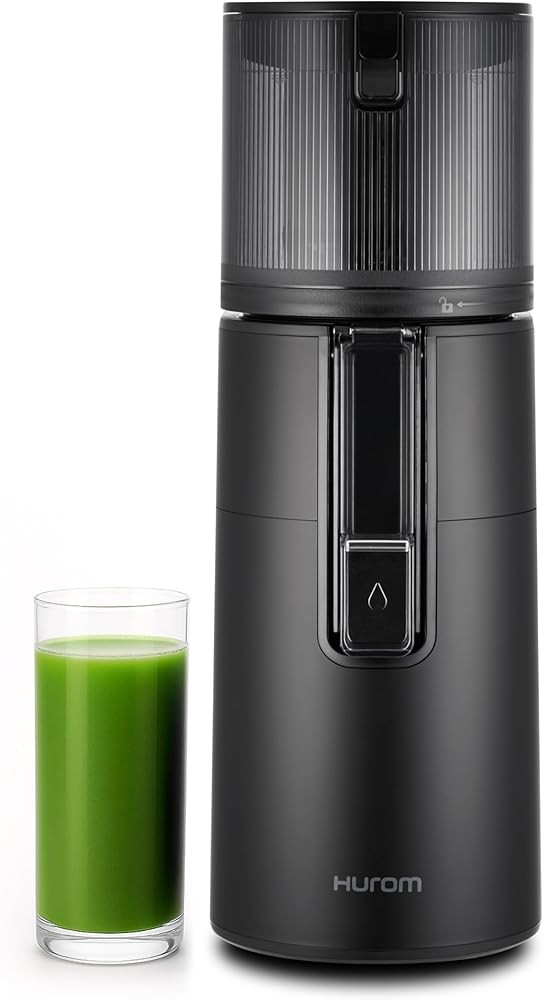
The method you use to extract juice from beets has a meaningful impact on the final product. High-speed centrifugal juicers and conventional blenders generate significant heat and oxidative stress that can degrade heat-sensitive nutrients. If you are buying a juicer specifically to make beet juice, a masticating model like the Hurom H400 (self-feeding, $749) is the reference option for households that juice regularly; simpler masticating models from other brands cost less, and prices and availability change, so check current listings.
Centrifugal juicers operate at 10,000-15,000 RPM, using a rapidly spinning mesh basket to separate juice from pulp. The extreme speed generates friction heat—you can feel the warmth if you touch the juicer housing during operation. This heat exposure, combined with the violent mechanical action and extensive air incorporation (notice how centrifugal juice has a foamy top), creates conditions that promote nitrate degradation.
Conventional blenders are even worse. They pulverize everything at 20,000+ RPM, generating substantial heat (which is why you can make hot soup in a high-powered blender from room-temperature ingredients). The extensive blending time required to break down fibrous beet material means prolonged heat exposure.
Slow masticating juicers run at roughly 40-80 RPM, about 200 times slower than centrifugal models. This slow-speed extraction preserves heat- and oxygen-sensitive compounds through several mechanisms.
First, the low RPM generates minimal heat; the juice stays close to room temperature. This reduces the risk of thermal degradation of heat-sensitive nitrates.
Second, the gentle masticating action mimics the chewing motion of your teeth, slowly crushing and pressing beets rather than violently shredding them. This reduces oxidative stress and enzymatic degradation that can occur when plant cell structures are rapidly destroyed.
Third, slow masticating designs minimize air incorporation. The juice emerges with minimal foam and oxidation compared to centrifugal juicers. Less air exposure means less oxidative degradation of nitrates and other phytonutrients.
Fourth, slow juicers typically achieve high juice yield, meaning more value from the same produce.
The practical implications for athletes are significant. If you’re consuming beet juice specifically for performance enhancement, using a high-speed juicer or blender may give you substantially less nitrate than you think you’re getting. The degradation isn’t just theoretical—it’s biochemically measurable.
The preservation extends beyond nitrates: slower extraction also retains more vitamin C and anthocyanins, the purple pigments in beets. You’re getting the full spectrum of beet benefits, not just a degraded fraction.
For optimal performance benefits, juice fresh beets and consume the juice within 30-60 minutes. Nitrate levels begin declining once beets are juiced, though refrigeration slows this degradation. Some athletes juice beets the night before morning workouts and store the juice in an airtight glass container in the refrigerator, but same-day juicing provides maximum nitrate content.
The practical point: slow masticating juicers run at roughly 40-80 RPM, about 200 times slower than centrifugal models, generating less heat and oxidation, which preserves more of the heat- and oxygen-sensitive compounds in beet juice.
Top Nitric Oxide Supplements for Athletic Performance
These four picks cover the spectrum from budget daily support to pure L-citrulline at the studied dose, with prices checked at the time of writing:


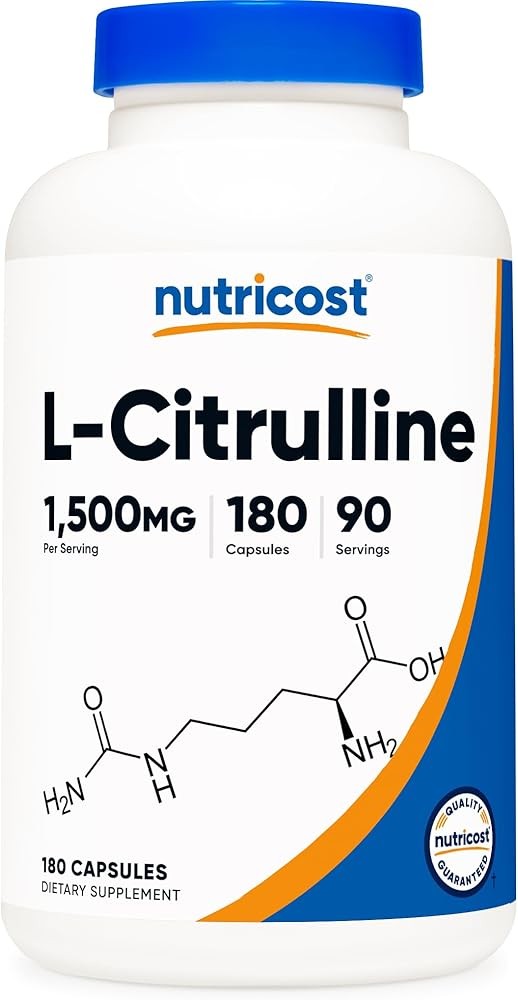
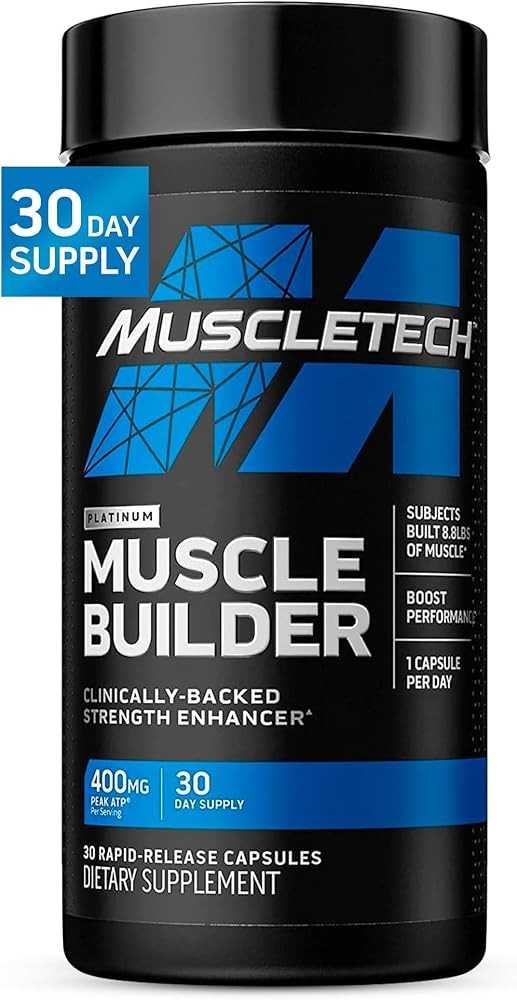
Nature’s Pure Blend ($39.99) combines L-arginine and L-citrulline, covering both the eNOS substrate and the better-absorbed citrulline route in one daily formula. Carlyle ($9.99 for 120 capsules) is the budget option with the same amino acid pair at 3,000 mg per two-capsule serving. Nutricost L-Citrulline ($17.95 for 180 capsules) is the standalone choice for athletes who want pure citrulline at the dose the resistance-training research used; three capsules provide 4,500 mg, and four provide 6,000 mg. MuscleTech ($27.49) is the pre-workout-oriented formula for gym sessions, with additional performance ingredients beyond the amino acids.
For beet juice, no supplement product is needed: the produce aisle is the source. A slow masticating juicer (masticating rather than centrifugal) preserves more of the heat- and oxygen-sensitive compounds, and models from Hurom and other brands vary in availability and price, so check current listings before buying.
Which Vegetables Besides Beets Provide High Dietary Nitrate?
While beets are famous for their nitrate content, several other vegetables actually contain comparable or even higher nitrate concentrations. Understanding these alternatives gives you flexibility in your dietary nitrate approach and helps avoid flavor fatigue if you find beet juice unpalatable.
Arugula (rocket) is consistently at or near the top of nitrate concentration tables, gram for gram comparable to or exceeding beets. The peppery flavor is a complete change from beets, and green juice blends built around arugula can deliver meaningful nitrate doses without any beet taste.
Spinach also ranks high in nitrate concentration, and its mild flavor makes it an excellent green juice base. Combining spinach with cucumber, celery, and a small amount of lemon produces a refreshing juice that delivers significant nitrate without the earthy taste of beets.
Celery contributes meaningful nitrate alongside a clean, slightly salty flavor. The high water content of celery also makes it extremely juice-efficient—you get significant liquid volume from relatively few stalks.
Swiss chard, lettuce (particularly butter lettuce and oak leaf varieties), and Chinese cabbage all provide meaningful nitrate contributions when juiced. Even parsley and cilantro contain concentrated nitrates, though you’ll use these more as flavor enhancers than primary juice components.
The nitrate content of vegetables varies significantly based on growing conditions. Nitrate concentration is higher in vegetables grown in cooler weather, with shorter daylight hours, and with higher nitrogen fertilization. This is why spinach and arugula harvested in late fall or early winter often contain substantially more nitrate than summer-grown specimens.
Leafy greens also provide additional cardiovascular benefits beyond just nitrate. They’re rich in vitamin K, folate, magnesium, potassium, and various polyphenols that support endothelial function and cardiovascular health through mechanisms independent of nitric oxide.
For athletes who dislike beet juice, creating green juices with arugula, spinach, celery, and cucumber can provide comparable nitrate doses with a different flavor profile. Slow masticating extraction also works well with leafy greens, which matter because several of them rival beets as nitrate sources.
How Does L-Citrulline Boost Nitric Oxide More Effectively Than L-Arginine?
L-citrulline is a non-essential amino acid that your body converts into L-arginine through a two-step process primarily occurring in your kidneys. This might seem like an inefficient route—why not just take arginine directly instead of taking citrulline that must be converted to arginine? The answer lies in the dramatic differences in bioavailability between these two amino acids.
When you consume L-arginine supplements, approximately 40% of the dose gets metabolized during first-pass through your gut and liver before ever reaching systemic circulation. The culprit is arginase, an enzyme that breaks down arginine into ornithine and urea. Your intestinal epithelial cells and hepatocytes (liver cells) contain high concentrations of arginase, rapidly destroying oral arginine before it can contribute to NO production.
L-citrulline completely bypasses this first-pass metabolism. When you consume citrulline, it gets absorbed in your small intestine and enters the portal circulation to your liver. But unlike arginine, citrulline isn’t a substrate for arginase—the enzyme doesn’t recognize or break down citrulline. This means nearly 100% of your oral citrulline dose makes it into systemic circulation intact.
Once in your bloodstream, citrulline travels to your kidneys where the enzymes argininosuccinate synthase and argininosuccinate lyase convert it to arginine. This arginine then enters systemic circulation, providing substrate for eNOS-mediated NO production throughout your vascular endothelium.
Research demonstrates the superiority of citrulline for raising plasma arginine levels. Studies show that oral L-citrulline increases plasma arginine concentrations approximately 2-fold more effectively than equivalent doses of L-arginine (PubMed 17662090). This is a remarkable finding: you can achieve higher arginine levels by supplementing with citrulline than by supplementing with arginine itself.
The practical implications for athletes are significant. If your goal is to provide more substrate for eNOS enzyme activity, L-citrulline is simply the superior choice. You’ll achieve greater plasma arginine elevation, more sustained arginine availability, and better NO production with citrulline supplementation compared to arginine.
The most common form of citrulline supplementation is L-citrulline malate, which combines citrulline with malic acid (malate). Malate itself plays a role in the Krebs cycle and energy metabolism, potentially providing additional benefits beyond just the citrulline component. The typical malate ratio is 2:1 (2 parts citrulline to 1 part malate), meaning an 8-gram dose of citrulline malate provides approximately 5.3 grams of elemental citrulline.
Research studies have used citrulline malate doses ranging from 6-8 grams (providing 4-5.3 grams elemental citrulline) with consistent benefits for exercise performance, particularly in resistance training protocols.
What Performance Benefits Does L-Citrulline Malate Provide for Resistance Training?
While beet juice has been studied extensively for endurance performance, L-citrulline malate has demonstrated particularly impressive benefits for resistance training and strength-focused activities. The research in this area is compelling and consistent.
A 2010 study published in the Journal of Strength and Conditioning Research examined the effects of 8 grams of citrulline malate on resistance exercise performance. Subjects performed bench press repetitions to failure at 80% of their one-rep max. The citrulline malate group completed significantly more repetitions—a 52.92% increase compared to placebo—and reported 40% less muscle soreness 24 and 48 hours post-exercise.
These aren’t marginal improvements. A 53% increase in repetitions to failure represents a massive performance enhancement. If you normally complete 10 reps at 80% of your max, citrulline malate might allow 15-16 reps at the same weight. This additional training volume, accumulated over weeks and months, translates directly into greater strength and hypertrophy gains.
The mechanism driving these resistance training benefits likely differs somewhat from the endurance benefits of beet juice. During resistance training, the primary limiting factors aren’t oxygen delivery (anaerobic pathways dominate during heavy lifting) but rather:
- ATP and phosphocreatine depletion in working muscles
- Accumulation of metabolic byproducts (hydrogen ions, inorganic phosphate) that interfere with contraction
- Reduced blood flow during sustained muscle contractions
- Muscle damage and inflammatory responses that impair subsequent training
L-citrulline malate appears to address several of these limitations. The enhanced blood flow improves nutrient delivery and waste removal between sets. The malate component may support ATP regeneration through its role in the Krebs cycle. Improved arginine availability supports NO production throughout the workout, maintaining vasodilation despite the intermittent nature of resistance training.
The muscle soreness reduction is particularly valuable for athletes training with high frequency or volume. A 40% reduction in post-exercise muscle soreness means less interference with subsequent training sessions and potentially faster recovery between workouts.
Studies have also examined citrulline malate’s effects on repeated sprint performance and team sport activities. Results show improvements in repeated sprint ability, delayed fatigue during multiple high-intensity efforts, and better maintenance of power output in later stages of interval protocols.
The dosing for resistance training benefits appears to be 6-8 grams of citrulline malate (providing 4-5.3 grams elemental citrulline) consumed approximately 60 minutes before training. Unlike beet juice, which requires 2-3 hours for conversion through the bacterial reduction pathway, citrulline’s effects appear within 1-2 hours of consumption.
Bottom line: L-citrulline malate (8g, 60 min pre-exercise) increased bench press repetitions to failure by 52.92% and reduced muscle soreness 40% at 24-48 hours post-exercise—with benefits appearing within 1-2 hours compared to beet juice’s 2-3 hour delay, making it superior for resistance training where workout timing is less flexible.
Should You Choose Beet Juice, L-Citrulline, or Combine Both Approaches?
The choice between beet juice and L-citrulline—or the decision to combine them—depends on several factors: your primary athletic goals, training style, budget, convenience requirements, and individual response patterns.
Choose fresh beet juice if you:
- Primarily train for endurance events (running, cycling, triathlon, rowing)
- Perform high-intensity interval training or threshold work
- Can plan nutrition timing 2-3 hours before workouts
- Have access to a slow juicer (or are willing to invest in one)
- Prefer whole-food approaches to supplementation
- Want maximum nitrate dose per dollar spent
- Train in hypoxic conditions (altitude) where oxygen availability is limited
- Seek both performance and cardiovascular health benefits
The endurance performance benefits of beet juice are more extensively documented than citrulline. The 16% improvement in time to exhaustion, 3-5% reduction in oxygen cost, and 1-3% improvement in time trial performance represent meaningful competitive advantages. The whole-food nature of beet juice provides additional nutrients (vitamin C, folate, betaine, anthocyanins) beyond just nitrate. And once you own a slow juicer, the per-serving cost of fresh beet juice ($0.50-1.00) is substantially lower than supplementation.
Choose L-citrulline malate if you:
- Focus primarily on resistance training, strength, or hypertrophy
- Value convenience and portability over whole-food approach
- Train at inconsistent times or early morning when 2-3 hour timing is impractical
- Dislike the taste of beet juice
- Want to reduce post-exercise muscle soreness
- Prefer capsule or powder supplementation
- Travel frequently and need a supplement that’s easy to pack
- Prioritize resistance training benefits (increased reps to failure)
The resistance training benefits of citrulline malate (52% more reps to failure, 40% less soreness) make it particularly valuable for strength athletes. The 60-minute timing window is more flexible than beet juice’s 2-3 hour requirement. And the convenience of mixing powder or taking capsules can’t be beat for athletes with busy schedules or frequent travel.
Consider combining both if you:
- Compete at high levels where 1-2% performance gains matter
- Perform both endurance and resistance training
- Want comprehensive NO support through multiple pathways
- Have the budget for both approaches ($30-50 monthly)
- Seek maximum cardiovascular and performance benefits
- Are willing to manage the logistics of both supplementation approaches
Research supports additive benefits when combining dietary nitrate and L-citrulline. The two approaches work through different pathways—beet juice through the nitrate-nitrite-NO route (enhanced during hypoxia/acidosis), citrulline through the arginine-eNOS route (sustained arginine availability). Using both provides NO production support across a wider range of physiological conditions.
A practical combination protocol might involve:
- Morning: 6-8g L-citrulline malate with breakfast (sustained arginine elevation throughout day)
- Pre-workout (2-3 hours before): 500ml fresh beet juice (timed for peak nitrite during training)
- This covers both sustained background NO production and acute enhancement during exercise
Don’t waste money on L-arginine supplements. The research clearly shows L-citrulline provides superior bioavailability and plasma arginine elevation. If you’re currently using arginine, switch to citrulline at the same or lower dose and expect better results.
Bottom line: Endurance athletes benefit most from fresh beet juice (16% improved time to exhaustion, 3-5% reduced oxygen cost, $0.50-1.00 per serving with owned juicer), resistance-focused athletes gain more from L-citrulline malate (52% more reps to failure, 40% less soreness, 60-min pre-workout timing), and competitive athletes seeking maximum advantage should combine both for comprehensive NO support through complementary pathways.
What’s the Cost-Benefit Analysis of Juicing vs Supplementation?
The financial comparison between fresh beet juice and L-citrulline supplementation requires examining both upfront investment and ongoing per-serving costs over time.
Fresh Beet Juice Costs:
- Initial investment: a quality masticating juicer runs from roughly $150 to $750 depending on brand, features, and current availability
- Per-serving cost: Organic beets cost approximately $2-3 per pound at most grocery stores
- Juice yield: 1 pound of beets produces roughly 6-8 ounces of juice
- Effective dose: 16 ounces (2 pounds beets) provides 250-500mg nitrates
- Per-serving cost: $4-6 for 16oz fresh juice, or $0.50-0.75 per 8oz serving
After the initial juicer investment, fresh beet juice becomes remarkably cost-effective. At $4-6 for a performance-enhancing serving, you’re spending less than most commercial pre-workout supplements. If you juice daily, the juicer pays for itself within 2-3 months compared to buying pre-made beet juice or beet powder supplements.
L-Citrulline Malate Costs:
- Per-serving dose: 6-8 grams citrulline malate
- Bulk powder cost: $20-30 for 250-500 grams
- Servings per container: 31-62 servings depending on dose and product
- Per-serving cost: $0.40-1.00 per serving
- Monthly cost: $12-30 for daily supplementation
Quality citrulline malate powder from reputable brands (BulkSupplements, Nutricost, NOW Foods) costs approximately $25 for 500 grams. At 6-8 grams per serving, this provides roughly 60-80 servings, working out to $0.30-0.40 per serving. Monthly cost for daily supplementation runs $12-24.
Capsule forms are more expensive but offer convenience. Expect to pay $20-30 for a 30-day supply of quality citrulline malate capsules, roughly double the per-serving cost of powder.
The tipping point for juicing vs supplementation is around 60-90 days of consistent use.
If you’re committed to long-term nitric oxide enhancement (6+ months), investing in a slow juicer makes financial sense. After the 2-3 month payback period, you’re consuming performance-enhancing nutrition for just the cost of produce—substantially cheaper than ongoing supplementation.
If you’re testing your response to NO enhancement, starting with L-citrulline makes more sense: a 4-8 week experiment costs $25-50 before any juicer commitment. If you respond well and plan to continue, then consider upgrading to fresh juice for cost savings.
Budget constraints:
- Tight budget: Start with bulk citrulline malate powder ($25 for 2+ months)
- Moderate budget: Try both approaches—citrulline for resistance training days, beet juice for endurance sessions
- Larger budget: invest in a premium slow juicer for long-term household use, with beet powder as a travel convenience
Don’t forget to factor in your time. Juicing takes 10-15 minutes including setup and cleanup. If your hourly time value is high, the convenience of scooping powder may be worth the slightly higher per-serving cost.
A slow juicer can pay for itself if your household actually uses it, because after the equipment cost a serving of fresh beet juice runs roughly $1-2 in produce. Regard the juicer as a household appliance decision: it earns its keep when people use it regularly, and it is a poor purchase if it will sit in a cupboard after two weeks.
Bottom line: L-citrulline malate powder runs about $0.30-0.40 per serving ($12-24 monthly), while fresh beet juice costs roughly $1-2 per serving in produce after the juicer investment, so supplementation suits short-term testing and travel while juicing pays off only for households that use the machine consistently.
What Are the Safety Considerations and Side Effects?
Both beet juice and L-citrulline supplementation have excellent safety profiles with minimal side effects when used at recommended doses. However, understanding potential issues helps you use these supplements safely and effectively.
Beet Juice Safety:
The most common and harmless side effect of beet juice consumption is beeturia—the presence of pink or red pigments in urine and occasionally stool. This occurs in 10-14% of the population and results from incomplete metabolism of betalain pigments in beets. Beeturia is entirely harmless and doesn’t indicate any health problem, though it can be alarming if you’re not expecting it.
Some individuals experience mild gastrointestinal distress when first consuming concentrated beet juice. The high nitrate content and fiber (if consuming whole beets rather than juice) can cause bloating, gas, or loose stools. Starting with smaller serving sizes (4-6 ounces) and gradually increasing to full doses (16 ounces) typically minimizes these issues.
The most significant contraindication for beet juice involves kidney stones. Beets are high in oxalates—compounds that can contribute to calcium oxalate kidney stone formation in susceptible individuals. If you have a history of kidney stones, consult your healthcare provider before consuming large amounts of beet juice regularly.
Individuals taking blood pressure medications should monitor their BP when starting beet juice supplementation. The 4-10 mmHg reduction in blood pressure from beet juice can be additive with antihypertensive medications, potentially causing excessive BP lowering. This isn’t necessarily dangerous but should be monitored, and medication doses may need adjustment.
One critical warning: Never use antibacterial mouthwash when supplementing with beet juice for performance. The nitrate-to-nitrite conversion that provides performance benefits depends entirely on oral bacteria. Antibacterial mouthwash eliminates these bacteria and completely abolishes the performance-enhancing effects of dietary nitrate. Studies confirm that mouthwash users show no performance improvement from beet juice supplementation.
L-Citrulline Safety:
L-citrulline malate has an exceptional safety profile with minimal reported side effects. The amino acid has been studied at doses up to 15 grams daily without significant adverse effects.
The most common issue is mild gastrointestinal distress when taking large doses on an empty stomach. Some users report bloating, stomach discomfort, or loose stools. Taking citrulline with food typically eliminates these issues, and tolerance usually improves within several days of consistent use.
Individuals with herpes simplex virus should be aware that arginine (which citrulline converts to) can potentially trigger herpes outbreaks in susceptible people. While the mechanism isn’t completely understood, increasing arginine availability may support viral replication. If you experience frequent herpes outbreaks, monitor whether citrulline supplementation affects outbreak frequency.
There are theoretical concerns about citrulline supplementation in individuals with very low blood pressure or those taking multiple blood pressure medications. Like beet juice, citrulline’s NO-boosting effects can lower blood pressure modestly. Hypotensive individuals should start with lower doses and monitor BP response.
Drug Interactions:
Both beet juice and citrulline can interact with medications that affect blood pressure or cardiovascular function. These aren’t necessarily contraindications but warrant medical supervision:
- Blood pressure medications: Additive BP-lowering effects require monitoring
- Erectile dysfunction medications (PDE5 inhibitors): Both work through NO pathways; combining may cause excessive vasodilation
- Nitrate medications (for angina): Beet juice adds to nitrate load; medical supervision required
- Blood thinners: NO affects platelet function; monitor coagulation parameters if using both
Pregnancy and Breastfeeding:
Beet juice as a food is generally considered safe during pregnancy and breastfeeding. However, high-dose concentrated supplementation hasn’t been extensively studied in pregnant women. The conservative approach is to limit beet juice to food-level amounts (8 ounces or less daily) rather than performance-enhancing doses (16+ ounces).
L-citrulline supplementation during pregnancy and breastfeeding lacks sufficient research to establish safety. While citrulline is a naturally occurring amino acid, high-dose supplementation should be avoided during pregnancy unless under medical supervision.
Long-term Use:
Both beet juice and citrulline appear safe for long-term use based on available research. Studies have examined continuous beet juice supplementation for periods up to 15 days without adverse effects. Citrulline has been used in clinical settings for months without problems.
The conservative approach is to use both supplements strategically around key training periods or competitions rather than year-round. This provides performance benefits when they matter most while minimizing potential issues from chronic supplementation.
Bottom line: Beet juice is generally safe but causes harmless beeturia in roughly 10-14% of people, warrants caution with kidney stone history or blood pressure medications, and pairs with one rule: skip antibacterial mouthwash on performance days because oral bacteria perform the first nitrate-reduction step; L-citrulline at 6-8g daily is well tolerated, with mild GI upset the main complaint.
Can You Stack Nitric Oxide Boosters With Other Performance Supplements?
One of the most attractive features of both beet juice and L-citrulline supplementation is their compatibility with other evidence-based performance supplements. The mechanisms of NO enhancement don’t interfere with most other supplement pathways, allowing strategic stacking for additive benefits.
Beta-alanine + beet juice/L-citrulline: Beta-alanine increases muscle carnosine, which buffers hydrogen ions during high-intensity exercise. There was initial theoretical concern that reducing acidosis might blunt beet juice’s effectiveness (since nitrite-to-NO conversion is enhanced by low pH). Research has since demonstrated that combining beta-alanine with beet juice produces additive benefits—both mechanisms work simultaneously without interference. Standard beta-alanine dosing is 3-6 grams daily, split into 800mg-1.5g doses to minimize paresthesia (tingling).
Creatine + beet juice/L-citrulline: Creatine improves phosphocreatine stores for rapid ATP regeneration during high-intensity efforts. It works through an entirely different mechanism than NO enhancement and combines well with both beet juice and citrulline. No negative interactions exist. Use standard creatine monohydrate dosing: 5 grams daily or a loading phase (20 grams daily for 5 days, then 5 grams daily).
Caffeine + beet juice/L-citrulline: Caffeine enhances performance through central nervous system stimulation, improved motor unit recruitment, and reduced perceived effort. Studies have combined caffeine with beet juice, showing additive benefits—the metabolic efficiency gains from beet juice plus the CNS effects from caffeine produce larger performance improvements than either alone. Standard caffeine dosing is 3-6 mg per kilogram body weight (approximately 200-400mg for most athletes) consumed 30-60 minutes pre-exercise. Elite athletes have also demonstrated improved neuromuscular performance with acute beetroot juice supplementation, with benefits appearing within hours of consumption (PubMed 41659797).
Sodium bicarbonate + beet juice: Sodium bicarbonate (baking soda) is an extracellular buffer that reduces acidosis during high-intensity exercise. Like beta-alanine, there was theoretical concern about whether reducing acidosis would blunt beet juice’s effectiveness (since nitrite-to-NO conversion is enhanced by acidosis). Research shows that combining them produces additive benefits, likely because bicarbonate buffering works in the extracellular space while nitrite reduction occurs in multiple cellular compartments. Sodium bicarbonate dosing is 0.3 grams per kilogram body weight (approximately 20-25 grams for most athletes) consumed 60-90 minutes pre-exercise. Warning: GI distress is common with sodium bicarbonate supplementation.
B vitamins + L-citrulline: B vitamins, particularly B6, B12, and folate, are cofactors for eNOS enzyme function. Ensuring adequate B vitamin status may enhance the effectiveness of citrulline supplementation by optimizing the enzymatic conversion of arginine to NO. Standard B-complex dosing provides more than enough for this purpose.
Antioxidant supplements + beet juice/L-citrulline: High-dose antioxidant supplements (vitamin C, vitamin E, alpha-lipoic acid, etc.) have been shown in some studies to blunt the performance benefits of exercise by interfering with reactive oxygen species (ROS) signaling. Since NO is also a signaling molecule, some researchers theorized that antioxidants might blunt NO benefits. Research on this is mixed—some studies show no interference, while others suggest high-dose antioxidants reduce beet juice’s effectiveness. The conservative approach is to avoid high-dose antioxidant supplements (beyond normal multivitamin amounts) in the hours around training if you’re using NO boosters.
Other arginine-boosting compounds: Some supplements contain arginine alpha-ketoglutarate (AAKG), agmatine, or ornithine, marketed as NO boosters. These generally work through the same arginine-eNOS pathway as L-citrulline and are unlikely to provide additional benefits when combined with citrulline. Choose one arginine-pathway supplement rather than stacking multiples.
Bottom line: Beet juice/L-citrulline stack well with beta-alanine (additive benefits despite different mechanisms), creatine (no interactions), caffeine (additive CNS + metabolic effects), and sodium bicarbonate (both buffer and NO work together)—but avoid high-dose antioxidant supplements that may blunt NO signaling and training adaptations.
Which Nitric Oxide Booster Delivers the Best Results for Athletes?
After examining the biochemistry, research evidence, practical considerations, and cost-benefit analysis, which nitric oxide enhancement approach delivers the best results for athletic performance?
For most athletes, fresh beet juice offers a strong combination of performance enhancement, cardiovascular benefits, and whole-food nutrition. The evidence for its endurance effects is extensive and consistent: 16% improvement in time to exhaustion, 3-5% reduction in oxygen cost, and 1-3% improvement in time trial performance are meaningful gains, and the blood pressure reduction is a health benefit beyond sport. For households that already own a slow juicer, per-serving costs are low.
The specific advantages of beet juice:
- Works better during high-intensity, hypoxic exercise conditions
- Reduces oxygen cost during submaximal exercise (unique effect)
- Provides vitamin C, folate, betaine, anthocyanins, and other phytonutrients
- Lowers blood pressure by 4-10 mmHg
- Costs approximately $0.50-1.00 per serving with fresh organic beets
- Acts as a whole food rather than isolated supplement
L-citrulline malate is the best choice for resistance-focused athletes and those who prioritize convenience. The research showing 40-52% increases in repetitions to failure and significant reductions in muscle soreness makes citrulline particularly valuable for strength and physique athletes. The convenience of taking capsules or mixing powder with water 60 minutes before training beats the planning required for beet juice (juicing 2-3 hours before workouts). And for athletes training very early in the morning or in situations where consuming 8-16 ounces of liquid hours before training isn’t practical, citrulline offers a simpler solution.
The specific advantages of L-citrulline malate:
- More convenient (pills or powder vs juicing)
- Particularly effective for resistance training
- Reduces muscle soreness 40% after hard training
- Provides sustained arginine elevation throughout workouts
- Works consistently across different exercise intensities
- No need to time consumption 2-3 hours before training
L-arginine supplementation is not recommended due to poor bioavailability. If you’re currently using arginine for NO enhancement, switch to L-citrulline—you’ll get better results at lower doses and lower cost.
Combining beet juice and L-citrulline provides additive benefits for serious competitive athletes where 1-2% performance gains are meaningful. The two supplements work through different pathways with complementary strengths: beet juice for high-intensity efforts where hypoxia and acidosis are present, citrulline for sustained arginine availability and eNOS-mediated NO production throughout training. The combination is more expensive and less convenient but provides the most comprehensive NO support.
Start with the approach that best fits your training style, schedule, and budget. Try it consistently for 2-4 weeks while tracking objective performance metrics (time trial results, reps to failure, recovery heart rate) and subjective indicators (perceived effort, vascularity, recovery). If you respond well—and most athletes do—you’ve found a safe, legal, evidence-based performance enhancer with cardiovascular health benefits that extend well beyond the gym or the starting line.
Bottom line: Fresh beet juice from a slow juicer offers the best value and performance for endurance athletes (16% TTE improvement, 3-5% oxygen cost reduction, $0.50-1.00/serving), while L-citrulline malate suits resistance-focused athletes prioritizing convenience (52% more reps to failure, 40% less soreness)—combine both for comprehensive NO support or choose L-citrulline over inferior L-arginine.
Related Reading
-
Best Juicers for Celery Juice - Slow juicers that preserve nitrates in leafy greens
-
Beet Juice Benefits - Complete guide to beet juice’s cardiovascular and performance effects
-
Best Pre-Workout Supplements - Evidence-based performance enhancers including citrulline malate
-
L-Citrulline vs L-Arginine - Detailed comparison of amino acid bioavailability for NO production
-
Best Slow Juicers - Comprehensive review of masticating juicers for nutrient preservation
-
Green Juice Recipes for Athletic Performance - High-nitrate juice combinations using arugula and spinach
-
Blood Pressure Supplements That Work - Natural approaches to cardiovascular health
-
Best Recovery Supplements for Athletes - Post-workout nutrition including citrulline for reduced soreness
-
Best Nitric Oxide Supplements for Blood Flow and Performance
-
Celery Juice vs Electrolyte Supplements: The Complete Science-Backed Guide
-
Spirulina vs Chlorella: Which Is Better? [Complete Comparison Guide]
-
Citrulline Benefits: Nitric Oxide, Blood Flow, and Cardiovascular Performance
Frequently Asked Questions
How long does it take for beet juice to work?
Beet juice’s performance-enhancing effects appear within 2-3 hours of consumption when plasma nitrite levels peak. Blood pressure reduction occurs within 2-3 hours and lasts 6-8 hours. For maximum athletic benefits, consume 500ml beet juice 2-3 hours before exercise, with multi-day “beet loading” (3-7 days of 500ml daily) producing even greater performance improvements than single-dose consumption (PubMed 22248502).
Who should consider taking beet juice or L-citrulline?
Endurance athletes training at high intensities (4-30 minute efforts) benefit most from beet juice’s 16% improvement in time to exhaustion and 3-5% reduction in oxygen cost. Resistance-focused athletes benefit from L-citrulline malate’s 52% increase in repetitions to failure and 40% reduction in muscle soreness. Individuals with hypertension benefit from both supplements’ 4-10mmHg blood pressure reduction (PubMed 23580439).
Should you combine beet juice and L-citrulline or choose one?
Combining both supplements provides comprehensive nitric oxide support through complementary pathways. Beet juice works through the nitrate-nitrite-NO pathway (enhanced during hypoxia and acidosis), while L-citrulline supports the arginine-eNOS pathway for sustained NO production. Research supports additive benefits when combining 500ml beet juice (consumed 2-3 hours pre-exercise) with 6-8g citrulline malate (60 minutes pre-exercise) for maximum NO support across all exercise intensities.
Why does L-citrulline outperform L-arginine for nitric oxide production?
L-citrulline increases plasma arginine approximately 2x more effectively than equivalent doses of direct L-arginine supplementation because it completely bypasses first-pass metabolism in the gut and liver where the enzyme arginase destroys 40% of oral arginine. Your kidneys convert absorbed citrulline to arginine after it enters systemic circulation, making nearly 100% of the dose bioavailable for eNOS-mediated nitric oxide production (PubMed 17662090).
Do beet juice powders and concentrates match fresh juice for performance?
Fresh beet juice from a slow juicer preserves heat-sensitive nitrates better than commercially processed powders and concentrates. High-temperature spray-drying, pasteurization, and extended storage degrade nitrate content and bioavailability. Studies demonstrating performance benefits used fresh juice or concentrated shots with verified nitrate content. If using powders, look for products with third-party verified nitrate content of 250-500mg per serving and check for certificates of analysis confirming post-processing nitrate levels.
What’s the Final Verdict on Beet Juice vs Nitric Oxide Boosters?
The quest for improved athletic performance through nitric oxide enhancement offers two distinct, scientifically-validated approaches. Fresh beet juice delivers roughly 250-500mg of dietary nitrates that follow the nitrate-nitrite-NO pathway—a backup system for NO production that actually works better during the high-intensity, hypoxic conditions of maximal effort. L-citrulline malate supplementation provides sustained arginine elevation that supports eNOS-mediated NO production throughout training, with particular benefits for resistance exercise and recovery.
The research is clear: beet juice consumption improves time to exhaustion by 16%, reduces oxygen cost during submaximal exercise by 3-5%, and enhances time trial performance by 1-3%. These aren’t marginal gains—they’re performance improvements that can transform your training and competition results. L-citrulline malate increases repetitions to failure by 40-52% and reduces muscle soreness by 40%, making it invaluable for athletes focused on strength and hypertrophy.
Both approaches lower blood pressure, improve endothelial function, and enhance cardiovascular health. Both are safe, legal, and suitable for long-term use. And both work through mechanisms distinct from other popular supplements, making them stackable with creatine, beta-alanine, caffeine, and other evidence-based performance enhancers.
The choice between beet juice and L-citrulline—or the decision to combine them—depends on your athletic goals, training style, and practical constraints. For endurance athletes who can plan their nutrition timing, fresh beet juice offers superior cost-effectiveness and the additional benefits of whole-food nutrition. For strength athletes and those prioritizing convenience, L-citrulline malate delivers proven benefits in a simple pill or powder. For competitive athletes seeking every possible advantage, combining both approaches provides comprehensive NO support through complementary pathways.
Whichever path you choose, you’re leveraging a sophisticated understanding of vascular physiology to enhance blood flow, oxygen delivery, metabolic efficiency, and ultimately, athletic performance. Your muscles will thank you with improved endurance, power, and recovery—measured not just in laboratory blood tests, but in personal records, competitive victories, and the simple satisfaction of discovering what your body can truly accomplish when properly fueled and supported.
Bottom line: Both beet juice (nitrate-nitrite-NO pathway) and L-citrulline malate (arginine-eNOS pathway) deliver scientifically-validated performance improvements—beet juice excels for endurance with 16% better time to exhaustion and unique oxygen cost reduction, citrulline dominates for resistance training with 52% more reps, and combining both provides comprehensive NO support through complementary biochemical mechanisms.
References and Clinical Studies
- Bailey SJ, Winyard P, Vanhatalo A, et al. Dietary Nitrate Supplementation Reduces the O2 Cost of Low-Intensity Exercise and Enhances Tolerance to High-Intensity Exercise in Humans. Journal of Applied Physiology, 2009. PubMed
- Cermak NM, Gibala MJ, van Loon LJ. Nitrate Supplementation’s Improvement of 10-km Time-Trial Performance in Trained Cyclists. International Journal of Sport Nutrition and Exercise Metabolism, 2012. PubMed
- Wylie LJ, Kelly J, Bailey SJ, et al. Beetroot Juice and Exercise: Pharmacodynamic and Dose-Response Relationships. Journal of Applied Physiology, 2013. PubMed
- Larsen FJ, Schiffer TA, Borniquel S, et al. Dietary Inorganic Nitrate Improves Mitochondrial Efficiency in Humans. Cell Metabolism, 2011. PubMed
- Schwedhelm E, Maas R, Freese R, et al. Pharmacokinetic and Pharmacodynamic Properties of Oral L-Citrulline and L-Arginine: Impact on Nitric Oxide Metabolism. British Journal of Clinical Pharmacology, 2008. PubMed
- Pérez-Guisado J, Jakeman PM. Citrulline Malate Enhances Athletic Anaerobic Performance and Relieves Muscle Soreness. Journal of Strength and Conditioning Research, 2010. PubMed
- Siervo M, Lara J, Ogbonmwan I, Mathers JC. Inorganic Nitrate and Beetroot Juice Supplementation Reduces Blood Pressure in Adults: A Systematic Review and Meta-Analysis. Journal of Nutrition, 2013. PubMed
- Hoon MW, Johnson NA, Chapman PG, Burke LM. The Effect of Nitrate Supplementation on Exercise Performance in Healthy Individuals: A Systematic Review and Meta-Analysis. International Journal of Sport Nutrition and Exercise Metabolism, 2013. PubMed
- Jones AM. Dietary Nitrate Supplementation and Exercise Performance. Sports Medicine, 2014. PubMed
- Domínguez R, Cuenca E, Maté-Muñoz JL, et al. Effects of Beetroot Juice Supplementation on Cardiorespiratory Endurance in Athletes: A Systematic Review. Nutrients, 2017. PubMed
- Clifford T, Howatson G, West DJ, Stevenson EJ. The Potential Benefits of Red Beetroot Supplementation in Health and Disease. Nutrients, 2015. PubMed
- Nie R, Zhang G, Kong J, et al. Acute Beetroot Juice Supplementation Augments Early Neuromuscular Performance After Blood Flow Restriction: A Crossover Study in Elite Basketball Players. Frontiers in Nutrition, 2025. PubMed
Recommended Products