Berberine for Blood Sugar and Weight Loss: What the Research Actually Shows
Summarized from peer-reviewed research indexed in PubMed. See citations below.
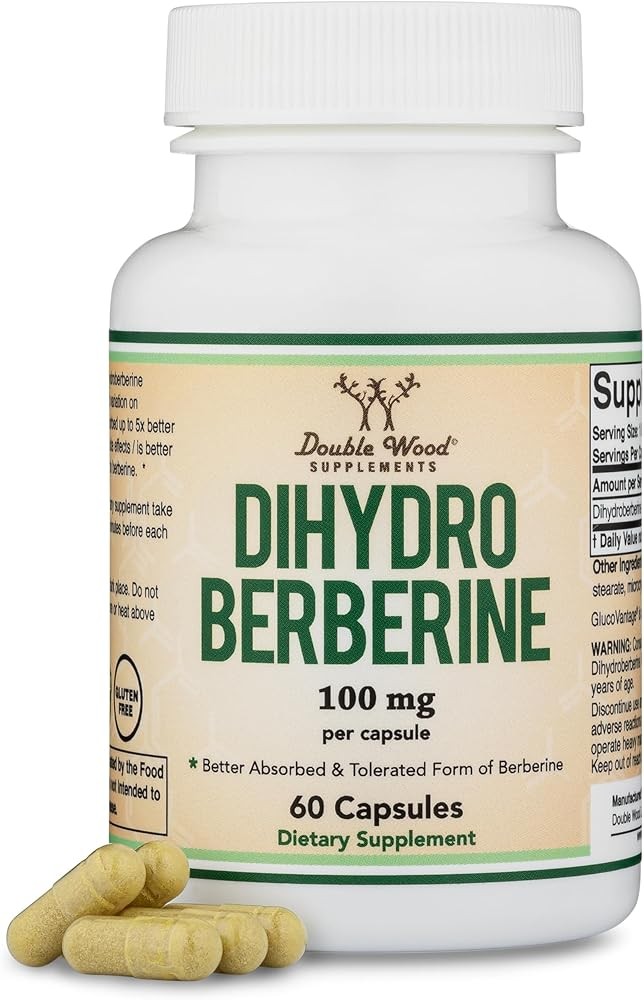
Millions struggle with blood sugar swings, stubborn weight, and metabolic syndrome despite diet changes. Clinical trials spanning two decades show berberine 500mg taken three times daily reduces fasting blood sugar by about 15 mg/dL and HbA1c by about 0.6 percentage points on average—effects comparable to metformin in head-to-head studies. Research demonstrates berberine activates AMPK (the body’s master metabolic switch), improves insulin sensitivity, reshapes gut microbiome composition, and produces modest but consistent weight loss of 4-5 pounds over 12 weeks through mechanisms distinct from GLP-1 drugs. For those seeking metabolic support, Double Wood Dihydroberberine offers several-fold better absorption at $26.95, while budget-conscious users find NAOMI Himalayan Berberine 500mg effective at $16.99. Here’s what the published research shows about berberine’s mechanisms, clinical effects, optimal dosing, safety profile, and evidence-based expectations.
Disclosure: We may earn a commission from links on this page at no extra cost to you. Affiliate relationships never influence our ratings. Full policy →
What Does the Clinical Research Say About Berberine’s Real Effects?
!berberine for blood sugar and weight loss supplement for improved health and wellness
Berberine went viral on TikTok as “Nature’s Ozempic.” That nickname is misleading, but the hype is not entirely baseless. Unlike most supplements that trend on social media and then get debunked by the first PubMed search, berberine has a legitimate body of clinical research spanning decades. Randomized controlled trials. Meta-analyses. Head-to-head comparisons with metformin. Real data on real humans showing blood sugar reductions comparable to prescription medications.
The problem is that the social media narrative has distorted what berberine actually does. It is not a natural GLP-1 agonist in the pharmaceutical sense. It will not make you drop 30 pounds. But what the research shows is genuinely impressive for a plant-derived compound: meaningful reductions in blood sugar (about 15 mg/dL fasting glucose in meta-analyses), significant improvements in insulin resistance, modest but consistent weight loss of 4-5 pounds over 12 weeks, and lipid profile changes that rival some prescription medications.
This article breaks down every major area of berberine research with a focus on blood sugar control and weight loss. We examined the actual clinical trials, not influencer claims. We will cover exactly how berberine works at the cellular level through AMPK activation, what the human studies actually measured, the bioavailability problem and how dihydroberberine solves it, who should consider it, who should avoid it, and how to use it if you decide it makes sense for your metabolic health goals.
Bottom line: Berberine has decades of randomized controlled trials showing blood sugar reductions of about 15 mg/dL fasting glucose and HbA1c drops of about 0.6 percentage points on average (larger in individual trials), plus modest weight loss of 4-5 pounds over 12 weeks—effects comparable to metformin in head-to-head studies.
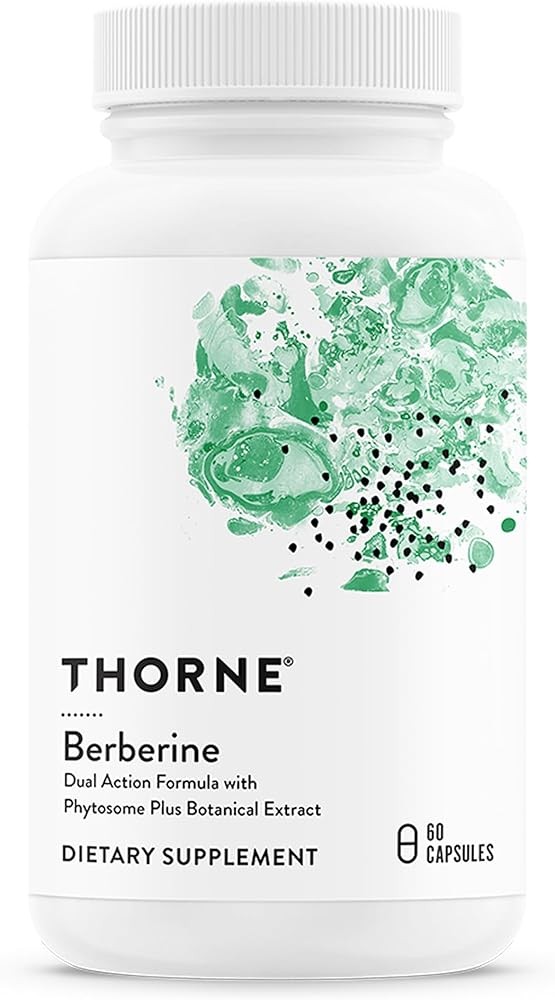
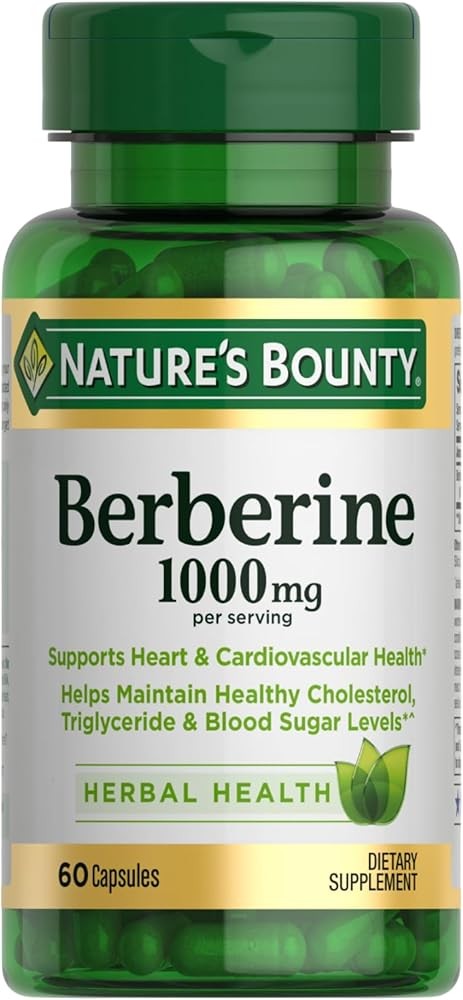
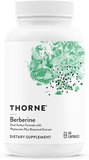
| Feature | B0CNS2PBHX|Double Wood Dihydroberberine|$26.95|100mg capsules|Enhanced absorption (several-fold)|Lower dose needed|Third-party tested | B009LI7VRC|THORNE Berberine Phytosome|$39.00|500mg capsules|Phytosome technology|Reduced GI effects|NSF Certified | B08GZ1NJ19|NAOMI Himalayan Berberine|$16.99|500mg capsules|Standard berberine HCl|Clinical trial dose|Budget-friendly |
|---|---|---|---|
| View on Amazon | Check Price | Check Price | Check Price |
What Is Berberine and Where Does It Come From?
Berberine is an isoquinoline alkaloid, a bright yellow compound found naturally in several plants including goldenseal (Hydrastis canadensis), Oregon grape (Mahonia aquifolium), barberry (Berberis vulgaris), Chinese goldthread (Coptis chinensis), and tree turmeric (Berberis aristata). It has been used in traditional Chinese medicine and Ayurvedic medicine for over 2,500 years, primarily for gastrointestinal infections, diarrhea, and inflammatory conditions.
The distinctive yellow color of berberine has been exploited for centuries as a natural dye for fabrics and leather. But beyond its historical uses, berberine’s chemical structure—a quaternary ammonium compound—gives it unique pharmacological properties that modern research has only recently begun to fully understand.
The modern clinical research on berberine began accelerating in the early 2000s, primarily in China, where researchers started publishing controlled trials examining its metabolic effects. A landmark 2006 study published in Diabetes by Lee et al. demonstrated that berberine activates AMP-activated protein kinase (AMPK) in both muscle and liver cells, producing beneficial metabolic effects in diabetic and insulin-resistant states. This discovery explained berberine’s traditional use for digestive complaints and opened the door to understanding its broader metabolic benefits.
Since then, berberine has become one of the most extensively studied natural compounds for metabolic health, with dozens of randomized controlled trials and multiple systematic reviews and meta-analyses examining its effects on blood sugar, cholesterol, body weight, and cardiovascular risk factors.
Berberine is classified as a dietary supplement in the United States, meaning it is not FDA-approved for any medical condition. This is an important distinction. Having clinical research supporting its effects is not the same as having regulatory approval, and the quality control standards for supplements differ significantly from prescription drugs. Third-party testing by organizations like USP, NSF International, or ConsumerLab is essential when choosing a berberine supplement.
Bottom line: Berberine is a bright yellow isoquinoline alkaloid from plants like goldenseal and barberry, used in traditional medicine for over 2,500 years, with modern clinical research beginning in the early 2000s when researchers discovered it activates AMPK—the same metabolic pathway as metformin.
How Does Berberine Work at the Cellular Level?
Understanding berberine’s mechanism of action explains why it affects so many different metabolic parameters simultaneously. Unlike drugs designed to hit a single molecular target with precision, berberine works through multiple overlapping pathways that collectively produce its metabolic benefits.
What Is AMPK Activation and Why Is It Called the Master Metabolic Switch?
The primary mechanism driving most of berberine’s metabolic benefits is activation of AMP-activated protein kinase, or AMPK. Published in Diabetes in 2006, the landmark study by Lee et al. demonstrated that berberine activates AMPK in both muscle cells and liver cells, producing beneficial metabolic effects in diabetic and insulin-resistant states (Lee et al., 2006).
AMPK is sometimes called the body’s “master metabolic switch.” It is an enzyme that functions as a cellular energy sensor, detecting when energy stores are running low. When cellular ATP (the energy currency) drops and AMP increases, AMPK activates to restore energy balance. Think of AMPK as a metabolic thermostat that responds to energy scarcity by triggering a cascade of beneficial effects:
- Increased glucose uptake into muscle cells through GLUT4 translocation, independent of insulin signaling
- Suppressed gluconeogenesis in the liver, meaning the liver produces less new glucose between meals
- Enhanced fatty acid oxidation, shifting metabolism toward burning fat for fuel rather than storing it
- Reduced lipogenesis, decreasing the production of new fat molecules from excess carbohydrates
- Improved mitochondrial function and biogenesis, creating more efficient cellular powerhouses
- Activated autophagy, the cellular cleanup process that removes damaged proteins and organelles
- **Reduced inflammation through suppression of inflammatory signaling pathways
This is the same pathway activated by exercise and caloric restriction—two of the most powerful metabolic interventions known. Notably, it is also the same pathway activated by the prescription drug metformin. The overlap between berberine and metformin at the AMPK level is a major reason researchers began comparing the two head-to-head.
How Does Berberine Trigger AMPK Through Mitochondrial Complex I Inhibition?
Berberine does not activate AMPK directly. Instead, it inhibits mitochondrial respiratory complex I in the electron transport chain—the cellular machinery that produces ATP. This is the same upstream mechanism through which metformin activates AMPK. By partially inhibiting complex I, berberine reduces the cell’s energy output, which increases the AMP-to-ATP ratio. That shift is what triggers AMPK activation (Turner et al., 2008).
This mild mitochondrial “stress” is not harmful—it is hormetic, meaning a low-level stressor that triggers beneficial adaptive responses. Think of it like exercise: the temporary metabolic stress during a workout triggers adaptations that make you stronger and more metabolically efficient over time.
This shared mechanism with metformin is not just a biochemical curiosity. It explains why the two compounds produce such similar clinical effects on blood sugar and insulin sensitivity, even though one is a prescription drug developed through pharmaceutical research and the other is a plant alkaloid used in traditional medicine for millennia.
What Other Mechanisms Does Berberine Use Beyond AMPK?
Research has identified several other pathways through which berberine exerts its metabolic effects, independent of or complementary to AMPK activation:
Insulin Receptor Upregulation: Berberine increases the expression of insulin receptors on cell surfaces through protein kinase C-dependent mechanisms, making cells more responsive to insulin signaling. This means the same amount of insulin produces a stronger effect, reducing the burden on pancreatic beta cells (Kong et al., 2009).
GLUT4 Translocation: Beyond AMPK-mediated glucose uptake, berberine promotes the movement of GLUT4 glucose transporters to the cell surface through additional signaling pathways, increasing glucose uptake into muscle and fat cells.
NF-κB Suppression: Berberine reduces inflammation by suppressing the NF-κB signaling pathway, a master regulator of inflammatory gene expression. This lowers levels of inflammatory cytokines including IL-1β, IL-6, and TNF-α (Zhou et al., 2025). Chronic low-grade inflammation is a hallmark of insulin resistance and metabolic syndrome, so this anti-inflammatory action contributes significantly to berberine’s metabolic benefits.
Glycolysis Stimulation: Berberine also improves glucose metabolism through direct stimulation of glycolysis, providing an AMPK-independent pathway for glucose disposal. This means berberine helps cells burn glucose for energy through multiple complementary mechanisms.
Gut Microbiome Modulation: Because berberine has poor oral bioavailability (less than 5% reaches systemic circulation), most of an oral dose remains in the gastrointestinal tract. Rather than being a limitation, this is actually a feature—berberine profoundly reshapes the gut microbiome, increasing populations of beneficial bacteria that produce short-chain fatty acids (SCFAs). These SCFAs, particularly butyrate, improve insulin sensitivity, reduce inflammation, and strengthen the gut barrier. We will explore this mechanism in depth later.
The multi-target nature of berberine is unusual for a single compound and explains the breadth of its clinical effects across blood sugar, cholesterol, weight, inflammation, and cardiovascular health.
Bottom line: Berberine activates AMPK (the body’s master metabolic switch) by partially inhibiting mitochondrial complex I, triggering the same beneficial cascade as exercise and metformin—increased glucose uptake, suppressed liver glucose production, enhanced fat burning, and improved insulin sensitivity through multiple complementary pathways.

What Do Clinical Trials Show About Berberine’s Effects on Blood Sugar and Insulin Resistance?
This is where berberine’s evidence is strongest and most clinically significant. Multiple randomized controlled trials and meta-analyses have examined berberine’s effects on blood sugar parameters, and the results are remarkably consistent across diverse populations.
What Did the Landmark Yin et al. Trial ( ) Show for Berberine vs. Metformin?
The most frequently cited berberine trial was published in Metabolism in 2008 by Yin et al. This two-part pilot enrolled 84 patients with type 2 diabetes — 36 newly diagnosed and 48 poorly controlled on existing medication (PMID: 18442638):
Study 1: 36 adults newly diagnosed with type 2 diabetes were randomized to receive either berberine (500mg three times daily) or metformin (500mg three times daily) for 3 months.
Results in the berberine group:
- HbA1c decreased from 9.5% to 7.5% (a 2-percentage-point drop, which is clinically massive)
- Fasting blood glucose dropped from 10.6 to 6.9 mmol/L (approximately 191 to 124 mg/dL)
- Postprandial blood glucose dropped from 19.8 to 11.1 mmol/L (approximately 356 to 200 mg/dL)
- Fasting insulin decreased by 28.1%, indicating improved insulin sensitivity
- HOMA-IR (insulin resistance index) decreased by 44.7%, a dramatic improvement in how effectively the body uses insulin
These results were statistically comparable to the metformin group. Both interventions produced similar magnitude improvements across all blood sugar parameters. The study found no significant difference between berberine and metformin for glycemic control.
Study 2: 48 adults with poorly controlled type 2 diabetes already on medication received add-on berberine (500mg three times daily) for 3 months. Results showed significant additional improvements in fasting blood sugar, HbA1c, and triglycerides when berberine was added to existing management.
This landmark trial established that berberine’s blood sugar-lowering effects rival metformin, the first-line medication for type 2 diabetes worldwide.
What Does Meta-Analysis Evidence from Thousands of Patients Show?
A 2021 systematic review and meta-analysis published in Oxidative Medicine and Cellular Longevity found that berberine significantly improved glycemic and lipid profiles in patients with type 2 diabetes (Guo et al., 2021). A 2022 meta-analysis of 37 randomized controlled trials (3,048 patients) quantified the effects: fasting plasma glucose fell by 0.82 mmol/L (about 15 mg/dL), HbA1c by 0.63%, and 2-hour post-meal glucose by 1.16 mmol/L, without an increased risk of adverse events (Xie et al., 2022).
Specific findings from meta-analyses:
- Fasting blood glucose reduction: About 15 mg/dL on average in pooled analyses; larger drops (60+ mg/dL) in individual trials of poorly controlled patients
- HbA1c reduction: About 0.6 percentage points on average
- Postprandial glucose reduction: About 1.16 mmol/L (21 mg/dL) in pooled analyses
- HOMA-IR reduction: 30-45% in trials that reported it
For context, a 1 percentage point reduction in HbA1c typically reduces the risk of diabetes complications substantially, so berberine’s average 0.6-point reduction is clinically meaningful — and individual trials with higher starting HbA1c (like the Yin pilot’s 9.5% to 7.5%) show larger absolute drops.
Can Berberine Help with Prediabetes as an Early Intervention?
Studies in patients with prediabetes have reported significant improvements in glycemic control compared to placebo, further supporting berberine’s potential role in early metabolic intervention before diabetes develops.
This is important because prediabetes affects over 96 million American adults, and only about 20% of them know they have it. Effective interventions that can reduce risk of or delay progression to type 2 diabetes have enormous public health implications.
How Much Does Berberine Improve Insulin Sensitivity and HOMA-IR?
The insulin resistance data deserves specific attention because it is one of berberine’s most consistent findings across trials. In the Yin pilot described above, HOMA-IR fell by 44.7% after three months of berberine 500mg three times daily (Yin et al., 2008), and systematic reviews of berberine RCTs confirm significant improvements in insulin resistance indices versus control groups (Dong et al., 2012).
The mechanism here is clear and multi-factorial: berberine improves insulin sensitivity through AMPK activation, increased GLUT4 translocation, insulin receptor upregulation, reduced hepatic glucose production, and gut microbiome improvements. This is not a single-pathway effect but a comprehensive improvement in how your body handles insulin and glucose.
Bottom line: Meta-analyses of thousands of patients show berberine (500mg three times daily) reduces fasting blood sugar by about 15 mg/dL and HbA1c by about 0.6 percentage points, with larger drops in individual trials—effects statistically comparable to metformin in head-to-head trials (Xie et al., 2022; Wei et al., 2012; Yin et al., 2008).

How Much Weight Loss Can You Actually Expect from Berberine?
This is where we need to separate the TikTok hype from the clinical reality. Berberine does produce weight loss in clinical trials. But the magnitude is modest, and comparing it to GLP-1 drugs is not supported by the evidence.
What Do the Meta-Analysis Numbers Show for Berberine and Weight Loss?
A 2020 systematic review and meta-analysis of randomized controlled trials published in Clinical Nutrition ESPEN examined berberine’s effects on obesity parameters across multiple studies (Asbaghi et al., 2020). The results showed:
- Body weight reduction: -2.07 kg (about 4.5 lbs), 95% CI: -3.09 to -1.05 (P < 0.001)
- BMI reduction: -0.47 kg/m², 95% CI: -0.70 to -0.23 (P < 0.001)
- Waist circumference reduction: -1.08 cm, 95% CI: -1.97 to -0.19 (P = 0.018)
These are statistically significant but clinically modest. Losing 4-5 pounds over 12 weeks from a supplement is real and measurable, but it is not transformative weight loss. For comparison, lifestyle interventions (diet and exercise) typically produce 5-10% body weight loss, and GLP-1 drugs like semaglutide produce 12-15% body weight loss.
A more recent 2025 meta-analysis confirmed these findings: berberine significantly reduces body weight, BMI, and waist circumference. The waist-to-hip ratio did not change significantly, suggesting berberine may primarily affect visceral fat (the metabolically active fat around organs) rather than overall body fat distribution.
How Does Berberine Improve Metabolic Syndrome Beyond the Scale?
A 12-week study of adults with metabolic syndrome who took berberine 500mg three times daily found improvements in metabolic syndrome components consistent with the pooled weight and waist data above, including a reduced leptin-to-adiponectin ratio — a hormonal marker linked to fat storage and insulin sensitivity.
Another study found that berberine supplementation reduced body fat percentage by 2-3% without significant changes in lean body mass, suggesting berberine promotes fat loss specifically rather than general weight loss that includes muscle loss.
Why Is the “Nature’s Ozempic” Comparison Misleading?
Let us be direct about this. Berberine is not Nature’s Ozempic. The comparison is misleading and potentially dangerous if it leads people to avoid effective medical treatments or have unrealistic expectations.
Semaglutide (Ozempic/Wegovy) produces weight loss of approximately 12-15% of body weight in clinical trials—that means a 200-pound person loses 24-30 pounds on average. Berberine produces weight loss of approximately 2-2.5 kg (4-5 pounds) regardless of starting weight, which works out to about 2-3% of body weight for most people. That means semaglutide’s weight loss effect is roughly 5-7 times greater than berberine’s.
They also work through fundamentally different mechanisms. Semaglutide is a GLP-1 receptor agonist that directly mimics a gut hormone, powerfully suppressing appetite at the brain level by activating GLP-1 receptors in the hypothalamus. It slows gastric emptying dramatically, making you feel full for hours after eating. It produces nausea in many users because of how potently it affects the digestive system.
Berberine primarily works through AMPK activation and metabolic improvements—it makes your metabolism more efficient rather than suppressing appetite directly. While berberine does have some GLP-1 effects (more on that below), they are indirect, modest, and far weaker than pharmaceutical GLP-1 agonists.
If your doctor has recommended a GLP-1 drug for weight management or diabetes, berberine is not a substitute. If you are looking for modest metabolic support as part of a broader lifestyle approach including diet and exercise, berberine has solid evidence behind it.
Bottom line: Meta-analyses show berberine produces statistically significant but modest weight loss of about 2 kg (4-5 pounds) over 12 weeks, primarily from visceral fat, with improved metabolic syndrome components — real but nowhere near the 12-15% body weight loss from GLP-1 drugs like semaglutide (Elahi Vahed et al., 2026; Asbaghi et al., 2020).
Does Berberine Really Stimulate GLP-1 Like Ozempic?
The “Nature’s Ozempic” nickname is not entirely fabricated. There is a genuine scientific basis for connecting berberine to GLP-1, the gut hormone that GLP-1 drugs like Ozempic mimic. The nuance matters enormously.
What Are the Three Mechanisms Through Which Berberine Stimulates GLP-1?
Research has identified at least three mechanisms through which berberine promotes GLP-1 secretion from intestinal L-cells:
1. Bitter Taste Receptor Activation: Berberine is intensely bitter—anyone who has tried to chew a berberine capsule can attest to this. This is not just an unpleasant taste. Research published in Life Sciences showed that oral berberine activates bitter taste receptors (TAS2Rs) in the gut, an effect linked to GLP-1 signaling and metabolic improvements in diet-induced obesity (Sun et al., 2022).
This is fascinating because bitter taste receptors exist not just on the tongue but throughout the digestive tract, where they function as nutrient sensors. When these receptors detect bitter compounds, they trigger hormone release that affects metabolism and appetite.
2. Short-Chain Fatty Acid (SCFA) Production: Berberine modifies the gut microbiome to increase populations of bacteria that produce SCFAs, particularly butyrate, acetate, and propionate. These SCFAs activate free-fatty-acid receptors (FFAR2 and FFAR3) on enteroendocrine cells, stimulating the release of both GLP-1 and PYY (peptide YY), hormones that reduce appetite and enhance insulin sensitivity (Wu et al., 2026).
This mechanism is indirect but potentially sustained—as long as the beneficial bacteria remain elevated, SCFA production continues, providing ongoing GLP-1 stimulation.
3. Berberine Metabolite Activity: A 2024 study published in The American Journal of Chinese Medicine found that berberine metabolites, particularly berberrubine and palmatine, directly stimulate GLP-1 production and secretion in intestinal L-cells. These metabolites alleviate oxidative stress and mitochondrial dysfunction in gut cells, which enhances GLP-1 output (Yang et al., 2024).
This suggests that gut bacteria that metabolize berberine into these compounds play an important role in its metabolic effects—another example of how berberine’s gut microbiome effects contribute to its systemic benefits.
Why Is Berberine Still Not Comparable to Ozempic Despite GLP-1 Effects?
The GLP-1 stimulation from berberine is real but fundamentally different in magnitude from what GLP-1 drugs do. Berberine nudges your gut to produce modestly more GLP-1 naturally. Ozempic floods your system with a synthetic GLP-1 analogue at pharmacological doses that dwarf anything natural GLP-1 secretion can achieve.
Think of it this way: berberine turns the volume up slightly on your natural GLP-1 secretion—maybe increasing it by 20-30%. Ozempic replaces the entire speaker system with a concert-grade amplifier running at maximum volume.
The appetite suppression, the 12-15% weight loss, the dramatic blood sugar changes, the nausea and GI side effects—those come from sustained, high-level GLP-1 receptor activation that berberine simply cannot replicate. Berberine’s GLP-1 effects are a nice bonus that contributes to its metabolic benefits, but they are not the primary mechanism and nowhere near pharmaceutical strength.
Bottom line: Berberine does stimulate modest GLP-1 release through three mechanisms—bitter taste receptor activation, gut microbiome SCFA production, and metabolite activity—but this represents only a modest increase in natural secretion, not the pharmacological flood that makes GLP-1 drugs produce 5-7 times greater weight loss.
Related Reading
- Best Supplements for Type 2 Diabetes Blood Sugar Control: What Studies Show
- Berberine for Blood Sugar and Weight Loss: Complete Research Review
- Berberine Benefits: Science-Backed Health Benefits and Clinical Research
- Best Supplements for Insulin Resistance and Pre-Diabetes: Evidence-Based Protocol
- Alpha Lipoic Acid for Blood Sugar and Nerve Health: What Clinical Trials Show
- Chromium for Blood Sugar Control: Does This Mineral Actually Help with Diabetes
- Fenugreek for Testosterone and Blood Sugar: Complete Research Review
- Best Supplements for PCOS: What Research Recommends
- Best Magnesium Supplements: Complete Research Review
- Best Thermogenic Supplements for Fat Loss: Complete Research Review
- Omega-3 Fish Oil Benefits: What Research Shows
References
-
Lee YS, Kim WS, Kim KH, et al. Berberine, a natural plant product, activates AMP-activated protein kinase with beneficial metabolic effects in diabetic or insulin-resistant mice. Diabetes. 2006;55(8):2256-2264. PubMed: 16873688
-
Turner N, et al. Berberine and its more biologically available derivative, dihydroberberine, inhibit mitochondrial respiratory complex I. Diabetes. 2008;57(5):1414-1418. PubMed: 18285556
-
Kong WJ, et al. Berberine reduces insulin resistance through protein kinase C-dependent up-regulation of insulin receptor expression. Metabolism. 2009;58(1):109-119. PubMed: 19059538
-
Kong W, Wei J, Abidi P, et al. Berberine is a novel cholesterol-lowering drug working through a unique mechanism distinct from statins. Nat Med. 2004;10(12):1344-1351. PubMed: 15531889
-
Yin J, Xing H, Ye J. Efficacy of berberine in patients with type 2 diabetes mellitus. Metabolism. 2008;57(5):712-717. PubMed: 18442638
-
Wei W, et al. A clinical study on the short-term effect of berberine in comparison to metformin on the metabolic characteristics of type 2 diabetes mellitus. Eur J Endocrinol. 2012;167(4):553-558. PubMed: 22019891
-
Dong H, Wang N, Zhao L, Lu F. Berberine in the treatment of type 2 diabetes mellitus: a systemic review and meta-analysis. Evid Based Complement Alternat Med. 2012;2012:591654. PubMed: 23118793
-
Guo J, et al. The effect of berberine on metabolic profiles in type 2 diabetic patients: a systematic review and meta-analysis. Oxid Med Cell Longev. 2021;2021:6688429. PubMed: 34956436
-
Xie W, et al. Glucose-lowering effect of berberine on type 2 diabetes: a systematic review and meta-analysis. Front Pharmacol. 2022;13:928601. PubMed: 36467075
-
Yu Y, et al. Modulation of glucagon-like peptide-1 release by berberine: in vivo and in vitro studies. Biochem Pharmacol. 2010;79(7):1000-1006. PubMed: 19945441
-
Sun S, et al. Oral berberine ameliorates high-fat diet-induced obesity by activating TAS2Rs in tuft and endocrine cells. Life Sci. 2022;305:120754. PubMed: 36341914
-
Yang WL, et al. Berberine metabolites stimulate GLP-1 secretion by alleviating oxidative stress and mitochondrial dysfunction. Am J Chin Med. 2024;52(2):491-510. PubMed: 38351702
-
Asbaghi O, et al. The effect of berberine supplementation on obesity parameters, inflammation and liver function enzymes. Clin Nutr ESPEN. 2020;38:43-49. PubMed: 32690176
-
Elahi Vahed I, et al. The effect of berberine on obesity indices: a systematic review and meta-analysis. Int J Obes (Lond). 2026. PubMed: 41310257
-
Zhang Y, et al. Gut microbiome-related effects of berberine and probiotics on type 2 diabetes (the PREMOTE study). Nat Commun. 2020;11(1):5015. PubMed: 33024120
-
Wang H, et al. Berberine promotes lacteal junction zippering and ameliorates diet-induced obesity through the RhoA/ROCK signaling pathway. Phytomedicine. 2024;128:155504. PubMed: 38176265
-
Wu D, et al. Berberine combined with stachyose protects against obesity by modulating gut microbiota. Sci China Life Sci. 2026. PubMed: 41077606
-
Li Y, et al. Mechanisms of efficacy of drug therapy in type 2 diabetes: the role of microbiomes. Minerva Endocrinol (Torino). 2026. PubMed: 40587084
-
Wang D, et al. Dihydroberberine in metabolic disorders: bioavailability, molecular mechanisms, toxicology, and future perspectives. Food Chem Toxicol. 2026. PubMed: 42398618
-
Liu D, et al. Efficacy and safety of berberine on the components of metabolic syndrome: a systematic review and meta-analysis. Front Pharmacol. 2025. PubMed: 40740996
-
Zhou W, et al. Multiple target and regulatory pathways of berberine. Phytomedicine. 2025. PubMed: 40763599
-
Sikora B, et al. Berberine: a bitter phytochemical with diversely sweet therapeutic properties. Nutr Rev. 2025. PubMed: 40971595
-
Henshall A, et al. Berberine-induced hypoglycaemia and electrocardiogram interpretation in athletes. BMJ Case Rep. 2025. PubMed: 40903097
-
Liu S, et al. Beneficial effects of berberine in the treatment of diabetes and its complications. Front Pharmacol. 2025. PubMed: 41695989
-
Tian X, et al. Berberine: a negentropic modulator for multi-system coordination. Int J Mol Sci. 2026. PubMed: 41596399
-
Alpaslan A, et al. Nano-encapsulated berberine as a potential therapeutic agent for adipose tissue browning. Medicina (Kaunas). 2025. PubMed: 41155725
-
Liu XC, et al. Berberine alleviates pancreatic beta-cell ferroptosis and injury in db/db mice. Curr Med Sci. 2026. PubMed: 41637032
-
Eskandrani AA, et al. Nano-liposomal berberine and vildagliptin combination against oxidative stress. Tissue Cell. 2026. PubMed: 41650913
Frequently Asked Questions
The FAQ section renders from the frontmatter faq field above.
What Physical Signs Indicate Berberine Is Working?
While laboratory tests like fasting glucose and HbA1c provide objective measures of berberine’s effects, your body often signals changes before numbers shift on blood work. Here are physical and subjective indicators that berberine may be improving your blood sugar regulation and metabolic health:
What Signs Indicate Your Blood Sugar Is Improving?
More Stable Energy Throughout the Day: If you previously experienced post-meal energy crashes, afternoon fatigue requiring caffeine or sugar, or shakiness between meals, improved blood sugar regulation often manifests as steadier energy from morning to evening. You no longer need that 3 PM sugar fix to function.
Reduced Carbohydrate Cravings: Better insulin sensitivity and blood sugar control typically reduce intense carbohydrate cravings, particularly for sweets, bread, pasta, and refined starches. The drive to eat sugary foods between meals diminishes noticeably.
Improved Mental Clarity and Focus: Brain fog and difficulty concentrating often accompany blood sugar dysregulation because the brain is extremely sensitive to glucose fluctuations. Many users report clearer thinking, better focus, improved memory, and enhanced cognitive performance after several weeks of berberine supplementation.
Better Sleep Quality: Blood sugar swings during the night can disrupt sleep architecture, causing you to wake up repeatedly without knowing why. Improved regulation may lead to fewer nighttime awakenings, deeper sleep, and waking up feeling more refreshed.
Less Frequent Urination: Excessive urination, especially at night (nocturia), is a classic sign of elevated blood sugar as the kidneys try to eliminate excess glucose. As blood sugar normalizes, urinary frequency typically decreases.
Reduced Thirst: Constant thirst accompanies high blood sugar because the body tries to dilute elevated glucose levels. As blood sugar improves, excessive thirst resolves.
Observable on Home Testing: Home glucose monitoring will show reduced fasting blood glucose (normal: <100 mg/dL; prediabetes: 100-125 mg/dL; diabetes: ≥126 mg/dL), lower post-meal spikes (ideally <140 mg/dL at 1-2 hours after eating), and more stable readings throughout the day without the dramatic peaks and valleys.
How Quickly Will You See Blood Sugar Changes on Berberine?
Week 1-2: Some users notice reduced post-meal energy crashes and slightly more stable energy. GI side effects (nausea, diarrhea, bloating) are most common during this initial period as the gut microbiome begins to shift.
Week 3-4: Fasting blood glucose begins to decline measurably. Carbohydrate cravings start to decrease. Energy stability improves further. GI side effects typically begin to resolve.
Week 8-12: HbA1c improvements become measurable (remember, HbA1c reflects 2-3 month average blood sugar). Insulin resistance markers like HOMA-IR show significant improvement. This is when most clinical trials measure primary endpoints.
Month 3-6: Effects plateau at their maximum benefit. Continued use maintains improvements, but additional benefits beyond this point are minimal.
What Other Signs of Metabolic Improvement Should You Watch For?
Weight Loss (Modest): Expect 4-5 pounds over 12 weeks, primarily from abdominal area. If you see dramatic weight loss, it is more likely due to diet/lifestyle changes rather than berberine alone.
Improved Digestion: After initial GI adjustment period, many users report improved bowel regularity, reduced bloating after meals, and better overall digestive comfort—likely reflecting positive gut microbiome changes.
Lower Blood Pressure: Some users experience modest blood pressure reductions of 5-10 mmHg systolic. Monitor if you are on blood pressure medication.
Better Workout Performance: Improved insulin sensitivity and AMPK activation may enhance exercise capacity, muscle glucose uptake, and recovery. Some users report better endurance and less exercise fatigue.
How Does Berberine Compare to Metformin in Clinical Trials?
This is one of the most important comparisons in the berberine literature because metformin is the first-line medication for type 2 diabetes worldwide, prescribed to over 100 million people. Multiple trials have directly compared the two compounds.
Why Do Berberine and Metformin Produce Such Similar Effects?
Berberine and metformin share a remarkable degree of mechanistic overlap, which explains their similar clinical effects:
- Both inhibit mitochondrial complex I in the electron transport chain
- Both activate AMPK through increased AMP:ATP ratio
- Both suppress hepatic gluconeogenesis (liver glucose production)
- Both increase insulin sensitivity in muscle and fat cells
- Both increase glucose uptake through enhanced GLUT4 translocation
- Both modify the gut microbiome, increasing SCFA-producing bacteria
- Both increase populations of beneficial bacteria including Lactobacillus and Akkermansia muciniphila (Wu et al., 2026)
This mechanistic similarity is why researchers became interested in comparing them head-to-head in clinical trials.
How Close Are the Clinical Results Between Berberine and Metformin?
In the landmark Yin et al. trial, berberine and metformin produced nearly identical results across all glycemic parameters at the same dose (500mg three times daily for 3 months). HbA1c reductions, fasting glucose improvements, and insulin resistance markers were statistically equivalent between the two groups (Yin et al., 2008).
A 2012 clinical study comparing berberine with metformin over three months in patients with type 2 diabetes likewise found comparable effects on glycemic and metabolic parameters (Wei et al., 2012).
Where Does Metformin Have Clear Advantages Over Berberine?
Despite the promising comparison data, metformin has significant advantages that cannot be overlooked:
Decades of Long-Term Safety Data: Metformin has been used since the 1950s with an extremely well-characterized safety profile. We know what happens when people take metformin for 20-30 years. We do not have that data for berberine.
FDA Approval and Regulatory Oversight: Manufacturing quality is guaranteed through FDA regulations. Every metformin tablet contains exactly what the label claims. Supplement quality varies enormously.
Broader Evidence Base: Thousands of clinical trials spanning diverse populations, including specific studies in elderly patients, patients with kidney disease, pregnant women with gestational diabetes, and more.
Proven Cardiovascular Outcomes: The UK Prospective Diabetes Study (UKPDS) demonstrated that metformin reduces cardiovascular mortality by 36% and all-cause mortality by 32% compared to other diabetes treatments. No such long-term outcome data exists for berberine.
Well-Established Dosing and Drug Interactions: Extensive pharmacokinetic data guides clinical use. Physicians know exactly how to adjust doses for kidney function, which drug interactions to watch for, and how to combine it safely with other medications.
Insurance Coverage: Metformin is generic and costs $4-10 per month with insurance coverage. Berberine supplements typically cost $15-30 per month out-of-pocket.
Where Does Berberine Have Potential Advantages Over Metformin?
Better Lipid Effects: Some meta-analyses suggest berberine has stronger effects on cholesterol and triglycerides than metformin alone. Berberine reduces LDL cholesterol by roughly 15-25 mg/dL in meta-analyses with proportionally larger triglyceride reductions, while metformin’s lipid effects are more modest.
Fewer GI Side Effects in Some Trials: The prediabetes comparison trial showed lower rates of GI adverse events with berberine compared to metformin. However, other studies show similar GI side effect rates, so this advantage may depend on individual tolerance.
No Prescription Needed: Accessibility for people who cannot or choose not to take prescription medication, though this cuts both ways since lack of medical oversight can be problematic.
Additional Anti-Inflammatory Effects: Berberine’s NF-κB suppression provides broader anti-inflammatory benefits beyond what metformin offers, potentially benefiting conditions like fatty liver disease and inflammatory bowel conditions.
No Vitamin B12 Depletion: Long-term metformin use depletes vitamin B12 in 10-30% of users, potentially causing neurological problems. Berberine does not affect B12 levels.
Can Berberine Actually Replace Metformin in Practice?
Berberine is not a replacement for prescribed metformin under medical supervision. If your doctor has prescribed metformin for type 2 diabetes, do not switch to berberine without discussing it with them. Metformin’s proven long-term safety and cardiovascular benefits make it the evidence-based first choice for most people with diabetes.
However, for people with prediabetes, insulin resistance, or metabolic syndrome who are not yet on medication, berberine represents a reasonably well-evidenced option that can be used alongside diet and lifestyle changes. For those who cannot tolerate metformin due to GI side effects or have contraindications like kidney disease, berberine may be a viable alternative under medical supervision.
Bottom line: Berberine and metformin share similar mechanisms (mitochondrial complex I inhibition, AMPK activation, gut microbiome shifts) and produce nearly identical glycemic control in head-to-head trials (Yin et al., 2008), but metformin has decades of long-term safety data, proven cardiovascular mortality reduction, FDA approval, and insurance coverage that berberine lacks.
How Does Berberine Change Your Gut Microbiome?
One of the most interesting aspects of berberine research is its profound effect on the gut microbiome. This is not a side note—it appears to be a central mechanism through which berberine exerts many of its metabolic benefits.
Why Is Berberine’s Poor Bioavailability Actually a Feature?
Here is something that puzzled researchers for years: berberine has extremely poor oral bioavailability. Less than 5% of an oral dose reaches systemic circulation. The vast majority is not absorbed in the small intestine and continues through to the colon. With such low absorption, how does it produce such significant clinical effects on blood sugar and cholesterol?
The answer lies largely in the gut. The berberine that stays in the gastrointestinal tract directly interacts with gut bacteria and intestinal cells. Rather than being a limitation, this poor absorption may actually be a feature—the gut is where much of berberine’s action takes place.
What Did the Landmark PREMOTE Study Reveal About Berberine and the Microbiome?
The PREMOTE study, published in Nature Communications in 2020, was a landmark randomized controlled trial that examined berberine’s effects on the gut microbiome in people with type 2 diabetes using whole-genome shotgun metagenomic sequencing—the gold standard for microbiome analysis (Zhang et al., 2020).
The study found that berberine management for 3 months produced significant shifts in gut bacteria composition:
Increased SCFA-Producing Bacteria: Including Butyricimonas, Coprococcus, Ruminococcus, and Faecalibacterium prausnitzii. These bacteria ferment dietary fiber into short-chain fatty acids (SCFAs) like butyrate, acetate, and propionate, which have multiple metabolic benefits.
Increased Beneficial Bacteria: Including Lactobacillus species and Akkermansia muciniphila. Akkermansia is particularly important—it strengthens the gut barrier by producing mucin-degrading enzymes that stimulate mucus production, reducing intestinal permeability (“leaky gut”).
Decreased Opportunistic Pathogens: Including Prevotella copri (associated with insulin resistance), Proteus species, and other potentially harmful bacteria.
Increased Short-Chain Fatty Acid Production: Fecal SCFA concentrations increased significantly, confirming functional changes beyond just bacterial population shifts.
Critically, the study found that these microbiome changes correlated with improvements in blood sugar and insulin resistance. Statistical analysis suggested that the gut microbiome changes mediated approximately 30-40% of berberine’s blood sugar-lowering effects.
How Do Gut Bacteria Transform Berberine Into More Active Metabolites?
The gut microbiome does not just passively respond to berberine. Gut bacteria actively metabolize berberine into more bioavailable forms, including dihydroberberine, thalifendine, and demethyleneberberine. Pharmacokinetic reviews report that dihydroberberine is absorbed several times better than berberine itself, which is the basis for the lower DHB doses used in supplements (Wang et al., 2026).
This creates a fascinating feedback loop: berberine reshapes the gut microbiome, and the reshaped microbiome converts berberine into more active metabolites that are better absorbed. This may explain why berberine’s clinical effects tend to strengthen over weeks of use as the microbiome adapts—the longer you take berberine, the better your gut bacteria become at converting it into bioavailable forms.
How Does Berberine Affect Bile Acid Metabolism in the Gut?
A particularly interesting finding from the PREMOTE trial was that berberine’s blood sugar effects may be partly explained by inhibition of bile acid biotransformation. Berberine affects Ruminococcus bromii-mediated conversion of deoxycholic acid, a bile acid involved in metabolic signaling through FXR (farnesoid X receptor) and TGR5 receptors.
Bile acids are not just digestive detergents—they are signaling molecules that regulate glucose metabolism, lipid metabolism, and energy expenditure. By altering which bacterial species process bile acids and which metabolites they produce, berberine influences metabolic signaling throughout the body.
Should You Take Probiotics Alongside Berberine for Better Results?
The microbiome research has practical implications. The PREMOTE trial also tested berberine combined with a Bifidobacterium probiotic and found the combination produced additional shifts in the gut microbiome, reinforcing the idea that berberine’s gut-mediated mechanisms can be enhanced (Zhang et al., 2020).
This suggests that taking a quality probiotic containing Bifidobacterium and Lactobacillus strains alongside berberine may enhance its effects, though more research is needed to identify optimal probiotic strains and timing.
Bottom line: Berberine’s poor absorption (<5% bioavailability) is actually beneficial—the compound stays in the gut where it increases SCFA-producing bacteria (Akkermansia, Faecalibacterium), reduces pathogens, and triggers bacterial conversion to more absorbable metabolites, with the PREMOTE study showing these microbiome changes contribute to berberine’s blood sugar effects (Zhang et al., 2020).
How Effectively Does Berberine Lower Cholesterol?
Berberine’s effects on blood lipids are substantial and well-documented across multiple meta-analyses. For many people, the cholesterol-lowering effects may be as clinically relevant as the blood sugar benefits.
What Do Meta-Analyses Show for Berberine’s Effects on Cholesterol?
Meta-analyses of randomized controlled trials consistently report significant lipid improvements with berberine. A 2025 systematic review and meta-analysis of berberine’s effects on the components of metabolic syndrome found meaningful reductions in total cholesterol, LDL cholesterol, and triglycerides (Liu et al., 2025), and earlier pooled analyses in people with type 2 diabetes reported similar effect sizes (Dong et al., 2012).
These lipid improvements are clinically meaningful: LDL reductions on the order of 15-25 mg/dL meaningfully lower cardiovascular risk over time. While not as potent as standard-dose statins (which reduce LDL by 30-50%), berberine’s lipid effects are comparable to low-dose statin therapy or ezetimibe.
How Does Berberine Lower Cholesterol Differently Than Statins?
The mechanism is distinct from statins, which is important. While statins inhibit HMG-CoA reductase (the enzyme that makes cholesterol in the liver), berberine works by upregulating LDL receptor expression on liver cells through a post-transcriptional mechanism involving mRNA stabilization.
More LDL receptors on liver cells means more efficient clearance of LDL cholesterol from the blood. Berberine also stabilizes LDL receptor mRNA, extending the receptor’s functional life before it is degraded — the post-transcriptional mechanism first identified by Kong et al. in 2004 (Kong et al., 2004).
Additionally, berberine reduces PCSK9 expression. PCSK9 is a protein that degrades LDL receptors. By reducing PCSK9, berberine allows more LDL receptors to persist on cell surfaces—the same mechanism employed by expensive PCSK9 inhibitor drugs like evolocumab and alirocumab that cost thousands of dollars per month.
This different mechanism from statins has practical implications. Berberine can be used alongside statins for additive effects (under medical supervision), and it may benefit people who cannot tolerate statins due to muscle pain or elevated liver enzymes.
How Strong Are Berberine’s Effects on Triglycerides?
Berberine’s triglyceride-lowering effects are proportionally strong, with percentage reductions typically larger than its LDL effect in meta-analyses. This occurs through AMPK-mediated suppression of lipogenesis (fat synthesis) and enhanced fat oxidation.
High triglycerides are an independent cardiovascular risk factor and a component of metabolic syndrome. For people with metabolic syndrome characterized by elevated triglycerides, low HDL, and central obesity, berberine’s triglyceride effects may be particularly beneficial.
Bottom line: Meta-analyses show berberine reduces LDL cholesterol by roughly 15-25 mg/dL and triglycerides by a larger percentage, modestly raising HDL—effects comparable to low-dose statins but through a unique mechanism of upregulating LDL receptors and reducing PCSK9 (the same pathway as expensive PCSK9 inhibitor drugs) (Kong et al., 2004; Liu et al., 2025).
Is Dihydroberberine Better Than Regular Berberine for Absorption?
Berberine’s poor oral bioavailability (less than 5%) is its biggest pharmacological limitation. Most of an oral dose never reaches the bloodstream, limiting its systemic effects. Here is what the research says about improving absorption and why it matters.
What Is Dihydroberberine and How Much Better Is Its Absorption?
Dihydroberberine (DHB) is a reduced form of berberine—essentially berberine with two additional hydrogen atoms. This small chemical change dramatically improves intestinal absorption. DHB is a naturally occurring metabolite that gut bacteria produce from berberine, but supplementing with pre-formed DHB bypasses the gut bacteria conversion step.
Pharmacokinetic data and product research on dihydroberberine consistently show that a much smaller DHB dose achieves plasma exposure comparable to a several-fold larger dose of standard berberine, because DHB crosses the intestinal wall far more efficiently (Wang et al., 2026). Once absorbed, DHB is converted back to berberine in intestinal tissue and the liver, so the active compound circulating in the blood is still berberine — DHB simply bypasses the absorption barrier.
Dihydroberberine crosses the intestinal barrier much more efficiently than berberine itself, which is why DHB supplements are dosed at a fraction of the standard berberine amount. Once absorbed, DHB is converted back to berberine in intestinal tissue and the liver, so the active compound circulating in the blood is still berberine. DHB simply bypasses the absorption barrier.
What Are the Practical Advantages of Taking Dihydroberberine?
Lower Dose Required: 100-200mg of DHB produces effects comparable to 500-1,000mg of regular berberine. This means fewer capsules to take and lower cost per effective dose.
Fewer GI Side Effects: Because less unabsorbed compound remains in the gut, DHB typically causes less diarrhea, bloating, and GI upset compared to regular berberine. Users who cannot tolerate regular berberine often do fine with DHB.
Higher Systemic Effects: The improved absorption means more berberine reaches tissues like liver, muscle, and adipose tissue, potentially enhancing systemic metabolic effects.
Does Dihydroberberine Sacrifice Gut Microbiome Benefits for Better Absorption?
The flip side of better absorption is that less DHB remains in the gut to interact with gut bacteria. Since gut microbiome modulation appears to mediate 30-40% of berberine’s metabolic benefits, it is possible that DHB’s reduced gut residence could diminish some benefits.
However, this is theoretical. No head-to-head trial has compared clinical outcomes between regular berberine and DHB. The assumption is that higher systemic levels compensate for reduced gut effects, but this remains to be definitively proven.
What Other Strategies Can Improve Berberine Absorption?
Several other approaches have been studied to improve berberine absorption:
Berberine Phytosome: Berberine complexed with phospholipids (particularly phosphatidylcholine) to create lipid-based nanoparticles. Claimed to enhance absorption by 2-5 fold. Some pharmacokinetic studies support improved bioavailability, though clinical outcome data is limited.
Cyclodextrin Complexes: Novel formulations using cyclodextrin carriers (ring-shaped sugar molecules that encapsulate berberine) show improved solubility and bioavailability in pharmacokinetic studies.
Piperine (Black Pepper Extract): Piperine inhibits P-glycoprotein, the efflux pump that actively pushes berberine back out of intestinal cells into the gut lumen. Some combination supplements include 5-10mg of piperine per dose. However, piperine also affects metabolism of many drugs, increasing interaction risk.
Taking With Fat: Some evidence suggests that berberine taken with a fatty meal is better absorbed, though the data is mixed and effects are modest.
Which Form of Berberine Should You Choose?
Standard Berberine HCl: Best choice if you want to replicate what was used in clinical trials (strongest evidence base), want maximum gut microbiome effects, and tolerate GI side effects reasonably well. Most affordable option at $10-20 per month.
Dihydroberberine: Best choice if you cannot tolerate regular berberine’s GI side effects, prefer taking fewer capsules, or want to maximize systemic absorption for blood sugar and cholesterol effects. More expensive at $25-40 per month.
Berberine Phytosome: Middle ground between regular and DHB. Moderately enhanced absorption with maintained gut effects. Pricing similar to DHB.
Bottom line: Dihydroberberine (DHB) has several-fold better intestinal absorption than standard berberine (Wang et al., 2026), allowing much lower doses with fewer GI side effects — though the trade-off may be reduced gut microbiome benefits since less remains in the intestinal tract.
What Is the Correct Berberine Dosage Based on Clinical Research?
The clinical trial evidence points to a fairly consistent dosing range, though the optimal approach depends on your goals, tolerance, and which form of berberine you are using.
What Is the Standard Berberine HCl Protocol Used in Most Studies?
500mg three times daily, taken 20-30 minutes before meals
This is the dosing used in the majority of clinical trials, including the landmark Yin et al. study. Total daily dose: 1,500mg. This protocol was used for blood sugar, insulin resistance, lipid, and weight loss endpoints.
Rationale for divided dosing: Berberine has a short half-life of approximately 3-4 hours. Blood levels decline rapidly after each dose. Splitting the total daily amount into 2-3 doses maintains more stable berberine levels throughout the day and provides consistent AMPK activation.
Meal timing rationale: Taking berberine before meals serves multiple purposes. It positions berberine in the gut before glucose from food arrives, allowing AMPK activation to blunt post-meal blood sugar spikes. It also allows the bitter taste receptor activation that stimulates GLP-1 release to occur before the meal-driven insulin response. Finally, taking berberine with food reduces nausea and GI upset compared to taking it on an empty stomach.
Is a Lower Dose Moderate Protocol Better Tolerated?
500mg twice daily, taken before breakfast and dinner
This lower dose (1,000mg/day) still shows benefits in clinical research and may be better tolerated. Some trials report significant metabolic effects at this dose, and it is a reasonable option for people who experience GI side effects at the full 1,500mg dose or for maintenance dosing after initial improvements.
What Starting Protocol Is Recommended for Beginners?
Week 1-2: 500mg once daily before dinner Week 3-4: 500mg twice daily before breakfast and dinner (1,000mg total) Week 5+: 500mg three times daily before meals if needed (1,500mg total)
No clinical trial specifically tested this ramp-up approach, but it aligns with clinical practice recommendations and the known GI side effect profile. Most GI side effects occur in the first 2-4 weeks and then resolve as the gut microbiome adapts. Starting lower and building up reduces the chance of discontinuing due to early side effects.
What Is the Correct Dihydroberberine Dosing Protocol?
100-200mg twice daily, taken before meals
Due to several-fold better absorption, much lower doses are needed. Most DHB supplements provide 100-200mg per capsule. Total daily dose of 200-400mg DHB is roughly equivalent to 1,000-2,000mg of standard berberine.
How Long Should You Take Berberine For Best Results?
Short-Term Use (8-12 weeks): May be appropriate for addressing acute metabolic concerns, jump-starting weight loss, or as a metabolic “reset” before implementing lifestyle changes.
Long-Term Use (6+ months): Appears safe based on available research and may be necessary for sustained benefits in chronic conditions like prediabetes, metabolic syndrome, or high cholesterol. Effects typically reverse after discontinuation, so ongoing use is required to maintain benefits.
Cycling: Some practitioners recommend periodic breaks (e.g., 5 days on, 2 days off, or 3 months on, 1 month off), though no research directly supports or refutes this approach. Cycling may help reduce risk of potential tolerance or allow the gut microbiome to rebalance, but evidence is lacking.
What Dosage Adjustments Are Needed for Special Populations?
Diabetes Patients on Medication: Start with the lowest dose (250-500mg once daily) and monitor blood sugar closely, as combining berberine with diabetes medications can cause hypoglycemia. Work with a healthcare provider to potentially reduce medication doses as needed.
Elderly Patients: No specific dose adjustments are necessary based on current research, though starting at the lower end of the dosing range may be prudent.
Kidney or Liver Disease: Patients with compromised kidney or liver function should use berberine cautiously and under medical supervision, as these organs are responsible for berberine metabolism and elimination. Dose reduction may be necessary.
PCOS Patients: Studies in PCOS typically use the standard 500mg three times daily protocol, with significant benefits for insulin resistance, hormonal balance, and menstrual regularity.
Bottom line: The most clinically studied protocol is 500mg berberine HCl three times daily before meals (1,500mg total), divided to maintain stable blood levels given berberine’s 3-4 hour half-life, with beginners starting at 500mg once daily and ramping up over 3-4 weeks to minimize GI side effects—while dihydroberberine requires only 100-200mg twice daily due to several-fold better absorption.
What Are the Side Effects and Safety Concerns with Berberine?
Berberine has a well-characterized side effect profile across clinical trials. The good news is that serious adverse events are rare. The less good news is that GI side effects are common, at least initially.
What Are the Most Common Side Effects Affecting 10-35% of Users?
Gastrointestinal Symptoms: The primary side effect, affecting approximately 10-35% of users depending on the study and dose:
- Diarrhea or loose stools (most common)
- Constipation (paradoxically, some users experience this instead)
- Abdominal cramping and discomfort
- Flatulence and bloating
- Nausea (especially if taken on empty stomach)
Critical detail: In most patients, these side effects were only observed during the first 2-4 weeks of management and resolved as the body adapted. This is likely related to the gut microbiome shift berberine induces. As bacterial populations change, temporary GI disruption occurs, then normalizes.
Strategies to minimize GI side effects:
- Start with 500mg once daily and increase gradually over 3-4 weeks
- Take berberine with meals rather than on empty stomach
- Ensure adequate hydration (8+ glasses water daily)
- Consider switching to dihydroberberine if regular berberine is intolerable
- Take a probiotic supplement 2-3 hours apart from berberine
What Less Common Side Effects Occur in 1-5% of Users?
- Headache
- Dizziness or lightheadedness
- Muscle aches
- Skin rash (rare)
- Temporary fatigue during first week
How Serious Is the Hypoglycemia Risk for Diabetics Taking Berberine?
Berberine lowers blood sugar, which is beneficial for most users but can cause dangerously low blood sugar (hypoglycemia) when combined with diabetes medications. Symptoms include:
- Shakiness and trembling
- Sweating
- Rapid heartbeat
- Dizziness or lightheadedness
- Hunger
- Confusion or difficulty concentrating
- Irritability
- Blurred vision
Diabetic patients using berberine must monitor blood glucose carefully, preferably with continuous glucose monitoring or at least 4-6 finger sticks daily initially. Work with healthcare providers to adjust medications as needed. Many patients find they can reduce diabetes medication doses when adding berberine.
What Serious Concerns Arise at Doses Above 2,000mg Per Day?
At doses significantly above the standard 1,500mg/day range:
Cardiovascular Effects: Low blood pressure, slow heart rate (bradycardia), and abnormal heart rhythms have been reported in case studies with excessive dosing.
Liver and Kidney Concerns: High doses and prolonged usage beyond studied timeframes have been associated with potential liver enzyme elevations and kidney stress in isolated case reports. Regular monitoring of liver function tests (ALT, AST) and kidney function (creatinine, eGFR) is prudent for long-term users.
Kernicterus in Newborns: Berberine can displace bilirubin from binding proteins, potentially causing kernicterus (bilirubin-induced brain damage) in newborns. This is why berberine is absolutely contraindicated in pregnancy and breastfeeding.
Who Should Absolutely NOT Take Berberine?
Pregnant women: Berberine crosses the placenta and has been shown to cause harm in animal studies. It is contraindicated in pregnancy (Category X).
Breastfeeding mothers: Berberine passes into breast milk and poses kernicterus risk to infants. Avoid entirely during breastfeeding.
Infants and young children: Not enough safety data; avoid entirely in pediatric populations.
People with low blood pressure: Berberine can further lower blood pressure, potentially causing dizziness, fainting, or inadequate organ perfusion.
People with low blood sugar: Berberine’s glucose-lowering effects could cause dangerous hypoglycemia in those prone to low blood sugar.
People scheduled for surgery: Discontinue at least 2 weeks before surgery due to potential effects on blood pressure, blood sugar, and bleeding risk.
People on cyclosporine: This is an absolute contraindication. Berberine significantly increases cyclosporine blood levels, risking toxicity.
Bottom line: Berberine’s most common side effects are GI symptoms (diarrhea, bloating, cramping) affecting 10-35% of users but typically resolving within 2-4 weeks as the gut adapts, with serious concerns including hypoglycemia when combined with diabetes medications, kernicterus risk in infants (absolute contraindication in pregnancy/breastfeeding), and cardiovascular/liver effects at doses >2,000mg/day.
What Drug Interactions Should You Know About with Berberine?
Berberine has clinically significant interactions with several medication classes. This is primarily because berberine inhibits several cytochrome P450 enzymes (CYP2D6, CYP3A4, and CYP2C9) that metabolize many prescription medications, and it also inhibits P-glycoprotein transport (Sikora et al., 2025).
Which Drug Interactions with Berberine Are Considered High-Risk?
Diabetes Medications (Metformin, Insulin, Sulfonylureas): Berberine lowers blood sugar through the same pathways as diabetes drugs. Combining them can cause blood sugar to drop dangerously low (hypoglycemia). Berberine also increases metformin blood levels through P-glycoprotein inhibition, particularly when taken within 2 hours of each other. This can amplify both benefits and side effects. Always consult your doctor before combining berberine with any diabetes medication.
Cyclosporine: This is considered a major contraindication. Berberine significantly increases cyclosporine blood levels (a CYP3A4 substrate) and should NOT be combined with this immunosuppressant drug. The interaction could cause cyclosporine toxicity with serious kidney and other organ damage.
Blood Thinners (Warfarin, Heparin, Clopidogrel): Berberine may slow blood clotting and alter metabolism of anticoagulants, increasing the risk of bruising and bleeding when combined. INR monitoring is essential if combining berberine with warfarin.
Sedatives and CNS Depressants: Berberine may enhance the effects of sedative medications including benzodiazepines (alprazolam, diazepam, lorazepam), barbiturates, and sleep aids (zolpidem). This could cause excessive sedation, impaired coordination, or respiratory depression.
Statins (Atorvastatin, Simvastatin, Lovastatin): These cholesterol medications are CYP3A4 substrates. Berberine inhibits their metabolism, potentially increasing blood levels and raising the risk of muscle damage (myopathy, rhabdomyolysis) and liver toxicity. If combining (which should only be done under medical supervision), use the lowest statin dose and monitor for muscle pain or weakness.
Which Moderate Drug Interactions Require Caution with Berberine?
Antihypertensive Medications: Berberine can lower blood pressure, potentially causing excessive drops when combined with blood pressure medications (ACE inhibitors, ARBs, calcium channel blockers, beta blockers). Blood pressure monitoring is essential.
CYP3A4 Substrates: Many medications are metabolized by CYP3A4. Berberine may increase blood levels of calcium channel blockers (amlodipine, nifedipine), HIV protease inhibitors, certain antidepressants, and many others. Check with a pharmacist about your specific medications.
Losartan: Berberine may reduce losartan’s effectiveness by inhibiting CYP2C9, which converts losartan to its active form. Blood pressure control may be compromised.
Macrolide Antibiotics (Clarithromycin, Erythromycin): These antibiotics are also CYP3A4 inhibitors. Combined use with berberine causes additive enzyme inhibition, affecting other medications metabolized by this pathway.
What Is the Bottom Line on Berberine Drug Interactions?
If you take any prescription medication, talk to your doctor or pharmacist before starting berberine. This is not just a standard disclaimer. Berberine has real, measurable effects on drug metabolism that can alter the safety and efficacy of your medications. Provide a complete list of all medications and supplements to your healthcare team.
Bottom line: Berberine inhibits cytochrome P450 enzymes (CYP2D6, CYP3A4, CYP2C9) and P-glycoprotein, creating major interactions with diabetes drugs (hypoglycemia risk — documented even in otherwise healthy athletes (Henshall et al., 2025)), cyclosporine (absolute contraindication), blood thinners (bleeding risk), statins (muscle damage risk), and sedatives (excessive sedation)—making consultation with your doctor or pharmacist mandatory before combining berberine with any prescription medication (Sikora et al., 2025).
How Do You Choose a High-Quality Berberine Supplement?
Not all berberine supplements are created equal. Supplement quality varies enormously because dietary supplements are not subject to the same regulatory oversight as prescription drugs. Here is what to look for.
Which Berberine Form Matters Most for Your Goals?
Berberine HCl (Hydrochloride): The most common and most studied form. This is what was used in the vast majority of clinical trials. If you are unsure which to choose, go with berberine HCl standardized to 97-99% purity. Look for products that specify “berberine HCl 500mg” rather than just “berberis extract.”
Berberine Sulfate: Chemically similar to berberine HCl with comparable effects. Less common in supplements but equally effective when standardized to 97-99% purity.
Dihydroberberine: Dramatically better absorption (5-10 fold or higher). Lower doses needed (100-200mg vs 500mg). Potentially fewer GI side effects. More expensive but may be worth it for those who cannot tolerate regular berberine. Marketed under the trademarked name “GlucoVantage” in many products.
Berberine Phytosome: Lipid-based formulation designed to improve absorption through phospholipid complexing. Some clinical data supports enhanced bioavailability (2-5 fold improvement). Mid-range pricing between standard and DHB.
What Quality Indicators Should You Look For in a Berberine Supplement?
Third-Party Testing: Look for products verified by NSF International, USP (United States Pharmacopeia), or ConsumerLab. These organizations independently test supplements to verify they contain what the label claims without contaminants.
Standardized Extract: The label should specify berberine content (e.g., “500mg berberine HCl per capsule”), not just “berberis root extract 500mg” which may contain variable amounts of actual berberine.
No Proprietary Blends: Avoid products that hide behind proprietary blend labeling without disclosing exact amounts of each ingredient. You need to know exactly how much berberine you are getting.
GMP-Certified Manufacturing: Look for products manufactured in facilities certified for Good Manufacturing Practices (GMP). This ensures basic quality control standards.
Certificate of Analysis (COA): Reputable manufacturers provide COAs upon request, showing third-party test results for purity, potency, heavy metals, and microbial contaminants.
What Should You Avoid When Buying Berberine Supplements?
Proprietary Blends: Avoid products that do not disclose exact berberine amounts, hiding behind “proprietary blend” labeling.
Underdosed Products: Some products contain only 250-300mg per capsule, requiring more pills to reach clinical doses. Calculate cost per mg of actual berberine.
Unrealistic Claims: Be skeptical of products claiming dramatic weight loss, calling themselves “pharmaceutical grade” (meaningless term for supplements), or making “miracle” claims. Effective berberine supplements let the research speak for itself.
Lack of Testing: Products without third-party testing or certificates of analysis may contain contaminants (heavy metals, pesticides, microbes) or inaccurate amounts of active ingredients.
Expired Products: Check expiration dates. Berberine is relatively stable but degrades over time, especially with heat and moisture exposure.
Bottom line: Choose berberine HCl standardized to 97-99% purity with third-party testing (NSF, USP, ConsumerLab), avoid proprietary blends that hide actual berberine amounts, verify GMP-certified manufacturing, and consider dihydroberberine (GlucoVantage) for several-fold better absorption with fewer GI side effects despite higher cost.
Who Should Consider Taking Berberine Supplements?
Based on the totality of evidence, berberine makes the most sense for these groups:
Who Has the Strongest Evidence Supporting Berberine Use?
People with Prediabetes: Looking for evidence-based supplement support alongside diet and exercise changes to reduce risk of progression to type 2 diabetes. HbA1c 5.7-6.4% or fasting glucose 100-125 mg/dL.
People with Type 2 Diabetes: Who want to add a supplement to their existing management plan (with doctor approval and blood sugar monitoring) to potentially reduce medication requirements or improve control.
People with Metabolic Syndrome: Characterized by elevated blood sugar, high triglycerides, low HDL, high blood pressure, and central obesity. Berberine addresses multiple components simultaneously.
Women with PCOS: Seeking insulin-sensitizing support beyond or alongside medication to improve hormonal balance, menstrual regularity, and metabolic markers.
People with Mildly Elevated Cholesterol and Triglycerides: Who want to try a supplement before or alongside prescription medication. LDL 130-160 mg/dL or triglycerides 150-300 mg/dL.
Who Has Moderate Evidence Supporting Berberine Use?
People Trying to Lose Modest Amounts of Weight: As part of a broader lifestyle intervention including caloric restriction and exercise. Expectations should be realistic (4-5 pounds over 12 weeks).
People with Non-Alcoholic Fatty Liver Disease (NAFLD): Who want additional liver support alongside weight loss and metabolic improvement.
People Interested in Metabolic Health Optimization: Even without a diagnosed condition, for those interested in AMPK activation, mitochondrial function, and healthy aging.
People Who Cannot Tolerate Metformin: Due to GI side effects or contraindications like kidney disease, berberine may be a viable alternative under medical supervision.
When Is Berberine Probably Not the Right Choice?
You are Looking for Dramatic Weight Loss: Berberine averages about 4-5 lbs over 12 weeks. For significant weight loss, pharmaceutical interventions or comprehensive lifestyle changes are more effective.
You Want a Substitute for Prescribed Diabetes Medication Without Medical Consultation: Never stop or replace prescribed medication without discussing it with your doctor. Berberine is not FDA-approved for diabetes management.
You are Pregnant, Breastfeeding, or Planning to Become Pregnant Soon: Berberine is absolutely contraindicated due to kernicterus risk and potential fetal harm.
You Take Cyclosporine or Multiple CYP450-Metabolized Medications: The interaction risk is too high without careful medical supervision and therapeutic drug monitoring.
You Have Low Blood Pressure or Are Prone to Hypoglycemia: Berberine’s effects on blood pressure and blood sugar could exacerbate these conditions.
You Have Severe Kidney or Liver Disease: Impaired berberine metabolism and elimination increases toxicity risk.
Bottom line: Berberine has strong evidence for prediabetes, type 2 diabetes (with medical supervision), metabolic syndrome, PCOS, and mildly elevated cholesterol/triglycerides—but it’s not appropriate for dramatic weight loss (only 4-5 lbs average), as a metformin substitute without doctor consultation, during pregnancy/breastfeeding, with cyclosporine use, or with low blood pressure/hypoglycemia.
What Is the Best Evidence-Based Protocol for Using Berberine?
If after reviewing the evidence you decide to try berberine for blood sugar control, weight management, or metabolic health, here is a practical, research-informed approach:
What Should You Do During Weeks 1-2 of Initial Loading?
Start with 500mg berberine HCl once daily, taken 20-30 minutes before your largest meal (typically dinner). This allows your GI system and gut microbiome to begin adapting. Expect possible mild GI symptoms (bloating, loose stools) during this period—this is normal and typically resolves.
Monitoring: If you have blood sugar concerns or are on diabetes medication, check fasting glucose daily. Keep a log of energy levels, cravings, and any side effects.
How Should You Increase the Dose During Weeks 3-4?
If well tolerated, increase to 500mg twice daily, before your two largest meals (typically breakfast and dinner). Total daily dose: 1,000mg.
Monitoring: Continue daily fasting glucose if applicable. GI side effects should begin resolving during this period. Notice changes in post-meal energy, cravings, and appetite.
What Does the Optimization Phase Look Like During Weeks 5-12?
If targeting blood sugar control or metabolic syndrome, increase to 500mg three times daily before meals (breakfast, lunch, dinner). Total daily dose: 1,500mg. This matches the clinical trial protocol.
If your goal is general metabolic support, cholesterol management, or if you experienced GI side effects at higher doses, staying at 1,000mg/day (twice daily) may be sufficient.
Monitoring: Get HbA1c tested at 8-12 weeks to measure average blood sugar over time. Get lipid panel (cholesterol, triglycerides) tested at 8-12 weeks. Track body weight weekly, body measurements monthly.
What Should You Evaluate During Months 3-6 of Maintenance?
Continue at your established dose. Effects typically plateau by 3 months. Reassess with your healthcare provider:
- Has HbA1c improved to target range (<5.7% for risk reduction, <7.0% for diabetes)?
- Have cholesterol and triglycerides improved adequately?
- Has body weight decreased modestly?
- Are you tolerating berberine well with minimal side effects?
- Do diabetes medication doses need adjustment?
Based on results, decide whether to continue long-term, reduce dose for maintenance, cycle on/off, or discontinue.
What Is the Protocol If Using Dihydroberberine Instead?
Week 1-2: 100mg once daily before dinner Week 3-4: 100mg twice daily before breakfast and dinner (200mg total) Week 5+: 100-200mg twice daily (200-400mg total)
DHB requires much lower doses due to superior absorption. Most users find 200-300mg total daily effective.
What Complementary Strategies Can Enhance Your Berberine Results?
Diet: Berberine works best alongside a whole-food diet emphasizing protein, fiber, healthy fats, and minimal refined carbohydrates. Mediterranean or low-glycemic diets pair well with berberine’s mechanisms.
Exercise: AMPK activation from berberine synergizes with exercise’s AMPK activation. Aim for 150+ minutes weekly of moderate-intensity exercise.
Sleep: Poor sleep impairs insulin sensitivity. Aim for 7-9 hours nightly. See our guide on sleep supplements if needed.
Stress Management: Chronic stress elevates cortisol, impairing insulin sensitivity. Consider adaptogens or stress-reduction practices.
Probiotics: Consider taking a quality multi-strain probiotic containing Bifidobacterium and Lactobacillus species 2-3 hours apart from berberine to enhance gut microbiome benefits.
Bottom line: Start with 500mg berberine HCl once daily before dinner for 2 weeks, increase to 500mg twice daily for weeks 3-4, then 500mg three times daily (1,500mg total) for weeks 5-12 if targeting blood sugar control, with HbA1c and lipid testing at 8-12 weeks to assess response—while enhancing results through whole-food diet, 150+ minutes weekly exercise, 7-9 hours sleep, and stress management.
Recommended Products