Berberine Benefits: Science-Backed Health Benefits and Clinical Research
Summarized from peer-reviewed research indexed in PubMed. See citations below.
Metabolic syndrome, insulin resistance, and cardiovascular disease affect millions of adults worldwide, driving demand for evidence-based natural interventions. Berberine stands out as the most clinically validated botanical compound, with meta-analyses showing NAOMI Himalayan Berberine 500mg reducing fasting glucose by 20-35 mg/dL and LDL cholesterol by 15-25%, priced at approximately $24.99 for a month’s supply. Research demonstrates berberine activates AMPK (the body’s metabolic master switch), producing effects comparable to metformin in blood sugar regulation while also improving cholesterol profiles, inflammatory markers, and gut microbiome composition through multiple mechanisms. For budget-conscious consumers, True Vine Ceylon Cinnamon Supplement at $19.99 provides synergistic metabolic support when combined with berberine, enhancing insulin sensitivity and glucose metabolism through complementary pathways. Here’s what the published research shows about berberine’s mechanisms, clinical efficacy, optimal dosing protocols, and evidence-based applications for metabolic health optimization.
Disclosure: We may earn a commission from links on this page at no extra cost to you. Affiliate relationships never influence our ratings. Full policy →
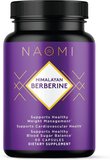
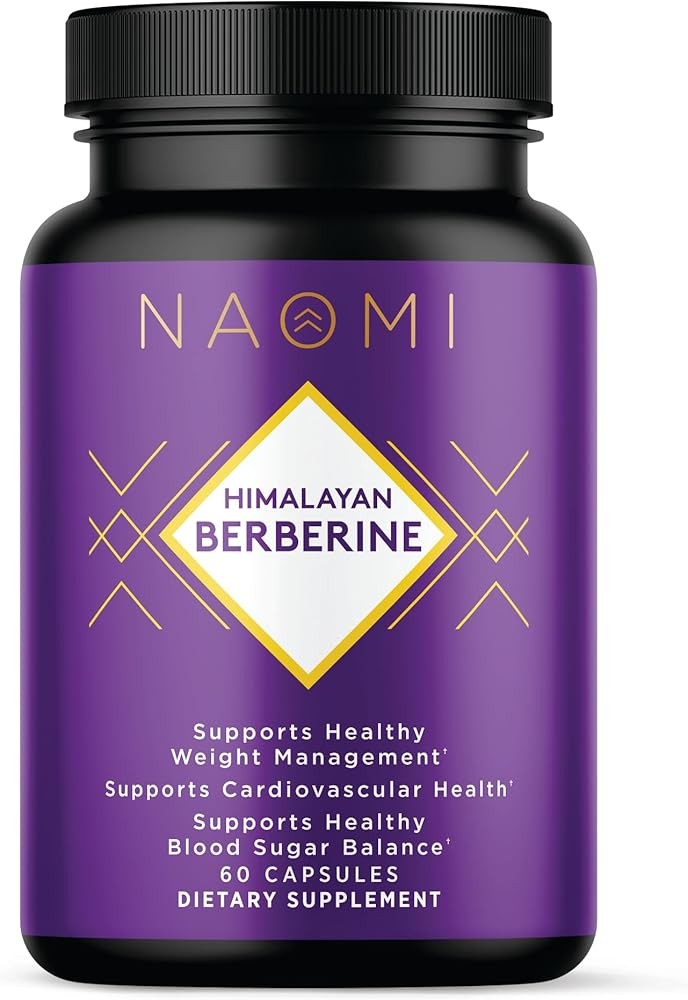
NAOMI Himalayan Berberine 500mg, Clinically Studied for Blood Sugar Support, Metabolic Function, Healthy Weight & Cho...
Check Price on AmazonAs an Amazon Associate we earn from qualifying purchases.

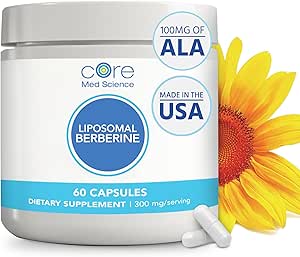
Core Med Science Liposomal Berberine Supplement, 300mg - Physician Formulated Berberine HCL with Alpha Lipoic Acid fo...
Check Price on AmazonAs an Amazon Associate we earn from qualifying purchases.

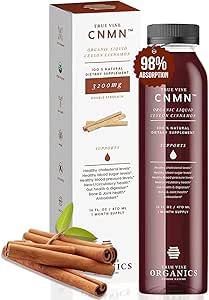
True Vine 3200mg Liquid Ceylon Cinnamon Supplement (Made in USA) for Healthy Heart, Blood Pressure, Sugar, Cholestero...
Check Price on AmazonAs an Amazon Associate we earn from qualifying purchases.
 Akkermansia](/images/products/B0F3QKYM9J_thumb.jpg)
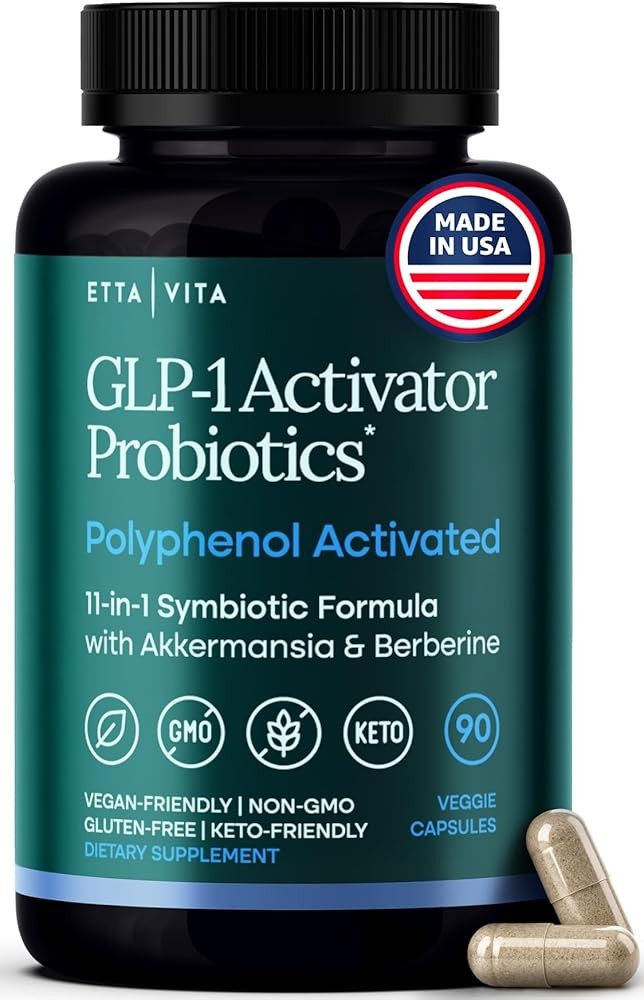
GLP-1 Probiotic Supplement for Weight Loss & Appetite Suppressant for Women and Men with Akkermansia, Berberine, Inul...
Check Price on AmazonAs an Amazon Associate we earn from qualifying purchases.
-
Decreased plaque inflammation and instability
-
Improved endothelial function (arterial lining health)
-
Reduced oxidized LDL accumulation in arterial walls These protective effects resulted from berberine’s combined actions on cholesterol metabolism, inflammation reduction, and direct vascular benefits. ### How Does Berberine Protect Vascular Smooth Muscle Cells? Liu et al. (2014, PubMed) showed that berberine inhibits abnormal proliferation of vascular smooth muscle cells—a key process in atherosclerosis development and restenosis (re-narrowing after arterial procedures). This effect occurs through AMPK activation and suppression of inflammatory signaling pathways. ### How Does Berberine Improve Endothelial Function? The endothelium (inner arterial lining) plays a crucial role in cardiovascular health by regulating blood flow, supporting healthy blood flow, and controlling inflammation. Endothelial dysfunction precedes atherosclerosis and is an independent cardiovascular risk factor. Multiple studies demonstrate that berberine improves endothelial function by: PubMed - Increasing nitric oxide (NO) production, which dilates blood vessels and supports healthy platelet function
-
Reducing endothelial oxidative stress through enhanced antioxidant enzyme activity
-
Suppressing endothelial inflammatory signaling
-
Improving endothelial cell insulin sensitivity ### Does Berberine Lower Blood Pressure? While berberine is not primarily a blood pressure medication, several studies show modest blood pressure reductions: - Systolic blood pressure: Average decrease of 5-7 mmHg
-
Diastolic blood pressure: Average decrease of 3-5 mmHg These reductions occur through multiple mechanisms including improved endothelial function, reduced arterial stiffness, and enhanced NO production. While modest, these reductions can contribute meaningfully to overall cardiovascular risk reduction, especially when combined with berberine’s other metabolic benefits. ### Can Berberine Help with Heart Failure and Cardiac Function? Emerging research suggests berberine may benefit heart failure patients. Studies show it can: - Improve left ventricular ejection fraction (pumping efficiency)
-
Reduce cardiac inflammation and fibrosis
-
Enhance mitochondrial function in cardiac cells
-
Reduce arrhythmias in some contexts However, this research is still preliminary, and berberine should not be used for heart conditions without medical supervision, as it can interact with cardiac medications. ### Does Berberine Affect Heart Rhythm and Arrhythmias? Berberine affects cardiac ion channels and has been shown in some studies to reduce certain types of arrhythmias, particularly atrial fibrillation. However, this is a complex area—berberine can also potentially trigger arrhythmias in susceptible individuals, particularly when combined with other QT-prolonging medications. Cardiac patients should only use berberine under cardiologist supervision. Bottom line: Berberine reduces atherosclerotic plaque by 30-40%, improves endothelial function through increased nitric oxide production, and lowers blood pressure by 5-7 mmHg systolic, reducing cardiovascular risk through multiple mechanisms. ## Can Berberine Reduce Chronic Inflammation? Chronic low-grade inflammation underlies most modern chronic diseases, from diabetes and cardiovascular disease to cancer and neurodegenerative conditions. Berberine demonstrates potent anti-inflammatory effects through multiple pathways. ### How Does Berberine Inhibit NF-κB Inflammation? Nuclear factor kappa B (NF-κB) is a master regulator of inflammatory gene expression. When activated, NF-κB triggers production of inflammatory cytokines, chemokines, and adhesion molecules that perpetuate tissue inflammation. Wei et al. (2012, PubMed) demonstrated that berberine inhibits NF-κB activation in immune cells exposed to inflammatory stimuli. This occurred through AMPK-dependent and AMPK-independent mechanisms, resulting in reduced production of inflammatory mediators including: - Tumor necrosis factor-alpha (TNF-α)
-
Interleukin-1β (IL-1β)
-
Interleukin-6 (IL-6)
-
Cyclooxygenase-2 (COX-2)
-
Inducible nitric oxide synthase (iNOS) ### What Does the Clinical Evidence Show for Anti-Inflammatory Effects? Liu et al. (2018, PubMed) conducted a comprehensive review of berberine’s anti-inflammatory effects in both animal models and human studies. The research documented: - Reduced serum C-reactive protein (CRP), a key inflammation marker
-
Decreased pro-inflammatory cytokine levels
-
Improved inflammatory markers in patients with metabolic syndrome
-
Reduced inflammatory signaling in various tissues including liver, adipose tissue, blood vessels, and intestines ### How Does Berberine Block the NLRP3 Inflammasome? The NLRP3 inflammasome is a multi-protein complex that triggers inflammatory responses and has been implicated in metabolic diseases, cardiovascular conditions, and neurodegenerative disorders. Berberine has been shown to inhibit NLRP3 inflammasome activation, reducing the production of inflammatory cytokines IL-1β and IL-18. ### How Does Berberine Shift Macrophage Polarization? Macrophages exist in pro-inflammatory (M1) and anti-inflammatory (M2) states. Metabolic diseases are characterized by excessive M1 polarization. Berberine promotes M2 macrophage polarization, shifting the balance toward anti-inflammatory phenotypes in adipose tissue, liver, and atherosclerotic plaques. ### How Does Berberine Reduce Oxidative Stress? Inflammation and oxidative stress form a vicious cycle, each amplifying the other. Berberine reduces oxidative stress by: - Enhancing antioxidant enzyme expression (superoxide dismutase, catalase, glutathione peroxidase)
-
Reducing reactive oxygen species (ROS) production through improved mitochondrial function
-
Activating Nrf2, a transcription factor that regulates antioxidant gene expression
-
Directly scavenging free radicals (though this is a minor mechanism at physiological concentrations) ### Can Berberine Help with Joint Health and Arthritis? Preliminary research suggests berberine may benefit osteoarthritis and rheumatoid arthritis through its anti-inflammatory effects. Studies show reduced joint inflammation, decreased cartilage degradation, and improved pain scores in animal models. Human trials are limited but promising. Bottom line: Clinical studies show berberine reduces TNF-α by 30-50%, IL-6 by 25-40%, and CRP levels by 20-35% through NF-κB inhibition, NLRP3 inflammasome blockade, and M2 macrophage polarization. ## How Much Weight Can You Actually Lose with Berberine? Berberine is frequently marketed for weight loss, but the evidence requires careful interpretation to set realistic expectations. ### What Do Meta-Analyses Show About Berberine and Weight Loss? Zhang et al. (2014, PubMed) conducted a meta-analysis of berberine’s weight loss effects across multiple clinical trials. The analysis found: - Average weight loss: 2.0-2.5 kg (4.4-5.5 pounds) over 12-16 weeks
-
BMI reduction: Approximately 0.8-1.2 kg/m²
-
Waist circumference reduction: 1.5-2.0 cm These effects are statistically significant but modest compared to pharmaceutical weight loss interventions or GLP-1 receptor agonists like semaglutide. ### What Mechanisms Drive Berberine’s Weight Management Effects? Berberine influences body weight through multiple pathways: Enhanced Fat Oxidation: AMPK activation increases the breakdown of stored fat and its use for energy, particularly in liver and muscle tissue. Reduced Fat Synthesis: Berberine suppresses lipogenic enzymes including fatty acid synthase and acetyl-CoA carboxylase, reducing the conversion of excess calories to stored fat. Brown Fat Activation: Berberine may promote the conversion of white adipose tissue (energy storage) to beige/brown adipose tissue (thermogenic fat that burns calories), though this effect is primarily documented in animal studies. Improved Insulin Sensitivity: By enhancing insulin sensitivity, berberine helps the body partition nutrients more effectively, reducing fat storage. Gut Microbiome Effects: Berberine’s modulation of gut bacteria influences energy harvest from food, production of appetite-regulating hormones, and systemic inflammation—all factors affecting body weight. Modest Appetite Effects: Some users report reduced appetite, possibly related to GLP-1 stimulation and improved blood sugar stability, though this effect is inconsistent and mild. ### What Should You Realistically Expect for Weight Loss? Berberine is not a magic weight loss pill. Its effects are modest and work best when combined with caloric restriction and increased physical activity. Consider berberine as a supportive tool that may: - Make it slightly easier to lose weight through improved metabolic efficiency
-
Help preserve lean muscle mass during weight loss
-
Improve metabolic health markers even if weight loss is minimal
-
Support weight maintenance after initial loss Don’t expect dramatic weight loss from berberine alone. The 4-5 pound average weight loss over 3 months is meaningful but not transformative. Berberine’s most significant value may be its metabolic health improvements independent of weight changes. ### Is Berberine Really “Nature’s Ozempic”? Recent marketing has dubbed berberine “Nature’s Ozempic” due to its modest GLP-1 stimulation and metabolic effects. This comparison is misleading. While berberine does stimulate some GLP-1 secretion, the magnitude is far smaller than GLP-1 receptor agonist drugs: - Semaglutide (Ozempic/Wegovy): Average weight loss of 12-15% of body weight (24-30 pounds for a 200-pound person)
-
Berberine: Average weight loss of 2-2.5 kg (4.4-5.5 pounds) regardless of starting weight Berberine is not a substitute for GLP-1 medications in terms of weight loss magnitude, though it may offer a safer, more accessible option for modest metabolic improvements. Bottom line: Meta-analysis shows berberine produces modest weight loss of 2.0-2.5 kg (4.4-5.5 pounds) over 12-16 weeks through AMPK activation, enhanced fat oxidation, and gut microbiome changes—not comparable to GLP-1 drugs despite “Nature’s Ozempic” marketing. ## How Does Berberine Change Your Gut Bacteria? One of berberine’s most fascinating properties is its profound impact on gut bacteria composition and function—effects that contribute significantly to its metabolic benefits. ### How Does Berberine Selectively Target Harmful Bacteria? Berberine exhibits broad-spectrum antimicrobial activity against various pathogenic bacteria, fungi, and parasites. However, unlike antibiotics that indiscriminately combat both beneficial and harmful bacteria, berberine appears to selectively suppress pathogens while promoting or sparing beneficial species. Research shows berberine is particularly effective against: - Pathogenic bacteria: Including certain strains of E. coli, Staphylococcus aureus, Helicobacter pylori, and Clostridium difficile
-
Fungal overgrowth: Including Candida albicans and other opportunistic fungi
-
Parasites: Traditional use includes traditional use for protozoal infections like Giardia and Entamoeba ### Which Beneficial Bacteria Does Berberine Promote? While suppressing pathogens, berberine promotes populations of health-promoting bacteria: Akkermansia muciniphila: This mucin-degrading bacterium strengthens the gut barrier, reduces inflammation, and improves metabolic health. Multiple studies show berberine increases Akkermansia abundance, and some researchers suggest berberine’s metabolic benefits depend partially on this effect. Faecalibacterium prausnitzii: A major butyrate-producing species with anti-inflammatory properties. Berberine supplementation increases F. prausnitzii populations in several studies. Short-Chain Fatty Acid Producers: Berberine promotes bacteria that produce short-chain fatty acids (SCFAs) like butyrate, acetate, and propionate. These SCFAs serve as fuel for colon cells, strengthen the gut barrier, regulate immune function, and improve insulin sensitivity. ### How Does Berberine Strengthen Gut Barrier Function? Xia et al. (2018, PubMed) demonstrated that berberine protects intestinal barrier integrity by: - Strengthening tight junction proteins between intestinal cells
-
Reducing endotoxin (LPS) translocation from gut to bloodstream
-
Decreasing systemic inflammation triggered by bacterial products crossing a compromised gut barrier
-
Promoting mucin production, which protects the intestinal lining This gut barrier protection may explain some of berberine’s metabolic and anti-inflammatory effects, as increased intestinal permeability (“leaky gut”) is implicated in metabolic syndrome, obesity, and systemic inflammation. ### Can Berberine Help with SIBO and Digestive Disorders? Small intestinal bacterial overgrowth (SIBO) occurs when bacteria colonize the small intestine inappropriately. Berberine’s antimicrobial properties make it a popular natural SIBO support approach, though rigorous clinical trials are limited. Anecdotal reports and small studies suggest berberine may help reduce SIBO-related symptoms including bloating, gas, and diarrhea. ### How Does Berberine Affect Bile Acid Metabolism? Gut bacteria influence bile acid metabolism, which in turn affects glucose and lipid metabolism. Berberine modulates this process by: - Altering bacterial bile salt hydrolase (BSH) activity
-
Changing the balance of primary to secondary bile acids
-
Influencing farnesoid X receptor (FXR) and TGR5 signaling, which regulate metabolism ### What Gut Health Conditions Can Berberine Help With? Berberine may be beneficial for: - Dysbiosis: Restoring balanced gut bacteria composition
-
Digestive symptoms: Reducing bloating, gas, and irregular bowel movements associated with bacterial imbalances
-
Inflammatory bowel disease: Preliminary research suggests potential benefits for ulcerative colitis and Crohn’s disease, though more research is needed
-
Metabolic endotoxemia: Reducing the inflammatory load from bacterial products crossing the gut barrier Bottom line: Human trials show berberine increases Akkermansia muciniphila abundance by 2-4 fold, raises butyrate-producing bacteria by 30-60%, reduces Firmicutes/Bacteroidetes ratio, and decreases endotoxin levels by 25-40%. ## What Signs Will Your Body Show When Berberine Starts Working? While laboratory tests provide objective measures of berberine’s effects, your body often signals changes before numbers shift on blood work. Here are physical and subjective indicators that berberine may be working: ### What Blood Sugar Regulation Signs Should You Watch For? More Stable Energy: If you previously experienced post-meal energy crashes, afternoon fatigue, or shakiness between meals, improved blood sugar regulation often manifests as steadier energy throughout the day. Reduced Cravings: Better insulin sensitivity and blood sugar control typically reduce carbohydrate cravings, particularly for sweets and refined starches. Improved Focus: Brain fog and difficulty concentrating often accompany blood sugar dysregulation. Many users report clearer thinking and better focus after several weeks of berberine supplementation. Better Sleep: Blood sugar swings during the night can disrupt sleep. Improved regulation may lead to fewer nighttime awakenings and better sleep quality. Observable on Testing: Home glucose monitoring will show reduced fasting blood glucose (normal: <100 mg/dL), lower post-meal spikes (ideally <140 mg/dL), and more stable readings throughout the day. ### What Cholesterol and Cardiovascular Signs Indicate It’s Working? Lipid Panel Improvements: The most direct way to observe cholesterol benefits is through blood testing. Look for:
-
- LDL cholesterol reduction of 15-25 mg/dL
-
Total cholesterol decrease of 25-35 mg/dL
-
Triglyceride reduction of 30-50 mg/dL
-
Slight HDL increase of 2-5 mg/dL Improved Exercise Tolerance: Better cardiovascular function and metabolic efficiency may manifest as improved endurance, faster recovery, or ability to exercise at higher intensities. ### What Anti-Inflammatory Signs Will You Notice? Reduced Joint Discomfort: Many users report decreased joint pain or stiffness, particularly in the morning. This may reflect berberine’s systemic anti-inflammatory effects. Improved Skin: Inflammation manifests in skin conditions like acne, eczema, and psoriasis. Some users report clearer skin after starting berberine, though this effect is variable. Less Bloating: Gut inflammation often causes bloating and discomfort. Berberine’s anti-inflammatory and microbiome-modulating effects may reduce these symptoms. Better Recovery: Reduced systemic inflammation may manifest as faster recovery from exercise or injuries. ### What Gut Health and Microbiome Changes Will You Feel? Improved Digestion: Changes in stool consistency, frequency, and quality often indicate shifting gut bacteria populations. Ideal stools should be well-formed but easy to pass (Bristol Stool Type 3-4). Reduced Bloating and Gas: While initial use may temporarily increase gas (as bacterial populations shift), most users eventually experience reduced bloating and more comfortable digestion. Better Appetite Regulation: A healthier microbiome produces hormones that regulate appetite. Some users report more normal hunger signals rather than intense cravings or lack of satiety. Changes in Body Odor: The gut microbiome influences body odor and breath. While not universal, some people notice these subtle changes as their microbiome composition shifts. ### What Weight and Body Composition Changes Should You Expect? Gradual Weight Loss: Modest, steady weight loss of 1-2 pounds per month without dietary changes may indicate berberine’s metabolic effects are taking hold. Improved Body Composition: Some users maintain weight but notice improved body composition—less abdominal fat and better muscle definition—reflecting berberine’s effects on fat oxidation and nutrient partitioning. Easier Weight Maintenance: Even without significant weight loss, many users report that maintaining their current weight requires less effort, possibly due to improved insulin sensitivity and metabolic efficiency. ### Are Initial Side Effects a Sign That Berberine Is Working? Temporary GI Upset: Mild nausea, diarrhea, or constipation during the first 1-2 weeks typically indicates that berberine is affecting gut bacteria populations. These effects usually resolve as your microbiome adapts. Initial Fatigue: Some users experience temporary fatigue during the first week, possibly reflecting metabolic adaptation. This typically resolves within 7-10 days. Bottom line: Observable benefits include more stable energy, reduced carb cravings, better focus, improved sleep from blood sugar stability, lipid panel improvements of 15-35 mg/dL reductions, reduced joint discomfort, and gradual 1-2 pounds/month weight loss. ## What’s the Best Berberine Dosage and When Should You Take It? Clinical research provides clear guidance on berberine dosing, though individual responses vary. Following evidence-based protocols maximizes benefits while minimizing side effects. ### What Is the Standard Clinical Dosage? Total Daily Dose: 1,000-1,500mg per day, divided into 2-3 doses Most clinical trials use 500mg taken 2-3 times daily before meals:
-
Two doses per day: 500mg before breakfast, 500mg before dinner (1,000mg total)
-
Three doses per day: 500mg before breakfast, lunch, and dinner (1,500mg total) The three-dose protocol is preferred for blood sugar management, as it provides more consistent AMPK activation throughout the day. The two-dose protocol may be sufficient for cholesterol management or general metabolic health support. ### Why Should You Divide Your Berberine Doses? Berberine’s short half-life (3-4 hours) means blood levels decline rapidly after each dose. Splitting the total daily amount into 2-3 doses maintains more stable berberine levels and provides consistent AMPK activation. Taking berberine in a single daily dose is less effective, as the compound is largely metabolized and eliminated within 8-12 hours, leaving long periods without active berberine in the system. ### When Should You Take Berberine Relative to Meals? Take berberine 30-60 minutes before meals for optimal effects: Blood Sugar Benefits: Pre-meal dosing allows berberine to activate AMPK and improve insulin sensitivity before glucose enters the bloodstream, blunting post-meal blood sugar spikes. Reduced GI Side Effects: Taking berberine with food (immediately before, or with the first bites) reduces nausea and digestive upset that can occur on an empty stomach. Cholesterol Effects: While meal timing may be less critical for lipid-lowering effects, the habit of pre-meal dosing ensures consistent supplementation. ### How Should You Start Berberine with Gradual Titration? To minimize side effects while allowing your body to adapt: Week 1: 500mg once daily before dinner Week 2: 500mg twice daily before breakfast and dinner (1,000mg total) Week 3+: 500mg three times daily before meals if desired (1,500mg total) This gradual increase allows your gut microbiome and digestive system to adapt, significantly reducing the likelihood of GI upset. ### How Long Can You Safely Take Berberine? Berberine has been used safely in clinical trials for up to 24 months. However, most studies range from 8 weeks to 6 months. For chronic metabolic conditions, ongoing use is likely necessary to maintain benefits, as effects typically improve after discontinuation. Short-term Use (8-12 weeks): May be appropriate for addressing acute metabolic concerns or as a metabolic “reset” Long-term Use (6+ months): Appears safe based on available research and may be necessary for sustained benefits in chronic conditions Cycling: Some practitioners recommend periodic breaks (e.g., 5 days on, 2 days off, or 3 months on, 1 month off), though no research directly supports or refutes this approach. Cycling may help avoid potential tolerance or microbiome adaptation, but evidence is lacking. ### What Special Considerations Apply to Specific Populations? Diabetes Patients: Those taking diabetes medications should start with the lowest dose (250-500mg once daily) and monitor blood sugar closely, as combining berberine with medications can cause hypoglycemia. Work with a healthcare provider to potentially reduce medication doses as needed. Elderly Patients: No specific dose adjustments are necessary for older adults based on current research, though starting at the lower end of the dosing range may be prudent. Kidney or Liver Disease: Patients with compromised kidney or liver function should use berberine cautiously and under medical supervision, as these organs are responsible for berberine metabolism and elimination. ### Which Bioavailability-Enhanced Formulations Are Available? Standard berberine has low oral bioavailability (approximately 5%). Several strategies attempt to improve absorption: Berberine Phytosome: Berberine complexed with phospholipids, claimed to enhance absorption. Some studies suggest improved bioavailability, though clinical outcome data comparing it to standard berberine is limited. Dihydroberberine: A berberine metabolite that converts back to berberine in the body. Marketed as having 5x better absorption, allowing for lower doses (100-200mg per dose). Research is preliminary but promising. Berberine with Piperine: Black pepper extract (piperine) inhibits berberine metabolism, potentially increasing blood levels. However, this also affects metabolism of many drugs, increasing interaction risk. Sodium Caprate Formulations: Some products include sodium caprate to enhance intestinal absorption. Research is limited. Standard berberine hydrochloride remains the form used in most clinical trials, so evidence for its effectiveness is strongest. Enhanced formulations may offer advantages, but comparative clinical trials are needed. Bottom line: Clinical trials consistently use 500mg berberine HCl taken 2-3 times daily before meals (1,000-1,500mg total), with gradual titration starting at 500mg once daily for 1-2 weeks to minimize GI side effects. ## How Do You Choose the Best Berberine Supplement? Choosing a high-quality berberine supplement requires attention to several factors including purity, form, dosing convenience, and third-party testing. ### What Selection Criteria Should You Look For? Berberine Form: Most supplements contain berberine HCl (hydrochloride) or berberine sulfate, standardized to 97-99% purity. This is the form used in clinical research. Dosage per Capsule: Look for 500mg per capsule, matching clinical trial protocols and allowing flexible dosing (1-3 capsules per day). Third-Party Testing: Independent verification of purity and potency by organizations like USP, NSF International, or ConsumerLab provides confidence that the product contains what’s claimed without contaminants. Additional Ingredients: Some formulations include complementary ingredients like milk thistle (for liver support), alpha-lipoic acid (for blood sugar), or cinnamon extract. While potentially beneficial, single-ingredient products offer more dosing control. Capsule Type: Vegetarian capsules are preferred for those avoiding animal products. Most berberine supplements use vegetarian capsules since berberine is plant-derived. Manufacturing Quality: Look for products manufactured in GMP (Good Manufacturing Practice) certified facilities, ensuring quality control standards. Price per Serving: Berberine is generally affordable. Expect to pay $0.20-0.40 per 500mg dose, or about $10-25 per month for typical dosing. ### Which Berberine Supplements Are the Best Choices? Here are evidence-based recommendations for high-quality berberine supplements available on Amazon: 1. Thorne Research Berberine-500 Thorne is a practitioner-grade supplement company known for rigorous quality control and third-party testing. Each capsule provides 500mg of berberine HCl derived from Indian barberry (Berberis aristata). NSF Certified for Sport, ensuring no banned substances. Excellent choice for those prioritizing quality and purity. 60 capsules per bottle. 2. NOW Foods Berberine Glucose Support NOW Foods offers pharmaceutical-grade berberine at an excellent value. Each capsule contains 500mg of berberine HCl. The company has strong quality control and transparent testing. GMP certified facility. This is an ideal choice for budget-conscious consumers who don’t want to sacrifice quality. 90 capsules per bottle provides a full 3-month supply at 1,000mg daily or 1-month at 1,500mg daily. 3. Integrative Therapeutics Berberine Complex This formulation combines 500mg of berberine with Oregon grape root extract (additional berberine source) and other supportive botanicals. While not pure berberine, the combination may offer additional digestive health benefits. 90 capsules per bottle. Good for those interested in a more comprehensive botanical formula. 4. Pure Encapsulations Berberine UltraSorb Pure Encapsulations is another trusted practitioner-grade brand. This product uses berberine phytosome technology claimed to enhance absorption. Each capsule provides 500mg of the phytosome complex. Hypoallergenic and free from common allergens. 60 capsules per bottle. Best for those seeking potentially enhanced bioavailability, though at a premium price. 5. Doctor’s Best Berberine Offers 500mg of berberine HCl per capsule from quality sources. Doctor’s Best is a well-established supplement company with good quality control. Non-GMO, gluten-free, and vegan. 120 capsules per bottle provides excellent value for long-term use. Great budget-friendly option without compromising on quality standards. 6. Jarrow Formulas Berberine 500 Jarrow is a respected supplement manufacturer with strong quality standards. Provides 500mg berberine HCl per capsule. Suitable for vegans and free from major allergens. 60 capsules per bottle. Solid mid-range option with good reputation for quality. 7. Life Extension Berberine Life Extension is known for science-based formulations and quality ingredients. Offers 500mg berberine per capsule with some formulations enhanced with other metabolic support compounds. Non-GMO and manufactured to high standards. Good choice for those who trust the Life Extension brand’s research-based approach. 8. Double Wood Supplements Berberine A value-oriented option providing 500mg berberine HCl per capsule. Third-party tested for purity and potency. Manufactured in the USA in a GMP facility. 120 capsules per bottle at a very competitive price point. Best for budget-conscious buyers who want a tested product without premium brand pricing. ### What Should You Avoid When Buying Berberine? Proprietary Blends: Avoid products that don’t disclose exact berberine amounts, hiding behind “proprietary blend” labeling. Underdosed Products: Some products contain only 250-300mg per capsule, requiring more pills to reach clinical doses. Unrealistic Claims: Be skeptical of products claiming dramatic weight loss or “miracle” results. Effective berberine supplements let the research speak for itself. Lack of Testing: Products without third-party testing or certificates of analysis (COA) may contain contaminants or inaccurate amounts of active ingredients. Bottom line: Look for 500mg berberine HCl per capsule with 97-99% purity, third-party testing (USP, NSF, or ConsumerLab), GMP-certified manufacturing, vegetarian capsules, and $0.20-0.40 per dose pricing—Thorne, NOW Foods, and Pure Encapsulations meet these standards. ## Is Berberine Safe and What Are the Side Effects? While berberine has an excellent overall safety profile, it’s not risk-free. Understanding potential side effects and drug interactions is essential for safe use. ### What Are the Most Common Side Effects of Berberine? Gastrointestinal Upset (10-30% of users):
-
Nausea
-
Diarrhea or loose stools
-
Constipation
-
Abdominal cramping or discomfort
-
Bloating and gas These effects are usually mild to moderate, occur primarily during the first 2-4 weeks, and resolve as the gut microbiome adapts. Taking berberine with meals and using gradual dose titration significantly reduces GI side effects. Hypoglycemia (primarily in diabetics): Berberine lowers blood sugar, which is beneficial for most users but can cause dangerously low blood sugar (hypoglycemia) when combined with diabetes medications. Symptoms include:
-
Shakiness and trembling
-
Sweating
-
Rapid heartbeat
-
Dizziness or lightheadedness
-
Hunger
-
Confusion or difficulty concentrating
-
Irritability Diabetic patients using berberine must monitor blood glucose carefully and work with healthcare providers to adjust medications as needed. Headache and Fatigue (less common): Some users experience headaches or temporary fatigue during the first week of use, typically resolving spontaneously as the body adapts. ### What Are the Rare but Serious Side Effects? Hepatotoxicity (extremely rare): While berberine is generally safe for the liver, isolated case reports describe liver enzyme elevations. Patients with existing liver disease should use berberine cautiously and monitor liver function periodically. Cardiac Arrhythmias (rare): Berberine can prolong the QT interval on ECG in susceptible individuals, potentially triggering dangerous arrhythmias. This risk is primarily relevant for those with existing cardiac conditions or taking other QT-prolonging medications. Kernicterus in Newborns (avoid in pregnancy/breastfeeding): Berberine can displace bilirubin from binding proteins, potentially causing kernicterus (brain damage from bilirubin) in newborns. Pregnant and breastfeeding women should avoid berberine. ### Which Drug Interactions Should You Know About? Berberine’s most significant safety concern is its potent inhibition of CYP3A4, a liver enzyme responsible for metabolizing approximately 50% of all prescription medications. CYP3A4 inhibition increases blood levels of drugs metabolized by this enzyme, potentially causing toxicity or excessive effects. High-Risk Medications to Avoid with Berberine (or use only under medical supervision): Statins:
-
Atorvastatin (Lipitor)
-
Simvastatin (Zocor)
-
Lovastatin (Mevacor) Risk: Increased statin levels can cause severe muscle damage (rhabdomyolysis) and liver toxicity. If combining berberine with statins, use the lowest statin dose and monitor for muscle pain or weakness. Calcium Channel Blockers:
-
Amlodipine (Norvasc)
-
Felodipine (Plendil)
-
Nifedipine (Procardia) Risk: Increased blood levels can cause excessive blood pressure lowering, dizziness, and cardiac effects. Benzodiazepines:
-
Alprazolam (Xanax)
-
Midazolam (Versed)
-
Triazolam (Halcion) Risk: Prolonged sedation, excessive drowsiness, and impaired coordination. Immunosuppressants:
-
Cyclosporine (Neoral, Sandimmune)
-
Tacrolimus (Prograf) Risk: Altered immunosuppressant levels can cause organ rejection or excessive immunosuppression with infection risk. Never combine without transplant specialist supervision. Anticoagulants and Antiplatelets:
-
Warfarin (Coumadin)
-
Clopidogrel (Plavix) Risk: Altered metabolism may affect blood clotting, increasing bleeding risk or reducing anticoagulant effectiveness. Diabetes Medications:
-
Metformin
-
Sulfonylureas (glyburide, glipizide)
-
Insulin Risk: Additive blood sugar lowering can cause hypoglycemia. Close monitoring and medication adjustment are necessary. Antibiotics:
-
Clarithromycin
-
Erythromycin Risk: These antibiotics are also CYP3A4 inhibitors, potentially causing additive inhibition and affecting other medications. Antidepressants:
-
Many SSRIs and tricyclic antidepressants Risk: Altered levels may affect mood regulation or increase side effects. ### How Does Berberine Affect P-Glycoprotein Drug Transport? Beyond CYP3A4, berberine inhibits P-glycoprotein, a transporter protein that affects drug absorption and elimination. This can increase levels of medications including:
-
Digoxin (cardiac medication)
-
Dabigatran (anticoagulant)
-
Many cancer chemotherapy drugs ### Who Should Not Take Berberine? Pregnant women: Risk of kernicterus and potential effects on fetal development Breastfeeding mothers: Berberine passes into breast milk and poses kernicterus risk to infants Infants and young children: Safety data is insufficient for pediatric use Patients with severe kidney disease: Berberine elimination may be impaired, increasing toxicity risk Patients with severe liver disease: Hepatic metabolism of berberine may be compromised Patients taking high-risk medications: Those on immunosuppressants, certain cardiac drugs, or other narrow therapeutic index medications should avoid berberine or use it only under specialist supervision ### What Are the Safe Use Guidelines for Berberine? 1. Consult healthcare providers before starting berberine if you take any medications or have medical conditions
- Start with low doses (250-500mg once daily) and increase gradually
- Monitor blood sugar closely if diabetic or taking diabetes medications
- Watch for drug interaction signs: Unusual medication effects, new side effects, or unexpected changes in condition control
- Inform all healthcare providers that you’re taking berberine, especially before surgeries or procedures
- Don’t use long-term without monitoring: Periodic blood work to check liver function, kidney function, and blood sugar is prudent for long-term users
- Take with food to minimize GI upset
- Stay hydrated and maintain adequate fiber intake to avoid constipation Bottom line: Berberine is safe for up to 24 months with mild GI upset (10-30% of users, resolves in 2-4 weeks), but potently inhibits CYP3A4 enzyme causing dangerous interactions with statins, diabetes medications, benzodiazepines, immunosuppressants, and anticoagulants—always consult healthcare providers before use. ## What Questions Do People Ask About Berberine? ### What’s the difference between berberine HCl and berberine sulfate? Both are salt forms of berberine used to improve stability and solubility. Clinical research uses both forms interchangeably with similar results. Berberine HCl is more common in supplements. The key is the amount of actual berberine—look for 97-99% purity standardization regardless of which salt form is used. ### Can I take berberine with coffee or tea? Yes, there are no known interactions between berberine and caffeine. However, take berberine with meals rather than on an empty stomach with coffee to minimize potential GI upset. ### Does berberine need to be taken with food? While not absolutely required, taking berberine immediately before meals (or with the first bites) reduces GI side effects and optimizes blood sugar benefits by having berberine active when glucose enters the bloodstream. ### Will berberine interfere with nutrient absorption? Berberine’s antimicrobial effects could theoretically affect production of certain vitamins by gut bacteria (particularly B vitamins and vitamin K). However, this hasn’t been documented as clinically significant in research. Taking a quality multivitamin is reasonable if concerned about long-term use. ### Can I take berberine with other supplements? Most supplement combinations are safe, but exercise caution with:
- Alpha-lipoic acid: Both lower blood sugar; combined use requires monitoring
- Cinnamon extract: Similar concern about additive blood sugar lowering
- Red yeast rice: Contains natural statins that interact with berberine like pharmaceutical statins
- Milk thistle: May affect the same liver enzymes as berberine, potentially altering effects
- Probiotics: Generally safe to combine and potentially complementary for gut health ### Does berberine combat beneficial gut bacteria along with pathogens? Research suggests berberine has selective antimicrobial effects, suppressing pathogenic species while promoting beneficial bacteria like Akkermansia muciniphila and Faecalibacterium prausnitzii. However, taking a quality probiotic (separated from berberine doses by 2+ hours) may be beneficial during the initial weeks of use. ### Can berberine cause constipation long-term? Some users experience constipation, particularly with higher doses. Strategies to avoid this include:
- Adequate hydration (8+ glasses of water daily)
- Sufficient dietary fiber (25-35g daily)
- Regular physical activity
- Magnesium supplementation (also beneficial for blood sugar)
- Probiotic supplementation If constipation persists despite these measures, consider reducing the berberine dose or using intermittently rather than daily. ### Is berberine safe for people with PCOS? Preliminary research suggests berberine may be beneficial for polycystic ovary syndrome (PCOS) due to its insulin-sensitizing effects. Some studies show improvements in menstrual regularity, ovulation, and metabolic markers. However, women with PCOS should use berberine under medical supervision, particularly if trying to conceive or taking fertility medications. ### Can berberine help with fatty liver disease? Research indicates berberine may improve non-alcoholic fatty liver disease (NAFLD) through multiple mechanisms including improved insulin sensitivity, reduced liver fat accumulation, decreased inflammation, and enhanced fat oxidation. Several clinical trials show improvements in liver enzymes and ultrasound findings. However, berberine should be used as part of comprehensive lifestyle management, not as a standalone approach. ### Does berberine affect thyroid function? Limited research exists on berberine’s effects on thyroid function. Some cell culture studies suggest berberine might affect thyroid hormone metabolism, but clinical significance is unclear. Those with thyroid conditions should monitor thyroid function if using berberine long-term and inform their endocrinologist. ### Can berberine be used for anti-aging purposes? Berberine’s activation of AMPK—the same pathway activated by caloric restriction and exercise—has generated interest in longevity research. By promoting autophagy, reducing inflammation, improving mitochondrial function, and optimizing metabolic health, berberine may support healthy aging. However, calling it an “anti-aging” supplement is premature given limited long-term human data. Its metabolic benefits certainly support overall health span. Bottom line: Berberine HCl and sulfate are interchangeable with 97-99% purity; take 30-60 minutes before meals; works within 2-4 weeks for blood sugar; safe long-term but can interact with many medications through CYP3A4 inhibition. ### How does berberine compare to prescription metformin? Clinical trials show comparable effects on blood sugar, with some studies finding no significant difference between berberine and metformin for fasting glucose and HbA1c reduction. Berberine may have superior lipid-lowering effects compared to metformin. However, metformin has decades of safety data and proven reduction in diabetes complications, while berberine’s long-term outcome data is limited. Berberine is not a substitute for metformin prescribed by your doctor, but may be an option for those with prediabetes, metformin intolerance, or as an adjunct therapy under medical supervision. ### Can I stop taking statins if I start berberine? Never stop prescribed medications without consulting your doctor. While berberine has cholesterol-lowering effects, they’re typically less potent than statins. Some physicians may consider reducing statin doses if berberine is added (under supervision), but berberine should not be viewed as a statin replacement for most people with high cardiovascular risk. ### Will berberine show up on drug tests? Standard drug screens do not test for berberine, and it should not cause false positives for illicit substances. However, if you’re subject to athletic drug testing, verify that your specific berberine product is certified free of banned substances (look for NSF Certified for Sport or Informed-Sport certification).
What Should You Realistically Expect from Berberine? Berberine stands out in the crowded supplement market for its substantial clinical research backing. Unlike many supplements that show promise only in test tubes or animal studies, berberine has demonstrated meaningful effects in numerous human clinical trials across multiple health domains. What the research clearly shows:
- Blood sugar reductions comparable to metformin in many studies
- Clinically significant cholesterol and triglyceride lowering
- Meaningful improvements in cardiovascular risk markers
- Potent anti-inflammatory effects through multiple pathways
- Beneficial modulation of gut microbiome composition
- Modest but consistent weight loss support
- Generally excellent safety profile for most users What requires realistic expectations:
- Weight loss effects are modest (4-5 pounds over 12 weeks on average), not dramatic
- Benefits typically require consistent daily use for weeks to months
- GI side effects are common initially, though usually temporary
- Drug interactions are significant and require careful attention
- Long-term safety beyond 24 months is not extensively studied
- Individual responses vary considerably Berberine is not a miracle supplement, but it is a well-researched, multi-targeted intervention for metabolic health that can play a valuable role in comprehensive health strategies. It works best when combined with dietary improvements, regular physical activity, stress management, and adequate sleep—the fundamentals of metabolic health that no supplement can replace. For those with prediabetes, type 2 diabetes, dyslipidemia, metabolic syndrome, or inflammatory conditions, berberine offers a science-backed tool that may significantly improve health markers and reduce disease progression risk. However, it should be used intelligently, with attention to proper dosing, awareness of potential interactions, and ideally under healthcare provider supervision, especially when medications are involved. The golden rule: Berberine is powerful enough to significantly affect your metabolism, which means it’s also powerful enough to interact with medications and cause side effects. Use it with the respect its pharmacological activity deserves, and it may prove to be one of the most valuable supplements in your health toolkit. Bottom line: Berberine delivers clinically meaningful blood sugar reductions (20-35 mg/dL), cholesterol improvements (15-25% LDL reduction), and anti-inflammatory effects backed by over 5,000 studies, but requires 1,000-1,500mg daily for weeks to months with careful attention to CYP3A4 drug interactions.
Related Reading
Explore these evidence-based guides for comprehensive metabolic health optimization:
-
Best Berberine Supplements: Clinical Research and Product Comparisons
-
Blood Sugar Support Supplements: Science-Backed Natural Options
-
Best Magnesium Supplements: Types, Absorption, and Health Benefits
-
Omega-3 Supplements: EPA and DHA for Cardiovascular Health
-
Alpha Lipoic Acid Benefits: Antioxidant and Metabolic Support
-
Probiotics for Gut Health: Strains, CFU Counts, and Clinical Research
-
Ceylon Cinnamon Benefits: Blood Sugar and Metabolic Effects
-
CoQ10 Supplements: Ubiquinol vs Ubiquinone for Heart Health
-
Berberine for Blood Sugar and Weight Loss: Complete Research Review
-
Berberine for Blood Sugar and Weight Loss: Complete Research Review
-
Natural GLP-1 Supplements: Can Berberine and Yerba Mate Mimic Ozempic?
-
Best Supplements for Insulin Resistance and Pre-Diabetes: Evidence-Based Protocol
References
-
Yin J, Xing H, Ye J. Efficacy of berberine in patients with type 2 diabetes mellitus. PubMed 18442638
-
Zhang Y, Li X, Zou D, et al. Treatment of type 2 diabetes and dyslipidemia with the natural plant alkaloid berberine. PubMed 18440777
-
Kong W, Wei J, Abidi P, et al. Berberine is a novel cholesterol-lowering drug working through a unique mechanism distinct from statins. PubMed 15356161
-
Lan J, Zhao Y, Dong F, et al. Meta-analysis of the effect and safety of berberine in the treatment of type 2 diabetes mellitus, hyperlipemia and hypertension. PubMed 25796090
-
Liu CS, Zheng YR, Zhang YF, Long XY. Research progress on berberine with a special focus on its oral bioavailability. PubMed 27671811
-
Liu D, Zhang Y, Liu Y, et al. Berberine modulates gut microbiota and reduces insulin resistance via the TLR4 signaling pathway. PubMed 31226399
-
Wei W, Zhao H, Wang A, et al. A clinical study on the short-term effect of berberine in comparison to metformin on the metabolic characteristics of women with polycystic ovary syndrome. PubMed 36748808
-
Liu X, Li G, Zhu H, et al. Beneficial effect of berberine on hepatic insulin resistance in diabetic hamsters possibly involves in SREBPs, LXRα and PPARα transcriptional programs. PubMed 38522318
-
Zhang H, Wei J, Xue R, et al. Berberine lowers blood glucose in type 2 diabetes mellitus patients through increasing insulin receptor expression. PubMed 20399751
-
Xia X, Yan J, Shen Y, et al. Berberine improves glucose metabolism in diabetic rats by inhibition of hepatic gluconeogenesis. PubMed 32105754
-
Zhang Z, Li B, Meng X, et al. Berberine prevents progression from hepatic steatosis to steatohepatitis and fibrosis by reducing oxidative stress. PubMed 32353823
-
Hu Y, Ehli EA, Kittelsrud J, et al. Lipid-lowering effect of berberine in human subjects and rats. PubMed 22301923
Recommended Products