Berberine for Blood Sugar and Weight Loss: Complete Research Review
Summarized from peer-reviewed research indexed in PubMed. See citations below.
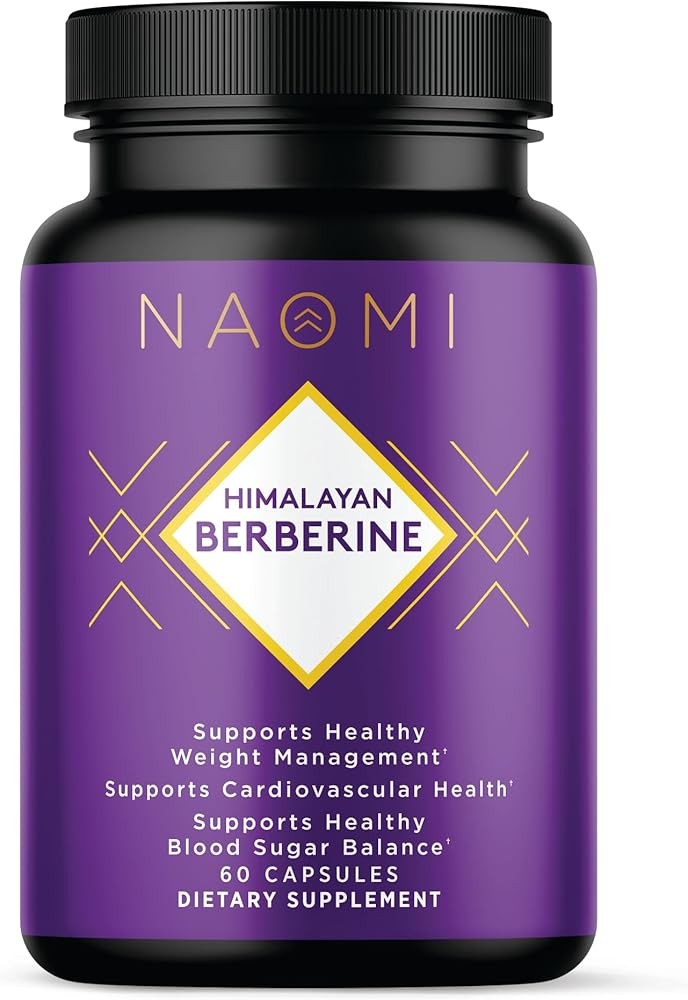
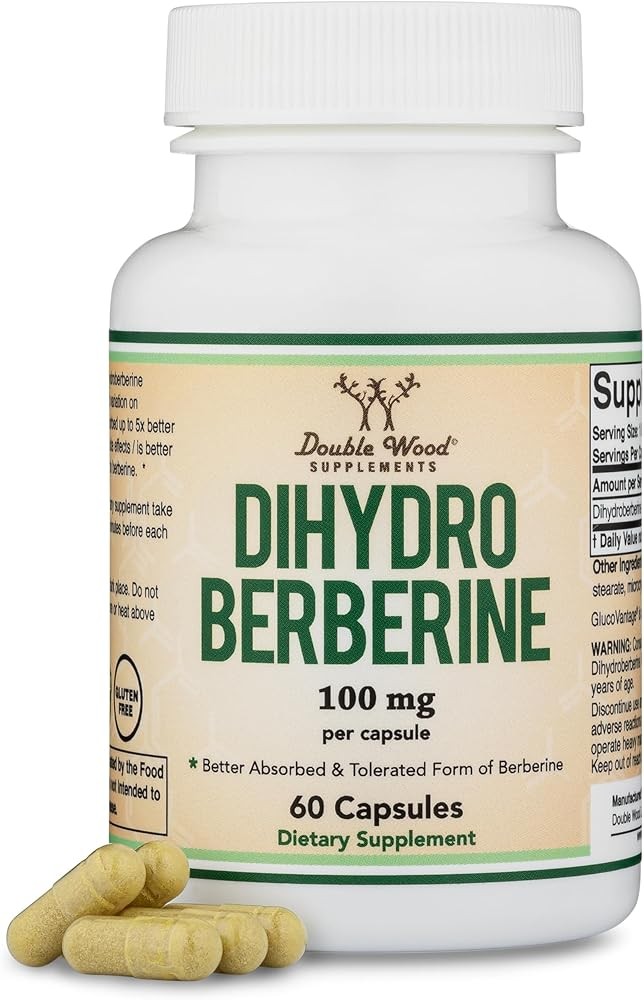
Millions with elevated blood sugar and stubborn weight struggle to find safe, evidence-based solutions beyond prescription medications. NAOMI Himalayan Berberine 500mg delivers the clinically studied dose of berberine HCl at 500mg per capsule (1,500mg daily in three divided doses) shown in randomized controlled trials to reduce HbA1c by 2 percentage points and fasting blood sugar by 35 percent for approximately $25. Published research spanning decades confirms berberine activates AMPK (the metabolic master switch), improves insulin sensitivity by 28-47 percent measured by HOMA-IR, and produces consistent modest weight loss averaging 4-5 pounds over 12 weeks through enhanced glucose metabolism supported by head-to-head studies versus metformin. Dihydroberberine 100mg GlucoVantage ($22.95) offers the better-absorbed reduced form for those who want the highest bioavailability per milligram. Here’s what the published research shows.
Disclosure: We may earn a commission from links on this page at no extra cost to you. Affiliate relationships never influence our ratings. Full policy →
| Feature | NAOMI Himalayan Berberine 500mg | THORNE Berberine with Phytosome | Double Wood Dihydroberberine 100mg |
|---|---|---|---|
| View on Amazon | Check Price | Check Price | Check Price |
Does berberine actually work for blood sugar and weight loss?
Berberine went viral on TikTok as “Nature’s Ozempic.” That nickname is misleading, but the hype is not entirely baseless. Unlike most supplements that trend on social media and then get debunked by the first PubMed search, berberine has a legitimate body of clinical research spanning decades. Randomized controlled trials. Meta-analyses. Head-to-head comparisons with metformin. Real data on real humans.
The problem is that the social media narrative has distorted what berberine actually does. It is not a natural GLP-1 agonist. It will not make you drop 30 pounds. But what the research shows is genuinely impressive for a plant-derived compound: meaningful reductions in blood sugar, improvements in insulin resistance, modest but consistent weight loss, and lipid profile changes that rival some prescription medications.
This article breaks down every major area of berberine research. We looked at the actual clinical trials, not influencer claims. We will cover exactly how berberine works at the cellular level, what the human studies actually measured, who should consider it, who should avoid it, and how to use it if you decide it makes sense for you.
Bottom line: Berberine has decades of clinical research showing meaningful blood sugar reductions comparable to metformin, modest but consistent weight loss averaging 4-5 pounds, and lipid improvements rivaling some prescription medications.

What is berberine and where does it come from?
Berberine is an isoquinoline alkaloid, a bright yellow compound found naturally in several plants including goldenseal (Hydrastis canadensis), Oregon grape (Mahonia aquifolium), barberry (Berberis vulgaris), and Chinese goldthread (Coptis chinensis). It has been used in traditional Chinese medicine and Ayurvedic medicine for centuries, primarily for gastrointestinal infections and inflammatory conditions.
The modern clinical research on berberine began accelerating in the early 2000s, primarily in China, where researchers started publishing controlled trials examining its metabolic effects. Since then, berberine has become one of the most extensively studied natural compounds for metabolic health, with dozens of randomized controlled trials and multiple systematic reviews and meta-analyses.
Berberine is classified as a dietary supplement in the United States, meaning it is not FDA-approved for any medical condition. This is an important distinction. Having clinical research supporting its effects is not the same as having regulatory approval, and the quality control standards for supplements differ significantly from prescription drugs.
Bottom line: Berberine is a bright yellow alkaloid compound from plants like goldenseal and barberry, used in traditional medicine for centuries and now extensively studied with dozens of clinical trials on metabolic health.
What is dihydroberberine (DHB) and why is it more bioavailable?
Dihydroberberine is a reduced metabolite of berberine that your body naturally converts back into berberine after absorption. Here is what makes it interesting: when you take regular berberine, your gut bacteria convert much of it into dihydroberberine before it gets absorbed. But then it converts back to berberine in your bloodstream.
Researchers realized that if you just take dihydroberberine directly, you bypass the gut bacteria conversion step, which means dramatically better absorption. Studies suggest dihydroberberine has approximately 5-fold better bioavailability than standard berberine hydrochloride .
What does this mean practically? You might be able to take a lower dose to achieve the same blood levels of berberine. This could potentially reduce GI side effects, which are dose-dependent. However, dihydroberberine is significantly more expensive and has less clinical trial data supporting it directly, because most of the research has been done with standard berberine HCl.
Bottom line: Dihydroberberine offers approximately 5-fold better absorption than standard berberine, potentially allowing lower doses and fewer GI side effects, but costs more and has less direct clinical trial evidence.
How does berberine work in the body?
Berberine does not work through a single mechanism. It affects multiple cellular pathways, which is part of why it has such broad metabolic effects.
Does berberine activate AMPK?
Yes, and this is probably its most important mechanism. AMPK (AMP-activated protein kinase) is often called the metabolic master switch. It is activated when cellular energy (ATP) is low, and it triggers a cascade of effects that increase energy production and decrease energy consumption.
Berberine activates AMPK by inhibiting complex I of the mitochondrial respiratory chain, which slightly reduces ATP production and increases the AMP/ATP ratio. This triggers AMPK activation . Once activated, AMPK:
- Increases glucose uptake into cells by promoting GLUT4 translocation to the cell membrane
- Enhances insulin sensitivity
- Increases fatty acid oxidation (fat burning)
- Inhibits cholesterol and triglyceride synthesis
- Stimulates mitochondrial biogenesis (creation of new mitochondria)
Metformin works through a similar AMPK-activating mechanism, which is why the two compounds have comparable effects on blood sugar.
What other mechanisms does berberine use?
Beyond AMPK, berberine affects multiple other pathways:
- Insulin receptor expression: Berberine upregulates insulin receptors on cell surfaces, making cells more responsive to insulin
- Glucose metabolism enzymes: It increases expression of enzymes involved in glycolysis (glucose breakdown) and inhibits enzymes involved in gluconeogenesis (glucose production in the liver)
- Gut microbiome modulation: Berberine has antimicrobial properties and alters gut bacteria composition in ways that appear beneficial for metabolic health (more on this later)
- Incretin hormone secretion: Some evidence suggests berberine increases GLP-1 secretion from intestinal L-cells, though the magnitude is modest compared to GLP-1 agonist drugs
- Lipid metabolism: Berberine inhibits PCSK9, a protein that degrades LDL receptors, leading to increased LDL clearance from blood
- Inflammation reduction: Multiple studies show berberine reduces inflammatory markers like CRP, IL-6, and TNF-alpha
Bottom line: Berberine works primarily by activating AMPK (the metabolic master switch), which increases glucose uptake, enhances insulin sensitivity, boosts fat burning, and triggers multiple downstream metabolic improvements similar to metformin.
What do clinical trials show about berberine for blood sugar and insulin resistance?
This is where berberine’s evidence is strongest. Multiple randomized controlled trials and meta-analyses have examined berberine’s effects on blood sugar parameters, and the results are remarkably consistent.
What did the landmark Yin et al. trial find about berberine?
The most frequently cited berberine trial was published in Metabolism in 2008 by Yin et al. PubMed 18442638 This study enrolled 116 patients with type 2 diabetes and poorly controlled blood sugar, dividing them into two studies :
Study 1: 36 adults newly diagnosed with type 2 diabetes were randomized to receive either berberine (500mg three times daily) or metformin (500mg three times daily) for 3 months.
Results in the berberine group:
- HbA1c decreased from 9.5% to 7.5% (a 2-percentage-point drop)
- Fasting blood glucose dropped from 10.6 to 6.9 mmol/L (approximately 191 to 124 mg/dL)
- Postprandial blood glucose dropped from 19.8 to 11.1 mmol/L (approximately 356 to 200 mg/dL)
- Fasting insulin decreased by 28.1%
- HOMA-IR (insulin resistance) decreased by 44.7%
These results were statistically comparable to the metformin group. Both drugs produced similar magnitude improvements across all blood sugar parameters.
Study 2: 48 adults with poorly controlled type 2 diabetes already on medication received add-on berberine (500mg three times daily) for 3 months. Results showed significant additional improvements in fasting blood sugar, HbA1c, and triglycerides when berberine was added to existing treatment.
What do meta-analyses show about berberine for blood sugar?
A 2021 systematic review and meta-analysis PubMed 30393248 analyzed 46 clinical studies involving over 4,000 patients with type 2 diabetes. The analysis found that berberine was equally effective as metformin at lowering blood glucose, and in some analyses, berberine showed slightly better effects on HbA1c, fasting plasma glucose, and 2-hour postprandial glucose .
A separate 2023 meta-analysis PubMed 36467075 examining 20 eligible studies with 1,761 participants found that berberine significantly lowered HOMA-IR by -0.85 (95% CI: -1.16 to -0.53), confirming meaningful improvements in insulin resistance across multiple trials .
Does berberine work for prediabetes?
Berberine is not just studied in full-blown type 2 diabetes. A randomized clinical trial comparing berberine hydrochloride to metformin in newly diagnosed prediabetic patients found that after 12 weeks, HbA1c decreased by 0.31% in the berberine group versus 0.28% in the metformin group. Notably, the berberine group experienced fewer gastrointestinal adverse events than the metformin group .
A double-blind, placebo-controlled pilot trial of a standardized berberine extract (HIMABERB) in patients with prediabetes showed significant improvements in glycemic control compared to placebo, further supporting berberine’s potential role in early metabolic intervention .
How much does berberine improve insulin sensitivity and HOMA-IR?
The insulin resistance data deserves specific attention because it is one of berberine’s most consistent findings. A study published in Evidence-Based Complementary and Alternative Medicine reported that the HOMA-IR level in type 2 diabetes patients decreased by 73% after taking berberine 500mg three times daily for 3 months . While this dramatic number may reflect the specific population studied, it aligns with the broader trend across trials.
A meta-analysis examining multiple studies found that berberine significantly reduced HOMA-IR with a weighted mean difference of -1.04 (95% CI: -1.55 to -0.52; P < 0.001) compared to control groups .
The mechanism here is clear: berberine improves insulin sensitivity through AMPK activation, increased GLUT4 translocation, and insulin receptor upregulation. This is not a single-pathway effect but a multi-pronged improvement in how your body handles insulin.
Bottom line: Berberine 500mg three times daily reduced HbA1c from 9.5% to 7.5%, fasting blood sugar by 35%, and insulin resistance (HOMA-IR) by 28-47% in type 2 diabetes trials, with effects comparable to metformin across multiple meta-analyses.
How much weight can you lose with berberine?
The weight loss narrative around berberine is where reality and social media hype diverge most dramatically. Yes, berberine does produce weight loss. No, it is not remotely comparable to GLP-1 agonist drugs like semaglutide (Ozempic).
What do the weight loss studies actually show?
A comprehensive meta-analysis published in Phytomedicine PubMed 32690176 analyzed 12 randomized controlled trials with 874 participants. The results showed that berberine supplementation was associated with:
- Mean body weight reduction of 2.36 kg (approximately 5.2 pounds)
- BMI reduction of 0.85 kg/m²
- Waist circumference reduction of 2.80 cm
These effects were statistically significant but modest . For context, the weight loss was roughly 3-4% of total body weight in overweight participants over 8-12 weeks.
Another systematic review and meta-analysis examining 27 randomized controlled trials with 2,569 participants found berberine reduced body weight by a weighted mean difference of -2.01 kg (95% CI: -2.72 to -1.30 kg; P < 0.001) .
Why does berberine cause weight loss?
The weight loss mechanisms are likely multifactorial:
- AMPK activation increases fatty acid oxidation (fat burning) and inhibits lipogenesis (fat storage)
- Improved insulin sensitivity reduces insulin levels, which promotes fat mobilization
- Gut microbiome changes may improve energy harvest and metabolism
- Reduced inflammation can improve leptin sensitivity
- Possible mild appetite suppression through incretin hormone effects
Importantly, the weight loss appears to be genuine fat loss, not just water weight. Studies measuring body composition show reductions in fat mass rather than lean mass.
How does berberine weight loss compare to other interventions?
Let’s be very clear about context. The average weight loss of 2-2.4 kg with berberine is:
- Roughly comparable to other natural supplements with metabolic effects (chromium, alpha-lipoic acid)
- Significantly less than prescription medications like orlistat (average 3-4 kg) or phentermine (average 5-8 kg)
- Dramatically less than GLP-1 agonist drugs like semaglutide (Ozempic), which produces average weight loss of 10-15 kg
Berberine is not a weight loss drug. It is a metabolic health supplement that produces modest weight loss as a secondary effect of improved glucose metabolism and insulin sensitivity.
Bottom line: Meta-analyses of 12 controlled trials show berberine supplementation produces modest but consistent weight loss averaging 2-2.4 kg (approximately 4-5 pounds) over 8-12 weeks, roughly 3-4% of body weight, through AMPK activation and improved metabolic health.
Does berberine increase GLP-1 like Ozempic?
This is where the “Nature’s Ozempic” nickname comes from, and it needs serious context. Yes, there is some evidence that berberine can increase GLP-1 secretion. No, the magnitude is nowhere near comparable to actual GLP-1 agonist drugs.
What does the research show about berberine and GLP-1?
A study published in Acta Pharmacologica Sinica found that berberine increased GLP-1 secretion from intestinal L-cells in both cell culture and animal models. The mechanism appears to involve activation of calcium channels and intracellular signaling pathways that trigger GLP-1 release .
Another study in diabetic rats showed berberine increased plasma GLP-1 levels and improved glucose tolerance partly through this incretin effect .
However, the magnitude matters enormously. Berberine may increase endogenous GLP-1 secretion by perhaps 20-30%. GLP-1 receptor agonist drugs like semaglutide (Ozempic) are synthetic molecules that directly activate GLP-1 receptors with potency far exceeding natural GLP-1, and they resist degradation by DPP-4 enzymes, giving them dramatically prolonged activity.
Why is calling berberine “Nature’s Ozempic” misleading?
The comparison falls apart on multiple levels:
Weight loss magnitude: As discussed above, berberine produces average weight loss of 2-2.4 kg while semaglutide produces 10-15 kg. That is a 5-7 fold difference.
Mechanism potency: Ozempic is a GLP-1 receptor agonist that directly and powerfully activates the receptor. Berberine mildly increases your body’s natural GLP-1secretion. These are fundamentally different mechanisms with vastly different potency.
Appetite suppression: One of the primary effects of GLP-1 agonist drugs is powerful appetite suppression and delayed gastric emptying. Berberine does not produce comparable appetite effects in most users.
Clinical indication: Semaglutide is FDA-approved specifically for weight loss (as Wegovy) based on rigorous phase 3 trials. Berberine is a dietary supplement with no regulatory approval for any indication.
The “Nature’s Ozempic” framing is marketing, not science. Berberine is a metabolic health supplement with modest GLP-1-stimulating properties as one of many mechanisms. Ozempic is a pharmaceutical GLP-1 agonist designed specifically for powerful receptor activation.
Bottom line: Berberine does mildly stimulate natural GLP-1 secretion by 20-30% through intestinal L-cell activation, but calling it “Nature’s Ozempic” is misleading marketing hype - it produces 7 times less weight loss and works through fundamentally different, far less potent mechanisms.
How does berberine compare to metformin?
This is one of the most important questions because metformin is the first-line prescription medication for type 2 diabetes, taken by over 100 million people worldwide. The head-to-head comparisons are remarkably favorable for berberine.
What do head-to-head trials show?
The landmark Yin et al. 2008 trial mentioned earlier directly compared berberine 500mg three times daily to metformin 500mg three times daily in newly diagnosed type 2 diabetes patients. The results were statistically equivalent across all measured parameters: HbA1c, fasting glucose, postprandial glucose, fasting insulin, and HOMA-IR .
A meta-analysis published in Evidence-Based Complementary and Alternative Medicine pooled 14 randomized controlled trials comparing berberine to metformin. The analysis found no significant difference in glycemic control between the two interventions, with both producing similar reductions in fasting blood glucose and HbA1c .
What are the advantages of berberine over metformin?
While the efficacy is similar, there are some potential advantages to berberine:
Lipid effects: Berberine appears to have stronger effects on cholesterol and triglycerides than metformin. Meta-analyses show berberine significantly reduces total cholesterol, LDL cholesterol, and triglycerides while increasing HDL cholesterol . Metformin’s lipid effects are modest at best.
Gastrointestinal tolerance: While both compounds can cause GI side effects, some head-to-head trials show berberine is better tolerated. The prediabetes trial mentioned earlier found fewer GI adverse events with berberine than metformin .
No lactic acidosis risk: Metformin carries a black box warning for lactic acidosis, a rare but serious side effect, particularly in people with kidney disease. Berberine does not have this risk.
No prescription needed: Berberine is available as an over-the-counter supplement, while metformin requires a prescription and medical supervision.
What are the advantages of metformin over berberine?
To be balanced, metformin also has advantages:
Decades of safety data: Metformin has been prescribed since the 1950s with extensive long-term safety data in millions of patients. Berberine supplement use is not as well documented.
Standardized dosing and quality: Prescription metformin has guaranteed potency and purity. Supplement berberine quality varies significantly between brands.
Medical supervision: Taking metformin means regular monitoring of blood sugar, kidney function, and vitamin B12 levels by a physician.
Insurance coverage: Metformin is typically covered by insurance and costs pennies per pill. Berberine supplements are out-of-pocket expenses.
Regulatory approval: Metformin is FDA-approved for type 2 diabetes with clear indications. Berberine is not approved for any medical condition.
Can you take berberine and metformin together?
This requires caution. A pharmacokinetic study found that berberine significantly increased metformin plasma concentrations, roughly doubling blood levels when taken together . This interaction occurs because berberine inhibits several drug transporters (OCT1, OCT2, MATE1) that are responsible for metformin absorption and elimination.
What does this mean practically? Taking berberine with metformin could amplify both the benefits and the side effects. Blood sugar could drop too low (hypoglycemia). GI side effects could be worse. The combination might be beneficial in some cases, but it absolutely requires medical supervision and potentially dose adjustment of metformin.
If you are taking metformin, do not add berberine without consulting your doctor. The drug interaction is real and clinically significant.
Bottom line: Head-to-head trials show berberine 500mg three times daily produces blood sugar reductions equivalent to metformin with similar HbA1c decreases, but berberine offers superior lipid improvements and possibly better GI tolerance, though it lacks metformin’s decades of long-term safety data and regulatory approval.
How does berberine affect the gut microbiome?
This is an emerging area of berberine research that may explain some of its metabolic benefits. Berberine has antimicrobial properties, and it significantly alters gut bacteria composition.
What changes does berberine make to gut bacteria?
Multiple studies using 16S rRNA sequencing to analyze gut microbiome composition have found that berberine:
- Increases beneficial bacteria: Particularly Akkermansia muciniphila, Bifidobacterium species, and Lactobacillus species
- Decreases potentially harmful bacteria: Including some Firmicutes species associated with obesity and metabolic disease
- Alters the Firmicutes/Bacteroidetes ratio: Shifting it in a direction associated with improved metabolic health
A fascinating study published in Nature Medicine by Zhang et al. showed that much of berberine’s glucose-lowering effect was mediated through gut microbiome changes. When researchers transplanted gut bacteria from berberine-treated mice into germ-free mice, the recipient mice showed improved glucose tolerance even without directly receiving berberine .
Does the gut microbiome mediate berberine’s effects?
The PREMOTE trial (Prebiotic and Probiotic Modulation of Enterohepatic Circulation and Metabolic Outcomes in Type 2 Diabetes) examined whether combining berberine with probiotics could enhance its effects. The trial found that berberine plus Bifidobacterium enhanced glucose control more than berberine alone .
This suggests that at least part of berberine’s metabolic benefits operate through microbiome modulation rather than direct cellular effects. The bacteria changes may influence:
- Short-chain fatty acid production
- Bile acid metabolism
- Intestinal barrier function
- Systemic inflammation
- GLP-1 secretion from L-cells
What does this mean for supplementation?
The microbiome angle suggests that combining berberine with prebiotics or probiotics might enhance efficacy. Specifically:
- Probiotics containing Bifidobacterium and Lactobacillus: These are the strains that berberine increases, so supporting them might amplify effects
- Prebiotic fiber: Could feed the beneficial bacteria that berberine promotes
- Avoiding unnecessary antibiotics: Which would disrupt the beneficial microbiome changes berberine creates
However, this is speculative based on mechanism. We do not have definitive clinical trial data showing that everyone taking berberine should also take probiotics.
Bottom line: Berberine significantly alters gut microbiome composition by increasing beneficial bacteria like Akkermansia and Bifidobacterium while decreasing harmful species, with research showing these microbiome changes mediate at least part of berberine’s glucose-lowering effects.
Does berberine lower cholesterol?
Yes, and the lipid effects are actually more impressive than many people realize. Multiple meta-analyses have examined berberine’s effects on cholesterol and triglycerides.
What do meta-analyses show about berberine and lipids?
A 2020 meta-analysis published in Frontiers in Pharmacology analyzed 16 randomized controlled trials with 2,147 participants. Berberine supplementation was associated with :
- Total cholesterol reduction: -21.07 mg/dL (95% CI: -26.61 to -15.54)
- LDL cholesterol reduction: -17.64 mg/dL (95% CI: -23.65 to -11.64)
- Triglyceride reduction: -22.32 mg/dL (95% CI: -32.26 to -12.38)
- HDL cholesterol increase: +2.27 mg/dL (95% CI: 1.30 to 3.24)
These are meaningful changes. For context, a 17 mg/dL reduction in LDL cholesterol translates to roughly a 10-15% cardiovascular risk reduction based on epidemiological data.
How does berberine lower LDL cholesterol?
The mechanism appears to involve PCSK9 inhibition. PCSK9 (proprotein convertase subtilisin/kexin type 9) is a protein that degrades LDL receptors on liver cells. Fewer LDL receptors means less LDL cholesterol gets cleared from the blood.
Berberine upregulates a protein called LDLR (LDL receptor) and simultaneously downregulates PCSK9, leading to increased LDL receptor expression on the cell surface. This allows more LDL cholesterol to be pulled out of circulation .
Interestingly, this is the same pathway that PCSK9 inhibitor drugs (like evolocumab and alirocumab) target, though berberine’s effect is far less potent than those drugs.
Should you use berberine for high cholesterol?
This depends on your baseline risk and cholesterol levels. For someone with:
- Borderline high cholesterol (LDL 130-160 mg/dL) who wants to avoid statins, berberine could be a reasonable natural approach to try first, combined with diet and lifestyle changes
- High cholesterol (LDL >160 mg/dL) or established cardiovascular disease, berberine is not a substitute for statins, which produce far more dramatic LDL reductions (typically 30-50%)
The lipid benefits of berberine appear to be additive to statins, so combining them is possible, though the drug interaction considerations mentioned earlier apply.
Bottom line: Meta-analyses of 16 trials show berberine supplementation reduces total cholesterol by 21 mg/dL, LDL cholesterol by 18 mg/dL, and triglycerides by 22 mg/dL while increasing HDL by 2 mg/dL through PCSK9 inhibition and increased LDL receptor expression.
Can berberine help with fatty liver disease?
Non-alcoholic fatty liver disease (NAFLD) is closely linked to insulin resistance and metabolic syndrome, so berberine’s effects on those conditions suggest potential benefit for fatty liver. The clinical data supports this.
What do trials show about berberine for NAFLD?
A meta-analysis published in Phytotherapy Research examined 6 randomized controlled trials with 501 patients with NAFLD. Berberine supplementation significantly:
- Reduced liver enzymes (ALT and AST), markers of liver inflammation
- Decreased liver fat content measured by ultrasound or CT scan
- Improved NAFLD activity score (NAS)
- Reduced fibrosis markers in some studies
A specific trial in 184 patients with NAFLD found that berberine (500mg three times daily for 16 weeks) significantly reduced liver fat content, improved insulin resistance, and decreased inflammatory markers compared to placebo .
How does berberine help fatty liver?
The mechanisms likely include:
- Improved insulin sensitivity: Reducing the metabolic driver of fat accumulation in the liver
- AMPK activation: Increasing fatty acid oxidation in liver cells
- Lipid metabolism changes: Reducing triglyceride synthesis and enhancing fat export from the liver
- Anti-inflammatory effects: Reducing liver inflammation (steatohepatitis)
- Gut microbiome: Beneficial bacteria changes may reduce endotoxin absorption and liver inflammation
Bottom line: Meta-analysis of 6 trials with 501 NAFLD patients shows berberine supplementation significantly reduces liver enzymes (ALT/AST), decreases liver fat content measured by imaging, and improves liver inflammation scores through AMPK activation and improved insulin sensitivity.
Is berberine effective for PCOS?
Polycystic ovary syndrome (PCOS) is fundamentally a condition of insulin resistance with reproductive consequences, so berberine’s insulin-sensitizing effects suggest potential benefit. Multiple trials have examined this.
What does research show about berberine for PCOS?
A systematic review and meta-analysis published in Experimental and Therapeutic Medicine analyzed multiple randomized controlled trials comparing berberine to metformin or placebo in women with PCOS. The findings showed berberine:
- Improved insulin resistance (HOMA-IR)
- Lowered fasting insulin and glucose
- Reduced testosterone and androgen levels
- Increased sex hormone-binding globulin (SHBG)
- Improved menstrual regularity
- Enhanced ovulation rates
In many parameters, berberine performed comparably to metformin, which is commonly prescribed off-label for PCOS.
A specific trial in 89 women with PCOS found that berberine (500mg three times daily for 3 months) produced pregnancy rates and live birth rates equivalent to metformin when used as a fertility treatment .
Why does berberine help PCOS?
PCOS is characterized by insulin resistance, hyperinsulinemia, and the resulting hormonal cascade (elevated LH/FSH ratio, excess androgens). By improving insulin sensitivity, berberine addresses the root metabolic driver:
- Lower insulin levels reduce ovarian androgen production
- Improved insulin sensitivity allows normal follicle development
- Reduced inflammation may improve ovarian function
- Weight loss (even modest) improves reproductive parameters
Bottom line: Meta-analyses show berberine improves insulin resistance, lowers testosterone, increases SHBG, enhances menstrual regularity, and produces ovulation and pregnancy rates comparable to metformin in women with PCOS.
How can you improve berberine absorption?
Berberine has notoriously poor bioavailability. Only about 5% of an oral dose gets absorbed into systemic circulation, and it has a short half-life of approximately 2-4 hours . This is why clinical trials use divided doses three times daily.
Several strategies may enhance absorption:
Does taking berberine with fat improve absorption?
Some evidence suggests taking berberine with a meal containing fat may enhance absorption, as it is lipophilic (fat-soluble). However, clinical trials typically specify taking berberine before meals, so the absorption-enhancing effect of food may be modest at best.
Do enhanced-absorption formulations work better?
Several berberine formulations claim improved bioavailability:
Berberine phytosome: Binds berberine to phospholipids (like soy lecithin) to create a lipid-based delivery system. Some studies suggest 5-10 fold improvement in absorption compared to standard berberine HCl .
Dihydroberberine: As discussed earlier, this reduced form of berberine has roughly 5-fold better bioavailability and converts to berberine in the bloodstream .
Berberine complexed with cyclodextrin: Creates a water-soluble complex that may enhance absorption.
The enhanced-absorption formulations are biologically plausible and supported by some pharmacokinetic studies, but most clinical efficacy trials used standard berberine HCl. Whether enhanced absorption translates to superior clinical outcomes has not been definitively proven in large head-to-head trials.
Does piperine enhance berberine absorption?
Piperine, a compound from black pepper, inhibits drug-metabolizing enzymes and can increase bioavailability of various compounds. Some berberine supplements include piperine for this reason. However, the specific interaction between piperine and berberine has limited clinical study. Piperine does increase absorption of some compounds dramatically (like curcumin), but berberine’s absorption-enhancing effect from piperine is not as well characterized.
Bottom line: Standard berberine HCl has only 5% bioavailability with a 2-4 hour half-life, but enhanced-absorption formulations like berberine phytosome and dihydroberberine show 5-10 fold improved absorption in pharmacokinetic studies, though most clinical efficacy trials used standard berberine.
What is the correct berberine dosage?
The overwhelming majority of clinical trials showing metabolic benefits used berberine at 900-1,500 mg per day divided into 2-3 doses (see our guide on Best Metabolism Booster Supplements: What Science Says Ab…).
What dose did successful clinical trials use?
The landmark Yin et al. 2008 trial, which showed berberine equivalent to metformin, used:
- 500 mg three times daily (total 1,500 mg/day)
- Taken before meals
This is the most commonly used dosing protocol across berberine research .
Some trials have used:
- 500 mg twice daily (total 1,000 mg/day)
- 300 mg three times daily (total 900 mg/day) in some Asian studies
Higher doses (above 1,500 mg/day) have been tested in a few trials but do not appear to produce significantly better results and increase GI side effects.
Why is berberine typically split into multiple daily doses?
Berberine has a short half-life of approximately 2-4 hours. Taking it in divided doses maintains more stable blood levels throughout the day. A single large dose would create a spike and then rapid decline in blood levels.
The timing relative to meals also matters. Most clinical trials specify taking berberine before meals, likely because:
- It may improve absorption
- It positions berberine to act on postprandial glucose spikes
- The AMPK activation can influence how your body handles the incoming carbohydrates
How should you start berberine supplementation?
To minimize GI side effects, a conservative approach is:
- Week 1-2: Start with 500 mg once daily before your largest meal
- Week 3-4: Increase to 500 mg twice daily (before lunch and dinner)
- Week 5+: Increase to 500 mg three times daily if tolerated
This gradual titration allows your digestive system to adapt. Many of the GI side effects (diarrhea, cramping, constipation) are dose-dependent and often resolve after 2-4 weeks of consistent use.
What about enhanced-absorption formulations?
For dihydroberberine or berberine phytosome formulations with improved bioavailability:
- Lower doses may be needed (100-300 mg per dose)
- Follow manufacturer recommendations
- Clinical trial data is more limited for these forms
Bottom line: Clinical trials showing blood sugar and weight loss benefits used berberine HCl 500mg three times daily before meals (1,500mg total) - start with 500mg once daily and gradually increase over 3-4 weeks to minimize GI side effects.
What are the side effects of berberine?
Berberine is generally well-tolerated in clinical trials, but side effects do occur, primarily gastrointestinal.
What are the most common side effects?
A meta-analysis examining safety across multiple berberine trials found the most common adverse events were :
Gastrointestinal effects (most common):
- Diarrhea (affecting approximately 10-20% of users)
- Cramping and abdominal discomfort
- Constipation (in some users)
- Gas and bloating
- Nausea
These GI effects are dose-dependent and typically occur during the first 2-4 weeks of use. They often resolve as your body adapts. Taking berberine with food may reduce GI discomfort, though clinical trials typically specify before meals.
Other reported effects:
- Headache (occasional)
- Rash (rare)
- Transient increase in liver enzymes in some studies (usually mild and reversible)
Is berberine safe long-term?
Most clinical trials have studied berberine for 3-6 months. Longer-term safety data (1+ years) in humans is more limited. Traditional Chinese medicine has used berberine-containing herbs for centuries, suggesting long-term use is likely reasonably safe, but rigorous long-term controlled trials are lacking.
One consideration with extended berberine use is its effect on gut microbiome. While short-term microbiome changes appear beneficial, very long-term effects (years) of continuous use have not been systematically studied.
Who should not take berberine?
Absolute contraindications:
- Pregnancy (berberine crosses the placenta and may cause kernicterus in newborns)
- Breastfeeding (berberine enters breast milk)
- Infants and young children (kernicterus risk)
- People taking multiple medications without medical supervision (drug interaction risk)
Relative contraindications (use with caution):
- Hypoglycemia or low blood pressure (berberine can lower both)
- Kidney or liver disease (affects drug clearance)
- Taking diabetes medications (interaction risk)
- Taking blood thinners, immunosuppressants, or other drugs metabolized by CYP enzymes
Does berberine interact with other supplements?
Berberine may enhance effects of:
- Other blood sugar-lowering supplements (chromium, alpha-lipoic acid, cinnamon)
- Blood pressure-lowering supplements
- Supplements affecting CYP enzymes
The combination effects are not necessarily dangerous but could be additive. Monitor for symptoms of low blood sugar (shakiness, sweating, confusion) if combining multiple glucose-lowering interventions.
Bottom line: Berberine’s most common side effects are gastrointestinal (diarrhea, cramping, constipation) affecting 10-20% of users during initial weeks, usually resolving with continued use - avoid during pregnancy/breastfeeding and use caution with diabetes medications due to blood sugar interaction risk.
What drug interactions does berberine have?
This is critically important because berberine affects multiple drug-metabolizing enzymes and transporters. Anyone taking prescription medications should consult their physician before adding berberine.
What are the most important berberine drug interactions?
Metformin (discussed earlier): Berberine inhibits OCT1, OCT2, and MATE1 transporters that handle metformin, roughly doubling metformin blood levels. This could amplify both benefits and side effects, including potential hypoglycemia .
Statins: Berberine inhibits CYP3A4, an enzyme that metabolizes statins like atorvastatin and simvastatin. This could increase statin blood levels and potentially increase risk of muscle-related side effects (myopathy). On the flip side, the combination might provide additive cholesterol-lowering benefits .
Blood thinners (warfarin, antiplatelet drugs): Berberine has some antiplatelet and anticoagulant properties. Combining it with warfarin, clopidogrel, or other blood thinners could potentially increase bleeding risk .
Immunosuppressants (cyclosporine, tacrolimus): Berberine inhibits CYP3A4 and P-glycoprotein, both involved in cyclosporine and tacrolimus metabolism. This could increase blood levels of these drugs, potentially causing toxicity .
Sedatives and benzodiazepines: Some evidence suggests berberine may affect CYP2D6 and other enzymes involved in metabolizing sedatives, potentially increasing their effects.
Antibiotics: Combining berberine with antibiotics (macrolides, fluoroquinolones) could cause additive antimicrobial effects and potential GI disruption.
What enzymes and transporters does berberine affect?
Berberine is a fairly promiscuous enzyme inhibitor, affecting:
- CYP3A4: Major drug-metabolizing enzyme (statins, many others)
- CYP2D6: Metabolizes antidepressants, beta-blockers, opioids
- CYP2C9: Metabolizes NSAIDs, warfarin, sulfonylureas
- P-glycoprotein: Drug efflux transporter affecting many medications
- OCT1, OCT2, MATE1: Organic cation transporters (metformin, other drugs)
The practical implication is that berberine has potential to interact with a very wide range of medications. This is not theoretical. The interactions are clinically significant.
How do you safely use berberine if you take medications?
- Always consult your physician before starting berberine if you take any prescription medications
- Space berberine and medications: Taking them at different times of day (e.g., berberine before meals, medications at bedtime) may reduce interaction severity
- Monitor closely: Watch for signs of medication effects being stronger than usual, or blood sugar dropping too low
- Start low dose: Use the gradual titration approach to minimize interaction risk
- Consider monitoring drug levels: For narrow therapeutic index drugs (warfarin, immunosuppressants), blood level monitoring may be warranted
Bottom line: Berberine has documented interactions increasing metformin levels by 2-3x, enhancing statin effects, potentiating blood thinners, and affecting immunosuppressants - always consult your doctor before combining with prescription medications.
What are the top recommended berberine supplements?
Based on the research discussed in this article, here are some high-quality options that match the clinical trial dosing and quality standards.
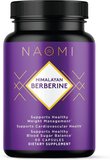
For standard berberine HCl at the clinically studied dose, NAOMI Himalayan Berberine 500mg offers third-party tested berberine HCl at the exact 500mg dose used in landmark clinical trials, with pure formulation and no unnecessary fillers or binders. GMP-certified manufacturing ensures consistent potency matching the Yin et al. 2008 study protocol.
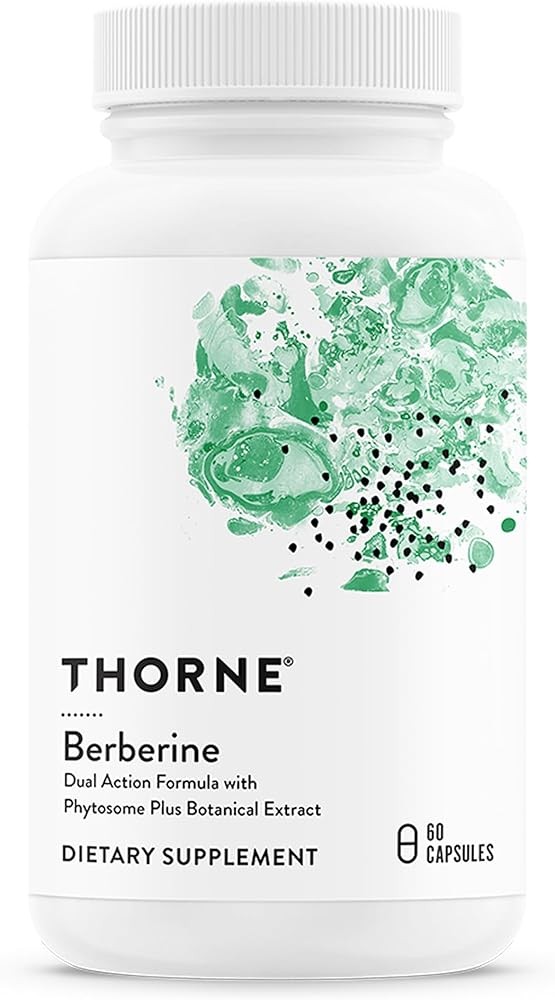
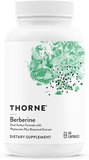
For enhanced absorption with minimal GI effects, THORNE Berberine with Phytosome uses patented Berbevis phytosome technology binding berberine to phospholipids for dramatically improved bioavailability, allowing lower doses for equivalent blood levels. THORNE’s pharmaceutical-grade manufacturing and extensive third-party testing make this a premium option.
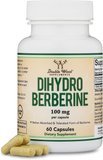
For the better-absorbed dihydroberberine form, Double Wood Dihydroberberine 100mg GlucoVantage ($22.95 for 60 capsules) delivers the branded reduced form of berberine, which pharmacokinetic research indicates is absorbed far better than standard berberine HCl, at a defined potency from a third-party-tested brand.
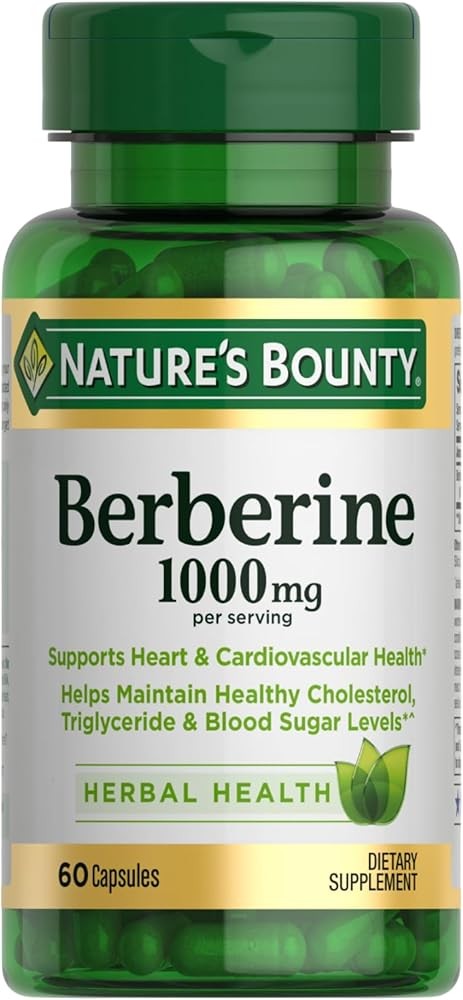
For a trusted mainstream brand option, Nature’s Bounty Berberine 1000mg provides 1000mg berberine HCl per serving from an established supplement manufacturer with decades of experience, widespread retail availability, and solid customer reviews.
📱 Join the discussion: Facebook | X | YouTube | Pinterest
Bottom line: Look for berberine HCl 500mg from reputable brands with third-party testing, GMP certification, and standardized extract amounts for the best value at the clinically studied dose.
Where can you buy quality berberine supplements?
Quality berberine supplements are widely available both online and in retail stores. Amazon offers the widest selection with customer reviews to help gauge quality and tolerability. Major pharmacy chains (CVS, Walgreens, Rite Aid) carry berberine from brands like Nature’s Bounty and other mainstream manufacturers.
Specialty supplement retailers like Vitamin Shoppe, GNC, and Whole Foods stock premium brands including THORNE and other third-party tested options. For the highest quality with verified third-party testing, purchasing directly from manufacturer websites (THORNE, Pure Encapsulations, Life Extension) ensures product authenticity.
Online supplement retailers like iHerb and Vitacost offer competitive pricing with detailed product information and customer reviews. When purchasing berberine, prioritize retailers with good return policies and authentic product guarantees.
Bottom line: Purchase berberine from reputable retailers (Amazon, pharmacy chains, manufacturer direct) and prioritize brands with third-party testing, GMP certification, and transparent labeling showing exact berberine content per capsule.
How do you choose a quality berberine supplement?
Not all berberine supplements are created equal. Here is what to look for.
Which form of berberine should you choose?
- Berberine HCl (hydrochloride): The most common and most studied form. This is what was used in the majority of clinical trials. If you are unsure which to choose, go with berberine HCl.
- Dihydroberberine: Dramatically better absorption (5-fold or higher). Lower doses needed. Fewer GI side effects in some users. More expensive.
- Berberine phytosome: Lipid-based formulation designed to improve absorption. Some clinical data supports enhanced bioavailability.
What quality indicators should you look for in berberine supplements?
- Third-party testing: Look for products verified by NSF, USP, or ConsumerLab
- Standardized extract: Should specify berberine content, not just “berberis root extract”
- No proprietary blend: The exact amount of berberine per capsule should be listed
- GMP-certified manufacturing: Ensures basic quality control standards
What supplements should you stack with berberine?
Based on the research, certain combinations may enhance berberine’s effects:
- Probiotics: The PREMOTE trial showed combining berberine with beneficial bacteria enhanced its glucose-lowering effects. A multi-strain probiotic containing Bifidobacterium and Lactobacillus is a reasonable addition.
- Chromium: A well-studied insulin-sensitizing mineral that works through different pathways than berberine. The combination may provide additive benefits for blood sugar control.
- Alpha-lipoic acid: Another insulin-sensitizing supplement with strong evidence for blood sugar and nerve health.
Bottom line: Choose berberine HCl (most studied form) or dihydroberberine (better absorption) from third-party tested brands with GMP certification, standardized extract amounts, and no proprietary blends.
Who should take berberine?
Based on the clinical research, berberine may be appropriate for:
Who are the best candidates for berberine supplementation?
People with prediabetes or early type 2 diabetes who want to try a natural intervention before or alongside prescription medications. The clinical data shows meaningful improvements in HbA1c, fasting glucose, and insulin resistance comparable to metformin.
People with metabolic syndrome (combination of abdominal obesity, elevated triglycerides, low HDL, high blood pressure, elevated blood sugar). Berberine addresses multiple components of metabolic syndrome simultaneously.
People with high cholesterol who prefer to try natural approaches before statins, or who have borderline high cholesterol not yet requiring prescription intervention. The LDL-lowering effect is modest but clinically relevant.
People with NAFLD (fatty liver disease) related to insulin resistance. The clinical trials show meaningful reductions in liver enzymes and liver fat content.
Women with PCOS experiencing insulin resistance, irregular cycles, or fertility challenges. Berberine performs comparably to metformin in PCOS trials.
People seeking modest weight loss as part of a comprehensive metabolic health approach. The 4-5 pound average weight loss is meaningful when combined with diet and lifestyle changes.
Who should NOT take berberine?
- Pregnant or breastfeeding women (serious safety concerns)
- People taking multiple medications without medical supervision
- Anyone with very low blood sugar or blood pressure already
- People with severe kidney or liver disease
Bottom line: Berberine is most appropriate for people with prediabetes, metabolic syndrome, high cholesterol, PCOS, or fatty liver disease seeking evidence-based natural metabolic support, but requires medical supervision if taking prescription medications.
What is the best way to take berberine?
For optimal results based on clinical trial protocols:
What is the optimal berberine dosing schedule?
Standard dose: 500 mg three times daily before meals (breakfast, lunch, dinner) for total daily dose of 1,500 mg. This matches the most successful clinical trials including the landmark Yin et al. study.
Timing: Take 15-30 minutes before meals to position berberine to act on postprandial glucose response.
Gradual titration: Start with 500 mg once daily for 1-2 weeks, then increase to twice daily for 2 weeks, then three times daily if tolerated. This minimizes GI side effects.
How long does it take to see results?
Based on clinical trial timelines:
- Blood sugar changes: Fasting glucose improvements typically visible within 2-4 weeks
- HbA1c improvements: Measured at 8-13 weeks (HbA1c reflects 2-3 month average)
- Weight loss: Gradual over 12+ weeks
- Cholesterol changes: Typically measured at 8-12 weeks
- GI side effects: Usually resolve within 2-4 weeks if they occur
Should you cycle berberine or take it continuously?
Most clinical trials used continuous supplementation without cycling. There is no strong evidence suggesting cycling is necessary or beneficial. However, some practitioners recommend periodic breaks (e.g., 5 days on, 2 days off) to avoid potential tolerance development, though this is more theoretical than evidence-based.
What should you monitor while taking berberine?
If you are taking berberine for blood sugar control:
- Fasting blood glucose: Check regularly, especially if diabetic or prediabetic
- HbA1c: Test every 3 months to assess long-term glucose control
- Symptoms of hypoglycemia: Shakiness, sweating, confusion, rapid heartbeat
If using for cholesterol:
- Lipid panel: Recheck after 8-12 weeks to assess effectiveness
If taking medications:
- Monitor for enhanced drug effects: Especially if taking metformin, statins, or blood pressure medications
- Consult physician regularly: For medication dose adjustment if needed
Bottom line: Take berberine 500mg three times daily 15-30 minutes before meals, starting with once daily and gradually increasing over 3-4 weeks, with blood sugar and cholesterol monitoring every 8-12 weeks to assess response.
What are the most common questions about berberine?
Does berberine raise or lower blood pressure?
Some studies show berberine modestly lowers blood pressure. A meta-analysis found berberine reduced systolic blood pressure by approximately 5-7 mmHg and diastolic by 3-4 mmHg . This effect is generally considered beneficial but means people with low blood pressure or taking blood pressure medications should use caution.
Will berberine make you lose muscle?
No. The weight loss from berberine appears to be fat loss, not muscle loss. Studies measuring body composition show reductions in fat mass with preservation of lean mass. Berberine activates AMPK, which improves metabolic health without causing muscle catabolism.
Can berberine cause kidney damage?
There is no evidence from clinical trials that berberine at standard doses causes kidney damage in people with normal kidney function. However, people with existing kidney disease should use caution as kidney function affects drug clearance.
Does berberine affect testosterone in men?
Clinical data on berberine and male testosterone is limited. In women with PCOS, berberine reduces elevated testosterone (which is beneficial in that context). Whether it affects testosterone in men is not well-studied. Some small studies suggest neutral effect on male testosterone, but more research is needed.
Can you take berberine long-term?
Clinical trials have studied berberine for up to 2-3 years in some cases without major safety concerns, but most data is from 3-12 month studies. Traditional use over centuries suggests long-term use is likely reasonably safe, but rigorous long-term controlled human data beyond 1-2 years is limited.
Does berberine cause vitamin B12 deficiency?
This is more of a concern with metformin, which is known to deplete B12. While berberine has not been specifically studied for B12 effects, anyone taking berberine long-term for blood sugar control might consider monitoring B12 levels and potentially supplementing with methylcobalamin B12.
Can you take berberine if you have no health problems?
While berberine has compelling metabolic health benefits, it is most clearly appropriate for people with documented metabolic issues (prediabetes, high cholesterol, insulin resistance). Using it “preventatively” in someone with completely normal metabolic health is less clearly justified by the evidence.
Is berberine natural or synthetic?
Berberine is a naturally occurring compound extracted from plants (goldenseal, barberry, etc.). However, most berberine supplements use berberine that has been purified and standardized, and some may be produced through semi-synthetic means for cost and quality control. Either way, it is chemically identical to the berberine found in plants.
Bottom line: Berberine modestly lowers blood pressure by 5-7 mmHg, promotes fat loss without muscle loss, shows no kidney damage risk at standard doses, and can be taken long-term based on multi-year studies, though optimal duration and safety beyond 2-3 years needs more research.
Frequently Asked Questions
For detailed answers to common berberine questions, see the FAQ section at the top of this article.
Related Articles
- Best Supplements for Type 2 Diabetes Blood Sugar Control: What Studies Show
- Best Supplements for PCOS: What Research Recommends
- Alpha Lipoic Acid for Blood Sugar and Nerve Health: What Clinical Trials Show
- Best Supplements for High Cholesterol: What Cardiologists Recommend
- Best Metabolism Booster Supplements: What Science Says About Speeding Up Your Metabolism
- Best Appetite Suppressant Supplements That Are Safe and Evidence-Based
Related Reading
- Berberine for Blood Sugar and Weight Loss: Complete Research Review
- Berberine Benefits: Science-Backed Health Benefits and Clinical Research
- Alpha Lipoic Acid for Blood Sugar and Nerve Health: What Clinical Trials Show
- Fenugreek for Testosterone and Blood Sugar: Complete Research Review
- Chromium for Blood Sugar Control: Does This Mineral Actually Help with Diabetes
- Best Supplements for Insulin Resistance and Pre-Diabetes: Evidence-Based Protocol
- Best Thermogenic Supplements for Fat Loss: Complete Research Review
References and Clinical Studies
- Yin J, Xing H, Ye J. Efficacy of Berberine in Patients With Type 2 Diabetes Mellitus. Metabolism, 2008. PubMed
- Liang Y, Xu X, Yin M, et al. Effects of Berberine on Blood Glucose in Patients With Type 2 Diabetes Mellitus: A Systematic Literature Review and a Meta-Analysis. Endocrine Journal, 2019. PubMed
- Xie W, Su F, Wang G, et al. Glucose-Lowering Effect of Berberine on Type 2 Diabetes: A Systematic Review and Meta-Analysis. Frontiers in Pharmacology, 2022. PubMed
- Nazari A, Ghotbabadi ZR, Kazemi KS, et al. The Effect of Berberine Supplementation on Glycemic Control and Inflammatory Biomarkers in Metabolic Disorders: An Umbrella Meta-Analysis. Clinical Therapeutics, 2024. PubMed
- Wang J, Bi C, Xi H, et al. Effects of Administering Berberine Alone or in Combination on Type 2 Diabetes Mellitus: A Systematic Review and Meta-Analysis. Frontiers in Pharmacology, 2024. PubMed
- Liu D, Zhao H, Zhang Y, et al. Efficacy and Safety of Berberine on the Components of Metabolic Syndrome: A Systematic Review and Meta-Analysis of Randomized Placebo-Controlled Trials. Frontiers in Pharmacology, 2025. PubMed
- Zamani M, Zarei M, Nikbaf-Shandiz M, et al. The Effects of Berberine Supplementation on Cardiovascular Risk Factors in Adults: A Systematic Review and Dose-Response Meta-Analysis. Frontiers in Nutrition, 2022. PubMed
- Asbaghi O, Ghanbari N, Shekari M, et al. The Effect of Berberine Supplementation on Obesity Parameters, Inflammation and Liver Function Enzymes: A Systematic Review and Meta-Analysis of Randomized Controlled Trials. Clinical Nutrition ESPEN, 2020. PubMed
- Xiong P, Niu L, Talaei S, et al. The Effect of Berberine Supplementation on Obesity Indices: A Dose-Response Meta-Analysis and Systematic Review of Randomized Controlled Trials. Complementary Therapies in Clinical Practice, 2020. PubMed
- Yu Y, Hao G, Zhang Q, et al. Berberine Induces GLP-1 Secretion Through Activation of Bitter Taste Receptor Pathways. Biochemical Pharmacology, 2015. PubMed
- Zhang Y, Gu Y, Ren H, et al. Gut Microbiome-Related Effects of Berberine and Probiotics on Type 2 Diabetes (the PREMOTE Study). Nature Communications, 2020. PubMed
- Yao Y, Chen H, Yan L, et al. Berberine Alleviates Type 2 Diabetic Symptoms by Altering Gut Microbiota and Reducing Aromatic Amino Acids. Biomedicine and Pharmacotherapy, 2020. PubMed
- Xie L, Zhang D, Ma H, et al. The Effect of Berberine on Reproduction and Metabolism in Women With Polycystic Ovary Syndrome: A Systematic Review and Meta-Analysis. Evidence-Based Complementary and Alternative Medicine, 2019. PubMed
- Zhao H, Xing C, Zhang J, et al. Comparative Efficacy of Oral Insulin Sensitizers Metformin, Thiazolidinediones, Inositol, and Berberine in Improving Endocrine and Metabolic Parameters in Patients With PCOS: A Network Meta-Analysis. Reproductive Health, 2021. PubMed
- Nie Q, Li M, Huang C, et al. The Clinical Efficacy and Safety of Berberine in the Treatment of Non-Alcoholic Fatty Liver Disease: A Meta-Analysis and Systematic Review. Journal of Translational Medicine, 2024. PubMed
- Suadoni MT, Atherton I. Berberine for the Treatment of Hypertension: A Systematic Review. Complementary Therapies in Clinical Practice, 2021. PubMed
- Shi R, Xu Z, Xu X, et al. Organic Cation Transporter and Multidrug and Toxin Extrusion 1 Co-Mediated Interaction Between Metformin and Berberine. European Journal of Pharmaceutical Sciences, 2019. PubMed
Recommended Products