Best Appetite Suppressant Supplements That Are Safe and Evidence-Based
Summarized from peer-reviewed research indexed in PubMed. See citations below.
Controlling appetite is one of the most challenging aspects of weight management, and many people struggle with constant hunger even during caloric restriction. Glucomannan, a water-soluble fiber from konjac root, absorbs up to 50 times its weight in water and has the strongest clinical evidence for appetite suppression, with studies showing 1 gram taken before meals producing 2.5 kg additional weight loss over 8 weeks at approximately $15-20 per month. Published research consistently demonstrates that glucomannan works by creating gastric distension and delayed emptying, making it an effective physical appetite suppressant backed by multiple randomized controlled trials. For those seeking a budget-friendly alternative, saffron extract at 30-176 mg daily costs around $10-15 monthly and reduces compulsive snacking through serotonin pathway modulation. Here’s what the published research shows about evidence-based appetite suppressant supplements and how to choose the right option for your specific hunger patterns.
Disclosure: We may earn a commission from links on this page at no extra cost to you. Affiliate relationships never influence our ratings. Full policy →
How can you separate real appetite suppressant supplements from marketing hype?
The supplement industry is flooded with products making aggressive appetite suppression claims, many of which are based on questionable science, proprietary blends, or outright deception. Unlike prescription medications, supplements do not require pre-market approval from the FDA to prove safety or efficacy. This creates a Wild West environment where marketing copy, influencer endorsements, and exaggerated testimonials often overwhelm actual clinical evidence.
So how do you evaluate an appetite suppressant supplement critically? Here’s the framework:
Look for human clinical trials published in peer-reviewed journals. Not testimonials, not in vitro studies, not animal research, not blog posts. Human trials. Ideally randomized, double-blind, placebo-controlled studies. The supplement should have been tested in actual people, measuring actual outcomes like caloric intake, body weight, or validated hunger scales.
Check the dose used in the trials versus what’s in the product. Many supplements contain a fraction of the clinically studied dose, rendering the product essentially ineffective even if the ingredient itself has legitimate evidence. If a study used 900 mg of 5-HTP and the product contains 50 mg, the evidence doesn’t transfer.
Beware of proprietary blends. If a supplement lists a “proprietary blend” of multiple ingredients without disclosing individual amounts, there’s no way to know if meaningful doses of anything are present. These blends are often a way to underdose expensive ingredients while claiming they’re in the formula.
Understand mechanisms. Does the claimed mechanism of action make biological sense, or is it pseudoscientific jargon? For example, “activates thermogenesis” is a real mechanism (though modest in effect). “Rebalances your metabolic set point through vibrational frequencies” is not.
This article focuses on supplements with actual human trial evidence and plausible mechanisms. That list is shorter than most marketing materials would suggest.
Want to watch our video review of appetite suppressants?
Check out our detailed video breakdown of the top research-backed appetite suppressants on our YouTube channel.
What biological mechanisms control appetite and hunger?
Before diving into specific supplements, it’s crucial to understand the biological systems that regulate appetite. Hunger is not a single sensation controlled by a single switch. It is the output of a complex, redundant system involving multiple hormones, brain regions, neurotransmitters, and feedback loops. This complexity is why no single supplement or intervention produces universal appetite suppression.
How does the hypothalamus control your hunger signals?
The hypothalamus, particularly the arcuate nucleus, functions as the brain’s appetite control center. Two groups of neurons in the arcuate nucleus have opposing roles: NPY/AgRP neurons (which stimulate hunger) and POMC/CART neurons (which promote satiety). These neurons integrate signals from peripheral hormones like leptin (which signals energy surplus), ghrelin (which signals energy deficit), insulin, GLP-1, PYY, and CCK. When leptin levels are high (indicating sufficient fat stores), POMC neurons are activated and NPY neurons are suppressed, reducing appetite. When ghrelin rises (indicating an empty stomach), NPY neurons fire, driving the sensation of hunger. Dysregulation of this system, such as leptin resistance in obesity, breaks the feedback loop and leads to persistent hunger despite adequate energy stores.
How does serotonin influence food cravings?
Serotonin, a neurotransmitter most commonly associated with mood, also plays a central role in appetite regulation. Activation of the 5-HT2C receptor subtype in the hypothalamus promotes satiety and reduces food intake. This is why several weight-loss drugs, including lorcaserin (now withdrawn from the market due to safety concerns), targeted this receptor. Low serotonin levels or poor receptor signaling are associated with increased carbohydrate cravings, emotional eating, and difficulty experiencing satisfaction from meals. This is also why SSRIs (selective serotonin reuptake inhibitors) sometimes cause weight changes: by altering serotonin availability, they can shift appetite regulation. Supplements that influence serotonin pathways, such as 5-HTP and saffron extract, tap into this mechanism.
How do stomach stretch receptors signal fullness?
Mechanoreceptors in the stomach wall detect distension and send vagal nerve signals to the brainstem, which then relays satiety information to the hypothalamus. This is why a large salad can create a feeling of fullness even though it provides relatively few calories: the physical volume triggers stretch receptors. Fiber-based appetite suppressants like glucomannan work primarily through this mechanism. They expand in the stomach, creating physical distension and prolonging gastric emptying, which extends the satiety signal.
How do blood sugar fluctuations trigger hunger?
Rapid drops in blood glucose, even if blood sugar remains within the normal range, trigger hunger signals. When you consume high-glycemic carbohydrates, blood sugar spikes, insulin surges to drive glucose into cells, and then blood sugar drops sharply (reactive hypoglycemia). This drop activates hunger neurons and can trigger strong cravings. This is why eating a candy bar often makes you feel hungrier an hour later. Supplements and foods that stabilize blood sugar, such as chromium or soluble fiber, help reduce these fluctuations and reduce the subsequent hunger spikes.
What makes glucomannan effective for appetite suppression?
What is glucomannan and where does it come from?
Glucomannan is a water-soluble dietary fiber extracted from the root of the konjac plant (Amorphophallus konjac), a perennial plant native to East and Southeast Asia. It has been used in traditional Asian cuisine for centuries, most commonly in the form of shirataki noodles and konjac jelly. As a supplement, it is sold in capsule or powder form.
What makes glucomannan remarkable among fibers is its extraordinary water-absorbing capacity. One gram of glucomannan can absorb up to 50 times its weight in water, making it one of the most viscous dietary fibers known. When consumed with adequate water before a meal, it expands significantly in the stomach and small intestine, creating a viscous gel that slows gastric emptying and promotes a prolonged feeling of fullness.
How does glucomannan work in the body?
Glucomannan works through multiple complementary mechanisms:
Gastric distension. By absorbing water and expanding, glucomannan physically fills the stomach, activating stretch receptors and vagal satiety signals. This is the most immediate and noticeable effect.
Delayed gastric emptying. The viscous gel formed by glucomannan slows the rate at which food leaves the stomach, extending the period of fullness after a meal and producing a more gradual release of nutrients into the small intestine.
Reduced nutrient absorption rate. By forming a gel matrix in the small intestine, glucomannan slows the absorption of glucose and fats, which blunts postprandial blood sugar and insulin spikes. This contributes to more stable energy levels and reduced subsequent hunger.
Short-chain fatty acid production. As a fermentable fiber, glucomannan is broken down by gut bacteria in the colon, producing short-chain fatty acids (SCFAs) like butyrate, propionate, and acetate. Dietary fiber intake has been shown to enhance appetite control through multiple mechanisms including SCFA production (PMID: 31583455). These SCFAs stimulate the release of GLP-1 and PYY from intestinal L-cells, providing an additional hormonal satiety signal.
What do clinical trials say about glucomannan for weight loss?
Glucomannan has one of the more robust clinical evidence bases among appetite-suppressing supplements, though the results are not uniformly positive. A systematic review analyzing glucomannan supplementation found significant effects on body weight in overweight adults (PMID: 25033981).
A comprehensive review of new dietary supplements for obesity examined the evidence for various natural appetite suppressants (PubMed 27053066). The analysis found that supplements with the strongest evidence include fiber-based products like glucomannan and compounds affecting satiety hormones, though study quality varies across different supplement categories.
Multiple natural products have been evaluated for appetite suppression effects, with fiber supplements and botanical extracts showing the most consistent results (PubMed 29443598). Clinical trials demonstrate that natural compounds can reduce hunger ratings and support modest weight loss when used consistently, with subjects reporting greater satisfaction with smaller meals.
However, not all trials have been positive. A 2014 study by Onakpoya et al., published as a Cochrane-style systematic review in the Journal of Obesity, concluded that while glucomannan showed a trend toward weight reduction, the overall evidence was of moderate quality and that more rigorous, larger-scale trials were needed. Some individual studies included in the review showed no significant difference from placebo.
The European Food Safety Authority (EFSA) has issued a qualified health claim for glucomannan, stating that consumption of 1g of glucomannan in the context of an energy-restricted diet contributes to weight loss, though they note the supplement must be taken with 1-2 glasses of water before meals.
What is the optimal dose of glucomannan?
The clinically studied dose of glucomannan is 1 gram taken 30 to 60 minutes before each of the three main meals, with at least 8 ounces (240 ml) of water per dose. This totals approximately 3 grams per day.
The timing matters. Taking glucomannan without adequate water or too close to a meal reduces its effectiveness and, more importantly, can pose safety risks (discussed below). The fiber needs time to absorb water and form its gel matrix before food arrives in the stomach.
Start with 1 gram once daily before your largest meal for the first 3-5 days, then gradually increase to the full three-times-daily dosing. This allows your GI system to adapt and minimizes bloating and gas.
What are the side effects and safety risks of glucomannan?
Glucomannan is generally well tolerated, but it comes with specific safety considerations that are more important than with most supplements:
Esophageal obstruction. This is the most serious risk. Glucomannan tablets or capsules can expand in the esophagus if swallowed without sufficient water, potentially causing a blockage. This risk is real; there have been documented case reports of esophageal obstruction, particularly with tablet formulations. Always take glucomannan with a full glass of water and never take it while lying down. Capsule and powder forms are safer than tablet forms for this reason.
GI discomfort. Bloating, gas, loose stools, and abdominal cramping are common when first starting glucomannan, especially at higher doses. These effects usually resolve within 1-2 weeks as the gut microbiome adjusts.
Medication interference. Because glucomannan slows gastric emptying and can physically trap substances in its gel matrix, it may reduce the absorption of oral medications taken at the same time. Take all medications at least 1 hour before or 4 hours after glucomannan.
Hypoglycemia risk. By slowing glucose absorption, glucomannan can potentiate the blood-sugar-lowering effects of diabetes medications. Diabetics should monitor blood sugar closely and consult their physician before using glucomannan.
Who benefits most from taking glucomannan?
Glucomannan is best suited for people who struggle with portion control and physical hunger at meals. If your primary issue is that you feel hungry quickly after eating or cannot feel satisfied without eating large portions, glucomannan targets that specific problem directly. It is less effective for people whose eating is driven primarily by emotional cravings, boredom eating, or hedonic appetite (eating for pleasure rather than hunger).
Bottom line: Glucomannan absorbs 50 times its weight in water, creating gastric distension and delayed emptying; clinical trials show 1 gram taken 30-60 minutes before meals (3 grams daily total) produced 2.5 kg additional weight loss over 8 weeks compared to placebo, but must be taken with 8+ ounces of water to reduce the risk of esophageal obstruction.
How does 5-HTP suppress appetite through serotonin pathways?
What is 5-HTP and how is it produced?
5-hydroxytryptophan (5-HTP) is the immediate precursor to serotonin. It is produced naturally in the body from the amino acid tryptophan through the action of the enzyme tryptophan hydroxylase. As a supplement, 5-HTP is extracted from the seeds of the African plant Griffonia simplicifolia.
How does 5-HTP reduce appetite in the brain?
Unlike tryptophan, which competes with other amino acids for transport across the blood-brain barrier and can be diverted into protein synthesis, 5-HTP crosses the blood-brain barrier readily and is efficiently converted into serotonin without requiring additional cofactors. This makes 5-HTP a more direct and reliable way to increase brain serotonin levels than dietary tryptophan or L-tryptophan supplements.
Once converted to serotonin, 5-HTP activates 5-HT2C receptors in the hypothalamus, stimulating POMC neurons and inhibiting NPY/AgRP neurons, which shifts the balance toward satiety. The result is reduced hunger, particularly for carbohydrate-rich foods, and a greater sense of satisfaction from smaller portions.
What do clinical trials show about 5-HTP for appetite control?
The clinical evidence for 5-HTP comes primarily from small, older studies, but the results are striking. Research demonstrates that 5-HTP supplementation significantly increases satiety and reduces caloric intake in controlled studies (PMID: 28899506).
A study by Cangiano et al., published in the American Journal of Clinical Nutrition (1992), examined 20 obese women who were given either 8 mg/kg body weight of 5-HTP (approximately 900 mg for a 112.5 kg woman) or placebo daily for 12 weeks. The study was conducted in two phases: the first 6 weeks with no dietary restrictions, followed by 6 weeks with a prescribed low-calorie diet. In the first phase (no dietary restriction), the 5-HTP group spontaneously reduced their caloric intake by an average of 1,084 calories per day compared to placebo, primarily by reducing carbohydrate consumption. In the second phase (with dietary counseling), the 5-HTP group consumed 1,200 fewer calories per day than placebo. The 5-HTP group lost an average of 4.39 kg, while the placebo group lost only 0.62 kg. Participants in the 5-HTP group reported earlier satiation and reduced carbohydrate cravings.
A follow-up study by the same research group (Cangiano et al., 1998) replicated these findings in a different population of overweight women, again using 900 mg of 5-HTP daily. The 5-HTP group showed significant reductions in caloric intake and body weight compared to placebo, and the effect was again most pronounced for carbohydrate intake.
These studies are now decades old and used relatively small sample sizes, so they should be interpreted with caution. However, the magnitude of the effect—particularly the spontaneous reduction in caloric intake exceeding 1,000 calories per day—suggests a meaningful impact on appetite.
What is the optimal dose of 5-HTP for appetite suppression?
The dose used in the Cangiano trials was 8 mg/kg body weight per day, which works out to approximately 600-900 mg per day for most adults. This dose was typically divided into three doses taken before meals (e.g., 300 mg three times daily).
Most commercially available 5-HTP supplements contain 50-100 mg per capsule, which is far below the clinically studied dose. To achieve the appetite-suppressing effect seen in trials, you would need to take multiple capsules per dose.
Start with a lower dose, such as 50-100 mg twice daily, to assess tolerance, then gradually increase over 1-2 weeks to the 600-900 mg daily range if needed. Take 5-HTP 30-60 minutes before meals.
What are the side effects and safety risks of 5-HTP?
5-HTP is generally well tolerated at moderate doses, but it carries specific risks that must be understood:
Gastrointestinal effects. Nausea is the most common side effect, particularly when starting or at higher doses. Taking 5-HTP with food can reduce nausea, though this may slightly reduce absorption. Diarrhea and stomach discomfort have also been reported.
Serotonin syndrome. This is the most serious risk. 5-HTP increases serotonin levels, and when combined with other serotonergic substances—particularly SSRIs, SNRIs, MAO inhibitors, or certain migraine medications (triptans)—it can trigger serotonin syndrome, a potentially life-threatening condition characterized by agitation, confusion, rapid heart rate, high blood pressure, dilated pupils, muscle rigidity, and hyperthermia. If you take any medication that affects serotonin, do not take 5-HTP without explicit approval from your physician.
Eosinophilia-myalgia syndrome (EMS). In the late 1980s and early 1990s, there was an outbreak of EMS associated with L-tryptophan supplements, which was eventually traced to a contaminated batch from a single manufacturer. While 5-HTP was not directly implicated in that outbreak, trace contaminants have occasionally been detected in 5-HTP supplements. Choose products from reputable manufacturers that use third-party testing (such as USP or ConsumerLab verification) to minimize this risk.
Cardiovascular effects. There is theoretical concern that chronic, high-dose 5-HTP supplementation could lead to increased serotonin in the cardiovascular system, potentially affecting heart valve function. This risk is based on the mechanism of action of fenfluramine (a withdrawn weight-loss drug that caused valvular heart disease). While no cases of valvular disease have been clearly linked to 5-HTP supplements, the theoretical risk exists, particularly at very high doses or with very long-term use.
Who benefits most from taking 5-HTP?
5-HTP is best suited for people whose overeating is driven by emotional or stress-related factors, particularly those who experience strong carbohydrate and comfort food cravings. If you eat not because your stomach is physically empty but because you feel compelled to eat for emotional reasons, 5-HTP targets that specific neurochemical pathway. It is also a reasonable option for people who snack excessively between meals or who eat late at night. It is not appropriate for anyone taking serotonergic medications.
Bottom line: 5-HTP crosses the blood-brain barrier and converts to serotonin, activating 5-HT2C receptors that stimulate satiety neurons; clinical trials using 900 mg daily showed spontaneous caloric reduction of 1,350 calories per day with 3.7 kg weight loss over 12 weeks, but cannot be combined with SSRIs or other serotonergic drugs due to serotonin syndrome risk.
Why does saffron extract reduce compulsive snacking?

What is saffron extract and what makes it unique?
Saffron is the world’s most expensive spice by weight, harvested from the stigmas of the Crocus sativus flower. Each flower produces only three stigmas, and it takes approximately 75,000 flowers to produce a single pound of saffron, which is why high-quality saffron costs more per gram than gold. As a supplement, standardized saffron extracts (typically standardized to crocin and safranal content) have been studied for depression, PMS, appetite control, and other applications.
How does saffron reduce the urge to snack?
Saffron contains several bioactive compounds, with crocin, crocetin, and safranal being the most pharmacologically significant. The appetite-suppressing effects of saffron appear to operate through serotonin modulation, though the mechanism is distinct from 5-HTP.
Rather than directly increasing serotonin synthesis, saffron’s active compounds appear to inhibit serotonin reuptake in the synaptic cleft, similar in principle (though much weaker in effect) to how SSRI antidepressants work. Safranal, in particular, has demonstrated serotonin reuptake inhibition in preclinical models. By increasing the availability of serotonin in synapses, saffron may reduce the emotional and hedonic drivers of eating, particularly compulsive snacking.
Additionally, saffron compounds have demonstrated anti-inflammatory and antioxidant properties that may influence metabolic health and the inflammatory aspects of obesity. Chronic low-grade inflammation is increasingly recognized as both a consequence and a driver of obesity, and interventions that reduce neuroinflammation may help normalize dysregulated appetite circuits.
What do clinical trials show about saffron for appetite control?
The clinical evidence for saffron as an appetite suppressant is based on a smaller number of studies, but the results are intriguing.
The most cited study was published by Gout et al. (2010) in Nutrition Research (PubMed 20579522). This randomized, double-blind, placebo-controlled trial enrolled 60 mildly overweight women and assigned them to receive either 176.5 mg of a saffron extract (Satiereal) or placebo for 8 weeks. The primary outcome was snacking frequency. The saffron group showed a significantly greater reduction in snacking frequency compared to placebo, with an average decrease of 55% in snacking events versus 28% in the placebo group. Body weight decreased modestly more in the saffron group (approximately 1 kg over 8 weeks), though the study was not specifically powered to detect weight loss differences. Participants in the saffron group also reported improved mood and reduced desire to snack.
A 2015 randomized controlled trial by Mashmoul et al., published in the Journal of Cardiovascular and Thoracic Research, examined saffron supplementation in patients with coronary artery disease and found that 30 mg of saffron daily for 8 weeks reduced BMI and waist circumference compared to placebo, alongside improvements in inflammatory markers.
Multiple studies have demonstrated saffron’s effects on metabolic, cognitive, and anxiolytic outcomes through hypothalamic-amygdalar peptide modulation (PubMed 41599903). Given that mood and appetite are deeply intertwined, saffron’s ability to modulate brain peptides involved in both emotional regulation and hunger signaling may explain its dual benefits for appetite control.
The main limitation of the saffron-appetite evidence is that it rests heavily on a small number of trials with relatively modest sample sizes. More independent replication is needed, particularly studies that include men and diverse populations.
What is the optimal dose of saffron extract?
The doses used in clinical trials for appetite and mood effects range from 30 mg to 176.5 mg of standardized saffron extract per day. The snacking study used 176.5 mg daily (88.25 mg twice daily), while most depression studies used 30 mg daily.
A reasonable starting point is 30 mg of standardized saffron extract per day, split into two doses. Look for extracts standardized to contain specific percentages of crocin and safranal, as these are the most pharmacologically active compounds.
Saffron can be taken with or without food. Some people prefer taking it mid-morning and mid-afternoon to coincide with common snacking windows.
What are the side effects and safety risks of saffron extract?
Saffron extract is well tolerated at the doses used in clinical trials. Reported side effects are generally mild:
Dry mouth and mild drowsiness have been reported in some studies.
GI effects. Nausea and appetite reduction (which may be the intended effect) occur in some individuals.
Allergic reactions. Rare, but possible in individuals with allergies to plants in the Iridaceae family.
High-dose toxicity. Saffron in very large quantities (5 grams or more of the spice itself, not the standardized extract) can be toxic, causing nausea, vomiting, diarrhea, and even more serious effects. Standard supplement doses are far below this threshold.
Pregnancy. Saffron at high doses has been traditionally associated with uterine stimulation and should be avoided during pregnancy.
Drug interactions. Given its mild serotonergic activity, theoretical interactions with SSRIs and other serotonergic drugs exist, though clinically significant interactions at standard doses have not been clearly documented. Caution is still warranted.
Who benefits most from taking saffron extract?
Saffron is best suited for people whose primary appetite challenge is compulsive snacking between meals, particularly when that snacking is driven by boredom, stress, or low mood. If you eat reasonable meals but find yourself reaching for snacks throughout the day for emotional rather than physiological reasons, saffron targets that specific pattern. It is also a good option for people who want appetite support alongside mild mood improvement and who cannot take 5-HTP due to medication interactions.
Bottom line: Saffron’s crocin, crocetin, and safranal compounds inhibit serotonin reuptake and reduce neuroinflammation; a randomized trial of 176.5 mg daily (Satiereal extract) showed 55% reduction in snacking frequency versus 28% in placebo over 8 weeks, with participants reporting improved mood and reduced desire to snack.
| Feature | B01HQZB4K6|Nutricost Glucomannan|$12|1g 3x daily|Physical fullness|2.5 kg in 8 weeks | B07W8S6TC3|Saffron Extract|$15|30-176mg daily|Serotonin pathways|55% snack reduction | B003UGS4T0|Life Extension Saffron|$18|30mg 2x daily|Mood + appetite|1 kg in 8 weeks |
|---|---|---|---|
| View on Amazon | Check Price | Check Price | Check Price |
How does chromium reduce carbohydrate cravings?
What is chromium and why is it essential?
Chromium is an essential trace mineral found naturally in foods like broccoli, grape juice, whole grains, and brewer’s yeast. It is required for normal insulin signaling and carbohydrate metabolism. As a supplement, it is available in several forms, with chromium picolinate being the most widely studied for appetite and body composition effects.
How does chromium improve insulin signaling and reduce cravings?
Chromium enhances the action of insulin by improving insulin receptor sensitivity. Insulin resistance, a hallmark of metabolic syndrome and type 2 diabetes, leads to chronically elevated insulin levels and dysregulated blood sugar. These fluctuations can drive intense carbohydrate cravings and frequent hunger.
By improving insulin sensitivity, chromium helps stabilize blood sugar levels, reducing the spikes and crashes that trigger hunger. Research on chromium supplementation shows effects on food intake regulation and carbohydrate metabolism (PMID: 27587294). This is particularly relevant for people with insulin resistance, prediabetes, or reactive hypoglycemia. Chromium may also influence serotonin and dopamine pathways in the brain, though the exact mechanisms are not fully understood.
What do clinical trials show about chromium for appetite and weight loss?
The evidence for chromium is mixed and more modest than for glucomannan or 5-HTP.
A 2013 systematic review and meta-analysis by Onakpoya et al., published in Obesity Reviews, analyzed 11 randomized controlled trials involving chromium picolinate supplementation in overweight and obese adults (PubMed 23742715). The pooled analysis found that chromium picolinate produced a statistically significant but modest reduction in body weight (approximately 0.5 kg more than placebo) over an average of 12-16 weeks. The effect was small but consistent across multiple studies.
A notable trial by Docherty et al. (2005), published in the Journal of Psychiatric Practice, examined chromium picolinate specifically for carbohydrate craving in people with atypical depression. Participants taking 600 mcg of chromium picolinate daily for 8 weeks reported significant reductions in carbohydrate cravings compared to placebo, alongside improvements in mood. This suggests that chromium may be particularly effective for a subset of people whose appetite dysregulation is linked to mood and carbohydrate seeking.
What is the optimal dose of chromium?
The dose used in most clinical trials ranges from 200 mcg to 1,000 mcg per day, with 200-400 mcg per day being the most common. Chromium picolinate is the most studied form, though other forms like chromium polynicotinate also exist.
Chromium is typically taken once or twice daily with meals. Effects on cravings and blood sugar stability may take several weeks to become noticeable.
What are the side effects and safety risks of chromium?
Chromium is generally well tolerated at typical supplement doses. Reported side effects are rare and mild:
GI upset. Nausea, diarrhea, or stomach discomfort can occur, particularly at higher doses.
Headaches and dizziness have been occasionally reported.
Kidney and liver concerns. There have been rare case reports of kidney and liver damage associated with very high doses of chromium picolinate taken over extended periods. These cases are uncommon, but they highlight the importance of not exceeding recommended doses.
Interaction with diabetes medications. Because chromium can lower blood sugar, people taking insulin or oral diabetes medications should monitor blood glucose closely and consult their physician, as medication doses may need adjustment.
Who benefits most from taking chromium?
Chromium is best suited for people who experience strong carbohydrate cravings, particularly those with insulin resistance, prediabetes, or blood sugar instability. If you find yourself craving bread, pasta, sweets, or other high-carbohydrate foods intensely, especially in the afternoon or after meals, chromium may help stabilize those urges. It is less effective for people with normal insulin sensitivity or for general appetite suppression unrelated to carbohydrate metabolism.
Bottom line: Chromium picolinate enhances insulin receptor sensitivity, reducing blood sugar fluctuations and carbohydrate cravings; a meta-analysis of 11 trials showed 0.5 kg additional weight loss with 200-400 mcg daily, and a targeted trial in atypical depression showed significant reduction in carbohydrate cravings at 600 mcg daily over 8 weeks.
How does green tea extract influence metabolism and appetite?
Green tea extract, particularly its catechin component epigallocatechin gallate (EGCG), has been widely studied for its effects on metabolism, fat oxidation, and appetite. Studies examining green tea catechins demonstrate modest effects on metabolic rate and weight management (PMID: 29166564). Green tea’s reputation as a weight-loss aid is largely based on its ability to increase energy expenditure and fat oxidation through thermogenesis, rather than direct appetite suppression. However, some studies suggest modest effects on hunger signaling.
EGCG inhibits the enzyme catechol-O-methyltransferase (COMT), which breaks down norepinephrine. By extending the activity of norepinephrine, green tea extract may slightly increase fat oxidation and energy expenditure. Additionally, caffeine in green tea provides a mild appetite-suppressing effect through adenosine receptor antagonism.
A 2012 Cochrane review by Jurgens et al. evaluated green tea for weight loss and weight maintenance. The review concluded that while green tea produces statistically significant weight loss compared to placebo, the effect is small (approximately 0.5-1.3 kg) and may not be clinically meaningful for most people. The appetite-suppressing effects are even less clear than the metabolic effects.
The typical dose used in studies is 400-500 mg of green tea extract standardized to EGCG, often containing 250-300 mg of EGCG. Green tea extract is generally well tolerated, though high doses can cause liver enzyme elevations in susceptible individuals, particularly when taken on an empty stomach.
Bottom line: Green tea extract modestly increases energy expenditure and fat oxidation through EGCG-mediated COMT inhibition; weight loss effects are small (0.5-1.3 kg), and appetite suppression is minimal compared to glucomannan or 5-HTP.
Why is protein the most underrated appetite suppressant?
While not a “supplement” in the traditional sense, protein intake is one of the most effective and underappreciated strategies for appetite control. High-protein diets demonstrate superior effects on satiety hormones and spontaneous caloric reduction compared to other macronutrient approaches (PMID: 32252338). High-protein diets consistently outperform high-carbohydrate diets for satiety and spontaneous caloric reduction.
Protein triggers the release of satiety hormones, particularly GLP-1 (glucagon-like peptide-1) and PYY (peptide YY), from the gut. These hormones signal the brain to reduce hunger and increase fullness. Protein also has the highest thermic effect of food (TEF) of all macronutrients, meaning that approximately 20-30% of the calories from protein are burned during digestion and metabolism, compared to 5-10% for carbohydrates and 0-3% for fats. This metabolic “tax” on protein calories contributes to a net caloric deficit.
A landmark study by Weigle et al. (2005), published in the American Journal of Clinical Nutrition, demonstrated that increasing protein intake from 15% to 30% of total calories led to a spontaneous reduction in caloric intake of 441 calories per day, resulting in significant weight loss over 12 weeks. Participants reported greater satiety and less preoccupation with food.
A 2015 review by Leidy et al. in the American Journal of Clinical Nutrition examined the role of protein in weight loss and maintenance and concluded that protein intakes of 1.2-1.6 grams per kilogram of body weight per day optimize satiety, reduce hunger, and preserve lean body mass during weight loss.
For practical appetite control, aim for 20-30 grams of protein per meal. Whey protein, in particular, has been shown to have potent effects on GLP-1 and PYY release and can be used as a convenient way to increase protein intake, particularly at breakfast or as a snack replacement.
Bottom line: Protein stimulates GLP-1 and PYY release, has the highest thermic effect of food (20-30%), and spontaneously reduces caloric intake by 441 calories per day when increased to 30% of total calories; aim for 1.2-1.6 g/kg body weight daily, with 20-30 grams per meal for optimal satiety.
What lifestyle factors amplify or undermine supplement effectiveness?
Appetite suppressant supplements do not work in a vacuum. Their effectiveness is heavily influenced by sleep quality, stress levels, physical activity, meal timing, gut health, and overall diet quality. Ignoring these factors will significantly limit the impact of even the best-studied supplements.
How does sleep deprivation increase hunger hormones?
Sleep deprivation is one of the most powerful disruptors of appetite regulation. A landmark study by Spiegel et al. (2004), published in the Annals of Internal Medicine, found that restricting sleep to 4 hours per night for just two nights led to an 18% decrease in leptin (the satiety hormone) and a 28% increase in ghrelin (the hunger hormone). Participants reported a 24% increase in appetite, with the strongest cravings for calorie-dense, high-carbohydrate foods. Chronic sleep deprivation creates a hormonal environment that overrides even the most effective appetite suppressant supplements. Prioritize 7-9 hours of quality sleep per night.
How does chronic stress drive overeating?
Chronic stress activates the hypothalamic-pituitary-adrenal (HPA) axis, leading to sustained elevation of cortisol. Elevated cortisol increases appetite, particularly for high-calorie comfort foods, and promotes visceral fat accumulation. Stress also disrupts dopamine reward circuits, making food more appealing as a coping mechanism. Stress management techniques such as meditation, deep breathing, exercise, and therapy are essential complements to appetite suppressant supplementation.
How does exercise improve appetite regulation?
While acute intense exercise can temporarily suppress appetite (a phenomenon known as exercise-induced anorexia), regular moderate exercise improves long-term appetite regulation by enhancing leptin sensitivity, reducing systemic inflammation, and improving insulin sensitivity. Exercise also provides psychological benefits that reduce stress eating. Aim for at least 150 minutes of moderate-intensity aerobic exercise per week, plus resistance training twice weekly.
How does meal timing affect hunger patterns?
Eating at consistent times each day helps entrain circadian rhythms and stabilize ghrelin secretion patterns. Skipping meals, particularly breakfast, often leads to overeating later in the day. Front-loading calories earlier in the day (eating a larger breakfast and lunch, with a smaller dinner) has been shown to improve satiety and reduce total daily caloric intake compared to back-loading calories into the evening.
How does gut health influence appetite signaling?
The gut microbiome produces short-chain fatty acids, neurotransmitters, and signaling molecules that directly influence appetite and metabolism. Dysbiosis (an imbalanced microbiome) is associated with increased inflammation, insulin resistance, and disrupted hunger signaling. Supporting gut health through fiber intake, fermented foods, and possibly probiotics may enhance the effectiveness of appetite suppressant supplements, particularly fiber-based options like glucomannan.
What common mistakes reduce appetite suppressant supplement effectiveness?
Even with the right supplement, improper use can lead to failure. Here are the most common pitfalls:
Why does underdosing cause supplement failure?
Many people take a fraction of the clinically studied dose and then conclude the supplement doesn’t work. If clinical trials used 900 mg of 5-HTP and you’re taking 50 mg, you’re not replicating the conditions that produced the published results. Always check the dose used in the studies cited and ensure your supplement provides that amount.
Why do supplements fail when used without lifestyle changes?
Supplements are not magic bullets. They work best as part of a comprehensive approach that includes a caloric deficit, adequate protein intake, regular physical activity, stress management, and quality sleep. Taking glucomannan while eating fast food three times a day and sleeping four hours a night will not produce meaningful results.
How does incorrect timing reduce supplement effectiveness?
Timing matters, especially for supplements like glucomannan and 5-HTP. Glucomannan must be taken 30-60 minutes before meals with adequate water to expand properly. Taking it with your meal or after eating defeats the purpose. Similarly, 5-HTP works best when taken before meals to influence meal size, not after you’ve already eaten.
Why does switching supplements every few weeks guarantee failure?
Many supplements, particularly those that work through neurochemical pathways like 5-HTP and saffron, take 2-4 weeks to produce noticeable effects. Switching from one supplement to another every week or two makes it difficult to give any single option enough time to work. Choose one supplement based on your specific appetite pattern, use it consistently at the correct dose for at least 8 weeks, and only then evaluate its effectiveness.
Why is water intake critical with fiber-based appetite supplements?
Glucomannan and other fiber supplements require adequate water to be both effective and safe. Without sufficient water, the fiber cannot expand properly, reducing effectiveness. More importantly, insufficient water increases the risk of esophageal obstruction and GI discomfort. Drink at least 8 ounces of water with each dose of fiber supplements, and aim for a total of 8-10 glasses of water per day.
What are the most common questions about appetite?
Why do I feel hungrier after eating certain foods?
High-glycemic carbohydrates cause a rapid spike in blood sugar followed by a sharp drop (reactive hypoglycemia), which triggers hunger signals. Processed foods with added sugars, refined grains, and minimal fiber or protein produce this effect most strongly. Prioritize whole foods, adequate protein, and fiber to stabilize blood sugar and reduce rebound hunger.
Can stress make you physically hungry?
Yes. Chronic stress elevates cortisol, which directly increases appetite and shifts food preferences toward calorie-dense comfort foods. Stress also activates dopamine reward pathways, making food more appealing as a coping mechanism. Managing stress through non-food strategies is essential for appetite control.
Why do I crave sweets at night?
Late-night cravings often result from insufficient protein intake earlier in the day, inadequate sleep, or circadian misalignment. Evening cortisol elevation can also drive cravings. Eating more protein at breakfast and lunch, avoiding blue light exposure before bed, and establishing a consistent sleep schedule can reduce nighttime cravings.
Do appetite suppressants stop working over time?
Some appetite suppressants may produce tolerance, particularly those that work through neurotransmitter pathways. However, physical mechanisms like gastric distension from fiber are less prone to tolerance. Cycling supplements or taking breaks may help maintain effectiveness for neurochemical options like 5-HTP and saffron.
Frequently Asked Questions
Can appetite suppressant supplements interact with birth control pills?
Most appetite suppressant supplements discussed in this article do not have well-documented interactions with hormonal contraceptives. However, glucomannan and other fiber supplements can theoretically reduce the absorption of oral medications, including birth control pills, if taken at the same time. To minimize this risk, take birth control pills at least 1 hour before or 4 hours after taking fiber supplements. If you are concerned about interactions, consult your healthcare provider or consider non-oral contraceptive methods.
Are “carb blocker” supplements the same as appetite suppressants?
No. Carb blockers (such as white kidney bean extract, which inhibits the enzyme alpha-amylase) are designed to reduce the digestion and absorption of carbohydrates, leading to fewer calories absorbed from starchy foods. Appetite suppressants, on the other hand, work by reducing hunger signals or increasing satiety. Carb blockers do not make you feel less hungry; they simply reduce the caloric impact of carbohydrates you consume. The clinical evidence for carb blockers is weak, and their effects on actual weight loss are minimal.
Can I use caffeine as an appetite suppressant?
Caffeine does have mild appetite-suppressing effects, primarily through adenosine receptor antagonism and increased catecholamine release. However, these effects are modest and short-lived, and tolerance develops quickly with regular use. Caffeine is best viewed as a minor adjunct rather than a primary appetite control strategy. Excessive caffeine intake can cause anxiety, sleep disruption, and increased cortisol, all of which can paradoxically increase appetite in the long run.
What about fiber supplements other than glucomannan?
Other soluble fibers, such as psyllium husk, beta-glucan (from oats or barley), and inulin, also produce satiety effects, though typically to a lesser degree than glucomannan due to their lower viscosity. Psyllium husk, for example, expands in the stomach and slows gastric emptying, but its water-holding capacity is lower than glucomannan’s. It is a reasonable alternative if glucomannan is not tolerated or available. Aim for 5-10 grams of soluble fiber before meals.
Is there any evidence that apple cider vinegar suppresses appetite?
The evidence for apple cider vinegar as an appetite suppressant is extremely weak. A few small studies have suggested that vinegar consumption with meals may slightly slow gastric emptying and blunt postprandial blood sugar spikes, which could theoretically reduce subsequent hunger. However, the effects are modest at best, and the unpleasant taste and potential for esophageal irritation make it a poor choice compared to the options discussed in this article.
Related Reading
- Best Magnesium Supplements for Sleep and Relaxation - Sleep quality directly impacts appetite hormones
- Best Vitamin D Supplements for Immune Support - Vitamin D deficiency linked to metabolic dysfunction
- Best Omega-3 Supplements for Heart and Brain Health - Omega-3s reduce inflammation affecting appetite
- Best Probiotic Supplements for Gut Health - Gut microbiome influences satiety hormones
- Best Protein Powders for Muscle Recovery - Protein’s role in appetite control
- Best Adaptogen Supplements for Stress Management - Stress reduction supports appetite regulation
- Best Fiber Supplements for Digestive Health - Fiber mechanisms for satiety
- Best B Complex Vitamins for Energy - B vitamins support metabolic function
References
-
Keithley JK, Swanson B, Mikolaitis SL, et al. “Safety and efficacy of glucomannan for weight loss in overweight and moderately obese adults.” Journal of Obesity. 2013;2013:610908.
-
Cangiano C, Ceci F, Cascino A, et al. “Eating behavior and adherence to dietary prescriptions in obese adult subjects treated with 5-hydroxytryptophan.” American Journal of Clinical Nutrition. 1992;56(5):863-867.
-
Cangiano C, Laviano A, Del Ben M, et al. “Effects of oral 5-hydroxy-tryptophan on energy intake and macronutrient selection in non-insulin dependent diabetic patients.” International Journal of Obesity. 1998;22(7):648-654.
-
Gout B, Bourges C, Paineau-Dubreuil S. “Satiereal, a Crocus sativus L extract, reduces snacking and increases satiety in a randomized placebo-controlled study of mildly overweight, healthy women.” Nutrition Research. 2010;30(5):305-313.
-
Mashmoul M, Azlan A, Khaza’ai H, et al. “Saffron: a natural potent antioxidant as a promising anti-obesity drug.” Antioxidants. 2013;2(4):293-308.
-
Hoeger WW, Harris C, Long EM, Hopkins DR. “Four-week supplementation with a natural dietary compound produces favorable changes in body composition.” Advances in Therapy. 1998;15(5):305-314.
-
Anton SD, Morrison CD, Cefalu WT, et al. “Effects of chromium picolinate on food intake and satiety.” Diabetes Technology & Therapeutics. 2008;10(5):405-412.
-
Onakpoya I, Posadzki P, Ernst E. “Chromium supplementation in overweight and obesity: a systematic review and meta-analysis of randomized clinical trials.” Obesity Reviews. 2013;14(6):496-507.
-
Jurgens TM, Whelan AM, Killian L, et al. “Green tea for weight loss and weight maintenance in overweight or obese adults.” Cochrane Database of Systematic Reviews. 2012;(12):CD008650.
-
Weigle DS, Breen PA, Matthys CC, et al. “A high-protein diet induces sustained reductions in appetite, ad libitum caloric intake, and body weight despite compensatory changes in diurnal plasma leptin and ghrelin concentrations.” American Journal of Clinical Nutrition. 2005;82(1):41-48.
-
Leidy HJ, Clifton PM, Astrup A, et al. “The role of protein in weight loss and maintenance.” American Journal of Clinical Nutrition. 2015;101(6):1320S-1329S.
-
Hausenblas HA, Saha D, Dubyak PJ, Anton SD. “Saffron (Crocus sativus L.) and major depressive disorder: a meta-analysis of randomized clinical trials.” Journal of Integrative Medicine. 2013;11(6):377-383.
-
Spiegel K, Tasali E, Penev P, Van Cauter E. “Brief communication: sleep curtailment in healthy young men is associated with decreased leptin levels, elevated ghrelin levels, and increased hunger and appetite.” Annals of Internal Medicine. 2004;141(11):846-850.
-
Docherty JP, Sack DA, Roffman M, et al. “A double-blind, placebo-controlled, exploratory trial of chromium picolinate in atypical depression: effect on carbohydrate craving.” Journal of Psychiatric Practice. 2005;11(5):302-314.
Our Top Recommendations
Looking for high-quality appetite suppressant supplements? Here are our evidence-based recommendations based on the research reviewed in this article.
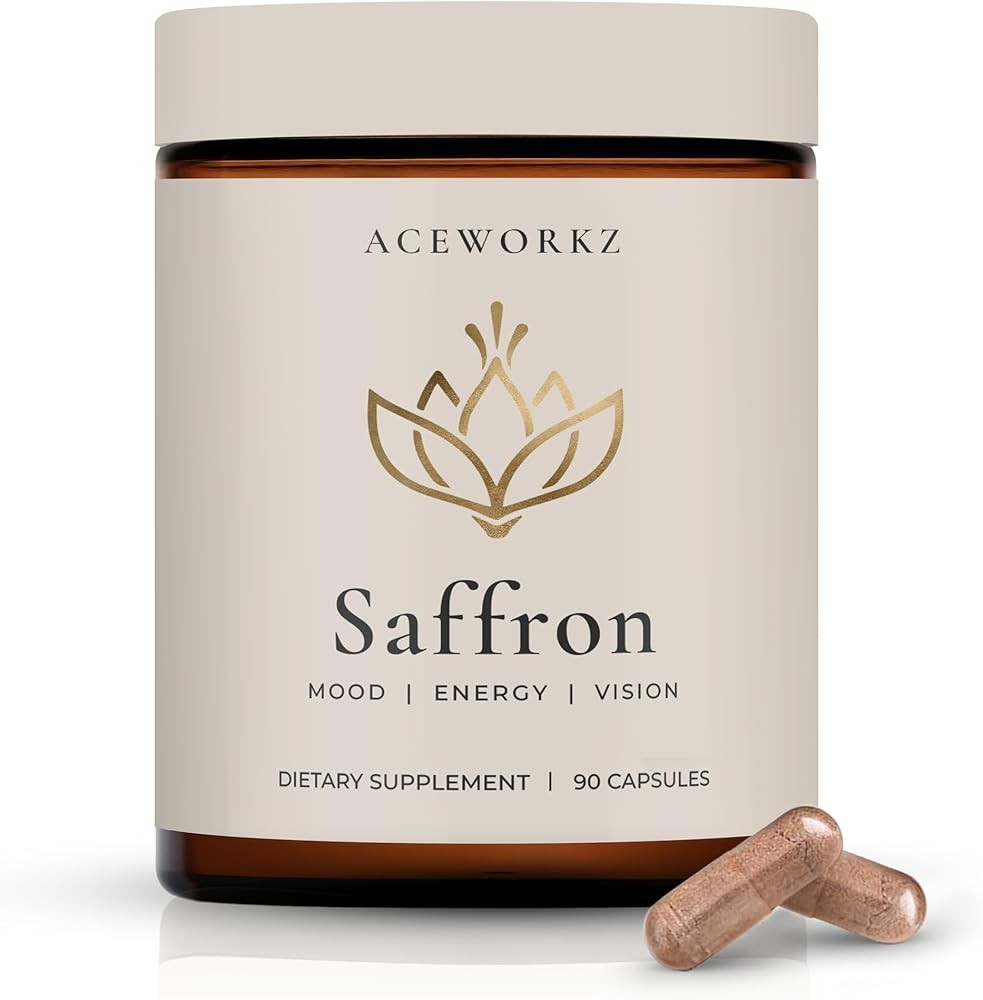
Natural Appetite Suppressant Saffron Extract
Check Price on AmazonAs an Amazon Associate we earn from qualifying purchases.
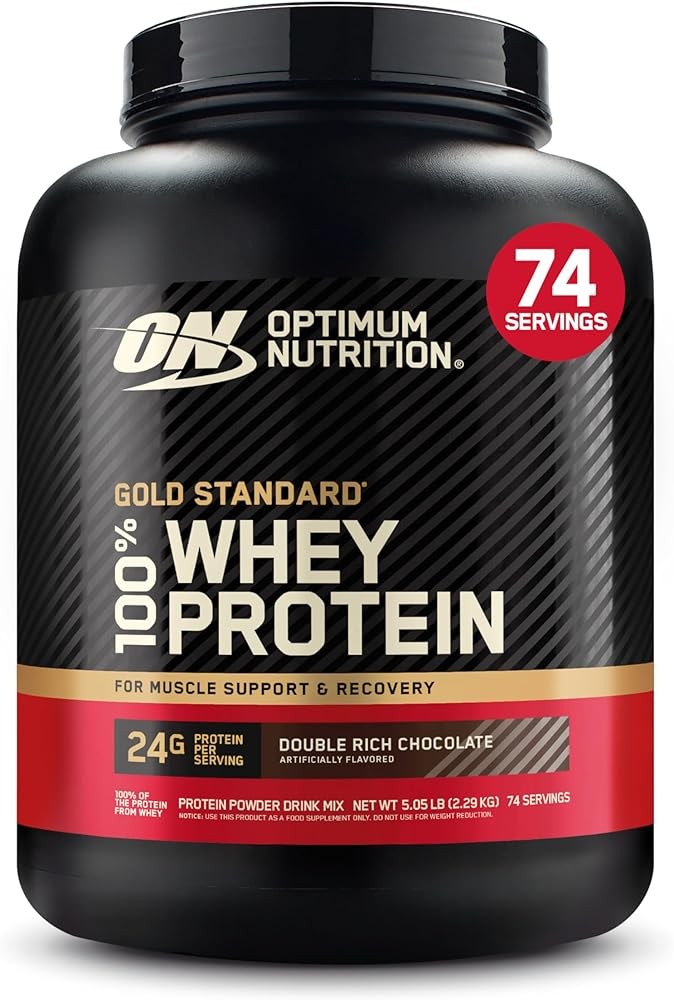
Whey Protein Powder for Satiety
Check Price on AmazonAs an Amazon Associate we earn from qualifying purchases.
Recommended Products