Best Ashwagandha Gummies for Stress and Anxiety
Summarized from peer-reviewed research indexed in PubMed. See citations below.
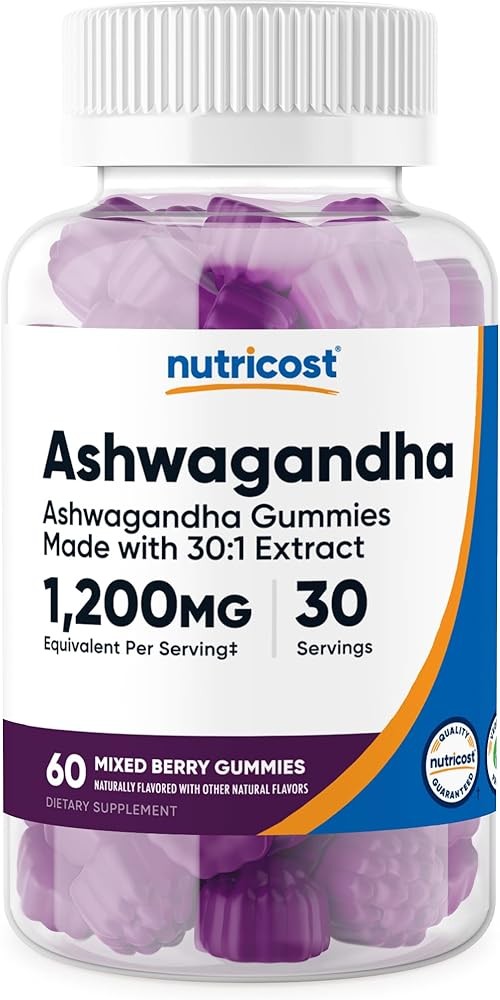
If you are dealing with chronic stress or anxiety, ashwagandha is one of the better-researched herbal options, and the evidence base includes randomized trials showing meaningful reductions in stress, anxiety, and cortisol. One practical complication: most of that research used standardized extracts such as KSM-66 and Sensoril in capsule form, while the gummy market is younger and less standardized. This guide covers what the trials actually show, the difference between extract types, how to judge a gummy by its label rather than its flavor, and which products deliver studied doses at fair prices. Our top pick, Swanson Ultimate Ashwagandha KSM-66, delivers the most-studied root-only extract at $14.29 per 60-capsule bottle, and the Nutricost ashwagandha gummies at $13.95 are the one gummy product we could verify with a meaningful extract dose. Here’s what the published research shows.
Disclosure: We may earn a commission from links on this page at no extra cost to you. Affiliate relationships never influence our ratings. Full policy →
| Feature | 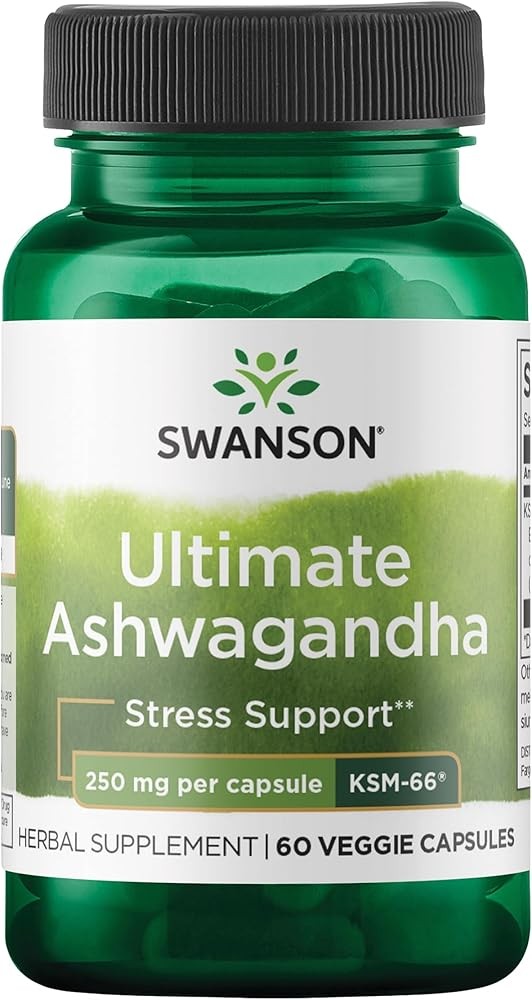 B00HA95WMA B00HA95WMA
|
 B09WTJW9L4 B09WTJW9L4
|
 B0002BBATC B0002BBATC
|
|---|---|---|---|
| View on Amazon | Check Price | Check Price | Check Price |
If you’re searching for a natural way to manage stress and anxiety, ashwagandha gummies have become one of the most popular supplements in 2026. These convenient, tasty alternatives to traditional capsules are taking the wellness world by storm, particularly among Gen Z and Millennials who want stress relief without the hassle of swallowing pills.
But do ashwagandha gummies actually work? What does the science say? And which brands offer the best quality extracts for managing stress and anxiety?
This comprehensive guide breaks down everything you need to know about ashwagandha gummies, from the clinical research proving their effectiveness to the specific products worth your money. We’ll explore the different types of ashwagandha extracts, optimal dosages, when to take them, and most importantly, how to know if they’re working for you.
What Makes Ashwagandha Different from Other Stress Supplements?
Ashwagandha (Withania somnifera) is an ancient medicinal herb that has been used in Ayurvedic medicine for over 3,000 years. Native to India, the Middle East, and parts of Africa, this powerful adaptogen helps your body manage stress more effectively by regulating your stress response system.
The name “ashwagandha” comes from Sanskrit, meaning “smell of the horse,” referring to both its distinctive odor and the traditional belief that consuming it would give you the strength and vitality of a horse. In Ayurvedic tradition, it’s classified as a “Rasayana,” meaning it promotes longevity and vitality.
What Makes Ashwagandha an Adaptogen?
Adaptogens are natural substances that help your body adapt to stress and maintain homeostasis, the state of optimal balance in your body’s systems. Ashwagandha works by modulating your hypothalamic-pituitary-adrenal (HPA) axis, the central stress response system in your body.
When you encounter stress, your HPA axis triggers a cascade of hormonal changes, including the release of cortisol, your primary stress hormone. While cortisol is essential for survival in acute stress situations, chronic elevation can lead to anxiety, depression, weight gain, sleep problems, and immune dysfunction.
Ashwagandha helps regulate this system, helping to reduce cortisol spikes during stress and supporting your body in returning to baseline faster after stressful events. Randomized trials report significant cortisol reductions with ashwagandha: Chandrasekhar et al. found substantially lower serum cortisol versus placebo after 60 days at 300 mg twice daily (PubMed), and Lopresti et al. reported significantly greater reductions in morning cortisol with a 240 mg standardized extract than placebo (PubMed).
What Are Withanolides and Why Do They Matter?
The therapeutic effects of ashwagandha come primarily from compounds called withanolides, a group of naturally occurring steroids found in the plant’s roots and leaves. The most studied withanolides include withaferin A, withanolide A, and withanone.
Research shows that withanolides have multiple mechanisms of action:
- GABA-mimetic effects: They enhance the activity of gamma-aminobutyric acid (GABA), the brain’s primary calming neurotransmitter, which reduces neuronal excitability and promotes relaxation
- Antioxidant activity: They protect brain cells from oxidative stress, which is elevated during chronic anxiety (PubMed 23439798)
- Anti-inflammatory properties: They reduce inflammatory signaling, which is elevated in chronic anxiety and depression
- Cortisol regulation: They modulate the HPA axis, helping to reduce excessive cortisol production (PubMed 31517876)
The concentration and type of withanolides vary depending on which part of the plant is used and how it’s extracted, which is why the extract type matters when choosing ashwagandha gummies.
Bottom line: Ashwagandha is a centuries-old adaptogen whose withanolides modulate the HPA axis, and randomized trials show it lowers cortisol significantly compared with placebo (PubMed) (PubMed).
Does Clinical Research Support Ashwagandha for Anxiety Relief?
While ashwagandha has been used traditionally for millennia, modern clinical research has validated many of its stress-relieving and anxiety-reducing effects. Let’s examine the strongest scientific evidence.
How Effectively Does Ashwagandha Reduce Stress and Cortisol?
A 2019 systematic review published in Medicine analyzed multiple randomized controlled trials on ashwagandha’s effects on stress and anxiety. The researchers found that ashwagandha supplementation was consistently associated with significant reductions in:
- Perceived stress levels (measured by validated stress scales)
- Serum cortisol levels
- Anxiety scores
- Depression scores
A 2024 systematic review and meta-analysis published in Phytotherapy Research confirmed these findings, analyzing data through September 2024 and concluding that ashwagandha supplementation is safe and effective in reducing stress and anxiety in adults, with statistically significant reductions in cortisol levels, PSS scales, and HAM-A scales (PubMed 39348746).
In the Chandrasekhar trial, 64 adults with chronic stress took 300 mg of a high-concentration full-spectrum root extract twice daily (600 mg daily) or placebo for 60 days; the ashwagandha group showed significant reductions on all stress scales and substantially lower serum cortisol than placebo (PubMed). An eight-week trial by Salve et al. in 60 stressed healthy adults found significant Perceived Stress Scale reductions and lower serum cortisol at both 250 mg and 600 mg daily of a high-concentration root extract, with better sleep quality than placebo (PubMed).
Even more impressive, the ashwagandha group reported: A systematic review of five trials by Pratte et al. reported larger improvements with ashwagandha than control on anxiety and stress scales, including a 44.0% reduction in Perceived Stress Scale scores versus 5.5% with placebo in one study, while cautioning that the trials carried unclear or high risk of bias (PubMed).
What Does the Clinical Evidence Show for Anxiety Reduction?
A 2019 randomized, double-blind, placebo-controlled study specifically examined ashwagandha’s effects on insomnia and anxiety. In the Langade trial, 60 patients with insomnia and anxiety took 300 mg of full-spectrum ashwagandha root extract twice daily or placebo for 10 weeks. The ashwagandha group showed significantly greater improvements in sleep onset latency, sleep efficiency, sleep quality, and HAM-A anxiety scores than placebo, and the extract was well tolerated (PubMed).
A 2022 systematic review and dose-response meta-analysis of 12 randomized trials with 1,002 participants found ashwagandha significantly reduced anxiety and stress compared with placebo, with a favorable dose range of roughly 300-600 mg daily for stress; the authors rated the certainty of the evidence as low (PubMed). A 2024 meta-analysis of nine trials reached similar conclusions for perceived stress, anxiety scales, and serum cortisol (PubMed).
Bottom line: Randomized trials and systematic reviews show ashwagandha reduces stress and anxiety scores and lowers cortisol versus placebo at daily doses of roughly 240-600 mg of standardized extract, with benefits typically assessed after 8-12 weeks.
Can Ashwagandha Help with Stress-Related Insomnia?
Chronic stress often disrupts sleep, creating a vicious cycle where poor sleep increases stress, which further worsens sleep quality. Multiple studies have examined ashwagandha’s effects on sleep.
A 2020 study published in Sleep Medicine found that ashwagandha root extract significantly improved:
- Sleep onset latency (time to fall asleep)
- Total sleep time
- Sleep efficiency
- Overall sleep quality
In the Deshpande trial, 150 adults with poor non-restorative sleep took 120 mg of a standardized ashwagandha extract (Shoden) or placebo daily for six weeks. Self-reported sleep quality improved in a significantly larger share of the ashwagandha group than the placebo group, with actigraphy also showing better sleep efficiency, total sleep time, and sleep latency (PubMed). A 2021 randomized trial by Langade et al. in healthy volunteers and insomnia patients also reported improved sleep parameters with ashwagandha root extract (PubMed).
The mechanism appears to be twofold: ashwagandha reduces the hyperarousal associated with stress (making it easier to fall asleep), and it may have direct effects on sleep architecture through its GABA-mimetic properties.
Bottom line: Ashwagandha improves sleep onset, duration, and quality in people with stress-related insomnia, with effects most pronounced after 6-8 weeks of consistent use.
Does Ashwagandha Support Memory and Cognitive Function?
Chronic stress impairs cognitive function, particularly memory, attention, and executive function. Research suggests ashwagandha may protect against these stress-induced cognitive deficits.
A 2017 randomized, double-blind, placebo-controlled pilot study by Choudhary et al. gave 50 adults with mild cognitive impairment 300 mg of ashwagandha root extract twice daily or placebo for eight weeks. The ashwagandha group showed significantly greater improvements in immediate and general memory (Wechsler Memory Scale subtests), executive function, sustained attention, and information-processing speed than placebo (PubMed).
Bottom line: Ashwagandha protects cognitive function under stress by reducing oxidative damage and inflammation in the brain, improving memory, attention, and information processing speed.
Is Ashwagandha Safe for Long-Term Use?
Safety is always a concern with any supplement, especially one used for chronic conditions like stress and anxiety. The good news is that ashwagandha has an excellent safety profile in clinical studies.
Across the randomized trials cited in this guide, ashwagandha has been generally safe and well tolerated at standard doses of roughly 240-600 mg daily for 8-12 weeks, with mild gastrointestinal upset the most commonly reported side effect.
Reported side effects are rare and typically mild, including:
- Upset stomach or digestive discomfort (most common)
- Drowsiness at higher doses
- Headache (rare)
Ashwagandha should be avoided by:
- Pregnant or breastfeeding women (insufficient safety data)
- People with hyperthyroidism (ashwagandha may increase thyroid hormone levels)
- People taking immunosuppressant medications (ashwagandha may boost immune function)
- People about to undergo surgery (may interact with anesthesia)
Always consult a healthcare provider before starting ashwagandha, especially if you have medical conditions or take medications.
Bottom line: Ashwagandha is safe for most adults at 300-600 mg daily for up to 12 weeks, with mild digestive upset being the most common side effect reported in clinical trials.
Why Are Ashwagandha Gummies More Popular Than Capsules?
While ashwagandha has traditionally been consumed as a powder or in capsule form, gummies have surged in popularity in recent years. Here’s why.
How Do Gummies Solve the Taste Problem?
Raw ashwagandha root has a distinctly bitter, earthy taste that many people find unpleasant. The name literally means “smell of the horse” in Sanskrit, which gives you an idea of the flavor profile. Traditional powder forms mixed into water or milk can be difficult to consume daily.
Capsules solve the taste problem by encapsulating the powder, but they create other issues (difficulty swallowing, pill fatigue, etc.). Gummies offer the best of both worlds: they completely mask ashwagandha’s bitter taste with fruit flavors and natural sweeteners, making supplementation pleasant rather than a chore.
For many people, especially those who struggle with pill-swallowing or have negative associations with taking supplements, gummies transform ashwagandha from something they “should” take to something they actually look forward to taking.
Bottom line: Gummies completely mask ashwagandha’s bitter, earthy taste with fruit flavors, removing one of the biggest barriers to consistent supplementation.
Why Are Gummies More Convenient Than Other Formats?
Beyond taste, gummies offer practical advantages:
- No water needed: You can take them anywhere without worrying about having water available
- Easier to swallow: No pill-swallowing required, great for people who struggle with capsules
- More enjoyable: Taking supplements feels more like candy than a supplement
- Better for splitting doses: Easy to adjust your dose by taking more or fewer gummies
- Travel-friendly: Less likely to be perceived as medication when traveling
These convenience factors matter because the effectiveness of any supplement depends on consistent use. If ashwagandha sits in your cabinet because you dread the taste or struggle to remember to take capsules, it won’t help your stress levels. Gummies remove these friction points.
Bottom line: Gummies require no water, no pill-swallowing, and feel more like candy than a supplement, dramatically improving compliance for people who struggle with traditional formats.
Why Do Gen Z and Millennials Prefer Gummies?
Gummy supplement formats have grown quickly in popularity across age groups, and younger supplement users in particular report preferring them over capsules, which matters mainly because format preference drives whether people actually take a supplement daily.
Several factors drive this preference:
- Social media influence: Gummy supplements are more “Instagrammable” and feature prominently in wellness influencer content
- Positive childhood associations: Many grew up taking gummy vitamins as children, creating positive associations
- Wellness as self-care: For younger generations, wellness routines are part of self-care, and gummies fit this paradigm better than clinical-feeling pills
- Transparency expectations: Younger consumers demand transparency about ingredients, and many gummy brands have responded with clean labels and third-party testing
- Convenience-focused lifestyle: Younger generations value convenience and experience, both of which gummies deliver
This isn’t just marketing hype, these preferences translate into better adherence. If gummies are what it takes to get people to consistently take ashwagandha long enough to experience its benefits (which take 6-8 weeks), then format matters.
Bottom line: Gummy formats improve adherence for many people, which matters because ashwagandha only works if it is taken consistently for weeks; taste and convenience are real factors, not marketing trivia.
Are Gummies Better Absorbed Than Capsules?
This is a common question, and the short answer is: it depends, but probably not significantly.
Ashwagandha’s active compounds (withanolides) are fat-soluble, meaning they’re best absorbed when taken with fats. Neither gummies nor capsules have an inherent absorption advantage unless they’re specifically formulated with absorption enhancers.
Some factors that affect absorption:
- Format matters less than formulation: Whether ashwagandha is in a gummy or capsule matters less than whether it’s paired with black pepper extract (piperine), which enhances absorption of many compounds
- Timing with meals: Taking ashwagandha with a meal containing fats improves absorption regardless of format
- Extract quality: The type and quality of ashwagandha extract (KSM-66, Sensoril, full-spectrum) matters more than whether it’s in a gummy or capsule
That said, gummies may have a slight edge because:
- They’re often taken with food or shortly after meals (since they taste like candy)
- Some contain added fats or absorption enhancers
- The chewing process may enhance bioavailability compared to swallowing capsules whole
But these differences are probably minor compared to the biggest factor: consistent daily use. The format you’ll actually take every day is the one that will work best, regardless of theoretical absorption differences.
Bottom line: Gummies and capsules have similar absorption profiles for ashwagandha, with extract quality and consistency of use mattering more than supplement format.
How Much Sugar Do Ashwagandha Gummies Contain?
This is a legitimate concern. The main trade-off with gummies is added sugar or alternative sweeteners needed to make them palatable.
Typical ashwagandha gummies contain:
- 2-5 grams of sugar per serving (usually 2 gummies)
- 10-25 calories per serving
- Alternative sweeteners in sugar-free versions (allulose, stevia, monk fruit)
For context, 2-5 grams of sugar is:
- Less than one teaspoon of sugar
- About 1/8 of the sugar in a can of Coke
- Roughly equivalent to sugar in a small piece of fruit
For most people, this small amount of added sugar is not a health concern, especially considering the stress-reduction benefits of ashwagandha. However, if you’re following a strict low-sugar or ketogenic diet, you may prefer:
- Sugar-free gummy options
- Traditional capsules or tablets
- Pure ashwagandha powder mixed into smoothies
The sugar content matters most for people with diabetes or strict sugar restrictions. For everyone else, the compliance benefits of gummies typically outweigh the minor sugar addition.
Bottom line: Most ashwagandha gummies contain 2-5 grams of added sugar per serving (about 1/8 the sugar in a soda), which is acceptable for most people but may matter for those with diabetes or strict low-sugar diets.
Which Ashwagandha Extract Works Best: KSM-66, Sensoril, or Full-Spectrum?
Not all ashwagandha supplements are created equal. The type of extract significantly affects potency, efficacy, and benefits. Here’s what you need to know about the main types.
Why Is KSM-66 Considered the Gold Standard for Stress and Anxiety?
KSM-66 is a full-spectrum ashwagandha root extract that has become the most widely researched and respected form of ashwagandha for stress and anxiety.
Key characteristics of KSM-66:
- Extracted from only the root of the ashwagandha plant (not leaves)
- Standardized to contain 5% withanolides
- Uses a proprietary extraction process that retains the full spectrum of the root’s bioactive compounds
- “Milk extraction” process (no chemical solvents)
- Most extensively studied extract in clinical trials
Why KSM-66 is preferred for stress and anxiety:
KSM-66 is the branded root-only extract used in several of the stress and anxiety trials, including Chandrasekhar’s 60-day study showing significant stress-scale and cortisol reductions (PubMed) and the Langade insomnia-anxiety trial (PubMed).
When you choose KSM-66, you’re getting the exact form of ashwagandha proven effective in peer-reviewed research, not a generic extract of unknown potency.
Additionally, KSM-66 has:
- GRAS (Generally Recognized as Safe) status from the FDA
- Organic certification
- Non-GMO verification
- Extensive safety testing
Typical KSM-66 dosing in gummies: 150-300 mg per serving, taken once or twice daily for a total of 300-600 mg daily.
Bottom line: KSM-66 is the most-studied branded ashwagandha extract for stress and anxiety, used in the trials that showed significant stress-scale, anxiety-scale, and cortisol reductions, but effects are dose-dependent and build over 8-12 weeks.
How Does Sensoril Compare with Its Higher Withanolide Concentration?
Sensoril is another patented ashwagandha extract that takes a different approach than KSM-66.
Key characteristics of Sensoril:
- Extracted from both roots AND leaves of the ashwagandha plant
- Standardized to contain 10% withanolides (double KSM-66’s concentration)
- Also standardized for oligosaccharides and withaferin A
- Uses a water-based extraction process
- Backed by clinical research, though less extensive than KSM-66
How does Sensoril differ from KSM-66?
The higher withanolide concentration (10% vs 5%) means you need less Sensoril to get the same amount of withanolides. However, concentration isn’t everything, the full spectrum of compounds matters too.
Sensoril’s inclusion of leaves alongside roots provides different phytochemical ratios:
- Higher withaferin A content (a specific withanolide with strong anti-inflammatory effects)
- Different ratio of withanolides to other bioactive compounds
- Potentially more stimulating effects (leaves have different compound profiles)
Clinical research on Sensoril:
Studies using Sensoril have shown:
- Significant reductions in cortisol
- Improvements in energy and vitality alongside stress reduction
- Benefits for focus and concentration
- Cardiovascular health benefits
Typical Sensoril dosing: 125-250 mg daily (lower dose due to higher concentration)
Who should choose Sensoril over KSM-66?
Sensoril may be preferable if you:
- Want energy support alongside stress relief (less likely to cause drowsiness)
- Need a lower dose due to sensitivity
- Have tried KSM-66 without desired effects
- Want the unique benefits of the leaf+root combination
Bottom line: Sensoril contains 10% withanolides (double KSM-66) and includes both roots and leaves, potentially offering more energizing effects alongside stress relief, though it has less clinical research than KSM-66.
What Are Full-Spectrum Ashwagandha Extracts?
Beyond KSM-66 and Sensoril, you’ll find many products labeled “full-spectrum ashwagandha” or simply listing “ashwagandha root extract” without specific branding.
Characteristics of generic full-spectrum extracts:
- May use root only or root and leaves
- Usually standardized to a withanolide percentage (commonly 2.5%, 5%, or 10%)
- Extraction methods vary by manufacturer
- Quality and consistency can vary significantly
- Usually less expensive than branded extracts
Pros of full-spectrum extracts:
- Often more affordable
- May work just as well as branded extracts if properly standardized
- Some people prefer non-branded supplements
Cons of full-spectrum extracts:
- Less clinical research on specific products
- Quality control may be less rigorous
- Difficult to compare directly with clinical trial results
- May not specify extraction method or testing procedures
How to evaluate full-spectrum ashwagandha products:
Look for:
- Clear withanolide percentage (at least 2.5%, preferably 5% or higher)
- Third-party testing certification (USP, NSF, or ConsumerLab)
- Made in FDA-registered, GMP-certified facility
- Transparent ingredient labeling
- Reputable brand with good reviews
Bottom line: Full-spectrum ashwagandha extracts can be effective and affordable alternatives to branded extracts, but quality varies, so look for third-party testing and clear withanolide standardization.
Which Extract Should You Choose?
Here’s a quick decision framework:
Choose KSM-66 if:
- You want the extract with the most clinical research backing
- Anxiety and stress reduction are your primary goals
- You’re new to ashwagandha and want the proven option
- Sleep improvement is a priority
Choose Sensoril if:
- You want stress relief without potential drowsiness
- Energy and focus alongside stress management are priorities
- You’ve tried KSM-66 and want to try an alternative
- You prefer a lower dose option
Choose full-spectrum extract if:
- Budget is a primary concern
- You’ve done your homework on the specific brand’s quality
- The product has third-party testing and clear labeling
- You’ve had good experiences with that brand’s other supplements
What if a product doesn’t specify the extract type?
Be cautious. If a supplement doesn’t clearly state the extract type or withanolide percentage, it’s impossible to know if you’re getting an effective dose. Look for products that provide:
- Extract type (KSM-66, Sensoril, or “root extract”)
- Withanolide percentage
- Dose per serving
- Third-party testing
Without this information, you’re gambling on quality and effectiveness.
Bottom line: KSM-66 has the most research for anxiety and stress, Sensoril offers higher withanolide concentration with potentially more energizing effects, and quality full-spectrum extracts can work well if third-party tested and properly standardized.
How Do You Know If Ashwagandha Is Actually Working for You?
One challenge with adaptogens like ashwagandha is that their effects are subtle and build gradually over time. How do you know if it’s working? Here’s what to look for.
What Changes Should You Expect in Weeks 1-2?
In the first 1-2 weeks, most people notice subtle changes:
Physical changes:
- Slightly improved sleep quality (falling asleep faster, sleeping more deeply)
- Reduced physical tension or muscle tightness
- Less frequent stress-related stomach issues
- More stable energy throughout the day (fewer crashes)
Mental/emotional changes:
- Slightly less reactive to minor stressors
- Small increase in mental clarity or focus
- Marginally improved mood
- Less intrusive anxious thoughts
What you probably won’t notice yet:
- Major anxiety reduction
- Dramatic stress relief
- Significant cortisol changes
- Measurable cognitive improvements
These early changes are often so subtle that you might not even consciously notice them. Many people realize ashwagandha is working only when they miss a few days and notice the difference.
Bottom line: In weeks 1-2, expect subtle improvements in sleep quality, physical tension, and stress reactivity rather than dramatic anxiety relief.
What Improvements Emerge During Weeks 3-4?
By weeks 3-4, the effects typically become more noticeable:
Physical changes:
- Noticeably better sleep quality and quantity
- Reduced frequency of stress-related physical symptoms (headaches, digestive issues, muscle tension)
- More consistent energy levels
- Improved recovery from physical exertion
Mental/emotional changes:
- Clearer thinking and improved focus
- Measurable reduction in anxiety symptoms
- Better emotional regulation (less snapping at people, fewer mood swings)
- Improved ability to handle stressful situations without feeling overwhelmed
- Greater sense of calm and centeredness
Behavioral changes:
- More likely to engage in healthy behaviors (exercise, good sleep hygiene)
- Less reliance on stress-coping mechanisms (stress eating, excessive caffeine, doom-scrolling)
- Better able to stick to routines and habits
At this stage, most people can clearly tell that ashwagandha is helping, though the full benefits haven’t yet emerged.
Bottom line: By weeks 3-4, expect noticeably better sleep, clearer thinking, measurable anxiety reduction, and improved ability to handle daily stressors without feeling overwhelmed.
What Are the Full Benefits You Can Expect After 6-8 Weeks?
The full therapeutic effects of ashwagandha typically emerge after 6-8 weeks of consistent daily use, which aligns with the clinical trial timelines.
Physical changes:
- Significantly improved sleep architecture and quality
- Normalized cortisol patterns (more appropriate responses to stress)
- Reduced stress-related inflammation
- Better immune function
- Improved energy and stamina
Mental/emotional changes:
- Substantial reduction in anxiety symptoms, consistent with the scale improvements reported in the trials reviewed above
- Markedly improved stress resilience
- Enhanced cognitive function (memory, attention, processing speed)
- Better mood regulation
- Reduced feelings of overwhelm
Quality of life improvements:
- Better relationships (less irritability and reactivity)
- Improved work performance
- Greater ability to enjoy activities
- More consistent with healthy habits
- Overall sense of well-being
At this point, ashwagandha has fundamentally changed how your stress response system functions. Your HPA axis is better regulated, cortisol patterns are healthier, and your nervous system is more balanced.
Bottom line: After 6-8 weeks, expect meaningful reductions in anxiety and stress scores (one trial in the Pratte review reported a 44% Perceived Stress Scale reduction versus 5.5% with placebo), better sleep, and improved overall wellbeing, with the caveat that individual response varies.
What Are Signs That Ashwagandha Might Not Be Working for You?
While ashwagandha works for most people, individual responses vary. Signs it might not be right for you:
After 8 weeks, you notice:
- No improvement in stress levels or anxiety
- No changes in sleep quality
- No difference in how you handle stress
- Worsening of symptoms
- Side effects that outweigh benefits
Why might ashwagandha not work for you?
Several possibilities:
- Insufficient dose: You may need a higher dose within the safe range
- Wrong extract type: You might respond better to a different extract (KSM-66 vs Sensoril)
- Inconsistent use: Skipping days disrupts the cumulative effects from building
- Individual biochemistry: Some people simply don’t respond to ashwagandha
- Wrong root cause: If your anxiety isn’t primarily stress-related, ashwagandha may not address the underlying issue
What to do if ashwagandha isn’t working:
- Verify you’re taking an effective dose: 300-600 mg KSM-66 or 125-250 mg Sensoril daily
- Ensure consistent daily use: Missing doses disrupts effects from building
- Give it the full 8 weeks: Effects build slowly
- Try a different extract type: If you’ve been taking KSM-66, try Sensoril, or vice versa
- Consult a healthcare provider: Explore whether anxiety has other underlying causes that need addressing
Bottom line: If you notice no improvements after 8 weeks of consistent 300-600 mg daily KSM-66 use, ashwagandha may not be the right intervention for your specific stress or anxiety pattern.
How Can You Track Your Progress on Ashwagandha?
Because ashwagandha’s effects are gradual, tracking helps you notice changes that might otherwise go unnoticed.
Subjective tracking methods:
- Stress/anxiety journal: Rate your stress and anxiety levels 1-10 daily and look for trends over weeks
- Sleep quality log: Track how long it takes to fall asleep, number of wakings, and how rested you feel in the morning
- Mood tracking: Note overall mood, irritability, emotional regulation throughout the day
- Stress reactivity: Notice how you respond to stressful situations
More objective measures:
- Wearable data: If you use a fitness tracker or smartwatch, review sleep data, resting heart rate, heart rate variability (HRV), and stress scores
- Performance metrics: Track focus, productivity, or work output
- Validated scales: Use standardized anxiety scales like GAD-7 (Generalized Anxiety Disorder-7) weekly
What patterns to look for:
- Gradual downward trends in anxiety/stress ratings
- Increasing sleep quality scores
- Improving HRV (sign of better stress response)
- Decreasing resting heart rate (sign of reduced overall stress)
- Better mood consistency
How long to track before evaluating:
Give it at least 6-8 weeks before deciding if ashwagandha is working. Week-to-week fluctuations are normal, look for trends over the full period.
Bottom line: Track daily stress ratings, sleep quality, mood, and wearable data for 6-8 weeks to identify gradual trends showing ashwagandha’s effects, as week-to-week fluctuations are normal.
Which Ashwagandha Gummy Brands Are Worth Your Money?
Now that you understand the science and what to look for, let’s examine specific products. We’ll focus on gummies that contain quality extracts (KSM-66 or Sensoril), appropriate doses, and third-party testing.
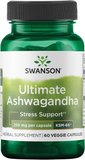
Swanson Ultimate Ashwagandha ($14.29 per 60 capsules) delivers KSM-66, the root-only extract with 5% withanolides used in key stress trials, at 250 mg per capsule. Two capsules daily reaches 500 mg, inside the 300-600 mg studied range, making this the most direct way to match the clinical dosing at a low price.
What About the Gummy Marketplace?
Most ashwagandha gummies on the market deliver far less extract than the capsule doses used in trials, and several popular gummy brands do not state their extract type or withanolide content at all. Before buying any gummy, check three things on the label: the ashwagandha dose per serving in milligrams, the extract type (KSM-66, Sensoril, or a named standardized extract), and whether that dose comes close to the 300-600 mg daily range used in research. If a gummy serving provides 50-150 mg of unstandardized root powder, you are buying flavor, not the dose the studies used. The one verified gummy product in this guide is Nutricost Ashwagandha Extract Gummies, which uses a standardized extract and a stated dose.
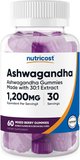
Nutricost Ashwagandha Extract Gummies ($13.95 per 60 gummies) are the gummy format answer to this article’s title question: a standardized ashwagandha extract in a mixed-berry gummy at a fair price. As with any gummy, check the extract dose per serving against the 300-600 mg daily range used in trials and expect to take more than one gummy daily if the per-gummy dose is low.
What About Higher-Dose KSM-66 Gummies?
A few brands sell gummies with roughly 300 mg of KSM-66 per two-gummy serving, which is closer to the doses used in trials than the 50-150 mg servings common in cheaper gummies. We could not verify current listings for this guide, so no specific product card appears here. If you find one, apply the label checks from the buying section: stated KSM-66 or Sensoril extract, withanolide percentage, milligram dose per serving, and third-party testing. A 300 mg per serving gummy still usually requires two servings daily to reach the 600 mg doses used in several positive trials.
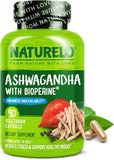
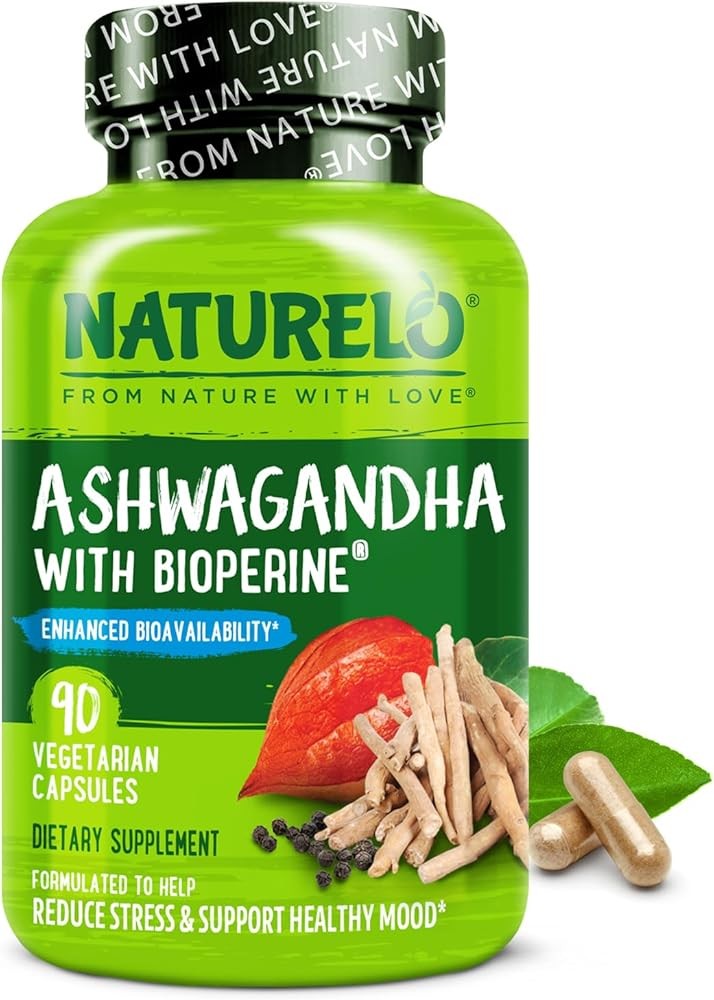
NATURELO Ashwagandha ($24.95 per 90 capsules) is an organic whole-root powder product with black pepper extract added for absorption. Like other non-standardized products it lacks a withanolide percentage, so it suits people who prefer whole-food organic formulations over branded extracts.
What About Ashwagandha and L-Theanine Combination Gummies?
Some gummy products pair a modest ashwagandha dose with L-theanine, the amino acid from green tea associated with calm alertness. The combination is plausible on mechanism, but the exact products change frequently and dosing is often low on the ashwagandha side, so there is no verified pick to recommend here. Check the per-serving ashwagandha dose before paying a premium for a combination formula.
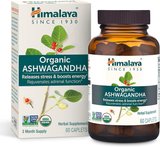
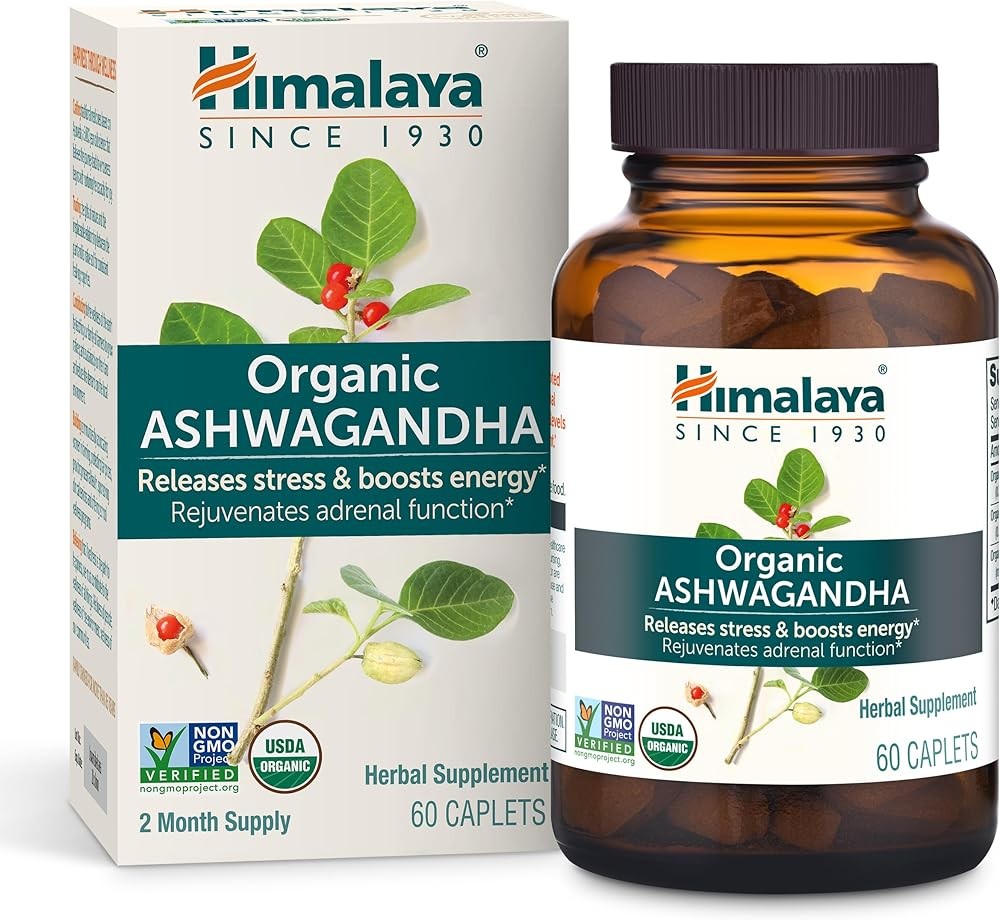
Himalaya USDA Organic Ashwagandha ($22.99 per 60 caplets) provides 670 mg of full-spectrum organic root powder per caplet. It is not standardized to a withanolide percentage like KSM-66, but the organic certification, transparent dosing, and 60-day supply make it a solid budget whole-root option for traditional Ayurvedic use.
What About Sensoril Gummies?
While KSM-66 dominates the gummy market, some brands use Sensoril extract for its higher withanolide concentration.
Key features of Sensoril-based gummies:
- 125-250 mg Sensoril per serving (equivalent to higher KSM-66 doses)
- 10% withanolides standardization
- Often combined with other adaptogens or nutrients
- May be more energizing than KSM-66
Best for: People who tried KSM-66 and found it too sedating, those wanting energy alongside stress relief, or anyone preferring the leaf+root profile of Sensoril.
Finding Sensoril gummies: These are less common than KSM-66 gummies. Look for brands that clearly state “Sensoril” on the label. If a product just says “ashwagandha extract” without specifying type, it’s probably not Sensoril.
How Do Generic “Ashwagandha Extract” Gummies Compare?
Many affordable gummy brands use non-branded ashwagandha extract. Are these worth considering?
What to look for in generic extract gummies:
- Withanolide percentage clearly stated: Look for at least 2.5%, preferably 5% or higher
- Dose per serving: Should be 300-600 mg if 5% withanolides, or proportionally higher if lower percentage
- Third-party testing: Look for NSF, USP, or ConsumerLab seals
- Reputable manufacturer: Check if made in FDA-registered, GMP-certified facility
- Customer reviews: Verified purchaser reviews can indicate effectiveness
Red flags to avoid:
- No withanolide percentage specified
- Claims like “proprietary blend” that hide actual ashwagandha content
- Exaggerated health claims
- No information about manufacturing or testing
- Suspiciously low prices (may indicate low-quality extract)
Can generic extracts work?
Yes, if properly formulated and tested. The extract type matters less than the quality and standardization. A well-made generic 5% withanolide extract can work as well as KSM-66, you just have less certainty about quality and consistency.
Bottom line: Generic ashwagandha extract gummies can work if they clearly state withanolide percentage (at least 5%), dose (300-600 mg daily), and have third-party testing verification.
What Else Should You Know Before Buying Ashwagandha Gummies?
Beyond the basics of extract type and dosing, here are some additional considerations.
What Time of Day Should You Take Ashwagandha Gummies?
Timing can affect how ashwagandha impacts you:
Morning dosing:
- Pros: Helps you manage stress throughout the day, builds baseline resilience
- Cons: May cause slight drowsiness in sensitive individuals
- Best for: People whose stress peaks during work hours, those combining ashwagandha with L-theanine
Evening dosing:
- Pros: Promotes better sleep, helps you unwind from the day’s stress
- Cons: Might not provide stress coverage during waking hours
- Best for: People with stress-related insomnia, those who find ashwagandha sedating
Split dosing (morning and evening):
- Pros: Provides all-day stress coverage, matches clinical trial protocols
- Cons: More gummies per day, need to remember twice-daily dosing
- Best for: People with chronic all-day stress, those taking 600 mg daily doses
With or without food:
Ashwagandha’s fat-soluble compounds are better absorbed with food containing fats. Take your gummies with or shortly after meals for best absorption.
Bottom line: Take ashwagandha at the time that fits your goal: morning with a fat-containing meal for daytime stress coverage, or evening for sleep support; clinical trials commonly used twice-daily split dosing to reach 600 mg daily.
Can You Combine Ashwagandha with Other Supplements?
Ashwagandha works synergistically with several other supplements:
Beneficial combinations:
- L-theanine: Enhances calm focus, reduces jittery feeling from caffeine
- Magnesium: Supports relaxation and sleep quality through GABA modulation
- Rhodiola: Another adaptogen that works through different pathways
- B-complex vitamins: Support stress resilience and energy production
- Omega-3s: Reduce inflammation associated with chronic stress
Combinations to be cautious with:
- Other sedative herbs (valerian, kava): May cause excessive drowsiness
- Thyroid medications: Ashwagandha may boost thyroid function
- Immunosuppressants: Ashwagandha may boost immune function
- Diabetes medications: May enhance blood sugar-lowering effects
Always consult a healthcare provider before combining supplements, especially if you take medications.
Bottom line: Ashwagandha combines well with L-theanine, magnesium, and B-complex vitamins, but use caution with sedative herbs, thyroid medications, or immunosuppressants.
How Long Should You Take Ashwagandha?
Most clinical trials have studied ashwagandha for 8-12 weeks, demonstrating safety and effectiveness over this timeframe. But what about longer-term use?
Short-term use (8-12 weeks):
- Well-studied and proven safe
- Sufficient for most people to experience full benefits
- Good approach: Use consistently for 8-12 weeks, then evaluate
Long-term use (3-6 months+):
- Less research on extended use, but traditional Ayurvedic practice suggests safety
- Some practitioners recommend cycling (8-12 weeks on, 2-4 weeks off)
- Benefits may plateau after initial improvements
Cycling vs. continuous use:
Cycling approach:
- Take ashwagandha for 8-12 weeks
- Take 2-4 weeks off
- Resume if stress levels increase again
- May help avoid tolerance development
Continuous use:
- Take ashwagandha daily as long as it provides benefits
- Monitor for diminishing effects
- Take breaks if you notice reduced effectiveness
Signs you might want to take a break:
- Effects seem to be diminishing
- You’re experiencing mild side effects
- Your stress levels have normalized and you want to see if you still need it
- You’ve been taking it for 6+ months
Bottom line: Ashwagandha is proven safe for 8-12 weeks of continuous use; for longer periods, consider cycling 8-12 weeks on and 2-4 weeks off to avoid tolerance development.
What Should You Look for on the Label?
When evaluating ashwagandha gummies, check these label elements:
Must-haves:
- Extract type: KSM-66, Sensoril, or “ashwagandha root extract”
- Withanolide percentage: At least 2.5%, preferably 5% or higher
- Dose per serving: Should match clinical studies (300-600 mg KSM-66 or equivalent)
- Third-party testing: NSF, USP, ConsumerLab, or other certification
- Manufacturing standards: “Made in FDA-registered facility” or “GMP-certified”
Nice-to-haves:
- Organic certification
- Non-GMO verification
- Vegan/vegetarian designation
- Additional beneficial ingredients (L-theanine, magnesium, B vitamins)
Red flags:
- No withanolide percentage specified
- “Proprietary blend” that hides amounts
- Outrageous health claims
- No manufacturer information
- Extremely low price (suggests low quality)
How to interpret “proprietary blend”:
If you see “Proprietary Stress Blend” listing multiple ingredients including ashwagandha, you have no idea how much ashwagandha you’re actually getting. Avoid these products unless the ashwagandha dose is listed separately.
What does “standardized extract” mean?
“Standardized” means the manufacturer has ensured a consistent percentage of the active compounds (withanolides) in every batch. This is crucial for consistent effects. Always look for a withanolide percentage on standardized extracts.
Bottom line: Look for these quality indicators on labels: extract type (KSM-66 or Sensoril), withanolide percentage (at least 5%), clinical doses (300-600 mg), third-party testing certification, and clear manufacturing standards.
Look for these quality indicators:
- Specifies extract type (KSM-66, Sensoril, or standardized percentage like “5% withanolides”)
- Third-party tested (look for NSF, USP, or ConsumerLab certification)
- Made in FDA-registered facility
- Clear labeling with exact dosages
- Reputable brand with transparent manufacturing practices
- Avoid products making exaggerated claims (like “support recovery from anxiety” or “reduce stress completely”)
- Check for reviews and ratings from verified purchasers
- Ensure no proprietary blends that hide actual ashwagandha content
Bottom line: Effects typically build over several weeks; the trials that showed benefit ran 6-12 weeks, and most people tolerate standard doses well, with drowsiness mainly a concern for sensitive individuals at higher doses.
Are Ashwagandha Gummies Really Worth the Investment?
After examining the research, extract types, products, and practical considerations, here’s the bottom line on ashwagandha gummies for stress and anxiety.
How Strong Is the Evidence for Ashwagandha Gummies?
Clinical research consistently demonstrates that ashwagandha is effective for:
- Reducing perceived stress levels
- Lowering anxiety symptoms
- Decreasing cortisol (stress hormone) levels
- Improving sleep quality
- Enhancing stress resilience
- Supporting cognitive function under stress
This isn’t just traditional use or anecdotal evidence, these effects have been validated in randomized, double-blind, placebo-controlled trials published in peer-reviewed journals. A 2022 systematic review and meta-analysis of randomized controlled trials confirmed that ashwagandha supplementation has beneficial effects on anxiety and stress management at doses of 300-600 mg daily (PubMed 36017529). The research is robust enough that ashwagandha should be considered a legitimate evidence-based option for stress and anxiety management.
Why Does Extract Quality Matter More Than Supplement Format?
Whether you choose gummies or capsules, the most important factor is the quality of the ashwagandha extract. Look for:
- KSM-66 or Sensoril extracts: These have the most research backing
- Standardized withanolide content: At least 5% for KSM-66 or 10% for Sensoril
- Appropriate dosing: 300-600 mg KSM-66 or 125-250 mg Sensoril daily
- Third-party testing: Verification of purity and potency
- Reputable manufacturers: Brands with transparent practices and quality control
A high-quality gummy is far better than a low-quality capsule, and vice versa. Don’t get caught up in the format debate, focus on extract quality first.
Why Do Gummies Shine When It Comes to Compliance?
The single biggest advantage of gummies is that people actually take them consistently. If you’re someone who forgets to take capsules, struggles with swallowing pills, or finds supplement routines unpleasant, gummies solve these problems.
And here’s the reality: the best supplement is always the one you’ll actually take every day. A “perfect” capsule sitting in your cabinet unused is worthless compared to a gummy you take consistently.
If gummies are what it takes for you to stick with ashwagandha long enough to experience its benefits (which take 6-8 weeks), then gummies are absolutely worth any minor downsides like added sugar or higher cost.
What Realistic Expectations Should You Set?
Ashwagandha is powerful, but it’s not magic. It will not:
- Reduce all stress from your life
- Support recovery from clinical anxiety disorders (though it can help as part of treatment)
- Work overnight (it takes weeks to build effects)
- Replace therapy, lifestyle changes, or prescribed medications when those are needed
- Work equally well for everyone (individual response varies)
What ashwagandha can realistically do:
- Make your stress response less reactive
- Help you recover from stressful events faster
- Reduce the physical symptoms of anxiety
- Improve your ability to handle daily stressors
- Support better sleep quality
- Enhance your overall stress resilience
Think of ashwagandha as a tool that makes stress management easier, not a substitute for addressing the root causes of stress or developing healthy coping mechanisms.
How Should You Combine Ashwagandha with Lifestyle Factors?
Ashwagandha works best when combined with other evidence-based stress management approaches:
- Adequate sleep: 7-9 hours per night
- Regular exercise: Even 20-30 minutes of moderate activity most days helps regulate stress hormones
- Healthy diet: Emphasizing whole foods, adequate protein, healthy fats, and limiting processed foods and excess sugar
- Stress management practices: Meditation, deep breathing, yoga, journaling, or whatever works for you
- Social connection: Maintaining relationships and social support
- Professional support when needed: Therapy, counseling, or medical treatment for clinical anxiety
Ashwagandha enhances these efforts but doesn’t replace them. The people who get the best results from ashwagandha are those who also address lifestyle factors.
Who Will Benefit Most from Ashwagandha Gummies?
You’re likely to get significant benefits from ashwagandha gummies if you:
- Experience chronic, ongoing stress (not just occasional acute stress)
- Have stress-related sleep disruption
- Notice physical symptoms of stress (tension, digestive issues, fatigue)
- Have mild to moderate anxiety that interferes with daily life
- Want a natural approach before or alongside other treatments
- Are committed to taking it consistently for at least 8 weeks
You may not benefit as much if:
- Your stress is purely situational and short-term
- You have severe clinical anxiety requiring medical treatment (ashwagandha can help but shouldn’t be sole treatment)
- You’re not willing to take it consistently for 6-8 weeks
- You have contraindications (pregnancy, hyperthyroidism, etc.)
What Is the Final Verdict on Ashwagandha Gummies?
Ashwagandha gummies are a legitimate, research-backed option for managing stress and anxiety, particularly for people who want a convenient, pleasant-tasting supplement format. They’re especially well-suited to younger generations who prefer gummies over pills, and for anyone who struggles with supplement compliance.
Choose products with quality extracts (KSM-66 or Sensoril), appropriate doses (300-600 mg KSM-66 or 125-250 mg Sensoril daily), and third-party testing. Be prepared to take them consistently for 6-8 weeks before judging effectiveness. Monitor how your body responds using the clues we discussed earlier in this article.
For most people dealing with chronic stress or mild to moderate anxiety, high-quality ashwagandha gummies are absolutely worth trying. The combination of strong scientific evidence, good safety profile, and the practical advantages of the gummy format make them a smart addition to a comprehensive approach to stress management.
Just remember: ashwagandha is a tool to help you manage stress more effectively, not a magic solution that reduces the need for addressing root causes, developing healthy coping skills, or seeking professional help when needed. Used wisely as part of a holistic approach, ashwagandha gummies can be a valuable ally in your journey toward better stress resilience and mental well-being.
Related Reading
Explore our comprehensive guides on stress management and adaptogenic supplements:
-
Best Magnesium Supplements for Anxiety and Sleep
-
L-Theanine Dosage Guide for Stress and Focus
-
Rhodiola vs Ashwagandha: Which Adaptogen Is Right for You?
-
Best Adaptogens for Stress Resilience
-
How to Build a Natural Anxiety Relief Stack
-
KSM-66 vs Sensoril: Complete Extract Comparison
-
Best Supplements for Sleep Quality and Insomnia
-
Cortisol Management: Evidence-Based Strategies
-
Ashwagandha: Nature’s Stress Buster - Regulating Cortisol and Beyond
-
Best Supplements to Lower Cortisol and Reduce Stress — Evidence-Based Guide
-
Ashwagandha vs Rhodiola Rosea for Stress Relief: A Comprehensive Comparison
-
Ashwagandha Benefits: Science-Backed Health Benefits and Clinical Research
References and Clinical Studies
- Chandrasekhar K, Kapoor J, Anishetty S. A Prospective, Randomized Double-Blind, Placebo-Controlled Study of Safety and Efficacy of a High-Concentration Full-Spectrum Extract of Ashwagandha Root in Reducing Stress and Anxiety in Adults. Indian Journal of Psychological Medicine, 2012. PubMed
- Lopresti AL, Smith SJ, Malvi H, Kodgule R. An Investigation Into the Stress-Relieving and Pharmacological Actions of an Ashwagandha Extract: A Randomized, Double-Blind, Placebo-Controlled Study. Medicine, 2019. PubMed
- Langade D, Kanchi S, Salve J, et al. Efficacy and Safety of Ashwagandha Root Extract in Insomnia and Anxiety: A Double-Blind, Randomized, Placebo-Controlled Study. Cureus, 2019. PubMed
- Deshpande A, Irani N, Balkrishnan R, Benny IR. A Randomized, Double Blind, Placebo Controlled Study to Evaluate the Effects of Ashwagandha Extract on Sleep Quality in Healthy Adults. Sleep Medicine, 2020. PubMed
- Pratte MA, Nanavati KB, Young V, Morley CP. An Alternative Treatment for Anxiety: A Systematic Review of Human Trial Results Reported for the Ayurvedic Herb Ashwagandha. Journal of Alternative and Complementary Medicine, 2014. PubMed
- Akhgarjand C, Asoudeh F, Bagheri A, et al. Does Ashwagandha Supplementation Have a Beneficial Effect on the Management of Anxiety and Stress? A Systematic Review and Meta-Analysis of Randomized Controlled Trials. Phytotherapy Research, 2022. PubMed
- Arumugam V, Vijayakumar V, Balakrishnan A, et al. Effects of Ashwagandha on Stress and Anxiety: A Systematic Review and Meta-Analysis. Explore, 2024. PubMed
- Choudhary D, Bhattacharyya S, Bose S. Efficacy and Safety of Ashwagandha Root Extract in Improving Memory and Cognitive Functions. Journal of Dietary Supplements, 2017. PubMed
- Salve J, Pate S, Debnath K, Langade D. Adaptogenic and Anxiolytic Effects of Ashwagandha Root Extract in Healthy Adults: A Double-Blind, Randomized, Placebo-Controlled Clinical Study. Cureus, 2019. PubMed
- Langade D, Thakare V, Kanchi S, Kelgane S. Clinical Evaluation of the Pharmacological Impact of Ashwagandha Root Extract on Sleep in Healthy Volunteers and Insomnia Patients: A Double-Blind, Randomized, Parallel-Group, Placebo-Controlled Study. Journal of Ethnopharmacology, 2021. PubMed
Recommended Products