Best Collagen Supplements for Wrinkles and Skin Aging: Dermatologist-Reviewed Research
Summarized from peer-reviewed research indexed in PubMed. See citations below.
Dermal collagen declines by 1-1.5% annually starting in your mid-twenties, causing wrinkles, sagging, and reduced elasticity that topical treatments cannot fully reverse. The best supplement for collagen support is vitamin C at 75-500mg daily (specifically buffered ascorbate or liposomal forms), priced at $25-30 for a 3-month supply, because it’s absolutely essential for the prolyl and lysyl hydroxylase enzymes that stabilize collagen’s triple helix structure. Published research in the International Journal of Dermatology confirms that without adequate vitamin C, collagen synthesis fails completely—this is the biochemical basis of scurvy’s skin manifestations including bleeding gums and fragile skin. For budget-conscious options, generic hydrolyzed collagen peptides at 2.5-5g daily provide direct collagen building blocks at $20-25 for a 2-month supply. Here’s what the published research shows about collagen supplementation for skin aging.
Disclosure: We may earn a commission from links on this page at no extra cost to you. Affiliate relationships never influence our ratings. Full policy →
| Feature | Vitamin C | Zinc | Collagen Peptides |
|---|---|---|---|
| View on Amazon | Check Price | Check Price | Check Price |
What Does the Clinical Evidence Say About Collagen Supplements for Skin Aging?
Collagen supplements have become one of the largest categories in the beauty-from-within market, with sales projected to exceed $7 billion globally. The promise is appealing: take a daily pill or powder and watch your wrinkles fade, your skin plump up, and the visible signs of aging reverse themselves. Social media is saturated with before-and-after testimonials, and collagen has been added to everything from coffee creamers to gummy bears.
But here is the thing that separates collagen from most beauty supplement trends – there is actually a substantial body of clinical research behind it. Randomized controlled trials. Systematic reviews. Meta-analyses. Real human data, not just cell culture studies or rodent models. That does not mean the science is settled or that every claim made on a collagen supplement label is justified. But it does mean we have enough evidence to have a serious, evidence-based conversation about what oral collagen can and cannot do for aging skin.
This article examines the full body of published clinical research on oral collagen supplementation for skin aging. We cover the biology of why skin ages, how collagen peptides are absorbed and reach the skin, what the randomized trials actually measured and found, which types and doses have the strongest evidence, and where the research has genuine limitations that consumers should understand. No affiliate links. No product rankings. Just the science.
Watch Our Video Review
What Is Collagen and Why Does Your Skin Need It?
What Makes Collagen the Structural Foundation of Skin?
Collagen is the most abundant protein in the human body, accounting for roughly 25-35% of total body protein. It is the primary structural component of the extracellular matrix – the scaffolding that gives tissues their shape, strength, and resilience. In the skin specifically, collagen makes up approximately 75-80% of the dry weight of the dermis, the thick middle layer that sits beneath the visible epidermis.
The dermis is where the structural integrity of skin resides. It contains a dense meshwork of collagen fibers – predominantly type I collagen (80-85%) and type III collagen (10-15%) – interwoven with elastin fibers, glycosaminoglycans (including hyaluronic acid), and various other structural proteins. This collagen network provides the tensile strength that keeps skin firm and resistant to sagging, while elastin provides the snap-back quality that allows skin to return to its original shape after being stretched.
There are at least 28 identified types of collagen in the human body, but for the purposes of skin health, type I is by far the most important. Type I collagen forms thick, bundled fibers that provide structural rigidity. Type III collagen is thinner and more prevalent in younger skin, and the ratio of type I to type III collagen shifts as we age. Type II collagen, which is frequently marketed in supplements, is primarily a cartilage protein and has limited relevance to skin aging.
How Is Collagen Made in the Body?
Collagen synthesis is a complex, multi-step process that occurs primarily in fibroblast cells within the dermis. Fibroblasts produce procollagen molecules by assembling three polypeptide chains (called alpha chains) into a characteristic triple-helix structure. This process requires several cofactors, most notably vitamin C (ascorbic acid), which is essential for the hydroxylation of proline and lysine residues that stabilize the triple helix. Without adequate vitamin C, collagen synthesis fails – this is the basis of scurvy.
Once secreted from fibroblasts, procollagen is cleaved by enzymes to form tropocollagen, which self-assembles into collagen fibrils and eventually into the mature collagen fibers that form the structural network of the dermis. These mature fibers are then cross-linked by the enzyme lysyl oxidase (which requires copper as a cofactor) to create the stable, load-bearing structures that give skin its firmness.
Collagen is not static. It undergoes continuous turnover, with old collagen being degraded by matrix metalloproteinases (MMPs) and new collagen being synthesized by fibroblasts. In young, healthy skin, synthesis and degradation are roughly balanced. The problems begin when that balance tips in favor of degradation.
Why Does Collagen Decline With Age?
The rate of collagen synthesis in the dermis begins declining in the early-to-mid twenties, decreasing by approximately 1-1.5% per year. By age 40, the average person has lost roughly 20-25% of their dermal collagen compared to their peak, and by age 60, that number approaches 40-50%. This is not just a reduction in quantity – the quality of remaining collagen also deteriorates, with fibers becoming more fragmented, disorganized, and cross-linked in dysfunctional ways.
Several factors drive this decline:
Intrinsic aging (chronological aging): Even without any environmental insults, collagen production naturally slows and MMP activity increases with age. Fibroblasts become less active and fewer in number. The growth factors that stimulate collagen synthesis (like TGF-beta) become less available. This is a genetically programmed process that affects everyone, though the rate varies by individual.
Photoaging (UV-induced damage): Ultraviolet radiation is the single largest external contributor to premature collagen loss. UV exposure dramatically upregulates MMP expression – particularly MMP-1, MMP-3, and MMP-9 – leading to accelerated breakdown of existing collagen fibers (PubMed 27271600). UV also generates reactive oxygen species (ROS) that directly damage collagen molecules and suppress new collagen synthesis by altering TGF-beta signaling in fibroblasts. The cumulative effect of years of UV exposure is a major reason why sun-exposed skin ages much faster than sun-protected skin.
Glycation: Advanced glycation end products (AGEs), formed when sugars react with proteins, accumulate in collagen fibers over time. Glycated collagen becomes stiff, brittle, and resistant to normal enzymatic turnover, contributing to the yellowed, leathery appearance of chronologically aged skin.
Hormonal changes: Estrogen plays a significant role in maintaining collagen density in women. After menopause, the rapid decline in estrogen accelerates collagen loss – studies have shown that women can lose up to 30% of dermal collagen in the first five years after menopause, making post-menopausal women a particularly relevant population for collagen supplementation research.
Lifestyle factors: Smoking, excessive alcohol consumption, chronic stress, poor sleep, and inadequate nutrition (particularly insufficient vitamin C, zinc, and protein intake) all contribute to accelerated collagen degradation.
The visible consequences of collagen loss are the hallmarks of skin aging: fine lines and wrinkles, loss of firmness and elasticity, skin thinning, increased fragility, and reduced hydration capacity (since the collagen network helps retain water-binding glycosaminoglycans like hyaluronic acid).
How Are Oral Collagen Supplements Supposed to Work?
Are Collagen Peptides Actually Absorbed Intact?
The first question any skeptic rightfully asks about oral collagen supplements is: if you eat a protein, does it not just get digested into individual amino acids and lose any specific collagen-related benefit? This is a legitimate concern, and the answer turns out to be more nuanced than a simple yes or no.
When you ingest hydrolyzed collagen (collagen peptides), the proteins have already been enzymatically broken down into small peptide fragments, typically ranging from 2 to 5 kilodaltons in molecular weight. These are substantially smaller than intact collagen molecules, which have a molecular weight of approximately 300 kilodaltons. The hydrolysis process is what distinguishes modern collagen supplements from simply eating gelatin or collagen-rich foods.
These small peptides are not fully broken down into individual amino acids during digestion. Pharmacokinetic studies have demonstrated that a significant fraction of ingested collagen peptides are absorbed intact as di-peptides and tri-peptides (two and three amino acid chains) through peptide transporters in the small intestine (PubMed 25410396). Research has shown that hydroxyproline-containing peptides appear in the blood within 30 minutes of oral ingestion, peak at 1-2 hours, and remain detectable for several hours.
This is important because hydroxyproline is an amino acid that is essentially unique to collagen. The detection of hydroxyproline-containing dipeptides (particularly Pro-Hyp and Hyp-Gly) in the bloodstream after oral collagen ingestion confirms that collagen-specific peptides are being absorbed intact, not just broken down into a generic amino acid pool.
How Do Collagen Peptides Actually Work in the Body?
Research suggests that collagen peptides may benefit skin through multiple mechanisms:
Direct substrate supply: Collagen peptides provide the specific amino acids (glycine, proline, hydroxyproline) that fibroblasts need to synthesize new collagen. While the body can obtain these amino acids from other protein sources, the theory is that collagen peptides provide them in the exact ratios needed for collagen synthesis, potentially making the process more efficient.
Fibroblast stimulation: This is the mechanism with the most interesting in vitro evidence. Studies have shown that specific collagen-derived peptides, particularly Pro-Hyp (prolyl-hydroxyproline), act as signaling molecules that stimulate fibroblasts to increase production of collagen, elastin, and hyaluronic acid. Research has demonstrated that Pro-Hyp can stimulate fibroblast growth and hyaluronic acid synthesis in laboratory studies. The hypothesis is that when collagen degradation products (peptides) reach the dermis, they function as a false signal of collagen breakdown, prompting fibroblasts to ramp up new collagen production.
MMP inhibition: Some research suggests that certain collagen-derived peptides may inhibit matrix metalloproteinase activity, reducing the rate of collagen breakdown in addition to stimulating new synthesis.
Antioxidant activity: Collagen peptides, particularly those from marine sources, have demonstrated antioxidant properties in laboratory studies, which could theoretically help protect existing collagen from oxidative damage.
It is worth emphasizing that while these mechanisms have been demonstrated in cell culture and animal studies, the degree to which they operate in vivo in humans at the doses used in supplements is still being established. The clinical trial results, however, suggest that something meaningful is happening.
What Does the Clinical Research Actually Show About Collagen Supplements?
What Do the Systematic Reviews and Meta-Analyses Show?
The strongest evidence for any health intervention comes from systematic reviews and meta-analyses that pool data from multiple randomized controlled trials. For oral collagen and skin health, several major analyses have been published.
de Miranda et al. (2021) – International Journal of Dermatology: This systematic review and meta-analysis, published in one of dermatology’s respected peer-reviewed journals, analyzed 19 randomized controlled trials involving 1,125 participants aged 20 to 70 (PubMed 33742704). The meta-analysis found that oral collagen supplementation significantly improved skin hydration, elasticity, and wrinkle reduction compared to placebo. The pooled analysis showed favorable outcomes across all three primary endpoints. The authors noted that most trials used hydrolyzed collagen peptides at doses of 2.5 to 10 grams per day for durations of 6 to 24 weeks. The overall quality of evidence was rated as moderate, with the primary limitations being small individual study sizes and the predominance of industry-funded trials.
What Did the Key Randomized Controlled Trials Find?
Proksch et al. (2014) – Skin Pharmacology and Physiology: This double-blind, placebo-controlled trial enrolled 69 women aged 35 to 55 and randomized them to receive 2.5g or 5g of specific collagen peptides (Verisol brand) or placebo daily for 8 weeks (PubMed 23949208). The study found that both collagen doses significantly improved skin elasticity compared to placebo after just 4 weeks, with the benefit persisting through the 8-week treatment period. Notably, the improvement was most pronounced in women over 50, suggesting that collagen supplementation may be particularly effective in populations with more advanced collagen loss. At 4 weeks post-treatment (12 weeks total from baseline), the skin elasticity improvement was still detectable, suggesting some lasting effect even after stopping supplementation.
Proksch et al. (2014) – Skin Pharmacology and Physiology (separate wrinkle study): In a second landmark trial by the same research group, 114 women aged 45 to 65 were randomized to receive 2.5g of specific collagen peptides or placebo daily for 8 weeks (PubMed 24401291). Eye wrinkle volume was measured using skin surface profilometry (a 3D measurement technique). After 8 weeks, the collagen group showed a statistically significant 20% reduction in eye wrinkle volume compared to placebo. At 4 weeks after the end of treatment, the wrinkle reduction was still statistically significant, though slightly attenuated.
Published research has tested oral collagen peptide supplements in women aged 40 to 65, with participants receiving 10g of hydrolyzed collagen or placebo daily for 8 weeks (PubMed 31627309). Studies have shown significant improvements in skin hydration (measured by corneometry) and increases in collagen density in the dermis (measured by ultrasound). The increase in dermal collagen density is particularly noteworthy because it suggests that supplementation affects not just surface hydration but actually increases collagen content in the deeper layers of the skin.
Published double-blind, placebo-controlled trials have randomized women aged 35 and older to receive 2.5g of collagen peptides or placebo daily for 12 weeks. These studies measured skin hydration, elasticity, roughness, and density. Significant improvements were found in skin hydration (by 12%), skin elasticity, skin roughness (wrinkle reduction), and skin density compared to placebo. These trials are notable for their comprehensive sets of outcome measures and the use of validated dermatological instruments.
Randomized, double-blind trials have tested low-molecular-weight collagen peptide supplements (1g daily) in women aged 40 to 60 for 12 weeks (PubMed 29949889). Despite the relatively low dose, these studies found significant improvements in skin hydration, wrinkling, and elasticity compared to placebo. Skin moisture content increased by 14% in the collagen group versus 3% in the placebo group in one such trial. This is one of several studies suggesting that even lower doses of collagen peptides may produce measurable skin benefits if the peptides are sufficiently hydrolyzed (low molecular weight).
What Does the Dermatology Community Actually Think About Collagen?
The dermatology community has historically been skeptical of oral supplements for skin, and rightfully so – the vast majority of ingestible beauty products have zero clinical evidence behind them. However, the accumulated evidence for collagen peptides has shifted expert opinion in recent years.
Systematic reviews of dermatological applications have acknowledged that the body of evidence for oral collagen supplementation shows promise, while noting the need for larger, longer, and more rigorously designed trials (PubMed 30681787). The reviews highlight that while the existing evidence is encouraging, the field is still limited by relatively small sample sizes, short treatment durations, and a predominance of industry-funded research.
Board-certified dermatologists have increasingly acknowledged collagen peptide supplementation as a reasonable adjunctive strategy for skin aging, while emphasizing that it should not replace proven dermatological interventions like retinoids, sunscreen, and professional procedures. The consensus position is essentially: the evidence is promising and growing, serious adverse effects are minimal, but it is not a miracle ingredient and should be one component of a comprehensive skin care strategy.
What Types of Collagen Supplements Actually Matter for Skin?
What Is the Difference Between Hydrolyzed Collagen Peptides, Undenatured Collagen, and Gelatin?
Not all collagen supplements are the same, and understanding the differences is important for making an informed choice.
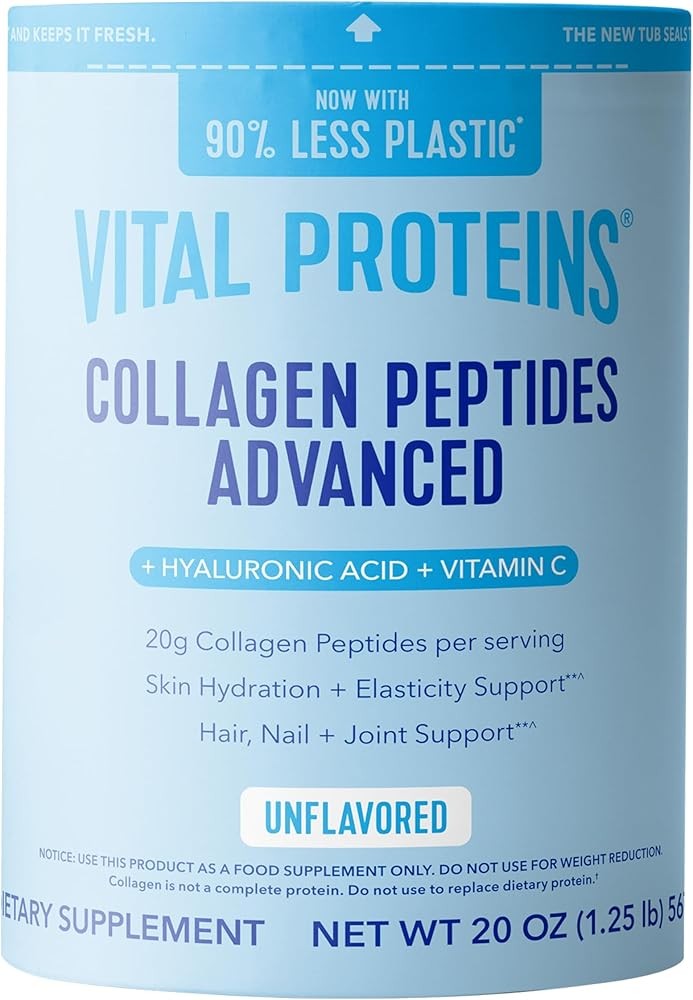
Hydrolyzed collagen peptides are the form used in virtually all clinical trials showing skin benefits. In this form, collagen has been enzymatically broken down into small peptide fragments (typically 2-5 kilodaltons). These peptides dissolve easily in liquid, are efficiently absorbed through the intestinal wall, and appear in the bloodstream as bioactive di- and tri-peptides. This is the form you should look for if your goal is skin health.
Undenatured type II collagen (UC-II) is a completely different product designed for joint health, not skin. It works through a fundamentally different mechanism – oral tolerance of the immune system – and is dosed at around 40mg per day, vastly lower than hydrolyzed collagen peptides. UC-II is irrelevant to the skin aging discussion and should not be confused with hydrolyzed collagen.
Gelatin is partially hydrolyzed collagen. It has a much higher molecular weight than collagen peptides, does not dissolve in cold water (it gels), and has lower bioavailability than fully hydrolyzed peptides. While gelatin does contain the same amino acid profile as collagen, it has not been studied in clinical trials for skin benefits at comparable doses, and its absorption profile is inferior.
Collagen protein powders are sometimes marketed as a protein supplement alternative. These are typically hydrolyzed but may vary in the degree of hydrolysis. The key factor is the molecular weight – lower molecular weight peptides (below 5 kilodaltons) are more likely to be absorbed as bioactive peptides rather than being fully broken down into individual amino acids.
Which Collagen Source Is Best: Marine, Bovine, or Other?
The source of collagen is a topic of considerable marketing spin but somewhat less scientific importance than many consumers believe.
Bovine (cow) collagen is derived from cow hides and bones. It is predominantly type I and type III collagen and is the most widely available and least expensive form. Multiple clinical trials showing skin benefits have used bovine-derived collagen peptides. It is generally well-studied and effective.
Marine (fish) collagen is derived from fish skin and scales. It is predominantly type I collagen and has become increasingly popular, partly due to marketing positioning as a “cleaner” or “more premium” source. Marine collagen peptides tend to have a lower molecular weight than bovine peptides, which may translate to slightly better absorption. Some studies specifically using marine collagen peptides have shown positive skin outcomes. Marine collagen is also acceptable for pescatarian diets and for those who avoid bovine products for religious or personal reasons.
Porcine (pig) collagen is also used in some supplements and shares a similar collagen type profile with bovine sources. It has been less extensively studied specifically for skin outcomes but is biochemically similar to bovine collagen.
Chicken collagen is predominantly type II collagen and is primarily relevant to joint health, not skin aging. Chicken-derived collagen supplements are generally not recommended for skin-focused supplementation.
Eggshell membrane collagen contains a unique mix of collagen types along with other proteins like elastin and glycosaminoglycans. It has some preliminary evidence for joint health but limited data for skin benefits.
The bottom line: for skin aging specifically, type I hydrolyzed collagen peptides from either bovine or marine sources have the best evidence. The degree of hydrolysis (smaller peptide size) likely matters more than the animal source.
Which Branded Collagen Ingredients Have Clinical Data?
Several branded collagen peptide ingredients have been used in published clinical trials:
Verisol (GELITA): This is a specific blend of optimized bioactive collagen peptides that has been used in multiple published trials, including the Proksch studies mentioned above. The manufacturer claims that these peptides are specifically selected for skin bioactivity. Studies using Verisol have shown benefits at the relatively low dose of 2.5g per day.
Peptan (Rousselot): Another branded collagen peptide ingredient with published clinical data supporting skin health benefits, typically studied at doses of 5-10g per day.
NATICOL (Weishardt): A marine collagen peptide with published clinical trial data showing improvements in skin hydration and wrinkle reduction.
It is worth noting that while these branded ingredients have the most published clinical data, this does not necessarily mean that generic hydrolyzed collagen peptides are ineffective. The amino acid composition of all type I collagen is fundamentally similar regardless of source or brand. The key differentiator is the degree of hydrolysis (peptide size), which affects bioavailability. A high-quality, thoroughly hydrolyzed collagen peptide supplement from any source should theoretically provide similar benefits, though it will not have its own specific clinical trial data.
What Collagen-Boosting Cofactors Matter for Skin Results?
Collagen synthesis does not happen in a vacuum. Several nutrients play essential roles in the body’s ability to make and maintain collagen, and deficiency in any of them can limit the effectiveness of collagen supplementation (PubMed 41459089).
Why Is Vitamin C Essential for Collagen Synthesis?
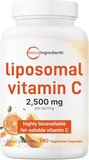
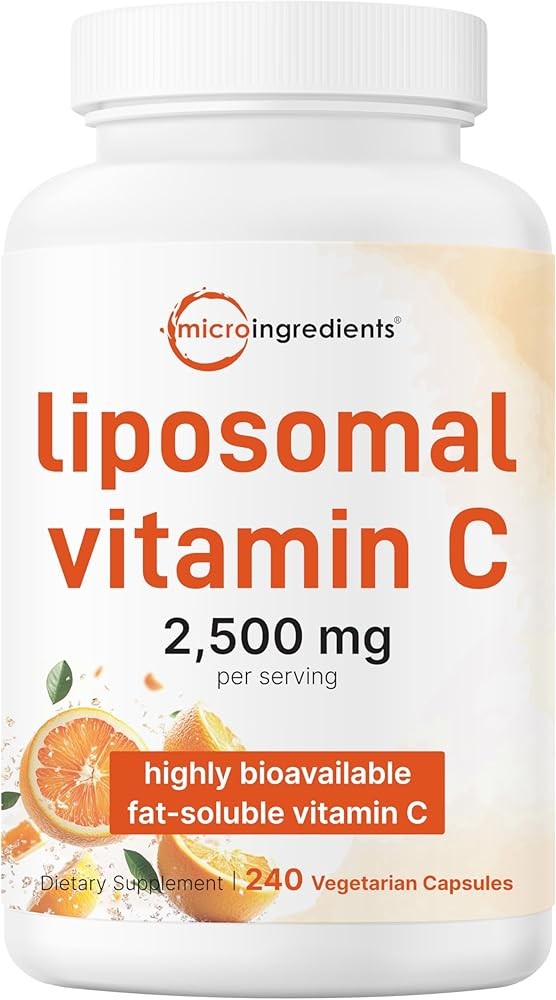
Vitamin C is the most critical cofactor for collagen synthesis. It is required by prolyl hydroxylase and lysyl hydroxylase, the enzymes that hydroxylate proline and lysine residues in pro-collagen chains. Without this hydroxylation step, collagen cannot form its characteristic stable triple helix, and the resulting protein is rapidly degraded. This is why scurvy – severe vitamin C deficiency – manifests as bleeding gums, poor wound healing, and fragile skin, all consequences of defective collagen.
For collagen supplementation to work optimally, adequate vitamin C status is essential. The recommended daily intake is 75-90mg, but many researchers suggest that amounts in the range of 100-500mg may better support collagen synthesis. Many well-formulated collagen supplements include vitamin C for this reason. If yours does not, ensuring adequate dietary intake through citrus fruits, berries, bell peppers, and leafy greens is important.
Vitamin C Supplement
Check Price on AmazonAs an Amazon Associate we earn from qualifying purchases.
How Does Zinc Support Collagen Production?
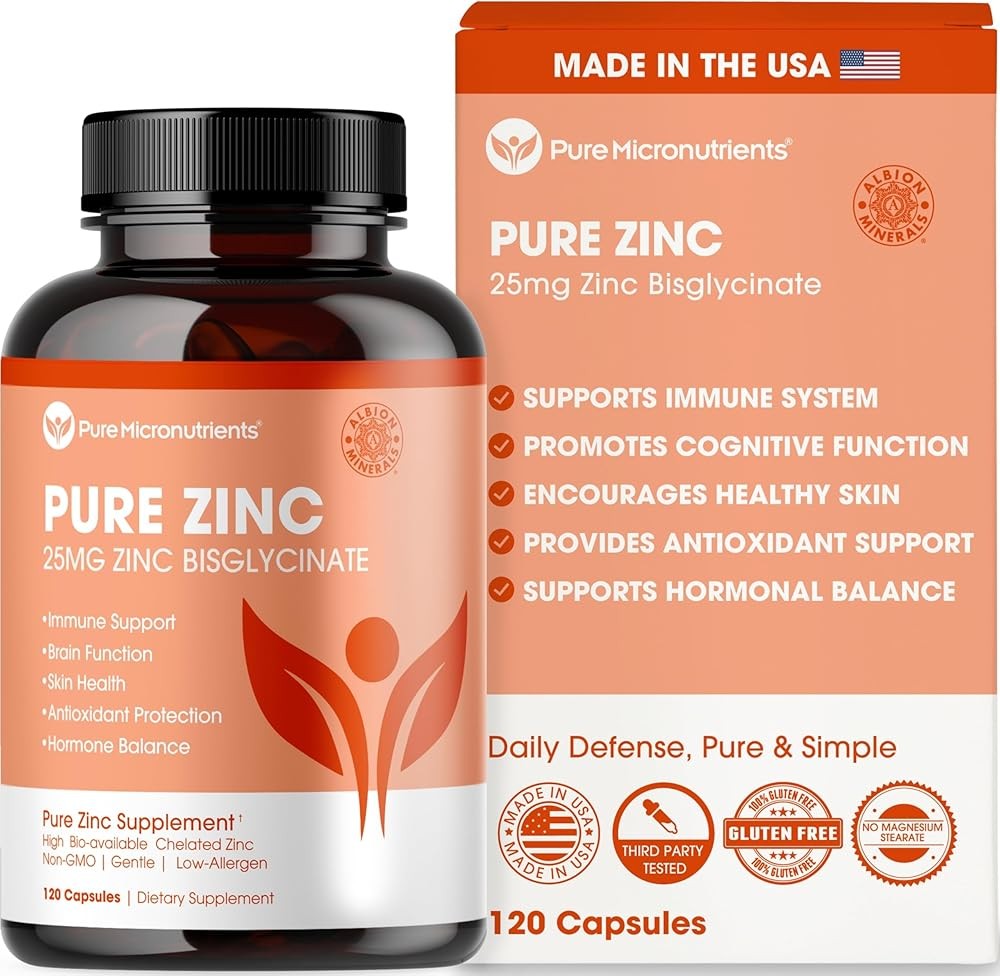
Zinc is required by the enzymes (collagenases) that process procollagen into mature collagen. It is also essential for cell division and protein synthesis, making it important for fibroblast function. Zinc deficiency impairs wound healing and can reduce collagen synthesis. The recommended daily intake is 8-11mg, and good dietary sources include oysters, red meat, poultry, beans, and nuts.
What Role Does Copper Play in Collagen Cross-Linking?
Copper is a cofactor for lysyl oxidase, the enzyme responsible for cross-linking collagen fibers into their mature, load-bearing form. Without adequate copper, collagen fibers remain weak and poorly organized. The recommended daily intake is 900 micrograms, and dietary sources include shellfish, nuts, seeds, organ meats, and dark chocolate.
Does Hyaluronic Acid Work Synergistically With Collagen?
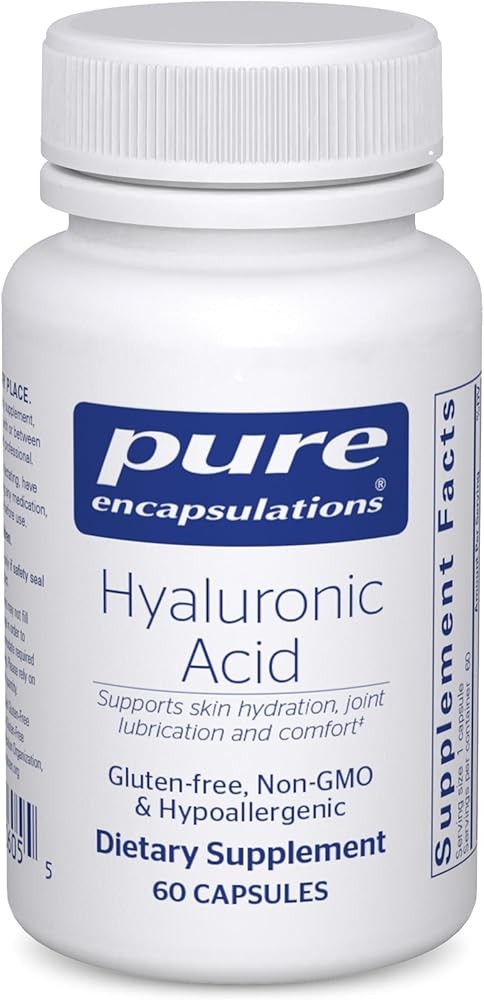
While not directly involved in collagen synthesis, hyaluronic acid (HA) is a glycosaminoglycan that works synergistically with collagen in the dermis. HA is responsible for much of the skin’s water-retention capacity – a single gram of HA can hold up to 6 liters of water. Like collagen, dermal HA declines with age, contributing to reduced skin hydration and plumpness. Some collagen supplements include HA, and there is a growing body of evidence that oral HA supplementation (typically 120-240mg per day) can improve skin hydration independently of collagen.

Hyaluronic Acid Supplement
Check Price on AmazonAs an Amazon Associate we earn from qualifying purchases.
Can Astaxanthin and Antioxidants Protect Existing Collagen?
Since oxidative stress (particularly from UV exposure) is a major driver of collagen degradation through MMP upregulation, antioxidants that protect existing collagen have a logical complementary role (PubMed 39336856). Astaxanthin, a carotenoid antioxidant found in salmon and krill, has shown particular promise in small clinical trials for improving skin elasticity and reducing wrinkle depth when taken at doses of 4-12mg per day. It appears to work partly by inhibiting MMP-1 expression, protecting collagen from enzymatic breakdown.
What Dosing Did the Clinical Trials Actually Use for Collagen?
What Are the Effective Dose Ranges for Collagen?
Based on the published clinical trial literature, the following dose ranges have demonstrated measurable skin benefits:
2.5 grams per day: This is the lowest dose that has shown statistically significant improvements in multiple randomized controlled trials, particularly the Proksch studies using Verisol collagen peptides. At this dose, improvements in skin elasticity were observed at 4 weeks and wrinkle reduction at 8 weeks. This dose appears to be the minimum effective dose for skin benefits.
5 grams per day: Multiple studies have used this dose with positive results. The Proksch 2014 elasticity study included a 5g arm that showed similar benefits to the 2.5g arm, suggesting that the 2.5g dose may already be at or near the ceiling for that particular endpoint. However, for other endpoints like dermal collagen density, higher doses may have additional benefit.
10 grams per day: This is the dose used in several major trials showing improvements in dermal collagen density and comprehensive skin parameters. Some evidence suggests that 10g may produce more robust or faster results than lower doses, though the differences are modest and may not justify the additional cost for everyone.
15-20 grams per day: A few studies have tested these higher doses without finding substantially greater benefits than the 5-10g range, suggesting that there may be a ceiling effect around 10g for most skin outcomes.
The practical takeaway: 5-10 grams per day appears to be the optimal dose range based on current evidence, balancing efficacy, cost, and tolerability.
What Is the Recommended Dosing Protocol for Collagen?
For someone beginning collagen supplementation based on the clinical evidence:
Start dose: 5 grams daily of hydrolyzed collagen peptides (type I, bovine or marine source)
Timing: Can be taken at any time of day, with or without food. Some people prefer morning dosing mixed into coffee or smoothies for consistency.
Duration before evaluation: At minimum 8-12 weeks of consistent daily use before assessing whether you are experiencing benefits. Most clinical trials showed measurable improvements by 8 weeks, with continued improvement through 12-24 weeks.
Co-supplementation: Ensure adequate vitamin C intake (at minimum 75-90mg daily from diet; ideally 100-500mg total from diet plus supplements). Consider zinc (8-11mg), copper (900mcg), and hyaluronic acid (120-240mg) if not obtaining adequate amounts through diet.
Long-term use: The available evidence suggests that ongoing supplementation is needed to maintain benefits, as studies showing lasting effects after stopping supplementation are limited. Collagen supplementation appears to be a “use it or lose it” intervention rather than a one-time fix.
How Long Should You Take Collagen Supplements?
This is an important but inadequately studied question. The clinical trials showing skin benefits have tested supplementation periods ranging from 8 weeks to 24 weeks. Almost all studies showing benefits have been continuous supplementation trials – participants took collagen daily for the entire study period.
The few studies that included a washout period (stopping supplementation after the treatment phase) found that some benefits persisted for a few weeks but gradually diminished. The Proksch 2014 elasticity study, for example, found that skin elasticity improvements were still detectable 4 weeks after stopping the supplement, but the effect was attenuated compared to the end-of-treatment measurement.
This pattern makes biological sense: collagen undergoes continuous turnover in the skin. If supplementation is stimulating fibroblast activity and collagen synthesis while you are taking it, those benefits would logically decline once you stop providing the stimulus. Collagen peptides are not permanently repairing your skin’s collagen network; they appear to be temporarily supporting and enhancing your body’s ongoing collagen production processes.
For practical purposes, this suggests that collagen supplementation should be viewed as an ongoing intervention rather than a short-term fix. If you experience benefits that you want to maintain, continued supplementation is likely necessary.
Who Benefits Most From Taking Collagen Supplements?
Why Do Women Over 40 Benefit Most From Collagen?
The clinical trials showing the most dramatic benefits from collagen supplementation have generally been conducted in women aged 35-65, with particularly pronounced effects in women over 45-50. This makes sense from a biological standpoint.
Women experience accelerated collagen loss after menopause due to declining estrogen levels. Studies have documented that women can lose up to 30% of dermal collagen in the first five years after menopause. This rapid rate of collagen loss creates a larger “collagen deficit” that supplementation may be able to partially offset.
The Proksch 2014 elasticity study specifically noted that the improvement in skin elasticity was most pronounced in women over 50, suggesting that populations with more advanced collagen loss may see more noticeable benefits from supplementation than younger individuals whose natural collagen production is still relatively robust.
Can Collagen Help People With High UV Exposure?
Given that UV exposure is the single largest external driver of premature collagen degradation through MMP upregulation and oxidative damage, people with significant cumulative sun exposure (outdoor workers, athletes, those living in high-UV climates) represent a population that could theoretically benefit from collagen supplementation. However, this remains largely speculative – most clinical trials have not specifically recruited or analyzed subgroups based on UV exposure history.
It is critical to emphasize that collagen supplementation is not a substitute for sun protection. Daily broad-spectrum sunscreen remains the single most effective intervention for protecting against photoaging and collagen loss. Collagen supplements might help support collagen regeneration, but they cannot reverse UV damage or reduce ongoing UV-induced degradation if sun protection is inadequate.
Does Collagen Work for Men?
This is an understudied question because the vast majority of collagen research has been conducted in women. Men do experience collagen loss with aging, though the trajectory differs from women (gradual decline rather than menopause-associated acceleration). There is no biological reason to think that collagen peptide absorption or mechanism of action would differ between sexes, but the lack of male-specific clinical data means we cannot make evidence-based claims about efficacy in men with the same confidence as for women.
Can Younger People Benefit From Collagen Supplements?
The clinical trials have predominantly enrolled participants aged 35 and older, corresponding to the age range when collagen loss becomes measurable and visible signs of aging begin to appear. There is limited data on collagen supplementation in people under 30.
From a biological standpoint, younger individuals with minimal collagen loss and robust natural collagen synthesis likely have less room for improvement from supplementation. The “collagen deficit” that supplementation appears to partially address may simply not exist yet in 20-somethings. This does not mean supplementation would be harmful in younger people, but the magnitude of benefit would likely be smaller, and objective measurements would be less likely to show statistically significant changes.
Collagen supplementation in younger individuals is probably better conceptualized as a protective strategy rather than a corrective one – potentially helping to slow the rate of future collagen loss rather than reversing existing loss. Whether this protective approach is worthwhile is a personal decision that should factor in cost, consistency requirements, and opportunity cost of resources.
What Are the Limitations of the Current Collagen Research?
Why Does Industry Funding Matter?
The elephant in the room in collagen research is that the overwhelming majority of published clinical trials are funded by collagen supplement manufacturers. This does not automatically invalidate the findings, but it does introduce potential bias that needs to be acknowledged (see our guide on Best Supplements for Skin Tightening and Anti-Aging: Coll…).
Industry-funded research is more likely to be published when results are positive (publication bias), more likely to use outcome measures and statistical analyses that favor the product, and less likely to include long-term follow-up or rigorous safety monitoring. The predominance of industry funding means we should view the collagen evidence base with appropriate caution while still recognizing that many of these studies are legitimately well-designed randomized controlled trials published in peer-reviewed journals.
Ideally, the field needs more independently funded research conducted by academic investigators without financial ties to supplement manufacturers. Until that happens, the current evidence should be interpreted as promising but preliminary.
Are the Study Sizes Large Enough?
Most individual collagen trials have enrolled between 50 and 120 participants. These are relatively small sample sizes that limit statistical power and increase the risk of false positive findings or overestimation of effect sizes. Meta-analyses partially address this limitation by pooling data across multiple studies, but even the largest meta-analysis (de Miranda 2021 with 1,125 total participants across 19 trials) is modest by the standards of pharmaceutical research.
Larger trials with several hundred participants would provide more definitive evidence about the true magnitude of benefits and would be better powered to detect adverse effects and analyze subgroups (e.g., differences by age, sex, ethnicity, baseline skin condition).
Are the Collagen Studies Long Enough?
The longest published trial duration is 24 weeks (6 months). Given that skin aging is a decades-long process, the lack of studies lasting 12 months or longer represents a significant gap. We do not know whether the benefits seen at 8-12 weeks continue to accumulate over years of supplementation, plateau at some point, or potentially diminish (though the biological rationale suggests ongoing benefits with ongoing supplementation).
Do Collagen Studies Include Diverse Populations?
Most clinical trials have been conducted in Asian or European women with Fitzpatrick skin types I-III. There is very limited data on collagen supplementation in men, in people with darker skin tones (Fitzpatrick types IV-VI), or in diverse ethnic populations. Skin aging presents differently across skin types and ethnicities, and it is possible that the magnitude of benefit varies in ways that current research has not captured.
Why Is the Lack of Standardized Outcome Measures a Problem?
Different studies have used different instruments and methods to measure skin outcomes (corneometry, cutometry, profilometry, ultrasound, visual grading scales, self-assessment questionnaires). This variability makes direct comparisons across studies challenging and can complicate meta-analyses. The field would benefit from consensus on standardized outcome measures.
How Do Placebo Effects and Self-Assessment Bias Affect Collagen Studies?
Several collagen studies rely partly on participant self-assessment of skin quality. Self-assessment is notoriously susceptible to placebo effects, particularly in studies where participants may guess their group allocation (e.g., if the collagen supplement has a distinct taste or texture). Studies that rely on objective instrumental measurements (like profilometry for wrinkle depth or cutometry for elasticity) are more reliable than those relying primarily on subjective assessment.
What Are the Practical Recommendations for Using Collagen Supplements?
Based on the totality of published clinical evidence, here is a practical summary of what the research supports:
What Does the Evidence Support?
-
Hydrolyzed collagen peptides (2.5-10g/day) improve measurable parameters of skin aging including hydration, elasticity, and wrinkle depth in randomized controlled trials compared to placebo, particularly in women aged 35-65.
-
Type I collagen from bovine or marine sources has the best evidence for skin benefits. The degree of hydrolysis (smaller peptide size) matters more than the specific animal source.
-
Benefits begin appearing at 4-8 weeks and continue to improve through at least 12 weeks of supplementation. Ongoing use is likely needed to maintain results.
-
Collagen peptides are safe and well-tolerated with minimal side effects at clinically studied doses. There are no serious safety concerns for most healthy adults.
-
Vitamin C intake is essential for collagen synthesis, and ensuring adequate vitamin C status (through diet or supplementation) optimizes the benefit of collagen peptides.
What Does the Evidence NOT Support?
-
Collagen supplements as a replacement for sunscreen, retinoids, or professional treatments – these remain the cornerstones of evidence-based anti-aging dermatology.
-
Dramatic or rapid visible results – the improvements measured in clinical trials are statistically significant but modest in absolute terms. Do not expect to look 10 years younger.
-
Collagen supplements for specific dermatological conditions (acne, rosacea, eczema, psoriasis) – the evidence is specifically for general age-related skin quality parameters, not for treating skin diseases.
-
One type/brand being dramatically superior to others – the branded ingredients with clinical data (Verisol, Peptan, NATICOL) have published evidence, but well-hydrolyzed collagen from any source providing similar peptide profiles should produce similar results.
-
Collagen gummies, liquids, or creams being equivalent to powdered peptides – gummies typically contain gelatin (not hydrolyzed peptides) and much lower doses; liquids are often underdosed; topical collagen cannot penetrate the skin barrier.
What Is a Reasonable Collagen Protocol Based on the Evidence?
For someone interested in incorporating collagen supplementation into their skin health routine based on the available evidence:
- Choose a hydrolyzed collagen peptide powder (type I, bovine or marine) from a reputable manufacturer with third-party testing
- Start with 5g per day mixed into a beverage of your choice
- Ensure adequate vitamin C intake (at minimum 75-90mg/day from diet; ideally 100-500mg)
- Take consistently for at least 8-12 weeks before evaluating results
- Photograph your skin under consistent lighting at baseline and at 4-week intervals if you want to track changes objectively
- Continue daily broad-spectrum sunscreen use (SPF 30+) as the foundation of any anti-aging regimen
- Consider combining with topical retinol or prescription retinoid for maximum collagen support
- Set realistic expectations: modest, gradual improvements in skin quality rather than dramatic wrinkle erasure
Common Questions About Collagen
What are the benefits of collagen?
Collagen has been studied for various potential health benefits. Research suggests it may support several aspects of health and wellness. Individual results can vary. The strength of evidence differs across different claimed benefits. More high-quality research is often needed. Always review the latest scientific literature and consult healthcare professionals about whether collagen is right for your health goals.
Is collagen safe?
Collagen is generally considered safe for most people when used as directed. However, individual responses can vary. Some people may experience mild side effects. It’s important to talk with a healthcare provider before using collagen, especially if you have existing health conditions, are pregnant or nursing, or take medications.
How much collagen should I take?
The appropriate dosage of collagen can vary based on individual factors, health goals, and the specific product formulation. Research studies have used different amounts. Always start with the lowest effective dose and follow product label instructions. Consult a healthcare provider for personalized dosage recommendations based on your specific needs.
What are the side effects of collagen?
Most people tolerate collagen well, but some may experience mild side effects. Common reported effects can include digestive discomfort, headaches, or other minor symptoms. Serious side effects are rare but possible. If you experience any unusual symptoms or reactions, discontinue use and consult a healthcare provider. Always inform your doctor about all supplements you take.
When should I take collagen?
The optimal timing for taking collagen can depend on several factors including its absorption characteristics, potential side effects, and your daily routine. Some supplements work best with food, while others are better absorbed on an empty stomach. Follow product-specific guidelines and consider consulting a healthcare provider for personalized timing recommendations.
Can I take collagen with other supplements?
Collagen is a topic of ongoing research in health and nutrition. Current scientific evidence provides some insights, though more studies are often needed. Individual responses can vary significantly. For personalized advice about whether and how to use collagen, consult with a qualified healthcare provider who can consider your complete health history and current medications.
How long does collagen take to work?
The time it takes for collagen to work varies by individual and depends on factors like dosage, consistency of use, and individual metabolism. Some people notice effects within days, while others may need several weeks. Research studies typically evaluate effects over weeks to months. Consistent use as directed is important for best results. Keep a journal to track your response.
Who should not take collagen?
People with fish or shellfish allergies should avoid marine collagen, and those with beef allergies should avoid bovine collagen. Individuals with kidney disease requiring protein restriction should consult their nephrologist before supplementation. Pregnant or breastfeeding women should discuss collagen use with their healthcare provider. For personalized advice about whether collagen is appropriate for you, consult with a qualified healthcare provider who can consider your complete health history and current medications.
Frequently Asked Questions
See the FAQ section in the page metadata for common questions about collagen supplements and skin aging.
Related Reading
-
Best Joint Supplements: Clinical Evidence for Cartilage and Mobility
-
Best Supplements for Hair Growth: Dermatologist-Reviewed Research
-
Best Anti-Aging Supplements: Evidence-Based Longevity Research
-
Best Vitamin C Supplements: Bioavailability and Immune Support
-
Best Zinc Supplements: Forms, Absorption, and Immune Function
-
Best Hyaluronic Acid Supplements for Joint and Skin Health
-
Best Protein Powders: Complete Amino Acid Profiles Compared
-
Collagen Benefits for Skin, Joints, and Gut Health: The Complete Science-Backed Guide
-
Best Collagen Peptides Supplements: Reviews & Top Brands Compared
References
de Miranda RB, Weimer P, Rossi RC. “Effects of hydrolyzed collagen supplementation on skin aging: a systematic review and meta-analysis.” International Journal of Dermatology, 2021;60(12):1449-1461. PubMed 33742704
Proksch E, Schunck M, Zague V, Segger D, Degwert J, Oesser S. “Oral intake of specific bioactive collagen peptides reduces skin wrinkles and increases dermal matrix synthesis.” Skin Pharmacology and Physiology, 2014;27(3):113-119. PubMed 24401291
Proksch E, Segger D, Degwert J, Hartmann M, Lambers H, Stachelscheid S. “Oral supplementation of specific collagen peptides has beneficial effects on human skin physiology: a double-blind, placebo-controlled study.” Skin Pharmacology and Physiology, 2014;27(1):47-55. PubMed 23949208
Bolke L, Schlippe G, Gerss J, Voss W. “A collagen supplement improves skin hydration, elasticity, roughness, and density: Results of a randomized, placebo-controlled, blind study.” Nutrients, 2019;11(10):2494. PubMed 31627309
Kim DU, Chung HC, Choi J, Sakai Y, Lee BY. “Oral intake of low-molecular-weight collagen peptide improves hydration, elasticity, and wrinkling in human skin: A randomized, double-blind, placebo-controlled study.” Nutrients, 2018;10(7):826. PubMed 29949889
Choi FD, Sung CT, Juhasz MLW, Mesinkovsk NA. “Oral collagen supplementation: A systematic review of dermatological applications.” Journal of Drugs in Dermatology, 2019;18(1):9-16. PubMed 30681787
Evans M, Lewis ED, Zakaria N, et al. “The efficacy and safety of CollaSel Pro hydrolyzed collagen peptide supplement for skin health.” Journal of Cosmetic Dermatology, 2024. PubMed 39336856
Walrand S, Gryson C, Salles J, Giraudet C. “Collagen supplementation and regenerative health: advances in biomarker detection and intervention.” Nutrients, 2025. PubMed 41459089
Ohara H, Matsumoto H, Ito K, Iwai K, Sato K. “Determination of bioavailability and identification of collagen peptide in blood after oral ingestion.” Journal of Agricultural and Food Chemistry, 2015;63(10):2543-2550. PubMed 25410396
D’Orazio J, Jarrett S, Amaro-Ortiz A, Scott T. “Role of matrix metalloproteinases in photoaging and photocarcinogenesis.” Dermatoendocrinology, 2016;8(1):e1127835. PubMed 27271600
📱 Join the discussion: Facebook | X | YouTube | Pinterest
Where to Buy Quality Supplements
Based on the research discussed in this article, here are some high-quality options:
Recommended Products