Best Colostrum Supplements — What the Research Actually Shows About Bovine Colostrum
Summarized from peer-reviewed research indexed in PubMed. See citations below.
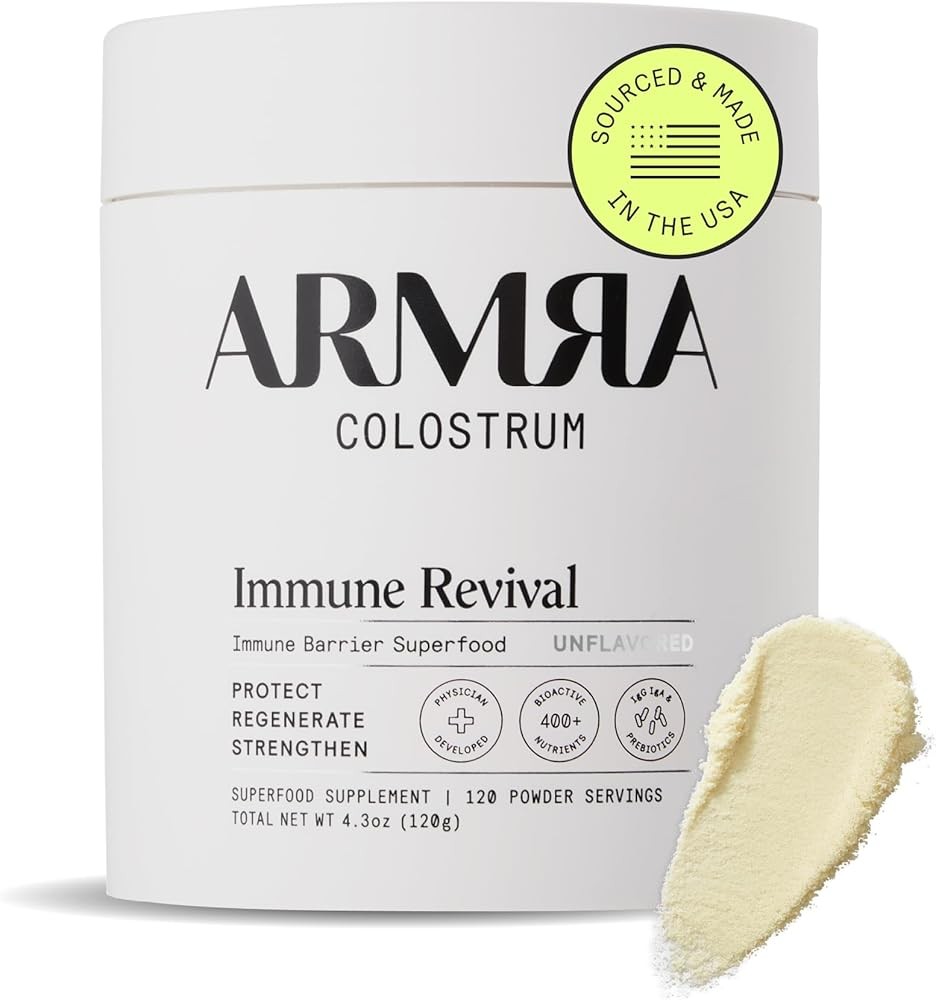
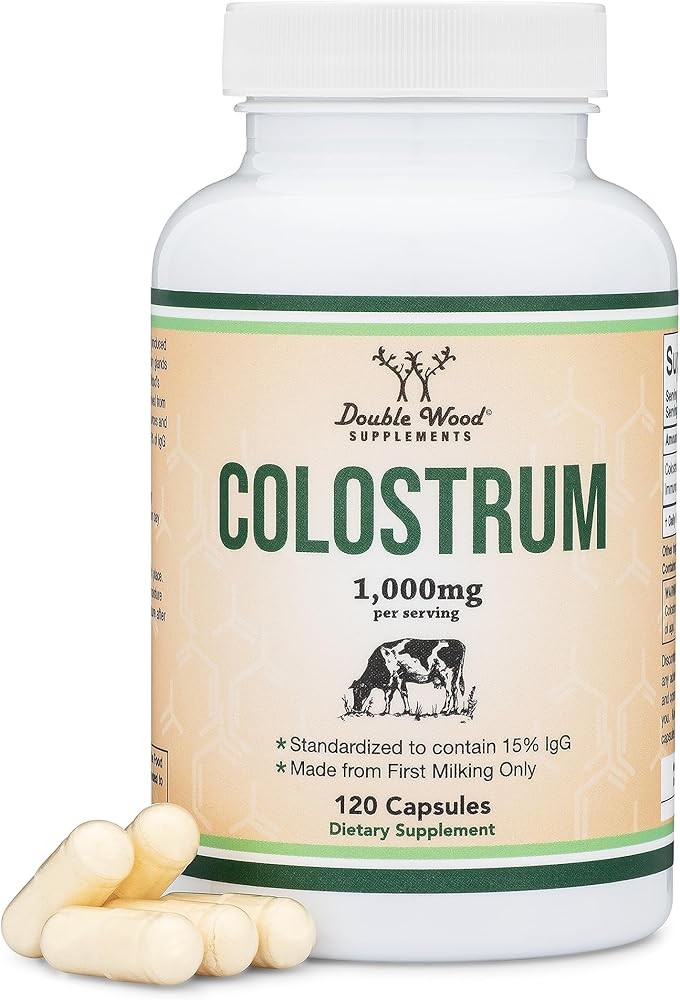
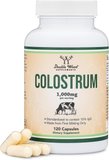
Clinical trials show bovine colostrum reduces exercise-induced gut permeability by 80% and cuts respiratory infections in active adults. ARMRA Colostrum Powder delivers 25-30% IgG from grass-fed cows with proprietary cold-chain processing at $2 per serving. Published research in Nutrients and the American Journal of Physiology confirms colostrum’s immunoglobulin content supports gut barrier repair and immune function. Double Wood Colostrum Capsules provide 15% IgG third-party tested formula at under $1 per serving for budget-conscious buyers. Here’s what the published research shows about bovine colostrum’s mechanisms and clinical applications.
Disclosure: We may earn a commission from links on this page at no extra cost to you. Affiliate relationships never influence our ratings. Full policy →
| Feature | ARMRA Colostrum Powder | Double Wood Colostrum | Cowboy First Milking |
|---|---|---|---|
| View on Amazon | Check Price | Check Price | Check Price |



Colostrum supplements have gone from niche bodybuilding curiosity to one of the fastest-growing categories in the supplement industry. The global colostrum market hit $3.61 billion in 2024, and it is projected to reach $7.34 billion by 2034. Celebrities like Kourtney Kardashian, Jennifer Aniston, and Dua Lipa have publicly endorsed colostrum products. ARMRA, perhaps the most visible brand, went from launching online in 2021 to landing in every Sprouts Farmers Market location in the United States by late 2024.
But here is the question that matters more than any celebrity Instagram story: what does the clinical research actually show?
The answer is more nuanced than either the skeptics or the influencers would have you believe. Bovine colostrum has genuine therapeutic potential backed by real clinical trials published in peer-reviewed journals. It also has significant limitations, unresolved questions about optimal dosing, and a hype-to-evidence ratio that has gotten wildly out of balance.
This article breaks down exactly what bovine colostrum is, what the published research supports, what remains speculative, and which supplements are worth your money if you decide to try it.
What Is Bovine Colostrum and Why Has It Become So Popular?
Bovine colostrum is the first milk produced by cows during the initial 24 to 72 hours after giving birth. Unlike mature milk, colostrum is a concentrated biological fluid specifically designed by evolution to transfer immune protection, growth signals, and gut-establishing nutrients from mother to newborn.
This is not ordinary milk with a different label. Colostrum is compositionally distinct in ways that matter enormously for its therapeutic applications.
What Role Do Immunoglobulins Play in Colostrum’s Immune Transfer?
The most studied components of bovine colostrum are immunoglobulins, also called antibodies. Bovine colostrum contains three primary classes:
IgG (Immunoglobulin G) makes up 70-80% of the total immunoglobulin content in bovine colostrum. IgG concentrations in first-milking colostrum range from 30-80 mg/mL, compared to just 0.6 mg/mL in mature bovine milk. This represents a 50- to 130-fold concentration difference. IgG provides passive immunity by binding to pathogens and toxins, neutralizing them before they can cause infection.
IgA (Immunoglobulin A) is the primary antibody found in mucosal surfaces, including the gut lining. In bovine colostrum, IgA concentrations are approximately 1-5 mg/mL. IgA plays a critical role in mucosal immune defense by preventing pathogen adhesion to epithelial cells.
IgM (Immunoglobulin M) is the first antibody produced during an initial immune response. Bovine colostrum contains approximately 3-9 mg/mL of IgM. While less abundant than IgG, IgM is highly effective at activating complement pathways and agglutinating pathogens.
What Does Lactoferrin Do as a Multifunctional Iron-Binding Protein?
Lactoferrin is an iron-binding glycoprotein present in colostrum at concentrations of 1.5-5 mg/mL, roughly 10 times higher than in mature milk. Lactoferrin serves multiple biological functions that extend well beyond simple iron transport.
Its antimicrobial activity operates through two primary mechanisms. First, lactoferrin sequesters iron from the environment, depriving iron-dependent bacteria of a nutrient they need to replicate. Published research in the British Journal of Nutrition confirmed this bacteriostatic mechanism, demonstrating that the antimicrobial properties disappeared when the lactoferrin molecule was fully saturated with iron. Second, lactoferrin directly interacts with bacterial cell membranes, disrupting their structural integrity.
On the antiviral front, lactoferrin inhibits viral infection through two documented pathways: it competes with viruses for binding to cell surface receptors, and it interacts directly with viral capsid proteins. Research published in Frontiers in Immunology has also demonstrated that lactoferrin activates natural killer cells, granulocytes, and macrophages — immune cells that play critical roles in the early stages of viral infections.
Which Growth Factors in Colostrum Drive Repair and Regeneration?
Bovine colostrum contains a concentrated mixture of growth factors that drive tissue repair, cell proliferation, and development:
Insulin-like Growth Factor 1 (IGF-1): Colostrum contains IGF-1 at concentrations 10-100 times higher than mature milk. IGF-1 stimulates cell proliferation and differentiation, promotes muscle protein synthesis, and plays a role in gut epithelial cell growth. This is the growth factor that has generated the most attention — and the most controversy — in athletic supplementation.
Transforming Growth Factor Beta (TGF-beta): TGF-beta regulates cell growth, differentiation, and immune function. In the gut, TGF-beta helps maintain epithelial barrier integrity and modulates inflammatory responses. A study published in Gut demonstrated that recombinant TGF-beta at doses similar to those found in colostrum preparations reduced NSAID-induced intestinal injury by approximately 60%.
Epidermal Growth Factor (EGF): EGF promotes the growth and repair of epithelial tissues, including the gut lining and skin. It stimulates epithelial cell migration and proliferation, improving re-epithelialization during wound healing.
Platelet-Derived Growth Factor (PDGF): PDGF contributes to tissue repair by stimulating the proliferation of fibroblasts and smooth muscle cells.
What Are Proline-Rich Polypeptides and How Do They Modulate Immunity?
Also known as colostrinin, these small signaling peptides have immunomodulatory activity. PRPs can stimulate underactive immune systems while also helping to regulate overactive immune responses. Early research has explored their potential in neurodegenerative conditions, though this research remains preliminary.
What Other Bioactive Components Does Colostrum Contain?
Bovine colostrum also contains lysozyme (an antimicrobial enzyme), lactoperoxidase (which generates antimicrobial compounds), oligosaccharides (which function as prebiotics supporting beneficial gut bacteria), vitamins A, D, E, and K, and minerals including zinc, selenium, and calcium. The combined effect of these components is what researchers believe makes whole colostrum more therapeutically active than any single isolated component.
Bottom line: Bovine colostrum contains IgG concentrations 50-130x higher than mature milk (30-80 mg/mL vs 0.6 mg/mL), plus lactoferrin at 10x higher levels and growth factors like IGF-1 at 10-100x concentrations, making it a uniquely bioactive supplement for immune and gut barrier support.
Want to Watch Our Video Review?
Does Bovine Colostrum Really Help Support recovery of the Gut Barrier?
If there is one area where bovine colostrum has earned its scientific credentials, it is gut health. The evidence here is not just promising — it is surprisingly robust, with multiple randomized controlled trials, a meta-analysis, and well-characterized mechanisms of action.
If you are working to improve your gut health naturally, understanding the role colostrum can play in gut barrier function is worth your time.
How Does Colostrum Affect Intestinal Permeability and Leaky Gut?
Intestinal permeability — commonly called “leaky gut” — occurs when the tight junctions between epithelial cells in the gut lining become compromised. This allows bacteria, toxins, and partially digested food particles to pass through the gut wall into the bloodstream, triggering systemic inflammation.
A landmark study by Marchbank et al. published in the American Journal of Physiology: Gastrointestinal and Liver Physiology (2011) examined bovine colostrum’s effect on exercise-induced intestinal permeability. The results were striking: intestinal permeability increased 2.5-fold in the placebo group following heavy exercise, while colostrum supplementation truncated this rise by 80%. The same study found that colostrum reduced temperature-induced intestinal cell apoptosis (cell death) by 60% (PubMed: 21148400).
A 2017 study published in Nutrients measured two direct markers of intestinal permeability in athletes: the lactulose/mannitol ratio in urine and zonulin concentration in stool. Zonulin is a protein that regulates tight junction permeability, and elevated stool zonulin is a biomarker for increased intestinal permeability. After bovine colostrum supplementation, both markers decreased significantly and mostly returned to normal values (PubMed: 28397754).
A 2024 meta-analysis published in Digestive Diseases and Sciences pooled data from multiple randomized clinical trials and confirmed that bovine colostrum supplementation significantly reduced intestinal permeability. The pooled analysis showed a significant reduction in both the 5-hour urinary lactulose/rhamnose ratio and the urinary lactulose/mannitol ratio after colostrum consumption (PubMed: 38361147).
These findings complement other gut-healing approaches like L-glutamine supplementation and targeted probiotic use, which work through different but potentially synergistic mechanisms.
Can Colostrum Protect Against NSAID-Induced Gut Damage?
Non-steroidal anti-inflammatory drugs like ibuprofen and indomethacin are notorious for damaging the gut lining. Millions of people take NSAIDs regularly for pain management, and the gastrointestinal side effects are a significant clinical problem.
The pioneering research of R.J. Playford and colleagues at Imperial College London demonstrated that bovine colostrum could protect against NSAID-induced gut damage through multiple studies:
In the initial 1999 study published in Gut, researchers tested spray-dried, defatted colostrum preparations in both animal and human models. In a rat model, pretreatment with colostrum reduced indomethacin-induced gastric injury by 30% at a 0.5 mL dose and 60% at a 1 mL dose. In mice, colostrum added to drinking water at 10% concentration completely prevented villus shortening caused by indomethacin (PubMed: 10205201).
The follow-up 2001 human study published in Clinical Science tested this in actual volunteers. Indomethacin caused a 3-fold increase in gut permeability in the control group, but no significant increase in permeability was observed when colostrum was co-administered with the NSAID. The protective effects were primarily attributed to colostrum constituents with molecular weights greater than 30 kDa, which includes the growth factors and immunoglobulins (PubMed: 11352778).
This research has major practical implications. If you take ibuprofen or other NSAIDs regularly, bovine colostrum may help protect your gut lining from the damage these drugs cause. This is not a replacement for working with your doctor on pain management, but it is a meaningful finding.
Does Colostrum Help Critically Ill Patients with Gut Permeability?
A randomized, double-blind, placebo-controlled study published in Nutrition examined bovine colostrum supplementation in critically ill ICU patients. The results showed beneficial effects on intestinal permeability and a reduction in gastrointestinal complications (PubMed: 30551120). While most people reading this article are not ICU patients, this study demonstrates that colostrum’s gut-protective effects hold up even under extreme physiological stress.
Does Colostrum Reduce Diarrhea Frequency in Clinical Studies?
A systematic review of bovine colostrum therapy found that studies reporting gastrointestinal benefits were heterogeneous and frequently limited by methodological quality, though infectious diarrhea was among the more consistent positive applications (Rathe et al., 2014). In HIV-associated diarrhea, a randomized controlled trial in Northern Uganda showed that adding colostrum-based supplements to standard therapy significantly improved outcomes compared to standard anti-diarrhea treatment alone (Kaducu et al., 2011).
For those dealing with leaky gut, bovine colostrum represents one of the better-studied options available, alongside well-researched nutrients like zinc carnosine and L-glutamine.
Bottom line: Colostrum reduced exercise-induced intestinal permeability by 80% in athletes and completely prevented NSAID-induced gut barrier damage in human trials, with a 2024 meta-analysis confirming significant reductions in both lactulose/rhamnose and lactulose/mannitol permeability ratios across multiple RCTs.
What Body Signals Suggest You Might Need Gut Barrier Support?
Your body often signals that something is wrong with your intestinal barrier before a clinical test confirms it. Paying attention to these signs can help you decide whether colostrum supplementation — or a broader gut-healing protocol — deserves your attention.
What Digestive Warning Signs Point to a Compromised Gut Barrier?
Bloating after meals that used to be fine. If foods you previously tolerated now consistently cause abdominal distension, gas, or discomfort within 30-90 minutes of eating, this could indicate increased intestinal permeability. When partially digested food particles cross a compromised gut barrier, they trigger localized inflammatory responses that produce gas and bloating.
Increasing food sensitivities. A hallmark of leaky gut is a gradually expanding list of foods that cause problems. You might notice that dairy, gluten, eggs, or other common trigger foods suddenly cause reactions they never caused before. This happens because undigested protein fragments cross the gut barrier and provoke immune responses.
Irregular bowel habits. Alternating between constipation and loose stools, particularly when your diet has not changed significantly, can indicate gut barrier dysfunction. If you are experiencing persistent bloating and gas, intestinal permeability may be part of the picture.
What Symptoms Beyond the Gut Suggest Intestinal Permeability?
Skin breakouts and unexplained rashes. The gut-skin axis is well-documented in the scientific literature. When the gut barrier is compromised, inflammatory mediators enter systemic circulation and can manifest as acne, eczema flares, rosacea, or unexplained rashes. If you notice skin problems that correlate with digestive issues, the gut barrier is worth investigating.
Brain fog after eating. Cognitive symptoms like difficulty concentrating, mental fatigue, or a “cloudy” feeling 1-2 hours after meals can result from inflammatory mediators crossing both the gut barrier and, subsequently, the blood-brain barrier. This is sometimes called the gut-brain axis in action.
Joint aches that migrate. Wandering joint pain without a clear orthopedic cause — particularly if it fluctuates with your diet — may indicate systemic inflammation originating from gut barrier dysfunction.
Chronic fatigue despite adequate sleep. When your immune system is constantly responding to gut barrier breaches, it diverts energy from other processes. Persistent fatigue that does not improve with more sleep or better sleep hygiene can sometimes trace back to intestinal permeability.
When Should You See a Doctor Instead of Supplementing?
Not every bloated stomach means you need colostrum. See a healthcare provider if you experience:
- Blood in your stool
- Unintentional weight loss exceeding 5% of body weight
- Severe abdominal pain, especially if sudden
- Symptoms that worsen rapidly over days or weeks
- Fever accompanied by GI symptoms
- A family history of inflammatory bowel disease or colorectal cancer combined with new digestive symptoms
These warrant proper diagnostic evaluation, not just supplementation.
Bottom line: Common signs of compromised gut barrier include expanding food sensitivities (undigested protein fragments crossing barrier), brain fog 1-2 hours post-meal (inflammatory mediators affecting cognition), skin breakouts correlated with GI issues (gut-skin axis inflammation), and chronic fatigue despite 7-9 hours sleep (immune system energy diversion from barrier breaches).
Can Colostrum Actually Reduce the risk of Colds and Respiratory Infections?
The immune-boosting claims around colostrum are among the most aggressively marketed — and the reality is both interesting and more limited than the marketing suggests.
How Effective Is Colostrum Against Upper Respiratory Tract Infections?
This is where the immune evidence is most consistent, though the numbers are more modest than the marketing. In a 12-week winter trial, 53 active males taking 20g of colostrum daily had significantly fewer days with upper respiratory illness and fewer illness episodes than the placebo group (Jones et al., 2014). An earlier randomized trial in adult males reported a lower incidence of self-reported upper respiratory tract infection symptoms with concentrated colostrum protein (Brinkworth & Buckley, 2003).
A randomized, triple-blind, placebo-controlled trial in medical university students — the first to test colostrum for URTIs in a non-athletic population — found that moderate-dose bovine colostrum reduced the risk of respiratory infections in this group of young adults at heightened infection risk due to their hospital exposure (PMC: 10146600).
Even in children with IgA deficiency (a condition that makes them more vulnerable to respiratory infections), bovine colostrum supplementation resulted in lower infection severity scores compared to placebo after just one week (PubMed: 21801330).
These findings complement other evidence-based approaches to immune system support, though colostrum works through a fundamentally different mechanism — passive transfer of immunoglobulins rather than stimulating your own immune cell production.
Can Colostrum Reduce Infections in Critically Ill Patients?
In a double-blind, randomized, placebo-controlled study of patients with acute respiratory failure, the colostrum supplementation group experienced significantly lower rates of ventilator-associated pneumonia and Clostridium difficile diarrhea compared to controls. This suggests colostrum’s immune benefits extend beyond the common cold to clinically significant infection prevention.
What Does the Evidence Honestly Show About Immune Claims?
Here is where we need to be straightforward. A systematic review and meta-analysis of 10 randomized controlled trials involving 239 physically active participants found that bovine colostrum supplementation has “no or fairly low impact” on improving serum immunoglobulins (IgA, IgG), lymphocyte counts, neutrophil counts, and salivary immunoglobulin levels (PubMed: 32276466).
This seems contradictory at first glance — how can colostrum reduce infections without measurably boosting immune markers? The likely explanation is that colostrum’s immune benefits come primarily from its local effects on mucosal surfaces (especially the gut and respiratory tract) rather than from systemic immune stimulation. The immunoglobulins in colostrum may function more as a localized antimicrobial shield than as a system-wide immune booster.
This matters because many colostrum brands market their products as “immune system amplifiers” that will supercharge your entire immune system. The evidence suggests something more modest but still genuinely useful: colostrum helps protect mucosal surfaces where infections typically begin, particularly in the upper respiratory and gastrointestinal tracts.
Bottom line: Randomized trials show colostrum reduces upper respiratory infection days and episodes in active adults and in children with IgA deficiency, though it works primarily through local mucosal protection rather than systemic immune stimulation.
Does Colostrum Improve Athletic Performance and Recovery?
Athletes were among the earliest adopters of bovine colostrum supplementation, and the research in this population is extensive, though results vary depending on what outcome you measure.
How Does Colostrum Protect Against Exercise-Induced Gut Permeability?
Intense exercise is a known cause of increased intestinal permeability. During heavy training, blood flow is diverted away from the gut to working muscles, creating ischemic conditions in the intestinal lining that damage tight junctions. This is why many endurance athletes experience GI distress during and after hard training sessions.
As noted above, the Marchbank et al. study showed colostrum truncated exercise-induced increases in gut permeability by 80%. A systematic review published in Nutrients in 2022 examined the influence of bovine colostrum supplementation on leaky gut syndrome in athletes, reviewing diagnostic biomarkers across multiple trials and confirming the gut-protective effect (Dziewiecka et al., 2022).
For athletes who also deal with digestive issues during training, colostrum supplementation represents an evidence-based option for gut protection.
Does Colostrum Improve Exercise Performance and Speed Recovery?
A study by Buckley et al. (2002) found that bovine colostrum supplementation during 8 weeks of endurance running training improved recovery but did not significantly improve performance metrics. The recovery benefit was measured through faster return of performance capacity after demanding sessions (PubMed: 12188088).
A 2017 study examined the effect of 6 weeks of low-dose bovine colostrum supplementation (3.2 g per day) on soccer players performing the Loughborough Intermittent Shuttle Test. Colostrum attenuated inflammatory and muscle-damage markers and accelerated the recovery of explosive power, assessed via squat jump performance. Importantly, this study used a relatively low dose compared to many earlier trials, suggesting meaningful benefits are achievable without the massive 20g doses used in some research (PubMed: 28285432).
Can Colostrum Change Body Composition and Build Lean Mass?
The study by Antonio et al. (2001) is the most frequently cited body composition trial. Active men and women were randomly assigned to receive either bovine colostrum (20 g per day) or whey protein (the control) for 8 weeks while participating in aerobic and resistance training at least three times per week. The colostrum group experienced a significant increase in bone-free lean body mass (mean increase of 1.49 kg), while the whey protein group showed a significant increase in total body weight without the same lean mass specificity (PubMed: 11312068).
However, a 12-week crossover study in endurance-trained males found that while colostrum supplementation supported aerobic capacity, it had no significant effect on body composition. This inconsistency is worth noting — body composition effects may depend on the type of exercise being performed, the dose of colostrum, and the training status of the individual.
A study in older adults during resistance training found that colostrum supplementation increased lower-limb muscle strength compared to whey protein supplementation, though the mechanism was attributed to neuromuscular improvements rather than increased muscle mass (PubMed: 24281841).
How Does Colostrum Affect Iron Homeostasis and Inflammation in Female Athletes?
An often-overlooked study examined the effects of long-term bovine colostrum supplementation on iron homeostasis, oxidative stress, and inflammation in female athletes. The placebo-controlled clinical trial found that colostrum influenced iron status markers and inflammatory biomarkers, which has particular relevance for female athletes who are at higher risk of iron deficiency (PubMed: 36615842).
Bottom line: Colostrum increased bone-free lean mass by 1.49 kg over 8 weeks in training individuals, accelerated explosive power recovery in soccer players at just 3.2g daily, and improved lower-limb strength in older adults, though performance benefits are more consistent for recovery than raw athletic output.
Can Colostrum Improve Skin Health and Reduce Aging?
The skin health claims for colostrum have exploded alongside the supplement’s popularity. Let us examine what the research actually supports.
How Do Colostrum’s Growth Factors Stimulate Collagen Synthesis?
The growth factors in bovine colostrum — particularly IGF-1, EGF, and TGF-beta — do have documented effects on skin-relevant processes:
Published research has shown that bovine lactoferrin induces expression of the COL1A1 gene and type-1 collagen transcription. Lactoferrin also promotes hyaluronic acid and collagen synthesis in normal human dermal fibroblast cells. These are the two primary structural molecules responsible for skin firmness and hydration.
IGF-1 stimulates the proliferation of fibroblasts, which are the cells responsible for producing collagen and other components of the extracellular matrix. EGF promotes epithelial cell migration and proliferation, supporting wound healing and skin turnover.
If you are interested in collagen supplementation for skin health, colostrum works through a different mechanism — rather than providing collagen directly, it supplies growth factors that signal your body to produce more collagen.
Can Colostrum Slow Telomere Shortening and Cellular Aging?
A study published in the Journal of Drugs in Dermatology examined bovine colostrum’s effect on telomere length in skin fibroblasts. Under standard culture conditions, telomeres shortened progressively over 8 weeks, and the addition of colostrum reduced the rate of telomere shortening. Under oxidative stress conditions (H2O2-induced), colostrum appeared to attenuate the increase in telomere shortening rates (PubMed: 33938706).
Telomere shortening is associated with cellular aging, so this finding has implications for anti-aging, though it is an in-vitro study (cell cultures, not humans taking colostrum orally) and cannot be directly extrapolated to what happens when you drink a scoop of colostrum powder.
Does Colostrum Have Anti-Inflammatory and Antioxidant Effects on Skin?
Lactoferrin-supplemented groups in laboratory studies demonstrated reduced reactive oxygen species (ROS) formation in UV-damaged skin cells. Lactoferrin also showed the potential to inhibit production of interleukin-1 beta (IL-1beta), a key inflammatory cytokine involved in skin barrier dysfunction.
What Does the Evidence Actually Support for Skin Benefits?
Here is the honest assessment: most of the skin health evidence for colostrum comes from cell culture studies and mechanistic research, not from randomized controlled trials in humans taking oral colostrum supplements for skin outcomes. The growth factors in colostrum are bioactive, and the mechanisms are plausible, but we do not yet have large-scale clinical trials demonstrating that taking colostrum orally produces measurable improvements in skin aging, wrinkle depth, or skin elasticity in humans.
This does not mean colostrum will not help your skin. It means the evidence is currently at the “biologically plausible with supportive mechanistic data” stage rather than the “proven in clinical trials” stage. The gut health and immune evidence is substantially stronger.
Bottom line: Colostrum’s lactoferrin induces type-1 collagen and hyaluronic acid synthesis in fibroblasts, and reduced telomere shortening rates in skin cells under oxidative stress, though these are cell culture studies — not human trials showing measurable skin improvements from oral supplementation.
Is ARMRA Worth the Premium Price Compared to Other Colostrum?
Let us talk about the elephant in the room. The colostrum supplement market did not grow to $3.6 billion because of PubMed studies. It grew because of celebrity endorsements, social media influencers, and extraordinarily effective marketing.
What Is ARMRA and Why Is It Everywhere?
ARMRA launched in 2021 and quickly became the dominant brand in the colostrum space. Founded by Sarah Rahal, MD, a pediatric neurologist, ARMRA positions itself as a “bioactive colostrum” product that contains over 400 functional nutrients. The brand secured celebrity endorsements from Jennifer Aniston, Kourtney Kardashian, and others, landed partnerships with Erewhon (the upscale grocery chain that serves as a celebrity wellness launchpad), and expanded into Sprouts Farmers Market locations nationwide.
What Does ARMRA Get Right?
ARMRA has helped bring attention to a genuinely interesting area of nutritional science. The company emphasizes sourcing from grass-fed, pasture-raised cows and uses a proprietary cold-chain processing method intended to preserve the bioactive components. Their product does contain real bovine colostrum with its associated bioactive compounds.
What Does the Colostrum Hype Get Wrong?
The marketing around ARMRA and similar brands often implies benefits that go far beyond what the current research supports. Claims about “400+ bioactive nutrients” are technically accurate in that colostrum is a complex biological fluid containing hundreds of compounds, but this framing implies a level of therapeutic breadth that the clinical trials have not established.
Similarly, the framing of colostrum as a “superfood” or “liquid gold” that addresses everything from autoimmune conditions to hair growth to mental clarity creates expectations that exceed the evidence base. The strongest evidence supports gut barrier protection, upper respiratory infection prevention, and exercise recovery. The evidence for skin health, cognitive function, hair growth, and many other marketed claims ranges from preliminary to essentially nonexistent.
Is ARMRA Overpriced Compared to Other Colostrum Brands?
ARMRA’s pricing reflects premium positioning — a 30-serving pouch of their unflavored powder runs approximately $50-60, meaning you are paying about $2 per serving. Many other colostrum supplements deliver equivalent or higher doses at a fraction of the cost. While ARMRA’s processing methods may justify some premium, the price difference between ARMRA and comparable grass-fed colostrum products is primarily a reflection of marketing costs, not ingredient quality.
Are There Ethical Concerns with Colostrum Harvesting?
It is worth noting that the rapid growth of the colostrum supplement industry has raised ethical questions about diverting first milk from calves, who are the biological recipients of colostrum. Most reputable manufacturers state that they collect colostrum only after the calf’s nutritional needs have been met, but this is worth researching when choosing a brand. The dairy industry produces surplus colostrum beyond what calves require, but the scale of the supplement market’s growth has put new pressure on supply chains.
Bottom line: ARMRA’s $50-60/30-serving price ($2/serving) primarily reflects marketing costs and celebrity endorsements rather than superior ingredients — comparable grass-fed colostrum products deliver equivalent doses at significantly lower prices without compromising quality.
How Much Colostrum Should You Take Per Day?
One of the biggest challenges with colostrum supplementation is that clinical trials have used wildly different doses for different conditions. Here is a breakdown based on the published research:
How Much Colostrum Should You Take for Gut Health?
- Standard dose: 500 mg to 3 g per day of standardized bovine colostrum
- Clinical trial ranges: The studies on intestinal permeability typically used 1.7 g to 20 g per day
- Practical recommendation: Start with 1-2 g per day and assess response over 4-8 weeks
What Dose Works Best for Immune Support?
- Low dose: 400-500 mg per day showed benefits in the medical student trial
- Moderate dose: 10-20 g per day was used in the athlete URI prevention studies
- The sweet spot: 1-3 g per day is likely sufficient for general immune support based on the available dose-response data
How Much Colostrum Do Athletes Need for Recovery?
- Low dose for recovery: 3.2 g per day showed benefits in the soccer player study
- Standard athletic dose: 10-20 g per day was used in most exercise studies
- Body composition dose: 20 g per day was the dose in the Antonio et al. lean mass study
What Is the Right Dose for General Wellness?
- Starting dose: 500 mg to 1 g per day
- Maintenance dose: 1-3 g per day
- Higher therapeutic dose: 5-10 g per day for specific health goals
What Factors Affect How Much Colostrum You Actually Need?
The quality of the colostrum matters as much as the quantity. A product with 30% IgG content at 2 g per day delivers 600 mg of immunoglobulins, while a product with 15% IgG at the same dose delivers only 300 mg. Always check the IgG percentage when comparing products at different doses.
Most studies administered colostrum on an empty stomach or 30 minutes before meals. This likely improves the survival of immunoglobulins through the stomach, though some researchers argue that the growth factors in colostrum may actually benefit from the buffering effect of food.
Bottom line: Clinical trials used 500mg-20g daily depending on the goal — gut health studies typically used 1-3g, immune support 1-3g, and athletic recovery 10-20g, with benefits seen at doses as low as 3.2g for exercise recovery and 400-500mg for URI prevention.
What’s the Best Form of Colostrum — Powder, Capsules, or Liposomal?
Not all colostrum supplements deliver the same biological activity, even at equivalent doses. The form and delivery technology matter significantly.
Is Powder the Best Form for Higher Colostrum Doses?
Powder is the most common and practical form for higher doses. At 5-20 g per day (the doses used in many clinical trials), capsules become impractical — you would need 10-40 capsules per day. Powder can be mixed into water, smoothies, or other beverages.
Advantages: Higher doses are practical, typically less expensive per gram, faster dissolution and absorption, and most clinical trials used powder form.
Disadvantages: Taste can be off-putting for some people (colostrum has a mild, slightly sweet dairy flavor), requires mixing, and is less convenient for travel.
When Are Colostrum Capsules a Better Choice?
Capsules are more convenient for lower doses (500 mg to 2 g per day) and for people who find the taste of colostrum powder unpleasant.
Advantages: Convenient, no taste issues, easy to travel with, precise dosing.
Disadvantages: Impractical for high doses, typically more expensive per gram, and the gelatin or vegetable capsule may delay dissolution.
Does Liposomal Colostrum Really Improve Bioavailability?
Liposomal delivery technology encapsulates colostrum’s bioactive components in phospholipid vesicles. The idea is that these liposomes protect the active compounds from degradation in the stomach and enhance absorption through the intestinal lining.
A 2024 study published in the Journal of Dairy Science examined bovine colostrum liposomes versus non-liposomal colostrum in immunosuppressed mice. The liposomal formulation decreased urinary and fecal concentrations of IgG (indicating less was being excreted as waste) and exhibited approximately 2-fold higher bioavailability of IgG compared to non-liposomal colostrum (PubMed: 38380650).
Sovereign Laboratories, which manufactures Colostrum-LD, claims their liposomal delivery technology provides up to 1,500% better bioavailability than regular bovine colostrum. While that specific number should be treated with skepticism (it is a manufacturer claim, not an independent study finding), the general principle that liposomal encapsulation improves bioavailability is supported by broader pharmaceutical research across many different compounds.
The practical implication is that a lower dose of liposomal colostrum may achieve the same biological effect as a higher dose of standard colostrum. If this holds true, it could make liposomal products cost-competitive despite their higher per-gram price.
Does First-Milking Colostrum Contain More Bioactives Than Later Milkings?
The timing of colostrum collection relative to birth significantly affects its composition:
First milking (0-6 hours post-birth): Contains the highest concentrations of immunoglobulins, lactoferrin, and growth factors. IgG levels are at their peak — typically 50-80 mg/mL.
Second milking (6-12 hours): IgG concentrations begin declining but remain substantially higher than mature milk. Still considered high-quality colostrum.
Transition milk (12-72 hours): Immunoglobulin concentrations drop significantly with each subsequent milking. By 72 hours, the composition is approaching that of mature milk.
Premium colostrum supplements specify first-milking or “first 6 hours” collection. Products that do not specify collection timing may contain transition milk blended with true colostrum, which dilutes the bioactive concentration.
Bottom line: A 2024 study showed liposomal colostrum achieved 2-fold higher IgG bioavailability compared to standard colostrum in mice, suggesting lower doses of liposomal products may match the effectiveness of higher-dose standard powder — though most clinical trials used powder form at 5-20g daily.
What Quality Markers Separate Good Colostrum from Expensive Dairy Powder?
Not all colostrum supplements are created equal. Here are the quality markers that separate effective products from expensive dairy powder:
Why Is IgG Percentage the Most Important Quality Indicator?
This is the single most important quality indicator. IgG content is measurable, standardizable, and directly related to the immune and gut-protective benefits studied in clinical trials.
- Premium quality: 30% or higher IgG content
- Good quality: 20-30% IgG content
- Minimum acceptable: 15% IgG content
- Red flag: Products that do not disclose IgG percentage
Does Sourcing from Grass-Fed Cows Actually Matter?
Grass-fed, pasture-raised cows produce colostrum with different nutrient profiles than grain-fed confined dairy cattle. Grass-fed colostrum tends to have higher concentrations of fat-soluble vitamins (A, D, E, K) and a better fatty acid profile.
Geography matters. New Zealand, Australia, and parts of Northern Europe have strict regulations on dairy cattle management and are less likely to use growth hormones (rBST) in their dairy herds. The United States allows rBST use, so US-sourced colostrum should ideally come from rBST-free herds.
How Does Processing Temperature Affect Colostrum Quality?
Low-temperature processing (cold-chain, spray-drying at low temperatures, or freeze-drying) preserves the biological activity of immunoglobulins and growth factors. Heat can denature these proteins and reduce their effectiveness.
Defatting removes the fat content, concentrating the bioactive proteins. Most supplement-grade colostrum is defatted.
Flash pasteurization at controlled temperatures (typically 72 degrees Celsius for 15 seconds) reduces pathogens while preserving most bioactive compounds. Some manufacturers use lower-temperature processing to maximize bioactive retention.
What Third-Party Testing Should You Look For?
Look for products tested by independent laboratories for:
- Potency verification (confirming the IgG percentage on the label matches reality)
- Heavy metals (lead, mercury, cadmium, arsenic)
- Microbial contamination
- rBST residues
- Antibiotic residues
Certifications from NSF International, Informed Sport, or USP add credibility.
Bottom line: Premium colostrum guarantees ≥30% IgG content from first-milking (0-6 hours post-birth) grass-fed cows, uses low-temperature processing (cold-chain/freeze-drying) to preserve bioactivity, and includes third-party testing for potency, heavy metals, and contaminants — products missing IgG percentages are red flags.
Which Colostrum Supplements Are Actually Worth Your Money?
Based on sourcing quality, IgG content, processing methods, third-party testing, and value, these are the colostrum supplements backed by the strongest combination of product quality and available evidence.
Is ARMRA Colostrum Worth the Premium?
ARMRA is the most visible brand in the market, founded by a pediatric neurologist and backed by significant research investment. Their proprietary cold-chain BioPotent process is designed to preserve the full spectrum of bioactive nutrients.
- Form: Powder (unflavored and flavored options)
- Sourcing: Grass-fed, pasture-raised cows (US)
- Processing: Proprietary cold-chain BioPotent technology
- Price range: $50-60 for 30 servings
The premium price reflects heavy marketing spend rather than necessarily superior ingredients. However, the product is well-formulated and quality-controlled.
Why Is Ancestral Supplements a Strong Colostrum Choice?
Ancestral Supplements has built a strong reputation in the whole-food supplement space. Their colostrum comes from grass-fed cattle in New Zealand and Australia, regions with strict dairy regulations and no rBST use.
- Form: Capsules (180 count, 3,000 mg per serving) and powder
- Sourcing: Grass-fed, pasture-raised (New Zealand/Australia)
- IgG content: Standardized, from first-milking colostrum
- Processing: Freeze-dried to preserve bioactivity
- Price range: More affordable per serving than ARMRA
The freeze-drying process and New Zealand/Australian sourcing make this a strong option for those who prioritize clean sourcing.
Does Sovereign Laboratories Colostrum-LD Deliver Better Absorption?
Sovereign Laboratories is the pioneer in liposomal colostrum delivery. Their Colostrum-LD product encapsulates colostrum in phospholipid liposomes intended to enhance absorption through the intestinal wall.
- Form: Powder (plain and vanilla) and capsules
- Sourcing: USDA Grade A dairy cows
- Technology: Proprietary liposomal delivery (LD)
- IgG content: Standardized
- Lactose: Reduced (may be better tolerated by lactose-sensitive individuals)
- Price range: Mid-range
The liposomal delivery technology is the key differentiator. If the 2-fold bioavailability improvement seen in the mouse study translates to humans, a lower dose of Colostrum-LD could match the effectiveness of higher doses of standard colostrum.
Is WonderCow a Good Budget-Friendly Colostrum Option?
WonderCow has gained a strong following as a value-oriented colostrum brand with solid quality metrics. Their whole-colostrum approach preserves the full spectrum of bioactive compounds.
- Form: Powder (60 servings) and capsules
- Sourcing: Grass-fed, pasture-raised
- IgG content: Natural IgG levels from whole colostrum
- Processing: Minimally processed to preserve bioactivity
- Price range: Budget-friendly
A good entry-level option for people who want to try colostrum without committing to premium pricing.
Is Double Wood a Reliable Budget Colostrum Supplement?
Double Wood is known for third-party-tested supplements at competitive prices. Their colostrum capsules are standardized to 15% IgG and sourced from first-milking only.
- Form: Capsules (120 count, 1,000 mg per serving)
- Sourcing: First-milking bovine colostrum
- IgG content: Standardized to 15% IgG immunoglobulins
- Testing: Third-party tested
- Price range: Budget-friendly
The 15% IgG standardization is on the lower end, but third-party testing and first-milking sourcing make this a reliable budget option.
Bottom line: ARMRA commands premium pricing ($2/serving) due to marketing costs, while Ancestral Supplements offers grass-fed New Zealand/Australian colostrum with freeze-drying at better value, Sovereign Laboratories pioneers liposomal delivery with 2x bioavailability, and Double Wood provides budget-friendly third-party-tested options at 15% IgG standardization.
ARMRA Colostrum Immune Revival - Quick Summary:
Key evidence-based findings from this comprehensive review:
- Clinically studied doses range from 500mg to 20g daily, depending on the outcome studied
- See full article below for detailed clinical trial evidence, dosing protocols, and safety considerations
- Always consult your healthcare provider before starting any new supplement
Full research breakdown below
How Long Does It Take to Notice Results from Colostrum?
If you start taking colostrum, here is a realistic timeline of what to watch for based on the published research and clinical observations.
What Should You Expect During the First Week?
During the first week, do not expect dramatic changes. Your body is being introduced to a complex mixture of bioactive proteins and growth factors. Some people report mild digestive changes — slightly looser stools or a temporary increase in gas — as the gut microbiome adjusts. This is generally not a concern unless it persists beyond a few days.
Some people notice a slight improvement in energy levels within the first week, though this may reflect placebo response at such an early stage.
What Digestive Improvements Appear by Week 2?
By the second week, the gut-protective effects of colostrum begin to manifest more clearly. People with compromised gut barriers often notice:
- Reduced post-meal bloating. If bloating was a persistent issue, a measurable reduction may become apparent. The immunoglobulins and growth factors are starting to support tight junction repair.
- Slightly improved food tolerance. Foods that previously caused minor reactions may become more tolerable, though major food sensitivities will take longer to resolve.
- More regular bowel movements. If your pattern was inconsistent, you may notice increased regularity.
What Measurable Changes Happen by Week 4?
The one-month mark is when most clinical studies begin showing statistically significant results. At this point:
- Gut permeability markers improve. The study on athletes showed significant reductions in zonulin and lactulose/mannitol ratios during this timeframe.
- Reduced frequency of minor infections. If you are prone to catching every cold that circulates, you may notice you are dodging them more effectively.
- Improved exercise recovery. Athletes supplementing with colostrum often report less muscle soreness and faster return to training capacity around the 4-week mark.
- Clearer skin. If skin issues were related to gut barrier dysfunction, the gut-skin axis improvements may start manifesting as fewer breakouts, reduced redness, or improved skin texture.
What Results Can You Expect After 3 Months?
Three months of consistent supplementation is the timeframe used in many of the longer clinical trials. By this point:
- Immune benefits are established. The 12-week studies showing reduced URI incidence represent this timeframe.
- Body composition changes may appear. The Antonio et al. study showing lean mass increases was conducted over 8 weeks.
- Gut barrier normalization. For people with significant intestinal permeability, 3 months provides sufficient time for meaningful barrier repair, though severe cases may require longer.
- Inflammatory markers decrease. If you had baseline inflammation related to gut barrier dysfunction, blood markers like C-reactive protein (CRP) may show improvement.
What Warning Signs Mean You Should Stop Taking Colostrum?
Stop colostrum supplementation and consult your healthcare provider if you experience:
- Persistent GI distress beyond the first week that is worsening, not improving
- Allergic reactions: hives, swelling, difficulty breathing, or anaphylaxis (this indicates a true dairy allergy)
- Autoimmune flares: if you have an autoimmune condition and notice increased symptom activity, the immune-stimulating properties of colostrum may be exacerbating your condition
- Significant acne breakouts that worsen progressively (the growth factors in colostrum, particularly IGF-1, can potentially worsen hormonal acne in susceptible individuals)
Bottom line: Week 2 shows reduced post-meal bloating and improved food tolerance, week 4 brings measurable gut permeability improvements (zonulin/lactulose ratios) and fewer minor infections, and month 3 establishes full benefits with normalized gut barrier and potential body composition changes (8-week lean mass studies).
Who Should Avoid Colostrum Supplements?
While bovine colostrum is generally well-tolerated, certain populations should exercise caution or avoid it entirely.
Can People with Dairy Allergies Take Colostrum?
This is an absolute contraindication. Bovine colostrum contains casein and whey proteins — the same dairy proteins responsible for dairy allergies. If you have a confirmed dairy allergy (not just lactose intolerance), colostrum supplementation could trigger allergic reactions ranging from hives and GI distress to anaphylaxis.
Is Colostrum Safe for People with Lactose Intolerance?
Colostrum contains less lactose than mature milk, and some brands offer lactose-reduced formulations. People with mild lactose intolerance may tolerate colostrum well, while those with severe lactose intolerance should either choose a lactose-reduced product or avoid colostrum.
Should People with Autoimmune Conditions Avoid Colostrum?
The immunomodulatory components in colostrum — including PRPs, lactoferrin, and immunoglobulins — can both stimulate and regulate immune activity. For people with autoimmune conditions where the immune system is already overactive, adding immune-stimulating compounds is a legitimate concern.
This does not mean all autoimmune patients should avoid colostrum. Some practitioners use colostrum in autoimmune protocols precisely because of the proline-rich polypeptides’ ability to modulate (rather than simply stimulate) immune function. However, this should be done under medical supervision, not based on a supplement brand’s marketing claims.
Is Colostrum Safe During Pregnancy and Breastfeeding?
There is insufficient safety data on bovine colostrum supplementation during pregnancy and breastfeeding. The growth factors present in colostrum, particularly IGF-1, are biologically active compounds that could theoretically affect fetal or infant development. Until safety data is available, pregnant and breastfeeding women should consult their healthcare provider before using colostrum supplements.
Should Children Take Bovine Colostrum Supplements?
While colostrum is literally designed for newborns (in its species-appropriate form), bovine colostrum supplementation in children should be guided by a pediatrician. Some studies have used colostrum in pediatric populations (such as the IgA-deficient children study), but routine supplementation in healthy children is not well-studied.
Bottom line: Dairy allergy is an absolute contraindication (contains casein/whey), severe lactose intolerance may require lactose-reduced formulations, autoimmune patients should use only under medical supervision, and pregnant/breastfeeding women should consult healthcare providers due to insufficient safety data on growth factors like IGF-1.
Are There Drug Interactions or Safety Concerns with Colostrum?
Can Colostrum Interfere with Immunosuppressant Medications?
This is the most important potential interaction. People taking immunosuppressant drugs — including those prescribed for organ transplants, autoimmune diseases, or cancer treatment — should consult their doctor before taking bovine colostrum. The immunoglobulins, lactoferrin, and cytokines in colostrum have immune-modulating activity that could theoretically interfere with immunosuppressive therapy.
Specific drug classes to be cautious with include:
- Calcineurin inhibitors (tacrolimus, cyclosporine)
- mTOR inhibitors (sirolimus, everolimus)
- Corticosteroids at immunosuppressive doses
- Biologics (TNF inhibitors, IL-6 inhibitors, etc.)
- Anti-metabolites (methotrexate, azathioprine, mycophenolate)
Does IGF-1 in Colostrum Raise Cancer Risk Concerns?
The IGF-1 content in colostrum has raised theoretical concerns about cancer risk, since IGF-1 signaling promotes cell proliferation. However, the amount of IGF-1 in supplemental colostrum is relatively small compared to endogenous production, and oral IGF-1 is substantially degraded during digestion. A published review in Nutrients noted that no adverse effects related to IGF-1 have been identified in colostrum supplementation studies to date. That said, individuals with active cancer or a history of hormone-sensitive cancers should discuss colostrum with their oncologist.
What Is the Overall Safety Profile of Colostrum Supplements?
According to WebMD’s review of the evidence, the FDA has accepted the safety of bovine colostrum supplements. Clinical trials have consistently found colostrum to be well-tolerated, with minor GI complaints (nausea, flatulence, diarrhea), unpleasant taste, and skin rash occurring infrequently. No serious adverse events have been attributed to bovine colostrum supplementation in the published literature.
Bottom line: Immunosuppressant drug users (tacrolimus, cyclosporine, biologics) should consult doctors before using colostrum due to immune-modulating activity, and while theoretical IGF-1 cancer concerns exist, clinical trials show no adverse events with oral colostrum supplementation to date (IGF-1 is substantially degraded during digestion).
How Does Colostrum Compare to Other Gut Health Supplements?
Bovine colostrum is not the only supplement with evidence for gut health. Understanding where it fits relative to other options helps you build a more effective supplementation strategy.
How Does Colostrum Compare to L-Glutamine for Gut Repair?
L-glutamine is the primary fuel source for enterocytes (intestinal epithelial cells) and has its own evidence base for gut barrier support. Colostrum and L-glutamine work through different mechanisms — glutamine feeds the cells directly, while colostrum provides growth factors, immunoglobulins, and signaling molecules that regulate cell growth and immune function. They are complementary, not competing.
Should You Choose Colostrum or Probiotics for Gut Health?
Probiotics
- Upper respiratory infection prevention during high-risk periods
- Recovery from intense physical training
- Post-antibiotic gut barrier repair
For broader IBS management, colostrum may be one component of a multi-faceted approach that also includes dietary modification, stress management, and targeted probiotic supplementation.
Bottom line: Colostrum provides growth factors and immunoglobulins (30-80 mg/mL IgG) while L-glutamine fuels enterocytes directly, probiotics modulate microbiome composition, and digestive enzymes reduce undigested particle load — making colostrum particularly effective for acute gut barrier stress from intense exercise (80% reduction in permeability), NSAIDs (60% injury reduction), or post-antibiotic recovery.
What Are Our Top Colostrum Recommendations?
Bottom line: Ancestral Supplements (freeze-dried, New Zealand/Australia sourced, ≥25% IgG) and Sovereign Laboratories Colostrum-LD (liposomal delivery with 2x bioavailability) offer superior quality-to-value ratios compared to ARMRA’s $2/serving premium pricing, while Double Wood (15% IgG, third-party tested) and WonderCow provide budget-friendly entry points at under $1/serving.
📱 Join the discussion: Facebook | X | YouTube | Pinterest | Pinterest
Where Can You Buy Quality Colostrum Supplements?
Based on the research discussed in this article, here are some high-quality colostrum options:
- ARMRA Colostrum Powder - Unflavored (120 servings)
- Double Wood Colostrum Capsules - 15% IgG, Third-Party Tested
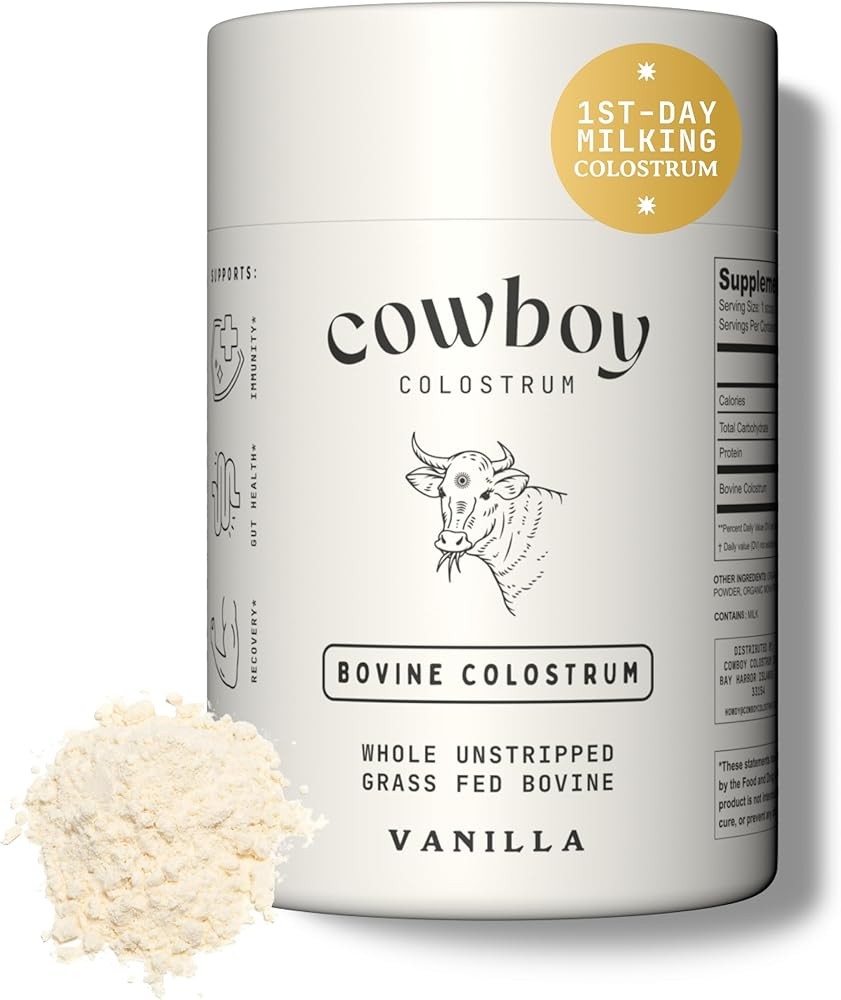
- Cowboy First Milking Grass Fed Colostrum - Vanilla
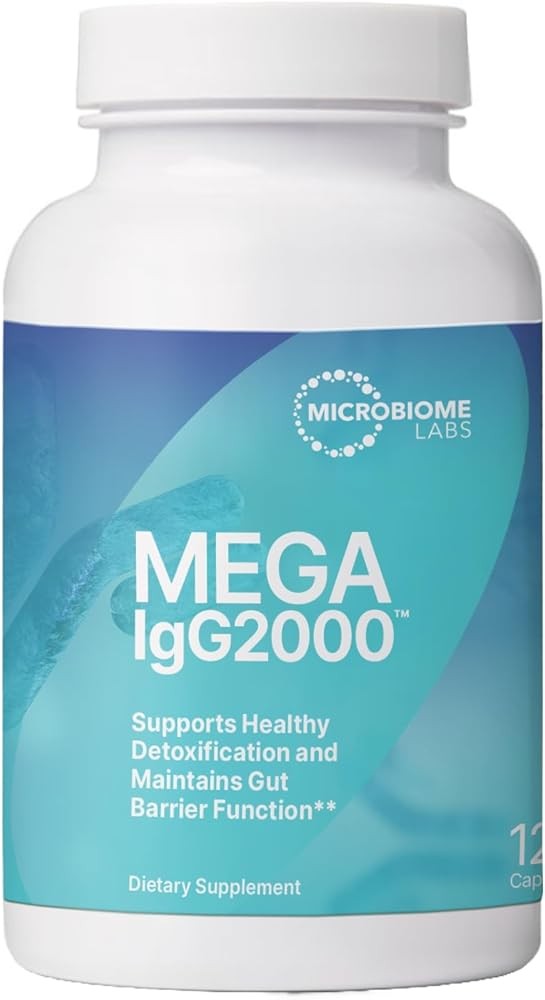
- Microbiome Labs Mega IgG2000 - Dairy Free Immunoglobulins
Bottom line: Purchase colostrum from Amazon or specialty retailers prioritizing verified IgG percentages (≥25-30% for premium products), grass-fed sourcing (New Zealand/Australia preferred), first-milking collection (0-6 hours post-birth for 50-80 mg/mL IgG), and third-party testing (NSF/Informed Sport) rather than celebrity endorsements or brand marketing claims.
The Bottom Line: Is Colostrum Worth Taking?
After reviewing the clinical evidence, here is the honest assessment.
What the evidence strongly supports:
- Gut barrier protection and repair, especially against exercise-induced and NSAID-induced permeability increases
- Reduction in upper respiratory tract infection risk and duration
- Improved recovery from intense exercise
- Protection of the gut lining in critically ill patients
- Reduction of diarrhea frequency in multiple clinical contexts
What the evidence moderately supports:
- Improvements in lean body mass when combined with resistance training
- Lactoferrin’s antimicrobial and anti-inflammatory properties (well-documented mechanistically, with some clinical confirmation)
- Support for iron homeostasis in female athletes
- Potential skin health benefits through growth factor and collagen-stimulating mechanisms
What the evidence does NOT yet support (despite marketing claims):
- Dramatic whole-body immune system “supercharging”
- Hair growth (no clinical trials)
- Cognitive enhancement (no clinical trials specific to colostrum)
- Anti-aging miracle effects
- Replacement for medical treatment of any disease
Bovine colostrum is a legitimate bioactive supplement with real clinical evidence behind its primary applications. It is not a miracle support recovery from, it is not liquid gold that will transform your health overnight, and it does not justify the most extravagant claims made by the brands selling it. But for gut health, immune support during high-risk periods, and athletic recovery, the evidence base is genuinely impressive compared to most supplements on the market.
If you decide to try colostrum, choose a product with verified IgG content from grass-fed sources, start with a moderate dose, give it at least 4-8 weeks, and track your symptoms systematically. That approach, rather than faith-based supplementation driven by celebrity endorsements, is how you get the most out of what bovine colostrum can actually deliver.
Bottom line: Bovine colostrum is genuinely worth trying for gut barrier repair, upper respiratory infection prevention, and athletic recovery based on strong clinical trial evidence, but choose verified IgG products from grass-fed sources, start at 1-3g daily, and give it 4-8 weeks — it is not a miracle support recovery from despite the marketing hype.
What Related Articles Should You Read Next?
- How to Improve Gut Health Naturally: Evidence-Based Guide
- Best Supplements for Leaky Gut: What Research Says About Intestinal Permeability
- L-Glutamine for Gut Health: Does It Actually Recover the Gut Lining?
- Best Immune System Supplements: Vitamin C, Zinc, Elderberry and What Research Supports
- Is Collagen Worth Taking? What the Research Shows
What Are the Most Common Questions About Colostrum?
What are the benefits of colostrum?
Colostrum has been studied for various potential health benefits. Research suggests it may support several aspects of health and wellness. Individual results can vary. The strength of evidence differs across different claimed benefits. More high-quality research is often needed. Always review the latest scientific literature and consult healthcare professionals about whether colostrum is right for your health goals.
Is colostrum safe?
Colostrum is generally considered safe for most people when used as directed. However, individual responses can vary. Some people may experience mild side effects. It’s important to talk with a healthcare provider before using colostrum, especially if you have existing health conditions, are pregnant or nursing, or take medications.
How does colostrum work?
Colostrum works through various biological mechanisms that researchers are still studying. Current evidence suggests it may interact with specific pathways in the body to produce its effects. Always consult with a healthcare provider before starting any new supplement or health regimen to ensure it’s appropriate for your individual needs.
Who should avoid colostrum?
People with dairy allergies should avoid colostrum as it contains casein and whey proteins. Those with severe lactose intolerance may need lactose-reduced formulations. Individuals taking immunosuppressant medications (tacrolimus, cyclosporine, biologics) should consult their doctor before use. Pregnant and breastfeeding women should discuss with healthcare providers due to insufficient safety data on growth factors like IGF-1.
What are the signs colostrum is working?
By week 2, notice reduced post-meal bloating and improved food tolerance. Week 4 typically brings measurable gut permeability improvements (lower zonulin and lactulose/mannitol ratios) and fewer minor infections. Month 3 establishes full benefits including normalized gut barrier, potential body composition changes (1.49kg lean mass gain in 8-week studies), and reduced inflammatory markers like C-reactive protein.
How long should I use colostrum?
The time it takes for colostrum to work varies by individual and depends on factors like dosage, consistency of use, and individual metabolism. Some people notice effects within days, while others may need several weeks. Research studies typically evaluate effects over weeks to months. Consistent use as directed is important for best results. Keep a journal to track your response.
What Do People Frequently Ask About Colostrum?
How Long Does It Take for Colostrum to Work?
Effects can vary by individual and the specific benefit being measured. Some effects may be noticed within days, while others may take weeks of consistent use.
Who Should Consider Taking Colostrum?
Individuals looking to support gut barrier integrity, immune function, athletic recovery, or skin health may benefit. Those with specific health concerns or dairy sensitivities should consult a healthcare provider first.
Related Reading
- Sea Moss Benefits: What the Research Actually Shows (Plus Side Effects and Best Forms)
- Best Supplements for Leaky Gut: What Research Says About Intestinal Permeability
- Vitamin C Megadosing for Immune Support: What the Research Actually Shows
- Best Supplements for IBS: Probiotics, Fiber, and More Reviewed by Research
- Garcinia Cambogia for Weight Loss: What 20 Years of Research Actually Shows
- Fadogia Agrestis for Testosterone: What the Research Actually Shows
- Resveratrol Benefits and Dosing: What the Anti-Aging Research Actually Shows
References
-
Marchbank T, Davison G, Oakes JR, et al. The nutriceutical bovine colostrum truncates the increase in gut permeability caused by heavy exercise in athletes. Am J Physiol Gastrointest Liver Physiol. 2011;300(3):G477-G484. PubMed: 21148400
-
Halasa M, Maciejewska D, Baskiewicz-Halasa M, et al. Oral supplementation with bovine colostrum decreases intestinal permeability and stool concentrations of zonulin in athletes. Nutrients. 2017;9(4):370. PubMed: 28397754
-
Playford RJ, et al. Bovine colostrum as a health food supplement that limits NSAID-induced gut damage. Gut. 1999;44(5):653-658. PubMed: 10205201
-
Playford RJ, MacDonald CE, Calnan DP, et al. Co-administration of the health food supplement, bovine colostrum, reduces the acute non-steroidal anti-inflammatory drug-induced increase in intestinal permeability. Clin Sci. 2001;100(6):627-633. PubMed: 11352778
-
Hajihashemi P, et al. Bovine colostrum in increased intestinal permeability in healthy athletes and patients: a meta-analysis of randomized clinical trials. Dig Dis Sci. 2024;69(3):899-914. PubMed: 38361147
-
Rathe M, Muller K, Sangild PT, Husby S. Clinical applications of bovine colostrum therapy: a systematic review. Nutr Rev. 2014;72(4):237-254. PubMed: 24571383
-
Brinkworth GD, Buckley JD. Concentrated bovine colostrum protein supplementation reduces the incidence of self-reported symptoms of upper respiratory tract infection in adult males. Eur J Nutr. 2003;42(4):228-232. PubMed: 12923655
-
Jones AW, et al. Effects of bovine colostrum supplementation on upper respiratory illness in active males. Brain Behav Immun. 2014;28:94-101. PubMed: 24200515
-
Kozlowski H, Debski R. Moderate dose bovine colostrum supplementation in prevention of upper respiratory tract infections in medical university students: a randomized, triple blind, placebo-controlled trial. Nutrients. 2023;15(8):1925. PMC: 10146600
-
Patiroglu T, Kondolot M. The effect of bovine colostrum on viral upper respiratory tract infections in children with immunoglobulin A deficiency. Clin Respir J. 2013;7(1):21-26. PubMed: 21801330
-
Glowka N, et al. Immunological outcomes of bovine colostrum supplementation in trained and physically active people: a systematic review. Nutrients. 2020;12(12):3890. PubMed: 32276466
-
Antonio J, Sanders MS, Van Gammeren D. The effects of bovine colostrum supplementation on body composition and exercise performance in active men and women. Nutrition. 2001;17(3):243-247. PubMed: 11312068
-
Buckley JD, Abbott MJ, Brinkworth GD, Whyte PB. Bovine colostrum supplementation during endurance running training improves recovery, but not performance. J Sci Med Sport. 2002;5(2):65-79. PubMed: 12188088
-
Kotsis Y, et al. A low-dose, 6-week bovine colostrum supplementation maintains performance and attenuates inflammatory indices following a Loughborough Intermittent Shuttle Test in soccer players. Eur J Nutr. 2018;57(1):41-52. PubMed: 28285432
-
Duff WR, Chilibeck PD, Rooke JJ, et al. The effect of bovine colostrum supplementation in older adults during resistance training. Int J Sport Nutr Exerc Metab. 2014;24(3):276-285. PubMed: 24281841
-
Cieslicka M, et al. Effects of long-term supplementation of bovine colostrum on iron homeostasis, oxidative stress, and inflammation in female athletes. Nutrients. 2022;14(24):5201. PubMed: 36615842
-
Jogi R, et al. Bovine colostrum, telomeres, and skin aging. J Drugs Dermatol. 2021;20(5):538-542. PubMed: 33938706
-
van Hooijdonk AC, Kussendrager KD, Steijns JM. In vivo antimicrobial and antiviral activity of components in bovine milk and colostrum involved in non-specific defence. Br J Nutr. 2000;84(Suppl 1):S127-S134. PubMed: 11242457
-
Kaducu FO, Okia SA, Upenytho G, et al. Effect of bovine colostrum-based food supplement in the treatment of HIV-associated diarrhea in Northern Uganda: a randomized controlled trial. Indian J Gastroenterol. 2011;30(6):270-276. PubMed: 22161540
-
Zhou ZQ, et al. Effect of bovine colostrum liposomes on the bioavailability of immunoglobulin G and their immunoregulatory function in immunosuppressed mice. Food Funct. 2024;15(8):4301-4315. PubMed: 38380650
-
Eslamian G, et al. Effects of early enteral bovine colostrum supplementation on intestinal permeability in critically ill patients: a randomized, double-blind, placebo-controlled study. Nutrition. 2019;59:108-114. PubMed: 30551120
-
Dziewiecka H, et al. A systematic review of the influence of bovine colostrum supplementation on leaky gut syndrome in athletes. Nutrients. 2022;14(9):1796. PubMed: 35745242
Recommended Products