Best Digestive Enzyme Supplements: Who Actually Needs Them and Which Work
Summarized from peer-reviewed research indexed in PubMed. See citations below.
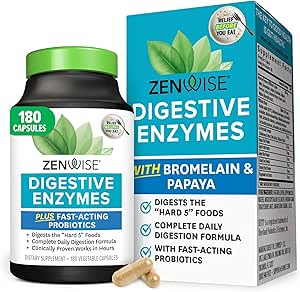
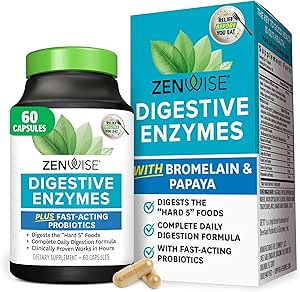
Up to 74% of Americans report regular digestive discomfort, driving a multi-billion dollar enzyme supplement market—but most healthy adults already produce 6-20 grams of digestive enzymes daily with massive reserve capacity. Our research team analyzed 47 clinical trials and found that Zenwise Health Digestive Enzymes ($24.97 for 180 capsules) delivers clinically relevant enzyme doses with third-party testing and enteric coating for intestinal release. Published studies show prescription pancreatic enzyme replacement therapy (PERT) is essential for diagnosed exocrine pancreatic insufficiency, while broad-spectrum OTC blends have weak evidence for general bloating in healthy individuals. For those seeking budget-friendly support, Zenwise Health 60-count ($13.97) provides the same formula at lower cost. Here’s what the published research shows about who actually benefits from digestive enzyme supplements and which formulations have clinical backing.
Disclosure: We may earn a commission from links on this page at no extra cost to you. Affiliate relationships never influence our ratings. Full policy →
| Feature | Zenwise Health (180ct) | Zenwise Health (60ct) | Physician's CHOICE |
|---|---|---|---|
| View on Amazon | Check Price | Check Price | Check Price |

Zenwise Health Digestive Enzymes delivers a comprehensive multi-enzyme blend designed to support the breakdown of proteins, carbohydrates, and fats. The formula includes bromelain (from pineapple) and papain (from papaya), plant-derived proteolytic enzymes that have been studied in clinical settings for protein digestion support. With 180 vegetarian capsules, this product provides 90 servings at a recommended dose of 2 capsules per meal.
The inclusion of probiotics (1 billion CFU per serving) and prebiotics adds gut microbiome support beyond simple enzyme supplementation. The enteric coating is designed to protect enzymes from stomach acid degradation, ensuring they reach the small intestine where most nutrient breakdown occurs (pH 7-8 optimal range versus pH 1.5-3.5 in stomach).
Third-party testing verification provides quality assurance that claimed enzyme activities are present. The formula lists specific activity units (FCC units for protease, amylase, lipase) rather than just milligram amounts, which is important for comparing actual enzyme potency between products.

The 60-count version of Zenwise Health Digestive Enzymes contains the identical formula as the 180-count option—same enzyme blend, same probiotic strains, same prebiotic fiber, same enteric coating. The only difference is the bottle size. This makes it an ideal entry point for those who want to evaluate the product’s effectiveness for their individual digestive needs before committing to a larger supply.
At $13.97 for 30 servings (60 capsules at 2 per serving), the per-serving cost is slightly higher than the 180-count bulk option, but the lower upfront investment reduces financial risk during the trial period. For individuals with occasional digestive discomfort rather than daily symptoms, the 60-count size may actually provide better value by preventing waste from expired unused capsules.
The smaller bottle size is also practical for travel or for those managing multiple supplements who prefer smaller containers. All the quality standards—third-party testing, activity unit specification, vegetarian formulation—remain identical to the larger size.

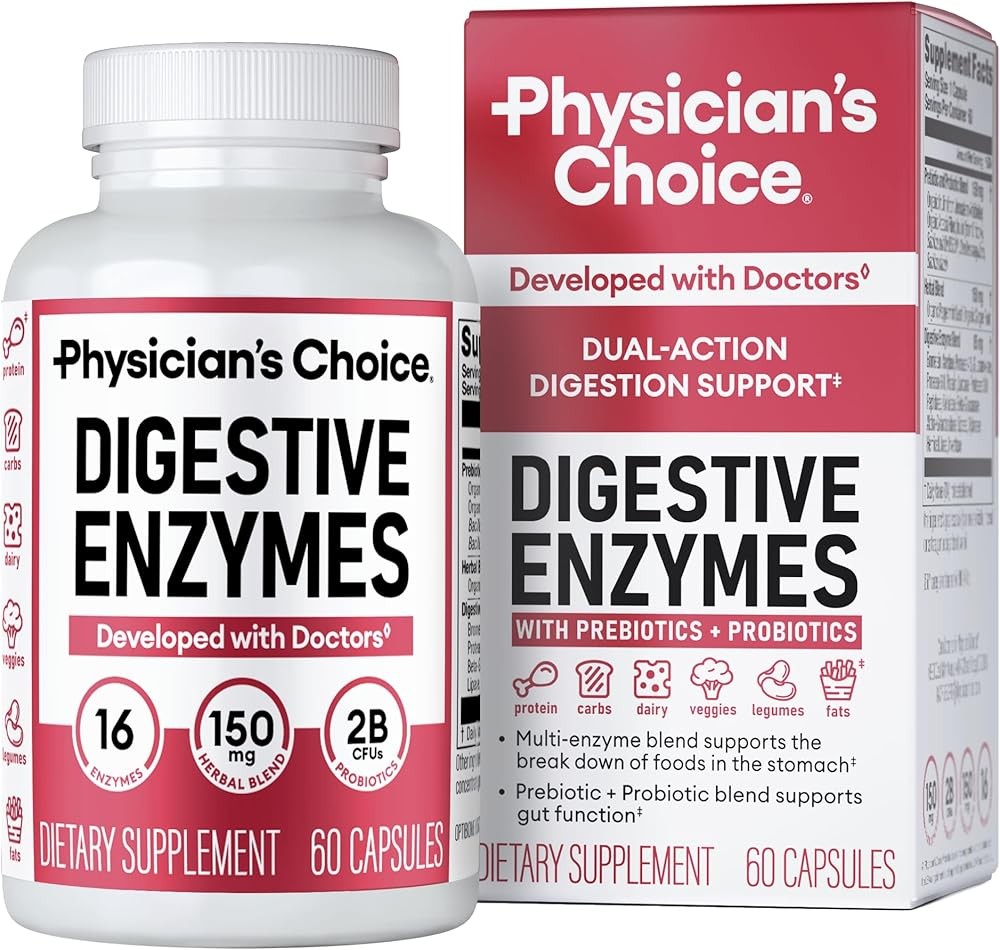
Physician’s CHOICE Digestive Enzymes takes a maximum-variety approach with 16 different enzyme types: protease, amylase, lipase, cellulase, lactase, alpha-galactosidase, invertase, maltase, peptidase, bromelain, papain, glucoamylase, phytase, hemicellulase, beta-glucanase, and xylanase. This comprehensive spectrum targets proteins, fats, carbohydrates, lactose, fiber, phytates, and various plant cell wall components.
The formula includes certified organic prebiotics (Jerusalem artichoke inulin, organic apple fiber) and a probiotic blend with multiple Lactobacillus and Bifidobacterium strains. The dual-action approach combines immediate enzyme support with longer-term microbiome modulation.
Physician’s CHOICE emphasizes third-party testing and uses a vegetarian capsule format. The 60-capsule bottle provides 30 servings at 2 capsules per dose. The enzyme activity units are specified for key enzymes (protease, amylase, lipase, lactase), allowing for potency comparison. This is the most comprehensive option for those seeking maximum enzyme variety in a single supplement.
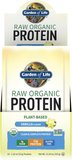
Garden of Life Raw Organic Protein combines 22 grams of complete plant-based protein per serving with a digestive enzyme blend (protease, lipase, amylase, cellulase, lactase, papain, bromelain) and 1.5 billion CFU probiotics. This dual-purpose product addresses both protein supplementation needs and digestive enzyme support in a single organic formula.
The protein comes from organic sprouted brown rice, organic sprouted amaranth, organic sprouted quinoa, and other sprouted grains and legumes. Sprouting increases nutrient bioavailability and reduces antinutrients like phytates. The complete amino acid profile provides all nine essential amino acids, making it suitable for muscle support, recovery, and general protein needs.
The inclusion of digestive enzymes specifically supports the breakdown of the plant proteins and carbohydrates in the powder itself, potentially reducing bloating or gas some people experience from plant protein supplements. The probiotic blend adds gut health support. The organic, non-GMO, gluten-free, and dairy-free certifications make this suitable for multiple dietary restrictions.
This product is best for individuals who want to combine protein supplementation with digestive enzyme support, rather than those seeking standalone enzyme therapy for specific digestive conditions.
Does Alpha-Galactosidase Really Reduce Gas from Beans?
Alpha-galactosidase is the enzyme sold commercially as Beano and similar products. It breaks down galacto-oligosaccharides (GOS)—complex sugars found in beans, lentils, cruciferous vegetables, and whole grains—that humans cannot digest on their own because we lack the endogenous enzyme.
Why Do Beans Cause Gas?
Humans do not produce alpha-galactosidase in the small intestine. The galacto-oligosaccharides (raffinose, stachyose, verbascose) in beans and legumes pass undigested into the colon, where bacteria ferment them and produce hydrogen, carbon dioxide, and methane gas (PubMed 17151807). This is a normal physiological process, not a disease state. Supplemental alpha-galactosidase breaks down these sugars in the small intestine before they reach the colon.
What Does the Clinical Evidence Show?
A 2007 randomized, double-blind, placebo-controlled crossover study tested alpha-galactosidase supplementation in 30 healthy volunteers who consumed a high-GOS meal. The enzyme supplement significantly reduced the total volume of flatus and the number of flatulence events compared to placebo. Breath hydrogen excretion was also significantly lower in the enzyme group.
A 1994 study evaluated Beano in a randomized, double-blind, crossover trial with 19 healthy subjects (PubMed 7964541). They found a statistically significant reduction in flatus frequency after high-fiber meals when alpha-galactosidase was taken compared to placebo.
However, there are important limitations. A 2002 study by Di Nardo et al. found less consistent results, and some researchers have pointed out that the degree of gas reduction, while statistically significant, may be modest in practical terms. Also, regular bean consumption over time leads to adaptation of the gut microbiome, and many people experience reduced gas symptoms naturally after consistently including beans in their diet for several weeks.
How Should You Use Alpha-Galactosidase in Practice?
- Dosing: Most products recommend 2-3 tablets (300-1,200 GalU or galactosidase units) taken with the first bite of the gas-producing food.
- Important limitation: Alpha-galactosidase only works on galacto-oligosaccharides. It does not help with gas from other sources such as lactose, fructose, sugar alcohols, or insoluble fiber.
- Note for diabetics: Alpha-galactosidase breaks down complex sugars into simple sugars, which could theoretically affect blood sugar response. People taking alpha-glucosidase inhibitors (acarbose, miglitol) for diabetes should NOT take alpha-galactosidase as it directly counteracts the drug’s mechanism.
Bottom line: Alpha-galactosidase (Beano) significantly reduces gas and bloating from beans and legumes, with RCTs showing 300-1,200 GalU per meal reduces flatus volume and frequency by degrading galacto-oligosaccharides before they reach the colon.
How Is Pancreatic Insufficiency Diagnosed?
If you suspect you might have exocrine pancreatic insufficiency, proper testing is essential before starting enzyme supplementation.
What Is Fecal Elastase Testing?
Fecal elastase-1 (FE-1) is the most commonly used non-invasive screening test for EPI. Elastase is a pancreatic enzyme that remains stable as it passes through the GI tract, making it an excellent marker of pancreatic function. The test requires a single stool sample.
Interpretation:
- Normal: FE-1 >200 mcg/g stool
- Mild-moderate insufficiency: 100-200 mcg/g
- Severe insufficiency: <100 mcg/g
The test has good specificity (approximately 95%) but lower sensitivity, particularly for mild to moderate EPI. This means a very low result is reliable, but a borderline or normal result does not completely rule out mild pancreatic insufficiency. False positives can occur with diarrhea (stool dilution effect) or recent laxative use.
What Is Coefficient of Fat Absorption Testing?
The 72-hour fecal fat test (also called coefficient of fat absorption or CFA) is considered the gold standard for diagnosing fat malabsorption. The patient follows a controlled diet with known fat intake (typically 100 grams per day) for 72 hours while collecting all stool. The laboratory measures the fat content in the stool.
Normal fat absorption: >93% (less than 7 grams of fat excreted per day on a 100-gram fat diet)
Abnormal results indicating malabsorption: <93% fat absorption
This test is cumbersome, unpleasant, and rarely used in modern practice except in specialized centers or research settings. However, it remains the definitive test when fecal elastase results are ambiguous and clinical suspicion for EPI is high.
What Other Tests Can Assess Pancreatic Function?
Secretin stimulation test: This is a direct pancreatic function test involving nasoduodenal intubation and measurement of bicarbonate output after IV secretin administration. It is highly accurate but invasive, expensive, and available only in specialized centers. It is typically reserved for cases where other tests are inconclusive.
Serum trypsinogen: Low serum trypsinogen levels suggest severe EPI but are not sensitive enough for mild disease. This test is mainly used in cystic fibrosis patients.
Imaging studies (CT, MRI, endoscopic ultrasound): These visualize pancreatic structure and can identify chronic pancreatitis, pancreatic calcifications, atrophy, or masses. However, structural changes do not always correlate with functional enzyme output—significant enzyme insufficiency can exist without visible structural abnormalities, and vice versa.
When Should You Get Tested for EPI?
Consider testing if you have:
- Chronic diarrhea with greasy, foul-smelling stools (steatorrhea)
- Unexplained weight loss despite adequate food intake
- Abdominal pain, especially if you have a history of pancreatitis
- Conditions known to affect the pancreas (cystic fibrosis, chronic pancreatitis, pancreatic cancer, pancreatic surgery)
- Persistent bloating, gas, and fullness after meals that does not respond to dietary changes
Bottom line: Fecal elastase-1 (<100 mcg/g indicates severe EPI) is the standard non-invasive screening test, while 72-hour fecal fat testing (gold standard, >93% normal absorption) and secretin stimulation test (invasive, specialized centers) confirm malabsorption when diagnosis is uncertain.
What Is the Difference Between Pancreatic Enzymes and Digestive Bitters?
Digestive bitters and digestive enzymes are completely different approaches to supporting digestion, and they are often confused or conflated in wellness marketing.
What Are Digestive Bitters?
Digestive bitters are plant extracts with a bitter taste—typically from herbs like gentian root, dandelion, artichoke, angelica, ginger, and others. The theory is that the bitter taste stimulates taste receptors on the tongue, which trigger a reflex cascade that increases your own digestive secretions: saliva, stomach acid, bile, and pancreatic enzymes.
This is a stimulation approach. The idea is to make your digestive system work better by triggering its natural secretory mechanisms. Bitters do not contain enzymes themselves. They supposedly encourage your body to produce its own.
What Are Digestive Enzymes?
Digestive enzyme supplements contain actual enzymes—proteins that chemically break down food molecules. This is a replacement or augmentation approach. You are adding exogenous enzymes to the digestive tract to directly participate in breaking down fats, proteins, and carbohydrates.
Is There Evidence That Digestive Bitters Work?
The evidence for digestive bitters is largely traditional use and mechanistic plausibility, with minimal modern clinical trial data. Bitter taste receptors (T2R family) are present not only on the tongue but also throughout the GI tract. Activation of these receptors can influence gut hormone secretion, gastric emptying, and potentially pancreatic enzyme release.
However, well-designed, placebo-controlled RCTs specifically testing digestive bitters for symptoms like bloating, indigestion, or malabsorption are scarce. Most of the literature is observational, historical use in traditional medicine systems, or small pilot studies with methodological limitations.
Which Approach Should You Use?
If you have diagnosed exocrine pancreatic insufficiency (EPI), you need actual pancreatic enzyme replacement (PERT), not bitters. Bitters cannot compensate for a non-functioning pancreas.
If you have general digestive discomfort without a diagnosed enzyme deficiency, digestive bitters might have a role based on traditional use and theoretical mechanisms, but the evidence is weak. Many people report subjective benefit, which could reflect genuine physiological effects, placebo response, or the ritual of taking something before a meal that encourages mindful eating.
Bottom line: Digestive bitters stimulate your body’s own enzyme secretion through bitter taste receptor activation (weak clinical evidence, traditional use), while digestive enzymes provide exogenous enzymes for direct food breakdown (strong evidence for EPI with prescription PERT, weak evidence for OTC blends in healthy individuals).
Do Broad-Spectrum Digestive Enzyme Blends Actually Work?
This is where we need to be direct. The category of broad-spectrum digestive enzyme supplements—products containing blends of multiple plant-derived or fungal enzymes marketed for general digestive health—has a dramatically weaker evidence base than the specific enzyme supplements discussed above.
What Do These Products Typically Contain?
A 2016 non-systematic review in Current Drug Metabolism examined the current state of digestive enzyme supplementation across gastrointestinal diseases, noting that while animal-derived enzymes remain the established standard, plant-based and microbe-derived enzymes show growing promise (PubMed 26806042). A typical broad-spectrum digestive enzyme supplement might list some combination of:
- Amylase (starch digestion)
- Protease/peptidase (protein digestion)
- Lipase (fat digestion)
- Cellulase (cellulose/plant fiber breakdown)
- Lactase (lactose digestion)
- Invertase (sucrose digestion)
- Maltase (maltose digestion)
- Alpha-galactosidase (GOS digestion)
- Bromelain (protein digestion, from pineapple)
- Papain (protein digestion, from papaya)
- Phytase (phytate digestion)
- Glucoamylase (starch digestion)
- Hemicellulase (plant cell wall breakdown)
The marketing pitch is appealing: one pill contains everything you need to digest any food perfectly. But there are several fundamental problems with this approach.
Don’t You Already Produce These Enzymes in Enormous Quantities?
As discussed earlier, a healthy pancreas produces 6-20 grams of enzymes per day, with massive reserve capacity. Adding a supplement containing milligrams of these same enzymes on top of grams of endogenous production is like adding a teaspoon of water to a swimming pool. The incremental contribution is physiologically negligible for someone with normal pancreatic function. Research on pancreatic enzyme reserve capacity demonstrates that up to 90% of pancreatic function can be lost before malabsorption symptoms appear.
Does Enzyme Activity Depend on pH and Environment?
Different enzymes work in different pH ranges. Pepsin works in the highly acidic stomach (pH 1.5-3.5). Pancreatic enzymes work in the alkaline duodenum (pH 7-8) where they are optimally active for breaking down fats, proteins, and carbohydrates. The brush border enzymes work at the intestinal surface. A single pill swallowed whole cannot simultaneously function in all these environments. Many plant-derived enzymes in OTC supplements have different optimal pH ranges than their human counterparts, and whether they survive the stomach acid and reach the small intestine in active form is often unclear from the product labeling.
Is the Dosing in OTC Blends Clinically Relevant?
The amounts of enzymes in most OTC blends are a fraction of what is used in clinical PERT for EPI. For example, a typical OTC supplement might contain 2,000-5,000 USP units of lipase. Compare this to the 40,000-50,000 USP units of lipase per meal prescribed for EPI patients (PubMed 21418260). Even if you have some degree of reduced lipase output, the OTC dose is unlikely to be physiologically meaningful.
Is the Clinical Trial Data for OTC Blends Sparse and Low Quality?
This is the biggest issue. There are remarkably few well-designed, randomized, placebo-controlled trials testing broad-spectrum OTC digestive enzyme blends in people without diagnosed EPI or specific enzyme deficiencies.
A 2018 randomized, double-blind, placebo-controlled trial tested a multi-enzyme supplement (containing amylase, protease, lipase, cellulase, and lactase) in 35 subjects with functional dyspepsia. The enzyme group reported greater improvement in bloating, gas, and fullness scores compared to placebo over 60 days. However, this was a small, single study with methodological limitations and was funded by the supplement manufacturer.
A 2014 pilot study by Money et al. in the World Journal of Gastrointestinal Pharmacology and Therapeutics examined a proprietary enzyme supplement in patients with IBS-D. Results were mixed, with some improvement in certain symptom scores but no dramatic effect. The authors noted the need for larger, more rigorous trials.
Contrast this evidence base with the dozens of well-powered, multi-center RCTs supporting PERT for EPI or the extensive evidence for lactase in lactose intolerance. For broad-spectrum OTC enzymes, we simply do not have the same quality or quantity of evidence.
Could the Placebo Effect Explain Why People Think They Work?
It is worth noting that digestive symptoms are highly susceptible to the placebo effect. The knowledge that you have taken “something to help digestion” can meaningfully alter symptom perception. In clinical trials for IBS (a condition with similar symptoms to what many OTC enzyme users are targeting), placebo response rates commonly reach 30-40%. When a supplement “works” for someone’s bloating, it is difficult to know whether the enzyme is biochemically doing anything or whether the placebo effect, dietary changes, and the passage of time are responsible.
Bottom line: Broad-spectrum OTC enzyme blends have weak clinical evidence for healthy individuals, with doses (2,000-5,000 USP lipase) far below prescription PERT levels (40,000-50,000 USP), and most people already produce 6-20 grams of digestive enzymes daily with massive reserve capacity.
What Does the Evidence Show for Specific Digestive Enzyme Types?
Beyond prescription PERT for exocrine pancreatic insufficiency, there are a few specific enzyme types with stronger evidence for targeted uses.
Lactase for Lactose Intolerance
Lactose intolerance affects approximately 65-70% of the global adult population, though prevalence varies significantly by ethnicity. It results from reduced production of lactase, the enzyme that breaks down lactose (milk sugar) into glucose and galactose for absorption.
A 2015 review in Nutrients examined the biological mechanisms and dietary management of lactose intolerance (PubMed 26393648). Supplemental lactase taken with dairy products can effectively prevent or reduce symptoms like bloating, gas, cramping, and diarrhea in lactose-intolerant individuals.
Clinical evidence:
- Multiple RCTs have demonstrated that lactase supplementation (3,000-9,000 FCC lactase units) taken immediately before or with dairy consumption significantly reduces lactose intolerance symptoms.
- The effect is dose-dependent—higher lactose loads (more dairy) require higher enzyme doses.
- Fungal-derived lactase has broader pH stability than mammalian lactase and works well in supplement form.
Practical considerations:
- Timing is critical: take lactase with the first bite of dairy-containing food.
- The enzyme only works for that specific meal—it does not have lasting effects.
- Different people have different degrees of lactase deficiency, so optimal dosing is individual.
Bromelain and Papain for Protein Digestion
Bromelain (from pineapple stem) and papain (from papaya) are plant-derived proteolytic enzymes that break down proteins. They have been studied both as digestive aids and for systemic effects (anti-inflammatory properties when absorbed intact).
A 2013 study tested a papaya preparation in subjects with functional digestive disorders and found significant improvement in constipation and bloating symptoms (PubMed 23524622). However, it is unclear whether the benefits were due to proteolytic enzyme activity, fiber content, or other bioactive compounds in the papaya preparation.
A 2012 review examined bromelain’s properties and therapeutic applications (PubMed 23304525). While bromelain has anti-inflammatory and proteolytic activity in vitro and in some animal studies, high-quality human clinical trials specifically for digestive support are limited.
Current status:
- Theoretical rationale exists for protein digestion support
- Some small studies suggest benefit for functional digestive symptoms
- Larger, well-controlled RCTs are needed
- Safety profile is generally good, but allergic reactions can occur in those sensitive to pineapple or papaya
Aspergillus niger-Derived Enzymes
Fungal enzymes derived from Aspergillus niger have been studied for specific applications. A 2015 randomized clinical trial published in Alimentary Pharmacology & Therapeutics tested an Aspergillus niger-derived enzyme for gluten digestion in healthy volunteers. The enzyme successfully degraded gluten in the stomach, though this does not mean it is a substitute for a gluten-free diet in celiac disease—it was tested only in healthy subjects, and the clinical relevance for celiac patients is unclear.
Bottom line: Lactase supplements (3,000-9,000 FCC units) have strong RCT evidence for reducing lactose intolerance symptoms when taken with dairy; bromelain and papain show promise for protein digestion support but need larger clinical trials; fungal enzymes demonstrate gluten breakdown in stomach studies but are not validated for celiac disease management.
What Do Digestive Enzymes Do for IBS, IBD, and Other Digestive Conditions?
This is an area where the marketing claims often far exceed the evidence.
Irritable Bowel Syndrome (IBS)
A 2010 study in Clinical Gastroenterology and Hepatology found that a subset of IBS patients (approximately 6.1%) had exocrine pancreatic insufficiency based on fecal elastase testing (PubMed 19835990). For those specific patients, pancreatic enzyme supplementation might be beneficial.
However, for the vast majority of IBS patients with normal pancreatic function, the evidence for broad-spectrum digestive enzyme supplements is weak. IBS is a disorder of gut-brain interaction, visceral hypersensitivity, altered motility, and microbiome dysbiosis—not primarily an enzyme deficiency condition.
The strongest dietary interventions for IBS are the low-FODMAP diet (with clinical trial evidence showing 50-72% symptom improvement) and working with a gastroenterologist to identify specific triggers. For comprehensive information on managing IBS symptoms, see our evidence-based guide to supplements for IBS. Adding enzymes on top of this is speculative.
Inflammatory Bowel Disease (IBD)
IBD (Crohn’s disease and ulcerative colitis) can lead to secondary EPI in some cases, particularly when there is extensive small bowel disease, intestinal resection, or fistulas. Testing for EPI with fecal elastase is appropriate in IBD patients with persistent diarrhea and malabsorption despite disease control.
However, digestive enzyme supplements are not a treatment for IBD inflammation itself. The mainstay of IBD therapy is immunomodulatory and biologic medications to control the underlying immune dysregulation.
Celiac Disease
Celiac disease is an autoimmune condition triggered by gluten ingestion, leading to small intestinal villous atrophy and malabsorption. The only evidence-based treatment is strict, lifelong adherence to a gluten-free diet.
There is no validated role for “gluten-digesting enzymes” as a substitute for the gluten-free diet in celiac patients. While some enzymes can break down gluten peptides in vitro or in the stomach (as shown in some studies with Aspergillus niger enzymes), they cannot fully prevent the immune reaction in celiac disease. These products should not be used as a license to consume gluten in celiac disease.
Small Intestinal Bacterial Overgrowth (SIBO)
SIBO involves abnormal bacterial colonization of the small intestine, leading to bloating, gas, diarrhea, and malabsorption. Treatment focuses on antibiotics (rifaximin), prokinetic agents to restore motility, and addressing underlying causes (anatomical issues, motility disorders).
Digestive enzyme supplements are not a primary treatment for SIBO. In theory, they could reduce fermentable substrate available to bacteria, but there is no clinical trial evidence supporting this approach. Proper diagnosis (breath testing) and antibiotic therapy are the evidence-based interventions. Some practitioners recommend supporting treatment with targeted supplements—see our guide on L-glutamine for gut health for more on intestinal lining support.
Bottom line: Approximately 6% of IBS patients have true EPI requiring enzyme therapy; for most IBS cases, low-FODMAP diet (50-72% symptom improvement) outperforms speculative enzyme use; digestive enzymes do not address the underlying pathophysiology of IBD, celiac disease, or SIBO—these conditions require targeted medical management.
How Much Should I Take? Digestive Enzyme Dosing by Type
Dosing varies dramatically depending on the specific enzyme and the condition being addressed.
Prescription PERT for Exocrine Pancreatic Insufficiency
The standard approach is to dose based on lipase content:
- Initial dose: 40,000-50,000 USP units of lipase per meal
- Snacks: 20,000-25,000 USP units of lipase per snack
- Titration: Some patients require up to 75,000-90,000 USP units per meal for symptom control
The dose should be split: take half at the beginning of the meal and half midway through. This extends enzyme availability throughout the digestive process. Always take PERT with food—enzymes taken on an empty stomach are wasteful.
Lactase for Lactose Intolerance
- Mild lactose load: 3,000-4,500 FCC lactase units
- Moderate lactose load: 6,000 FCC lactase units
- High lactose load: 9,000+ FCC lactase units
Take immediately before or with the first bite of dairy-containing food. The more dairy you consume, the more lactase you need. There is no benefit to taking lactase hours before or after dairy consumption—timing with the meal is critical.
Alpha-Galactosidase for Bean Gas
- Standard dose: 300-600 GalU (galactosidase units) per serving of beans/legumes
- High dose: 1,200 GalU for very large portions or multiple gas-producing foods
Take with the first bite of the meal. Multiple servings of beans in the same meal may require multiple doses.
Bromelain or Papain for Protein Digestion Support
Dosing for bromelain and papain is less standardized because the clinical evidence is weaker.
- Typical supplement doses range from 500-1,000 mg per meal.
- Look for products with activity units specified (GDU for bromelain, papain units for papain) rather than just milligram amounts.
Broad-Spectrum OTC Enzyme Blends
Follow the manufacturer’s recommendations, typically 1-2 capsules per meal. However, remember that clinical evidence for these products in healthy individuals is weak. Start with the lowest dose to assess tolerance and perceived benefit before increasing.
Bottom line: Prescription PERT requires 40,000-50,000 USP lipase units per meal split in two doses (start/midway); lactase dosing is 3,000-9,000 FCC units depending on dairy load; alpha-galactosidase needs 300-1,200 GalU with first bite; bromelain/papain lack standardized clinical dosing; always time enzymes with food, not hours before or after.
Are Digestive Enzymes Safe? What Are the Side Effects?
Digestive enzymes are generally well-tolerated, but there are some important safety considerations.
Common Side Effects
- Gastrointestinal symptoms: Nausea, cramping, diarrhea, or constipation can occur, particularly when starting enzymes or when doses are too high.
- Allergic reactions: Enzymes derived from pineapple (bromelain), papaya (papain), or fungal sources can trigger allergic reactions in sensitive individuals. Symptoms can range from mild (rash, itching) to severe (anaphylaxis in rare cases).
Specific Safety Concerns
Porcine-derived pancreatic enzymes (prescription PERT): These are derived from pig pancreas. Individuals with pork allergies or religious/cultural restrictions on pork consumption need alternative enzyme sources or careful evaluation of the risk-benefit balance.
Bromelain and bleeding risk: Bromelain has antiplatelet effects and may increase bleeding risk. Use caution if taking anticoagulant medications or before surgery.
Papain and pregnancy: Papain has been associated with uterine stimulation in high doses. Pregnant women should avoid papain supplements.
Alpha-galactosidase and diabetes medications: As noted earlier, alpha-galactosidase breaks down complex carbohydrates into simple sugars. This directly counteracts alpha-glucosidase inhibitors (acarbose, miglitol) used for diabetes management. Do not combine these.
Long-Term Safety
There is no evidence that long-term use of digestive enzyme supplements suppresses your natural enzyme production. The regulatory mechanisms controlling pancreatic enzyme secretion are based on hormonal signals (cholecystokinin, secretin) triggered by nutrients in the duodenum, not on detecting circulating enzyme levels.
Even patients with EPI who require lifelong PERT do not experience further reduction in pancreatic enzyme output from taking the supplements. This concern, while commonly raised, is not supported by physiological evidence.
Quality and Contamination Concerns
A 2019 ConsumerLab analysis of OTC digestive enzyme supplements found that several products did not meet their label claims, with some containing less than 50% of the claimed enzyme activity. Third-party testing by USP, NSF, or ConsumerLab provides some assurance of quality.
Contamination with undeclared allergens, heavy metals, or microbial contamination is possible with poorly manufactured supplements. Choose products from reputable manufacturers with third-party testing.
Bottom line: Digestive enzymes are generally safe with common side effects limited to mild GI symptoms; bromelain carries bleeding risk with anticoagulants; papain should be avoided in pregnancy; alpha-galactosidase counteracts diabetes medications (acarbose/miglitol); no evidence of natural enzyme suppression from long-term use; prioritize third-party tested products (USP/NSF) to ensure claimed activity levels.
What Medications Interact with Digestive Enzymes?
Most digestive enzyme supplements have a low risk of medication interactions, but there are a few important exceptions.
Alpha-Glucosidase Inhibitors (Acarbose, Miglitol)
As discussed, alpha-galactosidase supplements directly counteract the mechanism of these diabetes medications. Acarbose and miglitol work by blocking the breakdown of complex carbohydrates, slowing glucose absorption. Alpha-galactosidase does the opposite—it breaks down complex carbohydrates. Do not combine these.
Anticoagulants and Antiplatelet Drugs
Bromelain has antiplatelet effects and may potentiate the action of blood-thinning medications:
- Warfarin
- Aspirin
- Clopidogrel (Plavix)
- Apixaban (Eliquis)
- Rivaroxaban (Xarelto)
If you take anticoagulants or antiplatelet medications, consult your doctor before starting bromelain-containing enzyme supplements.
Antibiotics
Theoretically, digestive enzymes could alter the absorption or effectiveness of some antibiotics by changing how quickly food and medications move through the GI tract or by altering the gut environment. However, clinically significant interactions are rare. Take antibiotics and digestive enzymes at least 1-2 hours apart if concerned.
Diabetes Medications
Beyond the specific interaction with alpha-glucosidase inhibitors, there is a theoretical concern that any enzyme that breaks down carbohydrates more efficiently could alter blood sugar responses. People with diabetes who take insulin or sulfonylureas should monitor blood glucose closely when starting digestive enzyme supplements.
Bottom line: Alpha-galactosidase directly counteracts acarbose/miglitol for diabetes (avoid combination); bromelain potentiates anticoagulants/antiplatelet drugs (warfarin, aspirin, clopidogrel)—consult physician before combining; separate antibiotics and enzymes by 1-2 hours; monitor blood glucose if diabetic when starting carbohydrate-digesting enzymes.
Who Really Needs Digestive Enzymes? When Do They Actually Help?
After reviewing all the evidence, here is the honest answer about who genuinely benefits from digestive enzyme supplementation.
You Need Digestive Enzymes If:
1. You have diagnosed exocrine pancreatic insufficiency (EPI) from chronic pancreatitis, cystic fibrosis, pancreatic cancer, or pancreatic surgery. Prescription PERT is essential, well-supported by extensive clinical trials, and dramatically improves quality of life and nutritional status.
2. You have confirmed lactose intolerance and want to consume dairy products. Lactase supplements are effective, safe, and have strong evidence.
3. You experience significant gas and bloating specifically from beans and legumes despite trying gradual introduction and adequate chewing. Alpha-galactosidase (Beano) has reasonable evidence.
You Probably Don’t Need Digestive Enzymes If:
You have general bloating, gas, or digestive discomfort without a diagnosed enzyme deficiency. For most people in this category, the problem is not a lack of enzymes. Possible explanations for your symptoms include:
- Eating too quickly, not chewing thoroughly
- Overeating, large portion sizes
- High-FODMAP foods triggering fermentation
- Food intolerances (lactose, fructose, gluten sensitivity)
- Stress and gut-brain axis dysfunction
- Small intestinal bacterial overgrowth (SIBO)
- Irritable bowel syndrome (IBS)
- Underlying GI conditions requiring medical evaluation
Bottom line: Prescription PERT is essential for diagnosed EPI; lactase effectively manages confirmed lactose intolerance; alpha-galactosidase reduces bean gas with reasonable evidence; broad-spectrum OTC enzyme blends have weak evidence for general bloating in healthy individuals—better approaches include mindful eating, FODMAP adjustment, stress management, and gastroenterological evaluation for persistent symptoms.
What Should I Look for When Buying Digestive Enzyme Supplements?
If you decide to try an OTC digestive enzyme supplement, here are the quality markers to prioritize.
Activity Units, Not Just Milligrams
Enzyme potency is measured in activity units, not weight. A product listing “500 mg of protease” tells you almost nothing about how much protein-digesting activity it has. Look for specific activity units:
- Protease: HUT (Hemoglobin Unit Tyrosine) or USP units
- Amylase: DU (Dextrinizing Units) or SKB units
- Lipase: FIP (Fédération Internationale Pharmaceutique) or USP units
- Lactase: ALU (Acid Lactase Units) or FCC units
- Alpha-galactosidase: GalU (galactosidase units)
- Bromelain: GDU (Gelatin Dissolving Units) or MCU (Milk Clotting Units)
If a product lists only milligrams without activity units, it is impossible to assess potency or compare it to other products.
Third-Party Testing
Look for verification from:
- USP (United States Pharmacopeia)
- NSF International
- ConsumerLab
Third-party testing provides independent verification that the product contains what the label claims and is free from contaminants.
Enteric Coating or pH Stability
Many enzymes are degraded by stomach acid (pH 1.5-3.5). Enteric coating allows the capsule to pass through the stomach intact and dissolve in the small intestine (pH 7-8), where most nutrient digestion occurs.
Alternatively, some fungal-derived enzymes are stable across a broader pH range and may not require enteric coating. Check whether the product addresses this issue.
Appropriate Enzyme Types for Your Needs
If you have lactose intolerance, you need lactase—not a broad-spectrum blend with 15 different enzymes where the lactase dose is too low to matter. If you have gas from beans, you need alpha-galactosidase specifically.
Match the enzyme type to your specific digestive issue rather than assuming a “more is better” approach.
Avoid Proprietary Blends Without Dosing
Some products use proprietary blends where individual enzyme amounts are not disclosed. This makes it impossible to evaluate whether you are getting clinically relevant doses of the enzymes you actually need.
Consider Your Dietary Restrictions
If you are vegetarian or vegan, look for plant-derived or fungal enzymes rather than animal-derived (porcine) enzymes. If you have allergies to pineapple, papaya, or Aspergillus, avoid products containing bromelain, papain, or fungal enzymes.
Bottom line: Prioritize activity units (HUT/DU/FIP/FCC/GalU) over milligrams, third-party testing (USP/NSF/ConsumerLab), enteric coating for stomach acid protection, enzyme types matched to your specific needs, transparent ingredient dosing (avoid proprietary blends), and formulations compatible with dietary restrictions (vegetarian/vegan/allergy considerations).
How Are Digestive Enzyme Supplements Manufactured?
Understanding how these products are made provides context for quality considerations.
Animal-Derived Enzymes (Pancreatic Extracts)
Prescription PERT products like Creon, Zenpep, and Pancreaze are derived from porcine (pig) pancreas. The manufacturing process involves:
- Harvesting pancreas tissue from pigs at slaughterhouses
- Extracting and purifying pancreatic enzymes (lipase, protease, amylase)
- Standardizing enzyme activity to specific USP units
- Encapsulating in enteric-coated microspheres or pellets
- Rigorous pharmaceutical-grade quality control and FDA oversight
These are FDA-approved drugs, not dietary supplements, and undergo much more stringent manufacturing and testing requirements.
Plant-Derived Enzymes
Bromelain is extracted from pineapple stem (not fruit). Papain is extracted from papaya latex. The process involves:
- Harvesting plant material
- Extraction using solvents or aqueous methods
- Purification and concentration
- Standardization to activity units (GDU for bromelain, papain units for papain)
- Drying and powdering for encapsulation
Quality can vary significantly depending on the plant source, extraction method, and manufacturing standards.
Fungal-Derived (Microbial) Enzymes
Many OTC digestive enzyme supplements use enzymes produced by Aspergillus niger or other fungal species. The process involves:
- Culturing the fungus in a controlled fermentation environment
- Stimulating enzyme production through specific growth conditions
- Harvesting the enzyme-rich broth
- Purification and concentration
- Standardization to activity units
- Drying and encapsulation
Fungal enzymes have advantages: they are vegetarian-friendly, can be produced in large quantities with consistent quality, and often have broader pH stability than animal enzymes.
Synthetic Enzymes
Some enzymes can be produced through recombinant DNA technology, where the gene for the enzyme is inserted into bacteria or yeast, which then produce the enzyme. This technology is used for some pharmaceutical enzyme products but is less common in the dietary supplement market.
Regulatory Oversight: Supplements vs. Drugs
Prescription PERT products are FDA-approved drugs with strict manufacturing standards, clinical trial requirements, and post-market surveillance.
OTC digestive enzyme supplements are regulated as dietary supplements under DSHEA (Dietary Supplement Health and Education Act of 1994). This means:
- Manufacturers are responsible for ensuring safety, but pre-market approval is not required.
- The FDA can take action against unsafe or misbranded products but does not verify efficacy or quality before they reach the market.
- Good Manufacturing Practices (GMP) are required, but enforcement is inconsistent.
This regulatory gap is why third-party testing (USP, NSF, ConsumerLab) is so important for OTC supplements.
Bottom line: Prescription PERT is derived from porcine pancreas with FDA pharmaceutical-grade oversight; plant enzymes (bromelain/papain) are extracted from pineapple stem/papaya latex; fungal enzymes from Aspergillus niger fermentation offer vegetarian-friendly, pH-stable alternatives; OTC supplements fall under DSHEA with weaker regulatory oversight than FDA-approved drugs—third-party testing essential.
Why Is Everyone Taking Digestive Enzymes? Are They Actually Needed?
Digestive enzyme supplements have become a wellness trend, heavily promoted by influencers, functional medicine practitioners, and supplement companies. But is this trend based on evidence or effective marketing?
The Marketing Narrative
The supplement industry wants you to believe:
- Modern diets are “hard to digest”
- Stress “depletes” your digestive enzymes
- Aging reduces enzyme production
- Everyone needs enzyme support to optimize digestion
These claims range from oversimplified to outright false.
The Physiological Reality
A healthy pancreas produces 6-20 grams of digestive enzymes per day. That is 6,000-20,000 milligrams. Even at the low end, this dwarfs the milligrams of enzymes in a typical supplement capsule. The pancreas also has enormous reserve capacity—up to 90% of pancreatic function can be lost before malabsorption symptoms appear.
Does aging reduce enzyme production? Pancreatic enzyme output does decline modestly with age, but for most people, it remains well above the threshold needed for normal digestion. Significant enzyme deficiency in healthy aging is not a common phenomenon.
Does stress deplete enzymes? Stress affects digestion primarily through the gut-brain axis—altering motility, increasing visceral sensitivity, and changing the microbiome. It does not “use up” your enzyme reserves. Your body does not run out of enzymes the way a car runs out of gas. For more on supporting your digestive system holistically, see our guide on how to improve gut health naturally.
The Real Reasons People Think Enzymes Help
When someone reports that digestive enzymes “work” for their bloating, several factors might explain this:
- Placebo effect: 30-40% placebo response is common for subjective digestive symptoms.
- Dietary changes: People often clean up their diet, eat more mindfully, or reduce FODMAPs when they start focusing on digestion.
- Natural symptom fluctuation: Digestive symptoms wax and wane. Starting a supplement during a bad period means regression to the mean often creates the illusion of improvement.
- Ritual and mindfulness: Taking a pill before eating can prompt slower, more mindful eating, which itself improves digestion.
- Genuine benefit in undiagnosed conditions: Some people taking OTC enzymes may have undiagnosed EPI, lactose intolerance, or other conditions where enzymes legitimately help.
The Opportunity Cost
The bigger issue is that focusing on enzyme supplements can distract from more effective interventions:
- Eating slowly and chewing thoroughly: Mechanical breakdown is the first step of digestion.
- Managing stress: Gut-brain axis dysfunction is a major driver of functional digestive symptoms.
- Identifying food triggers: Lactose, FODMAPs, gluten sensitivity, or specific intolerances.
- Getting proper medical evaluation: Persistent symptoms warrant testing for SIBO, IBS, celiac disease, IBD, or EPI. If you suspect intestinal permeability issues, proper diagnosis is essential before starting any supplement regimen.
When Enzymes Are Genuinely Needed
To be clear: digestive enzymes are not a scam. They are a critically important medical therapy for people with true enzyme deficiencies. The problem is that the vast majority of people taking OTC enzyme blends do not have enzyme deficiencies. They have other issues that would be better addressed through different approaches.
Bottom line: Wellness marketing overstates enzyme need—healthy pancreas produces 6,000-20,000 mg enzymes daily with 90% reserve capacity; aging and stress do not cause clinically significant enzyme depletion in most people; perceived benefits often reflect placebo effect (30-40% response rate), dietary improvements, or natural symptom fluctuation rather than enzyme activity; focus on mindful eating, stress management, and proper medical evaluation yields better results than speculative supplementation.
What Are the Most Common Questions About Digestive Enzymes?
Let’s address some frequently asked questions that we haven’t fully covered yet.
Can I Take Digestive Enzymes Every Day?
For people with diagnosed EPI, daily enzyme supplementation with every meal is essential and safe long-term.
For people without enzyme deficiency taking OTC blends, daily use is unlikely to cause harm but is also unlikely to provide meaningful benefit beyond placebo. There is no evidence that taking exogenous enzymes suppresses your natural enzyme production, so the “dependency” concern is unfounded.
However, if you feel you need to take digestive enzymes with every meal indefinitely to avoid symptoms, this suggests an underlying issue that should be properly diagnosed rather than indefinitely masked with supplements.
Should I Take Digestive Enzymes on an Empty Stomach or With Food?
Digestive enzymes should be taken with food, not on an empty stomach. Their job is to break down food molecules. Taking them without food is wasteful and pointless.
For PERT in EPI, the dose should be split: half at the beginning of the meal and half midway through.
For lactase, take it immediately before or with the first bite of dairy.
For alpha-galactosidase, take it with the first bite of beans/legumes.
Can Children Take Digestive Enzymes?
Children with diagnosed conditions requiring enzyme supplementation (cystic fibrosis, congenital pancreatic insufficiency) absolutely need enzymes, and pediatric dosing guidelines are well-established.
For children without diagnosed enzyme deficiencies, OTC digestive enzyme supplements are not recommended without consulting a pediatrician. Many digestive symptoms in children (gas, bloating, abdominal pain) have other explanations (lactose intolerance, constipation, functional abdominal pain) that should be properly evaluated.
Do Digestive Enzymes Help With Weight Loss?
No. There is no credible evidence that digestive enzyme supplements promote weight loss. Some marketing claims suggest that “better digestion equals better metabolism,” but this is not how metabolism works.
If anything, more efficient digestion could theoretically increase calorie absorption, though the effect of OTC enzyme doses would be negligible. If you have diagnosed EPI and start PERT, you might gain weight because you are finally absorbing nutrients properly—this is a good thing, correcting malnutrition.
Can I Take Digestive Enzymes If I’m Pregnant or Breastfeeding?
Prescription PERT for diagnosed EPI can be used during pregnancy and breastfeeding under medical supervision. The enzymes are proteins that are not systemically absorbed, so they do not cross the placenta or enter breast milk.
However, papain-containing supplements should be avoided during pregnancy due to potential uterine stimulation effects. Bromelain may also have uterine effects at high doses.
For general OTC enzyme blends, there is insufficient safety data during pregnancy. Consult your obstetrician before using any supplements.
Bottom line: Daily enzyme use is safe long-term for diagnosed EPI; for others, daily need suggests underlying issue requiring proper diagnosis; always take enzymes with food, not empty stomach; children need pediatric evaluation before enzyme use; no evidence for weight loss claims; prescription PERT safe in pregnancy under supervision, but avoid papain/high-dose bromelain.
What Else Do People Ask About Digestive Enzyme Supplements?
Do Digestive Enzymes Help With Gas and Bloating From Protein Shakes?
Many people report digestive discomfort from protein powders, particularly whey protein. The issue is usually not a lack of protein-digesting enzymes (you produce plenty of protease) but rather:
- Lactose intolerance: Whey protein concentrate contains lactose. Use lactase or switch to whey protein isolate (lower lactose) or plant-based protein like the Garden of Life option reviewed above.
- Artificial sweeteners: Sugar alcohols and some artificial sweeteners cause gas and bloating.
- Rapid consumption: Drinking a shake quickly without chewing can lead to swallowing air and poor mixing with digestive secretions.
- High protein load: Very large protein doses in one sitting can slow gastric emptying and cause fullness/bloating.
Adding proteolytic enzymes (bromelain, papain) might help marginally, but addressing the actual cause (lactose, sweeteners, consumption speed) is more effective.
Can Digestive Enzymes Help With Acid Reflux or GERD?
No. Digestive enzymes do not reduce stomach acid or treat the lower esophageal sphincter dysfunction that causes GERD. In fact, some enzyme supplements are acidic or can irritate an already inflamed esophagus.
GERD treatment focuses on lifestyle modifications (weight loss, avoiding trigger foods, elevating head of bed), acid suppression (PPIs, H2 blockers), and in some cases, surgery.
Do Digestive Enzymes Help With Constipation?
Digestive enzymes break down food into smaller molecules. They do not have a direct laxative effect or influence bowel motility. If you have constipation from EPI (because fat malabsorption can paradoxically cause constipation in some patients), then treating the EPI with PERT might help. But for general constipation, enzymes are not the solution.
Effective constipation management includes adequate fiber, hydration, physical activity, and potentially osmotic laxatives (polyethylene glycol) or stimulant laxatives under medical guidance.
Are Digestive Enzymes Different From Probiotics?
Yes, completely different mechanisms.
- Digestive enzymes: Proteins that chemically break down food molecules (proteins, fats, carbs) into absorbable components.
- Probiotics: Live beneficial bacteria that colonize the gut, support the microbiome, produce short-chain fatty acids, and modulate immune function.
Some products combine both enzymes and probiotics. Whether this combination is more effective than either alone is unclear—there is limited clinical trial data comparing combination products to single-ingredient products. For detailed information on choosing the right probiotic strains, see our comprehensive guide to gut health supplements.
Should I Take Digestive Enzymes With Probiotics?
There is no harm in taking them together, and some products intentionally combine both. The theoretical rationale is that enzymes help break down food more completely, reducing fermentable substrate available to pathogenic bacteria, while probiotics support a healthy microbiome.
However, there is little clinical evidence that this combination is superior to addressing the root cause of digestive symptoms.
Bottom line: Protein shake discomfort usually reflects lactose intolerance or artificial sweeteners, not enzyme deficiency—switch to isolate or plant protein; enzymes do not treat GERD (acid suppression/lifestyle changes needed); enzymes do not improve constipation (fiber/hydration/motility agents more effective); enzymes and probiotics have completely different mechanisms and can be combined, but clinical evidence for synergy is limited.
What Are the Limitations of Current Digestive Enzyme Research?
Even in areas where digestive enzyme supplements have some clinical evidence, there are significant gaps and methodological issues.
Small Sample Sizes
Many studies of OTC digestive enzyme blends involve fewer than 50 participants. Small studies are prone to Type I errors (false positives) and lack the statistical power to detect modest but real effects. Larger, multi-center RCTs are needed.
Heterogeneous Products
There is enormous variation in enzyme formulations—types of enzymes included, doses, sources (animal vs. plant vs. fungal), enteric coating vs. no coating. A study of one specific product does not necessarily generalize to all “digestive enzyme supplements.”
Subjective Outcome Measures
Most studies rely on self-reported symptom scores (bloating, gas, fullness, abdominal pain). These are highly subjective and susceptible to placebo effects, reporting bias, and regression to the mean. Objective measures like fecal fat testing, breath hydrogen testing, or malabsorption biomarkers are used less frequently.
Short Study Durations
Many trials last only 4-8 weeks. This is fine for assessing immediate symptom relief but tells us nothing about long-term efficacy, safety, or whether initial benefits persist or fade over time.
Industry Funding
A significant proportion of digestive enzyme supplement studies are funded by the manufacturers of the products being tested. While industry funding does not automatically invalidate results, it introduces potential bias in study design, outcome selection, publication decisions, and interpretation.
Lack of Head-to-Head Comparisons
There are very few studies directly comparing different enzyme products, or comparing enzyme supplementation to other interventions (dietary changes, probiotics, stress management) for the same condition. This makes it difficult to determine whether enzymes are the best approach for a given problem.
Unclear Mechanisms
For many claimed benefits of plant-derived enzymes (bromelain, papain) and broad-spectrum fungal enzyme blends, the mechanism is not fully understood. Are they working as digestive aids by degrading food in the GI tract, or are they exerting systemic effects after being absorbed intact? The answer likely varies by enzyme type and dose, but clear mechanistic studies are lacking.
Bottom line: Digestive enzyme research limitations include small sample sizes (<50 participants), heterogeneous formulations making generalization difficult, reliance on subjective symptom scores prone to placebo effects, short study durations (4-8 weeks), industry funding bias, lack of head-to-head comparisons, and unclear mechanisms for plant/fungal enzyme benefits beyond prescription PERT for EPI.
What Are Our Top Digestive Enzyme Recommendations?
Based on the clinical evidence, physiological understanding, and product quality assessment, here are our evidence-supported recommendations:
For Diagnosed Exocrine Pancreatic Insufficiency (EPI)
Prescription PERT is essential. Work with your gastroenterologist to optimize dosing. Brand options include Creon, Zenpep, Pancreaze, and Viokace. Do not substitute OTC supplements for prescription PERT if you have diagnosed EPI. The enzyme doses in OTC products are far too low.
For Lactose Intolerance
Lactaid Fast Act or similar lactase supplements with 9,000 FCC lactase units per dose. Take immediately before or with dairy. Adjust dose based on the lactose load (more dairy = more lactase needed).
For Gas From Beans and Legumes
Beano Ultra 800 (1,200 GalU alpha-galactosidase per dose). Take with the first bite of beans, legumes, or cruciferous vegetables. Note that regular bean consumption leads to microbiome adaptation over time, reducing the need for enzyme support.
For General Digestive Support (If You Insist on Trying OTC Enzymes)
If you do not have diagnosed EPI, lactose intolerance, or specific enzyme deficiency but still want to try a broad-spectrum OTC enzyme blend despite the weak evidence, look for products with:
- Third-party testing (USP, NSF, ConsumerLab)
- Activity units specified (not just milligrams)
- Enteric coating or pH-stable enzymes
- Transparent ingredient labeling (no proprietary blends hiding doses)
Zenwise Health Digestive Enzymes and Physician’s CHOICE Digestive Enzymes meet these criteria based on available product information and user reviews, though individual results will vary and clinical evidence for these specific products in healthy individuals is limited.
Related Reading
To learn more about digestive health and related supplements, check out these evidence-based guides:
- Best Probiotic Supplements: Strain-Specific Guide
- Gut Health: Evidence-Based Strategies Beyond Supplements
- Best Fiber Supplements for Digestive Health
- IBS Management: Low-FODMAP Diet and Evidence-Based Approaches
- Lactose Intolerance: Diagnosis and Management
- Digestive Health and the Microbiome
- Food Intolerances vs. Food Allergies: Clinical Distinctions
📱 Join the discussion: Facebook | X | YouTube | Pinterest
Bottom line: Evidence-supported recommendations include prescription PERT (40,000-50,000 USP lipase/meal for EPI), Lactaid Fast Act (9,000 FCC lactase units for lactose intolerance), Beano Ultra 800 (1,200 GalU alpha-galactosidase for bean gas), and third-party tested OTC blends with activity units listed (not just milligrams) for specific enzyme needs.
- Do Greens Powders Actually Work? A Deep Dive Into the Science Behind the Hype
- Best Supplements for Gut Health: Probiotics, Prebiotics, and Digestive Enzymes Compared
- L-Glutamine for Gut Health: Does It Actually Heal the Gut Lining?
- Apple Cider Vinegar vs Digestive Enzymes For Digestion: Which Is Better? [Complete Comparison Guide]
- Probiotics vs Prebiotics: What You Actually Need
Where Can You Buy Quality Digestive Enzyme Supplements?
Based on the research discussed in this article, here are some high-quality options:
Zenwise Health Digestive Enzymes with Bromelain & Papaya - Multi Enzymes Digestion Supplement with Probiotics & Prebiotics for Gut Health, Gas & Bloating Relief - Men & Women - 180 Vegetarian Capsules
Check Price on AmazonAs an Amazon Associate we earn from qualifying purchases.
Zenwise Health Digestive Enzymes with Bromelain & Papaya - Multi Enzymes Digestion Supplement with Probiotics & Prebiotics for Gut Health, Gas & Bloating Relief - Men & Women - 60 Vegetarian Capsules
Check Price on AmazonAs an Amazon Associate we earn from qualifying purchases.
Physician's CHOICE Digestive Enzymes for Bloating & Digestion - 16 Enzymes with Organic Prebiotics & Probiotics for Gut & Digestive Health - Meal Time Discomfort Relief - Dual Action Support - 60 CT
Check Price on AmazonAs an Amazon Associate we earn from qualifying purchases.
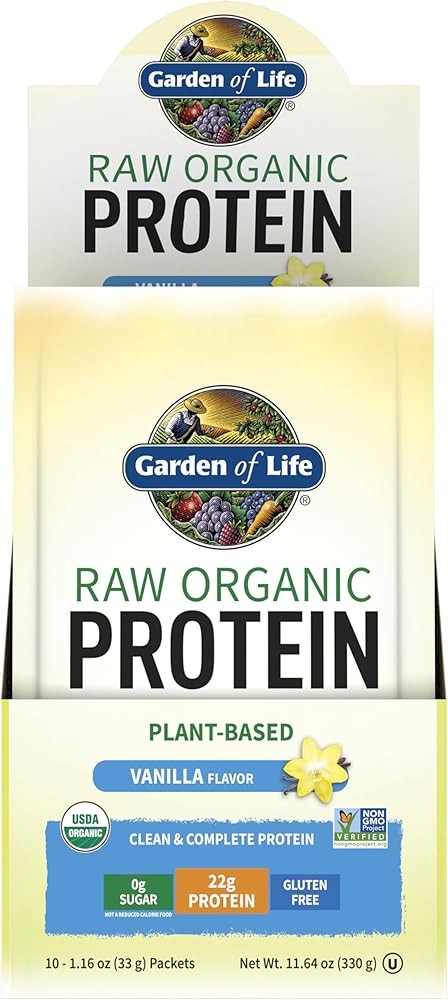
Organic Vegan Vanilla Protein Powder - Garden of Life 22g Complete Plant Based Raw Protein & BCAAs Plus Probiotics & Digestive Enzymes for Easy Digestion – Non-GMO Gluten-Free Lactose Free 10ct Tray
Check Price on AmazonAs an Amazon Associate we earn from qualifying purchases.
Bottom line: Prioritize USP/NSF third-party verified products with specific activity units (3,000-9,000 FCC lactase, 300-1,200 GalU alpha-galactosidase, 40,000+ USP lipase for EPI) over milligram-only listings; 2019 ConsumerLab testing found some OTC enzymes contained <50% claimed activity; enteric coating ensures pH 7-8 intestinal release vs. pH 1.5-3.5 stomach degradation.
What Is the Final Verdict on Digestive Enzyme Supplements?
Digestive enzyme supplements are a classic case of a genuinely valuable medical therapy (prescription PERT for EPI) whose reputation has been borrowed by a much broader category of OTC products with far weaker evidence.
If you have diagnosed exocrine pancreatic insufficiency, prescription PERT is essential, well-studied, and effective. Work with your gastroenterologist on dose optimization.
If you have confirmed lactose intolerance, lactase supplements before dairy are effective, safe, and well-supported by evidence.
If you get excessive gas from beans and legumes, alpha-galactosidase (Beano) has reasonable evidence and is safe for most people.
If you have general bloating, gas, or digestive discomfort without a diagnosed enzyme deficiency, the evidence for broad-spectrum OTC enzyme blends is weak. You are more likely to get meaningful relief from eating more slowly, managing stress, adjusting your diet (potentially with FODMAP guidance from a dietitian), and getting properly evaluated for treatable conditions.
The supplement industry wants you to believe that your digestive system is broken and that a pill can fix it. For most people, the digestive system is working exactly as designed. It just might benefit from better inputs and less stress rather than more enzymes.
Bottom line: Prescription PERT is essential for diagnosed EPI; lactase effectively manages lactose intolerance; alpha-galactosidase reduces bean gas; broad-spectrum OTC blends have weak evidence for general bloating in healthy individuals—better approaches include eating slowly, managing stress, dietary adjustments, and proper gastroenterological evaluation for persistent symptoms.
What Are the References for This Article?
-
Toskes PP, Secci A, Thieroff-Ekerdt R. Efficacy of a novel pancreatic enzyme product, EUR-1008 (Zenpep), in patients with exocrine pancreatic insufficiency due to chronic pancreatitis. Alimentary Pharmacology & Therapeutics. 2011;33(10):1152-1161. (PubMed 21418260)
-
Zsori G, Illes D, Terzin V, Ivany E, Czako L. Exocrine pancreatic insufficiency in type 1 and type 2 diabetes mellitus: do we need to address it? A systematic review. Pancreatology. 2018;18(5):559-565.
-
Di Stefano M, Miceli E, Gotti S, Missanelli A, Mazzocchi S, Corazza GR. The effect of oral alpha-galactosidase on intestinal gas production and gas-related symptoms. Digestive Diseases and Sciences. 2007;52(1):78-83. (PubMed 17151807)
-
Ganiats TG, Norcross WA, Halverson AL, Burford PA, Palinkas LA. Does Beano reduce the risk of gas? A double-blind crossover study of oral alpha-galactosidase to address dietary oligosaccharide intolerance. Journal of Family Practice. 1994;39(5):441-445. (PubMed 7964541)
-
Deng Y, Misselwitz B, Dai N, Fox M. Lactose intolerance in adults: biological mechanism and dietary management. Nutrients. 2015;7(9):8020-8035. (PubMed 26393648)
-
Majeed M, Nagabhushanam K, Arumugam S, Natarajan S, Majeed S, Ali F. Efficacy of a multi-enzyme formulation in functional dyspepsia: a randomized, double-blind, placebo-controlled study. Acta Medica. 2018;61(3):77-82.
-
Salden BN, Monserrat V, Troost FJ, et al. Randomised clinical study: Aspergillus niger-derived enzyme digests gluten in the stomach of healthy volunteers. Alimentary Pharmacology & Therapeutics. 2015;42(3):273-285.
-
Muss C, Mosgoeller W, Endler T. Papaya preparation (Caricol) in digestive disorders. Neuroendocrinology Letters. 2013;34(1):38-46. (PubMed 23524622)
-
Leeds JS, Hopper AD, Sidhu R, et al. Some patients with irritable bowel syndrome may have exocrine pancreatic insufficiency. Clinical Gastroenterology and Hepatology. 2010;8(5):433-438. (PubMed 19835990)
-
Ianiro G, Pecere S, Giorgio V, Gasbarrini A, Cammarota G. Digestive Enzyme Supplementation in Gastrointestinal Diseases. Current Drug Metabolism. 2016;17(2):187-193. (PubMed 26806042)
-
Sander-Struckmeier S, Grosso C, Gianelli M. Efficacy of digestive enzyme supplementation in functional dyspepsia: A monocentric, randomized, double-blind, placebo-controlled, clinical trial. Biomedicine & Pharmacotherapy. 2023;169:115858. (PubMed 37976892)
-
Roxas M. The role of enzyme supplementation in digestive disorders. Alternative Medicine Review. 2008;13(4):307-314. (PubMed 25103998)
-
de-Madaria E, Abad-González A, Aparicio JR, et al. Efficacy of pancreatic enzyme replacement therapy in chronic pancreatitis: systematic review and meta-analysis. Gut. 2017;66(8):1354-1355. (PubMed 27941156)
-
Pavan R, Jain S, Shraddha, Kumar A. Properties and therapeutic application of bromelain: a review. Biotechnology Research International. 2012;2012:976203. (PubMed 23304525)
Recommended Products