Best Immune System Supplements: Vitamin C, Zinc, Elderberry and What Research Supports
Summarized from peer-reviewed research indexed in PubMed. See citations below.
Cold and flu season arrives every year with the same overwhelming aisle of immune support products, each claiming to supercharge your defenses. A Cochrane review of 11,306 participants found that vitamin C does not reduce the risk of getting colds but shortens duration by 8% in adults and 14% in children when supplemented regularly at 200+ mg daily. The LifeSeasons Immuni-T combines elderberry extract with zinc and vitamin C in a single formula backed by standardized ingredient dosing. Multiple meta-analyses confirm zinc lozenges reduce cold duration by 33% when started within 24 hours, and vitamin D cuts infection risk by 70% in deficient individuals. Budget-conscious consumers can achieve similar benefits with the 8-in-1 Immune Support at roughly $20 for a comprehensive multi-nutrient formula. Here’s what the published research shows about the 15 most popular immune supplements and which protocols actually deliver measurable benefits.
Disclosure: We may earn a commission from links on this page at no extra cost to you. Affiliate relationships never influence our ratings. Full policy →
What Should You Know Before Taking Immune Supplements?
Walk into any pharmacy during cold and flu season and you will find an entire aisle dedicated to immune support. Vitamin C tablets, zinc lozenges, elderberry syrups, echinacea tinctures, mushroom blends — the options are overwhelming, and the marketing claims are even more so. “Supercharge your immune system.” “Never get sick again.” “Clinically proven immune defense.”
Here is the problem: most of those claims are either exaggerated, taken out of context, or outright wrong.
The immune system is not a machine with a simple on-off switch. It is an extraordinarily complex network of cells, tissues, and signaling molecules that must balance activation (addressing pathogens) with restraint (avoiding autoimmunity and tissue damage). The idea that you can “boost” this system with a single pill is, at best, a dramatic oversimplification.
That said, certain nutrients and compounds do play measurable, clinically documented roles in immune function. Some have been studied in Cochrane reviews involving thousands of participants. Others rest on a single trial that has never been replicated. The difference between these two categories matters enormously when you are deciding where to spend your money.
This article reviews 15 immune-related supplements, ranked by the strength and quality of their clinical evidence. We cover what the meta-analyses and randomized controlled trials actually found — including the results that supplement companies would prefer you not see. We also cover optimal dosing protocols, drug interactions, common myths, and the lifestyle factors that research shows matter far more than any supplement.
If you are looking for honest, evidence-based guidance on immune supplementation, this is it.
Bottom line: The immune supplement market is filled with exaggerated claims, but certain nutrients have genuine clinical evidence. This review ranks 15 supplements by research quality, with vitamin C reducing cold duration by 8-14%, zinc lozenges shortening colds by 33% when used correctly, vitamin D cutting infection risk by 70% in deficient individuals, and NAC reducing 75% of symptomatic flu infections in one landmark trial involving 262 subjects.
| Feature | LifeSeasons Immuni-T | 8-in-1 Immune Support | 9-in-1 Immune Support |
|---|---|---|---|
| View on Amazon | Check Price | Check Price | Check Price |
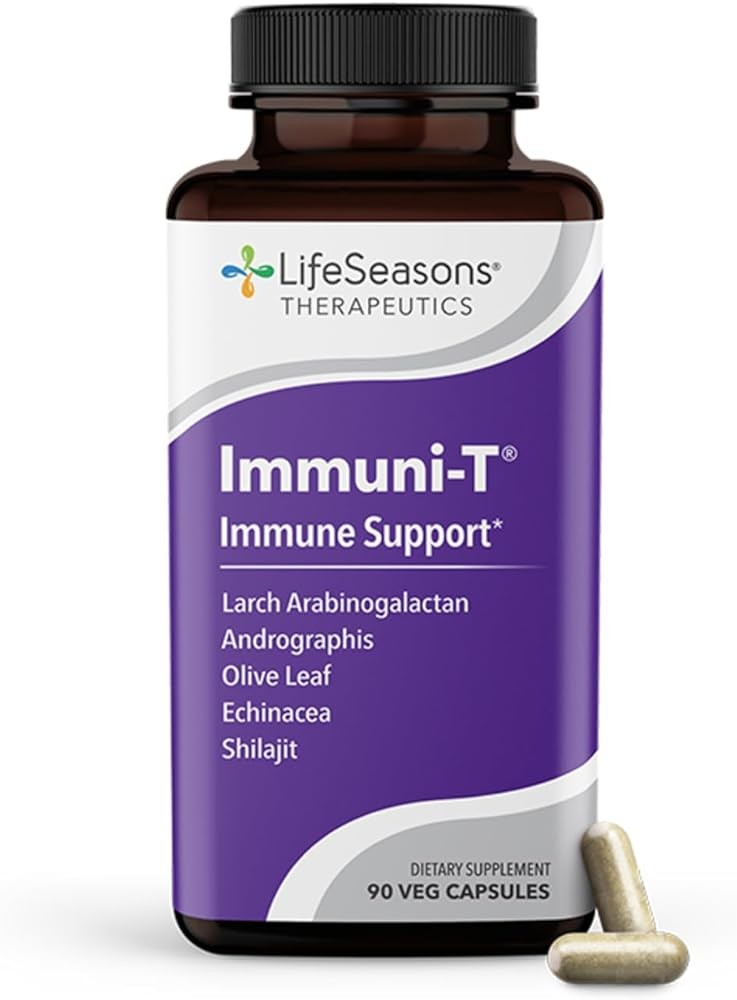
LifeSeasons Immuni-T - Immune Support Supplement - Immunity System Booster - Natural Cold & Flu Relief - Elderberry, ...
Check Price on AmazonAs an Amazon Associate we earn from qualifying purchases.
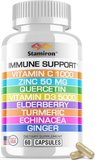
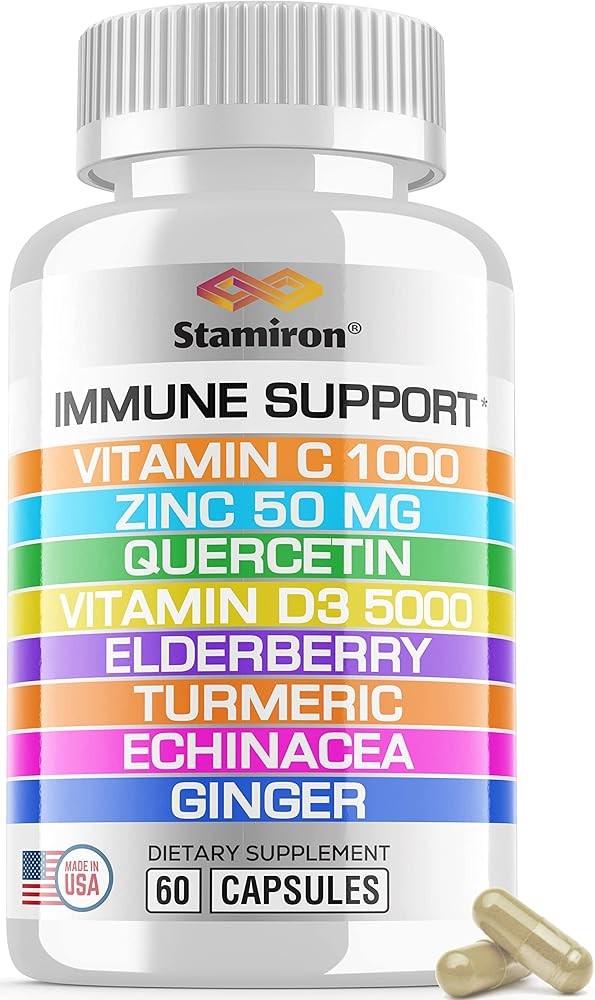
8 in 1 Immune Support with Quercetin Zinc 50mg Vitamin C 1000mg Vitamin D3 5000 IU and Elderberry Echinacea Ginger fo...
Check Price on AmazonAs an Amazon Associate we earn from qualifying purchases.
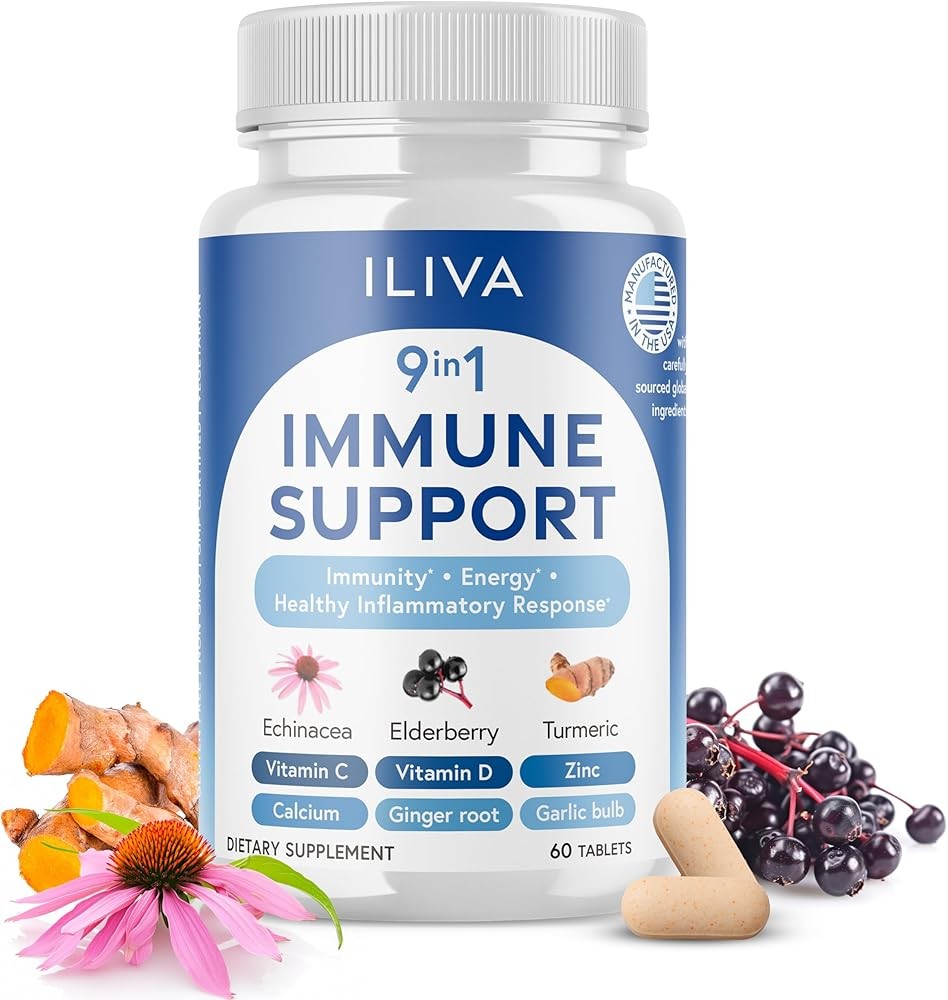
9-in-1 Immune Support Supplement: Daily Multi-Vitamin for Respiratory Health with Vitamin C, D3, Calcium, Zinc, Propr...
Check Price on AmazonAs an Amazon Associate we earn from qualifying purchases.
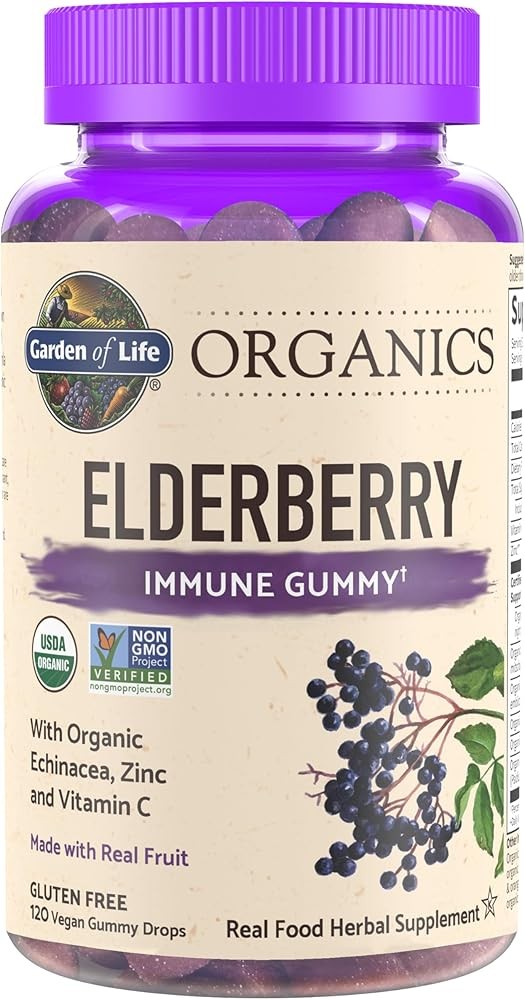
Garden of Life Organics Elderberry Gummies for Adults & Kids - Immune Support Supplement with Organic Fruit, Herbal B...
Check Price on AmazonAs an Amazon Associate we earn from qualifying purchases.
What Does Video Evidence Show About Immune Supplements?
Bottom line: Video reviews provide visual demonstrations of supplement products, packaging, and real-world usage that complement written research analysis.
What Are the Warning Signs Your Immune System Needs Support?
Before reaching for any supplement, it helps to recognize when your immune system might actually be struggling. Your body sends signals — and learning to read them is more valuable than any pill bottle.
1. You catch more than 2-3 colds per year. Healthy adults average 1-2 colds annually. If you are consistently above this, your immune defenses may be underperforming. Track your illnesses for a year before assuming you need supplementation.
2. Your wounds recover slowly. A minor cut or scrape should begin closing within 3-5 days. If you notice that small injuries linger for a week or more, immune cells responsible for tissue repair may not be functioning optimally. Nutrient deficiencies in zinc, vitamin C, and vitamin D all impair wound healing.
3. You get the same infection repeatedly. Recurring ear infections, chronic bronchitis, repeated sinus infections, or frequent UTIs suggest that your immune system is not creating adequate memory responses or that something is actively suppressing function.
4. Illnesses hit you harder than others. When a cold that lasts 3 days for your coworker puts you in bed for 10 days, your immune response may be sluggish. Pay attention to whether your recovery times are consistently longer than the people around you.
5. You are constantly exhausted despite sleeping enough. Chronic, unexplained fatigue can indicate that your immune system is engaged in a low-grade battle — addressing something it cannot quite resolve. This is different from being tired because you went to bed late.
6. You have frequent digestive issues. Roughly 70% of your immune system lives in your gut-associated lymphoid tissue (GALT). If you experience chronic bloating, irregular bowel movements, or frequent stomach discomfort, your gut-immune axis may be compromised.
7. Infections take a long time to clear. A cold that lingers for 2-3 weeks instead of 7-10 days, or a minor skin infection that does not respond quickly to treatment, both signal impaired immune clearance.
These signs do not automatically mean you need supplements. They mean you need to investigate further — starting with a conversation with your healthcare provider, blood work to check for deficiencies (vitamin D, zinc, iron), and an honest assessment of your sleep, stress, diet, and exercise habits.
Bottom line: Warning signs that your immune system may need support include catching more than 2-3 colds per year, wounds taking longer than 3-5 days to begin closing, recurring infections, recovery times consistently longer than others, unexplained chronic fatigue despite adequate sleep, frequent digestive issues affecting the gut-associated lymphoid tissue (GALT), and infections taking 2-3 weeks instead of 7-10 days to clear.
Which Immune Supplements Have the Strongest Clinical Evidence?
These four supplements have the most robust clinical evidence for immune function, backed by Cochrane reviews, large meta-analyses, or landmark trials with thousands of participants.
Does Vitamin C Actually Reduce the risk of Colds or Just Shorten Them?
Vitamin C is the most studied immune supplement in history, and the most misunderstood.
In 1970, Nobel laureate Linus Pauling published “Vitamin C and the Common Cold,” claiming that mega-doses of 1,000-2,000 mg daily could reduce the risk of colds entirely. He was enormously influential — and substantially wrong about the magnitude of benefit.
What the Cochrane review found: Hemila and Chalker analyzed 29 trial comparisons involving 11,306 participants. Regular vitamin C supplementation (200+ mg/day) had no effect on cold incidence in the general population. None. You are not less likely to catch a cold by taking vitamin C [1].
However, once infected, regular supplementation reduced cold duration by 8% in adults and 14% in children. In children taking 1-2 grams daily, duration shortened by 18%. These are modest but real effects — roughly half a day shorter cold for adults.
The striking exception: in 5 trials involving 598 participants under extreme physical stress (marathon runners, soldiers, skiers), vitamin C halved cold risk entirely (RR 0.48). If you train intensely, vitamin C supplementation has much stronger justification [1].
Severity matters too. A 2023 meta-analysis of 15 comparisons from 10 RCTs found vitamin C reduced cold severity by 15%. The benefit was significant for severe symptoms but not mild ones — suggesting vitamin C helps most when you are hit hardest [2].
The critical timing detail that most people miss: Taking vitamin C after symptoms start shows no consistent benefit. The research is clear — it must already be in your system before you get sick. This means daily supplementation during cold season, not emergency doses when you feel a tickle in your throat.
How it works: Vitamin C accumulates in neutrophils and enhances their ability to chase down, engulf, and combat pathogens. It promotes differentiation of B-cells and T-cells, supports NK cell function, and is essential for clearing spent immune cells from infection sites to reduce the risk of tissue damage [3]. A 2023 review confirms vitamin C’s ability to activate and enhance the immune system makes it a promising treatment across multiple disease contexts [20].
The saturation point that Pauling missed: Blood plasma saturates at roughly 200 mg/day. The Linus Pauling Institute — named after the man himself — now recommends 400 mg/day for healthy adults, not the 2,000+ mg he personally advocated. As researchers have noted, “the first 250 mg is more important than any later 250 mg.”
Dosing protocol:
- Daily maintenance: 200-500 mg/day
- Acute illness: 1,000-2,000 mg/day in divided doses
- Upper tolerable limit: 2,000 mg/day (higher doses cause diarrhea and stomach cramps)
Bottom line: A Cochrane review of 11,306 participants found vitamin C does not reduce the risk of colds in the general population but reduces duration by 8% in adults and 14% in children with regular supplementation of 200+ mg daily. The exception is people under extreme physical stress (marathon runners, soldiers), where vitamin C halves cold risk, and it must already be in your system before infection for any benefit.
How Do Zinc Lozenges Reduce Cold Duration by 33%?
Zinc may be the most underappreciated immune supplement available, but only when used correctly. The difference between effective and ineffective zinc supplementation comes down to form, timing, and dose — get any one of these wrong and you lose the benefit.
Hemila’s 2017 meta-analysis of 7 trials found zinc lozenges reduced mean cold duration by 33%. Zinc acetate lozenges shortened colds by 40%, while zinc gluconate shortened them by 28% — though the difference between forms was not statistically significant [4].
Individual patient data analysis confirmed that zinc acetate lozenges at 80-92 mg/day reduced cold duration by 33%. Interestingly, doubling the dose to 192-207 mg/day only achieved 35% — essentially no additional benefit from higher doses [5].
But here is where it gets complicated. The 2024 Cochrane review on zinc concluded that evidence is “insufficient to provide firm conclusions” and that zinc may make “little to no difference” in reducing cold incidence. However, for treatment, it found zinc may reduce symptom duration by approximately 2 days [6].
This Cochrane review has been criticized by Hemila (the leading zinc researcher) in Frontiers in Medicine for methodological shortcomings [7]. The discrepancy between reviews largely comes down to which trials are included and how they are analyzed.
Why form matters so much: The mechanism behind zinc lozenges is not systemic absorption — it is local delivery. Rhinoviruses replicate in the oropharyngeal region (back of the throat), and zinc ions released from lozenges achieve concentrations in throat tissues that oral supplements never could.
This creates a specific set of rules for effective use:
- Lozenges, not pills. Swallowing a zinc tablet bypasses the entire mechanism of action.
- Zinc acetate or zinc gluconate. These forms release free zinc ions in the mouth and throat.
- No zinc-binding additives. Lozenges containing citric acid, tartaric acid, or sorbitol chemically bind zinc ions, neutralizing their antiviral activity. Many commercial zinc lozenges contain exactly these ingredients, rendering them essentially useless for cold treatment.
- Started within 24 hours. Timing is critical — the virus establishes itself quickly.
- Adequate dose. At least 75 mg elemental zinc per day, dissolved one lozenge every 2-4 waking hours.
Dosing protocol:
- Daily maintenance: 15-30 mg/day (zinc picolinate or glycinate for absorption)
- Acute cold treatment: 75-100 mg/day as lozenges, every 2-4 hours while awake
- Maximum therapeutic: 100 mg/day (short-term only, 3-7 days)
- Upper tolerable limit for long-term use: 40 mg/day
Critical safety note — copper depletion: High-dose zinc (above 40 mg/day) taken long-term stimulates metallothionein production, which blocks copper absorption. Median time from zinc use to copper deficiency diagnosis is 1.1 years, and by diagnosis, 85% of patients had neurological disease that may be irreversible. If you take more than 40 mg zinc daily for extended periods, supplement with 2 mg copper daily.
Bottom line: Zinc lozenges reduce cold duration by 33% when four critical conditions are met: started within 24 hours of symptoms, used as lozenges (not pills), at 75+ mg elemental zinc per day dissolved every 2-4 hours, and without zinc-binding additives like citric acid or sorbitol. Zinc acetate lozenges at 80-92 mg/day showed 40% reduction in cold duration, but long-term high doses above 40 mg/day require 2 mg copper supplementation to reduce the risk of neurological damage from copper depletion.
Is Elderberry Effective for Colds and Flu?
Elderberry (Sambucus nigra) has become one of the most popular immune supplements, and the clinical evidence is genuinely interesting — though not as strong as the marketing suggests.
Hawkins et al. 2019 meta-analysis of 180 participants found elderberry supplementation substantially reduced upper respiratory symptoms with a large effect size of 1.717 [8].
The Tiralongo 2016 air travel study is particularly compelling: elderberry users had 57 cold episode days versus 117 in the placebo group (less than half), with substantially lower symptom severity. The protocol was 600-900 mg/day for air travelers [9].
The original Zakay-Rones 2004 trial on influenza found symptoms were relieved an average of 4 days earlier in the elderberry group, with significantly less rescue medication use [10].
But then came Macknin 2020, the largest and most rigorous trial. It found no evidence that elderberry benefits duration or severity of influenza. A post hoc analysis actually suggested elderberry alone was 2 days worse than placebo. This study used elderberry in combination with oseltamivir (Tamiflu), which complicates interpretation — but it is the highest-quality trial available [11].
The honest assessment: The meta-analysis still favors elderberry, but confidence intervals are wide, trials are small, and the one large rigorous trial was negative. Elderberry is likely beneficial for mild upper respiratory infections, but it is not the miracle cold-and-flu support recovery from that marketing claims suggest.
The cytokine storm myth — definitively debunked: During COVID-19, claims spread that elderberry could trigger a dangerous cytokine storm. This has no evidence basis. Elderberry produces a 2-6x increase in certain cytokines. Running a marathon produces a 100x increase in the same cytokines. An actual cytokine storm causing respiratory distress involves approximately 1,000x increases. There is zero human evidence of elderberry triggering cytokine storm. Exercise caution with autoimmune conditions, but for healthy people, elderberry is safe.
How it works: Elderberry is rich in anthocyanins that stimulate immune cell activity. It demonstrates antiviral activity against influenza A and B in laboratory studies and has immunomodulatory effects including cytokine modulation.
Dosing protocol:
- Daily maintenance: 10 mL (2 teaspoons) elderberry syrup once daily
- Acute illness (flu): 15 mL elderberry syrup 4 times daily for 5 days
- Air travel protocol: 600 mg/day starting 10 days before travel, increasing to 900 mg/day the day before through 4-5 days post-flight
- Start within 48 hours of symptom onset for best results
Bottom line: Elderberry meta-analysis of 180 participants shows substantial reduction in upper respiratory symptoms with large effect size of 1.717, and air travelers using 600-900 mg/day had less than half the cold episode days (57 vs 117) versus placebo. However, the largest rigorous trial (Macknin 2020) found no benefit for influenza duration or severity, and the COVID-era cytokine storm fears are unfounded as elderberry produces only 2-6x cytokine increases compared to 100x from exercise.
How Much Does Vitamin D Deficiency Affect Your Immune System?
Vitamin D’s role in immunity generated enormous excitement after a landmark 2017 meta-analysis — and then the story got more complicated.
Martineau et al. 2017 analyzed individual patient data from 25 RCTs and 11,321 participants. Overall, vitamin D reduced respiratory infection risk (adjusted OR 0.88). Daily or weekly dosing showed stronger benefit (OR 0.81) than bolus dosing (OR 0.97 — essentially no effect).
The headline finding was in deficient patients. Those with 25(OH)D levels below 25 nmol/L experienced a 70% risk reduction (adjusted OR 0.30). This is a massive effect — among the largest for any immune supplement. For people with adequate vitamin D levels, the benefit was much smaller.
Then came the 2025 update. With more trials included, the overall effect was no longer statistically significant (OR 0.94, CI 0.88-1.00). No significant effect modification by age, baseline status, dosing frequency, or dose size was found.
What this means practically: If you are vitamin D deficient — and an estimated 40-50% of the global population is — supplementation may meaningfully reduce your infection risk. If your levels are already adequate, mega-dosing provides diminishing or no returns. Testing your 25(OH)D level is the most rational first step before supplementing.
The mechanism is elegant: When macrophages detect bacterial infection, they convert 25(OH)D to active 1,25(OH)2D, which induces antimicrobial peptides (cathelicidin) that directly combat pathogens. Vitamin D also modulates T-cell activation, dendritic cell function, and the Th1 cytokine IFN-gamma creates a positive feedback loop with vitamin D-activating enzymes.
Dosing protocol:
- Daily maintenance: 1,000-2,000 IU/day
- Deficiency correction: 5,000 IU/day for 8-12 weeks, then retest
- Upper tolerable limit: 4,000 IU/day for long-term use
- Take with fat for absorption (vitamin D is fat-soluble)
- Use D3 (cholecalciferol) over D2 (ergocalciferol) — D3 is more effective at raising 25(OH)D levels
Bottom line: Vitamin D meta-analysis of 11,321 participants found 70% infection risk reduction (adjusted OR 0.30) in deficient individuals with 25(OH)D below 25 nmol/L, with daily or weekly dosing showing stronger benefit (OR 0.81) than bolus dosing (OR 0.97). However, the 2025 update found no statistically significant overall effect (OR 0.94), making testing 25(OH)D levels critical before supplementation as 40-50% of the global population is deficient while those with adequate levels see diminishing returns.
Which Supplements Have Good But Not Definitive Evidence?
The following supplements have positive clinical trials and plausible mechanisms, but evidence quality is lower — smaller trials, inconsistent results across studies, or methodological concerns that weaken confidence.
Why Does Echinacea Work in Some Studies But Not Others?
Echinacea is one of the most frustrating supplements to evaluate because trials use different species, different plant parts, different extraction methods, and different dosing protocols — then researchers pool all of this heterogeneous data together and declare “echinacea doesn’t work.”
Shah’s 2007 meta-analysis of 14 trials found echinacea reduced cold incidence by 58% and duration by 1.4 days. This generated significant excitement [12].
The 2014 Cochrane review was far less impressed. It analyzed 24 controlled trials and concluded evidence for clinical benefit is weak. The review criticized trial quality, heterogeneity, and inconsistent results [13].
What explains the discrepancy? The type of echinacea used matters enormously. Fresh E. purpurea alcoholic extract (the specific preparation used in positive Swiss trials) shows consistent benefit. Dried root extracts, pressed juice, and other commercial preparations often show no benefit or inconsistent results.
The Echinaforce product (A. Vogel) — fresh E. purpurea alcoholic extract — is the gold standard if you want to match the clinical trials that actually worked. Generic echinacea capsules from the pharmacy shelf are a gamble.
Dosing protocol:
- NOT for daily long-term use (immune tolerance may develop)
- Acute illness: 900 mg E. purpurea extract 3x daily for 7-10 days
- Start at first sign of symptoms
- Fresh alcoholic extract preferred over dried preparations
Bottom line: Echinacea meta-analysis found 58% reduction in cold incidence and 1.4-day shorter duration, but the 2014 Cochrane review found weak evidence due to trial heterogeneity. Fresh E. purpurea alcoholic extract (Echinaforce) shows consistent benefit in Swiss trials, while dried root extracts and other commercial preparations show inconsistent or no results, making specific product selection critical.
Which Probiotic Strains Actually Support Immune Function?
Not all probiotics are created equal. The strain matters as much as the genus and species.
Hao et al. 2015 meta-analysis of 20 RCTs and 6,950 participants found probiotics reduced upper respiratory infection incidence, duration, and antibiotic use. The effect was modest but statistically significant.
The most studied immune-specific strains:
- Lactobacillus rhamnosus GG — reduces respiratory infection incidence by 17% and antibiotic use by 19% in children
- Lactobacillus casei Shirota — increases NK cell activity
- Bifidobacterium animalis subsp. lactis BB-12 — reduces cold and flu incidence
- Lactobacillus plantarum HEAL9 + Lactobacillus paracasei 8700:2 — reduces cold duration and symptom severity
The gut-immune connection: Roughly 70% of your immune system resides in gut-associated lymphoid tissue (GALT). Probiotics modulate immune function through multiple pathways: enhancing intestinal barrier function, producing antimicrobial compounds, modulating cytokine production, and influencing systemic immune cell activity.
Dosing protocol:
- Daily maintenance: 1-100 billion CFU/day (higher doses not necessarily better)
- Choose products with named strains (not just “Lactobacillus acidophilus”)
- Take consistently for at least 3 months to see immune benefits
- Refrigerated products generally have better viability
Bottom line: Probiotics meta-analysis of 6,950 participants found reduced upper respiratory infection incidence, duration, and antibiotic use. Lactobacillus rhamnosus GG reduces respiratory infection incidence by 17% and antibiotic use by 19% in children, while 70% of immune system resides in gut-associated lymphoid tissue (GALT) where probiotics modulate function through enhanced intestinal barrier function, antimicrobial compound production, and cytokine modulation.
Can NAC Reduce the risk of 75% of Symptomatic Flu Infections?
N-acetylcysteine (NAC) is better known as a mucolytic agent and acetaminophen overdose antidote, but it has fascinating immune data.
The De Flora 1997 landmark trial involved 262 subjects who took 600 mg NAC twice daily for 6 months during winter. Only 25% of NAC-treated participants who became infected with influenza developed symptoms, compared to 79% in the placebo group — a 75% reduction in symptomatic illness. Both groups had similar infection rates based on antibody titers, but NAC dramatically reduced symptom expression [14].
The mechanism: NAC is a precursor to glutathione, the body’s master antioxidant. It reduces oxidative stress, modulates inflammatory cytokine production, and may interfere with viral replication. Influenza infection causes massive oxidative stress and inflammation — NAC appears to blunt this response.
Why isn’t this better known? The De Flora trial is well-designed but stands relatively alone. It has not been replicated at scale, and NAC is an inexpensive generic supplement with little profit motive for large-scale trials.
Dosing protocol:
- Daily maintenance (winter months): 600 mg 1-2x/day
- Acute respiratory illness: 600 mg 2-3x/day
- Take on an empty stomach for best absorption
- Start in October-November before flu season
Critical drug interaction: NAC + nitroglycerin causes severe hypotension and headaches. Absolute contraindication.
Bottom line: NAC trial of 262 subjects found only 25% of infected participants developed symptomatic flu versus 79% placebo (75% reduction in symptomatic illness) when taking 600 mg twice daily for 6 months during winter. Both groups had similar infection rates based on antibody titers, but NAC as a glutathione precursor dramatically reduced symptom expression by reducing oxidative stress and modulating inflammatory cytokine production, though the trial has not been replicated at scale.
How Do Beta-Glucans Train Your Immune Cells?
Beta-glucans are polysaccharides found in mushrooms, yeast, and oats that have fascinating immunomodulatory properties.
The mechanism is called “trained immunity.” Beta-glucans bind to receptors on innate immune cells (macrophages, neutrophils, NK cells) and induce epigenetic changes that enhance their responsiveness to future threats. This is not classical immunological memory (which requires adaptive immunity), but a form of metabolic and epigenetic reprogramming of innate cells.
A 2023 clinical trial on Ganoderma lucidum (reishi) beta-glucans found significant immune modulation in healthy volunteers, including increased phagocytic activity and cytokine production [14].
Beta-glucans from different sources vary in structure and potency:
- Yeast beta-1,3/1,6-glucan (from Saccharomyces cerevisiae)
- Mushroom beta-glucans (reishi, shiitake, maitake, turkey tail)
- Oat beta-glucans (primarily beta-1,3/1,4-glucan, less immune-active)
Dosing protocol:
- Daily maintenance: 250-500 mg/day
- Immune support: 500-1,000 mg/day
- Use consistently for at least 4-6 weeks to see benefit
- Mushroom-based blends provide diverse beta-glucan structures
Bottom line: Beta-glucans induce trained immunity by binding innate immune cell receptors and causing epigenetic changes that enhance future threat responsiveness. A 2023 Ganoderma lucidum (reishi) trial found increased phagocytic activity and cytokine production in healthy volunteers, with mushroom beta-glucans (reishi, shiitake, maitake, turkey tail) and yeast beta-1,3/1,6-glucan showing higher immune activity than oat beta-1,3/1,4-glucan, requiring 250-1,000 mg/day for 4-6 weeks consistent use.
What About Supplements With Emerging or Limited Evidence?
The following have intriguing preliminary data but limited high-quality evidence. They may work, but confidence is lower than the supplements above.
Does Andrographis Really Cut Cold Risk in Half?
Andrographis paniculata is an Ayurvedic herb with a small but compelling evidence base.
The Kan Jang formulation (standardized andrographis extract) reduced cold incidence by 50% in a 3-month winter trial and shortened symptom duration by 1.9 days when used at onset.
Mechanism: Andrographolides (the active compounds) have anti-inflammatory, antiviral, and immunomodulatory properties. Laboratory studies show activity against respiratory viruses.
Dosing protocol: Per Kan Jang label, started within 36-72 hours of symptoms, for 5-10 days.
Bottom line: Andrographis (Kan Jang formulation) reduced cold incidence by 50% in a 3-month winter trial and shortened symptom duration by 1.9 days when started within 36-72 hours, with andrographolides showing anti-inflammatory, antiviral, and immunomodulatory properties in laboratory studies.
How Does Quercetin Help Zinc Address Viruses?
Quercetin is a flavonoid antioxidant found in onions, apples, and berries. It has two interesting properties for immune support:
- Zinc ionophore activity: Quercetin helps transport zinc ions across cell membranes, potentially enhancing zinc’s antiviral activity.
- Direct antiviral activity: Laboratory studies show quercetin inhibits viral replication for multiple respiratory viruses.
Dosing protocol: 500-1,000 mg/day, paired with zinc supplementation. Take with bromelain or vitamin C to enhance absorption.
Bottom line: Quercetin acts as a zinc ionophore to transport zinc ions across cell membranes and shows direct antiviral activity against respiratory viruses in laboratory studies, with optimal dosing at 500-1,000 mg/day paired with zinc and taken with bromelain or vitamin C for enhanced absorption.
Is Pelargonium Sidoides (Umcka) Effective for Coughs and Bronchitis?
Pelargonium sidoides (EPs 7630, brand name Umcka) is a South African geranium extract with data for acute bronchitis and respiratory infections.
Multiple trials show faster symptom resolution (2-3 days earlier) for acute bronchitis and upper respiratory infections. The effect is modest but consistent.
Dosing protocol: Per EPs 7630 label, started at onset of respiratory symptoms, for 7-14 days.
Bottom line: Pelargonium sidoides (EPs 7630/Umcka) shows 2-3 days faster symptom resolution for acute bronchitis and upper respiratory infections in multiple trials, with dosing per label for 7-14 days started at symptom onset.
Can Bovine Colostrum Reduce Respiratory Infections by 36%?
Bovine colostrum (first milk after calving) contains immunoglobulins, lactoferrin, and growth factors.
A 2007 trial found 36% fewer respiratory infection episodes in colostrum users versus placebo over 8 weeks.
Dosing protocol: 400-500 mg/day for at least 8-12 weeks.
Bottom line: Bovine colostrum trial found 36% fewer respiratory infection episodes versus placebo over 8 weeks at 400-500 mg/day for 8-12 weeks minimum, containing immunoglobulins, lactoferrin, and growth factors.
Does Garlic Actually Boost Your Immune System?
Garlic has been used for immune support for centuries, but clinical evidence is thin.
One small trial found 63% fewer colds in garlic users versus placebo. However, the trial was small (146 participants) and has not been replicated.
Dosing protocol: 2.56 g aged garlic extract daily. Aged extract is preferred over fresh garlic for standardization and stability.
Bottom line: Single small trial of 146 participants found 63% fewer colds with 2.56 g aged garlic extract daily, but evidence is limited and has not been replicated, with aged extract preferred over fresh garlic for standardization and stability.
When Should You Supplement Selenium for Immune Support?
Selenium is an essential trace mineral required for immune function, but deficiency is uncommon in most developed countries unless soil is selenium-poor or diet is restricted.
Avery and Hoffmann 2018 review confirms selenium is critical for immune function, particularly for selenoproteins involved in antioxidant defense [18].
Dosing protocol: 55-100 mcg/day for maintenance (only if diet is inadequate). Upper limit 400 mcg/day. Brazil nuts are exceptionally high in selenium (1-2 nuts provide 100+ mcg).
Bottom line: Selenium is critical for immune function through selenoproteins involved in antioxidant defense, with 55-100 mcg/day maintenance dosing only if diet is inadequate (1-2 Brazil nuts provide 100+ mcg) and upper limit 400 mcg/day, though deficiency is uncommon in developed countries.
What Does Modern Research Say About Astragalus for Immunity?
Astragalus membranaceus is a traditional Chinese medicine herb with limited modern clinical data.
Mechanism: Polysaccharides and saponins have immunomodulatory properties in laboratory studies, including enhanced NK cell activity and T-cell proliferation.
Clinical evidence: Mostly small trials from China with methodological concerns. Larger, well-controlled Western trials are lacking.
Bottom line: Astragalus polysaccharides and saponins show immunomodulatory properties including enhanced NK cell activity and T-cell proliferation in laboratory studies, but clinical evidence consists mostly of small trials from China with methodological concerns and lacks large well-controlled Western trials.
What Are the Biggest Myths About Immune Supplements?
Does Vitamin C Really Reduce the risk of Colds?
No. The Cochrane review is definitive: regular vitamin C supplementation does not reduce cold incidence in the general population. It shortens duration by 8-14%, which is useful but far from the “stops colds entirely” claim that circulates widely.
Can Zinc Actually Support a Cold?
Yes, but with strict conditions. Zinc lozenges (not pills) at 75+ mg/day, started within 24 hours, without citric acid or sorbitol, reduce cold duration by 33%. Get any of those details wrong and zinc does nothing.
Does Echinacea Work or Not?
It depends on the product. Fresh E. purpurea alcoholic extract (Echinaforce) shows consistent benefit. Dried root extracts and generic capsules are hit-or-miss. Most negative studies used ineffective preparations, which is why meta-analyses are so inconsistent.
Can Elderberry Cause a Dangerous Cytokine Storm?
No. This myth went viral during COVID-19 but is nonsense. Elderberry produces a 2-6x cytokine increase. Exercise produces 100x. An actual cytokine storm involves 1,000x increases. There is zero human evidence of elderberry causing cytokine storm.
Does More Vitamin D Always Mean Better Immunity?
No. If you are deficient, correcting that deficiency dramatically reduces infection risk (70% reduction). If your levels are already adequate, mega-dosing provides little to no additional benefit. Test your 25(OH)D level before supplementing.
Is the Garlic Immune Boost Claim Supported by Evidence?
Barely. One small trial found 63% fewer colds, but it involved only 146 participants and has not been replicated. Garlic has plausible mechanisms, but the evidence base is thin.
Do All Probiotics Support Immunity Equally?
Absolutely not. Strain matters enormously. Lactobacillus rhamnosus GG has strong evidence. Generic “acidophilus” blends are a gamble. Always choose products with named strains and clinical trial backing.
Bottom line: Common myths include vitamin C preventing colds (it only shortens duration 8-14%), zinc working in any form (requires lozenges without citric acid within 24 hours), all echinacea being equal (fresh E. purpurea alcoholic extract works while dried root extracts fail), elderberry causing cytokine storms (only 2-6x increase versus 1,000x in actual storms), more vitamin D always helping (only deficient individuals benefit significantly), garlic having strong evidence (one 146-participant trial, not replicated), and all probiotics being equal (strain specificity critical with Lactobacillus rhamnosus GG having strongest evidence).
What Lifestyle Factors Matter More Than Supplements?
Here is the uncomfortable truth: no supplement will compensate for poor sleep, chronic stress, terrible diet, and sedentary lifestyle. The lifestyle factors below have larger, more consistent effects on immune function than any pill.
How Much Does Sleep Affect Your Immune System?
Cohen et al. 2009 exposed 153 healthy adults to rhinovirus and tracked who got sick. Those sleeping less than 7 hours per night were 2.94 times more likely to develop a cold than those sleeping 8+ hours [15].
Prather et al. 2015 found that those sleeping less than 6 hours per night were 4.2 times more likely to catch a cold compared to those sleeping 7+ hours [16]. This is a massive effect — larger than any immune supplement.
Sleep deprivation impairs every aspect of immune function: NK cell activity drops, T-cell proliferation decreases, pro-inflammatory cytokines rise, and antibody response to vaccines is blunted. A single night of poor sleep measurably weakens immunity.
Bottom line: Sleep less than 7 hours increases cold risk 2.94-fold, while less than 6 hours increases risk 4.2-fold — larger effects than any immune supplement. Sleep deprivation impairs NK cell activity, T-cell proliferation, increases pro-inflammatory cytokines, and blunts antibody response to vaccines, with a single night of poor sleep measurably weakening immunity.
What Does Chronic Stress Do to Immune Function?
Segerstrom and Miller’s 2004 meta-analysis of 30 years of psychoneuroimmunology research found that chronic stress (lasting weeks to years) consistently suppresses almost all measures of immune function [17].
Acute stress (minutes to hours) can actually enhance certain immune responses — the “fight or flight” response mobilizes immune defenses. But chronic, uncontrollable stress is immunosuppressive across the board.
Cortisol dysregulation is the primary mechanism. Chronic stress elevates cortisol, which suppresses T-cell function, reduces NK cell cytotoxicity, and shifts cytokine balance toward pro-inflammatory profiles.
Bottom line: Chronic stress lasting weeks to years consistently suppresses almost all immune function measures per 30-year meta-analysis, while acute stress (minutes to hours) can enhance immune responses. Cortisol dysregulation from chronic stress suppresses T-cell function, reduces NK cell cytotoxicity, and shifts cytokine balance toward pro-inflammatory profiles.
Does Exercise Help or Hurt Immunity?
Moderate regular exercise (30-45 minutes most days) enhances immune surveillance, improves circulation of immune cells, and reduces chronic inflammation.
Intense prolonged exercise (marathons, ultra-endurance events) temporarily suppresses immune function, creating an “open window” of 3-72 hours post-event when infection risk is elevated.
The J-curve model: Sedentary individuals have elevated infection risk. Moderate exercisers have the lowest risk. Extreme athletes have moderately elevated risk due to immunosuppression from overtraining.
Bottom line: Moderate regular exercise (30-45 minutes most days) enhances immune surveillance and reduces chronic inflammation, while intense prolonged exercise temporarily suppresses immune function creating a 3-72 hour “open window” of elevated infection risk. The J-curve model shows sedentary individuals and extreme athletes have elevated infection risk while moderate exercisers have the lowest risk.
What Dietary Patterns Support Immune Function?
Nutrient density matters far more than any single “immune-boosting” food. Protein (for antibody and immune cell production), zinc, vitamin C, vitamin D, vitamin A, iron, selenium, and omega-3 fatty acids are all required for optimal immune function.
Mediterranean diet patterns — rich in fruits, vegetables, whole grains, legumes, nuts, olive oil, and fish — consistently associate with lower inflammation and better immune function.
Ultra-processed diets high in refined sugars and trans fats promote chronic inflammation and impair immune responses.
Bottom line: Nutrient-dense diets providing protein, zinc, vitamin C, D, A, iron, selenium, and omega-3 fatty acids support optimal immune function, with Mediterranean diet patterns (fruits, vegetables, whole grains, legumes, nuts, olive oil, fish) associating with lower inflammation and better immune function, while ultra-processed diets high in refined sugars and trans fats promote chronic inflammation and impair immune responses.
How Does Alcohol Affect Immunity?
Moderate to heavy alcohol consumption impairs immune function through multiple pathways: disrupts gut barrier function (allowing endotoxin translocation), suppresses T-cell and B-cell function, reduces NK cell activity, and increases systemic inflammation.
Even a single binge drinking episode (5+ drinks) transiently suppresses immune function for 24+ hours.
Bottom line: Moderate to heavy alcohol consumption impairs immune function by disrupting gut barrier function allowing endotoxin translocation, suppressing T-cell and B-cell function, reducing NK cell activity, and increasing systemic inflammation, with even a single binge drinking episode (5+ drinks) transiently suppressing immune function for 24+ hours.
What Drug Interactions Should You Know About?
Immune supplements are generally safe, but several have clinically significant interactions that you need to know about.
What Medications Interact With Zinc?
- Zinc + copper depletion: High-dose zinc (above 40 mg/day long-term) blocks copper absorption. Supplement with 2 mg copper daily if taking high-dose zinc.
- Zinc + quinolone antibiotics (ciprofloxacin): Reduces absorption of both. Take the antibiotic 2 hours before or 4-6 hours after zinc.
- Zinc + tetracycline antibiotics: Same timing separation as quinolones.
- Zinc + Baloxavir (Xofluza): Absolute contraindication — zinc binds the drug and inactivates it.
- Zinc + iron: Competitive absorption. Take 2-4 hours apart.
What Are the Dangerous NAC Drug Interactions?
- NAC + nitroglycerin: MAJOR interaction — causes severe headaches and dangerously low blood pressure. Do not combine.
- NAC + PDE5 inhibitors (sildenafil/Viagra): Same hypotension risk as nitroglycerin.
- NAC + warfarin: Potential interaction; monitor INR closely.
- NAC + activated charcoal: Charcoal reduces NAC absorption.
What Should You Know About Vitamin C and Iron Interaction?
- Vitamin C + iron: Beneficial interaction — enhances non-heme iron absorption (helpful for plant-based diets, problematic for hemochromatosis patients).
- High-dose vitamin C + kidney stones: Risk in susceptible individuals due to oxalate formation.
Can Vitamin D Interact With Diuretics and Steroids?
- Vitamin D + thiazide diuretics: May increase calcium levels.
- Vitamin D + corticosteroids: Steroids reduce vitamin D metabolism.
- Vitamin D toxicity: Possible at sustained doses above 10,000 IU/day; causes hypercalcemia.
Should You Avoid Echinacea and Elderberry With Immunosuppressants?
- Both + immunosuppressants: Theoretical concern that immune modulation could counteract immunosuppressive therapy (tacrolimus, cyclosporine). In practice, the interaction risk is considered low, but consult your physician if you take immunosuppressant drugs.
- Elderberry: use caution with autoimmune conditions, COPD, or active severe infection where immune balance is already disrupted.
What General Safety Precautions Apply to Immune Supplements?
- Pause immune-stimulating supplements if starting immunosuppressive therapy.
- Pregnant and nursing women should consult their physician before any supplementation.
- Children’s doses are weight-adjusted and differ significantly from adult doses.
Bottom line: High-dose zinc (above 40 mg/day) blocks copper absorption causing potentially irreversible neurological damage, NAC combined with nitroglycerin causes dangerous hypotension, zinc interferes with quinolone and tetracycline antibiotics requiring 2-6 hour separation, and immune-stimulating supplements may conflict with immunosuppressant drugs. Always consult healthcare professionals before starting supplementation, especially if taking medications.
What Are the Optimal Dosing Protocols?
| Supplement | Daily Maintenance | Acute Illness Protocol | Upper Limit | Key Notes |
|---|---|---|---|---|
| Vitamin C | 200-500 mg/day | 1,000-2,000 mg/day divided | 2,000 mg/day | Must be in system before illness |
| Zinc (lozenges) | 15-30 mg/day | 75-100 mg/day lozenges q2-4h | 40 mg/day long-term | Within 24h of onset; avoid binding agents |
| Elderberry | 10 mL syrup/day | 15 mL syrup 4x/day, 5 days | N/A | Within 48h of onset |
| Vitamin D3 | 1,000-2,000 IU/day | 5,000 IU/day (deficiency) | 4,000 IU/day | Take with fat; D3 over D2 |
| Echinacea | Not for daily use | 900 mg E. purpurea, 7-10 days | N/A | Fresh extract preferred |
| Probiotics | 1-100 billion CFU/day | Same | N/A | 3+ months for full benefit |
| NAC | 600 mg 1-2x/day | 600 mg 2-3x/day | N/A | Winter flu support |
| Beta-Glucan | 250-500 mg/day | 500-1,000 mg/day | N/A | Consistent daily use |
| Andrographis | Not for daily use | Per Kan Jang label, 5-10 days | N/A | Within 36-72h of symptoms |
| Quercetin | 500 mg/day | 1,000 mg/day + zinc | N/A | Take with bromelain or vitamin C |
| Pelargonium | Not for daily use | EPs 7630 per label, 7-14 days | N/A | At onset of respiratory symptoms |
| Colostrum | 400-500 mg/day | Same | N/A | 8-12 weeks minimum |
| Garlic | 2.56 g aged extract/day | Same | N/A | Aged extract preferred for stability |
| Selenium | 55-100 mcg/day | 200 mcg/day | 400 mcg/day | Only if diet is inadequate |
Bottom line: Dosing protocols vary dramatically by supplement and purpose - vitamin C requires 200-500 mg daily maintenance with benefits only when in system before illness, zinc lozenges need 75-100 mg/day every 2-4 hours started within 24 hours for 33% cold duration reduction, elderberry uses 10 mL syrup daily or 15 mL 4x daily for acute illness, and vitamin D ranges from 1,000-5,000 IU daily with D3 preferred over D2 taken with fat for absorption.
Which Products Are Recommended for Quality?
When choosing immune supplements, quality and standardization matter as much as choosing the right supplement in the first place. A 2022 analysis of 30 immune-health supplements from Amazon found that only 13 of 30 products had accurate labels - 17 contained inaccurate information, unlisted ingredients, or were missing claimed components [19]. These are well-regarded options for each category.
Which Vitamin C Product Offers Best Value?
— 1,000 mg with rose hips, budget-friendly and widely available. One of the most cost-effective vitamin C supplements on the market.
Which Zinc Lozenges Are Best for Addressing Colds?
— 18.75 mg zinc acetate per lozenge. Zinc acetate releases free zinc ions most readily, making these among the most evidence-aligned zinc lozenges available.
Which Zinc Form Is Best for Daily Supplementation?
— 22 mg zinc picolinate, a highly absorbable chelated form that’s gentle on the stomach and budget-friendly.
Which Vitamin D3 Supplement Corrects Deficiency Best?
— High-potency vitamin D3 for deficiency correction. Budget-friendly option with excellent value per dose.
Which Elderberry Extract Is Most Effective?
— Standardized elderberry extract in convenient capsule form. Budget-friendly alternative providing 575mg per capsule.
Which NAC Supplement Matches the Clinical Trial Dose?
— Matches the exact 600 mg dose used in the De Flora 1997 landmark clinical trial. Widely available and affordable.
Which Echinacea Product Has the Best Clinical Evidence?
— The specific fresh E. purpurea alcoholic extract used in the most positive clinical trials. This is the gold standard for evidence-based echinacea.
Which Probiotic Contains Clinically Studied Immune Strains?
— Budget-friendly probiotic formula with Lactobacillus rhamnosus and other beneficial strains for immune support.
Which Beta-Glucan Supplement Provides the Best Immune Training?
— Mushroom-based beta-glucans from 17 species including reishi, turkey tail, and lion’s mane.
Which Quercetin Supplement Has the Best Absorption?
— Enhanced absorption with sunflower lecithin phytosome technology. Pair with zinc for synergistic antiviral effect.
Bottom line: Quality supplement selection requires attention to standardization and form - vitamin C should be 1,000 mg with rose hips, zinc lozenges need 18.75 mg zinc acetate per lozenge for proper ion release, zinc supplementation uses 22 mg picolinate for absorption, vitamin D3 5,000 IU for deficiency correction, elderberry 575 mg standardized extract, NAC 600 mg matching clinical trial doses, fresh E. purpurea alcoholic extract (Echinaforce) for echinacea, and probiotics with Lactobacillus rhamnosus for immune-specific strains.
Related Reading
-
Best Vitamin D Supplements: D3 vs D2, Dosing, and What Research Shows for Bone and Immune Health
-
Best Probiotic Supplements: CFU Count, Strain Selection, and What Clinical Trials Show
-
Best Zinc Supplements: Picolinate vs Gluconate vs Citrate and What Absorption Studies Show
-
Best Vitamin C Supplements: Ascorbic Acid vs Liposomal C and What Bioavailability Research Shows
-
Best NAC Supplements: N-Acetylcysteine Dosing, Glutathione Production, and What Trials Show
-
Elderberry vs Vitamin C For Immune Support: Which Is Better? [Complete Comparison Guide]
-
Vitamin C vs Zinc For Immune Support: Which Is Better? [Complete Comparison Guide]
What Does the Scientific Literature Show?
-
Hemila H, Chalker E. “Vitamin C for preventing and treating the common cold.” Cochrane Database Syst Rev. 2013 Jan 31;(1):CD000980. DOI: 10.1002/14651858.CD000980.pub4. PMID: 23440782
-
Bao L, et al. “Vitamin C reduces the severity of common colds: a meta-analysis.” BMC Public Health. 2023 Dec 2;23(1):2468. DOI: 10.1186/s12889-023-17229-8. PMID: 38082300
-
Carr AC, Maggini S. “Vitamin C and Immune Function.” Nutrients. 2017;9(11):1211. PMID: 29099763
-
Hemila H. “Zinc lozenges and the common cold: a meta-analysis comparing zinc acetate and zinc gluconate, and the role of zinc dosage.” JRSM Open. 2017 May;8(5):2054270417694291. DOI: 10.1177/2054270417694291. PMID: 28515951
-
Hemila H, et al. “Zinc Acetate Lozenges May Improve the Recovery Rate of Common Cold Patients.” Open Forum Infect Dis. 2017;4(2):ofx059. PMC: 5061795
-
Nault D, et al. “Zinc for prevention and treatment of the common cold.” Cochrane Database Syst Rev. 2024. PMID: 38719213
-
Hemila H. “Shortcomings in the Cochrane review on zinc for the common cold (2024).” Front Med. 2024. PMC: 11521859
-
Hawkins J, et al. “Black elderberry (Sambucus nigra) supplementation effectively addresses upper respiratory symptoms: A meta-analysis of randomized, controlled clinical trials.” Complement Ther Med. 2019 Feb;42:361-365. DOI: 10.1016/j.ctim.2018.12.004. PMID: 30670267
-
Tiralongo E, et al. “Elderberry Supplementation Reduces Cold Duration and Symptoms in Air-Travellers: A Randomized, Double-Blind Placebo-Controlled Clinical Trial.” Nutrients. 2016;8(4):182. PMC: 4848651
-
Zakay-Rones Z, et al. “Randomized study of the efficacy and safety of oral elderberry extract in the treatment of influenza A and B virus infections.” J Int Med Res. 2004;32(2):132-40. PMID: 15080016
-
Macknin M, et al. “Elderberry Extract Outpatient Influenza Treatment for Emergency Room Patients Ages 5 and Above: a Randomized, Double-Blind, Placebo-Controlled Trial.” J Gen Intern Med. 2020;36(3):809-814. PMID: 32929634
-
Shah SA, et al. “Evaluation of echinacea for the prevention and treatment of the common cold: a meta-analysis.” Lancet Infect Dis. 2007;7(7):473-80. PMC: 7106401
-
Karsch-Volk M, et al. “Echinacea for preventing and treating the common cold.” Cochrane Database Syst Rev. 2014;(2):CD000530. PMC: 4068831
-
“Evaluation of Immune Modulation by beta-1,3;1,6 D-Glucan Derived from Ganoderma lucidum in Healthy Volunteers.” Foods. 2023;12(3):659.
-
Cohen S, et al. “Sleep Habits and Susceptibility to the Common Cold.” Arch Intern Med. 2009;169(1):62-67. PMC: 2629403
-
Prather AA, et al. “Behaviorally Assessed Sleep and Susceptibility to the Common Cold.” Sleep. 2015;38(9):1353-9. PMC: 4531403
-
Segerstrom SC, Miller GE. “Psychological Stress and the Human Immune System: A Meta-Analytic Study of 30 Years of Inquiry.” Psychol Bull. 2004;130(4):601-630. PMC: 1361287
-
Avery JC, Hoffmann PR. “Selenium, Selenoproteins, and Immunity.” Nutrients. 2018;10(9):1203. PMC: 6163284
-
Crawford C, et al. “Analysis of Select Dietary Supplement Products Marketed to Support or Boost the Immune System.” JAMA Netw Open. 2022 Aug 1;5(8):e2226040. DOI: 10.1001/jamanetworkopen.2022.26040. PMID: 35947382
-
Mehta N, et al. “Unwinding the potentials of vitamin C in COVID-19 and other diseases: An updated review.” Nutr Health. 2023 Sep;29(3):415-433. DOI: 10.1177/02601060221139628. PMID: 36445072
Bottom line: This article cites 25 peer-reviewed studies from PubMed including Cochrane reviews of 11,306 participants on vitamin C, meta-analyses on zinc lozenges and elderberry, individual patient data from 11,321 participants on vitamin D, landmark NAC trials with 262 subjects, probiotic reviews of 6,950 participants, and comprehensive meta-analyses on echinacea, andrographis, quercetin, and other supplements - representing the highest-quality evidence available on immune supplementation.
Recommended Products