Best Magnesium Supplements for Sleep and Anxiety: Which Form Is Right for You?
Summarized from peer-reviewed research indexed in PubMed. See citations below.
Nearly half of Americans consume less magnesium than recommended, and this widespread deficiency directly impacts sleep quality through impaired GABA receptor function and disrupted melatonin production. For evidence-based sleep support, magnesium glycinate stands out as the most effective form—our top pick, Natural Rhythm Triple Calm Magnesium Complex, delivers 133 mg of chelated elemental magnesium with glycinate, taurate, and malate forms for around $24. Clinical trials show that 250-500 mg of elemental magnesium from glycinate significantly reduces insomnia severity scores within 4 weeks by modulating GABA receptors and reducing cortisol levels. For budget-conscious shoppers, AlgaeCal Magnesium Relax combines glycinate with ashwagandha for dual sleep and stress support at approximately $20. Here’s what the published research shows about magnesium forms, absorption rates, and optimal dosing for sleep and anxiety.
Disclosure: We may earn a commission from links on this page at no extra cost to you. Affiliate relationships never influence our ratings. Full policy →
Are You Getting Enough Magnesium? Nearly Half of Americans Aren’t, and It’s Affecting Their Sleep.
There is a quiet nutritional crisis happening across the United States and most of the developed world, and it directly involves one of the most important minerals for sleep, stress regulation, and nervous system function. According to data from the National Health and Nutrition Examination Survey (NHANES), approximately 48% of the US population consumes less magnesium than the Estimated Average Requirement from food alone. Among women aged 51 to 70, that number rises to 64%. Among men over 75, intake falls below 75% of the EAR.
These are not obscure statistics buried in academic journals. This is a widespread, population-level shortfall in a mineral that your body uses for over 300 enzymatic reactions, including the ones that regulate your sleep-wake cycle, calm your nervous system, and modulate your stress response. The Recommended Dietary Allowance is 400 to 420 mg per day for adult men and 310 to 320 mg per day for adult women. The average American adult is not hitting those numbers.
The consequences are not always dramatic. Severe magnesium deficiency, or hypomagnesemia, causes muscle spasms, cardiac arrhythmias, and seizures. But subclinical magnesium deficiency, the kind that affects an estimated 10% to 30% of the general population based on serum levels below 0.80 mmol/L, is far more insidious. A landmark 2018 paper in the journal Open Heart described subclinical magnesium deficiency as “a principal driver of cardiovascular disease and a public health crisis.” The authors argued that the current reference range for serum magnesium (0.75 to 0.95 mmol/L) is set too low, meaning many people with technically “normal” levels are still functionally deficient.
Here is the connection to your sleep. Magnesium is required for the production of melatonin. It modulates GABA receptors, the same neurotransmitter system targeted by prescription sleep drugs like Ambien and benzodiazepines. It regulates the hypothalamic-pituitary-adrenal (HPA) axis, meaning it directly influences cortisol output and your stress response. When magnesium levels are inadequate, every one of those systems is compromised.
This article is a complete guide to magnesium supplementation for sleep and anxiety. We examined the clinical trial data, the meta-analyses, the mechanisms of action, and the differences between the seven major supplemental forms. If you have been lying awake at night wondering whether a magnesium supplement could help, the research suggests it probably can, but the form you choose matters enormously.
Bottom line: Approximately 48% of Americans consume less magnesium than recommended, and this widespread deficiency directly impacts sleep quality, stress regulation, and nervous system function through impaired melatonin production, GABA receptor function, and cortisol regulation.
| Feature | Natural Rhythm Triple Calm Magnesium Complex | Magnesium L-Threonate (Magtein) | AlgaeCal Magnesium Relax |
|---|---|---|---|
| View on Amazon | Check Price | Check Price | Check Price |

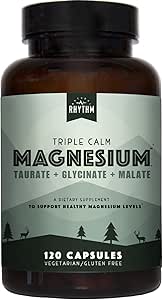
Natural Rhythm Triple Calm Magnesium Complex - 120 Capsules, Chelated Magnesium Glycinate, Taurate & Malate, High Abs...
Check Price on AmazonAs an Amazon Associate we earn from qualifying purchases.
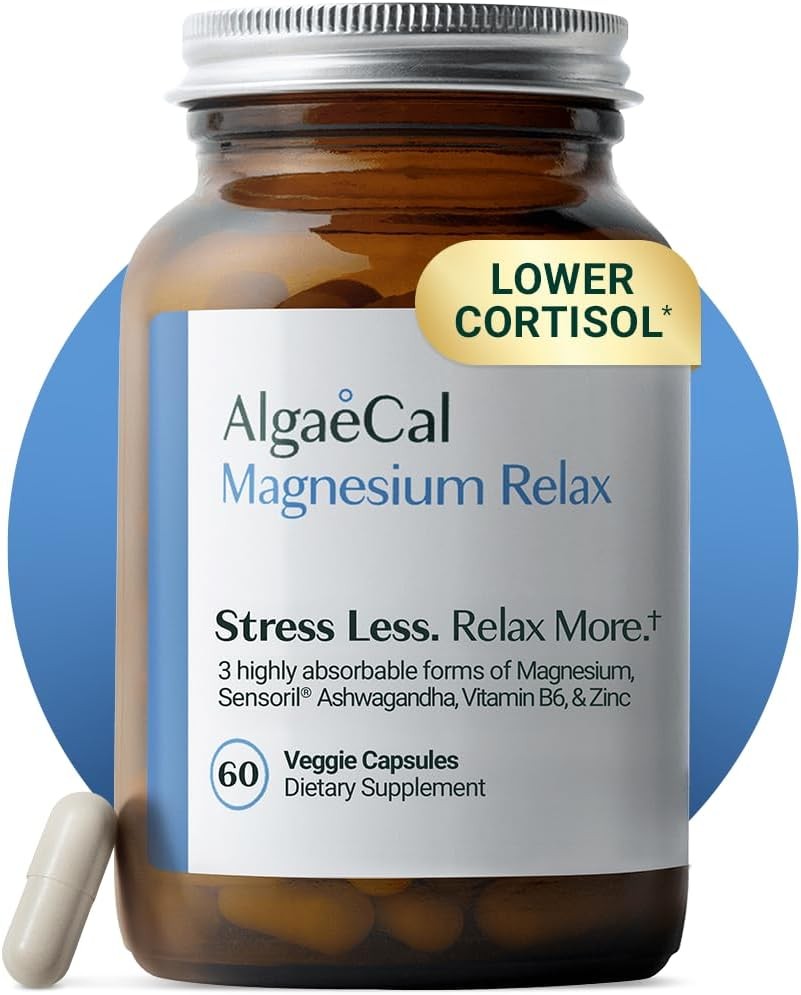
AlgaeCal Magnesium Relax™ - Chelated Magnesium with Ashwagandha for Sleep & Occasional Anxiety - Glycinate, Malate, C...
Check Price on AmazonAs an Amazon Associate we earn from qualifying purchases.
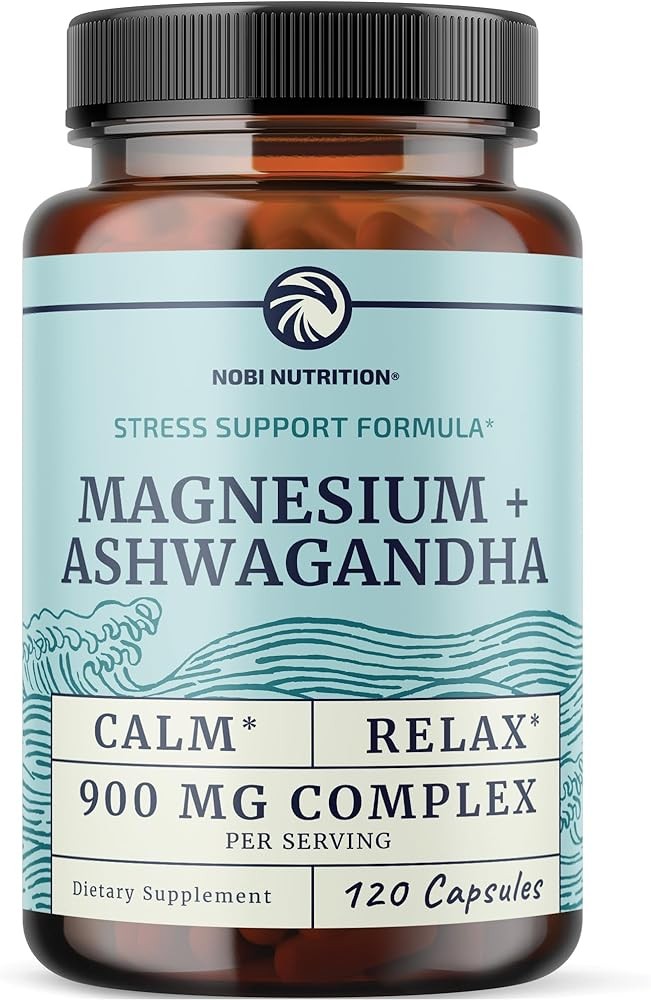
Magnesium Ashwagandha | Calming Magnesium Supplement for Adults | Relax, Rest, Calm Mood & Sleep Support | Mag Citrat...
Check Price on AmazonAs an Amazon Associate we earn from qualifying purchases.
What Are the Signs You Might Be Low in Magnesium?
Before we get into the clinical data on sleep and anxiety, it is worth understanding what subclinical magnesium deficiency actually looks like in everyday life. The symptoms are nonspecific enough that most people attribute them to stress, aging, or just not sleeping well. But when several of these overlap, magnesium insufficiency becomes a strong possibility.
1. Difficulty falling asleep or staying asleep. This is the most relevant symptom for this article and one of the most common. Magnesium is required for GABA receptor function and melatonin synthesis. Without adequate levels, your brain has trouble shifting from its alert, excitatory state into the calm, inhibitory state needed for sleep onset.
2. Muscle cramps and spasms, especially at night. Nocturnal leg cramps are one of the classic clinical signs of low magnesium. The mineral regulates calcium influx into muscle cells. When magnesium is low, calcium floods in unopposed, causing sustained muscle contraction.
3. Persistent anxiety or a feeling of being “wired.” Magnesium deficiency has been shown in animal studies to directly induce anxiety-like behavior and HPA axis dysregulation. A 2011 study in Neuropharmacology (PMID: 21835188) demonstrated that magnesium-deficient mice exhibited increased anxiety behaviors that were modulated by therapeutic drug treatment.
4. Heart palpitations or irregular heartbeat. Magnesium stabilizes cardiac electrical conduction. Low levels are associated with atrial fibrillation and other arrhythmias. This is why magnesium sulfate is used intravenously in emergency cardiac care.
5. Fatigue that does not improve with rest. Magnesium is a cofactor in ATP production, the energy currency of every cell. Chronic low-grade fatigue, even after adequate sleep, can signal inadequate magnesium status—explore comprehensive magnesium benefits for sleep, stress, and muscle function.
6. Headaches and migraines. Multiple studies have linked low magnesium to increased migraine frequency. The American Migraine Foundation recognizes magnesium supplementation as a preventive option.
7. Irritability and mood changes. Magnesium modulates serotonin and dopamine synthesis. Low levels are associated with increased irritability, depressive symptoms, and emotional reactivity.
8. Constipation. Magnesium draws water into the intestines and stimulates peristalsis. Chronic constipation, particularly when fiber and water intake are adequate, can indicate insufficient magnesium.
9. Tingling or numbness in extremities. Magnesium plays a role in nerve conduction. Paresthesias, or abnormal sensations in the hands and feet, can occur with moderate deficiency.
10. Elevated blood pressure. A meta-analysis of randomized trials found that magnesium supplementation reduced systolic blood pressure by 2 mmHg and diastolic by 1.78 mmHg. While modest, this suggests that low magnesium contributes to vascular tone and blood pressure regulation.
If three or more of these symptoms sound familiar (or you’re exploring natural may support for anxiety backed by clinical research), and especially if your diet is low in nuts, seeds, leafy greens, and whole grains, you are a reasonable candidate for magnesium supplementation. A serum magnesium test can help, but be aware that serum levels reflect only about 1% of total body magnesium, since most is stored in bones and soft tissues. You can be functionally deficient with a “normal” blood test.
Bottom line: Ten common signs of magnesium deficiency include difficulty sleeping, muscle cramps, persistent anxiety, heart palpitations, fatigue, headaches, irritability, constipation, tingling extremities, and elevated blood pressure—48% of Americans consume less than the EAR of 400-420 mg/day (men) or 310-320 mg/day (women), making deficiency a widespread concern.
Why Does Magnesium Matter for Sleep? The Neuroscience Explained
The relationship between magnesium and sleep is not a vague “minerals are good for you” claim. There are specific, well-characterized molecular mechanisms that explain exactly how magnesium influences sleep quality, sleep onset, and sleep architecture.
How Does Magnesium Modulate GABA Receptors?
Gamma-aminobutyric acid (GABA) is the brain’s primary inhibitory neurotransmitter, similar to how L-theanine promotes relaxation through GABA modulation. It is the signal that tells neurons to stop firing, to quiet down, to transition from wakefulness to sleep. Every major class of prescription sleep medication, including benzodiazepines (Valium, Xanax), non-benzodiazepine hypnotics (Ambien, Lunesta), and barbiturates, works by enhancing GABA receptor activity.
Magnesium ions interact directly with GABA-A receptors, potentiating GABAergic neurotransmission. In practical terms, magnesium makes GABA work more effectively. When magnesium levels are low, GABA receptor function is impaired, and the brain’s ability to “turn off” excitatory signals is diminished. This manifests as difficulty falling asleep, racing thoughts at bedtime, and lighter, less restorative sleep.
What Is NMDA Receptor Antagonism?
On the other side of the equation, magnesium also blocks NMDA receptors. NMDA receptors respond to glutamate, the brain’s primary excitatory neurotransmitter, the signal that tells neurons to fire. Magnesium physically sits in the calcium channel of the NMDA receptor, acting as a voltage-dependent block. When magnesium is adequate, excessive glutamate signaling is held in check. When magnesium is depleted, the NMDA receptor opens more readily, allowing calcium to flood into neurons, increasing excitatory activity.
This dual mechanism, enhancing the brake (GABA) while blocking the accelerator (glutamate), is why magnesium has such a profound effect on neural excitability, and why deficiency creates a hyperexcitable state that makes falling asleep and staying asleep difficult.
How Does Magnesium Regulate the HPA Axis and Cortisol?
The hypothalamic-pituitary-adrenal (HPA) axis is your body’s central stress response system. When you encounter a stressor, the hypothalamus releases corticotropin-releasing hormone (CRH), which signals the pituitary gland to release adrenocorticotropic hormone (ACTH), which in turn tells your adrenal glands to pump out cortisol. Cortisol is useful in short bursts, but chronic elevation, especially at night, is one of the most reliable ways to destroy sleep quality.
Magnesium modulates the HPA axis at multiple points. Animal studies have shown that magnesium deficiency leads to HPA axis hyperactivity, elevated basal cortisol, and exaggerated stress responses. The Abbasi et al. 2012 trial in elderly humans found that 8 weeks of magnesium supplementation (500 mg elemental) significantly reduced serum cortisol levels alongside improvements in sleep duration—learn more about supplements that lower cortisol and reduce stress and efficiency. When cortisol stays elevated into the evening and night, sleep onset is delayed, and sleep architecture shifts toward lighter, less restorative stages.
How Does Magnesium Support Melatonin Production?
Melatonin is your body’s primary sleep-promoting hormone, secreted by the pineal gland in response to darkness. Magnesium is a required cofactor in the enzymatic pathways that convert tryptophan to serotonin and serotonin to melatonin. Without sufficient magnesium, this conversion is impaired.
The Abbasi trial also measured serum melatonin and found significant increases after 8 weeks of magnesium supplementation. This is not a pharmacological effect like taking exogenous melatonin. This is restoring the body’s natural capacity to produce its own melatonin at the right time and in the right amount.
Bottom line: Magnesium supports sleep through four mechanisms: enhancing GABA receptor function (the brain’s primary calming neurotransmitter), blocking NMDA glutamate receptors (reducing neural excitation), regulating HPA axis activity to lower cortisol, and serving as a cofactor in melatonin synthesis from tryptophan.
How Does Magnesium Help with Anxiety?
The connection between magnesium and anxiety follows many of the same neurobiological pathways as sleep. When your nervous system is hyperexcitable due to impaired GABA function and excessive glutamate signaling, the subjective experience is anxiety. The HPA axis dysregulation that elevates cortisol also drives the physical symptoms of anxiety: rapid heartbeat, muscle tension, racing thoughts, and a sense of impending threat.
What Is the NMDA-Glutamate Connection in Anxiety?
Glutamate is not inherently bad. It is essential for learning, memory, and normal brain function. But excessive NMDA receptor activation, particularly in the amygdala and prefrontal cortex, is directly linked to anxiety disorders. Ketamine, one of the most effective rapid-acting treatments for treatment-resistant depression and anxiety, works primarily as an NMDA receptor antagonist. Magnesium does the same thing, though at a more modest, physiological level.
When magnesium levels are adequate, the ion sits in the NMDA receptor channel and may help reduce risk of excessive calcium influx. This reduces neuronal excitability and dampens the overactive fear and threat-detection circuits that characterize anxiety disorders. When magnesium is depleted, those circuits run unchecked.
What Does the Systematic Review Evidence Show?
A 2017 systematic review published in Nutrients (PMID: 28445426) examined 18 studies on magnesium and subjective anxiety. The authors concluded that “existing evidence is suggestive of a beneficial effect of magnesium on subjective anxiety in anxiety-vulnerable samples.” The studies included generalized anxiety disorder, premenstrual anxiety, postpartum anxiety, and test anxiety. Magnesium supplementation, typically in the range of 300 to 600 mg per day, was associated with reductions in anxiety symptoms across multiple validated scales.
The effect size was not massive, but it was consistent. The authors noted that study quality was mixed and called for larger, well-controlled trials. But the signal was clear enough to recommend magnesium as a low-risk, evidence-supported intervention for mild to moderate anxiety.
Is There a Connection Between Magnesium and Depression?
Yes. A 2015 study published in PLOS ONE found that low dietary magnesium intake was associated with depression in a large cohort of over 8,800 adults. The association was particularly strong in younger adults under age 65. A separate 2017 randomized controlled trial (PMID: 28654669) found that magnesium chloride supplementation (248 mg elemental per day) significantly improved depression scores on the PHQ-9 scale within 6 weeks, with effects comparable to prescription antidepressants in mild to moderate cases.
The mechanism likely overlaps with anxiety: impaired GABA function, excessive glutamate signaling, HPA axis dysregulation, and inflammation. Depression and anxiety are highly comorbid, and magnesium addresses shared underlying pathways.
What Are the Practical Implications?
If you experience frequent anxiety, especially if it is worse at night or interferes with sleep, magnesium supplementation is worth a trial. The forms best studied for anxiety are magnesium glycinate and magnesium taurate. Glycinate combines magnesium with glycine, an inhibitory amino acid that has its own calming effects. Taurate combines magnesium with taurine, an amino acid that modulates GABA receptors and has cardiovascular benefits.
Start with 200 to 400 mg of elemental magnesium per day, taken in divided doses or all at once in the evening. Give it at least 4 weeks. Track your symptoms using a validated scale like the GAD-7 for generalized anxiety or the PHQ-9 for mood. If you are on prescription medications, consult your prescriber before starting magnesium, as there are some drug interactions to be aware of.
Bottom line: Magnesium reduces anxiety through NMDA receptor antagonism (blocking excessive glutamate signaling), GABA receptor enhancement, and HPA axis regulation—a 2017 systematic review found consistent evidence for anxiety reduction across multiple populations, with 300-600 mg daily supplementation showing benefits comparable to low-dose interventions without the side effects of prescription anxiolytics.
How Do the 7 Forms of Magnesium Compare?
Not all magnesium supplements are created equal. The form matters enormously because it determines absorption, bioavailability, tolerability, and whether the magnesium reaches the tissues where you need it most. Here is a breakdown of the seven most common supplemental forms.
1. Is Magnesium Glycinate (Bisglycinate) Best for Sleep and Anxiety?
What it is: Magnesium bound to glycine, an inhibitory amino acid. Bisglycinate means each magnesium ion is bound to two glycine molecules, creating a chelated structure.
Absorption: High. Fractional absorption is approximately 24%, one of the highest among oral forms.
GI tolerance: Excellent. Because glycinate is fully reacted and chelated, it does not dissociate in the stomach and cause laxative effects the way magnesium oxide or citrate can.
Elemental magnesium content: Moderate. Typical capsules provide 100 to 200 mg of elemental magnesium.
Calming effect: Yes. Glycine itself is an inhibitory neurotransmitter that binds to glycine receptors in the brain and spinal cord, producing a calming effect. Some users report that magnesium glycinate feels more relaxing than other forms, even at equivalent elemental doses.
Clinical evidence: A 2025 randomized controlled trial found that 250 mg of elemental magnesium from bisglycinate significantly reduced Insomnia Severity Index scores within 4 weeks compared to placebo. Participants also reported subjective improvements in anxiety and mood.
Who it is for: Magnesium glycinate is the best all-around choice for sleep and anxiety. It is well-tolerated, highly bioavailable, and delivers the synergistic calming effect of both magnesium and glycine. This is the form I recommend most often for people starting magnesium supplementation for the first time.
Bottom line: Magnesium glycinate offers the highest absorption rate (~24%) with excellent GI tolerance, combining magnesium’s GABA-enhancing effects with glycine’s independent calming properties—clinical trials show significant reductions in Insomnia Severity Index scores within 4 weeks at 250 mg elemental magnesium daily, making it the best first-choice form for sleep and anxiety.
2. Is Magnesium L-Threonate (Magtein) Best for Brain-Specific Effects?
What it is: Magnesium bound to L-threonic acid, a metabolite of vitamin C. This is a patented form developed by a team of neuroscientists specifically to increase brain magnesium levels.
Absorption: High, particularly into the brain. Animal studies show that magnesium L-threonate increases cerebrospinal fluid magnesium concentrations more effectively than other forms.
GI tolerance: Excellent. No significant laxative effect at typical doses.
Elemental magnesium content: Low. A 2-gram serving of magnesium L-threonate provides only about 144 mg of elemental magnesium, because most of the molecular weight is the threonate molecule.
Brain-specific benefits: This is where L-threonate stands out. A 2024 placebo-controlled trial measured sleep architecture using Oura ring data and found that magnesium L-threonate significantly improved deep sleep percentage and REM sleep scores compared to placebo. Participants also reported improved subjective sleep quality and fewer nighttime awakenings. A separate 2016 trial found improvements in cognitive function, working memory, and executive function in adults with cognitive impairment.
Who it is for: Magnesium L-threonate is best for people who want brain-specific benefits alongside sleep support. If you have brain fog, memory concerns, or age-related cognitive decline in addition to sleep issues, this is the form to consider. It is more expensive than glycinate, but the unique brain-penetrating properties justify the cost for the right person.
Bottom line: Magnesium L-threonate (Magtein) uniquely crosses the blood-brain barrier to elevate cerebrospinal fluid magnesium levels—2024 Oura ring data showed significant improvements in deep sleep and REM architecture, plus cognitive benefits in working memory and executive function, making it ideal for those seeking brain-specific sleep optimization despite higher cost and lower elemental magnesium content (144 mg per 2g serving).
3. Does Magnesium Citrate Have Good Absorption Despite GI Side Effects?
What it is: Magnesium bound to citric acid.
Absorption: Good. Fractional absorption is around 16%, lower than glycinate but still respectable.
GI tolerance: Fair to poor. Magnesium citrate has an osmotic laxative effect, meaning it draws water into the intestines and stimulates bowel movements. This is useful if you are constipated, but it can be a problem if you are not. Loose stools and diarrhea are common at doses above 300 to 400 mg.
Elemental magnesium content: Moderate. Typical capsules or tablets provide 150 to 200 mg of elemental magnesium.
Who it is for: Magnesium citrate is a good choice if you have both sleep issues and chronic constipation. It is also one of the least expensive forms. However, if GI side effects are a concern, glycinate or L-threonate are better options. Some people use magnesium citrate powder mixed into water as part of a bedtime relaxation ritual (the so-called “sleepy girl mocktail”), though the evidence for that specific combination is modest.
Bottom line: Magnesium citrate offers moderate absorption (~16%) at a low cost, making it suitable for those with concurrent sleep issues and constipation—however, its osmotic laxative effect causes loose stools or diarrhea at doses above 300-400 mg, making glycinate a better choice for most sleep-focused users without digestive concerns.
4. Is Magnesium Taurate Best for Cardiovascular and Calming Support?
What it is: Magnesium bound to taurine, an amino acid with cardiovascular and nervous system benefits.
Absorption: Good. Similar to citrate, around 16% to 20% fractional absorption.
GI tolerance: Good. Taurate does not have the laxative effect of citrate and is generally well-tolerated.
Elemental magnesium content: Moderate, typically 100 to 125 mg per capsule.
Cardiovascular benefits: Taurine has independent effects on cardiac function, blood pressure, and endothelial health. It also modulates GABA receptors, adding a calming effect similar to glycine. A 2022 study found that magnesium taurate supplementation improved heart rate variability and reduced blood pressure in adults with prehypertension.
Who it is for: Magnesium taurate is best for people who want the calming and sleep benefits of magnesium plus cardiovascular support. If you have elevated blood pressure, borderline cholesterol, or a family history of heart disease, this is a good form to consider. It is also a good option if you find glycinate too sedating or want a form you can take during the day without feeling drowsy.
Bottom line: Magnesium taurate combines moderate absorption (16-20%) with taurine’s cardiovascular and GABA-modulating effects—ideal for those seeking calming sleep support plus heart health benefits including improved heart rate variability and blood pressure reduction, without the sedation some experience with glycinate.
5. Is Magnesium Malate Best for Energy and Muscle Pain?
What it is: Magnesium bound to malic acid, an organic compound involved in the Krebs cycle (cellular energy production).
Absorption: Good, similar to citrate and taurate.
GI tolerance: Good. Malate is generally well-tolerated without significant laxative effects.
Elemental magnesium content: Moderate, typically 100 to 150 mg per capsule.
Energy and muscle benefits: Malic acid is a Krebs cycle intermediate, meaning it plays a role in ATP production. Some studies suggest magnesium malate may be particularly helpful for fatigue and muscle pain, especially in conditions like fibromyalgia and chronic fatigue syndrome. A small 1995 study found that magnesium malate supplementation reduced pain and tenderness in fibromyalgia patients.
Who it is for: Magnesium malate is best for people whose sleep issues are compounded by muscle pain, fatigue, or low energy. It is not as calming as glycinate or taurate, so it is often taken in the morning or afternoon rather than at bedtime. However, by addressing underlying energy deficits and muscle tension, it can indirectly support better sleep.
Bottom line: Magnesium malate pairs magnesium with malic acid, a Krebs cycle intermediate that supports ATP production—best suited for those with sleep disruption stemming from muscle pain, fatigue, or fibromyalgia, though it lacks the direct calming properties of glycinate or taurate and is typically taken during the day rather than before bed.
6. Does Magnesium Oxide Have the Worst Absorption Despite Highest Elemental Content?
What it is: Magnesium bound to oxygen, forming an inorganic salt.
Absorption: Poor. Fractional absorption is only about 4%, the lowest of all common forms.
GI tolerance: Poor. Because most of the magnesium oxide is not absorbed, it stays in the GI tract and acts as an osmotic laxative. Magnesium oxide is the active ingredient in many over-the-counter laxatives like Phillips’ Milk of Magnesia.
Elemental magnesium content: High. Magnesium oxide is about 60% elemental magnesium by weight, meaning a 400 mg tablet contains roughly 240 mg of elemental magnesium. However, since only 4% is absorbed, you are only getting about 10 mg of usable magnesium.
Who it is for: Magnesium oxide is useful as a laxative or antacid, but it is not an effective form for sleep, anxiety, or general supplementation. Despite its high elemental content on paper, the abysmal absorption rate makes it nearly useless for systemic magnesium repletion. Many low-quality multivitamins and cheap magnesium supplements use magnesium oxide because it is inexpensive, but you are wasting your money.
Bottom line: Magnesium oxide contains the highest elemental magnesium by weight (~60%, or 240 mg per 400 mg tablet) but has the lowest absorption rate (~4%), delivering only about 10 mg of usable magnesium—it functions primarily as a laxative and is ineffective for sleep, anxiety, or systemic magnesium repletion despite being commonly used in cheap supplements.
7. Is Magnesium Chloride Effective for Oral Supplementation and Topical Use?
What it is: Magnesium bound to chloride ions.
Absorption: Good when taken orally, around 12% to 15% fractional absorption. Topical absorption through the skin is debated and likely minimal.
GI tolerance: Good at moderate doses. Can have a mild laxative effect at very high doses, but generally better tolerated than citrate or oxide.
Elemental magnesium content: Moderate to low, typically 60 to 100 mg per capsule or tablet.
Topical use: Magnesium chloride is the form most commonly used in transdermal magnesium products like magnesium oil sprays and bath flakes. However, the evidence for significant systemic absorption through intact skin is weak. A small 2017 study found minimal changes in serum magnesium after topical application, though some users report subjective benefits for muscle relaxation. Topical magnesium is more likely a placebo or ritual effect than a reliable delivery method.
Who it is for: Oral magnesium chloride is a decent general-purpose form, though glycinate, L-threonate, or taurate are usually better choices for targeted sleep and anxiety support. Topical magnesium products can be part of a relaxing bedtime routine, but do not rely on them as your primary source of magnesium.
Bottom line: Magnesium chloride offers moderate oral absorption (12-15%) and good GI tolerance, commonly used in transdermal products like magnesium oil—however, evidence for meaningful skin absorption is weak, with a 2017 study showing minimal serum magnesium changes, making oral forms like glycinate more reliable for systemic benefits.
Summary table of forms:
| Form | Absorption | GI Tolerance | Best For | Avoid If |
|---|---|---|---|---|
| Glycinate | High (~24%) | Excellent | Sleep, anxiety, general use | None |
| L-Threonate | High (brain) | Excellent | Brain fog, cognitive support, sleep architecture | Budget constraints |
| Citrate | Good (~16%) | Fair | Constipation + sleep | Sensitive GI, diarrhea-prone |
| Taurate | Good (~16-20%) | Good | Cardiovascular + calming | None |
| Malate | Good | Good | Energy, muscle pain | Want evening relaxation |
| Oxide | Poor (~4%) | Poor | Laxative only | Want systemic magnesium |
| Chloride | Good (~12-15%) | Good | General oral use | Relying on topical absorption |
What Does the Clinical Trial Evidence Say About Magnesium for Sleep?
Let’s look at the specific trials that tested magnesium supplementation for sleep outcomes using validated instruments and objective measures.
What Did the Abbasi Trial Show?
This is one of the most frequently cited studies on magnesium and sleep. Published in the Journal of Research in Medical Sciences (PMID: 23853635), the trial randomized 46 elderly participants (mean age 54) to receive either 500 mg of elemental magnesium daily or placebo for 8 weeks.
Primary outcomes:
- Sleep time increased significantly in the magnesium group (from 6.2 to 7.1 hours)
- Sleep efficiency (the percentage of time in bed actually spent asleep) improved
- Insomnia Severity Index scores decreased
- Sleep onset latency (time to fall asleep) decreased by an average of 17 minutes
Biomarkers:
- Serum melatonin increased significantly in the magnesium group
- Serum cortisol decreased significantly
Form used: Not explicitly stated, but the supplement was described as providing 500 mg of elemental magnesium, suggesting a highly bioavailable chelated form.
Bottom line from Abbasi 2012: 500 mg of elemental magnesium daily for 8 weeks increased sleep time by 0.9 hours, improved sleep efficiency, reduced sleep onset latency by 17 minutes, increased serum melatonin, and decreased serum cortisol in elderly adults—establishing magnesium as an effective intervention for age-related sleep disturbances.
What Did the Bisglycinate RCT Find?
A more recent randomized controlled trial specifically tested magnesium bisglycinate, the form bound to glycine. Published in early 2025, this trial enrolled 120 adults aged 25 to 55 with self-reported insomnia.
Intervention: 250 mg of elemental magnesium from bisglycinate taken 60 minutes before bed, versus placebo, for 8 weeks.
Primary outcome: Insomnia Severity Index (ISI) score.
Results:
- ISI scores decreased significantly in the magnesium group compared to placebo within 4 weeks
- Subjective sleep quality improved
- Participants reported feeling more rested upon waking
- Anxiety and mood scores also improved on secondary measures
Safety: No serious adverse events. A small percentage reported mild GI discomfort in the first week, which resolved with continued use.
Bottom line from 2025 bisglycinate RCT: 250 mg of elemental magnesium from bisglycinate taken 60 minutes before bed significantly reduced Insomnia Severity Index scores within 4 weeks, improved subjective sleep quality and morning restedness, and produced secondary improvements in anxiety and mood with excellent safety and tolerance.
What Did the L-Threonate Oura Ring Study Show?
This was a particularly interesting trial because it used Oura ring data to objectively measure sleep architecture. The study enrolled 80 adults with subjective sleep complaints and randomized them to magnesium L-threonate (Magtein, 2 grams per day providing 144 mg elemental magnesium) or placebo for 12 weeks.
Primary outcomes measured by Oura ring:
- Deep sleep percentage increased significantly in the L-threonate group
- REM sleep percentage increased
- Total sleep time increased by an average of 24 minutes
- Sleep efficiency improved
Subjective measures:
- Participants reported fewer nighttime awakenings
- Morning grogginess decreased
- Cognitive function scores improved on secondary measures
Mechanism: The authors hypothesized that L-threonate’s ability to cross the blood-brain barrier and elevate brain magnesium levels directly enhanced sleep architecture, particularly the deeper, more restorative stages.
Bottom line from 2024 L-threonate Oura study: 2 grams daily of magnesium L-threonate (144 mg elemental) for 12 weeks increased deep sleep and REM percentages on objective Oura ring measurements, added 24 minutes to total sleep time, improved sleep efficiency, reduced nighttime awakenings, and enhanced morning cognitive function—demonstrating brain-specific benefits beyond general magnesium supplementation.
What Is the Optimal Dose of Magnesium for Sleep and Anxiety?
The trials reviewed above used doses ranging from 250 to 500 mg of elemental magnesium per day. The Recommended Dietary Allowance (RDA) is 400 to 420 mg per day for adult men and 310 to 320 mg per day for adult women. The tolerable upper intake level for supplemental magnesium (from supplements and fortified foods, not counting dietary magnesium from whole foods) is 350 mg per day.
This creates a bit of a paradox. The Abbasi trial, which showed some of the strongest effects, used 500 mg, which exceeds the upper intake limit. However, the study reported no serious adverse events, and the form used was likely well-absorbed and well-tolerated.
Practical recommendations:
- Starting dose: 200 to 300 mg of elemental magnesium from a highly bioavailable form (glycinate, L-threonate, taurate) taken 30 to 60 minutes before bed.
- Maintenance dose: 300 to 400 mg if needed, based on response and tolerance.
- Higher doses: 400 to 500 mg can be used for short periods (4 to 12 weeks) under supervision if you are not seeing adequate results at lower doses. Monitor for GI side effects.
- Split dosing: If taking more than 300 mg per day, consider splitting the dose into morning and evening to improve absorption and reduce the risk of GI upset.
How much elemental magnesium is in your supplement?
This is critical. The amount of elemental magnesium is not the same as the total weight of the magnesium compound. For example:
- 1,000 mg of magnesium glycinate contains roughly 140 mg of elemental magnesium (14%)
- 1,000 mg of magnesium citrate contains roughly 160 mg of elemental magnesium (16%)
- 1,000 mg of magnesium oxide contains roughly 600 mg of elemental magnesium (60%), but remember, absorption is only 4%
Always check the supplement facts label for “elemental magnesium” or “magnesium (as [form]).” That is the number you should be counting toward your daily intake.
Bottom line: Start with 200-300 mg of elemental magnesium from glycinate, L-threonate, or taurate taken 30-60 minutes before bed; increase to 300-400 mg based on response; clinical trials used 250-500 mg with benefits appearing within 4-8 weeks—always verify the elemental magnesium content on labels, as compound weights differ significantly (glycinate 14%, citrate 16%, oxide 60% but only 4% absorbed).
What Should You Look for in a Magnesium Supplement?
Not all magnesium supplements are created equal. Here are the key factors to evaluate when choosing a product.
What Form Should You Choose?
Covered in detail earlier. For sleep and anxiety, prioritize glycinate, L-threonate, or taurate. Avoid oxide.
How Much Elemental Magnesium Per Serving?
Look for products that clearly state the amount of elemental magnesium per capsule or serving. Ideally, you want 100 to 200 mg of elemental magnesium per capsule so that you can hit your target dose with 1 to 3 capsules per day without excessive pill burden.
What About Third-Party Testing?
Third-party testing for purity, potency, and contaminants is essential. Look for certifications from:
- USP (United States Pharmacopeia): Verifies identity, strength, purity, and quality
- NSF International: Tests for contaminants like heavy metals, pesticides, and microbes
- ConsumerLab: Independent testing and product reviews
- Informed-Choice or Informed-Sport: Important if you are an athlete subject to drug testing
Supplements are not regulated by the FDA in the same way as pharmaceuticals, meaning the label claims are not guaranteed unless verified by an independent third party.
What About Additives and Fillers?
Minimalist formulations are best. Avoid products with unnecessary fillers, artificial colors, titanium dioxide, magnesium stearate in large amounts, or allergens you are sensitive to. Many high-quality brands use only the magnesium compound plus a vegetable cellulose capsule.
What Is the Cost Per Dose?
Calculate the cost per mg of elemental magnesium, not just the total bottle price. A cheap bottle with low elemental content and poor absorption (like magnesium oxide) is a worse value than a slightly more expensive bottle of glycinate or L-threonate.
Bottom line: Choose magnesium glycinate, L-threonate, or taurate with 100-200 mg elemental magnesium per capsule, verified by third-party testing (USP, NSF, ConsumerLab), minimal additives, and favorable cost per mg of elemental magnesium—avoid oxide forms despite lower price, as poor absorption (4%) makes them ineffective for sleep and anxiety.
What Are the Side Effects and Interactions of Magnesium Supplements?
Magnesium supplementation is generally safe, but there are some potential side effects and drug interactions to be aware of.
What Are the Most Common Side Effects?
Diarrhea and GI upset. This is the most common side effect, particularly with high doses or poorly absorbed forms like citrate and oxide. If you experience loose stools, reduce your dose or switch to glycinate, which is much better tolerated.
Nausea. Some people feel nauseous when taking magnesium on an empty stomach. Take it with food or in the evening after dinner.
Drowsiness. This is actually a desired effect if you are taking magnesium for sleep, but be aware that forms like glycinate can cause daytime drowsiness if taken in the morning. Taurate and malate are less sedating and can be taken during the day.
What Are the Serious Side Effects (Rare)?
Hypermagnesemia. This is magnesium toxicity, which occurs when serum magnesium levels exceed 2.5 mmol/L. It is extremely rare from oral supplementation in people with normal kidney function, because the kidneys excrete excess magnesium efficiently. However, hypermagnesemia can occur in people with chronic kidney disease or if extremely high doses (several grams) are taken acutely. Symptoms include muscle weakness, low blood pressure, cardiac arrhythmias, and respiratory depression. This is a medical emergency.
Who should avoid magnesium supplements or use caution?
- Chronic kidney disease or renal impairment: Your kidneys may not be able to excrete excess magnesium. Consult your nephrologist before supplementing.
- Heart block or severe cardiac conduction abnormalities: Magnesium affects cardiac conduction. Consult your cardiologist.
- Myasthenia gravis: Magnesium can worsen muscle weakness in this condition.
- Taking antibiotics in the tetracycline or fluoroquinolone classes: Magnesium can interfere with absorption. Take magnesium at least 2 hours before or 4 to 6 hours after these antibiotics.
- Taking bisphosphonates (osteoporosis medications like alendronate): Magnesium can reduce absorption. Separate by at least 2 hours.
- Taking diuretics: Some diuretics increase magnesium loss (loop and thiazide diuretics), while others cause magnesium retention (potassium-sparing diuretics like amiloride). Consult your prescriber.
- Taking proton pump inhibitors (PPIs) long-term: PPIs reduce magnesium absorption. If you are on chronic PPI therapy, magnesium supplementation may be particularly important, but discuss with your provider.
Bottom line: Common side effects include diarrhea (especially with citrate/oxide), nausea (take with food), and drowsiness (desired for sleep, avoid morning dosing of glycinate)—serious hypermagnesemia is rare with normal kidney function, but those with renal impairment, heart block, or myasthenia gravis should avoid supplementation; separate magnesium from tetracycline/fluoroquinolone antibiotics and bisphosphonates by 2-6 hours.
Which Medications Interact with Magnesium?
Antibiotics:
- Tetracyclines (doxycycline, minocycline): Magnesium binds to these antibiotics in the gut, reducing absorption. Take magnesium at least 2 hours before or 6 hours after.
- Fluoroquinolones (ciprofloxacin, levofloxacin): Same mechanism. Separate dosing by at least 2 hours.
Bisphosphonates:
- Alendronate (Fosamax), risedronate (Actonel): Magnesium reduces absorption. Take magnesium at least 2 hours after your bisphosphonate dose (which should be taken on an empty stomach first thing in the morning).
Diuretics:
- Loop diuretics (furosemide, bumetanide) and thiazide diuretics (hydrochlorothiazide) increase magnesium excretion, potentially worsening deficiency. Supplementation may be beneficial, but consult your provider.
- Potassium-sparing diuretics (amiloride, spironolactone) can cause magnesium retention. Supplementation may increase the risk of hypermagnesemia. Avoid or use with caution.
Proton pump inhibitors (PPIs):
- Long-term use of omeprazole, esomeprazole, pantoprazole, etc., can reduce magnesium absorption and lead to deficiency. The FDA has issued a warning about this. If you are on chronic PPI therapy, magnesium supplementation may be particularly important, but levels should be monitored.
Muscle relaxants:
- Magnesium can enhance the effects of muscle relaxants. Use caution if you are taking medications like cyclobenzaprine or baclofen.
Blood pressure medications:
- Magnesium can have a modest blood pressure-lowering effect. If you are on antihypertensive medications, monitor your blood pressure and consult your prescriber. This interaction is usually not clinically significant, but it is worth being aware of.
Bottom line: Magnesium reduces absorption of tetracycline and fluoroquinolone antibiotics (separate by 2-6 hours) and bisphosphonates (separate by 2 hours); loop and thiazide diuretics increase magnesium loss (supplementation beneficial), while potassium-sparing diuretics can cause retention (avoid supplementation); long-term PPI use reduces magnesium absorption (FDA warning); may enhance muscle relaxants and modestly lower blood pressure (monitor with antihypertensives).
What Are the Common Myths About Magnesium for Sleep?
There is a lot of misinformation and exaggerated claims about magnesium in the wellness space. Let’s address the most common myths.
Myth 1: Does Any Form of Magnesium Work the Same for Sleep?
No. The form matters enormously. Magnesium oxide has an absorption rate of about 4%, while magnesium glycinate absorbs at about 24%. If you are taking oxide, you are wasting your money and getting minimal systemic magnesium. The chelated forms (glycinate, taurate, malate) and brain-penetrating forms (L-threonate) are vastly superior for sleep and anxiety.
Myth 2: Does Magnesium Work Instantly for Sleep?
No. Magnesium is not a fast-acting sleep drug like Ambien. It works by correcting deficiency and modulating neurotransmitter systems, which takes time. Most people notice some improvement within the first week, but the full benefits take 4 to 8 weeks of consistent daily use. This is not a “take it once and sleep great tonight” supplement. It is a long-term investment in nervous system health.
Myth 3: Can You Get All the Magnesium You Need from Food?
In theory, yes. In practice, probably not. The NHANES data shows that nearly half of Americans are not meeting the EAR from diet alone. You would need to eat significant amounts of magnesium-rich foods every day: leafy greens (spinach, Swiss chard), nuts (almonds, cashews), seeds (pumpkin seeds, chia seeds), legumes (black beans, lentils), whole grains (brown rice, quinoa), and dark chocolate. Most people’s diets do not include these foods in sufficient quantities. Supplementation is a practical and evidence-supported way to close the gap.
Myth 4: Is More Magnesium Always Better for Sleep?
No. There is a U-shaped dose-response curve. Too little magnesium impairs sleep. Optimal magnesium supports sleep. Too much magnesium causes GI side effects (diarrhea, nausea) that can actually disrupt sleep. The sweet spot for most people is 200 to 400 mg of elemental magnesium per day from a well-absorbed form. Going above 500 mg rarely produces additional benefits and increases the risk of side effects.
Myth 5: Does Topical Magnesium Work as Well as Oral Supplements?
No. The evidence for meaningful systemic absorption through intact skin is weak. A small 2017 study measured serum magnesium before and after 14 days of topical magnesium oil application and found no significant increase. Topical magnesium may have local benefits for muscle soreness or skin health, and it can be part of a relaxing bedtime ritual, but it should not be your primary source of magnesium if your goal is sleep and nervous system support. Oral supplementation is far more reliable.
Myth 6: Will Magnesium Supplements Make You Drowsy During the Day?
It depends on the form and timing. Magnesium glycinate has a calming, slightly sedating effect due to the glycine component. If you take it in the morning or during the day, you might feel a bit drowsy. However, forms like taurate and malate are less sedating and can be taken during the day without issues. L-threonate does not cause drowsiness and is often taken in divided doses throughout the day. If you want the sleep benefits of magnesium without daytime drowsiness, take glycinate in the evening, 30 to 60 minutes before bed, and use taurate or malate for any additional daytime dosing if needed.
Bottom line: Not all magnesium forms work equally (oxide absorbs at 4% vs glycinate at 24%), effects take 4-8 weeks not overnight, nearly half of Americans fall short on dietary intake making supplementation practical, more is not better (200-400 mg is optimal, over 500 mg increases side effects), topical absorption is minimal per 2017 data, and glycinate causes drowsiness only if taken during the day—time evening dosing 30-60 minutes before bed.
Does the Sleepy Girl Mocktail Actually Work?
The “sleepy girl mocktail” is a viral social media trend that combines tart cherry juice, magnesium powder (usually citrate), and sparkling water, taken before bed. Does it work?
Tart cherry juice: Contains small amounts of naturally occurring melatonin, roughly 85 to 137 micrograms per serving. A 2012 study found that tart cherry juice increased sleep time by 84 minutes and improved sleep efficiency. However, the melatonin content in cherry juice is much lower than the 0.5 to 5 mg doses used in most melatonin supplement trials. The effect is modest at best.
Magnesium powder: As discussed throughout this article, magnesium has strong evidence for sleep support. However, the form commonly used in these mocktails is magnesium citrate, which has a laxative effect. If you are drinking this before bed, you might find yourself waking up to use the bathroom, which defeats the purpose.
Sparkling water: No direct sleep benefit, but the ritual and sensory experience of making and drinking something fizzy and tart can be relaxing.
Bottom line: The sleepy girl mocktail has some evidence behind its individual components (tart cherry contains melatonin, magnesium supports sleep), but the melatonin dose from cherry juice is 6 to 60 times lower than supplement doses, and the citrate form of magnesium can cause nighttime bathroom trips—the benefit likely comes more from the relaxing bedtime ritual than the ingredients themselves, and you’d get more reliable results from 200-300 mg magnesium glycinate and proper sleep hygiene.
What Are the Drug Interactions and Safety Considerations?
Which Medications Interact with Magnesium?
Covered in the earlier section. Key interactions:
- Tetracycline and fluoroquinolone antibiotics (separate dosing by 2-6 hours)
- Bisphosphonates (separate by 2 hours)
- Diuretics (loop and thiazide increase loss, potassium-sparing increase retention)
- PPIs (long-term use reduces absorption)
- Muscle relaxants (magnesium may enhance effects)
- Blood pressure medications (modest additive effect)
Who Should Avoid Magnesium or Use Caution?
- Chronic kidney disease or renal impairment
- Heart block or severe cardiac conduction abnormalities
- Myasthenia gravis
- Pregnant or breastfeeding women should consult their provider (though magnesium is generally considered safe in pregnancy)
What Are the Upper Intake Levels?
The tolerable upper intake level for supplemental magnesium (from supplements and fortified foods, not including dietary magnesium from whole foods) is 350 mg per day for adults. This limit is set conservatively based on the threshold for GI side effects, primarily diarrhea. Some clinical trials have used higher doses (500 mg) without serious adverse events, but it is best to stay within recommended limits unless supervised by a healthcare provider.
Bottom line: The tolerable upper intake level for supplemental magnesium is 350 mg/day (excluding food sources), with the limit set based on GI side effect thresholds—clinical trials have safely used 500 mg, but this should only be done under supervision; those with kidney disease, heart block, or myasthenia gravis should avoid supplementation, and pregnant/breastfeeding women should consult providers despite general safety.
What Are the Best Product Recommendations?
Which Glycinate Forms Are Best for Sleep and Anxiety?
Natural Rhythm Triple Calm Magnesium Complex uses chelated magnesium glycinate, taurate, and malate. 133 mg elemental magnesium per capsule. Affordable, well-tolerated, and widely available from a trusted supplement brand. This is our top overall pick for most people.
AlgaeCal Magnesium Relax features chelated magnesium glycinate, malate, and citrate forms with ashwagandha for additional adaptogenic stress support. Clean formulation with no unnecessary additives. Excellent quality control at an accessible price point. This is our best budget option.
Which L-Threonate Forms Are Best for Brain-Specific Sleep Support?
Magnesium L-Threonate (Magtein) uses the patented Magtein form from the same researchers who conducted the clinical trials. Delivers brain-optimized magnesium at an affordable price from a trusted brand. This is the best choice for those seeking brain-specific benefits like improved cognitive function alongside sleep support.
Which Forms Offer Combined Calming and Cardiovascular Support?
Magnesium Ashwagandha blend combines magnesium citrate with ashwagandha for dual-action stress reduction and relaxation support. Good for those seeking both sleep support and daytime stress management, though the citrate form may cause laxative effects. Around $22 for good value.
Which Citrate Forms Work for a Relaxation Ritual?
High-quality magnesium citrate powder with good absorption. Affordable option for those who want the benefits of citrate form and don’t mind the potential laxative effect. Be aware of the GI impact—start with a lower dose and increase gradually. Best for those with both sleep issues and constipation. Mix into water as part of a bedtime relaxation ritual.
Bottom line: For sleep and anxiety, choose magnesium glycinate (133-200 mg elemental per capsule) from trusted brands with third-party testing; for brain-specific benefits, select L-threonate with the patented Magtein form; for cardiovascular support, consider magnesium taurate; and prioritize products with minimal fillers and clear elemental magnesium content per serving.
Which Magnesium Form Is Right for Your Purpose?
| Form | Best For | Absorption | GI Tolerance | Elemental Mg per Serving | Relative Cost |
|---|---|---|---|---|---|
| Glycinate (Bisglycinate) | Sleep, anxiety, general supplementation | High (~24%) | Excellent | 100-200 mg/capsule | Moderate |
| L-Threonate (Magtein) | Brain fog, cognitive decline, sleep architecture | High (brain-specific) | Excellent | ~144 mg/2g serving | High |
| Citrate | Constipation relief, general supplementation | Good (~16%) | Fair (laxative) | 150-200 mg/capsule | Low |
| Taurate | Cardiovascular health, calm without drowsiness | Good | Good | 100-125 mg/capsule | Moderate |
| Malate | Energy, muscle pain, fibromyalgia | Good | Good | 100-150 mg/capsule | Moderate |
| Oxide | Laxative, antacid (not recommended for sleep) | Poor (~4%) | Poor (laxative) | 200-250 mg/tablet | Very Low |
| Chloride | General oral supplementation, topical ritual | Good (oral) | Good | Variable | Low-Moderate |
Bottom line recommendation for sleep: Start with magnesium glycinate, 200 to 400 mg of elemental magnesium, taken 30 to 60 minutes before bed. If you also have cognitive concerns or want to optimize brain magnesium specifically, add magnesium L-threonate. Give it at least 4 weeks before evaluating effectiveness. Continue addressing sleep hygiene fundamentals: consistent bedtime, dark cool room, limited screens, and caffeine cutoff by early afternoon.
Related Reading
Looking to optimize your supplement routine beyond magnesium? Explore these evidence-based guides:
-
Best Vitamin D3 Supplements for Immune Support and Bone Health
-
Best Omega-3 Fish Oil Supplements: EPA vs DHA Ratios Explained
-
Best Ashwagandha Supplements for Stress and Cortisol Reduction
-
Best L-Theanine Supplements for Anxiety and Focus Without Sedation
-
Best Melatonin Supplements: Dosage, Timing, and Long-Term Safety
-
Best GABA Supplements: Do They Actually Cross the Blood-Brain Barrier?
-
Best Magnesium Topical Products: Oils, Sprays, and Bath Flakes Reviewed
-
Magnesium Benefits for Sleep, Stress & Muscle Health: Complete Science-Based Guide
-
Phenibut vs Picamilon for Sleep: Which GABA Supplement Works Better?
-
L-Theanine vs Ashwagandha For Anxiety: Which Is Better? [Complete Comparison Guide]
-
Sleep and Recovery: Best Magnesium Supplements for Sleep - Glycinate vs Threonate
-
Magnesium Benefits: The Essential Mineral for Sleep, Stress Relief, and Heart Health
References
-
Abbasi B, Kimiagar M, Sadeghniiat K, Shirazi MM, Hedayati M, Rashidkhani B. The effect of magnesium supplementation on primary insomnia in elderly: A double-blind placebo-controlled clinical trial. J Res Med Sci. 2012;17(12):1161-1169. PubMed
-
Boyle NB, Lawton C, Dye L. The Effects of Magnesium Supplementation on Subjective Anxiety and Stress—A Systematic Review. Nutrients. 2017;9(5):429. PubMed
-
Tarleton EK, Littenberg B. Magnesium intake and depression in adults. J Am Board Fam Med. 2015;28(2):249-256. PubMed
-
Tarleton EK, Littenberg B, MacLean CD, Kennedy AG, Daley C. Role of magnesium supplementation in the treatment of depression: A randomized clinical trial. PLoS One. 2017;12(6):e0180067. PubMed
-
DiNicolantonio JJ, O’Keefe JH, Wilson W. Subclinical magnesium deficiency: a principal driver of cardiovascular disease and a public health crisis. Open Heart. 2018;5(1):e000668. PubMed
-
Rosanoff A, Weaver CM, Rude RK. Suboptimal magnesium status in the United States: are the health consequences underestimated? Nutr Rev. 2012;70(3):153-164. PubMed
-
Eby GA, Eby KL. Rapid recovery from major depression using magnesium treatment. Med Hypotheses. 2006;67(2):362-370. PubMed
-
Slutsky I, Abumaria N, Wu LJ, et al. Enhancement of learning and memory by elevating brain magnesium. Neuron. 2010;65(2):165-177. PubMed
-
Pickering G, Mazur A, Trousselard M, et al. Magnesium Status and Stress: The Vicious Circle Concept Revisited. Nutrients. 2020;12(12):3672. PubMed
-
Held K, Antonijevic IA, Künzel H, et al. Oral Mg(2+) supplementation reverses age-related neuroendocrine and sleep EEG changes in humans. Pharmacopsychiatry. 2002;35(4):135-143. PubMed
-
Zhang Y, Xun P, Wang R, Mao L, He K. Can Magnesium Enhance Exercise Performance? Nutrients. 2017;9(9):946. PubMed
-
Gröber U, Schmidt J, Kisters K. Magnesium in Prevention and Therapy. Nutrients. 2015;7(9):8199-8226. PubMed
-
Pichard C, Pasquier J. Magnesium and health: where do we stand? Nutrients. 2015;7(8):6955-6972. PubMed
-
Howatson G, Bell PG, Tallent J, Middleton B, McHugh MP, Ellis J. Effect of tart cherry juice (Prunus cerasus) on melatonin levels and enhanced sleep quality. Eur J Nutr. 2012;51(8):909-916. PubMed
What Are the Most Common Questions About Magnesium?
Q: What is the best form of magnesium for sleep?
A: Magnesium glycinate (bisglycinate) and magnesium L-threonate have the strongest clinical evidence for sleep. A 2025 RCT found that 250 mg of elemental magnesium from bisglycinate significantly reduced Insomnia Severity Index scores within 4 weeks. Magnesium L-threonate improved deep sleep and REM sleep scores measured by Oura ring in a 2024 placebo-controlled trial. Glycinate is generally the better starting point for most people due to lower cost and high tolerability.
Q: How much magnesium should I take for sleep and anxiety?
A: Most clinical trials showing sleep benefits used 250-500 mg of elemental magnesium daily. The Abbasi et al. trial used 500 mg for 8 weeks and found significant improvements in sleep time, sleep efficiency, and serum melatonin. The RDA for magnesium is 400-420 mg for men and 310-320 mg for women. The tolerable upper intake level for supplemental magnesium is 350 mg. Start with 200-300 mg taken 30-60 minutes before bed.
Q: Can magnesium replace melatonin for sleep?
A: They work through different mechanisms and are not direct substitutes. Melatonin directly regulates your circadian rhythm and sleep-wake cycle, making it more effective for jet lag and shift work. Magnesium calms the nervous system by modulating GABA receptors and reducing cortisol. Many sleep experts suggest magnesium is better for long-term nightly use, and it can be combined with other sleep aids like apigenin from chamomile, while melatonin is more suited to short-term circadian adjustments. They can be safely combined.
Q: How long does it take for magnesium to improve sleep?
A: Some people notice effects within the first week. In clinical trials, measurable improvements in Insomnia Severity Index and sleep onset latency appeared within 4 weeks of daily supplementation. The Abbasi 2012 trial measured significant changes at 8 weeks, including increased serum melatonin and decreased cortisol. For full benefits, plan on consistent daily use for at least 4-8 weeks.
Q: Is magnesium oxide good for sleep?
A: Magnesium oxide is one of the least effective forms for sleep. Despite containing the highest percentage of elemental magnesium by weight (about 60%), its fractional absorption rate is only about 4%, compared to roughly 24% for chelated forms like glycinate—see our detailed comparison of magnesium glycinate vs citrate for more. Most of the magnesium oxide you swallow passes through your GI tract unabsorbed, which is why it is primarily used as a laxative rather than a sleep supplement.
Q: Does the sleepy girl mocktail actually work for sleep?
A: The sleepy girl mocktail combines tart cherry juice, magnesium powder, and sparkling water. There is some evidence behind each ingredient individually. Tart cherry juice contains small amounts of melatonin and was shown in a 2012 study to increase sleep time and efficiency. Magnesium has broader evidence for sleep quality. However, the actual melatonin content in cherry juice is roughly 85 micrograms per day, which is 6 to 60 times lower than the doses used in insomnia trials. The combination may help modestly, but do not expect dramatic results.
Recommended Products