Best Mushroom Complex Supplements — Lion's Mane, Reishi, Cordyceps, Chaga and More
Summarized from peer-reviewed research indexed in PubMed. See citations below.
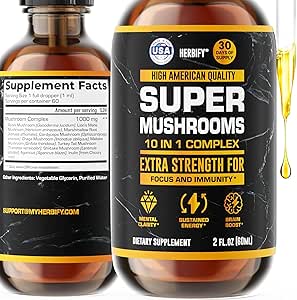
Functional mushrooms offer clinically proven benefits for immune support, cognitive function, and energy — but most supplement products deliver sub-therapeutic doses or use low-quality mycelium on grain rather than fruiting body extracts with verified beta-glucan content. After analyzing the published research on Lion’s Mane, Reishi, Cordyceps, Chaga, Turkey Tail, and Maitake, our top pick is a multi-mushroom complex (B0FJB66CW7) that covers Lion’s Mane, Reishi, Cordyceps, Chaga, and Turkey Tail in one nootropic formula at approximately $25.95. Clinical trials demonstrate that Lion’s Mane improves cognitive scores within 8-16 weeks via Nerve Growth Factor stimulation, Turkey Tail PSK/PSP activates natural killer cells and is approved as an adjunctive cancer therapy in Japan, and Reishi reduces fatigue in randomized controlled trials through adaptogenic immune modulation. For budget-conscious buyers, Host Defense MyCommunity Capsules (B002WJ1BZK) provide 17-species coverage at approximately $53.96 per 120-capsule bottle, though they use mycelium on grain rather than fruiting body extracts. Here’s what the published research shows about functional mushroom supplements and how to identify products that deliver real therapeutic value.
Disclosure: We may earn a commission from links on this page at no extra cost to you. Affiliate relationships never influence our ratings. Full policy →
Functional mushrooms are not the latest wellness trend — they are some of the oldest medicines on the planet. Reishi has been used in traditional Chinese medicine for more than 2,000 years. Chaga has been brewed as a medicinal tea across Siberia and Northern Europe since at least the 16th century. And the Otzi the Iceman, a 5,300-year-old mummy discovered in the Alps, was found carrying two species of medicinal mushrooms in his pouch.
What has changed is the science. In the past two decades, hundreds of peer-reviewed studies have examined the bioactive compounds in functional mushrooms — beta-glucans, terpenoids, polysaccharides, and unique secondary metabolites — and the clinical evidence for species like Lion’s Mane, Turkey Tail, and Reishi has moved well beyond folk medicine into serious pharmacological territory.
But the supplement market has also exploded, and not all mushroom products are created equal. Many contain mycelium grown on grain — essentially ground-up rice with trace amounts of actual mushroom compounds. Others list impressive species counts on the label but provide sub-therapeutic doses of each. And some make sweeping health claims that outpace the actual evidence.
This guide cuts through the noise. We will examine each of the six most researched functional mushrooms — Lion’s Mane, Reishi, Cordyceps, Chaga, Turkey Tail, and Maitake — with specific attention to their bioactive compounds, mechanisms of action, clinical trial evidence, and effective dosing. We will also cover the critical differences between fruiting body and mycelium supplements, what beta-glucan content actually means, how to stack mushrooms for specific goals, and which products deliver real therapeutic value.
If you are interested in immune system supplements, cognitive enhancement through nootropic supplements, or natural energy support, functional mushrooms deserve serious consideration. Here is what the research actually shows.
What Are Functional Mushrooms and Why Do They Matter?
Before diving into individual species, it helps to understand what makes certain mushrooms “functional” — meaning they contain bioactive compounds with measurable physiological effects beyond basic nutrition.
What Are Beta-Glucans and Why Are They Important?
The most extensively studied compounds in functional mushrooms are beta-glucans — specifically beta-1,3/1,6-D-glucans. These are complex polysaccharides found in fungal cell walls that activate the innate immune system through pattern recognition receptors, primarily Dectin-1 and complement receptor 3 (CR3) on macrophages, dendritic cells, and natural killer cells.
A 2024 study published in Frontiers in Nutrition demonstrated that mushroom-derived beta-glucans can drive “trained immunity” — a form of innate immune memory where immune cells become epigenetically reprogrammed to respond more effectively to future threats. This is a fundamentally different mechanism from adaptive immunity (antibodies and T-cell memory) and represents one of the most exciting areas of immunology research.
What Other Bioactive Compounds Do Specific Mushroom Species Contain?
While beta-glucans provide the immune-modulating backbone shared across functional mushroom species, each mushroom also produces unique secondary metabolites that drive species-specific effects:
- Lion’s Mane: Hericenones (fruiting body) and erinacines (mycelium) — stimulate Nerve Growth Factor (NGF) and Brain-Derived Neurotrophic Factor (BDNF) synthesis
- Reishi: Ganoderic acids and other triterpenes — anti-inflammatory, hepatoprotective, adaptogenic
- Cordyceps: Cordycepin (3’-deoxyadenosine) — modulates adenosine receptors, enhances ATP production
- Turkey Tail: PSK (Krestin) and PSP (polysaccharopeptide) — potent immunostimulants used in clinical oncology
- Chaga: Betulinic acid, melanin, superoxide dismutase (SOD) — antioxidant and anti-inflammatory
- Maitake: D-fraction and MD-fraction — beta-glucan complexes with immune-activating and blood sugar-regulating properties
Understanding these differences is essential for choosing the right mushroom — or combination of mushrooms — for your specific health goals.
Bottom line: Functional mushrooms contain beta-glucans plus species-specific compounds like hericenones and erinacines in Lion’s Mane, ganoderic acids in Reishi, and cordycepin in Cordyceps, which activate immune cells, stimulate Nerve Growth Factor synthesis, and support cellular energy metabolism.
Watch Our Video Review
Why Is Lion’s Mane (Hericium erinaceus) the Top Choice for Brain Health?
Lion’s Mane is arguably the most exciting functional mushroom from a neuroscience perspective. It is the only mushroom species known to produce compounds that directly stimulate the synthesis of Nerve Growth Factor (NGF) — a protein essential for the growth, maintenance, and survival of neurons.
What Is the Scientific Profile of Lion’s Mane?
- Scientific name: Hericium erinaceus
- Key bioactive compounds: Hericenones (C, D, E, H — found in fruiting body), Erinacines (A through I — found in mycelium), beta-glucans, polysaccharides
- Primary mechanisms: NGF stimulation, BDNF upregulation, neurogenesis promotion, anti-inflammatory, antioxidant
How Does Lion’s Mane Stimulate NGF and Neurogenesis?
The mechanism that sets Lion’s Mane apart from every other functional mushroom — and most nootropic compounds — is its ability to cross the blood-brain barrier and stimulate the endogenous production of neurotrophic factors.
Hericenones (found primarily in the fruiting body) and erinacines (found in the mycelium) are both small molecules capable of crossing the blood-brain barrier. Once in the central nervous system, they activate specific signaling pathways — particularly the ERK1/2 (extracellular signal-regulated kinase) pathway — that upregulate the expression of NGF and BDNF.
Specifically, erinacines A, B, C, E, F, H, and I have been identified as strong inducers of NGF synthesis both in vitro and in vivo. Erinacine C also increases the expression of BDNF, providing dual neurotrophic support. A 2023 study from the University of Queensland published in the Journal of Neurochemistry found that hericerin derivatives activate a “pan-neurotrophic pathway” in central hippocampal neurons, converging on ERK1/2 signaling to enhance spatial memory.
This is not just about protecting existing neurons — Lion’s Mane actively promotes neurogenesis, the growth of new neurons. This is why it takes 8 to 16 weeks to see the full cognitive benefits. You are literally growing new neural connections.
For more detailed coverage of Lion’s Mane specifically, see our guide to Lion’s Mane mushroom supplements and our deep dive into Lion’s Mane benefits for the brain.
What Does the Clinical Trial Evidence Show for Lion’s Mane?
Cognitive function in mild cognitive impairment Mori et al., 2009
In a landmark double-blind, placebo-controlled trial published in Phytotherapy Research, 30 Japanese men and women aged 50 to 80 with mild cognitive impairment received either 250mg tablets of Lion’s Mane dry powder (four tablets three times daily, totaling 3,000mg/day) or placebo for 16 weeks. The Lion’s Mane group showed significantly improved scores on the cognitive function scale at weeks 8, 12, and 16 compared to placebo. Critically, cognitive scores decreased after the 4-week washout period, suggesting the benefits require ongoing supplementation.
Acute cognitive effects in young adults Surendran et al., 2025
A double-blind, randomized, placebo-controlled study published in 2025 examined the acute effects of a standardized Hericium erinaceus extract on cognition and mood in healthy younger adults. The study, conducted at the University of Surrey, found measurable improvements in cognitive processing speed shortly after a single dose — suggesting Lion’s Mane may have both acute and chronic mechanisms of action.
Cognitive function, stress, and mood pilot study Docherty et al., 2023
A randomized, double-blind, placebo-controlled, parallel-groups study investigated both the acute (60 minutes post-dose) and chronic (28-day) effects of 1.8g Hericium erinaceus daily in 41 healthy adults aged 18 to 45. Following a single dose, participants performed significantly faster on the Stroop task (p = 0.005) at 60 minutes post-dose, indicating improved cognitive processing speed and attention.
Depression and anxiety Nagano et al., 2010
In a study published in Biomedical Research, 30 women were randomly assigned to either the Lion’s Mane group or placebo for 4 weeks. The Lion’s Mane group showed significantly lower scores on depression and anxiety scales. The “concentration,” “irritability,” and “anxiety” subscales all trended lower in the Lion’s Mane group compared to placebo.
Mood and sleep in overweight adults Vigna et al., 2019
A clinical study examined 77 volunteers with BMI greater than 25 who received three capsules daily containing 80% mycelium extract and 20% fruiting body extract for 8 weeks. Hericium erinaceus significantly reduced depression scores by approximately 30% and anxiety symptoms by above 40%, along with improvements in sleep quality. The improvements were associated with changes in circulating pro-BDNF and BDNF ratios.
How Much Lion’s Mane Should You Take Daily?
Based on the clinical literature:
- Cognitive function: 1,000 to 3,000mg per day of dried fruiting body extract, or 500 to 1,000mg of concentrated extract standardized to hericenones
- Mood and anxiety: 1,800 to 3,000mg per day for at least 4 to 8 weeks
- Nerve regeneration: 3,000mg per day appears to be the most studied dose for neuroprotective effects
- Timeline: Acute effects on processing speed within 60 minutes; full cognitive and mood benefits typically require 8 to 16 weeks
What Is the Best Form of Lion’s Mane to Take?
Lion’s Mane is unique among functional mushrooms in that both the fruiting body and the mycelium contain important bioactive compounds — hericenones in the fruiting body and erinacines in the mycelium. However, most commercial “mycelium on grain” products contain far too much grain filler and insufficient erinacine content. The best approach is a hot-water-extracted fruiting body product with verified beta-glucan content of 25% or higher, or a dual-extraction product that captures both hericenones and erinacines. For a head-to-head comparison of Lion’s Mane with another popular cognitive supplement, see our analysis of Lion’s Mane vs Alpha GPC.
Bottom line: Lion’s Mane is the only functional mushroom proven to stimulate Nerve Growth Factor and promote neurogenesis, with multiple RCTs demonstrating improved cognitive function, processing speed, and mood at doses of 1,000 to 3,000mg per day, with acute effects within 60 minutes and full benefits at 8 to 16 weeks.
What Makes Reishi (Ganoderma lucidum) the Mushroom of Immortality?
Reishi has been called “lingzhi” in Chinese medicine for over 2,000 years, where it was historically reserved for royalty and considered the most important of all herbal medicines. Modern science has validated much of this reputation — Reishi is one of the most extensively studied medicinal mushrooms, with clinical trials demonstrating effects on immune modulation, fatigue reduction, sleep quality, and stress adaptation.
What Is the Scientific Profile of Reishi?
- Scientific name: Ganoderma lucidum (also G. lingzhi)
- Key bioactive compounds: Ganoderic acids (over 150 identified triterpenes), beta-glucans (polysaccharides), germanium, sterols, nucleosides
- Primary mechanisms: Immune modulation (both stimulation and regulation), HPA axis modulation, anti-inflammatory, hepatoprotective, serotonergic system influence
How Does Reishi Work in the Body?
Reishi operates through two major compound classes with distinct mechanisms:
Beta-glucans (polysaccharides): Activate innate immune cells — macrophages, dendritic cells, natural killer cells — through Dectin-1 and TLR-2 receptor binding. This triggers NF-kB and MAPK signaling cascades that upregulate pro-inflammatory cytokines (TNF-alpha, IL-1 beta, IL-6) when the immune system needs activation, while also promoting regulatory T cells that reduce the risk of autoimmune overreaction.
Ganoderic acids (triterpenes): These bitter-tasting compounds provide anti-inflammatory, hepatoprotective, and anti-histamine effects. They inhibit histamine release from mast cells, reduce inflammatory prostaglandin synthesis, and protect liver cells from toxin-induced damage. The triterpenes are extracted through alcohol (ethanol), which is why dual-extraction (hot water plus alcohol) is critical for Reishi — hot water alone misses the triterpenes.
Reishi also influences the serotonergic system. Research published in Scientific Reports demonstrated that Ganoderma lucidum promotes sleep through a gut microbiota-dependent, serotonin-involved pathway, increasing levels of the sleep-promoting neurotransmitter 5-hydroxytryptamine (5-HT) in the hypothalamus.
What Does the Clinical Trial Evidence Show for Reishi?
Immune modulation in healthy adults (RCT, 2023)
A randomized, double-blinded, placebo-controlled clinical trial published in Foods examined beta-1,3/1,6-D-glucan derived from Ganoderma lucidum in healthy adult volunteers aged 18 to 55. The Reishi beta-glucan group showed statistically significant modifications of CD3+, CD4+, CD8+ T-lymphocytes and natural killer (NK) cells, along with a statistically significant increase in serum IgA concentration compared to placebo. This provides direct clinical evidence for Reishi’s immune-modulating effects in healthy humans — not just in immunocompromised patients.
Immune modulation in children (RCT, 2018)
A randomized, double-blinded, placebo-controlled clinical study in asymptomatic children aged 3 to 5 in Medellin, Colombia evaluated beta-glucans from Reishi delivered via yogurt. Children receiving the Reishi beta-glucan yogurt presented a significantly higher absolute count of peripheral blood total lymphocytes — including CD3+, CD4+, and CD8+ T cells — compared to the placebo group. This demonstrates that Reishi’s immune effects are consistent across age groups.
Fatigue and neurasthenia (RCT, 2005)
A randomized, double-blind, placebo-controlled study investigated Ganoderma lucidum polysaccharide extract (1,800mg three times daily) in 123 Chinese patients with neurasthenia for 8 weeks. The treatment group showed significantly lower severity scores and sense of fatigue, with reductions of 15.5% in overall symptom severity and 28.3% in fatigue specifically compared to baseline. The placebo group showed no significant improvement.
Cancer-related fatigue in breast cancer patients
A pilot clinical trial examined Ganoderma lucidum spore powder in 48 breast cancer patients undergoing endocrine therapy. Fatigue and sleep disturbance were both significantly improved in the Reishi group compared to the control group, suggesting particular benefit for cancer-related fatigue and treatment-associated sleep disruption.
Immune function in athletes
Football players were provided with placebo, Ganoderma lucidum at 10 capsules/day, or 20 capsules/day for 6 weeks during a “living high-training low” training protocol. The study demonstrated dose-dependent improvements in T lymphocyte subsets, suggesting Reishi can support immune function during the immunosuppressive effects of intense athletic training.
Safety and tolerability
In a controlled study, 16 healthy volunteers received 2 grams of Reishi extract or placebo twice daily for 10 consecutive days. No adverse effects were observed after extract intake compared to placebo, establishing a solid safety profile at therapeutic doses.
How Much Reishi Should You Take Daily?
- Immune support: 1,500 to 3,000mg per day of dried extract (dual-extracted preferred)
- Fatigue reduction: 1,800mg three times daily (5,400mg total) based on the neurasthenia RCT
- Sleep quality: 1,500 to 3,000mg taken in the evening, 1 to 2 hours before bed
- General adaptogenic support: 1,000 to 1,500mg daily of dual-extracted product
- Timeline: Immune effects begin within 2 to 4 weeks; fatigue and sleep improvements often noticed within 2 to 3 weeks; full adaptogenic effects at 6 to 8 weeks
What Is the Best Form of Reishi to Take?
Reishi absolutely requires dual extraction — hot water to release the beta-glucans and alcohol to extract the triterpenes (ganoderic acids). Products that use only hot water extraction are missing approximately half of Reishi’s bioactive compounds. Look for products that specify both polysaccharide and triterpene content on the label. Minimum beta-glucan content should be 20%, with triterpene content of 2% or higher for therapeutic benefit.
Bottom line: Reishi provides bidirectional immune modulation through beta-glucans and anti-inflammatory triterpenes, with clinical trials showing significant improvements in fatigue, sleep quality, and immune markers at doses of 1,500 to 3,000mg per day of dual-extracted product.
How Does Cordyceps (Cordyceps militaris) Enhance Energy and Athletic Performance?
Cordyceps has one of the most dramatic backstories in the mushroom world. The original species, Cordyceps sinensis, is a parasitic fungus that infects caterpillars at high altitude in the Tibetan Plateau — and wild specimens can sell for over $20,000 per pound. Fortunately, modern supplementation uses Cordyceps militaris, which can be cultivated commercially and contains equal or higher levels of the key bioactive compound cordycepin.
What Is the Scientific Profile of Cordyceps?
- Scientific name: Cordyceps militaris (preferred for supplementation; C. sinensis is wild-harvested, expensive, and frequently counterfeit)
- Key bioactive compounds: Cordycepin (3’-deoxyadenosine), adenosine, D-mannitol (cordycepic acid), beta-glucans, ergosterol
- Primary mechanisms: ATP production enhancement, adenosine receptor modulation, oxygen utilization improvement, anti-fatigue, anti-inflammatory
How Does Cordyceps Work in the Body?
Cordyceps enhances energy at the cellular level through multiple mechanisms:
Cordycepin and ATP production: Cordycepin (3’-deoxyadenosine) is structurally almost identical to adenosine — a molecule central to cellular energy metabolism. Cordycepin enhances mitochondrial ATP production by activating AMP-activated protein kinase (AMPK), a master metabolic regulator. This does not provide a stimulant “buzz” like caffeine — instead, it increases the cellular energy available for physical and mental performance.
Oxygen utilization: Cordyceps appears to improve the efficiency of oxygen delivery and utilization at the tissue level, particularly during exercise. This may explain why it was famously linked to the performance of Chinese female runners who shattered multiple world records at the 1993 Chinese National Games — their coach attributed their success to a Cordyceps-based regimen.
Adenosine signaling: Through its structural similarity to adenosine, cordycepin modulates adenosine receptors involved in blood flow regulation, inflammation, and sleep-wake cycles. This is distinct from caffeine, which blocks adenosine receptors — cordycepin modulates them.
What Does the Clinical Trial Evidence Show for Cordyceps?
High-intensity exercise tolerance Hirsch et al., 2017
A randomized, double-blind, placebo-controlled study examined the effects of a mushroom blend containing Cordyceps militaris on high-intensity exercise in 28 participants (mean age 22.7 years). After three weeks of supplementation, VO2max significantly improved by 4.8 ml/kg/min in the Cordyceps group. Significant improvements in time to exhaustion were found after 1 week (+28.1 seconds) and 3 weeks (+69.8 seconds) of supplementation. The study concluded that acute supplementation may improve tolerance to high-intensity exercise, with greater benefits from consistent chronic supplementation.
Exercise performance via cellular energy production Chen et al., 2020
A study published in Mycobiology demonstrated that Cordyceps militaris supplementation improved exercise performance through enhanced cellular energy production. The researchers found increased ATP levels and improved mitochondrial function in supplemented subjects, providing a direct mechanistic link between Cordyceps intake and performance benefits.
Exercise performance in older adults (Cs-4 trial)
A double-blind, placebo-controlled trial examined Cs-4 (a Cordyceps sinensis fermentation product) in healthy older subjects. After 12 weeks of supplementation, the treatment group showed significant improvements in metabolic threshold, ventilatory threshold, and time to exhaustion during exercise testing. This is particularly relevant because it demonstrates benefits in an older population where mitochondrial function naturally declines.
Endurance and hematological effects (2025 meta-analysis)
A systematic review and meta-analysis published in Frontiers in Nutrition in 2025, examining the effects of fungal supplementation on endurance, immune function, and hematological profiles in adult athletes, found that Cordyceps supplementation helped preserve hemoglobin and hematocrit levels and reduced markers of muscle damage during training periods. Over a 16-week pre-season training period, long-distance runners supplementing with C. militaris mycelium extract maintained better hematological markers than placebo.
How Much Cordyceps Should You Take Daily?
- Exercise performance: 1,000 to 3,000mg per day of Cordyceps militaris extract
- General energy and anti-fatigue: 1,000 to 1,500mg per day
- ATP and mitochondrial support: 1,500 to 3,000mg per day
- Timeline: Some users report energy improvements within 1 to 2 weeks; exercise performance benefits are more pronounced after 3 or more weeks of consistent use
What Is the Best Form of Cordyceps to Take?
Cordyceps militaris fruiting body extract is preferred over Cordyceps sinensis (CS-4) mycelium for several reasons: it contains significantly higher cordycepin content, it can be reliably cultivated and standardized, and wild C. sinensis has serious authenticity and sustainability concerns. Look for products standardized to cordycepin content or with verified beta-glucan content of 25% or higher. Hot water extraction is sufficient for Cordyceps since the key compounds are water-soluble.
Bottom line: Cordyceps enhances cellular energy production through cordycepin’s ATP-boosting effects, with clinical trials demonstrating significant improvements in VO2max and exercise tolerance at doses of 1,000 to 3,000mg per day, typically within 1 to 3 weeks.
Why Is Turkey Tail (Trametes versicolor) the Most Powerful Immune-Supporting Mushroom?
Turkey Tail has the strongest clinical evidence of any functional mushroom for immune support, particularly in the context of cancer adjunctive therapy. Its polysaccharide extracts — PSK (Krestin) and PSP (polysaccharopeptide) — have been used as approved pharmaceutical agents in Japan and China for decades, supported by large-scale randomized controlled trials.
What Is the Scientific Profile of Turkey Tail?
- Scientific name: Trametes versicolor (syn. Coriolus versicolor)
- Key bioactive compounds: PSK (polysaccharide-K/Krestin), PSP (polysaccharopeptide), beta-glucans, sterols, phenolic compounds
- Primary mechanisms: Potent immune stimulation (NK cells, T cells, dendritic cells), gut microbiome modulation, anti-tumor immunosurveillance, Toll-like receptor activation
How Does Turkey Tail Work in the Body?
Turkey Tail’s immune-stimulating mechanism is among the most well-characterized in mycology:
PSK (Krestin): A protein-bound polysaccharide isolated from Turkey Tail that activates multiple arms of the immune system simultaneously. PSK stimulates dendritic cell maturation (the “commanders” of the immune response), enhances natural killer cell cytotoxicity, promotes T helper cell differentiation, and activates macrophages through TLR-2 signaling. PSK has been an approved cancer adjunctive pharmaceutical in Japan since 1977.
PSP (Polysaccharopeptide): Similar in structure and function to PSK, PSP was developed in China and has been used clinically since the 1980s. PSP activates both innate and adaptive immunity and has been shown to increase CD4+ T cell counts and improve quality of life in cancer patients undergoing chemotherapy.
Gut microbiome modulation: Turkey Tail polysaccharides act as prebiotics, selectively promoting the growth of beneficial gut bacteria including Bifidobacterium and Lactobacillus species. Given that approximately 70% of the immune system resides in the gut-associated lymphoid tissue (GALT), this prebiotic effect provides an additional mechanism for immune support.
For a deeper look at the cancer research, see our comprehensive guide to medicinal mushrooms and cancer
What Does the Clinical Trial Evidence Show for Turkey Tail?
Gastric cancer (RCT, 1978-1981, Japan)
In one of the largest randomized clinical trials of any mushroom compound, 751 patients who had surgery for gastric cancer in Japan were randomly assigned to receive chemotherapy with or without PSK (3g/day). Patients who received chemotherapy plus PSK lived significantly longer than those who received chemotherapy alone. This trial was a primary factor in Japan’s approval of PSK as a standard cancer adjunctive therapy.
Colorectal cancer (pooled analysis of 3 RCTs)
A combined analysis of three randomized controlled trials including 1,094 patients with colorectal cancer found that patients who received PSK were significantly less likely to have cancer recurrence and had longer overall survival compared to those who did not receive PSK. The survival benefit was observed across multiple stages of disease.
Lung cancer (systematic review of 28 studies)
A systematic review encompassing 17 preclinical studies, 6 randomized controlled trials, and 5 non-randomized clinical trials found that PSK, primarily at a dose of 3g/day, was associated with improvements in immune function and hematological markers in lung cancer patients. PSK treatment improved white blood cell counts, NK cell activity, and reduced immunosuppression from chemotherapy.
Breast cancer (Phase I trial, Torkelson et al., 2012)
A Phase I, two-center, dose escalation study examined Trametes versicolor in women with breast cancer after completion of radiotherapy. Nine adverse events were reported (7 mild, 1 moderate, 1 severe), and the preparation was well-tolerated. NK cell activity increased at the 6g and 9g dose levels. This was the first U.S.-based clinical trial of Turkey Tail in cancer and helped establish safety for further research.
Cancer therapy outcomes (systematic review, 2020)
A comprehensive review published in the International Journal of Medicinal Mushrooms analyzed the clinical evidence for Turkey Tail polysaccharides across multiple cancer types. The review concluded that PSK and PSP demonstrate consistent immunomodulatory effects and survival benefits when used as adjunctive therapy alongside conventional cancer treatments.
How Much Turkey Tail Should You Take Daily?
- Immune support (general wellness): 1,000 to 3,000mg per day of hot-water-extracted fruiting body
- Cancer adjunctive therapy (clinical doses): 3,000mg per day of PSK or PSP (this is the dose used in most Japanese clinical trials)
- Gut microbiome support: 1,000 to 2,000mg per day
- Timeline: Immune marker changes detectable within 2 to 4 weeks; oncology applications studied over months to years
What Is the Best Form of Turkey Tail to Take?
Hot water extraction is essential for Turkey Tail — the beta-glucans and PSK/PSP compounds are locked within the chitinous cell walls and require hot water to be released and made bioavailable. Look for products with verified beta-glucan content of 30% or higher. Fruiting body extracts are preferred for general immune support. For our broader guide to immune health, see best immune system supplements.
Bottom line: Turkey Tail’s PSK and PSP extracts provide the strongest clinical evidence for immune enhancement of any mushroom, with large-scale RCTs demonstrating improved survival and immune markers in cancer patients at 3,000mg per day, and immune benefits detectable within 2 to 4 weeks.
What Makes Chaga (Inonotus obliquus) the Most Potent Antioxidant Mushroom?
Chaga is not technically a mushroom — it is a sclerotium, a dense mass of mycelium that grows on birch trees in cold northern climates. This distinction matters because Chaga’s most unique bioactive compounds — betulinic acid and melanin — come directly from its relationship with the birch tree host. Chaga has one of the highest ORAC (Oxygen Radical Absorbance Capacity) scores of any natural substance, making it a potent antioxidant.
What Is the Scientific Profile of Chaga?
- Scientific name: Inonotus obliquus
- Key bioactive compounds: Betulinic acid (derived from birch bark betulin), melanin, superoxide dismutase (SOD), polysaccharides/beta-glucans, triterpenoids (inotodiol, lanosterol), polyphenols
- Primary mechanisms: Potent antioxidant activity, anti-inflammatory, DNA damage protection, xanthine oxidase inhibition, NF-kB pathway modulation
How Does Chaga Work in the Body?
Chaga’s antioxidant power comes from an unusual combination of compounds:
Betulinic acid: Chaga absorbs betulin from birch bark and converts it to betulinic acid — a triterpene with demonstrated anti-inflammatory, anti-viral, and anti-tumor properties. Betulinic acid selectively induces apoptosis (programmed cell death) in cancer cells while sparing healthy cells, making it one of the most interesting natural compounds in cancer research.
Melanin: Chaga contains extremely high concentrations of melanin — the same class of pigment found in human skin. Chaga melanin is a potent scavenger of free radicals, reduces nitric oxide production in inflammatory conditions, and has demonstrated genoprotective (DNA-protecting) and bifidogenic (prebiotic) effects.
Superoxide dismutase (SOD): Chaga contains naturally occurring SOD, one of the body’s most important endogenous antioxidant enzymes. SOD converts superoxide radicals — one of the most damaging reactive oxygen species — into hydrogen peroxide and oxygen, which are then further neutralized by catalase and glutathione peroxidase.
Polyphenols: Research has identified novel antioxidant polyphenols from Inonotus obliquus that show significant scavenging activity against ABTS radical cation, DPPH radical, and moderate activity against superoxide radical anion.
What Does the Research Evidence Show for Chaga?
DNA damage protection Park et al., 2004
A study published in BioFactors demonstrated that Chaga mushroom extract significantly inhibited oxidative DNA damage in human lymphocytes as assessed by comet assay. When human lymphocytes were treated with hydrogen peroxide to induce oxidative stress, pre-treatment with Chaga extract provided dose-dependent protection against DNA strand breaks. This is one of the most directly relevant findings for human health — protecting DNA from oxidative damage is a fundamental mechanism of aging and cancer prevention.
Anti-hyperuricemic and anti-inflammatory effects
Research has shown that triterpenoid acids from Chaga alleviate hyperuricemia and inflammation in hyperuricemic mice, with possible inhibitory effects on xanthine oxidase activity. This suggests Chaga may have therapeutic potential for gout and other conditions driven by uric acid accumulation.
Comprehensive therapeutic review (2024)
A major review published in Mycobiology in 2024 compiled the evidence for Chaga’s therapeutic properties across multiple domains — anti-inflammatory, antioxidant, anticancer, anti-diabetic, anti-obesity, hepatoprotective, renoprotective, anti-fatigue, antibacterial, and antiviral activities. The review identified polysaccharides, triterpenoids, polyphenols, and lignin metabolites as the primary compounds responsible for these effects.
Antioxidant potency
Multiple studies have confirmed Chaga’s extraordinary antioxidant capacity. Various bioactive compounds from I. obliquus — including polysaccharides, triterpenoids, and melanin — demonstrate strong free radical scavenging activity across multiple assays (ORAC, DPPH, ABTS, superoxide). Chaga polysaccharides have shown antioxidant activities both in vitro and in preliminary in vivo models.
How Strong Is the Human Clinical Evidence for Chaga?
It must be acknowledged that while Chaga has extensive preclinical (cell culture and animal) evidence, large-scale randomized controlled human clinical trials are limited. The human evidence is primarily from traditional use, small observational studies, and the DNA damage protection study. The preclinical evidence is compelling, but more human trials are needed to establish definitive clinical endpoints.
How Much Chaga Should You Take Daily?
- Antioxidant support: 500 to 1,500mg per day of hot-water-extracted Chaga
- Anti-inflammatory support: 1,000 to 2,000mg per day
- Traditional tea preparation: 1 to 2 cups of brewed Chaga tea daily
- Timeline: Antioxidant and anti-inflammatory effects may begin within 2 to 4 weeks of consistent use
What Is the Best Form of Chaga to Take?
Chaga must be extracted — the raw sclerotium is extremely hard and the bioactive compounds are locked within the chitin matrix. Hot water extraction releases the beta-glucans and polysaccharides, while alcohol extraction captures the betulinic acid and other triterpenes. Dual extraction (hot water plus alcohol) provides the fullest spectrum of Chaga’s bioactive compounds. Wild-harvested Chaga from birch trees is important because betulinic acid is derived from the birch tree host — Chaga grown on substrates other than birch will lack this compound. Look for products with verified beta-glucan content and sourcing from northern climates (Siberia, Finland, Canada, northern United States).
Bottom line: Chaga delivers exceptional antioxidant protection through betulinic acid, melanin, and SOD, with research demonstrating DNA damage protection and anti-inflammatory effects at doses of 500 to 1,500mg per day of dual-extracted product from wild birch-harvested sources.
How Does Maitake (Grifola frondosa) Support Blood Sugar and Immune Function?
Maitake — meaning “dancing mushroom” in Japanese, supposedly because people danced with joy when they found one in the wild — has carved out a unique niche among functional mushrooms for its dual action on immune function and blood sugar regulation.
What Is the Scientific Profile of Maitake?
- Scientific name: Grifola frondosa
- Key bioactive compounds: D-fraction (a purified beta-glucan extract), MD-fraction, SX-fraction, beta-1,3/1,6-glucans, polysaccharides, ergosterol
- Primary mechanisms: Immune cell activation (macrophages, NK cells, T cells), blood sugar regulation through insulin sensitivity enhancement, PPAR-delta activation
How Does Maitake Work in the Body?
Maitake operates through several distinct bioactive fractions:
D-fraction: This is a purified beta-glucan extract from Maitake that has been extensively studied for immune-activating properties. D-fraction enhances the cytotoxicity of natural killer cells, promotes the maturation of dendritic cells, and activates macrophages. It has been studied as a cancer adjunctive agent, particularly in breast and prostate cancer.
SX-fraction: This is a distinct compound from Maitake with blood sugar-regulating properties. SX-fraction appears to enhance insulin sensitivity through activation of PPAR-delta (peroxisome proliferator-activated receptor delta), a nuclear receptor that regulates glucose metabolism, fatty acid oxidation, and energy homeostasis.
MD-fraction: Another purified polysaccharide fraction that combines immune-modulating and metabolic effects, making Maitake particularly versatile.
What Does the Research Evidence Show for Maitake?
Blood sugar regulation in type 2 diabetes (pilot study)
In a small pilot study, seven adults with type 2 diabetes added Maitake SX-fraction for 2 to 4 weeks while continuing their usual oral medication. All seven participants showed sizable drops in fasting glucose during the trial period. While the study lacked a placebo group and was small, the consistency and magnitude of the glucose-lowering effect was noteworthy.
Anti-diabetic activity Kubo et al., 1994
Research published in Biological & Pharmaceutical Bulletin demonstrated that when 1g/day of powdered Maitake fruit body was given orally to genetically diabetic mice (KK-Ay), blood glucose levels decreased significantly, in contrast to the control group where blood glucose increased with aging. This was among the first studies to demonstrate Maitake’s anti-diabetic properties.
Glucose tolerance improvement
A study in rats with streptozotocin-induced diabetes showed remarkably lower blood glucose, urine volume, and glucosuria after administration of Maitake. The researchers attributed the effect to Maitake’s polysaccharides improving insulin receptor sensitivity and glucose uptake by peripheral tissues.
PPAR-delta activation and glucose intolerance (2018)
Research published in 2018 demonstrated that Grifola frondosa extract activates PPAR-delta and improves glucose intolerance in high-fat-diet-induced obese mice. This provides a specific molecular mechanism for Maitake’s blood sugar-regulating effects — PPAR-delta activation enhances fatty acid oxidation and glucose utilization in skeletal muscle.
Gut microbiome and insulin resistance
A 2020 study published in the Journal of Functional Foods showed that Maitake polysaccharide fraction GF5000 improved insulin resistance by modulating the composition of gut microbiota in diabetic rats, establishing yet another mechanism by which Maitake may influence metabolic health. For more on gut health, see our evidence-based gut health guide.
Immune activation — D-fraction
Multiple preclinical studies have demonstrated that Maitake D-fraction activates macrophages, natural killer cells, and T cells at doses as low as 3mg per day. The D-fraction has been studied as an adjunctive therapy in cancer patients in Japan, with some evidence of improved quality of life and immune marker improvements.
How Much Maitake Should You Take Daily?
- Blood sugar support: 500 to 1,500mg of Maitake extract daily, or 3 to 7mg of purified D-fraction or SX-fraction
- Immune support: 3 to 7mg of D-fraction daily, or 1,000 to 3,000mg of whole fruiting body extract
- General wellness: 500 to 1,000mg daily of hot-water-extracted fruiting body
- Timeline: Blood sugar effects may begin within 2 to 4 weeks; immune modulation within 4 to 6 weeks
What Is the Best Form of Maitake to Take?
Hot water extraction is the primary method for Maitake, as the key beta-glucans and polysaccharide fractions are water-soluble. Look for products that specify D-fraction content if your goal is immune support, or SX-fraction content for blood sugar regulation. Fruiting body extracts with verified beta-glucan content of 25% or higher are preferred.
Bottom line: Maitake provides unique dual benefits for immune activation and blood sugar regulation through D-fraction and SX-fraction compounds, with research showing improved glucose tolerance via PPAR-delta activation at doses of 500 to 1,500mg per day, with effects beginning within 2 to 4 weeks.
Fruiting Body vs. Mycelium: Which Form Should You Choose?
This is one of the most important — and most misunderstood — topics in the mushroom supplement industry. The choice between fruiting body and mycelium-based products can mean the difference between a therapeutic supplement and an expensive placebo.
What Are Fruiting Bodies?
The fruiting body is what most people think of as the “mushroom” — the visible structure that emerges from the substrate to release spores. This is the part that has been used in traditional medicine for thousands of years and the part that has been studied in most clinical trials. Fruiting bodies contain the highest concentrations of beta-glucans, triterpenes, and other species-specific secondary metabolites.
What Is Mycelium on Grain?
Mycelium is the root-like network of fungal filaments that grows through a substrate to absorb nutrients. In commercial supplement production, mycelium is typically grown on a grain substrate (usually rice or oats). The problem is that the mycelium cannot be separated from the grain — so the final product is a mixture of mycelium and grain, ground together and sold as a “mushroom” supplement.
Why Does This Distinction Matter for Supplement Quality?
Research has exposed significant compositional differences:
- Beta-glucan content: Fruiting body extracts typically contain 25 to 50% beta-glucans. Mycelium-on-grain products typically contain only 1 to 5% beta-glucans — with the remainder being alpha-glucans (starch) from the grain substrate.
- Starch content: Independent analyses have found mycelium-on-grain products containing 35 to 40% starch from the grain substrate. Some analyses have reported up to 60% grain starch in the final product.
- Secondary metabolites: A 2022 study published in Microorganisms comparing mycelium and fruiting body metabolite profiles found that fruiting bodies contained significantly higher concentrations of the species-specific compounds responsible for therapeutic effects. Mycelium grown on grain had little to no production of certain secondary metabolites like the triterpenes that fruiting bodies produce.
- Beta-glucan ratios: One analysis found fruiting bodies contain up to 500 times more beta-1,3/1,6-glucans than mushroom mycelium on grain. While this extreme ratio is not representative of all comparisons, the difference is consistently large across studies.
- Label fraud concerns: A 2017 study found that only five out of nineteen Reishi mushroom supplement samples contained relevant amounts of beneficial polysaccharides and triterpenes. Many products with “Reishi” on the label contained little to no actual Reishi bioactive compounds.
Is Lion’s Mane an Exception to the Fruiting Body Rule?
As noted earlier, Lion’s Mane is a partial exception to the “fruiting body is always better” rule. Erinacines — the NGF-stimulating compounds in Lion’s Mane — are produced primarily by the mycelium, while hericenones are found in the fruiting body. However, commercial mycelium-on-grain products still suffer from grain dilution issues. The ideal Lion’s Mane supplement either uses concentrated, extracted fruiting body (rich in hericenones and beta-glucans) or a specifically cultivated, extracted mycelium product with verified erinacine content and minimal grain filler.
How Should You Read Mushroom Supplement Labels?
- “Fruiting body” or “Fruiting body extract”: Good sign — this is what you want for most mushrooms
- “Myceliated grain,” “mycelial biomass,” or “mycelium on grain”: Red flag — this is primarily grain with some mycelium
- “Full spectrum”: Marketing term that usually means mycelium on grain plus some fruiting body; check for beta-glucan content
- Beta-glucan percentage on label: The gold standard — a verified beta-glucan content of 20% or higher indicates a genuine mushroom extract
- “Polysaccharide” content without specifying beta-glucans: Can be misleading — starch is also a polysaccharide, so a product can have high “polysaccharide” content that is actually just grain starch
Bottom line: Fruiting body extracts contain 10 to 500 times more beta-glucans than mycelium-on-grain products, with verified beta-glucan percentages of 20% or higher being the gold standard for therapeutic efficacy; mycelium-on-grain products often contain primarily starch filler.
What Beta-Glucan Percentage Should You Look For in Mushroom Supplements?
Beta-glucan content is the single most reliable indicator of mushroom supplement quality. Here is what you need to know.
Why Does Beta-Glucan Percentage Matter?
Beta-glucans are the primary bioactive compounds responsible for immune modulation across all functional mushroom species. A mushroom supplement with low beta-glucan content — regardless of how many species are listed on the label — will not deliver meaningful immune benefits.
What Are the Target Beta-Glucan Levels to Look For?
- Minimum acceptable: 20% beta-glucans (for capsule/powder products)
- Good: 25 to 35% beta-glucans
- Excellent: 35 to 50% beta-glucans
- Warning sign: If the label does not specify beta-glucan content, or lists only “polysaccharides,” the product may be primarily grain starch
How Does Extraction Affect Beta-Glucan Availability?
Raw mushroom powder — simply dried and ground mushrooms — has beta-glucans locked within chitin cell walls that are largely indigestible to humans. We lack the enzyme chitinase needed to break down chitin efficiently. This is why extraction is critical:
Hot water extraction: The traditional and most common method. Hot water breaks down chitin and releases beta-glucans into solution. This is sufficient for most species and captures the primary immune-modulating polysaccharides.
Alcohol (ethanol) extraction: Captures non-water-soluble compounds like triterpenes (ganoderic acids in Reishi, betulinic acid in Chaga) and certain sterols. Does not effectively extract beta-glucans.
Dual extraction (hot water + alcohol): The gold standard for species with both water-soluble and alcohol-soluble bioactive compounds. Essential for Reishi and Chaga. Beneficial but not strictly necessary for Lion’s Mane, Cordyceps, Turkey Tail, and Maitake (where the primary compounds are water-soluble).
How Can You Test for Starch Filler Using the Iodine Test?
Here is a simple at-home test to check if your mushroom supplement is primarily grain starch: add a drop of tincture of iodine to a small amount of the powder. If it turns dark blue/black, the product contains significant amounts of starch — indicating grain filler rather than genuine mushroom extract. Legitimate mushroom extracts will show minimal or no color change because mushroom beta-glucans do not react with iodine the way grain starch does.
Bottom line: Look for products with verified beta-glucan content of 25% or higher, hot water or dual extraction depending on the species, and labels that specify “beta-glucan” rather than just “polysaccharides” to ensure therapeutic concentrations of active compounds.
What Signs Indicate You Need Mushroom Supplementation?
Your body communicates its needs through subtle — and sometimes not-so-subtle — signals. Here is how to recognize the signs that functional mushroom supplementation might help, and what improvement looks like over time.
What Are the Signs You May Need Immune Support?
- Catching every cold and flu that circulates through your workplace or family
- Slow wound healing — cuts, scrapes, and bruises that take noticeably longer to recover than they used to
- Chronic low-grade inflammation — persistent joint aches, skin issues, or digestive discomfort without a clear cause
- Frequent cold sores or other viral reactivation — your immune system is not keeping latent viruses in check
- Persistent fatigue that is not explained by sleep deprivation or obvious medical causes
- Recurring infections — urinary tract infections, sinus infections, or other infections that keep coming back
What Are the Signs You May Need Cognitive Support?
- Brain fog — difficulty thinking clearly, feeling like your thoughts are moving through molasses
- Poor short-term memory — walking into a room and forgetting why, losing track of conversations
- Difficulty concentrating — unable to focus on tasks for sustained periods, mind constantly wandering
- Mental fatigue by afternoon — cognitive performance drops significantly as the day progresses
- Word-finding difficulties — the word is “on the tip of your tongue” more often than it used to be
- Slower processing speed — taking longer to understand new information or solve problems
What Are the Signs You May Need Energy and Metabolic Support?
- Exercise intolerance — feeling disproportionately exhausted from moderate physical activity
- Slow recovery from workouts — taking 3 or more days to recover from exercise that used to require 1 day
- Afternoon energy crashes — severe energy dips between 2 and 4 PM regardless of sleep quality
- Blood sugar fluctuations — energy that swings dramatically between meals, intense sugar cravings
- Persistent muscle fatigue — muscles that feel weak and tired even without recent exercise
What Does Improvement Look Like Over Time?
Week 1 to 2:
- Cordyceps: May notice subtle energy improvements, particularly during exercise
- Reishi: May begin noticing slight improvements in sleep quality, especially falling asleep
- General: This is primarily the loading phase — compounds are building in your system
Week 2 to 4:
- Turkey Tail and Reishi: Immune function markers begin shifting — you may notice you recover faster from minor illnesses
- Chaga: Anti-inflammatory effects may manifest as reduced joint stiffness or skin improvement
- Maitake: Blood sugar stability may improve — fewer dramatic energy swings between meals
- Cordyceps: Exercise recovery noticeably faster; may be able to push harder during workouts
Week 4 to 8:
- Lion’s Mane: Cognitive effects beginning to emerge — improved focus, clearer thinking, better short-term memory
- Reishi: Full adaptogenic effects becoming apparent — better stress resilience, more stable energy, improved sleep architecture
- Turkey Tail: Consistent immune strength — you may realize you have not gotten sick during a period when you normally would have
- Maitake: Blood sugar regulation more consistent; reduced cravings
Week 8 to 12 (3 months):
- Lion’s Mane: Full cognitive benefits realized — this is the neurogenesis timeline. Improved memory, faster processing, reduced brain fog, better mood stability
- All species: Full cumulative benefits. Many long-term users report this is when they truly recognize the difference — particularly if they briefly stop supplementing and notice the decline
- Long-term immune resilience: Reduced frequency and severity of infections over the preceding months becomes clearly apparent
What Warning Signs Should You Watch For?
- Digestive discomfort: Some people experience mild GI symptoms when starting mushroom supplements, particularly at high doses. Start with half the recommended dose and increase gradually over 1 to 2 weeks.
- Allergic reactions: Rare, but possible. If you have known allergies to molds or fungi, start with a very small dose and monitor for reactions. Discontinue immediately if you experience skin rash, itching, swelling, or difficulty breathing.
- Autoimmune flare: Because functional mushrooms are immune modulators, people with autoimmune conditions should monitor for symptom changes and consult their healthcare provider before starting. See the “Who Should Not Take” section below.
Bottom line: Signs you may benefit from mushroom supplementation include frequent infections, brain fog, exercise intolerance, and chronic fatigue, with most benefits manifesting within 2 to 8 weeks and full cognitive effects from Lion’s Mane requiring 8 to 16 weeks of consistent use.
Which Mushroom Combinations Work Best for Specific Health Goals?
One of the advantages of functional mushrooms is that they can be combined (stacked) for synergistic effects. Different species target different systems, so strategic combinations can address multiple health goals simultaneously.
What Is the Best Mushroom Stack for Brain Health and Cognitive Performance?
- Lion’s Mane (1,000 to 3,000mg/day) — NGF stimulation, neurogenesis, cognitive function
- Reishi (1,000 to 1,500mg/day) — Stress adaptation, sleep quality (better sleep = better cognition)
- Cordyceps (500 to 1,000mg/day) — Brain energy via ATP enhancement, oxygen delivery
Why this works: Lion’s Mane provides the neurotrophic stimulus for new neural connections. Reishi provides the adaptogenic stress buffer and sleep support that enables neuroplasticity to occur (most neurogenesis happens during deep sleep). Cordyceps ensures adequate cellular energy for the metabolically expensive process of building new neurons.
What Is the Best Mushroom Stack for Immune Defense?
- Turkey Tail (1,500 to 3,000mg/day) — Potent NK cell and T cell activation via PSK/PSP
- Reishi (1,000 to 1,500mg/day) — Immune modulation and regulation, reduces the risk of overreaction
- Chaga (500 to 1,000mg/day) — Antioxidant protection, anti-inflammatory base
- Maitake (500 to 1,000mg/day) — D-fraction immune activation, gut-immune axis support
Why this works: Turkey Tail provides the most potent direct immune stimulation. Reishi adds immune regulation (not just stimulation — modulation), preventing the immune system from overreacting. Chaga provides the antioxidant and anti-inflammatory foundation that keeps immune cells functioning optimally. Maitake adds another dimension of immune activation plus prebiotic gut support.
What Is the Best Mushroom Stack for Energy and Athletic Performance?
- Cordyceps (1,500 to 3,000mg/day) — ATP production, oxygen utilization, anti-fatigue
- Chaga (500 to 1,000mg/day) — Antioxidant protection against exercise-induced oxidative stress
- Maitake (500mg/day) — Blood sugar stability for sustained energy
Why this works: Cordyceps directly enhances cellular energy production and exercise performance. Chaga protects against the increased oxidative stress that comes with intense exercise. Maitake helps maintain stable blood sugar levels for consistent energy throughout workouts and recovery.
What Is the Best Mushroom Stack for Longevity and Healthy Aging?
- Reishi (1,500 to 3,000mg/day) — Adaptogenic, anti-inflammatory, immune regulation, the classic longevity mushroom
- Chaga (1,000 to 1,500mg/day) — Potent antioxidant, DNA protection, anti-inflammatory
- Lion’s Mane (1,000 to 2,000mg/day) — Neuroprotection, cognitive preservation
- Turkey Tail (1,000mg/day) — Immune maintenance, gut health
Why this works: Aging is fundamentally driven by accumulated oxidative damage, chronic inflammation, immune decline, and neurodegeneration. This stack addresses all four pillars: Chaga for antioxidant protection, Reishi for anti-inflammatory and immune regulation, Lion’s Mane for neuroprotection, and Turkey Tail for sustained immune competence and gut health.
What Is the Best Mushroom Stack for Gut Health?
- Turkey Tail (1,500mg/day) — Prebiotic polysaccharides that feed beneficial bacteria
- Maitake (1,000mg/day) — Gut microbiome modulation, SCFA production
What Are the Best Mushroom Complex Supplements Available?
Now that you understand the science behind each mushroom species, here are the best products that deliver real therapeutic value. We evaluated products based on: fruiting body vs. mycelium source, verified beta-glucan content, extraction method, third-party testing, and value per serving.
Our Top Pick: Best Overall Mushroom Complex

This multi-mushroom complex bundles five of the most researched functional species — Lion’s Mane, Reishi, Cordyceps, Chaga, and Turkey Tail — into one daily supplement, with inulin as a prebiotic fiber. It is the most convenient way to cover both the cognitive angle (Lion’s Mane) and the immune angle (Reishi, Turkey Tail, Chaga) without buying five separate products. Because it is a five-species blend, per-species doses are below what single-species clinical trials used, so think of it as a general wellness stack rather than a substitute for targeted high-dose therapy with a specific mushroom.
How to use: Follow the label dose (typically 1-2 capsules daily with food). Allow 8-16 weeks of consistent use before judging cognitive effects, and 2-4 weeks for immune or energy effects.
Which Is the Best Product for Comprehensive Immune Support?
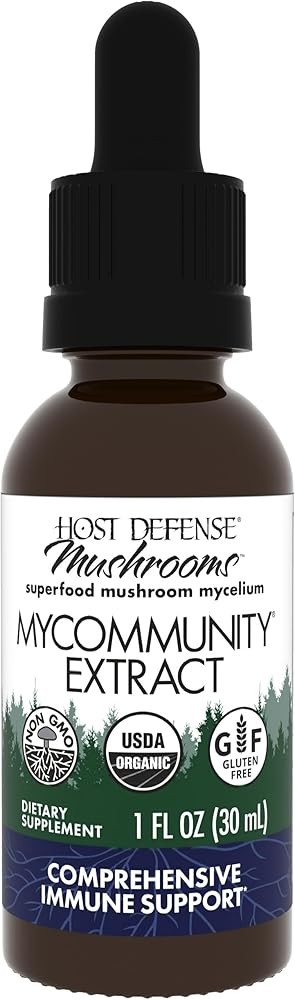
Host Defense MyCommunity Extract, Immune Support, 1 fl oz
Check Price on AmazonAs an Amazon Associate we earn from qualifying purchases.
Host Defense MyCommunity Extract provides the broadest species diversity available in a single mushroom supplement, combining 17 functional mushroom species in a liquid extract format for rapid absorption. Created by renowned mycologist Paul Stamets, this product emphasizes comprehensive immune system activation through multiple mushroom species working synergistically.
What sets it apart: The 17-species blend includes Lion’s Mane, Reishi, Cordyceps, Turkey Tail, Chaga, Maitake, and 11 additional functional mushrooms including Royal Sun Blazei, Mesima, and Split Gill. The liquid extract format provides faster absorption than capsules, and the dropper delivery allows for flexible dosing.
Important consideration: Host Defense products use mycelium on grain rather than fruiting body extracts. This means beta-glucan content is lower than fruiting body products, and the formulation contains grain starch. However, Stamets argues that mycelium contains unique bioactive compounds (including erinacines in Lion’s Mane) absent from fruiting bodies, and Host Defense has published research supporting immune activity of their mycelium-based formulations.
Best for: Those seeking maximum species diversity for comprehensive immune support, fans of Paul Stamets’ mycology research, users who prefer liquid extracts over capsules, and those wanting flexibility in dosing.
Which Is the Best Budget Mushroom Complex?
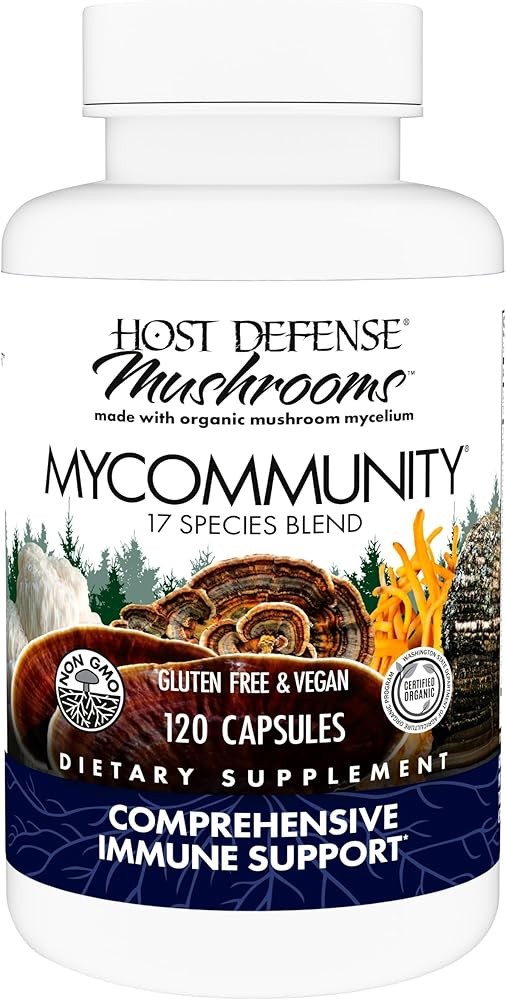
Host Defense MyCommunity Capsules, Immune Support, 120 Capsules
Check Price on AmazonAs an Amazon Associate we earn from qualifying purchases.
Host Defense MyCommunity Capsules deliver the same 17-species mushroom blend as the extract version but in convenient capsule form at a lower price point. This makes it the most affordable option for those wanting comprehensive mushroom species coverage without premium pricing.
What sets it apart: At approximately $53.96 for 120 capsules, this product provides a low cost-per-serving among quality mushroom complexes while still delivering 17 different functional mushroom species. The capsule format eliminates the alcohol taste of liquid extracts and provides standardized dosing.
Trade-offs for budget pricing: Like all Host Defense products, this uses mycelium on grain rather than fruiting body extracts, resulting in lower beta-glucan content and higher grain starch content. With 17 species packed into each serving, individual species doses are necessarily modest rather than the higher per-species amounts seen in single-species or smaller-blend products.
Best for: Budget-conscious users wanting broad mushroom species coverage, those new to mushroom supplementation who want to start with an affordable option, users preferring capsules over liquids, and those prioritizing species diversity over high-dose single-species effects.
Which Is the Best Mushroom Stack for Brain Health and Immune Support?
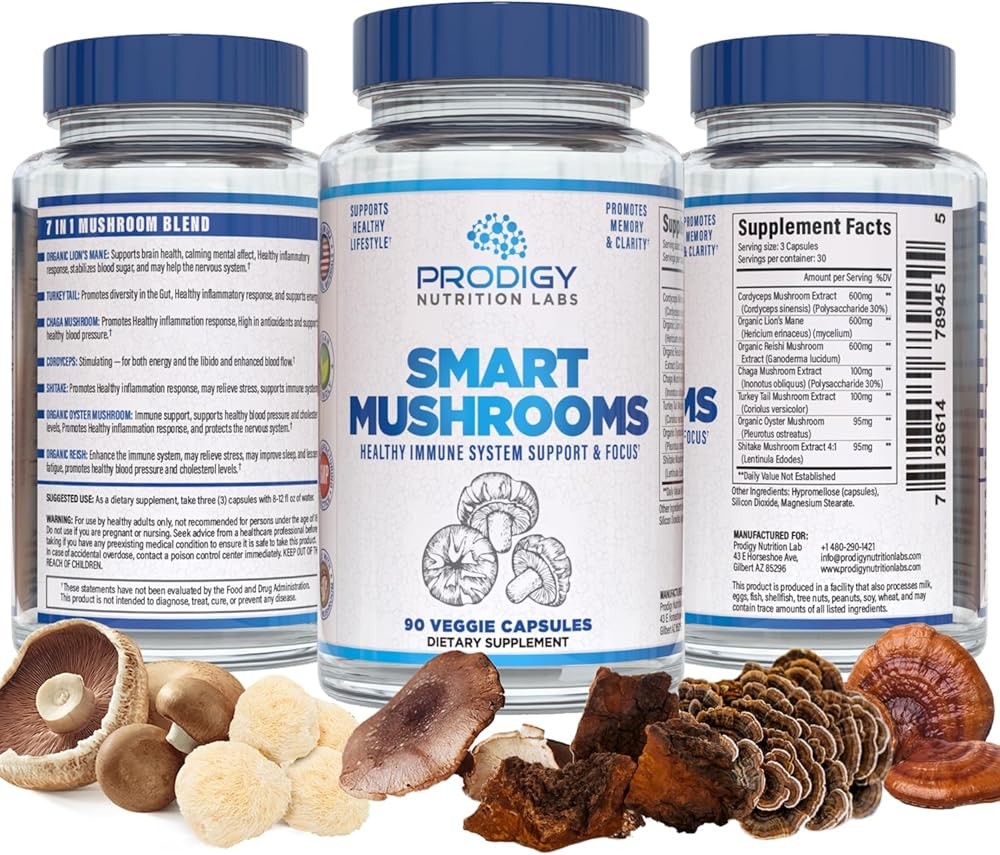
Smart Mushrooms Complex takes a targeted approach by focusing on four specific functional mushrooms optimized for cognitive function and immune support: Lion’s Mane, Turkey Tail, Cordyceps, and Reishi. By limiting the formula to four species, the product delivers higher concentrations of each mushroom compared to 10+ species blends.
What sets it apart: This product provides elevated Lion’s Mane dosing (1,000mg per serving) to reach clinically relevant thresholds for cognitive enhancement, combined with therapeutic doses of Turkey Tail (750mg) for immune activation, Reishi (500mg) for adaptogenic stress support, and Cordyceps (500mg) for energy and oxygen utilization. All four species use fruiting body extracts with verified beta-glucan content above 25%.
Strategic formulation: The four-species combination addresses the synergistic pathways for brain health: Lion’s Mane stimulates Nerve Growth Factor and neurogenesis, Reishi supports sleep quality and stress resilience (essential for neuroplasticity), Cordyceps ensures adequate cellular energy for metabolically expensive brain processes, and Turkey Tail provides comprehensive immune support to reduce inflammatory burden on the nervous system.
Best for: Cognitive enhancement and brain health focus, users wanting higher Lion’s Mane doses than typical mushroom complexes provide, those seeking combined brain and immune benefits, biohackers optimizing for mental performance, and anyone prioritizing quality over species count.
Bottom line: The best mushroom complexes deliver verified, clinically meaningful amounts of each species they list. Among the products reviewed here: the B0FJB66CW7 multi-mushroom complex (Best Overall, ~$25.95) covers Lion’s Mane, Reishi, Cordyceps, Chaga, and Turkey Tail in one formula; Host Defense MyCommunity Capsules (B002WJ1BZK, ~$53.96 for 120 capsules) give budget-friendly 17-species coverage despite using mycelium on grain; and Smart Mushrooms Complex (B0BG9HGZWD, ~$24.95) optimizes for cognitive support with elevated Lion’s Mane plus targeted immune species.
Who Should NOT Take Mushroom Supplements?
Functional mushrooms are generally safe for most adults, but there are important exceptions and precautions.
Can People with Autoimmune Conditions Take Mushroom Supplements?
Because functional mushrooms modulate and activate the immune system, they can potentially worsen autoimmune conditions where the immune system is already overactive. People with the following conditions should consult their healthcare provider before taking mushroom supplements — and may need to avoid immune-stimulating species like Turkey Tail and Maitake entirely:
- Rheumatoid arthritis
- Lupus (systemic lupus erythematosus)
- Multiple sclerosis
- Hashimoto’s thyroiditis
- Inflammatory bowel disease (Crohn’s, ulcerative colitis)
- Type 1 diabetes
- Psoriasis
Nuance: Reishi is sometimes considered safer for autoimmune conditions than other mushrooms because it has immune-modulating (bidirectional) rather than purely immune-stimulating properties. Some practitioners use Reishi specifically to help regulate overactive immune responses. However, this should only be done under medical supervision.
Do Mushroom Supplements Interact with Blood Thinning Medications?
Several functional mushrooms have mild anticoagulant (blood-thinning) properties:
- Reishi: Contains compounds that inhibit platelet aggregation
- Chaga: Betulinic acid and other compounds may affect clotting
- Cordyceps: May have mild anticoagulant effects
If you are taking warfarin (Coumadin), aspirin, clopidogrel (Plavix), heparin, or other anticoagulant/antiplatelet medications, consult your doctor before adding mushroom supplements. The combination could increase bleeding risk.
Should You Stop Mushroom Supplements Before Surgery?
Discontinue all mushroom supplements at least 2 weeks before any scheduled surgery due to the potential anticoagulant effects described above. Resume only after your surgeon clears you for normal supplementation.
Can You Take Mushroom Supplements with Immunosuppressant Medications?
People taking immunosuppressant drugs — including those for organ transplant (cyclosporine, tacrolimus), autoimmune conditions (methotrexate, azathioprine), or inflammatory conditions (prednisone at immunosuppressive doses) — should NOT take immune-stimulating mushroom supplements without explicit medical approval. The immune activation from mushroom beta-glucans could counteract the intended immunosuppressive effect of these medications.
Do Mushroom Supplements Affect Blood Sugar Medications?
Maitake and, to a lesser extent, Reishi and Cordyceps may lower blood sugar. If you are taking insulin, metformin, sulfonylureas, or other diabetes medications, monitor your blood sugar closely when starting mushroom supplements and inform your healthcare provider. Dose adjustments may be needed.
Are Mushroom Supplements Safe During Pregnancy and Breastfeeding?
There is insufficient safety data for most functional mushroom supplements during pregnancy and breastfeeding. While traditional use exists, clinical safety studies in pregnant and lactating women are lacking. The conservative recommendation is to avoid supplementation during these periods unless specifically advised by a healthcare provider.
Can People with Mold and Fungi Allergies Take Mushroom Supplements?
People with known allergies to molds, yeasts, or environmental fungi may react to mushroom supplements. Start with a very small dose (one-quarter of the recommended serving) and monitor for allergic symptoms including skin rash, hives, itching, nasal congestion, digestive upset, or breathing difficulty. Discontinue immediately if any allergic symptoms occur.
Bottom line: Discontinue mushroom supplements at least 2 weeks before surgery due to anticoagulant effects; people taking warfarin, cyclosporine, tacrolimus, or other immunosuppressants should not use immune-stimulating mushrooms without medical approval; and those with autoimmune conditions (rheumatoid arthritis, lupus, MS, Hashimoto’s, IBD) should avoid Turkey Tail and Maitake entirely as these species can worsen immune overactivation.
Should You Take a Mushroom Complex or Individual Species?
The decision depends on your goals, budget, and desired specificity.
When Should You Choose a Mushroom Complex?
- Your primary goal is broad-spectrum immune support and general wellness
- You want to cover multiple health dimensions (immunity, energy, cognition, antioxidant protection) with a single product
- You are relatively healthy and using mushrooms for preventive health maintenance
- You prefer the simplicity of one supplement rather than managing multiple bottles
- You are on a budget and cannot afford separate products for each species
When Should You Choose Individual Species?
- You have a specific therapeutic target — cognitive function (Lion’s Mane), cancer adjunctive support (Turkey Tail), blood sugar (Maitake), exercise performance (Cordyceps)
- You need a clinically relevant dose of a specific mushroom — multi-species complexes often provide sub-therapeutic amounts of each species to fit them all in one serving
- You want to customize your stack based on the stacking guides above
- You are working with a healthcare provider on a specific health condition that calls for targeted mushroom therapy
Can You Combine a Mushroom Complex with Individual Species?
Many experienced mushroom supplement users take a mushroom complex as their daily baseline and add one or two individual species at therapeutic doses for their specific goals. For example: FreshCap Ultimate Mushroom Complex daily for general immune and wellness support, plus a dedicated Real Mushrooms Lion’s Mane at 1,500 to 3,000mg/day for targeted cognitive enhancement.
Bottom line: Multi-mushroom complexes provide 400-500mg per species (often sub-therapeutic for targeted goals), making them suitable for general wellness and immune support, while individual species at clinically relevant doses (1,000-3,000mg for Lion’s Mane cognitive effects, 3,000mg for Turkey Tail cancer adjunctive support, 1,000-3,000mg for Cordyceps exercise performance) deliver therapeutic concentrations for specific health conditions, with experienced users often combining a baseline complex plus 1-2 individual species at full clinical doses.
What Are the Common Myths About Mushroom Supplements?
Does More Species on the Label Mean a Better Product?
Reality: A product listing 10 or 15 mushroom species sounds impressive, but often means sub-therapeutic doses of each. Six species at 400mg each is 2,400mg total — potentially effective. Fifteen species at 100mg each is 1,500mg total with none reaching a therapeutic threshold. Quality and dose matter more than species count.
Are All Mushroom Supplements Basically the Same?
Reality: The difference between a hot-water-extracted fruiting body product with 30% verified beta-glucans and a mycelium-on-grain product with 3% beta-glucans is enormous — roughly a 10x difference in active compound concentration. This is like comparing a prescription medication to a homeopathic dilution.
Can You Get Enough Bioactive Compounds from Culinary Mushrooms?
Reality: While culinary mushrooms (shiitake, maitake, oyster) contain beta-glucans and other bioactive compounds, the concentrations are much lower than in concentrated extracts. You would need to eat pounds of raw mushrooms daily to approach the doses used in clinical trials. Cooking helps by degrading some chitin, but extraction concentrates the compounds far more effectively.
Do Mushroom Supplements Work Immediately?
Reality: Unlike caffeine or other stimulants, functional mushrooms work through slower biological pathways — immune cell training, neurogenesis, mitochondrial optimization, gut microbiome shifts. Most benefits require 2 to 8 weeks of consistent daily use to become apparent, and full effects from Lion’s Mane may take 3 or more months.
Are Mushrooms Only Good for Immune Support?
Reality: While immune modulation is the most well-established benefit across all functional mushroom species, the individual species offer much more — Lion’s Mane for cognitive function, Cordyceps for energy and exercise performance, Reishi for stress adaptation and sleep, Maitake for blood sugar regulation. Reducing mushrooms to “immune support” overlooks their most interesting and specific applications.
Bottom line: Common myths include believing more species means better results, all mushroom supplements are equivalent, culinary mushrooms provide sufficient doses, and benefits appear immediately, when in reality quality extraction, beta-glucan content, proper dosing, and consistent use for 2 to 12 weeks are what drive therapeutic results.
What Are the Evidence-Based Dosing Recommendations for Each Mushroom?
For quick reference, here are the evidence-based dosing recommendations for each mushroom covered in this guide:
| Mushroom | Effective Daily Dose (Extract) | Primary Benefit | Minimum Duration | Best Extraction |
|---|---|---|---|---|
| Lion’s Mane | 1,000-3,000mg | Cognitive function, NGF | 8-16 weeks | Hot water or dual |
| Reishi | 1,500-3,000mg | Immune modulation, sleep | 2-4 weeks | Dual (critical) |
| Cordyceps | 1,000-3,000mg | Energy, exercise performance | 1-3 weeks | Hot water |
| Turkey Tail | 1,500-3,000mg | Immune stimulation | 2-4 weeks | Hot water |
| Chaga | 500-1,500mg | Antioxidant, anti-inflammatory | 2-4 weeks | Dual (recommended) |
| Maitake | 500-1,500mg (or 3-7mg D-fraction) | Blood sugar, immune | 2-4 weeks | Hot water |
Note: These doses are for concentrated extracts, not raw mushroom powder. Raw powder doses would need to be 3 to 5 times higher to achieve equivalent effects.
Bottom line: Evidence-based dosing ranges from 500mg for Chaga to 3,000mg for Turkey Tail daily depending on the species and therapeutic goal, with most benefits requiring 2 to 4 weeks of consistent use and Lion’s Mane cognitive effects taking 8 to 16 weeks to fully manifest.
How Can You Maximize the Benefits of Mushroom Supplements?
Why Is Consistency the Most Important Factor?
Mushroom supplements are not rescue approaches — they are daily investments in your biology. The compounds work by gradually training your immune system, building new neural connections, and optimizing cellular energy production. Missing doses occasionally is fine, but inconsistent use will reduce the risk of you from reaching the full benefit threshold.
Should You Take Mushroom Supplements With Food?
Most mushroom supplements are well-tolerated on an empty stomach, but taking them with food — particularly a meal containing some dietary fat — can improve absorption of fat-soluble compounds like Reishi triterpenes and Chaga betulinic acid. The fat assists in the absorption of these non-water-soluble compounds.
When Is the Best Time of Day to Take Each Mushroom Species?
- Cordyceps: Take in the morning or before exercise — the energy-enhancing effects are best utilized during active hours
- Reishi: Take in the evening, 1 to 2 hours before bed — the calming, serotonergic, and sleep-promoting effects are best utilized at night
- Lion’s Mane: Take in the morning or early afternoon — the cognitive-enhancing effects pair well with work and learning
- Turkey Tail, Chaga, Maitake: Can be taken any time of day — no significant timing-dependent effects
Should You Cycle Mushroom Supplements On and Off?
Some practitioners recommend cycling mushroom supplements — for example, 5 days on, 2 days off, or 8 weeks on, 2 weeks off. The rationale is to reduce the risk of the immune system from habituating to the stimulus. However, there is no strong clinical evidence that cycling is necessary, and many traditional medicine systems advocate for continuous daily use. If you are using mushrooms for immune modulation, cycling may be reasonable. For Lion’s Mane cognitive effects, consistent daily use is preferred since neurogenesis requires sustained neurotrophic factor stimulation.
What Lifestyle Factors Should You Combine with Mushroom Supplements?
Mushroom supplements work best as part of a comprehensive health approach:
- Sleep: 7 to 9 hours nightly — neurogenesis and immune repair happen primarily during deep sleep
- Exercise: Regular moderate exercise enhances immune function and amplifies the energy benefits of Cordyceps
- Stress management: Chronic stress suppresses exactly the immune and cognitive pathways that mushroom supplements are trying to enhance
- Whole-food diet: A diet rich in vegetables, fiber, and fermented foods supports the gut microbiome that mushroom polysaccharides are feeding
- Vitamin D: Adequate vitamin D status is essential for proper immune cell function and works synergistically with mushroom beta-glucans
Bottom line: Maximize mushroom supplement benefits through daily consistency, taking with dietary fat for absorption, timing species appropriately (Cordyceps morning, Reishi evening), and combining supplementation with adequate sleep, exercise, stress management, and a whole-food diet rich in fiber.
What Are the Most Common Questions About Mushroom Supplements?
What are the benefits of mushroom?
Mushroom has been studied for various potential health benefits. Research suggests it may support several aspects of health and wellness. Individual results can vary. The strength of evidence differs across different claimed benefits. More high-quality research is often needed. Always review the latest scientific literature and consult healthcare professionals about whether mushroom is right for your health goals.
Is mushroom safe?
Mushroom is generally considered safe for most people when used as directed. However, individual responses can vary. Some people may experience mild side effects. It’s important to talk with a healthcare provider before using mushroom, especially if you have existing health conditions, are pregnant or nursing, or take medications.
How does mushroom work?
Mushroom works through various biological mechanisms that researchers are still studying. Current evidence suggests it may interact with specific pathways in the body to produce its effects. Always consult with a healthcare provider before starting any new supplement or health regimen to ensure it’s appropriate for your individual needs.
Who should avoid mushroom?
People with autoimmune conditions, those taking immunosuppressants or blood thinners, individuals scheduled for surgery, pregnant or breastfeeding women, and people with mold or fungi allergies should avoid mushroom supplements unless under direct medical supervision. Several functional mushrooms have mild anticoagulant properties and can modulate immune function.
What are the signs mushroom is working?
Signs include improved recovery from minor illnesses within 2 to 4 weeks for immune-supporting species like Turkey Tail and Reishi, clearer thinking and better focus within 4 to 8 weeks for Lion’s Mane, faster exercise recovery within 1 to 3 weeks for Cordyceps, and reduced joint stiffness or skin improvements within 2 to 4 weeks for Chaga. Full cognitive benefits from Lion’s Mane typically require 8 to 16 weeks.
How long should I use mushroom?
Most functional mushrooms require 2 to 8 weeks of consistent daily use for initial benefits, with full effects manifesting at 8 to 12 weeks. Lion’s Mane cognitive effects specifically need 8 to 16 weeks as neurogenesis is a slow process. Clinical trials typically evaluate effects over 8 to 16 weeks, with many practitioners recommending at least 3 months of daily use before fully evaluating results.
Related Articles
- Best Lion’s Mane Mushroom Supplements for Brain Health
- Lion’s Mane Mushroom Benefits for the Brain: What Research Shows
- Lion’s Mane vs Alpha GPC for Focus
- Best Immune System Supplements: Vitamin C, Zinc, Elderberry and What Research Supports
- Best Supplements for Energy and Fatigue
- How to Improve Gut Health Naturally: Evidence-Based Guide
For more context, see our guide on Lion’s Mane Mushroom for Brain Health: Neurogenesis and Cognitive Protection.
Related Reading
- Best Mushroom Supplements for Immune Support: Reviews & Brand Analysis
- Medicinal Mushrooms and Cancer Research: A Review of Turkey Tail, Reishi, and Chaga
- Lion’s Mane Mushroom for Brain Health: Neurogenesis and Cognitive Protection
- Lion’s Mane for Menopause Brain Fog: Complete Research Guide
- Best Colostrum Supplements — What the Research Actually Shows About Bovine Colostrum
- Mental Clarity, Focus, and Cognitive Function: Best Lion’s Mane Mushroom Supplements for Brain Health
- Best Glutathione Supplements — The Master Antioxidant Your Body Makes (and May Need More Of)
References
-
Mori K, Inatomi S, Ouchi K, et al. Improving effects of the mushroom Yamabushitake (Hericium erinaceus) on mild cognitive impairment: a double-blind placebo-controlled clinical trial. Phytotherapy Research. 2009;23(3):367-372.
-
Surendran G, et al. Acute effects of a standardised extract of Hericium erinaceus (Lion’s Mane mushroom) on cognition and mood in healthy younger adults: a double-blind randomised placebo-controlled study. Frontiers in Nutrition. 2025.
-
Docherty S, et al. The Acute and Chronic Effects of Lion’s Mane Mushroom Supplementation on Cognitive Function, Stress and Mood in Young Adults: A Double-Blind, Parallel Groups, Pilot Study. Nutrients. 2023;15(22):4842.
-
Nagano M, Shimizu K, Kondo R, et al. Reduction of depression and anxiety by 4 weeks Hericium erinaceus intake. Biomedical Research. 2010;31(4):231-237.
-
Vigna L, et al. Hericium erinaceus Improves Mood and Sleep Disorders in Patients Affected by Overweight or Obesity. Evidence-Based Complementary and Alternative Medicine. 2019.
-
Lai PL, et al. Neurotrophic properties of the Lion’s mane medicinal mushroom, Hericium erinaceus. International Journal of Medicinal Mushrooms. 2013;15(6):539-554.
-
Martínez-Mármol R, et al. Hericerin derivatives activates a pan-neurotrophic pathway in central hippocampal neurons converging to ERK1/2 signaling enhancing spatial memory. Journal of Neurochemistry. 2023;165(6):791-808.
-
Evaluation of Immune Modulation by beta-1,3;1,6 D-Glucan Derived from Ganoderma lucidum in Healthy Adult Volunteers, A Randomized Controlled Trial. Foods. 2023;12(3):659.
-
Randomized Clinical Trial for the Evaluation of Immune Modulation by Yogurt Enriched with beta-Glucans from Ganoderma lucidum in Children from Medellin, Colombia. International Journal of Medicinal Mushrooms. 2018;20(11):1083-1093.
-
Tang W, et al. A randomized, double-blind and placebo-controlled study of a Ganoderma lucidum polysaccharide extract in neurasthenia. Journal of Medicinal Food. 2005;8(1):53-58.
-
Zhao H, et al. Spore Powder of Ganoderma lucidum Improves Cancer-Related Fatigue in Breast Cancer Patients Undergoing Endocrine Therapy: A Pilot Clinical Trial. Evidence-Based Complementary and Alternative Medicine. 2012.
-
Hirsch KR, et al. Cordyceps militaris Improves Tolerance to High-Intensity Exercise After Acute and Chronic Supplementation. Journal of Dietary Supplements. 2017;14(1):42-53.
-
Choi E, et al. Beneficial Effect of Cordyceps militaris on Exercise Performance via Promoting Cellular Energy Production. Mycobiology. 2020;48(6):512-519.
-
Park YK, et al. Chaga mushroom extract inhibits oxidative DNA damage in human lymphocytes as assessed by comet assay. BioFactors. 2004;21(1-4):109-112.
-
Ern PTY, et al. Therapeutic properties of Inonotus obliquus (Chaga mushroom): A review. Mycology. 2024.
-
Kubo K, et al. Anti-diabetic activity present in the fruit body of Grifola frondosa (Maitake). Biological & Pharmaceutical Bulletin. 1994;17(8):1106-1110.
-
beta-glucans from Agaricus bisporus mushroom products drive Trained Immunity. Frontiers in Nutrition. 2024;11:1346706.
-
Torkelson CJ, et al. Phase 1 Clinical Trial of Trametes versicolor in Women with Breast Cancer. ISRN Oncology. 2012.
Recommended Products