Natural Testosterone Boosters That Work (Science-Backed)
Summarized from peer-reviewed research indexed in PubMed. See citations below.
Get our free Blog research guide
Evidence-based insights delivered to your inbox
Testosterone declines 1-2% annually starting at age 30, leaving many men struggling with fatigue, muscle loss, and reduced libido by their 40s and 50s. Swanson Ultimate Ashwagandha KSM-66 delivers 300mg of the most clinically studied ashwagandha extract, shown in multiple randomized trials to increase testosterone by 10-20% while reducing cortisol by 15%, priced around $15 for 60 capsules. The KSM-66 form has over eight published human studies demonstrating real-world improvements in strength, body composition, and hormonal balance in stressed or older men with low-normal testosterone. For budget-conscious buyers, NATURELO Ashwagandha Organic Root Powder offers 1,200mg per serving at roughly $20 for 120 capsules, providing excellent value with organic certification. Here’s what the published research shows about natural testosterone boosters that actually work.
Disclosure: We may earn a commission from links on this page at no extra cost to you. Affiliate relationships never influence our ratings. Full policy →
Introduction
Testosterone is the primary male sex hormone, and its gradual decline is one of the most predictable aspects of aging. Starting around age 30, most men lose roughly 1-2% of their total testosterone per year. By the time they hit their 40s and 50s, many begin noticing the consequences: lower energy, reduced muscle mass, increased body fat, diminished libido, and poorer mood. The medical term for clinically low testosterone is hypogonadism, and it affects an estimated 20-40% of older men depending on how it is defined.
It is no surprise, then, that the testosterone booster market has exploded into a multi-billion-dollar industry. The appeal is obvious — who wouldn’t want to reverse the clock on declining hormone levels without a prescription? But the gap between marketing claims and clinical reality is vast. Many popular testosterone-boosting supplements have little or no credible evidence behind them, while a handful of ingredients have shown genuinely promising results in peer-reviewed research.
This article cuts through the noise. We will review the natural testosterone boosters that have actual clinical evidence, explain how strong that evidence is, identify what doesn’t work despite popular claims, and discuss the lifestyle factors that arguably matter more than any supplement. We will also cover the practical side — how to stack these supplements safely, what timeline to expect for results, and the body signals that tell you whether something is actually working.
Bottom line: Testosterone declines 1-2% per year starting around age 30, affecting 20-40% of older men with symptoms like fatigue, muscle loss, and reduced libido. The testosterone booster market is massive but most products lack clinical evidence. This article separates the evidence-backed ingredients from the overhyped ones and covers practical stacking, dosing, and lifestyle factors.
What Does Our Video Review Cover?
What Are the Signs Your Testosterone Is Low?
Before reaching for any supplement, it is worth understanding what low testosterone actually feels like. Many men live with suboptimal testosterone for years without realizing it, attributing their symptoms to aging, stress, or poor sleep. Here are the signals your body sends when testosterone is declining beyond normal levels.
What Physical Signs Should You Watch For?
- Persistent fatigue that sleep doesn’t fix. You get 7-8 hours but still feel drained by mid-afternoon. This is different from normal tiredness — it is a bone-deep exhaustion that makes everything feel like it requires more effort than it should.
- Muscle loss despite training. You are still hitting the gym, but your strength plateaus or declines. Shirts that used to fit across the shoulders feel looser. Recovery from workouts takes noticeably longer.
- Increasing belly fat. Even if your diet hasn’t changed, you notice fat accumulating around the midsection and chest. Adipose tissue contains aromatase, the enzyme that converts testosterone to estrogen, which creates a vicious cycle — more fat means less testosterone, which means more fat.
- Reduced body hair growth. Shaving frequency decreases. Leg hair, arm hair, and chest hair may thin out.
- Joint stiffness and decreased bone density. Testosterone plays a role in bone mineral density, and low levels can make joints ache, particularly in the morning.
What Sexual Changes Indicate Low Testosterone?
- Decreased libido. The decline is often gradual. You may not notice until your partner does. The spontaneous sexual thoughts that were common in your 20s become rare.
- Weaker or fewer erections. Morning erections become less frequent or less firm. Erectile function during sex may decline. Testosterone is not the only factor in erectile function, but it is a significant one.
- Reduced ejaculate volume. Testosterone influences semen production, and declining levels can reduce volume.
How Does Low Testosterone Affect Your Mind and Mood?
- Brain fog and poor concentration. Tasks that used to require minimal focus now feel mentally taxing. Reading for extended periods becomes difficult.
- Irritability and mood swings. Low testosterone can mimic symptoms of depression, including irritability, lack of motivation, and a general sense that things aren’t as enjoyable as they used to be.
- Poor sleep quality. Paradoxically, low testosterone disrupts sleep, and poor sleep further lowers testosterone. This creates a negative feedback loop that supplements can help interrupt.
- Decreased motivation and drive. That competitive fire, the ambition to pursue goals, the ability to push through hard things — these are partly testosterone-mediated, and their absence is a clue.
What Timeline Should You Expect for Improvement?
When testosterone levels improve — whether through lifestyle changes, supplementation, or both — the body sends positive signals in a predictable sequence:
Week 1-2:
- Sleep quality improves first. You fall asleep faster, wake up less during the night, and feel more rested in the morning.
- Morning erections may return or become more consistent.
- Mood begins to stabilize. The irritability and low-grade anxiety start to lift.
Week 2-4:
- Energy levels increase noticeably. The mid-afternoon crash becomes less severe.
- Libido begins to improve. Sexual thoughts become more frequent.
- Motivation and drive start returning. You may notice you are more productive at work or more engaged in hobbies.
Month 1-2:
- Body composition begins to shift. You may not see dramatic changes on the scale, but clothes fit differently. Belly fat starts to reduce slightly.
- Strength in the gym improves. You break through plateaus, and recovery between sessions is faster.
- Mood is consistently better. The flat, joyless feeling lifts.
Month 2-3:
- Muscle mass increases become visible.
- Body fat redistribution is more noticeable.
- Sexual function and satisfaction improve significantly.
- Cognitive function sharpens. Focus and memory feel closer to baseline.
What Warning Signs Mean You Should See a Doctor?
Not all testosterone decline is benign aging. See a physician if you experience:
- Testosterone below 300 ng/dL on two separate morning tests
- Sudden onset of symptoms (rather than gradual decline)
- Breast tissue development (gynecomastia)
- Testicular pain or changes in testicular size
- Severe depression or suicidal thoughts
- Bone fractures from minor trauma
- Hot flashes (yes, men can get these with very low T)
These symptoms warrant medical evaluation, not just supplements.
Bottom line: Low testosterone presents with physical signs (fatigue, muscle loss, belly fat), sexual symptoms (reduced libido, weaker erections), and mental changes (brain fog, irritability). Improvement follows a predictable timeline starting with better sleep in weeks 1-2, followed by energy and libido gains by week 4, and body composition changes by months 2-3. Sudden symptoms or testosterone below 300 ng/dL warrant immediate medical evaluation.
How Does Testosterone Work in Your Body?
Before diving into specific supplements, it helps to understand what testosterone actually does and how it is regulated.
Testosterone is a steroid hormone produced primarily in the Leydig cells of the testes (and in smaller amounts by the adrenal glands). It is regulated by the hypothalamic-pituitary-gonadal (HPG) axis: the hypothalamus releases GnRH, which signals the pituitary to release LH and FSH, which in turn stimulate testosterone production. This feedback loop means that testosterone levels are tightly regulated, and any supplement that meaningfully shifts them is doing something pharmacologically significant.
What’s the Difference Between Total and Free Testosterone?
When your blood is tested, you will typically see two values:
- Total testosterone — the full amount of testosterone in your blood, including what is bound to sex hormone-binding globulin (SHBG) and albumin. Normal range is roughly 300-1000 ng/dL for adult men, though labs vary.
- Free testosterone — the small fraction (about 2-3%) that is unbound and biologically active. This is the testosterone that can enter cells and exert its effects.
Free testosterone is arguably more clinically relevant, because a man can have “normal” total testosterone but low free testosterone if his SHBG levels are elevated. SHBG tends to rise with age, which means that free testosterone often declines faster than total testosterone. Some supplements claim to work by lowering SHBG, thereby freeing up more bioavailable testosterone. This distinction matters when evaluating study results — an ingredient that raises total testosterone by 15% but doesn’t change free testosterone may not produce noticeable benefits.
Where Can Supplements Intervene in Testosterone Production?
Understanding the HPG axis helps explain why certain supplements work and others don’t. There are several points along this hormonal cascade where natural compounds can potentially intervene:
- Hypothalamic level — Reducing cortisol (a GnRH suppressor) can disinhibit the axis. This is where adaptogens like ashwagandha and tongkat ali may work.
- Pituitary level — Stimulating LH release directly. D-aspartic acid appears to work here.
- Testicular level — Supporting Leydig cell function directly. Zinc, vitamin D, and shilajit may act at this level.
- Peripheral level — Reducing SHBG binding (boron, magnesium) or inhibiting aromatase (fenugreek) to increase free, bioavailable testosterone.
Most effective natural testosterone boosters work through one or more of these mechanisms simultaneously, which is why certain combinations can produce synergistic effects.
When Should You Get Tested?
If you suspect low testosterone, get a blood test before reaching for supplements. Testosterone levels peak in the early morning, so testing should be done between 7-10 AM for the most accurate reading. Most endocrinologists recommend testing on at least two separate mornings before making any diagnosis, since testosterone levels fluctuate day to day.
Request a comprehensive panel that includes: total testosterone, free testosterone, SHBG, LH, FSH, estradiol, prolactin, thyroid hormones (TSH, free T4), vitamin D (25-hydroxyvitamin D), and a complete metabolic panel with zinc and magnesium if possible. This full picture tells you not just whether your testosterone is low, but why it might be low — which directly informs your supplementation strategy.
Bottom line: Testosterone is produced via the HPG axis, where the hypothalamus signals the pituitary to release LH, which triggers testosterone production in the testes. Total testosterone includes bound and free forms, while free testosterone (2-3%) is biologically active. Supplements can intervene at multiple points: reducing cortisol, stimulating LH, supporting Leydig cells, or reducing SHBG binding. Get tested between 7-10 AM on two separate mornings for accurate baseline levels.
Which Natural Testosterone Boosters Have Real Evidence?
| Feature | Swanson Ashwagandha KSM-66 | Tongkat Ali Extract 200:1 | NATURELO Ashwagandha |
|---|---|---|---|
| View on Amazon | Check Price | Check Price | Check Price |
Can Ashwagandha (Withania somnifera) Boost Your Testosterone?
Evidence strength: Strong
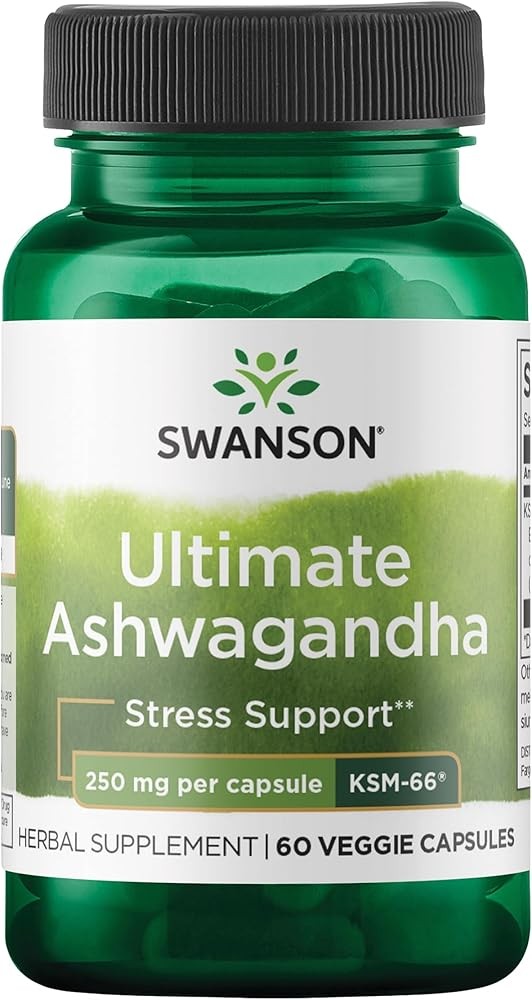
Swanson Ultimate Ashwagandha KSM-66
Check Price on AmazonAs an Amazon Associate we earn from qualifying purchases.
Ashwagandha has the most robust clinical evidence of any natural testosterone booster. Multiple randomized controlled trials have shown meaningful effects on testosterone, strength, and body composition, and a 2025 safety study confirmed its tolerability over 12 months of continuous use.
The Key Studies:
A systematic review by Smith et al. (2021; PMID: 33150931) examined the effects of herbal supplements on testosterone concentrations in men. The review analyzed multiple randomized controlled trials and found that ashwagandha consistently demonstrated significant increases in testosterone levels across studies, with effect sizes ranging from 10-20% in men with low-normal testosterone or elevated stress. The review concluded that ashwagandha had the strongest and most consistent evidence among herbal testosterone boosters.
Lopresti et al. (2019; PMID: 30854916) gave 240mg of ashwagandha extract daily to 50 overweight men aged 40-70 with mild fatigue. After 8 weeks, the ashwagandha group saw a 14.7% increase in testosterone and an 18% increase in DHEA-S compared to placebo. Salivary cortisol decreased by 15%, supporting ashwagandha’s well-known role as an adaptogen that modulates the stress response. This study is particularly relevant because the subjects were older, overweight men — the demographic most likely to have low testosterone and most likely to benefit from supplementation.
Chauhan et al. (2022; PMID: 35873404) specifically studied ashwagandha’s effect on male reproductive health and found significant improvements in testosterone, luteinizing hormone, FSH, and semen quality. The study enrolled healthy adult men and found a 17% increase in testosterone along with a 167% increase in sperm concentration and 57% improvement in sperm motility.
A 12-month safety study published in 2025 (Phytotherapy Research) followed 191 adults aged 18-65 taking KSM-66 ashwagandha and found that cortisol levels modestly declined, testosterone significantly increased, and 68.7% of participants showed overall clinical improvement, with the strongest benefits in those aged 50 and above. This study is critical because it addresses the most common concern about long-term ashwagandha use — and the answer is that it appears safe for at least a year.
How It Works:
Ashwagandha’s testosterone-boosting mechanism is primarily indirect. The withanolides (particularly withaferin A and withanolide D) reduce cortisol by modulating the HPA axis. Since chronic cortisol elevation suppresses GnRH and LH secretion, lowering cortisol effectively removes a brake from testosterone production. There is also evidence of direct effects on Leydig cell function and antioxidant protection of testicular tissue.
Best Form and Dosing:
The KSM-66 extract is the most clinically studied form, standardized to at least 5% withanolides from root-only extraction. Sensoril is another studied extract, standardized to 10% withanolides from both root and leaf. For testosterone specifically, KSM-66 has more supporting data.
- Effective dose: 300-600mg per day of KSM-66, or 240-480mg of Sensoril
- Timing: Take with meals. Can be split into morning and evening doses.
- Cycling: The 12-month safety data suggests cycling may not be necessary, but many practitioners recommend 8 weeks on, 2 weeks off.
Who Should Use It: Men with stress-related testosterone decline, those with low-normal T levels (300-500 ng/dL), men who exercise regularly and want to optimize recovery and testosterone. Ashwagandha’s dual action on stress and testosterone makes it the single most broadly useful supplement on this list.
Who Should Avoid It: People with autoimmune thyroid conditions (ashwagandha can stimulate thyroid function), those on thyroid medications, immunosuppressants, or sedative drugs. Pregnant or nursing women should avoid it.
Bottom line: Ashwagandha (KSM-66) has the strongest evidence of any natural testosterone booster, with multiple RCTs showing 10-20% increases in testosterone alongside real-world outcomes like improved strength and body composition. The 2025 long-term safety data confirms 12-month continuous use is safe. It works best in men who are stressed, sleep-deprived, or have low-normal testosterone (300-500 ng/dL).
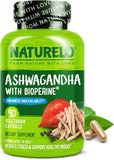
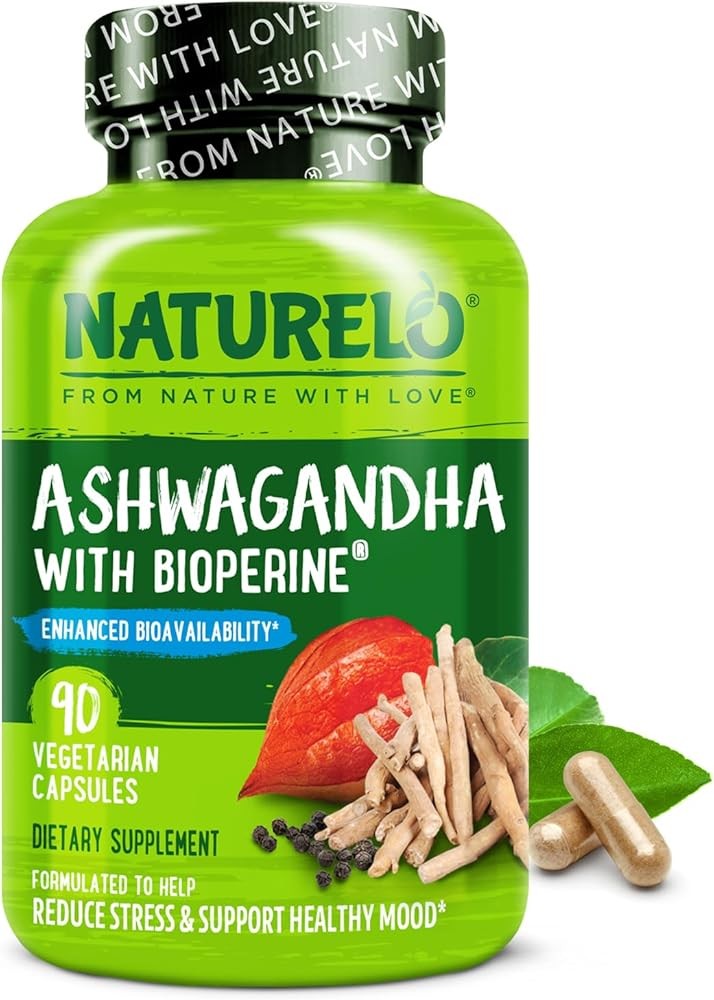
NATURELO Ashwagandha Organic Root Powder
Check Price on AmazonAs an Amazon Associate we earn from qualifying purchases.
Does Tongkat Ali (Eurycoma longifolia) Really Increase Testosterone?
Evidence strength: Moderate-to-strong
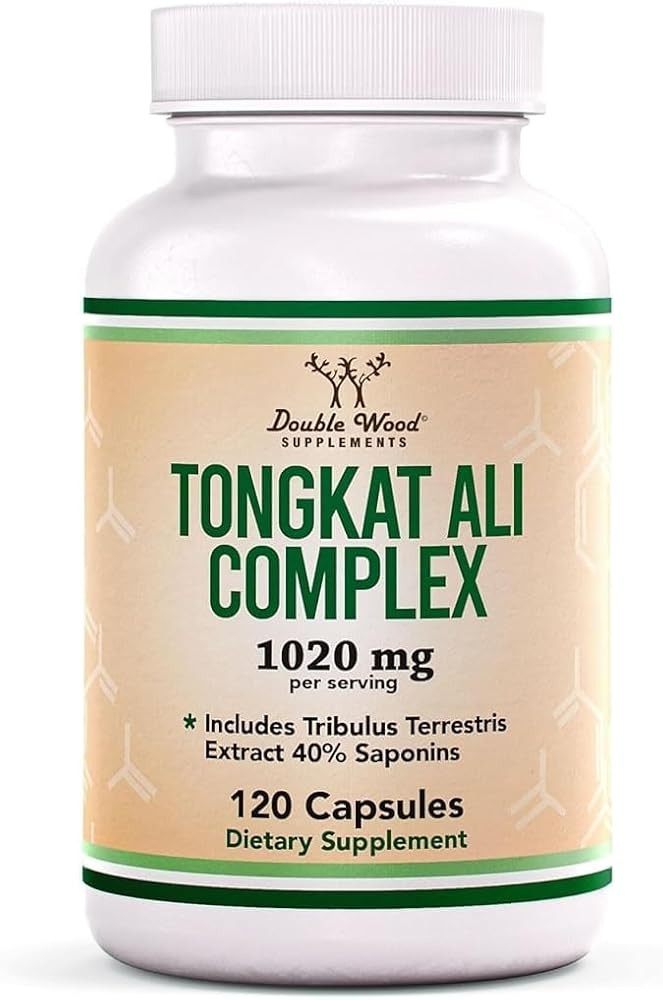
Tongkat Ali Extract 200:1
Check Price on AmazonAs an Amazon Associate we earn from qualifying purchases.
Tongkat Ali, also known as Malaysian ginseng or longjack, has been used traditionally in Southeast Asian medicine for centuries. Modern research has caught up, and a 2022 systematic review and meta-analysis confirmed its testosterone-boosting effects across multiple trials.
The Key Studies:
Leisegang et al. (2022; PMID: 36013514) conducted a systematic review and meta-analysis of clinical trials and found that Eurycoma longifolia supplementation is associated with significant improvements in total testosterone levels, particularly in men with low or low-normal testosterone. The random effects model revealed a statistically significant increase in testosterone across the pooled data. The proposed mechanism involves the quassinoid compounds (particularly eurycomanone) stimulating the release of free testosterone from SHBG and possibly acting directly on Leydig cells.
Henkel et al. (2014; PMID: 23754792) conducted a placebo-controlled trial in 76 men with late-onset hypogonadism. After one month of 200mg tongkat ali extract daily, 90.8% of participants were brought back into normal testosterone ranges, compared to only 35.5% in the placebo group. The treatment group also showed significant improvements in the Aging Males’ Symptoms (AMS) questionnaire scores. This is one of the most impressive results in the entire testosterone booster literature — bringing 91% of hypogonadal men back to normal ranges is a clinically meaningful outcome.
Talbott et al. (2013; PMID: 23705671) studied the effects of 200mg tongkat ali on moderately stressed adults and found significant improvements in the stress hormone profile, including a 16% reduction in cortisol and a 37% improvement in the testosterone-to-cortisol ratio. Tension, anger, and confusion were also significantly reduced.
A 2021 six-month RCT (PMID: 33541567) examined tongkat ali combined with concurrent training in men with androgen deficiency of aging males (ADAM). The combination of tongkat ali and exercise significantly improved both erectile function and total testosterone levels, with effects sustained over the full six-month study period. This longer-duration trial addresses concerns about whether tongkat ali’s effects are sustained over time.
A 2024 study in exercise-trained individuals found no significant effects on free testosterone or cortisol, suggesting that tongkat ali’s benefits may be most pronounced in men with suboptimal baseline testosterone rather than in already-fit, healthy young men with normal levels.
How It Works:
Tongkat ali contains eurycomanone and other quassinoids that appear to work through multiple mechanisms: (1) reducing SHBG levels to free up more bioavailable testosterone, (2) stimulating Leydig cell testosterone production via an increase in LH, (3) reducing cortisol levels, thereby removing a brake on the HPG axis, and (4) inhibiting aromatase activity, which reduces the conversion of testosterone to estrogen.
Best Form and Dosing:
- Extract type: Look for standardized root extracts, particularly LJ100 (standardized to 40% glycosaponins, 22% eurypeptides) or Physta (the extract used in several clinical trials).
- Effective dose: 200-400mg per day of a standardized extract (typically standardized to 2% eurycomanone or higher).
- Timing: Take in the morning with food, as it can be mildly stimulating.
- Cycling: Many practitioners recommend 5 days on, 2 days off, or 4 weeks on, 1 week off, though clinical trials have used continuous dosing for up to 6 months.
Who Should Use It: Men over 40 with declining testosterone, men with late-onset hypogonadism, those with high stress levels contributing to hormonal imbalance. Tongkat ali pairs particularly well with exercise.
Who Should Avoid It: Those on blood thinners (tongkat ali may have anticoagulant properties), people with hormone-sensitive cancers, and those taking immunosuppressant medications. It may cause restlessness or insomnia at higher doses, so avoid taking it late in the day.
Bottom line: Tongkat Ali has solid evidence for boosting testosterone, particularly in older men with late-onset hypogonadism. The Henkel 2014 study showing 91% of hypogonadal men returning to normal ranges with 200mg daily is one of the most impressive results in the natural testosterone literature. Use standardized extracts (LJ100 or Physta) at 200-400mg daily, and pair with exercise for synergistic effects.
How Effective Is Fenugreek Extract (Trigonella foenum-graecum) for Testosterone?
Evidence strength: Moderate
Fenugreek is an herb whose seeds contain furostanolic saponins, which are believed to inhibit the enzymes aromatase and 5-alpha-reductase, potentially reducing the conversion of testosterone to estrogen and DHT. A 2023 meta-analysis confirmed a small but statistically significant effect on total testosterone.
The Key Studies:
The most studied fenugreek extract is Testofen, standardized to 50% fenusides. Wankhede et al. (2016; PMID: 30356905) conducted an RCT with 60 healthy men taking 500mg of Testofen daily for 8 weeks. The fenugreek group showed a significant increase in free testosterone (98.7% increase vs. baseline) and total testosterone (18.2% increase), along with improvements in body fat percentage and strength compared to placebo.
Rao et al. (2016; PMID: 26791805) studied 120 healthy men aged 43-70 and found that 600mg of Testofen daily for 12 weeks led to significant improvements in sexual function, libido, and serum testosterone levels. The effect on libido was particularly notable, with both frequency and quality of sexual activity improving. This study stands out because of its larger sample size and longer duration.
A 2023 meta-analysis published in the International Journal of Sport Nutrition and Exercise Metabolism (PMID: 37253363) pooled data from seven studies with 449 participants and found a small but significant effect of fenugreek on total testosterone (SMD: 0.32; 95% CI: 0.09-0.55). The effect on free testosterone was similar in magnitude but did not reach statistical significance across all studies (SMD: 0.24; 95% CI: -0.04, 0.52). These are honest effect sizes — small but real.
A 2024 double-blind RCT published in PLOS ONE found that while plasma total testosterone and free testosterone index increased after fenugreek supplementation versus baseline, the increases were not statistically significant compared to placebo. This tempers some of the earlier enthusiasm and suggests the effects may be more modest than initial studies indicated.
However, not all fenugreek studies are positive. A study by Poole et al. (2010) using a different fenugreek extract found no significant testosterone changes in resistance-trained men, highlighting the importance of the specific extract and population studied.
How It Works:
Fenugreek’s primary mechanism appears to be aromatase inhibition — by blocking the enzyme that converts testosterone to estrogen, more testosterone remains available. The furostanolic saponins (particularly protodioscin) may also inhibit 5-alpha-reductase, which converts testosterone to DHT. This dual mechanism theoretically preserves testosterone while reducing its conversion to other hormones. Additionally, fenugreek contains 4-hydroxyisoleucine, which has been shown to improve insulin sensitivity, and better insulin function is associated with healthier testosterone levels.
Best Form and Dosing:
- Extract type: Testofen (standardized to 50% fenusides) has the most clinical support. Fenuside, another standardized extract, is also used.
- Effective dose: 500-600mg of Testofen daily, or 1-2g of whole fenugreek seed extract.
- Timing: Can be taken with any meal. Some practitioners recommend splitting the dose (morning and evening).
Who Should Use It: Middle-aged and older men looking to maintain free testosterone levels, men concerned about estrogen conversion, those seeking libido improvement alongside testosterone support.
Who Should Avoid It: Diabetics on medication (fenugreek can lower blood sugar and may potentiate hypoglycemic drugs), pregnant women (fenugreek has uterotonic properties), and those allergic to peanuts or chickpeas (cross-reactivity is possible, as these are all legumes). Fenugreek can also cause a distinctive maple-syrup-like body odor.
Bottom line: Fenugreek (Testofen extract) has moderate evidence for increasing free testosterone through aromatase inhibition, with a 2023 meta-analysis confirming a small but statistically significant effect. The Wankhede 2016 study showed an impressive 98.7% increase in free testosterone with 500mg daily for 8 weeks. It works best in middle-aged and older men seeking libido improvement alongside hormonal support.
Can Shilajit (Purified Mumie) Support Testosterone Production?
Evidence strength: Moderate
Shilajit is a tar-like substance found in Himalayan rock formations, formed over centuries from decomposed plant matter. It contains dibenzo-alpha-pyrones (DBPs), fulvic acid, and over 80 trace minerals. While it sounds exotic, the clinical evidence for its testosterone effects is genuinely compelling.
The Key Studies:
Pandit et al. (2016; PMID: 26395129) conducted a randomized, double-blind, placebo-controlled trial in 96 healthy male volunteers aged 45-55. Subjects received either 250mg of purified shilajit (PrimaVie) twice daily or placebo for 90 days. The shilajit group showed significant increases in total testosterone (from 382 ng/dL to 469 ng/dL — a 20.4% increase), free testosterone (from 14.3 pg/mL to 18.2 pg/mL — a 19.1% increase), and DHEA-S. The placebo group showed no significant changes.
Biswas et al. (2010; PMID: 20078516) evaluated purified shilajit in 60 infertile men for 90 days and found a 23.5% increase in serum testosterone (p < 0.001) along with significant improvements in sperm count and motility. FSH levels also increased significantly, suggesting that shilajit may work at the pituitary level by enhancing gonadotropin secretion.
A 2024 clinical trial evaluated 500mg per day of a branded shilajit extract in healthy adult men and found statistically significant increases in both total testosterone and free testosterone compared to placebo, with good tolerance and no serious adverse events. Measures of vitality and wellbeing also improved.
Carrasco-Gallardo et al. (2012; PMID: 22482077) investigated shilajit’s mechanisms and identified DBPs as key bioactive compounds that support mitochondrial function and CoQ10 activity. Since Leydig cells are highly metabolically active, supporting their mitochondrial function may be one mechanism through which shilajit enhances testosterone production.
How It Works:
Shilajit appears to boost testosterone through several pathways: (1) enhancing mitochondrial function in Leydig cells via DBPs and CoQ10 support, (2) increasing FSH secretion at the pituitary level, (3) providing antioxidant protection to testicular tissue via fulvic acid, and (4) supplying trace minerals (including zinc, selenium, and iron) essential for steroidogenesis.
Best Form and Dosing:
- Extract type: PrimaVie is the most studied purified extract, standardized to contain DBPs and fulvic acid with minimal heavy metal content. Quality matters enormously with shilajit — raw, unprocessed shilajit can contain dangerous levels of heavy metals, mycotoxins, and other contaminants.
- Effective dose: 250mg twice daily (500mg total) of purified extract.
- Timing: Take with meals for better absorption.
For more information, see our detailed guide on shilajit benefits for men.
Who Should Use It: Men over 40 seeking testosterone support, those interested in mitochondrial health and energy alongside hormonal benefits, men with low testosterone and low energy levels.
Who Should Avoid It: People with gout or hyperuricemia (shilajit may increase uric acid), those with hemochromatosis (it contains iron), and anyone with heavy metal sensitivities. Only use purified, tested extracts.
Bottom line: Purified shilajit (PrimaVie) shows impressive clinical evidence with 20%+ increases in both total and free testosterone in multiple 90-day trials. The Pandit 2016 study demonstrated a 20.4% increase in total testosterone and 19.1% increase in free testosterone with 500mg daily. It works through mitochondrial support, FSH enhancement, and trace mineral provision. Quality matters enormously — only use purified, tested extracts to avoid heavy metal contamination.
How Does Zinc Affect Your Testosterone Levels?
Evidence strength: Strong (for deficiency correction)
Zinc is an essential mineral that plays a direct role in testosterone synthesis. Zinc is a cofactor for enzymes involved in testosterone production, and the prostate and testes contain some of the highest concentrations of zinc in the body.
The Key Studies:
The relationship between zinc and testosterone is well-established. Prasad et al. (1996; PMID: 8875519) demonstrated that dietary zinc restriction in young men led to a significant decrease in serum testosterone after 20 weeks, while zinc supplementation in marginally zinc-deficient elderly men doubled testosterone levels from approximately 8.3 nmol/L to 16.0 nmol/L over six months. That is not a subtle effect — doubling testosterone through a simple mineral is remarkable, though it only applies to men who are deficient.
Kilic et al. (2006; PMID: 16648789) studied the relationship between zinc and testosterone in athletes and found that exhaustive exercise decreased both thyroid and testosterone hormones, while zinc supplementation reduced this exercise-induced decline. This is particularly relevant for active men who lose zinc through sweat.
How It Works:
Zinc is required for several steps in testosterone biosynthesis. It serves as a cofactor for the enzyme 17-beta-hydroxysteroid dehydrogenase, which catalyzes the final step of testosterone synthesis. Zinc also inhibits aromatase (reducing testosterone-to-estrogen conversion) and modulates the release of gonadotropins from the pituitary. Additionally, zinc is essential for proper function of the androgen receptor, meaning that even if testosterone levels are adequate, zinc deficiency can impair how testosterone signals in tissues.
Best Form and Dosing:
The critical nuance: zinc supplementation boosts testosterone primarily in men who are zinc-deficient. If your zinc status is already adequate, additional supplementation is unlikely to raise testosterone further and can cause side effects at high doses (including copper depletion and immune suppression). Groups at higher risk of zinc deficiency include vegetarians, endurance athletes (who lose zinc through sweat), older adults, and men with gastrointestinal conditions.
The RDA for zinc is 11mg per day for adult men. Supplemental doses in research range from 25-45mg per day. The form matters significantly for absorption:
- Zinc picolinate — among the best-absorbed forms, with studies showing 20% higher absorption than gluconate.
- Zinc bisglycinate — chelated form with excellent absorption and minimal GI side effects.
- Zinc citrate — well-absorbed, good budget option.
- Zinc oxide — poorly absorbed (only ~50% bioavailability), avoid this form for testosterone purposes.
Who Should Use It: Vegetarians, endurance athletes, men over 50, heavy sweaters, men with digestive issues, anyone with confirmed zinc deficiency. If you eat red meat and shellfish regularly, you are less likely to be deficient.
Who Should Avoid It (at high doses): Those already getting 15mg+ from diet, anyone taking copper supplements (zinc competes with copper for absorption), and those on certain antibiotics (zinc can reduce antibiotic absorption).
Bottom line: Zinc is essential for testosterone synthesis and correcting a deficiency can dramatically boost levels — the Prasad 1996 study showed zinc supplementation doubled testosterone in deficient elderly men. However, it works primarily through deficiency correction, not by pushing levels above baseline. Use zinc picolinate or bisglycinate at 25-30mg daily if you’re a vegetarian, endurance athlete, or over 50. Always balance with 1-2mg copper for long-term use.
Can Vitamin D Supplementation Raise Testosterone?
Evidence strength: Moderate-to-strong (for deficiency correction)
Vitamin D functions more like a hormone than a vitamin, and its receptors are found throughout the male reproductive tract, including in Leydig cells. An estimated 40-50% of the global population is vitamin D insufficient, making this one of the most practically relevant entries on this list. A 2024 meta-analysis confirmed that vitamin D supplementation increases total testosterone in deficient men.
The Key Studies:
Pilz et al. (2011; PMID: 21154195) conducted a landmark RCT in which 165 overweight men with vitamin D deficiency were given either 3,332 IU of vitamin D3 daily or placebo for one year. The vitamin D group saw a significant increase in total testosterone (from 10.7 to 13.4 nmol/L — a 25% increase), free testosterone, and bioactive testosterone, while the placebo group showed no change. The effect was dose-dependent — men who achieved the highest 25(OH)D levels had the largest testosterone increases.
Observational data supports this: Wehr et al. (2010; PMID: 20050857) studied 2,299 men and found that those with sufficient vitamin D levels (above 30 ng/mL) had significantly higher testosterone and lower SHBG levels compared to deficient men. The relationship followed a seasonal pattern, with both vitamin D and testosterone peaking in the summer and declining in winter.
A 2024 meta-analysis (PMID: 39452471) examining the impact of vitamin D on androgens in adult males pooled data from multiple RCTs with sample sizes ranging from 23 to 307 participants. Supplemental doses ranged from 580 to 8,500 IU/day, and supplementation periods ranged from 8 weeks to 96 weeks. The analysis confirmed that vitamin D supplementation increases total testosterone levels in men, with the strongest effects in those who were deficient at baseline.
A Mendelian randomization study (Kok et al., 2019; PMID: 30896763) found a causal link between vitamin D status and total testosterone, providing genetic evidence that the relationship is causal and not merely correlational.
Like zinc, the testosterone-boosting effect of vitamin D is primarily a deficiency-correction phenomenon. Men with adequate vitamin D levels (above 40 ng/mL) are unlikely to see testosterone increases from additional supplementation.
How It Works:
Vitamin D receptors (VDR) and the vitamin D metabolizing enzyme CYP2R1 are expressed in Leydig cells, Sertoli cells, and spermatozoa. Vitamin D appears to directly stimulate testosterone biosynthesis in Leydig cells, modulate calcium signaling involved in steroidogenesis, and influence the expression of key enzymes like 3-beta-HSD and 17-beta-HSD. At a systemic level, vitamin D deficiency is associated with increased inflammation and insulin resistance, both of which independently suppress testosterone.
Best Form and Dosing:
- Form: Vitamin D3 (cholecalciferol) is strongly preferred over D2 (ergocalciferol) for its superior ability to raise and maintain serum 25(OH)D levels.
- Effective dose: 2,000-5,000 IU daily for correcting deficiency; maintenance doses of 1,000-2,000 IU may suffice once levels are optimized.
- Timing: Take with a fat-containing meal for dramatically better absorption (vitamin D is fat-soluble).
- Target level: Aim for serum 25(OH)D between 40-60 ng/mL for optimal testosterone support.
For more on dosing, see our guide on how much vitamin D you actually need.
Bottom line: Vitamin D3 supplementation increases testosterone significantly in deficient men, with the Pilz 2011 study showing a 25% increase in total testosterone with 3,332 IU daily for one year. A 2024 meta-analysis confirmed this causal relationship. An estimated 40-50% of men are vitamin D insufficient, making this one of the most practical interventions. Take 2,000-5,000 IU daily with a fat-containing meal and aim for serum 25(OH)D levels between 40-60 ng/mL.
Does Boron Help Free Up More Testosterone?
Evidence strength: Moderate (emerging)
Boron is a trace mineral that has gained increasing attention for its potential testosterone-boosting properties. While the initial excitement was based on limited data, more recent research has strengthened the case.
The Key Studies:
Naghii et al. (2011; PMID: 21129941) conducted the most-cited boron study, giving 8 healthy men 10mg of boron daily for one week. The results were striking: free testosterone increased by 28.3%, free estrogen decreased by 39%, and markers of inflammation (CRP, TNF-alpha) were significantly reduced. However, this was a small, short-term study without a placebo control, and the results should be interpreted with caution.
A 2024 University of Texas study found a 28.3% increase in free testosterone in men taking 6mg of boron citrate for 8 weeks, providing longer-duration evidence that the acute effects observed in the Naghii study may be sustained. This study used a larger sample size and more rigorous design.
Ferrando and Green (1993; PMID: 8508192) studied boron supplementation in bodybuilders and found no significant effects on testosterone or body composition after 7 weeks, suggesting that boron may not add much in men who already have adequate testosterone and are physically active.
The 2016 review “Nothing Boring About Boron” (PMC4712861) synthesized the available evidence and concluded that boron influences the metabolism of steroid hormones, particularly by reducing SHBG, which increases free testosterone availability. Boron also appears to reduce inflammatory markers and may support vitamin D metabolism.
How It Works:
Boron’s primary mechanism appears to be reducing SHBG levels, thereby increasing the fraction of free, bioavailable testosterone. It may also inhibit the hydroxylation of estradiol, reducing active estrogen levels. Additionally, boron plays a role in the metabolism of vitamin D and magnesium — two nutrients that independently support testosterone — suggesting an indirect supportive role.
Best Form and Dosing:
- Form: Boron glycinate, boron citrate, or calcium fructoborate are well-absorbed forms.
- Effective dose: 6-10mg per day of elemental boron.
- Timing: Can be taken at any time with food.
Who Should Use It: Men with high SHBG who have normal total T but low free T, men who want to support vitamin D and magnesium metabolism alongside testosterone, those looking for an affordable addition to a testosterone-support stack.
Who Should Avoid It: Those taking hormone replacement therapy (the hormonal shifts could be unpredictable), and anyone with kidney disease (boron is renally excreted).
Bottom line: Boron shows emerging evidence for increasing free testosterone by reducing SHBG levels, with the Naghii 2011 study finding a 28.3% increase in free testosterone after just one week at 10mg daily. A 2024 University of Texas study confirmed sustained effects at 6mg for 8 weeks. At 6-10mg daily, boron is inexpensive and well-tolerated, making it a reasonable addition for men with high SHBG and low free testosterone despite normal total levels.
How Does Magnesium Influence Testosterone Levels?
Evidence strength: Moderate
Magnesium is involved in over 300 enzymatic reactions and, like zinc, is directly implicated in testosterone production. One proposed mechanism is that magnesium may reduce the binding of testosterone to SHBG, increasing the amount of free, bioavailable testosterone. An estimated 50% of Americans consume less than the recommended daily amount.
The Key Studies:
Cinar et al. (2011; PMID: 20352370) studied the effects of magnesium supplementation (10mg/kg body weight) in both sedentary individuals and athletes (taekwondo practitioners). Both groups showed increases in free and total testosterone after four weeks of supplementation, though the increases were greater in the exercising group. This suggests a synergistic effect between magnesium and physical activity — a theme we see with several testosterone boosters.
Research has found a strong positive association between serum magnesium levels and testosterone in older men, with the relationship remaining significant after adjusting for confounders including BMI, chronic disease, and physical activity. Men in the lowest magnesium quartile had significantly lower testosterone compared to those in the highest quartile.
Studies have demonstrated that magnesium can displace testosterone from SHBG binding in vitro, providing a mechanistic explanation for how magnesium might increase free testosterone without necessarily changing total testosterone. This is important because free testosterone is the biologically active form.
Best Form and Dosing:
Like zinc, the form of magnesium matters significantly for both absorption and side effect profile:
- Magnesium glycinate — best-absorbed form, gentle on the stomach, also provides glycine which supports sleep.
- Magnesium citrate — well-absorbed, but can cause loose stools at higher doses (some men find this beneficial).
- Magnesium threonate — crosses the blood-brain barrier, best for cognitive benefits but more expensive.
- Magnesium oxide — poorly absorbed (~4% bioavailability), avoid for testosterone purposes.
Typical supplemental doses range from 200-400mg of elemental magnesium per day. Do not exceed 400mg without medical supervision.
For a deeper comparison of magnesium forms, see our guide on the best magnesium supplements for sleep and anxiety.
Bottom line: Magnesium supplementation increases both total and free testosterone, especially in athletes and active individuals. The Cinar 2011 study showed greater increases in exercising men compared to sedentary individuals, suggesting a synergistic effect with physical activity. An estimated 50% of Americans are magnesium-deficient. Use magnesium glycinate or citrate at 200-400mg daily, particularly if you’re physically active or consume inadequate dietary magnesium.
Does D-Aspartic Acid (DAA) Actually Work for Testosterone?
Evidence strength: Mixed
D-Aspartic acid generated significant excitement after a 2009 study showed dramatic short-term testosterone increases. Subsequent research has been humbling.
The Key Studies:
Topo et al. (2009; PMID: 19860889) found that supplementation with 3.12g of DAA for 12 days increased testosterone by 42% in healthy men aged 27-37, along with a 33% increase in LH. The proposed mechanism involves DAA accumulating in the pituitary and testes, stimulating the release of GnRH, LH, and ultimately testosterone.
However, subsequent studies have been less encouraging. A 2013 study found that 3g of DAA daily for 28 days had no effect on testosterone in resistance-trained men. A 2015 study even found that 6g per day for two weeks decreased testosterone in resistance-trained men, raising concerns about a potential dose-dependent negative feedback effect.
How It Works:
DAA works at the pituitary level by stimulating the release of GnRH, which triggers LH secretion, which stimulates Leydig cell testosterone production. It also accumulates directly in the testes. However, the negative feedback of the HPG axis appears to quickly compensate for this stimulation, which may explain why the effect is short-lived and absent in men with already-healthy testosterone levels.
The pattern in the research suggests that DAA may work in untrained men or those with low-normal testosterone but not in men who already have healthy testosterone levels or who are resistance training regularly. The initial 42% increase from the Topo study was exciting, but the lack of replication is a significant concern.
Typical dosing in studies ranges from 2-3g per day.
Bottom line: D-Aspartic Acid has mixed and disappointing evidence. While the Topo 2009 study showed a dramatic 42% testosterone increase in 12 days, subsequent trials failed to replicate this effect. The Melville 2015 study even found that 6g daily decreased testosterone in trained men, likely due to negative feedback. DAA appears to work briefly in untrained men with low testosterone but not in healthy, active individuals. Skip this one and invest in ashwagandha or tongkat ali instead.
Should You Take DHEA (Dehydroepiandrosterone) for Testosterone?
Evidence strength: Moderate (age-dependent)
DHEA is a precursor hormone produced by the adrenal glands that serves as a building block for both testosterone and estrogen. DHEA levels peak in the mid-20s and decline steadily thereafter, falling by roughly 80% by age 70.
The Key Studies:
Studies from the 1990s found that 50mg of DHEA daily for six months in men and women aged 40-70 restored DHEA-S levels to those of young adults and was associated with improvements in physical and psychological well-being. However, testosterone effects were more pronounced in women than in men.
A 2013 meta-analysis found that DHEA supplementation was associated with small but significant increases in testosterone in older men, though the clinical relevance of these increases varied.
Important Caveats:
DHEA is considered a hormone rather than a typical dietary supplement, and it is banned in several countries and by most sports organizations. In the United States, it is sold over the counter, but its use should be supervised by a healthcare provider. Unlike other supplements on this list, DHEA converts to both testosterone AND estrogen, which means unsupervised use could inadvertently raise estrogen levels. This is particularly concerning for men who are already overweight (higher aromatase activity) or who have prostate concerns.
Typical doses in research range from 25-50mg per day.
Who Should Use It: Men over 50 with confirmed low DHEA-S levels, preferably under medical supervision with regular monitoring of both testosterone and estrogen levels.
Who Should Not Use It: Men under 40 (DHEA levels are still adequate), anyone with hormone-sensitive cancers (prostate, breast), those not being monitored by a healthcare provider, competitive athletes subject to drug testing.
Bottom line: DHEA is a hormone precursor that declines 80% from age 25 to 70, and supplementation at 25-50mg daily shows small testosterone increases in older men according to the Corona 2013 meta-analysis. However, DHEA converts to both testosterone and estrogen, creating unpredictable hormonal effects without medical supervision. It’s banned by sports organizations and best reserved for men over 50 with confirmed low DHEA-S levels under physician monitoring.
What Doesn’t Work Despite the Marketing Hype?
Not every popular ingredient deserves its reputation. Several supplements are frequently marketed as testosterone boosters despite weak or contradictory evidence. Being honest about what doesn’t work is just as important as identifying what does.
Does Tribulus Terrestris Boost Testosterone?
Tribulus is perhaps the most overhyped testosterone booster in history. Despite decades of marketing claims (and a lot of money spent on advertising), systematic reviews (Qureshi et al., 2014; PMID: 24559105) have consistently found that tribulus has no significant effect on testosterone levels in humans. Studies in healthy men, athletes, and even men with infertility have failed to show meaningful testosterone increases. It may have mild effects on libido through non-hormonal mechanisms (possibly increasing nitric oxide or affecting dopamine pathways), but it is not a testosterone booster. If a product lists tribulus as its primary active ingredient, that is a red flag.
Can Maca Root (Lepidium meyenii) Increase Testosterone?
Maca is often lumped in with testosterone boosters, but the research tells a different story. A systematic review by Gonzales et al. (2002; PMID: 12472620) and subsequent studies have shown that maca can improve sexual desire and erectile function, but it does so without changing testosterone levels. This is an important distinction — maca works through different pathways (possibly involving the endocannabinoid system or monoamine neurotransmitters), and while it may improve sexual well-being, it should not be classified as a testosterone booster. If you are looking specifically for sexual function improvement, maca may be worth considering, but do not expect it to change your hormonal profile.
Is Fadogia Agrestis Safe and Effective for Testosterone?
Fadogia agrestis surged in popularity after being recommended by several prominent podcasters and biohackers. Here is the reality: there are zero human clinical trials on fadogia agrestis. The entire evidence base consists of a handful of rodent studies showing increased testosterone alongside concerning signs of liver toxicity, kidney damage, and testicular histological changes (Yakubu et al., 2005; PMID: 16281088; Yakubu et al., 2008; PMID: 18023305).
The rodent studies showed dose-dependent toxicity to hepatocytes and nephrons. At higher doses, structural damage to testicular tissue was observed. A 2025 case report documented severe biventricular heart failure, ARDS, and disseminated intravascular coagulation in a patient using fadogia agrestis alongside other supplements, though causation could not be definitively established.
Our assessment: Until human safety and efficacy data exist, we cannot recommend fadogia agrestis. The risk-to-benefit ratio is unfavorable when we have well-studied, safe alternatives like ashwagandha and tongkat ali. Do not let podcast endorsements replace clinical evidence.
Does Turkesterone Live Up to the Hype?
Turkesterone is an ecdysteroid — a compound structurally related to insect molting hormones — that exploded in popularity around 2021-2022. The hype was fueled by social media and a 2019 study on ecdysterone (a related compound) that showed anabolic effects in resistance-trained men.
The first human studies specifically on turkesterone arrived in 2024-2025, and the results were deflating:
- A 2024 randomized trial of 500mg/day turkesterone for 4 weeks found no significant differences in body mass, lean mass, fat mass, or body fat percentage compared to placebo.
- A 2025 double-blind trial found no significant differences in body composition, handgrip strength, mood, or sleep after 4 weeks of turkesterone supplementation.
- Hormonal analysis showed no significant differences in active testosterone, free testosterone, cortisol, or related ratios between turkesterone and placebo groups.
Our assessment: Turkesterone has now been tested in humans and failed to show benefits. It does not increase testosterone, does not build muscle, and does not improve body composition. Save your money.
Does Horny Goat Weed (Epimedium) Have Any Evidence?
Icariin, the active compound in epimedium, has shown some testosterone-related effects in cell culture and animal studies, but human evidence is essentially nonexistent. The doses used in animal studies are far higher than what typical supplements provide, and bioavailability of icariin in oral form is poor. This is a traditional Chinese medicine ingredient being marketed far beyond its evidence base.
Bottom line: Tribulus terrestris has no effect on testosterone despite decades of marketing claims. Maca improves libido through non-hormonal pathways but doesn’t change testosterone levels. Fadogia agrestis has zero human trials and showed organ toxicity in rodents. Turkesterone failed in 2024-2025 human trials, showing no effects on testosterone, muscle, or body composition. Horny goat weed has no human evidence. Avoid these overhyped ingredients and stick to evidence-backed options.
What Are the Biggest Myths About Testosterone Boosters?
Myth 1: “Natural testosterone boosters can replace TRT.” They cannot. TRT (testosterone replacement therapy) typically raises testosterone by 200-500+ ng/dL. The best natural boosters produce increases of 50-100 ng/dL in responsive individuals. If your testosterone is below 200 ng/dL, supplements will not bring you to normal range. They are best viewed as optimization tools for men in the low-normal range (300-500 ng/dL), not as treatments for clinical hypogonadism.
Myth 2: “Higher testosterone = more muscle automatically.” Testosterone within the physiological range has a modest relationship with muscle mass. You need supraphysiological levels (far above natural) to see the dramatic muscle-building effects that anabolic steroid users experience. A 15% increase in testosterone from ashwagandha will not produce steroid-like results, but it will support better recovery, slightly improved body composition, and enhanced training performance over time.
Myth 3: “Testosterone boosters are just for older men.” While testosterone decline is age-related, young men with high stress, poor sleep, obesity, or nutrient deficiencies can have suboptimal testosterone. A 25-year-old medical resident sleeping 4 hours a night and living on fast food may benefit more from ashwagandha and zinc than a healthy 55-year-old who exercises regularly.
Myth 4: “Testosterone boosters will cause aggression or ‘roid rage.’” Natural testosterone boosters produce modest, physiological increases that do not cause aggression or mood instability. The “roid rage” phenomenon is associated with supraphysiological doses of exogenous anabolic steroids, not with a 15% increase from ashwagandha. If anything, most of these supplements improve mood by reducing cortisol and supporting better sleep.
Myth 5: “You can stack 10 different testosterone boosters for a bigger effect.” More is not always better. Stacking every ingredient on this list would be expensive, potentially create interactions, and likely produce diminishing returns. A targeted approach using 2-3 evidence-backed ingredients (plus foundational nutrients) is more effective and safer than a shotgun approach.
Myth 6: “Once you start taking testosterone boosters, your body stops making its own.” This is a legitimate concern with exogenous testosterone (TRT) but does not apply to natural supplements. Natural testosterone boosters support the body’s own production mechanisms rather than replacing them. When you stop taking ashwagandha, your HPG axis continues to function normally — it simply loses the cortisol-lowering support that was helping it work better.
Bottom line: Natural testosterone boosters cannot replace TRT (which raises levels 200-500+ ng/dL vs. 50-100 ng/dL for supplements). Modest testosterone increases don’t produce steroid-like muscle gains. Young, stressed men can benefit as much as older men. Natural boosters don’t cause aggression or shutdown of endogenous production like exogenous steroids. Stacking 10 ingredients produces diminishing returns — 2-3 targeted supplements plus foundational nutrients is more effective.
What Are the Safety Concerns and Drug Interactions?
Which Medications Interact with Testosterone Boosters?
- Blood thinners (Warfarin, Heparin, etc.): Tongkat ali and ashwagandha may have mild anticoagulant effects. Use with caution and monitor INR.
- Diabetes medications (Metformin, Insulin, Sulfonylureas): Fenugreek and ashwagandha can lower blood sugar, potentially causing hypoglycemia when combined with diabetes medications.
- Thyroid medications (Levothyroxine): Ashwagandha stimulates thyroid function and can alter thyroid hormone levels. This is dangerous for people on carefully titrated thyroid medication.
- Immunosuppressants: Ashwagandha modulates immune function and may counteract immunosuppressive therapy.
- Sedatives and benzodiazepines: Ashwagandha has GABAergic activity and may potentiate sedative effects.
- Blood pressure medications: Several testosterone boosters (particularly magnesium and ashwagandha) can lower blood pressure, potentially causing hypotension when stacked with antihypertensives.
- Lithium: Ashwagandha may affect thyroid function, which can alter lithium levels.
What Supplement-to-Supplement Interactions Should You Watch For?
What Are Our Recommended Supplements?
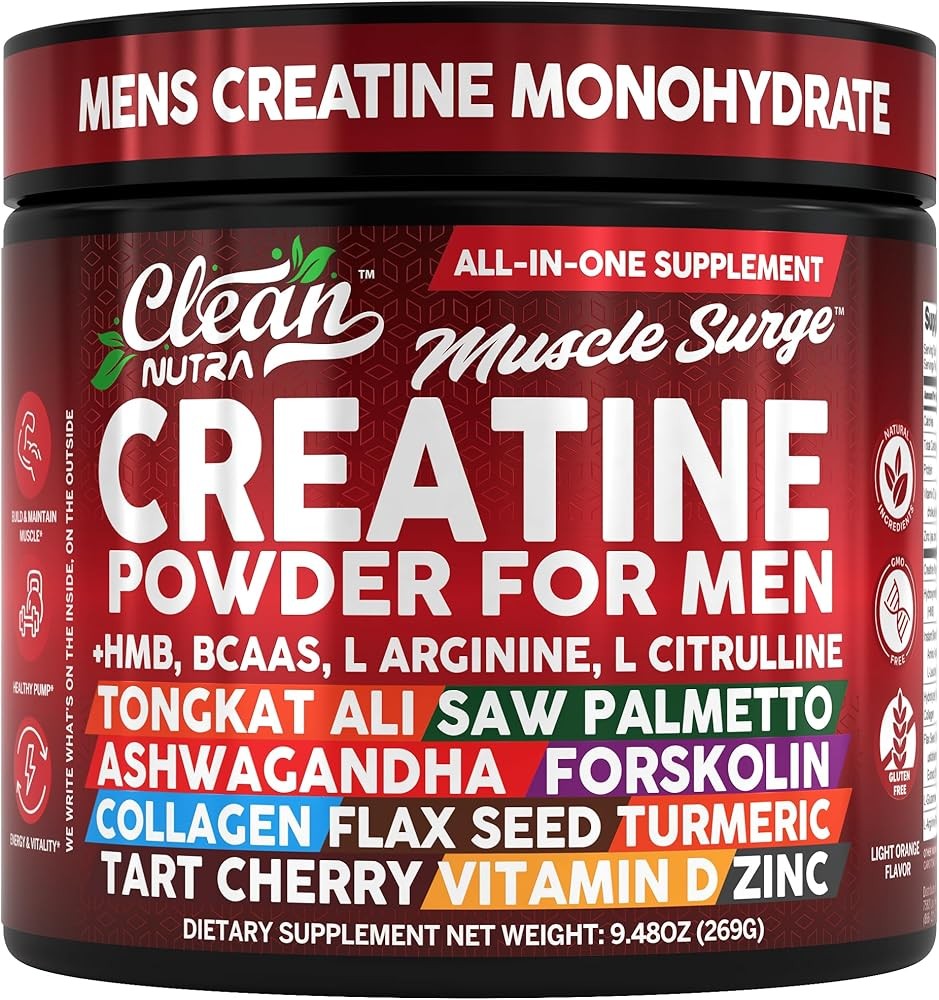
Clean Nutra Creatine Powder for Men
Check Price on AmazonAs an Amazon Associate we earn from qualifying purchases.
- Zinc + Copper: High-dose zinc (above 40mg/day) depletes copper over time. If supplementing zinc long-term, add 1-2mg of copper.
- Vitamin D + Calcium: High-dose vitamin D increases calcium absorption, which can be problematic if calcium intake is already high. Monitor serum calcium if taking above 4,000 IU/day of vitamin D.
- DHEA + Aromatase Inhibitors: DHEA converts to estrogen, and combining it with natural aromatase inhibitors like fenugreek creates unpredictable hormonal effects.
How Safe Is Each Testosterone-Boosting Ingredient?
- Ashwagandha can cause mild GI upset, drowsiness, and (rarely) thyroid stimulation. Long-term safety has been demonstrated up to 12 months. It should be used cautiously in people with autoimmune thyroid conditions. It may also potentiate sedative medications.
- Tongkat ali is generally well-tolerated but may cause restlessness, insomnia, or irritability at higher doses. Long-term safety data extends to 6 months.
- Fenugreek can cause GI discomfort, a maple-syrup-like body odor, and may lower blood sugar. Diabetics on medication should monitor blood glucose closely.
- Shilajit is generally safe when purified, but raw/unprocessed forms may contain heavy metals. May increase uric acid levels.
- Zinc at doses above 40mg per day can cause copper depletion, nausea, and immune impairment with chronic use.
- Vitamin D toxicity is possible above 10,000 IU per day over extended periods, leading to hypercalcemia. Get serum 25(OH)D levels monitored if supplementing at higher doses.
- Boron is safe at 3-10mg/day. The EFSA established a tolerable upper intake of about 11mg/day for a 70kg adult.
- DHEA can cause acne, hair loss, and mood changes, and because it converts to both testosterone and estrogen, it may carry risks for hormone-sensitive conditions.
All testosterone-boosting supplements can theoretically interact with hormone-related medications, including TRT, aromatase inhibitors, and hormonal contraceptives. Consult a healthcare provider before adding any of these to your regimen, especially if you have prostate, liver, or cardiovascular conditions.
Bottom line: Testosterone boosters interact with blood thinners, diabetes medications (causing hypoglycemia), thyroid medications, immunosuppressants, sedatives, and blood pressure drugs. High-dose zinc depletes copper. Ashwagandha can cause thyroid stimulation and GI upset. DHEA converts to estrogen unpredictably. Most supplements are safe at recommended doses but require caution with medications. Long-term safety data exists for ashwagandha (12 months) and tongkat ali (6 months). Always consult a healthcare provider before combining with prescription medications.
Which Lifestyle Factors Matter More Than Any Supplement?
Here is an uncomfortable truth: no supplement can compensate for poor lifestyle habits. The following factors have a larger effect on testosterone than any pill or powder. If you are not addressing these first, you are building on a cracked foundation.
How Much Does Sleep Affect Your Testosterone?
Sleep is the single most important modifiable factor for testosterone. Research has demonstrated that restricting sleep to 5 hours per night for one week reduced daytime testosterone by 10-15% in healthy young men. That is a larger decrease than most supplements can reverse. Most testosterone is produced during deep sleep (particularly during REM cycles in the early morning hours), and chronic sleep deprivation disrupts the HPG axis.
Practical targets:
- Aim for 7-9 hours of quality sleep per night.
- Consistent sleep and wake times matter more than total duration.
- Avoid alcohol within 3 hours of bedtime — it fragments sleep architecture even if you feel like you “sleep fine.”
- Consider apigenin or magnesium glycinate to support sleep quality.
How Does Resistance Training Boost Testosterone?
Heavy compound exercises — squats, deadlifts, bench press, rows — are among the most potent natural testosterone stimulants. Multiple studies have confirmed that resistance training produces acute spikes in testosterone, and over time, it leads to favorable changes in baseline hormone levels and receptor sensitivity.
Key training principles for testosterone optimization:
- Compound movements over isolation exercises. Squats and deadlifts recruit more muscle mass and produce larger hormonal responses.
- Heavy loads (70-85% of 1RM) with moderate volume (3-5 sets of 5-8 reps) produce the largest acute testosterone responses.
- Keep sessions under 60 minutes. Extended training elevates cortisol, which suppresses testosterone.
- Train 3-5 days per week with adequate rest between sessions. Overtraining paradoxically lowers testosterone.
- For more on training supplementation, see our guide on best supplements for building muscle after 40.
How Does Body Fat Impact Testosterone Production?
Excess body fat, particularly visceral fat, is strongly correlated with lower testosterone. Adipose tissue contains aromatase, the enzyme that converts testosterone to estrogen, creating a negative feedback loop that suppresses the HPG axis. Multiple studies have found that weight loss in overweight and obese men is associated with significant increases in testosterone, with the effect being proportional to the amount of fat lost.
Losing 10-15% of body weight can increase testosterone by 50-100+ ng/dL in obese men — a larger effect than any supplement. This single intervention often produces greater hormonal improvement than a stack of five supplements combined.
Can Reducing Stress Raise Your Testosterone?
Chronic psychological stress elevates cortisol, which directly suppresses GnRH and LH secretion, reducing testosterone production. This is one mechanism through which adaptogens like ashwagandha and tongkat ali may work — by lowering cortisol, they remove a brake on the HPG axis. But addressing the root causes of stress through meditation, therapy, workload management, or social connection will always be more effective than supplementing around the problem.
Practical stress-reduction approaches with evidence:
- Meditation (even 10 minutes/day reduces cortisol measurably)
- Time in nature (forest bathing studies show cortisol reduction within 20 minutes)
- Social connection (isolation increases cortisol; community decreases it)
- Limiting news consumption and social media (both are cortisol triggers)
How Does Alcohol Suppress Testosterone?
Moderate-to-heavy alcohol consumption suppresses testosterone through multiple mechanisms: direct toxicity to Leydig cells, increased aromatase activity, and disruption of the HPG axis. Research has found that chronic alcohol consumption in men is associated with significantly lower testosterone and higher estrogen levels. Even “moderate” drinking (2-3 drinks per night) has measurable effects on testosterone.
Reducing alcohol intake is one of the simplest and most effective ways to support testosterone. If you are supplementing with ashwagandha and tongkat ali while drinking 3 beers every night, you are pressing the gas and the brake simultaneously.
Bottom line: Lifestyle factors have larger effects than any supplement. Sleep restriction to 5 hours reduces testosterone by 10-15% in one week (Leproult 2011). Heavy compound exercises produce acute testosterone spikes and long-term baseline improvements. Losing 10-15% body weight increases testosterone by 50-100+ ng/dL in obese men — more than any supplement stack. Chronic stress elevates cortisol, which suppresses the HPG axis. Moderate-to-heavy alcohol damages Leydig cells and increases aromatase. Fix these fundamentals before spending money on supplements.
What Is the Best Evidence-Based Testosterone Support Protocol?
Based on the evidence reviewed above, here is a practical, tiered approach to natural testosterone optimization. Start at Tier 1 and add additional tiers based on your response, budget, and individual needs.
What Should You Take First to Fix Deficiencies? (Tier 1)
These are non-negotiable regardless of your age or testosterone level. Most men are deficient in at least one of these:
| Supplement | Dose | Form | When |
|---|---|---|---|
| Vitamin D3 | 2,000-5,000 IU/day | Cholecalciferol | Morning with fat-containing meal |
| Zinc | 15-30mg/day | Picolinate or bisglycinate | With dinner |
| Magnesium | 200-400mg/day | Glycinate or citrate | Before bed (supports sleep) |
Cost: ~$15-25/month total.
Expected impact: If you are deficient in any of these, correcting the deficiency can raise testosterone by 10-25%. If you are already sufficient, the impact will be minimal — but you are covering your bases.
Which Herbal Supplements Should You Add Next? (Tier 2)
Add these once foundational nutrients are in place:
| Supplement | Dose | Form | When |
|---|---|---|---|
| Ashwagandha | 300mg twice daily | KSM-66 (5% withanolides) | Morning and evening with meals |
| Tongkat Ali | 200-400mg/day | LJ100 or Physta extract | Morning with breakfast |
Cost: ~$30-50/month total.
Expected impact: In men with low-normal testosterone (300-500 ng/dL) or high stress, these can produce 10-20% increases in total testosterone, with noticeable improvements in energy, libido, mood, and exercise performance within 4-8 weeks.
What Advanced Supplements Can Further Optimize Testosterone? (Tier 3)
Add one or more based on specific goals and blood work results:
| Supplement | Dose | Form | When | Best For |
|---|---|---|---|---|
| Boron | 6-10mg/day | Glycinate or citrate | Any time with food | High SHBG, low free T |
| Shilajit | 250mg twice daily | PrimaVie (purified) | With meals | Energy + T support |
| Fenugreek | 500mg/day | Testofen (50% fenusides) | With meal | Libido + free T |
Cost: ~$25-40/month total per ingredient.
How Should You Cycle These Supplements?
- Ashwagandha: 8 weeks on, 2 weeks off (though 12-month safety data exists for continuous use).
- Tongkat Ali: 5 days on, 2 days off, or 4 weeks on, 1 week off.
- Fenugreek: Can be used continuously; no cycling data suggests it is necessary.
- Shilajit: Studies used continuous dosing for 90 days. Consider cycling 12 weeks on, 4 weeks off.
- Boron, zinc, magnesium, vitamin D: These are nutritional supplements and do not need to be cycled. Use continuously.
Who Should NOT Use This Testosterone Stack?
- Men already on TRT (these supplements are redundant and could create unpredictable hormonal effects)
- Men with hormone-sensitive cancers (prostate, breast)
- Men under 25 (testosterone is typically at peak levels; focus on lifestyle instead)
- Anyone on blood thinners, thyroid medications, or immunosuppressants without physician approval
Bottom line: Start with Tier 1 foundational nutrients (vitamin D3 2,000-5,000 IU, zinc 15-30mg, magnesium 200-400mg) to correct common deficiencies. Add Tier 2 primary support (ashwagandha KSM-66 300mg twice daily, tongkat ali 200-400mg) for men with low-normal testosterone or high stress. Consider Tier 3 optimization (boron 6-10mg, shilajit 500mg, fenugreek 500mg) based on specific needs and blood work. Cycle ashwagandha 8 weeks on/2 weeks off and tongkat ali 5 days on/2 days off.
How Do You Choose a Quality Testosterone Booster Product?
If you have addressed the lifestyle factors above and want to add a supplement, here is a practical framework:
- Get tested first. Know your total and free testosterone, SHBG, vitamin D, and zinc levels before supplementing. This tells you whether you are actually low and where the opportunity lies.
- Fix deficiencies first. If your vitamin D is below 30 ng/mL or your zinc intake is inadequate, start there. These are the most likely to produce meaningful results.
- Choose evidence-backed ingredients. Ashwagandha (KSM-66) and tongkat ali have the strongest evidence for men with low-normal testosterone. Fenugreek and shilajit are reasonable additions.
- Be skeptical of proprietary blends. If a product hides its ingredient doses behind a “proprietary blend,” you have no way to know if it contains clinically effective amounts of anything. Walk away.
- Look for third-party testing. NSF Certified for Sport, Informed Sport, USP, or ConsumerLab verification ensures the product contains what it claims and is free of contaminants. This is especially important for testosterone boosters, which have been shown to be frequently contaminated with unlisted ingredients, including actual anabolic steroids.
- Check for standardized extracts. “Ashwagandha root powder” is not the same as “KSM-66 ashwagandha extract standardized to 5% withanolides.” Standardized extracts ensure you are getting the active compounds at the concentrations used in clinical trials.
- Set realistic expectations. Even the best natural testosterone boosters produce modest increases (10-25%) and work best in men who are deficient or stressed. They will not replicate the effects of testosterone replacement therapy. Think of them as optimization tools, not game-changers.
Bottom line: Get blood work first to know your baseline testosterone, free testosterone, SHBG, vitamin D, and zinc levels. Fix deficiencies before adding herbal boosters. Choose evidence-backed ingredients (ashwagandha KSM-66, tongkat ali LJ100/Physta, fenugreek Testofen). Avoid proprietary blends that hide doses. Look for third-party testing (NSF, Informed Sport, USP). Verify standardized extracts match clinical trial formulations. Set realistic expectations — natural boosters optimize, they don’t replicate TRT.
Frequently Asked Questions
Do natural testosterone boosters actually work?
Some ingredients like ashwagandha and tongkat ali have clinical evidence showing modest testosterone increases of 10-25% in men with low-normal levels. However, results vary significantly based on baseline testosterone, age, body composition, and overall health. They are not a replacement for TRT in men with clinically diagnosed hypogonadism. The best evidence supports ashwagandha (KSM-66), tongkat ali (LJ100/Physta), and shilajit (PrimaVie) as the most effective herbal options, while zinc, vitamin D, and magnesium work primarily by correcting deficiencies that suppress testosterone.
What is the best supplement to increase testosterone?
Ashwagandha (KSM-66) has the strongest clinical evidence, with multiple studies showing significant increases in testosterone and improvements in strength. Tongkat ali is a close second, particularly for older men. For many men, correcting vitamin D and zinc deficiencies will have the most practical impact. In practice, the best approach is a combination: fix nutrient deficiencies (zinc, vitamin D, magnesium) while adding one or two herbal adaptogens (ashwagandha and/or tongkat ali) to address stress-related testosterone suppression.
At what age does testosterone start declining?
Testosterone typically begins declining around age 30 at a rate of about 1-2% per year, with symptoms often becoming noticeable after 40. However, the rate of decline varies enormously between individuals depending on lifestyle, body composition, and genetics. Some men maintain healthy testosterone levels well into their 60s and beyond. Modern lifestyle factors — poor sleep, chronic stress, processed food diets, lack of exercise, and environmental endocrine disruptors — may be accelerating testosterone decline in younger men. Population-level data suggests that average testosterone levels have been declining by about 1% per year even after adjusting for age, suggesting environmental or lifestyle causes beyond normal aging.
Can vitamin D boost testosterone?
Yes, correcting a vitamin D deficiency can significantly increase testosterone levels. The Pilz et al. (2011) study found a 25% increase in total testosterone in deficient men after one year of supplementation, and a 2024 meta-analysis confirmed this finding across multiple trials. Men with sufficient vitamin D levels tend to have higher testosterone across population studies. However, if your vitamin D level is already above 40 ng/mL, additional supplementation is unlikely to further increase testosterone. Get tested before supplementing, and aim for a 25(OH)D level between 40-60 ng/mL for optimal hormonal support.
Are testosterone boosters safe?
Most natural testosterone boosters are generally safe when used at recommended doses, but they can interact with medications and aren’t appropriate for everyone. Ashwagandha has 12-month safety data. Tongkat ali has been studied for up to 6 months. Shilajit (purified form) has a good safety profile in 90-day trials. The main risks come from: (1) interactions with medications, especially blood thinners, thyroid drugs, and diabetes medications; (2) using unstandardized or contaminated products; and (3) taking hormonal supplements like DHEA without medical supervision. Fadogia agrestis and turkesterone should be avoided — fadogia has no human safety data and animal studies show organ toxicity, while turkesterone has been tested in humans and shown no benefits. Always buy from reputable brands with third-party testing.
How long does it take for testosterone boosters to work?
Most clinical trials show measurable effects at 4-8 weeks, with full benefits typically reached by 8-12 weeks. Sleep and mood improvements tend to come first (weeks 1-2), followed by energy and libido (weeks 2-4), and finally body composition changes (months 2-3). D-aspartic acid shows effects within days but the boost is short-lived. Zinc and vitamin D deficiency correction takes 4-8 weeks to fully impact testosterone levels. Set a minimum commitment of 8 weeks before evaluating whether a supplement is working for you, and consider getting blood work before and after to objectively measure the effect.
Our Top Recommendations
📱 Join the discussion: Facebook | X | YouTube | Pinterest | Pinterest
The Bottom Line
The natural testosterone booster market is full of bold claims and thin evidence. But beneath the noise, there are ingredients with legitimate scientific support. Ashwagandha and tongkat ali stand out as the most evidence-backed herbal options, shilajit is a strong emerging contender, and correcting deficiencies in vitamin D, zinc, and magnesium can meaningfully support testosterone production in men who are falling short of these essential nutrients.
At the same time, we need to be honest about what doesn’t work. Fadogia agrestis has no human evidence and concerning safety signals. Turkesterone has now been tested in humans and failed. Tribulus terrestris has decades of negative data. Buying these is wasting money.
However, supplements are the last 10% of the equation. Sleep, resistance training, body composition, stress management, and alcohol reduction collectively dwarf the effects of any capsule. Start with the fundamentals, get your blood work done, and then layer in targeted supplementation where the evidence supports it.
The best testosterone support protocol is not a pill — it is a lifestyle. The supplements exist to optimize the final margin once the big rocks are in place.
For our full reviews of related supplements, see our best ashwagandha supplements guide, our detailed breakdown of tongkat ali for testosterone, and our guide on fenugreek for testosterone and blood sugar. Check your nutrient bases with our guides on zinc, vitamin D, and magnesium.
Related Articles
- Best Ashwagandha Supplements
- Best Zinc Supplements
- Best Vitamin D Supplements
- Best Magnesium Supplements
- Tongkat Ali for Testosterone and Male Fertility
- Shilajit Benefits for Men
- Best Supplements for Male Fertility and Sperm Health
- Best Supplements for Building Muscle After 40
Related Reading
- Best Testosterone Booster Supplements: What the Research Actually Supports
- Tongkat Ali for Testosterone and Male Fertility: What Clinical Studies Show
- Fenugreek for Testosterone and Blood Sugar: Complete Research Review
- Fadogia Agrestis for Testosterone: What the Research Actually Shows
- Low Testosterone Supplements: Natural Ways to Boost T Levels in Men
- Shilajit Benefits for Men: Testosterone, Energy, and What the Studies Say
- Ashwagandha Benefits: Science-Backed Health Benefits and Clinical Research
References
Smith SJ, Lopresti AL, Teo SYM, Fairchild TJ. “Examining the Effects of Herbs on Testosterone Concentrations in Men: A Systematic Review.” Advances in Nutrition, 2021. PubMed | DOI
Lopresti AL, Drummond PD, Smith SJ. “A Randomized, Double-Blind, Placebo-Controlled, Crossover Study Examining the Hormonal and Vitality Effects of Ashwagandha (Withania somnifera) in Aging, Overweight Males.” American Journal of Men’s Health, 2019. PubMed | DOI
Chauhan S, Srivastava MK, Pathak AK. “Effect of standardized root extract of ashwagandha (Withania somnifera) on well-being and sexual performance in adult males: A randomized controlled trial.” Health Science Reports, 2022. PubMed | DOI
Leisegang K, Finelli R, Engel KM, Henkel R. “Eurycoma longifolia (Jack) Improves Serum Total Testosterone in Men: A Systematic Review and Meta-Analysis of Clinical Trials.” Medicina, 2022. PubMed | DOI
Henkel RR, Wang R, Bassett SH, Chen T, Liu N, Zhu Y, Tambi MI. “Tongkat Ali as a potential herbal supplement for physically active male and female seniors — a pilot study.” Phytotherapy Research, 2014. PubMed | DOI
Talbott SM, Talbott JA, George A, Pugh M. “Effect of Tongkat Ali on stress hormones and psychological mood state in moderately stressed subjects.” Journal of the International Society of Sports Nutrition, 2013. PubMed | DOI
Wankhede S, Mohan V, Thakurdesai P. “Beneficial effects of fenugreek glycoside supplementation in male subjects during resistance training: A randomized controlled pilot study.” Journal of Sport and Health Science, 2016. PubMed | DOI
Rao A, Steels E, Inder WJ, Abraham S, Vitetta L. “Testofen, a specialised Trigonella foenum-graecum seed extract reduces age-related symptoms of androgen decrease, increases testosterone levels and improves sexual function in healthy aging males in a double-blind randomised clinical study.” Aging Male, 2016. PubMed | DOI
Topo E, Soricelli A, D’Aniello A, Ronsini S, D’Aniello G. “The role and molecular mechanism of D-aspartic acid in the release and synthesis of LH and testosterone in humans and rats.” Reproductive Biology and Endocrinology, 2009. PubMed | DOI
Prasad AS, Mantzoros CS, Beck FW, Hess JW, Brewer GJ. “Zinc status and serum testosterone levels of healthy adults.” Nutrition, 1996. PubMed | DOI
Kilic M, Baltaci AK, Gunay M, Gokbel H, Okudan N, Cicioglu I. “The effect of exhaustion exercise on thyroid hormones and testosterone levels of elite athletes receiving oral zinc.” Neuro Endocrinology Letters, 2006. PubMed
Pilz S, Frisch S, Koertke H, Kuhn J, Dreier J, Obermayer-Pietsch B, Wehr E, Zittermann A. “Effect of vitamin D supplementation on testosterone levels in men.” Hormone and Metabolic Research, 2011. PubMed | DOI
Wehr E, Pilz S, Boehm BO, Marz W, Obermayer-Pietsch B. “Association of vitamin D status with serum androgen levels in men.” Clinical Endocrinology, 2010. PubMed | DOI
The Impact of Vitamin D on Androgens and Anabolic Steroids among Adult Males: A Meta-Analytic Review. Diseases, 2024. PubMed | DOI
Kok E, Karsten S, Paltoglou G, et al. “Causal Link Between Vitamin D and Total Testosterone in Men: A Mendelian Randomization Analysis.” Journal of Clinical Endocrinology & Metabolism, 2019. PubMed
Pandit S, Biswas S, Jana U, De RK, Mukhopadhyay SC, Biswas TK. “Clinical evaluation of purified Shilajit on testosterone levels in healthy volunteers.” Andrologia, 2016. PubMed | DOI
Biswas TK, Pandit S, Mondal S, Biswas SK, Jana U, Ghosh T, Tripathi PC, Debnath PK, Auddy RG, Auddy B. “Clinical evaluation of spermatogenic activity of processed Shilajit in oligospermia.” Andrologia, 2010. PubMed | DOI
Naghii MR, Mofid M, Asgari AR, Hedayati M, Daneshpour MS. “Comparative effects of daily and weekly boron supplementation on plasma steroid hormones and proinflammatory cytokines.” Journal of Trace Elements in Medicine and Biology, 2011. PubMed | DOI
Cinar V, Polat Y, Baltaci AK, Mogulkoc R. “Effects of magnesium supplementation on testosterone levels of athletes and sedentary subjects at rest and after exhaustion.” Biological Trace Element Research, 2011. PubMed | DOI
Qureshi A, Naughton DP, Petroczi A. “A systematic review on the herbal extract Tribulus terrestris and the roots of its putative aphrodisiac and performance enhancing effect.” Journal of Dietary Supplements, 2014. PubMed | DOI
Gonzales GF, Cordova A, Vega K, Chung A, Villena A, Gonez C, Castillo S. “Effect of Lepidium meyenii (MACA) on sexual desire and its absent relationship with serum testosterone levels in adult healthy men.” Andrologia, 2002. PubMed | DOI
Yakubu MT, Akanji MA, Oladiji AT. “Aphrodisiac potentials of the aqueous extract of Fadogia agrestis (Schweinf. Ex Hiern) stem in male albino rats.” Asian Journal of Andrology, 2005. PubMed | DOI
Yakubu MT, Akanji MA, Oladiji AT. “Effects of oral administration of aqueous extract of Fadogia agrestis (Schweinf. Ex Hiern) stem on some testicular function indices of male rats.” Journal of Ethnopharmacology, 2008. PubMed | DOI
Isenmann E, Ambrosio G, Joseph JF, Mazzarino M, de la Torre X, Zimmer P, Kazlauskas R, Goebel C, Botre F, Diel P, Parr MK. “Ecdysteroids as non-conventional anabolic agent: performance enhancement by ecdysterone supplementation in humans.” Archives of Toxicology, 2019. PubMed | DOI
De Souza AB, Bispo MK, Locatelli JC, et al. “The Anabolic Effect of Fenugreek: A Systematic Review with Meta-analysis.” International Journal of Sport Nutrition and Exercise Metabolism, 2023. PubMed | DOI
Recommended Products
Get Weekly Research Updates
New studies, updated reviews, and evidence-based health insights delivered to your inbox. Unsubscribe anytime.