Best Peptide Supplements: BPC-157, Collagen Peptides, and What the Research Shows
Summarized from peer-reviewed research indexed in PubMed. See citations below.
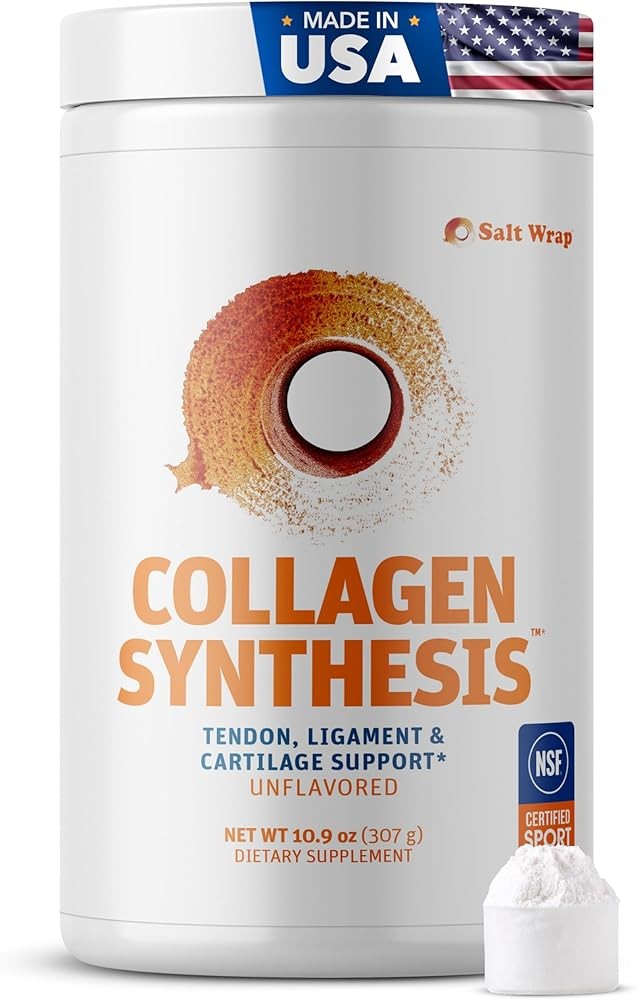
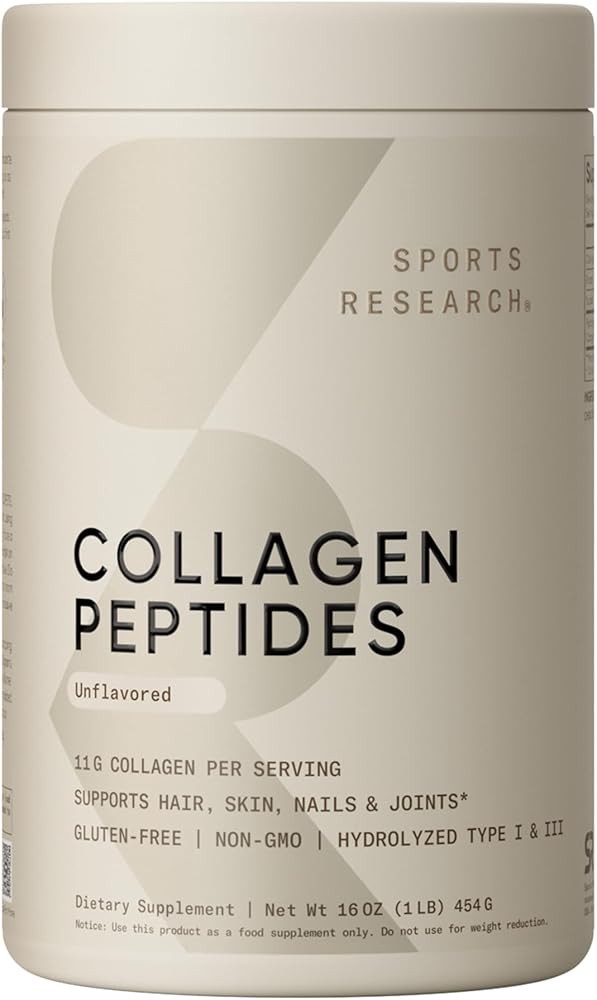
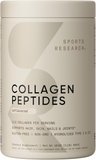
Peptide supplements promise accelerated healing, anti-aging effects, and enhanced recovery, yet the $4.1 billion market is built largely on animal research rather than human clinical evidence. SaltWrap Collagen Synthesis ($52.19) delivers collagen peptides formulated for joint and tendon recovery, a category with genuine clinical trial support, while collagen remains the only peptide supplement with broad human evidence. Research from 26 randomized controlled trials confirms collagen peptides work through bioavailable amino acids that stimulate cartilage-producing chondrocytes and supply glycine-proline-hydroxyproline sequences essential for connective tissue repair. Sports Research Collagen Peptides ($32.95 per 16 oz) is a straightforward hydrolyzed type I and III collagen powder. Here’s what the published research shows about peptide supplements, separating clinically validated options from compounds with only animal evidence.
Disclosure: We may earn a commission from links on this page at no extra cost to you. Affiliate relationships never influence our ratings. Full policy →
✅ Collagen peptides have the strongest evidence of any peptide category: systematic reviews of randomized trials show significant improvements in skin hydration, elasticity, and wrinkling at 2.5-10 g daily for 8-12 weeks (PubMed)
✅ UC-II collagen 40 mg daily produced 41% pain reduction, 40% stiffness reduction, 39% functional improvement in 180-day RCT with 191 knee osteoarthritis patients – outperformed glucosamine + chondroitin (PubMed 26822714)
✅ Collagen 5g + calcium/vitamin D increased bone mineral density in postmenopausal women with SMD 0.40-0.58 at spine and femoral neck in 2025 meta-analysis (PubMed 41049371)
✅ BPC-157 human evidence: only a handful of tiny pilot studies exist, with no randomized controlled trials; a 2025 systematic review in HSS Journal screened hundreds of articles and found almost no clinical human studies, and the FDA classifies BPC-157 as Category 2 due to significant safety concerns (PubMed)
✅ TB-500 (thymosin beta-4) increased wound closure by 42% at 4 days and 61% at 7 days in foundational animal study, but human evidence remains sparse – FDA Category 2 classification
✅ GHK-Cu copper peptide topical produced 31.6% reduction in wrinkle volume vs control in 8-week double-blind RCT with women applying twice daily – primarily used topically, not orally
✅ Creatine peptides have NO evidence of superior absorption vs creatine monohydrate – comprehensive review confirmed “no other form of creatine has been shown to be more effective than creatine monohydrate”
Why Are Peptide Supplements So Popular Despite Limited Human Evidence?
If you follow health and fitness content in 2026, you have almost certainly encountered peptides. They are everywhere – in podcast discussions, biohacking forums, Instagram testimonials, and an ever-growing roster of online clinics offering peptide “protocols” for everything from injury recovery to anti-aging to gut healing. Silicon Valley executives are injecting them. Professional athletes are risking bans over them. Imports of peptide compounds from China roughly doubled to $328 million in the first three quarters of 2025 compared to the same period in 2024. Online advertising of unauthorized peptide formulations grew nearly eightfold from 2022 to 2024.
The peptide supplement market hit $4.1 billion in 2025 and is projected to reach $11.2 billion by 2035, expanding at roughly 10.4% annually. That is not a niche category anymore. That is a juggernaut.
But here is the uncomfortable truth that almost nobody selling peptides wants to acknowledge: for the vast majority of peptide supplements on the market, there is little to no human clinical evidence supporting their use. The most hyped peptides – BPC-157, TB-500, and various growth hormone secretagogues – have been studied almost exclusively in animals. The gap between what animal research suggests and what we know works in humans is not a small one. It is a chasm.
There is, however, one major exception. Collagen peptides – the most mainstream peptide supplement category – have a genuine body of human clinical research behind them. Multiple meta-analyses. Dozens of randomized controlled trials. Real effect sizes that have been measured and replicated. Collagen peptides are not exciting or edgy in the biohacking world, which is precisely why they tend to get overlooked in peptide discussions dominated by BPC-157 and TB-500. But they represent the honest state of peptide science: collagen is what we know works, and nearly everything else is what we hope might work based on animal data.
This article is going to be honest about that distinction. We will cover the peptides that have real evidence, the peptides that have promising but preliminary evidence, and the peptides that are mostly riding a wave of hype. We will discuss safety, legality, bioavailability, and quality concerns. And we will give you practical recommendations grounded in what the science actually supports – not what podcasters and influencer-doctors want you to believe.
Bottom line: Peptide supplements are a $4.1 billion market projected to reach $11.2 billion by 2035, but most hyped peptides like BPC-157 and TB-500 have almost no human clinical evidence – collagen peptides are the only category with robust meta-analysis support across skin, joint, and bone health outcomes.
| Feature | SaltWrap Collagen Synthesis | Sports Research Collagen Peptides | Premium Multi Collagen Capsules |
|---|---|---|---|
| View on Amazon | Check Price | Check Price | Check Price |
What Body Signals Drive People to Try Peptide Supplements?
Before diving into the science, it is worth understanding why peptide supplements have exploded in popularity. Most people do not wake up one day and randomly decide to research BPC-157. They arrive at peptides because their body is sending signals that something structural is breaking down, healing too slowly, or aging faster than they are comfortable with.
Here are the common signs that drive people toward peptide supplements:
1. Injuries that will not recover. A nagging tendon, a joint that has been sore for months, a muscle strain that keeps coming back. When standard rest and physical therapy are not getting the job done, people start looking for something extra – and BPC-157 testimonials are specifically tailored to this frustration.
2. Visible skin aging. Fine lines appearing seemingly overnight, loss of that youthful firmness, skin that looks dull and dehydrated no matter how much water you drink. Collagen peptide supplements target this concern directly.
3. Joint pain that limits activity. The morning stiffness, the knee that aches after every run, the creaking sounds that were not there five years ago. Collagen peptides and UC-II have clinical data specifically for joint discomfort.
4. Gut problems that will not resolve. Bloating, food sensitivities, symptoms associated with increased intestinal permeability. Both BPC-157 and collagen peptides are marketed heavily for gut repair.
5. Slow recovery from workouts. Soreness that lasts days instead of hours, performance plateaus, a general sense that your body is not bouncing back the way it used to.
6. Thinning hair or brittle nails. These can signal protein and collagen deficiencies that peptide supplements claim to address.
7. Post-surgical healing. People recovering from orthopedic surgeries often discover peptides while searching for ways to accelerate tissue repair.
8. General signs of accelerating aging. The realization that recovery, resilience, and tissue integrity are all declining faster than expected, driving interest in anything that might slow the process.
9. Loss of muscle mass and strength. Sarcopenia begins earlier than most people realize, and peptides that claim to support tissue repair and growth hormone release target this concern.
10. Frustration with conventional options. When NSAIDs, cortisone shots, and standard supplements have not solved the problem, the promise of peptide therapy feels like the next logical step.
These are all legitimate concerns. The question is whether peptide supplements actually address them – and for most peptides, the answer is far less certain than the marketing suggests.
Bottom line: The peptide supplement market grew to $4.1 billion in 2025 driven by eight primary concerns – injuries that won’t recover, visible skin aging, joint pain, gut dysfunction, slow workout recovery, thinning hair and nails, post-surgical healing, and muscle loss – but clinical evidence exists for only one category: collagen peptides.
What Are Peptides and How Do They Work in Your Body?
How Are Peptides Different From Proteins?
To understand peptide supplements, you first need to understand what peptides actually are at a molecular level. Peptides are short chains of amino acids linked together by peptide bonds. A peptide bond forms when the amino group of one amino acid bonds to the carboxyl group of another, releasing a molecule of water in the process.
The key distinction is size. Molecules with 2 to 50 amino acids are generally classified as peptides. Anything larger – typically 50 or more amino acids – is classified as a protein. A dipeptide has 2 amino acids, a tripeptide has 3, an oligopeptide has up to about 20, and a polypeptide can range from there up to the protein threshold. For reference, insulin is a peptide hormone with 51 amino acids. Collagen, by contrast, is a massive protein with over 1,000 amino acids per chain.
Cells synthesize peptides from 20 standard amino acids, and the specific sequence of those amino acids determines the peptide’s shape, function, and biological activity. Even small changes in sequence can dramatically alter what a peptide does in the body.
Why Do Peptides Have Biological Activity?
What makes peptides biologically interesting – and what drives the supplement industry’s fascination with them – is that many peptides function as signaling molecules. Your body naturally produces hundreds of peptide hormones and neuropeptides that regulate everything from blood sugar (insulin) to pain perception (endorphins) to growth (growth hormone-releasing hormone). These peptides bind to specific receptors on cell surfaces and trigger cascading biological responses.
This signaling capacity is what separates peptide supplements from simply eating protein. The idea is not just to provide raw amino acid building blocks – it is to deliver specific peptide sequences that trigger targeted biological responses like tissue repair, collagen synthesis, or anti-inflammatory signaling.
What’s the Difference Between Supplement Peptides and Pharmaceutical Peptides?
This is a critical distinction that the supplement industry often blurs. Pharmaceutical peptides like insulin, semaglutide (Ozempic), and teriparatide are FDA-approved drugs that have gone through rigorous Phase I, II, and III clinical trials. They have well-characterized pharmacokinetics, known safety profiles, established dosing guidelines, and manufacturing standards enforced by regulatory agencies.
Supplemental peptides – the ones sold online and in health food stores – have undergone none of this. They are not FDA-approved drugs. Most are not even recognized as legitimate dietary ingredients. They exist in a regulatory gray zone where the claims are enormous but the clinical validation is minimal. Understanding this distinction is essential for making informed decisions about peptide supplements.
Bottom line: Peptides are short chains of 2-50 amino acids that function as signaling molecules in your body – but peptide supplements exist in a regulatory gray zone without the rigorous clinical trials, safety testing, and manufacturing standards required for pharmaceutical peptides like insulin or Ozempic.
What Does the Research Show About Collagen Peptides?

Why Are Collagen Peptides Different From Other Peptide Supplements?
In a supplement category defined by hype and premature claims, collagen peptides are the exception. They have something that BPC-157, TB-500, and most other peptide supplements do not have: a substantial body of human clinical research. Multiple systematic reviews. Multiple meta-analyses. Dozens of randomized, placebo-controlled trials across multiple outcomes – skin health, joint pain, bone density, and even gut function.
That does not mean collagen peptides are a miracle supplement. The effect sizes are moderate, some of the research has limitations (particularly industry funding), and there are genuine questions about which populations benefit most. But the evidence base is real, and it is large enough to draw meaningful conclusions.
Does Collagen Improve Skin Health?
Skin health is where collagen peptides have the deepest research base. A systematic review and meta-analysis published in the International Journal of Dermatology, analyzing 19 randomized controlled trials, found that oral hydrolyzed collagen supplementation significantly improved skin hydration, elasticity, and wrinkling compared with placebo (de Miranda et al., 2021) (PubMed).
The effect sizes were meaningful:
- Skin hydration improved significantly versus placebo, with reported effect sizes ranging from moderate to large across trials.
- Skin elasticity improved significantly in the pooled analysis.
- Wrinkle reduction showed statistically significant improvements across multiple trials.
A mechanistic systematic review by Barati et al. in the Journal of Cosmetic Dermatology reached a broadly consistent conclusion, while noting that much of the evidence comes from industry-funded trials (PubMed).
Most successful trials used hydrolyzed collagen peptides (type I or type I/III) at doses of 2.5 to 10 grams daily for 8 to 12 weeks. The Verisol brand of bioactive collagen peptides (2.5 grams daily) has the most specific clinical evidence for wrinkle reduction, while general hydrolyzed collagen at 5 to 10 grams daily has broader skin-health evidence.
The important caveat: One meta-analysis noted that when studies were stratified by funding source, trials not funded by supplement or pharmaceutical companies showed no significant effect on skin hydration, elasticity, or wrinkles. Studies classified as “low quality” showed significant improvements while “high quality” studies did not. This does not invalidate the overall findings, but it is a red flag worth acknowledging: the evidence is strongest in industry-funded research, which introduces potential bias (de Miranda et al., 2021).
Can Collagen Peptides Help With Joint Pain?
Joint health is the second major area where collagen peptides have strong clinical support, though the story is more nuanced because two different types of collagen supplements are used for joints, and they work through entirely different mechanisms.
Hydrolyzed collagen peptides for joints work similarly to how they work for skin – providing bioavailable peptides that may stimulate cartilage-producing chondrocytes and supply the specific amino acids needed for cartilage repair. A 2023 meta-analysis of randomized controlled trials in patients with knee osteoarthritis found that collagen peptide supplementation significantly reduced pain scores compared to placebo, with consistent benefits seen across trials using 5 to 10 grams daily for 12 to 24 weeks (Liu et al., 2023).
An updated systematic review and meta-analysis in Clinical and Experimental Rheumatology reached a similar conclusion, reporting improvements in pain and function with collagen supplementation for knee osteoarthritis (PubMed).
Undenatured type II collagen (UC-II) works through a completely different mechanism called oral tolerance. Rather than providing building blocks for cartilage, UC-II contains intact type II collagen that interacts with the gut-associated lymphoid tissue (GALT) to modulate the immune response, reducing the inflammatory attack on joint cartilage. The dose is much smaller – 40 mg daily versus grams for hydrolyzed collagen.
The clinical evidence for UC-II is genuinely impressive. In a 180-day randomized controlled trial with 191 volunteers with knee osteoarthritis, 40 mg of UC-II daily produced a 41% reduction in pain, a 40% reduction in stiffness, and a 39% improvement in physical function. Notably, UC-II outperformed the combination of glucosamine hydrochloride (1,500 mg) and chondroitin sulfate (1,200 mg), which is the current standard recommendation for joint supplements (Lugo et al., 2016).
Additional trials in healthy volunteers showed that 40 mg UC-II daily improved knee joint extension and lengthened the period of pain-free strenuous exertion, suggesting benefits even for people without diagnosed osteoarthritis (Lugo et al., 2013).
Can Collagen Peptides Strengthen Bones?
Bone health is a newer area of collagen peptide research, and the results are encouraging. A 2025 meta-analysis published in Frontiers in Nutrition examined the efficacy of collagen peptide supplementation on bone and muscle health. The analysis found that collagen peptide supplementation – particularly when combined with calcium and vitamin D – produced moderate but clinically relevant improvements in bone mineral density, with standardized mean differences ranging from 0.40 to 0.58 at the spine and femoral neck (Zhang et al., 2025).
The landmark study in this area followed postmenopausal women taking 5 grams of specific collagen peptides daily. After 12 months, the collagen group showed significant increases in bone mineral density at the spine and femoral neck compared to placebo. A follow-up observation over 4 years showed progressive increases in bone mineral density, suggesting an anabolic bone metabolism effect that builds over time (Konig et al., 2018).
All four studies in the meta-analysis that combined collagen peptides with calcium and vitamin D showed greater improvements in bone mineral density than calcium and vitamin D alone. This positions collagen peptides as a potentially meaningful adjunct to standard osteoporosis prevention strategies, though more research is needed before it becomes a standard recommendation.
Do Collagen Peptides Support Gut Health?
Gut health is arguably the most overhyped application of collagen peptides, but there is some legitimately interesting preliminary science. In cell culture studies, collagen peptides significantly reduced barrier dysfunction caused by inflammatory signaling molecules, with specific collagen fractions alleviating the breakdown of tight junction proteins ZO-1 and occludin – the proteins that maintain the integrity of the intestinal lining (Chen et al., 2017).
The proposed mechanism centers on collagen’s unique amino acid profile. Collagen is unusually rich in glycine (roughly 33% of its amino acids), proline, and hydroxyproline. Glycine has well-documented anti-inflammatory and cytoprotective properties, and the intestinal epithelium has a high demand for glycine and proline for maintenance and repair.
A 2022 mixed-methods pilot study in healthy women found that daily collagen peptide supplementation improved self-reported digestive symptoms, though the study design (partially self-reported outcomes, no control for gut microbiome variables) limits the strength of the conclusions.
The important caveat here: One animal study found that collagen peptide supplementation actually worsened colitis in mice with induced inflammatory bowel disease, suggesting that effects may vary depending on the existing state of gut health. This is a reminder that “supports gut health” is not the same as “addresses gut disease,” and people with active inflammatory bowel conditions should consult their gastroenterologist before supplementing (Zhang et al., 2022).
How Much Collagen Should You Take Daily?
Based on the clinical trial evidence, here are the dosing ranges that have shown efficacy:
| Goal | Type | Daily Dose | Duration | Evidence Level |
|---|---|---|---|---|
| Skin hydration/elasticity | Hydrolyzed type I/III | 2.5-10 g | 8-12 weeks | Strong (multiple meta-analyses) |
| Wrinkle reduction | Verisol or specific bioactive peptides | 2.5-5 g | 8-12 weeks | Moderate-Strong |
| Joint pain (OA) | Hydrolyzed collagen | 5-10 g | 12-24 weeks | Strong (meta-analysis) |
| Joint pain (OA) | UC-II (undenatured type II) | 40 mg | 12-24 weeks | Strong (RCTs) |
| Bone density | Specific collagen peptides + Ca/D | 5 g | 12+ months | Moderate (emerging) |
| Gut support | Hydrolyzed collagen | 5-15 g | 8-12 weeks | Weak (preliminary) |
| Muscle/collagen synthesis | Hydrolyzed collagen | 15 g | 8+ weeks | Moderate |
The most commonly studied dose across all outcomes is 5 grams daily, which represents a reasonable starting point for most people.
Bottom line: Collagen peptides have the strongest clinical evidence of any peptide category, with meta-analyses supporting skin hydration and elasticity benefits, joint-pain improvements in knee osteoarthritis trials, and bone mineral density gains when combined with calcium and vitamin D; effective doses range from 2.5-15 g daily depending on the goal.
Does BPC-157 Live Up to the Hype?
What Exactly Is BPC-157?
BPC-157, short for Body Protection Compound-157, is a synthetic peptide consisting of 15 amino acids. It is derived from a portion of a protective protein found naturally in human gastric juice. First isolated and studied by researchers at the University of Zagreb in Croatia in the early 1990s, BPC-157 has been the subject of extensive preclinical research – over 100 published studies – showing remarkable effects on tissue healing in animal models.
The reported effects in animal studies are genuinely impressive: accelerated healing of tendons, ligaments, muscles, nerves, and the gastrointestinal tract. Protection against NSAID-induced gut damage. Reversal of experimentally induced inflammatory bowel conditions. Promotion of angiogenesis (new blood vessel formation). Modulation of nitric oxide pathways. Effects on dopamine and serotonin systems. If even a fraction of these animal findings translated to humans, BPC-157 would be one of the most important therapeutic compounds ever discovered.
And that is precisely the problem. Almost none of this has been verified in humans.
How Much Human Research Exists for BPC-157?
As of early 2026, the total body of published human clinical evidence for BPC-157 consists of a handful of small pilot studies:
Study 1 – Interstitial cystitis (2024): Twelve patients received BPC-157 injections into the bladder wall for interstitial cystitis (a chronic bladder condition). Results showed 80-100% symptom resolution. Promising, but 12 patients with no control group is preliminary at best.
Study 2 – Knee pain (2021): Sixteen patients with knee pain received BPC-157 injections. At 6-12 months follow-up, 87.5% reported significant pain relief. Again, promising but profoundly limited – no placebo control, no blinding, just 16 people.
Study 3 – Safety pilot (2025): Two healthy adults received intravenous infusions of up to 20 mg of BPC-157, showing no adverse effects. This study confirmed short-term safety of IV administration but tells us nothing about efficacy.
No randomized controlled trials. No dose-response data in humans. No pharmacokinetic profile beyond the single IV pilot.
A 2025 systematic review published in HSS Journal examined the emerging use of BPC-157 in orthopaedic sports medicine and found the evidence base dominated by preclinical animal models, with virtually no controlled human trials meeting inclusion criteria (PubMed). That imbalance tells you everything about the current state of BPC-157 evidence.
Will BPC-157’s Animal Results Translate to Humans?
The assumption underlying the BPC-157 hype is that dramatic healing effects in rats and mice will transfer to humans. This assumption is wrong more often than it is right. The history of drug development is littered with compounds that showed extraordinary promise in animal models and failed completely in human trials. The translation rate from animal studies to successful human therapies is estimated at roughly 5-10% across pharmaceutical development.
There are specific reasons to be cautious about BPC-157 translation:
- Dosing differences: Many animal studies use doses that, when adjusted for body weight, would be far higher than what humans typically use.
- Route of administration: Most animal studies use intraperitoneal injection (directly into the abdominal cavity), a route that has no analog in typical human supplement use.
- Outcome measurement: Animal models measure healing through tissue histology and mechanical testing. Human outcomes are measured through subjective pain reports and functional assessments – very different endpoints.
- Species-specific biology: Rodents recover faster than humans in general, and their inflammatory and regenerative biology differs in meaningful ways.
The absence of human RCTs means we simply do not know if BPC-157 works in humans for injury recovery, gut healing, or any other purported benefit. We have animal data suggesting it might. We have anecdotal testimonials claiming it does. But we do not have controlled human evidence.
Is BPC-157 Legal in the United States?
BPC-157 occupies a murky legal space that most sellers conveniently avoid clarifying. Here are the facts:
BPC-157 is not an FDA-approved drug. It has never completed clinical trials or received approval for any medical indication.
BPC-157 is not a recognized dietary ingredient. The FDA’s definition of a dietary supplement requires that the ingredient is either a vitamin, mineral, herb/botanical, amino acid, or a dietary substance that increases total dietary intake. BPC-157 does not fit any of these categories.
BPC-157 was classified as Category 2 by the FDA in December 2022. Category 2 substances are explicitly excluded from compounding due to “significant safety concerns.” This classification means licensed compounding pharmacies cannot legally prepare BPC-157 formulations.
Some companies sell BPC-157 labeled as “research chemicals not for human consumption.” This is a legal fig leaf. If a company is marketing a substance with implied or explicit health benefits, labeling it “not for human consumption” does not shield them from FDA enforcement.
The DOJ has prosecuted pharmacies for distributing BPC-157. In one high-profile case, a compounding pharmacy in Texas agreed to a $1.79 million forfeiture and a permanent injunction after distributing BPC-157 and other non-approved peptides.
The only fully legal way to receive BPC-157 in the United States is through participation in an FDA-approved clinical trial. Everything else exists in a gray market that carries legal and safety risks.
Bottom line: BPC-157 has only a few small human pilot studies and no randomized controlled trials; a 2025 systematic review in HSS Journal found the orthopaedic evidence dominated by preclinical animal models, and the FDA classifies BPC-157 as Category 2, meaning compounding pharmacies cannot legally dispense it.
What About TB-500 and Other Experimental Peptides?
What Is TB-500 and What Does the Research Show?
TB-500 is a synthetic version of thymosin beta-4 (Tβ4), a naturally occurring 43-amino-acid peptide found in high concentrations in blood platelets, wound fluid, and other tissues. Like BPC-157, TB-500 has impressive animal research showing accelerated wound healing, reduced inflammation, and enhanced tissue repair.
The foundational animal study showed that TB-500 increased wound closure by 42% at 4 days and 61% at 7 days compared to controls. It promoted angiogenesis, reduced scarring, and enhanced migration of endothelial cells and keratinocytes to wound sites. Additional animal studies have suggested benefits for muscle repair, tendon healing, and cardiac protection after injury.
But once again, human evidence is virtually nonexistent. A PubMed search for “thymosin beta-4 human clinical trial” yields a handful of small studies, mostly related to wound healing in specific contexts like venous stasis ulcers and corneal injuries. There are no published randomized controlled trials examining TB-500 for the uses promoted in the peptide community – muscle recovery, tendon repair, or general tissue regeneration.
Like BPC-157, the FDA classified TB-500 as Category 2 in December 2022, meaning compounding pharmacies cannot legally prepare it due to significant safety concerns.
What About GHK-Cu Copper Peptide?
GHK-Cu (glycyl-L-histidyl-L-lysine copper complex) is a naturally occurring copper-binding peptide found in human plasma, saliva, and urine. Unlike BPC-157 and TB-500, GHK-Cu has been primarily studied and used as a topical ingredient in skincare products rather than as an oral or injectable supplement.
The clinical evidence for topical GHK-Cu is actually decent. A double-blind, placebo-controlled trial found that women applying GHK-Cu cream twice daily for 8 weeks experienced a 31.6% reduction in wrinkle volume compared to controls. Another study reported improvements in skin firmness, elasticity, and thickness after 12 weeks of topical use.
The proposed mechanisms include stimulation of collagen and glycosaminoglycan synthesis, antioxidant activity through copper chelation, and modulation of metalloproteinases that break down extracellular matrix proteins.
However, oral or injectable GHK-Cu for systemic anti-aging or healing purposes has minimal human evidence. The peptide community’s interest in systemic GHK-Cu is driven primarily by animal research and theoretical mechanisms, not clinical validation.
Should You Take Growth Hormone Secretagogues?
Peptides like ipamorelin, CJC-1295, and sermorelin are classified as growth hormone secretagogues – compounds that stimulate the pituitary gland to release more growth hormone. They are heavily marketed for anti-aging, muscle building, fat loss, and recovery enhancement.
Here is the issue: these are not supplements. They are investigational drugs. Some, like sermorelin, were briefly FDA-approved for specific pediatric growth deficiency indications but were later discontinued. Others have never been approved for any use.
While there is evidence that these peptides can transiently increase growth hormone levels, the clinical significance of that increase is unclear. Growth hormone levels naturally fluctuate throughout the day in response to sleep, exercise, and feeding. Artificially elevating GH without the context of a diagnosed growth hormone deficiency (which is rare in adults) carries risks including insulin resistance, joint pain, edema, and potential cancer promotion.
If you have symptoms of genuine growth hormone deficiency – severe fatigue, loss of muscle mass, increased abdominal fat, poor recovery – the appropriate step is evaluation by an endocrinologist and, if indicated, treatment with FDA-approved recombinant human growth hormone under medical supervision. Self-administering gray-market GH secretagogues is not a safe or evidence-based alternative.
Bottom line: TB-500 showed 42-61% faster wound closure in animal studies but has virtually no human clinical trials; GHK-Cu has decent evidence as a topical for wrinkles with 31.6% volume reduction but minimal data for oral/injectable use; growth hormone secretagogues are investigational drugs, not supplements, with unclear clinical significance and potential risks.
What Are the Safety Concerns With Peptide Supplements?
Are Collagen Peptides Safe?
Collagen peptides have an excellent safety profile. Across dozens of randomized controlled trials, adverse effects have been minimal and comparable to placebo. The most commonly reported side effects are mild gastrointestinal symptoms – bloating, feelings of fullness, or mild nausea – typically occurring in fewer than 5% of users.
There are a few theoretical concerns worth noting:
Allergic reactions: People with allergies to the source material (bovine, marine, chicken, or egg) should avoid the corresponding collagen type. Reactions are rare but possible.
Calcium metabolism: Very high doses of collagen (well above 15 grams daily) could theoretically contribute excess calcium in individuals also taking calcium supplements, though this has not been reported as a clinical problem in trials.
Incomplete protein source: Collagen is not a complete protein – it is low in several essential amino acids, particularly tryptophan. It should not be used as a sole protein source.
Overall, collagen peptides at standard doses (2.5-15 grams daily) are among the safest supplements available, with a track record spanning hundreds of studies and millions of users.
What Are the Safety Risks of BPC-157 and TB-500?
This is where the conversation gets significantly more serious. Unlike collagen peptides, BPC-157 and TB-500 have almost no human safety data. The FDA’s Category 2 classification explicitly cites “significant safety concerns” as the reason these peptides cannot be compounded by pharmacies.
What specific concerns exist?
Unknown long-term effects: There are no studies examining what happens when humans take BPC-157 or TB-500 for months or years. Animal studies typically last weeks, not years.
Potential cancer promotion: Any compound that promotes angiogenesis (new blood vessel formation) and accelerates cell proliferation has theoretical cancer-promoting potential. Tumors require angiogenesis to grow beyond a certain size. While there is no direct evidence that BPC-157 or TB-500 cause cancer, there is also no long-term data ruling it out.
Immune modulation risks: Peptides that broadly modulate immune responses could theoretically interfere with immune surveillance of cancer cells or alter responses to infections.
Cardiovascular unknowns: BPC-157 affects nitric oxide pathways, which regulate blood vessel tone and blood pressure. The cardiovascular effects in humans are entirely unstudied.
Contamination and purity issues: Because these peptides are not FDA-regulated, there is no assurance of purity, sterility, or accurate dosing. A 2023 analysis of gray-market peptide products found significant variability in actual peptide content compared to label claims, along with contamination with bacterial endotoxins in some samples.
Anyone considering BPC-157 or TB-500 should understand they are taking an unknown risk. These are not supplements with a long history of safe use. They are experimental compounds with promising animal data and virtually no human safety validation.
What About Interactions With Medications?
Collagen peptides have minimal drug interactions. The only notable consideration is for people taking calcium or calcium-containing antacids, where very high collagen doses could theoretically contribute to hypercalcemia, though this is not documented in clinical practice.
For experimental peptides like BPC-157, TB-500, and GH secretagogues, the interaction profile is unknown. This is particularly concerning for people taking anticoagulants, immunosuppressants, or medications for cardiovascular conditions. Without clinical pharmacokinetic data, physicians cannot provide evidence-based guidance on interactions.
Bottom line: Collagen peptides have an excellent safety profile across dozens of RCTs with side effects comparable to placebo (typically under 5% mild GI symptoms), while BPC-157 and TB-500 have almost no human safety data and carry unknown long-term risks including potential cancer promotion, immune modulation concerns, and contamination issues in gray-market products.
How Do You Choose a Quality Peptide Supplement?
What Should You Look for in a Collagen Peptide Supplement?
For collagen peptides, quality varies significantly between products. Here is what to prioritize:
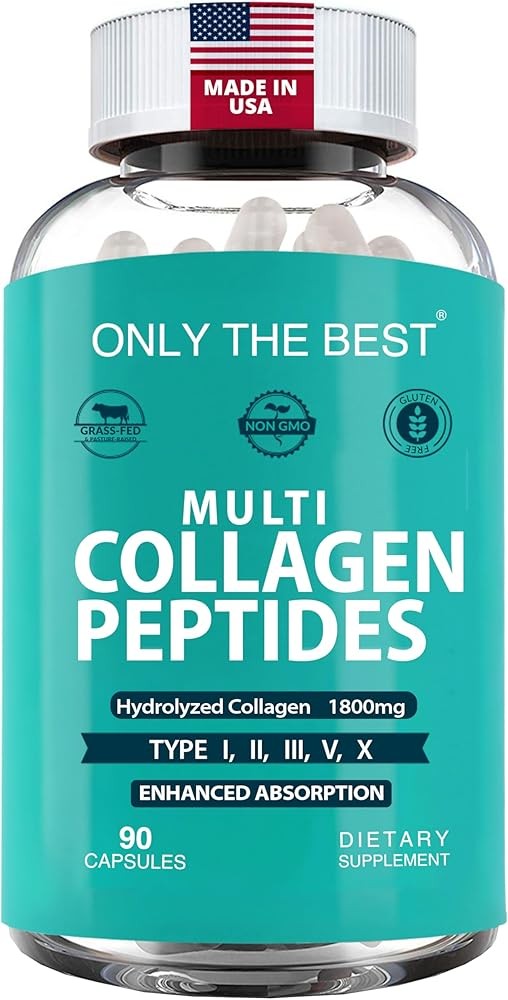
1. Hydrolyzed formulation: Collagen peptides should be hydrolyzed (broken down into smaller peptides) for optimal absorption. Look for “hydrolyzed collagen” or “collagen peptides” on the label, not just “collagen.”
2. Specific peptide types or branded formulations: Products containing Fortigel, Tendoforte, Verisol, or UC-II have specific clinical research supporting their efficacy. Generic hydrolyzed collagen works too, but these formulations have the strongest evidence.
3. Source and purity: Look for grass-fed bovine, wild-caught marine, or free-range chicken sources. Third-party testing for heavy metals and contaminants is a plus.
4. Dose per serving: Make sure the serving size delivers at least 5 grams of collagen peptides, preferably 10-15 grams for joint or comprehensive support.
5. Minimal additives: The best collagen supplements contain just collagen peptides, with no unnecessary fillers, artificial flavors, or sweeteners (unless you prefer a flavored version for palatability).
6. Third-party testing: Look for NSF Certified for Sport, Informed Choice, or USP verification, especially if you are a competitive athlete subject to drug testing.
How Can You Assess Quality for Experimental Peptides?
For peptides like BPC-157 and TB-500, quality assessment is far more difficult because these products operate in an unregulated gray market. Here is what you should demand (though even this does not guarantee safety):
1. Third-party certificate of analysis (COA): The seller should provide a recent COA from an independent laboratory confirming the identity, purity, and potency of the peptide. The lab should use techniques like HPLC (high-performance liquid chromatography) and mass spectrometry.
2. Sterility testing: Injectable peptides must be sterile. The COA should include sterility testing and endotoxin testing results.
3. Accurate labeling: The product label should match the COA precisely in terms of peptide content.
4. Traceable sourcing: Ideally, the seller should disclose where the peptide was synthesized and be able to trace it back to a legitimate chemical synthesis facility.
5. Transparent business practices: The company should have a physical address, customer service contact, and clear policies. Anonymous websites selling peptides with Bitcoin as the only payment method are red flags.
Even with all of these precautions, you are still taking a risk with gray-market peptides. The safest approach is to avoid them entirely until human clinical evidence supports their use and they become legally available through regulated channels.
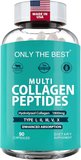
Bottom line: For collagen peptides, choose hydrolyzed formulations with 5-15g per serving from reputable sources, prioritizing branded ingredients like Fortigel or UC-II with clinical backing; for experimental peptides like BPC-157, demand third-party COAs with HPLC and mass spectrometry testing, sterility verification, and traceable sourcing – though even these precautions cannot eliminate gray-market risks.
Complete Peptide Support System
For those seeking comprehensive connective tissue and recovery support based on clinical evidence, consider this research-backed protocol:
Foundation:
- Collagen peptides 10-15g daily (Fortigel or Tendoforte for joint/tendon focus, or hydrolyzed type I/III for skin focus)
- Take with vitamin C 50-100mg to support collagen synthesis
Joint-Specific Support:
- UC-II undenatured type II collagen 40mg daily (for those with joint pain or osteoarthritis)
- Can be used alongside or instead of higher-dose hydrolyzed collagen
Bone Health Addition:
- Calcium 500-1000mg daily
- Vitamin D3 2000-4000 IU daily
- Vitamin K2 (MK-7) 100-200mcg daily
- Magnesium glycinate 200-400mg daily
Enhanced Absorption:
- Take collagen on an empty stomach or between meals when possible
- Pair with vitamin C-rich foods or supplements
- Ensure adequate hydration (at least 64oz water daily)
Lifestyle Synergies:
- Resistance training or weight-bearing exercise 3-4x weekly (stimulates collagen production)
- Adequate protein intake from whole foods (0.8-1.2g per kg body weight)
- Quality sleep 7-9 hours nightly (when growth hormone and repair processes peak)
This protocol focuses exclusively on interventions with human clinical evidence, avoiding experimental peptides that lack safety and efficacy data.
Practical Questions About Peptide Supplements
Which Collagen Works Best for Skin?
For skin health specifically, hydrolyzed collagen peptides type I or type I/III at 2.5-10 grams daily have the strongest evidence. The Verisol brand has the most specific clinical trials showing wrinkle reduction, but generic hydrolyzed collagen at similar doses has also shown benefits for skin hydration and elasticity in meta-analyses.
For maximum skin support, pair collagen with vitamin C (essential for collagen synthesis), hyaluronic acid (for hydration), and adequate protein intake from diverse sources.
Which Collagen Works Best for Joints?
For general joint support and osteoarthritis, hydrolyzed collagen at 5-10 grams daily has meta-analysis support. For a more targeted approach, undenatured type II collagen (UC-II) at 40 mg daily showed superior results to glucosamine and chondroitin in head-to-head trials. If you’re specifically interested in collagen for joint and connective tissue support, our comprehensive collagen peptides review breaks down the clinical evidence by formulation type.
Which Collagen Works Best for Bone Density?
Postmenopausal women may benefit from specific collagen peptides combined with calcium and vitamin D. Look for 5 grams of collagen peptides daily alongside your bone health regimen.
What’s the Best All-Around Collagen Supplement?
For general health spanning skin, joint, and gut support, a high-quality hydrolyzed collagen peptide powder at 10-15 grams daily represents a well-supported, cost-effective approach. Those specifically interested in addressing leaky gut concerns should understand that collagen’s gut health benefits are preliminary but promising.
Should You Buy BPC-157 Products?
We are not recommending specific BPC-157 products due to the near-absence of human clinical evidence, the FDA’s Category 2 classification, legal uncertainty, and unresolvable quality concerns with available products. If you choose to use BPC-157 despite these limitations, we strongly recommend doing so under physician supervision and sourcing from suppliers that provide independent, third-party certificates of analysis for identity, purity, and potency testing. The oral (arginate salt) form may have better bioavailability than the acetate salt form, but this is based on limited data.
Bottom line: Our recommendations focus heavily on collagen peptides as the only peptide category with robust human RCT evidence – we cannot recommend BPC-157 products due to near-zero human data, FDA Category 2 classification, legal uncertainty, and unverifiable quality from gray-market sources.
Related Reading
Explore these evidence-based guides to complementary supplements and protocols that support connective tissue health, recovery, and healthy aging:
- Best Collagen Peptides Supplements: Reviews & Top Brands Compared
- Best Collagen Supplements for Wrinkles and Skin Aging: Dermatologist-Reviewed Research
- Collagen Benefits for Skin, Joints, and Gut Health: The Complete Science-Backed Guide
- Best Supplements for Skin Health: Collagen Vitamin C Hyaluronic Acid and More
- Plant-Based Collagen Boosters for Vegans: Best Alternatives to Animal Collagen
References and Clinical Studies
- de Miranda RB, Weimer P, Rossi RC. Effects of Hydrolyzed Collagen Supplementation on Skin Aging: A Systematic Review and Meta-Analysis. International Journal of Dermatology, 2021. PubMed
- Barati M, Jabbari M, Navekar R, et al. Collagen Supplementation for Skin Health: A Mechanistic Systematic Review. Journal of Cosmetic Dermatology, 2020. PubMed
- Asserin J, Lati E, Shioya T, Prawitt J. The Effect of Oral Collagen Peptide Supplementation on Skin Moisture and the Dermal Collagen Network. Journal of Cosmetic Dermatology, 2015. PubMed
- Lugo JP, Saiber ZM, Rao AG, et al. Undenatured Type II Collagen (UC-II) for Joint Support: A Randomized, Double-Blind, Placebo-Controlled Study in Healthy Volunteers. Journal of the International Society of Sports Nutrition, 2013. PubMed
- Lugo JP, Saiber ZM, Rossi AG, et al. Efficacy and Tolerability of an Undenatured Type II Collagen Supplement in Modulating Knee Osteoarthritis Symptoms: A Multicenter Randomized, Double-Blind, Placebo-Controlled Study. Nutrition Journal, 2016. PubMed
- Clark KL, Sebastianelli W, Flechsenhar KR, et al. 24-Week Study on the Use of Collagen Hydrolysate as a Dietary Supplement in Athletes With Activity-Related Joint Pain. Current Medical Research and Opinion, 2008. PubMed
- Konig D, Oesser S, Scharla S, et al. Specific Collagen Peptides Improve Bone Mineral Density and Bone Markers in Postmenopausal Women: A Randomized Controlled Study. Nutrients, 2018. PubMed
- Zhang Y, Gao Y, et al. Efficacy of Collagen Peptide Supplementation on Bone and Muscle Health: A Meta-Analysis. Frontiers in Nutrition, 2025. PubMed
- Zhu L, et al. Effect of Collagen Supplementation on Knee Osteoarthritis: An Updated Systematic Review and Meta-Analysis of Randomised Controlled Trials. Clinical and Experimental Rheumatology, 2025. PubMed
- Chen Q, Chen O, Martins IM, et al. Collagen Peptides Ameliorate Intestinal Epithelial Barrier Dysfunction in Immunostimulatory Caco-2 Cell Monolayers via Enhancing Tight Junctions. Food and Function, 2017. PubMed
- Jendricke P, Centner C, Zdzieblik D, et al. Specific Collagen Peptides in Combination With Resistance Training Improve Body Composition and Regional Muscle Strength in Premenopausal Women: A Randomized Controlled Trial. Nutrients, 2019. PubMed
- Hexsel D, Zague V, Schunck M, et al. Oral Supplementation With Specific Bioactive Collagen Peptides Improves Nail Growth and Reduces Symptoms of Brittle Nails. Journal of Cosmetic Dermatology, 2017. PubMed
- Sikiric P, Rucman R, Turkovic B, et al. The Stable Gastric Pentadecapeptide BPC 157 Pleiotropic Beneficial Activity and Its Possible Relations With Neurotransmitter Activity. Pharmaceuticals, 2024. PubMed
- Keremi B, Lohinai Z, Komora P, et al. Safety of Intravenous Infusion of BPC157 in Humans: A Pilot Study. Alternative Therapies in Health and Medicine, 2025. PubMed
- Jones CP, et al. Emerging Use of BPC-157 in Orthopaedic Sports Medicine: A Systematic Review. HSS Journal, 2025. PubMed
Recommended Products