5 Best Prostate Supplements for BPH: Beta-Sitosterol Beats Saw Palmetto in Trials
Summarized from peer-reviewed research indexed in PubMed. See citations below.
Over 50 percent of men over 50 experience benign prostatic hyperplasia symptoms including frequent nighttime urination, weak urinary stream, and difficulty starting urination. For mild-to-moderate BPH symptoms, NOW Foods Prostate Health combines beta-sitosterol (the supplement with the strongest clinical evidence showing a 4.9-point IPSS improvement), saw palmetto, and lycopene in a comprehensive formula priced at approximately $28 for a 90-day supply. A Cochrane review of 4 randomized controlled trials involving 519 men found beta-sitosterol produced clinically significant improvements in urinary symptoms, peak flow rate, and residual bladder volume. For budget-conscious buyers, Swanson Saw Palmetto provides 160mg of standardized extract for under $10 per bottle. Here’s what the published research shows about prostate supplements and BPH management.
Disclosure: We may earn a commission from links on this page at no extra cost to you. Affiliate relationships never influence our ratings. Full policy →
Why Is It So Hard to Choose the Right Prostate Supplement?
The prostate supplement market is flooded with products making bold claims, but the clinical evidence is remarkably inconsistent. Research on best supplements for skin health: collagen provides additional context. The American Urological Association does NOT recommend saw palmetto based on two large negative North American trials, yet the European Association of Urology DOES recommend it based on positive European trials. How can two professional medical organizations reach opposite conclusions?
The answer is extract quality. Most supplements sold in the United States use ethanol-extracted saw palmetto, which failed in rigorous trials. European supplements use hexane-extracted saw palmetto (Permixon), which showed benefits comparable to prescription medications. Unless you know exactly what extraction method your supplement uses, you have no idea if you are buying something with clinical support or expensive placebo.
Beta-sitosterol faces a different problem: it works consistently in trials, but most commercial prostate formulas contain trivial doses — 20 to 40 mg when clinical trials used 60 to 130 mg daily. Pygeum africanum has 18 clinical trials supporting it, but quality varies wildly between brands, and there are sustainability concerns about harvesting this endangered tree species.
Add in zinc supplements that may actually increase prostate cancer risk at high doses, selenium that is only beneficial if you are deficient (and harmful if you are not), and green tea extracts with rare liver toxicity reports, and you have a minefield of conflicting data and questionable formulations.
This guide cuts through the marketing noise to identify which prostate supplements have legitimate clinical trial evidence, what doses were actually studied, which extraction methods matter, and how to build an evidence-based supplement protocol for benign prostatic hyperplasia.
Why Does Your Prostate Grow and What Does It Do to Your Body?
The prostate gland surrounds the urethra where it exits the bladder. As it enlarges with age, it compresses the urethra like a hand squeezing a garden hose, creating urinary obstruction. This obstruction explains virtually all BPH symptoms — weak stream, hesitancy, incomplete emptying, frequency, urgency, and nocturia.
What Hormones Drive Prostate Growth?
Benign prostatic hyperplasia is driven primarily by dihydrotestosterone (DHT), a potent androgen created when the enzyme 5-alpha-reductase converts testosterone to DHT within prostate tissue. DHT is 5 to 10 times more androgenic than testosterone and binds more tightly to androgen receptors in the prostate, stimulating cell proliferation.
This is why the prescription medication finasteride (Proscar) works — it blocks 5-alpha-reductase, reducing DHT levels in prostate tissue by roughly 90 percent. Some prostate supplements claim to inhibit 5-alpha-reductase, but the magnitude of inhibition is far smaller than finasteride.
How Does Inflammation Affect Your Prostate?
Chronic low-grade inflammation within prostate tissue likely accelerates BPH progression. Inflammatory cytokines stimulate prostate cell proliferation and inhibit apoptosis (programmed cell death), leading to net prostate growth. This is part of why obesity worsens BPH — adipose tissue secretes inflammatory molecules that can affect the prostate.
Some supplements like pygeum africanum have demonstrated anti-inflammatory effects in prostate tissue, which may explain their clinical benefits beyond simple hormonal mechanisms.
What Role Does Estrogen Play in Prostate Growth?
Aging men experience declining testosterone but relatively stable or increasing estrogen levels due to aromatization of testosterone to estradiol in adipose tissue. The rising estrogen-to-testosterone ratio may contribute to BPH development by increasing androgen receptor density in prostate tissue, making the gland more sensitive to whatever DHT is present.
Supplements that modulate estrogen metabolism or block estrogen receptors theoretically could help, but clinical evidence supporting this mechanism in BPH is limited.
How Are Prostate Symptoms Measured?
The International Prostate Symptom Score (IPSS) is the validated questionnaire used in virtually all BPH clinical trials. It asks seven questions about urinary symptoms over the past month, each scored 0 to 5:
- Incomplete emptying sensation
- Frequency (less than 2 hours between urinations)
- Intermittent stream (stopping and starting)
- Urgency (difficulty postponing urination)
- Weak stream
- Straining to begin urination
- Nocturia (nighttime urination frequency)
Scores of 0-7 indicate mild symptoms, 8-19 moderate, and 20-35 severe. A clinically meaningful improvement is generally considered a 3-point reduction in IPSS. When you see trial data showing a supplement reduced IPSS by 4.9 points, that is a substantial, noticeable improvement in daily quality of life.
Which Prostate Supplements Have the Strongest Clinical Evidence?
1. Does Beta-Sitosterol Have the Strongest Evidence for Prostate Health?
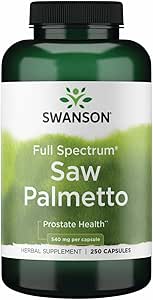
Swanson Saw Palmetto - Herbal Supplement Promoting Male Prostate Health Support - Natural Hair Supplement & Urinary Health - Traditional Herbs for Men (Saw Palmetto Standardized Extract), 160 mg, 120 Capsules
Check Price on AmazonAs an Amazon Associate we earn from qualifying purchases.
Stinging nettle root (Urtica dioica) has some of the most impressive single-trial data in the prostate supplement literature, but the evidence base is thinner than beta-sitosterol or pygeum because most results come from one large trial rather than multiple independent replications.
The landmark Safarinejad 2005 trial enrolled 620 men with symptomatic BPH in a randomized, double-blind, placebo-controlled design lasting 6 months. Men received either 120 mg nettle root extract twice daily or placebo.
Results were dramatic:
- 81% of nettle-treated men reported symptom improvement vs only 16% in the placebo group
- IPSS scores decreased from 19.8 to 11.8 in the nettle group (-40% improvement)
- Peak flow rate increased from 10.2 to 14.9 mL/sec
- Post-void residual volume decreased from 73 mL to 36 mL
- Quality of life scores improved significantly
These results rival prescription medications. The problem is this is essentially one large trial from one research group. Replication by independent researchers would strengthen confidence significantly.
The proposed mechanisms include inhibition of sex hormone binding globulin (increasing free testosterone while paradoxically reducing prostate DHT), anti-inflammatory effects, inhibition of prostate cell membrane sodium-potassium ATPase, and interference with prostate growth factors.
Stinging nettle root is often combined with saw palmetto in European formulations with the idea that their mechanisms are complementary.
4. Does Saw Palmetto Actually Work for Enlarged Prostate?
Saw palmetto (Serenoa repens) is the most controversial prostate supplement, with professional medical organizations reaching opposite conclusions based on different trial data.
The case against saw palmetto:
The American Urological Association does NOT recommend saw palmetto for BPH based on two large, rigorous North American trials:
- The STEP trial (2006) enrolled 225 men, used 160 mg twice daily for 1 year, and found no difference from placebo on IPSS, peak flow, prostate size, quality of life, or residual urine volume
- The CAMUS trial (2011) tested escalating doses up to 960 mg daily (triple the standard dose) for 72 weeks and still found no benefit over placebo
These were exceptionally well-designed trials published in top-tier journals (NEJM and JAMA). Based on this evidence, saw palmetto appears to be no better than placebo.
The case for saw palmetto:
The European Association of Urology DOES recommend saw palmetto, specifically hexane-extracted Serenoa repens like the Permixon formulation. A 2018 meta-analysis of European trials found:
- IPSS improvement of -5.73 points compared to baseline
- Effect comparable to the prescription drug tamsulosin
- Benefit maintained over 2+ years of use
What explains the contradiction? Extract quality.
North American trials used ethanol-extracted or supercritical CO2-extracted saw palmetto. European trials used hexane-extracted liposterolic extract. The hexanic extraction method produces higher concentrations of the fatty acids and phytosterols believed to be the active components.
Most saw palmetto supplements sold in US stores use ethanol or CO2 extraction, which have failed in rigorous trials. Unless your supplement specifically states it uses hexane extraction or is the Permixon formulation, you are likely buying something without clinical support.
The proposed mechanisms of saw palmetto include weak 5-alpha-reductase inhibition, anti-inflammatory effects, and alpha-adrenergic receptor antagonism. However, the magnitude of these effects appears insufficient in many commercial formulations.
5. How Well Does Pumpkin Seed Oil Work for BPH?
Pumpkin seed oil has modest but legitimate clinical support for BPH symptom improvement. The evidence base is not as strong as beta-sitosterol or pygeum, but it is more convincing than many other prostate supplements.
The GRANU study (2014) was a randomized, double-blind, placebo-controlled trial with 60 men with BPH. Men received either 480 mg pumpkin seed oil daily or placebo for 3 months.
Results:
- IPSS scores improved from 14.1 to 11.8 in the pumpkin seed oil group (16% improvement)
- Placebo group showed no improvement (14.5 to 14.6)
- Quality of life scores improved significantly in the treatment group
- The difference was statistically significant (P < 0.05)
A separate Korean study compared pumpkin seed oil 320 mg daily to tamsulosin 0.2 mg daily in 63 men over 12 weeks. Both groups showed similar IPSS improvements (-30% for pumpkin seed oil vs -33% for tamsulosin), suggesting pumpkin seed oil may approach prescription medication effectiveness in mild-to-moderate BPH.
Pumpkin seed oil is rich in phytosterols (including beta-sitosterol), zinc, magnesium, and essential fatty acids. The mechanism likely involves multiple pathways including 5-alpha-reductase inhibition, anti-inflammatory effects, and antioxidant activity.
The advantage of pumpkin seed oil is its favorable safety profile and the fact that it provides multiple nutrients. The disadvantage is that the effect size is smaller than beta-sitosterol alone, and not all pumpkin seed oil supplements are standardized or provide sufficient doses.
6. Can Rye Grass Pollen Extract Reduce Nighttime Urination?
Rye grass pollen extract, marketed as Cernilton, has specialized evidence for reducing nocturia specifically rather than global BPH symptoms.
A Cochrane systematic review analyzed 4 small randomized controlled trials (total 444 men). The findings:
- Nocturia episodes decreased from an average of 2.5 per night down to 1.3 per night
- Peak urine flow rates improved modestly
- Overall symptom scores improved
- Men were more than twice as likely to report improvement compared to placebo
The quality of evidence was rated as moderate due to small trial sizes and methodological limitations, but the consistency of findings across trials is encouraging.
The proposed mechanism involves anti-inflammatory effects, muscle relaxant properties affecting bladder neck and urethral smooth muscle, and potential antiproliferative effects on prostate tissue.
The advantage of Cernilton is its specific benefit for nocturia, which many men rate as their most disruptive BPH symptom. The disadvantages are limited availability, higher cost compared to saw palmetto or beta-sitosterol, and smaller evidence base.
7. Can Lycopene Reduce the Risk of Prostate Enlargement?
Lycopene is a carotenoid found in tomatoes, watermelon, and pink grapefruit. It has been studied more extensively for prostate cancer risk reduction than BPH symptom relief, but there is some evidence it may slow prostate growth.
A 2008 study published in the Journal of Nutrition followed men with BPH for 1 year. Those taking 15 mg lycopene daily showed:
- Stable PSA levels while the placebo group’s PSA increased
- No increase in prostate volume in the lycopene group vs continued growth in placebo group
- Trend toward symptom stability rather than progression
This suggests lycopene may slow BPH progression rather than dramatically improve existing symptoms. Think of it as supporting prostate health maintenance rather than acutely therapeutic.
The mechanism likely involves antioxidant activity reducing oxidative stress in prostate tissue, anti-inflammatory effects, and potential modulation of growth factor signaling pathways.
The advantage of lycopene is its exceptional safety profile — it is simply a nutrient found in common foods, with no realistic toxicity risk at supplemental doses. The disadvantage is that the effect on BPH symptoms appears modest and focused more on slowing progression than reversing symptoms.
For men with early or mild BPH who want to slow progression, lycopene 10-20 mg daily is a reasonable low-risk addition to a prostate supplement protocol. For men with moderate-to-severe symptoms needing symptom relief, lycopene alone is insufficient.
8. Is Green Tea Extract Better for Cancer Risk Reduction Than BPH Relief?
Green tea extract, specifically the catechin EGCG (epigallocatechin gallate), has been studied for both prostate cancer risk reduction and BPH symptom improvement, but the evidence is stronger for the former.
A small pilot study suggested green tea catechins might improve IPSS scores, but larger, better-designed trials have not confirmed substantial BPH symptom relief. The primary interest in green tea for prostate health centers on cancer risk reduction rather than BPH management.
The mechanism involves antioxidant effects, inhibition of vascular endothelial growth factor (reducing blood vessel formation in tumors), induction of apoptosis in cancer cells, and possible anti-inflammatory effects.
The concern with high-dose green tea extract supplements is rare hepatotoxicity (liver damage). This appears to be dose-dependent and more likely when high-dose EGCG is taken on an empty stomach. Drinking green tea as a beverage appears safe, but concentrated supplements warrant caution.
For BPH specifically, green tea extract is not a top-tier recommendation based on current evidence. If you drink green tea for general health benefits, continue. If you are considering high-dose EGCG supplements specifically for BPH, the risk-benefit ratio is less favorable than beta-sitosterol, pygeum, or stinging nettle.
9. Is Zinc Supplementation Safe for Your Prostate?
Zinc deserves special attention because it is both essential for prostate health AND potentially harmful at high doses — a cautionary tale about more-is-better thinking.
Zinc is the most concentrated trace element in the prostate gland. Prostate cells require zinc for proper function, and early research suggested zinc deficiency might contribute to BPH. This led to zinc supplementation being included in many prostate formulas.
However, the relationship between zinc and prostate health is U-shaped: deficiency is bad, sufficiency is good, but excess may be harmful.
The concerning evidence:
- The Health Professionals Follow-up Study found that men supplementing with more than 100 mg zinc daily had a 2.3-fold increased risk of advanced prostate cancer
- High zinc intake may disrupt copper balance, leading to copper deficiency
- Excessive zinc supplementation can impair immune function despite zinc being essential for immunity at appropriate levels
The current recommendation from most urologists and nutrition scientists is: ensure adequate zinc intake (11 mg daily for adult men), but avoid high-dose supplementation unless you have documented deficiency.
If you take a prostate supplement containing zinc, check the dose. Formulas providing 15-30 mg total daily zinc are probably fine. Products providing 50+ mg daily, especially if you are also getting zinc from a multivitamin and diet, may be excessive.
10. Should You Take Selenium for Prostate Health?
Selenium is similar to zinc — essential for prostate health, but potentially harmful at excessive doses, and only beneficial if you are actually deficient.
The SELECT trial, a large prostate cancer research study, found that selenium supplementation did NOT reduce prostate cancer risk in men with adequate baseline selenium levels. In fact, there was a non-significant trend toward increased risk in some subgroups.
Earlier observational studies suggested selenium deficiency was associated with increased prostate cancer risk, but interventional trials giving selenium supplements to men who were not deficient showed no benefit and potential harm.
The key insight: selenium deficiency is a problem, but selenium supplementation only helps if you are deficient. If your selenium status is adequate, additional supplementation provides no benefit and may cause harm.
Selenium toxicity (selenosis) can occur at chronic intakes above 400 mcg daily and causes hair loss, brittle nails, gastrointestinal distress, neurological symptoms, and fatigue.
Unless you have documented selenium deficiency (which can be tested), routine selenium supplementation for prostate health is not recommended based on current evidence. If you live in an area with low-selenium soil or follow a restrictive diet that might be selenium-deficient, testing your level before supplementing is prudent.
What Supplement Combinations Work Best Together?
Rather than taking a dozen individual supplements, research suggests certain combinations work synergistically while keeping the regimen manageable and evidence-based.
What Are the Best-Supported Supplements to Start With?
Foundation protocol (strongest evidence):
- Beta-sitosterol 60-130 mg daily — strongest clinical evidence, Cochrane-reviewed
- Pygeum africanum 100 mg daily — complementary multi-mechanism approach
- Lycopene 10-20 mg daily — favorable safety profile, may slow progression
This three-supplement foundation covers the most robust clinical evidence. Take beta-sitosterol and pygeum with food containing fat (they are fat-soluble). Lycopene also requires fat for absorption.
What Should You Add If Symptoms Persist?
If the foundation protocol provides insufficient relief after 8-12 weeks:
- Stinging nettle root 120 mg twice daily — impressive trial data, different mechanism
- Pumpkin seed oil 320-480 mg daily — modest but legitimate supporting evidence
Which Supplements Are Worth Considering Conditionally?
- Saw palmetto 160 mg twice daily — ONLY if you can confirm hexane extraction (Permixon formulation), otherwise skip based on negative US trial data
- Cernilton (rye grass pollen) — if nocturia is your primary complaint and other supplements have not adequately addressed nighttime urination
- Zinc 15-30 mg daily — ONLY if you have documented deficiency or very low dietary intake; avoid high doses
- Selenium 55-200 mcg daily — ONLY if you have documented deficiency; most men get adequate amounts from diet
When Should You Take Prostate Supplements for Best Absorption?
Supplement timing matters for absorption, bioavailability, and side effect minimization. Here is evidence-based guidance on when to take prostate supplements.
Which Supplements Need Fat for Absorption?
Fat-soluble compounds require dietary fat for proper absorption:
- Beta-sitosterol — take with meals containing fat (avocado, nuts, olive oil, fatty fish)
- Lycopene — absorption increases 2-5 fold when taken with fat; tomato sauce cooked with olive oil is ideal
- Saw palmetto — fat-soluble; take with food
- Pumpkin seed oil — already contains fat but take with meal for best tolerance
Taking fat-soluble supplements on an empty stomach dramatically reduces absorption. A study on lycopene found that absorption from a meal with 10g fat was 300% higher than from a fat-free meal.
Which Prostate Supplements Can Be Taken Without Food?
Water-soluble compounds and certain extracts can be taken on empty stomach if desired:
- Pygeum africanum — can be taken with or without food, though with food may reduce rare GI upset
- Stinging nettle root — does not require food for absorption but taking with food may improve tolerance
What Is the Best Way to Take Zinc for Prostate Health?
Zinc can cause nausea on an empty stomach, so take with food. However, zinc can interfere with absorption of certain antibiotics (tetracyclines, fluoroquinolones), so if you are prescribed these medications, separate zinc supplementation by at least 2 hours before or 4-6 hours after the antibiotic dose.
Also avoid taking zinc simultaneously with high-dose calcium or iron supplements, as these minerals compete for absorption. Space them apart by at least 2 hours.
Zinc is best absorbed in smaller split doses rather than one large dose. If taking 30 mg daily, consider 15 mg with breakfast and 15 mg with dinner rather than all 30 mg at once.
Important: Do not exceed 40 mg daily of elemental zinc from all sources (supplement plus multivitamin plus diet) without medical supervision due to copper depletion risk and prostate cancer concerns.
What Is the Safest Way to Take Green Tea Extract?
If you choose to supplement with concentrated green tea extract (EGCG), always take it with food to minimize the rare risk of liver toxicity. Studies reporting hepatotoxicity generally involved high-dose EGCG supplements taken on an empty stomach.
Drinking brewed green tea does not carry this risk. Three to five cups of green tea daily provides roughly 240-320 mg catechins including 100-150 mg EGCG, which is a safe and effective dose range without the concentrated supplement concerns.
Should You Split Doses or Take Once Daily?
For most prostate supplements, once-daily dosing is adequate and improves compliance. Exceptions:
- Stinging nettle root — clinical trials used 120 mg twice daily; this split dosing may be more effective than 240 mg once daily, though this has not been directly tested
- Saw palmetto — traditionally dosed as 160 mg twice daily in European trials
- Zinc — better absorbed as split dose (e.g., 15 mg twice daily rather than 30 mg once)
If splitting doses is impractical and reduces your adherence, once-daily dosing with a meal containing fat is acceptable for most supplements. Consistency matters more than perfect timing.
Does Perfect Timing Matter More Than Daily Consistency?
The most important factor is taking supplements consistently every day at approximately the same time. Prostate supplements work slowly and cumulatively — skipping doses or taking them erratically will undermine effectiveness more than suboptimal timing.
Set a reminder on your phone, keep supplements next to your coffee maker, or use a pill organizer. Whatever system ensures you actually take them daily is superior to a theoretically perfect timing strategy you cannot maintain.
Can Prostate Supplements Interact With Prescription Medications?
Several prostate supplements can interact with common medications:
- Saw palmetto may increase bleeding risk when combined with warfarin, aspirin, or other blood thinners due to antiplatelet effects
- Stinging nettle root contains vitamin K, which can interfere with warfarin effectiveness
- Zinc reduces absorption of fluoroquinolone antibiotics (ciprofloxacin, levofloxacin) and tetracyclines
- Green tea extract at high doses may interact with blood thinners and increase bleeding risk
If you take prescription medications, especially anticoagulants or antibiotics, disclose all supplement use to your physician and pharmacist. Most interactions can be managed by timing supplements several hours away from medications, but professional guidance is important.
Will Alcohol Reduce the Effectiveness of Prostate Supplements?
Moderate alcohol consumption (1-2 drinks daily) does not appear to significantly interfere with prostate supplement absorption or effectiveness. However, alcohol itself can worsen BPH symptoms by acting as a diuretic and bladder irritant.
If nocturia is your primary complaint, consider avoiding alcohol within 3-4 hours of bedtime even if you are taking prostate supplements. The supplements can help, but they cannot fully overcome the direct bladder-irritating and diuretic effects of alcohol consumed late in the evening.
Which Supplements and Timing Strategies Best Target Nighttime Urination?
Nocturia is often the most disruptive BPH symptom. Strategic supplement timing plus lifestyle modifications can dramatically improve it:
- Take diuretic supplements early — if taking supplements that increase urination (e.g., high-dose vitamin C, magnesium), take them before 2 PM
- Cernilton specifically targets nocturia; take in morning and early afternoon
- Limit fluids after 6 PM — drink the majority of daily fluids before dinner
- Avoid bladder irritants evening — coffee, tea, alcohol, citrus juice, carbonated drinks consumed late worsen nocturia
- Empty bladder completely before bed — use “double voiding” technique (urinate, wait 30 seconds, urinate again to empty bladder fully)
How Do You Store Prostate Supplements to Maintain Potency?
Proper storage matters, especially for fat-soluble supplements susceptible to oxidation:
- Beta-sitosterol, saw palmetto, pumpkin seed oil — store in cool, dark place; refrigeration after opening may extend shelf life
- Lycopene — light-sensitive; keep in original amber bottle or transfer to opaque container
- Most supplements — avoid heat, humidity, direct sunlight
- Pumpkin seed oil liquid — refrigerate after opening; oxidation creates rancid smell and reduces potency
Check expiration dates. Using expired supplements is not dangerous but potency degrades over time, especially for products containing oils and fat-soluble compounds.
What Is the Ideal Daily Supplement Timing Schedule?
Example evidence-based schedule:
Morning (with breakfast including fat source):
- Beta-sitosterol 60-130 mg
- Saw palmetto 160 mg (if using hexane-extracted type)
- Lycopene 10-15 mg
- Zinc 15 mg (if taking 30 mg daily total)
Evening (with dinner including fat source):
- Pygeum africanum 100 mg
- Stinging nettle root 120 mg
- Pumpkin seed oil 320-480 mg
- Zinc 15 mg (if split dosing)
Optional mid-afternoon (if targeting nocturia specifically):
- Cernilton/rye grass pollen extract
This schedule ensures fat-soluble compounds are taken with meals containing fat, spaces out zinc for better absorption, and gets potential diuretic effects out of the way before evening.
If this schedule is too complex, simplify to once-daily dosing with dinner (typically the fattiest meal of the day for most people). Consistency beats perfect timing.
What Body Clues Should You Watch For?
What Are the Early Warning Signs of an Enlarged Prostate?
Benign prostatic hyperplasia develops gradually, often over years. Early recognition allows you to start supplements and lifestyle modifications before symptoms become severe.
Early warning signs:
- Slight hesitancy before urination starts — you stand at the toilet for a few seconds before stream begins
- Weaker stream — noticeable reduction in force; stream does not project as far as it once did
- Intermittent stream — urination stops and starts rather than continuous flow
- Feeling of incomplete emptying — sense that bladder is not fully empty even immediately after urinating
- Increased frequency — needing to urinate more often than previously, especially if less than 2 hours between trips
- First episode of nocturia — if you previously slept through the night but now wake once to urinate, this may be the earliest symptom
These early symptoms typically correspond to IPSS scores in the 0-7 (mild) or 8-12 (lower moderate) range. This is the ideal time to start an evidence-based supplement protocol and lifestyle modifications.
Waiting until symptoms are severe makes management more difficult and may mean you have missed the window where supplements alone are adequate.
What Timeline Should You Expect for Improvement on Supplements?
Prostate supplements work slowly. Setting realistic expectations helps avoid premature discontinuation.
Week 1-2: Most men notice no improvement yet. This is normal. Resist the temptation to increase doses or add more supplements. Give the protocol time.
Week 3-4: Some men begin noticing subtle improvements — perhaps slightly stronger stream, slightly less hesitancy, or one less nighttime urination. Others still notice no change. Both are normal.
Week 6-8: This is when clinical trials typically show statistically significant differences emerging. Expect modest but noticeable improvement in your most bothersome symptoms. IPSS score may have dropped 2-4 points.
Week 12 (3 months): Re-assess objectively. Retake the IPSS questionnaire. Compare to your baseline score. If you have dropped at least 3 points, the protocol is working. If you have dropped 5+ points, it is working well. If no change or less than 3-point improvement, the supplement protocol is probably not adequate for you and escalation to prescription medication should be discussed with your urologist.
Month 6-12: Continued gradual improvement is possible. Some trials showed further benefit at 6-12 months compared to 3 months. Do not expect dramatic sudden improvement, but steady incremental gains.
The key is objective tracking. Use the IPSS questionnaire monthly so you have data rather than vague impressions. Your memory of how symptoms were 3 months ago is unreliable. Written scores are objective.
What Symptoms Require Immediate Medical Attention?
Certain symptoms indicate complications or conditions requiring urgent evaluation rather than continued supplement use:
Go to emergency department or urgent care immediately:
- Complete inability to urinate despite strong urge (urinary retention)
- Severe pain with urination or pelvic pain
- Fever over 100.4°F with urinary symptoms (suggests infection)
- Visible blood in urine (more than just slight pinkish tinge)
- New onset urinary incontinence especially with leg weakness or numbness
Schedule appointment within 24-48 hours:
- Persistent blood in urine even if not painful
- Significantly worsening symptoms over a few days
- Pain and burning with urination suggesting UTI
Schedule routine appointment within 1-2 weeks:
- Progressively worsening symptoms despite supplements
- Significant nocturia (4+ times nightly) affecting quality of life
- New urinary symptoms after age 50 even if mild
Supplements are for managing mild-to-moderate chronic symptoms in men who have been properly evaluated. They are not appropriate for acute problems or red-flag symptoms that could indicate infection, cancer, acute retention, or other serious issues.
How Do Prostate Supplements Interact With Common Medications?
If you take prescription medications, certain prostate supplements require caution due to potential interactions:
Blood thinners (warfarin, apixaban, rivaroxaban, aspirin):
- Saw palmetto may increase bleeding risk due to antiplatelet effects
- Stinging nettle root contains vitamin K which can reduce warfarin effectiveness
- Green tea extract at high doses may increase bleeding risk
- Action: Disclose use to your physician; may need INR monitoring if on warfarin
Alpha-blockers (tamsulosin, alfuzosin, doxazosin):
- No major interactions with prostate supplements
- Combining prescription alpha-blockers with supplements may produce additive effects
- Action: Safe to combine under physician supervision
5-alpha-reductase inhibitors (finasteride, dutasteride):
- No major interactions with prostate supplements
- Some supplements (saw palmetto, pumpkin seed oil) claim similar mechanisms but with much weaker effect
- Combining is likely safe but may not provide additional benefit beyond the prescription drug
- Action: Discuss with urologist; may not need supplements if prescription medication is adequate
Antibiotics (fluoroquinolones, tetracyclines):
- Zinc significantly reduces absorption of these antibiotics
- Action: Take zinc at least 2 hours before or 4-6 hours after antibiotic dose; inform pharmacist
What Are Our Top Prostate Supplement Recommendations?
Based on the clinical evidence reviewed, here is our evidence-ranked recommendation list:
Tier 1 (Strongest Evidence) — Start Here:
- NOW Foods Prostate Health — comprehensive formula with beta-sitosterol at clinical doses plus saw palmetto and lycopene
- Pure beta-sitosterol supplement 60-130 mg daily (if preferring single-ingredient approach)
Tier 2 (Strong Supporting Evidence) — Add If Needed: 3. Pygeum africanum 100 mg daily 4. Stinging nettle root extract 120 mg twice daily
Tier 3 (Moderate Evidence) — Consider Conditionally: 5. Saw palmetto 160 mg twice daily (ONLY if hexane-extracted like Permixon) 6. Pumpkin seed oil 320-480 mg daily 7. Lycopene 10-20 mg daily (or eat tomatoes cooked with olive oil)
Tier 4 (Specialized Use): 8. Cernilton (rye grass pollen extract) if nocturia is primary complaint
Generally Not Recommended Unless Deficient: 9. Zinc supplementation above dietary intake (risk > benefit for most men) 10. Selenium supplementation (no benefit unless deficient; potential harm if excess)
What Lifestyle Changes Support Prostate Health?
Supplements work best when combined with evidence-based lifestyle modifications. Several dietary and behavioral changes have clinical support for reducing BPH symptoms or slowing progression.
Which Foods Help Reduce BPH Symptoms?
Foods with evidence supporting prostate health:
- Tomatoes and tomato products — cooked tomatoes with olive oil provide lycopene in highly bioavailable form; aim for 4+ servings weekly
- Cruciferous vegetables — broccoli, cauliflower, Brussels sprouts, kale contain sulforaphane and indole-3-carbinol which may support healthy estrogen metabolism; 3-5 servings weekly
- Fatty fish — salmon, mackerel, sardines provide omega-3 fatty acids (EPA and DHA) with anti-inflammatory effects; 2-3 servings weekly
- Pumpkin seeds — natural source of beta-sitosterol, zinc, and magnesium; small handful daily
- Green tea — 2-4 cups daily provides catechins with antioxidant and potential anti-androgenic effects
- Soy foods — edamame, tofu, tempeh contain isoflavones with weak estrogenic effects that may reduce DHT activity; 2-3 servings weekly
Foods to minimize:
- Red meat and high-fat dairy — observational studies associate high intake with increased BPH risk; moderate intake (2-3 times weekly rather than daily)
- Refined carbohydrates and sugar — contribute to insulin resistance and inflammation which may worsen BPH; limit processed foods
- Alcohol — acts as diuretic and bladder irritant; limit to 1-2 drinks daily maximum, avoid within 3 hours of bedtime
- Caffeine — diuretic and bladder irritant; limit to morning consumption and avoid afternoon/evening if nocturia is problematic
How Much Exercise Do You Need for Prostate Health?
Physical activity has consistent evidence for reducing BPH risk and slowing progression. A large prospective study found men exercising 3+ hours weekly had 40% lower risk of developing BPH and significantly lower symptom severity scores.
Recommended activity:
- 150-300 minutes moderate-intensity aerobic exercise weekly (brisk walking, cycling, swimming)
- 2 days weekly resistance training
- Pelvic floor exercises (Kegels) may help some men with urgency and incontinence
Obesity significantly worsens BPH. Waist circumference greater than 40 inches is associated with nearly double the risk of moderate-to-severe LUTS. Weight loss in overweight men can produce 1-3 point IPSS improvements even without supplements or medications.
How Do Stress and Sleep Quality Impact BPH Symptoms?
Chronic stress and poor sleep quality amplify BPH symptoms through multiple mechanisms:
Stress effects:
- Increases sympathetic nervous system activation, which contracts smooth muscle in prostate and bladder neck, worsening obstruction
- Elevates cortisol, which can alter androgen metabolism
- Promotes inflammation systemically
- Reduces pain tolerance and amplifies symptom perception
Sleep deprivation effects: Sleep quality matters significantly. A 2018 study in The Journal of Urology found that men sleeping less than 5 hours nightly had a 2.4-fold increased risk of moderate-to-severe LUTS compared to men sleeping 7-8 hours. Poor sleep increases inflammatory markers, disrupts hormone balance, and amplifies stress responses — all problematic for prostate health.
Conversely, nocturia (nighttime urination) severely disrupts sleep quality, creating a vicious cycle. If you are waking 3+ times nightly to urinate, aggressive management of BPH symptoms becomes critical not just for urinary comfort but for overall health and quality of life.
What Is the Best Fluid Timing Strategy to Reduce Nighttime Urination?
A simple but highly effective strategy: shift your fluid intake toward earlier in the day. Drink the majority of your daily fluids before 6 PM, and minimize intake in the 2-3 hours before bed. This won’t shrink your prostate, but it can dramatically reduce nocturia frequency, which for many men is the most disruptive symptom.
Also consider the type of fluids. Water is ideal. Beverages with diuretic effects (coffee, tea, alcohol) or bladder irritants (citrus juice, carbonated drinks) can worsen symptoms and should be consumed mindfully, ideally earlier in the day when frequent urination is less problematic.
When Should You See a Doctor About Prostate Symptoms?
BPH is common and generally benign, but its symptoms overlap with more serious conditions including prostate cancer, bladder stones, urinary tract infections, bladder dysfunction, and neurological problems. Certain symptoms should prompt immediate medical evaluation rather than self-treatment with supplements.
Which Prostate Symptoms Require Urgent Medical Care Within 24-48 Hours?
- Complete urinary retention — inability to urinate despite strong urge. This is a medical emergency requiring catheterization.
- Blood in urine (hematuria) — can indicate cancer, infection, stones, or severe inflammation. Small amounts of blood can color entire toilet bowl pink or red.
- Severe pain — significant pelvic, lower back, or flank pain alongside urinary symptoms suggests infection, stones, or acute urinary retention.
- Fever with urinary symptoms — suggests urinary tract infection that may be spreading to kidneys (pyelonephritis) or prostate (prostatitis).
- New-onset urinary incontinence — sudden loss of bladder control, especially if accompanied by leg weakness, saddle numbness, or loss of bowel control, can indicate neurological emergency.
Which Symptoms Should Prompt a Doctor Visit Within 1-2 Weeks?
- Progressively worsening symptoms — if your urinary symptoms are noticeably worse over a period of weeks despite lifestyle changes or supplements, evaluation is needed to assess prostate size, rule out complications, and consider medication.
- New urinary symptoms after age 50 — while BPH is common, new symptoms warrant evaluation to establish a baseline and rule out other causes.
- Significant nocturia — waking 4+ times nightly to urinate severely impacts quality of life and may indicate more than just BPH (sleep apnea, diabetes, heart failure can all cause nocturia).
- Weak stream or straining — if you have to push or strain to urinate, or if your stream has become markedly weaker, you may be developing significant obstruction that could lead to bladder or kidney damage if untreated.
- Recurring urinary tract infections — men generally do not get UTIs unless there is an underlying structural problem. Recurrent infections in the context of BPH symptoms suggest urinary stasis (incomplete bladder emptying) that requires evaluation.
How Frequently Should You Get Prostate Screenings?
Even without concerning symptoms, men over 50 should discuss prostate health with their physician, including whether PSA (prostate-specific antigen) testing is appropriate given their risk factors and preferences. Men with a family history of prostate cancer or African American men should begin these discussions at age 40-45.
If you have diagnosed BPH and are managing it with supplements, annual urological follow-up is appropriate. This allows monitoring of prostate size via digital rectal exam, tracking of PSA trends, assessment of post-void residual volume (how much urine remains in bladder after urination), and objective measurement of urinary flow rate. These tests help determine if your current management strategy is adequate or if escalation to prescription medication is warranted.
The key principle: supplements are appropriate for mild-to-moderate BPH symptoms in men who have been evaluated and do not have red flag symptoms. They are not appropriate as a way to avoid seeing a doctor when concerning symptoms are present.
For more context, see our guide on Best Supplements for Hair Growth: What Actually Works.
Related Reading
-
Best Testosterone Booster Supplements: What the Research Actually Supports
-
Best Supplements for Male Fertility and Sperm Health: Evidence-Based Guide
-
Saw Palmetto vs Finasteride for Hair Loss: Complete Comparison Guide
-
Best Immune System Supplements: Vitamin C, Zinc, Elderberry and What Research Supports
-
Omega-3 for Heart Health: How Much EPA and DHA Do You Actually Need
-
Best Magnesium Supplements: Glycinate, Threonate, Citrate and Which Form Works Best
-
Vitamin D3 and K2: Why You Need Both and Optimal Dosing
-
Saw Palmetto vs Finasteride For Hair Loss: Which Is Better? [Complete Comparison Guide]
-
Best Supplements for Hair Growth: Biotin, Collagen, and What Actually Works
References
-
AUA Guideline Amendment. “2023 Amendment to the 2010 AUA Guideline on the Management of Benign Prostatic Hyperplasia.” Journal of Urology. 2023. AUA Guidelines
-
Wilt T, et al. “Beta-sitosterols for benign prostatic hyperplasia.” Cochrane Database Syst Rev. 1999. PubMed: 10796740
-
Berges RR, et al. “Treatment of symptomatic benign prostatic hyperplasia with beta-sitosterol: an 18-month follow-up.” BJU International. 2000;85(7):842-6. PubMed: 10792163
-
Ishani A, et al. “Pygeum africanum for the treatment of patients with benign prostatic hyperplasia.” American Journal of Medicine. 2000;109(8):654-664. PubMed: 11099686
-
Wilt T, et al. “Pygeum africanum for benign prostatic hyperplasia.” Cochrane Database Syst Rev. 2002;(1):CD001044. PubMed: 11869585
-
Safarinejad MR. “Urtica dioica for treatment of benign prostatic hyperplasia.” J Herb Pharmacother. 2005;5(4):1-11. PubMed: 16635963
-
Bent S, et al. “Saw palmetto for benign prostatic hyperplasia.” NEJM. 2006;354:557-566. PubMed: 16467543
-
Barry MJ, et al. “Effect of increasing doses of saw palmetto extract on lower urinary tract symptoms.” JAMA. 2011;306(12):1344-1351. PubMed: 21954478
-
Tacklind J, et al. “Updated Cochrane Review on Serenoa repens for BPH.” World J Mens Health. 2024;42(1):26-49. PubMed: 37345871
-
Permixon Meta-Analysis. “Serenoa repens hexanic extract (Permixon) for BPH: a systematic review and meta-analysis.” BJU International. 2018. PubMed: 29694707
-
GRANU Study. “Effects of pumpkin seed in men with lower urinary tract symptoms due to BPH.” Nutrition Journal. 2014;13:53. PubMed: 25196580
-
Schwarz S, et al. “Lycopene inhibits disease progression in patients with benign prostate hyperplasia.” Journal of Nutrition. 2008;138(1):49-53. PubMed: 18156403
-
Clark LC, et al. “Selenium supplementation and prostate cancer incidence: NPC trial extended follow-up.” BJU International. 2003;91(7):608-12. PubMed: 12699469
-
Pumpkin seed oil vs tamsulosin RCT. BMC Urology. 2021. PubMed: 34666728
-
Integrative Approaches to Prostate Disease Management. PMC. 2025. PMC12185962
Recommended Products