Best Supplements to Take AFTER Stopping Ozempic to reduce the risk of Weight Regain
Summarized from peer-reviewed research indexed in PubMed. See citations below.
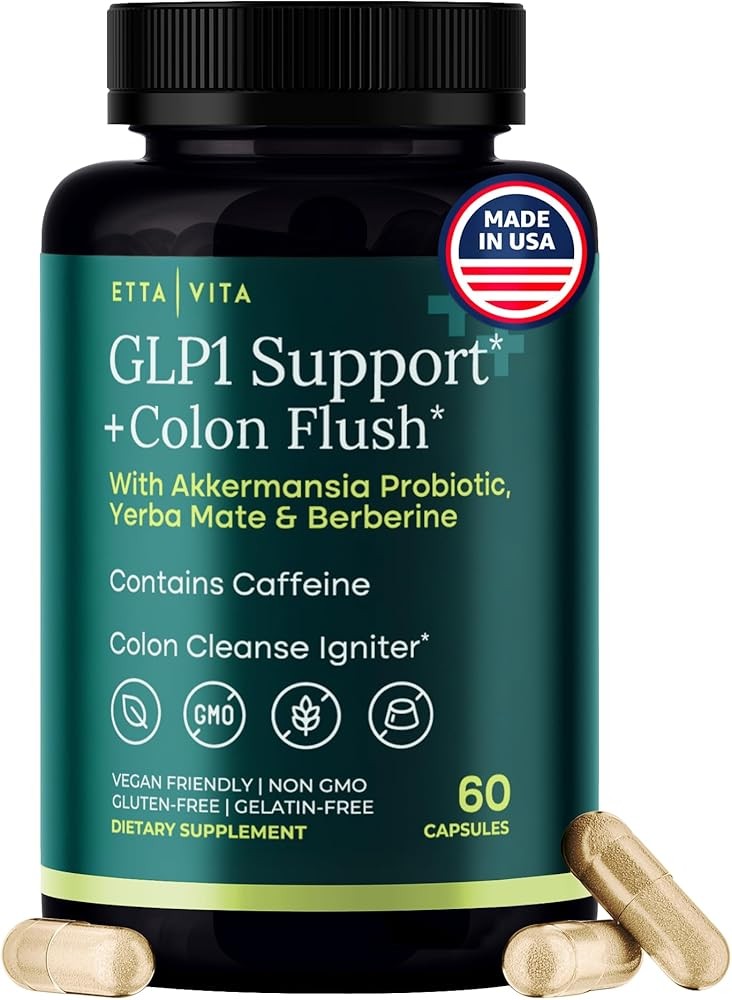
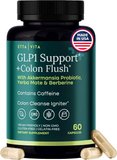
Within 2-4 weeks of stopping Ozempic, hunger rebounds with ferocious intensity as GLP-1 medication effects fade and appetite hormones reset to pre-treatment levels. The GLP-1 Support Supplement with Akkermansia and berberine (B0F3QKYM9J, $39.95) packages two ingredients with real mechanistic rationale, gut support via Akkermansia and metabolic support via berberine. Clinical research on berberine shows modest weight loss of about 2 kg over 12 weeks (PubMed), and weight regain after stopping semaglutide is well documented in the STEP 1 trial extension (PubMed). For budget-conscious maintenance, the GLP-1 Colon Cleanse with Akkermansia and berberine (B0FCYQXQBK) is the cheaper option at $29.95. Here’s what the published research shows about evidence-based supplement strategies for managing the critical post-medication transition period.
Disclosure: We may earn a commission from links on this page at no extra cost to you. Affiliate relationships never influence our ratings. Full policy →
Why Do You Need Supplements After Stopping Ozempic?
When you discontinue Ozempic, Wegovy, Mounjaro, or another GLP-1 receptor agonist medication, you lose a powerful pharmacological tool that was:
- Suppressing appetite by activating GLP-1 receptors in your brain
- Slowing gastric emptying to extend satiety
- Reducing ghrelin (the hunger hormone)
- Decreasing “food noise” - the constant thoughts about eating
- Improving insulin sensitivity and glucose control
Within 2-4 weeks of your final injection, these effects diminish significantly. Hunger returns. Food thoughts intensify. Portions that felt completely satisfying on medication suddenly leave you wanting more. GLP-1 receptor agonists work through both central and peripheral pathways to regulate appetite and energy balance. After weight loss, appetite-related hormones undergo significant changes, with ghrelin increasing and GLP-1 decreasing, creating physiological pressure toward weight regain.
The STEP 1 trial extension demonstrated the reality: participants regained a substantial portion of their lost weight within a year of stopping semaglutide (PubMed). This is not failure of willpower; it is biological adaptation fighting to restore your previous weight, and hormonal changes that persist long after weight loss were documented years earlier (PubMed).
Strategic supplement use during this vulnerable transition period can:
- Partially replace appetite suppression through alternative mechanisms
- Support metabolic adaptations that resist weight regain
- Make necessary behavioral changes (high protein intake, meal structure) more tolerable
- Reduce the intensity of hunger and cravings by 15-20%
Supplements aren’t magic pills that replicate GLP-1 medications. They’re evidence-based tools that, when combined with comprehensive lifestyle modification, significantly improve your odds of being in the successful 30% who maintain their weight loss.
What Are the Most Effective Supplements After Ozempic?
How Does Glucomannan (Konjac Fiber) Help Reduce the risk of Weight Regain?
What it is: Glucomannan is a water-soluble dietary fiber extracted from the root of the konjac plant (Amorphophallus konjac), traditionally used in Asian cuisine. It’s one of the most viscous dietary fibers known.
Mechanism of action:
- Expands up to 50 times its original volume when combined with water
- Forms a viscous gel in the stomach, creating physical sensation of fullness
- Slows gastric emptying (similar to GLP-1 medications, though less pronounced)
- Delays absorption of nutrients, moderating blood sugar and insulin spikes
- Increases production of short-chain fatty acids by gut bacteria
- May modestly increase endogenous GLP-1 secretion through gut fermentation
Clinical evidence:
Systematic review: a systematic review in the Journal of the American College of Nutrition concluded glucomannan modestly reduces body weight in overweight and obese adults, with effects on cholesterol and fasting glucose also reported in some trials (PubMed).
Optimal dosing protocol:
Standard dose for weight maintenance:
- 1 gram glucomannan
- With 8-16 oz (240-480 ml) water
- 30-60 minutes before your two largest meals of the day
- Total daily dose: 2-3 grams
Intensive protocol for high hunger:
- 1 gram before breakfast, lunch, and dinner (3g total)
- Some research supports up to 4-5 grams daily, though GI side effects increase
Critical safety considerations:
CHOKING HAZARD: Glucomannan MUST be taken with adequate water. Cases of esophageal obstruction have been reported when glucomannan tablets expand in the throat rather than stomach.
Safe administration:
- Mix powder form with at least 8 oz water and drink immediately
- If using capsules, take with 16 oz water
- Do not lie down for 30 minutes after taking
- Never take dry powder directly
- Not recommended for people with esophageal disorders or swallowing difficulties
Timing for maximum effect:
- Take 30-60 minutes before meals (allows time for stomach expansion)
- Do not take immediately before eating (may not expand adequately)
- Do not take at bedtime (aspiration risk while lying down)
Side effects:
- Mild to moderate: bloating, gas, loose stools (especially first week)
- Usually resolve as body adapts
- Start with lower dose (0.5g) if GI sensitivity
- Increase water intake to minimize constipation
Drug interactions:
- May reduce absorption of oral medications if taken simultaneously
- Take other medications either 1 hour before or 4 hours after glucomannan
- Particularly important for: diabetes medications, thyroid hormones, blood pressure medications
Product selection:
- Look for pure glucomannan (no fillers or additives)
- Powder form more versatile than capsules
- Reputable brands: NOW Foods, Bulk Supplements, Nutricost
- Typical cost: $15-25 per month
Why this is essential post-GLP-1: GLP-1 medications slow gastric emptying significantly. When you stop the medication, food moves through your stomach much faster, reducing satiety duration. Glucomannan partially compensates by creating physical fullness and slowing gastric emptying through a different (mechanical rather than hormonal) mechanism.
What Does Berberine Do After Stopping GLP-1 Medications?
What it is: Berberine is a bioactive compound extracted from several plants including goldenseal, barberry, Oregon grape, and tree turmeric. It has been used in traditional Chinese and Ayurvedic medicine for thousands of years.
Mechanism of action:
Primary mechanism - AMPK activation:
- Activates AMPK (AMP-activated protein kinase), often called a “metabolic master switch”
- AMPK activation increases glucose uptake in cells (improves insulin sensitivity)
- Increases fat oxidation (burning fat for energy)
- Reduces fat storage and lipogenesis (fat production in liver)
Secondary mechanism - possible GLP-1 enhancement:
- Some research suggests berberine may increase endogenous GLP-1 secretion by intestinal L-cells
- One study showed 20% increase in GLP-1 levels after berberine supplementation
- Mechanism may involve improved gut barrier function and microbiome modulation
Additional metabolic effects:
- Improves insulin sensitivity comparable to metformin
- Reduces hepatic glucose production
- Modulates gut microbiome composition (increases beneficial bacteria)
- Anti-inflammatory effects through multiple pathways
Clinical evidence:
Meta-analysis (2020): a systematic review and meta-analysis of randomized trials found berberine supplementation significantly reduced body weight, BMI, and waist circumference in people with metabolic conditions, with average weight loss around 2 kg over roughly 12 weeks (PubMed).
Comparison to metformin (2008):
- 116 patients with newly diagnosed type 2 diabetes
- Randomized to berberine 500mg three times daily vs. metformin 500mg three times daily
- Berberine produced comparable reductions in: fasting blood glucose, postprandial glucose, HbA1c
- Berberine also improved lipid profile more than metformin
- Source: Yin J, et al. Metabolism. 2008;57(5):712-717. PMID: 18442638
The evidence base for berberine on glucose metabolism dates back to the Yin et al. trial showing effects comparable to metformin in type 2 diabetes (PubMed).
Optimal dosing protocol:
Standard evidence-based dose:
- 500 mg three times daily (1,500 mg total)
- Take with meals (improves absorption and reduces GI side effects)
- Morning, midday, and evening doses
Alternative dosing:
- 1,000 mg twice daily (also effective in some studies)
- 300-500 mg three times daily if GI sensitivity
Timing considerations:
- Take with meals containing carbohydrates for maximum glucose-lowering effect
- Do not take on empty stomach (increases risk of GI upset)
- Split dosing throughout day maintains more stable blood levels than single large dose
Critical safety and side effect information:
Common side effects (especially first 1-2 weeks):
- Digestive upset: diarrhea, gas, cramping, constipation
- Usually mild to moderate and resolve with continued use
- Starting with lower dose (300mg 2x daily) and gradually increasing can minimize
Rare but serious considerations:
- May interact with diabetes medications (additive blood sugar lowering)
- Monitor blood glucose closely if taking with metformin or insulin
- May interact with medications metabolized by CYP450 enzymes
- Could theoretically interact with cyclosporine (immunosuppressant)
Contraindications:
- Pregnancy and breastfeeding (insufficient safety data)
- Severe liver or kidney disease (berberine is metabolized by liver)
- Children (limited pediatric safety data)
Drug interactions - consult healthcare provider if taking:
- Diabetes medications (metformin, sulfonylureas, insulin)
- Blood pressure medications
- Anticoagulants/antiplatelets
- Immunosuppressants (cyclosporine, tacrolimus)
- Sedatives/CNS depressants
Bioavailability considerations:
- Berberine has relatively low oral bioavailability (less than 5%)
- Despite low bioavailability, it still produces significant metabolic effects
- Much of berberine’s action may occur in the gut (microbiome modulation) rather than systemic circulation
- Some newer formulations use liposomal or phytosome technology to enhance absorption
Product selection:
- Choose berberine HCl (hydrochloride form) - most studied
- Third-party tested products (USP, NSF, or ConsumerLab verified)
- Reputable brands: Thorne, NOW Foods, Integrative Therapeutics
- Avoid products with excessive fillers or proprietary blends
- Typical cost: $20-40 per month
Why this matters post-GLP-1: Berberine doesn’t replicate the powerful appetite suppression of GLP-1 medications, but it helps maintain the metabolic improvements (insulin sensitivity, glucose control) that medication provided. Think of it as supporting the foundation while you build behavioral strategies to manage appetite.
How Does 5-HTP Support Appetite Control After Medication?
What it is: 5-Hydroxytryptophan (5-HTP) is the intermediate metabolite between the amino acid L-tryptophan and serotonin. It’s extracted from the seeds of Griffonia simplicifolia, an African plant.
Mechanism of action:
- Direct precursor to serotonin (5-HT) in the brain
- Crosses blood-brain barrier (unlike serotonin itself)
- Increases brain serotonin levels, which regulates:
- Appetite and satiety
- Mood and emotional eating
- Carbohydrate cravings
- Sleep quality
Clinical evidence:
Early appetite studies: In the 1990s, Cangiano and colleagues published small randomized trials in which 5-HTP (roughly 8 mg/kg daily) reduced energy intake, particularly from carbohydrates, and increased satiety in obese women, including one study without dietary restriction (PubMed) (PubMed).
Follow-up study with diet intervention (1998):
- Same research group, 20 obese women
- Two phases: 6 weeks no diet restriction, then 6 weeks with 1,200 calorie diet
- 5-HTP group showed greater weight loss in both phases
- Reduced carbohydrate intake and improved satiety
- Source: Cangiano C, et al. Int J Obes Relat Metab Disord. 1998;22(7):648-654. PMID: 9705024
Satiety and mood study (2012):
- 5-HTP increased feelings of satiety after meals
- Reduced food intake at subsequent meals
- Also showed improvements in mood markers
Optimal dosing protocol:
Standard appetite suppression dose:
- 150-300 mg twice daily
- Take on empty stomach (30-60 minutes before meals or 2 hours after)
- Morning dose and afternoon/evening dose
Alternative protocols:
- Some studies used single doses of 600-900 mg before dinner
- 50-100 mg three times daily (lower but more frequent dosing)
Critical timing considerations:
- Empty stomach absorption is significantly better than with food
- Take 30-60 minutes before meals for maximum appetite suppression
- Evening dose may also improve sleep quality (additional benefit)
- Do not take immediately before bed if prone to vivid dreams or nightmares
EXTREMELY IMPORTANT SAFETY WARNING - SEROTONIN SYNDROME:
NEVER combine 5-HTP with:
- SSRIs (Prozac, Zoloft, Lexapro, Celexa, Paxil)
- SNRIs (Effexor, Cymbalta, Pristiq)
- MAOIs
- Tricyclic antidepressants
- St. John’s Wort
- SAMe
- Tramadol
- Dextromethorphan (DXM in cough medicines)
- Any other serotonergic medications
Serotonin syndrome symptoms (medical emergency):
- Agitation, confusion, restlessness
- Rapid heart rate, high blood pressure
- Dilated pupils
- Muscle rigidity, tremors, twitching
- Profuse sweating
- Diarrhea
- High fever
- In severe cases: seizures, irregular heartbeat, loss of consciousness
If you’re taking any psychiatric medications, 5-HTP is absolutely contraindicated. Choose alternative supplements like glucomannan, chromium, or berberine instead.
Other side effects (generally mild):
- Nausea (usually temporary, first 1-2 weeks)
- Digestive upset
- Vivid dreams or nightmares
- Drowsiness (can be beneficial if taken evening)
Contraindications beyond serotonergic drugs:
- Pregnancy and breastfeeding
- Surgery (discontinue 2 weeks prior)
- Eosinophilia-myalgia syndrome (EMS) history
Product selection:
- Choose products tested for peak X contamination (historical concern from 1980s-90s)
- Griffonia seed extract standardized to 5-HTP content
- Third-party tested (particularly important for 5-HTP)
- Reputable brands: NOW Foods, Natrol, Source Naturals
- Some products include vitamin B6 (pyridoxal-5-phosphate) which is required cofactor for conversion to serotonin
- Typical cost: $10-20 per month
Why this helps post-GLP-1: GLP-1 medications affect multiple neurotransmitter systems including serotonin pathways. When medication is discontinued, serotonin-mediated appetite regulation may be disrupted. 5-HTP provides precursor support for serotonin production, potentially helping maintain some appetite control through this alternative pathway—BUT only if you’re not taking antidepressants.
Does Chromium Picolinate Reduce Cravings?
What it is: Chromium is an essential trace mineral. Picolinate is an organic compound that enhances chromium absorption. Chromium picolinate is the most bioavailable supplemental form.
Mechanism of action:
- Enhances insulin sensitivity at cellular receptor level
- Improves glucose uptake into cells
- Reduces blood sugar fluctuations that trigger hunger
- May affect hypothalamic regulation of appetite
- Possibly influences serotonin and norepinephrine in brain regions controlling food intake
Clinical evidence:
Meta-analysis of weight loss trials (2013):
- Analyzed 11 randomized controlled trials
- Chromium picolinate supplementation produced modest weight loss
- Effect was small but statistically significant
- Greatest benefit seen in participants with high carbohydrate cravings
- Source: Tian H, et al. Obesity Reviews. 2013;14(6):496-507. PMID: 23495911
Craving and mood study (2005): a placebo-controlled trial of chromium picolinate (600 mcg daily) in 113 adults with atypical depression reported improvements in carbohydrate craving and mood in the chromium group (PubMed).
Optimal dosing protocol:
Standard dose for appetite/craving control:
- 200-400 mcg daily
- Can be taken as single dose or split (200 mcg twice daily)
- Take with food (improves absorption)
Higher doses used in some research:
- Up to 1,000 mcg daily (used in carbohydrate craving studies)
- No additional benefit demonstrated beyond 1,000 mcg
- Upper tolerable intake level set at 1,000 mcg/day
Timing:
- Can take any time of day
- With meals improves absorption
- Some people prefer morning dose to address daytime cravings
Safety profile:
- Generally very safe at recommended doses
- Chromium picolinate is considered safer than other forms (chromium chloride can be toxic at high doses)
- Very few reported side effects at 200-1,000 mcg range
Potential side effects (rare at recommended doses):
- Headaches
- Sleep disturbances
- Irritability
- These typically resolve with dosage adjustment
Drug interactions:
- May enhance effects of diabetes medications (monitor blood sugar)
- Theoretically could interact with levothyroxine (thyroid hormone) - separate dosing by 3-4 hours
- May reduce effectiveness of NSAIDs slightly
Contraindications:
- Kidney disease (chromium is excreted by kidneys)
- Liver disease
- Pregnancy/breastfeeding (insufficient safety data, though dietary chromium is essential)
Product selection:
- Chromium picolinate specifically (better absorption than chromium chloride or chromium nicotinate)
- 200 mcg or 500 mcg tablets (easy to achieve target dose)
- Reputable brands: Thorne, NOW Foods, Nutricost
- Very inexpensive: $8-15 per month
- Often included in multivitamins (check your multi before adding separate supplement)
Realistic expectations:
- Chromium is NOT a powerful weight loss supplement
- Effects are modest: 0.5-1 kg additional weight loss over 12-24 weeks
- Greatest benefit for people with high carbohydrate cravings specifically
- May help stabilize blood sugar swings that trigger hunger
- Best viewed as minor supportive supplement, not primary intervention
Why this helps post-GLP-1: GLP-1 medications improve insulin sensitivity and glucose metabolism. After discontinuation, blood sugar regulation may be less stable, potentially contributing to hunger and cravings. Chromium supports continued glucose metabolism efficiency, particularly for those who struggle with carbohydrate cravings.
Why Is Protein Powder Essential for Post-GLP-1 Maintenance?
The protein paradox: The most important “supplement” after stopping GLP-1 medications might actually be protein powder—not because it contains exotic ingredients, but because it helps you achieve the high protein targets that maximize satiety and preserve muscle mass.
Target: 1.6-2.0 grams protein per kilogram ideal body weight
For a 70 kg (154 lb) person, this means 112-140 grams protein daily. This is substantially higher than standard dietary recommendations (0.8 g/kg) and difficult to achieve through whole foods alone, especially when appetite is suppressed and meal frequency is limited.
Mechanisms of protein for weight maintenance:
Satiety effects:
- Highest satiety per calorie of all macronutrients
- Increases production of satiety hormones (GLP-1, PYY, CCK)
- Reduces ghrelin (hunger hormone)
- Slows gastric emptying (similar to fiber)
Thermic effect:
- Protein has highest thermic effect of food (TEF): 25-30%
- You burn 25-30% of protein calories just digesting it
- Compare to carbs (5-10% TEF) and fat (0-3% TEF)
- This means 100 calories of protein only provides ~70-75 net calories
Muscle preservation:
- During weight maintenance or modest deficit, high protein may help reduce muscle loss
- Preserving muscle mass maintains metabolic rate
- Each pound of muscle burns ~6 calories daily at rest (vs. ~2 for fat)
Blood sugar stability:
- Protein blunts blood sugar spikes from carbohydrates
- Reduces insulin response
- May help reduce blood sugar crashes that can trigger hunger
Clinical evidence:
Protein and weight maintenance meta-analysis (2015):
- Analyzed multiple trials of protein intake during weight maintenance
- Higher protein intake (1.2-1.6 g/kg) significantly reduced weight regain
- Also preserved lean muscle mass during maintenance
- Source: Leidy HJ, et al. Am J Clin Nutr. 2015;101(6):1320S-1329S. PMID: 25926512
Protein during maintenance: consensus reviews conclude that higher-protein diets (about 1.2-1.6 g/kg) support better weight maintenance and lean-mass preservation during and after weight loss (PubMed).
Distributing 25-30 g of protein across meals supports satiety better than concentrating intake in one meal. Practical protein powder strategy:
Daily structure:
- Morning: 25-30g protein shake (breakfast or post-workout)
- Afternoon: Whole food protein sources
- Evening: 25-30g protein shake (if needed to reach target)
- This provides 50-60g protein from powder, remaining 50-80g from food
When to use protein powder:
- Immediately after resistance training (promotes recovery)
- As meal replacement when time-limited
- As snack between meals (high satiety per calorie)
- Before bed (slow-digesting casein can support overnight satiety)
Types of protein powder:
Whey protein isolate (best for most people):
- Fastest absorption
- Highest protein content per calorie (90-95% protein by weight)
- Contains all essential amino acids in optimal ratios
- Stimulates muscle protein synthesis most effectively
- Tastes good, mixes easily
- Downside: Not suitable for vegans or lactose intolerant (though isolate has minimal lactose)
Whey protein concentrate:
- Slightly lower protein percentage (70-80%)
- Contains more lactose and fat than isolate
- Usually cheaper than isolate
- Still effective, just less pure
Casein protein:
- Slow-digesting milk protein
- Provides sustained amino acid release (4-6 hours)
- Best use: before bed for overnight satiety and recovery
- Less effective post-workout than whey
Plant-based proteins:
- Pea protein: closest to whey in amino acid profile among plant sources
- Rice protein: complementary amino acids to pea
- Blend of pea + rice often used to create complete amino acid profile
- Hemp, soy, and other plant proteins also available
- Advantage: Suitable for vegans and dairy-allergic
- Disadvantage: Generally lower protein per calorie, sometimes grittier texture, may need larger doses
Product selection:
Whey isolate recommendations:
- Optimum Nutrition Gold Standard 100% Isolate (industry standard)
- Dymatize ISO-100 (very clean, often on sale)
- Isopure Zero Carb (multiple flavors, very lean)
- Look for: 90%+ protein by weight, minimal additives, third-party tested
Plant-based recommendations:
- Orgain Organic Protein (pea, rice, chia blend, good taste)
- Vega Sport (comprehensive amino acid profile)
- NOW Sports Pea Protein (budget option, unflavored)
Quality indicators:
- Third-party tested (NSF Certified for Sport, Informed-Sport, or similar)
- Minimal ingredients (protein, flavoring, minimal sweeteners)
- Avoid: Excessive filler, proprietary blends that hide protein content, amino acid spiking
- Check protein per scoop and calories per scoop (calculate protein percentage)
Cost considerations:
- Whey isolate: $35-60 for 2 lbs (30-40 servings)
- Cost per 25g protein serving: $0.90-$1.50
- Plant protein: Usually $35-50 for similar serving count
- Budget option: Whey concentrate or bulk pea protein ($25-35 per 2 lbs)
Why this is critical post-GLP-1: When on GLP-1 medications, appetite is so suppressed that hitting high protein targets can actually be difficult—you’re simply not hungry enough to eat 120-140g protein daily. After medication stops and appetite returns, there’s opportunity to establish sustainable high-protein eating pattern. Protein powder makes this achievable without requiring 6-8 ounces of chicken at every meal.
What Role Do Omega-3 Fatty Acids Play?
What they are: Omega-3 fatty acids are essential polyunsaturated fats, primarily:
- EPA (eicosapentaenoic acid)
- DHA (docosahexaenoic acid)
- ALA (alpha-linolenic acid) - plant-based, must be converted to EPA/DHA
Marine sources (fish oil, algae oil) provide preformed EPA and DHA.
Mechanisms for weight maintenance:
Anti-inflammatory effects:
- Chronic low-grade inflammation associates with obesity and insulin resistance
- Omega-3s reduce inflammatory cytokines (IL-6, TNF-alpha, CRP)
- May improve insulin sensitivity through anti-inflammatory pathways
Metabolic effects:
- May enhance fat oxidation (burning fat for energy)
- Could improve mitochondrial function
- Some evidence for reduced fat storage
Appetite regulation (mixed evidence):
- Some studies show modest appetite-suppressing effects
- May enhance satiety hormone secretion
- Effects are subtle compared to protein or fiber
Mood and adherence:
- Well-established antidepressant effects of omega-3s
- May reduce emotional eating
- Support adherence to dietary changes during difficult transition
Clinical evidence:
Omega-3 and weight loss meta-analysis (2015):
- Analyzed multiple RCTs of omega-3 supplementation
- Small but significant weight loss effect when combined with diet/exercise
- Effect size: ~0.5-1 kg additional weight loss over 12-24 weeks
- Not effective as standalone intervention
- Source: Du S, et al. PLoS One. 2015;10(11):e0142652. PMID: 26571503
A meta-analysis of randomized trials found fish oil supplementation produced small weight and waist reductions in overweight adults when combined with diet and exercise (PubMed). Optimal dosing protocol:
Standard maintenance dose:
- 2-3 grams combined EPA+DHA daily
- Split into 2 doses with meals (improves absorption, reduces fish burps)
- 1,000-1,500 mg with breakfast, 1,000-1,500 mg with dinner
Higher doses used in research:
- Up to 4-5 grams daily in some trials
- Higher doses may provide additional anti-inflammatory benefit
- Check with healthcare provider before exceeding 3g daily if on blood thinners
Timing:
- Take with meals containing some dietary fat (enhances absorption)
- Splitting dose reduces likelihood of GI upset or fishy aftertaste
- No specific advantage to timing relative to workout or sleep
Safety and side effects:
Generally very safe at recommended doses:
- Minimal side effects for most people
- Most common: mild GI upset, fishy burps (can minimize with enteric-coated or high-quality products)
Potential concerns at high doses (>3g daily):
- May prolong bleeding time (theoretical concern)
- Consult physician if taking anticoagulants/antiplatelets (warfarin, aspirin, etc.)
- May slightly increase LDL cholesterol in some people (though improves other markers)
Drug interactions:
- Blood thinners (warfarin, heparin, aspirin, clopidogrel) - may enhance effects
- Blood pressure medications - may enhance BP-lowering effects (generally beneficial)
Product selection:
Form considerations:
- Triglyceride form: Best absorption, most natural
- Ethyl ester form: Common, slightly lower absorption
- Phospholipid form (krill oil): Good absorption, more expensive
- Algae oil: Vegan option, provides DHA and EPA
Quality indicators:
- Third-party tested for purity (IFOS 5-star rating ideal)
- Tests for: heavy metals (mercury, lead), PCBs, dioxins, oxidation (peroxide value)
- Enteric coating or burp-free technology
- Check label for actual EPA+DHA content (not just “fish oil” - 1,000mg fish oil often contains only 300mg EPA+DHA)
Recommended products:
- Nordic Naturals Ultimate Omega (IFOS certified, very high quality)
- NOW Foods Ultra Omega-3 (good quality, more affordable)
- Sports Research Triple Strength (high concentration, fewer pills)
- Vegan option: Nordic Naturals Algae Omega (DHA+EPA from algae)
Cost:
- Quality fish oil: $25-40 per month for 2-3g EPA+DHA daily
- Budget options: $15-25 per month (but check quality certifications)
Why this supports post-GLP-1 transition: Omega-3s are not primary weight maintenance tools—they won’t replace appetite suppression or create significant calorie deficit. However, they support the metabolic and inflammatory improvements that GLP-1 medications provided. Think of omega-3s as insurance for overall metabolic health during transition, with modest additional weight maintenance benefit.
What Supportive Supplements Help Maintain Weight Loss?
Green Tea Extract (EGCG)
Mechanism:
- EGCG inhibits COMT (catechol-O-methyltransferase) enzyme
- This prolongs action of norepinephrine
- Norepinephrine increases metabolic rate and fat oxidation
- Modest thermogenic (calorie-burning) effect
Evidence:
- Meta-analysis showed 1-2 kg additional weight loss over 12 weeks
- Effect is small but measurable
- Requires at least 400-500mg EGCG daily
Practical use:
- 400-500mg EGCG daily (from standardized extract)
- Take in morning or early afternoon (caffeine content may affect sleep)
- Cost: $15-25 per month
Bottom line: Optional supplement providing small additional thermogenic benefit, but not a primary weight maintenance strategy.
Alpha-Lipoic Acid (ALA)
Mechanism:
- Antioxidant that improves insulin sensitivity
- May enhance glucose uptake in muscle
- Supports mitochondrial function
Evidence:
- Modest weight loss in some studies (1-2 kg over 20 weeks)
- More consistent evidence for blood sugar improvements than weight loss
- 600-1,200mg daily typical dose in research
Practical use:
- 600mg 1-2 times daily
- Take on empty stomach for best absorption (or with food if stomach upset)
- Cost: $20-30 per month
Bottom line: Consider if you have impaired glucose tolerance or pre-diabetes; less compelling as pure weight maintenance supplement.
Conjugated Linoleic Acid (CLA)
Mechanism:
- May reduce fat storage and increase fat burning
- Proposed effects on PPAR-gamma receptors
Evidence:
- Mixed and disappointing overall
- Early promising studies not replicated consistently
- When effective: ~1-2 lbs additional weight loss over 12-24 weeks
- Some studies show no effect
Practical use:
- If trying: 3-4 grams daily (used in most studies)
- Take with meals
- Cost: $25-35 per month
Bottom line: Not recommended as primary supplement given inconsistent evidence and relatively high cost.
Caffeine
Mechanism:
- Stimulates central nervous system
- Increases metabolic rate modestly (3-4%)
- May enhance fat oxidation during exercise
- Reduces appetite in some people
Evidence:
- Well-established thermogenic effect
- Short-term appetite suppression
- Effect diminishes with regular use (tolerance develops)
- Contributes 50-100 additional calories burned daily at 200-400mg
Practical use:
- 200-400mg daily (equivalent to 2-4 cups coffee)
- Take in morning or before workout
- Cycle use (5 days on, 2 days off) to reduce tolerance
- Cost: minimal (coffee) to $10-15 (supplement form)
Cautions:
- Can disrupt sleep if taken afternoon/evening
- May increase anxiety in susceptible individuals
- Not recommended if you have high blood pressure, heart conditions, or anxiety disorders
Bottom line: If you already consume caffeine, strategic timing (before workouts, during morning hours) can optimize its modest metabolic and appetite effects. Not worth starting if you don’t currently use caffeine.
Prebiotics and Probiotics
Mechanism:
- Modulate gut microbiome composition
- Some bacterial strains associate with lean body composition
- May affect:
- Intestinal GLP-1 secretion
- Appetite hormone production
- Inflammation
- Nutrient absorption
Evidence:
- Emerging research, still preliminary
- Specific strains showing promise:
- Akkermansia muciniphila (strengthens gut barrier, may increase GLP-1)
- Lactobacillus gasseri (modest weight loss in some studies)
- Lactobacillus rhamnosus (weight maintenance in women in one study)
- Prebiotics (fiber that feeds beneficial bacteria): inulin, FOS, resistant starch
Practical use:
- Probiotic: Multi-strain formula with 10-50 billion CFU
- Or specific strain if targeting weight (L. gasseri products)
- Prebiotic: 5-10g inulin or FOS daily
- Take probiotics on empty stomach
- Take prebiotics with meals
- Cost: $25-50 per month
Bottom line: Interesting emerging area, but not yet proven as primary weight maintenance tool. Consider as supportive supplement if you’re already optimizing gut health or have digestive issues.
What Are the Emerging Supplement Options?
Yerba Mate
Background: South American plant traditionally brewed as tea, contains caffeine, theobromine, and polyphenols.
Proposed mechanisms:
- Thermogenic effects from caffeine content
- May enhance fat oxidation
- Appetite suppression reported anecdotally
Evidence:
- Limited controlled trials specifically for weight loss
- Some small studies show modest effects
- Often combined with other ingredients in commercial products
Practical use:
- 1-3 cups tea daily, or 1,000-1,500mg extract
- Cost: $10-20 per month
Bottom line: Possibly helpful if you enjoy the taste, but insufficient evidence to prioritize over proven supplements.
Coleus Forskohlii (Forskolin)
Mechanism:
- Activates adenylyl cyclase, increasing cAMP
- Theoretically enhances fat breakdown and thermogenesis
Evidence:
- Very limited and mixed human trials
- Some studies show small body composition changes
- Other studies show no effect
- Typical dose in research: 250-500mg standardized extract daily
Bottom line: Insufficient evidence to recommend. Heavily marketed but under-researched.
Gymnema Sylvestre
Mechanism:
- May reduce sugar absorption in intestines
- Reported to reduce sweet taste perception
- Traditional use for blood sugar control in Ayurvedic medicine
Evidence:
- Better evidence for blood sugar management than weight loss
- May reduce sugar cravings in some people
- 400-600mg daily typical dose
Bottom line: Consider if you specifically struggle with sugar cravings and sweet taste triggers overeating. Limited direct weight loss evidence.
Apple Cider Vinegar
Mechanism:
- May slow gastric emptying
- Could modestly improve insulin sensitivity
- Acetic acid may affect fat storage pathways
Evidence:
- Very limited controlled trials
- One small Japanese study showed 1-2 kg weight loss over 12 weeks
- Effect likely due to appetite suppression from unpleasant taste
- Many anecdotal reports, minimal rigorous research
Practical use:
- 1-2 tablespoons diluted in water before meals
- Capsule form available (400-500mg)
- MUST dilute liquid form (undiluted damages tooth enamel and esophagus)
Bottom line: If you enjoy it, may provide small benefit. Not worth forcing yourself if you find it unpleasant. Unlikely to be significant contributor to weight maintenance.
How Should You Stack Supplements for Best Results?
Foundation Stack (Essential - Start Here)
Glucomannan + Protein Powder + Omega-3
This covers the three primary bases:
- Physical satiety (glucomannan expanding in stomach)
- Adequate protein intake (1.6-2.0g/kg) for satiety and muscle preservation
- Metabolic/inflammatory support (omega-3s)
Cost: $75-90/month Implementation:
- Glucomannan: 1g with 16oz water, 30 min before lunch and dinner
- Protein powder: 25-30g morning and evening (50-60g daily total)
- Omega-3: 1,000-1,500mg EPA+DHA with breakfast, 1,000-1,500mg with dinner
Start with this foundation for first 2-4 weeks before adding anything else. This allows you to assess baseline effectiveness and avoid overwhelming your body (and wallet) with too many simultaneous changes.
Metabolic Enhancement Stack (Add After Foundation Established)
Foundation Stack + Berberine
Adds metabolic and insulin sensitivity support.
Additional cost: +$25-35/month Total: $100-125/month
Implementation:
- All foundation stack items (above)
- Berberine 500mg three times daily with meals
Use this stack for 4-8 weeks. Track:
- Weight stability
- Hunger levels (1-10 scale)
- Energy levels
- Fasting blood glucose (if you track)
If weight and hunger are well-controlled on this stack, you may not need additional supplements. If still struggling with significant hunger or cravings, add appetite modulators below.
Comprehensive Appetite Control Stack
Foundation + Berberine + Appetite Modulator (5-HTP or Chromium)
Choose appetite modulator based on your situation:
- 5-HTP (150-300mg twice daily): If NOT on antidepressants, particularly if you have emotional eating patterns or evening snacking issues
- Chromium picolinate (200-400mcg daily): If you have specific carbohydrate cravings, or if you ARE on antidepressants (since 5-HTP is contraindicated)
Additional cost: +$15-20/month Total: $115-145/month
Implementation:
- All foundation items
- Berberine 500mg three times daily with meals
- 5-HTP 150-300mg on empty stomach 30-60 min before breakfast and dinner
- OR chromium picolinate 200-400mcg with lunch
Advanced Performance Stack (For Those Also Focusing on Exercise/Body Composition)
Comprehensive Stack + Green Tea Extract + Caffeine (Strategic Timing)
Additional cost: +$20-30/month Total: $135-175/month
Implementation:
- All comprehensive stack items
- Green tea extract 400-500mg EGCG in morning
- Caffeine 200mg pre-workout (if exercising) or mid-morning
This stack makes sense if:
- You’re incorporating regular resistance training or cardio
- You want to maximize metabolic rate
- You’re comfortable with caffeine and it doesn’t affect your sleep
Budget-Conscious Minimal Stack
If limited to $75-90/month maximum:
Priority 1-2-3 approach:
- Glucomannan ($15-20) - Most direct appetite/satiety benefit
- Protein powder ($35-45) - Essential for hitting protein targets
- Omega-3 ($20-25) - Metabolic support
If you can only afford TWO ($50-60):
- Glucomannan + Protein powder
- Skip omega-3 temporarily, focus on fatty fish in diet 2-3x weekly
If you can only afford ONE ($35-45):
- Protein powder
- Prioritize food-based solutions for everything else: high fiber foods, fatty fish, walking for metabolic support
What About Pre-Made “Weight Loss” Supplement Stacks?
Many companies sell pre-formulated supplement combinations with names like “Appetite Control Formula” or “Weight Management System.”
Pros:
- Convenience (single product vs. multiple bottles)
- Sometimes contain synergistic combinations
- May cost less than buying ingredients separately
Cons:
- Often use proprietary blends (you can’t see individual ingredient amounts)
- Frequently under-dose key ingredients
- Include ineffective “filler” ingredients to make label impressive
- Can’t adjust individual components to your needs
- Usually more expensive per active ingredient than buying separately
Bottom line on pre-made stacks: Avoid unless:
- Label clearly states amounts of each ingredient (no “proprietary blend”)
- Amounts match research-backed doses
- Cost is comparable to buying ingredients individually
- Product is from highly reputable company with third-party testing
In most cases, building your own stack from individual evidence-based supplements gives you more control and better value.
Which Supplements Should You Avoid After Stopping GLP-1?
Supplements With Insufficient Evidence or Safety Concerns
Garcinia Cambogia (Hydroxycitric Acid):
- Heavily marketed, minimal evidence
- Meta-analyses show no meaningful weight loss effect
- Some concerns about liver toxicity at high doses
- Verdict: Skip it
Raspberry Ketones:
- No human clinical trials showing weight loss
- All evidence from animal studies or in vitro research
- Classic example of supplement industry hype
- Verdict: Skip it
Bitter Orange (Synephrine):
- Marketed as ephedra substitute after ephedra ban
- Concerns about cardiovascular effects (increased heart rate, BP)
- Limited weight loss evidence
- Risk not worth modest potential benefit
- Verdict: Avoid
“Cleanse” or “Detox” Products:
- No scientific basis for “detoxification”
- Often just expensive laxatives
- Can cause electrolyte imbalances
- May interfere with nutrient absorption
- Verdict: Avoid
Proprietary “Fat Burner” Blends:
- Usually mix of caffeine + ineffective ingredients
- Amounts hidden in proprietary blends
- Often expensive
- Can get better results from caffeine alone or proven ingredients
- Verdict: Generally skip
Supplements That May Interfere With Medications
If you’re taking medications (diabetes, blood pressure, psychiatric, anticoagulants, immunosuppressants, thyroid), you MUST discuss any supplements with your prescribing physician and pharmacist.
High-risk interactions:
- 5-HTP + any serotonergic medication = SEROTONIN SYNDROME
- Berberine + diabetes medications = hypoglycemia risk
- Berberine + immunosuppressants = possible interactions
- Omega-3 (high dose) + blood thinners = bleeding risk
- Glucomannan + any oral medication taken simultaneously = reduced absorption
What Are the Best Product Recommendations by Category?
Best Glucomannan Products
- Best overall: NOW Foods Glucomannan Powder (pure, affordable, mixable)
- Best capsules: Nutricost Glucomannan 1,000mg (convenient pre-measured)
- Budget option: Bulk Supplements Glucomannan Powder (very economical)
Best Berberine Products
- Best quality: Thorne Berberine-500 (third-party tested, pharmaceutical grade)
- Best value: NOW Foods Berberine Glucose Support (quality and affordable)
- Time-release: Integrative Therapeutics Berberine Complex (reduces GI side effects)
Best 5-HTP Products
- Best overall: NOW Foods 5-HTP 200mg (standardized, reputable brand)
- With B6 cofactor: Natrol 5-HTP TR (time release, includes B6)
- High dose option: Source Naturals 5-HTP 100mg (flexible dosing)
Best Chromium Picolinate Products
- Best absorption: Thorne Chromium Picolinate 500mcg
- Budget option: NOW Foods Chromium Picolinate 200mcg
Best Protein Powders
- Best whey isolate: Optimum Nutrition Gold Standard 100% Isolate
- Best value whey: Dymatize ISO-100 (often on sale, very clean)
- Best plant-based: Orgain Organic Protein Powder (pea, rice, chia blend)
- Best taste: Isopure Zero Carb (very clean, multiple flavors)
Best Omega-3 Fish Oil Products
- Best overall: Nordic Naturals Ultimate Omega (IFOS certified, highest quality)
- Best value: NOW Foods Ultra Omega-3 (good quality, affordable)
- Highest concentration: Sports Research Triple Strength Omega-3 (fewer pills needed)
When Should You Start Each Supplement?
Timeline for Supplement Introduction
Week 1 (Immediately After Final GLP-1 Injection):
- Start glucomannan (no adjustment period needed)
- Start protein powder (begin establishing high-protein eating pattern)
- Start omega-3 (takes 4-6 weeks to see full anti-inflammatory effects, so start early)
Week 2-3:
- Add berberine (allows monitoring for GI tolerance)
- By this time, medication levels declining significantly
Week 3-4:
- Add appetite modulator (5-HTP or chromium)
- This timing coincides with when appetite rebound typically peaks
- Hunger will be most intense 2-5 weeks post-final injection
Week 8-12:
- Re-evaluate supplement stack
- What’s working? What’s not providing noticeable benefit?
- Consider adding or removing supplements based on results
- This is when you have enough data to make informed decisions
Why Stagger Introduction Rather Than Starting Everything Simultaneously?
Reason 1: Identifying what works If you start 6 supplements on the same day, you can’t tell which ones are actually helping. Staggered introduction lets you assess individual impact.
Reason 2: Managing side effects Starting too many supplements at once can cause GI upset, making it hard to identify culprit. Gradual introduction allows your body to adapt.
Reason 3: Financial pacing $150/month supplement budget is substantial. Staggered approach lets you build gradually rather than shock to budget.
Reason 4: Simplifying adherence Taking 15 pills daily from day one is overwhelming. Building gradually makes the routine more sustainable.
How Do You Measure If Supplements Are Working?
Key Metrics to Track
Body weight:
- Weigh daily at same time (morning, after bathroom, before eating)
- Track weekly average (reduces day-to-day fluctuation noise)
- Success metric: Maintaining within 2-3 lbs of post-medication weight
Hunger levels:
- Rate 1-10 scale daily (1 = no hunger, 10 = extreme hunger)
- Track before meals and bedtime
- Success metric: Average hunger 3-5 (manageable) vs. 7-9 (overwhelming)
Cravings:
- Frequency and intensity of food thoughts
- Rate 1-10 scale
- Success metric: Cravings present but not dominating thoughts all day
Energy levels:
- Rate 1-10 daily
- Note: Some supplements (berberine) may initially cause fatigue
- Success metric: Stable energy, not extreme crashes
Adherence to eating plan:
- Track how often you stick to intended eating pattern
- Count “unplanned eating episodes” per week
- Success metric: 80-90% adherence (allows flexibility, not perfection)
Laboratory values (optional but valuable):
- Fasting blood glucose
- HbA1c (if diabetic or pre-diabetic)
- Lipid panel
- These provide objective metabolic health markers
- Test at baseline and 12 weeks
Decision Framework: What Results Tell You
If weight stable + hunger manageable (3-5/10) = Success
- Current supplement stack working
- Continue current protocol
- Consider reducing to find minimum effective dose
If weight stable + hunger HIGH (7-9/10) = Partial success
- Supplements helping metabolically but not enough appetite control
- Add or increase appetite modulator (5-HTP or chromium)
- Review eating pattern (may need higher protein or more structured meal timing)
If weight creeping up + hunger manageable = Calorie problem
- Supplements helping appetite but calorie intake still excessive
- May need to track food intake more carefully
- Supplements alone not sufficient
If weight creeping up + hunger HIGH = Need comprehensive intervention
- Supplements not providing adequate support
- Consider:
- Increasing supplement doses (if below research-backed amounts)
- Adding additional supplement(s)
- Consulting physician about medication options (possibly restarting GLP-1 or trying maintenance dose)
- Working with dietitian or behavioral specialist
What Are the Advanced Supplement Optimization Strategies?
Cycling Protocols
What is cycling? Alternating periods on vs. off supplements (or high dose vs. low dose) to potentially reduce tolerance development or maintain effectiveness.
Which supplements benefit from cycling?
Caffeine: Strong candidate
- Tolerance develops quickly with daily use
- Consider: 5 days on, 2 days off each week
- Or: 3 weeks on, 1 week off each month
- Preserves effectiveness
5-HTP: Possible benefit
- Some practitioners recommend cycling to maintain sensitivity
- Example: 12 weeks on, 2-4 weeks off
- Limited research on necessity
Chromium, berberine, glucomannan, omega-3, protein: NOT necessary
- No tolerance development
- Work through metabolic or mechanical mechanisms that don’t diminish
- Continuous use appropriate
Strategic Supplement Timing Around Challenging Situations
High-risk eating situations:
- Social events, restaurants, holidays
- Consider taking double dose of glucomannan before these meals
- Or take additional 5-HTP dose 60 minutes before event
Weekend vs. weekday approach:
- Some people struggle more with structure on weekends
- Option: Standard supplement dose weekdays, enhanced protocol weekends
- Example: 3g glucomannan daily on weekends vs. 2g daily on weekdays
Menstrual cycle considerations (for women):
- Many women experience increased hunger/cravings during luteal phase (week before period)
- Option: Increase chromium or 5-HTP during this week
- Track patterns for 2-3 cycles to identify if you need this adjustment
Synergistic Stacking Strategies
Glucomannan + High Protein Meal:
- Take glucomannan 30 min before high-protein meal
- Combined effect: Physical fullness (glucomannan) + hormonal satiety signals (protein) + thermogenic effect (protein)
- This combination produces maximum satiety per calorie
Berberine + Exercise:
- Berberine improves insulin sensitivity
- Exercise also improves insulin sensitivity
- Taken together, effects may be additive
- Consider: Berberine dose 30-60 min before resistance training
5-HTP + Sleep Optimization:
- 5-HTP increases serotonin, which converts to melatonin
- Taking dose 30-60 min before bed may improve sleep quality
- Better sleep supports leptin/ghrelin balance for next day appetite control
What If Supplements Stop Working?
Tolerance vs. adaptation:
- True pharmacological tolerance (like caffeine) is rare for most supplements
- More likely: Body adapted to new weight, or behavioral habits slipped
Troubleshooting steps:
- Verify adherence:
- Are you still taking supplements consistently?
- Correct doses?
- Proper timing?
- Check dietary patterns:
- Has protein intake decreased?
- Are you eating more processed foods?
- Has meal structure become irregular?
- Assess non-supplement factors:
- Sleep quality declined?
- Stress increased?
- Exercise reduced?
- Consider dose adjustment:
- If taking lower end of research range, try increasing
- Example: Berberine 300mg 3x daily → 500mg 3x daily
- Try temporary discontinuation and restart:
- Stop all supplements for 2 weeks (except protein and omega-3)
- Then restart foundation stack
- Can “reset” sensitivity
- Rotate appetite modulators:
- If 5-HTP seems less effective after 12 weeks, try switching to chromium for 8-12 weeks
- Then can rotate back to 5-HTP
Personalization Based on Your Specific Challenges
If your primary issue is EVENING hunger and snacking:
- Prioritize: 5-HTP taken 30-60 min before dinner
- Ensure: Adequate protein at dinner (40-50g)
- Consider: Casein protein shake before bed (slow-digesting)
- Add: Glucomannan with dinner
If your primary issue is CARBOHYDRATE cravings:
- Prioritize: Chromium picolinate 200-400mcg daily
- Ensure: Adequate protein and fat with carbohydrate meals (blunts blood sugar spikes)
- Consider: Berberine for insulin sensitivity
- Minimize: Refined carbohydrates and added sugars
If your primary issue is EMOTIONAL eating:
- Prioritize: 5-HTP for mood/serotonin support (if not on antidepressants)
- Ensure: Omega-3 for mood benefits
- Consider: Working with therapist or counselor on eating behaviors
- Add: Stress management practices (meditation, exercise, sleep)
If your primary issue is “FOOD NOISE” (constant thoughts about food):
- Prioritize: High protein intake (1.8-2.0g/kg) - most effective for reducing food thoughts
- Add: 5-HTP for serotonin regulation (if not on antidepressants)
- Ensure: Adequate sleep (sleep deprivation increases food noise dramatically)
- Consider: Structured eating times (reduces decision fatigue about when to eat)
Supplement Holidays and Maintenance Phases
After 12-24 months of successful weight maintenance:
Some people can reduce supplement intensity:
Experiment with:
- Reducing supplement doses to lower end of ranges
- Eliminating one supplement at a time to find minimum effective protocol
- Using supplements only during challenging times rather than daily
Always maintain:
- High protein intake (protein powder remains useful tool)
- Omega-3 for overall health benefits
Monitor closely:
- Weight (daily weigh-ins)
- Hunger levels
- Any weight regain triggers need to return to full protocol
Important: Most people who successfully maintain weight loss continue some level of supplement support long-term. This isn’t failure—it’s recognizing the biological reality that your body continues to defend higher weight for years after loss.
What’s the Bottom Line on Supplements After Ozempic?
Reality Check: What Supplements Can and Cannot Do
What supplements CAN do:
- Reduce hunger and cravings by 15-20% compared to no supplements
- Support metabolic adaptations (insulin sensitivity, glucose control)
- Make behavioral changes (high protein intake, meal structure) more tolerable
- Provide modest additional weight loss of 2-5 lbs over 12 weeks
- Bridge the gap between medication effects and sustainable lifestyle changes
What supplements CANNOT do:
- Replicate the powerful appetite suppression of GLP-1 medications
- Produce 10-15% body weight loss on their own
- Overcome poor dietary choices or sedentary lifestyle
- Guarantee weight maintenance without comprehensive behavioral changes
The honest truth: Supplements are tools, not solutions. They work when integrated into a comprehensive post-medication strategy that includes:
- High protein intake (1.6-2.0g/kg daily)
- Structured eating patterns (meal timing, portion awareness)
- Regular physical activity (especially resistance training)
- Sleep optimization (7-9 hours)
- Stress management
- Self-monitoring (weight, food intake, hunger levels)
- Social support
Supplements might contribute 20-30% of the benefit in this comprehensive approach. The other 70-80% comes from lifestyle factors. But that 20-30% can make the difference between white-knuckling through overwhelming hunger (and eventually failing) vs. managing tolerable hunger (and succeeding).
Investment Analysis: Is It Worth $120-200/Month on Supplements?
Compare to:
- GLP-1 medication costs: $900-1,300/month without insurance
- Cost of regaining weight and potentially needing to restart medication: Emotional and financial toll
- Healthcare costs of obesity-related conditions: Thousands annually
Perspective: $120-200/month for evidence-based supplements that support weight maintenance is a significant investment, but substantially less than medication and far less than long-term healthcare costs of weight regain.
Budget-conscious approach: Even $75-90/month foundation stack (glucomannan + protein + omega-3) provides majority of benefit.
Who Is Most Likely to Benefit From Post-GLP-1 Supplement Strategy?
Best candidates:
- People who lost significant weight (20+ lbs) on GLP-1 medications
- Those experiencing intense hunger rebound after stopping medication
- Individuals willing to implement comprehensive lifestyle changes alongside supplements
- People who can commit to supplement protocol for 6-12+ months
- Those without contraindications (especially 5-HTP + antidepressants)
Less ideal candidates:
- People expecting supplements alone to maintain weight (need realistic expectations)
- Those with multiple medication contraindications
- Individuals not willing to track outcomes and adjust approach
- People hoping for “magic pill” rather than understanding supplements as supportive tools
Final Recommendations
1. Start with Foundation Stack:
- Glucomannan + protein powder + omega-3
- Use for 2-4 weeks before adding more
- Cost: $75-90/month
2. Add Metabolic Support:
- Berberine 500mg three times daily with meals
- Week 2-3 after stopping medication
- Additional cost: $25-35/month
3. Add Appetite Modulator If Needed:
- 5-HTP 150-300mg twice daily on empty stomach (if NOT on antidepressants)
- OR chromium picolinate 200-400mcg daily with meal
- Week 3-4 after stopping medication
- Additional cost: $15-20/month
4. Prioritize Protein Above All:
- 1.6-2.0g/kg ideal body weight daily
- Protein powder makes this achievable
- Single most important nutritional factor for satiety
5. Be Patient:
- Full supplement effects take 8-12 weeks
- Weight maintenance is measured in months and years, not days and weeks
6. Track Data:
- Daily weight (weekly average)
- Hunger levels (1-10 scale)
- Adherence to eating plan
- Use data to adjust supplement strategy
7. Understand Contraindications:
- NEVER 5-HTP with antidepressants
- Check all drug interactions
- Consult healthcare provider if taking medications
8. Buy Quality:
- Third-party tested products
- Reputable brands
- Avoid proprietary blends and under-dosed formulas
9. Recognize Long-Term Reality:
- Plan for 6-12+ months minimum
- Many people need ongoing supplement support
- This is managing biology, not personal failure
10. Seek Professional Support:
- Discuss supplement plan with physician
- Consider working with registered dietitian
- Behavioral therapist can help with eating patterns
- You don’t have to do this alone
People who successfully maintain weight after GLP-1 discontinuation typically use 3-5 supplements from this list PLUS intensive lifestyle interventions, not supplements alone.
Related Reading
Explore these related articles for comprehensive post-GLP-1 weight maintenance strategies:
-
Best Protein Powders for Weight Loss and Muscle Preservation
-
Omega-3 Fatty Acids: Complete Evidence-Based Guide
-
Berberine vs. Metformin: Comparing Metabolic Benefits
-
Glucomannan Fiber: Clinical Evidence for Weight Control
-
5-HTP for Appetite Control: Safety and Effectiveness
-
Chromium Picolinate: Does It Reduce Cravings?
-
High Protein Diet for Weight Maintenance After Weight Loss
-
GLP-1 Medications: Understanding How They Work
-
Managing Hunger After Stopping Ozempic: Complete Guide to Appetite Control Post-GLP-1
-
The Post-Ozempic Protocol: 12-Week Transition Plan to Maintain Weight Loss After Stopping GLP-1s
-
Intermittent Fasting After Ozempic: Complete Guide to Post-GLP-1 Time-Restricted Eating
References and Clinical Studies
- Wilding JPH, Batterham RL, Calanna S, et al. Once-Weekly Semaglutide in Adults With Overweight or Obesity. New England Journal of Medicine, 2021. PubMed
- Rubino D, Abrahamsson N, Davies M, et al. Weight Regain and Cardiometabolic Effects After Withdrawal of Semaglutide: The STEP 1 Trial Extension. Diabetes, Obesity and Metabolism, 2022. PubMed
- Sumithran P, Prendergast LA, Delbridge E, et al. Long-Term Persistence of Hormonal Adaptations to Weight Loss. New England Journal of Medicine, 2011. PubMed
- Onakpoya I, Posadzki P, Ernst E. The Efficacy of Glucomannan Supplementation in Overweight and Obesity: A Systematic Review and Meta-Analysis of Randomized Clinical Trials. Journal of the American College of Nutrition, 2014. PubMed
- Asbaghi O, Ghanbari N, Shekari M, et al. The Effect of Berberine Supplementation on Obesity Parameters, Inflammation and Liver Function Enzymes: A Systematic Review and Meta-Analysis of Randomized Controlled Trials. Clinical Nutrition ESPEN, 2020. PubMed
- Yin J, Xing H, Ye J. Efficacy of Berberine in Patients With Type 2 Diabetes Mellitus. Metabolism, 2008. PubMed
- Cangiano C, Ceci F, Cascino A, et al. Eating Behavior and Adherence to Dietary Prescriptions in Obese Adult Subjects Treated With 5-Hydroxytryptophan. American Journal of Clinical Nutrition, 1992. PubMed
- Cangiano C, Laviano A, Del Ben M, et al. Effects of Oral 5-Hydroxy-Tryptophan on Energy Intake and Macronutrient Selection in Non-Insulin Dependent Diabetic Patients. International Journal of Obesity and Related Metabolic Disorders, 1998. PubMed
- Tian H, Guo X, Wang X, et al. Chromium Picolinate Supplementation for Overweight or Obese Adults. Obesity Reviews, 2013. PubMed
- Docherty JP, Sack DA, Roffman M, et al. A Double-Blind, Placebo-Controlled, Exploratory Trial of Chromium Picolinate in Atypical Depression: Effect on Carbohydrate Craving. Journal of Psychiatric Practice, 2005. PubMed
- Leidy HJ, Clifton PM, Astrup A, et al. The Role of Protein in Weight Loss and Maintenance. American Journal of Clinical Nutrition, 2015. PubMed
- Du S, Jin J, Fang W, Su Q. Does Fish Oil Have an Anti-Obesity Effect in Overweight/Obese Adults? A Meta-Analysis of Randomized Controlled Trials. PLOS ONE, 2015. PubMed
Recommended Products