Best Supplements for Energy and Fatigue: What Actually Works Beyond Caffeine
Summarized from peer-reviewed research indexed in PubMed. See citations below.
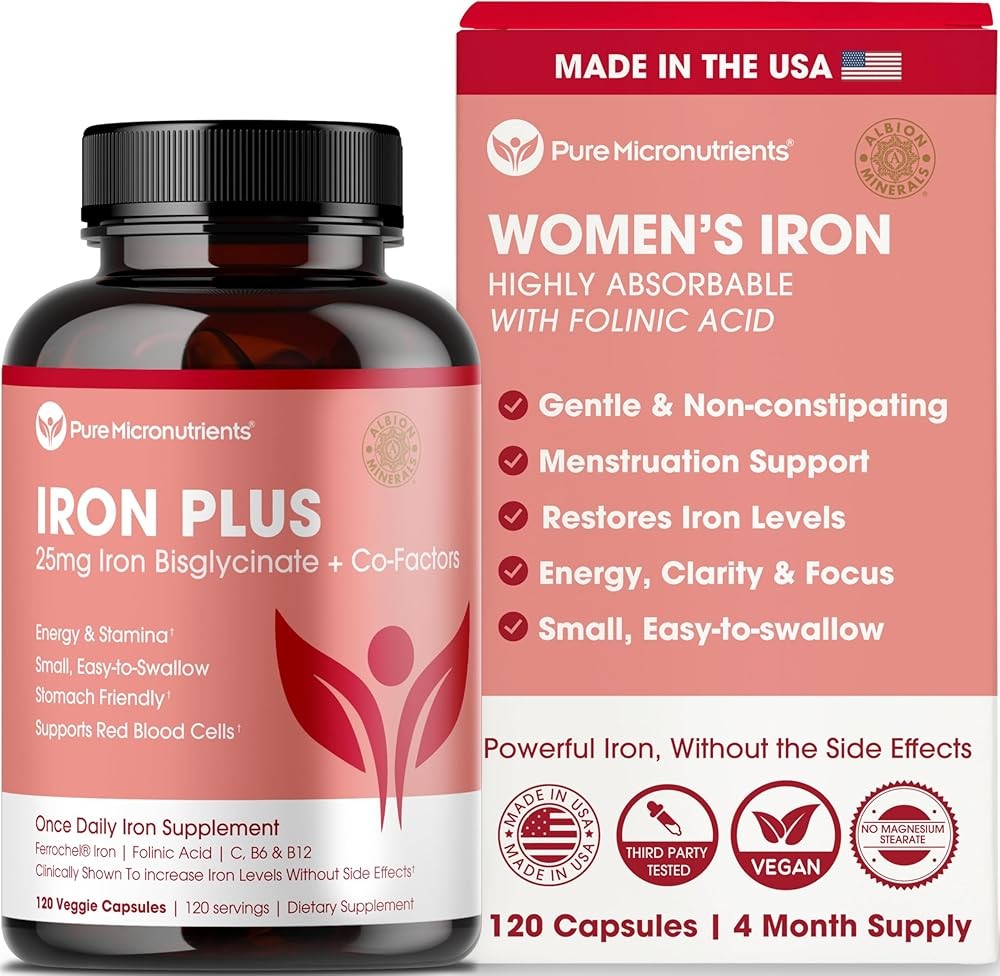
Iron deficiency is the most common nutritional deficiency in the world, and it is the best-studied nutritional cause of persistent fatigue: in a 2012 randomized trial in the Canadian Medical Association Journal, 198 nonanemic women with ferritin below 50 µg/L took 80 mg of elemental iron or placebo daily for 12 weeks, and fatigue scores dropped 47.7% in the iron group versus 28.8% in the placebo group (PubMed 22777991). That trial matters because most of those women would have been told their labs were “normal.” For that cause of fatigue, a gentle chelated iron like Iron Bisglycinate 25mg ($24.97 for 120 capsules) is our Best Overall pick. But iron is only one of several evidence-backed answers, because fatigue is not one condition: CoQ10, vitamin D, magnesium, creatine, rhodiola, and ashwagandha each have controlled data for specific fatigue mechanisms, which is what the published research actually shows. Here is what works, what does not, and the testing that should come before any of it.
Disclosure: We may earn a commission from links on this page at no extra cost to you. Affiliate relationships never influence our ratings. Full policy →
Quick Comparison: Top Energy Supplements
| Product | Price | Key Ingredient | Dose Per Day | Best For |
|---|---|---|---|---|
| Gentle Iron Bisglycinate 25mg | $24.97 (120 caps) | Iron bisglycinate, 25 mg elemental | 1 capsule | Iron-deficiency fatigue (ferritin <50) |
| MegaFood Iron Energy Gummies | $19.99 (60 gummies) | Iron 4 mg + B vitamins per gummy | 1-3 gummies | Mild repletion, maintenance |
| Qunol Ubiquinol 200mg | $39.99 (60 softgels) | Ubiquinol (active CoQ10), 200 mg | 1 softgel with a fatty meal | Mitochondrial, statin-related fatigue |
| Zeal Adaptogenic Ashwagandha Complex | $19.95 (90 caps) | Ashwagandha root + rhodiola + turmeric, 2005 mg blend | 1-2 capsules | Stress-related fatigue |
Why Are You So Tired When Your Bloodwork Is “Normal”?
You went to the doctor. They ran bloodwork. Everything came back “normal.” You are still exhausted by mid-afternoon, or you wake up as tired as when you went to bed, or you have been compulsively chewing ice. The gap between a lab’s reference range and the level where your body actually runs well is one of the most important ideas in fatigue medicine, and it explains most of this article.
Ferritin is the clearest example. Most labs flag ferritin only below 12-15 ng/mL, yet the clinical trials that showed iron relieves fatigue enrolled women with ferritin below 50 µg/L and normal hemoglobin, women whose doctors would have called their labs normal (PubMed 22777991, 12763985). Vitamin D shows the same pattern: the double-blind trial that found a single high dose improved fatigue recruited people below 20 µg/L, a level commonly labeled “insufficient” rather than “deficient” (PubMed 28033244). And B12 can cause fatigue, brain fog, and nerve symptoms at serum levels that fall inside the standard range, which is why functional tests such as methylmalonic acid and homocysteine matter when symptoms are real but the number looks fine.
So this article does three things. It maps the distinct causes of fatigue so you can identify yours. It reviews the supplements with genuine randomized-trial support, with the actual numbers and study sizes. And it is blunt about the rule that governs all of it: test before you supplement, because the right supplement for the wrong cause is an expensive placebo, and a few of these compounds are actively dangerous if you take them for the wrong reason.
What Are the Five Types of Fatigue?
Fatigue is a symptom with multiple root causes, and each cause responds to a different strategy. If you approach all fatigue as one condition, you will keep buying the wrong bottles.
1. Iron-Deficiency Fatigue
Mechanism: Low iron stores reduce hemoglobin production and impair oxygen delivery, and iron is also required for thyroid hormone synthesis and cellular energy metabolism.
Classic presentation: Menstruating women, vegetarians and vegans, people with GI bleeding or absorption problems. Ice craving, restless legs, pale inner eyelids, brittle nails, shortness of breath on stairs.
Testing: Serum ferritin, hemoglobin, and transferrin saturation. The trials that matter used ferritin below 50 µg/L as the entry criterion even with normal hemoglobin (PubMed 22777991).
Evidence-based option: Iron bisglycinate, 18-65 mg elemental iron daily.
2. Mitochondrial Fatigue
Mechanism: Impaired ATP production from mitochondrial dysfunction, often with coenzyme Q10 depletion. Statins cause this by blocking the same HMG-CoA reductase pathway the body uses to make CoQ10.
Classic presentation: Chronic fatigue syndrome and fibromyalgia histories, post-viral fatigue, statin users, severe exercise intolerance, and “crashing” the day after exertion.
Testing: No routine clinical test; CoQ10 research assays and organic-acid testing are used mainly in specialist settings.
Evidence-based options: CoQ10 (or ubiquinol), creatine, magnesium, and sometimes L-carnitine.
3. Stress-Related Fatigue
Mechanism: HPA axis dysregulation from chronic stress, producing altered cortisol patterns that leave you exhausted but unable to switch off.
Classic presentation: “Tired but wired.” Difficulty falling asleep despite exhaustion, afternoon crashes, feeling overwhelmed by ordinary demands, waking unrefreshed with a racing mind.
Testing: Multi-point salivary cortisol and DHEA-S can map the pattern, though results need a clinician’s interpretation.
Evidence-based options: Rhodiola rosea, ashwagandha, magnesium, and L-theanine.
4. Sleep-Related Fatigue
Mechanism: Sleep apnea, insomnia, restless legs, or fragmented sleep preventing restorative sleep. This is the most commonly missed cause of “unexplained” fatigue.
Classic presentation: Waking unrefreshed no matter how long you slept, snoring or witnessed breathing pauses, daytime sleepiness, irritability.
Testing: Home sleep study or in-lab polysomnography; ferritin if restless legs are present, since low iron stores are a treatable contributor.
Evidence-based options: Sleep disorders need a medical workup first. Supplements such as magnesium glycinate and glycine are supportive, but no supplement fixes apnea.
5. Thyroid-Mediated Fatigue
Mechanism: Low thyroid hormone output or poor T4-to-T3 conversion slowing cellular metabolism.
Classic presentation: Fatigue plus cold intolerance, weight gain, constipation, dry skin, hair thinning, and heavy periods.
Testing: TSH, free T4, free T3, and thyroid antibodies.
Evidence-based options: Medical thyroid treatment, not supplements. Iron and selenium support thyroid function but only matter if you are deficient, and iodine is dangerous to self-prescribe.
The diagnostic step comes before the supplement aisle. Identify the type, then match the evidence.
What Are the Warning Signs Your Body Is Sending?
Before your bloodwork changes, your body sends specific signals. These are not folk wisdom; several have direct research links to the deficiencies discussed below.
Ice chewing (pagophagia). Compulsive ice craving is one of the more specific clinical signs of iron deficiency, and it typically resolves when iron stores are corrected. If you chew ice daily, ferritin is the first test to run.
Restless legs at night. Low iron stores are a well-established contributor to restless legs syndrome, and iron therapy is part of the treatment algorithm when ferritin is low. Magnesium is sometimes co-deficient.
Cracked corners of the mouth. Angular cheilitis often reflects B-vitamin deficiency, especially riboflavin, niacin, or B12, and sometimes iron or zinc.
Cold hands and feet. A classic sign of low thyroid output, and also seen in iron-deficiency anemia from reduced oxygen-carrying capacity.
Predictable afternoon crash. Energy that collapses at 2-4 PM suggests blood sugar swings, stress-driven cortisol patterns, or both, rather than a nutrient gap.
Muscle weakness climbing stairs. Vitamin D receptors sit in muscle tissue, and deficiency impairs muscle protein synthesis and fast-twitch fiber function. Weakness plus fatigue is a reason to check 25(OH)D.
Brain fog and poor concentration. B12, iron, magnesium, and vitamin D deficiencies all impair cognition, and so does plain sleep debt.
Brittle nails and hair shedding. Iron deficiency is a classic cause, especially when ferritin sits below 30-40 ng/mL.
Slow recovery from exercise. Prolonged soreness and next-day exhaustion can reflect CoQ10 or magnesium shortfalls, or simply overtraining.
If three or more of these fit you, the odds of a specific nutritional or medical driver are high enough to justify testing. The next section covers what the trials actually show for each supplement.
What Does the Evidence Say About the Best Supplements for Fatigue?
The sections below cover the eight supplements with the strongest human evidence, followed by a shorter list of options with weaker or mixed support. Every study cited was verified against its PubMed abstract.
1. How Does Iron Address the Most Common Nutritional Cause of Fatigue?
Iron’s fatigue story is the strongest in this category because it has three confirmatory trials and a clear biological mechanism: iron builds hemoglobin, and hemoglobin carries the oxygen your cells need to make ATP. Iron is also a cofactor for thyroid hormone synthesis.
The clinical evidence:
The landmark 2012 trial randomized 198 nonanemic menstruating women aged 18-53 who complained of fatigue and had ferritin below 50 µg/L with hemoglobin above 12.0 g/dL. Twelve weeks of 80 mg elemental iron as ferrous sulfate cut fatigue scores by 47.7% versus 28.8% with placebo (p=0.02), with ferritin rising a mean 11.4 µg/L (PubMed 22777991). The same group’s earlier 2003 BMJ trial in 144 nonanemic women with unexplained fatigue found oral iron reduced fatigue 29% versus 13% with placebo after just 4 weeks, with the benefit confined to women with ferritin at or below 50 µg/L (PubMed 12763985). And a 2011 Blood trial of intravenous iron in 90 premenopausal women with ferritin up to 50 ng/mL showed the effect is really about depleted stores: overall fatigue improvement was not significant, but in the subgroup with ferritin at or below 15 ng/mL, fatigue dropped sharply and 82% of iron-treated versus 47% of placebo-treated women reported improvement (PubMed 21705493).
The threshold most people never hear about: standard labs flag ferritin below 12-15 ng/mL, but the trial evidence for fatigue benefit clusters below 50 µg/L. That is why “your iron is normal” and “your iron is optimal for energy” are different statements.
Dosing and practical rules: 18-65 mg elemental iron daily. Bisglycinate is the gentlest form; ferrous sulfate is the most studied but causes more GI upset. Take with 200-500 mg vitamin C to improve absorption, and separate iron from thyroid medication by 4 hours, from many antibiotics by 2 hours, and from calcium and antacids entirely.
Who must not supplement iron: anyone with hemochromatosis, chronic liver disease, or a personal or family history of iron overload. Iron overload is more dangerous than iron deficiency, which is why ferritin testing comes first.
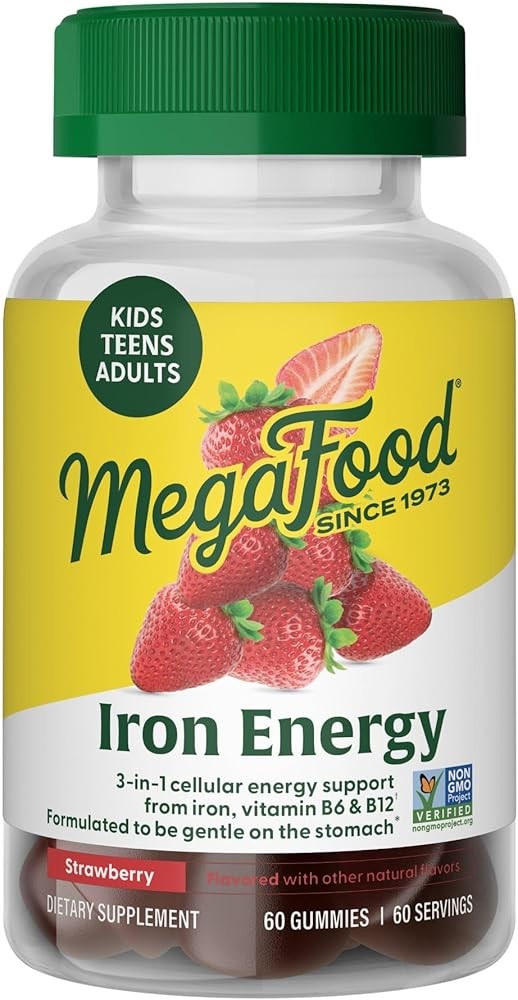
MegaFood Iron Energy Gummies, Energy Support, Vegan, Strawberry, 60 Gummies
Check Price on AmazonAs an Amazon Associate we earn from qualifying purchases.
The evidence shows: Three controlled trials, including a 198-woman CMAJ randomized trial, show iron supplementation relieves fatigue specifically in nonanemic people with ferritin below 50 µg/L, with the effect size running from a 29% improvement over placebo at 4 weeks to a 47.7% versus 28.8% difference at 12 weeks, and 82% of the severely depleted subgroup improving with IV iron in the Blood trial.
2. How Does CoQ10 Support Cellular Energy Production?
Coenzyme Q10 shuttles electrons through complexes I, II, and III of the mitochondrial electron transport chain, and it is the bottleneck nutrient for ATP production when levels fall. Two groups are especially relevant: people with mitochondrial-stress conditions like fibromyalgia and chronic fatigue syndrome, and statin users, because statins block the same HMG-CoA reductase pathway the body uses to synthesize CoQ10.
The clinical evidence:
A 2009 study found that people with myalgic encephalomyelitis/chronic fatigue syndrome had lower plasma CoQ10 than controls, with CoQ10 levels related to fatigue severity and autonomic symptoms (PubMed 20010505). Mechanistic work from the Cordero group showed the NLRP3 inflammasome, an inflammatory complex, is activated in fibromyalgia, and a placebo-controlled trial of CoQ10 in fibromyalgia patients reduced that activation and lowered serum IL-1beta and IL-18 (PubMed 23886272). A 2019 systematic review of interventional studies located 16 trials of CoQ10 for fatigue and found significant benefit in 10 of them, with the clearest effects in statin-related fatigue and fibromyalgia (PubMed 30935528).
Honest scope: no trial shows CoQ10 is a general energy pill for healthy people. Its evidence is concentrated in statin users, fibromyalgia, and other states where CoQ10 is measurably low or mitochondrial demand is high.
Dosing: 100-300 mg daily with a meal containing fat; absorption of ubiquinone is poor without dietary fat, which is why many products use ubiquinol, the active reduced form, or solubilized formulations. Trial durations ran 40 days to 12 weeks before benefits were assessed.
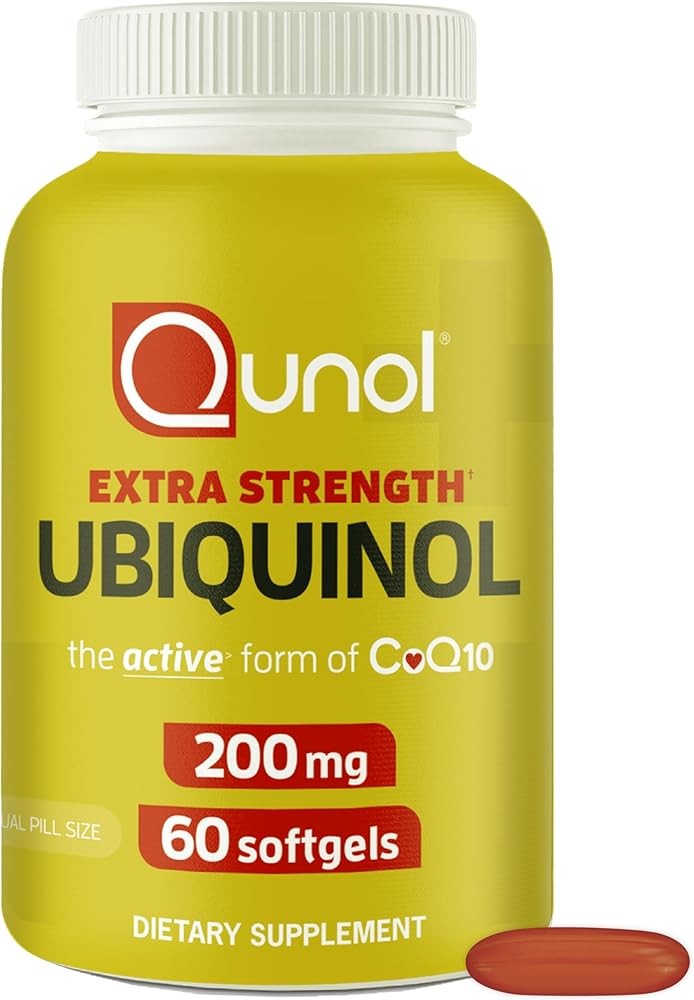
Qunol Ubiquinol 200mg, Extra Strength, Powerful Antioxidant, 60 Softgels
Check Price on AmazonAs an Amazon Associate we earn from qualifying purchases.
Key takeaway: CoQ10’s fatigue evidence is real but targeted: a 16-study systematic review found benefits concentrated in statin-related fatigue and fibromyalgia, mechanistic trials show it dampens fibromyalgia-related inflammation, and the practical dose is 100-300 mg daily taken with fat for 6-12 weeks before judging it.
3. How Does Vitamin B12 Support Energy and Nerves?
B12 is a cofactor for two enzymes that matter for energy and cognition: methionine synthase, which runs the methylation cycle that supports neurotransmitter production and DNA repair, and methylmalonyl-CoA mutase, which operates inside mitochondria. Subclinical B12 deficiency can cause fatigue, brain fog, and neuropathy before anemia ever appears, and standard serum B12 cutoffs miss a share of functional deficiency.
Who is at risk: vegans and vegetarians, adults over 50 (stomach acid and intrinsic factor decline with age), people on long-term metformin or proton pump inhibitors, and anyone with Crohn’s, celiac, or gastric bypass history.
Testing: serum B12 plus methylmalonic acid and homocysteine when symptoms are present but B12 sits in the low-normal range.
Dosing: 1,000-2,000 mcg daily of methylcobalamin or a B12 complex for repletion; intramuscular B12 remains appropriate when malabsorption or neurological symptoms are present, a decision for a doctor.
Realistic expectations: B12 repletion corrects deficiency-related fatigue over 4-8 weeks. In a person with normal B12 status, extra B12 does not act as a stimulant, and the “B12 energy shot” feeling people report is not a nutritional effect.
4. How Does Vitamin D Fix Fatigue Linked to Low Levels?
Vitamin D receptors exist in muscle, immune cells, and brain tissue, and deficiency is linked to muscle weakness, mood disturbance, and fatigue. The fatigue-specific trial data are surprisingly good for a vitamin.
The clinical evidence:
A 2016 double-blind trial randomized 120 otherwise healthy adults with fatigue and serum 25(OH)D below 20 µg/L to a single oral dose of 100,000 IU vitamin D3 or placebo. Four weeks later the vitamin D group’s fatigue scores had fallen significantly more (mean change -3.3 versus -0.8, p=0.01), and 72% of the vitamin D group versus 50% of placebo reported improvement, with the degree of improvement correlating with the rise in vitamin D (PubMed 28033244). A separate nonrandomized study of 174 primary-care patients complaining of fatigue found 77% had low vitamin D, and normalizing levels with ergocalciferol significantly improved fatigue scores across all measured subscales (PubMed 25210673).
Dosing: For documented deficiency, clinicians commonly prescribe 50,000 IU weekly for 8-12 weeks followed by maintenance, or daily 2,000-4,000 IU. Take with a meal containing fat. Retest after 3 months rather than guessing.
Safety: Vitamin D is fat-soluble and stored; sustained very high doses can raise calcium to dangerous levels. The 100,000 IU single dose in the trial was a supervised medical intervention, not a template for self-dosing.
5. How Does Magnesium Activate the Energy Currency of Every Cell?
Every molecule of ATP must bind magnesium to be biologically active, and magnesium is a cofactor in hundreds of enzymatic reactions spanning energy production, muscle relaxation, and stress regulation. The classic fatigue study here is old but still cited for good reason: a 1991 Lancet paper found 20 chronic fatigue patients had significantly lower red blood cell magnesium than matched controls, then randomized 32 CFS patients to weekly intramuscular magnesium or placebo for 6 weeks. Twelve of 15 magnesium-treated patients reported feeling better versus 3 of 17 on placebo, and red cell magnesium normalized in all treated patients (PubMed 1672392).
Choosing the form: magnesium glycinate is well absorbed and calming, citrate is effective but can loosen stools, and oxide is poorly absorbed (roughly 4%) and best avoided for this purpose. Dose 200-400 mg elemental magnesium daily, in the evening for sleep support.
Testing caveat: serum magnesium is a poor test because only about 1% of body magnesium circulates in blood; red blood cell magnesium is a better reflection of status.
6. How Does Creatine Fuel the Brain as Well as Muscles?
Creatine is the most studied sports supplement in the world, but its energy role is not limited to muscle: the brain holds a phosphocreatine system that regenerates ATP during high-demand cognitive work, and brain creatine levels respond to supplementation.
The clinical evidence:
A 2018 systematic review of randomized trials in healthy individuals found evidence that creatine supplementation may improve short-term memory and intelligence/reasoning, with results for other domains mixed and no benefit seen in young, well-rested subjects; interestingly, vegetarians responded better than meat-eaters on memory tasks, consistent with their lower baseline muscle creatine (PubMed 29704637). A 2021 Nutrients review by Roschel and colleagues summarized the broader brain-health evidence and the mechanistic case for creatine under conditions of metabolic or psychological stress (PubMed 33578876).
Dosing: 3-5 g creatine monohydrate daily; no loading phase is needed, and consistent daily dosing saturates stores within 3-4 weeks. The cognitive literature used similar doses over weeks.
7. How Does Rhodiola Rosea Reduce Stress-Related Fatigue?
Rhodiola is the adaptogen with the most respectable controlled-trial record for fatigue, and both key trials used the same standardized extract, SHR-5.
The clinical evidence:
A double-blind crossover trial gave 56 young healthy physicians a low daily dose of SHR-5 rhodiola or placebo during two weeks of night duty. Fatigue index and mental performance, measured across associative thinking, short-term memory, calculation, concentration, and audiovisual perception, improved significantly in the rhodiola period versus placebo (PubMed 11081987). A phase III trial then randomized 60 adults aged 20-55 with diagnosed stress-related fatigue to 576 mg/day of SHR-5 (four tablets) or placebo for 28 days. Rhodiola produced significant improvements versus placebo on the Pines burnout scale and on computerized attention measures, and it altered the cortisol response to awakening stress (PubMed 19016404).
Dosing and safety: standardized extract providing roughly 3% rosavins and 1% salidroside, 200-600 mg daily in the morning. Rhodiola is generally well tolerated, but it can mildly inhibit monoamine oxidase, so combining it with SSRIs, SNRIs, or MAOIs should be reviewed with a doctor first, and it can lower blood pressure in some people.
8. How Does Ashwagandha Break the Stress-Fatigue Loop?
Ashwagandha is the other adaptogen with modern randomized data, and the best studies used specific standardized extracts rather than generic root powder.
The clinical evidence:
A 12-week randomized, double-blind, placebo-controlled trial in overweight and mildly obese adults aged 40-75 with self-reported stress and fatigue tested 200 mg twice daily of a standardized ashwagandha root extract (Witholytin). The primary outcome, perceived stress, did not separate from placebo, but fatigue measured on the Chalder Fatigue Scale fell significantly more with ashwagandha (p=0.016), and heart rate variability, a marker of autonomic balance, improved significantly (p=0.003) (PubMed 37740662). An earlier 60-day trial of a different standardized extract (Shoden, 240 mg daily) in 60 stressed adults found significant reductions versus placebo in anxiety scores (p=0.040), morning cortisol (p<0.001), and DHEA-S (p=0.004) (PubMed 31517876).
The honest reading: ashwagandha’s data are real but more modest than the marketing. The best fatigue-specific result (Witholytin) was a secondary outcome, and the most recent stress trial failed its primary endpoint. Benefits accrue over 8-12 weeks, not days.
Dosing: standardized extracts at their studied doses, roughly 240-600 mg daily depending on the extract. Whole-herb powders like the product below are a different, less standardized thing.
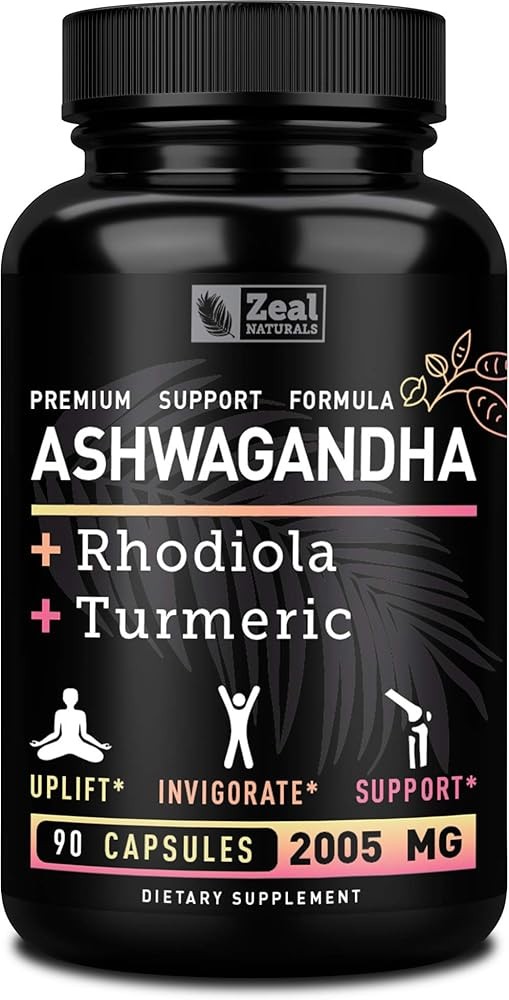
Zeal Organic Adaptogenic Ashwagandha Complex | 2005mg, 90 Capsules | Organic Ashwagandha Root Powder + Rhodiola Rosea + Turmeric | 3-in-1 Stress Relief, Energy...
Check Price on AmazonAs an Amazon Associate we earn from qualifying purchases.
What this means for you: If stress-related fatigue is your pattern, the trial-backed approach is a standardized extract at 240-600 mg daily for 8-12 weeks. The Zeal blend is a reasonable budget whole-herb option, but understand that its 2005 mg label refers to the total blend, not a studied extract dose, so expectations should be modest and thyroid or diabetes medication requires medical review first.
9-17. What Other Supplements Have Weaker or Mixed Evidence?
These compounds appear in every “energy supplement” search, so they deserve honest placement. None has the trial support of the eight above, and several have genuinely mixed data.
L-Carnitine and acetyl-L-carnitine (500-2,000 mg daily): Carnitine shuttles fatty acids into mitochondria for oxidation. Trials in chronic fatigue and aging contexts have reported some benefit, but results are inconsistent and the effect is modest. Acetyl-L-carnitine crosses the blood-brain barrier and has been studied for age-related mental fatigue with mixed findings.
D-ribose (5 g up to three times daily): A five-carbon sugar used to build ATP. Small studies in chronic fatigue and fibromyalgia reported improved energy, but the trials were tiny, mostly open-label, and later reviews rate the evidence as weak.
NADH (10-20 mg daily): The reduced form of nicotinamide adenine dinucleotide feeds the electron transport chain. One small randomized trial in chronic fatigue reported benefit, but replication has been inconsistent and dosing is awkward because NADH is fragile in the gut.
Alpha-lipoic acid (300-600 mg daily): A mitochondrial antioxidant that recycles other antioxidants. Its fatigue evidence is thin; it is better supported for diabetic neuropathy, where it is used at 600 mg daily.
Phosphatidylserine (100-400 mg daily): A phospholipid studied mainly for cortisol blunting during stress and for age-related cognitive decline. Some small trials show reduced stress perception, but fatigue-specific data are scarce.
Panax ginseng (200-400 mg standardized extract daily): Meta-analyses report modest fatigue reduction in a few populations, but trial quality varies and benefits are small.
Cordyceps militaris (1,000-3,000 mg daily): Most studies examine exercise performance and oxygen utilization rather than fatigue per se, and results are mixed.
L-theanine (100-200 mg as needed): An amino acid from tea that promotes calm alertness by raising alpha brain waves. It does not boost energy; it reduces the jittery edge of caffeine and supports focus.
The unifying rule for this list: if the evidence is mixed and the cause of your fatigue is unidentified, these are experiments, not answers. Spend the money on the four blood tests instead.
A note on caffeine and stimulant-style formulas. Caffeine is the only compound in this entire category that reliably makes healthy, well-rested people feel more alert, which is why it dominates the market. It works by blocking adenosine receptors, and it works regardless of what your blood tests say. But caffeine does not fix a deficiency, it does not repair mitochondria, and chronic high intake degrades sleep, which then makes the fatigue worse, which leads to more caffeine, a loop worth naming. The same goes for “energy” formulas that bundle high-dose B vitamins with caffeine and herbal stimulants: the B vitamins are harmless and occasionally useful, but the buzz is the caffeine, and the label rarely says that plainly. If your fatigue survives a proper caffeine taper and improved sleep, that is stronger evidence of a real underlying cause, and a better reason to run the four tests, than any supplement review can provide.
What Is the Complete Dosing Reference?
| Supplement | Studied Dose | Timing | Form Notes |
|---|---|---|---|
| Iron | 18-65 mg elemental | Morning, away from food | Bisglycinate gentlest; + vitamin C |
| CoQ10 | 100-300 mg | With a fatty meal | Ubiquinol or solubilized ubiquinone |
| Vitamin D3 | 2,000-4,000 IU maintenance | With a fatty meal | Retest after 3 months |
| B12 | 1,000-2,000 mcg | Morning | Methylcobalamin sublingual |
| Magnesium | 200-400 mg elemental | Evening | Glycinate preferred |
| Creatine | 3-5 g | Any consistent time | Monohydrate |
| Rhodiola (SHR-5 type) | 200-600 mg | Morning | Standardized to rosavins/salidroside |
| Ashwagandha (extract) | 240-600 mg | Morning or split | KSM-66, Shoden, or Witholytin extracts |
| L-carnitine | 500-2,000 mg | Morning | Avoid late day |
| D-ribose | 5 g up to 3x daily | With meals | Weak evidence |
| NADH | 10-20 mg | Morning, empty stomach | Unstable; enteric forms better |
| Alpha-lipoic acid | 300-600 mg | With meals | R-ALA form if affordable |
| Phosphatidylserine | 100-400 mg | Daytime | Stress contexts |
| Panax ginseng | 200-400 mg extract | Morning | Cycle 8-12 weeks |
| Cordyceps | 1,000-3,000 mg | Morning | Exercise contexts |
| L-theanine | 100-200 mg | As needed | With caffeine for calm focus |
What Are the Critical Drug Interactions You Must Know?
A handful of combinations deserve real respect, and a few can be genuinely dangerous:
Rhodiola + antidepressants (SSRIs, SNRIs, MAOIs). Rhodiola has mild monoamine oxidase inhibitory activity. Combining it with serotonergic antidepressants can, in theory, push serotonin too high. This is a medical-review conversation, not a self-experiment.
Ashwagandha + thyroid medication. Ashwagandha can increase thyroid hormone activity, and cases of thyrotoxicosis have been reported when it is combined with levothyroxine. Anyone on thyroid medication should check with an endocrinologist first.
Ashwagandha + diabetes medication. Ashwagandha can lower blood sugar, which on top of insulin or sulfonylureas can produce hypoglycemia. Monitor glucose closely if combining.
Iron + thyroid medication. Iron binds thyroid hormone in the gut. Separate doses by at least 4 hours.
Iron + antibiotics and calcium. Iron reduces absorption of tetracyclines and fluoroquinolones, and calcium blocks iron absorption. Separate by 2+ hours.
CoQ10 + warfarin. CoQ10 is structurally related to vitamin K and can reduce warfarin’s anticoagulant effect. INR monitoring is required if a warfarin user adds CoQ10.
Magnesium + antibiotics and kidney disease. Magnesium binds some antibiotics (take 2 hours apart) and is cleared by the kidneys, so chronic kidney disease changes the risk calculus.
Vitamin D + thiazide diuretics. Both raise blood calcium; combining high-dose vitamin D with thiazides can push calcium too high.
Creatine + kidney disease. Creatine raises serum creatinine and can stress damaged kidneys. Healthy kidneys handle 3-5 g daily fine; kidney disease changes that.
How Do You Build a Stack Based on Your Fatigue Type?
The four-test foundation comes first: ferritin, 25(OH)D, B12 (with MMA if borderline), and TSH plus free T4. These four tests identify the cause of fatigue in a large share of people, and they cost less than a month of random supplements.
Iron-deficiency stack (ferritin below 50 µg/L):
- Iron bisglycinate 25-65 mg + 200-500 mg vitamin C, away from food
- Retest ferritin after 8-12 weeks
- Find and fix the cause of the loss (periods, GI, diet)
Mitochondrial stack (fibromyalgia, post-viral, statin-related):
- CoQ10/ubiquinol 200-300 mg with a fatty meal
- Creatine 3-5 g daily
- Magnesium glycinate 200-400 mg at night
- 8-12 week trial before judging
Stress-related stack (tired but wired):
- Rhodiola 200-400 mg in the morning OR standardized ashwagandha 240-600 mg (not both if you are also on an antidepressant)
- Magnesium glycinate 200-400 mg at night
- L-theanine 100-200 mg with afternoon coffee if needed
- Sleep hygiene and stress work are the real treatment; the supplements are support
Sleep-related fatigue: skip the energy stack and get a sleep study if you snore, gasp, or wake unrefreshed. Iron for restless legs only if ferritin is low. No supplement fixes apnea.
Thyroid fatigue: manage the thyroid medically. Iron and selenium support thyroid function only when deficient, and iodine self-dosing is dangerous.
The complete-support rule: start the foundation (iron if ferritin <50, vitamin D if <30 ng/mL, B12 if low or symptomatic, magnesium 200-400 mg), add mitochondrial support (CoQ10, creatine) only if the pattern fits, and add adaptogens only for stress-driven fatigue. Do not run everything at once: you will not know what worked.
What Blood Tests Should You Ask For Before Supplementing?
The fastest way to waste money on this category is to skip the lab work. Four tests cover most of the map, and they are inexpensive relative to a year of speculative supplements.
Ferritin. This measures stored iron, and it is the single most useful fatigue test in menstruating women. The trials that showed iron relieves fatigue enrolled ferritin below 50 µg/L, while most labs flag only below 12-15 ng/mL (PubMed 22777991). Ask for ferritin plus a complete blood count so your doctor can distinguish low stores from full anemia. If ferritin comes back high rather than low, stop before you start: elevated ferritin can signal iron overload or inflammation, and supplemental iron is the wrong move in both cases.
25-hydroxyvitamin D. The fatigue trial that showed benefit enrolled people below 20 µg/L, and many clinicians target 30-50 ng/mL for general health (PubMed 28033244). Because vitamin D is fat-soluble, the dose that is right for you depends on where you start, your body weight, and your sun exposure, which is exactly why guessing at 5,000 IU daily without a baseline is a poor plan. Test, dose, retest in three months.
B12, with methylmalonic acid if symptoms are real but B12 looks normal. Serum B12 alone misses a meaningful share of functional deficiency. MMA rises when B12-dependent reactions stall, so it catches the borderline cases that cause fatigue and neuropathy. Vegans, older adults, and long-term metformin or PPI users should request it proactively.
TSH and free T4. Fatigue with cold intolerance, weight gain, dry skin, or heavy periods points at the thyroid. TSH alone misses some pituitary-driven and subclinical cases, so free T4 (and free T3 when symptoms persist with normal TSH) gives the fuller picture. Thyroid problems are medical conditions: if the panel is abnormal, the answer is a doctor’s management plan, not a supplement.
Optional add-ons: fasting glucose or HbA1c if you crash after meals, and a sleep study referral if you snore or wake unrefreshed, because apnea is the most commonly missed fatigue cause of all.
One practical note on reading your own results: reference ranges describe the population distribution, not your personal optimum, and a result flagged as “low but within range” can still explain symptoms. That is why the conversation with a clinician matters, especially before starting iron, which is the one supplement here that is genuinely dangerous to take when you do not need it.
When Should You See a Doctor About Fatigue?
Supplements have a place, but fatigue is also how serious conditions announce themselves. See a doctor promptly if any of these apply:
- Fatigue with shortness of breath on exertion, palpitations, or chest discomfort
- Unexplained weight loss, fever, or night sweats
- Fatigue that started after a specific event: a viral illness, a new medication (including statins), or a major stressor
- Heavy periods, black or bloody stools, or other possible bleeding
- Sleep apnea signs: loud snoring, witnessed breathing pauses, gasping, or daytime sleepiness severe enough to make driving risky
- Depressed mood, loss of interest, or anxiety alongside the fatigue
- New or worsening neurological symptoms: numbness, tingling, weakness, or memory change
- Fatigue lasting more than 3-6 months despite sleep, diet, and stress improvements
And when supplements are involved, stop and call a doctor if you develop chest pain or palpitations with any stimulant-like product, jaundice or dark urine with any supplement, or unusual bruising or bleeding, since a few ingredients affect clotting. For the deficiencies discussed here, retest 8-12 weeks after starting supplementation rather than assuming the bottle is working; a number on a lab report is worth more than a feeling.
What Is the Bottom Line on Supplements for Energy and Fatigue?
Fatigue is a signal, not a life sentence, and the signal usually points somewhere testable. The evidence-backed playbook is short: test ferritin, vitamin D, B12, and thyroid function; fix what is low using the supplement with trial data for that deficiency; and add mitochondrial or adaptogenic support only when your symptom pattern matches the populations those trials studied.
Bottom line: Iron is the best-evidenced fatigue supplement, but only for low ferritin: 47.7% versus 28.8% fatigue-score improvement in 198 nonanemic women with ferritin below 50 µg/L after 12 weeks of 80 mg elemental iron (PubMed 22777991). CoQ10 has systematic-review support in statin-related and fibromyalgia fatigue at 100-300 mg with food (PubMed 30935528). Vitamin D improved fatigue in a 120-person double-blind trial when levels were below 20 µg/L (PubMed 28033244). Rhodiola beat placebo on burnout and attention at 576 mg/day of SHR-5 in 60 adults (PubMed 19016404), and standardized ashwagandha reduced Chalder fatigue scores in a 12-week trial even though its stress endpoint missed (PubMed 37740662). Our picks: Gentle Iron Bisglycinate 25mg for low-ferritin fatigue ($24.97), Qunol Ubiquinol 200mg for mitochondrial and statin-related fatigue ($39.99), and the Zeal adaptogen blend ($19.95) or a standardized extract for stress fatigue, with MegaFood gummies ($19.99) as a maintenance option. Test first, dose correctly, give every supplement its full 8-12 week trial, and let a doctor rule out the conditions that no bottle can fix.
Related Reading
- Best Vitamin D Supplements: High-Potency D3 Options for Deficiency
- Best Magnesium Supplements for Sleep, Anxiety, and Muscle Recovery
- Best Ashwagandha Supplements: KSM-66 vs Sensoril Extracts
- Adrenal Fatigue Supplements: What the Science Says About This Controversial Condition
- Rhodiola Rosea for Stress and Fatigue: What Clinical Trials Show
- Vitamin B12 Deficiency Symptoms and the Best B12 Supplements
- Best Ashwagandha Gummies for Stress and Anxiety
- Energy and Fatigue Supplements for Women Over 40
- Ashwagandha vs Rhodiola Rosea for Stress: Which Works Better?
References
- Effect of iron supplementation on fatigue in nonanemic menstruating women with low ferritin: a randomized controlled trial. Vaucher P, et al. CMAJ, 2012.
- Iron supplementation for unexplained fatigue in non-anaemic women: double blind randomised placebo controlled trial. Verdon F, et al. BMJ, 2003.
- Intravenous iron for the treatment of fatigue in nonanemic, premenopausal women with low serum ferritin concentration. Krayenbuehl PA, et al. Blood, 2011.
- Coenzyme Q10 deficiency in myalgic encephalomyelitis/chronic fatigue syndrome (ME/CFS) is related to fatigue, autonomic and neurocognitive symptoms. Maes M, et al. Neuro Endocrinol Lett, 2009.
- NLRP3 inflammasome is activated in fibromyalgia: the effect of coenzyme Q10. Cordero MD, et al. Antioxid Redox Signal, 2014.
- Effect of coenzyme Q10 supplementation on fatigue: a systematic review of interventional studies. Mehrabani S, et al. Complement Ther Med, 2019.
- Effect of vitamin D3 on self-perceived fatigue: a double-blind randomized placebo-controlled trial. Nowak A, et al. Medicine (Baltimore), 2016.
- Correction of low vitamin D improves fatigue: effect of correction of low vitamin D in fatigue study (EViDiF Study). Roy S, et al. N Am J Med Sci, 2014.
- Red blood cell magnesium and chronic fatigue syndrome. Cox IM, et al. Lancet, 1991.
- Effects of creatine supplementation on cognitive function of healthy individuals: a systematic review of randomized controlled trials. Avgerinos KI, et al. Exp Gerontol, 2018.
- Creatine supplementation and brain health. Roschel H, et al. Nutrients, 2021.
- Rhodiola rosea in stress induced fatigue: a double blind cross-over study of a standardized extract SHR-5 with a repeated low-dose regimen on the mental performance of healthy physicians during night duty. Darbinyan V, et al. Phytomedicine, 2000.
- A randomised, double-blind, placebo-controlled, parallel-group study of the standardised extract SHR-5 of the roots of Rhodiola rosea in the treatment of subjects with stress-related fatigue. Olsson EM, et al. Planta Med, 2009.
- Exploring the efficacy and safety of a novel standardized ashwagandha (Withania somnifera) root extract (Witholytin) in adults experiencing high stress and fatigue: a randomized, double-blind, placebo-controlled trial. Smith SJ, et al. J Psychopharmacol, 2023.
- An investigation into the stress-relieving and pharmacological actions of an ashwagandha (Withania somnifera) extract: a randomized, double-blind, placebo-controlled study. Lopresti AL, et al. Medicine (Baltimore), 2019.
Join the discussion: Facebook | X | YouTube | Pinterest
This article is for informational purposes only and does not constitute medical advice. Fatigue can be a symptom of serious medical conditions, so discuss persistent tiredness with a doctor before starting supplements.
Recommended Products