Best Supplements for Gut Health: Probiotics, Prebiotics, and Digestive Enzymes Compared
Summarized from peer-reviewed research indexed in PubMed. See citations below.
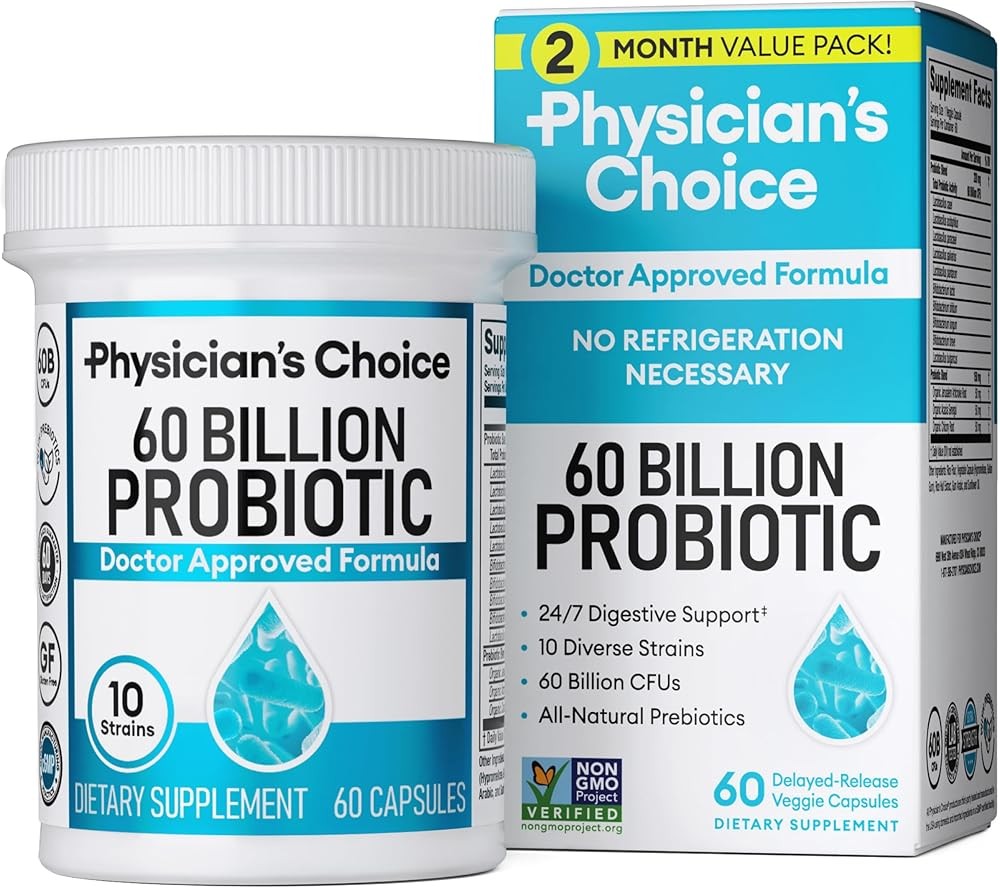
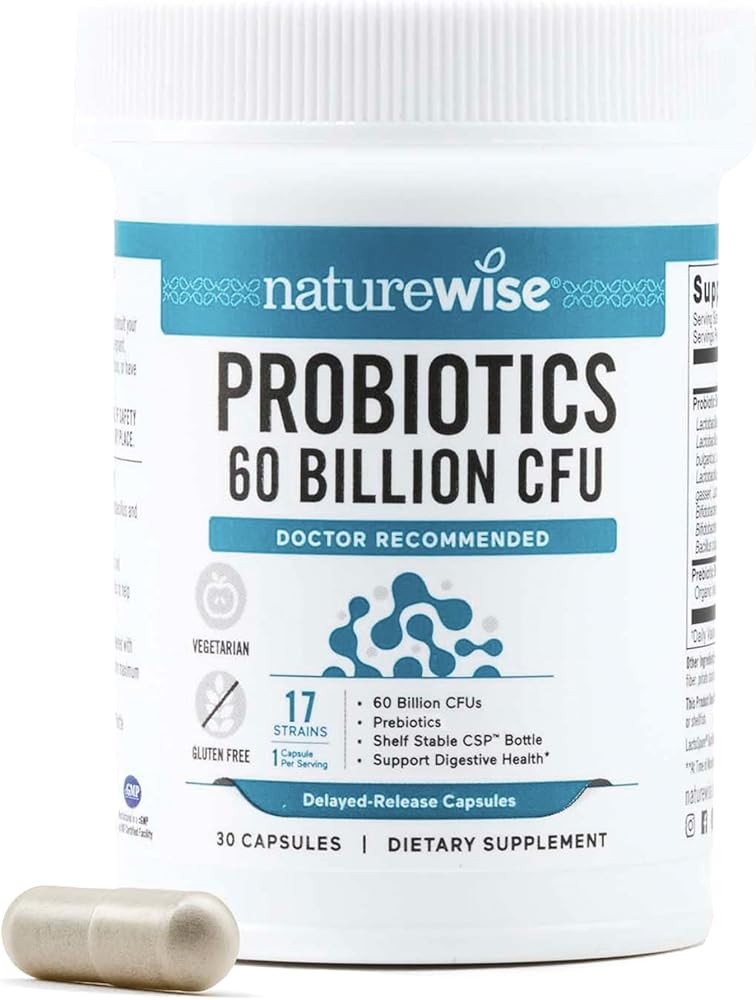
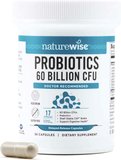
Your gut microbiome influences everything from immune function to mood, yet many people struggle with bloating, irregular digestion, and low energy tied to gut health. Physician’s CHOICE Probiotics 60 Billion CFU, with 10 researched strains plus organic prebiotics (ASIN B09GLGC9DG, $35.00), is our top overall pick: a 2025 umbrella meta-analysis of probiotics for gastrointestinal disorders found a significant reduction in diarrhea risk (relative risk 0.44, 95% CI 0.37-0.52) and nausea (RR 0.59) across pooled trials (Zeng et al., 2025). For budget-conscious buyers, NatureWise Probiotics 60 Billion CFU, 17 strains plus organic prebiotic fiber (ASIN B0D5J7B91F, $15.99), covers the same ground at roughly half the price. The evidence is strain- and person-specific, though: a 2026 BMC Medicine meta-analysis of 22 randomized trials found probiotics did not significantly change microbiome diversity in healthy adults (Éliás et al., 2026). Here’s what the published research actually shows about gut health supplements, where the evidence is strong, and how to match a product to your situation.
Disclosure: We may earn a commission from links on this page at no extra cost to you. Affiliate relationships never influence our ratings. Full policy →

Your gut is arguably the most underrated organ system in your body. It houses roughly 70% of your immune system, produces about 95% of your serotonin, and contains a microbiome of trillions of bacteria that influence everything from your mood to your metabolism. When your gut is off, everything else tends to follow – your energy drops, your skin breaks out, your sleep deteriorates, and your brain feels like it is running through molasses.
The supplement industry knows this, which is why the “gut health” category has exploded into a multi-billion dollar market. Probiotics, prebiotics, digestive enzymes, L-glutamine, postbiotics, butyrate, berberine – the options are overwhelming. Some of these supplements have genuine clinical support backed by randomized controlled trials published in peer-reviewed journals. Others are mostly marketing dressed up in scientific language.
This guide breaks down the evidence for each major gut health supplement category, identifies specific products worth considering, and helps you figure out what actually makes sense for your situation. Every recommendation is backed by real clinical data, and we will tell you when the evidence is strong, when it is preliminary, and when it is absent entirely.
What Is Your Gut Microbiome and Why Does It Matter?
Before diving into supplements, it helps to understand what you are actually trying to support. Your gastrointestinal tract is not just a tube that processes food. It is a complex ecosystem containing an estimated 38 trillion microorganisms – roughly equal to the number of human cells in your body. This community of bacteria, fungi, viruses, and archaea is collectively called the gut microbiome.
What Does a Healthy Microbiome Look Like?
A healthy microbiome is characterized by diversity – the presence of many different species – and balance – the right proportions of beneficial versus potentially harmful organisms. The dominant bacterial phyla in a healthy adult gut are Firmicutes and Bacteroidetes, with smaller populations of Actinobacteria, Proteobacteria, and Verrucomicrobia.
These microbes are not passive passengers. They perform critical functions:
- Nutrient production: Gut bacteria synthesize B vitamins, vitamin K, and short-chain fatty acids (SCFAs) that you cannot produce on your own.
- Immune regulation: About 70% of your immune tissue (gut-associated lymphoid tissue, or GALT) resides in the gut. Your microbiome helps train immune cells to distinguish threats from harmless substances.
- Barrier function: Beneficial bacteria strengthen the intestinal lining by supporting tight junction proteins – the molecular “glue” between intestinal cells that reduces the risk of unwanted molecules from entering your bloodstream.
- Neurotransmitter production: Your gut produces approximately 95% of your body’s serotonin and significant quantities of dopamine, GABA, and other neurotransmitters that directly affect mood, sleep, and cognition.
What Factors Disrupt Gut Health?
Multiple factors can throw this ecosystem out of balance:
- Antibiotics are the most dramatic disruptor, killing beneficial bacteria alongside pathogens. A single course of broad-spectrum antibiotics can reduce microbiome diversity by 25-50%, and some populations may never fully recover without intervention.
- Chronic stress alters gut motility, reduces blood flow to the intestinal lining, and shifts microbiome composition through cortisol-mediated pathways.
- Processed food diets low in fiber starve beneficial bacteria that depend on complex carbohydrates for fuel, while excess sugar and emulsifiers can damage the mucus layer protecting the gut lining.
- NSAIDs (ibuprofen, naproxen, aspirin) can damage the intestinal lining and increase permeability, even at normal therapeutic doses when used chronically.
- Environmental toxins including pesticide residues, heavy metals, and microplastics can disrupt microbial balance and damage the gut barrier.
What Are the Warning Signs of Poor Gut Health?
Your gut sends clear signals when something is wrong. Some are obvious digestive symptoms. Others manifest in unexpected ways throughout your body.
What Are the Digestive Warning Signs?
The most direct indicators include:
- Chronic bloating that worsens throughout the day, particularly after meals
- Irregular bowel movements – frequent diarrhea, chronic constipation, or unpredictable alternation between the two
- Excessive gas that is not explained by specific food intolerances
- Acid reflux or heartburn several times per week
- Abdominal pain or cramping without a diagnosed condition
- Undigested food in stool indicating poor digestive enzyme production or rapid transit time
What Whole-Body Symptoms Indicate Gut Problems?
The gut’s influence extends far beyond digestion. Systemic signs of gut dysfunction include:
- Persistent fatigue not explained by sleep quantity or quality
- Skin problems – acne, eczema, rosacea, or unexplained rashes
- Mood changes including anxiety, depression, or brain fog
- Food sensitivities that develop suddenly or worsen over time
- Weakened immunity – frequent colds, slow healing, recurring infections
- Autoimmune flares – many autoimmune conditions are influenced by gut health
- Sleep disruption – difficulty falling or staying asleep despite good sleep hygiene
- Joint pain or inflammation without a diagnosed arthritic condition
- Sugar and carbohydrate cravings that feel overwhelming
If you experience three or more of these symptoms consistently, your gut microbiome likely needs support.
What Are Probiotics and How Do They Support Gut Health?
Probiotics are live microorganisms that, when administered in adequate amounts, confer a health benefit on the host. That is the formal definition from the World Health Organization and Food and Agriculture Organization. In practical terms, probiotics are beneficial bacteria that you ingest to support or restore a healthy gut microbiome.
The strongest clinical evidence supports specific strains of three bacterial genera:
- Lactobacillus species (now reclassified into multiple genera including Lactobacillus, Lacticaseibacillus, and Limosilactobacillus)
- Bifidobacterium species
- Saccharomyces boulardii (a beneficial yeast, not a bacteria)
A 2025 umbrella meta-analysis in the European Journal of Medical Research found that probiotics significantly reduced the risk of diarrhea (RR 0.44, 95% CI 0.37-0.52), nausea (RR 0.59), bloating (RR 0.74), and epigastric pain (RR 0.71) across pooled meta-analyses (Zeng et al., 2025). The diarrhea finding works out to a 56% risk reduction – clinically meaningful, though the authors caution that heterogeneity across trials was moderate to high.
Which Lactobacillus Strains Are Most Effective?
Lactobacillus rhamnosus GG (LGG) is the most extensively researched probiotic strain in the world, with over 1,000 published studies. It survives stomach acid well, adheres to intestinal cells, and has demonstrated efficacy for antibiotic-associated diarrhea, traveler’s diarrhea, and pediatric gastroenteritis.
Lacticaseibacillus casei (formerly Lactobacillus casei) has shown benefits for immune function and may reduce the duration of respiratory infections.
Lactobacillus plantarum produces antimicrobial compounds that inhibit pathogenic bacteria and has shown promise for IBS symptom relief.
Which Bifidobacterium Strains Are Best for Gut Health?
Bifidobacterium infantis 35624 has the strongest evidence for IBS symptom relief, with multiple clinical trials showing reductions in abdominal pain, bloating, and bowel habit dysfunction.
Bifidobacterium longum supports immune function and has been studied for anxiety reduction through gut-brain axis mechanisms.
Bifidobacterium bifidum helps maintain the intestinal barrier and has shown benefits for ulcerative colitis patients in clinical trials.
Bifidobacterium lactis (also called B. animalis subsp. lactis) improves regularity and has been extensively studied for constipation relief.
What Makes Saccharomyces Boulardii Unique?
Unlike bacterial probiotics, Saccharomyces boulardii is a beneficial yeast that is naturally resistant to antibiotics. This makes it uniquely valuable during and after antibiotic treatment when bacterial probiotics would be killed alongside gut bacteria. It has strong evidence for preventing Clostridioides difficile infection recurrence and reducing antibiotic-associated diarrhea.
What Should You Look for When Choosing a Probiotic?
Strain specificity: The label should list exact strain designations, not just species names. “Lactobacillus acidophilus NCFM” is specific. “Lactobacillus acidophilus” is vague.
CFU count: The optimal range is 10-30 billion CFU per serving. Higher is not necessarily better – strain selection matters more than raw CFU numbers.
Shelf stability: Look for products that guarantee CFU count through the expiration date, not just at manufacturing. Many probiotics require refrigeration.
Third-party testing: Products tested by independent labs (ConsumerLab, Labdoor, NSF International) are more reliable.
Delivery mechanism: Delayed-release capsules or microencapsulation technology improve survival through stomach acid.
Which Probiotic Supplements Are Recommended?
Based on clinical evidence and strain research:
- For general gut health: Multi-strain formulas containing LGG, Bifidobacterium lactis, and Lactobacillus plantarum at 10-30 billion CFU total
- For IBS: Bifidobacterium infantis 35624 (available as Align) or multi-strain formulas specifically studied for IBS
- For antibiotic use: Saccharomyces boulardii 250-500mg daily during antibiotic course and for 1-2 weeks after
- For immune support: Lactobacillus rhamnosus GG or Lactobacillus casei at 10 billion CFU daily
- For constipation: Bifidobacterium lactis at 1-10 billion CFU daily
Key takeaway: The strongest probiotic evidence sits with specific strains at conventional 10-30 billion CFU doses taken daily for 4-12 weeks; the 2025 umbrella meta-analysis put the pooled diarrhea risk reduction at 56% (RR 0.44, 95% CI 0.37-0.52) while flagging heterogeneity, and healthy adults without gut complaints saw no diversity change in a 2026 meta-analysis (Zeng et al., 2025; Éliás et al., 2026).
How Do Prebiotics Support Your Gut Bacteria?
Prebiotics are non-digestible food components that selectively stimulate the growth or activity of beneficial bacteria in the colon. Unlike probiotics, which add bacteria to your gut, prebiotics feed the beneficial bacteria you already have.
The most well-researched prebiotics are specific types of dietary fiber:
- Inulin (from chicory root, Jerusalem artichoke, garlic, onions)
- Fructooligosaccharides (FOS) (from fruits, vegetables, grains)
- Galactooligosaccharides (GOS) (from legumes, human milk)
- Partially Hydrolyzed Guar Gum (PHGG) (from guar beans)
A 2025 randomized, double-blind trial in BMC Medicine assigned 131 overweight/obese and healthy adults to inulin, fructooligosaccharides (FOS), or placebo for 4 weeks (Li et al., 2025). Inulin significantly reduced glucose at 1 and 2 hours during an oral glucose tolerance test in the overweight/obese group, while FOS did not improve glycemic measures. A separate 2025 meta-analysis of 29 RCTs in older adults found prebiotic supplementation increased Bifidobacterium abundance (SMD 1.09) and improved anti-inflammatory markers (Zhuang et al., 2025).
What Is Inulin and How Does It Work?
Inulin is a soluble fiber composed of fructose chains that human digestive enzymes cannot break down. When it reaches the colon, beneficial bacteria ferment it into short-chain fatty acids, particularly butyrate, which provides energy to colon cells and has anti-inflammatory properties.
Meta-analytic data confirm that inulin-type prebiotics reliably increase fecal Bifidobacterium counts, with the largest pooled effects reported in older adults (Zhuang et al., 2025). Clinical trials typically use 5-10 grams daily.
How Do Fructooligosaccharides (FOS) Compare to Inulin?
FOS are shorter-chain carbohydrates that function similarly to inulin. They selectively promote Bifidobacterium and Lactobacillus growth while inhibiting harmful bacteria like Clostridium species.
FOS tend to be more rapidly fermented than inulin, which can cause more gas in sensitive individuals but may also provide faster benefits. The effective dose is typically 2.5-5 grams daily.
What Are Galactooligosaccharides (GOS) and Their Benefits?
GOS are prebiotics naturally found in human breast milk and legumes. They have a slightly different fermentation profile than inulin and FOS, producing more acetate and less gas.
Prebiotic supplementation (including GOS and inulin-type fibers) has shown particular promise in older adults: a 2025 meta-analysis of 29 randomized trials found increased Bifidobacterium abundance and improved anti-inflammatory markers, including higher IL-10 and lower IL-1beta (Zhuang et al., 2025).
Why Is Partially Hydrolyzed Guar Gum (PHGG) Special?
PHGG stands out among prebiotics because clinical reports describe symptom improvement in both constipation-predominant and diarrhea-predominant IBS – an unusual dual action. A 2006 review in Nutrition concluded that PHGG decreased symptoms across IBS subtypes and improved quality of life, while also increasing colonic short-chain fatty acids, Lactobacilli, and Bifidobacteria (Giannini et al., 2006).
PHGG also produces less gas and bloating than inulin or FOS, making it better tolerated by people with sensitive guts. It is flavorless and dissolves easily in liquids.
When Should You Take Prebiotics for Best Results?
Prebiotics can be taken at any time of day, but taking them with or after meals reduces the likelihood of gas and bloating. Start with lower doses (2-3 grams) and gradually increase over 1-2 weeks to allow your microbiome to adapt.
Evening dosing works well for most people, as the fermentation process occurs overnight and any gas is less noticeable while sleeping.
What the data says: Prebiotic fiber is the cheapest well-studied gut intervention available: meta-analytic data link inulin-type prebiotics to higher Bifidobacterium counts (SMD 1.09 in a 2025 older-adult analysis), and a 4-week 2025 RCT found inulin lowered 1- and 2-hour post-meal glucose in overweight adults (Zhuang et al., 2025; Li et al., 2025).
What Are Postbiotics and How Do They Work?
Postbiotics are bioactive compounds produced by probiotic bacteria during fermentation. They include metabolites, enzymes, cell wall components, and short-chain fatty acids (SCFAs). The key advantage of postbiotics over probiotics is that they do not require live bacteria to be effective, making them more stable and potentially safer for immunocompromised individuals.
The most clinically studied postbiotics are:
- Butyrate (particularly tributyrin form)
- Akkermansia muciniphila (both live and pasteurized forms)
- Lactobacillus-derived metabolites
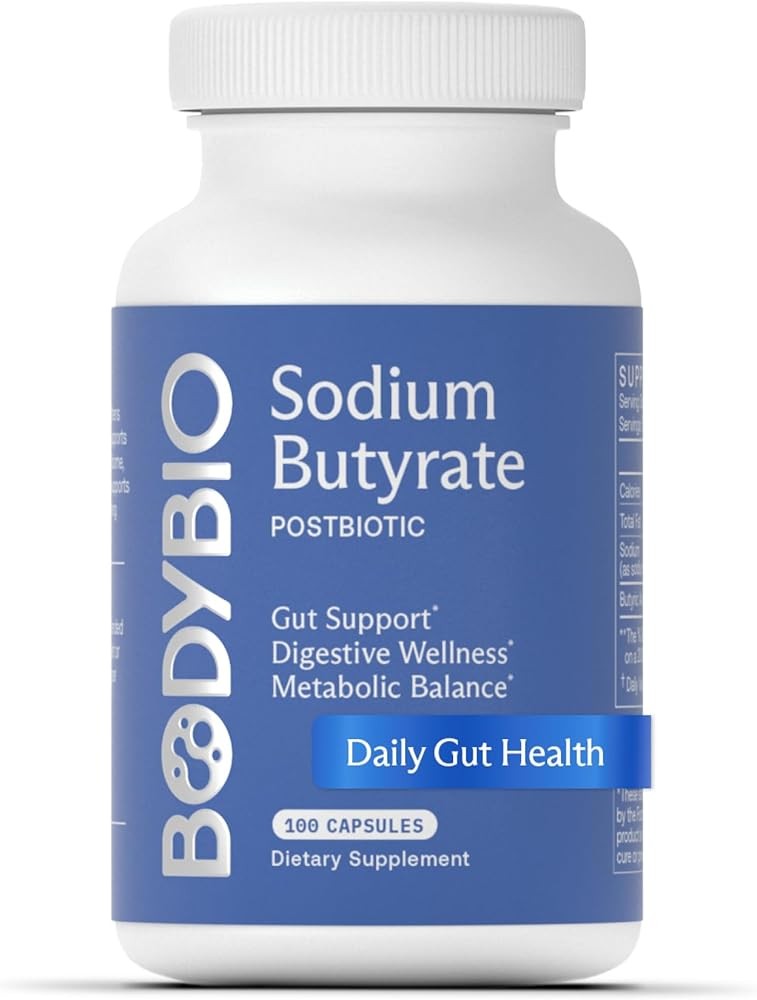
What Are Short-Chain Fatty Acids and Why Is Butyrate Important?
Short-chain fatty acids (SCFAs) – acetate, propionate, and butyrate – are produced when beneficial bacteria ferment dietary fiber in the colon. Butyrate is particularly important because it is the primary energy source for colonocytes (the cells lining the colon) and has potent anti-inflammatory effects.
A 2024 randomized, double-blind, placebo-controlled trial in 120 adults with IBS tested a mixture of microencapsulated sodium butyrate, five probiotic strains, and short-chain fructooligosaccharides over 12 weeks (Gąsiorowska et al., 2024). By week 4, 64.7% of the active group reported adequate relief of IBS symptoms versus 42.0% on placebo (p = 0.023), and fewer active-group patients reported worsening at week 12. The trial was funded by DSM-Firmenich, which manufactures the blend; we flag that when weighing the results.
Tributyrin is a triglyceride containing three butyrate molecules. It resists stomach acid better than unbound sodium butyrate and is converted to butyrate by pancreatic lipases as it travels through the digestive tract.
In vitro research in Frontiers in Nutrition used upper-GI simulations and a gut model (SHIME) to show that a tributyrin ingredient (CoreBiome) raised butyrate levels, increased Bifidobacterium and Akkermansia abundance, and produced barrier-protective and immunomodulatory effects in cell models (Duysburgh et al., 2025). The study was run by ProDigest and funded by Compound Solutions, the ingredient’s developer, so read it as mechanistic rather than clinical evidence.
What Is Akkermansia Muciniphila and Why Does It Matter?
Akkermansia muciniphila is a beneficial bacterium that comprises 1-4% of the gut microbiome in healthy individuals. It specializes in degrading mucin, the protective mucus layer of the gut, which paradoxically strengthens the gut barrier by stimulating continuous mucus production and renewal.
Low levels of Akkermansia are associated with obesity, type 2 diabetes, inflammatory bowel disease, and metabolic dysfunction. Increasing Akkermansia populations through supplementation has emerged as a promising therapeutic strategy.
A landmark 2019 proof-of-concept trial in Nature Medicine gave overweight, insulin-resistant volunteers 10^10 live or pasteurized Akkermansia muciniphila daily for 3 months (Depommier et al., 2019). The pasteurized form improved insulin sensitivity (+28.6%), reduced fasting insulinemia (-34.1%) and total cholesterol (-8.7%), and lowered markers of liver dysfunction and inflammation versus placebo, while weight and fat-mass changes were small and did not reach statistical significance. The pasteurized form outperformed the live bacteria, suggesting the effects come from bacterial components rather than colonization. Several authors hold patents on Akkermansia and co-founded A-Mansia Biotech, which commercializes the strain – useful context when reading the results.
A 2025 follow-up trial in Cell Metabolism in overweight/obese adults with type 2 diabetes found that Akkermansia muciniphila supplementation improved metabolic parameters, with the response depending on baseline gut levels of the bacterium: people who started with lower Akkermansia abundance saw the larger benefits (Zhang et al., 2025).
The evidence shows: Butyrate and butyrate-blend supplements have their clearest support in IBS, where a 2024 industry-funded trial of microencapsulated butyrate plus probiotics and scFOS produced adequate relief in 64.7% of patients by week 4 versus 42.0% on placebo; Akkermansia data are earlier-stage, partly patent-linked, and did not show significant weight loss in the 2019 pilot (Gąsiorowska et al., 2024; Depommier et al., 2019).
How Does L-Glutamine Support Gut Lining Health?
L-glutamine is the most abundant amino acid in the human body and serves as the primary fuel source for enterocytes – the cells that line the small intestine. During periods of stress, illness, intense exercise, or gut dysfunction, glutamine demand exceeds supply, making supplementation potentially beneficial.
The proposed mechanisms for L-glutamine’s gut-protective effects include:
- Energy provision for rapidly dividing intestinal cells
- Tight junction protein support (claudin-1, occludin, ZO-1)
- Mucus layer maintenance
- Immune cell function in the gut-associated lymphoid tissue
What Does the Research Say About L-Glutamine for Gut Health?
The most compelling evidence comes from a 2019 randomized, double-blind, placebo-controlled trial published in Gut. Researchers randomized adults with post-infectious, diarrhea-predominant IBS (IBS-D) and elevated intestinal permeability to 15 grams of L-glutamine daily (5 grams three times daily) or placebo for 8 weeks (Zhou et al., 2019).
Results were striking:
- 79.6% of the glutamine group (43 of 54) hit the primary symptom endpoint versus 5.8% of placebo (3 of 52), p < 0.001
- Intestinal permeability (lactulose:mannitol ratio) fell from 0.11 to 0.05 and normalized only in the glutamine group (p < 0.0001)
- Side effects were mild, with no serious adverse events in either group
A 2024 meta-analysis in Amino Acids pooled 10 randomized placebo-controlled trials (352 participants) and found no significant permeability reduction across all studies, but subgroup analysis showed a significant reduction at doses above 30 grams per day used for under two weeks (Abbasi et al., 2024). The practical read: short-term, high-dose glutamine has the clearest permeability data, while typical 5-15 gram daily consumer dosing has weaker support for barrier outcomes.
Additional research shows L-glutamine benefits for:
- Exercise-induced gut permeability: Athletes are prone to “leaky gut” from intense exercise. Studies show 5-10 grams before prolonged exercise reduces intestinal permeability.
- Post-infection IBS: L-glutamine may help normalize gut function after gastroenteritis.
- Chemotherapy-induced mucositis: Reduces mouth and gut inflammation in cancer patients.
How Much L-Glutamine Should You Take?
For general gut support: 5 grams daily on an empty stomach
For active gut repair (IBS, increased permeability): 10-15 grams daily, split into 2-3 doses
For athletes: 5-10 grams 30-60 minutes before prolonged exercise
Short-term intensive protocols: Some practitioners use 20-30 grams daily for 2-4 weeks under medical supervision, then taper to maintenance doses.
L-glutamine is best taken on an empty stomach (first thing in the morning or between meals) for maximum absorption. It is tasteless and easily dissolves in water.
Bottom line: L-glutamine at 15 grams daily (5 grams three times daily) produced a 79.6% response rate in post-infectious IBS-D in the 2019 Gut trial, but a 10-trial meta-analysis found permeability benefits only above 30 grams per day used short-term, so expectations for 5-15 gram maintenance dosing should stay modest (Zhou et al., 2019; Abbasi et al., 2024).
Who Actually Needs Digestive Enzymes?
Digestive enzymes are proteins that break down food into absorbable nutrients. Your body produces them naturally in the salivary glands, stomach, pancreas, and small intestine. Supplemental enzymes are marketed widely, but are only truly necessary for specific conditions.
Who Can Benefit from Digestive Enzymes?
Exocrine pancreatic insufficiency (EPI): Conditions like chronic pancreatitis, cystic fibrosis, and pancreatic cancer reduce enzyme production. Prescription pancreatic enzyme replacement therapy (PERT) is standard care.
Lactose intolerance: Lactase enzyme supplements allow lactose-intolerant individuals to consume dairy with minimal symptoms. This is well-established and supported by Cochrane reviews.
Age-related enzyme decline: Digestive enzyme production naturally decreases with age. Older adults with bloating and gas after meals may benefit from supplementation.
Functional dyspepsia: A randomized, double-blind, placebo-controlled trial (published 2023) found that 2 months of a multi-enzyme blend improved quality of life, reduced pain severity, and improved sleep quality in 120 adults with functional dyspepsia (Ullah et al., 2023).
Post-meal bloating despite good diet: If you experience persistent bloating despite eating whole foods and adequate fiber, a trial of digestive enzymes is reasonable.
What Does Recent Clinical Research Show?
The strongest recent data come from a randomized, double-blind, placebo-controlled trial (published 2023) of a multi-enzyme blend from fungal fermentation, given as 200 mg twice daily for 2 months to 120 adults with functional dyspepsia (Ullah et al., 2023). Compared with placebo, the enzyme group showed:
- Improved quality of life across Nepean Dyspepsia Index (NDI-SF) subscales
- Reduced pain severity on a visual analogue scale
- Better sleep quality on the Pittsburgh Sleep Quality Index
The supplement was well tolerated with no reported side effects. Note that the trial measured functional dyspepsia outcomes (quality of life, pain, sleep) rather than acute post-meal distension curves.
Who Probably Doesn’t Need Digestive Enzymes?
If you can eat a varied diet without significant bloating, gas, or discomfort, your body is likely producing sufficient enzymes. Digestive enzymes do not address the root cause of most gut issues – they do not fix dysbiosis, support barrier integrity, or reduce inflammation. They are best viewed as targeted symptom relief while addressing underlying problems.
What Should You Look for in a Digestive Enzyme Supplement?
Documented activity units: Look for enzyme activity listed in standard units (FCC units, USP units, or international units), not just milligrams. Activity determines efficacy, not weight.
Broad spectrum: A complete formula should include:
- Protease for protein digestion
- Lipase for fat digestion
- Amylase for starch digestion
- Lactase for lactose (if needed)
- Cellulase for plant fiber
- Alpha-galactosidase for beans and cruciferous vegetables (if needed)
Enteric coating or acid-resistant capsules: Protects enzymes from stomach acid so they reach the small intestine where they work.
Timing matters: Digestive enzymes MUST be taken at the beginning of a meal. Taking them after eating provides minimal benefit.
What Other Supplements Can Support Your Gut?
Beyond probiotics, prebiotics, postbiotics, L-glutamine, and digestive enzymes, several other supplements have emerging or established evidence for gut health.
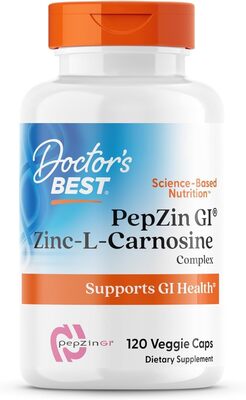
Zinc Carnosine for Gut Lining Protection
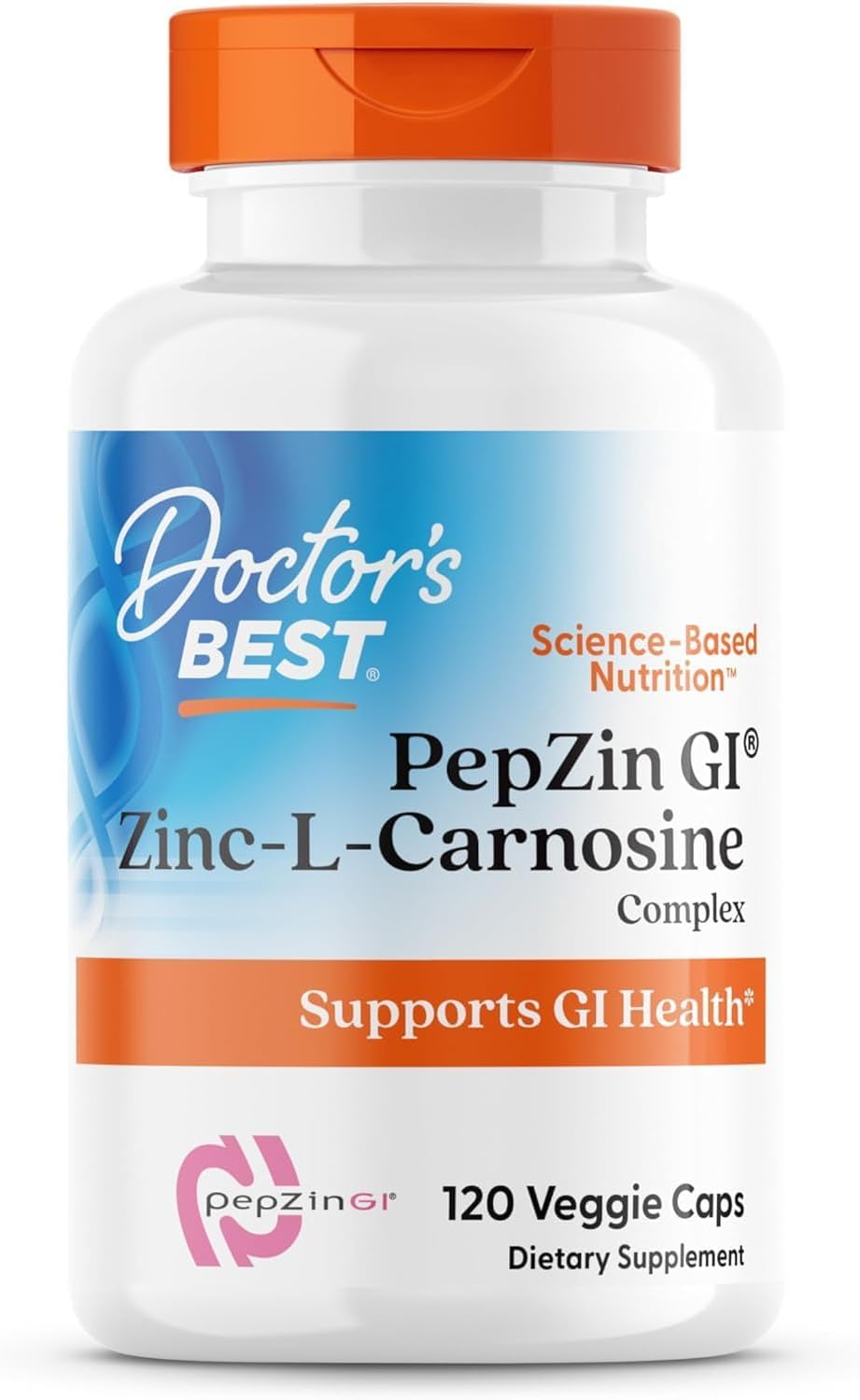
Zinc carnosine is a chelated complex of zinc and L-carnosine that adheres to the stomach and intestinal lining, providing prolonged mucosal protection.
A landmark study in Gut (2007) examined zinc carnosine across cell, animal, and human models. In healthy volunteers, the NSAID indomethacin raised intestinal permeability threefold within 5 days, while co-administering zinc carnosine (37.5 mg twice daily) prevented that rise (Mahmood et al., 2007):
- Indomethacin tripled gut permeability in the control arm (lactulose:rhamnose ratio 0.35 to 0.88); no significant rise occurred with zinc carnosine
- Zinc carnosine stimulated intestinal cell migration and proliferation in cell models and reduced gastric and small-intestinal injury in animal models
A 2016 randomized, double-blind crossover trial in healthy volunteers found that 14 days of zinc carnosine truncated the roughly threefold rise in intestinal permeability caused by heavy exercise by about 70%, with additional benefit when combined with bovine colostrum (Davison et al., 2016).
Mechanistic 2025 research in Advanced Science showed that zinc supports gut barrier function by promoting methylation of the AKT signaling pathway, a molecular route linked to intestinal cell proliferation and barrier repair (Cai et al., 2025).
Recommended dose: 37.5-75 mg twice daily (75-150 mg total per day) on an empty stomach for 8-12 weeks, then as needed. The barrier trials above used 37.5 mg twice daily, a 75 mg daily total that a single 75 mg capsule covers. Zinc carnosine is particularly relevant for people who regularly take NSAIDs or do endurance exercise.
What this means for you: Zinc carnosine has the clearest barrier-protection data of any single ingredient in this guide: it blocked the threefold NSAID-induced permeability rise in the 2007 Gut trial (37.5 mg twice daily) and cut the exercise-induced rise by about 70% in a 2016 crossover study, at a total daily dose of 75-150 mg (Mahmood et al., 2007; Davison et al., 2016).
Berberine for Microbiome Modulation
Berberine is a plant alkaloid extracted from several herbs including goldenseal, barberry, and Oregon grape. Unlike probiotics that add bacteria, berberine modulates existing gut microbiota composition.
The landmark PREMOTE trial, a randomized, double-blind, placebo-controlled study in Nature Communications (2020), assigned 409 adults with newly diagnosed type 2 diabetes to berberine, probiotics plus berberine, probiotics alone, or placebo for 12 weeks (Zhang et al., 2020):
- Greater HbA1c reductions in the berberine arms: -1.04% (probiotics plus berberine) and -0.99% (berberine alone) versus -0.53% (probiotics alone) and -0.59% (placebo)
- A microbiome mechanism: metagenomic analyses linked berberine’s glucose-lowering effect to inhibition of DCA biotransformation by Ruminococcus bromii
- More gastrointestinal side effects with berberine than the other arms
A 2025 review in Pharmaceuticals describes berberine as promoting beneficial genera (Bacteroides, Bifidobacterium, Lactobacillus) while reducing E. coli, with anti-inflammatory effects relevant to IBS and IBD (Jael Teresa de Jesús et al., 2025).
Recommended dose: 500mg taken with meals 2-3 times daily (1,500mg total). Taking berberine with food reduces the mild GI side effects (loose stools) that sometimes occur.
Best for: People with blood sugar dysregulation, metabolic syndrome, or SIBO who need to reshape gut microbiota composition.
Collagen Peptides for Gut Lining Support
Collagen is the most abundant structural protein in the body, forming connective tissue throughout the GI tract. Collagen peptides (hydrolyzed collagen) are broken-down forms that are easily absorbed.
The theoretical basis for collagen supporting gut health includes:
- Providing amino acids (glycine, proline, hydroxyproline) that are building blocks for intestinal tissue
- Supporting the extracellular matrix of the gut lining
- Reducing inflammation through glycine’s anti-inflammatory properties
The evidence is primarily mechanistic and observational rather than from rigorous clinical trials. However, collagen peptides are safe, well-tolerated, and increasingly included in comprehensive gut healing protocols.
Recommended dose: 10-20 grams daily, taken any time. Mix into liquids (coffee, smoothies) or use collagen-based protein powders.
Best combined with: L-glutamine and zinc carnosine for comprehensive gut lining support.
DGL Licorice for Mucosal Protection
Deglycyrrhizinated licorice (DGL) is licorice root with glycyrrhizin removed. Glycyrrhizin can raise blood pressure with chronic use, so removing it makes DGL safer for long-term supplementation.
DGL has been used traditionally for stomach ulcers, heartburn, and mucosal inflammation. It works by:
- Increasing mucus production in the stomach
- Reducing inflammation
- Supporting prostaglandin production (protective compounds)
Clinical evidence is mixed but generally supportive for functional dyspepsia and GERD symptoms. DGL must be chewed thoroughly and taken 20 minutes before meals to coat the stomach lining effectively.
Recommended dose: 380-400mg chewed thoroughly 20 minutes before meals, 2-3 times daily.
How to Build Your Personalized Gut Health Protocol
Not everyone needs every supplement. Here is how to construct a protocol based on your specific situation.
For General Gut Health Maintenance
Goal: Support microbiome diversity and overall digestive function
Protocol:
- Multi-strain probiotic (10-30 billion CFU with Lactobacillus and Bifidobacterium strains)
- Prebiotic fiber (5-10g daily of inulin, FOS, or PHGG)
Expected cost: $25-50/month Expected timeline: Noticeable improvements in regularity and bloating within 2-4 weeks
For Active Gut Repair (Leaky Gut, IBS, Post-Antibiotic)
Goal: Reduce intestinal permeability, restore barrier function, rebuild microbiome
Protocol:
- Multi-strain probiotic (10-30 billion CFU)
- Prebiotic fiber (start with 2-3g, gradually increase to 5-10g)
- L-glutamine (10-15 grams daily in divided doses)
- Zinc carnosine (75mg twice daily on empty stomach)
- Butyrate/tributyrin (300-600mg daily with food)
Expected cost: $75-120/month Expected timeline: Symptom improvements at 2-4 weeks; full effects at 8-12 weeks
The practical takeaway: A realistic gut protocol pairs a multi-strain probiotic (10-30 billion CFU), prebiotic fiber (5-10 g daily), and targeted barrier support such as L-glutamine 5-15 g and zinc carnosine 75-150 mg daily, and runs 8-12 weeks before judging results; costs run $25-120 per month depending on the stack.
For Digestive Discomfort and Bloating
Goal: Improve immediate post-meal comfort and reduce gas/bloating
Protocol:
- Digestive enzyme complex (broad-spectrum with documented activity units, taken at meal start)
- PHGG prebiotic (5g daily, better tolerated than inulin)
- Probiotic (optional, but beneficial for long-term improvement)
Expected cost: $40-70/month Expected timeline: Enzyme effects occur with the meal they accompany; 2-4 weeks for sustained improvement (PHGG)
For NSAID Users or Athletes
Goal: Protect gut lining from exercise or medication-induced damage
Protocol:
- Zinc carnosine (75mg twice daily)
- L-glutamine (5-10 grams daily, or 10g before prolonged exercise)
- Probiotic (for overall gut support)
Expected cost: $50-80/month Expected timeline: Preventive – best used proactively rather than waiting for symptoms
For Gut-Brain Axis Support (Mood, Anxiety, Brain Fog)
Goal: Leverage the gut-brain connection to support mental health
Protocol:
- Psychobiotic probiotic (strains like Bifidobacterium longum, Lactobacillus helveticus)
- Prebiotic fiber (5-10g daily)
- Omega-3 fatty acids (2-3 grams EPA+DHA daily for neuroinflammation)
- L-glutamine (5 grams daily)
Expected cost: $60-90/month Expected timeline: Mood improvements detectable within 2 weeks; fuller effects by 6-8 weeks
What Diet and Lifestyle Changes Support Gut Health Best?
Supplements work better when the basics are in place, and for many people the basics do most of the work. Fiber is the best-supported dietary lever: gut bacteria ferment it into short-chain fatty acids including butyrate, and intake targets of 25-38 grams per day sit far above what most adults actually eat (Slavin, 2013; Valdes et al., 2018). Practical ways to close that gap: legumes, oats, bananas, onions, garlic, and chicory-root foods for inulin-type prebiotics, plus whole grains and vegetables for general fiber.
Fermented foods add live microbes of their own. Yogurt with live cultures, kefir, kimchi, sauerkraut, and miso all deliver bacteria and yeast to the gut, and observational and trial data associate regular fermented-food intake with greater microbiome diversity. If you add them, start with small servings so gas and bloating do not derail you.
The other levers are lifestyle. Sleep of 7-9 hours per night supports the circadian rhythms that shape microbial composition and gut motility. Regular exercise is consistently linked to more diverse microbiomes and higher SCFA production in cross-sectional and interventional studies. Stress management matters because cortisol shifts gut motility, secretion, and microbial balance. And two medication habits deserve attention: antibiotics wipe out beneficial bacteria alongside pathogens (use them only when prescribed), and routine NSAID use can increase intestinal permeability in ways that zinc carnosine-type interventions only partly offset.
None of this is glamorous, but the evidence base for diet and lifestyle is wider than the evidence base for most bottles. A sensible order of operations: build the fiber and fermented-food foundation first, add a probiotic and prebiotic combination if symptoms persist, and only then stack targeted ingredients like L-glutamine or zinc carnosine for specific barrier goals.
When Should You Take Each Supplement for Best Results?
Getting the timing right maximizes effectiveness and minimizes side effects.
- Probiotics: Take on an empty stomach or with a light meal. Studies show higher survival rates when taken 30 minutes before eating or with a meal containing some fat. Morning with breakfast is the most practical timing for most people.
- Prebiotics: Can be taken any time, but taking them with or after a meal reduces gas and bloating for most people. Evening is fine.
- L-Glutamine: Best on an empty stomach. First thing in the morning or between meals. If using 10+ grams daily, split into 2-3 doses.
- Digestive enzymes: Must be taken at the beginning of a meal to work. They need to be present when food arrives in the stomach. Taking them after a meal provides minimal benefit.
- Zinc carnosine: Empty stomach for direct mucosal contact; 37.5-75 mg twice daily. Morning and before bed work well.
- DGL licorice: 20 minutes before meals. Chew thoroughly.
- Berberine: With meals, 500mg 2-3 times daily. Taking with food reduces GI side effects.
- Butyrate/Tributyrin: With meals for best absorption.
What Claims About Gut Supplements Lack Research Support?
Transparency matters, so here is what the evidence does not back:
- Mega-dose probiotics (hundreds of billions of CFUs) – There is no evidence that 200 billion CFUs outperforms 30 billion; the pooled trials behind the diarrhea and nausea findings used conventional doses.
- Generic “gut health” claims for random supplements – Many products market themselves as gut-healthy without specific evidence. Strain specificity matters for probiotics, and mechanism of action matters for everything else.
- Probiotics for everyone – A 2026 BMC Medicine meta-analysis of 22 randomized trials (1,068 participants) found probiotics did not significantly change gut microbiome diversity in healthy individuals (Éliás et al., 2026). If your gut is functioning well, the measurable benefit of probiotics is small.
- Bone broth as a gut healer – While bone broth contains collagen and amino acids, clinical evidence for its gut-healing properties is minimal. L-glutamine and zinc carnosine have far stronger evidence for the same purported benefits.
What Red Flags Mean You Should Talk to a Doctor First?
Gut supplements are not a stand-in for a medical evaluation, and several situations call for a doctor before any bottle. See a clinician first if you have any of the following: blood in or on your stool; unintentional weight loss; difficulty swallowing or food getting stuck; persistent vomiting; severe or progressive abdominal pain; anemia or unexplained fatigue; fevers or night sweats with gut symptoms; or a first-degree relative with colorectal cancer or inflammatory bowel disease, because those change your risk profile and screening plan.
Medication interactions deserve the same caution. Berberine lowers blood glucose in trials and can amplify the effect of diabetes medications, so anyone on metformin, sulfonylureas, or insulin should check dosing with a pharmacist or doctor. People with compromised immune systems (chemotherapy, transplants, advanced HIV) should talk to a clinician before taking live probiotic products, and the yeast probiotic Saccharomyces boulardii has rare fungemia reports in that group. If you are pregnant, planning pregnancy, or have chronic liver or kidney disease, review any new supplement with your care team, since dose ranges studied in adults do not automatically transfer.
Finally, keep symptom tracking honest. Bloating, constipation, or loose stools that persist for more than a few weeks despite fiber, probiotics, and timing changes warrant an evaluation rather than a sixth supplement. Irritable bowel syndrome, celiac disease, bile acid malabsorption, and SIBO all mimic each other, and each has a different first-line plan.
What Are the Key Takeaways for Gut Health Supplements?
- Probiotics are the most evidence-backed gut supplement, but strain specificity matters. Look for multi-strain products with Lactobacillus and Bifidobacterium species at 10-30 billion CFU. The 2025 umbrella meta-analysis confirms significant reductions in diarrhea and nausea risk.
- Prebiotics are the underrated complement to probiotics. Inulin, FOS, and GOS reliably increase Bifidobacterium abundance in meta-analyses (SMD 1.09 in older adults), and a 4-week 2025 RCT found inulin lowered post-meal glucose in overweight adults.
- L-glutamine has its strongest evidence in post-infectious IBS-D, where the landmark Gut trial reported a 79.6% response rate at 15 g daily; meta-analytic permeability benefits appeared only at doses above 30 g/day short-term.
- Digestive enzymes help specific conditions (enzyme deficiencies, lactose intolerance, functional dyspepsia) but are unnecessary for most healthy adults. The best recent trial data show quality-of-life, pain, and sleep improvements in functional dyspepsia.
- Zinc carnosine has the strongest barrier-protection data of the single ingredients here: it blocked the NSAID-induced permeability rise in the 2007 Gut trial and cut the exercise-induced rise by about 70% in a 2016 crossover study.
- Butyrate-containing blends now have randomized trial support in IBS, with adequate relief reported by week 4 in a 2024 trial of microencapsulated butyrate plus probiotics and scFOS.
- Berberine lowers HbA1c in type 2 diabetes through a microbiome mechanism: in the PREMOTE trial, berberine arms beat probiotics alone, with effects tied to Ruminococcus bromii metabolism.
- Akkermansia muciniphila is an early-stage but promising postbiotic candidate: a 2019 pilot found pasteurized cells improved insulin sensitivity, and a 2025 trial in type 2 diabetes found benefits that depended on baseline gut levels. Weight-loss claims from the pilot did not reach statistical significance.
- The gut-brain axis has real trial support – a 2025 randomized trial in 88 healthy volunteers found a multispecies probiotic reduced negative mood starting after 2 weeks of daily self-reports (Johnson et al., 2025).
- Most people should start with just a quality probiotic and a prebiotic fiber, then add targeted supplements based on their specific symptoms and needs. Do not try to take everything at once.
Frequently Asked Questions
What is the best supplement for gut health?
It depends entirely on your specific issue, and the honest answer is that there is rarely a single “best” supplement – most people benefit from a combination. For general gut health maintenance, a multi-strain probiotic with well-researched Lactobacillus and Bifidobacterium strains at 10-30 billion CFU is the strongest starting point: a 2025 umbrella meta-analysis linked probiotics to a 56% lower diarrhea risk and 41% lower nausea risk (Zeng et al., 2025). For gut barrier repair, the best trial evidence belongs to L-glutamine at 15 grams daily in post-infectious IBS-D, where 79.6% of the glutamine group hit the primary endpoint versus 5.8% on placebo (Zhou et al., 2019). For gut barrier protection against NSAIDs and heavy exercise, zinc carnosine has the most robust data (Mahmood et al., 2007). For functional dyspepsia, a broad-spectrum digestive enzyme improved quality of life and pain in a 2023 trial (Ullah et al., 2023). If budget is limited, start with a quality probiotic and a prebiotic fiber – that combination has the broadest evidence base for the lowest cost.
Should I take probiotics and prebiotics together?
Yes, and this combination is so well-supported that it has its own name: synbiotics. A 2025 meta-analysis of 29 randomized trials in older adults found prebiotics increased Bifidobacterium abundance (SMD 1.09) while synbiotics reduced the inflammatory marker TNF-alpha and raised short-chain fatty acid levels (Zhuang et al., 2025). The prebiotic component serves as food for both the supplemental strains and your existing beneficial bacteria. You can take them together (many products, including our Best Overall and Best Budget picks, combine probiotics with organic prebiotic fiber in one capsule) or separately. If taking them separately, probiotics are often easiest with breakfast, while prebiotics can go at any time with food to minimize gas.
Can L-glutamine recover leaky gut?
L-glutamine is the primary fuel source for intestinal epithelial cells, and it has the most direct trial evidence of any amino acid for intestinal barrier function. In the 2019 Gut trial, adults with post-infectious IBS-D and elevated permeability took 15 grams daily (5 grams three times daily) for 8 weeks; 79.6% hit the primary symptom endpoint versus 5.8% on placebo, and the lactulose:mannitol permeability ratio normalized from 0.11 to 0.05 only in the glutamine group (Zhou et al., 2019). The picture gets more nuanced in meta-analysis: pooling 10 randomized trials (352 participants) showed no overall permeability reduction, with significant effects only above 30 grams per day used short-term (Abbasi et al., 2024). Realistic expectations matter: glutamine supports barrier function but is not a stand-alone fix, and most protocols pair 5-15 grams daily with probiotics, prebiotic fiber, and removal of dietary and stress triggers over 8-12 weeks.
How long does it take to recover your gut?
Gut healing timelines vary with the severity of the issue and the approach, but the trials above sketch a reasonable timeline. Week 1-2: the microbiome starts shifting within days of dietary and probiotic changes, and a 2025 randomized trial detected probiotic-related mood improvements starting at 2 weeks of daily self-reports (Johnson et al., 2025). Temporary gas and bloating in the first week or two are common. Week 2-4: bloating and gas typically ease as bowel habits normalize; in the 2024 IBS trial, 64.7% of the butyrate-blend group reported adequate relief by week 4 versus 42.0% on placebo (Gąsiorowska et al., 2024). Month 1-3: the larger changes land here – the Gut glutamine trial ran 8 weeks, and most IBS trials show peak separation at 8-12 weeks. Month 3-6: deeper shifts continue for people with chronic conditions, and some cases of IBD or severe dysbiosis need 6-12 months of consistent effort. The critical factor is consistency: daily adherence for a minimum of 8-12 weeks is the standard before judging whether a protocol is working.
Do digestive enzymes actually help?
Digestive enzymes help specific people with specific conditions. The strongest evidence is for exocrine pancreatic insufficiency (EPI), where prescription pancreatic enzyme replacement is standard of care. For over-the-counter use, the evidence supports several applications: supplemental lactase for lactose intolerance (confirmed by Cochrane review), alpha-galactosidase for gas from beans and cruciferous vegetables, and broad-spectrum enzyme blends for functional dyspepsia. The best recent trial, published in 2023, gave 120 adults with functional dyspepsia a fungal-fermentation multi-enzyme blend (200 mg twice daily for 2 months) and found improved quality of life, reduced pain severity, and better sleep versus placebo (Ullah et al., 2023). Enzyme supplements are not necessary for everyone: if you eat a varied diet without significant bloating or discomfort, your body is likely making enough, and adding enzymes will not produce a noticeable benefit. They also do not fix dysbiosis, restore a damaged lining, or lower inflammation – use them as meal-time symptom support while you address underlying causes with probiotics, prebiotics, and barrier-support ingredients.
Related Reading
- Best Probiotics for Bloating and Gas: A Strain-Specific Guide
- Best Supplements for Leaky Gut: What Research Says About Intestinal Permeability
- Best Supplements for IBS: Probiotics, Fiber, and More Reviewed by Research
- Best Digestive Enzyme Supplements: Who Actually Needs Them and Which Work
- Berberine for Blood Sugar and Weight Loss: Complete Research Review
- L-Glutamine for Gut Health: What the Research Says
- Collagen Benefits for Skin, Joints, and Gut Health: The Science-Backed Guide
- Florastor vs Saccharomyces Boulardii: Comparing Probiotic Yeast Supplements
References
-
Zeng Q, Li P, Wu H, et al. Probiotics and gastrointestinal disorders: an umbrella meta-analysis of therapeutic efficacy. European Journal of Medical Research. 2025;30(1):515. PubMed 40551240
-
Éliás AJ, Földvári-Nagy KC, Al-Gharati YZ, et al. Effect of probiotic supplementation on the gut microbiota diversity in healthy populations: a systematic review and meta-analysis of randomised controlled trials. BMC Medicine. 2026;24(1):71. PubMed 41495831
-
Zhuang K, Luo H, Zeng M, et al. Effects of probiotics, prebiotics, and synbiotics on gut microbiota in older adults: a systematic review and meta-analysis of randomized controlled trials. Nutrition Journal. 2025;24(1):147. PubMed 41023690
-
Li J, Liu F, Luo Y, et al. Differential effects of inulin and fructooligosaccharides on gut microbiota composition and glycemic metabolism in overweight/obese and healthy individuals: a randomized, double-blind clinical trial. BMC Medicine. 2025;23(1):372. PubMed 40598275
-
Giannini EG, Mansi C, Dulbecco P, Savarino V. Role of partially hydrolyzed guar gum in the treatment of irritable bowel syndrome. Nutrition. 2006;22(3):334-342. PubMed 16413751
-
Zhou Q, Verne ML, Fields JZ, et al. Randomised placebo-controlled trial of dietary glutamine supplements for postinfectious irritable bowel syndrome. Gut. 2019;68(6):996-1002. PubMed 30108163
-
Abbasi F, Haghighat Lari MM, Khosravi GR, et al. A systematic review and meta-analysis of clinical trials on the effects of glutamine supplementation on gut permeability in adults. Amino Acids. 2024;56(1):60. PubMed 39397201
-
Mahmood A, FitzGerald AJ, Marchbank T, et al. Zinc carnosine, a health food supplement that stabilises small bowel integrity and stimulates gut repair processes. Gut. 2007;56(2):168-175. PubMed 16777920
-
Davison G, Marchbank T, March DS, et al. Zinc carnosine works with bovine colostrum in truncating heavy exercise-induced increase in gut permeability in healthy volunteers. American Journal of Clinical Nutrition. 2016;104(2):526-536. PubMed 27357095
-
Cai C, Zheng Y, Sun B, et al. Zinc alleviates gut barrier dysfunction by promoting the methylation of AKT. Advanced Science. 2025;12(33):e08280. PubMed 40642900
-
Gąsiorowska A, Romanowski M, Walecka-Kapica E, et al. Efficacy and safety of a mixture of microencapsulated sodium butyrate, probiotics, and short chain fructooligosaccharides in patients with irritable bowel syndrome: a randomized, double-blind, placebo-controlled study. Journal of Clinical Medicine. 2024;14(1):6. PubMed 39797089
-
Duysburgh C, Verstrepen L, Van Meulebroek L, Marzorati M. Tributyrin (CoreBiome) enhances butyrate levels and modulates the gut microbiota, barrier function, and immune response in vitro. Frontiers in Nutrition. 2025;12:1712993. PubMed 41473189
-
Depommier C, Everard A, Druart C, et al. Supplementation with Akkermansia muciniphila in overweight and obese human volunteers: a proof-of-concept exploratory study. Nature Medicine. 2019;25(7):1096-1103. PubMed 31263284
-
Zhang Y, Liu R, Chen Y, et al. Akkermansia muciniphila supplementation in patients with overweight/obese type 2 diabetes: efficacy depends on its baseline levels in the gut. Cell Metabolism. 2025;37(3):592-605. PubMed 39879980
-
Zhang Y, Gu Y, Ren H, et al. Gut microbiome-related effects of berberine and probiotics on type 2 diabetes (the PREMOTE study). Nature Communications. 2020;11(1):5015. PubMed 33024120
-
Jael Teresa de Jesús QV, Gálvez-Ruíz JC, Márquez Ibarra AA, et al. Perspectives on berberine and the regulation of gut microbiota: as an anti-inflammatory agent. Pharmaceuticals. 2025;18(2):193. PubMed 40006007
-
Ullah H, Di Minno A, Piccinocchi R, et al. Efficacy of digestive enzyme supplementation in functional dyspepsia: a monocentric, randomized, double-blind, placebo-controlled, clinical trial. Biomedicine & Pharmacotherapy. 2023;169:115858. PubMed 37976892
-
Johnson KV, Steenbergen L. Probiotics reduce negative mood over time: the value of daily self-reports in detecting effects. npj Mental Health Research. 2025;4(1):10. PubMed 40205027
-
Slavin J. Fiber and prebiotics: mechanisms and health benefits. Nutrients. 2013;5(4):1417-1435. PubMed 23609775
-
Valdes AM, Walter J, Segal E, Spector TD. Role of the gut microbiota in nutrition and health. BMJ. 2018;361:k2179. PubMed 29899036
-
Thursby E, Juge N. Introduction to the human gut microbiota. Biochemical Journal. 2017;474(11):1823-1836. PubMed 28512250
Recommended Products