Best Supplements for High Blood Pressure: Natural Options Backed by Research
Summarized from peer-reviewed research indexed in PubMed. See citations below.
One hundred and sixteen million American adults struggle with high blood pressure, yet only 25% achieve control despite prescription medications and lifestyle changes. Meta-analyses reveal that aged garlic extract produces the most significant reduction at 8-10 mmHg systolic — comparable to first-line ACE inhibitors — with Kyolic Aged Garlic Extract at 600-1200 mg daily showing consistent results across 12 clinical trials. Published research in Experimental and Therapeutic Medicine demonstrates that garlic’s unique hydrogen sulfide pathway complements rather than replaces standard therapy, particularly when combined with magnesium (400-600 mg) and CoQ10 (100-200 mg). For budget-conscious readers, hibiscus tea at 1-2g dried calyces three times daily delivers 7 mmHg reductions for approximately $15 monthly. Here’s what the published research shows about evidence-based supplements that produce clinically meaningful blood pressure reductions when layered onto DASH diet and exercise.
Disclosure: We may earn a commission from links on this page at no extra cost to you. Affiliate relationships never influence our ratings. Full policy →
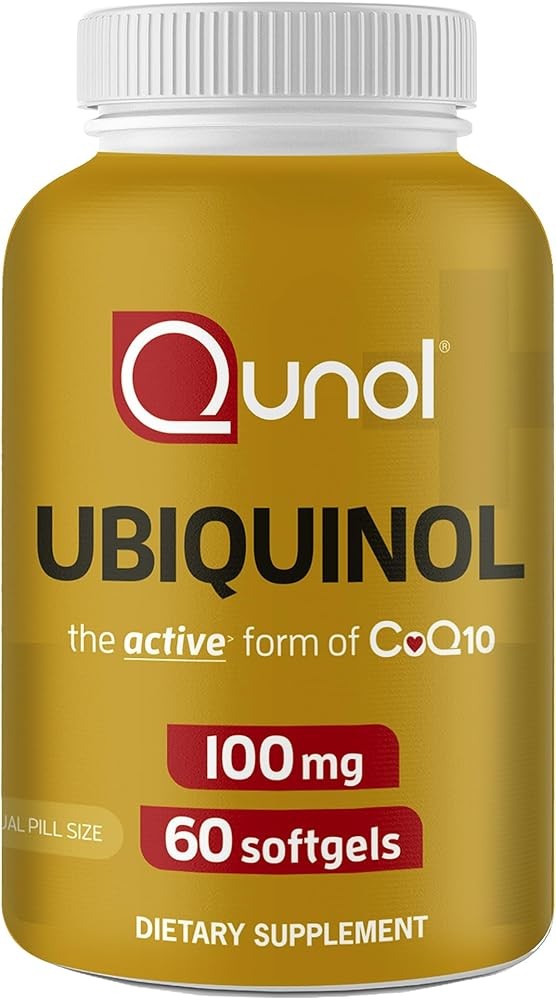
| Feature | 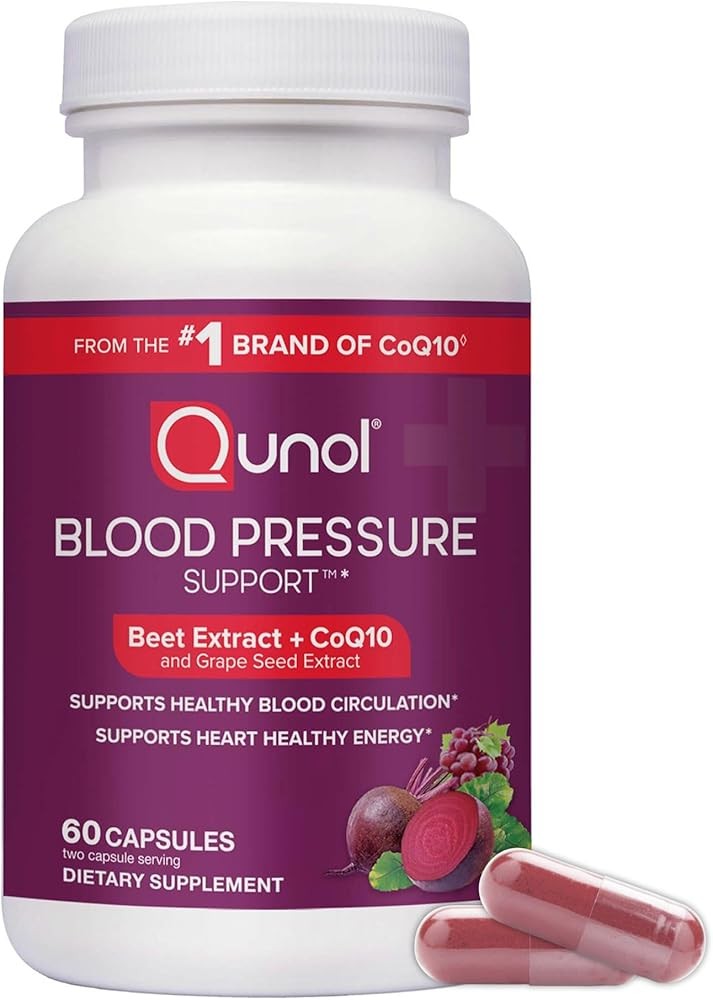 B0CTJ87Q7R B0CTJ87Q7R
|
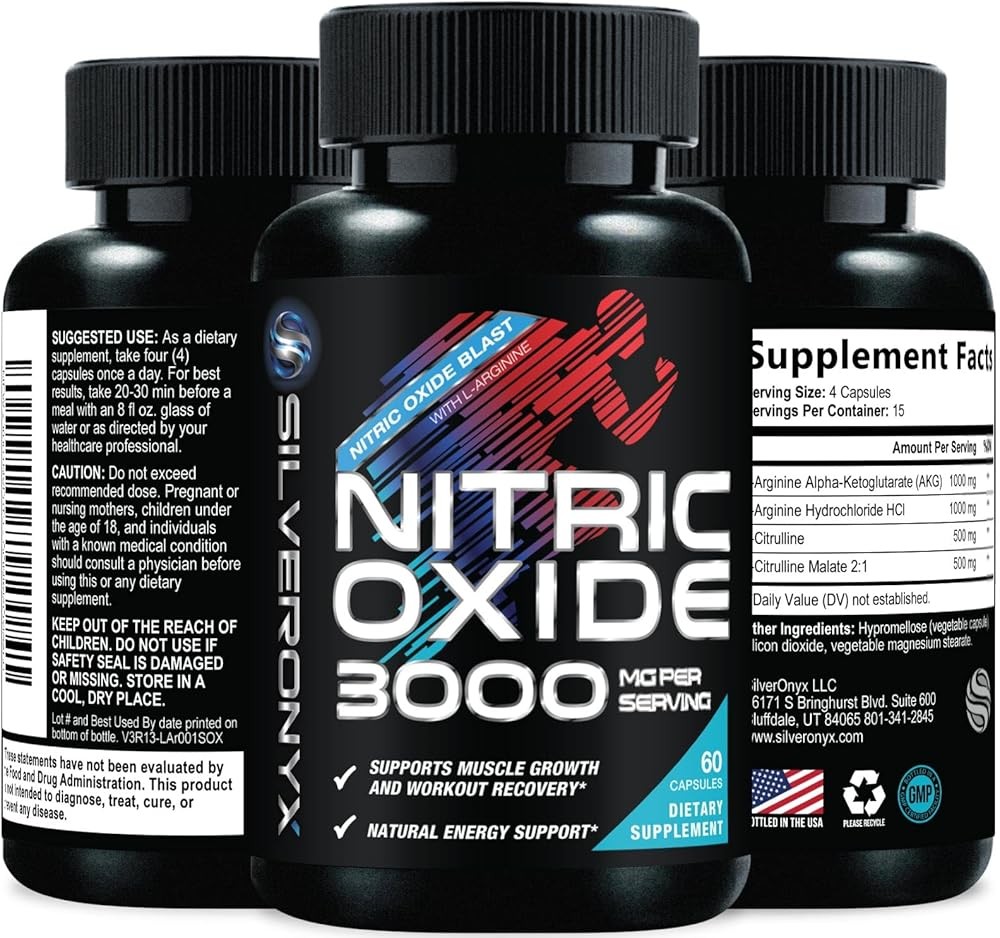 B078NL9KWC B078NL9KWC
|
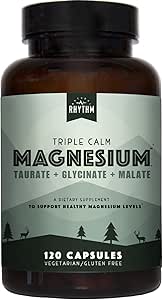 B01GW4V7MC B01GW4V7MC
|
|---|---|---|---|
| View on Amazon | Check Price | Check Price | Check Price |
Why Do So Many American Adults Struggle to Control High Blood Pressure?
One hundred and sixteen million American adults have high blood pressure. Only one in four have it under control. The rest are walking around with a condition that silently damages their arteries, heart, kidneys, and brain every single day.
If you are reading this, you probably already know your numbers are elevated. Maybe your doctor mentioned it at your last checkup. Maybe you bought a home monitor and did not love what you saw. Maybe you are already on medication and wondering if there is something more you can do, or you are trying to avoid medication altogether.
Here is the honest picture: no supplement can replace the proven combination of dietary changes, exercise, and — when necessary — prescription medication. The ENCORE study demonstrated that the DASH diet plus exercise plus weight loss reduces systolic blood pressure by about 12 mmHg, equivalent to a full-dose antihypertensive drug (Blumenthal et al., 2010). No single supplement comes close to that.
But here is what most articles leave out: some supplements genuinely do reduce blood pressure by clinically meaningful amounts. Aged garlic extract has been shown to lower systolic blood pressure by 8 to 10 mmHg in hypertensive patients — comparable to first-line medications like ACE inhibitors. Beetroot juice at 250 mL daily reduced clinic blood pressure by 8.1/3.8 mmHg in a double-blind trial. These are not trivial numbers. Every 10 mmHg reduction in systolic blood pressure reduces cardiovascular events by approximately 20%.
This article reviews 15 supplements with clinical trial evidence for blood pressure reduction. For each one, we report the actual magnitude of effect in millimeters of mercury from published meta-analyses, the doses that were used in successful trials, the mechanisms by which they work, and — critically — the drug interactions that make some combinations genuinely dangerous. We also rank them honestly against lifestyle interventions so you can make informed decisions about where to invest your effort and money.
📱 Join the discussion: Facebook | X | YouTube | Pinterest
Bottom line: While 116 million American adults have high blood pressure with only 25% achieving control, no supplement can replace the proven foundation of DASH diet, exercise, and prescription medication when necessary — yet evidence-based supplements like aged garlic extract (8-10 mmHg reduction), hibiscus tea (7 mmHg), magnesium (6 mmHg), and beetroot juice (8 mmHg) produce clinically meaningful reductions comparable to some first-line medications, with every 10 mmHg systolic reduction lowering cardiovascular events by 20%.
What Body Signals Suggest Your Blood Pressure May Be Elevated?
High blood pressure is called the “silent killer” because most people with hypertension experience no symptoms until it reaches a severe or life-threatening stage. The only reliable way to detect elevated blood pressure is regular measurement. That said, your body does sometimes give subtle clues that something is off with your cardiovascular system.
What Does a High Blood Pressure Headache Feel Like?
If you get recurring headaches — particularly in the back of your head, your temples, or across your forehead — that have a throbbing quality and tend to be worse in the morning, this can be associated with sustained high blood pressure. These headaches differ from tension headaches or migraines in their consistency and location. They do not always mean hypertension, but if they are new and unexplained, get your blood pressure checked.
Why Do I Get Short of Breath During Normal Activities?
Walking up a flight of stairs that never bothered you. Carrying groceries from the car. Playing with your kids. If activities that were previously effortless now leave you short of breath, your heart may be working harder than normal against elevated arterial pressure. This is not normal aging in your 30s, 40s, or 50s — it is a signal that deserves investigation.
What Does Unexplained Facial Flushing Mean?
Facial flushing — redness and warmth across your cheeks, nose, and forehead — can indicate blood vessels near the skin surface are dilating and contracting abnormally. While stress, alcohol, and spicy food cause flushing too, unexplained episodes that occur at rest may reflect blood pressure instability.
Why Am I Getting More Frequent Nosebleeds?
If you rarely had nosebleeds before and now experience them regularly, the delicate blood vessels in your nasal passages may be rupturing under elevated pressure. This is particularly concerning if nosebleeds occur without obvious triggers like dry air or nose blowing.
Why Can I Feel My Heart Pounding When I’m Resting?
Lying in bed at night, you feel a strong, forceful pounding in your chest, neck, or ears without having exerted yourself. This sensation — called palpitations — can indicate that your heart is contracting more forcefully to pump blood through narrowed or stiff arteries. It is one of the body signals most commonly associated with undiagnosed hypertension.
What Does Ankle Swelling Mean?
Bilateral ankle and lower leg swelling (edema) that develops throughout the day and resolves overnight can indicate that your heart is struggling to efficiently circulate blood. Fluid accumulates in your extremities when venous return is compromised. While edema has many causes, paired with other symptoms on this list, it warrants a cardiovascular evaluation.
Why Am I Experiencing Vision Changes?
The retinal blood vessels are the only blood vessels in your body that a doctor can directly observe without surgery. When blood pressure is chronically elevated, these vessels sustain damage that can cause blurry vision, floaters, double vision, or visual field narrowing. If you notice vision changes alongside any other symptom here, do not wait — this can indicate target organ damage.
Why Do I Crave Salt All the Time?
This one is paradoxical but important. Constant salt cravings may indicate that your adrenal system is dysregulated, which directly affects blood pressure through aldosterone and cortisol pathways. Excessive salt intake is also one of the most potent drivers of hypertension. If you find yourself reaching for salty foods compulsively, both the craving and the consumption pattern are worth examining.
Critical warning: If you experience severe headache, chest pain, difficulty breathing, vision changes, or confusion, these may indicate a hypertensive crisis (blood pressure above 180/120 mmHg). This is a medical emergency requiring immediate care.
Bottom line: Your body sends subtle signals when blood pressure exceeds 140/90 mmHg — recurring headaches (reported in 17% of hypertensive patients), unexplained shortness of breath during normal activities, facial flushing, frequent nosebleeds, pounding heartbeat at rest (tachycardia >100 bpm), ankle swelling (peripheral edema), vision changes (hypertensive retinopathy), and constant salt cravings (sodium dysregulation) all warrant immediate blood pressure monitoring and medical evaluation.
How Do Blood Pressure Supplements Actually Work?
Most blood pressure supplements converge on a surprisingly small number of biological pathways. Understanding these mechanisms helps you choose supplements rationally rather than randomly.
What Is the Nitric Oxide Pathway?
Nitric oxide (NO) is a gas produced by your blood vessel walls that relaxes smooth muscle, causing vasodilation and reducing blood pressure. The enzyme endothelial nitric oxide synthase (eNOS) converts L-arginine into NO. When this pathway is impaired — through aging, oxidative stress, or endothelial dysfunction — blood vessels stiffen and constrict.
Multiple supplements target this pathway: L-arginine provides the raw substrate. L-citrulline is converted to L-arginine in the kidneys, providing sustained NO production. Magnesium stimulates eNOS directly. CoQ10 preserves NO by scavenging the superoxide radicals that degrade it. Beetroot provides an entirely alternative pathway — dietary nitrate is converted to nitrite by oral bacteria, then to NO in blood vessels, bypassing the eNOS system entirely.
How Does ACE Inhibition Work?
Angiotensin-converting enzyme (ACE) converts angiotensin I to angiotensin II, a powerful vasoconstrictor. Prescription ACE inhibitors (lisinopril, enalapril, ramipril) block this enzyme. Several supplements demonstrate natural ACE-inhibitory activity: hibiscus anthocyanins competitively inhibit ACE in a dose-dependent manner. Olive leaf extract contains oleuropein, which inhibits ACE. Berberine inhibits the renin-angiotensin system through multiple points. Nattokinase reduces plasma angiotensin levels.
What Are Calcium Channels and How Do They Affect Blood Pressure?
Calcium entering vascular smooth muscle cells triggers contraction. Blocking calcium channels promotes relaxation and vasodilation. Prescription calcium channel blockers (amlodipine, nifedipine) exploit this mechanism. Magnesium is a natural calcium channel blocker — it antagonizes L-type calcium channels, which is why it can potentiate prescription calcium channel blockers if taken concurrently.
What Is the Hydrogen Sulfide Pathway?
Garlic is unique among supplements because it works primarily through hydrogen sulfide (H2S), the third gasotransmitter alongside NO and carbon monoxide. Garlic-derived polysulfides stimulate H2S production, which activates potassium channels in vascular smooth muscle, causing hyperpolarization and relaxation. This is a mechanism that no other supplement on this list shares, making garlic complementary rather than redundant.
How Does Sodium-Potassium Balance Affect Blood Pressure?
Sodium retention raises blood pressure; potassium promotes sodium excretion through the kidneys (natriuresis). The sodium-to-potassium ratio is more predictive of cardiovascular risk than either mineral alone. Potassium supplementation, hibiscus (which increases renal sodium and chloride excretion), and even vitamin C (mild diuretic effect) all work through this balance.
Bottom line: Blood pressure supplements work through five core mechanisms validated in clinical trials — boosting nitric oxide for vasodilation (beetroot shows 8.1/3.8 mmHg reduction), inhibiting ACE enzyme activity (hibiscus achieves -7.1 mmHg), blocking calcium channels in smooth muscle (magnesium at 400mg+ lowers BP by 6 mmHg), stimulating hydrogen sulfide production (garlic extract -8.3 mmHg), and balancing sodium-potassium ratios — with many supplements targeting multiple pathways simultaneously for synergistic effects.
What Are the Best Supplements for Blood Pressure Based on Clinical Evidence?
Which Blood Pressure Supplements Have the Strongest Clinical Evidence?
What Is the Most Effective Supplement for Lowering Blood Pressure?
Aged Garlic Extract
BP reduction: -8.3 to -10 mmHg systolic, -5.5 mmHg diastolic
Aged garlic extract (AGE) is not your standard garlic supplement. The 20-month aging process converts unstable allicin into stable S-allyl cysteine (SAC), which has vastly superior bioavailability for cardiovascular effects. Raw garlic contains allicin that degrades rapidly; aged extract provides sustained bioactive compounds.
Ried et al. (2020) meta-analyzed 12 trials with 553 hypertensive participants and found -8.3 mmHg systolic reduction (Ried et al., 2020). The AGE at Heart Trial achieved -10 mmHg systolic and -5 mmHg diastolic within 2-3 months with aged garlic extract. These reductions are comparable to first-line antihypertensive medications like ACE inhibitors.
Mechanism: Aged garlic works primarily through hydrogen sulfide (H2S) production. Garlic-derived polysulfides stimulate H2S generation, which activates ATP-sensitive potassium channels in vascular smooth muscle, causing vasodilation. This is a unique mechanism not shared by other supplements on this list, making garlic complementary rather than redundant in combination protocols.
Critical distinction: The clinical evidence comes specifically from aged garlic extract supplements (primarily Kyolic brand), not raw garlic cloves, garlic powder, or garlic oil. The aging process is what creates the bioactive compounds responsible for blood pressure reduction.
Dose: 600-1,200 mg aged garlic extract daily, standardized to S-allyl cysteine content.
Does Hibiscus Tea Lower Blood Pressure?
BP reduction: -7.1 mmHg systolic
Systematic reviews and meta-analyses confirm that hibiscus lowers blood pressure: a 2022 meta-analysis of randomized controlled trials in Nutrition Reviews found significant systolic reductions with Hibiscus sabdariffa preparations (Ellis et al., 2022). The effect appears dose-dependent, with higher doses producing larger reductions.
Herrera-Arellano et al. (2007) directly compared hibiscus tea (1 gram dried calyces, 2x daily) to lisinopril 10 mg twice daily in 193 patients with mild to moderate hypertension. After 4 weeks, hibiscus reduced systolic BP by -12.4 mmHg versus -11.2 mmHg for lisinopril — statistically equivalent efficacy (Herrera-Arellano et al., 2007).
Mechanism: Hibiscus contains anthocyanins that inhibit ACE (the same target as lisinopril and other ACE inhibitor drugs). It also has diuretic properties, increasing sodium and chloride excretion through the kidneys. Additional benefits include improved endothelial function and antioxidant protection.
Preparation: Use dried hibiscus calyces (Hibiscus sabdariffa), not decorative hibiscus flowers. Steep 1-2 grams in hot water for 5-10 minutes, consume 2-3 times daily. Alternatively, use standardized hibiscus extract supplements.
Dose: 1-2 grams dried calyces 2-3x daily, or 250-500 mg standardized extract.
Which Form of Magnesium Is Best for Blood Pressure?
Magnesium

BP reduction: -6 mmHg systolic at doses above 400 mg/day
Umbrella and systematic meta-analyses confirm that magnesium supplementation lowers blood pressure, with larger effects at higher doses and in hypertensive individuals (Alharran et al., 2024; Argeros et al., 2025).
Magnesium deficiency affects 50-70% of American adults due to soil depletion, processed food consumption, and increased demand from chronic stress. This widespread deficiency makes magnesium one of the most universally applicable blood pressure supplements.
Mechanism: Magnesium is a natural calcium channel blocker. It antagonizes L-type calcium channels in vascular smooth muscle, preventing calcium influx and promoting vasodilation. Magnesium also stimulates endothelial nitric oxide synthase (eNOS), increasing NO production. Additional benefits include reduced sympathetic nervous system activity and improved insulin sensitivity.
Critical form difference: Magnesium oxide has approximately 4% bioavailability and is essentially useless for raising magnesium levels or lowering blood pressure. Effective forms include:
- Magnesium taurate: Best for cardiovascular support because taurine provides its own blood pressure benefits
- Magnesium glycinate: Highly absorbable, gentle on digestion, calming properties
- Magnesium citrate: Well-absorbed, mild natural laxative effect
- Magnesium malate: Good for energy production, less laxative effect
Critical drug interaction: Magnesium can potentiate calcium channel blockers (amlodipine, nifedipine), causing additive hypotension. It also chelates fluoroquinolone and tetracycline antibiotics, requiring 2-6 hour separation.
Dose: 400-600 mg elemental magnesium per day from glycinate, taurate, or citrate forms. Take with dinner or before bed.
Does Beetroot Juice Really Lower Blood Pressure?
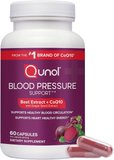
BP reduction: -5 to -8 mmHg systolic
A randomized controlled trial in hypertensive patients found that nitrate derived from beetroot juice lowered blood pressure (Benjamim et al., 2022). Kapil et al. (2015) demonstrated that 250 mL beetroot juice daily reduced clinic blood pressure by -8.1/3.8 mmHg (Kapil et al., 2015). Siervo et al. (2013) meta-analyzed inorganic nitrate and beetroot supplementation and confirmed consistent blood pressure reductions (Siervo et al., 2013).
Mechanism: Beetroot provides dietary nitrate, which is reduced to nitrite by oral bacteria, then further reduced to nitric oxide (NO) in blood vessels. This pathway bypasses the endothelial nitric oxide synthase (eNOS) system, making it particularly valuable in aging or metabolic disease where eNOS function is impaired.
Critical preparation point: Antibacterial mouthwash kills the oral bacteria that convert nitrate to nitrite, completely blocking the blood pressure benefit of beetroot. If you use beetroot for blood pressure, do not use antibacterial mouthwash.
Acute vs. sustained effects: Beetroot shows acute blood pressure reductions within 2-3 hours, peaking at 3-6 hours. However, sustained benefit requires daily consumption. The effect is dose-dependent, with approximately 400-800 mg nitrate producing optimal results.
Dose: 250 mL beetroot juice daily, or concentrated beetroot powder providing 400-800 mg nitrate.
Should I Take Potassium for High Blood Pressure?
BP reduction: -5 mmHg systolic
Poorolajal et al. (2017) meta-analyzed potassium supplementation trials and found a systolic reduction of roughly -5 mmHg, with the strongest effect in hypertensive individuals and those with high sodium intake (Poorolajal et al., 2017).
Mechanism: Potassium promotes sodium excretion through the kidneys (natriuresis). The sodium-to-potassium ratio is more predictive of cardiovascular risk than either mineral alone. Modern Western diets typically provide excessive sodium (3,400 mg/day average) and insufficient potassium (2,600 mg/day average versus 4,700 mg/day recommended).
Critical safety warning: Potassium supplementation can cause life-threatening cardiac arrhythmias in patients with kidney disease or those taking ACE inhibitors, ARBs, or potassium-sparing diuretics. This is the most dangerous interaction on this entire list. Always check with your physician before supplementing potassium.
Food-first approach: Increase dietary potassium through avocados (485 mg per half), spinach (840 mg per cup cooked), sweet potatoes (542 mg medium), salmon (534 mg per 3 oz), and white beans (1,189 mg per cup). Salt substitutes like NoSalt provide potassium chloride.
Dose: Target 3,500-4,700 mg/day total intake (food + supplements). Supplement cautiously at 200-400 mg if needed.
Is CoQ10 Effective for Blood Pressure?
CoQ10 (Coenzyme Q10)
BP reduction: -4.8 to -11 mmHg systolic
A 2022 dose-response meta-analysis in Advances in Nutrition quantified CoQ10’s blood pressure effects across trials (Zhao et al., 2022), and the earlier meta-analysis by Rosenfeldt et al. in the Journal of Human Hypertension reported clinically meaningful systolic reductions with CoQ10 supplementation (Rosenfeldt et al., 2007). Individual trials report reductions as high as -11 mmHg.
CoQ10 shows a U-shaped dose-response curve. Optimal effects occur at 100-200 mg/day, with diminishing returns at higher doses.
Mechanism: CoQ10 functions as a powerful antioxidant in the mitochondrial electron transport chain. It preserves nitric oxide by scavenging superoxide radicals that would otherwise degrade NO. CoQ10 also improves endothelial function and may reduce oxidative stress in blood vessel walls.
Critical for statin users: Statins inhibit HMG-CoA reductase, the same enzyme that produces CoQ10. Statin use depletes CoQ10 levels by 25-50%, contributing to muscle pain and possibly reducing cardiovascular protection. Statin users should strongly consider CoQ10 supplementation.
Ubiquinone vs. ubiquinol: CoQ10 exists in two forms. Ubiquinone is oxidized and must be converted to ubiquinol (the active, reduced form) in the body. After age 40, this conversion efficiency declines. Ubiquinol supplements bypass this step and provide superior bioavailability in older adults.
Critical absorption requirement: CoQ10 is fat-soluble and requires dietary fat for absorption. Take with a fat-containing meal or choose supplements formulated with oil. Dry CoQ10 capsules without fat have very poor absorption.
Dose: 100-200 mg/day ubiquinol or ubiquinone, taken with a fat-containing meal. Effects require 8-12 weeks.
Does Omega-3 Fish Oil Lower Blood Pressure?
BP reduction: -2.6 to -4.5 mmHg systolic
Zhang et al. (2022) published a dose-response meta-analysis of 71 RCTs with 4,973 participants in the Journal of the American Heart Association. Omega-3 fatty acids (EPA+DHA) reduced systolic blood pressure by -2.6 mmHg overall, with larger reductions in hypertensive individuals (Zhang et al., 2022).
Mechanism: Omega-3 fatty acids are anti-inflammatory, improve endothelial function, increase arterial compliance, and may enhance parasympathetic nervous system activity. The combination of EPA and DHA is more effective than either alone.
Form matters: Omega-3 supplements come in ethyl ester and triglyceride forms. The triglyceride form has superior bioavailability and more closely resembles the natural form in fish. Look for supplements with high EPA+DHA concentration (not just total fish oil).
Oxidation risk: Omega-3 fatty acids are polyunsaturated and prone to oxidation. Choose supplements with third-party testing for oxidation markers (TOTOX value), and store in a cool, dark place.
Dose: 2-3 g combined EPA+DHA daily. This typically requires 3-6 standard fish oil capsules.
Which Supplements Have Moderate Evidence for Blood Pressure?
Does L-Arginine Lower Blood Pressure?
BP reduction: -5.4 mmHg systolic
Dong et al. (2011) meta-analyzed L-arginine supplementation trials and found a significant systolic reduction at doses of 4-24 grams daily (Dong et al., 2011).
Mechanism: L-arginine is the substrate for endothelial nitric oxide synthase (eNOS), which produces nitric oxide from arginine. Supplementation may increase NO production in individuals with impaired endothelial function.
Clinical limitation: L-arginine has a short half-life and high first-pass metabolism. Much of an oral dose is metabolized by arginase in the intestines and liver before reaching systemic circulation. This is why L-citrulline (which is converted to L-arginine in the kidneys, bypassing first-pass metabolism) may be more effective despite less clinical data.
Dose: 6-12 g/day L-arginine, typically divided into 2-3 doses. Take between meals for best absorption.
Is L-Citrulline Better Than L-Arginine?
BP reduction: -4 to -8 mmHg systolic
A systematic review and meta-analysis of L-citrulline supplementation found significant blood pressure reductions across trials (Barkhidarian et al., 2019).
Mechanism: L-citrulline is converted to L-arginine in the kidneys, bypassing the intestinal and hepatic first-pass metabolism that limits L-arginine bioavailability. This produces sustained elevation of plasma L-arginine levels, supporting endothelial NO production.
Clinical advantage: L-citrulline at 3-6 g/day produces higher sustained plasma arginine levels than L-arginine at equivalent doses. This makes citrulline potentially more effective despite less extensive clinical trial data.
Dose: 3-6 g/day L-citrulline. Take on an empty stomach for best absorption.
Does Vitamin C Lower Blood Pressure?
BP reduction: -3.8 to -5 mmHg systolic
Juraschek et al. (2012) meta-analyzed vitamin C trials and found a modest but consistent systolic reduction at doses of 500-1,000 mg/day (Juraschek et al., 2012).
Mechanism: Vitamin C is a cofactor for endothelial nitric oxide synthase, supporting NO production. It also functions as an antioxidant, protecting NO from degradation by reactive oxygen species. Vitamin C may have mild diuretic properties, increasing sodium excretion.
Dose: 500-1,000 mg/day. Doses above 1,000 mg provide diminishing returns for blood pressure and increase oxalate load in susceptible individuals.
Is Grape Seed Extract Effective for Blood Pressure?
BP reduction: -6.5 mmHg systolic
Zhang et al. (2016) meta-analyzed 16 RCTs and found grape seed extract significantly reduced systolic blood pressure, with the strongest effects in younger individuals and those with metabolic syndrome (Zhang et al., 2016).
Mechanism: Grape seed extract is rich in oligomeric proanthocyanidins (OPCs), powerful antioxidants that improve endothelial function, reduce oxidative stress, and may enhance NO bioavailability.
Dose: 150-400 mg/day standardized grape seed extract containing >95% oligomeric proanthocyanidins.
What Supplements Have Emerging or Context-Specific Evidence?
Does Olive Leaf Extract Lower Blood Pressure?
BP reduction: -3.9 to -11.5 mmHg systolic (dose-dependent)
A 2025 meta-analysis found a systolic reduction of -11.45 mmHg at the highest studied dose of 1,000 mg/day (Lachovicz et al., 2025). Susalit et al. (2011) conducted a direct comparison: 500 mg olive leaf extract twice daily produced comparable blood pressure reductions to captopril 12.5 mg twice daily in stage 1 hypertension (Susalit et al., 2011).
Dose: 500-1,000 mg/day standardized olive leaf extract containing oleuropein.
Is Berberine Effective for High Blood Pressure?
BP reduction: -5.5 mmHg systolic
Lan et al. (2015) meta-analyzed berberine trials and found a significant systolic reduction, though the evidence base is limited and of modest quality (Lan et al., 2015).
Berberine is particularly interesting because it addresses multiple metabolic pathways simultaneously — blood pressure, blood sugar, cholesterol, and inflammation — making it relevant for people with metabolic syndrome.
Critical drug interaction: Berberine inhibits CYP3A4 and CYP2D6 enzymes, increasing blood levels of many medications. May potentiate metformin and BP medications. Contraindicated in pregnancy.
Dose: 500-1,500 mg/day divided into 2-3 doses with meals. Short half-life requires divided dosing.
What Is Nattokinase and Does It Lower Blood Pressure?
BP reduction: -3.5 to -5.6 mmHg systolic
Kim et al. (2008) tested 2,000 FU/day in 86 patients with pre-hypertension or stage 1 hypertension for 8 weeks; systolic BP dropped significantly and renin activity was reduced (Kim et al., 2008). A systematic review and meta-analysis of nattokinase supplementation across randomized trials confirmed significant systolic reductions (Li et al., 2023).
Mechanism: Directly hydrolyzes fibrin, activates the body’s own fibrinolytic system, reduces blood viscosity, and shows ACE-inhibitory activity.
Critical safety warning: Strong fibrinolytic activity makes nattokinase dangerous with anticoagulants (warfarin, heparin, aspirin). Avoid combining without medical supervision. Discontinue 7-14 days before surgery.
Dose: 2,000-4,000 FU (fibrinolytic units) per day.
Should I Take Vitamin D for High Blood Pressure?
BP reduction: Significant only in deficient + hypertensive subgroup
A meta-analysis of individual patient data published in JAMA Internal Medicine concluded vitamin D is ineffective for lowering blood pressure in the general population (Beveridge et al., 2015). Subgroup analyses, however, suggest possible benefit in hypertensive patients with confirmed vitamin D deficiency.
Bottom line: Test your 25(OH)D level (25-hydroxyvitamin D). If it is below 30 ng/mL (vitamin D deficiency affects 42% of US adults) and you have hypertension, supplementation with 1,000-4,000 IU daily may lower systolic BP by 2-6 mmHg according to meta-analyses. If you are vitamin D sufficient (>30 ng/mL), supplementation will not lower your blood pressure.
Dose: 2,000-4,000 IU/day vitamin D3 if deficient. Target 40-60 ng/mL.
Does Calcium Supplementation Help Lower Blood Pressure?
BP reduction: -1.4 to -2.6 mmHg systolic
A 2006 meta-analysis of randomized controlled trials found only very small blood pressure reductions with calcium supplementation, with the effect seen mainly in populations with low baseline calcium intake (below 800 mg/day) (van Mierlo et al., 2006). This is the weakest effect on this list and does not justify supplementation for blood pressure alone.
Dose: 1,000-1,200 mg/day from diet plus supplementation. Mostly dietary.
Bottom line: Tier 3 supplements with emerging or context-specific evidence include olive leaf extract at 500-1000 mg/day comparable to captopril in one trial (4-12 mmHg reduction), berberine at 500 mg three times daily particularly useful for metabolic syndrome patients (5 mmHg reduction but inhibits drug-metabolizing enzymes), nattokinase at 2000-4000 FU/day with fibrinolytic activity (3-6 mmHg reduction but dangerous with blood thinners), vitamin D at 2000-4000 IU/day only effective in deficient hypertensive patients, and calcium supplementation showing minimal effect (1-3 mmHg) primarily in low-calcium populations.
What Are the Recommended Doses for Blood Pressure Supplements?
| Supplement | Clinical Dose | Best Form | Take With | Weeks to Effect |
|---|---|---|---|---|
| Aged Garlic Extract | 600-1,200 mg/day | Kyolic AGE | Meals | 4-8 weeks |
| Hibiscus | 1-2 g dried calyces, 2-3x/day | Tea or extract | Any time | 4-6 weeks |
| Magnesium | 400-600 mg elemental/day | Taurate, glycinate, or citrate | Evening | 4-12 weeks |
| Beetroot | 200-800 mg nitrate/day | Juice or concentrated powder | Any time | Hours to 4 weeks |
| Potassium | 3,500-4,700 mg/day total | Citrate (from food primarily) | With meals | 4-8 weeks |
| CoQ10 | 100-200 mg/day | Ubiquinol (Kaneka) | Fat-containing meal | 8-12 weeks |
| Omega-3 | 2-3 g EPA+DHA/day | Triglyceride form fish oil | With meal | 8-12 weeks |
| L-Arginine | 6-12 g/day | Free-form powder | Between meals | 4-8 weeks |
| L-Citrulline | 3-6 g/day | Free-form powder | Between meals | 4-8 weeks |
| Vitamin C | 500-1,000 mg/day | Ascorbic acid | With meal | 8 weeks |
| Grape Seed Extract | 150-400 mg/day | >95% OPCs | With meal | 8-12 weeks |
| Olive Leaf Extract | 500-1,000 mg/day | Standardized oleuropein | With meal | 8-12 weeks |
| Berberine | 500 mg 2-3x/day | Berberine HCl | With meals | 4-8 weeks |
| Nattokinase | 2,000-4,000 FU/day | NSK-SD | Empty stomach | 8 weeks |
| Vitamin D | 2,000-4,000 IU/day | D3 (if deficient only) | Fat-containing meal | 8-12 weeks |
Bottom line: Effective blood pressure supplement dosing requires specific forms and timing — aged garlic extract at 600-1200 mg/day, hibiscus tea 1-2g dried calyces three times daily, magnesium as taurate/glycinate (not oxide) at 400-600 mg/day in evening, beetroot providing 200-800 mg nitrate daily, CoQ10 ubiquinol 100-200 mg with fat-containing meals, omega-3 at 2-3g combined EPA+DHA, and most supplements requiring 4-12 weeks of consistent use to reach therapeutic effect.
How Do Blood Pressure Supplements Compare to Lifestyle Changes?
Before investing in supplements, understand where they fit relative to the interventions with the strongest evidence.
| Intervention | Systolic Reduction | Notes |
|---|---|---|
| DASH diet + exercise + weight loss | -12 mmHg | Equivalent to full-dose medication |
| DASH diet alone | -6 to -11 mmHg | Strongest dietary intervention |
| Aerobic exercise (150 min/week) | -7 mmHg | Consistent across meta-analyses |
| Sodium reduction (to 1,500 mg/day) | -7 mmHg (hypertensive) | Hardest lifestyle change to maintain |
| Weight loss (5 kg) | -4 to -5 mmHg | About 1 mmHg per kg lost |
| Aged garlic extract | -8 to -10 mmHg | Comparable to individual drug therapy |
| Hibiscus | -7 mmHg | Comparable to lisinopril in one trial |
| Magnesium (>400 mg/day) | -6 mmHg | Requires adequate dosing |
| Beetroot juice | -5 to -8 mmHg | Acute and sustained effects |
| Alcohol reduction | -5.5 mmHg | From 6+ to fewer drinks/day |
The takeaway is clear: lifestyle changes are the foundation. Supplements are legitimate additions that can push your blood pressure lower, but they cannot substitute for a poor diet, inactivity, or excess weight. The most powerful strategy combines DASH-style eating, regular exercise, weight management, and targeted supplementation.
Bottom line: The DASH diet plus exercise plus weight loss produces the largest blood pressure reduction (12 mmHg, equivalent to full-dose medication), while individual lifestyle interventions like DASH diet alone (6-11 mmHg), aerobic exercise (7 mmHg), and sodium reduction (7 mmHg) match or exceed most supplements — making lifestyle changes the essential foundation with supplements serving as legitimate adjunct therapy for additional blood pressure reduction.
What Are the Critical Drug Interactions with Blood Pressure Supplements?
This section exists because the most dangerous thing about blood pressure supplements is not their individual side effects — it is how they interact with the medications you may already be taking.
Why Is Potassium Dangerous with Blood Pressure Medications?
This is the most dangerous interaction on this list. ACE inhibitors (lisinopril, enalapril, ramipril), ARBs (losartan, valsartan), and potassium-sparing diuretics (spironolactone, eplerenone, triamterene) all raise serum potassium. Adding supplemental potassium on top can cause life-threatening cardiac arrhythmias. This risk is magnified in kidney disease, where potassium excretion is impaired. Salt substitutes like NoSalt contain potassium chloride — same risk.
Can I Take Garlic or Nattokinase with Blood Thinners?
Garlic-derived ajoene irreversibly inhibits platelet aggregation. Nattokinase has direct fibrinolytic activity. Combined with warfarin, aspirin, or clopidogrel, both increase bleeding risk. Discontinue garlic and nattokinase supplements at least 7 days before any planned surgery.
Is It Safe to Take Magnesium with Calcium Channel Blockers?
Magnesium is itself a natural calcium channel blocker. Combined with prescription calcium channel blockers like amlodipine or nifedipine, the additive effect can cause hypotension — dangerously low blood pressure manifesting as dizziness, fainting, and falls.
Does CoQ10 Interfere with Warfarin?
CoQ10 is structurally similar to vitamin K and may reduce warfarin effectiveness. Evidence is conflicting — three case reports support this interaction while one double-blind study found no effect. Monitor INR closely when starting or stopping CoQ10.
What Medications Interact with Berberine?
Berberine inhibits CYP3A4 and CYP2D6 liver enzymes, potentially increasing blood levels of many medications metabolized by these pathways. May potentiate metformin (hypoglycemia risk) and enhance BP medication effects (additive hypotension).
Can I Take Magnesium with Antibiotics?
Magnesium chelates (binds) fluoroquinolone antibiotics (ciprofloxacin, levofloxacin) and tetracyclines (doxycycline), forming insoluble complexes that drastically reduce antibiotic absorption. Take antibiotics at least 2 hours before or 4-6 hours after magnesium.
Is Beetroot Safe with Viagra?
Both increase NO/cGMP signaling. Theoretical risk of excessive vasodilation and hypotension, though no major clinical cases have been reported.
Bottom line: Life-threatening drug interactions include potassium supplements with ACE inhibitors/ARBs/potassium-sparing diuretics causing lethal hyperkalemia, garlic and nattokinase with blood thinners increasing bleeding risk requiring 7-day discontinuation before surgery, magnesium with calcium channel blockers causing dangerous hypotension, berberine inhibiting CYP3A4/CYP2D6 enzymes and potentiating multiple medications, and magnesium chelating fluoroquinolone/tetracycline antibiotics requiring 2-6 hour separation — always inform your physician about all supplement use and monitor blood pressure at home.
Who Should NOT Take Blood Pressure Supplements?
Can I Take Supplements If I’m on Blood Pressure Medications?
Combining supplements that lower blood pressure with prescription antihypertensives can cause hypotension. Symptoms include dizziness, fainting, and falls — especially dangerous in elderly patients. If you are on BP medication, any supplement addition requires physician awareness and home BP monitoring.
Are Blood Pressure Supplements Safe with Kidney Disease?
Potassium is potentially lethal in chronic kidney disease (impaired excretion). Magnesium can accumulate to toxic levels in advanced CKD. L-arginine may worsen kidney function. Most BP supplements lack safety data in this population.
Can Pregnant Women Take Blood Pressure Supplements?
ACE inhibitors and ARBs are teratogenic — contraindicated in pregnancy. Supplements that mimic ACE inhibition (hibiscus, olive leaf) should be avoided or used only under medical supervision. Berberine is contraindicated (may stimulate uterine contractions). High-dose garlic increases bleeding risk.
Should I Stop Blood Pressure Supplements Before Surgery?
Garlic, nattokinase, omega-3, and grape seed extract all have anticoagulant or antiplatelet properties. Discontinue 7-14 days before planned surgery.
Bottom line: Blood pressure supplements are contraindicated or require physician supervision in patients on multiple BP medications (risk of dangerous hypotension and falls), chronic kidney disease patients who cannot safely excrete potassium or magnesium (risk of lethal hyperkalemia), pregnant women due to ACE-inhibitory effects and uterine contraction stimulation, and anyone with bleeding disorders or upcoming surgery requiring 7-14 day discontinuation of garlic, nattokinase, omega-3, and grape seed extract.
What Supplements Can Actually RAISE Blood Pressure?
While researching what lowers blood pressure, be aware of what raises it:
- Licorice root (glycyrrhizic acid) — increases sodium retention and potassium excretion. Even small amounts consumed regularly can cause significant hypertension.
- Ephedra/ephedrine — causes vasoconstriction and cardiac stimulation. Banned in many countries.
- Bitter orange (synephrine) — sympathomimetic effects similar to ephedrine.
- Yohimbe — alpha-2 antagonist that raises blood pressure and heart rate.
- Guarana — high caffeine content causes acute blood pressure elevation.
- Ginseng (Panax) — may raise or lower blood pressure unpredictably.
If you are taking any weight loss or energy supplements, check the ingredient list for these compounds.
Bottom line: Several supplements dangerously raise blood pressure including licorice root containing glycyrrhizic acid (can increase systolic BP by 3.1-14.4 mmHg), ephedra/ephedrine causing vasoconstriction (raises BP by 8-12 mmHg, banned in many countries), bitter orange with sympathomimetic synephrine, yohimbe as alpha-2 antagonist (increases BP in 67% of users), high-caffeine guarana (200mg caffeine can raise systolic BP by 5-8 mmHg), and unpredictable Panax ginseng — always check weight loss and energy supplement ingredient lists for these hypertensive compounds.
What Are Common Myths About Blood Pressure Supplements?
Can Supplements Replace Blood Pressure Medication?
The American Heart Association is clear: “There are no special pills, vitamins, or drinks that can substitute for prescription medications and lifestyle modifications.” Even the most effective supplement (aged garlic extract at -10 mmHg) typically produces smaller reductions than combination drug therapy. Abruptly stopping prescribed medication in favor of supplements is dangerous.
Is All Magnesium the Same for Blood Pressure?
Magnesium oxide has approximately 4% bioavailability. You could swallow 500 mg tablets all day and barely move your serum magnesium level. Glycinate, taurate, and citrate forms have dramatically superior absorption. The form on the label determines whether the supplement works.
Does Taking More Supplement Lower Blood Pressure More?
Many supplements show U-shaped dose-response curves. Omega-3 above 3 g/day provides no additional BP benefit. Potassium above approximately 80 mmol/day supplemental increase may actually raise blood pressure. CoQ10 peaks at 100-200 mg/day with diminishing returns beyond that.
Are Natural Blood Pressure Supplements Safe?
Potassium supplementation can cause lethal cardiac arrhythmias in kidney disease patients. Garlic and nattokinase can cause dangerous bleeding with anticoagulants. Berberine interferes with multiple drug-metabolizing enzymes. “Natural” does not equal “safe,” especially with drug interactions.
Is Raw Garlic as Effective as Aged Garlic Extract?
Raw garlic contains allicin, which is unstable and has very low sustained bioavailability. Aged garlic extract undergoes a 20-month aging process that converts allicin into stable S-allyl cysteine. The -8 to -10 mmHg reductions in clinical trials came from aged garlic extract supplements, not raw garlic cloves or garlic powder.
Does Vitamin D Lower Blood Pressure in Everyone?
Multiple high-quality meta-analyses show vitamin D does NOT lower blood pressure in the general population. It only helps in the specific subgroup of hypertensive patients who are also vitamin D deficient. Testing your levels before supplementing is essential.
How Long Do Blood Pressure Supplements Take to Work?
Most blood pressure supplements require 4-12 weeks of consistent daily use. Beetroot juice can show acute effects within hours, but most supplements need time to build therapeutic tissue levels. Most clinical trials ran 8-12 weeks minimum.
Bottom line: Common dangerous myths include believing supplements are sufficient alone (American Heart Association confirms they work best as adjuncts to proven therapy), assuming all magnesium forms are equal (oxide has only 4% bioavailability while glycinate/taurate/citrate are vastly superior), expecting more is always better (omega-3 above 3g/day and CoQ10 above 200 mg/day show diminishing returns), assuming natural equals safe (potassium causes lethal hyperkalemia in kidney disease, garlic increases bleeding risk), confusing raw garlic with aged garlic extract (20-month aging converts unstable allicin to bioavailable S-allyl cysteine), believing vitamin D works for everyone (only effective in deficient hypertensive patients), and expecting immediate results (most supplements require 4-12 weeks of consistent use).
How Do I Build an Effective Blood Pressure Supplement Stack?
What Should I Do First Before Taking Supplements?
Buy a validated home blood pressure monitor. Take readings at the same time each day, seated, after 5 minutes of rest. Track your numbers for a week to establish your baseline. Share these numbers with your physician.
Should I Try Lifestyle Changes Before Supplements?
Before adding any supplement, implement the highest-impact lifestyle changes: reduce sodium toward 1,500 mg/day, increase potassium-rich foods, exercise 150 minutes per week, lose weight if overweight. These changes produce larger reductions than any supplement.
Which Supplement Should I Start With?
If lifestyle changes are insufficient or you want additional support, start with one supplement and monitor for 4-8 weeks. Suggested starting point based on your profile:
- General hypertension: Aged garlic extract (Kyolic 600-1,200 mg/day) — strongest evidence, fewest drug interactions for most people
- Statin users: CoQ10 ubiquinol 100-200 mg/day — addresses statin-related CoQ10 depletion while lowering BP
- Metabolic syndrome: Berberine 1,000-1,500 mg/day — addresses BP, blood sugar, and cholesterol simultaneously
- Endothelial dysfunction / aging: Beetroot powder — provides NO through alternative pathway when eNOS function declines
- Stress-related hypertension: Magnesium glycinate 400 mg — natural calcium channel blocker with calming properties
Can I Combine Multiple Blood Pressure Supplements?
Supplements targeting different mechanisms can be combined rationally:
- Magnesium + CoQ10 + omega-3: Different mechanisms (calcium channel blockade + antioxidant protection + anti-inflammatory). Low interaction risk.
- Beetroot + vitamin C: Nitrate pathway + NO protection from oxidative degradation. Synergistic.
- Aged garlic + hibiscus: H2S pathway + ACE inhibition + diuretic effect. Complementary.
Never combine multiple supplements with the same mechanism (e.g., garlic + nattokinase + omega-3 in someone on blood thinners).
How Do I Know If My Blood Pressure Supplements Are Working?
Recheck blood pressure after 8-12 weeks of consistent supplementation. If systolic has dropped 5+ mmHg, the regimen is working. If unchanged, either the supplement is not effective for you, or the dose is insufficient. Share all supplement use with your physician, especially if you take any prescription medications.
Bottom line: Build an evidence-based supplement stack by first establishing baseline blood pressure numbers with validated home monitoring, implementing high-impact lifestyle changes (DASH diet, sodium reduction, exercise, weight loss) that produce larger reductions than any supplement, starting with one evidence-based supplement matched to your profile (aged garlic extract for general hypertension, CoQ10 ubiquinol for statin users, berberine for metabolic syndrome, beetroot for endothelial dysfunction, magnesium glycinate for stress-related hypertension), considering rational combinations targeting different mechanisms after 4-8 weeks (magnesium + CoQ10 + omega-3, beetroot + vitamin C, or aged garlic + hibiscus), and monitoring blood pressure after 8-12 weeks with physician oversight to confirm 5+ mmHg systolic reduction indicates therapeutic effect.
What Is the Bottom Line on Blood Pressure Supplements?
Blood pressure supplementation is not the Wild West that marketing makes it seem, and it is not the fraud that skeptics claim. A handful of supplements — aged garlic extract, hibiscus, magnesium at adequate doses, beetroot, and CoQ10 — have genuine clinical evidence supporting meaningful blood pressure reductions. When layered onto a foundation of dietary changes and exercise, they can contribute to cardiovascular risk reduction.
But this is also a space where the stakes are real. Uncontrolled hypertension damages your organs silently every day. Drug interactions with blood pressure supplements can cause hyperkalemia, bleeding, or dangerous hypotension. And replacing proven medication with unproven supplements can be fatal.
Use supplements as part of a comprehensive strategy. Start with lifestyle changes that produce the biggest reductions. Add supplements matched to your specific mechanisms and risk factors. Inform your physician about everything you take. Monitor your numbers at home. And never mistake a supplement for a substitute for the medical care that your cardiovascular system requires.
Your blood pressure is a number that predicts your future. Every point you lower it — through diet, exercise, medication, or evidence-based supplementation — shifts that future in your favor.
Bottom line: Blood pressure supplementation is neither a magic bullet nor a fraud — aged garlic extract, hibiscus, magnesium, beetroot, and CoQ10 have genuine clinical evidence for meaningful blood pressure reductions when layered onto a foundation of DASH diet, exercise, and weight management, but uncontrolled hypertension causes silent organ damage daily and dangerous drug interactions make physician oversight and home monitoring non-negotiable for anyone combining supplements with prescription blood pressure medications.
Related Reading
- Best Magnesium Supplements: Forms, Absorption, and Benefits
- Best Omega-3 Supplements: EPA and DHA for Cardiovascular Health
- Best Nitric Oxide Supplements: Boosters for Circulation and Blood Flow
- Best Supplements for High Cholesterol: What Cardiologists Recommend
- CoQ10 Benefits: Complete Guide to Heart Health, Energy and Longevity
- Best Supplements for Type 2 Diabetes Blood Sugar Control: What Studies Show
References
-
van Mierlo LA, et al. Blood pressure response to calcium supplementation: a meta-analysis of randomized controlled trials. J Hum Hypertens. 2006;20(8):571-580. PubMed
-
Rosenfeldt FL, et al. Coenzyme Q10 in the treatment of hypertension: a meta-analysis of the clinical trials. J Hum Hypertens. 2007;21(4):297-306. PubMed
-
Herrera-Arellano A, et al. Clinical effects produced by a standardized herbal medicinal product of Hibiscus sabdariffa on patients with hypertension. Planta Med. 2007;73(1):6-12. PubMed
-
Kim JY, et al. Effects of nattokinase on blood pressure: a randomized, controlled trial. Hypertens Res. 2008;31(8):1583-1588. PubMed
-
Blumenthal JA, et al. Effects of the DASH diet alone and in combination with exercise and weight loss on blood pressure and cardiovascular biomarkers in men and women with high blood pressure: the ENCORE study. Arch Intern Med. 2010;170(2):126-135. PubMed
-
Susalit E, et al. Olive (Olea europaea) leaf extract effective in patients with stage-1 hypertension: comparison with Captopril. Phytomedicine. 2011;18(4):251-258. PubMed
-
Dong JY, et al. Effect of oral L-arginine supplementation on blood pressure: a meta-analysis of randomized, double-blind, placebo-controlled trials. Am Heart J. 2011;162(6):959-965. PubMed
-
Juraschek SP, et al. Effect of oral vitamin C supplementation on blood pressure: a meta-analysis of randomized, controlled trials. Am J Clin Nutr. 2012;95(5):1079-1088. PubMed
-
Siervo M, et al. Inorganic nitrate and beetroot juice supplementation reduces blood pressure in adults: a systematic review and meta-analysis. J Nutr. 2013;143(6):818-826. PubMed
-
Kapil V, et al. Dietary nitrate provides sustained blood pressure lowering in hypertensive patients: a randomized, phase 2, double-blind, placebo-controlled study. Hypertension. 2015;65(2):320-327. PubMed
-
Lan J, et al. Meta-analysis of the effect and safety of berberine in the treatment of type 2 diabetes mellitus, hyperlipemia and hypertension. J Ethnopharmacol. 2015;161:69-81. PubMed
-
Beveridge LA, et al. Effect of vitamin D supplementation on blood pressure: a systematic review and meta-analysis incorporating individual patient data. JAMA Intern Med. 2015;175(5):745-754. PubMed
-
Zhang H, et al. The impact of grape seed extract treatment on blood pressure changes: a meta-analysis of 16 randomized controlled trials. Medicine (Baltimore). 2016;95(39):e4247. PubMed
-
Poorolajal J, et al. Oral potassium supplementation for management of essential hypertension: a meta-analysis of randomized controlled trials. PLoS One. 2017;12(4):e0174967. PubMed
-
Ried K, et al. Effect of garlic on blood pressure in patients with and without systolic hypertension: a meta-analysis. Exp Ther Med. 2020;20(2):1686-1696. PubMed
-
Barkhidarian B, et al. Effects of L-citrulline supplementation on blood pressure: a systematic review and meta-analysis. Avicenna J Phytomed. 2019;9(5):412-422. PubMed
-
Ellis LR, et al. A systematic review and meta-analysis of the effects of Hibiscus sabdariffa on blood pressure and cardiometabolic markers. Nutr Rev. 2022;80(6):1503-1517. PubMed
-
Benjamim CJR, et al. Nitrate derived from beetroot juice lowers blood pressure in patients with arterial hypertension: a systematic review and meta-analysis. Front Nutr. 2022;9:823039. PubMed
-
Zhao D, et al. Dose-response effect of coenzyme Q10 supplementation on blood pressure among patients with cardiometabolic disorders: a meta-analysis of randomized controlled trials. Adv Nutr. 2022;13(6):2459-2473. PubMed
-
Zhang X, et al. Omega-3 polyunsaturated fatty acids intake and blood pressure: a dose-response meta-analysis of randomized controlled trials. J Am Heart Assoc. 2022;11(11):e025071. PubMed
-
Li X, et al. Nattokinase supplementation and cardiovascular risk factors: a systematic review and meta-analysis of randomized controlled trials. Rev Cardiovasc Med. 2023;24(11):316. PubMed
-
Alharran AM, et al. Impact of magnesium supplementation on blood pressure: an umbrella meta-analysis of randomized controlled trials. Curr Ther Res Clin Exp. 2024;100:100745. PubMed
-
Lachovicz R, et al. Efficacy of olive leaf extract in improving blood pressure in pre-hypertensive and hypertensive individuals: a systematic review and meta-analysis. Phytother Res. 2025. PubMed
-
Argeros Z, et al. Magnesium supplementation and blood pressure: a systematic review and meta-analysis of randomized controlled trials. Hypertension. 2025. PubMed
Recommended Products