Best Supplements to Lower Cholesterol Without Drugs
Summarized from peer-reviewed research indexed in PubMed. See citations below.
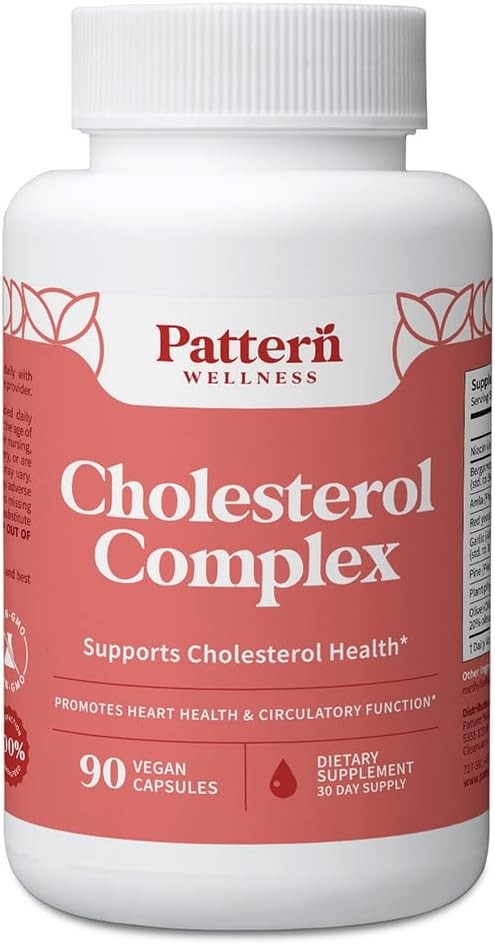
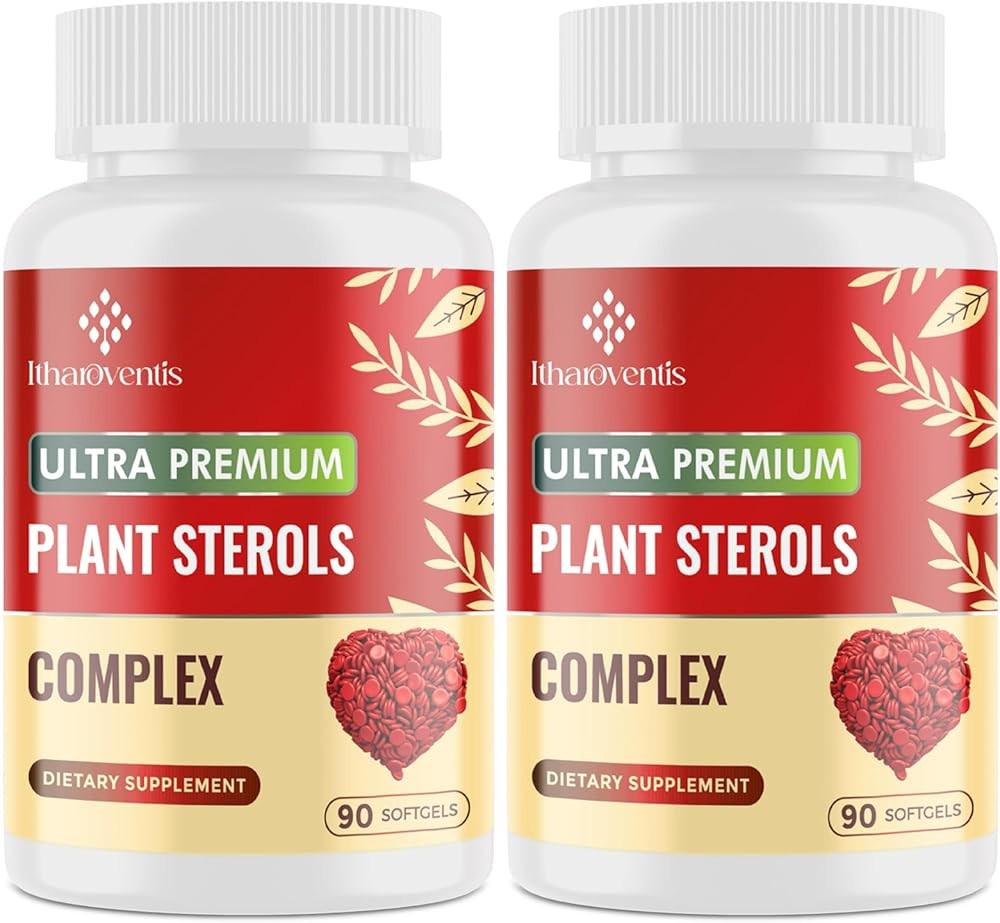
High cholesterol affects 94 million American adults, many of whom cannot tolerate statins or have mildly elevated levels that do not yet warrant pharmaceutical intervention. Pattern Wellness Cholesterol Complex combines plant sterols, red yeast rice, and berberine for approximately $35 per month, delivering three of the most clinically validated mechanisms for LDL reduction in a single formulation. Each ingredient has its own trial evidence (plant sterols 6-15%, red yeast rice and berberine 15-25%), and combining them with dietary changes plausibly produces additive effects. For budget-conscious shoppers, standalone plant sterol supplements provide 6-15% LDL reduction for under $15 per month with endorsement from the American Heart Association. Here’s what the published research shows about cholesterol-lowering supplements.
Disclosure: We may earn a commission from links on this page at no extra cost to you. Affiliate relationships never influence our ratings. Full policy →
Why Do Cholesterol Supplements Deserve Serious Scrutiny?
High cholesterol affects roughly 94 million American adults, according to CDC data. Of those, a significant fraction either cannot tolerate statin medications, prefer to try lifestyle modifications first, or have cholesterol levels that are elevated but not yet high enough to warrant pharmaceutical intervention under current guidelines. For these people, the supplement aisle offers a dizzying array of products promising to “support healthy cholesterol levels.”
The problem is that supplement marketing runs far ahead of the science. A bottle that says “supports cardiovascular health” might contain an ingredient backed by a single poorly designed study in 30 people, or it might contain an ingredient with dozens of randomized controlled trials demonstrating meaningful, reproducible effects on LDL cholesterol. From the label, you cannot tell the difference.
This article exists to fix that information gap. We reviewed the published clinical trial literature, systematic reviews, and meta-analyses for every major supplement marketed for cholesterol management. We looked at what each ingredient actually does, how strong the evidence is, what doses have been studied, what the side effects are, and what major cardiology organizations actually recommend.
What Is Cholesterol and Why Does It Matter?
Cholesterol is a waxy, fat-like substance that is an essential component of every cell membrane in your body. It is also the precursor molecule for steroid hormones, vitamin D, and bile acids. Your body needs cholesterol to function. The liver makes all the cholesterol your body requires to maintain cell membranes, synthesize vitamin D, and manufacture bile acids that help you digest dietary fat. Your liver produces roughly 80% of your body’s cholesterol endogenously. The remaining 20% comes from dietary sources, primarily animal products.
The issue with cholesterol is not its existence but its concentration in the bloodstream and, critically, the type of lipoproteins carrying it. Because cholesterol is not water-soluble, it must be packaged into lipoproteins to travel through the blood. The two most discussed are low-density lipoprotein (LDL) and high-density lipoprotein (HDL).
What’s the Difference Between LDL and HDL Cholesterol?
LDL cholesterol is often called “bad cholesterol” because elevated levels are causally linked to atherosclerosis, the buildup of plaque inside artery walls. This is not a casual correlation. Decades of Mendelian randomization studies, randomized controlled trials of LDL-lowering drugs, and epidemiological data all converge on the same conclusion: higher lifetime exposure to LDL cholesterol increases the risk of heart attack and stroke. The European Atherosclerosis Society’s 2017 consensus statement put it plainly: “the causal relationship between LDL-C and ASCVD is now established beyond reasonable doubt.”
HDL cholesterol, conversely, is involved in reverse cholesterol transport, moving cholesterol from arterial walls back to the liver for excretion. Higher HDL levels are associated with lower cardiovascular risk in observational studies, but clinical trials of drugs that raise HDL (such as CETP inhibitors) have largely failed to reduce cardiovascular events. This means HDL is likely more of a biomarker than a direct therapeutic target.
For supplement evaluation, this distinction matters enormously. The supplements worth taking for cholesterol management are the ones that lower LDL. Supplements that only raise HDL or lower total cholesterol without specifically targeting LDL are less clinically meaningful.
Why Do Triglycerides Matter for Heart Health?
Triglycerides are not cholesterol, but they are measured on standard lipid panels and elevated triglycerides (above 150 mg/dL) are an independent risk factor for cardiovascular disease, particularly when combined with low HDL and elevated small dense LDL particles. Some supplements, notably omega-3 fatty acids, are far more effective at lowering triglycerides than LDL cholesterol. We will be specific about which lipid fraction each supplement actually affects.
What Do the Numbers on Your Lipid Panel Mean?
For context when evaluating supplement efficacy claims:
- Total cholesterol: Less than 200 mg/dL is considered desirable; 200-239 is borderline high; 240 and above is high.
- LDL cholesterol: Less than 100 mg/dL is optimal; 100-129 is near optimal; 130-159 is borderline high; 160-189 is high; 190 and above is very high.
- HDL cholesterol: Less than 40 mg/dL (men) or 50 mg/dL (women) is considered low; 60 and above is considered protective.
- Triglycerides: Less than 150 mg/dL is normal; 150-199 is borderline high; 200-499 is high; 500 and above is very high.
When a supplement claims to “lower cholesterol by 10%,” you need to ask: 10% of what? A 10% reduction in LDL from 160 to 144 mg/dL is clinically meaningful. A 10% reduction in total cholesterol driven entirely by an HDL decrease would actually be harmful. Specificity matters.
Bottom line: LDL cholesterol is the primary target for supplement therapy, as elevated LDL is causally linked to atherosclerosis and cardiovascular disease, while HDL-raising alone has failed to reduce heart attack risk in clinical trials.
How Do Cholesterol-Lowering Supplements Work?
Cholesterol-lowering supplements generally work through one or more of four primary mechanisms. Understanding these mechanisms helps you evaluate which supplements might be most relevant to your specific situation and which combinations might make sense.
How Do Supplements Inhibit Cholesterol Synthesis?
This is exactly how statin drugs work. The enzyme HMG-CoA reductase is the rate-limiting step in the liver’s cholesterol production pathway. By inhibiting this enzyme, less cholesterol is manufactured, and the liver upregulates LDL receptors on its surface to pull more LDL cholesterol out of the bloodstream.
Supplements using this mechanism: Red yeast rice (contains monacolin K, which is chemically identical to lovastatin).
How Do Supplements Block Cholesterol Absorption?
Your intestine absorbs both dietary cholesterol and cholesterol that your liver secretes into bile. Blocking this absorption forces the body to pull more cholesterol from the bloodstream, lowering circulating LDL levels. This is how the drug ezetimibe (Zetia) works.
Supplements using this mechanism: Plant sterols and stanols, soluble fiber (psyllium, oat beta-glucan), and to some extent, berberine.
How Do Supplements Increase Bile Acid Excretion?
Bile acids are made from cholesterol in the liver. If you can increase the amount of bile acid excreted in stool rather than reabsorbed, the liver must convert more cholesterol into bile acids, effectively draining the body’s cholesterol pool.
Supplements using this mechanism: Soluble fibers (psyllium, oat beta-glucan), which bind bile acids in the gut and reduce risk of their reabsorption.
How Do Supplements Modulate Lipid Metabolism?
Some supplements influence cholesterol metabolism through more complex pathways, including upregulating LDL receptor expression, modulating PCSK9 activity, activating AMPK (which suppresses cholesterol synthesis), or altering the expression of genes involved in lipid transport.
Supplements using this mechanism: Berberine (AMPK activation, LDLR upregulation), niacin (multiple mechanisms including reduced VLDL secretion), and omega-3 fatty acids (reduced hepatic VLDL production).
Bottom line: Cholesterol supplements work through four main mechanisms: inhibiting liver synthesis, blocking intestinal absorption, increasing bile acid excretion, and modulating lipid metabolism enzymes, allowing strategic combination for additive effects.
What Are the Best Evidence-Based Supplements for Lowering Cholesterol?
We reviewed the clinical literature for every major supplement marketed for cholesterol management. Below, we rank them by the overall strength and consistency of the evidence, starting with the supplements that have the most robust clinical support.
1. Why Are Plant Sterols and Stanols the Gold Standard for Cholesterol?

Evidence strength: Very strong
Plant sterols (also called phytosterols) and plant stanols are naturally occurring compounds found in small amounts in vegetable oils, nuts, seeds, whole grains, and fruits. Structurally, they resemble cholesterol closely enough to compete with it for absorption in the intestine, but they are poorly absorbed themselves. The result is that dietary and biliary cholesterol passes through the gut unabsorbed and is excreted in stool.
What Does the Clinical Evidence Say About Plant Sterols?
The evidence base for plant sterols is exceptionally strong by supplement standards. A landmark meta-analysis published in the Journal of the American Heart Association in 2018, analyzing 124 studies, found that plant sterols at doses of 1.5 to 3 grams per day reduce LDL cholesterol by an average of 6% to 12%, with some studies showing reductions up to 15% at higher doses. The effect is dose-dependent up to about 3 grams per day, after which additional intake provides diminishing returns.
A 2012 Cochrane systematic review of 15 randomized controlled trials (n=500+) confirmed that plant stanols and sterols reduce LDL cholesterol by 0.30 to 0.45 mmol/L (approximately 12-17 mg/dL) at recommended doses. This reduction was consistent across different populations, including those already taking statins.
Importantly, a 2014 study published in Atherosclerosis demonstrated that adding plant sterols to statin therapy produces additional LDL reductions of 7-10% in LDL cholesterol beyond what the statin achieved alone. This additive effect is one reason cardiologists are relatively comfortable recommending plant sterols as complementary therapy.
Which Major Medical Organizations Endorse Plant Sterols?
Plant sterols hold a distinction that almost no other cholesterol supplement can claim: formal endorsement by major cardiology organizations.
- The American Heart Association includes plant sterols in its dietary recommendations for cholesterol management.
- The European Society of Cardiology/European Atherosclerosis Society guidelines specifically recommend 2 grams per day of plant sterols as a dietary adjunct for LDL reduction.
- The National Lipid Association recommends plant sterols as part of a comprehensive lipid-lowering strategy.
- The National Cholesterol Education Program (ATP III) includes plant sterols as a therapeutic lifestyle change option.
What Is the Right Dosage for Plant Sterols?
The clinically effective dose is 2 to 3 grams per day of plant sterols or stanols, ideally taken with meals (since they work by competing with cholesterol for absorption, having them present in the gut when dietary cholesterol arrives maximizes their effect). Splitting the dose across two or three meals may be slightly more effective than taking it all at once, though one study in the European Journal of Clinical Nutrition found that a single daily dose was nearly as effective as divided doses.
What Are the Side Effects of Plant Sterols?
Plant sterols have an excellent safety profile. The most commonly reported side effects are mild gastrointestinal symptoms (bloating, nausea, diarrhea), which are uncommon and typically transient. There is a theoretical concern about reduced absorption of fat-soluble vitamins (A, D, E, K) and carotenoids. A meta-analysis in the Journal of Nutrition confirmed that plant sterol intake can reduce blood carotenoid levels by approximately 7-25%, though whether this translates to clinical harm is uncertain. Eating an extra serving of carotenoid-rich fruits or vegetables daily appears to compensate.
Important exception: People with sitosterolemia, a rare genetic condition causing excessive plant sterol absorption, should avoid supplemental plant sterols entirely. In these individuals, plant sterols accumulate in the blood and may actually accelerate atherosclerosis.
Do Plant Sterols Interact with Medications?
Plant sterols have minimal drug interactions. They do not affect statin metabolism and can be safely combined with statins, ezetimibe, bile acid sequestrants, and most other cardiovascular medications. There is a theoretical interaction with fat-soluble medications taken simultaneously, but this has not been clinically significant in studies.
Who Benefits Most from Plant Sterols?
Plant sterols are best suited for individuals with mildly to moderately elevated LDL cholesterol (130-189 mg/dL) who are implementing dietary changes before or as an alternative approach, or as add-on therapy for people on statins who need additional LDL lowering but want to avoid increasing their statin dose.
Bottom line: Plant sterols reduce LDL by 6-15% at 2-3g daily with minimal side effects and are the only cholesterol supplement formally endorsed by the American Heart Association, European Society of Cardiology, and National Lipid Association.
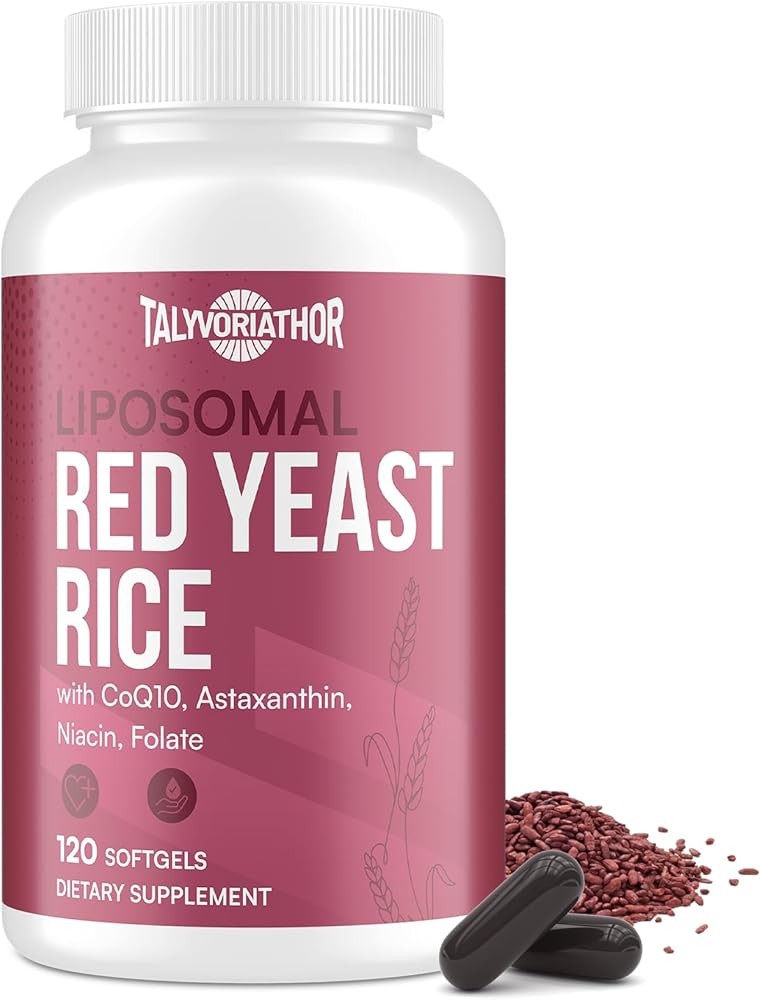
2. Why Does Red Yeast Rice Work Like a Natural Statin?
Evidence strength: Strong, but with major regulatory and safety caveats
Red yeast rice (RYR) is produced by fermenting white rice with the yeast Monascus purpureus. During fermentation, the yeast produces a family of compounds called monacolins, the most important of which is monacolin K. Monacolin K is chemically identical to lovastatin, an FDA-approved prescription statin drug. This is not a loose analogy. It is the exact same molecule.
This makes red yeast rice simultaneously one of the most effective cholesterol supplements available and one of the most controversial. It works because it literally contains a statin. And therein lies both its promise and its problems.
What Do Clinical Trials Show About Red Yeast Rice?
The most important clinical trial of red yeast rice is the China Coronary Secondary Prevention Study (CCSPS), published in the American Journal of Cardiology in 2008. This was a large (n=4,870), randomized, placebo-controlled trial in patients who had already had a heart attack. Participants received either Xuezhikang (a standardized red yeast rice extract containing approximately 10 mg of monacolin K per day) or placebo for an average of 4.5 years (Lu et al., 2008).
The results were striking: the red yeast rice group experienced a 45% reduction in recurrent coronary events, a 33% reduction in coronary death, and a 36% reduction in total mortality compared to placebo. These results are comparable to what has been seen in statin trials.
Multiple smaller trials and meta-analyses support these findings. A 2015 meta-analysis published in BMC Complementary and Alternative Medicine reviewed 22 randomized trials and found that red yeast rice lowered LDL cholesterol by an average of 1.02 mmol/L (approximately 39 mg/dL), which represents roughly a 15-25% reduction from baseline. Total cholesterol decreased by approximately 0.97 mmol/L, and triglycerides decreased by 0.23 mmol/L.
A 2009 study by Becker and colleagues in Annals of Internal Medicine specifically tested red yeast rice in patients who had discontinued statins due to myalgia (muscle pain) (Becker et al., 2009). Over 24 weeks, participants receiving 1,800 mg of red yeast rice twice daily (providing approximately 10 mg of monacolin K) experienced an average LDL reduction of 21.3%, and only 5% of participants reported muscle symptoms, far fewer than when they were on pharmaceutical statins.
What Is the Regulatory Problem with Red Yeast Rice?
Here is the critical issue with red yeast rice: the FDA has taken the position that any red yeast rice product containing meaningful amounts of monacolin K is technically an unapproved drug, not a dietary supplement. The FDA has issued warning letters to manufacturers whose products contain significant monacolin K content.
This creates a paradox for consumers. The clinical evidence for red yeast rice’s effectiveness depends on products containing monacolin K. Products that have been reformulated to remove monacolin K (to comply with FDA guidance) lose most of their cholesterol-lowering effect. But products that still contain monacolin K exist in a regulatory gray area.
A 2017 analysis tested 28 commercially available red yeast rice supplements and found that monacolin K content ranged from 0 to 10.1 mg per recommended daily dose. Some products contained no measurable monacolin K at all. Others contained the equivalent of a prescription statin dose. Some also contained citrinin, a nephrotoxic mycotoxin produced by some Monascus strains during fermentation.
This variability is the single biggest problem with red yeast rice supplementation. You cannot be certain what you are getting.
What Is the Right Dosage for Red Yeast Rice?
In clinical trials, effective doses of red yeast rice ranged from 1,200 mg to 2,400 mg per day, typically divided into two doses with meals. The active component that drives LDL reduction is monacolin K, and clinically effective products have contained approximately 5 to 10 mg of monacolin K per daily dose. For reference, the lowest prescription dose of lovastatin is 10 mg.
What Are the Side Effects of Red Yeast Rice?
Because monacolin K is identical to lovastatin, red yeast rice carries the same potential side effects as statin drugs:
- Myalgia (muscle pain): The most common side effect of statins, reported in 5-10% of statin users. Interestingly, the Becker et al. study found that patients who were “statin-intolerant” tolerated red yeast rice better, possibly because the monacolin K dose is lower or because the matrix of other compounds in RYR modulates the effect.
- Rhabdomyolysis: Rare but serious muscle breakdown that can lead to kidney failure. Risk increases with higher doses and in combination with other medications that affect the same metabolic pathways.
- Liver enzyme elevation: As with pharmaceutical statins, hepatotoxicity is possible. Liver function should be monitored.
- Citrinin contamination: Some red yeast rice products contain citrinin, a toxic fungal metabolite. Third-party tested products from reputable manufacturers are less likely to contain citrinin, but contamination remains a real concern.
- Coenzyme Q10 depletion: Like all HMG-CoA reductase inhibitors, monacolin K can reduce the body’s production of CoQ10. Some clinicians recommend CoQ10 supplementation alongside red yeast rice.
Does Red Yeast Rice Interact with Medications?
Red yeast rice has significant drug interactions because monacolin K is metabolized by the same CYP3A4 enzyme system as lovastatin:
- Do not combine with statin drugs. This is essentially doubling up on statins without medical supervision.
- Grapefruit juice inhibits CYP3A4 and can increase monacolin K levels.
- Certain antibiotics (clarithromycin, erythromycin), antifungals (itraconazole, ketoconazole), and HIV protease inhibitors can increase monacolin K blood levels.
- Fibrates (gemfibrozil, fenofibrate) increase the risk of muscle toxicity when combined with statins or red yeast rice.
- Niacin at high doses also increases muscle toxicity risk.
Who Benefits Most from Red Yeast Rice?
Red yeast rice is most appropriate for individuals with elevated LDL cholesterol (typically 160 mg/dL and above) who have experienced intolerable side effects from pharmaceutical statins, or who have a strong preference for natural products and are willing to accept the regulatory and quality control uncertainties. It should only be used under medical supervision with regular monitoring of liver function and muscle symptoms.
Bottom line: Red yeast rice containing monacolin K reduces LDL by 15-25% and cardiovascular events by 45% in clinical trials, but quality control issues, FDA regulatory uncertainty, and statin-like side effects require medical supervision and third-party tested products.
3. How Does Berberine Lower Cholesterol Through AMPK Activation?

Evidence strength: Strong and growing
Berberine is a bioactive alkaloid extracted from several plants including goldenseal, barberry, Oregon grape, and Chinese goldthread. It has been used in traditional Chinese and Ayurvedic medicine for centuries, primarily for digestive issues. Modern research has revealed that berberine has profound effects on metabolic pathways, including cholesterol metabolism, glucose regulation, and inflammation.
What makes berberine particularly interesting is that it works through a completely different mechanism than statins or red yeast rice. While those inhibit cholesterol synthesis, berberine activates an enzyme called AMP-activated protein kinase (AMPK), which acts as a master metabolic switch in cells. AMPK activation leads to increased expression of LDL receptors on liver cells, pulling more LDL cholesterol out of the bloodstream, while also suppressing cholesterol synthesis and reducing triglyceride production.
What Does the Clinical Evidence Say About Berberine?
A 2015 meta-analysis published in Atherosclerosis analyzed 27 randomized controlled trials (n=2,569) examining berberine’s effects on lipid parameters. The analysis found that berberine significantly reduced:
- LDL cholesterol by 0.61 mmol/L (approximately 23.6 mg/dL)
- Total cholesterol by 0.91 mmol/L (approximately 35.2 mg/dL)
- Triglycerides by 0.50 mmol/L (approximately 44.3 mg/dL)
These reductions represent roughly a 15-25% decrease in LDL and total cholesterol, which is clinically meaningful and comparable to low-dose statin therapy.
A particularly noteworthy study published in Nature Medicine in 2004 by Kong and colleagues demonstrated that berberine upregulates hepatic LDL receptor expression through a post-transcriptional mechanism independent of sterols and independent of the SREBP-2 pathway (which statins use). This means berberine and statins have additive effects when used together, though such combinations require careful medical supervision.
Several studies have also shown that berberine is particularly effective in people with metabolic syndrome or type 2 diabetes. A 2012 meta-analysis in Evidence-Based Complementary and Alternative Medicine found that berberine not only improved lipids but also significantly reduced fasting blood glucose and HbA1c in diabetic patients. This dual benefit makes berberine attractive for individuals with combined dyslipidemia and insulin resistance.
What Is the Right Dosage for Berberine?
The clinically studied dose is 500 mg taken 2 to 3 times per day (total 1,000-1,500 mg daily), typically taken 30 minutes before meals. Taking berberine with meals can reduce gastrointestinal side effects but may slightly decrease absorption. The effect is dose-dependent, and most studies showing significant LDL reductions used at least 1,000 mg per day.
What Are the Side Effects of Berberine?
Berberine’s most common side effects are gastrointestinal:
- Diarrhea, constipation, gas, and stomach cramping: Reported in 10-20% of users, especially at higher doses or when starting. These symptoms often improve after the first few weeks of use.
- Hypoglycemia risk: Because berberine lowers blood sugar, people taking diabetes medications may experience low blood glucose if doses are not adjusted.
- Bradycardia: Berberine can slow heart rate. People with existing bradycardia or those on rate-controlling medications should use caution.
Does Berberine Interact with Medications?
Berberine is a potent inhibitor of several cytochrome P450 enzymes (particularly CYP3A4 and CYP2D6), which metabolize many common drugs. This creates significant drug interaction potential:
- Statins: Berberine can increase statin blood levels, potentially increasing the risk of muscle toxicity. If used together, lower statin doses and close monitoring are required.
- Metformin: Berberine may have additive glucose-lowering effects.
- Cyclosporine: Berberine can increase blood levels, raising toxicity risk.
- Anticoagulants: May enhance anticoagulant effects.
- Antihypertensives: Additive blood pressure-lowering effects.
Because of these interactions, berberine should not be used without informing your physician, especially if you are on multiple medications.
Who Benefits Most from Berberine?
Berberine is particularly well-suited for individuals with metabolic syndrome or type 2 diabetes who have combined dyslipidemia (elevated LDL, low HDL, elevated triglycerides) and insulin resistance. It is also a reasonable option for people who want to avoid statin-like mechanisms or who have not responded adequately to plant sterols or fiber alone.
Bottom line: Berberine reduces LDL by 15-25% through unique AMPK activation distinct from statins, making it particularly valuable for metabolic syndrome patients, but CYP enzyme inhibition creates significant drug interactions requiring medical supervision.
4. How Does Psyllium Husk Fiber Lower LDL Cholesterol?
Evidence strength: Strong, with FDA approval
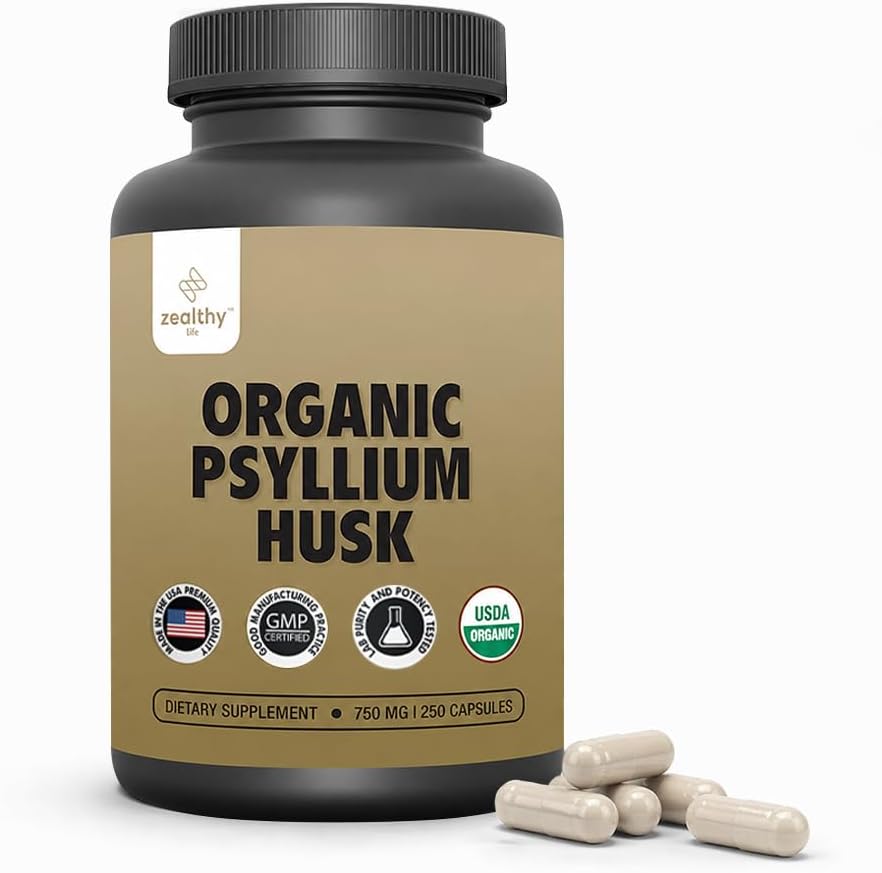
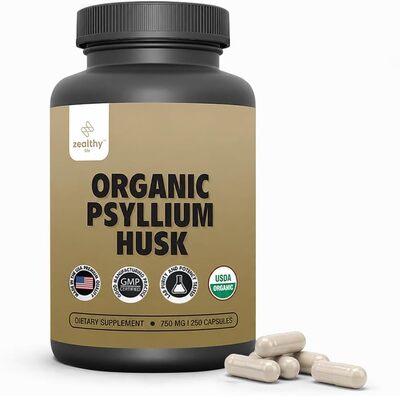
Psyllium husk is a soluble fiber derived from the seeds of Plantago ovata. When mixed with water, psyllium forms a viscous gel that binds bile acids in the digestive tract and may help reduce risk of their reabsorption. Because bile acids are made from cholesterol, forcing the body to excrete more bile acids depletes the liver’s cholesterol pool, prompting it to pull LDL cholesterol from the bloodstream to make more bile.
This is the same mechanism used by bile acid sequestrant drugs like cholestyramine and colesevelam, but psyllium is far better tolerated and has an excellent safety profile.
What Does the Clinical Evidence Say About Psyllium?
A 2018 meta-analysis published in the American Journal of Clinical Nutrition reviewed 28 randomized controlled trials (n=1,924) and found that psyllium supplementation at a median dose of 10.2 grams per day reduced LDL cholesterol by 0.33 mmol/L (approximately 12.8 mg/dL), representing roughly a 5-10% reduction from baseline. The effect was dose-dependent, with larger reductions seen at higher intakes.
Another systematic review in the European Journal of Clinical Nutrition (2009) found that psyllium reduced LDL by 7% on average, with greater effects in people with higher baseline cholesterol levels.
Notably, psyllium has earned an FDA-approved health claim: “Diets low in saturated fat and cholesterol that include soluble fiber from psyllium may reduce the risk of heart disease.” To use this claim, products must provide at least 1.7 grams of soluble fiber from psyllium per serving.
What Is the Right Dosage for Psyllium?
The clinically effective dose is 5 to 15 grams per day, typically divided into two or three doses taken with meals. It is critical to take psyllium with plenty of water (at least 8 ounces per dose) to avoid esophageal or intestinal blockage. Start with a lower dose (5 grams) and increase gradually to minimize gas and bloating.
What Are the Side Effects of Psyllium?
Psyllium is generally very well tolerated. The most common side effects are:
- Gas, bloating, and abdominal cramping: Particularly when starting or at higher doses. These usually improve with continued use.
- Allergic reactions: Rare, but documented, particularly in people with occupational exposure to psyllium dust (healthcare workers, psyllium manufacturers).
- Choking hazard: If taken without adequate fluid, psyllium can swell and cause esophageal or intestinal blockage. Always take with at least 8 ounces of water.
Does Psyllium Interact with Medications?
Psyllium can reduce the absorption of certain medications if taken at the same time. To avoid this, take psyllium at least 1-2 hours before or 4 hours after medications, particularly:
- Carbamazepine (anti-seizure medication)
- Lithium (mood stabilizer)
- Digoxin (heart medication)
- Warfarin (blood thinner)
Despite this timing requirement, psyllium has minimal systemic drug interactions and is generally considered safe to use alongside statins and other cardiovascular medications.
Who Benefits Most from Psyllium?
Psyllium is an excellent choice for people with mildly elevated cholesterol who want a safe, FDA-recognized intervention with additional benefits for digestive regularity and blood sugar control. It is particularly useful for people who are also trying to increase fiber intake for gut health or glycemic control.
Bottom line: Psyllium husk fiber reduces LDL cholesterol by 5-10% through bile acid binding, has earned an FDA health claim, and offers an excellent safety profile with additional digestive and glycemic benefits.
5. Do Omega-3 Fatty Acids Lower LDL Cholesterol?
Evidence strength: Strong for triglycerides, limited for LDL
Omega-3 fatty acids, particularly EPA (eicosapentaenoic acid) and DHA (docosahexaenoic acid) from fish oil, are among the most studied and consumed supplements worldwide. They have well-documented benefits for cardiovascular health, but their effects on cholesterol are more nuanced than most people realize.
What Does the Clinical Evidence Say About Omega-3s?
The most important thing to understand about omega-3 fatty acids is that their primary lipid effect is triglyceride reduction, not LDL reduction. In fact, in some people, omega-3s (particularly DHA) can slightly increase LDL cholesterol.
A 2020 Cochrane review of 86 randomized trials (n=162,796) found that omega-3 supplementation had minimal effect on total cholesterol or LDL cholesterol but significantly reduced triglycerides. The magnitude of triglyceride reduction is dose-dependent, with reductions of 20-30% seen at doses of 3-4 grams per day of EPA+DHA.
The landmark REDUCE-IT trial, published in the New England Journal of Medicine in 2019, demonstrated that high-dose (4 grams/day) purified EPA (icosapent ethyl) reduced cardiovascular events by 25% in people with elevated triglycerides despite statin therapy (Bhatt et al., 2019). Importantly, this trial used purified EPA, not a mix of EPA and DHA.
The distinction between EPA and DHA matters. DHA can paradoxically raise LDL cholesterol in some people, particularly those with already-elevated LDL. Studies have found that DHA-containing fish oils can increase LDL by 5-10% in a subset of users. For this reason, some cardiologists now recommend EPA-only formulations for people whose primary goal is cardiovascular risk reduction rather than general omega-3 supplementation.
What Is the Right Dosage for Omega-3s?
For triglyceride lowering, the effective dose is 2 to 4 grams per day of combined EPA+DHA. For cardiovascular event reduction based on the REDUCE-IT trial, the dose was 4 grams per day of purified EPA.
Standard over-the-counter fish oil capsules typically contain 300-500 mg of combined EPA+DHA per capsule, meaning you would need 6-12 capsules daily to reach clinically effective doses. Prescription omega-3 products like icosapent ethyl or omega-3-acid ethyl esters are more concentrated and are indicated for triglycerides above 500 mg/dL.
What Are the Side Effects of Omega-3s?
Omega-3 supplements are generally well tolerated, but side effects include:
- Fishy aftertaste and burping: The most common complaint. Enteric-coated capsules or freezing capsules before taking can help.
- Gastrointestinal upset: Nausea, diarrhea, particularly at higher doses.
- Bleeding risk: Omega-3s have mild antiplatelet effects. At doses above 3 grams per day, there may be increased bleeding risk, particularly if combined with anticoagulants or antiplatelet drugs.
- Atrial fibrillation: The REDUCE-IT trial and several other recent studies found a small but statistically significant increase in atrial fibrillation risk at doses above 4 grams per day (hazard ratio 1.25-1.5).
Do Omega-3s Interact with Medications?
- Anticoagulants/antiplatelets: Omega-3s may enhance anticoagulant and antiplatelet effects, increasing bleeding risk.
- Blood pressure medications: Omega-3s can lower blood pressure, potentially causing additive effects.
Who Benefits Most from Omega-3s?
Omega-3 fatty acids are most appropriate for people with elevated triglycerides (>150 mg/dL), particularly those with mixed dyslipidemia (high triglycerides + low HDL + elevated LDL). They are less useful for people whose primary problem is isolated LDL elevation. For individuals already on statins with persistently elevated triglycerides above 135 mg/dL, high-dose EPA (icosapent ethyl) has proven cardiovascular event reduction.
Bottom line: Omega-3 fatty acids reduce triglycerides by 20-30% and cardiovascular events by 25% in high-risk patients but have minimal effect on LDL cholesterol and may paradoxically raise LDL in some individuals when DHA is present.
6. Does Niacin Still Have a Role in Cholesterol Management?
Evidence strength: Strong for lipid parameters, failed for cardiovascular outcomes
Niacin (vitamin B3) has a fascinating and frustrating history in cholesterol management. For decades, it was considered a cornerstone of lipid therapy because it has favorable effects on virtually every lipid parameter: it lowers LDL, lowers triglycerides, raises HDL, and reduces lipoprotein(a), a particularly atherogenic particle. Despite these impressive effects on blood lipids, two large randomized trials found that niacin failed to reduce cardiovascular events when added to statin therapy, leading to a dramatic reassessment of its role.
What Does the Clinical Evidence Say About Niacin?
At doses of 1,000 to 2,000 mg per day, niacin can:
- Lower LDL cholesterol by 15-25%
- Lower triglycerides by 20-35%
- Raise HDL cholesterol by 15-35%
- Lower lipoprotein(a) by 20-30%
These are impressive numbers. On paper, niacin appears to be an ideal lipid-modifying agent.
However, two landmark trials fundamentally changed how niacin is viewed:
-
AIM-HIGH trial (2011, New England Journal of Medicine; AIM-HIGH Investigators): 3,414 patients with cardiovascular disease on statins were randomized to receive either extended-release niacin (1,500-2,000 mg/day) or placebo. Despite significant improvements in HDL and triglycerides, niacin provided no reduction in cardiovascular events and showed a trend toward increased ischemic stroke.
-
HPS2-THRIVE trial (2013): 25,673 patients on statins were randomized to receive extended-release niacin/laropiprant or placebo. Again, despite favorable lipid changes, niacin provided no cardiovascular benefit and was associated with increased risks of diabetes, infections, bleeding, and muscle-related side effects.
These trials demonstrated a critical principle: improving lipid numbers does not automatically translate to improved clinical outcomes. This is the same lesson learned with CETP inhibitors that raised HDL but failed to reduce heart attacks.
What Is the Right Dosage for Niacin?
The lipid-modifying dose of niacin is 1,000 to 2,000 mg per day, typically using extended-release formulations to reduce side effects. Over-the-counter “flush-free” niacin (inositol hexanicotinate) does not have the same lipid-lowering effects.
Because high-dose niacin use is now discouraged outside of very specific clinical scenarios, most cardiologists no longer routinely recommend it.
What Are the Side Effects of Niacin?
Niacin has a substantial side effect burden that limits tolerability:
- Flushing: The most common and bothersome side effect, occurring in 50-80% of users. Characterized by warmth, redness, itching, and tingling of the face, neck, and upper body. Usually improves with continued use. Taking aspirin 30 minutes before niacin can reduce flushing.
- Hepatotoxicity: Liver enzyme elevations, particularly with sustained-release formulations.
- Insulin resistance: Niacin can worsen glycemic control and precipitate diabetes.
- Hyperuricemia and gout: Niacin increases uric acid levels.
- Gastrointestinal symptoms: Nausea, dyspepsia.
Who Might Still Benefit from Niacin?
Given the failure of outcome trials, niacin is no longer a first-line or even second-line therapy for cholesterol management. The 2018 ACC/AHA Cholesterol Guidelines do not recommend niacin for routine use.
There may be a narrow niche for niacin in people with severely elevated lipoprotein(a) levels (>50 mg/dL) for whom no other proven therapies exist, but even this is controversial.
Bottom line: Despite impressive effects on lipid numbers (15-25% LDL reduction, 15-35% HDL increase), niacin failed to reduce cardiovascular events in major trials and is no longer recommended by guidelines due to significant side effects and lack of clinical benefit.
7. What Other Supplements Have Cholesterol-Lowering Claims?
Several other supplements are marketed for cholesterol management. Here is what the evidence actually shows:
Coenzyme Q10 (CoQ10): No direct cholesterol-lowering effect. May help reduce muscle symptoms in people taking statins.
Garlic: Meta-analyses show modest total cholesterol reductions of 5-8% with aged garlic extract at 600-1,200 mg/day. Effects on LDL are inconsistent. Unlikely to provide clinically meaningful benefit as monotherapy.
Artichoke leaf extract: Limited evidence from small studies suggests possible cholesterol-lowering effects. Insufficient data for strong recommendations.
Policosanol: Early Cuban studies showed promise, but independent replication trials have consistently failed to find cholesterol-lowering effects. Not recommended.
Guggul: An Ayurvedic herb that showed cholesterol-lowering effects in small studies, but a 2003 randomized controlled trial in JAMA found that guggulipid actually raised LDL cholesterol (Szapary et al., 2003). Not recommended.
Oat beta-glucan: Soluble fiber similar to psyllium. At doses of 3+ grams per day, reduces LDL by 4-7%. Has FDA health claim approval. Easily obtained from dietary oats.
Tocotrienols (vitamin E fraction): Preliminary evidence suggests LDL-lowering effects, but data are limited. More research needed.
When Should You Retest Lipids and When Should You See a Doctor?
Supplements that lower LDL work slowly, so measure them properly. Retest your lipid panel after 8-12 weeks of consistent use — earlier testing mostly measures noise. If LDL has moved meaningfully and you tolerate the product, continue under your doctor’s review; if nothing has changed after 12 weeks at the studied dose, re-evaluate the product (check monacolin K content for red yeast rice, sterol dose for plant sterols) rather than adding more supplements.
See a doctor promptly if you develop:
- Muscle pain, weakness, or dark urine while taking red yeast rice — monacolin K carries the same rhabdomyolysis risk as lovastatin
- New or worsening chest pain, shortness of breath, or fainting — never assume a supplement is managing your cardiac risk
- Yellowing of the skin or eyes or unusual fatigue — possible liver effects from red yeast rice or high-dose niacin
- Uncontrolled blood pressure or blood sugar while on berberine or niacin, both of which interact with common medications
- Any planned surgery — high-dose omega-3s and red yeast rice may need to be paused beforehand; ask your surgeon about timing
And remember the rule that applies to all of this: never stop or reduce a prescribed statin without talking to the doctor who prescribed it.
What Is the Final Bottom Line on Cholesterol Supplements?
Cholesterol supplements occupy a real but limited niche in cardiovascular disease prevention. A handful of supplements, led by plant sterols, soluble fiber, berberine, and red yeast rice, have genuine clinical evidence supporting their ability to lower LDL cholesterol by meaningful amounts. When combined with a heart-healthy diet and regular exercise, these supplements can produce cumulative LDL reductions that approach moderate-dose statin therapy.
However, with the exception of the CCSPS trial of red yeast rice and the REDUCE-IT trial of high-dose EPA, no cholesterol supplement has been proven to reduce actual cardiovascular events in a large, rigorous randomized trial. This outcomes gap is the central limitation of supplement-based cholesterol management and the reason statins remain the standard of care for people at elevated cardiovascular risk.
If you choose to use cholesterol supplements, do so with realistic expectations, consistent monitoring, and transparent communication with your healthcare provider. Know which supplements have strong evidence (plant sterols, psyllium, berberine) and which are overhyped (policosanol, guggul). Use third-party tested products at clinically studied doses. And never delay proven pharmaceutical treatment for a serious cardiovascular risk profile in favor of unproven supplement regimens.
Your cholesterol numbers matter. The decisions you make about managing them also matter. Make those decisions based on evidence, not marketing.
Related Reading
- Best Fish Oil and Omega-3 Supplements: EPA and DHA for Cardiovascular Health
- Omega-3 for Heart Health: How Much EPA and DHA Do You Actually Need?
- Berberine for Blood Sugar and Weight Loss: What the Research Actually Shows
- Best Supplements for Blood Pressure Management
- Best Magnesium Supplements for Cardiovascular Support
- Best Vitamin D Supplements for Overall Health
References
-
Ference BA, Ginsberg HN, Graham I, et al. Low-density lipoproteins cause atherosclerotic cardiovascular disease. 1. Evidence from genetic, epidemiologic, and clinical studies. A consensus statement from the European Atherosclerosis Society Consensus Panel. European Heart Journal. 2017;38(32):2459-2472. PubMed 28444290
-
Ras RT, Geleijnse JM, Trautwein EA. LDL-cholesterol-lowering effect of plant sterols and stanols across different dose ranges: a meta-analysis of randomised controlled studies. British Journal of Nutrition. 2014;112(2):214-219. PubMed 24780090
-
Becker DJ, Gordon RY, Halbert SC, et al. Red yeast rice for dyslipidemia in statin-intolerant patients: a randomized trial. Annals of Internal Medicine. 2009;150(12):830-839. PubMed 19528562
-
Lu Z, Kou W, Du B, et al. Effect of Xuezhikang, an extract from red yeast Chinese rice, on coronary events in a Chinese population with previous myocardial infarction. American Journal of Cardiology. 2008;101(12):1689-1693. PubMed 18549841
-
Kong W, Wei J, Abidi P, et al. Berberine is a novel cholesterol-lowering drug working through a unique mechanism distinct from statins. Nature Medicine. 2004;10(12):1344-1351. PubMed 15531889
-
Dong H, Wang N, Zhao L, Lu F. Berberine in the treatment of type 2 diabetes mellitus: a systemic review and meta-analysis. Evidence-Based Complementary and Alternative Medicine. 2012;2012:591654. PubMed 23118793
-
Jovanovski E, et al. Effect of psyllium (Plantago ovata) fiber on LDL cholesterol and alternative lipid targets: a systematic review and meta-analysis of randomized controlled trials. American Journal of Clinical Nutrition. 2018;108(5):922-932. PubMed 30239559
-
Bhatt DL, Steg PG, Miller M, et al. Cardiovascular risk reduction with icosapent ethyl for hypertriglyceridemia (REDUCE-IT). New England Journal of Medicine. 2019;380(1):11-22. PubMed 30415628
-
AIM-HIGH Investigators. Niacin in patients with low HDL cholesterol levels receiving intensive statin therapy. New England Journal of Medicine. 2011;365(24):2255-2267. PubMed 22085343
-
Szapary PO, et al. Guggulipid for the treatment of hypercholesterolemia: a randomized controlled trial. JAMA. 2003;290(6):765-772. PubMed 12915429
-
Jenkins DJ, Kendall CW, Marchie A, et al. Effects of a dietary portfolio of cholesterol-lowering foods vs lovastatin on serum lipids and C-reactive protein. JAMA. 2003;290(4):502-510. PubMed 12876093
Recommended Products