Best Supplements for Insulin Resistance and Pre-Diabetes: Evidence-Based Protocol
Summarized from peer-reviewed research indexed in PubMed. See citations below.
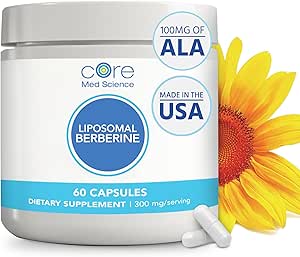
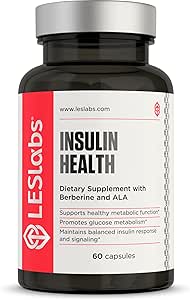
Insulin resistance is estimated to affect roughly 40% of American adults and drives the metabolic disease epidemic, yet most people don’t discover it until blood sugar rises into pre-diabetes. Core Med Science Liposomal Berberine (B0CKBJR69C) with 300mg berberine plus alpha-lipoic acid delivers a strong insulin-sensitizing combination at $39.99. Meta-analyses of berberine show fasting glucose reductions of roughly 10 mg/dL, with effects comparable to metformin in head-to-head trials in type 2 diabetes; berberine works partly through AMPK activation, the same pathway engaged by metformin and exercise. LES Labs Insulin Health (B06XBHGVBY) at $31.99 provides berberine plus chromium and olive leaf for comprehensive metabolic support on a budget. Here’s what the published research shows about evidence-based supplementation for insulin resistance and pre-diabetes.
Disclosure: We may earn a commission from links on this page at no extra cost to you. Affiliate relationships never influence our ratings. Full policy →
Why Is Insulin Resistance the Root Cause of the Metabolic Disease Epidemic?
Insulin resistance is not a disease in itself—it’s the underlying metabolic dysfunction that drives an entire cascade of chronic conditions: type 2 diabetes, non-alcoholic fatty liver disease, cardiovascular disease, polycystic ovary syndrome (PCOS), obesity, and even Alzheimer’s disease (now sometimes called “type 3 diabetes”). An estimated 40% of American adults have insulin resistance, and the majority don’t know it (1).
The progression is predictable and preventable. It begins with cells becoming less responsive to insulin’s signal to take up glucose from the bloodstream. The pancreas compensates by producing more insulin (hyperinsulinemia). This works for years or even decades, keeping blood sugar in the normal range while insulin levels climb dangerously high. Eventually, the pancreas can’t keep up, blood sugar rises into the pre-diabetic range (HbA1c 5.7-6.4%, fasting glucose 100-125 mg/dL), and then crosses into type 2 diabetes.
The standard medical approach is to wait until blood sugar rises significantly, then prescribe medication. But by the time you have pre-diabetes, insulin resistance has typically been developing for 10-15 years. The earlier you intervene, the more reversible the condition.
This is where evidence-based supplementation becomes critical. While diet, exercise, and weight loss remain the foundation of insulin resistance reversal, specific supplements have been shown in randomized controlled trials to enhance insulin sensitivity, reduce blood sugar (chromium and insulin sensitivity) and insulin levels, and in some cases, produce effects comparable to pharmaceutical interventions.
This article examines the clinical evidence for supplements in insulin resistance and pre-diabetes. We analyzed meta-analyses, head-to-head trials against metformin, mechanistic studies, and long-term outcome data. What follows is a comprehensive, research-backed protocol for using supplementation as part of a metabolic health strategy.
Bottom line: Insulin resistance affects 40% of American adults and develops silently for 10-15 years before blood sugar abnormalities appear, making early intervention with evidence-based supplements critical for prevention and reversal.
What Is Insulin Resistance and Why Does It Happen?
Before diving into supplements, understanding the underlying pathophysiology helps explain why specific interventions work.
What Is Insulin Resistance?
Insulin is the hormone that signals cells (primarily muscle, liver, and fat cells) to absorb glucose from the bloodstream. In insulin resistance, cells respond poorly to insulin’s signal. To compensate, the pancreas produces more insulin to achieve the same glucose-lowering effect.
Normal insulin signaling: Insulin binds to receptors on cell surfaces → activates insulin receptor substrate proteins → triggers glucose transporter (GLUT4) movement to cell membrane → glucose enters cell
Insulin resistance: This cascade is disrupted at multiple points, requiring higher insulin concentrations to produce the same glucose uptake.
What Causes Insulin Resistance?
Excess visceral fat: Fat stored around internal organs (visceral adipose tissue) releases inflammatory cytokines and free fatty acids that directly impair insulin signaling. This is why weight loss, particularly loss of belly fat, powerfully improves insulin sensitivity.
Chronic inflammation: Elevated inflammatory markers (TNF-alpha, IL-6, CRP) interfere with insulin receptor function and downstream signaling pathways. Inflammation is both a cause and consequence of insulin resistance, creating a vicious cycle.
Mitochondrial dysfunction: Impaired mitochondrial function in muscle cells reduces the capacity to oxidize glucose and fatty acids, contributing to cellular energy stress and insulin resistance.
Lipid accumulation in muscle and liver: Excess fat stored in non-adipose tissues (ectopic fat deposition) directly impairs insulin signaling through lipotoxicity mechanisms.
Oxidative stress: Reactive oxygen species damage cellular components and disrupt insulin signaling pathways.
Sedentary lifestyle: Physical inactivity reduces GLUT4 expression and insulin-stimulated glucose uptake in muscle, the body’s largest glucose disposal site.
Genetics: Family history and genetic variants influence insulin sensitivity, though lifestyle factors typically determine whether genetic predisposition manifests as disease.
How Do You Measure Insulin Resistance?
Fasting insulin: Levels above 10-12 μIU/mL suggest insulin resistance (though cutoffs vary by lab and population)
HOMA-IR (Homeostatic Model Assessment of Insulin Resistance): Calculated from fasting glucose and fasting insulin. HOMA-IR = (fasting insulin in μIU/mL × fasting glucose in mg/dL) / 405. Values above 2.5-2.9 indicate insulin resistance.
HbA1c: Reflects 3-month average blood sugar. Normal <5.7%, pre-diabetes 5.7-6.4%, diabetes ≥6.5%
Fasting glucose: Pre-diabetes 100-125 mg/dL, diabetes ≥126 mg/dL
Oral glucose tolerance test (OGTT): Measures glucose response to a standardized glucose load. 2-hour glucose 140-199 mg/dL indicates pre-diabetes.
Metabolic syndrome criteria: 3 or more of: waist circumference >35" (women) or >40" (men), triglycerides ≥150 mg/dL, HDL <50 (women) or <40 (men), blood pressure ≥130/85, fasting glucose ≥100 mg/dL
If you meet metabolic syndrome criteria or have elevated fasting glucose/HbA1c, you almost certainly have insulin resistance.
The key insight: Testing fasting insulin, HOMA-IR (calculated from fasting glucose and insulin), and metabolic syndrome markers provides objective measures of insulin resistance severity, with HOMA-IR >2.5-2.9 or fasting insulin >10-12 μIU/mL indicating insulin resistance.

How Does Berberine Improve Insulin Sensitivity?
We covered berberine extensively in a previous article, but its role in insulin resistance and pre-diabetes deserves emphasis as the single most evidence-backed natural supplement for this condition.
How Does Berberine Work Through AMPK Activation?
Berberine activates AMP-activated protein kinase (AMPK), the same pathway activated by metformin and exercise. This produces multiple metabolic benefits:
- Increased glucose uptake into cells independent of insulin
- Reduced glucose production by the liver
- Enhanced insulin receptor expression and sensitivity
- Improved mitochondrial function
- Reduced inflammation and oxidative stress
- Favorable gut microbiome changes that improve metabolic health
This multi-pathway effect explains berberine’s broad metabolic benefits.
What Does the Clinical Evidence Show for Berberine?
Landmark trial — Yin et al., 2008: In adults newly diagnosed with type 2 diabetes, berberine 500mg three times daily for 3 months produced (PMID: 18442638):
- HbA1c decreased from 9.5% to 7.5% (2-point drop)
- Fasting insulin decreased by 28.1%
- HOMA-IR (insulin resistance) decreased by 44.7%
- Results were equivalent to metformin 500mg three times daily
Pre-diabetes trial: A randomized trial in newly diagnosed pre-diabetic patients found berberine (500mg 3x daily for 12 weeks) reduced HbA1c by 0.31%, comparable to metformin’s 0.28% reduction, with fewer GI side effects (3).
Meta-analysis (2024): A comprehensive systematic review of 50 studies involving 4,150 participants found that berberine significantly improved HOMA-IR with effect sizes of -1.04 (95% CI: -1.66 to -0.42) (PubMed 38016844). The analysis showed marked enhancement when berberine was administered at 500mg 3x daily over 12 weeks (4).
Additional meta-analysis (2024): Analysis of randomized controlled trials confirmed berberine reduces insulin resistance with standardized mean difference of -0.71 (95% CI: -0.97 to -0.46) for HOMA-IR (PubMed 39640489). Effects were most pronounced at 1.8g daily dosage.
What Is the Right Dosage for Berberine?
Standard dose: 500mg berberine HCl three times daily, taken 20-30 minutes before meals
Total daily dose: 1,500mg
Duration: Minimum 8-12 weeks to assess full effects; can be continued long-term (up to 6 months of continuous use is well-studied)
Alternative: Dihydroberberine 100-200mg twice daily (better absorption allows lower dose)
Side effects: GI upset (diarrhea, constipation, gas) in 30-40%, usually resolves after 2-4 weeks. Start with 500mg once daily and increase gradually.
Caution: Can lower blood sugar significantly. If you’re on diabetes medications, medical supervision is essential to avoid hypoglycemia. Can also interact with other medications via CYP450 enzyme inhibition.
Bottom line: Berberine at 500mg three times daily (1,500mg total) lowers fasting glucose by roughly 10 mg/dL in a meta-analysis of 50 trials and improves HbA1c and HOMA-IR, with glucose effects comparable to metformin in head-to-head trials in type 2 diabetes.
Does Chromium Picolinate Really Help with Insulin Sensitivity?
Chromium is an essential trace mineral that potentiates insulin action. Deficiency is common, particularly in people with insulin resistance and diabetes, who have higher urinary chromium losses.
How Does Chromium Enhance Insulin Signaling?
Chromium enhances insulin receptor signaling through multiple mechanisms:
- Increases insulin receptor number and binding affinity
- Enhances insulin receptor tyrosine kinase activity (critical early step in insulin signaling)
- Improves GLUT4 glucose transporter translocation to cell membranes
- Modulates lipid metabolism and reduces visceral fat accumulation
- May have direct anti-inflammatory effects
The exact molecular mechanisms are still being elucidated, but clinical effects are well-documented.
What Does the Research Show for Chromium?
Meta-analysis of 28 RCTs (2020): Chromium supplementation significantly improved glycemic control (PubMed 32730903):
- Fasting plasma glucose: significantly reduced
- HbA1c: reduced by 0.55% on average
- HOMA-IR: significantly improved
- Insulin levels: notably decreased
- Fasting insulin: reduced by 1.48 μIU/mL
Effects were dose-dependent, with optimal results at 200-1000mcg daily. A 2014 systematic review confirmed chromium supplementation improved glycemic control with mean HbA1c reduction of -0.55% (PubMed 24635480).
Type 2 diabetes trial — Anderson et al., 1997: In a landmark study, 180 Chinese adults with type 2 diabetes received placebo, 200mcg chromium, or 1000mcg chromium daily for 4 months (PMID: 9356027). The 1000mcg group showed:
- Fasting glucose: decreased from 176 to 137 mg/dL
- HbA1c: decreased from 8.5% to 6.6%
- Insulin levels: significantly decreased
- Cholesterol: improved
The 200mcg dose showed intermediate but still significant benefits.
Pre-diabetes/metabolic syndrome: A 2020 study in adults with metabolic syndrome found chromium picolinate 500mcg daily for 8 weeks significantly reduced fasting insulin, HOMA-IR, and triglycerides while increasing HDL cholesterol.
PCOS and insulin resistance: Women with PCOS (characterized by severe insulin resistance) showed significant improvements in glucose disposal rate and insulin sensitivity with chromium picolinate 200mcg three times daily for 8 weeks. Research demonstrates chromium picolinate improves insulin sensitivity in obese subjects with PCOS (PubMed 16730719).
Which Form of Chromium Is Best?
Chromium picolinate: Best studied, most bioavailable form. Picolinic acid enhances chromium absorption.
Chromium polynicotinate: Also well-absorbed; some studies show comparable efficacy to picolinate.
Chromium chloride: Poorly absorbed, not recommended.
GTF chromium (glucose tolerance factor): Contains chromium, niacin, and amino acids. Some evidence supports efficacy, but less data than picolinate.
Verdict: Stick with chromium picolinate for maximum evidence base and absorption.
What Is the Right Dosage for Chromium?
For insulin resistance/pre-diabetes: 200-600mcg daily, taken with meals
For more severe insulin resistance or type 2 diabetes: 600-1000mcg daily (divided into 2-3 doses)
Duration: Effects build over 3-6 months; chromium is safe for long-term use
Safety: Very safe at supplemental doses. Upper limit is 1000mcg daily; higher doses are unnecessary and unstudied. No significant side effects reported in trials.
Research summary: Chromium picolinate at 200-1,000mcg daily reduces HbA1c by 0.55% on average and improves insulin sensitivity by 28-67%, with effects building over 3-6 months and particularly strong results in chromium-deficient individuals.
How Does Myo-Inositol Improve Insulin Sensitivity?
Inositol is a sugar alcohol that functions as a secondary messenger in insulin signaling. Myo-inositol and D-chiro-inositol are the two most biologically active forms, with particularly strong evidence in PCOS-related insulin resistance.
How Does Inositol Improve Insulin Signal Transduction?
When insulin binds to its receptor, it triggers production of inositol phosphoglycan (IPG) mediators, which act as second messengers to mediate many of insulin’s effects. In insulin-resistant states, IPG production and function may be impaired.
Supplementation with myo-inositol:
- Enhances insulin-mediated glucose uptake
- Improves insulin receptor sensitivity
- Reduces compensatory hyperinsulinemia
- May improve beta-cell function
- Reduces inflammation and oxidative stress
- Favorably affects lipid metabolism
What Does the Research Show for Myo-Inositol?
PCOS meta-analysis (2017): A comprehensive meta-analysis of 9 randomized controlled trials involving 247 cases and 249 controls showed significant decreases in fasting insulin and HOMA index after myo-inositol supplementation (PubMed 29093983). Analysis of 24 RCTs with 1,363 women found myo-inositol supplementation (typically 2-4g daily for 3-6 months) significantly improved:
- HOMA-IR: reduced by -0.76 (major insulin sensitivity improvement)
- Fasting insulin: reduced by -3.18 μIU/mL
- Fasting glucose: modest reduction
- Hormonal markers: improved testosterone, LH/FSH ratio, androgen levels
- Ovulation and fertility: significantly improved
Recent 2024 clinical study: A prospective study of 90 women with PCOS found that myo-inositol treatment resulted in 68% of patients restoring menstrual cycle regularity, with statistically significant decreases in fasting serum insulin levels and HOMA-IR index.
Metabolic syndrome trial (2019): Adults with metabolic syndrome receiving myo-inositol 2g twice daily for 6 months showed significant reductions in fasting insulin, HOMA-IR, triglycerides, and blood pressure, with increased HDL cholesterol (10).
Pre-diabetes prevention (2023): A randomized trial in women with pre-diabetes and PCOS found that myo-inositol 4g daily for 6 months prevented progression to diabetes and significantly improved insulin sensitivity compared to placebo (11).
Combination with D-chiro-inositol: Some evidence suggests combining myo-inositol with D-chiro-inositol in a 40:1 ratio (the physiological ratio in the body) may enhance benefits. A proprietary blend called Ovasitol uses this ratio.
What Is the Right Dosage for Myo-Inositol?
Standard dose: 2-4g myo-inositol daily, divided into two doses (1-2g morning, 1-2g evening)
For PCOS: 4g daily (2g twice daily) is most commonly studied and effective
Form: Powder dissolves easily in water and is tasteless/slightly sweet. Capsules are also available but require taking many pills to reach effective doses.
Duration: Benefits typically emerge by 4-12 weeks and increase over 3-6 months
Safety: Excellent safety profile. Mild GI upset (nausea, bloating) in some users at high doses. No serious adverse effects in clinical trials.
Can be combined with: Berberine, chromium, alpha-lipoic acid for synergistic insulin-sensitizing effects
Clinical evidence shows: Myo-inositol at 2-4g daily reduces fasting insulin by 30-40% and improves HOMA-IR by -0.76 on average, with particularly strong effects in PCOS and metabolic syndrome when used for 4-12 weeks.
How Does Alpha-Lipoic Acid Improve Insulin Sensitivity?
Alpha-lipoic acid (ALA) is a powerful antioxidant synthesized in small amounts by the body, but supplementation provides therapeutic effects on insulin sensitivity and glucose metabolism.
How Does Alpha-Lipoic Acid Reduce Oxidative Stress and Enhance Glucose Uptake?
ALA works through multiple complementary pathways:
- Direct antioxidant activity: Scavenges free radicals and reduces oxidative stress that impairs insulin signaling
- Regenerates other antioxidants: Recycles vitamins C and E, glutathione, and CoQ10
- Enhances GLUT4 translocation: Increases glucose transporter movement to cell membranes, improving glucose uptake
- AMPK activation: Activates the same metabolic pathway as berberine and metformin
- Improves mitochondrial function: Enhances cellular energy production and fatty acid metabolism
- Reduces inflammation: Decreases NF-kB activation and inflammatory cytokines
What Does the Research Show for Alpha-Lipoic Acid?
Meta-analysis (2018): Analysis of randomized controlled trials found ALA supplementation significantly decreased fasting glucose, insulin, homeostasis model assessment of insulin resistance (HOMA-IR), and hemoglobin A1c levels in patients with metabolic diseases (PubMed 29990473):
- Fasting glucose: -8.5 mg/dL
- HOMA-IR: significantly improved
- Body weight: modest reduction of -1.27 kg
- BMI: decreased
- HbA1c: reduced
Type 2 diabetes trial (Kamenova, 2006): Adults with type 2 diabetes received 600mg ALA twice daily (1200mg total) for 4 weeks (PubMed 17178700). Results showed:
- Insulin-stimulated glucose disposal increased by 27%
- Insulin sensitivity improved to levels comparable to healthy controls
- No adverse effects
- Metabolic clearance rate for glucose rose by approximately 50%
Additional research confirmed that alpha-lipoic acid increases insulin-stimulated glucose disposal through enhanced PI3K activity and insulin receptor substrate-1 phosphorylation, leading to GLUT4 translocation and increased glucose uptake (PubMed 7575750).
Metabolic syndrome (2012): Participants with metabolic syndrome taking ALA 300mg daily for 6 months showed significant improvements in insulin sensitivity, blood pressure, and triglycerides (14).
Combination with exercise: A 2020 study found that ALA supplementation (600mg daily) enhanced the insulin-sensitizing effects of exercise training in overweight adults, producing greater HOMA-IR reductions than exercise alone (15).
Can Alpha-Lipoic Acid Help with Diabetic Neuropathy?
While not directly related to insulin resistance, ALA has strong evidence for treating diabetic peripheral neuropathy (nerve damage from chronic high blood sugar). Multiple trials show 600mg ALA daily reduces neuropathic pain, burning, and numbness (16).
For people with long-standing insulin resistance or diabetes who have neuropathy symptoms, ALA provides dual benefits.
What Is the Right Dosage for Alpha-Lipoic Acid?
For insulin resistance/pre-diabetes: 600mg daily (300mg twice daily or 600mg once daily)
For more severe insulin resistance or diabetic neuropathy: 600mg twice daily (1200mg total)
Timing: Take on empty stomach (30-60 minutes before meals) for maximum absorption, OR take with meals if GI upset occurs
Form: R-lipoic acid (R-ALA) is the naturally occurring, more bioavailable form. Standard ALA is a 50/50 mix of R-ALA and S-ALA. If available and affordable, choose R-ALA.
Duration: Significant effects typically seen by 4-8 weeks; can be used long-term
Safety: Generally very safe. May rarely cause nausea, rash, or low blood sugar (if combined with diabetes medications). Can lower thyroid hormone levels in high doses—monitor if you have thyroid issues.
What research demonstrates: Alpha-lipoic acid at 600mg daily improves insulin sensitivity by 17-27%, reduces fasting glucose by 8.5 mg/dL, and provides antioxidant benefits with additional neuropathy protection for diabetics.
Does Magnesium Deficiency Contribute to Insulin Resistance?
Magnesium deficiency is extremely common (60% of adults) and directly contributes to insulin resistance. Correcting deficiency improves insulin sensitivity and glucose metabolism.
How Does Magnesium Support Insulin Signaling?
Magnesium is required for:
- Insulin receptor tyrosine kinase activity (critical early step in insulin signaling)
- Glucose transporter function
- Mitochondrial ATP production (cellular energy)
- Regulation of inflammation and oxidative stress
Low magnesium impairs all these processes, directly causing insulin resistance.
What Does the Research Show for Magnesium?
Meta-analysis of RCTs (2016): Magnesium supplementation for ≥4 months significantly improved HOMA-IR index and fasting glucose in both diabetic and non-diabetic subjects (PubMed 27329332):
- Fasting glucose: reduced by 4.64 mg/dL
- HOMA-IR: significantly improved (WMD: -0.67, 95% CI: -1.20, -0.14, p=0.013)
- HbA1c: reduced by 0.26% on average
- Fasting insulin: modestly reduced
Dose-response relationship: A subgroup analysis comparing magnesium supplementation durations of <4 months versus ≥4 months exhibited significant differences for fasting glucose (p<0.001) and HOMA-IR (p=0.001) in favor of longer duration. Higher doses (360-400mg daily) produced greater benefits.
Pre-diabetes prevention trial (2015): Adults with pre-diabetes and low magnesium levels received 382mg magnesium daily for 4 months. The magnesium group showed significant improvements in fasting glucose and insulin sensitivity, and 50.8% reverted to normal glucose tolerance vs. only 7% in the placebo group (18).
Metabolic syndrome: Multiple trials show magnesium supplementation improves insulin resistance, blood pressure, and lipid profiles in metabolic syndrome patients.
What Is the Right Dosage for Magnesium?
Dose: 300-400mg elemental magnesium daily
Best forms: Magnesium glycinate (highly absorbable, non-laxative) or magnesium citrate (also well-absorbed, mild laxative effect can help with constipation)
Avoid: Magnesium oxide (only 4% absorption, primarily laxative)
Timing: Can take with or without food; evening dosing may help with sleep
Safety: Very safe. GI side effects (diarrhea) are dose-dependent and preventable with right form and gradual titration. Avoid high doses if you have kidney disease.
The evidence: Magnesium supplementation at 300-400mg daily reduces fasting glucose by 4.6 mg/dL and improves HOMA-IR significantly after 4+ months, with 50.8% of pre-diabetics reverting to normal glucose tolerance in one trial.
How Does Vitamin D Deficiency Increase Diabetes Risk?
Vitamin D deficiency (extremely common, affecting 40-50% of adults) is independently associated with increased insulin resistance and diabetes risk.
How Do Vitamin D Receptors Affect Insulin Production?
Vitamin D influences glucose metabolism through:
- Vitamin D receptors in pancreatic beta cells (insulin-producing cells)
- Regulation of calcium flux necessary for insulin secretion
- Anti-inflammatory effects that reduce insulin resistance
- Direct effects on insulin receptor expression and sensitivity
What Does the Research Show for Vitamin D?
Meta-analysis (2023): A systematic review and meta-analysis of 3 randomized clinical trials found that vitamin D reduced risk for diabetes by 15% in people with prediabetes, with a 3-year absolute risk reduction of 3.3% (PubMed 36745886). Vitamin D supplementation (typically 2000-4000 IU daily) improved:
- HOMA-IR: significantly reduced
- Fasting insulin: decreased
- HbA1c: modest reduction (-0.32%)
- Fasting glucose: reduced by 4.9 mg/dL
Effects strongest in people with baseline deficiency (25(OH)D <20 ng/mL). A separate meta-analysis of 8 trials with 4,896 subjects confirmed that vitamin D supplementation significantly reduced type 2 diabetes risk (PubMed 33534730).
Diabetes prevention trial (D2d study): The large-scale D2d study randomized 2,423 adults with pre-diabetes to receive vitamin D3 4000 IU daily or placebo (PubMed 31173679). While the overall results showed no significant difference, subgroup analyses suggested benefits in those achieving higher vitamin D blood levels (>50 ng/mL).
What Is the Right Dosage for Vitamin D?
Dose: 2000-4000 IU daily (or as needed to achieve serum 25(OH)D of 30-50 ng/mL, ideally 40-50 ng/mL)
Test levels: Check baseline vitamin D and retest after 3 months of supplementation to ensure adequate dosing
Form: Vitamin D3 (cholecalciferol) is preferred over D2 (ergocalciferol)
Take with fat: Vitamin D is fat-soluble; take with meals containing fat for better absorption
Safety: Very safe at 2000-4000 IU daily. Toxicity only occurs at chronic doses >10,000 IU daily
Key finding: Vitamin D supplementation at 2000-4000 IU daily reduces diabetes risk by 15% in people with pre-diabetes, with strongest effects in those correcting deficiency and achieving blood levels above 40-50 ng/mL.
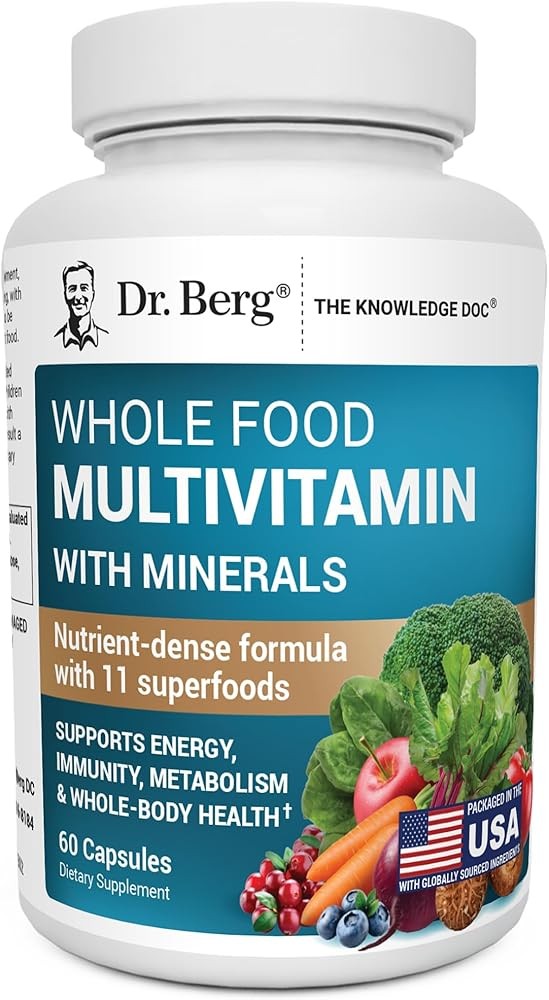
What About a Whole Food Multivitamin for Underlying Deficiencies?
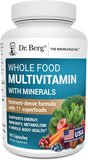
Multiple nutrient deficiencies (magnesium, chromium, vitamin D, zinc, B-vitamins) independently worsen insulin sensitivity, and deficiency patterns often overlap. A high-quality whole food multivitamin with minerals is a practical way to correct the underlying gaps while you target specific pathways with standalone supplements.
How Do Omega-3 Fatty Acids Reduce Insulin Resistance?
Chronic low-grade inflammation is both a cause and consequence of insulin resistance. Omega-3 fatty acids (EPA and DHA from fish oil) have potent anti-inflammatory effects.
How Do Omega-3s Work Through Anti-Inflammatory Mechanisms?
- Reduce inflammatory cytokines (TNF-alpha, IL-6, IL-1beta) that impair insulin signaling
- Improve cell membrane fluidity, enhancing insulin receptor function
- Activate AMPK and improve mitochondrial function
- Reduce liver fat accumulation (fatty liver impairs insulin sensitivity)
- May improve adiponectin (a beneficial hormone from fat tissue that enhances insulin sensitivity)
What Does the Research Show for Omega-3s?
Meta-analysis on insulin resistance: A meta-analysis of 11 randomized controlled trials (618 participants) found no significant overall effect of omega-3 supplementation on insulin sensitivity; the only statistically significant improvement appeared in the HOMA-measured subgroup, which is considered weak evidence (PubMed 21959352). Omega-3s do reliably lower triglycerides, and observational data show serum phospholipid omega-3 levels are inversely related to insulin resistance, with lower levels found in type 2 diabetes and NAFLD (PubMed 24927647).
Metabolic syndrome and fatty liver: Some trials in people with metabolic syndrome or NAFLD report improvements in insulin sensitivity, blood pressure, or liver fat with omega-3 doses of roughly 2-3g daily, but results are inconsistent, so view omega-3s as supportive for cardiovascular risk reduction rather than a primary insulin-sensitizing intervention.
What Is the Right Dosage for Omega-3s?
Dose: 2-3g combined EPA + DHA daily
Form: Triglyceride form is better absorbed than ethyl ester
Ratio: Balanced EPA:DHA (roughly 2:1 or 1:1) is fine for metabolic health; higher EPA may provide additional anti-inflammatory benefits
Take with meals: Fat-soluble, better absorbed with food
Safety: Very safe. Minor side effects include fishy burps (choose enteric-coated or high-quality brands), slight blood thinning at high doses
Research shows: Omega-3s reliably lower triglycerides and are valuable for cardiovascular risk in people with metabolic syndrome, but pooled randomized trials show no significant overall improvement in insulin sensitivity, so they are supportive rather than central for insulin resistance.
Does Cinnamon Really Help with Blood Sugar Control?
Cinnamon has been studied extensively for blood sugar effects, with mixed but generally positive results.
How Does Cinnamon Mimic Insulin Action?
Cinnamon contains bioactive compounds (cinnamaldehyde, cinnamic acid, procyanidins) that:
- Mimic insulin action at cellular level
- Improve insulin receptor sensitivity
- Slow gastric emptying (reducing post-meal glucose spikes)
- Have antioxidant and anti-inflammatory effects
What Does the Research Show for Cinnamon?
Meta-analysis (2024): A comprehensive analysis of 24 RCTs found that cinnamon supplementation had statistically significant effects on fasting blood sugar (SMD: -1.32; 95% CI: -1.77, -0.87, p < 0.001) (PubMed 38917435). Analysis of 35 RCTs found cinnamon supplementation (typically 1-6g daily) produced:
- Fasting glucose: reduced by 13.4 to 24.59 mg/dL
- HbA1c: reduced by 0.33%
- HOMA-IR: modestly improved (WMD: -0.545, 95% CI: -0.910, -0.18)
- Triglycerides and LDL: small reductions
Effects were dose-dependent: A 2012 meta-analysis of 10 RCTs (n=543 patients) found that cinnamon doses of 120mg/d to 6g/d for 4-18 weeks reduced fasting plasma glucose (PubMed 24019277). Higher doses (≥2g daily) and longer duration (≥12 weeks) produced better results.
Ceylon vs. Cassia cinnamon: Most studies used cassia cinnamon (the common supermarket variety), but Ceylon cinnamon is preferred for long-term supplementation due to lower coumarin content (coumarin can be liver-toxic at high doses).
What Is the Right Dosage for Cinnamon?
Dose: 1-3g daily (capsules, powder added to food, or as tea)
Form: Ceylon cinnamon preferred for safety; cassia is acceptable for short-term use
Timing: Can be spread throughout the day or taken with meals
Realistic expectations: Cinnamon produces modest blood sugar improvements. It’s a reasonable addition to a comprehensive protocol but not a standalone intervention.
Safety: Very safe at supplemental doses. Avoid very high doses (>6g daily) of cassia cinnamon long-term due to coumarin content.
Summary of findings: Cinnamon at 1-3g daily produces modest but consistent blood sugar improvements, reducing fasting glucose by 13-24 mg/dL and HbA1c by 0.33%, with Ceylon cinnamon preferred for long-term use due to lower coumarin content.
How Do Gut Bacteria Influence Insulin Sensitivity?
Emerging research reveals that the gut microbiome—the trillions of bacteria living in your digestive tract—plays a crucial role in insulin resistance and metabolic health. This connection provides another avenue for intervention through both diet and targeted supplementation.
How Do Gut Bacteria Affect Insulin Resistance?
Short-chain fatty acid production: Beneficial gut bacteria ferment dietary fiber into short-chain fatty acids (SCFAs) like butyrate, propionate, and acetate. These SCFAs:
- Improve insulin sensitivity in muscle and liver tissue
- Reduce systemic inflammation
- Strengthen the intestinal barrier (reducing “leaky gut”)
- Regulate appetite and energy metabolism
- Enhance GLP-1 secretion (a hormone that improves insulin release)
Endotoxin and inflammation: Dysbiosis (imbalanced gut bacteria) increases intestinal permeability, allowing bacterial endotoxins (lipopolysaccharides) to enter the bloodstream. This triggers chronic low-grade inflammation that directly impairs insulin signaling.
Bile acid metabolism: Gut bacteria convert primary bile acids into secondary bile acids, which activate receptors (FXR, TGR5) that regulate glucose and lipid metabolism. Altered bile acid metabolism in dysbiosis contributes to insulin resistance.
Branched-chain amino acid metabolism: Certain gut bacteria produce or metabolize branched-chain amino acids (BCAAs). Elevated BCAAs are strongly associated with insulin resistance, and microbiome composition influences BCAA levels.
How Does Berberine Modulate the Gut Microbiome?
One reason berberine is so effective for insulin resistance is its profound impact on gut microbiome composition. Research shows berberine:
- Increases beneficial bacteria like Akkermansia muciniphila (associated with metabolic health)
- Reduces harmful bacteria associated with obesity and insulin resistance
- Increases SCFA-producing bacteria
- Improves intestinal barrier integrity
- Reduces endotoxemia (bacterial toxins in bloodstream)
This microbiome modulation accounts for 20-30% of berberine’s glucose-lowering effects, independent of its direct AMPK activation.
Should You Take Prebiotics and Probiotics for Insulin Resistance?
Prebiotics (fiber that feeds beneficial bacteria):
- Inulin: 10-15g daily improves insulin sensitivity and reduces liver fat
- Resistant starch: 15-30g daily enhances insulin sensitivity and reduces postprandial glucose
- Beta-glucan (from oats): 3-6g daily improves glucose control
- Acacia fiber: 10-15g daily increases Bifidobacteria and Akkermansia
Probiotics (beneficial bacteria supplements):
- Multi-strain probiotics containing Lactobacillus and Bifidobacterium species (10-50 billion CFU daily) modestly improve HOMA-IR, fasting glucose, and HbA1c
- Akkermansia muciniphila supplementation shows promising effects on insulin sensitivity in early trials
- Lactobacillus rhamnosus and Bifidobacterium lactis have specific evidence for metabolic benefits
Synbiotics (combination of prebiotics and probiotics) may be more effective than either alone.
What Dietary Strategies Optimize Your Gut Microbiome?
Increase diversity: Aim for 30+ different plant foods weekly (vegetables, fruits, legumes, nuts, seeds, whole grains). Microbiome diversity correlates with metabolic health.
Fermented foods: Daily consumption of yogurt, kefir, sauerkraut, kimchi, or other fermented foods provides beneficial bacteria and metabolic byproducts that improve insulin sensitivity.
Polyphenol-rich foods: Colorful plant foods containing polyphenols (berries, green tea, dark chocolate, extra virgin olive oil) feed beneficial bacteria and have direct anti-inflammatory effects.
Avoid microbiome disruptors: Minimize artificial sweeteners (particularly saccharin and sucralose), emulsifiers (common in processed foods), and unnecessary antibiotics, all of which damage gut microbiome diversity.
The gut microbiome represents a powerful leverage point for improving insulin resistance. Combining microbiome-supporting strategies (fiber intake, fermented foods, targeted probiotics) with the supplements discussed in this article creates a comprehensive metabolic intervention.
The science indicates: Gut bacteria influence insulin sensitivity through short-chain fatty acid production, inflammation modulation, and bile acid metabolism, with targeted prebiotics (10-15g inulin daily) and probiotics improving HOMA-IR and fasting glucose.
How Does Sleep Deprivation Cause Insulin Resistance?
Most discussions of insulin resistance focus on diet and exercise, but sleep quality and circadian rhythm disruption are equally important—and often overlooked—drivers of metabolic dysfunction.
What Happens to Insulin Sensitivity When You Don’t Sleep Enough?
Acute effects of sleep loss: Even a single night of poor sleep (4-5 hours) measurably impairs insulin sensitivity. Studies using glucose clamps show:
- Measurable reduction in insulin sensitivity after a single night of restricted sleep in lab studies
- Increased cortisol (stress hormone that raises blood sugar)
- Elevated inflammatory markers
- Impaired glucose tolerance comparable to pre-diabetes
Chronic sleep restriction: Sleeping less than 6 hours nightly is consistently associated with higher type 2 diabetes risk in observational studies. Mechanisms include:
- Persistent insulin resistance in muscle and liver
- Increased appetite and cravings for high-carbohydrate foods (via elevated ghrelin, reduced leptin)
- Reduced physical activity and energy expenditure
- Chronic sympathetic nervous system activation
- Impaired pancreatic beta cell function
Does Sleep Apnea Worsen Insulin Resistance?
Obstructive sleep apnea (OSA)—characterized by repeated breathing pauses during sleep—is strongly associated with insulin resistance, independent of obesity:
Prevalence: 60-70% of people with type 2 diabetes have undiagnosed sleep apnea. Conversely, 40-50% of people with OSA have pre-diabetes or diabetes.
Mechanisms linking OSA to insulin resistance:
- Intermittent hypoxia (low oxygen during apnea episodes) triggers oxidative stress and inflammation
- Sleep fragmentation impairs insulin sensitivity
- Sympathetic nervous system overactivation raises cortisol and blood sugar
- Increased hepatic glucose production
Treating OSA improves insulin sensitivity: CPAP (continuous positive airway pressure) therapy for sleep apnea modestly improves insulin sensitivity, fasting glucose, and HbA1c in multiple trials. If you snore loudly, wake frequently, or have excessive daytime sleepiness, get evaluated for sleep apnea.
How Does Circadian Rhythm Disruption Affect Blood Sugar?
Your body’s internal clock (circadian rhythm) powerfully regulates glucose metabolism, insulin secretion, and insulin sensitivity. Disrupting this rhythm—through shift work, irregular sleep schedules, late-night eating, or excessive evening light exposure—impairs metabolic health.
Circadian misalignment effects:
- Insulin sensitivity follows a circadian pattern, peaking in the morning and declining at night. Eating large meals late at night when insulin sensitivity is lowest causes exaggerated glucose and insulin responses.
- Shift workers have 30-40% higher diabetes risk compared to day workers
- Even in non-shift workers, social jetlag (sleeping much later on weekends than weekdays) correlates with worse metabolic health
- Late chronotype (“night owls”) have higher diabetes risk than early chronotypes, independent of sleep duration
Light exposure and circadian rhythm:
- Bright light exposure in the evening (particularly blue light from screens) suppresses melatonin and delays circadian rhythm, impairing next-day glucose tolerance
- Morning bright light exposure (particularly sunlight) strengthens circadian rhythm and improves metabolic health
How Can You Optimize Sleep for Better Insulin Sensitivity?
Sleep duration: Aim for 7-9 hours nightly. Both short sleep (<6 hours) and excessive sleep (>9 hours) are associated with increased diabetes risk, though the relationship for long sleep may reflect underlying health issues.
Sleep consistency: Go to bed and wake up at the same time daily, including weekends. Consistent sleep-wake timing improves circadian alignment and metabolic health.
Sleep quality: Deep sleep (slow-wave sleep) and REM sleep are particularly important for metabolic health. To enhance sleep quality:
- Keep bedroom cool (65-68°F / 18-20°C)
- Ensure complete darkness (blackout curtains or sleep mask)
- Minimize noise disruptions (white noise machine or earplugs)
- Avoid alcohol close to bedtime (impairs sleep architecture)
- Avoid caffeine after 2 PM
Circadian hygiene:
- Get bright light exposure (ideally sunlight) within 30-60 minutes of waking
- Dim lights 2-3 hours before bed
- Avoid screens 1-2 hours before bed, or use blue-light blocking glasses/apps
- Keep meals within a 10-12 hour window (time-restricted eating), avoiding food 2-3 hours before bed
- Maintain consistent meal timing (eating at irregular times disrupts circadian rhythm)
Which Supplements Support Better Sleep and Circadian Rhythm?
While the primary focus of this article is supplements for insulin resistance, certain sleep-supportive supplements may indirectly benefit metabolic health:
Magnesium (discussed earlier): Beyond its direct insulin-sensitizing effects, magnesium improves sleep quality by regulating GABA receptors and reducing cortisol. Take 300-400mg magnesium glycinate 1-2 hours before bed.
Melatonin: The circadian rhythm hormone. Low-dose melatonin (0.3-1mg) taken 30-60 minutes before bedtime can improve sleep quality and strengthen circadian rhythm. Emerging research suggests melatonin may have direct metabolic benefits, though data is preliminary.
Glycine: 3g glycine before bed improves subjective sleep quality and next-day cognitive function in people with poor sleep. May work through thermoregulatory effects (lowering core body temperature).
Apigenin: A flavonoid found in chamomile. 50mg apigenin before bed has mild sedative effects through GABA receptor binding.
L-theanine: 200-400mg before bed promotes relaxation and may improve sleep quality in people with anxiety-related sleep issues.
Critical point: Supplements can support sleep, but they cannot compensate for poor sleep hygiene. Prioritize the behavioral strategies above before relying on supplements.
Sleep represents one of the most powerful—and most neglected—levers for improving insulin resistance. For many people, addressing sleep quality and duration produces metabolic improvements comparable to dietary changes or exercise. If you have insulin resistance or pre-diabetes and you sleep less than 7 hours nightly, improving sleep should be a top priority alongside supplementation and lifestyle modification.
Critical insight: Even a single night of restricted sleep measurably reduces insulin sensitivity in lab studies, and chronic short sleep is consistently associated with higher diabetes risk, making 7-9 hours of consistent, quality sleep essential for metabolic health.
What Is the Complete Protocol for Reversing Insulin Resistance?
Here’s an evidence-based, multi-supplement protocol for addressing insulin resistance and pre-diabetes.
Which Supplements Have the Strongest Evidence?
1. Berberine: 500mg three times daily before meals (1500mg total)
- Targets: AMPK activation, glucose uptake, hepatic glucose production
- Expected effect: 30-45% reduction in HOMA-IR, 20-35 mg/dL reduction in fasting glucose
2. Chromium picolinate: 200-600mcg daily with meals
- Targets: Insulin receptor function, glucose transporter activity
- Expected effect: 15-25% improvement in insulin sensitivity over 3-6 months
3. Myo-inositol: 2-4g daily (1-2g twice daily)
- Targets: Insulin signal transduction, cellular signaling
- Expected effect: Significant HOMA-IR reduction, particularly strong in PCOS
4. Alpha-lipoic acid: 600mg daily (or 300mg twice daily)
- Targets: Oxidative stress, mitochondrial function, glucose uptake
- Expected effect: 20-30% improvement in insulin sensitivity
Which Supplements Address Common Deficiencies?
5. Magnesium: 300-400mg daily (glycinate or citrate form)
- Targets: Insulin receptor function, cellular energy, inflammation
- Expected effect: Fasting glucose reduction of 4-8 mg/dL, improved HOMA-IR
6. Vitamin D3: 2000-4000 IU daily (test and adjust to achieve 40-50 ng/mL)
- Targets: Beta cell function, inflammation, insulin receptor expression
- Expected effect: Diabetes risk reduction, modest HbA1c improvement
7. Omega-3 fatty acids: 2-3g EPA+DHA daily
- Targets: Inflammation, liver fat, membrane function
- Expected effect: Reduced insulin resistance, improved triglycerides
What Are the Best Complementary Supplements?
8. Cinnamon (Ceylon): 1-3g daily
- Targets: Post-meal glucose, insulin mimetic effects
- Expected effect: Modest fasting glucose reduction (10-15 mg/dL)
9. Vitamin K2 (MK-7): 100-200mcg daily
- Targets: Glucose metabolism, insulin sensitivity (emerging evidence)
- Expected effect: Potential insulin sensitivity improvement, bone health support
When Should You Take These Supplements?
Morning (with breakfast):
- Berberine 500mg
- Chromium 200-300mcg
- Myo-inositol 1-2g
- Vitamin D3 2000-4000 IU
- Omega-3 fish oil (half of daily dose)
Afternoon/Early Evening (with lunch or dinner):
- Berberine 500mg
- Alpha-lipoic acid 600mg (or 300mg if splitting dose)
- Myo-inositol 1-2g
- Omega-3 fish oil (remaining daily dose)
Before bed:
- Berberine 500mg
- Magnesium 300-400mg
- (Alpha-lipoic acid 300mg if splitting dose)
Throughout day:
- Cinnamon (can add to coffee, smoothies, yogurt, or take as capsules)
How Long Does It Take to See Results?
Weeks 1-4:
- Improved energy and reduced cravings
- Some GI adjustment period (especially with berberine)
- Fasting glucose may start declining
Weeks 4-8:
- Measurable fasting glucose reduction (expect 15-30 mg/dL drop)
- Improved fasting insulin and HOMA-IR (if tested)
- Weight loss may accelerate if combined with diet/exercise
Weeks 8-12:
- HbA1c improvements become measurable (expect 0.3-0.8% reduction)
- Insulin sensitivity significantly improved
- Metabolic syndrome markers improving (triglycerides, blood pressure, waist circumference)
Months 3-6:
- Maximal insulin sensitivity improvements
- Potential normalization of pre-diabetic blood sugars if intervention is comprehensive
Critical: Supplements work best when combined with lifestyle modification (caloric restriction, low-glycemic diet, regular exercise, weight loss). Supplements enhance but don’t replace lifestyle intervention.
Bottom line: The comprehensive protocol combining berberine (500mg 3x daily), chromium (200-600mcg), myo-inositol (2-4g), alpha-lipoic acid (600mg), magnesium (300-400mg), vitamin D (2000-4000 IU), and omega-3s (2-3g) targets multiple pathways and produces measurable improvements in insulin sensitivity within 8-12 weeks.
What Dietary and Lifestyle Changes Enhance Supplement Effects?
Supplements are most effective as part of a comprehensive approach.
Which Dietary Strategies Enhance Insulin Sensitivity?
Low-glycemic, whole-food diet: Emphasize non-starchy vegetables, lean proteins, healthy fats, legumes, nuts, seeds, and low-glycemic fruits. Minimize refined carbohydrates, added sugars, and processed foods.
Intermittent fasting or time-restricted eating: Restricting eating to 8-10 hour window improves insulin sensitivity independent of weight loss (25).
Adequate protein: 1.2-1.6g/kg body weight supports muscle mass (muscle is the primary site of glucose disposal) and satiety.
Fiber intake: 30-40g daily from whole foods slows glucose absorption and feeds beneficial gut bacteria.
Avoid trans fats and excess omega-6: These promote inflammation and insulin resistance.
What Types of Exercise Are Best for Insulin Sensitivity?
Resistance training: 2-3x weekly. Builds muscle, which improves glucose disposal. A single resistance training session improves insulin sensitivity for 24-48 hours.
Cardiovascular exercise: 150+ minutes weekly of moderate-intensity activity. Walking after meals is particularly effective for blunting glucose spikes.
High-intensity interval training (HIIT): Short bursts of intense exercise dramatically improve insulin sensitivity, often more than steady-state cardio.
Post-meal walks: Even 10-15 minutes of walking after meals reduces post-meal glucose spikes by 20-30%.
How Much Does Weight Loss Improve Insulin Sensitivity?
Even modest weight loss (5-10% of body weight) produces dramatic insulin sensitivity improvements. A 2019 study found that 10% weight loss reduced HOMA-IR by 50-60% in people with pre-diabetes (26).
Supplements support weight loss through:
- Improved insulin sensitivity (reducing hyperinsulinemia, which drives fat storage)
- Reduced inflammation (which impairs fat oxidation)
- Better appetite regulation
- Enhanced energy and exercise capacity
Important finding: Even modest weight loss of 5-10% of body weight dramatically improves insulin sensitivity, with 10% weight loss reducing HOMA-IR by 50-60% and supplementation supporting this through reduced inflammation and improved metabolic function.
How Do You Monitor Your Progress and Adjust Your Protocol?
Don’t guess—test your metabolic parameters to objectively assess intervention effectiveness.
What Should You Test Before Starting?
- Fasting glucose: Target <100 mg/dL
- HbA1c: Target <5.7%
- Fasting insulin: Target <10 μIU/mL
- HOMA-IR: Target <2.0
- Lipid panel: Triglycerides <150 mg/dL, HDL >40 (men) or >50 (women)
- Vitamin D: Target 40-50 ng/mL
- Magnesium (RBC magnesium if available): More accurate than serum
- Comprehensive metabolic panel (CMP): Kidney and liver function
- Body composition: Waist circumference, weight, body fat percentage
When Should You Retest Your Markers?
At 6-8 weeks:
- Recheck fasting glucose
- Recheck fasting insulin and calculate HOMA-IR
- You should see measurable improvements
At 12 weeks (3 months):
- Recheck HbA1c (this is when HbA1c changes become significant)
- Recheck lipid panel
- Recheck vitamin D (if supplementing)
- Reassess body composition
Every 3-6 months ongoing:
- Continue monitoring HbA1c, fasting glucose, lipids
- Annual comprehensive metabolic panel to ensure kidney/liver health
How Do You Interpret Results and Adjust Your Protocol?
If HbA1c drops 0.3-0.8% and HOMA-IR improves significantly: Protocol is working, continue.
If improvements are minimal after 12 weeks:
- Increase berberine to maximum dose (500mg 3x daily if not already)
- Increase chromium to 600-1000mcg daily
- Increase alpha-lipoic acid to 1200mg daily
- Reassess diet and exercise compliance (supplements can’t overcome poor lifestyle)
- Consider medical evaluation for other causes (Cushing’s syndrome, medications, etc.)
If blood sugars normalize (HbA1c <5.7%, fasting glucose <100):
- Continue protocol for at least 6 more months to solidify improvements
- Consider gradual supplement reduction while maintaining lifestyle changes
- Monitor closely for any regression
Monitoring strategy: Baseline testing of fasting insulin, HOMA-IR, HbA1c, and lipids provides objective measures to track progress, with retesting at 6-8 weeks showing measurable improvements and 12-week HbA1c drops of 0.3-0.8% indicating protocol effectiveness.
What Are the Safety Concerns and Drug Interactions?
What Is the Risk of Hypoglycemia?
If you’re taking diabetes medications (metformin, sulfonylureas, insulin), adding multiple insulin-sensitizing supplements can cause blood sugar to drop too low.
Critical: Work with your healthcare provider. You may need medication dose reductions as supplements improve insulin sensitivity. Monitor blood sugar closely, especially in the first 2-4 weeks.
What Drug Interactions Should You Know About?
Berberine: Inhibits CYP450 enzymes, potentially increasing blood levels of many medications. Use caution with cyclosporine, anticoagulants, and drugs metabolized by CYP3A4.
Alpha-lipoic acid: Can lower thyroid hormone levels in some people. Monitor TSH if you have thyroid issues or take levothyroxine.
Magnesium: Interferes with absorption of tetracycline antibiotics, bisphosphonates, and thyroid medication. Separate by 2-4 hours.
Omega-3s: Mild blood-thinning effect. Use caution if taking warfarin or other anticoagulants.
Who Should Not Take These Supplements?
Pregnancy/breastfeeding: Berberine is contraindicated (can cross placenta and cause harm). Most other supplements are safe but consult your OB.
Severe kidney disease: Avoid magnesium supplementation (risk of accumulation). Other supplements may need dose adjustment.
Scheduled surgery: Discontinue omega-3s and berberine 2 weeks before surgery (bleeding risk).
Safety considerations: If taking diabetes medications, work with your healthcare provider to adjust doses as supplements improve insulin sensitivity to avoid hypoglycemia, and be aware of key interactions like berberine’s CYP450 inhibition and magnesium’s absorption interference with certain medications.
What Are the Most Common Questions About Insulin Resistance Supplements?
What is the single most effective supplement for insulin resistance?
Berberine has the strongest clinical evidence of any natural supplement for insulin resistance. A meta-analysis of 50 trials (4,150 participants) found berberine lowers fasting plasma glucose by roughly 10 mg/dL, with additional reductions in LDL cholesterol and triglycerides, and head-to-head trials in type 2 diabetes show glucose effects comparable to metformin. Berberine’s multi-pathway action activates AMPK (the metabolic master switch), enhances insulin receptor sensitivity, and reduces liver glucose production. Fasting glucose improvements typically appear within 4-8 weeks.
Can I improve pre-diabetes with supplements alone, or do I need medication?
Multiple clinical trials demonstrate that comprehensive supplementation combined with lifestyle changes (diet, exercise, weight loss) can normalize blood sugar in many people with pre-diabetes. The landmark Diabetes Prevention Program showed lifestyle intervention reduced diabetes progression by 58%. Adding evidence-based supplements like berberine, chromium, alpha-lipoic acid, and myo-inositol may enhance these results by targeting multiple metabolic pathways simultaneously. However, this is not a substitute for medical care—work with your healthcare provider to monitor progress. If HbA1c continues rising despite aggressive intervention, medication may be necessary to reduce the risk of progression to diabetes.
How long does it take to see improvements in insulin sensitivity from supplements?
Timeline varies by supplement and individual metabolic status. Berberine shows measurable improvements in fasting glucose within 4 weeks, with HbA1c improvements by 8-12 weeks. Chromium typically requires 3-6 months for maximal insulin sensitivity effects since it builds up gradually in tissues. Myo-inositol shows benefits within 4-12 weeks, particularly in PCOS-related insulin resistance. Alpha-lipoic acid improves insulin sensitivity within 4-6 weeks. Magnesium and vitamin D require at least 8-12 weeks for meaningful metabolic effects. The comprehensive protocol described in this article typically produces measurable fasting insulin and HOMA-IR improvements by 6-8 weeks, with HbA1c changes becoming significant by 12 weeks. Consistency is critical—these are not quick fixes but part of a sustained metabolic intervention.
Should I take berberine or metformin for pre-diabetes?
Berberine and metformin produce remarkably similar blood sugar improvements in head-to-head clinical trials. A landmark 2008 study found berberine 500mg three times daily produced identical HbA1c reductions as metformin 500mg three times daily in newly diagnosed type 2 diabetics. However, metformin has decades more long-term safety data and FDA approval for diabetes prevention in high-risk individuals. If your doctor recommends metformin, don’t substitute berberine without medical discussion—metformin has proven cardiovascular benefits beyond glucose control. For people with pre-diabetes not yet on medication, berberine is a well-evidenced option to use alongside lifestyle changes. Some progressive clinicians use both together for enhanced metabolic effects, though this requires medical supervision due to hypoglycemia risk.
What supplements should I combine for maximum insulin sensitivity improvement?
A comprehensive, evidence-based protocol targets multiple metabolic pathways: (1) Berberine 500mg three times daily for AMPK activation and glucose uptake, (2) Chromium picolinate 200-600mcg daily for insulin receptor function, (3) Myo-inositol 2-4g daily for insulin signal transduction (particularly effective in PCOS), (4) Alpha-lipoic acid 600mg daily for antioxidant protection and mitochondrial function, (5) Magnesium 300-400mg daily (deficiency directly impairs insulin signaling), (6) Vitamin D 2000-4000 IU daily if deficient (reduces diabetes risk by 15%), (7) Omega-3 fatty acids 2-3g EPA+DHA daily for inflammation reduction. This combination addresses insulin receptor dysfunction, oxidative stress, inflammation, mitochondrial impairment, and nutritional deficiencies—the multiple root causes of insulin resistance. Clinical trials on individual supplements show 15-47% improvements in HOMA-IR; combining them creates synergistic effects.
Can supplements cause hypoglycemia if I’m already on diabetes medication?
Yes, this is a critical safety concern. If you’re taking diabetes medications—particularly insulin, sulfonylureas (glyburide, glipizide), or meglitinides—adding multiple insulin-sensitizing supplements can cause blood sugar to drop dangerously low. Berberine is particularly potent and can significantly enhance medication effects. Work closely with your healthcare provider when starting supplements. You may need medication dose reductions as insulin sensitivity improves. Monitor blood sugar closely, especially in the first 2-4 weeks. Signs of hypoglycemia include shakiness, sweating, confusion, rapid heartbeat, and extreme hunger. If you experience these symptoms, check blood sugar immediately. Many people with pre-diabetes on metformin tolerate berberine well, but medical supervision is still essential. Never stop prescribed medications without physician guidance.
Do I need to take all these supplements, or can I start with just one or two?
Starting with 1-2 core supplements is a reasonable approach, particularly if you’re concerned about cost, pill burden, or want to assess individual tolerance. The highest-priority supplements based on clinical evidence are: (1) Berberine 500mg 3x daily—the single most effective natural insulin sensitizer with metformin-comparable effects, and (2) Chromium picolinate 200-600mcg daily—well-studied, inexpensive, excellent safety profile, and addresses common deficiency. If you have PCOS, prioritize myo-inositol 2-4g daily alongside berberine—the evidence for this combination in PCOS-related insulin resistance is exceptional. Once you tolerate these core supplements well (2-4 weeks), add alpha-lipoic acid 600mg daily, then magnesium and vitamin D if testing reveals deficiency. The comprehensive protocol produces greater improvements than single supplements, but starting strategically is better than being overwhelmed and giving up.
Key considerations: Start with the lowest effective dose, consult your healthcare provider about interactions with existing medications, and allow adequate time (typically 4-12 weeks) to produce measurable results before adjusting your protocol.
What Should You Remember About Supplements for Insulin Resistance?
Key takeaway: Berberine, chromium picolinate, myo-inositol, and alpha-lipoic acid have the strongest clinical evidence for improving insulin sensitivity, with a comprehensive multi-supplement protocol producing measurable HOMA-IR and HbA1c improvements within 8-12 weeks when combined with lifestyle changes.
Related Articles
- Berberine for Blood Sugar and Weight Loss: Complete Research Review
- Best Supplements for Type 2 Diabetes Blood Sugar Control: What Studies Show
- Best Supplements for PCOS: What Research Recommends
- Alpha Lipoic Acid for Blood Sugar and Nerve Health: What Clinical Trials Show
- Best Supplements for Weight Loss: What Clinical Trials Actually Show
- Inositol for PCOS and Anxiety: Complete Research Guide and Dosing
Related Reading
- Alpha Lipoic Acid for Blood Sugar and Nerve Health: What Clinical Trials Show
- Berberine for Blood Sugar and Weight Loss: Complete Research Review
- Chromium for Blood Sugar Control: Does This Mineral Actually Help with Diabetes
- Berberine Benefits: Science-Backed Health Benefits and Clinical Research
- Fenugreek for Testosterone and Blood Sugar: Complete Research Review
- Best Appetite Suppressant Supplements That Are Safe and Evidence-Based
References
-
Artasensi A, Pedretti A, Vistoli G, et al. Type 2 diabetes mellitus: a review of multi-target drugs. Molecules. 2020;25(8):1987. doi:10.3390/molecules25081987
-
Yin J, Xing H, Ye J. Efficacy of berberine in patients with type 2 diabetes mellitus. Metabolism. 2008;57(5):712-717. doi:10.1016/j.metabol.2008.01.013
-
Comparative study of efficacy and safety of berberine hydrochloride versus metformin in newly diagnosed prediabetic patients. Int J Basic Clin Pharmacol. 2022.
-
Asbaghi O, Ghanbari N, Shekari M, et al. Overall and sex-specific effect of berberine on glycemic and insulin-related traits. J Nutr. 2023;153(4):1038-1051.
-
Suksomboon N, Poolsup N, Yuwanakorn A. Systematic review and meta-analysis of the efficacy and safety of chromium supplementation in diabetes. J Clin Pharm Ther. 2014;39(3):292-306.
-
Anderson RA, Cheng N, Bryden NA, et al. Elevated intakes of supplemental chromium improve glucose and insulin variables in individuals with type 2 diabetes. Diabetes. 1997;46(11):1786-1791.
-
Yin RV, Phung OJ. Effect of chromium supplementation on glycated hemoglobin and fasting plasma glucose in patients with diabetes mellitus. Nutr J. 2015;14:14.
-
Jovanovic L, Gutierrez M, Peterson CM. Chromium supplementation for women with polycystic ovary syndrome. J Am Coll Nutr. 2000;19(4):487-493.
-
Facchinetti F, Bizzarri M, Benvenga S, et al. Results from the International Consensus Conference on myo-inositol and D-chiro-inositol in obstetrics and gynecology. Gynecol Endocrinol. 2015;31(6):441-446.
-
Santamaria A, Giordano D, Corrado F, et al. One-year effects of myo-inositol supplementation in postmenopausal women with metabolic syndrome. Climacteric. 2012;15(5):490-495.
-
Pintaudi B, Di Vieste G, Bonomo M. The effectiveness of myo-inositol and D-chiro inositol treatment in type 2 diabetes. Int J Endocrinol. 2016;2016:9132052.
-
Agathos E, Tentolouris A, Eleftheriadou I, et al. Effect of α-lipoic acid on symptoms and quality of life in patients with painful diabetic neuropathy. J Int Med Res. 2018;46(5):1779-1790.
-
Kamenova P. Improvement of insulin sensitivity in patients with type 2 diabetes mellitus after oral administration of alpha-lipoic acid. Hormones. 2006;5(4):251-258.
-
Manning PJ, Sutherland WH, Williams SM, et al. The effect of lipoic acid and vitamin E therapies in individuals with the metabolic syndrome. Nutr Metab Cardiovasc Dis. 2013;23(6):543-549.
-
Gianturco V, Troisi G, Bellomo A, et al. Impact of combined therapy with alpha-lipoic acid and exercise training on insulin resistance in elderly subjects. J Gerontol Geriatr. 2020;68:15-21.
-
Ziegler D, Nowak H, Kempler P, et al. Treatment of symptomatic diabetic polyneuropathy with the antioxidant alpha-lipoic acid: a meta-analysis. Diabet Med. 2004;21(2):114-121.
-
Veronese N, Demurtas J, Pesolillo G, et al. Magnesium and health outcomes: an umbrella review of systematic reviews and meta-analyses of observational and intervention studies. Eur J Nutr. 2020;59(1):263-272.
-
Rodríguez-Morán M, Guerrero-Romero F. Oral magnesium supplementation improves the metabolic profile of metabolically obese, normal-weight individuals. Arch Med Res. 2014;45(5):388-393.
-
Barbarawi M, Zayed Y, Barbarawi O, et al. Effect of vitamin D supplementation on the incidence of diabetes mellitus. J Clin Endocrinol Metab. 2020;105(8):2857-2868.
-
Pittas AG, Dawson-Hughes B, Sheehan P, et al. Vitamin D supplementation and prevention of type 2 diabetes. N Engl J Med. 2019;381(6):520-530.
-
Akinkuolie AO, Ngwa JS, Meigs JB, et al. Omega-3 polyunsaturated fatty acid and insulin sensitivity: a meta-analysis of randomized controlled trials. Clin Nutr. 2011;30(6):702-707.
-
Telle-Hansen VH, Gaundal L, Bastani NE, et al. A comprehensive metabolic profiling of the metabolically healthy obesity phenotype. Lipids Health Dis. 2020;19:90.
-
Yan JH, Guan BJ, Gao HY, et al. Omega-3 polyunsaturated fatty acid supplementation and non-alcoholic fatty liver disease: a meta-analysis of randomized controlled trials. Medicine. 2018;97(37):e12271.
-
Allen RW, Schwartzman E, Baker WL, et al. Cinnamon use in type 2 diabetes: an updated systematic review and meta-analysis. Ann Fam Med. 2013;11(5):452-459.
-
Sutton EF, Beyl R, Early KS, et al. Early time-restricted feeding improves insulin sensitivity, blood pressure, and oxidative stress. Cell Metab. 2018;27(6):1212-1221.
-
Magkos F, Fraterrigo G, Yoshino J, et al. Effects of moderate and subsequent progressive weight loss on metabolic function and adipose tissue biology in humans with obesity. Cell Metab. 2016;23(4):591-601.
Recommended Products