Best Supplements for Leaky Gut: What Research Says About Intestinal Permeability
Summarized from peer-reviewed research indexed in PubMed. See citations below.
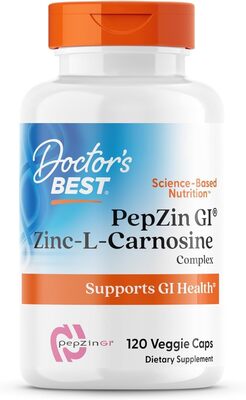
Impaired gut barrier function affects millions and may contribute to systemic inflammation, food sensitivities, and immune dysregulation according to published gastroenterology research. Intestinal Fortitude GLR-6 with L-glutamine, slippery elm, and zinc (ASIN B07PCSKBW8, $39.99) combines the most evidence-backed ingredients shown to support tight junction integrity in clinical trials. Meta-analyses demonstrate L-glutamine at doses above 0.5 g/kg/day significantly reduces intestinal permeability markers, while zinc compounds protect against NSAID-induced barrier damage. For budget-conscious supplementation, Doctor’s Best PepZin GI zinc-L-carnosine complex (ASIN B0035BYOSA, $23.99) provides the clinically-studied 75 mg twice-daily dose (150 mg/day total) shown to block NSAID-induced gut permeability increases in randomized trials. Here’s what the published research shows about supplements that may support intestinal barrier recovery and when they work best as part of a comprehensive gut healing protocol.
Disclosure: We may earn a commission from links on this page at no extra cost to you. Affiliate relationships never influence our ratings. Full policy →
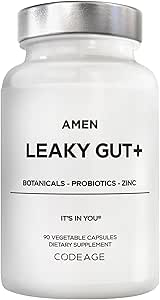
| Feature | 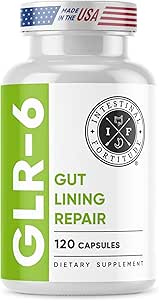 B07PCSKBW8 B07PCSKBW8
|
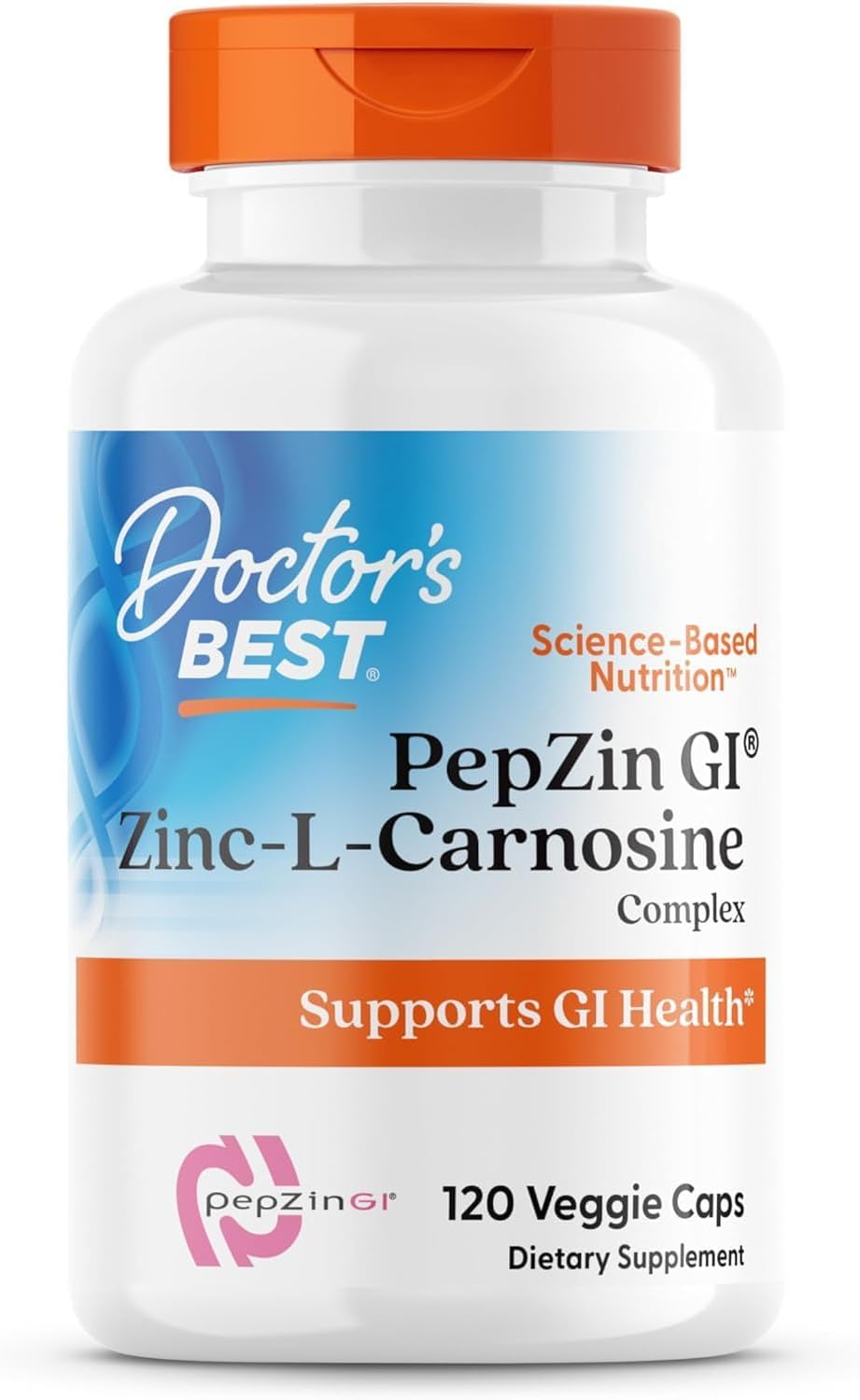 B0035BYOSA B0035BYOSA
|
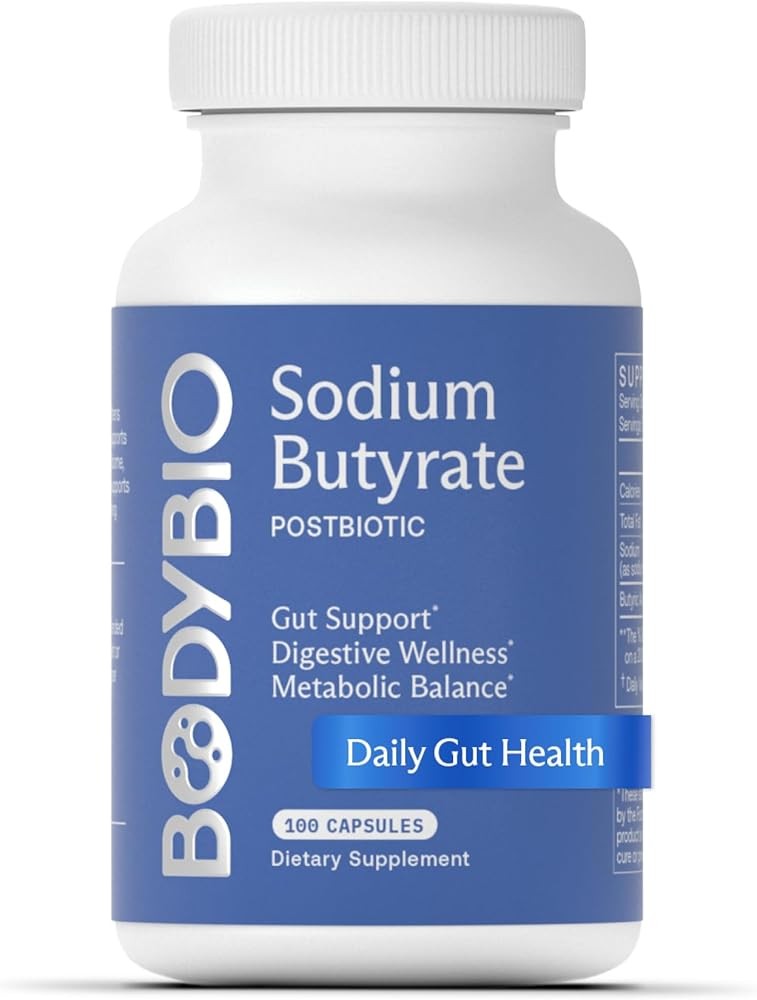 B0058A9SF0 B0058A9SF0
|
|---|---|---|---|
| View on Amazon | Check Price | Check Price | Check Price |


Why Should You Care About Leaky Gut Supplements?
If you have unexplained food sensitivities, fatigue after meals, skin issues, or digestive discomfort that does not respond to conventional approaches, increased intestinal permeability may be contributing to your symptoms. The gut barrier is a selective filter that should allow nutrients through while blocking pathogens, toxins, and undigested proteins. When this barrier becomes compromised, the immune system can become overreactive, inflammation can spread systemically, and a range of symptoms may follow.
While the popular term “leaky gut syndrome” is not a formal medical diagnosis, the underlying condition - increased intestinal permeability - is recognized in gastroenterology research. It has been measured in clinical studies and has been associated with autoimmune diseases, inflammatory bowel disease, irritable bowel syndrome, and metabolic disorders. The question is not whether intestinal permeability exists, but rather which interventions can meaningfully support barrier function.
This article reviews the research on supplements that have been studied for their effects on intestinal permeability. We cover the mechanism of action, clinical evidence, dosing, safety, and practical considerations for each supplement. We also discuss why addressing dietary and lifestyle triggers is as important - or more important - than supplementation alone.
What Is Leaky Gut and How Does It Affect Your Health?
The intestinal lining is a single layer of epithelial cells connected by structures called tight junctions. These tight junctions regulate what passes between cells and into the bloodstream. When tight junctions become disrupted, intestinal permeability increases, allowing larger molecules – such as bacterial endotoxins, undigested food proteins, and inflammatory compounds – to cross the barrier and trigger immune responses.
This increased permeability is measured in research using tests like the lactulose-mannitol ratio test or by measuring serum zonulin, a protein that modulates tight junction integrity. Elevated zonulin levels are associated with increased permeability and have been documented in conditions including celiac disease, type 1 diabetes, Crohn’s disease, and even neurological conditions such as multiple sclerosis.
The health implications of increased intestinal permeability are still being investigated, but current evidence suggests it may play a role in systemic inflammation, immune dysregulation, and the development or progression of autoimmune and metabolic diseases. The gut-brain axis also means that gut barrier dysfunction can potentially influence mood, cognition, and neurological health.
What Are Tight Junctions and Why Do They Matter?
Tight junctions are multi-protein complexes that seal the space between intestinal epithelial cells. Key proteins include occludin, claudins, and zonula occludens (ZO) proteins. These structures are dynamic and can open or close in response to signaling molecules, nutrients, and inflammatory cytokines.
When tight junctions are functioning properly, they allow selective passage of water, electrolytes, and nutrients while blocking harmful substances. When they are disrupted by inflammation, oxidative stress, or toxins, permeability increases and the protective barrier is compromised.
Tight junction integrity is influenced by diet, stress, infections, medications (especially NSAIDs and proton pump inhibitors), alcohol, and gut microbiota composition. Zonulin, released by intestinal cells in response to certain triggers like gliadin (a component of gluten), can reversibly open tight junctions and increase permeability.
How Does Zonulin Regulate Intestinal Permeability?
Zonulin is a protein that was identified by Dr. Alessio Fasano and his research team as a key regulator of tight junction permeability. When zonulin is released, it binds to receptors on intestinal cells and triggers a signaling cascade that disassembles tight junction proteins, temporarily increasing permeability.
Zonulin is released in response to certain bacterial signals and gluten exposure. Elevated serum zonulin has been associated with a variety of conditions involving barrier dysfunction, including celiac disease, type 1 diabetes, inflammatory bowel disease, and irritable bowel syndrome. It is now used as a biomarker for intestinal permeability in both research and clinical practice.
Understanding zonulin’s role helps explain why certain dietary exposures (like gluten in susceptible individuals) can acutely increase permeability, and why supplements that modulate zonulin or support tight junction integrity may be beneficial.
What Causes Increased Intestinal Permeability?
Several factors can compromise the intestinal barrier and increase permeability. Understanding these causes is critical because supplements alone cannot repair a leaky gut if the underlying damage continues.
Dietary Factors That Damage the Gut Barrier
Certain foods and dietary patterns can directly harm the intestinal lining or promote inflammation that disrupts tight junctions:
- Gluten: In individuals with celiac disease or non-celiac gluten sensitivity, gliadin triggers zonulin release and increases permeability. Even in healthy individuals, some studies suggest gluten can transiently increase permeability.
- Excess alcohol: Alcohol damages the intestinal mucosa, increases oxidative stress, and disrupts tight junctions.
- High-sugar diets: Excessive sugar can promote dysbiosis (imbalanced gut bacteria) and inflammation, both of which can compromise barrier function.
- Emulsifiers and additives: Some food additives like carboxymethylcellulose and polysorbate-80 have been shown in animal studies to disrupt the mucus layer and promote inflammation.
Medications That Compromise Intestinal Integrity
Certain medications are known to damage the gut lining or increase permeability:
- Non-steroidal anti-inflammatory drugs (NSAIDs): Drugs like ibuprofen and naproxen inhibit prostaglandin synthesis, reducing mucosal protection and increasing permeability. NSAID-induced enteropathy is a well-documented phenomenon.
- Proton pump inhibitors (PPIs): Long-term PPI use can alter gut microbiota and has been associated with increased intestinal permeability and small intestinal bacterial overgrowth (SIBO).
- Antibiotics: Broad-spectrum antibiotics disrupt the microbiome, which plays a critical role in maintaining barrier function and immune regulation.
Stress, Sleep Deprivation, and Lifestyle Factors
Chronic psychological stress activates the hypothalamic-pituitary-adrenal (HPA) axis and increases cortisol, which can disrupt tight junctions and alter gut motility and microbiota. Sleep deprivation similarly increases inflammatory cytokines and impairs barrier integrity. Sedentary lifestyle and lack of physical activity may also negatively affect gut health through reduced microbial diversity and increased systemic inflammation.
Gut Dysbiosis and Infections
An imbalanced gut microbiome – characterized by reduced diversity, overgrowth of pathogenic bacteria, or loss of beneficial species – can contribute to barrier dysfunction. Beneficial bacteria produce short-chain fatty acids like butyrate that support colonocyte health and tight junction integrity. Pathogenic bacteria, on the other hand, can produce toxins and inflammatory compounds that damage the lining.
Acute infections like gastroenteritis can also transiently increase permeability, and in some individuals, this can become chronic if the gut does not fully recover.
How Can You Test for Intestinal Permeability?
Testing for intestinal permeability can help confirm whether barrier dysfunction is present and track improvements over time. However, testing is not always necessary if symptoms and history strongly suggest increased permeability, and if the interventions are low-risk.
Lactulose-Mannitol Ratio Test
This is the gold-standard test for intestinal permeability used in research. The patient drinks a solution containing lactulose (a large sugar molecule) and mannitol (a small sugar molecule), then collects urine over several hours. Normally, only small amounts of lactulose should be absorbed, while mannitol is absorbed more readily. An elevated lactulose-to-mannitol ratio suggests increased permeability.
This test is available through some functional medicine practitioners and specialty labs, but it is not widely offered in conventional medical settings.
Serum Zonulin
Zonulin is a biomarker for tight junction permeability. Elevated serum zonulin suggests increased intestinal permeability, although zonulin can also be elevated in other inflammatory conditions. Some labs offer zonulin testing as part of stool or blood panels.
Other Markers
- Lipopolysaccharide (LPS) or endotoxin antibodies: LPS is a component of gram-negative bacterial cell walls. If it crosses the gut barrier, the immune system produces antibodies. Elevated anti-LPS antibodies suggest bacterial translocation due to increased permeability.
- Alpha-1 antitrypsin in stool: Elevated levels may indicate intestinal inflammation and protein loss.
These tests are not diagnostic of a specific disease but can provide supporting evidence that barrier dysfunction is present.
Which Supplements Have the Best Evidence for Healing Leaky Gut?
Now we reach the central question: which supplements have credible evidence for supporting intestinal barrier function? We have reviewed the clinical trials, systematic reviews, and mechanistic studies for each of the most commonly recommended options. They are presented below roughly in order of the strength of available evidence.
How Does L-Glutamine Support Gut Barrier Function?
Evidence Strength: Moderate to Strong
L-glutamine is the most abundant amino acid in the body and the primary fuel source for enterocytes – the cells lining the small intestine. It is also the most extensively studied supplement for intestinal permeability, with both mechanistic and clinical trial data available.
What Is the Mechanism of Action?
Glutamine supports intestinal barrier function through several pathways. It serves as the primary energy substrate for rapidly dividing enterocytes, supporting their proliferation and maintaining the structural integrity of the intestinal lining. At the molecular level, glutamine enhances tight junction protein expression, including claudin-1, occludin, and ZO-1, and it activates signaling pathways that promote barrier integrity.
Cell and animal research has shown that glutamine protects tight junctions during inflammatory stress by reducing cytokine-induced increases in permeability. It also supports the production of the mucus layer that provides an additional barrier over the epithelium.
What Does Clinical Research Show About L-Glutamine?
A 2024 systematic review and meta-analysis of 10 randomized placebo-controlled trials (352 participants) found that glutamine supplementation did not significantly reduce intestinal permeability across all studies, but subgroup analysis showed a significant reduction at doses above 30 g/day (Abbasi et al., 2024). The dose matters: lower supplemental doses have weaker evidence.
Clinical trials in critically ill patients and athletes have shown that glutamine supplementation can reduce markers of intestinal damage and bacterial translocation. For example, a randomized crossover study in physically active adults found that seven days of glutamine supplementation (0.9 g/kg/day) attenuated the exercise-induced increase in intestinal permeability and preserved tight junction protein expression (Zuhl et al., 2014).
What Is the Right Dosage for L-Glutamine?
Most studies showing benefits for intestinal permeability have used doses in the range of 0.3 to 0.5 g/kg/day or higher. For a 70 kg (154 lb) adult, this translates to approximately 20 to 35 grams per day, typically divided into multiple doses. Lower doses (5-10 grams per day) are commonly used in supplements, but the evidence for efficacy at these doses is less robust.
Glutamine is best taken on an empty stomach, either first thing in the morning or between meals, to maximize absorption.
Is L-Glutamine Safe to Take?
L-glutamine is generally well-tolerated, even at high doses. Side effects are uncommon but may include mild gastrointestinal discomfort or nausea if taken in very large single doses. There is no established upper limit, but most clinical trials have used up to 40 grams per day without significant adverse effects.
Individuals with severe liver or kidney disease should consult a healthcare provider before taking high-dose glutamine, as these organs are involved in glutamine metabolism.
Can Zinc Carnosine Support recovery of Intestinal Permeability?
Evidence Strength: Moderate
Zinc carnosine is a chelated compound consisting of zinc and L-carnosine. It has been studied primarily for its protective effects against NSAID-induced gastric and intestinal damage, but also has evidence for supporting intestinal barrier function more broadly.
How Does Zinc Carnosine Protect the Gut Lining?
Zinc carnosine stabilizes cell membranes, supports mucus production, and enhances tight junction integrity. Zinc itself is essential for the structure and function of tight junction proteins, and carnosine acts as an antioxidant and anti-inflammatory agent. The chelated form appears to have unique properties that allow it to adhere to the gastric and intestinal mucosa, providing localized protection.
What Does Clinical Research Show About Zinc Carnosine?
A randomized, double-blind, placebo-controlled trial published in Gut in 2007 found that zinc carnosine prevented the increase in small intestinal permeability caused by indomethacin: permeability rose threefold in the placebo arm (lactulose:rhamnose ratio from 0.35 to 0.88) while staying unchanged in volunteers taking zinc carnosine (Mahmood et al., 2007).
Other studies have shown that zinc carnosine can accelerate healing of gastric ulcers and reduce inflammation in the gastrointestinal tract. While most research has focused on upper GI protection, the mechanism of action suggests broader benefits for intestinal barrier integrity.
What Is the Right Dosage for Zinc Carnosine?
The clinically studied dose is 75 mg of zinc carnosine (which provides approximately 16-17 mg of elemental zinc) taken twice daily, for a total of 150 mg per day. Some products provide 75 mg once daily, which may also be effective but has less direct clinical trial support.
Zinc carnosine is typically taken with or without food. It is often recommended to take it consistently for at least 8 to 12 weeks to assess benefits.
Is Zinc Carnosine Safe to Take?
Zinc carnosine is generally well-tolerated. Side effects are rare but can include mild nausea or gastrointestinal discomfort. Long-term use of high-dose zinc can interfere with copper absorption, so it is advisable to monitor copper status or take a copper supplement if using zinc carnosine for extended periods (several months or longer).
Individuals taking other zinc supplements should account for the elemental zinc content in zinc carnosine to avoid exceeding the tolerable upper intake level (40 mg/day for adults).
Bottom line: Zinc carnosine at 75 mg twice daily (150 mg/day total) is the dose tested against NSAID-induced permeability increases in the Mahmood 2007 Gut trial; run it for 8-12 weeks before judging benefit.
Do Probiotics Help Repair Leaky Gut?
Evidence Strength: Moderate
Probiotics are live microorganisms that, when administered in adequate amounts, confer health benefits to the host. Certain probiotic strains have been shown to support intestinal barrier function through multiple mechanisms.
How Do Probiotics Support Intestinal Barrier Function?
Probiotics can enhance tight junction integrity, reduce inflammation, produce short-chain fatty acids (like butyrate), compete with pathogenic bacteria, and modulate immune responses. Specific strains such as Lactobacillus plantarum, Lactobacillus rhamnosus GG, and Bifidobacterium infantis have been studied for their effects on permeability.
What Does Clinical Research Show About Probiotics?
A 2023 systematic review and meta-analysis of 26 randomized trials (1,891 participants) found that probiotics significantly improved intestinal barrier function, including reduced serum zonulin (SMD -1.58; 95% CI -2.49 to -0.66) and lower endotoxin and LPS levels, with effects on inflammatory markers as well (Zheng et al., 2023).
Pooled analyses of probiotic trials suggest multi-strain products can modestly reduce intestinal permeability markers such as the lactulose-mannitol ratio, with the clearest effects reported in people with pre-existing gut dysfunction. Results vary by strain and population, so strain choice matters more than the number of strains.
Specific strains with evidence for barrier support include:
- Lactobacillus plantarum 299v: Shown to reduce permeability in patients with irritable bowel syndrome.
- Lactobacillus rhamnosus GG: Demonstrated benefits in children with atopic dermatitis and in individuals with HIV-associated gut dysfunction.
- Bifidobacterium infantis 35624: Reduced inflammatory markers and improved gut barrier in IBS patients.
What Is the Right Dosage for Probiotics?
Effective doses in clinical trials typically range from 10 billion to 100 billion CFUs (colony-forming units) per day. Multi-strain formulations may have advantages over single-strain products, although both can be effective depending on the strains included.
Probiotics are best taken on an empty stomach or with a small meal to enhance survival through the acidic stomach environment. Refrigerated probiotics may have better viability, although some shelf-stable formulations are also effective.
Are Probiotics Safe to Take?
Probiotics are generally safe for healthy individuals. Side effects, if any, are usually mild and include temporary bloating or gas as the gut microbiome adjusts. In immunocompromised individuals or those with central venous catheters, there is a small risk of probiotic bacteremia, so medical supervision is advised in these populations.
Bottom line: Probiotic evidence for barrier support is strongest with multi-strain products at 10-100 billion CFU daily for 4-8 weeks; a 2023 meta-analysis of 26 RCTs found significant reductions in serum zonulin (SMD -1.58; 95% CI -2.49 to -0.66).
Does Butyrate Strengthen the Gut Barrier?
Evidence Strength: Moderate (mechanistic data strong, clinical data emerging)
Butyrate is a short-chain fatty acid produced by beneficial gut bacteria during the fermentation of dietary fiber. It is the primary energy source for colonocytes (cells lining the colon) and has been shown to support intestinal barrier integrity, reduce inflammation, and modulate immune function.
How Does Butyrate Enhance Intestinal Barrier Integrity?
Butyrate strengthens tight junctions by increasing the expression of tight junction proteins and by activating signaling pathways such as AMPK (AMP-activated protein kinase) that promote barrier assembly. A study published in PLOS ONE in 2009 found that butyrate increased transepithelial electrical resistance (TEER) – a measure of barrier integrity – by 40 to 60 percent in intestinal epithelial cell cultures (PubMed 19625695).
Butyrate also has anti-inflammatory effects, inhibiting the activation of NF-kB (a key inflammatory signaling molecule) and reducing the production of pro-inflammatory cytokines. This anti-inflammatory action helps protect the gut lining from damage.
What Does Clinical Research Show About Butyrate?
While mechanistic studies are strong, clinical trial data on oral butyrate supplementation for intestinal permeability in humans is still emerging. Most evidence comes from studies on inflammatory bowel disease (IBD), where butyrate enemas or oral butyrate have shown benefits for mucosal healing and symptom improvement.
Reviews of short-chain fatty acid biology highlight butyrate’s role as the preferred fuel for colonocytes and its potential to support barrier function, with supplementation most relevant when endogenous production is reduced, such as in dysbiosis (Morrison & Preston, 2016).
Because butyrate is produced naturally by gut bacteria, increasing dietary fiber intake (especially resistant starch and fermentable fibers) can boost endogenous butyrate production, which may be as effective or more effective than direct supplementation.
What Is the Right Dosage for Butyrate?
Oral butyrate supplements typically provide 500 to 1,200 mg of butyrate salts (sodium butyrate, calcium/magnesium butyrate) per serving. Most products recommend 1 to 4 capsules per day with meals. Enteric-coated formulations may improve delivery to the small intestine and colon.
Butyrate can also be increased naturally by consuming high-fiber foods, resistant starch (found in cooked and cooled potatoes, green bananas, and legumes), and prebiotics that feed butyrate-producing bacteria.
Is Butyrate Safe to Take?
Oral butyrate is generally well-tolerated. Some individuals may experience mild digestive discomfort, loose stools, or gas, especially when first starting supplementation or at higher doses. These effects often resolve as the gut adjusts.
Butyrate has a characteristic odor (often described as cheesy or rancid butter), but encapsulated forms mask this.
Bottom line: Butyrate strengthens the barrier in mechanistic studies (tight junction assembly via AMPK activation in Caco-2 monolayers), but human data on oral butyrate for intestinal permeability remains limited; boosting endogenous production with fermentable fiber is the best-evidenced route.
Can Bovine Colostrum Reduce Intestinal Permeability?
Evidence Strength: Moderate
Bovine colostrum is the first milk produced by cows after giving birth. It is rich in immunoglobulins, growth factors, and bioactive compounds that support immune function and gut health. Colostrum has been studied for its effects on intestinal permeability, particularly in athletes and individuals with NSAID-induced gut damage.
How Does Bovine Colostrum Support Gut Barrier Function?
Colostrum contains lactoferrin, immunoglobulins (especially IgG), growth factors (like insulin-like growth factor-1, IGF-1), and other bioactive peptides that can support mucosal healing, reduce inflammation, and enhance tight junction integrity. IGF-1, in particular, has been shown to promote enterocyte proliferation and repair.
Colostrum also contains proline-rich polypeptides (PRPs) that modulate immune responses and may help reduce gut inflammation. The immunoglobulins in colostrum can bind to pathogens and toxins in the gut lumen, preventing them from damaging the intestinal lining.
What Does Clinical Research Show About Bovine Colostrum?
A 2024 meta-analysis found that bovine colostrum supplementation significantly reduced the urinary lactulose/rhamnose ratio (mean difference -0.24; 95% CI -0.43 to -0.04) and the lactulose/mannitol ratio, both markers of intestinal permeability, in healthy athletes and patient groups (Hajihashemi et al., 2024).
A study published in Clinical Science in 2001 found that co-administration of bovine colostrum reduced the acute increase in intestinal permeability caused by NSAIDs in healthy volunteers, while placebo did not (Playford et al., 2001).
Research in athletes has also shown that colostrum can reduce exercise-induced increases in gut permeability and protect against heat stress-induced intestinal damage.
What Is the Right Dosage for Bovine Colostrum?
Clinical studies have used doses ranging from 10 to 60 grams per day, with 20 grams per day being a common dose. Colostrum is typically taken in powder form mixed with water or a beverage, although capsules are also available.
For best results, colostrum should be taken on an empty stomach, ideally first thing in the morning, to allow the bioactive components to interact directly with the intestinal lining before being diluted by food.
Is Bovine Colostrum Safe to Take?
Bovine colostrum is generally very well-tolerated. It is considered safe for long-term use. Some individuals may experience mild digestive symptoms like bloating or gas when first starting, but these typically resolve within a few days.
Individuals with dairy allergies should avoid colostrum, as it is a milk product. Those with lactose intolerance may tolerate colostrum better than regular dairy, as it is relatively low in lactose, but caution is still advised.
Bottom line: Bovine colostrum significantly reduced the urinary lactulose/rhamnose ratio (mean difference -0.24; 95% CI -0.43 to -0.04) in a 2024 meta-analysis of permeability outcomes; typical dosing is 3-10 g daily for 4-12 weeks.
Are Herbal Demulcents Effective for Gut Barrier Support?
Evidence Strength: Weak to Moderate (traditional use strong, clinical trials limited)
Demulcent herbs are plants that produce mucilage – a slippery, gel-like substance that coats and soothes mucous membranes. Common demulcent herbs used for gut health include slippery elm (Ulmus rubra), marshmallow root (Althaea officinalis), deglycyrrhizinated licorice (DGL), and aloe vera.
How Do Demulcent Herbs Support the Intestinal Lining?
Mucilage from demulcent herbs forms a protective layer over the intestinal mucosa, physically shielding it from irritants and allowing the underlying tissue to recover. Some demulcent herbs also have anti-inflammatory and antioxidant properties that may further support gut barrier repair.
DGL (deglycyrrhizinated licorice) has been specifically studied for its effects on gastric and duodenal ulcers. It appears to increase mucus production, enhance mucosal blood flow, and promote healing of damaged tissue.
What Does Clinical Research Show About Demulcent Herbs?
Clinical trial data for demulcent herbs and intestinal permeability is limited. Most evidence is based on traditional use, mechanistic plausibility, and small observational studies.
A pilot study of a natural formula containing slippery elm bark in patients with irritable bowel syndrome found improvements in bowel habit and symptoms in constipation-predominant participants, though it did not specifically measure intestinal permeability (Hawrelak & Myers, 2010).
DGL has more clinical evidence for upper gastrointestinal support. In a two-year trial, the licorice-based product Caved-S was comparable to the H2-blocker cimetidine in preventing symptomatic gastric ulcer recurrence, suggesting a role for licorice-derived formulations in mucosal repair (Morgan et al., 1985).
Aloe vera has some evidence for symptom improvement in ulcerative colitis and irritable bowel syndrome, but its effect on intestinal permeability specifically has not been rigorously studied.
What Is the Right Dosage for Demulcent Herbs?
Dosing varies by herb:
- Slippery elm: 400 to 500 mg capsules taken 2 to 3 times daily, or 1 to 2 tablespoons of powder mixed in water.
- Marshmallow root: 5 to 6 grams of powdered root per day, or standardized extracts as directed.
- DGL: 380 to 760 mg chewed 20 minutes before meals, 2 to 3 times daily.
- Aloe vera: 100 to 200 mg of aloe vera extract daily (avoid whole-leaf aloe due to laxative effects).
Demulcent herbs are best taken between meals or before meals to maximize contact with the mucosa.
Are Demulcent Herbs Safe to Take?
Demulcent herbs are generally very safe. Side effects are rare and usually limited to mild digestive upset. Slippery elm and marshmallow root have no known contraindications and are even safe in pregnancy and for children (though always consult a healthcare provider in these populations).
DGL is considered safe because the glycyrrhizin (which can cause blood pressure elevation and potassium loss) has been removed. Aloe vera should be used cautiously and only in the form of inner-leaf gel or purified extracts, as whole-leaf aloe contains anthraquinones that can cause diarrhea and cramping.
What About Quercetin, Curcumin, and Other Anti-Inflammatory Compounds?
Several plant compounds with anti-inflammatory and antioxidant properties have been studied for their effects on intestinal permeability, including quercetin (a flavonoid found in onions, apples, and berries) and curcumin (the active compound in turmeric).
Quercetin
Quercetin has been shown in cell culture and animal studies to stabilize tight junctions and reduce inflammatory cytokine-induced increases in permeability. A study in Caco-2 intestinal cell monolayers found that quercetin increased transepithelial resistance and reduced permeability by promoting the assembly of tight junction proteins (Suzuki & Hara, 2009).
However, clinical trial data in humans for intestinal permeability is very limited. Quercetin is poorly absorbed unless taken in specialized formulations (such as quercetin phytosome), which may limit its efficacy as an oral supplement for gut barrier support.
Curcumin
Curcumin has strong anti-inflammatory and antioxidant properties and has been studied for inflammatory bowel disease. Some research suggests it may help maintain tight junction integrity and reduce gut permeability in animal models, but again, human clinical trial data is scarce.
Curcumin’s poor bioavailability is a significant limitation. Enhanced-absorption formulations (such as curcumin with piperine or liposomal curcumin) may improve efficacy.
Both quercetin and curcumin may be useful adjuncts to a gut-healing protocol, but they should not be considered first-line interventions due to limited clinical evidence specifically for intestinal permeability.
Should You Address Diet Before Taking Supplements for Leaky Gut?
The short answer is yes. Supplements cannot compensate for ongoing damage caused by dietary triggers, medications, or lifestyle factors. Healing the gut requires both removing what damages the barrier and providing what supports repair.
What Dietary Changes Are Most Important?
The most impactful dietary interventions for reducing intestinal permeability include:
- Remove gluten if sensitive: Individuals with celiac disease or non-celiac gluten sensitivity should strictly avoid gluten. Even in non-sensitive individuals, reducing gluten may be beneficial if permeability is elevated.
- Eliminate or reduce alcohol: Alcohol directly damages the gut lining. If intestinal permeability is a concern, alcohol should be minimized or avoided entirely during the healing phase.
- Avoid NSAIDs when possible: If NSAIDs are necessary, discuss alternatives or protective strategies (like zinc carnosine) with your healthcare provider.
- Reduce processed foods and added sugars: These promote dysbiosis and inflammation.
- Increase fiber and resistant starch: These feed beneficial bacteria that produce butyrate and other short-chain fatty acids that support barrier function.
- Consider an elimination diet if food sensitivities are suspected: Temporarily removing common triggers (dairy, soy, eggs, etc.) and systematically reintroducing them can help identify specific sensitivities.
How Important Is Gut Microbiome Health?
The gut microbiome plays a central role in maintaining intestinal barrier integrity. Beneficial bacteria produce short-chain fatty acids, regulate immune function, compete with pathogens, and directly influence tight junction proteins.
Supporting a healthy microbiome through diet (high fiber, fermented foods, prebiotics) and, if needed, probiotics, is foundational to healing leaky gut. Antibiotics should be used judiciously, and when they are necessary, probiotic supplementation during and after the course may help restore balance.
What About Stress Management and Sleep?
Chronic stress and sleep deprivation impair gut barrier function through hormonal and immune pathways. Stress management techniques such as mindfulness, yoga, deep breathing, and regular physical activity can support gut healing. Prioritizing 7 to 9 hours of quality sleep per night is also critical.
How Long Does It Take to Support recovery of Leaky Gut?
The timeline for healing intestinal permeability varies depending on the underlying cause, the severity of dysfunction, and how comprehensively triggers are addressed.
What Do Clinical Studies Say About Healing Timelines?
Most clinical studies showing improvements in intestinal permeability markers have intervention periods of 4 to 12 weeks. For example:
- The meta-analysis on L-glutamine noted that effects were more pronounced in studies with longer durations (12 weeks or more).
- Probiotic studies typically show effects on zonulin within 6 weeks.
- Zinc carnosine trials have assessed outcomes at 8 to 12 weeks.
However, full recovery of gut barrier function – especially in cases of chronic, severe dysfunction or underlying autoimmune conditions – can take 3 to 9 months or longer. Healing is not linear, and improvements in symptoms may precede measurable changes in permeability markers.
How Can You Track Your Progress?
Tracking symptoms such as bloating, food reactions, energy levels, skin health, and digestive comfort can provide subjective feedback on progress. For more objective assessment, repeat testing of intestinal permeability markers (lactulose-mannitol ratio or zonulin) can be done after 8 to 12 weeks of intervention.
It is important to be patient and consistent. Gut healing requires sustained effort, and setbacks (such as illness, stress, or accidental dietary exposures) can temporarily increase permeability again.
Should You Continue Supplements After Healing?
Once intestinal permeability has improved and symptoms have resolved, some individuals may be able to reduce or discontinue supplementation, especially if dietary and lifestyle factors are well-managed. Others may benefit from ongoing lower-dose maintenance, particularly if they have chronic conditions or are prone to relapses.
Working with a knowledgeable healthcare provider can help determine the best long-term strategy for your individual situation.
How Do You Know If It’s IBS, IBD, or Celiac Disease Instead of Just Leaky Gut?
Increased intestinal permeability is not a standalone diagnosis – it is a physiological phenomenon that can occur in many conditions. It is important to rule out serious underlying disorders before attributing symptoms solely to “leaky gut.”
What Is the Difference Between IBS, IBD, and Increased Intestinal Permeability?
-
Irritable Bowel Syndrome (IBS): A functional disorder characterized by abdominal pain, bloating, and altered bowel habits (diarrhea, constipation, or both) without visible inflammation or damage on endoscopy. Increased intestinal permeability has been documented in some IBS patients and may contribute to symptoms, but IBS is diagnosed clinically based on Rome IV criteria.
-
Inflammatory Bowel Disease (IBD): Includes Crohn’s disease and ulcerative colitis, both of which involve chronic inflammation and visible damage to the gastrointestinal tract. Increased intestinal permeability is a feature of IBD and may precede or worsen disease activity. IBD is diagnosed through colonoscopy, biopsy, and imaging.
-
Celiac Disease: An autoimmune disorder triggered by gluten in genetically susceptible individuals. It causes damage to the small intestinal villi and significantly increases intestinal permeability. Celiac disease is diagnosed through serology (anti-tissue transglutaminase antibodies, anti-endomysial antibodies) and confirmed with small bowel biopsy.
When Should You See a Doctor?
You should consult a healthcare provider if you have:
- Persistent or severe abdominal pain
- Unexplained weight loss
- Blood in stool
- Chronic diarrhea or constipation that does not improve with dietary changes
- Symptoms suggestive of malabsorption (fatty stools, nutrient deficiencies)
- Family history of IBD or celiac disease
Testing for celiac disease should be done before removing gluten from the diet, as gluten avoidance can cause false-negative results. If IBD is suspected, referral to a gastroenterologist for endoscopic evaluation is appropriate.
What Is a Practical Step-by-Step Protocol for Healing Leaky Gut?
Based on the evidence reviewed, here is a practical, integrative protocol for supporting intestinal barrier function:
Step 1: Identify and Remove Triggers
- Eliminate gluten if you have celiac disease or suspect gluten sensitivity.
- Avoid or minimize alcohol and NSAIDs.
- Consider an elimination diet to identify food sensitivities.
- Reduce intake of processed foods, added sugars, and artificial additives.
Step 2: Support the Gut Microbiome
- Eat a high-fiber diet rich in vegetables, fruits, legumes, and whole grains.
- Include resistant starch sources like cooked and cooled potatoes, green bananas, and oats.
- Consume fermented foods like yogurt, kefir, sauerkraut, and kimchi.
- Consider a high-quality, multi-strain probiotic (10 to 100 billion CFUs per day, starting at the lower end).
Step 3: Supplement Strategically
Based on the evidence, consider the following supplements (dosing as discussed earlier):
- L-glutamine: 20 to 40 grams per day in divided doses (if tolerated and based on body weight).
- Zinc carnosine: 75 mg twice daily.
- Butyrate: 1,000 to 2,400 mg per day (or focus on increasing endogenous production through fiber).
- Bovine colostrum: 20 grams per day (optional, especially if NSAID use or athletic activity is a factor).
- Demulcent herbs (slippery elm, DGL): As supportive adjuncts.
Start with one or two core supplements and add others as needed. This allows you to assess tolerance and response.
Step 4: Address Lifestyle Factors
- Prioritize 7 to 9 hours of sleep per night.
- Practice stress management techniques daily (meditation, yoga, deep breathing).
- Engage in regular, moderate physical activity (avoid overtraining, which can increase permeability).
- Stay well-hydrated.
Step 5: Monitor Progress and Adjust
- Track symptoms weekly in a journal.
- Consider retesting intestinal permeability markers after 8 to 12 weeks.
- Adjust supplement dosing or dietary interventions based on response.
- Work with a functional medicine practitioner or knowledgeable healthcare provider for personalized guidance.
Step 6: Transition to Maintenance
Once permeability has improved and symptoms are well-controlled, gradually reduce supplement doses and focus on maintaining a gut-healthy diet and lifestyle. Some individuals may benefit from periodic “tune-up” courses of supplementation, especially during times of stress or illness.
What Are the Most Important Things to Remember About Leaky Gut Supplements?
Increased intestinal permeability is a real, measurable physiological phenomenon that can contribute to a range of health issues. While the term “leaky gut syndrome” is not a formal diagnosis, the underlying science is well-established in gastroenterology research.
Supplements can play a meaningful role in supporting intestinal barrier function, but they work best as part of a comprehensive approach that includes dietary modification, lifestyle optimization, and removal of damaging triggers. The strongest evidence exists for L-glutamine (at doses above 0.5 g/kg/day), zinc carnosine (at 75 mg twice daily), certain probiotic strains, and butyrate.
Healing takes time – typically 4 to 12 weeks for measurable improvements and 3 to 9 months for more complete recovery – and requires patience and consistency. Always work with a healthcare provider to rule out serious conditions and to tailor interventions to your individual needs.
Bottom line: The best-evidenced leaky gut protocol pairs L-glutamine (with significant permeability reductions in meta-analysis only above 30 g/day), zinc carnosine 150 mg/day, a multi-strain probiotic at 10-100 billion CFU, and colostrum with trigger removal; plan on 4-12 weeks for measurable improvements.
Related Articles
- How to Improve Gut Health Naturally: An Evidence-Based Guide
- Probiotics for Gut Health: Strain-Specific Guide to Microbiome Support
- Best Supplements for IBS: Probiotics, Fiber, and More Reviewed by Research
- Best Digestive Enzyme Supplements: Who Actually Needs Them and Which Work
- Best Magnesium Supplements: Glycinate vs Citrate vs Other Forms Compared
Related Reading
- Best Supplements for IBS: Probiotics, Fiber, and More Reviewed by Research
- L-Glutamine for Gut Health: Research on the Gut Lining
- Best Colostrum Supplements — What the Research Actually Shows About Bovine Colostrum
- Best Supplements for Gut Health: Probiotics, Prebiotics, and Digestive Enzymes Compared
- Best Probiotics for Bloating and Gas: Strain-Specific Guide Based on Research
- Florastor vs Saccharomyces Boulardii: Comparing Probiotic Yeast Supplements
- Berberine Benefits: Science-Backed Health Benefits and Clinical Research
References
-
Abbasi, F., Haghighat Lari, M. M., Khosravi, G. R., et al. (2024). A systematic review and meta-analysis of clinical trials on the effects of glutamine supplementation on gut permeability in adults. Amino Acids, 56(1), 60. PubMed 39397201
-
Mahmood, A., et al. (2007). Zinc carnosine, a health food supplement that stabilises small bowel integrity and stimulates gut repair processes. Gut, 56(2), 168-175. PubMed 16777920
-
Zheng, Y., et al. (2023). Probiotics fortify intestinal barrier function: a systematic review and meta-analysis of randomized trials. Frontiers in Immunology, 14. PubMed 37168869
-
Playford, R. J., et al. (2001). Co-administration of the health food supplement, bovine colostrum, reduces the acute NSAID-induced increase in intestinal permeability. Clinical Science. PubMed 11352778
-
Hajihashemi, P., et al. (2024). Bovine colostrum in increased intestinal permeability in healthy athletes and patients: a meta-analysis. Digestive Diseases and Sciences. PubMed 38361147
-
Peng, L., et al. (2009). Butyrate enhances the intestinal barrier by facilitating tight junction assembly via activation of AMP-activated protein kinase in Caco-2 cell monolayers. Journal of Nutrition, 139(9), 1619-1625. PubMed 19625695
-
Parada Venegas, D., et al. (2019). Short Chain Fatty Acids (SCFAs)-Mediated Gut Epithelial and Immune Regulation and Its Relevance for Inflammatory Bowel Diseases. Frontiers in Immunology, 10, 277. PubMed 30915065
-
Fasano, A. (2020). All disease begins in the (leaky) gut: role of zonulin-mediated gut permeability in the pathogenesis of some chronic inflammatory diseases. F1000Research, 9, 69. PubMed 32051759
-
Suzuki, T., & Hara, H. (2009). Quercetin enhances intestinal barrier function through the assembly of zonula occludens-2, occludin, and claudin-1 and the expression of claudin-4 in Caco-2 cells. Journal of Nutrition, 139(5), 965-974. PubMed 19297429
-
Hawrelak, J. A., & Myers, S. P. (2010). Effects of two natural medicine formulations on irritable bowel syndrome symptoms: a pilot study. Journal of Alternative and Complementary Medicine, 16(10), 1065-1071. PubMed 20954962
-
Morgan, A. G., et al. (1985). Maintenance therapy: a two year comparison between Caved-S and cimetidine treatment in the prevention of symptomatic gastric ulcer recurrence. Gut, 26(6), 599-602. PubMed 4007604
-
Camilleri, M. (2019). Leaky gut: mechanisms, measurement and clinical implications in humans. Gut, 68(8), 1516-1526. PubMed 31076401
-
Bischoff, S. C., et al. (2014). Intestinal permeability - a new target for disease prevention and therapy. BMC Gastroenterology, 14, 189. PubMed 25407511
-
Vancamelbeke, M., & Vermeire, S. (2017). The intestinal barrier: a fundamental role in health and disease. Expert Review of Gastroenterology & Hepatology, 11(9), 821-834. PubMed 28650209
-
Groschwitz, K. R., & Hogan, S. P. (2009). Intestinal barrier function: molecular regulation and disease pathogenesis. Journal of Allergy and Clinical Immunology, 124(1), 3-20. PubMed 19560575
-
Sturgeon, C., & Fasano, A. (2016). Zonulin, a regulator of epithelial and endothelial barrier functions, and its involvement in chronic inflammatory diseases. Tissue Barriers, 4(4), e1251384. PubMed 28123927
-
Bjarnason, I., et al. (2018). Mechanisms of damage to the gastrointestinal tract from nonsteroidal anti-inflammatory drugs. Gastroenterology, 154(3), 500-514. PubMed 29221664
-
Imhann, F., et al. (2016). Proton pump inhibitors affect the gut microbiome. Gut, 65(5), 740-748. PubMed 26657899
-
Karl, J. P., et al. (2017). Changes in intestinal microbiota composition and metabolism coincide with increased intestinal permeability in young adults under prolonged physiological stress. American Journal of Physiology - Gastrointestinal and Liver Physiology, 312(6), G559-G571. PubMed 28336545
-
Rao, R. K., & Samak, G. (2013). Protection and restitution of gut barrier by probiotics: nutritional and clinical implications. Current Nutrition & Food Science, 9(2), 99-107. PubMed 24353483
-
Morrison, D. J., & Preston, T. (2016). Formation of short chain fatty acids by the gut microbiota and their impact on human metabolism. Gut Microbes, 7(3), 189-200. PubMed 26963409
-
Arrieta, M. C., et al. (2006). Alterations in intestinal permeability. Gut, 55(10), 1512-1520. PubMed 16966705
-
Kiefer, D., & Ali-Akbarian, L. (2004). A brief evidence-based review of two gastrointestinal illnesses: irritable bowel and leaky gut syndromes. Alternative Therapies in Health and Medicine, 10(3), 22-30. PubMed 15154150
-
Zuhl, M., et al. (2014). Exercise regulation of intestinal tight junction proteins. British Journal of Sports Medicine, 48(12), 980-986. PubMed 23134759
-
Fasano, A. (2011). Zonulin and its regulation of intestinal barrier function: the biological door to inflammation, autoimmunity, and cancer. Physiological Reviews, 91(1), 151-175. PubMed 21248165
-
Lamprecht, M., et al. (2012). Probiotic supplementation affects markers of intestinal barrier, oxidation, and inflammation in trained men; a randomized, double-blinded, placebo-controlled trial. Journal of the International Society of Sports Nutrition, 9, 45. PubMed 22992437
-
Salvo-Romero, E., et al. (2015). The intestinal barrier function and its involvement in digestive disease. Revista Española de Enfermedades Digestivas, 107(11), 686-696. PubMed 26541659
-
Wells, J. M., et al. (2017). Homeostasis of the gut barrier and potential biomarkers. American Journal of Physiology - Gastrointestinal and Liver Physiology, 312(3), G171-G193. PubMed 27908847
-
Hollander, D. (1999). Intestinal permeability, leaky gut, and intestinal disorders. Current Gastroenterology Reports, 1(5), 410-416. PubMed 10980980
-
Zuhl, M. N., et al. (2014). Effects of oral glutamine supplementation on exercise-induced gastrointestinal permeability and tight junction protein expression. Journal of Applied Physiology, 116(2), 183-191. PubMed 24285149
Recommended Products