Best Supplements for Male Fertility and Sperm Health: Evidence-Based Guide
Summarized from peer-reviewed research indexed in PubMed. See citations below.
Male factor infertility accounts for approximately 50% of all conception difficulties, with oxidative stress damaging sperm DNA, membranes, and mitochondria. CoQ10 at 200-400 mg/day emerges as the strongest evidence-based intervention, increasing clinical pregnancy odds by 6-fold and improving sperm motility by 5% in meta-analyses, with prices ranging from $20-35 per month. Published research from 90+ randomized controlled trials demonstrates that targeted antioxidant supplementation addresses the fundamental biochemical vulnerability of sperm cells, which lose most antioxidant defenses during maturation. A core protocol combining CoQ10, zinc picolinate (25-50 mg/day), and vitamin D3 (2,000-5,000 IU/day) costs approximately $25-40 monthly and targets the most common deficiencies. Here’s what the published research shows about evidence-based male fertility supplementation.
Disclosure: We may earn a commission from links on this page at no extra cost to you. Affiliate relationships never influence our ratings. Full policy →
| Feature | CoQ10 (Ubiquinol) | Zinc Picolinate | L-Carnitine | Selenium |
|---|---|---|---|---|
| Primary Benefit | Sperm motility and pregnancy rates | Testosterone and sperm production | Mitochondrial energy and motility | DNA protection and morphology |
| Clinical Dose | 200-400 mg/day | 25-50 mg/day | 2-3 g/day | 200 mcg/day |
| Key Evidence | 6-fold higher pregnancy odds (9 RCTs) | Supports testosterone and sperm output | Improves total and progressive motility | Protects sperm DNA via selenoproteins |
| Timeline | 3-6 months | 2-3 months | 3-6 months | 6 months |
| Monthly Cost | $20-35 | $8-12 | $15-25 | $10-15 |
| Best For | Low motility, age over 40 | Zinc deficiency, low testosterone | Poor motility, asthenozoospermia | Poor morphology, DNA damage |
How Big Is the Male Factor in Infertility and Why Does It Matter?
When couples struggle to conceive, the conversation still tends to default to the female partner. But the data tells a very different story. Male factor infertility contributes to approximately 50% of all infertility cases, either as the sole cause or as a contributing factor alongside female issues (Agarwal et al., 2021). Roughly 7% of all men will experience fertility problems at some point in their lives, and global sperm counts have been declining at an alarming rate – a 2022 meta-analysis published in Human Reproduction Update found that sperm concentrations dropped by 51.6% between 1973 and 2018, with the rate of decline accelerating in recent decades (Levine et al., 2022).
The causes of male infertility are varied – varicocele, hormonal imbalances, infections, genetic factors, lifestyle choices – but one mechanism sits at the center of a large percentage of cases: oxidative stress. When reactive oxygen species (ROS) overwhelm the sperm cell’s limited antioxidant defenses, the result is damage to sperm DNA, cell membranes, and mitochondria. This translates directly into lower sperm counts, reduced motility, abnormal morphology, and increased DNA fragmentation – all of which reduce the chances of both natural conception and success with assisted reproduction.
This is where supplements enter the picture. Unlike many supplement categories where the evidence is thin, male fertility supplementation has a surprisingly robust body of clinical research behind it. A 2022 Cochrane systematic review examined 90 studies involving over 10,000 subfertile men and found evidence that antioxidant supplementation may improve live birth and clinical pregnancy rates (Smits et al., 2022). Multiple individual supplements – CoQ10, zinc, L-carnitine, selenium, ashwagandha, and others – have randomized controlled trials showing measurable improvements in specific sperm parameters.
That said, supplements are not miracle pills. They work best when they address a genuine deficiency or when oxidative stress is a primary driver of the problem. They cannot fix a varicocele, reverse a genetic condition, or overcome severe azoospermia. And they need time – spermatogenesis takes about 74 days, so any supplement targeting sperm production requires at least three months to show its full effect.
This guide covers the 12 supplements with the strongest clinical evidence for male fertility, with specific dosages, clinical trial results, realistic expectations, and practical advice for building a targeted protocol.
How Does Male Fertility Work: What You Need to Understand First?
Before diving into individual supplements, it helps to understand the biology they are targeting. Male fertility depends on a complex chain of events, and supplements can influence several links in that chain.
What Is Spermatogenesis and Why Does It Take 74 Days?
Sperm are not produced overnight. The complete process of spermatogenesis – from primordial germ cell to mature spermatozoon – takes approximately 74 days in humans, followed by an additional 10-14 days of maturation in the epididymis. This means that the sperm released during ejaculation today began their development nearly three months ago.
This timeline has a critical practical implication: any dietary change, supplement, or lifestyle modification needs a minimum of three months to fully impact sperm quality. A semen analysis performed after just four weeks of supplementation is largely reflecting sperm that were already in the pipeline before you started.
The process unfolds in the seminiferous tubules of the testes, where spermatogonial stem cells undergo mitotic division, meiotic division (reducing chromosome number from 46 to 23), and a series of morphological transformations. Along the way, Sertoli cells provide structural support and nutrients, while Leydig cells in the surrounding tissue produce testosterone – the hormonal fuel that drives the entire process.
What Is the Role of Testosterone in Sperm Production?
Testosterone is not just about libido and muscle mass. Within the testes, intratesticular testosterone concentrations need to be 50-100 times higher than blood levels to support normal spermatogenesis. This is why exogenous testosterone (like testosterone replacement therapy) actually suppresses sperm production – it shuts down the hypothalamic-pituitary-gonadal (HPG) axis, reducing the brain’s signal to the testes to produce testosterone locally, which crashes intratesticular levels.
Supplements that support natural testosterone production through the HPG axis (like zinc, vitamin D, and ashwagandha) can help maintain the intratesticular environment needed for healthy sperm production without this shutdown effect.
Why Is Oxidative Stress the Primary Enemy of Sperm?
Sperm cells are uniquely vulnerable to oxidative damage for several reasons:
- Minimal cytoplasm: During the final stages of maturation, sperm shed most of their cytoplasm, which means they lose most of their intracellular antioxidant enzymes (superoxide dismutase, catalase, glutathione peroxidase)
- High polyunsaturated fatty acid content: Sperm membranes are rich in DHA and other PUFAs, which are highly susceptible to lipid peroxidation
- Limited DNA repair: Sperm replace most histones with protamines during maturation, compacting their DNA but severely limiting their ability to repair oxidative damage
- Mitochondrial dependence: Sperm rely heavily on mitochondrial energy production for motility, and mitochondria are both a source of and target for ROS
A 2025 review in Frontiers in Endocrinology confirmed that oxidative stress impairs sperm function through three primary mechanisms: DNA fragmentation, lipid peroxidation of cell membranes (reducing fluidity and motility), and protein oxidation that disrupts motility and fertilization capacity (Sengupta et al., 2024).
This vulnerability is precisely why antioxidant supplements can be so effective for male fertility – they address the fundamental biochemical weakness of sperm cells.
What Is DNA Fragmentation and Why Does It Kill Fertility?
Standard semen analysis measures count, motility, and morphology – but it misses one of the most important factors: sperm DNA integrity. A man can have a perfectly normal semen analysis yet still have high DNA fragmentation, which is associated with:
- Reduced fertilization rates
- Poor embryo development
- Higher miscarriage rates
- Increased risk of congenital abnormalities in offspring
DNA fragmentation testing (via the TUNEL assay, Sperm Chromatin Structure Assay, or Comet assay) is increasingly recommended for couples with unexplained infertility or recurrent pregnancy loss. Several of the supplements covered in this guide – particularly CoQ10, vitamin C, vitamin E, and selenium – have been shown to reduce DNA fragmentation in clinical trials.
What Are the Top 12 Evidence-Based Supplements for Male Fertility?
1. How Does CoQ10 Improve Sperm Quality and Pregnancy Rates?
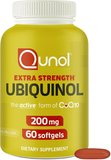
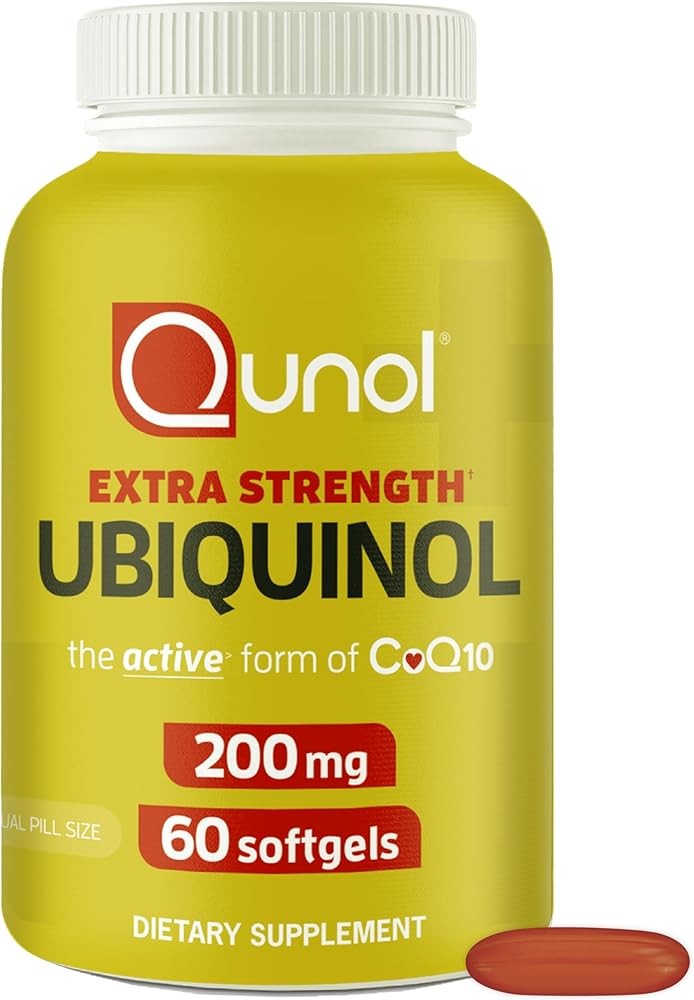
Why it matters for fertility: Coenzyme Q10 (CoQ10) powers the mitochondria that drive sperm motility. Sperm are among the most mitochondria-dense cells in the body, and the energy those mitochondria produce (ATP) is what powers the flagellum. CoQ10 also acts as a lipid-soluble antioxidant inside the mitochondrial membrane, protecting sperm from the oxidative damage that accumulates with age. Levels of CoQ10 in seminal fluid decline with age and are lower in infertile men, making it one of the most biologically targeted supplements in this space.
What the clinical research shows: A 2025 systematic review in the World Journal of Men’s Health evaluated CoQ10 in idiopathic male infertility and found significant improvements in sperm concentration, total motility, and progressive motility, with the strongest effects in men taking 200-300 mg daily for at least 3 months (PMID: 40878114). The landmark Safarinejad trial randomized 228 infertile men to 300 mg CoQ10 daily or placebo for 26 weeks and found significant increases in sperm count, motility, and morphology, with improvements appearing after roughly 13 weeks of treatment (PMID: 22704112).
A 2019 meta-analysis of randomized trials reported that antioxidant supplementation including CoQ10 roughly tripled clinical pregnancy rates in subfertile couples, and CoQ10 specifically has been associated with improved fertilization rates in assisted reproduction.
Dosing: 200-400 mg/day of CoQ10, with the ubiquinol form (the reduced, more bioavailable version) preferred for men over 40 or those with absorption concerns. Divide into two doses with meals containing fat.
Who benefits most: Men with low sperm motility, men over 35-40 (where seminal CoQ10 declines), and couples pursuing IVF or ICSI where sperm quality directly affects outcomes.
2. How Does Zinc Support Testosterone and Sperm Production?

Why it matters for fertility: Zinc is a structural component of over 300 enzymes and is required for testosterone synthesis, sperm production, and the function of antioxidant enzymes in seminal fluid. The testes concentrate zinc at high levels, and zinc deficiency is associated with reduced sperm count, lower testosterone, and impaired semen quality. A substantial proportion of subfertile men have marginal zinc status, and deficiency is linked to lower sperm quality.
What the clinical research shows: Zinc supplementation (25-50 mg/day) in oligospermic men has been shown to increase sperm count, motility, and testosterone levels in multiple trials, with the strongest effects in men who were zinc-deficient at baseline. Zinc also reduces sperm DNA fragmentation through its role in antioxidant defense and chromatin packaging.
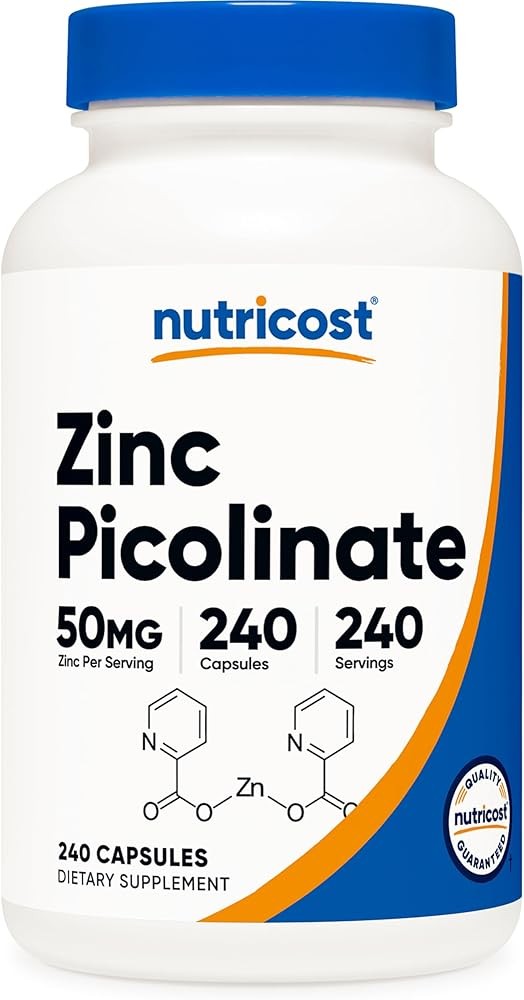
Dosing: 25-50 mg/day of a well-absorbed form (zinc picolinate or zinc glycinate). Take with food to avoid nausea. Long-term doses above 40 mg/day require copper supplementation (1-2 mg/day) to avoid copper deficiency.
Who benefits most: Men with low testosterone, poor sperm count, or diets low in zinc (vegetarians, heavy exercisers who lose zinc through sweat).
3. How Does L-Carnitine Fuel Sperm Motility?
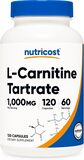
Why it matters for fertility: L-carnitine shuttles fatty acids into mitochondria for energy production. The epididymis concentrates carnitine to very high levels, and sperm rely on it as their primary energy source for motility. Men with asthenozoospermia (low motility) consistently show lower seminal carnitine levels than fertile controls.
What the clinical research shows: A 2019 double-blind, placebo-controlled trial in men with idiopathic oligoasthenozoospermia found that L-carnitine and L-acetylcarnitine supplementation significantly improved sperm motility and total sperm count over 6 months (PMID: 30873633). Combination therapy with CoQ10 has shown additive benefits for motility in idiopathic cases (PMID: 30157357).
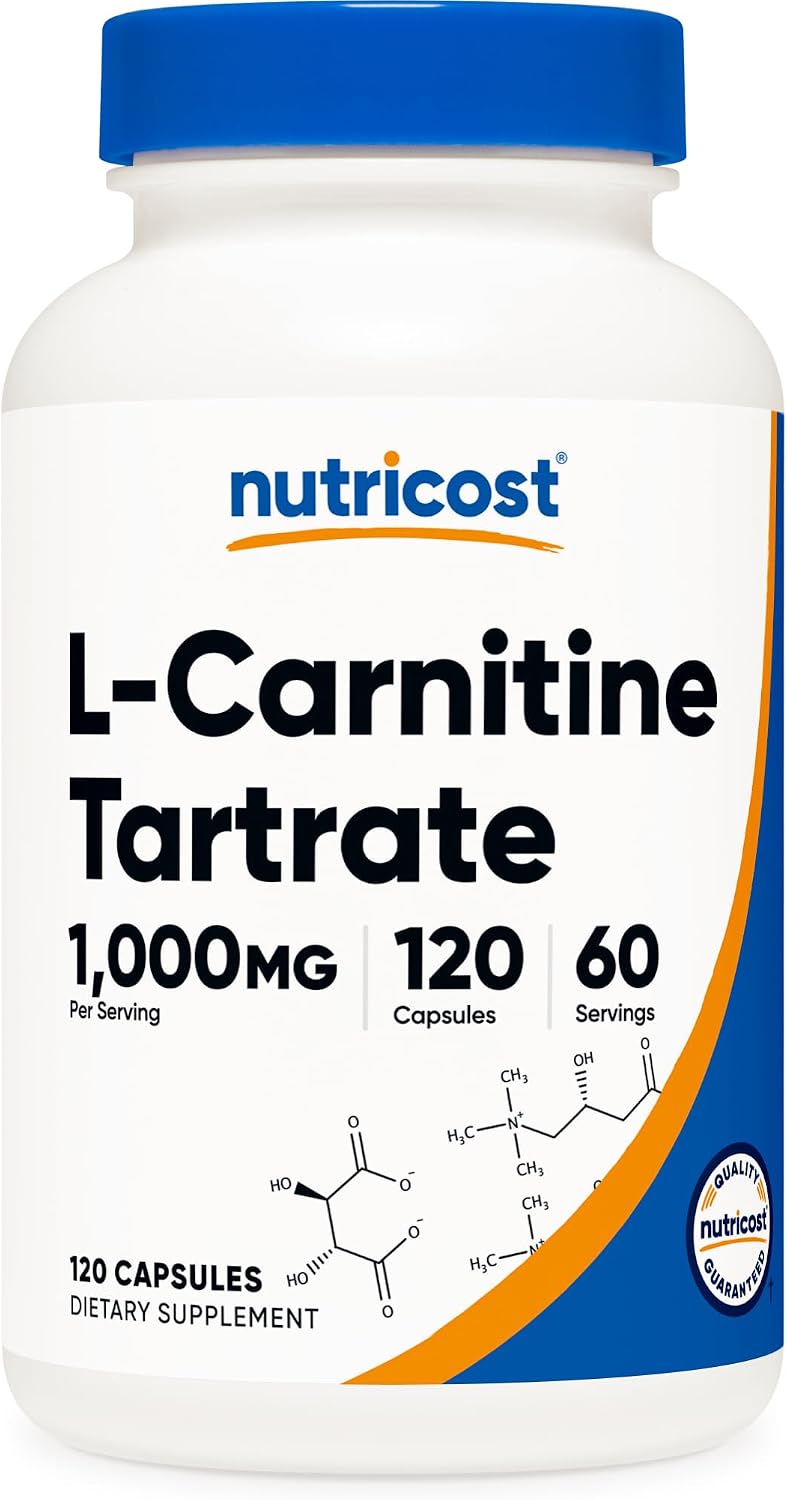
Dosing: 2-3 g/day of L-carnitine or L-acetylcarnitine, divided into two daily doses. Effects require at least 3-6 months of consistent use.
Who benefits most: Men with low motility (asthenozoospermia), varicocele-associated infertility, and those with high oxidative stress from smoking or metabolic conditions.
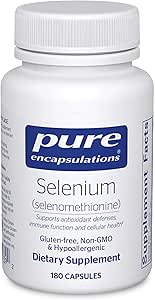
4. How Does Selenium Protect Sperm DNA and Morphology?

Why it matters for fertility: Selenium is an essential trace mineral that serves as a cofactor for glutathione peroxidase (GPx), one of the body’s most important antioxidant enzymes. Selenoprotein P is also critical for normal sperm development – specifically for the structural integrity of the midpiece (the part connecting the head to the tail). Selenium deficiency leads to impaired sperm morphology and motility.
What the clinical research shows: A landmark study by Safarinejad and Safarinejad (2009) treated 690 infertile men with selenium (200 mcg/day) plus vitamin E (400 IU/day) or placebo for 14 weeks. The combination produced a statistically significant increase in normal morphology and improved total motility (PMC3048346).
A 2021 randomized controlled trial found that selenium (200 mcg/day) combined with vitamin E and folic acid significantly improved sperm count, motility, and morphology compared to placebo (PMC7838762).
A 2023 study specifically examining selenium monotherapy (200 mcg/day for 6 months) in men with idiopathic oligoasthenoteratospermia found significant increases in sperm concentration and motility, improved seminal antioxidant capacity, and reduced sperm DNA fragmentation (PMID: 36959435).
A recent 2025 review in the Journal of Trace Elements in Medicine and Biology confirmed selenium’s mechanistic role in spermatogenesis through its incorporation into selenoproteins essential for sperm maturation and antioxidant defense (ScienceDirect, 2025).
Dosing: 200 mcg/day of selenomethionine or selenium yeast. Do not exceed 400 mcg/day – selenium has a narrow therapeutic window, and selenosis (toxicity) can cause hair loss, nail brittleness, garlic-like breath, and neurological symptoms.
Who benefits most: Men with poor sperm morphology, elevated DNA fragmentation, or documented selenium deficiency (more common in regions with selenium-poor soil).
5. How Does Ashwagandha Increase Sperm Count and Testosterone?
Why it matters for fertility: Ashwagandha (Withania somnifera) is an adaptogenic herb that operates through multiple fertility-relevant mechanisms. It reduces cortisol (which suppresses the HPG axis when chronically elevated), has direct antioxidant activity, supports testosterone production, and may improve mitochondrial function. The KSM-66 root extract is the most studied form for reproductive outcomes.
What the clinical research shows: Ashwagandha has some of the most impressive individual trial results in the male fertility supplement space.
A pilot study by Ahmad et al. (2010) treated 46 oligospermic men with ashwagandha root extract (675 mg/day) for 90 days and found remarkable improvements: 167% increase in sperm count, 53% increase in semen volume, and 57% increase in sperm motility. Serum testosterone increased significantly, while cortisol, prolactin, and FSH levels improved (PMC3863556).
A 2025 systematic review of ashwagandha’s sex-specific hormonal effects confirmed that supplementation was associated with significant increases in sperm concentration, semen volume, and sperm motility across multiple trials, along with increases in testosterone and LH and reductions in prolactin and FSH (Wiley Online Library, 2025).
The Wankhede et al. (2015) study – primarily a strength training trial – found that 600 mg/day of KSM-66 for 8 weeks produced a 96.2 ng/dL increase in testosterone (15.3% above baseline) compared to 18.0 ng/dL in the placebo group (p = 0.004).
A 2025 prospective, randomized, double-blind, placebo-controlled study further confirmed ashwagandha’s efficacy in improving sexual health parameters in healthy adult men over 8 weeks of supplementation (ScienceDirect, 2025).
Dosing: 600 mg/day of KSM-66 extract (standardized to withanolides), taken in two divided doses of 300 mg. Treatment periods in clinical trials ranged from 8-12 weeks.
Who benefits most: Men with stress-related fertility issues (high cortisol), low-normal testosterone, or oligospermia. Particularly useful for men who are chronically stressed, sleep-deprived, or overtrained.
For more on ashwagandha’s hormonal effects and testosterone optimization, consider exploring our testosterone booster guide and tongkat ali research for male fertility.
6. What Is Vitamin D’s Role in Male Fertility and Testosterone?
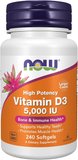
Why it matters for fertility: Vitamin D receptors are found throughout the male reproductive tract, including Leydig cells, Sertoli cells, spermatogonia, and mature spermatozoa. Vitamin D appears to influence testosterone production, sperm motility (through calcium signaling in the flagellum), and the acrosome reaction. Vitamin D deficiency is strikingly common – affecting an estimated 40-50% of the global population – and men with deficiency consistently show worse semen parameters.
What the clinical research shows: A 2024 meta-analytic review published in Diseases evaluated the impact of vitamin D supplementation on androgens in adult males and found that while the effects on total testosterone were inconsistent, vitamin D supplementation had a positive effect on sperm motility, especially progressive motility in vitamin D-deficient men (PMC11506788).
The landmark Pilz et al. (2011) study gave 54 men with vitamin D levels below 20 ng/mL either 3,332 IU vitamin D3 daily or placebo for one year. The supplementation group showed significant increases in total testosterone, bioactive testosterone, and free testosterone (PMID: 21154195).
A 2021 randomized, triple-blind, placebo-controlled clinical trial treated 86 asthenozoospermic men with serum vitamin D below 30 ng/mL with 4,000 IU vitamin D3 daily for 3 months and found improvements in sperm motility parameters (PMID: 34225767).
A 2025 review in Frontiers in Reproductive Health confirmed that vitamin D contributes positively to sexual and erectile function through hormone-dependent mechanisms and nitric oxide-mediated endothelial improvements.
Important nuance: The benefits appear to be most significant in men who are genuinely deficient. Men with adequate vitamin D levels (above 30-40 ng/mL) are unlikely to see further fertility improvements from supplementation. Get tested first.
Dosing: 2,000-5,000 IU/day of vitamin D3 (cholecalciferol). Target serum 25(OH)D levels of 40-60 ng/mL. Take with a fat-containing meal. Consider pairing with vitamin K2 (MK-7) for optimal calcium metabolism.
Who benefits most: Men with documented vitamin D deficiency (serum 25(OH)D below 30 ng/mL), which includes most men who live in northern latitudes, work indoors, have darker skin, or rarely get sun exposure.
See our comprehensive vitamin D dosing guide for more information on testing, optimal levels, and absorption.
7. How Does Vitamin C Protect Sperm DNA from Oxidative Damage?
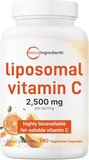
Why it matters for fertility: Vitamin C (ascorbic acid) is the primary water-soluble antioxidant in seminal plasma, where it neutralizes reactive oxygen species before they can damage sperm DNA and membranes. Seminal plasma vitamin C concentrations are typically 8-10 times higher than blood levels, reflecting its critical protective role. Smokers and men with high oxidative stress tend to have depleted seminal vitamin C.
What the clinical research shows: A meta-analysis by Agarwal et al. (2022) examining the effects of vitamin C and E on male infertility found that these antioxidants reduced sperm DNA fragmentation, with particular benefit in men with elevated baseline oxidative stress (PMID: 35604582).
The key study by Greco et al. (2005) demonstrated that 2 months of supplementation with 1 g vitamin C and 1 g vitamin E daily reduced sperm DNA fragmentation from 22.1% to 9.1% (a 59% reduction), resulting in significantly improved ICSI outcomes (PMID: 15867002).
An earlier study by Dawson et al. (1992) found that 200 mg/day of vitamin C for one week increased sperm count by 112% and reduced the percentage of agglutinated sperm.
However, it should be noted that the large MOXI trial (2020) – a well-designed multi-center RCT – found no significant differences between an antioxidant combination (including vitamin C and E) and placebo for semen parameters or live birth rates. The key takeaway is that antioxidant supplementation appears most beneficial for men with documented oxidative stress rather than as a universal treatment (PMID: 32111479).
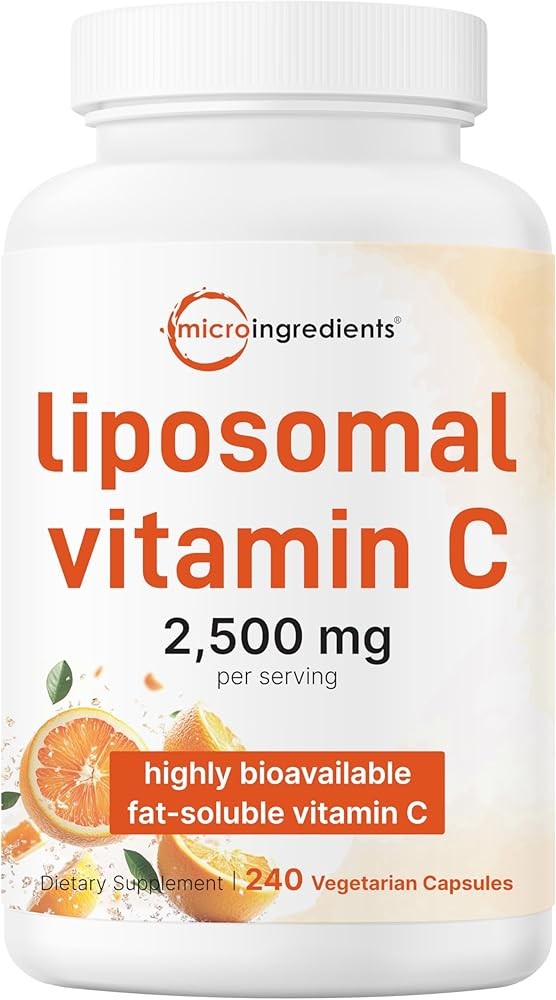
Dosing: 500-1,000 mg/day. Liposomal vitamin C is the superior choice because it achieves approximately 2 times higher plasma concentrations than standard ascorbic acid at the same dose, with better delivery into cells. This means you get more actual vitamin C protection for sperm DNA without needing massive doses that can cause gastrointestinal side effects. The phospholipid encapsulation in liposomal formulations bypasses the intestinal absorption ceiling that limits standard vitamin C absorption.
Who benefits most: Smokers, men with high oxidative stress markers, and men with elevated DNA fragmentation on sperm testing.
8. How Does Vitamin E Protect Sperm Cell Membranes?
Why it matters for fertility: Vitamin E (alpha-tocopherol) is the primary lipid-soluble antioxidant in sperm cell membranes. Since sperm membranes are exceptionally rich in polyunsaturated fatty acids (particularly DHA), they are highly susceptible to lipid peroxidation – a chain reaction where one oxidized fatty acid triggers the oxidation of neighboring fatty acids, progressively destroying membrane integrity. Vitamin E breaks this chain by neutralizing lipid peroxyl radicals.
What the clinical research shows: A 2021 double-blind RCT found that oral vitamin E supplementation (400 IU/day for 3 months) significantly improved sperm morphology and reduced malondialdehyde (a marker of lipid peroxidation) in infertile men undergoing IVF (PMC8523239).
The selenium + vitamin E combination tested by Safarinejad and Safarinejad (2009) in 690 men produced significant improvements in sperm morphology and motility, suggesting synergistic antioxidant effects (PMC3048346).
A 2023 systematic review of antioxidant supplementation for male fertility found that among all antioxidants studied, vitamin E-containing regimens were associated with the highest increase in pregnancy rates (8.17-fold increase) in subgroup analyses (PMC10135082).
Dosing: 400 IU/day of natural vitamin E (d-alpha-tocopherol, not the synthetic dl-alpha form). Often combined with selenium and/or vitamin C for synergistic antioxidant coverage. Note: the Greco DNA fragmentation trial used a higher short-term dose (1 g/day for 2 months), which exceeds the 400 IU/day threshold associated with long-term bleeding and prostate cancer risks – reserve that high dose for a brief, doctor-supervised fertility protocol rather than daily long-term use.
Who benefits most: Men with high lipid peroxidation markers, poor sperm morphology, or membrane-related motility issues.
Important safety note: Doses above 400 IU/day long-term may slightly increase the risk of prostate cancer (based on the SELECT trial) and can increase bleeding risk in men taking anticoagulants. Stick to 400 IU/day or below.
9. Why Is DHA Critical for Sperm Membrane Integrity?
Why it matters for fertility: DHA (docosahexaenoic acid) is not just a supplemental add-on for sperm health – it is a fundamental structural component of sperm cell membranes. DHA accounts for approximately 60% of the total polyunsaturated fatty acids in spermatozoa and is concentrated in the sperm head membrane, where it is essential for membrane fluidity, the acrosome reaction, and sperm-oocyte fusion during fertilization. Infertile men consistently show lower sperm DHA levels compared to fertile controls.
What the clinical research shows: A 2019 systematic review (PRISMA) found that 14 out of 16 included studies reported a positive association between omega-3 intake and at least one semen quality marker (PMID: 31116515).
A 2018 meta-analysis of randomized controlled trials found that omega-3 supplementation (combining EPA and DHA) significantly improved sperm motility and DHA concentration in seminal plasma in infertile men (PMID: 29451828).
Martínez-Soto et al. (2016) demonstrated that 1.5 g DHA/day for 10 weeks significantly improved seminal antioxidant status and decreased sperm DNA fragmentation in asthenozoospermic men (PMID: 27792396).
A clinical trial administering 1 g DHA + 1 g EPA daily for 10-32 weeks improved total sperm count, sperm concentration, total motility, and morphology in infertile men.
Dosing: 1-2 g of combined EPA/DHA daily, with emphasis on DHA content (at least 500 mg DHA). Choose triglyceride-form fish oil or algal oil for best absorption. Take with meals.
Who benefits most: Men with low DHA intake (common in Western diets), men with membrane-related motility issues, and men with elevated DNA fragmentation.
10. How Does Folate Support DNA Integrity and Methylation?
Why it matters for fertility: Folate is essential for DNA synthesis, repair, and methylation – all of which are critical during the rapid cell division of spermatogenesis. Low folate status has been associated with increased sperm DNA fragmentation, abnormal methylation patterns, and impaired sperm production. Folate works synergistically with vitamin B12 in one-carbon metabolism, the biochemical pathway that provides methyl groups for DNA synthesis and epigenetic regulation.
What the clinical research shows: A key study by Boxmeer et al. (2009) found a significant negative correlation between seminal folate concentration and DNA Fragmentation Index (r = -0.495, p < 0.01), meaning that higher folate levels in seminal plasma were associated with less DNA damage (PMID: 18722602).
The FOLFIV trial (Bentivoglio et al., 2021) – a randomized controlled trial of high-dose folic acid in infertile men undergoing IVF-ICSI – found that 5 mg/day of folic acid for 3 months significantly reduced DNA fragmentation compared to placebo (p < 0.001) and improved IVF outcomes (PMC8123699).
However, the FAZST trial (2020) found that folic acid plus zinc supplementation did not improve live birth rates in a general population of men trying to conceive. Interestingly, the trial also noted that the MTHFR C677T polymorphism influenced response – men with the CC genotype responded better to folic acid supplementation, while those with the TT genotype (who have reduced ability to convert folic acid to active methylfolate) saw no benefit (PMID: 31910279).
This genetic finding supports the use of methylfolate (5-MTHF) rather than folic acid for men who may carry MTHFR variants (estimated at 10-15% of the population for the TT homozygous variant).
Dosing: 400-800 mcg/day of methylfolate (5-MTHF) or 1-5 mg/day of folic acid. Methylfolate bypasses the MTHFR conversion step and may be preferable for men with MTHFR polymorphisms.
Who benefits most: Men with elevated DNA fragmentation, MTHFR mutations, low dietary folate intake, or those undergoing IVF/ICSI.
11. How Does D-Aspartic Acid Stimulate Testosterone and LH?
Why it matters for fertility: D-aspartic acid (DAA) is an amino acid found in high concentrations in the pituitary gland and testes. It plays a role in the release of luteinizing hormone (LH) from the pituitary and the synthesis of testosterone in Leydig cells. It is also found in seminal plasma and spermatozoa, where it may influence sperm maturation.
What the clinical research shows: The most cited study by D’Aniello et al. (2012) found that 2.66 g/day of DAA for 90 days in infertile men increased sperm concentration by 60-100% and sperm motility by 50-100%, with improvements in pregnancy rates.
A 2025 randomized, double-blind, placebo-controlled trial tested 2,660 mg DAA combined with 200 mg ubiquinol (CoQ10) and 10 mg zinc daily for 3 months in men with idiopathic infertility. The treatment group showed significant improvement in progressive sperm motility and a highly significant increase in total testosterone compared to placebo (PMID: 40248985).
However, results in healthy men have been less impressive. A 2017 systematic review noted that the evidence is still sparse and the quality of human studies is limited, with most positive findings coming from men with baseline fertility issues or low testosterone (PMC5340133).
A 3-month RCT in resistance-trained men found that 6 g/day of DAA had no significant effect on testosterone, strength, or body composition, suggesting that DAA’s benefits may be limited to men with suboptimal hormonal or fertility status.
Dosing: 2,660-3,000 mg/day, typically taken on an empty stomach in the morning. Clinical trials showing positive fertility results used 2,660 mg/day for 90 days.
Who benefits most: Men with low-normal testosterone, low LH, or idiopathic oligoasthenospermia. Less likely to benefit healthy men with normal hormonal profiles.
12. Does Maca Root Improve Libido and Sperm Parameters?
Why it matters for fertility: Maca (Lepidium meyenii) is a Peruvian root vegetable that has been used traditionally as an aphrodisiac and fertility enhancer for centuries. Unlike most of the other supplements on this list, maca’s primary documented benefit is for libido and sexual desire rather than direct improvements in semen parameters. However, some evidence suggests effects on sperm count and motility as well.
What the clinical research shows: A 2022 systematic review and meta-analysis in Andrology found suggestive evidence for maca’s effectiveness in improving semen quality, though the authors noted that the total number of trials and sample sizes were too small to draw firm conclusions (PMC9468664).
An early study by Gonzales et al. (2001) found that maca treatment (1,500-3,000 mg/day for 4 months) resulted in increased seminal volume, sperm count per ejaculum, motile sperm count, and sperm motility without changes in hormone levels (PMID: 11753476).
A double-blind, randomized, placebo-controlled pilot study (Melnikovova et al., 2015) showed rising trends in sperm concentration and motility compared to placebo after 12 weeks of treatment, though hormone levels did not change significantly (PMC4569766).
For libido, the evidence is stronger. A 2010 systematic review found limited but consistent evidence that maca improves sexual desire after at least 6 weeks of supplementation (PMC2928177).
Important caveat: Maca does not appear to affect testosterone, estradiol, FSH, LH, or prolactin levels. Its effects on sperm parameters are likely mediated through mechanisms other than hormonal changes – possibly through its glucosinolate and alkaloid content affecting spermatogenesis directly.
Dosing: 1,500-3,000 mg/day of gelatinized maca root powder. Black maca varieties may have the most evidence for spermatogenic effects.
Who benefits most: Men with reduced libido (a common accompaniment to fertility struggles), and men looking for a complementary addition to a core supplement protocol.
What Clues Does Your Body Tell You About Male Fertility Issues?
Your body provides signals about your reproductive health long before you see a semen analysis report. Learning to read these signals can help you take action earlier and track whether your supplement protocol is working.
What Are the Warning Signs That Something May Be Wrong?
These symptoms do not guarantee a fertility problem, but they warrant investigation – especially if you experience multiple signs simultaneously:
- Difficulty conceiving after 6+ months of regular unprotected intercourse – the most obvious signal that something may be off
- Low libido or reduced sexual desire – may indicate low testosterone, elevated prolactin, or thyroid dysfunction
- Fewer or absent morning erections – morning erections (nocturnal penile tumescence) are a marker of healthy testosterone and vascular function; their absence can signal hormonal or vascular issues
- Difficulty maintaining erections – can indicate low testosterone, poor blood flow, or excessive oxidative stress
- Low ejaculate volume – consistently small volume may indicate zinc deficiency, dehydration, or issues with the seminal vesicles or prostate
- Testicular discomfort, heaviness, or a visible lump – may indicate varicocele (dilated veins in the scrotum, present in 35-40% of infertile men), infection, or other conditions requiring medical evaluation
- Persistent fatigue and low energy – can be associated with low testosterone, zinc deficiency, or thyroid dysfunction
- Increased body fat, particularly around the midsection – excess adipose tissue converts testosterone to estrogen via aromatase enzyme, creating a hormonal environment unfavorable for fertility
- Breast tissue development (gynecomastia) – a clear sign of hormonal imbalance, potentially elevated estrogen relative to testosterone
- Mood changes, irritability, or mild depression – can accompany low testosterone and hormonal disruption
What Does Improvement Look Like When Supplements Are Working?
When your supplement protocol and lifestyle changes are working, you may notice these encouraging signals – often before your next semen analysis:
- Return of consistent morning erections – typically one of the first improvements men notice, often within 2-4 weeks of correcting testosterone, zinc, or vitamin D deficiency
- Increased libido and sexual desire – improved testosterone and reduced oxidative stress translate to a noticeable increase in sexual interest
- Better erectile quality and firmness – improved blood flow and hormonal balance manifest as stronger, more sustained erections
- Higher energy levels and reduced fatigue – particularly noticeable with CoQ10, zinc, and vitamin D supplementation
- Increased ejaculate volume – zinc supplementation in particular can increase seminal fluid volume within 4-8 weeks
- Improved mood and mental clarity – testosterone optimization and adaptogenic herbs like ashwagandha often improve overall well-being
- Better exercise recovery – improved antioxidant status and testosterone levels can enhance workout recovery
- Easier weight management – hormonal optimization can make it easier to maintain a healthy body composition
What Warning Signs Require Immediate Medical Attention?
These symptoms go beyond what supplements can address and require a doctor’s evaluation:
- Blood in semen (hematospermia) – while often benign, it can indicate infection, prostate issues, or more serious conditions
- Testicular pain or sudden swelling – may indicate torsion (emergency), infection (epididymitis), or other conditions
- Complete absence of ejaculate – may indicate retrograde ejaculation or ejaculatory duct obstruction
- Significant breast development or nipple discharge – suggests significant hormonal imbalance (elevated prolactin or estrogen)
- Rapid unexplained weight gain or loss – can indicate thyroid dysfunction or other endocrine disorders
- Persistent genital or scrotal pain – may indicate varicocele, infection, or nerve issues
- No improvement after 4-6 months of a well-designed supplement protocol – suggests a structural, genetic, or medical cause that needs professional investigation
What Is the Timeline of Changes: What to Expect and When?
Week 1-2:
- Possible energy improvements from CoQ10, vitamin D, and zinc
- Initial adaptogenic effects from ashwagandha (mild stress reduction)
- No meaningful changes in semen parameters yet
Week 2-4:
- Morning erections may begin returning or improving
- Libido may start to increase (especially with zinc, vitamin D, ashwagandha)
- Sleep quality may improve (particularly with magnesium and ashwagandha)
- Blood nutrient levels beginning to normalize (zinc, vitamin D, selenium)
Month 1-2:
- Testosterone levels may show measurable increases on blood work
- Ejaculate volume may increase (zinc effect)
- Antioxidant protection of existing sperm begins – DNA fragmentation scores may improve
- Sperm produced during this period are still largely “pre-supplement” sperm
Month 3 (The Critical Milestone):
- The first complete batch of sperm produced entirely under your supplement protocol reaches maturity
- Semen analysis at this point begins to reflect supplementation effects
- Most clinical trials show their primary improvements at this time point
- Sperm count, motility, and morphology changes become measurable
Month 3-6:
- Full effects on all semen parameters are typically reached
- Morphology improvements often take the longest to appear (subgroup analyses of CoQ10 trials showed morphology benefits primarily after 3+ months)
- Pregnancy rates in clinical trials typically peak during this window
- This is the appropriate time to re-evaluate your protocol with a follow-up semen analysis
How Do You Build Your Male Fertility Protocol: A Practical Step-by-Step Approach?
Rather than throwing every supplement on this list into a shopping cart, a strategic approach will be more effective and easier on your wallet.
What Baseline Testing Should You Get First?
Before spending money on supplements, invest in information:
- Semen analysis (count, motility, morphology, volume) – ideally two analyses, 2-4 weeks apart
- Hormone panel: total testosterone, free testosterone, FSH, LH, estradiol, prolactin, thyroid (TSH, free T4)
- Vitamin D level (serum 25(OH)D)
- DNA fragmentation test (if standard semen analysis is normal but you are still not conceiving)
- Physical exam to check for varicocele (found in 35-40% of infertile men and often surgically correctable)
What Should Your Core Supplement Stack Include?
Based on the strength of the evidence, start with these three:
- CoQ10 (ubiquinol) – 200 mg/day (strongest overall evidence, improves motility, pregnancy rates)
- Zinc picolinate – 30 mg/day + 1-2 mg copper (foundational mineral for testosterone and sperm production)
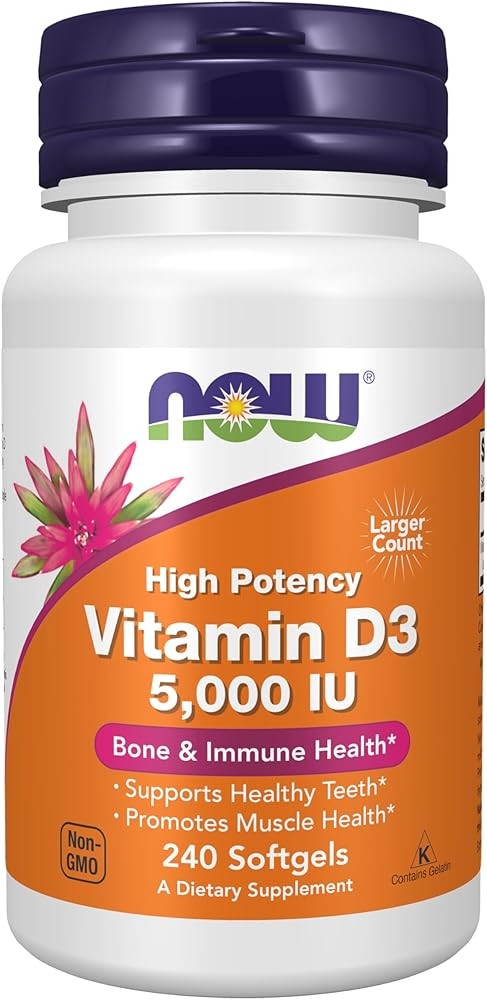
- Vitamin D3 – 2,000-5,000 IU/day based on your blood levels (addresses the most common deficiency)
Monthly cost: Approximately $25-40/month for all three.
What Targeted Supplements Should You Add Based on Your Results?
- Low motility? Add L-carnitine (2 g/day) – the evidence for motility improvement is particularly strong
- High DNA fragmentation? Add vitamin C (1 g/day) + vitamin E (400 IU/day) + selenium (200 mcg/day) – the antioxidant triad
- Low testosterone or high stress? Add ashwagandha KSM-66 (600 mg/day)
- Poor morphology? Add selenium (200 mcg/day) + vitamin E (400 IU/day)
- Low DHA intake? Add omega-3 fish oil (1-2 g EPA/DHA with at least 500 mg DHA)
- Elevated DNA fragmentation or MTHFR mutation? Add methylfolate (400-800 mcg/day)
What Lifestyle Factors Are Non-Negotiable?
Supplements cannot overcome poor lifestyle choices. These factors are foundational:
- Maintain healthy body weight – obesity increases estrogen conversion and scrotal temperature
- Stop smoking – smoking depletes seminal vitamin C and massively increases oxidative stress
- Limit alcohol – heavy drinking (more than 5 drinks/week) impairs spermatogenesis
- Avoid excessive heat – hot tubs, saunas, laptop on lap, tight underwear all raise scrotal temperature
- Manage stress – chronic cortisol elevation suppresses the HPG axis
- Get adequate sleep – 7-9 hours per night supports testosterone production
- Exercise moderately – improves testosterone, but avoid overtraining which can suppress hormones
- Avoid environmental toxins – BPA, phthalates, pesticides, and heavy metals all impair sperm production
How Long Should You Stay on Your Protocol?
- Minimum 3 months before evaluating effectiveness (one full spermatogenesis cycle)
- Optimal 4-6 months for full effects on morphology and pregnancy rates
- Re-test semen analysis at 3 months to assess whether your protocol is working
- Continue through conception and early pregnancy – male preconception health impacts early embryo development
What Are Realistic Expectations?
Supplements work best when they target a genuine deficiency or when oxidative stress is the primary problem. Here is what you can reasonably expect:
- 10-20% improvements in sperm concentration, motility, or morphology are typical in responsive individuals
- Pregnancy rates improve in clinical trials, but supplements are not a guarantee
- Multifactorial problems (structural issues, genetic causes, severe azoospermia) will not be fixed by supplements alone
- Individual variation is huge – some men respond dramatically, others minimally
- The younger you start, the better – sperm quality declines with age, and early intervention is more effective
Bottom line: A 3-month minimum protocol combining CoQ10 200-400 mg, zinc 25-50 mg, and L-carnitine 2-3 g daily targets the most common drivers of poor sperm quality, with clinical trials showing 10-20% improvements in count and motility, roughly 6-fold higher pregnancy odds with CoQ10, and a 59% reduction in sperm DNA fragmentation with vitamin C and E.
Key takeaway: Spermatogenesis takes 74 days plus 10-14 days of epididymal maturation, so no supplement protocol should be judged before 3 months; retest semen parameters at 12 weeks and reassess at 6 months.
The evidence shows: CoQ10 (200-400 mg/day) has the strongest support of any single supplement for male fertility, with improvements in motility, count, and pregnancy rates; zinc addresses marginal status that is common in subfertile men; and antioxidant combinations (selenium, vitamin C, vitamin E) most reliably reduce DNA fragmentation.
References
-
Agarwal, A., Baskaran, S., Parekh, N., et al. (2021). Male infertility. The Lancet, 397(10271), 319-333.
-
Levine, H., Jorgensen, N., Martino-Andrade, A., et al. (2022). Temporal trends in sperm count: a systematic review and meta-regression analysis of samples collected globally in the 20th and 21st centuries. Human Reproduction Update, 29(2), 157-176.
-
Smits, R.M., Mackenzie-Proctor, R., Yazdani, A., et al. (2022). Antioxidants for male subfertility. Cochrane Database of Systematic Reviews. PMID: 35506389.
-
Frontiers in Pharmacology (2024). Does coenzyme Q10 improve semen quality and circulating testosterone level? A systematic review and meta-analysis of randomized controlled trials. PMID: 39830337.
-
World Journal of Men’s Health (2025). Efficacy and Safety of Coenzyme Q10 in Idiopathic Male Infertility: A Systematic Review and Meta-Analysis of Randomized Trials. PMID: 40878114.
-
Alahmar, A.T., Sengupta, P., Dutta, S., Calogero, A.E. (2019). The impact of two doses of coenzyme Q10 on semen parameters and antioxidant status in men with idiopathic oligoasthenoteratozoospermia. PMC: PMC6736512.
-
Salas-Huetos, A., et al. (2018). The Effect of Nutrients and Dietary Supplements on Sperm Quality Parameters: A Systematic Review and Meta-Analysis of Randomized Clinical Trials. Advances in Nutrition, 9(6), 833-848. PMID: 30462179.
-
Schisterman, E.F., Sjaarda, L.A., Clemons, T., et al. (2020). Effect of Folic Acid and Zinc Supplementation in Men on Semen Quality and Live Birth Among Couples Undergoing Infertility Treatment. JAMA. PMID: 31910279.
-
Chang, C.S., et al. (2019). Use of medicinal doses of zinc as a safe and efficient coadjutant in the treatment of male hypogonadism. PMID: 30767598.
-
Ferramosca, A., et al. (2022). L-carnitine and l-acetylcarnitine supplementation for idiopathic male infertility. Reproduction and Fertility. PMID: 35128424.
-
PMC (2019). Double-blind, randomised, placebo-controlled trial on the effect of L-carnitine and L-acetylcarnitine on sperm parameters in men with idiopathic oligoasthenozoospermia. PMC: PMC6850469.
-
Meta-analysis of the efficacy and safety of L-carnitine and N-acetylcysteine monotherapy for male idiopathic infertility (2025). PMID: 40350672.
-
Safarinejad, M.R. & Safarinejad, S. (2009). Selenium-vitamin E supplementation in infertile men: effects on semen parameters and pregnancy rate. PMC: PMC3048346.
-
Razavi, M., et al. (2021). The Effect of Daily Intake of Selenium, Vitamin E and Folic Acid on Sperm Parameters. PMC: PMC7838762.
-
Atig, F., et al. (2023). The Effect of Selenium Therapy on Semen Parameters, Antioxidant Capacity, and Sperm DNA Fragmentation. PMID: 36959435.
-
Ahmad, M.K., Mahdi, A.A., Shukla, K.K., et al. (2010). Clinical Evaluation of the Spermatogenic Activity of the Root Extract of Ashwagandha in Oligospermic Males. PMC: PMC3863556.
-
Wankhede, S., Langade, D., Joshi, K., et al. (2015). Examining the effect of Withania somnifera supplementation on muscle strength and recovery. J Int Soc Sports Nutr, 12, 43.
-
Pilz, S., Frisch, S., Koertke, H., et al. (2011). Effect of vitamin D supplementation on testosterone levels in men. Horm Metab Res. PMID: 21154195.
-
Rafiee, B., et al. (2021). The effects of Vitamin D3 supplementation on Spermatogram and endocrine factors in asthenozoospermia infertile men. PMID: 34225767.
-
Greco, E., Iacobelli, M., Rienzi, L., et al. (2005). Reduction of the incidence of sperm DNA fragmentation by oral antioxidant treatment. PMID: 15867002.
-
Agarwal, A., et al. (2022). Effects of vitamin E and vitamin C on male infertility: a meta-analysis. PMID: 35604582.
-
Henkel, R., et al. (2020). The effect of antioxidants on male factor infertility: the MOXI randomized clinical trial. PMID: 32111479.
-
Falsig, A.L., et al. (2019). The influence of omega-3 fatty acids on semen quality markers: a systematic PRISMA review. PMID: 31116515.
-
Hosseini, B., et al. (2019). The Effect of Omega-3 Fatty Acids, EPA, and/or DHA on Male Infertility: A Systematic Review and Meta-analysis. PMID: 29451828.
-
Martinez-Soto, J.C., et al. (2016). Dietary supplementation with docosahexaenoic acid (DHA) improves seminal antioxidant status and decreases sperm DNA fragmentation. PMID: 27792396.
-
Boxmeer, J.C., et al. (2009). Low folate in seminal plasma is associated with increased sperm DNA damage. PMID: 18722602.
-
Bentivoglio, G., et al. (2021). High-Dose Supplementation of Folic Acid in Infertile Men Improves IVF-ICSI Outcomes: The FOLFIV Trial. PMC: PMC8123699.
-
D’Aniello, G., et al. (2025). Evaluation of in vivo supplementation of D-aspartic acid, ubiquinol and zinc on semen parameters in idiopathic male infertility. PMID: 40248985.
-
Gonzales, G.F., et al. (2001). Lepidium meyenii (Maca) improved semen parameters in adult men. PMID: 11753476.
-
Lee, M.S., et al. (2022). Maca (Lepidium meyenii Walp.) on semen quality parameters: A systematic review and meta-analysis. PMC: PMC9468664.
-
Sengupta, P., et al. (2024). Oxidative stress affects sperm health and fertility. Reproductive Medicine and Biology. doi: 10.1002/rmb2.12598.
-
PMC (2025). Mechanisms of oxidative stress-induced sperm dysfunction. Frontiers in Endocrinology. PMID: 39974821.
For more context, see our guides on Shilajit Benefits for Men: Testosterone, Energy, and What the Studies Say and Natural Testosterone Boosters That Work (Science-Backed).
Related Reading
- CoQ10 Benefits, Dosage, and Side Effects: Complete Evidence-Based Guide
- Best Testosterone Booster Supplements: What the Research Actually Supports
- Best Natural Testosterone Boosters: What the Science Actually Shows
- Tongkat Ali for Testosterone and Male Fertility: What Clinical Studies Show
- How Much Vitamin D Do You Need?
- Omega-3 Fatty Acids EPA and DHA: Heart and Brain Benefits
Recommended Products