Best Supplements for Menopause and Perimenopause: What Actually Works
Summarized from peer-reviewed research indexed in PubMed. See citations below.
Approximately 75% of menopausal women experience hot flashes lasting an average of 7.4 years, with night sweats, mood changes, and bone loss significantly disrupting quality of life during this transition. The Amberen Menopause Supplement provides clinically studied multi-ingredient support for hot flashes, night sweats, and mood changes with hormone-free formulation at approximately $40 per month supply. A 2023 meta-analysis of 22 randomized controlled trials demonstrates that black cohosh standardized extract significantly reduces hot flash frequency and severity by modulating serotonin receptors rather than acting as a phytoestrogen, making it suitable for women concerned about hormone-sensitive conditions. For budget-conscious women seeking natural relief, O Positiv MENO Gummies deliver black cohosh and ashwagandha KSM-66 in convenient gummy form for about $35 per 90-day supply. Here’s what the published research shows about the most effective supplements for managing menopausal symptoms naturally.
Disclosure: We may earn a commission from links on this page at no extra cost to you. Affiliate relationships never influence our ratings. Full policy →
| Feature | Amberen | wholier Magnesium | 10 in 1 Formula |
|---|---|---|---|
| View on Amazon | Check Price | Check Price | Check Price |
What Are the Most Effective Supplements for Menopause and Perimenopause?
Menopause is not a disease. It is a biological certainty — every woman who lives long enough will experience it. And yet, for something so universal, the experience remains remarkably isolating for millions of women. The hot flashes that strike without warning in a meeting. The insomnia that turns 3 AM into the loneliest hour. The brain fog that makes you question your own competence. The joint pain, the mood swings, the anxiety that seems to come from nowhere. These are not minor inconveniences. For many women, the menopausal transition fundamentally disrupts daily life for years.
The numbers tell a striking story. Roughly 1.3 billion women worldwide will be postmenopausal by 2030. In the United States alone, approximately 6,000 women reach menopause every single day. About 75% of them will experience hot flashes, and for roughly 25%, those hot flashes will be severe enough to significantly affect quality of life. The average duration of vasomotor symptoms is 7.4 years, though some women experience them for more than a decade.
It is no surprise, then, that the menopause supplement market has exploded. Valued at approximately USD 18.7 billion in 2025 and projected to reach USD 30 billion by 2034, the menopause wellness industry is one of the fastest-growing segments in all of health and nutrition. Dietary supplements dominate this market, accounting for more than 94% of revenue. Every pharmacy shelf and wellness website overflows with products promising relief: black cohosh for hot flashes, soy for hormonal balance, evening primrose for night sweats, and dozens more.
The problem is that evidence varies wildly. Some of these supplements have real clinical backing — multiple randomized controlled trials, meta-analyses, Cochrane reviews. Others rest on centuries of traditional use but almost no modern research. And some are essentially marketing in a capsule. Women navigating this landscape deserve better than vague promises and cherry-picked studies. They deserve a clear-eyed assessment of what works, what might work, and what probably does not.
This article provides exactly that. We have reviewed the clinical literature for every major menopause supplement, organized them into evidence tiers, and included specific study data — effect sizes, doses, durations, and PubMed citations — so you can have an informed conversation with your healthcare provider rather than relying on a label’s marketing copy.
A note before we begin: many women feel dismissed by the medical system when they raise menopause symptoms. If that has been your experience, you are not imagining things, and your symptoms are real. This article takes them seriously.
What Are the 10 Key Body Signals of Perimenopause and Menopause?
Before diving into specific supplements, it helps to recognize the range of symptoms that the menopausal transition can produce. Many women experience only a few; some experience most of them. All of them have a hormonal basis, and all of them have at least some supplement research behind them.
1. Hot flashes and night sweats. The hallmark symptoms. A sudden wave of heat that rises through the chest, neck, and face, often accompanied by sweating and sometimes followed by chills. Night sweats are simply hot flashes that happen during sleep, and they can drench bedsheets and destroy sleep quality. These are vasomotor symptoms, driven by fluctuations in estrogen that affect the brain’s thermoregulatory center.
2. Sleep disruption. Even beyond night sweats, sleep architecture changes during the menopausal transition. Many women report difficulty falling asleep, staying asleep, or feeling rested upon waking. Declining estrogen and progesterone both play roles, as progesterone has natural sedative properties. For comprehensive guidance on addressing sleep issues during this transition, see our evidence-based guide to sleep and insomnia supplements for women over 40.
3. Mood changes, anxiety, and irritability. Estrogen influences serotonin, dopamine, and norepinephrine — the neurotransmitters that regulate mood. As estrogen fluctuates wildly during perimenopause and then drops permanently during menopause, mood instability often follows. This is not “just stress.” It is neurochemistry. Women experiencing significant mood disruption may also benefit from reviewing anxiety and stress supplements for women over 40 and natural may support for anxiety backed by clinical research.
4. Brain fog and cognitive changes. Difficulty concentrating, word-finding problems, and memory lapses are commonly reported during the menopausal transition. Emerging research suggests that estrogen plays a direct role in brain energy metabolism, and its decline may affect cognitive processing speed and verbal memory. For targeted approaches to mental clarity during this transition, see our guide on brain fog solutions for women.
5. Vaginal dryness and urogenital changes. As estrogen levels fall, vaginal tissue thins, loses elasticity, and produces less lubrication. This can cause discomfort during intercourse, increased urinary tract infections, and general irritation. These changes are collectively known as the genitourinary syndrome of menopause (GSM).
6. Bone density loss. Estrogen is a critical regulator of bone remodeling. Women can lose up to 20% of their bone density in the first 5-7 years after menopause. This is not a symptom you feel until a fracture occurs, making prevention essential. For comprehensive bone protection strategies, see our guide on bone health and osteoporosis supplements for women over 40.
7. Joint pain and stiffness. Often overlooked, musculoskeletal symptoms are reported by up to 50% of menopausal women. Estrogen has anti-inflammatory effects on joint tissue, and its decline can contribute to arthralgias. Women experiencing significant joint discomfort should review joint pain and arthritis supplements for women over 40.
8. Weight changes and metabolic shifts. The redistribution of body fat from hips and thighs to the abdomen is driven partly by declining estrogen, which shifts metabolism toward greater insulin resistance and central adiposity.
9. Decreased libido. Declining estrogen, testosterone, and DHEA all contribute to reduced sexual desire, which affects roughly 40% of postmenopausal women.
10. Heart palpitations. Less commonly discussed, but estrogen fluctuations can affect cardiac rhythm, leading to episodes of rapid or irregular heartbeat that are usually benign but understandably alarming.
How Does the Hormonal Transition During Menopause Work?
To understand why supplements might help — and what their limitations are — you need to understand what is actually happening to your hormones during perimenopause and menopause.
What Are the Three Key Hormones in Menopause?
Estrogen is the primary female sex hormone, and its decline is the central event of menopause. But “estrogen” is actually a family of three hormones: estradiol (E2, the most potent and prevalent before menopause), estrone (E1, the dominant form after menopause), and estriol (E3, primarily relevant during pregnancy). Estradiol is the one that matters most for menopausal symptoms.
Progesterone is produced by the corpus luteum after ovulation. As ovulation becomes irregular during perimenopause, progesterone production becomes erratic and eventually ceases. This is significant because progesterone has calming, sleep-promoting effects. Its decline often precedes the decline in estrogen, which is why many women experience sleep disruption and anxiety as some of the earliest perimenopausal symptoms.
Testosterone is produced in smaller amounts by the ovaries and adrenal glands. It declines gradually throughout a woman’s reproductive years, dropping by roughly 50% between the ages of 20 and 40. Unlike estrogen, testosterone does not cliff-drop at menopause, but its continued gradual decline contributes to fatigue, reduced muscle mass, and decreased libido.
What Is the Timeline of Perimenopause and Menopause?
Perimenopause typically begins 8-10 years before menopause. For most women, this means the mid-40s, though it can start as early as the mid-30s or as late as the early 50s. The average American woman reaches menopause — defined as 12 consecutive months without a menstrual period — at age 51.
The transition unfolds in stages:
Early perimenopause (typically ages 40-44): Menstrual cycles may become slightly irregular. Progesterone begins declining. Estrogen levels may actually spike unpredictably before dipping, creating a hormonal rollercoaster. Many women notice subtle changes in sleep quality, mood, or cycle length during this phase.
Late perimenopause (typically late 40s to early 50s): Cycles become more irregular, with longer gaps between periods. Estrogen fluctuations become more dramatic — sometimes surging to levels higher than during reproductive years, then crashing. Hot flashes typically begin during this phase. FSH (follicle-stimulating hormone) levels rise as the pituitary gland works harder to stimulate failing ovaries.
Menopause: The final menstrual period. This is identified retrospectively after 12 months of amenorrhea. Estradiol levels settle at roughly 10-20 pg/mL (compared to 30-400 pg/mL during reproductive years). FSH levels remain permanently elevated above 30 mIU/mL.
Postmenopause: Everything after. Hormone levels restabilize at their permanently low baseline. Vasomotor symptoms may continue for years — in some women, for decades. The most rapid bone loss occurs in the first 5-7 years of postmenopause.
Understanding this timeline matters for supplement selection. Some supplements (like vitex/chasteberry) work best during perimenopause when cycles are still present. Others (like calcium and vitamin D) become most critical at and after menopause. And some (like black cohosh) have been studied across the entire transition.
Which Supplements Have the Strongest Evidence for Menopause?
These supplements have multiple randomized controlled trials, meta-analyses, or systematic reviews supporting their use for menopause symptoms. The evidence is not perfect, but it is the best available among non-prescription options.
Does Black Cohosh Really Reduce Hot Flashes?
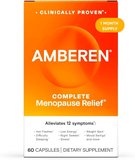
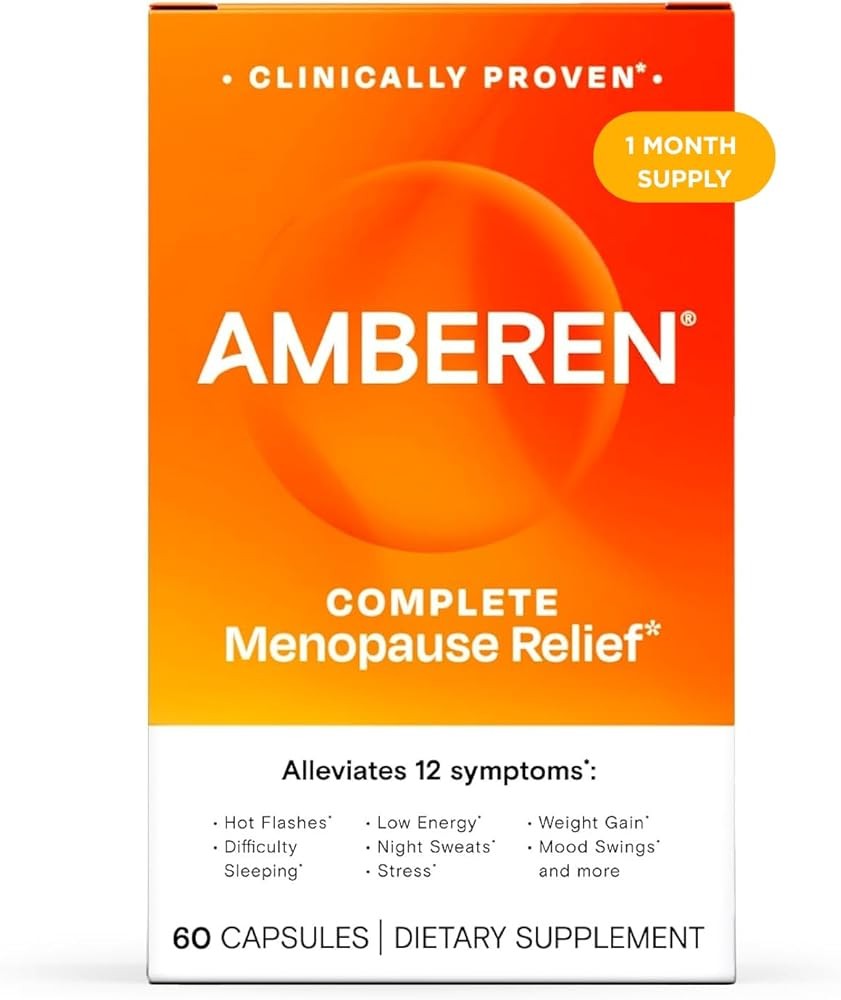
Amberen Menopause Supplement for Women, 60 Capsules, Clinically Proven
Check Price on AmazonAs an Amazon Associate we earn from qualifying purchases.
What it is: A flowering plant native to North America, used by Indigenous peoples for centuries. The root and rhizome contain triterpene glycosides, which are believed to be the primary active compounds.
What the evidence shows: Black cohosh is the single most studied herbal supplement for menopausal hot flashes. A 2023 meta-analysis published in Menopause analyzed 22 articles covering 2,310 menopausal women and found that black cohosh extracts were associated with significant improvements in hot flashes (Hedges’ g = 0.315, 95% CI: 0.107 to 0.524, P = 0.003) compared with placebo (PMID: 37192826). The dropout rate was similar to placebo, indicating good tolerability.
The 2012 Cochrane systematic review (PMID: 22972105) was more conservative, reviewing 16 RCTs with 2,027 women and finding no significant difference between black cohosh and placebo in the frequency of hot flushes (mean difference: 0.07 flushes per day across three trials). However, the Cochrane authors noted significant heterogeneity in study quality and extract standardization, and several trials included in the analysis used non-standardized preparations.
A 2020 meta-analysis focusing specifically on the standardized isopropanolic extract (iCR, sold as Remifemin) found stronger effects, with significant reductions in the Kupperman Menopausal Index and the Menopause Rating Scale (MRS). The Spanish Menopause Society issued a 2022 consensus statement (PMID: 35403534) concluding that 40 mg/day of black cohosh achieves significant reduction in hot flushes, particularly in women with intense symptoms.
How it works: The mechanism is not fully understood. Black cohosh does not appear to act as a phytoestrogen — it does not bind to classical estrogen receptors or affect estrogen-regulated serum markers. Current hypotheses include activity at serotonin receptors (5-HT7, 5-HT1A, and 5-HT1D), dopaminergic activity, and modulation of the opioidergic system. This non-estrogenic mechanism is actually reassuring for women concerned about hormone-sensitive conditions.
Dose: 20-40 mg daily of standardized extract (equivalent to the whole-root preparation). Most clinical trials use the isopropanolic extract (iCR/Remifemin) or the ethanolic extract (BNO 1055). Allow 8-12 weeks for full effect.
Safety: The question of liver toxicity has dogged black cohosh for years. Case reports have described hepatic injury, including rare instances of liver failure requiring transplantation. However, a meta-analysis of five randomized, double-blind controlled trials found no evidence that standardized black cohosh extract has any adverse effect on liver function (PMID: 21228727). Investigations by Health Canada found that 5 out of 6 reported liver toxicity cases did not contain authentic black cohosh, suggesting product adulteration rather than inherent toxicity. The current consensus is that the risk is very low with authenticated, standardized products, but women with pre-existing liver conditions should exercise caution and monitor liver function.
How Effective Is Siberian Rhubarb Extract (ERr 731)?

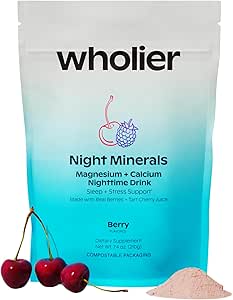
wholier Magnesium Glycinate, Tart Cherry Juice, Chelated Calcium
Check Price on AmazonAs an Amazon Associate we earn from qualifying purchases.
What it is: An extract from Rheum rhaponticum root, developed in Germany and widely prescribed in Europe for menopausal symptoms. It is distinct from culinary rhubarb.
What the evidence shows: ERr 731 has a particularly strong evidence base from European clinical trials. A 12-week double-blind, placebo-controlled trial in 109 perimenopausal women found that ERr 731 significantly reduced the total Menopause Rating Scale (MRS II) score compared to placebo. In a larger open-label study of 252 women, six months of ERr 731 treatment reduced the mean MRS total score from 14.5 points at baseline to 6.5 points — a 55% reduction. A recent systematic review and meta-analysis (PMC: 11144934) confirmed that ERr 731 supplementation significantly reduced MRS scores compared to control therapy across multiple trials.
The most notable aspect of ERr 731 research is the breadth of symptoms it addresses. Unlike some supplements that primarily target hot flashes, ERr 731 has shown benefits across the full range of menopausal complaints measured by the MRS: vasomotor symptoms, psychological symptoms (depressed mood, anxiety, irritability), and physical symptoms (sleep disturbance, joint complaints).
How it works: ERr 731 contains rhaponticin, which is metabolized to rhapontigenin, a compound that acts as a selective agonist for estrogen receptor beta (ER-beta) rather than estrogen receptor alpha (ER-alpha). This selectivity is clinically meaningful: ER-alpha mediates the proliferative effects of estrogen on breast and uterine tissue, while ER-beta mediates many of the beneficial effects on the brain, bone, and cardiovascular system. This selective mechanism means ERr 731 acts more like a selective estrogen receptor modulator (SERM) than a traditional phytoestrogen.
Safety: Safety data are reassuring. A long-term clinical study demonstrated no endometrial hyperplasia. A large pharmacoepidemiological study (PMC: 12086110) found that ERr 731 was not associated with an increased risk of breast cancer diagnosis compared to women without ERr 731 or women receiving HRT.
Dose: 4 mg daily of the standardized extract.
How Do Soy Isoflavones Help with Menopause Symptoms?

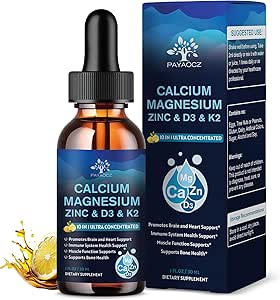
10 in 1 Magnesium Calcium Zinc Supplement with Vitamin C D3 K2
Check Price on AmazonAs an Amazon Associate we earn from qualifying purchases.
What they are: Phytoestrogens found naturally in soybeans and soy products. The key isoflavones are genistein, daidzein, and glycitein. They are structurally similar to estradiol and can bind to estrogen receptors, though with much weaker activity.
What the evidence shows: Soy isoflavones have been studied extensively. A meta-analysis of 13 RCTs (PMID: 22433977) found that supplementation with a median dose of 54 mg aglycone equivalents for 6 weeks to 12 months significantly reduced hot flash frequency by 20.6% and severity by 26.2% compared to placebo. Notably, supplements providing more than 18.8 mg of genistein were more than twice as potent at reducing hot flash frequency as lower-genistein preparations.
More recent systematic reviews, including a 2025 analysis (PMC: 12296567) of 12 studies (10 double-blind RCTs and two open-label studies), have largely confirmed these findings, though with some variability across trials. The effect size is modest compared to HRT but clinically meaningful for many women, particularly those with mild-to-moderate symptoms.
An important nuance: roughly 30-50% of people harbor gut bacteria that can convert daidzein into equol, a metabolite with significantly stronger estrogenic activity than daidzein itself. “Equol producers” may experience greater benefits from soy isoflavones, which could partly explain the inconsistency across clinical trials. This also helps explain the observation that Asian women, who have higher rates of equol production (likely from lifelong soy consumption), report fewer menopausal symptoms on average.
How they work: Soy isoflavones are selective estrogen receptor modulators. When estrogen levels are high, they can weakly antagonize estrogen action. When estrogen levels are low (as in menopause), they provide mild estrogenic stimulation by binding to estrogen receptors. They preferentially bind ER-beta over ER-alpha, similar to ERr 731.
Dose: 40-80 mg of isoflavone aglycone equivalents per day, with higher genistein content preferred. Effects typically emerge after 6-12 weeks.
Safety: The phytoestrogen safety debate is addressed in detail later in this article. In brief, population-level data from Asian countries with high soy consumption generally shows no increased breast cancer risk — and possibly reduced risk. However, women with ER-positive breast cancer should consult their oncologist before supplementing with concentrated isoflavone extracts, as some laboratory data suggest genistein can stimulate ER-positive cell growth at low concentrations.
Why Are Calcium and Vitamin D3 Essential After Menopause?
What they are: Calcium is the most abundant mineral in the body and the primary structural component of bone. Vitamin D3 (cholecalciferol) is essential for calcium absorption and bone metabolism.
What the evidence shows: This combination has the strongest evidence base of any supplement for postmenopausal bone health. A 2025 meta-analysis (PMC: 12506016) found significant improvements in bone mineral density at the lumbar spine, femoral neck, and total body in postmenopausal women with osteoporosis. Studies show calcium plus vitamin D supplementation produces significant reductions in total fracture risk and hip fracture risk, with the greatest benefit in women who are vitamin D deficient or have inadequate dietary calcium intake.
The evidence is strongest for women who are vitamin D deficient (a common finding — an estimated 40-50% of postmenopausal women have insufficient vitamin D levels) and for those with inadequate dietary calcium intake. Doses of 800-2,000 IU of vitamin D daily have been associated with the greatest benefit, particularly in populations with baseline deficiency.
Combined exercise and calcium/vitamin D supplementation may produce additive benefits on bone mineral density in postmenopausal women, making the combination of supplementation and weight-bearing exercise the foundation of non-pharmacological bone protection.
Dose: Calcium: 1,000-1,200 mg daily from all sources (diet plus supplements). Most women get 600-800 mg from food, so supplementation of 400-600 mg is typically sufficient. Taking more than 500 mg at one time reduces absorption, so split doses are recommended. Vitamin D3: 1,000-2,000 IU daily for most women, though individuals with confirmed deficiency may need higher doses under medical supervision.
Safety: Calcium supplementation has raised concerns about cardiovascular risk, but the most current evidence suggests that supplementation up to 1,200 mg/day from combined dietary and supplemental sources does not increase cardiovascular events. The National Osteoporosis Foundation and the American Society for Preventive Cardiology issued a joint statement in 2016 concluding that calcium supplementation (up to the recommended upper limit) is safe from a cardiovascular standpoint.
Which Supplements Have Moderate Evidence for Menopause?
These supplements have some RCT support but with smaller sample sizes, fewer trials, or more inconsistent results. They are reasonable to try, particularly for specific symptom profiles, but expectations should be calibrated accordingly.
Do Red Clover Isoflavones Work for Hot Flashes?
What they are: Red clover (Trifolium pratense) contains four primary isoflavones: biochanin A, formononetin, genistein, and daidzein. Compared to soy, red clover has a broader range of isoflavone types.
What the evidence shows: A meta-analysis of eight trials (PMC: 8069620) found a statistically significant reduction in daily hot flush frequency of 1.73 flushes per day in women taking red clover compared to placebo. However, the clinical significance of this reduction has been debated. Subgroup analysis revealed that the benefit was most pronounced in postmenopausal women with five or more hot flashes per day, at doses of 80 mg/day or higher of isoflavones, with 12 weeks of treatment, and with formulations containing a higher proportion of biochanin A.
Another meta-analysis (PMC: 4678495) was less encouraging, finding no statistically significant effect of red clover on hot flash frequency or circulating hormone concentrations. The discrepancy likely reflects differences in the specific extracts studied, doses, and patient populations included.
Red clover has also shown modest benefits for cardiovascular risk markers: a meta-analysis found significant reductions in total cholesterol, though changes in LDL, HDL, and triglycerides were not as consistent.
Dose: 80 mg/day of isoflavone-standardized extract (Promensil is the most studied brand). Allow 12 weeks for effect.
Safety: Generally well tolerated. Considered possibly safe at doses providing up to 80 mg of isoflavones daily for up to 2 years. The same phytoestrogen cautions that apply to soy apply here.
Does Maca Root Help with Menopausal Symptoms?
What it is: A cruciferous vegetable native to the Peruvian Andes, traditionally consumed as a food and used medicinally for fertility and vitality.
What the evidence shows: A systematic review (PMID: 21840656) identified four RCTs that met inclusion criteria, and all demonstrated favorable effects on menopausal symptoms as measured by the Kupperman Menopausal Index and the Greene Climacteric Score. A double-blind, placebo-controlled crossover study in early postmenopausal women (PMC: 3614644) found that 3.5 g/day of maca powder for six weeks significantly reduced psychological symptoms (anxiety and depression) and measures of sexual dysfunction. After two months of supplementation, women taking maca showed measurable increases in estradiol and improvements in bone density markers, alongside reductions in FSH and cortisol.
More recently, a 2022 systematic review covering 55 studies (only some of which were human trials) concluded that maca could be effective for a range of conditions, with 55 out of 57 studies reporting a positive effect. However, the authors acknowledged that the total number of rigorous trials, sample sizes, and methodological quality were too limited to draw firm conclusions.
How it works: Unlike soy or red clover, maca does not appear to act directly on estrogen receptors. Instead, it seems to influence the hypothalamic-pituitary-adrenal (HPA) axis, the system that regulates hormone production, mood, stress response, and energy. This adaptogenic mechanism may explain its broader effects on mood, energy, and sexual function without directly changing circulating hormone levels in ways that would raise safety concerns.
Dose: 2,000-3,500 mg/day of gelatinized maca powder, or equivalent extract dose. Red and black maca varieties may have slightly different effect profiles.
Safety: Generally well tolerated with minimal side effects. Long-term safety data are limited but no serious adverse events have been reported in clinical trials.
Does Magnesium Help with Menopausal Sleep and Hot Flashes?
What it is: An essential mineral involved in over 300 enzymatic reactions. Magnesium glycinate is the preferred form for sleep support due to better absorption and fewer gastrointestinal side effects. For a complete comparison of magnesium forms, see our guide on magnesium benefits, types, and best forms.
What the evidence shows: A randomized, double-blind, placebo-controlled trial (PMC: 4442087) in breast cancer survivors with hot flashes found that magnesium oxide supplementation (400-800 mg elemental magnesium daily) did not significantly reduce hot flash frequency or severity compared to placebo. However, observational data and smaller trials suggest magnesium may help with sleep quality and mood, which are commonly disrupted during the menopausal transition.
Magnesium influences GABA receptors and NMDA receptors, both of which play roles in sleep regulation and stress response. Women with magnesium deficiency (which is common, particularly in those who consume high amounts of calcium supplements that can interfere with magnesium absorption) may see the greatest benefit.
Dose: 300-400 mg of elemental magnesium daily, preferably as magnesium glycinate or citrate. Take in the evening for sleep support.
Safety: Generally well tolerated. Excessive doses can cause diarrhea, particularly with magnesium oxide or citrate forms. Magnesium glycinate has the lowest risk of gastrointestinal side effects.
Which Supplements Have Limited or Mixed Evidence?
These supplements are commonly marketed for menopause but lack strong clinical support. That does not mean they definitively do not work — it means the evidence is insufficient to recommend them confidently.
Evening Primrose Oil
What it is: Oil extracted from the seeds of the evening primrose plant, rich in gamma-linolenic acid (GLA), an omega-6 fatty acid.
What the evidence shows: A 2013 randomized clinical trial (PMID: 23625331) found that 500 mg of evening primrose oil twice daily significantly reduced hot flash severity compared to placebo, but not frequency. A 2025 meta-analysis (PMC: 11745733) concluded that evening primrose oil was associated with reductions in hot flash severity and frequency, but the effect sizes were small and the quality of included studies was variable.
Dose: 500-1,000 mg twice daily.
Safety: Generally well tolerated, though some women experience mild gastrointestinal upset.
Dong Quai (Angelica Sinensis)
What it is: An herb used in traditional Chinese medicine, often referred to as “female ginseng.”
What the evidence shows: A double-blind, placebo-controlled trial (PMID: 9418683) found that dong quai alone (4.5 g daily for 24 weeks) did not produce estrogen-like responses or improve menopausal symptoms compared to placebo. Dong quai is more commonly used in combination formulas in TCM rather than as a single agent, which may partly explain the negative findings when studied in isolation.
Dose: Variable, typically 3-6 g daily of root powder or equivalent extract.
Safety: Contains coumarins that may affect blood clotting. Should be avoided by women on anticoagulant medications.
Vitex (Chasteberry)
What it is: The fruit of Vitex agnus-castus, traditionally used for premenstrual symptoms and menstrual irregularity.
What the evidence shows: A randomized, double-blind study (PMC: 6887765) compared two Vitex extracts (VAC (E) and VAC (W)) with placebo in reducing menopausal symptoms. Both extracts showed significant reductions in total Menopause Rating Scale (MRS) scores compared to placebo, but the study was small (52 women) and short (16 weeks).
Vitex is better studied for premenstrual syndrome (PMS) and irregular cycles, which makes it potentially more useful during perimenopause when cycles are still occurring but erratic, rather than during full menopause.
Dose: 20-40 mg daily of standardized extract.
Safety: Generally well tolerated. May interfere with dopamine-related medications.
Omega-3 Fatty Acids (EPA and DHA)
What it is: Polyunsaturated fatty acids found primarily in fatty fish and algae-based supplements.
What the evidence shows: A systematic review and meta-analysis (PMID: 30056356) found that omega-3 supplementation significantly reduced hot flash frequency compared to placebo, but the magnitude of effect was small and the included studies were heterogeneous.
Omega-3s have well-established benefits for cardiovascular health and mood, which may provide indirect benefits during the menopausal transition even if direct effects on vasomotor symptoms are modest.
Dose: 1,000-2,000 mg combined EPA+DHA daily.
Safety: Generally well tolerated. High doses may increase bleeding risk in people on anticoagulants.
What About Vitamin K2 and Creatine for Bone and Cognitive Health?
Two emerging areas of menopause supplement research deserve mention, even though the evidence bases are still developing.
Vitamin K2 (MK-7) for Bone Health
What it is: Vitamin K2 (menaquinone-7) activates osteocalcin, a protein that binds calcium to bone. It works synergistically with vitamin D and calcium. For detailed information on this powerful synergy, see vitamin D3 and K2 synergy for bone and heart health.
What the evidence shows: A systematic review and meta-analysis (PMID: 36033779) found that vitamin K2 supplementation significantly improved bone mineral density in postmenopausal women, particularly at the lumbar spine. The typical dose was 45 mg daily of MK-7, the longer-acting form of K2.
Vitamin K2 also activates matrix Gla-protein (MGP), which may help reduce risk of calcium deposition in arterial walls, theoretically reducing cardiovascular calcification risk while improving bone mineralization — a “calcium trafficking” effect that addresses two postmenopausal concerns simultaneously.
Dose: 90-180 mcg daily of MK-7 form (not MK-4, which has a much shorter half-life).
Safety: Generally safe. Should be avoided by people on warfarin, as vitamin K interferes with warfarin’s mechanism of action.
Creatine for Cognition and Muscle Health
What it is: A compound naturally produced in muscle and brain tissue, widely used by athletes to enhance performance and increasingly studied for cognitive and mood benefits. Women interested in the full scope of creatine’s benefits during menopause should read creatine for women: benefits for muscle, bone, and brain.
What the evidence shows: A 2025 study (PMID: 40854087) in perimenopausal and menopausal women found that eight weeks of creatine supplementation (5 g daily) improved measures of cognitive function, mood, and quality of life. Creatine helps maintain cellular energy production (via ATP regeneration), and emerging evidence suggests the brain’s energy demands increase during the menopausal transition, particularly in regions involved in memory and executive function.
Creatine also helps preserve lean muscle mass, which typically declines after menopause due to falling testosterone and growth hormone levels.
Dose: 3-5 g daily of creatine monohydrate. No loading phase is necessary; effects accumulate over 3-4 weeks.
Safety: Extensively studied and considered very safe. Does not cause kidney damage in healthy individuals, contrary to persistent myths. Women should stay well-hydrated, as creatine draws water into muscle cells.
Are Phytoestrogens Safe for Women with a History of Breast Cancer?
This is perhaps the most common and most legitimate safety concern regarding menopause supplements. The answer is nuanced and depends on the specific phytoestrogen, the type of breast cancer, and individual risk factors.
The concern: Some laboratory studies have shown that genistein (the primary isoflavone in soy) can stimulate the growth of estrogen receptor-positive (ER+) breast cancer cells at low concentrations. This has understandably raised alarms among oncologists and breast cancer survivors.
The population-level data: Epidemiological studies from Asian populations with high lifelong soy consumption generally show either no increased breast cancer risk or reduced risk. A 2009 meta-analysis found that high soy intake was associated with a 29% reduction in breast cancer risk in Asian women. Among breast cancer survivors, higher soy intake has been associated with reduced recurrence risk in some studies.
The mechanistic explanation: At low concentrations, genistein may weakly stimulate ER+ cells. At higher concentrations (those achieved with dietary or supplemental soy intake in humans), genistein appears to have anti-proliferative effects. The dose-response curve is nonlinear, which complicates interpretation of lab studies using isolated cells.
ER-beta selectivity matters: Phytoestrogens like soy isoflavones, red clover, and ERr 731 preferentially bind ER-beta over ER-alpha. ER-beta activation tends to oppose proliferation, while ER-alpha drives it. This selectivity may explain why population data does not match the laboratory concerns.
The current expert consensus:
- Women with a personal history of ER+ breast cancer should discuss phytoestrogen supplementation with their oncologist. Many oncologists are comfortable with dietary soy (tofu, edamame, soy milk) but more cautious about concentrated isoflavone supplements.
- ERr 731 has the most reassuring breast safety data among phytoestrogens, as it is ER-beta selective and showed no increased breast cancer risk in a large pharmacoepidemiological study.
- Black cohosh does not act on estrogen receptors and is generally considered safe for breast cancer survivors, though data are limited.
- Women at high risk for breast cancer but without a personal history may use phytoestrogens, but should have an informed discussion with their healthcare provider.
What About Hormone Replacement Therapy vs. Supplements?
This article focuses on supplements, but it would be incomplete without acknowledging the role of hormone replacement therapy (HRT).
The bottom line: HRT is the most effective treatment for moderate-to-severe menopausal symptoms. It is FDA-approved for this purpose and supported by decades of clinical data. No supplement comes close to HRT’s efficacy for vasomotor symptoms.
When supplements make sense:
- Mild-to-moderate symptoms that do not significantly affect quality of life
- Women who cannot take HRT due to contraindications (history of breast cancer, stroke, blood clots, certain cardiovascular conditions)
- Women who prefer non-hormonal approaches for personal or philosophical reasons
- As a complement to HRT for specific symptoms (e.g., bone health with calcium/D3/K2, or sleep support with magnesium)
When HRT makes more sense:
- Severe hot flashes or night sweats that disrupt sleep or daily function
- Genitourinary syndrome of menopause (vaginal dryness, painful intercourse) — low-dose vaginal estrogen is highly effective
- Women at high risk for osteoporosis, particularly those with early menopause
- Severe mood disruption or cognitive symptoms during the menopausal transition
The 2002 Women’s Health Initiative (WHI) study created widespread fear about HRT and breast cancer risk. Subsequent reanalysis has clarified that:
- The increased breast cancer risk with combined estrogen-progestin HRT is small (roughly 1 additional case per 1,000 women per year) and appears primarily with synthetic progestins, not bioidentical progesterone.
- Estrogen-only HRT (for women without a uterus) did not increase breast cancer risk and may even reduce it.
- Starting HRT within 10 years of menopause onset is associated with cardiovascular benefits, not harm.
- The benefits of HRT for quality of life, bone health, and potentially cognitive health often outweigh the risks for appropriately selected women.
The decision about HRT is deeply personal and should be made with a knowledgeable healthcare provider — ideally a menopause specialist or gynecologist familiar with the current evidence. Supplements can play a meaningful role, but they are not a universal substitute for HRT.
How Should You Approach Menopause Supplement Selection?
Given the range of options and variability in evidence, here is a practical framework:
1. Prioritize bone health first. Calcium plus vitamin D3 is non-negotiable for postmenopausal women, particularly in the first 5-7 years when bone loss is most rapid. Add vitamin K2 (MK-7) if your budget allows.
2. Target your primary symptom. If hot flashes are your main concern, start with black cohosh or ERr 731, both of which have the strongest clinical evidence. If sleep disruption is primary, consider magnesium glycinate. If mood and energy are the issues, maca or omega-3s may help.
3. Use standardized, third-party tested products. The quality of herbal supplements varies wildly. Look for products that are USP verified, NSF certified, or ConsumerLab tested. For black cohosh, choose products standardized to the isopropanolic extract (iCR/Remifemin) or the ethanolic extract (BNO 1055), which were used in clinical trials.
4. Give it time. Most menopause supplements require 8-12 weeks of consistent use before benefits emerge. Do not expect overnight results.
5. Track your symptoms. Use a simple journal or app to track hot flash frequency, sleep quality, and mood. This allows you to assess whether a supplement is actually helping or whether you are just hoping it is.
6. Be willing to combine approaches. A well-designed supplement protocol might include calcium/D3/K2 for bone health, black cohosh or ERr 731 for hot flashes, and magnesium for sleep. This is not “more is better” — it is targeting multiple symptoms with evidence-based interventions.
7. Revisit the decision periodically. Menopausal symptoms change over time. What you need at 48 during late perimenopause may differ from what you need at 54 in early postmenopause. Reassess every 6-12 months.
What Products Should You Consider?
Based on the evidence reviewed in this article, the following products represent quality options for the supplements with the strongest evidence. As always, verify with your physician before adding any new supplement.
For hot flashes (Tier 1 evidence):
Black cohosh standardized extract (Remifemin) — The most clinically studied black cohosh extract (isopropanolic iCR extract), used in the majority of positive clinical trials. Standardized 20 mg tablets, typically taken twice daily.
ERr 731 Siberian rhubarb extract (Menoelle) — The specific extract used in European clinical trials. A single daily tablet providing 4 mg of the standardized ERr 731 extract.
Soy isoflavones (genistein-rich formula) — Look for products standardized to genistein content, as higher genistein formulations showed greater efficacy in meta-analyses. Typical dose: 40-80 mg daily.
For bone health:
Calcium citrate plus vitamin D3 — A straightforward combination for foundational bone support. Take with food for optimal calcium carbonate absorption.
Vitamin K2 (MK-7 form) — The MK-7 form has a longer half-life than MK-4, allowing once-daily dosing. Take with a fat-containing meal for absorption.
For sleep and mood:
Magnesium glycinate — Magnesium glycinate is the preferred form for sleep and mood support, with better absorption and fewer GI side effects than citrate or oxide forms.
For cognition and muscle health (emerging):
Creatine monohydrate — The most studied form of creatine, with emerging evidence for cognitive and mood benefits during the menopausal transition. Mix 3-5 g daily into water or a smoothie.
Related Reading
-
Best Magnesium for Women Over 40: Perimenopause and Bone Health Guide
-
Best Perimenopause Supplements: Evidence-Based Guide to Managing the Transition
-
Best Supplements for Menopause: Hot Flashes and Night Sweats Relief
-
Perimenopause Acne: Understanding Hormonal Breakouts and Evidence-Based Treatment
-
Hot Flash Supplements That Actually Work: Evidence-Based Guide
References
-
Leach MJ, Moore V. Black cohosh (Cimicifuga spp.) for menopausal symptoms. Cochrane Database Syst Rev. 2012. PubMed: 22972105
-
Castelo-Branco C, et al. Black cohosh extracts in women with menopausal symptoms: an updated pairwise meta-analysis. Menopause. 2023. PubMed: 37192826
-
Trujillo-Hernández B, et al. Black cohosh efficacy and safety for menopausal symptoms: The Spanish Menopause Society statement. Maturitas. 2022. PubMed: 35403534
-
Kaszkin-Bettag M, et al. Efficacy of the special extract ERr 731 from rhapontic rhubarb for menopausal complaints: a 6-month open observational study. Altern Ther Health Med. 2009. PubMed: 19043936
-
Shakeri F, et al. Efficacy evaluation of standardized Rheum rhaponticum root extract (ERr 731) on symptoms of menopause: A systematic review and meta-analysis. Phytother Res. 2024. PMC: 11144934
-
Association between Extract Rheum rhaponticum 731 (ERr 731) prescription and subsequent breast cancer. Breast Cancer Res Address. 2025. PMC: 12086110
-
Taku K, et al. Extracted or synthesized soybean isoflavones reduce menopausal hot flash frequency and severity: systematic review and meta-analysis. Menopause. 2012. PubMed: 22433977
-
Effects of soy isoflavones on menopausal symptoms in perimenopausal women: a systematic review and meta-analysis. Menopause. 2025. PMC: 12296567
-
Garza-Garduno R, et al. Evaluation of clinical meaningfulness of red clover extract to relieve hot flushes and menopausal symptoms: A systematic review and meta-analysis. Nutrients. 2021. PMC: 8069620
-
Lipovac M, et al. Effects of red clover on hot flash and circulating hormone concentrations in menopausal women: a systematic review and meta-analysis. Avicenna J Phytomed. 2015. PMC: 4678495
-
Lee MS, et al. Maca (Lepidium meyenii) for treatment of menopausal symptoms: A systematic review. Maturitas. 2011. PubMed: 21840656
-
Meissner HO, et al. Hormone-balancing effect of pre-gelatinized organic maca: clinical responses of early-postmenopausal women to maca in double-blind, randomized, placebo-controlled, crossover configuration. Int J Biomed Sci. 2006. PMC: 3614644
-
Palacios S, et al. NCCTG N10C2 (Alliance) – a double-blind, placebo-controlled study of magnesium supplements to reduce menopausal hot flashes. Menopause. 2015. PMC: 4442087
-
Labrie F, et al. Efficacy of intravaginal dehydroepiandrosterone (DHEA) on moderate to severe dyspareunia and vaginal dryness, symptoms of vulvovaginal atrophy. Menopause. 2016. PubMed: 26731686
-
Hidalgo LA, et al. The effect of oral evening primrose oil on menopausal hot flashes: a randomized clinical trial. Arch Gynecol Obstet. 2013. PubMed: 23625331
-
Evening primrose oil for menopause hot flashes: systematic review and meta-analysis. J Menopausal Med. 2025. PMC: 11745733
-
Hirata JD, et al. Does dong quai have estrogenic effects in postmenopausal women? A double-blind, placebo-controlled trial. Fertil Steril. 1997. PubMed: 9418683
-
Webster DE, et al. Comparison of Vitex agnus-castus extracts with placebo in reducing menopausal symptoms: A randomized double-blind study. Complement Ther Med. 2019. PMC: 6887765
-
Mohammady M, et al. Effect of omega-3 supplements on vasomotor symptoms in menopausal women: a systematic review and meta-analysis. Eur J Obstet Gynecol. 2018. PubMed: 30056356
-
Ma ML, et al. Efficacy of vitamin K2 in the prevention and treatment of postmenopausal osteoporosis: a systematic review and meta-analysis. Front Public Health. 2022. PubMed: 36033779
-
Candow DG, et al. The effects of 8-week creatine hydrochloride and creatine ethyl ester supplementation on cognition, clinical outcomes, and brain creatine levels in perimenopausal and menopausal women (CONCRET-MENOPA). J Am Nutr Assoc. 2025. PubMed: 40854087
-
Naumova N, et al. Suspected black cohosh hepatotoxicity: no evidence by meta-analysis of randomized controlled clinical trials for isopropanolic black cohosh extract. Menopause. 2011. PubMed: 21228727
Frequently Asked Questions
What is the best supplement for menopause hot flashes?
Black cohosh and Siberian rhubarb extract (ERr 731) have the strongest clinical evidence for reducing hot flash frequency and severity. A 2023 meta-analysis of 22 studies found black cohosh significantly reduced hot flashes compared to placebo. Soy isoflavones also reduce hot flash frequency by approximately 20% and severity by 26% at doses above 54 mg per day.
Are menopause supplements safe if you have a history of breast cancer?
Women with hormone-sensitive cancers should exercise caution with phytoestrogens like soy and red clover isoflavones. While population-level data generally supports safety, some lab studies show genistein can stimulate ER-positive breast cancer cell growth. ERr 731 (Siberian rhubarb) acts on estrogen receptor beta rather than alpha and has shown no increased breast cancer risk in safety studies. Always consult your oncologist before starting any supplement.
When should I start taking menopause supplements?
Many women benefit from starting supplements during perimenopause, which can begin as early as the mid-30s but typically starts in the mid-40s. Vitex and magnesium may help with early perimenopausal symptoms like irregular cycles and sleep disruption. Bone-protective supplements like calcium, vitamin D, and vitamin K2 are most important to start before or at menopause onset, since the most rapid bone loss occurs in the first 5-7 years after menopause.
Can supplements replace hormone replacement therapy for menopause?
Supplements are generally less effective than HRT for severe vasomotor symptoms. HRT remains the gold standard for moderate-to-severe hot flashes and is FDA-approved for this purpose. However, supplements can be meaningful for women with mild-to-moderate symptoms, those who cannot take HRT due to medical contraindications, or as a complement to HRT for specific symptoms like sleep disruption or bone health.
How long do menopause supplements take to work?
Most supplements require 4 to 12 weeks of consistent use before benefits are noticeable. Black cohosh trials typically show improvement by 8-12 weeks. Soy isoflavones may take 6-12 weeks. ERr 731 has shown effects by 12 weeks in clinical trials. Calcium and vitamin D for bone health require long-term use of 6 months or more to show measurable changes in bone mineral density.
Recommended Products