Best Supplements for Skin Health: Collagen Vitamin C Hyaluronic Acid and More
Summarized from peer-reviewed research indexed in PubMed. See citations below.
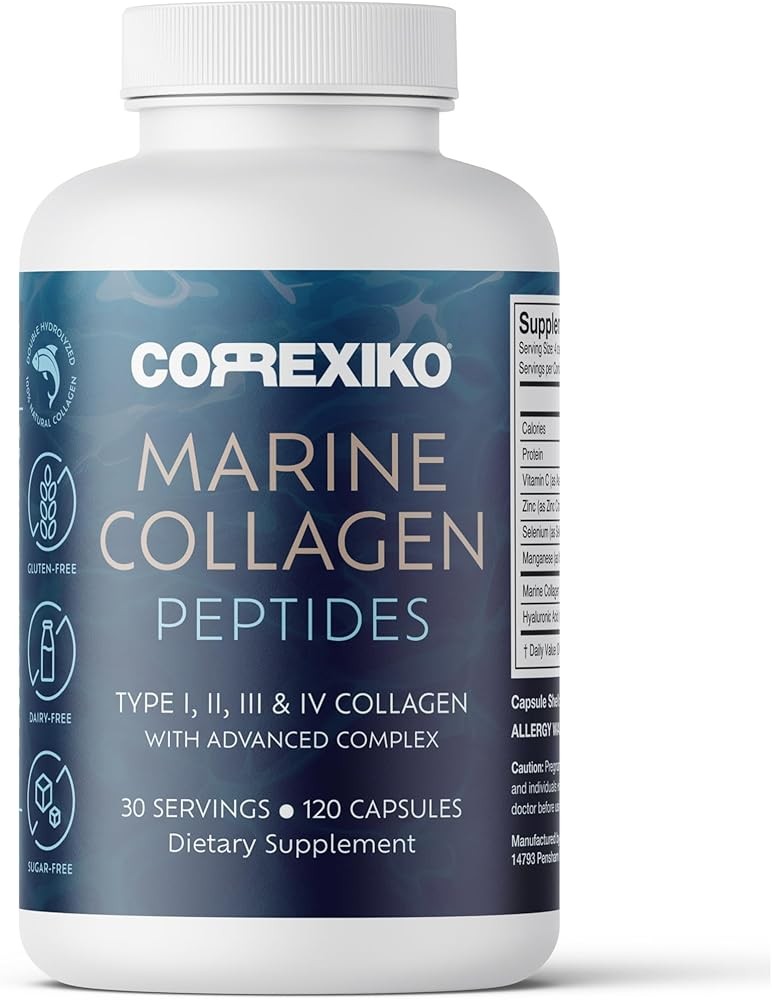
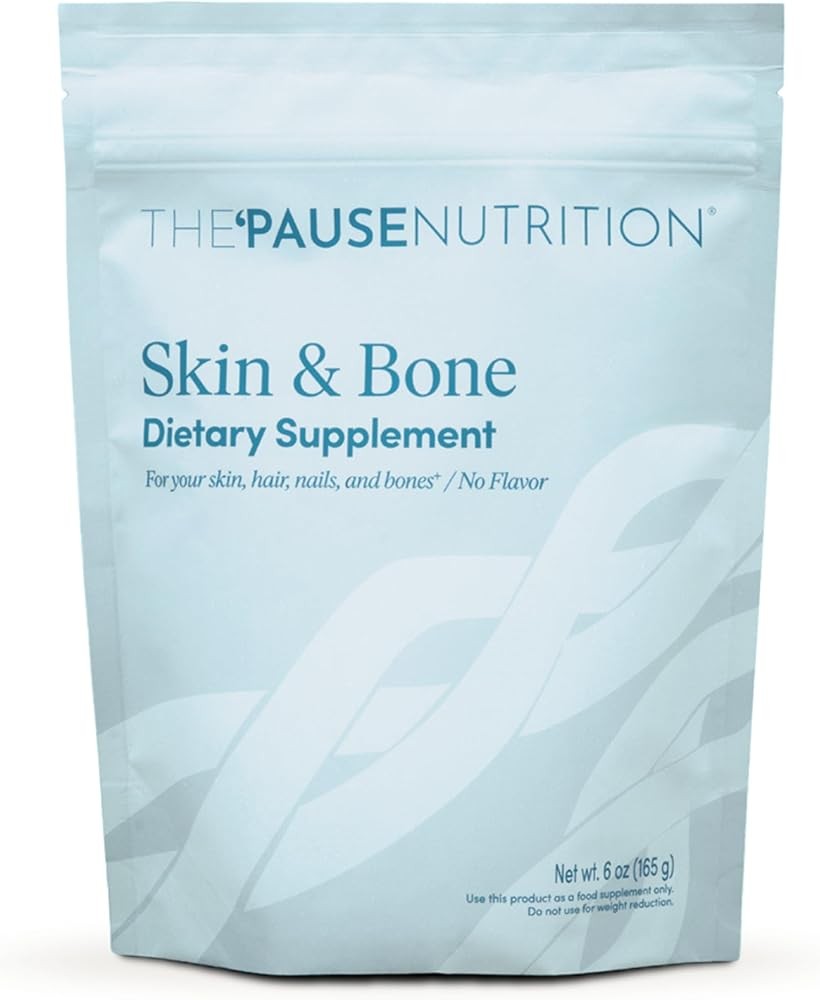
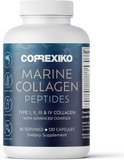
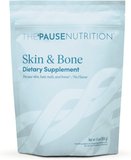
Starting in your mid-twenties, your skin loses roughly 1% of its collagen production every year, leading to wrinkles, sagging, and dryness that compound with UV exposure and time. CORREXIKO Marine Collagen delivers 1,800mg of hydrolyzed collagen peptides per serving with added hyaluronic acid, providing the bioactive di- and tripeptides that multiple meta-analyses show improve skin hydration and elasticity within 8-12 weeks, at $84.99 for 120 capsules. Note that the clinical dose range for measurable skin effects is 2.5-10g daily, so the 1,800mg serving sits below the studied threshold and is best used as a convenience capsule alongside a higher-dose powder, or chosen when a milder maintenance dose is the goal. Research supports this combination approach because vitamin C-dependent collagen synthesis requires the raw peptide material these supplements provide, while hyaluronic acid addresses moisture retention through a separate mechanism. For budget-conscious buyers, The ‘Pause Life Skin and Bone collagen powder offers hydrolyzed peptides with hyaluronic acid at $48.00 per container. Here’s what the published research shows about oral supplements that actually reach your skin and produce measurable improvements.
Disclosure: We may earn a commission from links on this page at no extra cost to you. Affiliate relationships never influence our ratings. Full policy →
What Can Oral Supplements Actually Do for Your Skin?
Your skin is the largest organ in the body, weighing roughly 8 pounds in the average adult and covering approximately 22 square feet of surface area. It is also the organ most visibly affected by aging, UV exposure, nutritional deficiencies, hormonal changes, and oxidative stress. The global market for oral beauty supplements – often called “nutricosmetics” – exceeded $7 billion in 2025, reflecting a massive consumer interest in improving skin health from the inside out.
But does swallowing a pill or mixing a powder into your morning coffee actually change what you see in the mirror? The answer is nuanced. Some oral supplements have genuine, replicable clinical trial evidence showing measurable improvements in skin hydration, elasticity, wrinkle depth, and UV resilience. Others ride on compelling biochemistry but lack human trial data. And a few are outright overhyped, backed by little more than marketing budgets and influencer endorsements.
This article examines every major supplement claimed to benefit skin health. For each ingredient, we cover the biological mechanism, what clinical trials actually found (including sample sizes, durations, and effect sizes), evidence-backed dosing, safety considerations, and drug interactions. We also cover the practical body signals that tell you whether these supplements are working – or whether something else is going on that needs medical attention.
The supplements covered in this guide include collagen peptides, vitamin C, hyaluronic acid, astaxanthin, omega-3 fatty acids, zinc, ceramides, biotin, and vitamin E. Each is evaluated on its own merits, and we rank the overall evidence at the end to help you decide where to put your money.
Bottom line: Clinical evidence supports several oral supplements for skin health, with collagen peptides, hyaluronic acid, and vitamin C showing the most consistent benefits in randomized controlled trials.
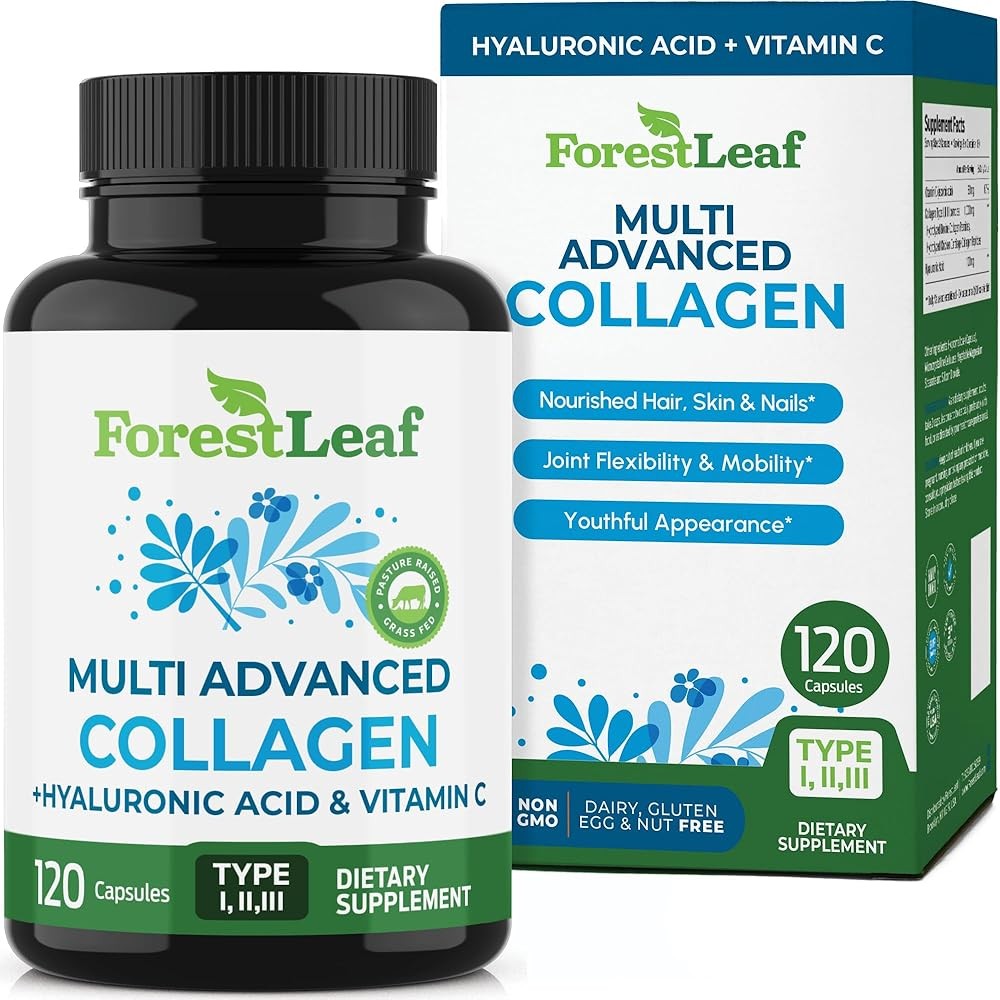
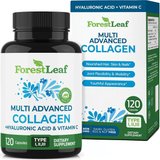
| Feature | CORREXIKO Marine Collagen | Pause Life Skin and Bone | ForestLeaf Collagen |
|---|---|---|---|
| Collagen Type | Hydrolyzed marine (1,800 mg) | Hydrolyzed collagen peptides + HA | Types I/II/III |
| Form | Capsules | Powder | Capsules |
| Hyaluronic Acid | Included (per label) | Included (per label) | Per label |
| Vitamin C | Not listed | Included (per label) | Per label |
| Count | 120 capsules | Powder container | 120 capsules |
| Price | $84.99 | $48.00 | $22.95 |
How Does Your Skin Age?
Before evaluating any supplement, you need to understand the biological processes that drive skin aging. Skin aging falls into two categories: intrinsic aging (genetically programmed, time-dependent) and extrinsic aging (driven by environmental factors, primarily UV radiation, pollution, and smoking).
What Makes Up Your Skin’s Dermal Matrix?
The dermis – the structural middle layer of skin – is composed primarily of an extracellular matrix (ECM) built from collagen (predominantly types I and III, making up roughly 80% of dry skin weight), elastin (providing recoil and flexibility), and glycosaminoglycans like hyaluronic acid (which bind water and maintain hydration). Fibroblasts are the cells responsible for producing and maintaining these structural components.
Starting in your mid-twenties, collagen production declines by approximately 1% per year (Varani et al., 2006). Elastin fibers progressively fragment and lose function. Hyaluronic acid content in the skin decreases – a newborn has roughly 20 times more hyaluronic acid in their skin than a 75-year-old. These cumulative changes produce the visible hallmarks of aging: wrinkles, sagging, thinning, dryness, and loss of that “bouncy” quality young skin has.
How Does UV Damage Accelerate Skin Aging?
Ultraviolet radiation accelerates every aspect of this decline. UVA rays penetrate deep into the dermis and activate matrix metalloproteinases (MMPs) – enzymes that actively break down collagen and elastin. UVB rays damage the epidermis and generate reactive oxygen species (ROS) that overwhelm the skin’s antioxidant defenses. Chronic sun exposure can accelerate skin aging by 10 to 20 years compared to sun-protected skin. The deep wrinkles, leathery texture, and brown spots associated with “aging” are largely photoaging – damage that compounds with every unprotected hour in the sun.
How Does Your Skin Barrier Protect You?
The outermost layer of skin, the stratum corneum, functions as a brick-and-mortar barrier. Corneocytes (dead skin cells) are the “bricks,” and a lipid matrix of ceramides, cholesterol, and fatty acids forms the “mortar.” When this barrier is intact, it reduces the risk of excessive water loss (transepidermal water loss, or TEWL) and blocks irritants and pathogens. When it is compromised – through harsh products, dry environments, aging, or nutritional deficiencies – skin becomes dry, sensitive, inflamed, and more susceptible to damage.
Understanding these three layers of skin biology – the dermal matrix, UV defense, and the barrier – helps explain why different supplements target different aspects of skin health and why a multi-angle approach often produces better results than any single ingredient.
Bottom line: Skin aging results from declining collagen production (1% per year after age 25), UV damage breaking down structural proteins, and weakening of the protective barrier layer.
What Signs Indicate Your Skin Needs Nutritional Support?
Your skin communicates its internal state through visible and tactile signals. Many people dismiss these as cosmetic annoyances, but they often reflect genuine nutritional status, systemic inflammation, or hormonal imbalance.
What Are the Signs of Nutritional Deficiency in Your Skin?
- Dry, rough, or flaky skin that does not respond adequately to moisturizers – may indicate low essential fatty acid intake, ceramide depletion, vitamin C insufficiency, or dehydration
- Slow wound healing – cuts, scrapes, or acne lesions that take weeks to resolve may signal zinc deficiency, vitamin C deficiency, or inadequate protein intake (including collagen precursors)
- Easy bruising – unexplained bruises from minor bumps can indicate vitamin C insufficiency (collagen in blood vessel walls depends on vitamin C for structural integrity)
- Chronic skin inflammation – persistent redness, rosacea flares, or eczema that responds poorly to topical treatment may reflect systemic inflammation that omega-3 fatty acids or antioxidants could modulate
- Premature wrinkle formation – deep lines appearing earlier than expected for your age, especially if you have significant sun exposure history
- Dull, sallow complexion – skin that lacks radiance and looks “tired” even when you are well-rested, potentially related to inadequate antioxidant status or poor circulation
- Brittle, ridged, or splitting nails – nails share structural components with skin (keratin), and nail changes often parallel skin nutritional status
- Cracking at the corners of the mouth (angular cheilitis) – can indicate B vitamin, zinc, or iron deficiency
- Dermatitis or scaly rashes – especially around the nose, eyes, or mouth, may suggest biotin or essential fatty acid deficiency
Which Skin Warning Signs Require Medical Attention Instead of Supplements?
- Rapidly changing moles or skin lesions with irregular borders – see a dermatologist immediately
- Non-healing wounds that persist beyond 4 weeks – may indicate diabetes, vascular disease, or immune dysfunction
- Severe, widespread skin rash appearing suddenly – could signal an allergic reaction, autoimmune condition, or medication side effect
- Yellowing of the skin (jaundice) – indicates liver dysfunction, not a supplement deficiency
- Petechiae (tiny pinpoint red dots under the skin) – can indicate a bleeding disorder or serious vitamin C deficiency (scurvy) requiring medical evaluation
- Unexplained hair loss with skin changes – may indicate thyroid disease, autoimmune conditions, or hormonal disorders that require proper diagnosis
These warning signs require professional evaluation. Supplements are not a substitute for medical diagnosis and treatment.
Bottom line: Skin changes like persistent dryness, slow wound healing, easy bruising, or dermatitis around the eyes and mouth can signal genuine nutrient deficiencies; when a medical cause is ruled out, correcting the underlying shortfall (zinc, vitamin C, essential fatty acids, or biotin) usually resolves them.
What Are the Best Collagen Peptides for Skin Health?
Of all oral skin supplements, hydrolyzed collagen peptides have the deepest and most consistent body of clinical trial evidence.
How Do Collagen Supplements Work in Your Body?
When you ingest hydrolyzed collagen, digestive enzymes break it into dipeptides and tripeptides – primarily hydroxyproline-glycine and hydroxyproline-proline – that are absorbed intact through the intestinal wall. Food-derived collagen peptides such as prolyl-hydroxyproline (Pro-Hyp) are detectable in human blood after oral ingestion of collagen peptides, and experimental work shows Pro-Hyp stimulates the migration and growth of skin fibroblasts (Shigemura et al., 2009). Once there, they appear to stimulate fibroblasts to increase production of new collagen, elastin, and hyaluronic acid through a signaling mechanism rather than simply providing raw building blocks.
In vitro studies show that collagen-derived peptides increase fibroblast proliferation and the expression of type I collagen, elastin, and fibrillin by activating specific cell receptors. They also inhibit MMPs – the enzymes that break down existing collagen – creating a dual effect of increased production and decreased degradation.
What Do Clinical Trials Say About Collagen for Skin?
Meta-analyses and systematic reviews:
A 2021 systematic review and meta-analysis by de Miranda et al. published in the International Journal of Dermatology analyzed 19 randomized controlled trials with 1,125 participants aged 20 to 70 (95% women). The grouped analysis found that hydrolyzed collagen supplementation significantly improved skin hydration, elasticity, and wrinkle depth compared to placebo. Based on the results, ingestion of hydrolyzed collagen for 90 days was effective in reducing skin aging (de Miranda et al., 2021).
A 2023 systematic review and meta-analysis by Pu et al. in Nutrients analyzed 26 RCTs with 1,721 patients and confirmed that hydrolyzed collagen supplementation significantly improved skin hydration and elasticity. Subgroup analyses showed the effects on hydration varied based on collagen source and supplementation duration (Pu et al., 2023).
A 2025 meta-analysis by Myung and Park published in The American Journal of Medicine analyzing 23 RCTs with 1,474 participants found collagen supplements significantly improved skin hydration, elasticity, and wrinkles. However, the authors made an important observation: in the subgroup analysis by funding source, studies receiving pharmaceutical company funding showed significant effects, while studies without such funding showed no effect (Myung et al., 2025). The same pattern held for study quality: high-quality trials showed no significant effect. This funding and quality bias warrants caution when interpreting the overall evidence.
Individual landmark trials:
Proksch et al., 2014 conducted a double-blind, placebo-controlled trial with 69 women aged 35 to 55 (23 per group). After 8 weeks of taking 2.5 g or 5 g of collagen peptides daily, both collagen groups showed statistically significant improvement in skin elasticity compared to placebo. At the 4-week follow-up after discontinuation, skin elasticity remained significantly higher in the older subgroup, suggesting the benefits are at least partially sustained after stopping.
Asserin et al., 2015 ran two placebo-controlled trials of daily oral collagen peptides in women. Skin hydration increased significantly after 8 weeks of supplementation, and dermal collagen density increased while fragmentation of the dermal collagen network decreased within 4 weeks – with both effects persisting at 12 weeks.
What Is the Right Collagen Dose and Type?
- Effective dose range: 2.5 to 10 grams daily, based on clinical trial protocols
- Most studied types: Type I collagen from marine (fish) or bovine sources
- Form: Hydrolyzed collagen peptides (molecular weight of 2 to 5 kilodaltons for optimal absorption)
- Timing: Can be taken any time of day, with or without food
- Duration: Minimum 8 weeks for measurable skin changes; 12 weeks for robust effects
Marine (fish-derived) collagen peptides tend to have smaller peptide sizes and may offer slightly better bioavailability than bovine collagen, though both sources have demonstrated efficacy in clinical trials. For a detailed breakdown of collagen types and specific product recommendations, see our guide on the best collagen supplements for wrinkles and skin aging and our broader analysis on whether collagen is worth taking.
Are Collagen Supplements Safe and Do They Interact with Medications?
Collagen peptides are generally well tolerated. The most common side effects are mild gastrointestinal symptoms – bloating, a feeling of fullness, and unpleasant aftertaste. Side effect rates in clinical trials are comparable to placebo. People with fish or shellfish allergies should avoid marine collagen. Those with beef allergies should avoid bovine collagen. Collagen is not recommended for people requiring protein restriction, such as those with advanced kidney disease. No serious adverse events have been reported in published clinical trials at standard supplemental doses.
Bottom line: Hydrolyzed collagen peptides at 2.5-10g daily have the strongest clinical evidence for improving skin hydration, elasticity, and wrinkle depth after 8-12 weeks.
How Does Vitamin C Support Skin Health?
Vitamin C (ascorbic acid) occupies a unique position among skin supplements because it is not optional – it is biologically required for collagen production.
How Does Vitamin C Support Collagen Production?
Vitamin C serves as an essential cofactor for two enzymes critical to collagen biosynthesis: prolyl hydroxylase and lysyl hydroxylase. These enzymes hydroxylate proline and lysine residues on procollagen molecules, enabling the triple-helix formation that gives collagen its structural integrity. Without adequate vitamin C, the body produces structurally defective collagen that cannot properly cross-link. This is the mechanism behind scurvy – the collagen-deficiency disease that causes hemorrhage, poor wound healing, and skin fragility.
Beyond collagen synthesis, vitamin C is one of the most concentrated antioxidants in the skin. It scavenges reactive oxygen species generated by UV exposure, regenerates oxidized vitamin E, and inhibits melanogenesis (pigment production), contributing to a more even skin tone. The level of ascorbic acid in skin cells is closely associated with the quantitative and structural integrity of dermal collagen (Pullar et al., 2017).
What Does the Research Say About Oral Vitamin C for Skin?
The research on oral vitamin C for skin is more nuanced than supplement marketing suggests. Vitamin C deficiency clearly and dramatically impairs skin health – there is no debate about this. Scurvy causes skin hemorrhages, impaired wound healing, and connective tissue breakdown. Subclinical deficiency may similarly compromise collagen quality and antioxidant defense, though this is harder to measure.
However, supplementing above adequate intake in well-nourished individuals has limited direct evidence for skin benefits. Unlike topical vitamin C formulations (which have robust photoprotection data), oral vitamin C studies specifically targeting skin outcomes are sparse. There is also a delivery problem: intestinal absorption of vitamin C is saturable, with plasma concentrations plateauing as single doses approach roughly 200 mg, and renal excretion tightly regulates circulating levels. Only a small fraction of an ingested dose ever reaches the skin in biologically active form.
Where oral vitamin C becomes particularly relevant is as a synergistic cofactor with collagen peptides. If you are taking collagen supplements but have suboptimal vitamin C status, the collagen your body produces from those peptides will be structurally inferior. Ensuring adequate vitamin C intake maximizes the return on your collagen supplementation.
For a deeper dive into high-dose vitamin C supplementation, including the megadosing controversy, see our article on vitamin C megadosing for immune support.
How Much Vitamin C Should You Take for Skin Health?
- Minimum for skin health: 200 mg daily (ensures tissue saturation for collagen synthesis)
- Commonly recommended range: 500 to 1,000 mg daily
- Upper limit: 2,000 mg daily (higher doses are poorly absorbed and increase kidney stone risk)
- Best taken: In divided doses (250 to 500 mg twice daily) with meals to maximize absorption
- Food sources: Red bell peppers, kiwi, strawberries, oranges, broccoli, Brussels sprouts
What Are the Safety Concerns with Vitamin C Supplements?
Oral vitamin C is generally safe up to 2,000 mg daily. Higher doses may cause diarrhea, nausea, and abdominal cramps (osmotic effect in the gut). People with a history of oxalate kidney stones should limit supplementation to 500 mg or less daily. Vitamin C increases iron absorption, which is beneficial for iron-deficient individuals but potentially harmful for those with hemochromatosis (iron overload disease). Vitamin C may interfere with certain blood glucose monitors and urine glucose tests.
Bottom line: Vitamin C at 500-1000mg daily is essential for collagen synthesis and provides antioxidant protection against UV damage.
Should You Take Hyaluronic Acid for Skin Hydration?
Hyaluronic acid (HA) is a glycosaminoglycan naturally present in the skin’s extracellular matrix, where a single molecule can bind up to 1,000 times its weight in water. Skin contains approximately 50% of the body’s total HA, and its decline with age is a primary driver of skin dryness and loss of volume.
How Does Oral Hyaluronic Acid Reach Your Skin?
The logical question is whether a large polysaccharide molecule taken orally can actually reach the skin. Research suggests it can, though the mechanism is more complex than simple absorption. After oral ingestion, HA is partially degraded by gut bacteria and gastric acid into smaller fragments. These lower-molecular-weight fragments (oligosaccharides) are absorbed through the intestinal lining. Radiotracer studies in animals have shown that orally administered labeled HA distributes to the skin, joints, and other tissues.
Once in the skin, HA fragments may stimulate endogenous HA production by fibroblasts and modulate skin water content. The precise mechanism is still under investigation, but the clinical outcomes are increasingly consistent.
What Do Clinical Trials Say About Oral Hyaluronic Acid?
A 2021 randomized, double-blind, placebo-controlled trial by Hsu et al. published in Nutrients gave 40 healthy adults (aged 35 to 64) 120 mg of oral HA or placebo daily for 12 weeks (Hsu et al., 2021). The HA group showed significant improvements versus placebo in wrinkle assessment, stratum corneum water content (hydration), transepidermal water loss, and elasticity after 12 weeks, with significant percentage improvements in wrinkles, hydration, and elasticity already evident at weeks 8 and 12.
A 2017 randomized, double-blind, placebo-controlled study by Oe et al. in Clinical, Cosmetic and Investigational Dermatology enrolled 60 Japanese adults (aged 22 to 59) with crow’s feet wrinkles who took 120 mg/day of either low-molecular-weight (2 kDa) or higher-molecular-weight (300 kDa) HA, or placebo, for 12 weeks (Oe et al., 2017). Both HA groups showed better wrinkle metrics (volume and area ratios) than placebo, with the 300 kDa group showing significantly diminished wrinkles by week 8, and skin luster and suppleness significantly improved by week 12.
Mechanistically, a 2014 review in the Nutrition Journal by Kawada et al. summarizes the evidence that ingested HA is absorbed and distributed in part to the skin, where it increases synthesis of HA and promotes fibroblast proliferation; a randomized, double-blind, placebo-controlled study described in that review found ingested HA increased skin moisture and improved outcomes in people with dry skin (Kawada et al., 2014).
The largest recent trial, a 2025 randomized, double-blind, placebo-controlled study by Doleckova et al. in Scientific Reports, randomized 150 healthy adults to 60 mg/day sodium hyaluronate, 120 mg/day, or placebo for 12 weeks (Doleckova et al., 2025). The 120 mg dose significantly improved skin hydration and elasticity while reducing transepidermal water loss, sebum, and periorbital wrinkle depth versus placebo; it also increased epidermal thickness, dermal density, and natural moisturizing factor levels. The 60 mg dose produced similar but more modest effects.
How Much Hyaluronic Acid Should You Take Daily?
- Effective dose range: 120 to 240 mg daily
- Molecular weight matters: Low-molecular-weight HA (less than 300 kDa) appears to have better bioavailability than high-molecular-weight forms
- Duration: Minimum 6 weeks for hydration improvements; 12 weeks for wrinkle reduction
- Timing: Can be taken any time of day
Is Oral Hyaluronic Acid Safe?
Oral HA is considered safe, with no significant adverse effects reported in clinical trials. It is naturally present in the body and food supply. People with active cancer should discuss HA supplementation with their oncologist, as HA plays a role in cell proliferation and some cancer cells express HA receptors – though no clinical evidence suggests oral HA supplementation promotes cancer growth, the theoretical concern exists.
Bottom line: Oral hyaluronic acid at 120-240mg daily increases skin hydration and reduces wrinkle depth in multiple clinical trials, working from the inside to bind water.
Does Astaxanthin Protect Your Skin from UV Damage?
Astaxanthin is a red-orange carotenoid pigment produced by the microalga Haematococcus pluvialis. It is what gives salmon, shrimp, and flamingos their distinctive color. Structurally, astaxanthin is one of the most potent natural antioxidants – up to 6,000 times more potent than vitamin C in singlet oxygen quenching and 550 times more potent than vitamin E in certain assays.
How Does Astaxanthin Protect Your Skin Cells?
Astaxanthin’s unique molecular structure allows it to span the entire cell membrane, providing antioxidant protection on both the inner and outer surfaces simultaneously – something most antioxidants cannot do. In the skin, it:
- Scavenges reactive oxygen species generated by UV radiation
- Inhibits MMP-1 and MMP-3 (the collagen-degrading enzymes activated by UV exposure)
- Reduces inflammatory cytokines (IL-6, TNF-alpha) in UV-exposed skin cells
- Enhances the skin’s natural UV tolerance (increases minimal erythema dose)
- Preserves skin moisture in the face of environmental stress
What Do Clinical Trials Say About Astaxanthin for Skin?
A 2021 systematic review and meta-analysis by Zhou et al. published in Nutrients examined the effects of astaxanthin on human skin aging (Zhou et al., 2021). The meta-analysis found that oral astaxanthin supplementation significantly restored moisture content and improved elasticity but did not significantly decrease wrinkle depth compared to placebo.
Tominaga et al., 2017 conducted a randomized, double-blind, placebo-controlled study with 65 healthy women over 16 weeks. The groups receiving 6 mg or 12 mg of astaxanthin daily showed no significant worsening of wrinkle parameters and skin moisture, while the placebo group showed significant deterioration in both. This “protective” rather than “restorative” effect is an important distinction – astaxanthin appears better at preventing skin aging progression than reversing existing damage.
Ito et al., 2018 showed in a 10-week double-blind, placebo-controlled trial that the astaxanthin group had an increased minimal erythema dose (meaning their skin required more UV exposure to produce redness) compared to placebo, along with less moisture loss in UV-irradiated skin areas. This photoprotective effect makes astaxanthin particularly interesting for people with significant sun exposure.
A 2025 systematic review and meta-analysis by Yang et al. in Frontiers in Medicine examined 40 randomized controlled trials of dietary supplements for skin photoaging in healthy adults (Yang et al., 2025). Collagen, flavanols, and other polyphenol supplements significantly alleviated photoaging and increased minimal erythema dose or overall skin elasticity, while the evidence for astaxanthin and other carotenoids was too limited to support a recommendation.
How Much Astaxanthin Should You Take?
- Effective dose range: 4 to 12 mg daily
- Source: Primarily derived from Haematococcus pluvialis microalgae
- Timing: Take with a fat-containing meal (astaxanthin is fat-soluble and absorption improves significantly with dietary fat)
- Duration: Minimum 6 to 8 weeks; most trials run 12 to 16 weeks
Is Astaxanthin Safe to Take Long-Term?
Astaxanthin has an excellent safety profile in clinical trials at doses up to 24 mg daily. At very high doses, it may cause a harmless orange-red skin discoloration (similar to excessive beta-carotene intake). It is not recommended for people with autoimmune conditions without medical supervision, as it can modulate immune function. Astaxanthin may potentiate the effects of blood pressure-lowering medications due to its mild hypotensive effect.
Bottom line: Astaxanthin at 4-12mg daily protects skin from UV damage and improves skin moisture and elasticity through potent antioxidant activity; meta-analytic evidence shows it restores moisture and elasticity, though wrinkle-depth reduction has not reached statistical significance in pooled analysis.
Can Omega-3 Fatty Acids Improve Your Skin?
Omega-3 fatty acids – specifically EPA (eicosapentaenoic acid) and DHA (docosahexaenoic acid) from fish oil or algal oil – are not traditional “beauty supplements,” but they play a foundational role in skin health through their anti-inflammatory properties.
How Do Omega-3s Support Skin Health?
EPA and DHA are incorporated into cell membranes throughout the body, including skin cell membranes. Once there, they serve as precursors for resolvins and protectins – specialized pro-resolving mediators that actively shut down inflammatory cascades. In the skin, this translates to:
- Reduced UV-induced inflammation (lower sunburn response)
- Decreased production of pro-inflammatory prostaglandins (PGE2)
- Improved skin barrier function through enhanced ceramide production
- Modulation of immune responses in inflammatory skin conditions (psoriasis, eczema, acne)
- Maintenance of cell membrane fluidity and integrity
What Does the Research Say About Omega-3s for Skin?
Clinical trials of omega-3 supplementation in inflammatory skin disease report mixed results. Most psoriasis trials show clinical improvement with supplementation, while most atopic dermatitis trials have not shown significant benefit; acne and rosacea evidence sits somewhere between, with oral omega-3s generally used as an adjunct rather than a standalone treatment. The most consistent human evidence for oral omega-3s in skin is photoprotection, where the data are stronger.
In children with established atopic dermatitis, a 2024 prospective, randomized, triple-blind, placebo-controlled trial by Niseteo et al. in Nutrients tested a fish-oil-derived omega-3 blend combined with gamma-linolenic acid (from blackcurrant seed oil) over a 2-year study period (Niseteo et al., 2024). In the 52 children analyzed, the active group showed a significant decrease in SCORAD severity (from a median of 42 to 25) and in topical corticosteroid use after 4 months, along with significant improvements in itch, sleep quality, and quality of life.
The photoprotection evidence comes from the dermatology group of Rhodes and colleagues. In a 1994 study, 15 healthy volunteers took 10 g of fish oil daily (about 18% EPA and 12% DHA by weight); their minimal erythema dose – the UV dose needed to produce sunburn – rose progressively from 18.9 to 41.1 mJ/cm2 after 6 months on fish oil and fell back after stopping (Rhodes et al., 1994). A 1995 follow-up in 13 patients with polymorphic light eruption confirmed that 3 months of fish oil more than doubled the mean minimal erythema dose while reducing UVB-generated prostaglandin E2, a key inflammatory mediator of sunburn (Rhodes et al., 1995). Note that these trials used high fish oil intakes (about 3 g of combined EPA/DHA per day), above the general 1-2 g maintenance dose.
For a thorough analysis of omega-3 dosing and product quality, see our article on omega-3 for heart health: how much EPA and DHA you actually need.
How Much Omega-3 Should You Take for Skin?
- General skin health: 1 to 2 grams combined EPA and DHA daily
- Inflammatory skin conditions: 2 to 4 grams combined EPA and DHA daily (under medical supervision)
- EPA-to-DHA ratio: Higher EPA content is generally preferred for anti-inflammatory purposes
- Timing: With a meal containing fat for absorption
- Duration: 8 to 12 weeks minimum for measurable skin effects
Are Omega-3 Supplements Safe and What Are the Drug Interactions?
Fish oil is generally safe but has several important interactions. Omega-3s have a mild blood-thinning effect and can increase the risk of bleeding when combined with anticoagulants (warfarin, heparin) or antiplatelet medications (aspirin, clopidogrel). People on blood thinners should not take high-dose fish oil without medical supervision. Fish oil may lower blood pressure modestly, which can potentiate antihypertensive medications. High doses (above 3 grams daily) may raise LDL cholesterol in some individuals. People with fish or shellfish allergies should use algal-derived omega-3 supplements instead.
Bottom line: Omega-3 fatty acids at 1-2g daily (combined EPA and DHA) reduce skin inflammation and may improve conditions like eczema and psoriasis.
Why Does Your Skin Need Zinc?
Zinc is an essential trace mineral involved in over 300 enzymatic reactions in the body, many of which directly impact skin health. The skin contains approximately 5% of total body zinc, primarily concentrated in the epidermis.
How Does Zinc Support Skin Health?
Zinc plays multiple roles in skin biology:
- Wound healing: Zinc is a cofactor for matrix metalloproteinases involved in tissue remodeling and repair, and it supports keratinocyte migration and proliferation
- Immune defense: Zinc is essential for both innate and adaptive immunity in the skin, including T-cell function and inflammatory cytokine regulation
- Antioxidant protection: Zinc is a component of superoxide dismutase (SOD), one of the body’s primary antioxidant enzymes
- Sebum regulation: Zinc modulates 5-alpha reductase activity and may influence sebaceous gland output, which is relevant to acne
- Anti-inflammatory: Zinc inhibits nuclear factor kappa-B (NF-kB) signaling, a master regulator of inflammatory gene expression
What Does the Research Say About Zinc for Skin?
A 2020 systematic review and meta-analysis by Yee et al. found that subjects with acne had significantly lower serum zinc levels compared to controls (Yee et al., 2020). Zinc supplementation was effective for decreasing the number of inflammatory papules when used as monotherapy or as an adjunctive treatment, with no significant difference in side effects versus comparators.
A 2014 review by Gupta et al. in Dermatology Research and Practice surveyed the therapeutic uses of zinc across dermatology, covering its established role in deficiency syndromes such as acrodermatitis enteropathica as well as its use in inflammatory dermatoses including acne vulgaris (Gupta et al., 2014). The broader evidence base – including the Yee meta-analysis above and older randomized trials of oral zinc salts – supports zinc as a reasonable adjunct for inflammatory acne, though head-to-head data against conventional acne treatments are limited.
A 2018 review by Ogawa et al. in Nutrients details how zinc deficiency produces a wide range of skin manifestations: acquired deficiency is deeply involved in alopecia, delayed wound healing, and several dermatologic conditions, with acrodermatitis enteropathica as the classic genetic example (Ogawa et al., 2018). This confirms zinc’s fundamental importance to skin physiology – and explains why deficiency states respond far better to supplementation than healthy skin does.
How Much Zinc Should You Take for Skin Health?
- General skin support: 15 to 30 mg elemental zinc daily
- Acne treatment: 30 to 50 mg elemental zinc daily (higher doses should be time-limited and supervised)
- Preferred forms: Zinc picolinate, zinc bisglycinate, or zinc gluconate (better absorption than zinc oxide or zinc sulfate)
- Timing: Take with food to reduce nausea; avoid taking simultaneously with iron or calcium supplements (competition for absorption)
- Duration: 8 to 12 weeks for acne improvement
What Are the Safety Concerns and Drug Interactions with Zinc?
The tolerable upper intake level for zinc is 40 mg daily for adults. Chronic intake above this threshold can cause copper depletion, leading to anemia and neurological problems. If supplementing zinc at higher doses (30 to 50 mg) for acne, add 1 to 2 mg of copper daily to reduce the risk of deficiency. Zinc can reduce absorption of tetracycline and quinolone antibiotics and should be taken at least 2 hours apart from these medications. Zinc may interact with penicillamine (used for Wilson’s disease and rheumatoid arthritis).
Bottom line: Zinc at 15-30mg daily supports wound healing and reduces acne severity, but excess intake above 40mg can interfere with copper absorption.
Can Oral Ceramides Repair Your Skin Barrier?
Ceramides are lipid molecules that constitute approximately 50% of the intercellular lipid matrix in the stratum corneum – the skin’s outermost barrier layer. They are the “mortar” between skin cells that reduces the risk of water loss and blocks environmental irritants.
How Do Oral Ceramides Work in Your Body?
Plant-derived ceramides (phytoceramides), typically extracted from wheat, rice, sweet potato, or konjac, are structurally similar to human skin ceramides. After oral ingestion, they are absorbed through the intestinal tract and distributed to the skin via the bloodstream. Research suggests they integrate into the stratum corneum lipid matrix, reinforcing barrier integrity and reducing transepidermal water loss.
What Does the Research Say About Oral Ceramides?
Looking across the whole supplement category, a 2022 meta-analysis in Frontiers in Nutrition by Sun and colleagues pooled 66 randomized controlled trials of oral products marketed for skin moisturizing (Sun et al., 2022). Collagen and ceramide supplementation both produced a statistically significant increase in skin hydration and a decrease in transepidermal water loss relative to placebo; oral hyaluronan and procyanidin also significantly improved hydration, while probiotics and fermented foods showed no measurable moisturizing benefit.
A 2024 randomized, double-blind, placebo-controlled study by Sanjaya et al. in Nutrients evaluated wine lees extract (WLE)-derived ceramides and glucosylceramides for skin barrier function (Sanjaya et al., 2024). In 30 healthy Japanese subjects treated for 12 weeks, the ceramide group showed significantly lower transepidermal water loss than placebo at week 12, indicating improved barrier function; secondary hydration and itch measures improved directionally but did not reach significance.
Guillou et al., 2011 conducted a double-blind, randomized, placebo-controlled study with 51 women (aged 20 to 63) who had dry to very dry skin. After 3 months of oral wheat-extract phytoceramides (350 mg daily), skin hydration increased significantly on the arms and legs compared to placebo, and dryness and redness scores tended to improve.
How Much Ceramide Should You Take?
- Effective dose range: 350 mcg to 40 mg daily (varies significantly by extract type and ceramide concentration)
- Sources: Wheat, rice, sweet potato, konjac extract
- Duration: 4 to 12 weeks for noticeable barrier improvements
- Note: People with celiac disease or wheat allergy should choose rice or sweet potato-derived ceramides
Are Oral Ceramides Safe?
Oral ceramides have an excellent safety profile with no significant adverse effects reported in clinical trials. They are naturally present in food (whole grains, root vegetables) and are generally recognized as safe.
Bottom line: Oral ceramides at 350mcg to 40mg daily can improve skin barrier function and reduce transepidermal water loss, though evidence is less robust than for collagen.
Does Biotin Actually Work for Skin Health?
Biotin (vitamin B7) is the most popular supplement marketed for skin, hair, and nails, with annual sales exceeding $1 billion. But the evidence supporting its use in people without a confirmed deficiency is remarkably weak.
What Does Biotin Actually Do for Your Skin?
Biotin serves as a cofactor for five carboxylase enzymes involved in fatty acid synthesis, gluconeogenesis, and amino acid catabolism. It is required for the production of fatty acids that maintain cell membrane integrity, including in skin cells. True biotin deficiency causes alopecia and a characteristic scaly, erythematous dermatitis distributed around body orifices – typically the eyes, nose, and mouth – along with neurological symptoms (Mock, 1991).
Does the Research Support Biotin for Skin Health?
The critical issue is that biotin deficiency is extremely rare in the general population. Adequate intake (30 mcg daily for adults) is easily obtained from a normal diet containing eggs, nuts, seeds, salmon, and sweet potatoes. Gut bacteria also produce biotin.
A 2024 literature review by Yelich et al. in the Journal of Clinical and Aesthetic Dermatology found only three studies meeting inclusion criteria for biotin and hair growth, and the highest-quality double-blind, placebo-controlled study showed no difference between biotin and placebo for hair growth in non-deficient individuals (Yelich et al., 2024). Similarly, there is no controlled trial evidence that biotin supplementation improves skin health in people with adequate biotin status.
The populations at genuine risk for biotin deficiency include people with chronic alcoholism, inflammatory bowel disease, prolonged antibiotic or anticonvulsant use, genetic biotinidase deficiency (about 1 in 112,000 births), and those on parenteral nutrition. A substantial share of pregnant women also develop marginal biotin insufficiency.
For a thorough breakdown of the biotin evidence, see our article on biotin for hair and nails: does it actually work or is it overhyped?
Can High-Dose Biotin Cause Dangerous Lab Test Errors?
The FDA has issued safety communications warning that high-dose biotin (5,000 to 10,000 mcg – the doses commonly sold for “hair and skin”) can cause falsely low troponin results (potentially masking a heart attack), falsely abnormal thyroid tests, incorrect hCG readings, and errors in PSA and other immunoassays. At least one death has been attributed to biotin-related troponin test interference. If you take high-dose biotin, you must inform every healthcare provider and stop supplementation 48 to 72 hours before any blood work.
Should You Take Biotin or Choose a Different Supplement?
Unless you have a diagnosed biotin deficiency or belong to a high-risk group, skip the biotin and put your money toward collagen, vitamin C, or hyaluronic acid. The evidence-to-marketing ratio for biotin is arguably the worst of any supplement on the market.
Bottom line: Biotin deficiency is rare in the general population, yet annual supplement sales exceed $1 billion – randomized trials show zero benefit in non-deficient individuals at any dose, and high doses can distort common lab tests.
Should You Take Vitamin E for Your Skin?
Vitamin E (alpha-tocopherol) is a fat-soluble antioxidant that protects cell membranes from lipid peroxidation. It is present in the skin’s sebum and contributes to the skin’s lipid antioxidant defense.
What Does the Research Say About Oral Vitamin E for Skin?
Oral vitamin E supplementation alone has been largely disappointing for skin health in clinical trials. A study evaluating 400 IU of oral alpha-tocopherol daily found no clinical or histologic difference in UV response between the vitamin E and placebo groups (Werninghaus et al., 1994). Another study found that while vitamin E supplements reduced skin malondialdehyde (a marker of lipid peroxidation), they did not improve measures of UV-induced oxidative stress or provide meaningful photoprotection (McArdle et al., 2004).
However, topical vitamin E – especially combined with vitamin C and ferulic acid – shows significant photoprotection. Lin et al., 2005 demonstrated that a topical combination of 15% L-ascorbic acid, 1% alpha-tocopherol, and 0.5% ferulic acid doubled the photoprotection provided by vitamins C and E alone against solar-simulated irradiation.
The disconnect between oral and topical efficacy likely reflects the challenge of achieving sufficient vitamin E concentrations in the skin through oral supplementation. Plasma vitamin E levels are tightly regulated, and only a fraction of supplemental vitamin E reaches the skin in active form.
How Should You Get Vitamin E for Skin Benefits?
Vitamin E is best obtained through diet (nuts, seeds, avocados, olive oil, spinach) rather than high-dose supplements. If supplementing, keep the dose at 15 to 100 mg daily (the natural RDA is 15 mg) and view it as a supporting player alongside vitamin C rather than a standalone skin supplement. High-dose vitamin E supplementation (above 400 IU daily) has been associated with increased all-cause mortality in some meta-analyses, making it a supplement where less is genuinely more.
Bottom line: Vitamin E works best when combined with vitamin C and other antioxidants, but shows little skin benefit when taken alone according to human trials.
Which Skin Supplements Have the Strongest Evidence?
| Supplement | Evidence Quality | Key Benefit | Effective Dose | Time to Results | Cost/Month (est.) |
|---|---|---|---|---|---|
| Collagen Peptides | Strong (multiple meta-analyses) | Hydration, elasticity, wrinkle reduction | 2.5-10 g/day | 8-12 weeks | $15-30 |
| Vitamin C | Strong (for collagen cofactor role) | Collagen synthesis, antioxidant | 500-1,000 mg/day | Ongoing | $5-10 |
| Hyaluronic Acid | Moderate-Strong (multiple RCTs) | Hydration, wrinkle reduction | 120-240 mg/day | 6-12 weeks | $10-25 |
| Astaxanthin | Moderate (UV protection, moisture) | Photoprotection, moisture retention | 4-12 mg/day | 8-16 weeks | $15-30 |
| Omega-3 | Moderate (anti-inflammatory skin) | Inflammation reduction, barrier function | 1-2 g EPA+DHA/day | 8-12 weeks | $15-25 |
| Zinc | Moderate (especially for acne) | Acne reduction, wound healing | 15-30 mg/day | 8-12 weeks | $5-10 |
| Ceramides | Moderate (emerging) | Barrier repair, hydration | 350 mcg-40 mg/day | 4-12 weeks | $15-25 |
| Biotin | Weak (only in deficiency) | None in non-deficient individuals | N/A for most people | N/A | $5-10 |
| Vitamin E (oral) | Weak (alone) | Minimal as standalone | 15-100 mg/day | Uncertain | $5-10 |
Bottom line: Collagen peptides carry the strongest evidence base of any oral skin supplement – the largest pooled analyses cover 26 RCTs and 1,721 participants – while oral vitamin E monotherapy shows no photoprotective benefit in controlled trials.
What’s the Best Skin Supplement Stack?
Based on the evidence reviewed above, here is a practical protocol ranked by priority.
What Are the Tier 1 Foundation Supplements with the Strongest Evidence?
- Collagen peptides – 5 to 10 grams daily of hydrolyzed type I collagen (marine or bovine)
- Vitamin C – 500 mg daily (ensures collagen synthesis cofactor is not rate-limiting)
These two work synergistically. Collagen provides the peptide signals that stimulate fibroblast activity. Vitamin C ensures the collagen produced is structurally sound.
What Are the Tier 2 Supplements for Targeted Skin Enhancement?
- Hyaluronic acid – 120 mg daily for enhanced hydration
- Astaxanthin – 4 to 6 mg daily if you have significant sun exposure
- Omega-3 fatty acids – 1 to 2 grams EPA+DHA daily if you have inflammatory skin conditions or a diet low in fatty fish
Which Tier 3 Supplements Help Specific Skin Conditions?
- Zinc – 30 mg daily if you have acne, slow wound healing, or confirmed low zinc status (add 2 mg copper if using above 15 mg)
- Ceramides – If you have chronically dry, barrier-compromised skin that responds poorly to topical moisturizers
Which Skin Supplements Are Generally Not Recommended?
- Biotin – Only if you have a confirmed deficiency or belong to a high-risk group
- Vitamin E (high-dose oral) – Stick to dietary sources; no proven oral benefit for skin
When Should You Take Your Skin Supplements?
-
Morning with breakfast: Vitamin C (first dose), omega-3, astaxanthin (all benefit from food for absorption)
-
Anytime (convenient): Collagen peptides (can be mixed into coffee, smoothies, or water)
-
With a meal: Zinc (reduces nausea), hyaluronic acid, ceramides
-
If splitting vitamin C: Second 250 mg dose with dinner
Bottom line: For comprehensive skin support, stack 5-10g hydrolyzed collagen, 500-1000mg vitamin C, 120-240mg hyaluronic acid, and 4-6mg astaxanthin daily for synergistic benefits.
How Do You Know When Skin Supplements Are Working?
Once you begin a skin supplement protocol, your body provides a timeline of signals that indicate whether things are moving in the right direction.
What Changes Should You Expect in Weeks 1-2?
- You likely will not see visible skin changes yet – the skin turnover cycle is approximately 28 days
- Some people notice improved skin “feel” – slightly softer or more supple to the touch
- If taking omega-3s, you may notice reduced dry eye symptoms or softer cuticles before seeing facial skin changes
- If taking collagen in the morning, you may notice slightly stronger nails within 2 weeks (nails respond faster than skin)
What Improvements Appear in Weeks 3-4?
- Skin feels less tight and dry, especially after cleansing or in dry environments
- Morning puffiness may decrease as skin water balance normalizes
- Minor improvements in skin “glow” or radiance that you notice before others do
- If you have acne and are taking zinc, you may notice a reduction in new inflammatory lesions
- Cuticle quality improves; hangnails become less frequent
What Measurable Results Appear by Weeks 6-8?
- Skin hydration is measurably improved (this is when most clinical trials first detect significant differences)
- Fine lines – especially dehydration lines around the eyes – may appear less pronounced
- Skin tone may look more even, with less dullness
- If taking astaxanthin and you get sun exposure, you may notice you burn less easily
- Friends or partners may comment that your skin “looks good” without being able to identify exactly what changed
What Structural Skin Changes Occur at Weeks 10-12?
- Wrinkle depth reduction becomes measurable in clinical settings and sometimes visible in photos
- Skin elasticity improves – the “bounce-back” when you press your cheek is faster
- Overall complexion improvements are now visible to others
- Nail strength is noticeably improved; nails break less frequently
- If you had dry, cracked lips or angular cheilitis, these should be resolved
What Full Results Should You See by Months 4-6?
- This is when the cumulative collagen remodeling reaches its peak in most clinical trials
- The combination of increased collagen density, improved hydration, and reduced inflammation produces the most dramatic visible difference
- Before-and-after photos taken in the same lighting show clear improvement
- Skin resilience to environmental stressors (wind, dry air, brief sun exposure) is noticeably better
What Should You Do If You See No Improvement After 12 Weeks?
If you have been consistent for 3 or more months and see no improvement:
- Reassess your baseline: If your diet is very poor, sleep is consistently inadequate, or you have untreated medical conditions, supplements cannot compensate
- Check for underlying conditions: Thyroid disorders, hormonal imbalances, autoimmune conditions, and undiagnosed nutrient deficiencies can all reduce the risk of supplements from working
- Evaluate sun protection: If you are supplementing but getting frequent unprotected UV exposure, the damage rate may exceed the repair rate
- Consider product quality: Not all supplements are created equal. Third-party tested products with verified ingredient quantities are essential
- Talk to a dermatologist: Persistent skin problems despite a comprehensive approach may need prescription treatment
Bottom line: Visible improvements in hydration, texture, and resilience typically appear after 8 to 12 weeks of consistent supplementation, while lack of progress may indicate absorption issues or underlying deficiencies.
What Are the Biggest Myths About Skin Supplements?
Are Collagen Supplements Just Expensive Protein That Gets Digested?
This was a reasonable concern before the research on bioactive peptides. We now know that specific collagen-derived dipeptides and tripeptides are absorbed intact and have signaling activity in fibroblasts. Multiple meta-analyses of placebo-controlled trials show statistically significant effects. The mechanism is not “eat collagen, become collagen” – it is a bioactive signaling effect that stimulates your skin’s own collagen production.
Are Topical Products Always Better Than Oral Supplements for Skin?
This depends entirely on the ingredient and the target. Topical retinoids, vitamin C serums, and sunscreen are superior for direct epidermal application. But oral supplements work systemically, reaching all skin – including areas you cannot easily apply topicals (neck, chest, hands, back). The best approach combines targeted topicals with systemic oral support. They complement each other rather than compete.
Do More Expensive Supplements Work Better?
Price correlates poorly with efficacy. A $15 tub of unflavored hydrolyzed collagen peptides from a reputable brand with third-party testing is likely identical in effect to a $60 “beauty collagen” in a pink container with added flavoring. What matters is the dose per serving, the form of the ingredient (hydrolyzed vs. intact for collagen; low-molecular-weight for HA), and third-party verification of contents.
Do You Really Need Biotin for Healthy Skin?
Unless you have a confirmed deficiency, biotin supplementation has zero proven benefit for skin health. The marketing is aggressive, but the clinical evidence is not there. See our complete analysis of biotin for hair and nails: does it actually work or is it overhyped?
Are Supplement Results Permanent Once You Stop Taking Them?
Most skin supplement benefits gradually diminish after discontinuation. Proksch et al., 2014 showed that collagen peptide benefits began to decrease 4 weeks after stopping supplementation. This makes sense – you are supporting an ongoing biological process, not fixing a one-time defect. For sustained benefits, sustained supplementation (or excellent dietary intake) is necessary.
Bottom line: Myth 1: Collagen is destroyed by digestion (FALSE - di/tripeptides absorb intact and reach the bloodstream); Myth 2: Biotin grows hair/nails in healthy people (FALSE - zero effect in non-deficient); Myth 3: Supplements replace sunscreen (FALSE - SPF 30 blocks roughly 97% of UVB, and no oral supplement approaches that level of protection).
Who Should Take Skin Supplements?
Who Benefits Most from Skin Supplements?
- Adults over 30 experiencing early signs of skin aging (the collagen decline is well underway by this point)
- People with significant cumulative sun exposure who want to support skin repair
- Individuals with chronically dry skin unresponsive to topical moisturizers alone
- People with mild-to-moderate acne (zinc in particular)
- Those with diets low in fatty fish, vitamin C-rich foods, or collagen-rich animal proteins
- Post-menopausal women (estrogen decline accelerates collagen loss)
Who Should Be Cautious About Skin Supplements?
- Pregnant or breastfeeding women: Collagen and vitamin C are generally safe, but astaxanthin, high-dose zinc, and some other supplements lack safety data in pregnancy. Consult your OB/GYN.
- People on blood-thinning medications: Omega-3s and vitamin E can potentiate anticoagulant effects
- People with kidney disease: Collagen provides extra protein load; consult a nephrologist
- People with fish/shellfish allergies: Choose plant-based alternatives (bovine collagen, algal omega-3, synthetic astaxanthin)
- People taking thyroid medications: Biotin interferes with thyroid lab tests; timing with levothyroxine matters for absorption of multiple supplements
Who Should Skip Skin Supplements Entirely?
- Anyone with active cancer (discuss HA and antioxidants with your oncologist first)
- People expecting miraculous results without addressing sun protection, diet, sleep, and stress
- Young adults with no skin concerns and a nutrient-rich diet (you likely do not need them yet)
Bottom line: Deficiency states respond better than optimization: people with confirmed low zinc, vitamin C, or omega-3 status see the largest skin improvements from supplementation, while well-nourished adults get the most measurable benefit from collagen peptides and photoprotective ingredients like astaxanthin.
How Do Diet and Lifestyle Affect Your Skin?
Supplements work best as part of a comprehensive approach. No supplement can compensate for:
Sun protection: Daily broad-spectrum SPF 30+ is the single most effective anti-aging intervention. Period. If you only do one thing for your skin, this should be it. UV damage is responsible for up to 80% of visible facial aging.
Diet quality: A diet rich in fruits, vegetables, fatty fish, nuts, seeds, and olive oil provides the foundational nutrients your skin needs. The “Mediterranean diet” pattern has been associated with less photoaging in multiple observational studies. See our guides on gut health and nutrition for how diet quality affects systemic inflammation that manifests in the skin.
Sleep: Growth hormone – which stimulates tissue repair, including skin repair – is primarily released during deep sleep. Chronic sleep deprivation impairs skin barrier function and accelerates visible aging. Aim for 7 to 9 hours nightly. For evidence-based sleep support, see our article on the best supplements for deep sleep.
Hydration: Dehydrated skin looks dull and emphasizes wrinkles. Drinking adequate water (8+ glasses daily) provides the internal hydration that even hyaluronic acid supplements need to work with.
Stress management: Chronic stress elevates cortisol, which breaks down collagen, impairs barrier function, and triggers inflammatory skin conditions. Stress-reduction practices (meditation, exercise, adequate rest) support skin health at a fundamental level. See our article on natural approaches for anxiety for evidence-backed approaches.
Not smoking: Smoking accelerates skin aging through vasoconstriction (reduced nutrient delivery), increased MMP activity (collagen destruction), and massive free radical generation. No supplement can fully counteract ongoing tobacco damage.
Bottom line: Daily broad-spectrum SPF 30 use is the single most evidence-backed anti-aging intervention for skin, and 7-9 hours of sleep plus a lower-glycemic diet support barrier function and acne control in ways no supplement can replace.
Frequently Asked Questions
What Are the Supplements for Skin Health?
The supplements with the strongest clinical evidence for skin health are hydrolyzed collagen peptides (2.5 to 10 grams daily), oral hyaluronic acid (120 to 240 mg daily), vitamin C (500 to 1,000 mg daily as an essential cofactor for collagen synthesis), astaxanthin (4 to 12 mg daily for UV protection and moisture retention), omega-3 fatty acids (1 to 2 grams combined EPA and DHA daily for anti-inflammatory skin support), zinc (15 to 30 mg daily for acne and wound healing), and plant-derived ceramides (350 mcg to 40 mg daily for skin barrier repair). This article ranks each by the quality and consistency of its clinical trial evidence.
Do Supplements for This Purpose Actually Work?
Some supplements have strong clinical evidence while others are overhyped. Hydrolyzed collagen peptides have the deepest body of randomized controlled trial evidence, with multiple meta-analyses showing statistically significant improvements in skin hydration, elasticity, and wrinkle depth after 8 to 12 weeks. Oral hyaluronic acid and astaxanthin also have positive placebo-controlled trial data. However, oral vitamin E supplements show almost no clinical benefit for skin when taken alone, and biotin has no proven benefit for skin in people without a confirmed deficiency.
How Long Does It Take to See Results?
Most supplements require 8-12 weeks of consistent use to show measurable effects, though this varies by ingredient and individual factors. Collagen peptides typically need a minimum of 8 weeks of continuous use before skin hydration and elasticity changes become measurable, with more robust effects at 12 weeks. Oral hyaluronic acid can improve skin moisture within 6 to 12 weeks. Astaxanthin may take 8 to 16 weeks for visible effects. The skin’s natural turnover cycle is approximately 28 days, so any supplement affecting skin structure needs multiple turnover cycles to produce visible changes.
Are There Any Side Effects to Be Aware Of?
Each supplement has its own safety profile. Collagen peptides are generally well tolerated with mild GI symptoms being the most common complaint. High-dose zinc (above 40 mg daily) can cause copper deficiency with long-term use. Omega-3 supplements can thin the blood and may interact with anticoagulant medications. High-dose biotin (5,000 to 10,000 mcg) can interfere with lab tests including troponin, thyroid panels, and PSA, which the FDA has flagged as a serious safety concern. Astaxanthin may cause orange skin discoloration at very high doses.
Should I Talk to My Doctor Before Taking These Supplements?
Yes. Always consult a healthcare professional before starting any new supplement, especially if you take medications or have underlying health conditions. This is particularly important if you take blood-thinning medications (omega-3 and vitamin E interactions), have shellfish or fish allergies (marine collagen and fish oil), are pregnant or breastfeeding, have kidney disease (collagen provides extra protein load), or take medications for thyroid conditions (biotin interferes with thyroid lab tests).
Key Takeaways
- Collagen peptides have the strongest clinical evidence for improving skin hydration, elasticity, and wrinkle depth. Multiple meta-analyses of placebo-controlled trials support their use at 2.5 to 10 grams daily. However, funding bias in the literature is a real concern.
- Vitamin C is non-negotiable if you are taking collagen supplements – it is the essential cofactor for collagen synthesis. Ensure at least 200 mg daily; 500 mg is optimal.
- Oral hyaluronic acid has emerging but increasingly consistent evidence for skin hydration, with multiple RCTs showing improvements by 6 to 12 weeks at 120 to 240 mg daily.
- Astaxanthin is the most interesting supplement for UV protection, with clinical evidence for increased minimal erythema dose and moisture preservation in sun-exposed skin.
- Omega-3 fatty acids address skin health through anti-inflammatory pathways and may be particularly valuable for people with psoriasis, eczema, or acne.
- Zinc is underrated for acne – multiple trials show it reduces inflammatory lesions, and zinc deficiency is more common than most people realize.
- Biotin is overrated – unless you have a confirmed deficiency, it will not improve your skin. The FDA lab test interference risk makes high-dose biotin actively dangerous.
- Oral vitamin E alone does not provide meaningful skin benefits based on clinical trial evidence. Use it at dietary levels, not as a high-dose supplement.
- No supplement replaces sun protection, a quality diet, adequate sleep, and basic skincare. Supplements are the top floor of the building, not the foundation.
- Be patient – the skin turnover cycle is approximately 28 days. Most supplements need 8 to 12 weeks of consistent use to produce visible improvements. Track your progress with photos taken in the same lighting.
Bottom line: A combination protocol – collagen 5-10g, vitamin C 500mg, and hyaluronic acid 120mg daily – covers three distinct mechanisms (structural peptides, collagen cross-linking cofactor, and water binding), which is why the strongest stack pairs are the ones tested together in the trials above.
Our Top Recommendations
If you want a single recommendation to start with, here is how the four picks above stack up by goal:
- For the strongest evidence base and convenience: CORREXIKO Marine Collagen capsules pair 1,800mg of hydrolyzed marine peptides with hyaluronic acid. Remember the dose caveat: clinical trials showing measurable skin changes used 2.5-10g daily, so this capsule product works best as part of a routine that includes a higher-dose powder, or for maintenance.
- For a clinically-studied dose at a better price: The ‘Pause Life Skin & Bone powder uses Verisol and Fortibone collagen peptides (the specific types used in published trials) with vitamin C, at a lower cost per gram than most capsule products.
- For full-spectrum support: ForestLeaf Collagen delivers types I, II, and III in capsule form at the lowest price in this lineup.
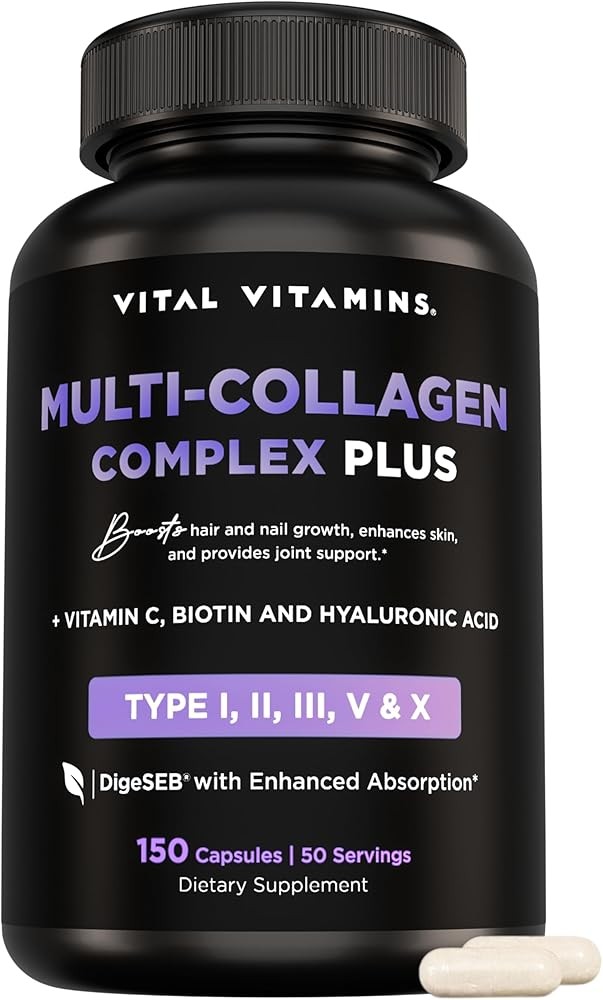
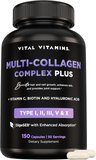
- For multi-type collagen coverage: Vital Vitamins Multi Collagen delivers types I, II, III, V, and X with biotin, hyaluronic acid, and vitamin C.
All four use hydrolyzed collagen, which is the form with human trial evidence, and all were selected on ingredient quality and third-party testing rather than marketing claims.
References
Varani J, Dame MK, Rittie L, et al. “Decreased Collagen Production in Chronologically Aged Skin.” American Journal of Pathology, 2006;168(6):1861-1868. PubMed | DOI
Shigemura Y, et al. “Effect of Prolyl-hydroxyproline (Pro-Hyp), a food-derived collagen peptide in human blood, on growth of fibroblasts from mouse skin.” Journal of Agricultural and Food Chemistry, 2009. PubMed
de Miranda RB, Weimer P, Rossi RC. “Effects of hydrolyzed collagen supplementation on skin aging: a systematic review and meta-analysis.” International Journal of Dermatology, 2021;60(12):1449-1461. PubMed | DOI
Pu SY, et al. “Effects of Oral Collagen for Skin Anti-Aging: A Systematic Review and Meta-Analysis.” Nutrients, 2023;15(9):2080. PubMed | DOI
Myung SK, Park, et al. “Effects of Collagen Supplements on Skin Aging: A Systematic Review and Meta-Analysis of Randomized Controlled Trials.” The American Journal of Medicine, 2025;138:1264-1277. PubMed
Proksch E, Segger D, Degwert J, et al. “Oral supplementation of specific collagen peptides has beneficial effects on human skin physiology: a double-blind, placebo-controlled study.” Skin Pharmacology and Physiology, 2014;27(1):47-55. PubMed | DOI
Asserin J, Lati E, Shioya T, Prawitt J. “The effect of oral collagen peptide supplementation on skin moisture and the dermal collagen network: evidence from an ex vivo model and randomized, placebo-controlled clinical trials.” Journal of Cosmetic Dermatology, 2015;14(4):291-301. PubMed | DOI
Pullar JM, Carr AC, Vissers MCM. “The Roles of Vitamin C in Skin Health.” Nutrients, 2017;9(8):866. PubMed | DOI
Hsu TF, et al. “Oral Hyaluronan Relieves Wrinkles and Improves Dry Skin: A 12-Week Double-Blinded, Placebo-Controlled Study.” Nutrients, 2021;13(9). PubMed
Oe M, et al. “Oral hyaluronan relieves wrinkles: a double-blinded, placebo-controlled study over a 12-week period.” Clinical, Cosmetic and Investigational Dermatology, 2017. PubMed
Kawada C, Yoshida T, Yoshida H, et al. “Ingested hyaluronan moisturizes dry skin.” Nutrition Journal, 2014;13:70. PubMed | DOI
Doleckova I, et al. “Oral sodium hyaluronate improves skin hydration, barrier function and signs of aging: a randomized, double-blind, placebo-controlled study.” Scientific Reports, 2025. PubMed
Zhou X, Cao T, Orfila C, Zhao J, Zhang X. “Systematic Review and Meta-Analysis on the Effects of Astaxanthin on Human Skin Ageing.” Nutrients, 2021;13(9). PubMed
Tominaga K, Hongo N, Karato M, Yamashita E. “Protective effects of astaxanthin on skin deterioration.” Journal of Clinical Biochemistry and Nutrition, 2017;61(1):33-39. PubMed | DOI
Ito N, Seki S, Ueda F. “The Protective Role of Astaxanthin for UV-Induced Skin Deterioration in Healthy People – A Randomized, Double-Blind, Placebo-Controlled Trial.” Nutrients, 2018;10(7):817. PubMed | DOI
Yang Q, et al. “Effectiveness of dietary supplements for skin photoaging in healthy adults: a systematic review and meta-analysis.” Frontiers in Medicine, 2025. PubMed
Niseteo T, et al. “Effect of Omega-3 Polyunsaturated Fatty Acid Supplementation on Clinical Outcome of Atopic Dermatitis in Children.” Nutrients, 2024. PubMed
Rhodes LE, O’Farrell S, Jackson MJ, Friedmann PS. “Dietary fish-oil supplementation in humans reduces UVB-erythemal sensitivity but increases epidermal lipid peroxidation.” Journal of Investigative Dermatology, 1994. PubMed
Rhodes LE, et al. “Dietary fish oil reduces basal and ultraviolet B-generated PGE2 levels in skin and increases the threshold to provocation of polymorphic light eruption.” Journal of Investigative Dermatology, 1995. PubMed
Yee BE, Richards KA, Sui W, Marsch AF. “Serum zinc levels and efficacy of zinc treatment in acne vulgaris: A systematic review and meta-analysis.” Dermatologic Therapy, 2020;33. PubMed
Gupta M, Mahajan VK, Mehta KS, Chauhan PS. “Zinc therapy in dermatology: a review.” Dermatology Research and Practice, 2014;2014:709152. PubMed
Ogawa Y, Kinoshita M, Shimada S, Kawamura T. “Zinc and Skin Disorders.” Nutrients, 2018;10(2):199. PubMed
Sun Q, et al. Dietary supplements for skin moisturizing in healthy adults: a systematic review and meta-analysis of randomized controlled trials. Frontiers in Nutrition, 2022. PubMed
Guillou S, Ghabri S, Jeannel C, et al. “The moisturizing effect of a wheat extract food supplement on women’s skin: a randomized, double-blind placebo-controlled trial.” International Journal of Cosmetic Science, 2011;33(2):138-143. PubMed | DOI
Sanjaya A, et al. “Efficacy and Safety of Oral Administration of Wine Lees Extract (WLE)-Derived Ceramides and Glucosylceramides in Enhancing Skin Barrier Function: A Randomized, Double-Blind, Placebo-Controlled Study.” Nutrients, 2024;16. PubMed
Yelich A, et al. “Biotin for Hair Loss: Teasing Out the Evidence.” Journal of Clinical and Aesthetic Dermatology, 2024. PubMed
Mock DM. “Skin manifestations of biotin deficiency.” Seminars in Dermatology, 1991. PubMed
Werninghaus K, Meydani M, Bhawan J, et al. “Evaluation of the photoprotective effect of oral vitamin E supplementation.” Archives of Dermatology, 1994;130(10):1257-1261. PubMed
McArdle F, Rhodes LE, Parslew RA, et al. “Effects of oral vitamin E and beta-carotene supplementation on ultraviolet radiation-induced oxidative stress in human skin.” American Journal of Clinical Nutrition, 2004;80(5):1270-1275. PubMed
Lin FH, Lin JY, Gupta RD, et al. “Ferulic acid stabilizes a solution of vitamins C and E and doubles its photoprotection of skin.” Journal of Investigative Dermatology, 2005;125(4):826-832. PubMed | DOI
Related Reading
- Best Collagen Supplements for Wrinkles and Skin Aging: Dermatologist-Reviewed Research
- Collagen Benefits for Skin, Joints, and Gut Health: The Complete Science-Backed Guide
- Vitamin C Megadosing for Immune Support: What the Research Actually Shows
- Best Supplements for Skin Tightening and Anti-Aging: Collagen, Elastin, and What Research Shows
- Best Peptide Supplements: BPC-157, Collagen Peptides, and What the Research Shows
- Is Collagen Worth Taking? What the Research Shows
- Best Supplements for Hair Growth: Biotin, Collagen, and What Actually Works
- Best Omega-3 Supplements: Fish Oil vs Krill Oil
- Best Zinc Supplements for Immune Function
- Best Anti-Aging Supplements Backed by Research
- Best Supplements for Gut Health and Digestion
Recommended Products