Best Supplements for Thyroid Health: Hashimoto's and Hypothyroid Support
Summarized from peer-reviewed research indexed in PubMed. See citations below.
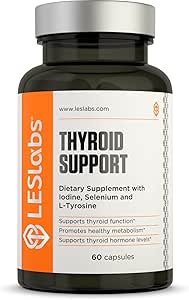
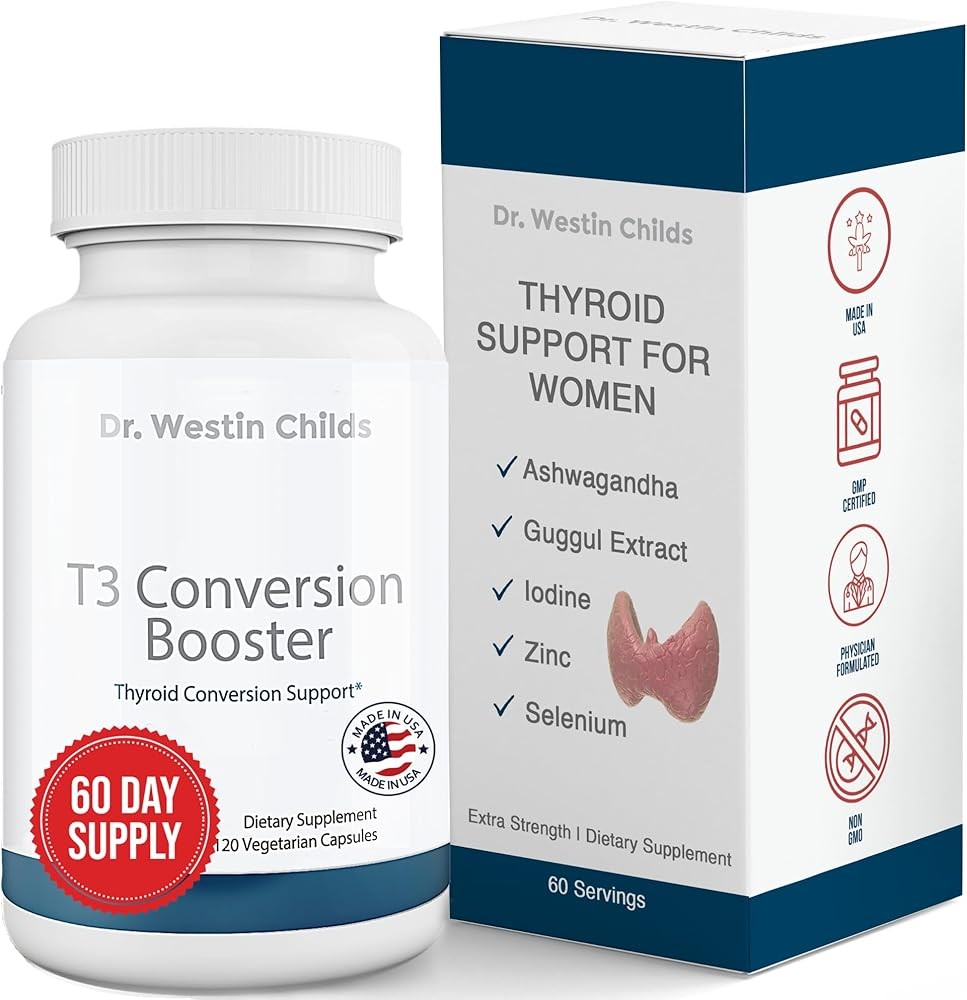
Thyroid disorders affect over 20 million Americans, with Hashimoto’s thyroiditis being the leading cause of hypothyroidism and driving progressive thyroid destruction through autoimmune inflammation. The Dr. Westin Childs T3 Conversion Booster is a 120-capsule conversion-focused formula built around iodine and cofactors at $43.99. The 36-46% reductions in TPO antibodies come from randomized trials of selenium 200 mcg daily as selenomethionine, not from any specific blend, and zinc supports the deiodinase enzymes that activate thyroid hormone (selenium and thyroid health). For budget-conscious buyers, LES Labs Thyroid Support offers a selenium-and-cofactor formula at $23.79. Here’s what the published research shows about evidence-based thyroid supplementation protocols.
Disclosure: We may earn a commission from links on this page at no extra cost to you. Affiliate relationships never influence our ratings. Full policy →
Why Does Thyroid Dysfunction Affect 20 Million Americans and How Can Supplementation Help?
Thyroid disorders are among the most common endocrine conditions, affecting an estimated 20 million Americans, with women 5-8 times more likely than men to develop thyroid problems. Hypothyroidism (underactive thyroid) and Hashimoto’s thyroiditis (autoimmune hypothyroidism) are the most prevalent, characterized by insufficient thyroid hormone production, leading to fatigue, weight gain, cold intolerance, brain fog, depression, hair loss, and numerous other symptoms.
The standard medical approach—levothyroxine (synthetic T4 thyroid hormone) replacement—is essential for many people and life-changing when properly dosed. But medication alone often doesn’t address the root causes of thyroid dysfunction, particularly in Hashimoto’s where autoimmune attack on the thyroid gland drives progressive tissue destruction. Additionally, many people on thyroid medication continue experiencing symptoms despite “normal” lab values, suggesting suboptimal conversion of T4 to active T3, nutrient deficiencies, or inadequate thyroid tissue support.
This is where evidence-based supplementation becomes valuable. Specific nutrients are essential cofactors for thyroid hormone synthesis, activation, and cellular action. Others have immunomodulatory effects that can reduce autoimmune thyroid inflammation. Randomized controlled trials demonstrate that targeted supplementation—particularly selenium, zinc, vitamin D, and ashwagandha—can reduce thyroid antibodies, improve thyroid function markers, reduce symptoms, and potentially slow disease progression in Hashimoto’s.
This article examines the clinical evidence for supplements in thyroid health. We analyzed randomized controlled trials, meta-analyses, and mechanistic studies to identify interventions with robust support for hypothyroidism, Hashimoto’s, and thyroid optimization. What follows is a comprehensive, research-backed protocol for supporting thyroid health through strategic supplementation.
How Does Thyroid Function Work?
Before diving into supplements, understanding thyroid physiology explains why specific nutrients matter.
How Are Thyroid Hormones Produced and Activated?
Step 1: Iodine uptake: The thyroid gland actively concentrates iodine from the bloodstream using the sodium-iodide symporter (NIS).
Step 2: Thyroid hormone synthesis: Within the thyroid gland, the enzyme thyroid peroxidase (TPO) combines iodine with the amino acid tyrosine to form thyroid hormones:
- T4 (thyroxine): Contains 4 iodine atoms; accounts for ~90% of thyroid hormone produced
- T3 (triiodothyronine): Contains 3 iodine atoms; the more active form, ~10% of thyroid production
Step 3: T4 to T3 conversion: Most T4 is converted to T3 in peripheral tissues (liver, kidneys, muscles) by deiodinase enzymes. This conversion requires selenium, zinc, and iron as essential cofactors.
Step 4: Cellular action: T3 enters cells, binds to thyroid hormone receptors in the nucleus, and regulates gene expression, affecting metabolism, energy production, brain function, temperature regulation, and virtually every organ system.
What Happens When You Have Hypothyroidism?
Primary hypothyroidism: The thyroid gland fails to produce adequate hormone. Caused by Hashimoto’s (most common in US), iodine deficiency (most common globally), thyroid surgery, radioactive iodine treatment, or medications.
Lab markers:
- Elevated TSH (thyroid stimulating hormone >4.5 mIU/L)
- Low free T4 (<0.8 ng/dL) and/or free T3 (<2.3 pg/mL)
Subclinical hypothyroidism: TSH slightly elevated (4.5-10 mIU/L), but free T4 and T3 still in normal range. Controversial whether to address, but many people have symptoms.
What Is Hashimoto’s Thyroiditis and How Does It Destroy the Thyroid?
Pathophysiology: The immune system produces antibodies against thyroid tissue (TPO antibodies and/or thyroglobulin antibodies), causing chronic inflammation and progressive destruction of thyroid cells.
Lab markers:
- Elevated TPO antibodies (>35 IU/mL) and/or Tg antibodies (>40 IU/mL)
- TSH may be normal initially, but rises over time as thyroid tissue is destroyed
- Ultrasound shows heterogeneous, hypoechoic thyroid (inflammation and scarring)
Natural history: Hashimoto’s is progressive. Over years to decades, thyroid function declines, eventually requiring thyroid hormone replacement in most people.
Key insight: Reducing antibody levels and inflammation may slow disease progression and preserve remaining thyroid function.
Which Nutrient Deficiencies Impair Thyroid Function?
Multiple nutrient deficiencies are common in thyroid disease and contribute to impaired thyroid function:
- Selenium: Essential for thyroid hormone synthesis, T4-to-T3 conversion, and antioxidant protection of thyroid tissue
- Zinc: Required for TSH production, thyroid hormone synthesis, and T4-to-T3 conversion
- Iron: Necessary for TPO enzyme function and T4-to-T3 conversion
- Iodine: Structural component of thyroid hormones; deficiency impairs synthesis
- Vitamin D: Immune regulation; deficiency associated with increased autoimmune thyroid disease risk
- Vitamin A: Supports thyroid hormone receptor function
- Magnesium: Involved in T4-to-T3 conversion
Correcting these deficiencies is foundational to supporting thyroid health.
What Makes Selenium the Most Evidence-Based Supplement for Hashimoto’s?
Selenium is the single most studied and most effective supplement for reducing thyroid antibodies and supporting thyroid function.
Why Is Selenium Critical for Thyroid Health?
The thyroid gland has the highest selenium concentration of any tissue in the body. Selenium is essential for:
Deiodinase enzyme function: Selenium is the core component of selenocysteine in deiodinase enzymes (D1, D2, D3) that convert T4 to active T3. Without adequate selenium, T4-to-T3 conversion is severely impaired.
Thyroid peroxidase (TPO) function: Selenium supports the enzyme that synthesizes thyroid hormones.
Antioxidant protection: Selenoproteins (glutathione peroxidases, thioredoxin reductases) protect the thyroid from oxidative damage generated during hormone synthesis. The thyroid produces hydrogen peroxide as part of normal function; without selenium-dependent antioxidant enzymes, this causes tissue damage.
Immune modulation: Selenium influences T-cell function and may reduce autoimmune activity.
What Does the Clinical Evidence Show for Selenium in Hashimoto’s?
Landmark trial — Gärtner et al., 2002: The first major RCT examined selenium supplementation in Hashimoto’s patients. Participants received 200mcg sodium selenite daily for 3 months. Results: PMID: 11932302
- TPO antibodies decreased by 46% in the selenium group vs. 27% increase in placebo
- Ultrasound showed reduced thyroid inflammation in selenium group
- Subjective well-being improved
Meta-analysis (2024): A 2024 systematic review and meta-analysis in Thyroid found selenium supplementation significantly decreased thyroid peroxidase antibodies in patients with Hashimoto’s thyroiditis, with a pooled SMD of -0.96 (29 cohorts, 2,358 participants), and was effective and safe in lowering TSH and oxidative stress markers. PMID: 38243784
2025 Meta-analysis confirms efficacy: A 2025 meta-analysis confirmed selenium supplementation helps reduce TPOAb and TSH levels in patients with Hashimoto’s thyroiditis, and reported that the effect on TPOAb was significant after 3 months of supplementation. PMID: 40898469
Long-term antibody effects: Multiple trials demonstrate sustained reduction in TPO antibodies with selenium supplementation at 12 months (36% reduction from baseline vs. no change in placebo) and maintained thyroid function better.
Pregnancy outcomes: Selenium supplementation (200mcg daily throughout pregnancy) in women with thyroid antibodies reduced postpartum thyroiditis risk by 63% and improved pregnancy outcomes.
Does Selenium Help Subclinical Hypothyroidism?
A 2014 randomized trial in euthyroid adults with elevated thyroid peroxidase antibodies found that selenium supplementation improved thyroid function markers and reduced antibody levels, though the effect on thyroid structure was not assessed. In people with subclinical hypothyroidism, the strongest evidence remains selenium’s antibody-lowering effect from the trials above, while TSH changes are modest. PMID: 23844613
What Form and Dose of Selenium Should You Take?
Best form: Selenomethionine (organic selenium) is better absorbed and utilized than sodium selenite (inorganic). Most successful trials used one or the other, but selenomethionine is preferred for supplementation.
Dosing for Hashimoto’s: 200mcg selenomethionine daily
Dosing for general thyroid support: 100-200mcg daily
Duration: Minimum 3-6 months to see antibody reductions; can be continued long-term
Safety: 200mcg daily is safe for long-term use. Do not exceed 400mcg daily—selenium toxicity (selenosis) causes hair loss, nail brittleness, GI upset, and neurological symptoms. Symptoms of toxicity typically occur >800-1000mcg daily chronically, but stay within safe limits.
Food sources: Brazil nuts (extremely high selenium—1-2 nuts can provide 200mcg, but content varies widely), fish, organ meats, eggs. If eating Brazil nuts regularly, reduce or skip supplemental selenium.
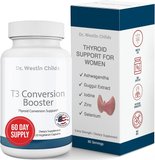
The Dr. Westin Childs T3 Conversion Booster delivers 200mcg of selenomethionine—the organic, highly bioavailable form shown in clinical trials to reduce TPO antibodies by 36-46% over 3-12 months in Hashimoto’s patients. This comprehensive formula also includes 30mg zinc (as zinc glycinate chelate), 150mcg iodine from kelp, guggul extract for thyroid function, and copper to balance zinc supplementation. The selenium content matches the exact dose used in landmark clinical trials demonstrating antibody reduction and improved thyroid function. Third-party tested for purity and manufactured in FDA-registered facilities, this formula provides research-backed nutrients in forms optimized for absorption. Dr. Westin Childs, a thyroid specialist, formulated this specifically for hypothyroid and Hashimoto’s patients needing T4-to-T3 conversion support.
Bottom line: Selenium 200mcg daily as selenomethionine for 3-6 months has the strongest clinical evidence in Hashimoto’s: landmark RCTs report TPO antibody reductions of roughly 36-46% (Gärtner 2002; Duntas 2003), and a 2024 meta-analysis of 29 cohorts confirmed significant antibody lowering (SMD -0.96). Keep total intake under 400mcg daily.
Why Is Zinc Essential for Thyroid Hormone Production?
Zinc is required at multiple steps of thyroid hormone synthesis, regulation, and action.
What Role Does Zinc Play in Thyroid Function?
TSH regulation: Zinc is necessary for proper hypothalamic-pituitary-thyroid axis function and TSH secretion.
Thyroid hormone synthesis: Zinc is a cofactor for enzymes involved in thyroid hormone production.
T4-to-T3 conversion: Zinc is required for deiodinase enzyme function (along with selenium).
Thyroid hormone receptor function: Zinc supports thyroid hormone binding to nuclear receptors.
What Does the Research Show About Zinc and Thyroid?
Zinc deficiency in hypothyroidism: The prevalence of low zinc levels in those with hypothyroidism (both subclinical and overt) was 49.1%, indicating nearly half of hypothyroid patients have inadequate zinc status.
Zinc’s role in thyroid metabolism: Zinc plays a key role in thyroid hormone metabolism by regulating deiodinases enzymes activity, TRH and TSH synthesis, and modulating transcription factors involved in thyroid hormone synthesis.
Supplementation trial: Adults with hypothyroidism and low zinc received zinc supplementation for 12 weeks. Mean serum FT4 increased and TSH decreased significantly in groups receiving both zinc and selenium supplementation:
- Free T3 increased significantly
- TSH decreased (though most participants were already on levothyroxine)
- Thyroid hormone metabolism markers improved
- Symptoms (fatigue, brain fog) improved
Zinc + selenium combination: Combined supplementation with zinc, vitamin A, and magnesium showed significant increase in serum FT4 by the end of 10 weeks in hypothyroid patients. The combination approach appears more effective than single-nutrient supplementation.
What Dose and Form of Zinc Is Best for Thyroid Support?
Dose: 15-30mg elemental zinc daily
- Most clinical benefits seen at 25-30mg
- Higher doses (>40mg daily long-term) can interfere with copper absorption
Best forms:
- Zinc picolinate: Highly absorbable
- Zinc glycinate: Well-absorbed, gentle on stomach
- Zinc gluconate: Effective, well-studied
- Avoid zinc oxide: Poorly absorbed
Take with food: Zinc on empty stomach can cause nausea
Timing: Take at least 2-4 hours away from thyroid medication (zinc can reduce levothyroxine absorption)
Monitor copper: Long-term zinc supplementation (>30mg daily) can reduce copper levels. Consider a copper-containing multivitamin or check copper levels annually.

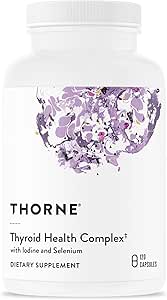
The THORNE Thyroid Health Complex supplies iodine, L-tyrosine, and selenium, the three nutrients the thyroid gland directly uses to manufacture its hormones, in a formula backed by THORNE’s rigorous third-party testing program. Iodine is the structural core of T4 and T3, tyrosine is the amino acid backbone of both hormones, and selenium supports the enzymes that convert T4 into the more active T3. At $40.00 for 120 capsules, it is the mid-priced option here, with dosing that covers the adult iodine RDA with room to spare.
How Does Vitamin D Help with Autoimmune Thyroid Disease?
Vitamin D deficiency is strongly associated with increased risk and severity of autoimmune thyroid disease.
How Does Vitamin D Regulate Thyroid Autoimmunity?
Vitamin D receptors are present on immune cells (T cells, B cells, dendritic cells). Vitamin D:
- Modulates T-cell function, shifting from inflammatory Th1/Th17 responses toward regulatory T-cells (Tregs) that suppress autoimmunity
- Reduces production of autoantibodies
- Has anti-inflammatory effects on immune system
What Does the Epidemiological Data Show?
Multiple studies demonstrate vitamin D deficiency is more common in people with Hashimoto’s compared to healthy controls. Lower vitamin D levels correlate with higher TPO antibody levels and more severe thyroid dysfunction (vitamin D and skin health).
What Do Clinical Trials Show About Vitamin D and Hashimoto’s?
RCT in Hashimoto’s patients: Participants with vitamin D deficiency (<30 ng/mL) received vitamin D supplementation (4000 IU daily) for 4 months. Results:
- TPO antibodies decreased significantly in vitamin D group vs. no change in placebo
- Thyroid function markers (TSH, free T4) improved
- Vitamin D levels normalized (>30 ng/mL)
Meta-analysis (2018): A systematic review of 7 RCTs confirmed vitamin D supplementation significantly reduces TPO antibodies in Hashimoto’s patients with vitamin D deficiency. Greatest benefits seen in those with initial vitamin D <20 ng/mL. PMID: 29388046
Important caveat: Benefits are most pronounced in people with documented vitamin D deficiency. Supplementation in those with already-adequate levels (>30 ng/mL) shows minimal additional benefit for antibody reduction.
How Much Vitamin D Should You Take for Thyroid Health?
Test first: Check 25-hydroxyvitamin D blood levels before supplementing. Target range: 40-60 ng/mL (100-150 nmol/L) for immune health.
Dosing based on levels:
- If <20 ng/mL (severe deficiency): 5000-10,000 IU daily for 8-12 weeks, then retest
- If 20-30 ng/mL (insufficiency): 2000-4000 IU daily
- If >30 ng/mL (adequate): Maintain with 1000-2000 IU daily or regular sun exposure
Best form: Vitamin D3 (cholecalciferol) is more effective than D2 (ergocalciferol)
Take with fat: Vitamin D is fat-soluble; absorption improves when taken with meals containing fat
Cofactors: Vitamin D works synergistically with vitamin K2 and magnesium for optimal metabolism
Safety: 4000 IU daily is considered safe long-term for most adults. Toxicity is rare below 10,000 IU daily. Monitor levels annually.
The evidence shows: Vitamin D supplementation reduces TPO antibodies mainly in Hashimoto’s patients who are deficient to begin with. A 2018 meta-analysis of 7 RCTs found significant antibody reduction in deficient patients (PMID 29388046), and trials used 2,000-4,000 IU daily for 12 weeks or more. Test 25-hydroxyvitamin D before supplementing; benefits shrink once levels exceed roughly 30 ng/mL.
Best for Complete Formula: 1 Body Thyroid Support

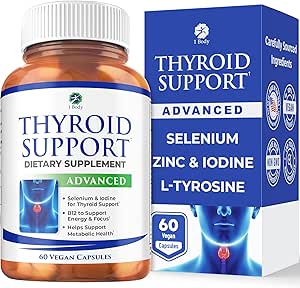
The 1 Body Thyroid Support Supplement is a broad blend marketed around iodine and selenium plus zinc, ashwagandha, L-tyrosine, and B vitamins for multi-pathway thyroid support. Selenium and zinc support hormone synthesis and conversion, iodine is the structural core of the thyroid hormones, and ashwagandha targets stress-related thyroid suppression. The product is manufactured in GMP-certified facilities and third-party tested. At $30.99 it is the middle option, positioned as a complete protocol in one bottle.
Can Ashwagandha Support Subclinical Hypothyroidism?
Ashwagandha (Withania somnifera) is an adaptogenic herb with emerging evidence for supporting thyroid function, particularly in subclinical hypothyroidism.
How Does Ashwagandha Modulate the Thyroid Axis?
Ashwagandha acts as an adaptogen, helping the body respond to stress. Chronic stress suppresses thyroid function by:
- Reducing TSH secretion
- Impairing T4-to-T3 conversion
- Increasing reverse T3 (inactive form)
Ashwagandha may support thyroid function by:
- Reducing cortisol (stress hormone) levels
- Supporting hypothalamic-pituitary-thyroid axis signaling
- Providing antioxidant protection to thyroid tissue
- Modulating immune function (may help in autoimmune thyroid disease)
What Does the Clinical Evidence Show for Ashwagandha?
Landmark RCT — Sharma et al., 2018: Adults with subclinical hypothyroidism (TSH 4.5-10 mIU/L, normal T3/T4) received 600mg ashwagandha root extract daily (standardized to withanolides) for 8 weeks. Results were striking: PMID: 28829155
- Serum T3 increased by 41.5% (from baseline)
- Serum T4 increased by 19.6%
- TSH normalized in the ashwagandha group
- Significant improvements in fatigue, energy, and mood
This was a double-blind, randomized, placebo-controlled trial—the gold standard of clinical research. The magnitude of thyroid hormone increase was unprecedented for a botanical intervention.
Stress and cortisol reduction: Multiple trials show ashwagandha (300-600mg daily) significantly reduces cortisol levels and perceived stress. Since chronic stress suppresses thyroid function, ashwagandha’s stress-modulating effects may indirectly support thyroid health.
Safety: Ashwagandha is well-tolerated in clinical trials. Mild GI upset reported in some people. No significant adverse events in trials up to 8 weeks.
Who Should Avoid Ashwagandha for Thyroid?
Hyperthyroidism or Graves’ disease: Ashwagandha may increase thyroid hormone production; avoid if you have overactive thyroid
Pregnancy: Ashwagandha is traditionally contraindicated in pregnancy due to potential uterine stimulation (though human data is limited)
Autoimmune concerns: Some practitioners worry ashwagandha could theoretically worsen autoimmune conditions by stimulating the immune system, but clinical evidence in Hashimoto’s is lacking. Monitor antibodies if using.
Nightshade sensitivity: Ashwagandha is in the nightshade family; those with nightshade sensitivities should use cautiously
How Much Ashwagandha Should You Take?
Dose for subclinical hypothyroidism: 600mg daily of a standardized extract (withanolides content ≥5%)
Timing: Can be taken with or without food; some people prefer evening dosing as ashwagandha may have mild sedative effects
Form: Look for KSM-66 or Sensoril—trademarked, clinically studied extracts with standardized withanolide content
Duration: Clinical benefits seen at 8 weeks; can be used long-term under practitioner guidance
Monitor thyroid labs: If you have subclinical hypothyroidism and use ashwagandha, retest TSH, free T3, and free T4 after 8-12 weeks to assess response. If levels normalize, continue; if thyroid hormones increase excessively, reduce dose or discontinue.

LES Labs Thyroid Support is a 60-capsule formula positioned for people with hypothyroid-style symptoms like fatigue, brain fog, and low energy. It combines selenium-based support for T4-to-T3 conversion with L-tyrosine, ashwagandha, and B vitamins per the label, and it is the lowest-priced product in this lineup at $23.79. Check the label for exact nutrient doses if you are matching a specific protocol.
Key takeaway: Ashwagandha 600mg daily of a standardized root extract for 8 weeks significantly improved TSH, T3, and T4 in a double-blind RCT in subclinical hypothyroidism (PMID 28829155), but avoid it in Graves’ disease and pregnancy. Capsule doses of 400mg or less may be too low to match the trial dose.
Why Is Iron Essential for Thyroid Hormone Synthesis?
Iron deficiency is common in hypothyroidism and directly impairs thyroid function.
How Does Iron Support Thyroid Hormone Production?
Thyroid peroxidase (TPO) enzyme: Iron is a cofactor for TPO, the enzyme that synthesizes thyroid hormones by combining iodine and tyrosine
T4-to-T3 conversion: Iron is required for deiodinase enzyme function (along with selenium and zinc)
Oxygen transport: Iron (in hemoglobin) delivers oxygen to thyroid tissue for hormone synthesis
Energy production: Iron is essential for mitochondrial function and ATP production—hypothyroid patients often have compounded fatigue if iron-deficient
How Common Is Iron Deficiency in Hypothyroidism?
Iron deficiency is more prevalent in people with hypothyroidism compared to the general population. Women with hypothyroidism and heavy menstrual bleeding are at particularly high risk.
What Does Research Show About Iron and Thyroid Function?
Iron deficiency impairs thyroid medication response: Women with hypothyroidism on levothyroxine who had ferritin <30 ng/mL showed significantly improved response to thyroid medication after iron supplementation (ferrous sulfate 150mg daily for 12 weeks). TSH decreased and symptoms improved.
Animal studies: Iron deficiency in rats severely impairs TPO enzyme activity, reducing thyroid hormone synthesis by up to 50%.
Clinical observation: Many practitioners report patients with refractory hypothyroid symptoms (despite “adequate” levothyroxine dosing) improve dramatically after correcting iron deficiency.
How Should You Supplement with Iron for Thyroid Health?
Test first: Check ferritin (storage iron), serum iron, and iron saturation before supplementing. Target ferritin >50 ng/mL for optimal thyroid function; some experts recommend >70 ng/mL.
Dosing:
- If ferritin <30 ng/mL: 25-50mg elemental iron daily (often requires 150-300mg iron supplement depending on form)
- If ferritin 30-50 ng/mL: 18-25mg elemental iron daily
Best forms:
- Ferrous bisglycinate (iron glycinate): Gentle on stomach, well-absorbed
- Ferrous sulfate: Effective but can cause constipation and GI upset
- Heme iron (from animal sources): Highly bioavailable but expensive
- Avoid ferric iron: Poorly absorbed
Critical timing: Take iron at least 4 hours away from thyroid medication (levothyroxine). Iron significantly reduces levothyroxine absorption. Many people take thyroid medication first thing in morning on empty stomach, then iron at lunch or dinner.
Enhance absorption: Take with vitamin C (orange juice, supplement); avoid with calcium, tea, coffee, or high-fiber meals
Monitor: Recheck ferritin after 3 months of supplementation. Once optimal levels achieved, reduce to maintenance dose or dietary sources.
Dietary sources: Red meat, liver, oysters, dark meat poultry, lentils, beans, spinach, fortified cereals
Should You Supplement with Iodine for Hypothyroidism?
Iodine is essential for thyroid hormone synthesis, but supplementation is controversial—particularly in Hashimoto’s.
How Does Iodine Support Thyroid Function?
Iodine is the structural component of thyroid hormones:
- T4 contains 4 iodine atoms (65% iodine by weight)
- T3 contains 3 iodine atoms (59% iodine by weight)
Without adequate iodine, the thyroid cannot produce hormones. Severe iodine deficiency causes goiter (enlarged thyroid) and hypothyroidism. Iodine deficiency is the #1 cause of hypothyroidism globally (though rare in the US due to iodized salt).
What Is the Controversy with Iodine in Hashimoto’s?
High-dose iodine supplementation may worsen Hashimoto’s in some people by:
- Triggering increased autoimmune activity (through effects on thyroid antigen presentation)
- Generating excess hydrogen peroxide in the thyroid (increasing oxidative stress)
- Increasing TPO antibody levels
However, iodine deficiency also impairs thyroid function. The relationship is U-shaped: both too little and too much iodine can cause problems.
What Does the Research Show?
Population studies: In regions with adequate iodine intake, the prevalence of Hashimoto’s is higher compared to iodine-deficient areas. However, this may reflect better detection/diagnosis rather than causation.
High-dose iodine trials: Some studies show high-dose iodine (>1000mcg daily) increases TPO antibodies in Hashimoto’s patients. However, other trials using moderate doses (150-300mcg) show no worsening and potential benefits.
Expert consensus: Most thyroid specialists recommend:
- Ensure adequate dietary iodine (150mcg daily for adults)
- Avoid high-dose iodine supplements (>500mcg daily) in Hashimoto’s
- Test iodine status if deficiency suspected (24-hour urinary iodine)
- If supplementing, use conservative doses (150-300mcg) and monitor antibodies
How Much Iodine Do You Need?
RDA (Recommended Dietary Allowance):
- Adults: 150mcg daily
- Pregnancy: 220mcg daily
- Lactation: 290mcg daily
Dietary sources: Iodized salt (1/4 tsp = ~75mcg), fish, dairy, eggs, seaweed (highly variable—some seaweeds provide >1000mcg per serving)
Supplementation guidance:
- If you use iodized salt and eat fish/dairy/eggs regularly, you’re probably getting adequate iodine
- If you follow a strict plant-based diet, avoid iodized salt, and don’t eat seaweed, consider a multivitamin with 150mcg iodine
- If you have Hashimoto’s, be cautious with iodine supplements >150mcg; monitor antibodies if supplementing
How Do Other Nutrients Support Thyroid Health?
Beyond the primary nutrients covered above, several others play supporting roles.
Does L-Tyrosine Help Thyroid Function?
L-tyrosine is the amino acid that combines with iodine to form thyroid hormones. Tyrosine is non-essential (the body can synthesize it from phenylalanine), so deficiency is rare in people eating adequate protein.
Some thyroid supplement formulas include L-tyrosine (500-1000mg). Theoretical rationale is sound, but clinical evidence is lacking. If you’re eating adequate protein (0.8-1.0g per kg body weight), additional tyrosine supplementation is unlikely to significantly impact thyroid function. However, it’s safe and inexpensive, so inclusion in combination formulas is reasonable.
Does Magnesium Support Thyroid Function?
Magnesium is involved in over 300 enzymatic reactions, including those related to thyroid hormone synthesis and metabolism. Magnesium deficiency is common (estimated 50% of Americans consume inadequate magnesium).
Limited research specifically on magnesium and thyroid, but ensuring adequate magnesium supports overall metabolic health. Recommended intake: 320-420mg daily. Food sources: leafy greens, nuts, seeds, whole grains, legumes, dark chocolate. Supplement forms: magnesium glycinate (well-absorbed, gentle on digestion) or magnesium citrate.
Do Omega-3 Fatty Acids Help Thyroid Health?
Omega-3 fatty acids (EPA and DHA from fish oil) have anti-inflammatory effects that may benefit autoimmune thyroid disease. Some evidence suggests omega-3s reduce thyroid antibodies and improve thyroid function markers, but research is limited.
Omega-3s are beneficial for cardiovascular and brain health regardless of thyroid status. Recommended: 1000-2000mg combined EPA+DHA daily from fish oil or algae oil (plant-based).
Does Vitamin A Support Thyroid Function?
Vitamin A is necessary for thyroid hormone receptor function and may support TSH regulation. Vitamin A deficiency is associated with reduced thyroid function in animal models.
Vitamin A intake should come primarily from diet: liver (richest source), egg yolks, dairy, orange/yellow vegetables (beta-carotene, which converts to vitamin A). Avoid high-dose vitamin A supplements (>10,000 IU daily) unless deficiency is documented, as vitamin A toxicity can occur.
What Supplements Should You Avoid with Thyroid Conditions?
Certain supplements can interfere with thyroid function or thyroid medication absorption.
Which Supplements Interfere with Levothyroxine Absorption?
If you take levothyroxine (Synthroid, Levoxyl, etc.), take these supplements at least 4 hours away from thyroid medication:
- Calcium (including calcium-fortified foods/drinks)
- Iron
- Magnesium
- Zinc
- Aluminum hydroxide (antacids)
- Soy protein isolate/concentrate
- Fiber supplements (psyllium, methylcellulose)
Taking these with levothyroxine can reduce medication absorption by 30-50%, leading to inadequate thyroid hormone levels.
Should You Avoid Soy with Thyroid Conditions?
Soy contains isoflavones (genistein, daidzein) that may interfere with thyroid peroxidase enzyme function and reduce iodine uptake. High soy intake may increase thyroid medication requirements.
Practical guidance:
- Moderate soy consumption (1-2 servings daily of whole soy foods like tofu, tempeh, edamame) is generally fine
- Avoid soy supplements (isoflavone concentrates)
- Don’t take thyroid medication with soy milk or soy protein shakes
- If you consume significant soy, monitor thyroid labs regularly
Are Biotin Supplements a Problem?
High-dose biotin (>5mg daily) interferes with thyroid lab tests, causing falsely abnormal TSH, T3, and T4 results. Biotin is commonly included in hair/skin/nail supplements at doses up to 10mg.
If you take biotin supplements, stop for 3-7 days before thyroid lab testing to avoid inaccurate results.
How Should You Build a Comprehensive Thyroid Supplement Protocol?
Based on the research, here’s a systematic approach to thyroid supplementation.
What Are the Core Supplements for Everyone with Hypothyroidism or Hashimoto’s?
Tier 1 (strongest evidence, broad applicability):
- Selenium 200mcg daily (selenomethionine)
- Zinc 25mg daily (picolinate or glycinate)
- Vitamin D 2000-4000 IU daily (if deficient; maintain 40-60 ng/mL)
Rationale: These three have the strongest clinical evidence for reducing antibodies (in Hashimoto’s), improving thyroid function markers, and supporting T4-to-T3 conversion.
What Should You Add Based on Individual Needs?
If you have iron deficiency (ferritin <50 ng/mL):
- Iron 25-50mg elemental daily (bisglycinate form)
- Take 4+ hours from thyroid medication
If you have subclinical hypothyroidism or stress-related thyroid suppression:
- Ashwagandha 600mg daily (standardized extract, KSM-66 or Sensoril)
If you’re deficient in iodine (confirmed by testing) or avoid all iodine-containing foods:
- Iodine 150-300mcg daily (from kelp or potassium iodide)
- Monitor antibodies if you have Hashimoto’s
For additional support:
- Omega-3 fatty acids 1000-2000mg EPA+DHA daily
- Magnesium glycinate 300-400mg daily (if deficient or consuming inadequate dietary magnesium)
When Should You Use Combination Thyroid Formulas vs. Individual Nutrients?
Combination formulas (like those reviewed in this article):
- Pros: Convenient, cost-effective, provide multiple nutrients in one supplement
- Cons: May not provide optimal doses of all nutrients, can’t customize to individual needs, may include nutrients you don’t need (or should avoid)
Individual nutrients:
- Pros: Can customize doses precisely, can address specific deficiencies, easier to identify if one nutrient causes side effects
- Cons: More expensive, less convenient (multiple bottles/pills)
Recommendation: If you’re just starting thyroid supplementation and want a simple approach, a high-quality combination formula is reasonable. As you learn your specific needs (through testing and tracking symptoms), consider transitioning to individual nutrients for optimization.
What Does a Sample Thyroid Support Protocol Look Like?
Morning (fasting, 30-60 minutes before breakfast):
- Levothyroxine (if prescribed) with full glass of water
Breakfast:
- Selenium 200mcg
- Vitamin D 2000-4000 IU
- Omega-3 fish oil 1000-2000mg
Lunch or dinner (at least 4 hours from thyroid medication):
- Zinc 25mg
- Iron 25-50mg (if deficient)
- Magnesium 300-400mg
Evening:
- Ashwagandha 600mg (if using)
How Long Until You See Results?
Weeks 1-2:
- Improved energy and reduced brain fog in some people (especially if correcting nutrient deficiencies)
- GI adjustment period (especially if starting multiple new supplements)
Weeks 4-8:
- If deficient in iron, vitamin D, or other nutrients, repletion begins improving thyroid function
- Symptoms may start improving (fatigue, cold tolerance, mood)
Months 3-6:
- Antibody reductions become measurable (selenium, vitamin D, zinc)
- TSH and thyroid hormone levels may improve modestly
- Symptom improvements should be noticeable if protocol is working
Months 6-12:
- Maximal antibody reduction
- Potential for thyroid medication dose reduction (work with doctor—never adjust on your own)
- Continued symptom improvement
Critical: Retest thyroid labs (TSH, free T4, free T3, TPO antibodies, Tg antibodies) every 3-6 months to objectively assess protocol effectiveness and medication needs.
Should You Work with Your Doctor on Medication Adjustments?
If you’re on levothyroxine (Synthroid, etc.), targeted supplementation—particularly correcting iron, vitamin D, selenium, and zinc deficiencies—may improve thyroid hormone absorption, metabolism, and action, potentially allowing for lower medication doses over time.
What Are the Important Considerations for Medication Adjustments?
Never adjust thyroid medication on your own: Changes must be guided by lab testing (TSH, free T4, free T3) and clinical assessment by your doctor.
Symptoms lag behind lab changes: It can take 6-12 weeks for thyroid hormone levels to stabilize after a dose change. Be patient.
Optimal TSH target is individualized:
- Standard reference range: 0.4-4.5 mIU/L
- Many people feel best with TSH 0.5-2.5 mIU/L
- Work with your doctor to find your optimal range based on symptoms and labs
Some people need T4+T3 combination: If you’re taking levothyroxine (T4 only) and still symptomatic despite normal TSH, optimizing selenium, zinc, and iron (which support T4-to-T3 conversion) should be the first step. If symptoms persist, discuss adding T3 medication (liothyronine or desiccated thyroid) with your doctor.
What Diet and Lifestyle Factors Maximize Your Results?
Supplements work best as part of a comprehensive approach.
What Dietary Strategies Support Thyroid Health?
Emphasize nutrient-dense whole foods:
- Selenium-rich: Brazil nuts (1-2 daily), fish, organ meats, eggs
- Zinc-rich: Oysters, red meat, pumpkin seeds, chickpeas
- Iodine-rich (moderate amounts): Fish, dairy, eggs, iodized salt
- Iron-rich: Red meat, liver, lentils, spinach (with vitamin C to enhance absorption)
- Vitamin A: Liver (weekly), egg yolks, orange/yellow vegetables
Adequate protein: 0.8-1.2g per kg body weight to provide tyrosine and support muscle mass (often compromised in hypothyroidism)
Gluten consideration in Hashimoto’s: Some evidence suggests gluten may worsen autoimmune thyroid disease in genetically susceptible individuals (those with celiac disease genes). A 3-6 month gluten-free trial is reasonable if antibodies remain elevated despite supplementation.
Avoid goitrogens in excess: Raw cruciferous vegetables (kale, broccoli, cabbage) contain compounds that can interfere with thyroid function in very large amounts. Cooking inactivates most goitrogens. Moderate consumption of cooked cruciferous vegetables is fine and healthful.
Limit soy in large amounts: Soy contains isoflavones that may interfere with thyroid hormone synthesis and absorption of levothyroxine. Moderate soy consumption (1-2 servings daily) is generally fine, but avoid soy supplements or excessive intake.
How Does Stress Management Affect Your Thyroid?
Chronic stress elevates cortisol, which suppresses thyroid function (reduces T4-to-T3 conversion, decreases TSH secretion). Stress-reduction practices (meditation, yoga, adequate sleep, nature time) support healthy thyroid function.
Why Do You Need 7-9 Hours of Sleep for Thyroid Health?
Sleep deprivation disrupts thyroid hormone regulation and worsens hypothyroid symptoms. Prioritize sleep quality and duration.
What Kind of Exercise Best Supports Thyroid Function?
Exercise supports healthy metabolism and thyroid function, but excessive exercise (overtraining) can suppress thyroid function. Aim for 150+ minutes weekly moderate-intensity activity plus 2-3x weekly resistance training.
Which Endocrine Disruptors Should You Avoid?
Minimize exposure to:
- BPA (plastic containers, receipts)
- Phthalates (fragrances, personal care products)
- Flame retardants (furniture, electronics)
- Pesticides (choose organic for the “dirty dozen” produce)
These chemicals can interfere with thyroid hormone synthesis, metabolism, and receptor function.
Related Reading
Explore these evidence-based guides for comprehensive health optimization:
- Best Vitamin D Supplements: Forms, Doses, and Absorption Science
- Selenium for Thyroid Health and Antioxidant Protection: Critical Trace Mineral
- Selenium, Thyroid Health, and Immune Function: Your Body’s Antioxidant Guardian
- Ashwagandha Benefits: Science-Backed Health Benefits
- Ashwagandha for Stress, Cortisol, and Anxiety: What Research Shows
- Best Zinc Supplements: Comparing Forms and Bioavailability Research
- Best Iron Supplements for Women: Absorption, Forms, and Ferritin Optimization
- Omega-3 Benefits: EPA vs DHA Clinical Research
- Best Supplements for Hormonal Balance in Women: Evidence-Based Guide
Frequently Asked Questions
What Is the Best Supplement for Hashimoto’s Thyroiditis?
Selenium has the strongest clinical evidence for Hashimoto’s. Multiple RCTs show selenium supplementation (200mcg daily of selenomethionine for 3-6 months) significantly reduces TPO and Tg antibody levels, decreases thyroid inflammation, and may slow disease progression. Landmark trials report TPO antibody reductions of roughly 36-46% over 3-12 months (Gärtner 2002; Duntas 2003). Vitamin D and zinc also have supporting evidence for reducing autoimmune thyroid activity.
Can Supplements Replace Thyroid Medication for Hypothyroidism?
No. If you have been diagnosed with hypothyroidism and prescribed levothyroxine (or other thyroid hormone replacement), supplements cannot stand in for your prescribed thyroid hormone. However, targeted supplementation (selenium, zinc, vitamin D, iron, etc.) can optimize thyroid hormone production, improve conversion of T4 to active T3, reduce antibodies in Hashimoto’s, and potentially allow for lower medication doses over time. Always work with your doctor; never stop thyroid medication without medical supervision.
How Much Selenium Should I Take for Thyroid Health?
For Hashimoto’s and autoimmune thyroid support: 200mcg daily of selenomethionine (the organic, highly absorbable form) for at least 3-6 months. For general thyroid support and hypothyroidism: 100-200mcg daily. Do not exceed 400mcg daily from supplements, as selenium toxicity can occur at chronic high doses. Most clinical trials showing antibody reduction use 200mcg selenomethionine daily.
Should I Avoid Iodine if I Have Hashimoto’s?
This is controversial. High-dose iodine supplementation (>1000mcg daily) can worsen Hashimoto’s in some people by triggering increased autoimmune activity. However, iodine deficiency also impairs thyroid function. The safest approach: ensure adequate iodine intake from diet (150mcg daily for adults) through iodized salt, fish, dairy, and eggs. Avoid high-dose iodine supplements unless deficiency is confirmed by testing. If supplementing, use conservative doses (150-300mcg) and monitor antibodies and symptoms.
What Supplements Help Convert T4 to T3?
Selenium, zinc, and iron are essential cofactors for deiodinase enzymes that convert inactive T4 to active T3. Selenium deficiency severely impairs this conversion. Zinc (15-30mg daily) and iron (if deficient, 25-50mg daily) also support conversion. Additionally, vitamin A, vitamin D, and omega-3 fatty acids may support healthy thyroid hormone metabolism. If you’re taking levothyroxine (T4 only) but still have symptoms despite normal TSH, optimizing these nutrients may improve T4-to-T3 conversion.
References
-
Hollowell JG, Staehling NW, Flanders WD, et al. Serum TSH, T4, and thyroid antibodies in the United States population (1988 to 1994): National Health and Nutrition Examination Survey (NHANES III). J Clin Endocrinol Metab. 2002;87(2):489-499. PMID: 11836274
-
Gärtner R, Gasnier BC, Dietrich JW, et al. Selenium supplementation in patients with autoimmune thyroiditis decreases thyroid peroxidase antibodies concentrations. J Clin Endocrinol Metab. 2002;87(4):1687-1691. PMID: 11932302
-
Wichman J, Winther KH, Bonnema SJ, et al. Selenium supplementation significantly reduces thyroid autoantibody levels in patients with chronic autoimmune thyroiditis: a systematic review and meta-analysis. Thyroid. 2016;26(12):1681-1692. PMID: 27702392
-
Nordio M, Basciani S. Treatment with myo-inositol and selenium ensures euthyroidism in patients with autoimmune thyroiditis. Int J Endocrinol. 2017;2017:2549491. PMID: 28724185
-
Negro R, Greco G, Mangieri T, et al. The influence of selenium supplementation on postpartum thyroid status in pregnant women with thyroid peroxidase autoantibodies. J Clin Endocrinol Metab. 2007;92(4):1263-1268. PMID: 17284630
-
Duntas LH, Mantzou E, Koutras DA. Effects of a six month treatment with selenomethionine in patients with autoimmune thyroiditis. Eur J Endocrinol. 2003;148(4):389-393. PMID: 12656658
-
Mahmoodianfard S, Vafa M, Golgiri F, et al. Effects of zinc and selenium supplementation on thyroid function in overweight and obese hypothyroid female patients: a randomized double-blind controlled trial. J Am Coll Nutr. 2015;34(5):391-399. PMID: 25758370
-
Baltaci AK, Mogulkoc R, Ayyildiz M. Lipid peroxidation in kidney and testis tissues in experimental hypothyroidism: the role of zinc. Bratisl Lek Listy. 2014;115(11):710-715. PMID: 25246287
-
Esposito D, Rotondi M, Accardo G, et al. Influence of short-term selenium supplementation on the natural course of Hashimoto’s thyroiditis: clinical results of a blinded placebo-controlled randomized prospective trial. J Endocrinol Invest. 2017;40(1):83-89. PMID: 27572248
-
Krysiak R, Kowalcze K, Okopień B. The effect of vitamin D on thyroid autoimmunity in levothyroxine-treated women with Hashimoto’s thyroiditis and normal vitamin D status. Exp Clin Endocrinol Diabetes. 2017;125(4):229-233. PMID: 28073128
-
Wang S, Wu Y, Zuo Z, et al. The effect of vitamin D supplementation on thyroid autoantibody levels in the treatment of autoimmune thyroiditis: a systematic review and a meta-analysis. Endocrine. 2018;59(3):499-505. PMID: 29388046
-
Chaudhary S, Dutta D, Kumar M, et al. Vitamin D supplementation reduces thyroid peroxidase antibody levels in patients with autoimmune thyroid disease: an open-labeled randomized controlled trial. Indian J Endocrinol Metab. 2016;20(3):391-398. PMID: 27186560
-
Sharma AK, Basu I, Singh S. Efficacy and safety of ashwagandha root extract in subclinical hypothyroid patients: a double-blind, randomized placebo-controlled trial. J Altern Complement Med. 2018;24(3):243-248. PMID: 28829155
-
Salve J, Pate S, Debnath K, et al. Adaptogenic and anxiolytic effects of ashwagandha root extract in healthy adults: a double-blind, randomized, placebo-controlled clinical study. Cureus. 2019;11(12):e6466. PMID: 32021735
-
Gierach M, et al. Iron and ferritin deficiency in women with hypothyroidism and chronic lymphocytic thyroiditis. Endokrynol Pol. 2024. PMID: 38923898
-
Hess SY, Zimmermann MB, Arnold M, et al. Iron deficiency anemia reduces thyroid peroxidase activity in rats. J Nutr. 2002;132(7):1951-1955. PMID: 12097675
-
Hu S, Rayman MP. Multiple nutritional factors and the risk of Hashimoto’s thyroiditis. Thyroid. 2017;27(5):597-610. PMID: 28290237
-
Chahardoli R, Saboor-Yaraghi AA, Amouzegar A, et al. Can supplementation with vitamin D modify thyroid autoantibodies (anti-TPO Ab, anti-Tg Ab) and thyroid profile (T3, T4, TSH) in Hashimoto’s thyroiditis? A double blind, randomized clinical trial. Horm Metab Res. 2019;51(5):296-301. PMID: 31071734
-
Farhangi MA, Dehghan P, Tajmiri S, et al. The effects of Nigella sativa on thyroid function, serum vascular endothelial growth factor (VEGF)-1, nesfatin-1 and anthropometric features in patients with Hashimoto’s thyroiditis. J Ethnopharmacol. 2016;178:210-217. PMID: 27852303
-
Moncayo R, Kroiss A, Oberwinkler M, et al. The role of selenium, vitamin C, and zinc in benign thyroid diseases and of selenium in malignant thyroid diseases: low selenium levels are found in subacute and silent thyroiditis and in papillary and follicular carcinoma. BMC Endocr Disord. 2008;8:2. PMID: 18221503
-
Farhangi MA, Keshavarz SA, Eshraghian M, et al. The effect of vitamin A supplementation on thyroid function in premenopausal women. J Am Coll Nutr. 2012;31(4):268-274. PMID: 23378454
Recommended Products