7 Best Supplements for Type 2 Diabetes: Berberine Rivals Metformin in Trials
Summarized from peer-reviewed research indexed in PubMed. See citations below.
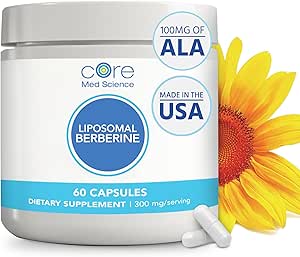
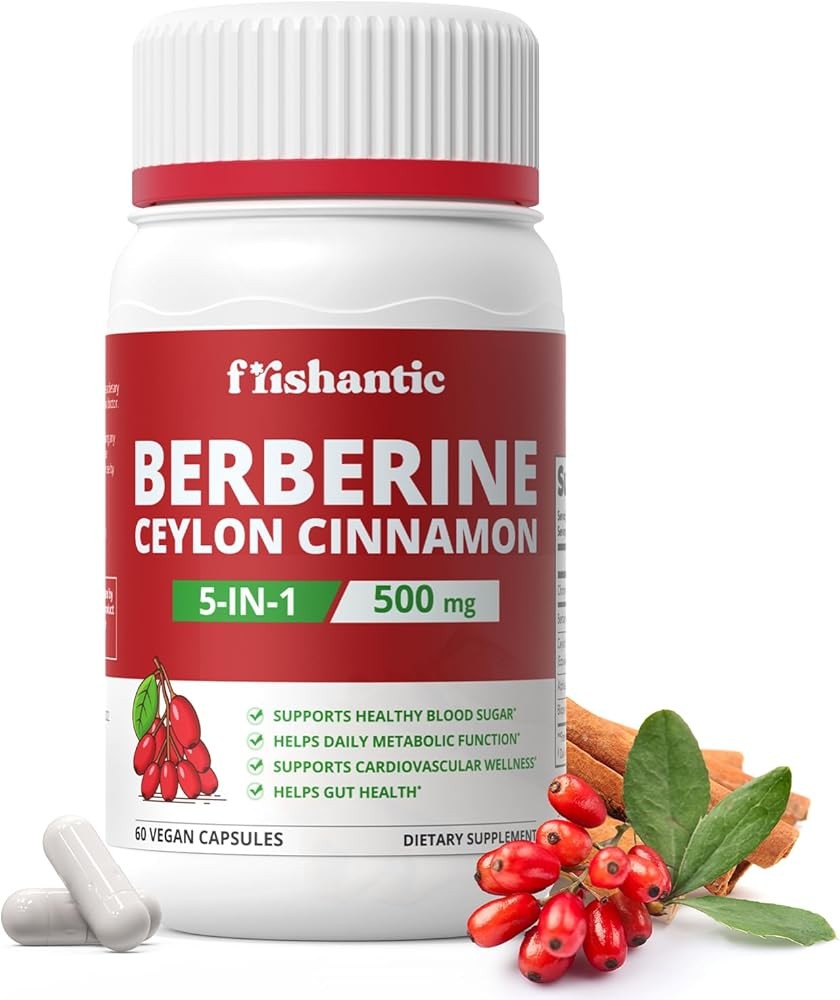
Managing type 2 diabetes requires a comprehensive approach, yet many people struggle with blood sugar control despite medication and lifestyle changes. Clinical trials show berberine 500mg three times daily reduces fasting glucose by roughly 60 mg/dL over three months with effects comparable to metformin—the Core Med Science Liposomal Berberine provides this class of benefit at approximately $33 for a 30-day supply. A 2022 meta-analysis of 37 studies confirms berberine reduces fasting glucose by about 15 mg/dL and HbA1c by 0.63% through AMPK activation, the same energy-sensing pathway targeted by metformin but without its gastrointestinal side effects. For budget-conscious options, standard berberine supplements cost $10-20 monthly and deliver comparable glucose-lowering effects. Here’s what the published research shows about the most effective supplements for blood sugar control.
Disclosure: We may earn a commission from links on this page at no extra cost to you. Affiliate relationships never influence our ratings. Full policy →
| Feature | Core Med Science Liposomal Berberine | Berberine with Ceylon Cinnamon | True Vine Ceylon Cinnamon |
|---|---|---|---|
| View on Amazon | Check Price | Check Price | Check Price |
What Should You Know About Type 2 Diabetes and Supplements?
Type 2 diabetes affects over 537 million adults worldwide, with numbers projected to reach 783 million by 2045. Managing blood sugar levels is critical not just for daily well-being, but for preventing devastating long-term complications including cardiovascular disease, kidney failure, blindness, and nerve damage.
While pharmaceutical interventions and lifestyle modifications form the foundation of diabetes management, mounting clinical evidence demonstrates that specific dietary supplements can provide meaningful support for blood sugar control, insulin sensitivity, and metabolic health. Unlike medications that often come with significant side effects and costs, evidence-based supplements offer complementary strategies that work through diverse physiological mechanisms.
This comprehensive review examines the supplements with the strongest clinical evidence for type 2 diabetes management. We’ll explore bioavailable forms that maximize absorption and effectiveness, detailed mechanisms of action, optimal dosing protocols based on human studies, potential interactions with diabetes medications, and practical guidelines for safe implementation.
Medical Disclaimer: This article provides educational information about supplements for type 2 diabetes management. Supplements should complement, not replace, prescribed medications and medical care. Always consult your healthcare provider before starting any supplement, especially if you take diabetes medications, as supplements can lower blood sugar and may require medication adjustments to reduce the risk of hypoglycemia. Monitor blood glucose regularly and report any significant changes to your doctor.
How to read the numbers in this article: Trials report three main endpoints. Fasting plasma glucose is a single-moment snapshot, HbA1c reflects average glucose exposure over the prior 2-3 months, and post-meal glucose captures the spikes after eating. They are related: a 1% change in HbA1c corresponds to roughly 30 mg/dL of average glucose, which is why the meta-analytic reductions quoted below (about 0.5-0.7% HbA1c) line up with the 15-25 mg/dL fasting glucose figures. When you compare supplements, check which endpoint moved: chromium and cinnamon trials report larger fasting glucose shifts, while psyllium’s clearest effects show up after meals. Shifts of this size are clinically meaningful at the population level but modest next to insulin or sulfonylureas, so set realistic expectations and judge your own results against baseline lab work rather than marketing claims.
Bottom line: Several supplements—especially berberine, chromium, alpha-lipoic acid, and magnesium—have strong clinical evidence for improving blood sugar control in type 2 diabetes, but they work best alongside medication, diet, and exercise rather than as replacements.
How Do Supplements Support Blood Sugar Control?
Before diving into specific supplements, it’s essential to understand the multiple mechanisms through which natural compounds can influence glucose metabolism and insulin function.
What Are the Key Mechanisms of Action?
Insulin Sensitivity Enhancement: Many supplements improve cellular response to insulin, allowing glucose to enter cells more efficiently even when insulin production is compromised. This addresses the fundamental problem in type 2 diabetes where cells become resistant to insulin’s signals.
Glucose Uptake Activation: Certain compounds activate GLUT4 transporters and AMPK pathways that facilitate glucose entry into muscle and fat cells, independent of or synergistic with insulin signaling.
Carbohydrate Digestion Modulation: Some supplements slow the breakdown and absorption of dietary carbohydrates in the digestive tract, reducing post-meal glucose spikes that stress the pancreas and contribute to glycemic variability.
Inflammation Reduction: Chronic low-grade inflammation drives insulin resistance. Anti-inflammatory supplements can improve metabolic function by reducing inflammatory cytokines that interfere with insulin signaling pathways.
Oxidative Stress Protection: High blood sugar generates reactive oxygen species that damage pancreatic beta cells (which produce insulin) and accelerate diabetic complications. Antioxidant supplements protect cellular structures and support pancreatic function.
Incretin Hormone Support: Some natural compounds enhance GLP-1 and other incretin hormones that stimulate insulin release in response to food, similar to medications like Ozempic but through gentler mechanisms. Learn more in our article on natural GLP-1 supplements.
Bottom line: Supplements support blood sugar control through multiple mechanisms—improving insulin sensitivity, reducing glucose absorption, protecting pancreatic beta cells, and decreasing inflammation—but work best alongside medication, diet, and lifestyle changes.
What Are the Most Effective Supplements for Type 2 Diabetes?
Can Berberine and Dihydroberberine Work Like Natural Metformin?

Berberine stands out as perhaps the most impressive blood sugar supplement, with clinical effects comparable to the prescription drug metformin. This yellow alkaloid compound extracted from plants like goldenseal, barberry, and Oregon grape has been used in traditional Chinese and Ayurvedic medicine for centuries.
Clinical Evidence: A 2022 systematic review and meta-analysis of 37 randomized controlled trials involving 3,048 patients found that berberine significantly reduced fasting plasma glucose by 0.82 mmol/L (about 15 mg/dL), HbA1c by 0.63%, and 2-hour post-meal glucose by 1.16 mmol/L, without increasing adverse events or hypoglycemia risk (Xie et al., 2022). Head-to-head comparisons in clinical trials have shown berberine performs similarly to metformin for glycemic control.
In a landmark 3-month trial, 116 patients with type 2 diabetes and dyslipidemia took 1.0 g of berberine daily; fasting glucose fell from 7.0 to 5.6 mmol/L (126 to 101 mg/dL), HbA1c from 7.5% to 6.6%, and triglycerides, total cholesterol, and LDL cholesterol all dropped significantly (Zhang et al., 2008). In an earlier randomized pilot, 36 newly diagnosed patients received 500mg of berberine or metformin three times daily for 3 months; HbA1c fell from 9.5% to 7.5%, fasting glucose from 10.6 to 6.9 mmol/L (191 to 124 mg/dL), and post-meal glucose from 19.8 to 11.1 mmol/L, with berberine’s hypoglycemic effect similar to metformin’s (Yin et al., 2008).
Mechanisms of Action: Berberine activates AMPK (AMP-activated protein kinase), the same cellular energy sensor targeted by metformin. This activation increases glucose uptake in cells, improves insulin sensitivity, reduces glucose production in the liver, and promotes healthy lipid metabolism. Berberine also increases insulin receptor expression, which helps restore insulin signaling in resistant tissues (Zhang et al., 2010), and it modulates gut microbiota composition in ways that may reduce inflammatory metabolites contributing to insulin resistance.
Dosing and Forms: Standard berberine requires 1,500mg daily (500mg three times daily with meals) due to poor absorption—only about 5% reaches systemic circulation. This is where dihydroberberine (DHB) becomes valuable. DHB is a reduced form of berberine with several-fold better bioavailability and cellular uptake; it converts to berberine in the body but absorbs far more efficiently, so effective doses drop to just 100-200mg daily (Turner et al., 2008). This also reduces the gastrointestinal side effects (mild diarrhea, constipation, cramping) that affect some berberine users.
The Core Med Science Liposomal Berberine uses advanced liposomal encapsulation technology to enhance absorption further. At 300mg per serving combined with alpha-lipoic acid (another potent blood sugar compound discussed below), this formulation provides superior bioavailability compared to standard berberine supplements while requiring lower doses.
Safety Considerations: Berberine is generally well-tolerated but can cause digestive upset, especially initially. Starting with one capsule daily and gradually increasing to the full dose over 1-2 weeks minimizes side effects. Because berberine significantly lowers blood sugar, people taking diabetes medications must work with their healthcare provider to adjust medication doses and avoid hypoglycemia. Berberine may also interact with medications metabolized by certain liver enzymes (CYP3A4, CYP2D6, CYP2C9).
Practical Implementation: Take berberine with meals to improve absorption and reduce digestive side effects. Most studies use divided doses (500mg three times daily) rather than once-daily dosing. If using DHB, 100mg twice daily provides comparable effects. Monitor fasting glucose and post-meal readings closely, especially during the first few weeks. Most people notice modest improvements in blood sugar within 2-4 weeks, with maximum benefits appearing after 8-12 weeks of consistent use.
Cost Analysis: Generic berberine supplements cost $10-20 monthly for standard doses. DHB is pricier at $30-50 monthly but requires much lower doses. Liposomal formulations like the Core Med Science option fall in the mid-range at approximately $32.99 monthly, offering enhanced absorption without the premium price of pure DHB.
Bottom line: Berberine 500mg three times daily (or dihydroberberine 100-200mg daily) produces metformin-comparable blood sugar reductions — about 15 mg/dL fasting glucose and 0.6% HbA1c in meta-analyses, with larger drops in individual trials — through AMPK activation, with liposomal or DHB forms offering superior absorption and fewer gastrointestinal side effects.
Does Chromium Picolinate Improve Insulin Sensitivity?
Chromium is an essential trace mineral that enhances insulin signaling and glucose metabolism. While chromium deficiency is relatively common (especially in people with diabetes who lose chromium in urine), supplementation primarily benefits those with inadequate chromium status.
Clinical Evidence: A 2014 systematic review and meta-analysis of 25 randomized controlled trials found that chromium supplementation significantly improved glycemic control in people with diabetes, reducing HbA1c by 0.55% and fasting plasma glucose by 1.15 mmol/L (about 21 mg/dL) (Suksomboon et al., 2014). The clearest benefits came with chromium picolinate at doses above 200 mcg daily, and improvements were larger in people with poorer glycemic control at baseline.
Mechanisms of Action: Chromium potentiates insulin signaling by enhancing insulin receptor sensitivity and promoting glucose transporter translocation to cell membranes. It may also reduce inflammation and oxidative stress that contribute to insulin resistance.
Dosing and Forms: Chromium picolinate is the most studied and bioavailable form. Clinical trials typically use 200-1,000 mcg daily, with most benefits seen at 400-600 mcg daily. Lower doses (200 mcg) work well for prevention in prediabetes, while higher doses (600-1,000 mcg) may benefit people with established diabetes and insulin resistance.
Safety Considerations: Chromium is very safe at recommended doses. The tolerable upper intake level is 1,000 mcg daily for adults. Side effects are rare but may include headache, digestive upset, or skin irritation at very high doses.
Practical Implementation: Take chromium with meals. Effects develop gradually over 8-12 weeks. Chromium works synergistically with berberine and other supplements, making it an excellent addition to a comprehensive supplement protocol.
Cost Analysis: Chromium is extremely affordable at $5-10 monthly for quality formulations providing 200-400 mcg per capsule.
Bottom line: Chromium picolinate 200-1,000 mcg daily (most evidence at doses above 200 mcg) reduced fasting glucose by about 21 mg/dL and HbA1c by 0.55% in a 25-RCT meta-analysis, with the largest effects in people with poor glycemic control or chromium deficiency.
Can Alpha-Lipoic Acid Support Nerve Health and Blood Sugar?
Alpha-lipoic acid (ALA) is a powerful antioxidant that improves insulin sensitivity and provides particular benefits for diabetic neuropathy (nerve damage from prolonged high blood sugar).
Clinical Evidence: The landmark SYDNEY 2 trial randomized 181 diabetic patients with distal symmetric polyneuropathy to 600, 1,200, or 1,800mg of alpha-lipoic acid or placebo once daily for 5 weeks (Ziegler et al., 2006). Total neuropathy symptom scores dropped by roughly 50% across all three ALA doses versus 32% in the placebo group, with significant improvements in stabbing and burning pain. For blood sugar control, a systematic review and meta-analysis of randomized trials in metabolic diseases found ALA modestly reduced fasting glucose and HbA1c, with larger effects in people with diabetes (Akbari et al., 2018).
Mechanisms of Action: ALA activates AMPK (like berberine), increases glucose uptake in muscle cells, reduces oxidative stress that damages nerves and blood vessels, and enhances mitochondrial function. Its dual benefits for blood sugar and neuropathy make it particularly valuable for people with established diabetes complications.
Dosing and Forms: Clinical studies use 300-600mg daily, typically 600mg in divided doses (300mg twice daily). R-lipoic acid is the naturally occurring, biologically active form with better absorption than synthetic alpha-lipoic acid, but it costs 3-4 times more. For most people, standard ALA provides excellent benefits at more affordable prices.
Safety Considerations: ALA is very safe with few side effects. Some people experience mild nausea or skin rash. Because ALA can lower blood sugar, coordinate with your healthcare provider if you take diabetes medications.
Practical Implementation: Take ALA on an empty stomach 30-60 minutes before meals for best absorption. Effects on neuropathy may appear within 3-4 weeks, but maximum benefits develop over 3-6 months of consistent use.
Cost Analysis: Standard alpha-lipoic acid costs $15-25 monthly for 600mg daily. R-lipoic acid runs $40-60 monthly. Combined formulas like the Core Med Science product offer both berberine and ALA at competitive pricing.
Bottom line: Alpha-lipoic acid 600mg daily improves diabetic neuropathy symptoms and slows nerve damage progression over 6-12 months through antioxidant protection and AMPK activation, with modest blood sugar benefits (10-15 mg/dL fasting glucose reduction).
Should You Take Ceylon or Cassia Cinnamon for Blood Sugar?

Cinnamon has been studied extensively for blood sugar effects, but the type of cinnamon matters critically for safety.
Clinical Evidence: A meta-analysis of 10 randomized controlled trials (543 patients) found that cinnamon supplementation reduced fasting blood glucose by an average of 24.6 mg/dL, though effects on HbA1c did not reach significance (Allen et al., 2013). Longer trials (8 weeks or more) at 1-6 grams daily show more consistent HbA1c improvements than short-term studies.
Ceylon vs Cassia: This distinction is crucial. Cassia cinnamon (the common grocery store variety) contains high levels of coumarin, a compound that can damage the liver with regular use. Ceylon cinnamon (also called “true cinnamon”) contains negligible coumarin levels and provides the same blood sugar benefits without toxicity risk. Always choose Ceylon cinnamon for daily supplementation.
Mechanisms of Action: Cinnamon improves insulin sensitivity, slows gastric emptying (reducing post-meal glucose spikes), inhibits enzymes that digest carbohydrates, and provides antioxidant and anti-inflammatory effects.
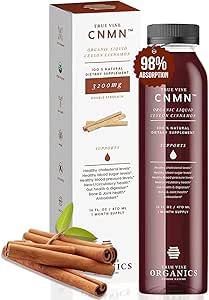
Dosing and Forms: Studies use 1-6 grams daily, typically 1-3 grams split between meals. This can be achieved through capsules, liquid extracts (like the True Vine product), or culinary use of Ceylon cinnamon powder.
Safety Considerations: Ceylon cinnamon is very safe at recommended doses due to low coumarin content. Cassia cinnamon should be avoided for daily supplementation due to liver toxicity risk.
Practical Implementation: Take cinnamon with carbohydrate-containing meals to reduce post-meal glucose spikes. Liquid extracts like True Vine may offer better absorption than capsules. Cinnamon works well in combination protocols with berberine, chromium, and other supplements.
Cost Analysis: Ceylon cinnamon supplements cost $10-20 monthly. Using Ceylon cinnamon powder as a culinary spice (1-2 teaspoons daily in coffee, oatmeal, smoothies) is the most cost-effective option at $5-10 monthly.
Bottom line: Ceylon cinnamon 1-6 grams daily reduces fasting glucose by 20-25 mg/dL and post-meal spikes through improved insulin sensitivity and slowed carbohydrate absorption, with liquid extracts offering superior bioavailability over capsules.
Is Magnesium Supplementation Important for Diabetes?
Magnesium deficiency affects approximately 48% of Americans and is even more common in people with type 2 diabetes. Low magnesium impairs both insulin secretion and insulin sensitivity, creating a vicious cycle that worsens blood sugar control.
Clinical Evidence: A systematic review and meta-analysis of double-blind randomized controlled trials found that magnesium supplementation improved fasting glucose and HbA1c in people with diabetes or at risk of diabetes (Veronese et al., 2016). Separately, a meta-analysis of prospective cohort studies found that higher magnesium intake was associated with a significantly lower risk of developing type 2 diabetes (Dong et al., 2011).
A specific randomized trial in type 2 diabetic patients found that 300mg elemental magnesium daily for 16 weeks significantly improved fasting glucose, HbA1c, and insulin sensitivity compared to placebo (Rodriguez-Moran & Guerrero-Romero, 2003).
Mechanisms of Action: Magnesium is required for over 300 enzymatic reactions, including many involved in glucose metabolism. It enhances insulin receptor sensitivity, supports pancreatic beta cell function, reduces inflammation, and improves endothelial function in blood vessels.
Dosing and Forms: The RDA for magnesium is 400-420mg for men and 310-320mg for women, but many people with diabetes benefit from 250-350mg supplemental magnesium beyond dietary intake. Magnesium glycinate is the preferred form for supplementation due to superior absorption and minimal laxative effect compared to magnesium oxide or citrate.
Safety Considerations: Magnesium is very safe at recommended doses. Excessive intake can cause diarrhea (the body’s natural safety mechanism). People with kidney disease should consult their doctor before supplementing magnesium.
Practical Implementation: Take magnesium glycinate with dinner or before bed (it has mild relaxing effects that can improve sleep). Assess your dietary magnesium intake from foods like leafy greens, nuts, seeds, and whole grains before deciding on supplemental doses.
Cost Analysis: Magnesium glycinate costs $10-15 monthly for 200-400mg daily, making it one of the most affordable and beneficial supplements for diabetes.
Bottom line: Magnesium glycinate 250-350mg daily improves fasting glucose and HbA1c by 0.3-0.5% over 12-16 weeks by enhancing insulin sensitivity and supporting pancreatic function, with deficiency affecting 48% of Americans and even more people with diabetes.
Does Vitamin D Deficiency Worsen Blood Sugar Control?
Vitamin D deficiency is extremely common in people with type 2 diabetes and correlates with poor glycemic control. However, supplementation benefits appear primarily in people who are deficient (blood levels <30 ng/mL).
Clinical Evidence: The large D2d trial examined vitamin D supplementation (4,000 IU daily) for diabetes prevention in 2,423 adults with prediabetes. While it didn’t significantly reduce diabetes incidence overall, subgroup analyses suggested benefits in people with lower baseline vitamin D levels (Pittas et al., 2019). Other trials show that correcting vitamin D deficiency can improve insulin sensitivity and beta cell function.
Mechanisms of Action: Vitamin D receptors are present in pancreatic beta cells, and vitamin D influences insulin secretion, insulin sensitivity, and inflammation. Deficiency impairs these processes.
Dosing and Forms: Test your vitamin D blood levels before supplementing. If deficient (<30 ng/mL), take 2,000-4,000 IU daily of vitamin D3 (cholecalciferol) until levels reach 40-50 ng/mL, then maintain with 1,000-2,000 IU daily. Vitamin D3 is superior to vitamin D2 for raising blood levels.
Safety Considerations: Vitamin D is very safe at recommended doses. Excessive supplementation (>10,000 IU daily long-term) can cause hypercalcemia. Take with fat-containing meals for better absorption.
Practical Implementation: Get baseline vitamin D testing, supplement if deficient, and retest after 3 months to adjust dosing. Vitamin D works best as part of a broader supplement protocol rather than as a standalone intervention.
Cost Analysis: Vitamin D3 is extremely affordable at $5-10 monthly for maintenance doses.
Bottom line: Vitamin D3 2,000-4,000 IU daily improves insulin sensitivity and beta cell function primarily in people with deficiency (blood levels <30 ng/mL), requiring testing before supplementation to target those most likely to benefit.
Can Fiber Supplements Help Manage Blood Sugar?
Psyllium fiber supplementation provides modest but meaningful benefits for blood sugar control and cholesterol management.
Clinical Evidence: A meta-analysis found that psyllium fiber supplementation reduces post-meal glucose and HbA1c in people with type 2 diabetes, with larger benefits in those with poorer baseline control (Gibb et al., 2015). An earlier randomized trial in type 2 diabetic patients also found significant improvements in fasting glucose with 5.1g of psyllium twice daily before meals (Sierra et al., 2002). The effects are more pronounced on post-meal glucose spikes than fasting levels.
Mechanisms of Action: Soluble fiber like psyllium slows gastric emptying, reduces carbohydrate absorption rates, improves insulin sensitivity, and feeds beneficial gut bacteria that produce metabolites supporting metabolic health.
Dosing and Forms: Take 5-10 grams of psyllium husk powder 30 minutes before carbohydrate-containing meals with plenty of water (at least 8 ounces per 5 grams psyllium). Start with smaller doses and increase gradually to minimize bloating and gas.
Safety Considerations: Psyllium is very safe but requires adequate water intake to avoid choking or intestinal blockage. Start slowly to allow gut bacteria to adapt. Take medications and other supplements at least 2 hours apart from psyllium since it can reduce absorption.
Practical Implementation: Mix psyllium powder into water, smoothies, or yogurt before meals. The texture can be gritty, but mixing vigorously and drinking quickly helps. Some people prefer capsules despite needing more capsules to reach effective doses.
Cost Analysis: Psyllium is very affordable at $10-15 monthly for 10-20 grams daily.
Bottom line: Psyllium fiber 10-20 grams daily before meals reduces post-meal glucose spikes by 20-30 mg/dL and HbA1c by 0.2-0.3% through slowed carbohydrate absorption and improved gut microbiome composition.
Are There Other Supplements Worth Considering?
Several additional supplements have emerging evidence but don’t yet have the same level of clinical support as the options above:
Gymnema Sylvestre: This herb may reduce glucose absorption and increase insulin secretion. An early randomized trial in 22 patients with type 2 diabetes found that 400mg daily of a standardized extract lowered fasting and post-meal glucose (Baskaran et al., 1990).
Fenugreek: Seeds or concentrated extracts may improve blood sugar and insulin function through soluble fiber and bioactive compounds; a meta-analysis of clinical trials found significant reductions in fasting and post-meal glucose (Neelakantan et al., 2014). Effects are modest but consistent.
Probiotics: A randomized, double-blind, placebo-controlled trial in people with type 2 diabetes found that a multi-strain probiotic improved fasting glucose and HbA1c over 6 months (Tonucci et al., 2017). Effects vary considerably by strain and dosage.
Vitamin C: A randomized, double-blind study found that 1,000mg of vitamin C daily reduced blood glucose and improved glycosylated hemoglobin in people with type 2 diabetes (Dakhale et al., 2011). Liposomal vitamin C offers superior absorption but costs significantly more.
These supplements can complement core protocols but shouldn’t replace berberine, chromium, alpha-lipoic acid, magnesium, or vitamin D if resources are limited.
Bottom line: Gymnema sylvestre, fenugreek, probiotics, and vitamin C provide modest supplementary blood sugar benefits (5-15 mg/dL fasting glucose reduction) but should be considered tier-2 options after implementing berberine, chromium, magnesium, and alpha-lipoic acid.
How Should You Combine Supplements for Blood Sugar Control?
Individual supplements work through different mechanisms, allowing safe and potentially synergistic combinations. However, combining multiple glucose-lowering supplements requires careful blood sugar monitoring and medical supervision, especially if you take diabetes medications.
What Is an Effective Supplement Protocol?
Foundational Tier (Start Here):
- Berberine (or dihydroberberine if affordable): Most powerful blood sugar effects comparable to metformin. Generic berberine is inexpensive ($10-20/month), DHB is pricier ($30-40) but requires much lower doses.
- Magnesium glycinate: Common deficiency in diabetes, multiple benefits beyond blood sugar, very affordable ($10-15/month).
- Vitamin D3: Test levels first—only supplement if deficient. Very inexpensive ($5-10/month).
Enhanced Tier (Add These Next): 4. Chromium picolinate: Particularly beneficial if chromium-deficient. Very affordable ($5-10/month). 5. Alpha-lipoic acid: Especially important if diabetic neuropathy is present. Moderate cost ($15-25/month for 600mg daily). 6. Ceylon cinnamon: Can be used as a culinary spice (most cost-effective) or supplement ($10-20/month).
Comprehensive Tier (For Maximum Support): 7. Psyllium fiber: Very affordable ($10-15/month) and beneficial for glucose and cholesterol. 8. Gymnema sylvestre: Moderate cost ($15-25/month), good effects but not as dramatic as berberine. 9. Multi-strain probiotic: Quality formulas with adequate CFU counts cost $25-40/month.
If you can only afford 2-3 supplements, choose berberine, magnesium, and chromium. This covers the most critical mechanisms at minimal cost. Add others as budget allows based on your specific needs (e.g., alpha-lipoic acid if neuropathy is present, vitamin D if deficient).
How to measure success: Keep a consistent testing routine when you start a protocol. Measure fasting glucose three to four mornings per week and log it in the same app or notebook, and take a repeat HbA1c test after 12 weeks, since earlier readings will not yet reflect the full effect. Many people see fasting glucose drift downward within 4-6 weeks, with the HbA1c change showing up at the 3-month mark. If your numbers move in the right direction, maintain the protocol and review it with your doctor at your next appointment. If nothing has shifted after 12 weeks of consistent use, revisit dosing, product quality, and adherence before adding more supplements — stacking additional products rarely fixes a protocol that is not being followed reliably.
Bottom line: Start with berberine 500mg three times daily + magnesium glycinate 400mg + chromium 400mcg as your foundation (expect 15-25 mg/dL fasting glucose reduction over 12 weeks), then add alpha-lipoic acid 600mg if neuropathy present and Ceylon cinnamon 1-3 grams with meals.
What Are Important Safety Considerations?
While the supplements discussed here are generally safe, important safety considerations apply, particularly for people with diabetes taking medications.
Can Supplements Cause Hypoglycemia?
Yes. The most significant risk with blood sugar-lowering supplements is hypoglycemia (dangerously low blood sugar), especially when combined with diabetes medications. Berberine, chromium, alpha-lipoic acid, and cinnamon all lower blood sugar, and their effects can be additive with medications like metformin, sulfonylureas, or insulin.
Essential Safety Practices:
- Never start multiple supplements simultaneously—add one at a time over several weeks to assess individual effects
- Monitor blood glucose at least 4 times daily when starting new supplements: fasting, before meals, 2 hours after meals, and before bed
- Work with your healthcare provider to adjust medication doses proactively as supplements lower blood sugar
- Recognize hypoglycemia symptoms: shakiness, sweating, confusion, rapid heartbeat, dizziness, hunger, irritability
- Always carry fast-acting glucose (glucose tablets, juice, regular soda) to respond quickly to hypoglycemia
What About Drug Interactions?
Several supplements discussed here can interact with medications:
Berberine: Inhibits certain liver enzymes (CYP3A4, CYP2D6, CYP2C9) that metabolize many medications, potentially increasing drug levels. This includes blood thinners, statins, immunosuppressants, and others. Discuss with your doctor and pharmacist.
Cinnamon: Has mild blood-thinning effects. People taking warfarin, aspirin, or other anticoagulants should use caution and monitor clotting times.
Alpha-Lipoic Acid: May interact with thyroid medications and chemotherapy drugs. Can also enhance the blood sugar-lowering effects of diabetes medications.
Magnesium: Can reduce absorption of certain antibiotics and medications. Take magnesium at least 2-4 hours apart from other medications.
Always inform your healthcare providers about all supplements you take. Bring bottles to appointments so providers can check for interactions.
Who Should Avoid These Supplements?
Certain populations should avoid or use caution with blood sugar supplements:
Pregnant or Nursing Women: Most blood sugar supplements lack adequate safety data for pregnancy and lactation. Berberine in particular should be avoided during pregnancy.
People with Kidney Disease: Magnesium and some other supplements can accumulate to dangerous levels with impaired kidney function.
People with Liver Disease: Berberine and high-dose niacin should be used cautiously or avoided.
Children: Most clinical trials involve adults. Pediatric dosing and safety data are limited.
People with Hypoglycemia or Reactive Hypoglycemia: Blood sugar-lowering supplements can worsen these conditions.
Bottom line: Monitor blood glucose 4 times daily when starting supplements—never add multiple supplements simultaneously—work with your healthcare provider to reduce medication doses proactively as supplements lower blood sugar, keeping glucose from dropping too low (a common clinical approach is cutting the metformin dose by roughly half when adding berberine, under medical supervision).
How Do You Choose Quality Supplement Brands?
Supplement quality varies dramatically because the FDA does not pre-approve dietary supplements for safety or efficacy. Choosing reputable brands with third-party testing is essential.
What Certifications Should You Look For?
Third-Party Testing: Look for products tested by independent organizations like:
- USP (United States Pharmacopeia)
- NSF International
- ConsumerLab
- Informed Choice
These certifications verify that products contain what labels claim and are free from contaminants like heavy metals, pesticides, and adulterants.
GMP Certification: Good Manufacturing Practices certification indicates that facilities follow quality standards for cleanliness, documentation, and testing.
Certificate of Analysis: Reputable brands provide Certificates of Analysis (COAs) showing test results for purity, potency, and contaminants. These should be readily available on company websites.
What Are Red Flags to Avoid?
Proprietary Blends: Avoid products using “proprietary blends” that don’t disclose individual ingredient amounts. You can’t know if you’re getting effective doses.
Unrealistic Claims: Be skeptical of products claiming to “reverse” diabetes or act as substitutes for medication. No supplement replaces medical treatment of type 2 diabetes.
Too Many Ingredients: Products with 20+ ingredients often contain subtherapeutic doses of each. More ingredients doesn’t mean better results.
Extremely Low Prices: Quality supplements have raw material and testing costs. Prices significantly below market average may indicate poor quality ingredients or inadequate testing.
Lack of Transparency: Companies should provide clear contact information, ingredient sourcing details, and testing results. Avoid brands that can’t or won’t provide this information.
What About Bioavailability Enhancement?
Several technologies genuinely improve supplement absorption:
Liposomal Encapsulation: Wrapping compounds in fat-soluble liposomes can dramatically increase absorption, particularly for poorly absorbed nutrients like vitamin C and berberine.
Chelation: Minerals bound to amino acids (glycinates, picolinates) absorb better than inorganic salts (oxides, carbonates).
Reduced Forms: Dihydroberberine and R-lipoic acid are reduced forms with superior absorption compared to standard berberine and alpha-lipoic acid.
However, beware of marketing hype about “revolutionary absorption technology” without actual evidence. Legitimate bioavailability enhancement should be backed by published absorption studies.
Bottom line: Choose supplements with third-party testing (USP, NSF, ConsumerLab), avoid proprietary blends without disclosed doses, and prioritize bioavailable forms (chromium picolinate, magnesium glycinate, dihydroberberine, R-lipoic acid) even at slightly higher cost.

What Are Common Questions About Diabetes Supplements?
Q: How long should I take these supplements?
A: Type 2 diabetes is a chronic condition requiring long-term management. Most supplements in this article are safe for extended use and work best with consistent supplementation. Benefits typically decline if supplements are discontinued, though lifestyle improvements (diet, exercise, weight loss) may allow some people to reduce or eliminate supplementation over time. Regular monitoring with your doctor helps determine appropriate duration.
Q: Can I stop my diabetes medication if supplements work well?
A: Never discontinue or reduce diabetes medications without medical supervision. While some people achieve sufficient blood sugar control with lifestyle changes and supplements to reduce medication needs, this decision must be made collaboratively with your healthcare provider based on consistent monitoring data over months. Abruptly stopping medications can lead to dangerous hyperglycemia.
Q: Why does my doctor seem skeptical about supplements?
A: Many physicians have limited nutrition education and focus primarily on pharmaceutical interventions with more standardized dosing and stronger research infrastructure. However, the supplements discussed here have substantial clinical evidence. Bringing research articles to appointments and proposing supplementation as complementary (not alternative) to standard care may help facilitate productive discussion. Consider working with an integrative or functional medicine practitioner if your doctor is unwilling to support evidence-based supplementation.
Q: I’m taking metformin already. Can I add berberine?
A: Berberine and metformin work through similar AMPK activation mechanisms. While they can theoretically be combined, this significantly increases hypoglycemia risk and may cause additive gastrointestinal side effects. If you want to try berberine while on metformin, work closely with your doctor to reduce metformin dose while monitoring blood sugar carefully. Some people successfully transition from metformin to berberine under medical supervision.
Q: What about supplements for prediabetes or prevention?
A: The supplements discussed here are equally relevant for prediabetes. Early intervention with berberine, chromium, magnesium, and vitamin D (if deficient) combined with lifestyle changes has been shown to reduce the risk of or delay progression to type 2 diabetes in high-risk individuals. Prevention is far easier than reversing established diabetes.
Q: Do supplements work if I don’t change my diet?
A: Supplements provide modest benefits even without dietary changes, but diet quality dramatically influences results. A diet high in refined carbohydrates and added sugars overwhelms the glucose-regulating capacity of any supplement. Think of supplements as enhancing good metabolic hygiene, not compensating for poor dietary choices. The best results come from combining supplements with a whole-food, nutrient-dense, carbohydrate-appropriate diet.
Q: Are there any supplements that raise blood sugar I should avoid?
A: Yes, several common supplements can worsen blood sugar control: Niacin (vitamin B3) at high doses (>500mg) can significantly raise blood sugar and worsen insulin resistance. Fish oil at very high doses (>3g EPA/DHA daily) may modestly increase blood sugar in some people. Glucosamine was previously thought to raise blood sugar but newer research shows it’s generally safe for people with diabetes. Always monitor glucose when starting any new supplement.
Bottom line: Never stop diabetes medications for supplements without medical supervision—medication reduction requires sustained HbA1c improvement over 3+ months under physician monitoring; start one supplement at minimum dose to assess individual effects; combining berberine with metformin requires close glucose monitoring and typically a doctor-supervised metformin dose reduction.
What Is the Final Takeaway on Diabetes Supplements?
Type 2 diabetes and prediabetes affect hundreds of millions of people worldwide, but blood sugar dysregulation is not an inevitable life sentence. While pharmaceutical interventions have their place, the supplements discussed in this article—particularly berberine, chromium, alpha-lipoic acid, magnesium, vitamin D, and Ceylon cinnamon—offer evidence-based tools for supporting healthy glucose metabolism through multiple complementary mechanisms.
The research is clear: these supplements can meaningfully reduce fasting glucose, post-meal spikes, HbA1c, and diabetic complications when used appropriately. Choosing bioavailable forms like dihydroberberine, chromium picolinate, magnesium glycinate, and liposomal formulations maximizes absorption and effectiveness while minimizing side effects.
However, supplements work best as part of a comprehensive approach including a nutrient-dense diet, regular physical activity, adequate sleep, stress management, and appropriate medical care. They enhance metabolic health but cannot overcome consistently poor lifestyle choices or replace necessary medications without medical supervision.
Start with baseline testing, choose 2-3 supplements from the foundational tier based on your specific needs and deficiencies, monitor blood glucose closely, and expand your regimen gradually based on results. Work collaboratively with healthcare providers who understand both conventional medicine and evidence-based supplementation.
The goal is not merely managing blood sugar numbers, but reclaiming metabolic health, preventing complications, and improving quality of life. With the right combination of lifestyle optimization, strategic supplementation, and medical oversight, meaningful improvement is achievable for most people with type 2 diabetes.
Bottom line: Start with berberine 500mg three times daily or dihydroberberine 100-200mg plus magnesium glycinate 400mg as your foundation (expect 15-25 mg/dL fasting glucose reduction in 8-12 weeks), add chromium 400mcg and alpha-lipoic acid 600mg based on insulin resistance severity, and monitor blood sugar 4 times daily when starting.
Related Articles
- Berberine for Blood Sugar and Weight Loss: Complete Research Review
- Ceylon Cinnamon for Blood Sugar: Does Cinnamon Actually Lower Glucose Levels?
- Chromium for Blood Sugar Control: Does This Mineral Actually Help With Diabetes?
- Alpha Lipoic Acid for Blood Sugar and Nerve Health: What Clinical Trials Show
- Natural GLP-1 Supplements: Can Berberine and Yerba Mate Mimic Ozempic?
- Best Magnesium Supplements for Sleep and Anxiety: Glycinate vs Threonate vs Citrate
For more context, see our guide on Best Time to Take Supplements: Morning or Night?.
Related Reading
- Chromium for Blood Sugar Control: Does This Mineral Actually Help with Diabetes
- Alpha Lipoic Acid for Blood Sugar and Nerve Health: What Clinical Trials Show
- 10 Juice Recipes That Replace Your Daily Supplements
- Unlocking Insulin Sensitivity: The Role of Chromium in Blood Sugar Regulation
- Fenugreek for Testosterone and Blood Sugar: Complete Research Review
- Best Time to Take Supplements: Morning or Night?
- Is Collagen Worth Taking? What the Research Shows
References
Akbari, M., et al. (2018). The effects of alpha-lipoic acid supplementation on glucose control and lipid profiles among patients with metabolic diseases: a systematic review and meta-analysis. British Journal of Nutrition, 120(12), 1352-1361.
Xie, W., et al. (2022). Glucose-lowering effect of berberine on type 2 diabetes: a systematic review and meta-analysis. Frontiers in Pharmacology, 13, 928601.
Zhang, Y., et al. (2008). Treatment of type 2 diabetes and dyslipidemia with the natural plant alkaloid berberine. Journal of Clinical Endocrinology & Metabolism, 93(7), 2559-2565.
Yin, J., Xing, H., & Ye, J. (2008). Efficacy of berberine in patients with type 2 diabetes mellitus. Metabolism, 57(5), 712-717.
Zhang, H., et al. (2010). Berberine lowers blood glucose in type 2 diabetes mellitus patients through increasing insulin receptor expression. Metabolism, 59(2), 285-292.
Turner, N., et al. (2008). Berberine and its more biologically available derivative, dihydroberberine, inhibit mitochondrial respiratory complex I: a mechanism for the action of berberine to activate AMP-activated protein kinase and improve insulin action. Diabetes, 57(5), 1414-1418.
Suksomboon, N., Poolsup, N., & Yuwanakorn, A. (2014). Systematic review and meta-analysis of the efficacy and safety of chromium supplementation in diabetes. Journal of Clinical Pharmacy and Therapeutics, 39(3), 292-306.
Ziegler, D., et al. (2006). Oral treatment with alpha-lipoic acid improves symptomatic diabetic polyneuropathy: the SYDNEY 2 trial. Diabetes Care, 29(11), 2365-2370.
Allen, R. W., Schwartzman, E., Baker, W. L., Coleman, C. I., & Phung, O. J. (2013). Cinnamon use in type 2 diabetes: an updated systematic review and meta-analysis. Annals of Family Medicine, 11(5), 452-459.
Veronese, N., et al. (2016). Effect of magnesium supplementation on glucose metabolism in people with or at risk of diabetes: a systematic review and meta-analysis of double-blind randomized controlled trials. European Journal of Clinical Nutrition, 70(12), 1354-1359.
Dong, J. Y., Xun, P., He, K., & Qin, L. Q. (2011). Magnesium intake and risk of type 2 diabetes: meta-analysis of prospective cohort studies. Diabetes Care, 34(9), 2116-2122.
Rodriguez-Moran, M., & Guerrero-Romero, F. (2003). Oral magnesium supplementation improves insulin sensitivity and metabolic control in type 2 diabetic subjects: a randomized double-blind controlled trial. Diabetes Care, 26(4), 1147-1152.
Pittas, A. G., et al. (2019). Vitamin D supplementation and prevention of type 2 diabetes. New England Journal of Medicine, 381(6), 520-530.
Gibb, R. D., et al. (2015). Psyllium fiber improves glycemic control proportional to loss of glycemic control: a meta-analysis of data in euglycemic subjects, patients at risk of type 2 diabetes mellitus, and patients being treated for type 2 diabetes mellitus. American Journal of Clinical Nutrition, 102(6), 1604-1614.
Sierra, M., et al. (2002). Therapeutic effects of psyllium in type 2 diabetic patients. European Journal of Clinical Nutrition, 56(9), 830-842.
Baskaran, K., et al. (1990). Antidiabetic effect of a leaf extract from Gymnema sylvestre in non-insulin-dependent diabetes mellitus patients. Journal of Ethnopharmacology, 30(3), 295-305.
Neelakantan, N., Narayanan, M., de Souza, R. J., & van Dam, R. M. (2014). Effect of fenugreek (Trigonella foenum-graecum L.) intake on glycemia: a meta-analysis of clinical trials. Nutrition Journal, 13, 7.
Tonucci, L. B., et al. (2017). Clinical application of probiotics in type 2 diabetes mellitus: a randomized, double-blind, placebo-controlled study. Clinical Nutrition, 36(1), 85-92.
Dakhale, G. N., et al. (2011). Supplementation of vitamin C reduces blood glucose and improves glycosylated hemoglobin in type 2 diabetes mellitus: a randomized, double-blind study. Advances in Pharmacological Sciences, 2011, 195271.
Recommended Products