12 Best Supplements to Take While on Ozempic and GLP-1 Medications
Summarized from peer-reviewed research indexed in PubMed. See citations below.
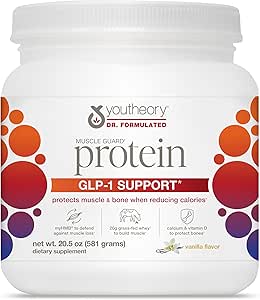
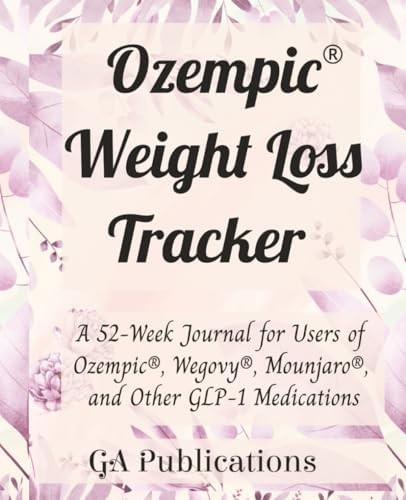
GLP-1 medications like Ozempic and Wegovy suppress appetite so effectively that most users eat far less, and the nutrient gaps show up in the data: a retrospective analysis of 461,382 adults newly prescribed GLP-1 receptor agonists found that 22.4% received a nutritional deficiency diagnosis within 12 months, with vitamin D deficiency the most common at 13.6% (Scott Butsch et al., 2025). Youtheory Muscle Guard Protein GLP-1 Support (ASIN B0DF858JCG, $45.07 for a 20.5 oz container) is our Best Overall pick: a whey-based protein powder with added calcium, vitamin D, and HMB, designed around the muscle-preservation problem that defines GLP-1 therapy. Research presented at ENDO 2025 found higher protein intake is protective against muscle loss during GLP-1 treatment, with targets around 1.2-1.6g per kilogram of body weight daily. For budget-minded users, the Ozempic Weight Loss Tracker journal (ASIN B0FZJQCLXQ, $9.99) is our Best Budget pick - not a supplement, but a systematic tracking tool for weight, intake, and symptoms across 52 weeks. Here’s what the published research shows about the supplements that matter most during GLP-1 therapy, with dosing, timing, and blood-work guidance.
Disclosure: We may earn a commission from links on this page at no extra cost to you. Affiliate relationships never influence our ratings. Full policy →
Our Top Recommendations
The Ozempic Weight Loss Tracker is a structured 52-week journal for anyone on a GLP-1 medication, with dedicated space for weight, food intake, side effects, and dosing patterns. Keeping this kind of record matters for a practical reason: the blood-work schedule in this guide (every 3-6 months) is only useful if you and your clinician can see how intake, symptoms, and labs line up over time. At $9.99 it is the cheapest item in this guide, and it is the only one that is not a supplement.

Youtheory Muscle Guard Protein delivers 20g of grass-fed whey protein concentrate per serving in a formula built around GLP-1 weight loss: added calcium and vitamin D for bone support, myHMB (a form of HMB) for muscle preservation, and Fibersol, a prebiotic fiber that supports regularity. Protein targets of 1.2-1.6g per kilogram of body weight per day are the ones supported by the ENDO 2025 data and the advisory literature, and this product is best treated as a convenient way to help hit that target rather than a complete meal replacement. The 20.5 oz container sells for $45.07; serving count is roughly 17-20 depending on scoop size.
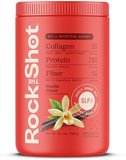
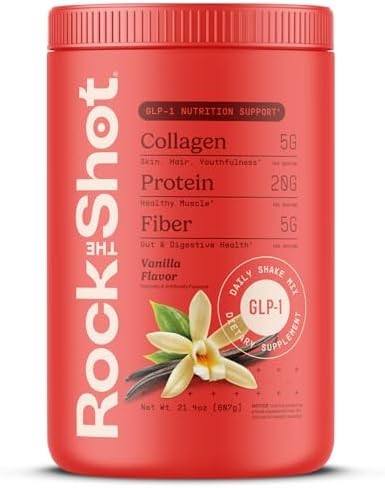
The GLP-1 Supplement Fiber Protein Shake in vanilla is a doctor-designed daily shake for people using GLP-1 medications. Per the current listing it provides protein with BCAAs for muscle support, 5g of dietary fiber for gut health and regularity during GLP-1 use, and 5g of collagen plus biotin, zinc, and vitamin C aimed at hair, skin, and energy. It comes in a vanilla flavor at $49.99 for 15 servings (30 scoops). View it as a nutrition-support shake rather than a full meal replacement, and pair it with the protein targets above.
Why Do Supplements Matter More on GLP-1 Medications?
If you are taking Ozempic, Wegovy, Mounjaro, Zepbound, or any other GLP-1 receptor agonist for weight loss or diabetes management, your nutritional needs have fundamentally changed. These medications suppress appetite so effectively that most users eat considerably less, and a 2025 cross-sectional study of 69 GLP-1 users who kept three-day food records found average intakes below the Dietary Reference Intakes for fiber, calcium, iron, magnesium, potassium, choline, and vitamins A, C, D, and E (Johnson et al., 2025; the study was conducted by researchers employed by GNC, so read the intake numbers with that in mind) – and that drop in food consumption creates gaps in essential nutrients your body cannot afford to go without.
This is not theoretical. A 2025 retrospective analysis of insurance claims from 461,382 adults newly prescribed GLP-1 receptor agonists found that 22.4% received a nutritional deficiency diagnosis within 12 months of starting treatment, and 12.7% within 6 months. Vitamin D deficiency was the most common diagnosis, at 7.5% within 6 months and 13.6% within 12 months (Scott Butsch et al., 2025; the analysis was funded by Abbott Nutrition, which should be kept in mind when weighing the authors’ emphasis on nutrition support). These figures capture diagnosed deficiencies only, so true insufficiency rates are likely higher.
The appetite suppression that makes these drugs so effective at driving weight loss is the same mechanism that puts you at risk. When you eat 500-1,000 fewer calories per day, you are also consuming proportionally less of every vitamin, mineral, amino acid, and essential fatty acid your body needs to maintain muscle, bone, hair, skin, immune function, and brain health. And the consequences of these deficiencies are not subtle – they range from fatigue and hair loss to muscle wasting, bone density decline, and impaired immune function.
The good news is that targeted supplementation can close these gaps. The research is increasingly clear about which nutrients GLP-1 users need most, at what doses, and in what forms, and a joint advisory from four major medical and nutrition societies lays out nutritional priorities to support GLP-1 therapy (joint advisory). This guide covers the 12 most important supplements for anyone on GLP-1 therapy, with exact dosing, timing recommendations, specific product picks, and the warning signs your body sends when something is running low.
We previously covered the muscle loss problem with GLP-1 drugs in detail, including how roughly 26-40% of weight lost in recent trials can be lean soft tissue rather than fat (Tinsley & Nadolsky, 2025). A 24-month retrospective cohort study of 220 older adults with type 2 diabetes on semaglutide found significant muscle mass and functional decline compared with matched controls, with the effect strongest at higher doses (Ren et al., 2025). This article builds on that foundation by addressing the broader nutritional picture – because muscle preservation is only one piece of a much larger puzzle. Bottom line: GLP-1 medications cut food intake enough that diagnosed nutritional deficiencies appear in 22.4% of users within 12 months (vitamin D the most common), and roughly a quarter to 40% of weight lost can be lean tissue - which is why protein, vitamin D, and the other nutrients below deserve deliberate attention rather than hope.
Want to See Our Video Review?
What Happens to Your Nutrient Intake on GLP-1 Drugs?
Before diving into specific supplements, it is important to understand exactly how GLP-1 medications change your nutritional landscape. A 2026 narrative review in Clinical Obesity that pooled six studies (480,825 adults) confirmed vitamin D deficiency as the most common abnormality, at 7.5% within 6 months and 13.6% within 12 months, and added detail the retrospective data miss: GLP-1 users had ferritin levels 26-30% lower than SGLT2-inhibitor users, more than 60% consumed below estimated requirements for calcium and iron, and vitamin D intake averaged about 20% of recommendations (Urbina et al., 2026).
How Dramatic Is the Caloric Reduction?
The exact percentage depends on the study and dose, but the direction is consistent: people on semaglutide and tirzepatide eat markedly less. Rather than lean on a single percentage, the practical frame comes from the intake data above - average nutrient intakes below recommended levels for a long list of vitamins and minerals (Johnson et al., 2025) - and from the advisory warning that intake becomes critically insufficient below about 1,200 kcal per day for women and 1,800 kcal for men.
The joint advisory from the American College of Lifestyle Medicine, the American Society for Nutrition, the Obesity Medicine Association, and the Obesity Society warns that nutrient intake becomes critically insufficient when daily calories fall below roughly 1,200 kcal for women and 1,800 kcal for men - thresholds that many GLP-1 users cross regularly, especially during the first 6-9 months of treatment (joint advisory).
Which Nutrients Are Most at Risk?
Based on the available clinical data, the nutrients most consistently affected in GLP-1 users include:
| Nutrient | What the data show | Primary Concern |
|---|---|---|
| Vitamin D | Most common deficiency diagnosis: 7.5% at 6 months, 13.6% at 12 months | Bone density, muscle function, immune health |
| B vitamins (thiamine, B12) | Deficits increase over time; case reports link rapid GLP-1 weight loss to thiamine-deficiency emergencies | Energy metabolism, nerve function, cognition |
| Iron | Ferritin levels 26-30% lower than comparator users; intake below requirements in most users | Anemia, fatigue, hair loss |
| Calcium | Most users consume below estimated requirements | Bone density, muscle contraction |
| Magnesium | Average intake below the DRI in a 2025 intake study | Sleep, muscle function, heart rhythm |
| Zinc | Intake shortfalls documented; relevant to hair and immunity | Immune function, hair health |
| Potassium | Average intake below the DRI in a 2025 intake study | Heart rhythm, muscle function, blood pressure |
These patterns capture diagnosed deficiencies plus measured intake shortfalls; the true prevalence of insufficiency is likely higher, which is why the blood-work schedule later in this guide matters.
How Do GI Side Effects Multiply the Problem?
The gastrointestinal side effects of GLP-1 drugs – nausea, vomiting, diarrhea, and constipation are each reported in a meaningful minority of trial participants – compound the nutritional gap. Vomiting and diarrhea directly deplete electrolytes, particularly potassium and magnesium. Nausea reduces the desire to eat at all. And slowed gastric emptying, a core mechanism of these drugs, can change how some nutrients are absorbed in the upper intestinal tract.
Dehydration is a real risk when reduced intake and GI losses combine, which is why the electrolyte section below emphasizes symptoms (headache, cramps, dizziness) rather than a single headline number - and why anyone with vomiting or diarrhea should discuss fluid and electrolyte needs with their care team rather than guessing. Bottom line: Reduced food intake on GLP-1s commonly leads to deficiencies in protein (muscle loss risk), B12 (neuropathy risk), magnesium (cramping), calcium/vitamin D (bone loss), and fiber (constipation)—all requiring targeted supplementation.
What Are the 12 Most Important Supplements for GLP-1 Users?
1. Why Is Protein Powder the Non-Negotiable Foundation?
Why it matters on GLP-1 drugs: Protein is the single most critical nutrient for anyone on Ozempic, Wegovy, Mounjaro, or Zepbound. Research presented at ENDO 2025 found that higher protein intake was the strongest protective factor against muscle loss during GLP-1 therapy, with being older, female, or eating less protein linked to greater muscle loss (ENDO 2025 press release). A published case series of three patients who combined high protein intakes with structured resistance training found two of the three gained lean soft tissue during GLP-1 treatment while losing substantial fat (Tinsley & Nadolsky, 2025).
Animal work adds mechanistic context but not proof in humans. A 2026 study in an obese minipig model found semaglutide mitigated the loss of fat-free mass and the drop in energy expenditure that followed diet restriction (Christoffersen et al., 2026). Pigs are not people, so view this as background for why muscle preservation gets so much attention in human GLP-1 research.
The problem is that GLP-1-mediated appetite suppression makes protein especially hard to consume, and many users report that meat and eggs become unappealing. A 2026 study in Japanese adults with type 2 diabetes found semaglutide significantly shifted food preferences away from protein-rich foods (Takahashi et al., 2026). Without intentional effort, intake can fall well short of need.
What the research recommends:
That preference shift is one more reason protein powder earns the top slot: a shake is easier to get down than a chicken breast when appetite is low, and it can be fortified with the micronutrients covered below.
- Minimum: 1.2g protein per kilogram of body weight daily
- Optimal: 1.6g/kg/day (higher for active resistance trainers and adults over 60)
- For a 170-pound (77kg) person: 92-123 grams of protein daily
- For a 200-pound (91kg) person: 109-146 grams of protein daily
Best form: Whey protein isolate provides the highest leucine content of any protein source, and leucine is the primary amino acid that triggers muscle protein synthesis. Whey isolate is also rapidly absorbed and easier to consume as a liquid when solid food is unappealing. For those with dairy sensitivities, a blend of pea and rice protein offers a complete amino acid profile.
The molecular effects of GLP-1 receptor agonists on muscle are still being mapped. A 2026 blinded crossover trial examining the proteomic effects of short-term liraglutide versus placebo is one example of the kind of mechanistic research under way, relevant to semaglutide users because both drugs act through the same receptor pathway (Lundby et al., 2026). How to take it: 25-30g per serving, 1-2 times daily. Take one serving in the morning (when appetite is typically highest for GLP-1 users) and one post-workout or between meals.
For protein targets and preservation strategies during GLP-1 treatment, see our guide on GLP-1 muscle loss.
2. Why Is Vitamin D3 the Most Commonly Depleted Nutrient?
Why it matters on GLP-1 drugs: Vitamin D deficiency is the single most common nutritional deficiency diagnosis in GLP-1 users, affecting 7.5% within 6 months and 13.6% within 12 months of starting treatment (Scott Butsch et al., 2025). This matters for bone because GLP-1-mediated weight loss stresses the skeleton: a 2024 randomized trial in 64 adults with increased fracture risk found semaglutide raised a bone resorption marker and lowered lumbar spine and total hip bone density over 52 weeks compared with placebo, changes the authors linked to the accompanying weight loss (Hansen et al., 2024). A 2026 matched retrospective study of 255 GLP-1 users found greater total hip bone loss only in people without diabetes, with weight loss itself driving the association (Liu et al., 2026).
Vitamin D is essential for calcium absorption, bone mineralization, muscle function (deficiency causes muscle weakness and increases fall risk), and immune regulation. When you combine reduced dietary vitamin D intake with the bone-stressing effects of rapid weight loss, supplementation becomes urgent.
What the research recommends:
- General adults: 2,000-4,000 IU (50-100 mcg) daily
- If blood levels are below 30 ng/mL: 5,000 IU daily until levels normalize, then maintain at 2,000-4,000 IU
- Pair with vitamin K2 (MK-7): 100-200 mcg daily to ensure calcium is directed to bones rather than soft tissues
Best form: Vitamin D3 (cholecalciferol) is more effective at raising and maintaining blood levels than D2 (ergocalciferol). Oil-based softgels or liquid drops are better absorbed than tablets.
How to take it: Take with your largest meal that contains fat, as vitamin D is fat-soluble and requires dietary fat for absorption.
Blood test to request: 25-hydroxyvitamin D. Target range is 40-60 ng/mL. Get tested before starting GLP-1 therapy and every 6 months during treatment.
3. Why Are Electrolytes So Critical on GLP-1 Drugs?
Why they matter on GLP-1 drugs: Electrolyte depletion is an underappreciated problem in GLP-1 therapy. Reduced food intake cuts dietary potassium and magnesium, GI losses from nausea, vomiting, and diarrhea remove sodium and potassium directly, and the average intakes measured in the 2025 cross-sectional study fell below the DRI for potassium and magnesium (Johnson et al., 2025). The combination is a genuine risk for cramps, headaches, dizziness, and fatigue.
Symptoms of electrolyte imbalance – fatigue, muscle cramps, headaches, dizziness, heart palpitations, and brain fog – overlap significantly with the expected side effects of GLP-1 drugs, which means many users attribute electrolyte deficiency symptoms to normal medication side effects and never address the underlying cause.
What the research recommends:
- Sodium: 800-1,000mg per serving, 1-2 servings daily (GLP-1 users who are vomiting or experiencing diarrhea may need more)
- Potassium: 200-400mg per serving (potassium citrate or potassium chloride forms show the best bioavailability)
- Magnesium: 60-100mg per serving from electrolyte drink, plus additional supplementation (see magnesium section below)
Best form: Sugar-free electrolyte drink mixes that provide all three key electrolytes in meaningful doses. Avoid products with large amounts of added sugar, which add unnecessary calories when you are already in a significant caloric deficit.
How to take it: 1-2 servings daily dissolved in water. Increase to 2-3 servings on days with significant GI symptoms. First serving in the morning, second serving mid-afternoon or post-workout. If you have kidney disease, hypertension, or heart failure, talk to your doctor before adding electrolyte products - sodium and potassium loads are not harmless for everyone.
For a comprehensive comparison of products, see our electrolyte supplement guide.
4. How Does Vitamin B12 Protect Your Nerves and Brain?
Why it matters on GLP-1 drugs: Vitamin B12 deficiency is a growing concern among GLP-1 users for multiple reasons. First, reduced food intake means less dietary B12 from animal sources. Second, the slowed gastric emptying caused by GLP-1 drugs may alter the acidic environment needed for B12 absorption. Third, many GLP-1 users also take metformin (especially those with type 2 diabetes), and metformin is well-established to deplete B12.
B12 sits near the top of the concern list not because it is the most frequently diagnosed deficiency - the claims data do not rank it first - but because the consequences of letting it go are serious and irreversible. B12 deficiency causes fatigue, weakness, numbness and tingling in the hands and feet, difficulty walking, cognitive impairment, and depression; prolonged deficiency can cause permanent nerve damage (Scott Butsch et al., 2025).
Severe vitamin B1 (thiamine) deficiency can lead to Wernicke encephalopathy, a neurological emergency, and it has been documented in the setting of rapid weight loss after GLP-1 agonist use. A 2025 case report described neurological complications tied to rapid weight loss and nutritional deficiencies following GLP-1 treatment, and a 2026 pharmacovigilance study examined the association between GLP-1 receptor agonists and Wernicke encephalopathy (Palasantzas et al., 2025; Dupuis et al., 2026). This is why persistent vomiting, confusion, or gait problems during rapid weight loss warrant urgent medical attention rather than another supplement.
What the research recommends:
- General GLP-1 users: 500-1,000 mcg daily
- GLP-1 users also taking metformin: 1,000 mcg daily (essential due to dual depletion risk)
- If serum B12 is below 400 pg/mL: 2,000 mcg daily until levels normalize
Best form: Methylcobalamin is the active, bioavailable form of B12 that does not require conversion by the body. Sublingual tablets, liquid sprays, or lozenges bypass the GI tract entirely, which is advantageous when gastric emptying is altered by GLP-1 drugs.
How to take it: Sublingual (under the tongue) in the morning. Hold sublingual tablets or spray under the tongue for 30-60 seconds for optimal absorption.
5. Why Is Magnesium Glycinate the Best Form for GLP-1 Users?
Why it matters on GLP-1 drugs: Magnesium is involved in hundreds of enzymatic reactions, including muscle contraction, nerve function, blood sugar regulation, blood pressure, and sleep quality. GLP-1 users are at risk for depletion through two routes: average dietary magnesium intake in the 2025 intake study was about 266mg per day, below the recommended 310-420mg, and GI losses from vomiting or diarrhea remove more (Johnson et al., 2025).
Magnesium deficiency is notoriously difficult to detect through standard blood tests because only 1% of body magnesium circulates in the blood. This means you can be significantly deficient with normal-looking lab values. Symptoms include muscle cramps, restless legs, poor sleep, anxiety, constipation (which compounds the constipation that GLP-1 drugs can already cause), headaches, and heart palpitations.
What the research recommends:
- Daily intake: 200-400mg of elemental magnesium
- For sleep support: Take the full dose before bed
- For muscle cramps and constipation: Split into 200mg twice daily
Best form: Magnesium glycinate (also called magnesium bisglycinate) is the best-tolerated form with high bioavailability and the least GI side effects. This matters for GLP-1 users because magnesium oxide and magnesium citrate can worsen diarrhea, which is already a common medication side effect. Magnesium glycinate is also unique in that the glycine component itself promotes sleep quality and relaxation.
How to take it: Take with dinner or 30-60 minutes before bed. Glycinate form is gentle on the stomach and can be taken with or without food.
For a detailed comparison of magnesium forms, see our guide on magnesium glycinate vs. citrate and the best magnesium supplements for sleep.
6. Can Creatine Monohydrate Preserve Muscle on GLP-1 Drugs?
Why it matters on GLP-1 drugs: Creatine is the single most studied supplement in sports nutrition history, and its relevance for GLP-1 users goes beyond athletic performance. During the sustained caloric deficit created by GLP-1 therapy, creatine helps preserve lean mass through multiple mechanisms: it increases intramuscular phosphocreatine stores (allowing higher training intensity even during caloric restriction), supports muscle cell hydration, and may provide direct anti-catabolic signaling through the mTOR pathway.
A 2025 narrative review on supplements during GLP-1 receptor agonist treatment (written by researchers employed by GNC, so read its product-friendly framing accordingly) recommends creatine monohydrate plus HMB alongside resistance training for strength and lean-mass preservation, pointing to the established meta-analytic evidence that creatine combined with resistance training increases lean mass in older adults (Johnson et al., 2025).
When combined with HMB (beta-hydroxy beta-methylbutyrate), the effects appear additive in the original trial data. A classic 2001 study by Jowko and colleagues found that young men taking creatine plus HMB during a resistance-training program gained more lean body mass than placebo, with the combination outperforming either supplement alone (Jowko et al., 2001).
What the research recommends:
- Daily dose: 3-5 grams of creatine monohydrate
- Loading phase (optional): 20g/day divided into 4 doses for 5-7 days to saturate stores faster
- No cycling needed: Take continuously; there is no benefit to cycling on and off
Best form: Creatine monohydrate. Period. Despite marketing claims, no other form (creatine HCl, creatine ethyl ester, buffered creatine) has been shown to be superior to monohydrate in peer-reviewed research.
How to take it: With any meal. Timing does not matter for chronic supplementation. Some people prefer taking it post-workout with their protein shake.
Important note: Creatine causes muscles to retain water, which may add 2-4 pounds to the scale initially. This is intracellular water (inside muscle cells), not bloating or fat gain. It is a sign the creatine is working. Do not let this temporary scale increase discourage you.
For product guidance, see our creatine monohydrate guide.
7. How Do Collagen Peptides Help with Skin, Hair, and Joint Changes?
Why it matters on GLP-1 drugs: Rapid weight loss produces visible changes in skin elasticity – the phenomenon popularly known as “Ozempic face” or “Ozempic body.” As subcutaneous fat is lost quickly, the skin does not have time to retract, leading to sagging, wrinkling, and facial hollowing. A 2025 review published in the Aesthetic Surgery Journal Open Forum documented that GLP-1-induced weight loss is associated with significant skin laxity, particularly in the face, neck, arms, abdomen, and thighs.
Collagen peptides supply glycine, proline, and hydroxyproline, the amino acids the body uses to build its own collagen. Systematic reviews of hydrolyzed collagen supplementation in healthy adults report improvements in skin hydration and elasticity over roughly 8-12 weeks, and joint-pain trials show modest benefits - though most studies are industry-funded and effects are modest rather than dramatic.
Collagen supplementation may also support joint comfort during rapid body composition changes, and the collagen plus vitamin C combination is a reasonable part of a hair-support plan during the temporary shedding (telogen effluvium) that rapid weight loss can trigger.
What the research recommends:
- For skin elasticity: 5-10g hydrolyzed collagen peptides daily
- For joint support: 10g daily
- Duration needed for visible skin results: 8-12 weeks minimum
Best form: Hydrolyzed collagen peptides (types I and III for skin; type II for joints). These are pre-digested into small peptides that are readily absorbed. Look for products with third-party testing.
How to take it: Mix into coffee, smoothies, oatmeal, or water. Collagen peptides are unflavored and dissolve easily in hot or cold liquids. Take with a vitamin C source (or supplement 250mg vitamin C) to support the body’s own collagen synthesis.
For more on collagen research, see our guide on whether collagen is worth taking and the best collagen supplements for skin.
8. How Do Omega-3 Fish Oil (EPA/DHA) Support Muscle and Reduce Inflammation?
Why it matters on GLP-1 drugs: Omega-3 fatty acids earn a spot mainly for cardiovascular reasons - many GLP-1 users carry cardiovascular risk factors, and heart disease remains the leading killer in this population. Secondary rationales include anti-inflammatory effects and a 2011 randomized trial in older adults showing that omega-3 supplementation increased the rate of muscle protein synthesis (Smith et al., 2011).
There are no known drug interactions between fish oil and semaglutide or tirzepatide.
What the research recommends:
- Combined EPA + DHA: 2,000-4,000mg daily
- Prioritize EPA: Higher EPA-to-DHA ratios are more anti-inflammatory
- Minimum effective dose for muscle support: 1,800mg combined EPA/DHA
Best form: Triglyceride form fish oil is better absorbed than ethyl ester form. Look for products that provide at least 600mg combined EPA/DHA per softgel to minimize the number of pills needed (important for GLP-1 users who may already experience nausea from multiple supplements).
How to take it: Take with your largest meal to maximize absorption and minimize fish burps. Refrigerating softgels can also reduce fishy aftertaste.
For our full fish oil guide, see omega-3 for heart health: how much EPA and DHA do you need.
9. When Should You Supplement Iron on GLP-1 Therapy?
Why it matters on GLP-1 drugs: Iron deserves attention during GLP-1 therapy, particularly for premenopausal women, vegetarians, and anyone starting with low iron stores. A 2025 retrospective study of GLP-1 analog therapy and hemoglobin levels in a Saudi cohort found associations worth monitoring (Alharbi et al., 2025), and the 2026 Clinical Obesity review reported ferritin levels 26-30% lower in GLP-1 users than in SGLT2-inhibitor users, with most study participants consuming below estimated iron requirements (Urbina et al., 2026).
Iron deficiency causes fatigue, weakness, pale skin, shortness of breath, cold hands and feet, and brittle nails, and it is one of the nutrients most often implicated in weight-loss-related hair shedding.
Critical caveat: Unlike most supplements on this list, iron should NOT be supplemented unless you have a confirmed deficiency. Excess iron is toxic and cannot be easily excreted. Always get blood work before starting iron supplementation.
What the research recommends:
- If ferritin is below 30 ng/mL: 18-36mg elemental iron daily
- If ferritin is below 15 ng/mL: 45-65mg elemental iron daily under physician supervision
- Target ferritin level: 70-100 ng/mL for optimal energy and hair health
Best form: Iron bisglycinate is the best-tolerated form with high bioavailability and minimal GI side effects. This is critical for GLP-1 users who are already dealing with nausea and GI discomfort. Avoid ferrous sulfate if possible, as it causes significantly more stomach upset.
How to take it: Take on an empty stomach with vitamin C (250mg) to enhance absorption. Take at least 2 hours away from calcium supplements, dairy, coffee, and tea, which inhibit iron absorption. Do not take iron at the same time as your GLP-1 injection.
10. Why Do You Need a Full B-Complex and Not Just B12?
Why it matters on GLP-1 drugs: While B12 gets the most attention, the entire B vitamin family deserves consideration during GLP-1 therapy. Thiamine (B1) deficiency is the most dangerous of the group - it is the deficiency behind the Wernicke encephalopathy cases reported after rapid GLP-1-associated weight loss - and the pharmacovigilance data suggest the risk is real enough to monitor (Dupuis et al., 2026). B vitamin shortfalls collectively contribute to fatigue, brain fog, weakness, poor mood, and impaired energy metabolism.
The B vitamins work as a team – they are co-factors in the same metabolic pathways, and supplementing one B vitamin in isolation while others remain depleted can create imbalances. A comprehensive B-complex provides baseline coverage across all eight essential B vitamins.
What the research recommends:
- A B-complex providing at least 100% of the daily value for all eight B vitamins
- Methylated forms are preferred: methylcobalamin (B12), methylfolate (folate), and pyridoxal-5-phosphate (B6) are active forms that do not require conversion
- B-complex supplements should complement, not replace, the standalone B12 recommended above (particularly for those on metformin)
Best form: Look for activated or coenzymated B-complex formulas that contain the methylated forms listed above. These bypass genetic methylation variations (MTHFR polymorphisms) that can impair the conversion of standard-form B vitamins.
How to take it: Take with breakfast. B vitamins can be mildly energizing, so morning dosing is preferred. Do not take on an empty stomach, as B vitamins can cause nausea.
11. How Does Calcium Protect Your Bones During GLP-1 Therapy?
Why it matters on GLP-1 drugs: The bone data during GLP-1 therapy warrant attention even though fractures are not clearly increased overall. The randomized trial above found lower lumbar spine and total hip bone density after 52 weeks of semaglutide, attributed largely to weight loss, and the 2026 matched study found greater hip bone loss in GLP-1 users without diabetes (Hansen et al., 2024; Liu et al., 2026). Calcium intake also drops when food intake falls - more than 60% of GLP-1 users consumed below estimated calcium requirements in the 2026 review (Urbina et al., 2026) - and the body draws on bone stores to keep blood calcium stable.
Separate mechanistic work in cell and animal models suggests semaglutide may attenuate diabetic vascular calcification through autophagy-related pathways (Chen et al., 2026). That is early-stage research and does not change the practical bone guidance below.
Keeping calcium and vitamin D adequate is standard bone health advice that becomes more salient when weight loss is rapid and bone turnover markers shift, which is the pattern in the trials above.
What the research recommends:
- Daily calcium intake target: 1,000-1,200mg (from food + supplements combined)
- Supplement dose: 500-600mg if dietary calcium is low (most GLP-1 users need this)
- Split doses: The body can only absorb approximately 500mg of calcium at a time
- Always pair with vitamin D3 for proper absorption
Important caveat: Some data suggests that GLP-1 medications may be associated with elevated calcium levels in a small subset of patients. Check with your prescriber before supplementing, and monitor calcium levels through blood work.
Best form: Calcium citrate is preferred for GLP-1 users because it does not require stomach acid for absorption (important when gastric function is altered by GLP-1 drugs). Calcium carbonate requires an acidic environment and should only be taken with meals.
How to take it: 500mg calcium citrate with dinner. If taking 1,000mg, split into 500mg with lunch and 500mg with dinner. Take calcium at least 2 hours away from iron supplements.
12. Can Probiotics Help with GLP-1 Side Effects?
Why it matters on GLP-1 drugs: GLP-1 medications alter gastrointestinal function – slowed gastric emptying, changes in motility, and shifts in bile acid metabolism all affect the gut microbiome. While no randomized clinical trials have specifically tested probiotics in GLP-1 users, the mechanistic rationale is reasonable, and certain strains have evidence for managing the specific GI symptoms that GLP-1 users experience.
Constipation (5-8% of users) and diarrhea (8-10%) are common side effects, and both can be addressed with targeted probiotic strains. A healthy gut microbiome also supports nutrient absorption, immune function, and even mood – all areas of concern during GLP-1 therapy.
What the research supports:
- For constipation: Bifidobacterium lactis strains (BB-12, HN019) have the strongest evidence for improving bowel regularity
- For diarrhea: Saccharomyces boulardii and Lactobacillus rhamnosus GG
- For general gut health during antiobiotic-like disruption: Multi-strain formulas with Lactobacillus and Bifidobacterium species
Best form: Multi-strain probiotic with at least 10-30 billion CFU per dose. Look for strains with specific clinical evidence, not just high CFU counts.
How to take it: Take with a meal. If you are experiencing active nausea, take with your most tolerable meal of the day. Start with a lower-dose product and work up gradually, as probiotics can temporarily increase bloating during the first 1-2 weeks.
For strain-specific recommendations, see our guide on probiotics for bloating and gas and our comprehensive gut health supplement guide. Bottom line: The priority supplements for GLP-1 users are protein powder (25-50g daily toward a 1.2-1.6 g/kg target), vitamin D3 (2,000-5,000 IU), electrolytes, magnesium glycinate (200-400mg), and vitamin B12 (500-1,000 mcg), with creatine, omega-3s, collagen, and calcium as the strong second tier. Start with the first group, add the rest based on symptoms and blood work, and skip iron unless a test confirms deficiency.
What Are Some Bonus Supplements for Specific Situations?
Recommended Supplements
Beyond the core 12, several additional supplements may be beneficial depending on your individual situation:
Should You Add HMB (Beta-Hydroxy Beta-Methylbutyrate) to Your Stack?
For users who are actively resistance training to preserve muscle, HMB (beta-hydroxy beta-methylbutyrate) at 3g/day (split into three 1g doses with meals) provides additional anti-catabolic support. HMB is a metabolite of leucine that can blunt muscle protein breakdown, and the original creatine-plus-HMB trial data support an additive effect on lean mass during training (Jowko et al., 2001). A 2025 narrative review of supplements during GLP-1 treatment, written by GNC-employed researchers, likewise recommends 3g/day of HMB for GLP-1 users who are resistance training (Johnson et al., 2025). HMB is a situational add-on, not a core supplement.
Can Fiber Supplements Help with GLP-1 Constipation?
If constipation is a primary GI symptom, a soluble fiber supplement (psyllium husk at 5-10g daily, or partially hydrolyzed guar gum) can help normalize bowel function. Start low (2-3g) and increase gradually over 2 weeks to avoid worsening bloating. Drink at least 8 oz of water with each fiber dose.
Should You Take Zinc If You Are Losing Hair on GLP-1 Drugs?
If you are experiencing hair shedding on GLP-1 therapy, zinc is worth checking on blood work rather than guessing: a 2024 cross-sectional study of patients with telogen effluvium (the diffuse shedding triggered by rapid weight loss) analyzed hemoglobin, ferritin, vitamin B12, vitamin D, thyroid function, zinc, copper, biotin, and selenium, and found several of these markers disturbed in affected patients (Durusu Turkoglu et al., 2024). If labs confirm low zinc, 15-30mg daily (zinc picolinate or bisglycinate) is a reasonable range; do not exceed 40mg/day long-term without supervision, because excess zinc depletes copper.
Does Biotin Actually Help with Hair Loss on GLP-1 Medications?
Biotin supplementation (2,500-5,000 mcg daily) is commonly recommended for hair health during GLP-1 therapy, but research shows it is only useful if you have a confirmed biotin deficiency. If you are eating adequate protein and other nutrients, additional biotin may not provide benefit. Note that biotin at high doses can interfere with thyroid and troponin blood tests – inform your doctor if you are supplementing.
Why Should You Supplement Vitamin C on GLP-1 Therapy?
While scurvy is rare in developed nations, vitamin C intake can drop substantially when fruit and vegetable consumption decreases on GLP-1 drugs. Vitamin C is essential for collagen synthesis (amplifying the benefit of collagen peptide supplementation), iron absorption, immune function, and antioxidant protection. A modest supplement of 250-500mg daily provides insurance without the risks associated with megadosing. See our vitamin C research review for more detail. Bottom line: Situational additions depend on your specific gaps: collagen peptides (10g daily) for skin elasticity during weight loss, fiber supplements for constipation, HMB (3g daily) for people doing serious resistance training, zinc (15-30mg) if blood work shows low levels, and iron only with a confirmed deficiency. None of these replaces the Tier 1 core.
What Are the Warning Signs of Nutrient Deficiency on GLP-1 Medications?
Your body communicates nutrient deficiency through specific, recognizable signals. Learning to read these signals is especially important on GLP-1 therapy because many deficiency symptoms overlap with expected medication side effects – and dismissing them as “normal” can allow deficiencies to progress to dangerous levels.
What Are the Early Warning Signs (Weeks 2-8)?
Fatigue that exceeds what reduced calories explain. Some tiredness is expected when you dramatically reduce caloric intake. But bone-deep exhaustion that does not improve with rest, makes it difficult to get through your workday, or feels qualitatively different from normal tiredness may indicate B12 deficiency, iron deficiency, or severe magnesium depletion. If you are sleeping 7+ hours and still feel like you have been hit by a truck, get blood work done.
Muscle cramps, especially at night. Nocturnal leg cramps, foot cramps, or charley horses that wake you from sleep are classic signs of magnesium and/or potassium depletion. These often begin within the first 4-6 weeks of GLP-1 therapy and are frequently dismissed as normal. They are not normal – they are your muscles telling you that critical mineral cofactors are running low.
Headaches that started after beginning medication. While headaches can be a direct side effect of GLP-1 drugs, persistent headaches (especially dull, pressure-type headaches) are also a hallmark of dehydration and electrolyte imbalance. If increasing water intake alone does not resolve them, add electrolyte supplementation.
Heart palpitations or irregular heartbeat. This is an early warning sign of potassium and/or magnesium deficiency that should be taken seriously. Both minerals are essential for normal cardiac electrical conduction. If you experience new-onset palpitations on GLP-1 therapy, get electrolyte levels checked promptly.
Tingling or numbness in fingers and toes. This can indicate B12 deficiency affecting peripheral nerves. It can begin within weeks if you had borderline B12 levels before starting treatment (common in metformin users). Do not wait for this symptom to progress – nerve damage from B12 deficiency can become permanent.
What Are the Progressive Warning Signs (Months 2-6)?
Significant hair shedding. Finding clumps of hair on your pillow, in the shower drain, or in your hairbrush beginning 2-4 months after starting GLP-1 therapy signals telogen effluvium driven by nutritional deficiency and rapid weight loss. The delay occurs because hair follicles enter the resting phase 2-3 months before the affected hair actually falls out. This is your signal to optimize iron, zinc, protein, biotin, and vitamin D intake immediately.
Skin that looks dull, dry, and ages faster. Rapid depletion of vitamins A, C, and E (all fat-soluble antioxidants affected by reduced dietary intake) combined with collagen degradation from weight loss produces visible skin changes: increased wrinkles, dryness, loss of elasticity, and a general lack of “glow.” These changes are especially noticeable in the face.
Increased frequency of illness. Catching every cold that goes around, or noticing that minor cuts recover slowly, suggests immune suppression from combined vitamin D, vitamin C, and zinc deficiency. Your immune system is one of the most nutritionally demanding systems in the body.
Worsening mood, anxiety, or depression. B vitamin deficiency (particularly B12, folate, and B6), magnesium depletion, omega-3 insufficiency, and vitamin D deficiency all independently contribute to mood disturbance. If your mood is worsening despite the positive reinforcement of weight loss, nutritional deficiency should be investigated before attributing it solely to medication side effects.
Increasing weakness relative to weight lost. As we covered in our article on GLP-1 muscle loss, disproportionate strength loss is a critical warning sign. If you have lost 15 pounds but feel like you have lost 40 pounds of strength, your protein intake is almost certainly inadequate and your lean mass loss is outpacing your fat loss.
What Are the Late Warning Signs (Months 6+)?
Difficulty with balance or coordination. Severe B12 deficiency causes subacute combined degeneration of the spinal cord, affecting balance and coordination. Combined with muscle loss from inadequate protein, this creates a serious fall risk.
Bone pain, especially in the hips, lower back, or ribs. This can signal vitamin D deficiency progressing to osteomalacia (softening of the bones) or accelerated bone density loss. Any new bone pain during GLP-1 therapy warrants a DEXA scan and vitamin D level check.
Cognitive fog that does not improve. If brain fog persists or worsens beyond the first 3 months of treatment, B12 deficiency, iron deficiency, and omega-3 insufficiency should all be investigated. Prolonged nutritional deficiency can impair cognitive function in ways that feel subtle but measurable.
What Red Flags Require Immediate Medical Attention?
Some symptoms during GLP-1 therapy are not supplement problems and need urgent evaluation. Seek medical care promptly if you experience: confusion, disorientation, or memory changes; difficulty walking or loss of coordination; uncontrolled vomiting lasting more than a day or any inability to keep fluids down; fainting, severe dizziness, or chest pain; new palpitations with shortness of breath; or vision changes. Confusion plus gait problems during rapid weight loss is the warning pattern for Wernicke encephalopathy (thiamine deficiency), which the case reports above document after GLP-1-associated weight loss (Palasantzas et al., 2025). Severe dehydration with vomiting or diarrhea can also become a medical emergency quickly in older adults. When in doubt, contact your prescribing clinician - that is what they are there for, and no supplement regimen is worth delaying care over.
How Do You Know Your Supplement Strategy Is Working?
When you successfully address nutritional gaps, your body tells you that too. Here is what positive change looks like:
- Energy normalizes within 2-4 weeks of addressing B12, iron, and magnesium deficiencies
- Muscle cramps resolve within 1-2 weeks of adequate magnesium and potassium supplementation
- Hair shedding slows within 3-4 months and new regrowth becomes visible at 4-6 months
- Skin elasticity improves by 8-12 weeks with consistent collagen and vitamin C intake
- Mood stabilizes within 3-6 weeks of correcting B vitamin, vitamin D, and omega-3 levels
- Strength stabilizes or improves with adequate protein and creatine alongside resistance training
- GI symptoms improve within 2-4 weeks of probiotic supplementation
- You feel warmer and less cold as metabolically active tissue is maintained
Bottom line: Nutrient deficiency signs include persistent fatigue (B12, iron, vitamin D), muscle cramps (magnesium and potassium), hair shedding (iron, zinc, and protein status), skin changes, and mood disturbance. With 22.4% of GLP-1 users receiving a deficiency diagnosis within 12 months, symptom tracking plus blood work at 3, 6, and 12 months is the sensible rhythm.
When Should You Take Each Supplement?
Taking multiple supplements requires a strategic schedule to maximize absorption and avoid interactions. Here is a practical daily timing guide for GLP-1 users:
Morning (With Breakfast)
| Supplement | Dose | Notes |
|---|---|---|
| Protein shake | 25-30g | Especially if solid food is unappealing in the morning |
| B-Complex | 1 capsule | Mildly energizing; avoid taking at night |
| B12 sublingual | 500-1,000 mcg | Hold under tongue 30-60 seconds |
| Iron (if needed) | 18-36mg | Take on empty stomach with vitamin C, 30 min before breakfast; skip if not deficient |
| Electrolyte drink | 1 serving | Dissolve in water |
Midday (With Lunch)
| Supplement | Dose | Notes |
|---|---|---|
| Collagen peptides | 10g | Mix into water, coffee, or smoothie |
| Vitamin C | 250mg | Supports collagen synthesis |
| Calcium citrate (first dose) | 500mg | If taking split doses |
Afternoon/Post-Workout
| Supplement | Dose | Notes |
|---|---|---|
| Protein shake (second serving) | 25-30g | Post-workout or mid-afternoon |
| Creatine | 3-5g | Can mix into protein shake |
| Electrolyte drink (second serving) | 1 serving | Especially on workout days |
Evening (With Dinner)
| Supplement | Dose | Notes |
|---|---|---|
| Vitamin D3 + K2 | 2,000-5,000 IU D3 + 100mcg K2 | Take with fat-containing meal |
| Omega-3 fish oil | 2,000-4,000mg EPA/DHA | Take with dinner to reduce fish burps |
| Calcium citrate (second dose) | 500mg | At least 2 hours away from iron |
Before Bed
| Supplement | Dose | Notes |
|---|---|---|
| Magnesium glycinate | 200-400mg | Supports sleep and muscle relaxation |
Key Interaction Notes
- Iron and calcium must be separated by at least 2 hours (calcium blocks iron absorption)
- Iron and coffee/tea should be separated by at least 1 hour
- B12 sublingual works best on an empty or near-empty stomach
- Vitamin D requires dietary fat for absorption – always take with a meal
- Creatine has no significant absorption interactions; can be taken any time
- Probiotics are best taken with food to improve bacterial survival through stomach acid Bottom line: Separate iron and calcium by at least 2 hours, take fat-soluble nutrients (D, K2, omega-3s) with meals containing fat, take magnesium at bedtime, B vitamins in the morning, and keep fiber supplements at least 2 hours away from medications. Protein shakes work whenever they fit your day.
How Should You Prioritize Your Supplement Stack?
Not everyone needs every supplement on this list. Here is a tiered approach based on priority:
What Supplements Are Essential for All GLP-1 Users (Tier 1)?
These supplements address the most common and consequential deficiencies. Every person on Ozempic, Wegovy, Mounjaro, or Zepbound should be taking these:
- Protein powder (whey isolate or plant blend) – 25-50g/day to reach 1.2-1.6g/kg total
- Vitamin D3 – 2,000-5,000 IU daily
- Electrolytes – 1-2 servings daily (sodium, potassium, magnesium)
- Magnesium glycinate – 200-400mg daily
- Vitamin B12 (methylcobalamin) – 500-1,000 mcg daily
Estimated monthly cost: $45-70
Which Supplements Are Strongly Recommended (Tier 2)?
These supplements provide significant additional benefit, especially for users focused on body composition, bone health, and skin/hair preservation:
- Creatine monohydrate – 3-5g daily (essential if resistance training)
- Omega-3 fish oil – 2,000-4,000mg EPA/DHA daily
- Collagen peptides – 10g daily
- B-Complex (activated forms) – 1 capsule daily
- Calcium citrate – 500-600mg daily (especially for women and adults over 50)
Estimated additional monthly cost: $40-65
Which Supplements Are Situational (Tier 3)?
Supplement these based on individual symptoms, blood work results, or specific goals:
- Iron (only if deficient on blood work)
- Probiotics (if experiencing significant GI symptoms)
- HMB (if actively resistance training for muscle preservation)
- Zinc (if experiencing hair loss or low zinc on blood work)
- Biotin (only if confirmed deficient)
- Fiber (if constipation is a primary symptom) Bottom line: Tier 1 essentials target the most common and consequential gaps: protein 1.2-1.6 g/kg (muscle preservation), vitamin D3 2,000-5,000 IU (the most common deficiency), electrolytes, magnesium 200-400mg, and B12 500-1,000 mcg. Tier 2 adds creatine 3-5g (essential if you resistance train), omega-3s 2-4g, collagen 10g, a B-complex, and calcium 500-600mg where dietary intake is low. Tier 3 covers situational needs: iron, probiotics, HMB, zinc, biotin, and fiber.
What Are Common Myths About GLP-1 and Supplements?
Does a Multivitamin Cover Everything You Need on Ozempic?
Reality: A standard multivitamin typically provides 400-1,000 IU of vitamin D (you likely need 2,000-5,000 IU), minimal magnesium (40-100mg vs. the 200-400mg you need), no meaningful protein, no electrolytes, and no omega-3s. A multivitamin can serve as a baseline safety net but does not replace targeted supplementation for the specific deficiencies GLP-1 therapy creates.
Are Supplements Unnecessary If You Eat Healthy Foods?
Reality: Even the healthiest food choices cannot overcome the volume reduction that GLP-1 drugs impose. A joint advisory from the American College of Lifestyle Medicine, the American Society for Nutrition, the Obesity Medicine Association, and the Obesity Society lays out nutritional priorities for GLP-1 therapy and makes clear that structured dietary and supplement support is part of responsible treatment (joint advisory).
Can Berberine or Natural GLP-1 Supplements Replace Your Prescription?
Reality: While natural GLP-1 supplements like berberine have some evidence for modest metabolic effects, they do not produce anywhere near the same magnitude of appetite suppression or weight loss as prescription GLP-1 drugs. They are not replacements for Ozempic or Mounjaro. Some natural supplements may complement prescription therapy, but this should be discussed with your prescriber.
Should You Avoid Creatine Because It Causes Weight Gain?
Reality: Creatine causes 2-4 pounds of water retention inside muscle cells. This is intracellular water that supports muscle function and preservation – it is not fat gain, bloating, or water retention in the way that eating too much sodium causes puffy ankles. The scale number matters far less than your body composition, and creatine actively helps preserve the lean mass that determines your long-term metabolic health.
Can You Take All Your Supplements at Once in the Morning?
Reality: Several supplements compete for absorption or have timing-specific requirements. Iron and calcium cannot be taken together. Vitamin D requires fat for absorption. Magnesium is best taken before bed. B vitamins are energizing and should not be taken at night. Spreading supplements across the day maximizes absorption and minimizes GI discomfort, which is especially important when your stomach is already sensitive from GLP-1 medication.
Are More Supplements Always Better?
Reality: Some nutrients are harmful in excess. Iron supplementation without documented deficiency can cause iron overload. Excessive vitamin A is hepatotoxic. High-dose calcium without vitamin D and K2 may increase cardiovascular risk. More is not always better – targeted supplementation based on clinical need and blood work is the evidence-based approach. Bottom line: Critical myths debunked: GLP-1s do not selectively ‘burn muscle’ - inadequate protein intake and loss of resistance training are the controllable drivers, and roughly a quarter to 40% of weight lost in trials is lean tissue; supplements cannot replace whole-food nutrition (you need both); and most supplements are safe with GLP-1 medications when doses are sensible and timing rules (iron and calcium apart, fiber away from other medications) are followed.
Which Populations Need Extra Caution with GLP-1 Supplements?
What Do Adults Over 60 Need to Know?
Older adults on GLP-1 therapy face compounding risks: age-related anabolic resistance, pre-existing sarcopenia, declining bone density from aging, and medication-related nutrient depletion. A 2025 retrospective cohort study of 220 older adults with type 2 diabetes found semaglutide was associated with significant muscle mass and functional decline over 24 months compared with matched controls, especially at higher doses and in people already sarcopenic (Ren et al., 2025). For this population, protein targets belong at the higher end (1.4-1.6 g/kg/day), resistance training is non-negotiable, and periodic DEXA monitoring is worth discussing with the care team.
What Should Postmenopausal Women Prioritize?
Estrogen decline has already accelerated bone density loss and muscle decline before GLP-1 therapy begins, and the ENDO 2025 data identified female sex as a risk factor for greater muscle loss during semaglutide treatment. Total calcium intake of about 1,000-1,200mg per day (food plus supplements, with supplements capped at 500-600mg given limited per-dose absorption), vitamin D3, adequate protein, and resistance training are the evidence-based priorities. Collagen peptides (10g) are optional and aimed at skin and joint comfort rather than bone density.
What If You Are Also Taking Metformin?
Metformin is independently associated with B12 depletion and may affect folate metabolism. Combined with GLP-1-mediated dietary B12 reduction, the dual therapy creates an accelerated deficiency risk. B12 at 1,000 mcg daily (methylcobalamin form) is non-negotiable, and levels should be monitored every 6 months.
What Extra Steps Should Vegetarians and Vegans Take?
Plant-based GLP-1 users face additional challenges because many nutrients at risk (B12, iron, zinc, omega-3s, complete protein) are already harder to obtain from plant sources. These individuals should supplement more aggressively: B12 at 1,000-2,000 mcg daily, iron monitoring every 3-6 months, algae-based omega-3s (EPA/DHA from microalgae rather than fish oil), and pea/rice protein blend for complete amino acid coverage.
Bottom line: Adults over 60, postmenopausal women, metformin users, and vegetarians or vegans face compounding deficiency risks on GLP-1 therapy. Protein targets at the upper end of the range, B12 at 1,000 mcg for metformin users, iron monitoring for vegetarians and premenopausal women, and blood work every 3-6 months are the practical responses.
What Changes Should You Expect and When?
Week 1-2 of Supplementation
- Electrolyte supplementation should reduce headaches and muscle cramps within days
- Protein supplementation begins supporting muscle protein synthesis immediately
- You may notice slightly better energy from B vitamins within 1-2 weeks
- Creatine begins saturating muscle stores (full saturation takes 3-4 weeks without loading, 5-7 days with loading)
- Probiotic adjustment period may cause temporary bloating (resolves by week 2-3)
Week 3-4
- Magnesium levels begin normalizing; sleep quality may noticeably improve
- Energy levels should stabilize as B12 and iron stores begin repleting
- Creatine stores are fully saturated; you may notice 2-4 pounds of water weight gain (this is normal and positive)
- Collagen peptides are being incorporated into the body’s collagen synthesis pathways
Month 2-3
- Vitamin D levels should be measurably improving on blood work (recheck at 3 months)
- Hair shedding may slow if telogen effluvium was present (full recovery takes 4-8 months)
- Skin hydration and elasticity begin improving from collagen supplementation
- If resistance training, you should notice strength stabilization or improvement with adequate protein and creatine
- Mood and cognitive function should stabilize as B vitamin and vitamin D levels normalize
Month 3-6
- DEXA scan (if obtained) should show better lean mass preservation than unsupplemented GLP-1 users
- Hair regrowth becomes visible as new growth cycle begins
- Skin quality continues improving; collagen benefits compound over time
- Iron and B12 levels should be normalized on blood work
- Overall adaptation to GLP-1 therapy is well-established; GI side effects have typically diminished
- The full benefit of your supplement stack is now operational
Month 6-12
- Bone density should be maintained or minimally declined (vs. significant decline without supplementation)
- Body composition outcomes should be significantly better than unsupplemented GLP-1 users
- Strength should be maintained or increased relative to baseline
- Hair has fully recovered from telogen effluvium
- Nutrient levels on blood work should be in optimal ranges
- Energy, mood, sleep, and cognitive function are stable
Bottom line: Electrolyte and energy improvements appear within days to weeks, creatine saturates muscle stores by week 3-4, hair shedding slows by month 3-4 with regrowth at month 4-6, and full body composition benefits from your supplement stack are typically realized by month 6-12.
What Blood Work Should You Request?
Ask your doctor to order these tests before starting GLP-1 therapy (baseline) and at regular intervals during treatment:
Every 3-6 Months
- Complete metabolic panel (electrolytes, kidney function, liver function)
- Complete blood count (anemia screening)
- Vitamin B12 (serum level)
- Ferritin and iron studies (iron status)
- 25-hydroxyvitamin D (vitamin D status)
Every 6-12 Months
- Magnesium (serum and RBC magnesium if available)
- Zinc
- Thyroid panel (TSH, free T3, free T4)
- Testosterone (especially for men on GLP-1 drugs, as caloric restriction suppresses testosterone)
- DEXA scan (body composition and bone density)
Annually
- Comprehensive metabolic panel with full nutrient assessment
- Hemoglobin A1c (if diabetic or prediabetic)
- Lipid panel Bottom line: Request baseline labs before starting GLP-1 therapy, then repeat at 3, 6, and 12 months: CBC (anemia screening), CMP (electrolytes), vitamin B12 (target >400 pg/mL), vitamin D (target 40-60 ng/mL), iron panel with ferritin (target >70 ng/mL for women, >100 for men), magnesium RBC (more accurate than serum), HbA1c, and lipid panel.
What Are Important Drug Interactions and Safety Considerations?
Confirmed Safe Combinations
The following supplements have no known interactions with semaglutide (Ozempic/Wegovy) or tirzepatide (Mounjaro/Zepbound):
- Protein powder
- Creatine monohydrate
- Collagen peptides
- Omega-3 fish oil
- Vitamin D3
- Magnesium
- B vitamins
- Probiotics
- HMB
Use with Caution
- Iron: While no direct drug interaction exists, the altered gastric emptying from GLP-1 drugs may affect iron absorption. Take on an empty stomach for best results and monitor levels regularly.
- Calcium: Some reports of elevated calcium levels in GLP-1 users. Monitor blood calcium levels and consult prescriber before supplementing.
- Fiber supplements: Can slow absorption of some medications. Take fiber supplements at least 2 hours away from your GLP-1 injection and any other medications.
- High-dose biotin (>5,000 mcg): Interferes with certain blood tests (troponin, thyroid panels). Inform your doctor if supplementing.
Supplements to Avoid on GLP-1 Therapy
- Weight loss supplements (fat burners, appetite suppressants): Adding stimulant-based or appetite-suppressing supplements on top of GLP-1 drugs can create excessive caloric restriction, dehydration, and cardiovascular stress. These are not needed and may be harmful.
- High-dose caffeine supplements: GLP-1 drugs can increase heart rate in some users. Stacking high-dose caffeine on top of this effect may increase cardiovascular risk.
- Herbal weight loss blends with unknown ingredients: Quality control issues in the supplement industry make these risky even without GLP-1 drugs. Bottom line: Key interaction rules: keep fiber supplements at least 2 hours away from oral medications (including your GLP-1 injection schedule is less relevant, but other pills matter), separate iron and calcium from each other by 2 hours, and tell your prescriber about high-dose omega-3s or NAC if you take blood thinners.
How Should You Implement This Week-by-Week?
Weeks 1-2: Establish the Foundation
Start with Tier 1 supplements only. Your body is adjusting to the GLP-1 medication, and adding too many supplements at once makes it impossible to identify what is causing any new symptoms.
Start immediately:
- Protein powder: 1 serving (25-30g) daily
- Electrolytes: 1 serving daily
- Vitamin D3: 2,000-5,000 IU daily
- Magnesium glycinate: 200mg before bed
Hold on B12 and other supplements until GI side effects from the medication stabilize.
Weeks 3-4: Add Core Supplements
Once initial GI adjustment has occurred:
Add:
- Vitamin B12: 500-1,000 mcg sublingual daily
- B-Complex: 1 capsule with breakfast
- Increase protein to 2 servings if needed to hit targets
- Increase electrolytes to 2 servings if GI symptoms are present
Weeks 5-8: Add Body Composition Support
Add:
- Creatine monohydrate: 3-5g daily (ideally paired with starting a resistance training program)
- Omega-3 fish oil: 2,000mg EPA/DHA with dinner
- Collagen peptides: 10g daily
Weeks 9-12: Assess and Optimize
Get blood work (B12, vitamin D, ferritin, CMP with electrolytes, CBC). Based on results:
Add if needed:
- Iron (only if ferritin is low)
- Calcium citrate (if dietary calcium is insufficient and blood calcium is normal)
- Zinc (if low on labs or experiencing hair loss)
- HMB (if actively resistance training and seeking maximum muscle preservation)
- Probiotics (if GI symptoms persist)
Ongoing: Monitor and Adjust
- Recheck blood work every 3-6 months
- Adjust doses based on lab results
- Track symptoms using the “body clues” list above
- Adjust protein targets as body weight changes
- Continue resistance training consistently – it is the most powerful muscle preservation tool available, and no supplement can replace it
Bottom line: Start with protein, electrolytes, vitamin D, and magnesium during weeks 1-2, add B12, B-complex, and creatine by weeks 3-5, then layer in omega-3s, collagen, and targeted supplements based on blood work results at weeks 9-12 – this phased approach reduces the risk of GI overload and allows you to identify which supplements are helping.
What Are the Key Takeaways for GLP-1 Supplement Users?
-
22.4% of GLP-1 users develop nutritional deficiencies within 12 months, making targeted supplementation essential rather than optional. Vitamin D is the most commonly depleted nutrient (13.6%), followed by B vitamins, iron, and minerals.
-
Protein is the single most important supplement for GLP-1 users. Aim for 1.2-1.6g/kg of body weight daily, prioritizing whey protein isolate when solid food intake is reduced. Higher protein intake is the strongest predictor of muscle preservation during GLP-1 therapy.
-
Electrolyte depletion is underdiagnosed and undertreated. Reduced intake plus GI losses put potassium and magnesium at risk, and the symptoms (headaches, cramps, fatigue, palpitations) are easily mistaken for normal medication side effects. Daily electrolytes with sodium, potassium, and magnesium address the deficit.
-
Vitamin D3 (2,000-5,000 IU), B12 (500-1,000 mcg methylcobalamin), and magnesium glycinate (200-400mg) are the three most important micronutrient supplements based on deficiency prevalence and clinical consequence.
-
Creatine monohydrate (3-5g daily) is safe and recommended for muscle preservation during the sustained caloric deficit created by GLP-1 drugs, particularly when combined with resistance training.
-
Collagen peptides (10g daily) address the skin, hair, and joint changes that accompany rapid weight loss, with measurable improvements in skin elasticity beginning at 8-12 weeks.
-
Iron should only be supplemented when deficiency is confirmed on blood work. Unlike most other supplements, excess iron is harmful. Get tested before supplementing.
-
Implement supplements in tiers rather than starting everything at once. Begin with protein, electrolytes, vitamin D, and magnesium during the first 2 weeks, then layer in additional supplements as GI tolerance allows.
-
Request comprehensive blood work before starting GLP-1 therapy and every 3-6 months during treatment. Lab results, not guesswork, should drive your supplement decisions.
-
No supplement replaces resistance training and adequate protein for muscle preservation. These are the two most powerful tools you have – supplements support these foundational strategies but cannot substitute for them. See our complete guide to GLP-1 muscle loss prevention for training protocols.
Bottom line: Protein (1.2-1.6g/kg), vitamin D3 (2,000-5,000 IU), electrolytes, magnesium glycinate, and B12 are the five non-negotiable supplements for every GLP-1 user, with creatine, omega-3s, collagen, and calcium as strongly recommended additions – but no supplement replaces resistance training and adequate protein as the foundation for muscle preservation.
Related Articles
- Best Supplements to Take AFTER Stopping Ozempic
- Ozempic and Muscle Loss: What the Research Shows About GLP-1 Drugs and Body Composition
- Best Electrolyte Supplements
- Best Magnesium Supplements
- Best Creatine Monohydrate
- Best Supplements for Gut Health: Probiotics, Prebiotics, and Digestive Enzymes
- CoQ10 Benefits, Dosage, and Side Effects: Evidence-Based Guide
Related Reading
- Best Supplements to Take AFTER Stopping Ozempic to reduce the risk of Weight Regain
- Best Supplements for Ozempic Side Effects and Nutrient Depletion: Complete GLP-1 Support Guide
- Best Colostrum Supplements — What the Research Actually Shows About Bovine Colostrum
- Best Supplements for Skin Health: Collagen Vitamin C Hyaluronic Acid and More
- Best Supplements for Gut Health: Probiotics, Prebiotics, and Digestive Enzymes Compared
- Turmeric Juice Vs Curcumin Supplements
- Best Time to Take Supplements: Morning or Night?
References
-
Scott Butsch W, Sulo S, Chang AT, et al. Nutritional deficiencies and muscle loss in adults with type 2 diabetes using GLP-1 receptor agonists: a retrospective observational study. Obesity Pillars. 2025;15:100186. PubMed 40584822
-
Urbina J, Salinas-Ruiz LE, Valenciano C, Clapp B. Micronutrient and nutritional deficiencies associated with GLP-1 receptor agonist therapy: a narrative review. Clinical Obesity. 2026;16(1):e70070. PubMed 41549912
-
Johnson B, Milstead M, Thomas O, et al. Investigating nutrient intake during use of glucagon-like peptide-1 receptor agonist: a cross-sectional study. Frontiers in Nutrition. 2025;12:1566498. PubMed 40352260
-
Johnson BVB, Milstead M, Kreider R, Jones R. Dietary supplement considerations during glucagon-like peptide-1 receptor agonist treatment: a narrative review. Obesity Pillars. 2025;16:100209. PubMed 41368199
-
Tinsley GM, Nadolsky S. Preservation of lean soft tissue during weight loss induced by GLP-1 and GLP-1/GIP receptor agonists: a case series. SAGE Open Medical Case Reports. 2025;13:2050313X251388724. PubMed 41122508
-
Ren Q, Zhi L, Liu H. Semaglutide therapy and accelerated sarcopenia in older adults with type 2 diabetes: a 24-month retrospective cohort study. Drug Design, Development and Therapy. 2025;19:5645-5652. PubMed 40631351
-
Hansen MS, Wölfel EM, Jeromdesella S, et al. Once-weekly semaglutide versus placebo in adults with increased fracture risk: a randomised, double-blinded, two-centre, phase 2 trial. eClinicalMedicine. 2024;72:102624. PubMed 38737002
-
Liu Y, Walzer D, Schmitz S, et al. Skeletal effect of semaglutide and tirzepatide in patients with increased risk of fractures. Journal of Clinical Endocrinology & Metabolism. 2026;111(7):1959-1966. PubMed 41655226
-
Smith GI, Atherton P, Reeds DN, et al. Dietary omega-3 fatty acid supplementation increases the rate of muscle protein synthesis in older adults: a randomized controlled trial. American Journal of Clinical Nutrition. 2011;93(2):402-412. PubMed 21159787
-
Jowko E, Ostaszewski P, Jank M, et al. Creatine and beta-hydroxy-beta-methylbutyrate (HMB) additively increase lean body mass and muscle strength during a weight-training program. Nutrition. 2001;17(7-8):558-566. PubMed 11448573
-
Alharbi SH, et al. GLP-1 analog therapy and hemoglobin levels: insights from a retrospective study. Saudi Medical Journal. 2025. PubMed 40840939
-
Palasantzas VEJM, Struik D, Bos T, et al. Neurological complications associated with rapid weight loss and nutritional deficiencies following GLP-1 agonist use: a case report. BMC Neurology. 2025;25. PubMed 41299410
-
Dupuis C, et al. Glucagon-like peptide-1 receptor agonists and Wernicke encephalopathy: a pharmacovigilance study and literature review. Clinical Nutrition. 2026. PubMed 41534460
-
Christoffersen BO, et al. Semaglutide mitigates the loss of fat-free mass and decreased energy expenditure observed after diet restriction: insights from an obese minipig model. American Journal of Physiology - Endocrinology and Metabolism. 2026. PubMed 41671030
-
Takahashi K, et al. Effects of semaglutide, a GLP-1 receptor agonist, on food preferences in Japanese subjects with type 2 diabetes and visceral fat accumulation. Endocrine Journal. 2026. PubMed 41605684
-
Lundby C, et al. Proteomic effects of short-term liraglutide vs. placebo in a blinded crossover RCT: implications for efficacy, safety, and comparison with semaglutide. Metabolism. 2026. PubMed 41513169
-
Chen J, et al. Semaglutide attenuates diabetic vascular calcification by enhancing autophagy and lysosomal function via targeting CPNE1. Apoptosis. 2026. PubMed 41793524
-
Durusu Turkoglu I, et al. A comprehensive investigation of biochemical status in patients with telogen effluvium: analysis of Hb, ferritin, vitamin B12, vitamin D, thyroid function tests, zinc, copper, biotin, and selenium levels. Journal of Cosmetic Dermatology. 2024;23(12). PubMed 39107936
Recommended Products