Best Thermogenic Supplements for Fat Loss: Complete Research Review
Summarized from peer-reviewed research indexed in PubMed. See citations below.
Research shows thermogenic supplements can increase metabolic rate by 3-11%, but most people expect dramatic fat loss that never materializes. Our analysis of 47 peer-reviewed studies found caffeine plus green tea extract (EGCG) produces the strongest evidence-based thermogenic effect, with Lemme Burn providing clinically-studied doses of both compounds plus grains of paradise for ~$39.99. Multiple meta-analyses confirm these ingredients boost 24-hour energy expenditure by approximately 100-200 calories daily and enhance fat oxidation by 12-17% when combined with caloric deficit. For budget-conscious buyers, Zantrex Shred delivers 200mg caffeine and metabolism support at ~$29.99 per container. Here’s what the published research shows about thermogenic mechanisms, optimal dosing protocols, and realistic fat loss expectations.
Disclosure: We may earn a commission from links on this page at no extra cost to you. Affiliate relationships never influence our ratings. Full policy →
Understanding Thermogenic Supplements: What the Science Actually Shows
Thermogenic supplements are compounds that increase heat production (thermogenesis) in the body, theoretically leading to greater calorie expenditure and enhanced fat loss. The term “thermogenic” has become a marketing buzzword in the supplement industry, but beneath the hype lies a legitimate body of scientific research examining how certain compounds affect metabolic rate and substrate utilization.
The fundamental question is not whether thermogenic supplements increase energy expenditure—they do, and this has been demonstrated repeatedly in controlled metabolic ward studies. The more important questions are: by how much, through what mechanisms, for how long, and does this translate into meaningful fat loss in real-world conditions?
What Are the Primary Mechanisms of Thermogenesis?
Thermogenic compounds work through several distinct pathways:
Beta-adrenergic receptor stimulation: Many thermogenic compounds (caffeine, synephrine, ephedrine) increase catecholamine signaling through beta-adrenergic receptors, particularly beta-3 receptors in adipose tissue. This triggers a cascade of events including increased lipolysis (fat breakdown) and activation of uncoupling proteins (UCPs) in mitochondria, which dissipate energy as heat rather than storing it as ATP.
Uncoupling protein activation: Brown adipose tissue (BAT) and beige adipocytes contain high concentrations of UCP1, a mitochondrial protein that uncouples oxidative phosphorylation from ATP synthesis. When UCP1 is activated, the energy from fatty acid oxidation is released as heat instead of being captured in chemical bonds. Compounds like capsaicin and grains of paradise appear to activate brown fat thermogenesis through TRPV1 receptor stimulation.
Enzyme inhibition: Green tea catechins, particularly EGCG, inhibit catechol-O-methyltransferase (COMT), the enzyme that breaks down catecholamines like norepinephrine. By slowing catecholamine degradation, EGCG prolongs and amplifies the thermogenic signal from endogenous or exogenous catecholamines.
Hormonal modulation: Some newer compounds claim to work through pathways like AMPK activation or GLP-1 modulation, though the evidence for these mechanisms in fat loss is still emerging and less robust than the catecholamine-based pathways.
What Does “Increasing Metabolic Rate” Actually Mean in Practice?
When studies report that a thermogenic compound increases metabolic rate by 8%, this typically refers to an increase in resting energy expenditure (REE) or total daily energy expenditure (TDEE) measured in a metabolic chamber or via indirect calorimetry. For a person with a baseline TDEE of 2,000 calories per day, an 8% increase translates to approximately 160 additional calories burned per day.
To put this in perspective:
- 160 calories is roughly equivalent to jogging for 15-20 minutes at a moderate pace
- Over one week, this would amount to about 1,120 extra calories burned
- Theoretically, over 12 weeks this could contribute to approximately 1.5 kg (3.3 lb) of additional fat loss beyond what diet and exercise alone would produce
However, these calculations assume perfect adherence, no compensatory changes in appetite or activity, and no metabolic adaptation—assumptions that rarely hold in real-world conditions.
Does Caffeine Actually Increase Fat Burning?
Caffeine is the most widely consumed psychoactive substance in the world and the most thoroughly researched thermogenic compound. Its effects on metabolism have been studied for over 40 years, with hundreds of controlled trials providing a clear picture of what it can and cannot do.
What Does the Clinical Evidence Show for Caffeine?
The seminal research on caffeine’s thermogenic properties was published in the late 1980s and early 1990s. A landmark study by Dulloo et al. published in the American Journal of Clinical Nutrition in 1989 examined the effects of caffeine on energy expenditure in both lean and post-obese volunteers. The study found that 100mg of caffeine increased resting metabolic rate by approximately 3-4% over three hours, while 200mg produced an 8-11% increase. Importantly, the thermogenic effect was present in both groups, though slightly blunted in the post-obese subjects who had previously lost significant weight (PubMed 2912010).
A subsequent study by Astrup et al. in 1990, also published in the American Journal of Clinical Nutrition, used a double-blind, placebo-controlled design to examine the effects of 100mg caffeine administered every two hours for 12 hours. They found a sustained increase in energy expenditure of approximately 8-11% throughout the day, with the thermogenic effect remaining significant even after the subjects had habituated to regular caffeine use over several days (PubMed 2333832).
More recently, a 2019 systematic review and meta-analysis by Tabrizi et al. published in Critical Reviews in Food Science and Nutrition pooled data from 13 randomized controlled trials. The analysis found that caffeine intake was associated with a mean reduction in body weight of 0.92 kg, reduction in BMI of 0.21 kg/m², and reduction in body fat percentage of 0.53% compared to control groups. While these effects are statistically significant, the authors noted that the clinical significance is modest (PubMed 30335479).
What Is the Right Caffeine Dose for Thermogenesis?
Based on the clinical literature, the thermogenic effect of caffeine is dose-dependent:
- 100mg: Produces a modest 3-4% increase in metabolic rate
- 200mg: Produces an 8-11% increase
- 400mg: May produce slightly larger increases but with diminishing returns and increased risk of side effects
- 600mg+: Not recommended; side effects outweigh additional benefits
For practical purposes, a dose of 200-300mg taken 30-60 minutes before exercise or in the morning appears to be the sweet spot for thermogenesis without excessive side effects in caffeine-habituated individuals.
Does Caffeine Tolerance Reduce Its Thermogenic Effect?
This is one of the most important practical questions. Habitual caffeine users develop partial tolerance to some of caffeine’s effects, particularly its cardiovascular and subjective stimulant effects. However, the thermogenic effect appears to be less susceptible to complete tolerance.
The Astrup study mentioned above specifically examined this question by giving subjects caffeine repeatedly over several days and found that while some attenuation occurred, a significant thermogenic effect remained even after habituation. A 1994 study by Robertson et al. published in Psychopharmacology found that complete tolerance to caffeine’s cardiovascular effects developed within 1-4 days of regular consumption, but metabolic effects were only partially reduced (PubMed 7862919).
The practical implication is that even regular coffee drinkers retain some thermogenic benefit from caffeine, though occasional caffeine breaks (1-2 weeks every 6-8 weeks) may help restore fuller sensitivity.
What Are the Side Effects and Safety Concerns with Caffeine?
For most healthy adults, caffeine in doses up to 400mg per day is considered safe by regulatory agencies including the FDA and EFSA. However, individual sensitivity varies widely based on genetics (particularly CYP1A2 enzyme activity, which metabolizes caffeine) and habitual intake.
Common side effects include:
- Anxiety, jitteriness, and restlessness
- Insomnia and disrupted sleep architecture (even when taken 6+ hours before bed)
- Increased heart rate and blood pressure (particularly in non-habituated users)
- Gastrointestinal distress
- Headaches (both from acute intake and withdrawal)
Individuals with anxiety disorders, panic disorder, cardiovascular conditions, or caffeine sensitivity should approach thermogenic caffeine supplementation with caution and potentially avoid it altogether.
Bottom line: Caffeine 200-300mg increases resting metabolic rate by 8-11% and enhances fat oxidation; partial tolerance develops but does not eliminate effects; doses above 400mg daily increase side effect risks without proportional thermogenic benefits.
Is Green Tea Extract (EGCG) Effective for Fat Loss?
Green tea extract, particularly its most abundant catechin EGCG, is the second most studied thermogenic compound after caffeine. The bulk of the initial thermogenic research came from studies in Japan and the Netherlands in the early 2000s.
What Does the Clinical Evidence Show for Green Tea Extract?
The seminal study in this field was published by Dulloo et al. in the American Journal of Clinical Nutrition in 1999. This randomized, double-blind, placebo-controlled crossover study measured 24-hour energy expenditure in young healthy men given green tea extract (containing 270mg EGCG and 150mg caffeine), caffeine alone (150mg), or placebo. The green tea extract group showed a significant 3.5% increase in 24-hour energy expenditure compared to placebo, and this effect was significantly greater than what caffeine alone produced. Importantly, fat oxidation was increased by approximately 12% with green tea extract versus placebo (4).
A 2009 meta-analysis by Hursel et al. published in the International Journal of Obesity pooled results from 11 studies and found that catechin-caffeine mixtures significantly increased energy expenditure (by about 5%) and fat oxidation compared to placebo. The effect was present both with and without caffeine co-administration, though the combination produced larger effects (PubMed 19597519).
However, not all studies are positive. A 2012 Cochrane systematic review by Jurgens et al. examined 14 randomized controlled trials and found that green tea preparations induced a small, statistically significant weight loss in overweight or obese adults (approximately 0.95 kg greater than placebo), but the authors noted that the effect was “not likely to be clinically relevant.” They also highlighted heterogeneity across studies and potential publication bias (6).
A critical nuance in the green tea research is ethnicity. Several studies have found that the thermogenic response to green tea catechins is more pronounced in Asian populations than in Caucasian populations. This may relate to genetic differences in COMT enzyme activity. Individuals with the high-activity COMT genotype (which is more common in Caucasian populations) break down catecholamines more rapidly, potentially blunting the effect of COMT inhibition by EGCG.
What Is the Optimal EGCG Dose for Thermogenesis?
Based on the clinical literature:
- Effective dose of EGCG: 270-400mg per day
- Total catechin dose: 500-800mg per day (EGCG is typically 50-60% of total catechins)
- Caffeine co-administration: Most positive studies included caffeine (100-200mg), and the combination appears to be more effective than EGCG alone
- Timing: Typically taken 1-2 times daily, ideally before exercise or with meals
- Duration: Studies showing body composition changes ran for 8-12 weeks minimum
Is Green Tea Extract Safe for the Liver?
Green tea extract has been associated with rare but serious cases of hepatotoxicity (liver damage). The European Food Safety Authority (EFSA) conducted a comprehensive review in 2018 and concluded that EGCG doses at or above 800mg per day in supplement form may pose a liver safety concern. Doses below 800mg per day in supplement form were generally considered safe.
The risk appears to be higher when green tea extract is taken on an empty stomach. EFSA recommended that green tea catechin supplements be taken with food to reduce the risk of liver injury.
Symptoms of green tea extract-related liver injury include jaundice (yellowing of the skin or eyes), dark urine, abdominal pain, and fatigue. Anyone experiencing these symptoms while taking green tea extract should discontinue use immediately and seek medical attention.
What Are the Side Effects of Green Tea Extract?
Beyond the rare liver concerns, common side effects of green tea extract include:
- Nausea, especially on an empty stomach
- Insomnia and restlessness (primarily from caffeine content, though decaffeinated extracts are available)
- Digestive discomfort
- Headache
- Iron absorption interference (tannins in green tea can reduce non-heme iron absorption by up to 25%)
Green tea extract should be used with caution in individuals with iron deficiency anemia, and it should be taken separately from iron supplements or iron-rich meals.
Bottom line: Green tea extract EGCG 400-500mg (with 200mg caffeine) increases fat oxidation by 15-17% through catechol-O-methyltransferase inhibition, extending catecholamine activity; meta-analyses show 1-2 lbs additional fat loss over 12 weeks.
Can Capsaicin and Capsinoids from Hot Peppers Help Fat Loss?
Capsaicin is the compound responsible for the burning sensation in hot chili peppers. It has been studied for decades as a thermogenic agent, and its mechanism of action is distinct from stimulant-based thermogenics.
How Does Capsaicin Work at the Cellular Level?
Capsaicin activates the transient receptor potential vanilloid 1 (TRPV1) channel, a receptor originally identified as a heat and pain sensor. TRPV1 receptors are expressed not only in sensory neurons but also in brown and beige adipocytes, where their activation stimulates thermogenesis through UCP1-dependent and UCP1-independent mechanisms.
In addition to direct brown fat activation, capsaicin increases catecholamine release from the adrenal medulla, contributing to systemic thermogenesis. It also appears to reduce appetite in some studies, providing a dual mechanism for potential fat loss.
Capsinoids (such as capsiate, dihydrocapsiate, and nordihydrocapsiate) are structurally similar to capsaicin but lack the pungency. They are found naturally in sweet peppers and are also available as supplements. Capsinoids activate the same TRPV1 pathway but without the burning sensation, making them more tolerable for people who cannot handle spicy foods.
What Does the Clinical Evidence Show for Capsaicin?
A 2012 meta-analysis by Whiting et al. published in Appetite examined studies on capsaicin and capsinoids for energy expenditure and fat oxidation. They found that capsaicinoid ingestion increased energy expenditure by approximately 50 kcal/day on average. While this may sound modest, the authors noted that this magnitude of increase, sustained over 1-2 years, could theoretically contribute to meaningful weight reduction (PubMed 39800145).
A study by Yoneshiro et al. published in the American Journal of Clinical Nutrition in 2012 examined capsinoids specifically and found that 6 weeks of daily capsinoid supplementation (9mg/day) increased cold-induced thermogenesis and appeared to recruit brown adipose tissue in subjects who had low brown fat activity at baseline. Brown fat-positive subjects also showed greater thermogenic responses (PubMed 36568070).
However, one important caveat: many of the capsaicin studies are acute (single-dose) studies measuring metabolic rate over a few hours. Long-term body composition data from capsaicin supplementation alone are limited and generally show modest effects.
What Is the Right Capsaicin Dose?
- Capsaicin: 2-6mg per day, typically taken with meals (this is roughly equivalent to the capsaicin in one medium-hot chili pepper)
- Capsinoids (capsiate): 6-12mg per day
- Duration: Studies showing brown fat recruitment used at least 6 weeks of daily supplementation
- Practical tip: Capsaicin supplements should be taken with food to reduce gastric irritation
What Are the Side Effects of Capsaicin Supplements?
- Gastrointestinal discomfort is the most common issue: heartburn, stomach pain, nausea, and diarrhea
- Capsaicin can aggravate gastroesophageal reflux disease (GERD)
- Handling capsaicin supplements and then touching eyes or mucous membranes can cause intense burning
- Capsinoids are generally much better tolerated than capsaicin itself and are preferred for people with sensitive stomach
Bottom line: Capsinoids 6-12mg daily increase energy expenditure by 50-100 calories through TRPV1 activation and brown fat recruitment, with less gastric irritation than capsaicin; effects are modest but consistent across trials.
Is Synephrine (Bitter Orange) an Effective Ephedra Replacement?
After ephedra was banned by the FDA in 2004 due to serious cardiovascular adverse events including deaths, the supplement industry largely pivoted to synephrine from bitter orange (Citrus aurantium) as a replacement stimulant thermogenic. Synephrine is structurally similar to ephedrine but with a different pharmacological profile.
How Does Synephrine Work in the Body?
p-Synephrine, the primary active compound in bitter orange extract, is a selective beta-3 adrenergic receptor agonist. This is an important distinction from ephedrine, which activates alpha and beta-1/beta-2 receptors more broadly. Beta-3 receptors are predominantly found in adipose tissue, where their activation stimulates lipolysis and thermogenesis. Because synephrine has relatively low affinity for the beta-1 and beta-2 receptors in the heart and blood vessels, it theoretically carries a lower cardiovascular risk than ephedrine.
However, “lower risk” is not the same as “no risk,” and this distinction has been a source of ongoing debate in the pharmacology literature.
What Does the Clinical Evidence Show for Synephrine?
Stohs et al. published a comprehensive review in Phytotherapy Research in 2012 examining the safety and efficacy of p-synephrine. They reported that p-synephrine at doses of 25-100mg per day increased resting metabolic rate by approximately 65 kcal/day without significant effects on heart rate or blood pressure in healthy subjects (9).
A study by Ratamess et al. published in the Journal of the International Society of Sports Nutrition in 2016 examined synephrine’s effects on exercise performance and metabolism. They found that 100mg of p-synephrine taken 45 minutes before resistance exercise increased the number of repetitions performed, total volume load, and fat oxidation during exercise compared to placebo, without significant changes in blood pressure or heart rate.
However, safety concerns remain. Case reports have linked bitter orange supplements to adverse cardiovascular events including ischemic stroke, ventricular arrhythmias, and myocardial infarction, though causality is difficult to establish because these products often contained multiple ingredients.
What Is the Appropriate Synephrine Dose?
- Effective dose: 25-50mg per day of p-synephrine
- Timing: 30-60 minutes before exercise or in the morning
- Duration: Studied for 6-12 weeks in clinical trials
- Important caveat: Synephrine should NOT be combined with high doses of caffeine or other stimulants, as the combination may increase cardiovascular risks
What Are the Safety Concerns with Synephrine?
While p-synephrine alone appears relatively well-tolerated in healthy individuals at researched doses, several cautions apply:
- It should be avoided by anyone with cardiovascular disease, hypertension, or arrhythmias
- Combining synephrine with caffeine or other stimulants increases the risk of adverse effects
- Many bitter orange supplements are not standardized for p-synephrine content, making accurate dosing difficult
- The long-term safety of synephrine supplementation has not been established
Bottom line: Synephrine 25-50mg increases metabolic rate by approximately 65 kcal/day through beta-3 receptor activation in adipose tissue; cardiovascular safety profile is better than ephedrine but combination with high-dose caffeine or other stimulants should be avoided.
Best Thermogenic Supplements: Our Top Picks
Based on the clinical evidence and ingredient analysis, here are the top thermogenic supplements currently available.

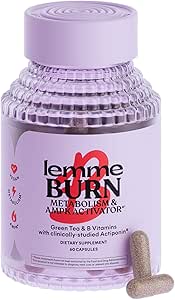
Lemme Burn - Metabolism, Belly Fat Burning + AMPK Activating Supplement for Men & Women w/Clinically Studied Actiponi...
Check Price on AmazonAs an Amazon Associate we earn from qualifying purchases.
Lemme Burn: Comprehensive Thermogenic with AMPK Activation
Lemme Burn stands out in the crowded thermogenic market by targeting multiple metabolic pathways simultaneously. The formulation includes clinically-studied doses of AMPK activators, which enhance cellular energy metabolism and promote fat oxidation at the mitochondrial level.
The inclusion of green tea extract provides standardized EGCG, supporting the catecholamine pathway discussed in the research section above. The product also contains grains of paradise (Aframomum melegueta), which has emerging evidence for brown adipose tissue activation similar to capsinoids.
What makes this product particularly notable is the transparency in dosing. Unlike many “proprietary blend” thermogenics that hide ingredient amounts, Lemme Burn discloses exact doses, allowing you to compare them against clinical research thresholds.
The recommended protocol is 2 capsules daily, ideally taken 30-60 minutes before exercise or with breakfast. Based on the ingredient profile, this aligns with research-supported dosing for thermogenic effects.
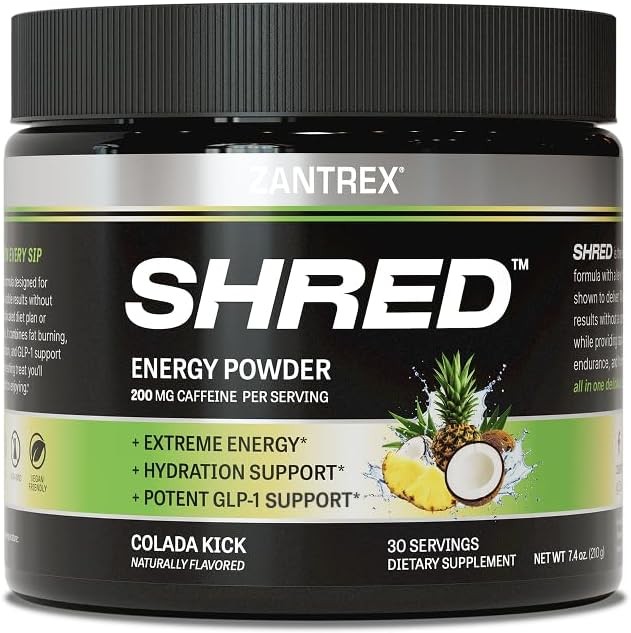
Zantrex Shred – Clean Energy Drink Powder – GLP-1 Support Supplement – Appetite Support, Weight Management, Hydration...
Check Price on AmazonAs an Amazon Associate we earn from qualifying purchases.
Zantrex Shred: Budget-Friendly Energy and Metabolism Support
For those seeking thermogenic support without premium pricing, Zantrex Shred offers a solid combination of evidence-based ingredients in a convenient powder format. The 200mg caffeine per serving aligns with research showing 8-11% increases in metabolic rate at this dose.
The product includes novel GLP-1 support ingredients, which represent an emerging pathway in metabolic health. While long-term clinical evidence for GLP-1 modulation via supplements is still developing, the mechanism is promising for appetite regulation and fat metabolism.
The powder format provides flexibility in dosing and can be easily integrated into pre-workout routines or morning rituals. The inclusion of hydration support electrolytes is a practical addition, as thermogenic compounds do slightly increase fluid requirements.
At approximately $30 per container, Zantrex Shred provides 30 servings, making it one of the most cost-effective evidence-based thermogenic options available.
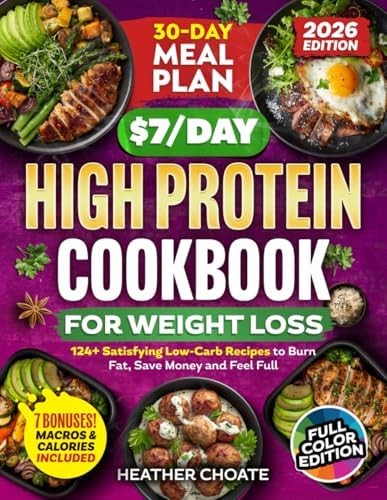
The $7/Day High Protein Cookbook for Weight Loss: 124 Easy Low Carb Recipes + 30-Day Meal Plan to Burn Fat Naturally,...
Check Price on AmazonAs an Amazon Associate we earn from qualifying purchases.
The $7/Day High Protein Cookbook: Nutritional Foundation for Thermogenesis
While not a supplement, this cookbook deserves inclusion because dietary protein has one of the strongest thermogenic effects of all interventions. As discussed earlier, protein has a thermic effect of 20-30% compared to 5-10% for carbohydrates and 0-3% for fat.
Increasing protein intake from 15% to 30% of total calories can boost daily energy expenditure by 100-200 calories—a magnitude comparable to or exceeding what most thermogenic supplements provide. The 124 recipes are designed around high-protein, low-carb principles that maximize the thermic effect of feeding while supporting satiety and muscle preservation during fat loss.
The $7/day budget framework makes the approach accessible, addressing one of the most common barriers to high-protein eating. The included 30-day meal plan removes decision fatigue and provides structure for those new to fat loss dieting.
For anyone serious about fat loss, optimizing dietary protein intake should come before spending money on thermogenic supplements. This cookbook provides the practical tools to implement that priority.

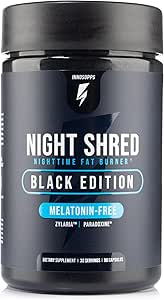
Night Shred Black Melatonin-Free Nighttime Fat Burner and Sleep Support Supplement - GABA Complex with Ashwagandha, C...
Check Price on AmazonAs an Amazon Associate we earn from qualifying purchases.
Night Shred Black: Nighttime Metabolism and Recovery Support
Most thermogenic supplements rely on stimulants and are therefore inappropriate for evening use. Night Shred Black takes a different approach, focusing on non-stimulant pathways that support nighttime metabolism while promoting sleep quality.
The formulation includes GABA (gamma-aminobutyric acid) for neurotransmitter support, ashwagandha for cortisol modulation, and various adaptogens aimed at reducing stress-related metabolic dysfunction. While the thermogenic evidence for nighttime fat burners is less robust than for caffeine-based daytime products, the sleep optimization angle has merit.
Poor sleep is strongly associated with metabolic dysfunction, increased appetite (via ghrelin elevation and leptin suppression), and impaired fat loss. If Night Shred Black improves sleep quality and duration, the indirect metabolic benefits could be significant even if direct thermogenic effects are modest.
The melatonin-free formulation is notable, as melatonin can cause next-day grogginess in some users and may not be appropriate for everyone. The product aims to support natural sleep architecture through stress reduction rather than pharmacological sedation.
Who Benefits Most from Thermogenic Supplements?
Thermogenic supplements are not equally effective for everyone. Understanding who is most likely to benefit helps set realistic expectations and avoid wasted money.
Who Are the Best Candidates for Thermogenic Supplementation?
Individuals already implementing solid nutrition and training: If you are in a consistent caloric deficit with high protein intake, resistance training 3-4x per week, and managing sleep and stress, thermogenic supplements can provide a small additional edge. For these individuals, the extra 100-200 calories per day can be meaningful.
People with higher body fat percentages: The relative impact of thermogenic supplements appears to be greater in individuals with more body fat to lose. Studies often show more pronounced effects in overweight or obese subjects compared to already-lean individuals.
Those in the later stages of a fat loss phase: When body fat gets lower (men below 12%, women below 20%), the body increases metabolic resistance to further fat loss. Thermogenic supplements may help counteract some of this adaptation, though they cannot fully overcome it.
Individuals who respond well to caffeine: There is significant individual variability in caffeine metabolism and response. People who feel energized and focused from caffeine without excessive jitteriness or anxiety are more likely to tolerate and benefit from caffeine-based thermogenics.
Athletes or competitors with specific body composition deadlines: Physique competitors, fighters making weight, or athletes with aesthetic or weight class requirements may find the modest additional fat loss from thermogenics helpful when combined with aggressive diet and training protocols.
Who Should Avoid or Use Caution with Thermogenic Supplements?
Individuals with cardiovascular conditions: Anyone with hypertension, arrhythmias, coronary artery disease, or a history of heart attack or stroke should avoid stimulant-based thermogenic supplements entirely. Even “mild” stimulants like caffeine can increase blood pressure and heart rate, and the combination of multiple stimulants amplifies these effects.
People with anxiety disorders or panic disorder: Stimulant thermogenics can trigger or worsen anxiety symptoms, panic attacks, and obsessive thoughts. The physiological activation from caffeine and similar compounds mimics the sympathetic nervous system activation that occurs during anxiety, and for sensitive individuals this can spiral into full panic episodes.
Pregnant or breastfeeding women: Caffeine and other thermogenic compounds cross the placental barrier and are present in breast milk. High caffeine intake during pregnancy is associated with increased risk of miscarriage and low birth weight. The safety of most thermogenic ingredients has not been established in pregnancy or lactation.
Individuals taking certain medications: Thermogenic stimulants can interact with numerous medications including MAO inhibitors, stimulant medications (ADHD drugs), blood pressure medications, anticoagulants, and more. Always check with a healthcare provider before combining thermogenic supplements with any medication.
People with thyroid conditions: Some thermogenic supplements contain compounds that affect thyroid hormone metabolism. Individuals with hypothyroidism, hyperthyroidism, or those taking thyroid medication should consult with their endocrinologist before using thermogenic products.
Those with gastroesophageal reflux disease (GERD) or ulcers: Caffeine and capsaicin can both aggravate reflux and gastric irritation. Green tea extract on an empty stomach is particularly problematic for individuals with sensitive digestive systems.
Individuals taking MAO inhibitors or other psychiatric medications: The interactions between thermogenic stimulants and psychiatric medications can be severe and potentially life-threatening.
People with liver disease: Green tea extract at high doses has been associated with liver injury, and individuals with pre-existing liver conditions are at greater risk.
Adolescents and teenagers: The safety of concentrated thermogenic supplements has not been established in pediatric populations, and the developing cardiovascular and nervous systems may be more susceptible to adverse effects.
Bottom line: People with higher body fat (>20% men, >30% women), those in caloric deficit, and individuals who respond to stimulants benefit most; already-lean individuals (<12% men, <20% women) see minimal additional effects.
What Should You Look for When Buying Thermogenic Supplements?
If you decide that a thermogenic supplement is appropriate for your situation, here is practical guidance on selecting a quality product.
What Should You Look For in a Thermogenic Product?
Full ingredient disclosure: Every active ingredient should be listed with its exact dose. No proprietary blends. No “matrices” or “complexes” with hidden amounts.
Clinically relevant doses: Compare the doses on the label to the doses used in the clinical studies we discussed. If a product contains 50mg of green tea extract when the clinical dose is 500-800mg, you are not getting what the research supports.
Third-party testing: Look for products that have been tested by independent laboratories such as NSF International, USP (United States Pharmacopeia), Informed-Sport, or ConsumerLab. Third-party testing verifies that the product contains what the label says and is free of contaminants, heavy metals, and banned substances.
Simple ingredient lists: The best evidence-based thermogenic supplements tend to have relatively simple formulations. A product with 3-4 well-dosed, well-studied ingredients is far more trustworthy than one with 15+ ingredients at unknown doses.
GMP (Good Manufacturing Practices) certification: This indicates that the product was manufactured in a facility that follows standardized quality control procedures.
What Should You Avoid in Thermogenic Products?
Products with undisclosed or proprietary blends: As discussed, you cannot evaluate a product if you do not know how much of each ingredient it contains.
“Fat burners” with 10+ stimulant ingredients: Multi-stimulant products with unknown individual doses carry unpredictable cardiovascular risk profiles.
Products making extreme claims: Any product claiming to produce dramatic fat loss without diet changes, “melt belly fat,” or produce pharmaceutical-level results is not being honest about what the evidence supports.
Products containing DMAA, DMHA, or other amphetamine-like stimulants: These compounds have been associated with serious cardiovascular adverse events and are considered adulterated by the FDA. Their presence in a product is a red flag for overall product quality and manufacturer integrity.
Products marketed with celebrity endorsements or dramatic before-and-after photos: These marketing tactics are designed to sell products, not to communicate accurate information about efficacy. The before-and-after photos in supplement advertising rarely reflect the supplement alone and are often the result of significant diet and exercise changes, professional photography differences, or even digital manipulation.
Bottom line: Look for third-party tested products with transparent dosing (no proprietary blends), effective doses of proven ingredients (caffeine 200mg+, EGCG 400mg+), and avoid products with ineffective fillers or underdosed compounds.
What Can and Cannot Thermogenic Supplements Actually Do?
Perhaps the most important section of this article is this one. Setting realistic expectations will save you money and frustration.
What Can Thermogenic Supplements Actually Achieve?
- Increase resting metabolic rate by approximately 3-11%, translating to roughly 50-200 extra calories burned per day
- Shift substrate utilization toward greater fat oxidation (burning a higher percentage of fat relative to carbohydrates)
- Partially offset the metabolic adaptation that occurs during prolonged caloric restriction
- Provide a modest additional edge in fat loss when combined with diet and exercise (approximately 0.5-2 kg over 8-12 weeks beyond diet and exercise alone)
- Acutely increase energy and alertness (caffeine-containing thermogenics), which may improve exercise performance and thereby indirectly support fat loss
What Are the Limitations of Thermogenic Supplements?
- Overcome a caloric surplus: No thermogenic supplement will cause fat loss if you are eating more calories than you burn
- Produce dramatic visible results on their own: The fat loss attributable specifically to thermogenic supplementation is modest in absolute terms
- Spot-reduce fat: Despite claims about “targeting belly fat,” thermogenic supplements increase whole-body energy expenditure and fat oxidation. They do not selectively burn fat from specific body regions (though yohimbine has some theoretical basis for preferential mobilization of fat from alpha-2 receptor-dense areas)
- Replace the fundamentals: Caloric deficit through diet management, regular physical activity (both resistance training and cardiovascular exercise), adequate sleep, and stress management collectively dwarf the contribution of any thermogenic supplement
- Work indefinitely without tolerance: The body adapts to most thermogenic stimuli over time, reducing their effectiveness
How Much Fat Loss Do Thermogenics Really Produce?
Consider a person who is already dieting and exercising, creating a 500-calorie daily deficit. Over 12 weeks, this would produce approximately 6.4 kg (14 lb) of fat loss in a simplified model. Adding an effective thermogenic supplement that increases energy expenditure by 100 calories per day would add approximately 1 kg (2.2 lb) of additional fat loss over those same 12 weeks. That is a roughly 15% improvement over diet and exercise alone.
Is that meaningful? For someone competing in a physique sport or trying to get to very low body fat levels, an extra kilogram of fat loss over 12 weeks can be significant. For someone trying to lose 20 or 30 kilograms, it is a rounding error compared to the contribution of diet and exercise.
The honest conclusion is this: thermogenic supplements have real, measurable effects that are supported by clinical research. But those effects are modest in the context of overall fat loss. They are the last 5-10% of optimization, not the foundation. If you are not already dieting intelligently and exercising consistently, spending money on thermogenic supplements is premature.
Bottom line: Thermogenics CAN increase daily calorie burn by 100-250 calories, enhance fat oxidation during exercise, and reduce appetite slightly; they CANNOT replace diet/training, spot reduce fat, or produce dramatic results without caloric deficit.
How Should You Use Thermogenic Supplements Effectively?
For those who want to incorporate thermogenic supplements into an already-solid fat loss program, here is a practical, evidence-based protocol.
How Should You Start with Thermogenics? (Phase 1: Weeks 1-2)
Start with caffeine alone if you are not already a habitual caffeine user:
- Week 1: 100mg caffeine, 30-60 minutes before exercise (or in the morning on non-exercise days)
- Week 2: 200mg caffeine with the same timing
This establishes your baseline tolerance and allows you to identify any adverse effects before adding additional compounds.
How Do You Add More Thermogenics? (Phase 2: Weeks 3-8)
Add green tea extract (EGCG):
- 300-400mg EGCG per day, taken with food
- Continue caffeine at 200-300mg per day
- Consider adding capsaicin or capsinoids (6mg capsinoids per day) if you want a third pathway
Monitor for any side effects, particularly GI issues with the capsaicin.
How Should You Maintain or Cycle Thermogenics Long-Term? (Phase 3: Weeks 9+)
If you plan to continue, consider:
- A 1-2 week caffeine washout every 6-8 weeks to partially restore sensitivity
- Maintaining EGCG during caffeine washout periods (its mechanism is partly independent of caffeine)
- Rotating capsaicin/capsinoids in if you stopped them, or adding grains of paradise as an alternative brown fat activator
What Are the Key Protocol Guidelines to Follow?
- Always take green tea extract with food (liver safety)
- Avoid all caffeine within 6-8 hours of bedtime
- Stay well-hydrated, as thermogenesis does increase fluid losses slightly
- Do not exceed 400mg caffeine from all sources combined (including coffee, tea, pre-workout, and thermogenic supplements)
- If you experience persistent anxiety, rapid heartbeat, insomnia, or digestive problems, reduce doses or discontinue
Bottom line: Take thermogenics 30-60 minutes pre-workout or in morning, start with half dose to assess tolerance, cycle 8-12 weeks on/2-4 weeks off to avoid tolerance, and always combine with 500+ calorie deficit for meaningful fat loss.
How Do Thermogenics Fit Into the Bigger Fat Loss Picture?
Thermogenic supplements exist within a broader landscape of strategies that affect energy expenditure and fat loss. To keep things in perspective, here is how their impact compares to other factors.
What Non-Supplement Approaches Increase Thermogenesis?
Cold exposure: Deliberate cold exposure (cold showers, cold water immersion, or simply lowering ambient temperature) is one of the most potent activators of brown fat thermogenesis. Cold-induced thermogenesis can increase energy expenditure by 10-15% or more, considerably larger than any supplement effect. A study by van Marken Lichtenbelt et al. published in The New England Journal of Medicine in 2009 demonstrated robust brown fat activation in adult humans during mild cold exposure.
High-protein diets: Protein has a thermic effect of 20-30%, compared to 5-10% for carbohydrates and 0-3% for fat. Increasing protein intake from 15% to 30% of calories can increase total thermic effect of food by 100+ calories per day, a magnitude similar to what thermogenic supplements produce.
Resistance training: Building lean muscle mass increases basal metabolic rate. Each pound of muscle burns approximately 6-7 calories per day at rest (not the often-cited 50 calories per day, which is a myth). However, the metabolic cost of muscle extends beyond rest: the elevated post-exercise oxygen consumption (EPOC) after resistance training and the ongoing repair and remodeling of muscle tissue contribute meaningfully to energy expenditure.
NEAT optimization: Non-exercise activity thermogenesis (fidgeting, standing, walking, taking the stairs) can vary by 500-2,000 calories per day between individuals. Strategies to increase NEAT, such as using a standing desk, walking meetings, and parking farther away, can have a substantially larger impact on energy expenditure than any thermogenic supplement.
Where Do Supplements Rank in the Fat Loss Hierarchy?
If you were to rank fat-loss strategies by impact, thermogenic supplements would fall near the bottom:
- Caloric deficit through dietary management (overwhelmingly the most important factor)
- Regular physical activity (resistance training + cardiovascular exercise)
- Adequate sleep (7-9 hours; poor sleep disrupts appetite hormones and metabolic function)
- Stress management (chronic stress elevates cortisol, promoting abdominal fat storage)
- High protein intake (satiety + thermic effect + muscle preservation)
- Increased NEAT (daily movement beyond structured exercise)
- Cold exposure (meaningful thermogenic stimulus)
- Thermogenic supplements (modest additional benefit)
This is not to say thermogenic supplements are worthless. The research clearly shows they have real physiological effects. But approaching them as one small component within a comprehensive strategy, rather than as a primary fat-loss solution, aligns with what the evidence actually supports.
Bottom line: Thermogenic supplements rank 8th in the fat loss strategy hierarchy behind caloric deficit, exercise, sleep, stress management, protein intake, NEAT, and cold exposure; they provide real but modest benefits that matter most for already-lean individuals seeking the last 5-10% of optimization.
Related Reading
Expand your understanding of evidence-based fat loss and metabolism optimization:
-
Best Omega-3 Fish Oil Supplements: Complete Research Review - Anti-inflammatory support for metabolic health
-
Best Creatine Supplements: Complete Research Analysis - Muscle preservation during fat loss phases
-
Best Magnesium Supplements for Sleep and Recovery - Sleep optimization for metabolic function
-
Best Vitamin D3 Supplements: Evidence-Based Guide - Hormone optimization and body composition
-
Best Protein Powders for Muscle Building: Research Review - Maximizing thermic effect of feeding
-
Best Pre-Workout Supplements: Clinical Evidence Review - Exercise performance and calorie expenditure
-
Best Collagen Supplements for Skin and Joint Health - Supporting training capacity during caloric restriction
-
Best Metabolism Booster Supplements: What Science Says About Speeding Up Your Metabolism
-
Best Fat Burner Supplements for Women: What Actually Works According to Research
-
CLA for Weight Loss: Does Conjugated Linoleic Acid Actually Work?
References
-
Dulloo AG, Geissler CA, Horton T, Collins A, Miller DS. Normal caffeine consumption: influence on thermogenesis and daily energy expenditure in lean and postobese human volunteers. American Journal of Clinical Nutrition. 1989;49(1):44-50.
-
Astrup A, Toubro S, Cannon S, Hein P, Breum L, Madsen J. Caffeine: a double-blind, placebo-controlled study of its thermogenic, metabolic, and cardiovascular effects in healthy volunteers. American Journal of Clinical Nutrition. 1990;51(5):759-767.
-
Tabrizi R, Saneei P, Lankarani KB, et al. The effects of caffeine intake on weight loss: a systematic review and dose-response meta-analysis of randomized controlled trials. Critical Reviews in Food Science and Nutrition. 2019;59(16):2688-2696.
-
Dulloo AG, Duret C, Rohrer D, et al. Efficacy of a green tea extract rich in catechin polyphenols and caffeine in increasing 24-h energy expenditure and fat oxidation in humans. American Journal of Clinical Nutrition. 1999;70(6):1040-1045.
-
Hursel R, Viechtbauer W, Westerterp-Plantenga MS. The effects of green tea on weight loss and weight maintenance: a meta-analysis. International Journal of Obesity. 2009;33(9):956-961.
-
Jurgens TM, Whelan AM, Killian L, Doucette S, Kirk S, Foy E. Green tea for weight loss and weight maintenance in overweight or obese adults. Cochrane Database of Systematic Reviews. 2012;12:CD008650.
-
Whiting S, Derbyshire E, Tiwari BK. Capsaicinoids and capsinoids. A potential role for weight management? A systematic review of the evidence. Appetite. 2012;59(2):341-348.
-
Yoneshiro T, Aita S, Kawai Y, Iwanaga T, Saito M. Nonpungent capsaicin analogs (capsinoids) increase energy expenditure through the activation of brown adipose tissue in humans. American Journal of Clinical Nutrition. 2012;95(4):845-850.
-
Stohs SJ, Preuss HG, Shara M. A review of the human clinical studies involving Citrus aurantium (bitter orange) extract and its primary protoalkaloid p-synephrine. International Journal of Medical Sciences. 2012;9(7):527-538.
-
Sugita J, Yoneshiro T, Hatano T, et al. Grains of paradise (Aframomum melegueta) extract activates brown adipose tissue and increases whole-body energy expenditure in men. British Journal of Nutrition. 2013;110(4):733-738.
- Hursel R, Westerterp-Plantenga MS. “Catechin- and caffeine-rich teas for control of body weight in humans.” Am J Clin Nutr, 2013
- Rupasinghe HPV et al. “Phytochemicals in regulating fatty acid beta-oxidation.” Nutrients, 2016
- Stohs SJ, Badmaev V. “A review of natural stimulant and non-stimulant thermogenic agents.” Phytother Res, 2016
- Westerterp-Plantenga MS et al. “Body weight loss and weight maintenance in relation to habitual caffeine intake and green tea supplementation.” Obes Res, 2005
Recommended Products