Best Time to Take Supplements: Morning or Night?
Summarized from peer-reviewed research indexed in PubMed. See citations below.
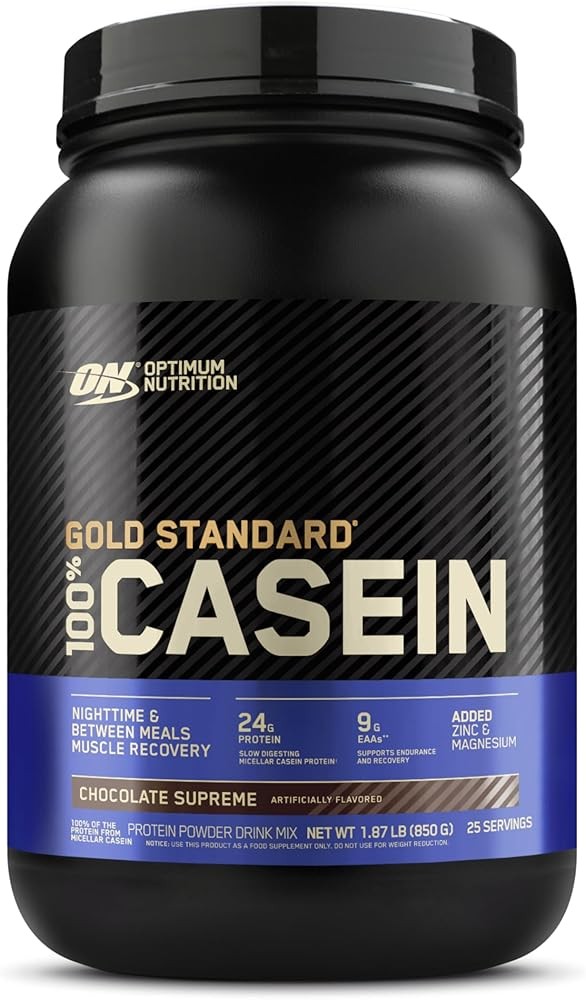
Circadian rhythms significantly affect nutrient absorption, with intestinal transporter expression and digestive enzyme secretion following 24-hour patterns that influence supplement efficacy. The LUMITY Morning & Night Male Supplement ($144.00) packages this idea into a dual formula: energizing nutrients for the morning and a calming magnesium-and-herb blend for the evening. Research also shows practical timing rules matter - fat-soluble vitamins absorb far better with a meal containing fat, and competing minerals like calcium and iron should be separated by a couple of hours because calcium can cut iron absorption roughly in half (Cook et al., 1991). For budget-minded users, Optimum Nutrition Gold Standard Casein, Chocolate Supreme 2LB ($49.16 for 25 servings), provides slow-digesting protein for overnight recovery. Here’s what the published research shows about maximizing supplement timing for absorption and efficacy.
Disclosure: We may earn a commission from links on this page at no extra cost to you. Affiliate relationships never influence our ratings. Full policy →
When Should You Take Supplements: Morning or Night?
When it comes to taking supplements, one of the most common questions is whether it is better to take them in the morning or at night. The answer depends on the type of supplement, your lifestyle, and your health status. Supplement timing isn’t just about convenience—it can significantly impact absorption, efficacy, and even side effects. In this comprehensive article, we’ll delve into the science behind taking supplements at different times of the day and provide practical, evidence-based guidelines for maximizing their effectiveness.
The concept of chronopharmacology—how drug and supplement effects vary with circadian rhythms—has gained significant attention in recent years. Our bodies operate on approximately 24-hour cycles that influence everything from hormone production to digestive enzyme secretion. These rhythms affect how we absorb, metabolize, and utilize nutrients throughout the day, and the human circadian metabolome shows 24-hour oscillations in hundreds of blood metabolites (Dallmann et al., 2012).
Understanding when to take your supplements can mean the difference between optimal absorption and wasted money. For example, taking calcium at night may better support bone remodeling, which peaks during sleep, while iron absorption is highest in the morning when stomach acid production is elevated. Similarly, fat-soluble vitamins require dietary fat for absorption, making meal timing crucial for their efficacy.
This article will break down supplement timing by category, examine the underlying mechanisms that govern absorption and utilization, and provide actionable schedules you can implement immediately. Whether you’re taking a simple multivitamin or a complex regimen of targeted nutrients, this guide will help you optimize your supplementation strategy.
Bottom line: Supplement timing matters: fat-soluble vitamins need a meal with some fat to absorb well, separating iron from calcium by at least 2 hours avoids up to 40-50% iron absorption loss, energizing supplements (B vitamins, rhodiola) fit the morning, and calming ones (magnesium, melatonin, ashwagandha, casein) fit the evening.
How Do Circadian Rhythms Affect Nutrient Absorption?
Before diving into specific supplement recommendations, it’s essential to understand how our circadian rhythms influence nutrient absorption and metabolism. The human body operates on an internal 24-hour clock regulated by the suprachiasmatic nucleus in the hypothalamus. This biological clock controls the release of hormones, digestive enzymes, and other factors that directly affect how we process nutrients, with metabolite levels rising and falling on a roughly 24-hour schedule (Dallmann et al., 2012).
Research has demonstrated that gastrointestinal function varies across the day: the expression of nutrient transporters and digestive enzymes follows circadian patterns, and this rhythmic variation affects the uptake of vitamins, minerals, amino acids, and other compounds (Hoogerwerf, 2009).
Basal stomach acid output follows a circadian rhythm, and some measures run higher in the evening. For supplement purposes, though, the practical variables are meal timing and stomach contents rather than the clock: acid-dependent forms such as calcium carbonate absorb best with food, and iron is best taken on an empty stomach away from coffee, tea, and calcium regardless of the hour.
Hormone production adds another layer. Cortisol peaks in the morning to help us wake; growth hormone surges during deep sleep to support tissue repair; melatonin rises in the evening to promote sleep. When circadian rhythms are disrupted - shift work, late eating, irregular sleep - metabolic and cardiovascular consequences follow (Scheer et al., 2009), which is one more reason consistent supplement timing matters.

What Supplements Should You Take in the Morning?
Should You Take B Vitamins in the Morning?
B vitamins play crucial roles in energy metabolism, converting the food we eat into usable cellular energy (ATP). They’re also involved in neurotransmitter synthesis, red blood cell production, and DNA repair. Because of their energizing effects, B vitamins are generally best taken in the morning.
Research has shown that B vitamins, particularly B6 and B12, can interfere with sleep when taken in the evening. B12 is involved in the regulation of melatonin secretion, and supplementation may affect the sleep-wake cycle. Some individuals report feeling more alert or even experiencing difficulty falling asleep after taking B vitamins late in the day.
The water-soluble nature of B vitamins means they are not stored in the body to a significant degree, with B12 the main exception (the liver holds a multi-year reserve). This makes morning dosing practical - the vitamins get metabolized and used through the day when you need energy most, with excess excreted in urine.
For optimal absorption, B vitamins can be taken with or without food, though taking them with breakfast may reduce the risk of stomach upset in sensitive individuals. If you’re taking a B-complex supplement, morning consumption ensures you have adequate cofactors available for energy production throughout your active hours.
Should You Take Iron in the Morning?
Iron is best absorbed on an empty stomach - for most people that means morning, before breakfast and well before coffee or tea. Iron absorption is aided by an acidic environment and inhibited by the polyphenols in coffee and tea. However, iron supplements can cause gastrointestinal side effects including nausea, constipation, and stomach pain.
If you experience side effects, taking iron with a small amount of food can improve tolerance, though this may slightly reduce absorption. Pairing iron with vitamin C (either as a supplement or through foods like citrus juice) enhances absorption by converting iron to a more bioavailable form and counteracting compounds that inhibit uptake.
Avoid taking iron with coffee, tea, or calcium supplements, as these can significantly reduce absorption. Polyphenols in coffee and tea can decrease iron uptake by up to 60%, while calcium competes for the same absorption pathways. If you must have morning coffee, wait at least 1-2 hours after taking iron.
The type of iron supplement also matters. Ferrous forms (ferrous sulfate, ferrous gluconate, ferrous fumarate) are better absorbed than ferric forms. Iron bisglycinate is a chelated form that offers superior absorption and tolerability compared to traditional ferrous sulfate.
Should You Take Vitamin D in the Morning?
Vitamin D is a fat-soluble vitamin that plays critical roles in calcium absorption, bone health, immune function, and mood regulation. Because it’s fat-soluble, vitamin D should be taken with a meal containing dietary fat to maximize absorption.
Some evidence suggests that taking vitamin D in the morning may be preferable to evening dosing. A small study found that morning vitamin D supplementation was associated with better absorption and higher serum levels compared to evening dosing. Additionally, because vitamin D can have mild energizing effects and may interact with melatonin production, morning consumption may support better sleep quality.
Research has demonstrated that taking vitamin D with a meal containing fat increases blood levels by approximately 50% compared to taking it without food. Only 10-15 grams of fat are needed—roughly the amount in a tablespoon of olive oil, a handful of nuts, or an egg cooked in butter.
If you’re taking a high dose of vitamin D (2,000 IU or more daily), it’s worth checking your vitamin K2 status. Vitamin D increases calcium absorption, and vitamin K2 helps direct that calcium to bones rather than soft tissues. Many experts recommend taking these two vitamins together with a meal containing fat.
Should You Take Adaptogenic Herbs in the Morning?
Adaptogenic herbs like rhodiola, ashwagandha (specific stimulating forms), and cordyceps can support energy, focus, and stress resilience. However, their timing depends on the specific herb and desired effect.
Rhodiola rosea is best taken in the morning on an empty stomach. Research has shown that rhodiola can reduce mental fatigue, improve focus, and support physical performance. Taking it early in the day allows you to benefit from its energizing and cognitive effects when you need them most.
Cordyceps is another adaptogen with stimulating properties that’s best taken in the morning or early afternoon. Traditional use and modern research suggest cordyceps can support energy production, exercise performance, and lung function.
On the other hand, some adaptogenic herbs like ashwagandha are better suited for evening use, particularly the KSM-66 extract which has calming effects. We’ll discuss these in the nighttime supplement section.
Key takeaway: For mornings, front-load energizing nutrients - B vitamins with breakfast, iron on an empty stomach at least 2 hours away from calcium, coffee, or tea, and vitamin D with a meal containing 10-15g of fat. Vitamin D with food can roughly double absorption compared with an empty stomach, which is why meal pairing matters more than the exact hour.
What Supplements Should You Take at Night?
Should You Take Magnesium at Night?
Magnesium is one of the most popular nighttime supplements due to its relaxing and sleep-promoting effects. This essential mineral is involved in over 300 enzymatic reactions in the body, including those that regulate neurotransmitters and muscle function.
Research has demonstrated that magnesium supplementation can improve sleep quality, particularly in individuals with low magnesium status. Magnesium supports the parasympathetic nervous system and GABA signaling, and a double-blind trial in elderly adults with insomnia found magnesium supplementation improved subjective sleep quality (Abbasi et al., 2012).
The best forms for sleep support are magnesium glycinate and magnesium threonate. Glycinate combines magnesium with glycine, an amino acid that itself has calming properties and may enhance sleep quality. Threonate is a newer form that crosses the blood-brain barrier effectively, making it particularly useful for neurological benefits.
Avoid magnesium oxide for nighttime use (or any use, really)—it has poor absorption (only about 4%) and is more likely to cause digestive side effects like diarrhea. The optimal timing is 30-60 minutes before bed, which allows the relaxing effects to coincide with your desired sleep time.
Typical doses for sleep support range from 200-400mg of elemental magnesium. Start with a lower dose and gradually increase as needed. If you experience loose stools, reduce the dose or switch to a more absorbable form.
Should You Take Casein Protein Before Bed?
Casein is a slow-digesting protein derived from milk that provides a sustained release of amino acids over 6-8 hours. This makes it a fit for nighttime use: a randomized trial in trained men and women found that casein consumed in the evening supported recovery outcomes comparably to morning intake, and its slow digestion suits the overnight fast (Antonio et al., 2017). The distinction between slow and fast proteins was established decades ago - casein produces a prolonged, modest amino acid release while whey spikes quickly (Boirie et al., 1997).
Research has shown that consuming casein protein before bed can increase overnight muscle protein synthesis and improve muscle recovery in athletes and resistance-trained individuals. A randomized trial published in Medicine & Science in Sports & Exercise found that protein ingested before sleep increased overnight muscle protein synthesis after an evening workout (Res et al., 2012).
The optimal dose appears to be roughly 30-40 grams of casein consumed 30-60 minutes before bed - about one and a half servings of a 24-gram-per-serving product like the one featured here. This provides enough amino acids to support muscle maintenance without the digestive discomfort of a very large shake right before sleep.

Should You Take Melatonin at Night?
Melatonin is a hormone naturally produced by the pineal gland that regulates the sleep-wake cycle. Supplemental melatonin can help with occasional sleeplessness, jet lag, and shift work sleep issues.
The timing of melatonin is critical. It should be taken 30-60 minutes before your desired bedtime to allow levels to rise in sync with natural circadian patterns. Taking melatonin too early or too late can actually disrupt your sleep-wake cycle rather than support it.
Doses for adults typically range from 0.5mg to 5mg. In a placebo-controlled trial in long-term care residents, a combined melatonin-magnesium-zinc supplement improved sleep quality, but plain melatonin at 0.5-1mg is a reasonable starting point for most adults (Rondanelli et al., 2011). Some individuals are very sensitive to melatonin and should start with the lowest dose available.
Extended-release melatonin formulations may be beneficial for individuals who have difficulty staying asleep (as opposed to falling asleep). These formulations release melatonin gradually over several hours, more closely mimicking natural melatonin production patterns.
Should You Take Calcium at Night?
Calcium supplementation before bed may support bone health, as bone remodeling (the process of breaking down and rebuilding bone tissue) occurs primarily during sleep. Additionally, calcium has mild relaxing effects and may support sleep quality in some individuals.
However, calcium should not be taken with magnesium or other minerals that compete for absorption pathways. If you’re supplementing with both calcium and magnesium, consider taking calcium in the evening and magnesium at a different time (or vice versa), separated by at least 2 hours.
The form of calcium matters. Calcium citrate is better absorbed than calcium carbonate and doesn’t require stomach acid for absorption, making it suitable for nighttime use or for individuals with low stomach acid. Calcium carbonate should be taken with food for optimal absorption.
Should You Take Ashwagandha at Night?
Ashwagandha is an adaptogenic herb with both calming and stress-reducing properties. While some adaptogens are energizing, ashwagandha (particularly the KSM-66 extract) has been shown to promote relaxation and support healthy cortisol patterns.
Research has demonstrated that ashwagandha supplementation can reduce stress and anxiety, improve sleep quality, and support overall well-being. Taking ashwagandha before bed allows its calming effects to support the transition to sleep and may help regulate cortisol, which should naturally be lowest at night.
Typical doses range from 300-500mg of a standardized extract taken 30-60 minutes before bed. Some individuals may experience vivid dreams with ashwagandha supplementation—this is generally harmless but may be unsettling for some people.
Which Supplements Can You Take Anytime?
Can You Take Vitamin C Anytime?
Vitamin C is a water-soluble vitamin that can be taken at any time of day, with or without food. However, because it’s not stored in the body to a significant degree, dividing your dose throughout the day may maintain more consistent blood levels than taking one large dose.
For immune support during acute illness, some research suggests dividing doses every 4-6 hours provides more consistent tissue saturation. For general health maintenance, once or twice daily dosing is sufficient.
High doses of vitamin C (1,000mg or more) may cause digestive upset in some individuals. If this occurs, taking vitamin C with food or switching to a buffered form (sodium ascorbate or calcium ascorbate) can improve tolerance.
Liposomal vitamin C is a newer delivery form that may enhance absorption and tissue uptake compared to traditional ascorbic acid. While more expensive, it may be worth considering for individuals seeking maximum bioavailability.
Can You Take Probiotics Anytime?
The optimal timing for probiotics is somewhat controversial, with research offering mixed findings. Some studies suggest taking probiotics on an empty stomach allows more bacteria to survive passage through stomach acid, while others indicate taking them with food provides better survival rates.
Recent research suggests that timing may be less important than consistency—taking probiotics at the same time daily, regardless of whether it’s with food or on an empty stomach, helps establish gut colonization patterns. However, taking probiotics just before a meal (within 30 minutes) may offer a compromise, providing some food buffer without excessive stomach acid exposure.
The specific strain also matters. Some probiotic formulations are designed with acid-resistant capsules that protect bacteria until they reach the small intestine, making timing less critical. Check the manufacturer’s recommendations for your specific product.
Can You Take Omega-3s Anytime?
Omega-3 fatty acids from fish oil or algae can be taken at any time, but taking them with meals significantly improves absorption. Since omega-3s are fat-soluble, they’re best absorbed in the presence of dietary fat and digestive enzymes released during meal consumption.
Some individuals experience fishy burps or mild digestive upset with omega-3 supplements. Taking them with food reduces these side effects, and choosing high-quality, purified fish oils or enteric-coated formulations can further minimize discomfort.
Dividing your omega-3 dose between two meals may provide more consistent blood levels and reduce the likelihood of side effects. For example, if you’re taking 2,000mg daily, consider taking 1,000mg with breakfast and 1,000mg with dinner.
The form of omega-3 also matters: a controlled bioavailability study found triglyceride-form fish oil produced substantially higher blood EPA and DHA levels than ethyl ester forms at equal doses (Dyerberg et al., 2010). Krill oil delivers omega-3s as phospholipids, which some research suggests are well absorbed.
Which Supplements Should You NOT Take Together?
Should You Separate Calcium and Iron?
Calcium and iron compete for absorption in the intestines. A classic controlled trial found that calcium supplements taken with a meal cut non-heme iron absorption by roughly half, which is particularly relevant for anyone with low iron stores (Cook et al., 1991).
If you need to supplement with both minerals, separate them by at least 2 hours. For example, take iron with breakfast and calcium with dinner, or vice versa. This timing strategy ensures optimal absorption of both nutrients without competitive inhibition.
Calcium also competes with magnesium and zinc for absorption. If you’re taking multiple mineral supplements, consider spacing them throughout the day rather than taking everything at once. This approach maximizes individual nutrient uptake and minimizes interactions.
Should You Separate Calcium and Magnesium?
While calcium and magnesium don’t compete as strongly as calcium and iron, there is still some competition for absorption pathways. Additionally, the ideal ratio of calcium to magnesium is debated, with some experts recommending equal amounts while others suggest a 2:1 ratio of calcium to magnesium.
Rather than taking them together, consider taking calcium in the evening (to support bone remodeling during sleep) and magnesium at bedtime (to promote relaxation and sleep quality). This spacing ensures optimal absorption of both minerals and leverages their unique timing benefits.
Should You Avoid Taking Fat-Soluble Vitamins Together?
Vitamins A, D, E, and K are all fat-soluble vitamins that require dietary fat for absorption. While they don’t necessarily compete with each other, taking very high doses of one can potentially interfere with the metabolism of others.
Vitamin D and vitamin K2 work synergistically—vitamin D increases calcium absorption, while K2 helps direct that calcium to bones rather than soft tissues. Taking these two together may offer complementary benefits.
High-dose vitamin E supplementation may interfere with vitamin K metabolism and blood clotting. If you’re taking therapeutic doses of vitamin E (400 IU or more), monitor your vitamin K status and consider discussing this interaction with your healthcare provider.
Vitamin A and vitamin D may also interact at very high doses, potentially affecting each other’s metabolism. However, at typical supplemental doses, this interaction is unlikely to be clinically significant.
What the data says: When minerals compete, spacing wins: calcium taken with a meal can cut non-heme iron absorption by about half (Cook et al., 1991), so separate iron from calcium by at least 2 hours, keep zinc and magnesium away from high-dose calcium, and give thyroid medication a 30-60 minute empty-stomach window before anything else.
What Clues Does Your Body Give About Supplement Timing?
How Do You Know If Supplement Timing Is Wrong?
Your body provides valuable feedback about whether your supplement timing is optimal. Learning to recognize these signals can help you adjust your schedule for better results and fewer side effects.
Energy disruptions are one of the most obvious signs. If you feel jittery, anxious, or have difficulty falling asleep after taking certain supplements, they may be too stimulating for evening use. B vitamins, iron, rhodiola, and high-dose vitamin C can all have energizing effects that interfere with sleep when taken late in the day.
Conversely, if you feel sluggish or sedated after morning supplements, they may be better suited for evening use. Some individuals find that magnesium, even in moderate doses, causes noticeable relaxation that’s not ideal for daytime activities. Moving magnesium to the evening solves this issue while maintaining its benefits.
Digestive symptoms are another important indicator. Nausea, stomach pain, diarrhea, or constipation after supplement intake suggests timing or formulation adjustments may be needed. Iron and magnesium are particularly notorious for causing digestive issues.
If you experience nausea with morning supplements, try taking them with food instead of on an empty stomach. If magnesium causes loose stools, reduce the dose or split it between morning and evening. If iron causes constipation, increase fiber and water intake, or switch to a gentler form like iron bisglycinate.
Absorption issues may manifest as lack of results despite consistent supplementation. If you’ve been taking a supplement for several weeks or months without experiencing expected benefits, timing or interactions may be the problem.
For example, if you’re taking iron but your levels aren’t improving, consider whether you’re consuming it with calcium, coffee, or tea—all of which inhibit absorption. If you’re taking vitamin D but your serum levels remain low, make sure you’re taking it with dietary fat to maximize uptake.
Sleep disturbances can indicate timing problems with multiple supplements. If you’re experiencing difficulty falling asleep, frequent waking, or vivid dreams, review your evening supplement routine. B vitamins, high-dose vitamin C, rhodiola, and even some forms of magnesium can affect sleep in sensitive individuals.
How Do You Adjust Supplement Timing Based on Your Response?
Once you’ve identified timing issues, systematic adjustments can optimize your regimen:
-
Change one thing at a time. Don’t overhaul your entire supplement schedule at once, or you won’t know which change was responsible for improvements or adverse effects. Modify the timing of one supplement and observe effects for 3-7 days before making additional changes.
-
Track your responses. Keep a simple log noting what supplements you take, when you take them, and any effects you notice (energy, sleep, digestion, mood). Over time, patterns will emerge that guide further optimization.
-
Consider your chronotype. Are you a morning person (lark) or evening person (owl)? Your natural circadian preference may influence optimal supplement timing. Night owls may benefit from taking energizing supplements slightly later in the morning, while early birds may do well with earlier dosing.
-
Account for meals and lifestyle. If you practice intermittent fasting, the traditional advice to “take with breakfast” may not apply. Adapt timing recommendations to your actual eating schedule, ensuring fat-soluble vitamins are taken with meals containing fat regardless of when those meals occur.
-
Be patient with adjustments. Some effects of timing changes are immediate (like avoiding sleep disruption from evening B vitamins), while others take weeks to manifest (like improved iron status from separating calcium and iron). Give each adjustment adequate time before deciding whether it’s working.
If you are dealing with excessive muscle soreness despite adequate protein, pre-sleep protein timing is worth a trial: protein ingested before bed measurably increases overnight muscle protein synthesis (Res et al., 2012). Similarly, magnesium and zinc before bed can support muscle relaxation.
What Are Practical Supplement Timing Schedules?
What Is a Basic Morning Supplement Schedule?
Here’s a practical morning supplement schedule for foundational nutrients:
Upon waking (empty stomach):
- Rhodiola rosea (if using)
- Probiotics (if taking on empty stomach)
With breakfast (containing some fat):
- Multivitamin
- Vitamin D
- Vitamin K2
- Omega-3 fish oil
- B-complex (if not included in multivitamin)
- CoQ10 (if using)
30-60 minutes after breakfast:
- Iron (if needed; wait for coffee to allow optimal absorption)
This schedule ensures fat-soluble vitamins are taken with dietary fat, energizing nutrients are consumed when you need them most, and iron is separated from calcium and polyphenols that inhibit absorption.
What Is a Basic Evening Supplement Schedule?
Here’s a practical evening supplement schedule:
With dinner:
- Calcium (if supplementing)
- Additional omega-3s (if splitting dose)
- Probiotics (if taking with food)
60 minutes before bed:
- Magnesium glycinate or threonate (200-400mg)
- Ashwagandha (300-500mg KSM-66)
30 minutes before bed:
- Melatonin (0.5-3mg, if using)
- Casein protein shake (if using for muscle recovery)
This schedule supports relaxation, sleep quality, and overnight recovery while ensuring minerals that compete with morning supplements are separated by several hours.
What Is an Advanced Supplement Schedule for Athletes?
Athletes and individuals with higher nutrient demands may benefit from a more sophisticated timing approach:
Upon waking:
- 10g BCAAs or EAAs (if training fasted)
- Adaptogens for energy (rhodiola, cordyceps)
30 minutes pre-workout:
- Caffeine (if using)
- Beta-alanine
- Citrulline malate
- Creatine (if using pre-workout; can also take post-workout or anytime)
Post-workout:
- 20-40g whey protein
- Simple carbohydrates for glycogen replenishment
- Creatine (if not taken pre-workout)
- Vitamin C (supports recovery)
With meals throughout the day:
- Standard multivitamin and omega-3 protocol
- Extra vitamins C and E for antioxidant support
- Vitamin D (with fat)
Before bed:
- 30-40g casein protein (about 1.5 servings of a 24g product)
- Magnesium glycinate
- Zinc (supports testosterone and recovery)
- Ashwagandha
This advanced schedule optimizes nutrient timing around training, supports performance and recovery, and provides consistent nutrient availability throughout the 24-hour cycle.
What Timing Considerations Apply to Special Populations?
How Should Pregnant Women Time Supplements?
Pregnancy significantly alters nutrient needs and supplement timing considerations:
Prenatal vitamins are typically best taken with the largest meal of the day, as this maximizes absorption and minimizes nausea. Many women find that taking prenatals with dinner reduces morning nausea, though this isn’t universal. Experiment to find what works best for your individual tolerance.
Iron is crucial during pregnancy but commonly causes constipation and nausea. Taking iron with vitamin C and on an empty stomach maximizes absorption, but if side effects are intolerable, taking it with a small amount of food is better than not taking it at all. Some women benefit from splitting iron doses throughout the day.
Folate (as methylfolate) is essential for neural tube development, particularly in the first trimester. While prenatal vitamins contain folate, the timing isn’t critical—consistent daily intake is more important than time of day. However, taking folate in the morning ensures you don’t forget this crucial nutrient.
DHA omega-3s support fetal brain and eye development. Taking DHA with meals improves absorption and reduces fishy burps. Some evidence suggests that omega-3 supplementation may improve sleep quality during pregnancy, so evening dosing may offer additional benefits.
Consult with your obstetrician or midwife before starting any supplement regimen during pregnancy, as individual needs vary and some supplements may need to be avoided or adjusted.
How Should Older Adults Time Supplements?
Aging affects nutrient absorption, metabolism, and requirements:
Vitamin B12 absorption declines with age due to reduced stomach acid production. Sublingual or liquid B12 forms bypass the need for stomach acid and may be better absorbed in older adults. Timing is less critical than form and consistency.
Vitamin D needs often increase with age due to reduced skin synthesis and limited sun exposure. Taking vitamin D with breakfast or lunch (with dietary fat) ensures consistent intake. Regular monitoring of vitamin D levels helps guide dosing adjustments.
Calcium absorption also declines with age, particularly in women after menopause. However, excessive calcium supplementation may increase cardiovascular risk in older adults. If supplementing, divide doses throughout the day (no more than 500mg at once) and prioritize calcium-rich foods. Take calcium with vitamin K2 to support proper calcium utilization.
Magnesium deficiency is common in older adults and may contribute to muscle cramps, poor sleep, and cognitive decline. Evening magnesium supplementation supports these issues while minimizing interactions with medications often taken in the morning.
CoQ10 production declines with age and is further depleted by statin medications. Taking CoQ10 (preferably as ubiquinol) with breakfast or lunch (with dietary fat) supports energy production and cardiovascular health.
Always review your supplement regimen with your healthcare provider, as older adults often take multiple medications that can interact with supplements.
How Does Food Affect Supplement Absorption?
Which Supplements Need Fat for Absorption?
Fat-soluble vitamins (A, D, E, K) require dietary fat for optimal absorption. Research has consistently demonstrated that taking these vitamins with meals containing at least 10-15 grams of fat significantly increases blood levels compared to taking them on an empty stomach or with a low-fat meal.
Other fat-soluble nutrients include:
- CoQ10: Best absorbed with fat; ubiquinol form shows superior bioavailability
- Curcumin: Highly lipophilic; absorption increases dramatically when taken with fat or piperine
- Carotenoids (beta-carotene, lutein, lycopene): Better absorbed from meals with fat
- Omega-3 fatty acids: While already fat-based, taking with meals improves absorption and reduces fishy burps
You do not need a high-fat meal - just enough fat to stimulate bile secretion and fat digestion. Good options include:
- Eggs cooked in butter or olive oil
- Nuts or nut butter
- Avocado
- Full-fat yogurt
- Olive oil on salad or vegetables
Which Supplements Are Best on an Empty Stomach?
Certain supplements are better absorbed without food:
Amino acids like L-theanine, L-tyrosine, and 5-HTP are better absorbed on an empty stomach because they don’t compete with amino acids from dietary protein for absorption transporters. Taking them 30-60 minutes before meals or between meals maximizes uptake.
Iron is optimally absorbed on an empty stomach, though many people need to take it with a small amount of food to reduce nausea. If taking with food, avoid calcium-rich foods, coffee, tea, and whole grains, which all inhibit iron absorption.
Certain probiotics may survive better when taken on an empty stomach or just before a meal, though this varies by strain and formulation. Check your specific product’s recommendations.
Thyroid medications (levothyroxine) require empty stomach absorption and should be taken at least 30-60 minutes before breakfast. Calcium and iron supplements must be separated from thyroid medication by at least 4 hours.
Which Supplements Need Food to Prevent Upset Stomach?
Many supplements are better tolerated with food, even if absorption is slightly reduced:
Magnesium can cause diarrhea, especially in higher doses or certain forms (magnesium oxide). Taking magnesium with food may improve tolerance, though glycinate and threonate forms are generally gentler and can be taken on an empty stomach by most people.
Zinc commonly causes nausea when taken on an empty stomach. Taking zinc with food may reduce this side effect without significantly impairing absorption. However, avoid taking zinc with high-calcium foods, as calcium competes for absorption.
Vitamin C in high doses (1,000mg or more) can cause digestive upset in sensitive individuals. Taking vitamin C with meals or using buffered forms (sodium or calcium ascorbate) improves tolerance.
Fish oil and other omega-3 supplements may cause fishy burps, indigestion, or nausea. Taking them with meals or freezing capsules before consumption can minimize these effects.
Curcumin and other potent plant extracts can irritate the digestive tract in some individuals. Taking them with food provides a protective buffer.
How Should You Choose Supplement Forms for Best Bioavailability?
What Are the Most Bioavailable Vitamin Forms?
Not all supplement forms are created equal. Choosing highly bioavailable forms ensures you actually absorb what you’re paying for:
Vitamin B12: Methylcobalamin or adenosylcobalamin are superior to cyanocobalamin, as they’re already in active forms and don’t require conversion. Sublingual or liquid forms bypass digestive absorption issues.
Folate: Methylfolate (5-MTHF) is vastly superior to folic acid, especially for the ~40% of people with MTHFR gene variants that impair folate metabolism. Methylfolate doesn’t require conversion and is immediately available for use.
Vitamin B6: Pyridoxal-5-phosphate (P5P) is the active form, superior to pyridoxine hydrochloride, which requires conversion.
Vitamin D: Vitamin D3 (cholecalciferol) is more effective at raising and maintaining blood levels than vitamin D2 (ergocalciferol). Liquid, softgel, or emulsified forms may offer better absorption than tablets.
Vitamin E: Natural d-alpha-tocopherol is better retained in tissues than synthetic dl-alpha-tocopherol. Full-spectrum vitamin E containing all tocopherols and tocotrienols may offer superior antioxidant benefits.
Vitamin K2: MK-7 form (menaquinone-7) has a longer half-life and better tissue distribution than MK-4 (menaquinone-4), though both are beneficial.
What Are the Most Bioavailable Mineral Forms?
Mineral bioavailability varies dramatically based on the form:
Magnesium: Glycinate, threonate, taurate, and malate forms are far superior to oxide or sulfate. Magnesium glycinate offers 4-5 times better absorption than magnesium oxide and is less likely to cause diarrhea.
Calcium: Citrate is better absorbed than carbonate, particularly in individuals with low stomach acid or those taking acid-reducing medications. Calcium citrate doesn’t require food for absorption, while carbonate does.
Iron: Bisglycinate (chelated) is much better absorbed and tolerated than sulfate or fumarate forms. Iron bisglycinate causes fewer digestive side effects and can often be taken on an empty stomach without nausea.
Zinc: Picolinate, glycinate, or citrate forms are better absorbed than zinc oxide. Zinc glycinate is particularly well-tolerated.
Selenium: Selenomethionine is better absorbed and retained than sodium selenite or selenate.
Chromium: Picolinate form is better absorbed than chromium chloride.
Chelated minerals (bound to amino acids like glycine) generally offer superior absorption and tolerance compared to inorganic salts. While they cost more, the improved bioavailability often makes them more cost-effective in the long run.
How Should You Build Your Personalized Supplement Schedule?
How Do You Create a Supplement Timing Strategy?
Building an effective, sustainable supplement schedule requires systematic planning:
Step 1: List all your supplements. Write down everything you’re currently taking or planning to take, including doses.
Step 2: Categorize by timing needs.
- Morning/energizing: B vitamins, iron, rhodiola, caffeine, etc.
- Evening/relaxing: Magnesium, melatonin, ashwagandha, casein protein
- With meals (need fat): Vitamins A, D, E, K, CoQ10, omega-3s, curcumin
- With or without food: Vitamin C, probiotics
- Separate from others: Iron from calcium, thyroid meds from everything
Step 3: Map to your daily routine. Match supplement timing to your existing habits:
- Upon waking: Thyroid meds (if applicable), then wait 30-60 minutes
- With breakfast: Fat-soluble vitamins, energizing nutrients
- Mid-morning: Iron (if needed), after coffee
- With lunch: Additional doses of vitamins taken twice daily
- With dinner: Calcium (if using), additional omega-3s
- Before bed: Magnesium, melatonin, casein protein, calming herbs
Step 4: Identify and resolve conflicts. Note any combinations that shouldn’t be taken together and adjust timing to separate them by at least 2 hours.
Step 5: Consider convenience and compliance. The best supplement schedule is one you’ll actually follow. If a theoretically optimal schedule is too complex or inconvenient, simplify it. Consistency with a good schedule beats perfection with an abandoned one.
Step 6: Use tools to stay on track. Pill organizers, smartphone reminders, or habit-tracking apps can help maintain consistency, especially in the first few weeks as new habits form.
How Often Should You Reassess Your Supplement Schedule?
Your supplement needs and timing may change over time due to lifestyle shifts, health status changes, new medications, or updated research. Plan to reassess your regimen:
Quarterly (every 3 months): Review your current supplements and timing. Are you experiencing any issues? Have you added or removed any medications that might interact? Are you still benefiting from each supplement?
Annually: Schedule comprehensive lab testing if appropriate (vitamin D, B12, iron studies, magnesium RBC, etc.) to objectively assess whether your regimen is meeting your needs. Adjust supplements and timing based on results.
When starting new medications: Many medications interact with supplements or alter nutrient needs. Review your entire regimen with your pharmacist or doctor when starting new prescriptions.
When symptoms change: New digestive issues, sleep problems, energy fluctuations, or other symptoms may indicate timing or dosing adjustments are needed.
Remember that supplements are meant to supplement—not replace—a healthy diet. Prioritize nutrient-dense whole foods, quality sleep, stress management, and physical activity. Supplements work best as part of a comprehensive approach to health.
What Are Common Mistakes in Supplement Timing?
What Timing Mistakes Reduce Supplement Effectiveness?
Several common errors can significantly reduce supplement benefits:
Taking competing nutrients together: Iron with calcium, calcium with magnesium, zinc with copper in excessive ratios—these combinations reduce absorption through competitive inhibition. Separate competing minerals by at least 2 hours.
Taking fat-soluble vitamins without fat: Vitamins A, D, E, K, and nutrients like CoQ10 require dietary fat for absorption. Taking them on an empty stomach or with fat-free meals wastes money and reduces effectiveness.
Taking energizing supplements too late: B vitamins, iron, rhodiola, and other stimulating nutrients can interfere with sleep when taken in the evening. Front-load these to morning hours.
Taking relaxing supplements too early: Melatonin and magnesium taken in the morning may cause unwanted drowsiness and don’t align with natural circadian patterns.
Inconsistent timing: Your body responds best to consistent supplement schedules. Taking supplements erratically—sometimes morning, sometimes evening, sometimes skipped—reduces their cumulative benefits.
Taking everything at once: While convenient, megadosing all supplements together increases the likelihood of interactions, competition for absorption, and digestive side effects. Spread supplements throughout the day when possible.
Ignoring food requirements: Some supplements must be taken with food to reduce nausea (zinc, iron for some people), while others are better absorbed on an empty stomach (certain amino acids, some probiotics). Follow individual nutrient requirements.
Taking supplements with interfering substances: Coffee and tea with iron, calcium with iron, grapefruit juice with certain medications and supplements—these combinations can dramatically reduce absorption or cause dangerous interactions.
What Are the Best Supplements by Category?
What Are Our Top Supplement Recommendations?
The LUMITY Morning & Night supplement system provides a sophisticated approach to circadian-optimized nutrition. The morning formula contains energizing B vitamins, adaptogens, and antioxidants to support daytime energy, focus, and stress resilience. The evening formula features calming magnesium, sleep-supporting herbs like valerian and hops, and nutrients that support overnight recovery and repair.
This dual-formula approach aligns with chronobiology research showing that nutrient timing affects efficacy. By providing targeted nutrients when your body needs them most, LUMITY may offer superior results compared to one-size-fits-all supplements. Third-party testing ensures purity and potency.
For athletes and active individuals prioritizing overnight recovery, Optimum Nutrition Gold Standard Casein in Chocolate Supreme is our budget pick. Each serving provides 24 grams of slow-digesting micellar casein protein that releases amino acids over 6-8 hours, and the 2LB tub delivers 25 servings for $49.16.
Research consistently shows that pre-sleep protein intake improves recovery, and casein’s slow-release profile makes it superior to faster-digesting proteins like whey for nighttime use. Available in multiple flavors, it mixes easily and provides a satisfying consistency. This is our top budget pick for supplement timing optimization.
Doctor’s Best Trans-Resveratrol provides 600mg of 98% pure trans-resveratrol per serving, making it one of the most potent and pure resveratrol supplements available. Resveratrol activates sirtuins—longevity-associated proteins that support cellular health, cardiovascular function, and healthy aging pathways.
While resveratrol can be taken at any time, some research suggests evening dosing may better align with circadian patterns of cellular repair. Take with a meal containing fat for optimal absorption. This premium supplement is ideal for individuals focused on longevity and cellular health optimization.
The Chocolate Supreme flavor is rich without being overly sweet and mixes well with water or milk. The same 24-gram micellar casein serving that supports overnight recovery applies across Optimum Nutrition’s casein line - the practical difference between tub sizes is servings and price per serving.
Here’s a comprehensive list organized by timing:
Which Supplements Are Best for Morning?
- B-complex vitamins - Support energy metabolism
- Iron bisglycinate - On an empty stomach, away from calcium and coffee
- Vitamin D3 with breakfast - Fat-soluble, mild energizing effects
- Rhodiola rosea - Adaptogenic support for focus and energy
- CoQ10 (ubiquinol) - Supports cellular energy production
Which Supplements Are Best for Evening?
- Magnesium glycinate - Promotes relaxation and sleep quality
- Casein protein - Slow-release amino acids for overnight recovery
- Melatonin - Regulates sleep-wake cycle
- Ashwagandha KSM-66 - Calming adaptogen for stress support
- Calcium citrate - Supports bone remodeling during sleep
Which Supplements Can You Take Anytime with Food?
- Omega-3 fish oil - Fat-soluble, better absorbed with meals
- Vitamin E - Fat-soluble antioxidant
- Vitamin K2 - Fat-soluble, supports bone and cardiovascular health
- Curcumin - Highly lipophilic, needs fat for absorption
- Probiotics - Can be taken with or without food depending on strain
Bottom line: Our top supplement recommendations are LUMITY Morning & Night for comprehensive circadian-optimized energy and sleep support, Optimum Nutrition Casein (Chocolate Supreme, 2LB) for overnight muscle recovery on a budget, and Doctor’s Best Trans-Resveratrol 600mg for longevity-minded users - each paired with the timing guidance in the sections above.
Related Reading
- Best Magnesium Supplements for Sleep and Relaxation
- Best Protein Powders for Muscle Recovery
- Best Vitamin D Supplements for Optimal Levels
- Omega-3 Fish Oil Benefits: EPA vs DHA
- Best Probiotic Supplements
- Vitamin B12 vs B-Complex: Which Do You Need?
- Best Iron Supplements for Deficiency
References
-
Dallmann R, Viola AU, Tarokh L, Cajochen C, Brown SA. The human circadian metabolome. Proceedings of the National Academy of Sciences. 2012;109(7):2625-2629. PubMed 22308371
-
Hoogerwerf WA. Role of biological rhythms in gastrointestinal health and disease. Reviews in Endocrine and Metabolic Disorders. 2009;10(4):293-300. PubMed 19798581
-
Scheer FA, Hilton MF, Mantzoros CS, Shea SA. Adverse metabolic and cardiovascular consequences of circadian misalignment. Proceedings of the National Academy of Sciences. 2009;106(11):4453-4458. PubMed 19255424
-
Antonio J, Ellerbroek A, Peacock C, Silver T. Casein protein supplementation in trained men and women: morning versus evening. International Journal of Exercise Science. 2017;10(3):479-486. PubMed 28515842
-
Boirie Y, Dangin M, Gachon P, et al. Slow and fast dietary proteins differently modulate postprandial protein accretion. Proceedings of the National Academy of Sciences. 1997;94(26):14930-14935. PubMed 9405716
-
Res PT, Groen B, Pennings B, et al. Protein ingestion before sleep improves postexercise overnight recovery. Medicine & Science in Sports & Exercise. 2012;44(8):1560-1569. PubMed 22330017
-
Abbasi B, Kimiagar M, Sadeghniiat K, et al. The effect of magnesium supplementation on primary insomnia in elderly: a double-blind placebo-controlled clinical trial. Journal of Research in Medical Sciences. 2012;17(12):1161-1169. PubMed 23853635
-
Rondanelli M, Opizzi A, Monteferrario F, et al. The effect of melatonin, magnesium, and zinc on primary insomnia in long-term care facility residents in Italy: a double-blind, placebo-controlled clinical trial. Journal of the American Geriatrics Society. 2011;59(1):82-90. PubMed 21226679
-
Dyerberg J, Madsen P, Moller JM, Aardestrup I, Schmidt EB. Bioavailability of marine n-3 fatty acid formulations. Prostaglandins, Leukotrienes and Essential Fatty Acids. 2010;83(3):137-141. PubMed 20638827
-
Cook JD, Dassenko SA, Whittaker P. Calcium supplementation: effect on iron absorption. American Journal of Clinical Nutrition. 1991;53(1):106-111. PubMed 1984334
Conclusion
In conclusion, the best time to take supplements depends on various factors, including the type of supplement, individual lifestyle, and health status. While some supplements are best taken in the morning to support energy production and cognitive function, others may be more effective when taken at night to enhance muscle recovery, bone health, and sleep quality.
The key principles to remember:
- Fat-soluble vitamins (A, D, E, K) require dietary fat and are best taken with meals
- Water-soluble vitamins (B-complex, C) can be taken on an empty stomach but are often better tolerated with food
- Energizing supplements (B vitamins, iron, adaptogens like rhodiola) are best taken in the morning
- Calming supplements (magnesium, melatonin, ashwagandha) work well before bed
- Competing nutrients (calcium and iron, calcium and magnesium) should be separated by at least 2 hours
- Bioavailability matters—choose active, chelated, or liposomal forms for better absorption
- Consistency trumps perfection—taking supplements at the same time daily is more important than finding the theoretically optimal time
By following practical guidelines and consulting with a healthcare professional or registered dietitian, individuals can create a personalized schedule that maximizes the effectiveness of their supplements and supports overall health and wellness. Pay attention to the clues your body provides, adjust timing based on your response, and remember that supplement timing is just one piece of the larger puzzle of optimal health.
Disclaimer: This article is for informational purposes only and does not constitute medical advice. For personalized supplement recommendations and timing guidance, consult with a qualified healthcare professional or registered dietitian who can assess your individual needs, health status, medications, and potential interactions.
Recommended Products