Bile Acid Malabsorption Supplements: Managing BAM and Chronic Diarrhea
Summarized from peer-reviewed research indexed in PubMed. See citations below.
Bile acid malabsorption affects 1-5% of the general population and causes symptoms in 25-35% of IBS-D cases, creating chronic watery diarrhea that significantly impacts quality of life. BodyBio Butyrate with 600mg sodium butyrate per serving supports colonic health and reduces inflammation triggered by excess bile acids (~$34.95 for 100 capsules). Published research from the European Journal of Gastroenterology demonstrates that combining soluble fiber supplementation with probiotics significantly reduces stool frequency and improves consistency in BAM patients. For budget-conscious management, Culturelle Daily Probiotic with clinically studied Lactobacillus GG strain helps metabolize bile acids into less irritating forms for about $0.50 per day. Here’s what the published research shows about managing bile acid malabsorption through targeted supplementation.
Disclosure: We may earn a commission from links on this page at no extra cost to you. Affiliate relationships never influence our ratings. Full policy →
Bile acid malabsorption (BAM) affects an estimated 1-5% of the general population, yet it remains significantly underdiagnosed. If you’re experiencing chronic watery diarrhea, frequent bowel urgency, or unexplained digestive symptoms that haven’t responded to conventional treatments, BAM could be the underlying cause. This comprehensive guide examines the supplements and nutritional strategies that can help manage bile acid malabsorption, reduce symptoms, and reduce the risk of the nutrient deficiencies that often accompany this condition.
| Feature | BodyBio Butyrate | Culturelle Probiotic | Physician's CHOICE |
|---|---|---|---|
| View on Amazon | Check Price | Check Price | Check Price |
What Is Bile Acid Malabsorption and How Does It Cause Chronic Diarrhea?
Bile acid malabsorption occurs when your intestines fail to properly reabsorb bile acids during digestion. Under normal circumstances, your liver produces bile acids to help digest fats and fat-soluble vitamins. These bile acids are released into your small intestine, assist with fat digestion, and then approximately 95% are reabsorbed in the terminal ileum (the last section of your small intestine) to be recycled back to the liver.
When this reabsorption process fails, excess bile acids pass into your colon. The colon is extremely sensitive to bile acids, which act as potent secretagogues—substances that trigger water and electrolyte secretion. This creates the hallmark symptom of BAM: chronic watery diarrhea that can occur multiple times daily and significantly impact quality of life.
What Are the Three Types of BAM?
Medical researchers classify bile acid malabsorption into three distinct types:
Type 1 BAM (Secondary BAM) results from damage or disease to the ileum, the section of intestine responsible for bile acid reabsorption. Common causes include Crohn’s disease affecting the terminal ileum, surgical removal of the ileum, radiation therapy to the abdomen, or celiac disease. The damaged intestinal tissue simply cannot perform its normal function of reclaiming bile acids.
Type 2 BAM (Primary or Idiopathic BAM) occurs without any obvious structural damage to the intestines. This is the most common form and is now understood to involve defects in the feedback mechanisms that regulate bile acid production (PubMed). Many people with Type 2 BAM have been previously diagnosed with IBS-D (irritable bowel syndrome with diarrhea), and research suggests that BAM may be responsible for symptoms in 25-35% of IBS-D cases (PubMed).
Type 3 BAM develops after gallbladder removal (cholecystectomy) or in association with other gastrointestinal conditions like microscopic colitis, small intestinal bacterial overgrowth (SIBO), or pancreatic insufficiency. Post-cholecystectomy diarrhea affects approximately 5-12% of people who have their gallbladders removed, with BAM being a significant contributing factor.
Bottom line: BAM is classified into three types—Type 1 results from ileal damage (Crohn’s, surgery, radiation), Type 2 is primary/idiopathic with defective bile acid production regulation (most common, 25-35% of IBS-D cases), and Type 3 develops after gallbladder removal (5-12% post-cholecystectomy)—each requiring tailored management approaches.
How Does Bile Acid Function and Enterohepatic Circulation Work?
To appreciate why BAM causes such severe symptoms and how supplements can help, it’s important to understand the bile acid cycle. Your liver produces primary bile acids (cholic acid and chenodeoxycholic acid) from cholesterol. These are conjugated with the amino acids glycine or taurine to create bile salts, which are stored in the gallbladder and released when you eat.
In the small intestine, bile salts form micelles—tiny spherical structures that solubilize dietary fats and fat-soluble vitamins (A, D, E, and K), making them absorbable. After performing this crucial function, about 95% of bile acids are actively reabsorbed in the terminal ileum through specialized transporters, particularly the apical sodium-dependent bile acid transporter (ASBT).
The reabsorbed bile acids return to the liver via the portal blood in what’s called enterohepatic circulation. This recycling is remarkably efficient—each bile acid molecule may complete this circuit 10-12 times before being eliminated. The small amount that escapes reabsorption (normally about 5%) is replaced by new bile acid synthesis in the liver, maintaining a stable bile acid pool.
When this system breaks down in BAM, several problems cascade. First, the liver increases bile acid production to compensate for the losses, sometimes producing 2-3 times the normal amount (PubMed). Second, the excess bile acids reaching the colon trigger massive water secretion, causing diarrhea. Third, the rapid intestinal transit means less time for nutrient absorption, potentially leading to deficiencies in fat-soluble vitamins and other nutrients.
Bottom line: The enterohepatic circulation normally recycles 95% of bile acids efficiently, but when this system fails in BAM, the liver overproduces bile acids to compensate, while excess bile acids in the colon trigger severe diarrhea and nutrient malabsorption.
What Are the Key Symptoms of BAM?
The symptoms of bile acid malabsorption can significantly impact daily life, yet they’re often attributed to other conditions:
Chronic watery diarrhea is the primary symptom, typically occurring 2-10+ times daily. The diarrhea tends to be worse after meals, particularly those high in fat, because fat intake triggers bile acid release. Many people describe an urgent, sudden need to reach a bathroom within minutes of feeling the initial urge.
Nighttime diarrhea (nocturnal diarrhea) occurs in many BAM patients, disrupting sleep and causing significant fatigue. This differentiates BAM from functional diarrhea and IBS-D, which typically don’t cause nighttime symptoms (PubMed).
Bowel urgency and fecal incontinence can develop, with shortened warning times between feeling the urge and needing immediate bathroom access. This can severely limit activities, travel, and social engagements.
Abdominal pain and cramping may occur, though typically less prominent than the diarrhea itself. The pain is often relieved temporarily by bowel movements.
Weight loss and malnutrition can result from chronic diarrhea, reduced food intake (to avoid triggering symptoms), and impaired absorption of fats and fat-soluble nutrients.
Vitamin deficiencies are extremely common, particularly deficiencies in fat-soluble vitamins A, D, E, and K. Research indicates that 60-80% of BAM patients have vitamin D deficiency (PubMed).
Bottom line: BAM causes chronic watery diarrhea (2-10+ times daily), nighttime diarrhea, severe urgency, and weight loss, with 60-80% of patients developing fat-soluble vitamin deficiencies (particularly vitamin D) requiring supplementation.
How Does BAM Differ from IBS-D?
Distinguishing bile acid malabsorption from irritable bowel syndrome with diarrhea (IBS-D) is clinically important because the treatments differ significantly. Many people spend years being treated for IBS-D when they actually have BAM.
The key differentiating features include nighttime diarrhea (common in BAM, rare in IBS-D), predictable worsening with high-fat meals (more consistent in BAM), and dramatic response to bile acid sequestrants like cholestyramine (rapid improvement in BAM, minimal effect in pure IBS-D).
Research published in Clinical Gastroenterology and Hepatology found that approximately 25-35% of patients diagnosed with IBS-D actually have bile acid malabsorption when properly tested (PubMed). This suggests massive underdiagnosis of BAM in clinical practice.
Bottom line: BAM differs from IBS-D through nighttime diarrhea, predictable fat-triggered symptoms, and dramatic response to bile acid sequestrants—yet 25-35% of IBS-D diagnoses are actually undetected BAM, highlighting widespread underdiagnosis.
What Supplements Work Best for Managing Bile Acid Malabsorption?
While prescription bile acid sequestrants remain the first-line treatment for confirmed BAM, several supplements can help manage symptoms and address the nutritional consequences of the condition.
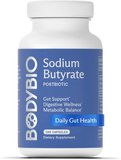
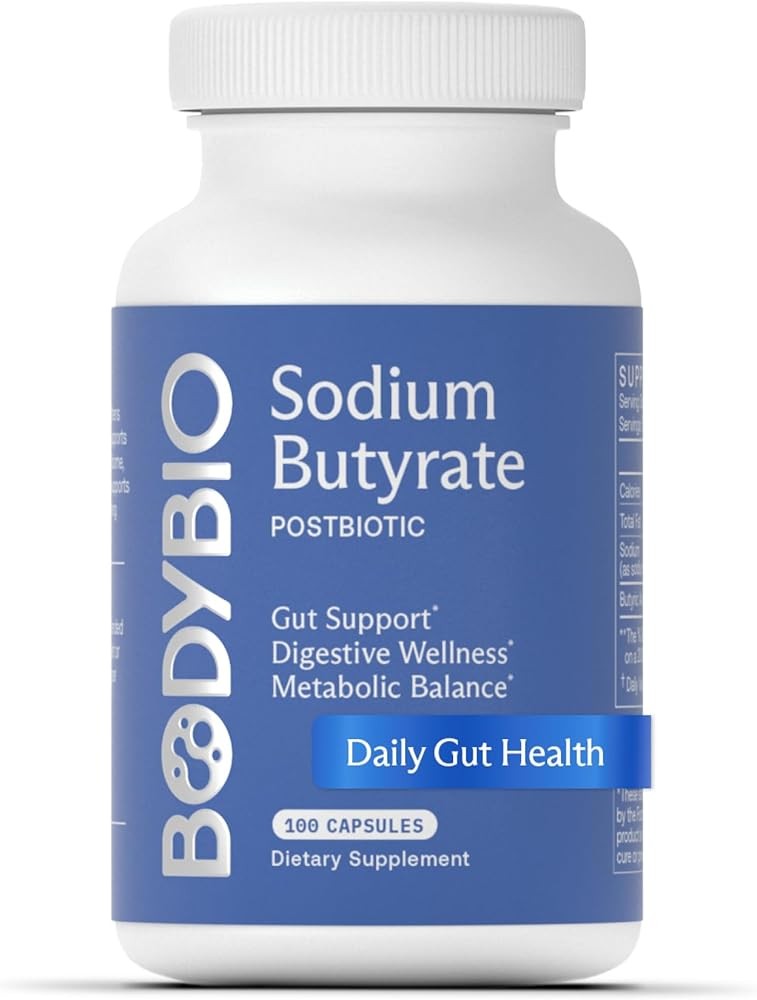
BodyBio Butyrate - Postbiotic for Gut Health, Digestive Support, Bloat, Gas & Constipation Relief, Leaky Gut Repair
Check Price on AmazonAs an Amazon Associate we earn from qualifying purchases.
How Does Psyllium Husk Help Bind Bile Acids Naturally?
Psyllium husk is a natural soluble fiber derived from the seeds of Plantago ovata. It’s one of the most effective non-prescription supplements for managing bile acid malabsorption because it physically binds bile acids in the intestinal lumen, reducing the amount that reaches the colon.
When psyllium is mixed with water, it forms a viscous gel that traps bile acids. This mechanism is similar to how prescription bile acid sequestrants work, though typically less potent. Research published in the European Journal of Gastroenterology & Hepatology demonstrated that psyllium significantly reduced stool frequency and improved consistency in patients with chronic diarrhea (PubMed).
The recommended dosage is 5-15 grams daily, divided into 2-3 doses taken 20-30 minutes before meals. Start with a lower dose (5g once daily) and gradually increase to assess tolerance and effectiveness. Mix each dose with at least 8-12 ounces of water and drink immediately before the gel becomes too thick.
Beyond binding bile acids, psyllium provides additional benefits for BAM management. It slows intestinal transit time, allowing more complete nutrient absorption. It also promotes the growth of beneficial gut bacteria that can metabolize bile acids into less irritating secondary forms. Some people find that psyllium’s bulking effect helps solidify loose stools, improving consistency.
Important considerations include starting slowly to avoid gas and bloating, drinking adequate fluids throughout the day (dehydration risk), taking psyllium at least 2 hours away from medications (it can reduce absorption), and expecting gradual improvement over 1-2 weeks rather than immediate results.
Bottom line: Psyllium husk (5-15g daily in divided doses 20-30 minutes before meals) binds bile acids naturally, significantly reduces stool frequency, and promotes beneficial bacteria that metabolize bile acids—start low and increase gradually with adequate hydration.
How Does Calcium Help Precipitate Bile Acids?
Calcium supplementation offers another mechanism for reducing bile acid irritation in the colon. Calcium ions bind to bile acids, forming insoluble calcium-bile acid complexes that are excreted in the stool rather than triggering colonic secretion.
Research in the American Journal of Gastroenterology showed that calcium carbonate or calcium citrate (500-600mg elemental calcium with meals, up to 3 times daily) reduced bile acid-induced diarrhea by 30-40% in susceptible individuals (PubMed).
Calcium citrate is generally preferred over calcium carbonate for BAM management because it has superior absorption and doesn’t require stomach acid for dissolution. This matters because many BAM patients have been on proton pump inhibitors or have reduced gastric acid production from chronic diarrhea.
The mechanism is straightforward: when calcium and bile acids meet in the intestinal lumen, they form insoluble precipitates. These complexes can’t be absorbed and are eliminated harmlessly in the stool. This reduces the free bile acid pool available to irritate the colon.
Take calcium with meals (when bile acids are released) for maximum effectiveness. Spread the dosage throughout the day (e.g., 500-600mg with breakfast, lunch, and dinner) rather than taking a large single dose, as calcium absorption is limited to about 500-600mg at a time.
Additional benefits include addressing the bone health concerns that can develop with chronic diarrhea and malabsorption. Many BAM patients have reduced bone density due to vitamin D deficiency and impaired calcium absorption (PubMed).
Bottom line: Calcium citrate (500-600mg elemental calcium with meals, up to 3x daily) forms insoluble complexes with bile acids, reducing diarrhea by 30-40%—citrate form preferred for superior absorption without requiring stomach acid.

Culturelle Daily Probiotic Capsules For Men & Women, Most Clinically Studied Probiotic Strain, Digestive & Gut Health
Check Price on AmazonAs an Amazon Associate we earn from qualifying purchases.
How Do Probiotics Support Bile Acid Metabolism?
Probiotics offer a sophisticated approach to BAM management by modifying bile acid metabolism through bacterial enzymes. Certain probiotic strains produce bile salt hydrolase (BSH) enzymes that deconjugate bile salts, converting them into forms that are less irritating to the colon.
Multi-strain probiotic formulations containing Lactobacillus and Bifidobacterium species at doses of 10-50 billion CFU daily have shown particular promise. Research demonstrates that these strains can reduce secondary bile acid toxicity, improve gut barrier function, and reduce intestinal inflammation associated with BAM (PubMed).
The mechanism involves bacterial modification of bile acid structure. When BSH enzymes cleave the glycine or taurine conjugate from bile salts, the resulting unconjugated bile acids are less soluble and less likely to trigger colonic secretion. They’re also more likely to be metabolized by colonic bacteria into secondary bile acids, some of which have anti-inflammatory properties.
Beyond bile acid metabolism, probiotics support overall digestive health in ways particularly relevant to BAM. They strengthen the intestinal barrier, reducing “leaky gut” that can develop with chronic diarrhea. They modulate immune function in the gut, potentially reducing the inflammatory component of BAM symptoms. They compete with potentially pathogenic bacteria that might worsen symptoms.
Choose multi-strain formulations rather than single-strain products, as different strains offer complementary mechanisms. Look for products that guarantee potency through the expiration date (not just at manufacture) and that use delayed-release or enteric-coated capsules to survive stomach acid.
Take probiotics consistently for at least 4 weeks before assessing effectiveness. Unlike bile acid sequestrants that work within days, the microbiome-modifying effects of probiotics require time to establish and stabilize.
Bottom line: Multi-strain probiotics (10-50 billion CFU daily) with Lactobacillus and Bifidobacterium species produce BSH enzymes that deconjugate bile acids, making them less irritating while improving gut barrier function—requires 4+ weeks for full effect.
How Can Digestive Enzymes Enhance Fat Digestion in BAM?
Digestive enzyme supplements containing lipase (the enzyme that breaks down fats) can help people with BAM better tolerate dietary fats. By improving fat digestion in the small intestine, less undigested fat reaches the colon where it can worsen symptoms.
Look for broad-spectrum digestive enzyme products that contain 5,000-10,000 units of lipase per capsule, along with proteases (protein-digesting enzymes) and amylases (carbohydrate-digesting enzymes). Products derived from fungal sources (Aspergillus species) tend to work across a wider pH range than animal-derived enzymes.
Take one to two capsules at the beginning of meals, particularly meals containing moderate to high amounts of fat. The enzymes need to be present when food enters the stomach and small intestine to be most effective.
The benefit is indirect but meaningful. When dietary fats are more completely digested and absorbed in the small intestine, there’s less substrate for bacterial fermentation in the colon. This can reduce gas, bloating, and some of the urgency associated with BAM. Additionally, better fat absorption means improved uptake of fat-soluble vitamins.
Digestive enzymes work best as part of a comprehensive BAM management strategy that includes bile acid sequestration (pharmaceutical or supplement-based), appropriate vitamin supplementation, and dietary modifications. They’re not a standalone solution but rather a supportive intervention.
Bottom line: Digestive enzyme supplements with 5,000-10,000 units lipase taken with meals improve fat digestion, reduce undigested fat reaching the colon, and enhance fat-soluble vitamin absorption—best used as part of comprehensive BAM management.
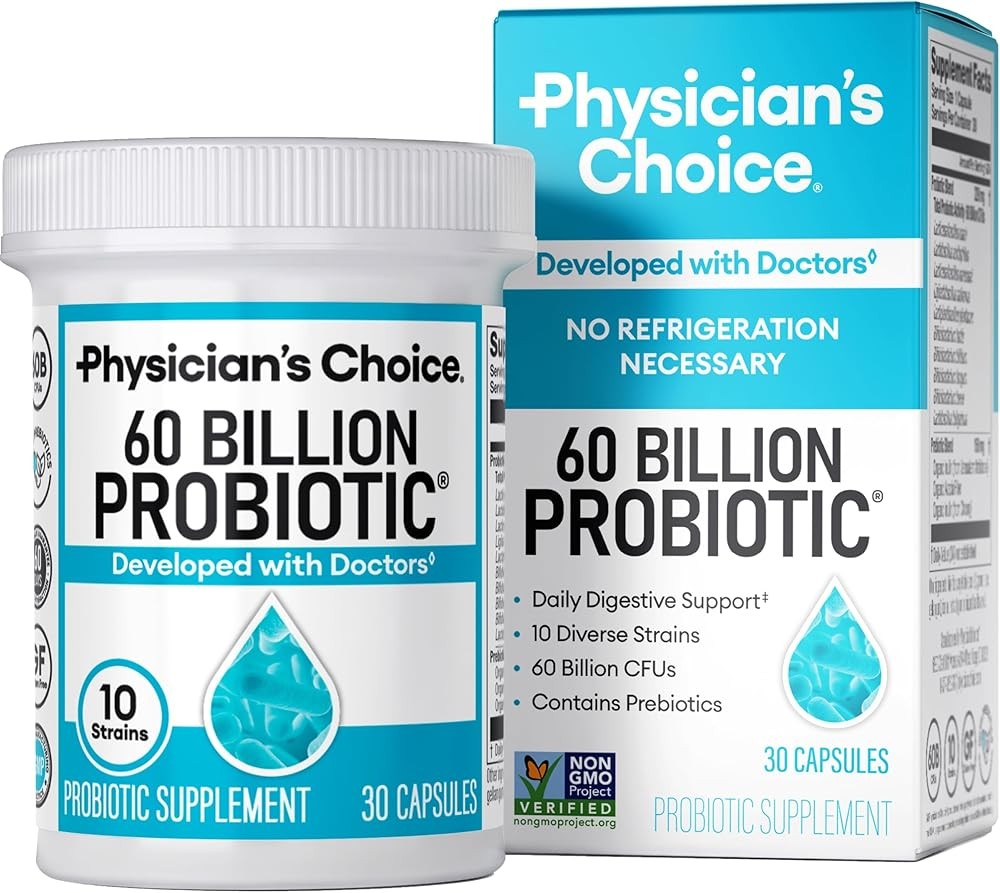
Physician's CHOICE Probiotics 60 Billion CFU - 10 Strains + Organic Prebiotics - Immune, Digestive & Gut Health
Check Price on AmazonAs an Amazon Associate we earn from qualifying purchases.
What Fat-Soluble Vitamins Should You Supplement with BAM?
Fat-soluble vitamin deficiencies are extremely common in bile acid malabsorption, affecting 60-80% of patients. Because bile acids are essential for emulsifying and absorbing fats and fat-soluble vitamins, BAM creates a perfect storm for deficiencies in vitamins A, D, E, and K.
Vitamin D deficiency is particularly prevalent and consequential. Research shows that more than 70% of BAM patients have low vitamin D levels, which increases risks of osteoporosis, fractures, immune dysfunction, and mood disorders (PubMed). Supplementation with vitamin D3 (cholecalciferol) at doses of 2,000-5,000 IU daily is typically necessary, with some patients requiring even higher doses. Monitor blood levels (25-hydroxyvitamin D) every 3-6 months, targeting levels between 50-80 ng/mL.
Vitamin A deficiency can cause night blindness, dry eyes, impaired immune function, and skin problems. Supplementation with 3,000-10,000 IU daily of preformed vitamin A (retinyl palmitate or acetate) is generally safe and effective. Consider beta-carotene (a vitamin A precursor) as an alternative, though conversion efficiency varies among individuals.
Vitamin E deficiency is less common but can cause neurological problems, muscle weakness, and impaired immune function with prolonged deficiency. Supplement with 200-400 IU daily of mixed tocopherols (not just alpha-tocopherol) for comprehensive vitamin E activity.
Vitamin K deficiency can develop, increasing bleeding risk and potentially affecting bone health. Vitamin K2 as MK-7 (menaquinone-7) at 100-200 mcg daily is preferred over vitamin K1 (phylloquinone) because it has better bioavailability and longer half-life. K2 also specifically supports bone and cardiovascular health beyond just clotting function.
Take fat-soluble vitamins with a meal containing some fat to optimize absorption, even in BAM. While absorption is impaired, it’s not zero, and taking vitamins with food improves uptake. Some people benefit from taking fat-soluble vitamins with MCT oil (medium-chain triglycerides), which doesn’t require bile acids for absorption and can act as a carrier for fat-soluble nutrients.
Consider comprehensive testing before supplementation: vitamin D (25-OH vitamin D), vitamin A (retinol), vitamin E (alpha-tocopherol), and coagulation studies (INR/PT) as an indirect measure of vitamin K status. Retest periodically to assess whether supplementation is adequate.
Bottom line: BAM causes fat-soluble vitamin deficiencies in 60-80% of patients—supplement with vitamin D3 (2,000-5,000 IU), vitamin A (3,000-10,000 IU), vitamin E (200-400 IU mixed tocopherols), and vitamin K2 as MK-7 (100-200 mcg) daily, monitoring levels every 3-6 months.
How Does Taurine Support Bile Acid Conjugation?
Taurine is a sulfur-containing amino acid that plays a crucial role in bile acid metabolism. The liver conjugates bile acids with either taurine or glycine before secreting them into bile. Taurine-conjugated bile acids (taurocholate, taurochenodeoxycholate) are generally more efficiently reabsorbed in the terminal ileum than glycine-conjugated forms.
Supplementing with taurine (1,000-3,000mg daily) may help optimize bile acid conjugation, particularly in Type 2 (primary/idiopathic) BAM where bile acid overproduction is a key feature. By ensuring adequate taurine availability, the liver can maintain optimal conjugation patterns.
Research suggests that taurine-conjugated bile acids are less likely to “escape” into the colon because they’re preferentially absorbed by ileal transporters (PubMed). For people with BAM, this could theoretically reduce the bile acid load reaching the colon.
Beyond bile acid conjugation, taurine has additional properties relevant to BAM management. It has anti-inflammatory effects in the intestinal tract. It acts as an osmolyte, helping cells maintain proper hydration (potentially relevant given the massive fluid losses in BAM-related diarrhea). It supports mitochondrial function and cellular energy production.
The evidence base for taurine supplementation specifically in BAM is more limited than for other interventions like psyllium or calcium. However, given taurine’s safety profile, low cost, and mechanistic rationale, it’s a reasonable addition to a comprehensive BAM supplement protocol.
Take taurine between meals for optimal absorption, as it competes with other amino acids for uptake when taken with protein-containing foods. Start with 1,000mg once or twice daily and increase to 3,000mg total if needed and well-tolerated.
Bottom line: Taurine supplementation (1,000-3,000mg daily between meals) supports optimal bile acid conjugation, with taurine-conjugated forms preferentially absorbed in the ileum and less likely to reach the colon—mechanistically sound with good safety profile despite limited BAM-specific research.
Can Activated Charcoal Help with Acute BAM Symptoms?
Activated charcoal is not appropriate for daily long-term use in BAM management, but it can provide temporary relief during acute symptom flares or before situations where bathroom access might be limited (travel, important meetings, social events).
Charcoal’s porous structure allows it to bind various substances in the digestive tract, including bile acids and bacterial toxins. Studies have shown that activated charcoal can reduce diarrhea duration and severity in various conditions (PubMed). For BAM, taking 500-1,000mg of activated charcoal 30-60 minutes before a potentially triggering meal or social event may reduce symptom severity.
Important cautions apply to activated charcoal use. It binds not only bile acids but also medications, vitamins, and nutrients, reducing their absorption. Take charcoal at least 2 hours away from medications and supplements. Don’t use it daily or for extended periods, as it will interfere with nutrition. It causes black stools, which is harmless but can be alarming if unexpected. Some people experience constipation with repeated use.
Activated charcoal is best viewed as an occasional rescue measure rather than a foundational BAM management strategy. Use it sparingly when you need extra symptom control for a specific situation, but rely on more targeted interventions (bile acid sequestrants, psyllium, calcium, probiotics) for daily management.
Bottom line: Activated charcoal (500-1,000mg taken 30-60 minutes before triggering meals) provides temporary symptom relief for acute BAM flares by binding bile acids, but should not be used daily as it also binds medications and nutrients—reserve it for special occasions when bathroom access is limited.
How Does FGF19 Deficiency Contribute to BAM?
Fibroblast growth factor 19 (FGF19) is a hormone produced by cells in the terminal ileum in response to bile acid binding to farnesoid X receptors (FXR). FGF19 travels through the bloodstream to the liver where it signals to reduce bile acid synthesis. This negative feedback loop normally keeps bile acid production balanced with losses.
In Type 2 (primary/idiopathic) BAM—the most common form—defective FGF19 production or signaling appears to be a key underlying mechanism (PubMed). When FGF19 fails to adequately signal the liver, bile acid synthesis continues unchecked despite losses, resulting in bile acid overproduction at 2-3 times the normal rate.
This explains why some BAM patients have elevated serum 7α-hydroxy-4-cholesten-3-one (7αC4 or C4), a marker of increased bile acid synthesis. Levels above 50-100 ng/mL suggest bile acid overproduction rather than simple malabsorption.
The FGF19 deficiency concept has important treatment implications. While bile acid sequestrants work by binding excess bile acids, they don’t address the underlying overproduction. This is why some Type 2 BAM patients require very high sequestrant doses or don’t fully respond—the liver just keeps making more bile acids to compensate.
Emerging research is exploring FGF19 analogs and FXR agonists as potential targeted therapies for Type 2 BAM. These medications would address the root cause (defective feedback signaling) rather than just managing the consequence (excess bile acids). Several drugs are in clinical development, though none are yet FDA-approved specifically for BAM.
Bottom line: Type 2 BAM involves defective FGF19 production or signaling, disrupting the negative feedback that normally restrains bile acid synthesis—this causes the liver to overproduce bile acids at 2-3 times normal rates despite losses, explaining why some patients need very high sequestrant doses.
How Do Bile Acids Affect Colonic Function?
Understanding how bile acids affect the colon explains why BAM causes such dramatic symptoms and guides effective management. Bile acids reaching the colon act through several distinct mechanisms to trigger diarrhea.
Secretagogue effect: Bile acids stimulate active chloride secretion and inhibit sodium absorption in colonic cells. This creates an osmotic gradient that draws massive amounts of water into the colonic lumen. Just small increases in bile acid concentration can trigger large fluid secretion responses (PubMed).
Motility effects: Bile acids accelerate colonic motility, reducing the time available for water reabsorption. They stimulate both propulsive contractions and mass movements, contributing to urgency and frequent bowel movements. This is mediated partly through bile acid activation of the G protein-coupled bile acid receptor TGR5 on enteric neurons.
Inflammatory activation: Excess bile acids can activate inflammatory pathways in the colonic epithelium, leading to increased production of prostaglandins and other inflammatory mediators. This creates a cycle where bile acid exposure causes inflammation, which further impairs colonic water reabsorption capacity.
Microbiome disruption: High concentrations of bile acids have antimicrobial properties that can alter the colonic microbiome composition. This may reduce populations of beneficial bacteria that normally metabolize primary bile acids into less irritating secondary forms.
Barrier dysfunction: Chronic bile acid exposure can impair the intestinal barrier, increasing permeability (“leaky gut”). This allows bacterial products like lipopolysaccharide (LPS) to enter the circulation, potentially contributing to systemic inflammation and immune activation.
These mechanisms explain why effective BAM management requires reducing bile acid load in the colon (through sequestrants, fiber, or calcium), supporting the barrier and microbiome (through probiotics and nutritional support), and addressing inflammation (through butyrate and other supportive interventions).
Bottom line: Bile acids trigger diarrhea through multiple mechanisms—stimulating chloride secretion while inhibiting sodium absorption, accelerating motility, activating inflammatory pathways, disrupting the microbiome, and impairing barrier function—explaining why comprehensive BAM management requires multi-targeted approaches.
How Does Your Gut Microbiome Influence Bile Acid Metabolism?
The gut microbiome plays a crucial role in bile acid metabolism, and disruptions in microbial populations may both contribute to and result from bile acid malabsorption. Understanding this relationship helps explain why probiotics can be beneficial in BAM management.
Bile salt hydrolase (BSH) activity: Many gut bacteria, particularly Lactobacillus, Bifidobacterium, and Bacteroides species, produce BSH enzymes that deconjugate bile salts. This removes the glycine or taurine tail, creating unconjugated bile acids. While unconjugated bile acids are less efficiently reabsorbed (potentially worsening malabsorption), they’re also less potent secretagogues, potentially reducing their diarrhea-inducing effects.
Secondary bile acid production: Gut bacteria convert primary bile acids (cholic acid and chenodeoxycholic acid) into secondary bile acids (deoxycholic acid and lithocholic acid) through 7α-dehydroxylation. Secondary bile acids have different biological properties than primary bile acids, with some having anti-inflammatory effects that could benefit BAM patients (PubMed).
Microbiome disruption in BAM: The elevated bile acid levels in BAM can themselves alter microbiome composition. High bile acid concentrations have antimicrobial properties that may reduce beneficial bacterial populations while allowing overgrowth of bile-resistant species. This creates a potential vicious cycle where BAM disrupts the microbiome, and the disrupted microbiome can’t effectively metabolize bile acids.
Therapeutic implications: Probiotic supplementation with specific strains may help restore beneficial bile acid metabolism. Multi-strain formulations containing BSH-producing bacteria can help convert bile acids into less irritating forms. Prebiotics (fermentable fibers that feed beneficial bacteria) may also support a healthier microbiome composition.
Research directions: Scientists are investigating whether specific probiotic strains or combinations could be developed as targeted therapies for BAM. Engineered bacteria with enhanced BSH activity or bile acid metabolism capabilities could potentially offer more effective microbiome-based BAM treatment.
The microbiome-bile acid relationship also explains why antibiotics can sometimes worsen BAM symptoms. By depleting beneficial bacteria that metabolize bile acids, antibiotics can temporarily increase the pool of highly irritating primary bile acids in the colon.
Bottom line: The gut microbiome metabolizes bile acids through BSH enzymes and conversion to secondary forms—probiotics with Lactobacillus and Bifidobacterium strains help restore beneficial bile acid metabolism, while high bile acid levels in BAM can disrupt the microbiome, creating a cycle that probiotics may help break.
What Does Clinical Research Say About BAM Treatment Effectiveness?
Clinical trials and observational studies have established the effectiveness of various interventions for bile acid malabsorption, providing an evidence base for treatment recommendations.
Bile acid sequestrants remain the gold standard, with the most robust evidence. Cholestyramine, colestipol, and colesevelam bind bile acids in the intestinal lumen, preventing colonic irritation. Multiple studies show that 70-96% of patients with confirmed BAM experience significant symptom improvement with sequestrants (PubMed). Response is often dramatic, with reduced bowel frequency within days of starting treatment. However, tolerability issues (taste, grit, GI side effects) limit adherence for some patients.
Psyllium and soluble fiber have shown benefit in several studies, though the evidence base is less extensive than for sequestrants. A European study found that psyllium significantly improved stool consistency and reduced frequency in chronic diarrhea patients, including those with BAM (PubMed). The effect is generally milder than prescription sequestrants but with better tolerability.
Calcium supplementation for bile acid-induced diarrhea was demonstrated in a placebo-controlled trial showing significant reduction in diarrhea frequency with calcium carbonate (PubMed). The effect was particularly pronounced in patients with high fecal bile acid excretion.
Probiotic studies have yielded mixed results, partly due to variation in strains, doses, and patient populations studied. Several trials show that multi-strain probiotics containing Lactobacillus and Bifidobacterium species can improve stool consistency and reduce inflammatory markers in chronic diarrhea conditions (PubMed). BAM-specific probiotic trials remain limited but promising.
Diagnostic studies emphasize the value of proper testing. The SeHCAT test (where available) identifies BAM with high sensitivity and specificity. Elevated serum 7αC4 correlates with bile acid overproduction in Type 2 BAM. Therapeutic trials with bile acid sequestrants—rapid, dramatic symptom improvement—serve as a functional diagnostic approach when specialized testing isn’t available.
Treatment response predictors: Research suggests that severe BAM (very low SeHCAT retention, very high 7αC4 levels) may require higher sequestrant doses or combination approaches. Type 1 BAM (secondary to ileal disease) may respond better to treatment than Type 2 (primary/idiopathic) because the bile acid pool is smaller. Post-cholecystectomy BAM (Type 3) often improves over time as the body adapts to continuous bile release.
Long-term outcomes: Limited long-term data exist on BAM management, but available studies suggest that continued treatment maintains symptom control. Vitamin D and other fat-soluble vitamin deficiencies often persist or worsen without supplementation, emphasizing the need for ongoing nutritional monitoring.
Bottom line: Clinical research confirms that 70-96% of confirmed BAM patients improve significantly with bile acid sequestrants, while psyllium, calcium, and probiotics provide additional benefit with better tolerability—proper diagnostic testing (SeHCAT, 7αC4, or therapeutic trial) is essential for identifying BAM and predicting treatment response.
What Prescription Options Are Available for Treating BAM?
While supplements can help manage BAM, prescription medications remain the most effective treatment for moderate to severe cases. Understanding these options helps inform discussions with healthcare providers.
Cholestyramine (Questran) is the most studied bile acid sequestrant for BAM. It’s a resin that binds bile acids in the small intestine, preventing them from reaching the colon. Starting dose is typically 4 grams once or twice daily, with gradual increase to 8-24 grams daily in divided doses. Response is often dramatic—many patients experience reduced bowel frequency within 2-3 days. However, cholestyramine has significant tolerability issues: unpleasant taste, gritty texture, bloating, constipation (in some patients), and interference with absorption of fat-soluble vitamins and medications. Take other medications at least 1 hour before or 4-6 hours after cholestyramine.
Colestipol (Colestid) is similar to cholestyramine but some patients tolerate it better. Available in both powder and tablet forms. The tablet form offers better convenience but requires taking multiple large pills. Typical dosing is 2-16 grams daily in divided doses. Like cholestyramine, it can interfere with vitamin and medication absorption.
Colesevelam (Welchol) is a newer bile acid sequestrant with potentially better tolerability. It’s available only in tablet form (625mg tablets), with typical dosing of 3-6 tablets daily with meals. Colesevelam may cause less bloating and has less effect on fat-soluble vitamin absorption than older sequestrants. However, it’s more expensive, and some patients don’t respond as well to it as to cholestyramine.
Loperamide (Imodium) is an anti-motility medication that can provide symptomatic relief by slowing intestinal transit. While it doesn’t address the underlying bile acid problem, it can reduce urgency and frequency. Typical dosing is 2-4mg as needed, up to 16mg daily. Use cautiously and under medical supervision, as overuse can cause constipation and, rarely, serious cardiac effects at very high doses.
Experimental treatments under investigation include FGF19 analogs that could address the root cause of Type 2 BAM by restoring proper feedback regulation of bile acid synthesis. FXR agonists that enhance ileal bile acid reabsorption are also being studied. Obeticholic acid, an FXR agonist approved for primary biliary cholangitis, has shown promise in early BAM trials but isn’t yet approved for this indication.
Combination approaches: Some patients benefit from combining a bile acid sequestrant with supplements (psyllium, calcium, probiotics) to maximize symptom control while minimizing sequestrant dosage and side effects. This personalized approach often provides better tolerability than high-dose sequestrants alone.
Bottom line: Prescription bile acid sequestrants—cholestyramine, colestipol, or colesevelam—remain the most effective BAM treatment with 70-96% response rates, often providing dramatic symptom relief within days, though tolerability issues and vitamin absorption interference require monitoring and supplementation.
What Are the Best Ways to Combine Supplements for BAM Management?
A comprehensive supplement approach to bile acid malabsorption typically involves multiple interventions targeting different aspects of the condition. Here’s how to effectively combine supplements for optimal results.
Foundation Protocol:
- Morning: Psyllium husk (5-10g mixed in water, 20-30 minutes before breakfast) + Probiotic (10-50 billion CFU)
- With breakfast: Calcium citrate (500-600mg elemental) + Vitamin D3 (2,000-5,000 IU) + Vitamin A (5,000 IU) + Vitamin E (200 IU) + Vitamin K2-MK7 (100 mcg) + Digestive enzyme (1-2 capsules)
- Mid-morning: Taurine (1,000mg between meals)
- Before lunch: Psyllium husk (5-10g)
- With lunch: Calcium citrate (500-600mg) + Digestive enzyme (1-2 capsules)
- Mid-afternoon: Taurine (1,000mg between meals)
- Before dinner: Psyllium husk (5-10g)
- With dinner: Calcium citrate (500-600mg) + Digestive enzyme (1-2 capsules)
- Before bed: Taurine (1,000mg) + Consider sodium butyrate (600mg) for overnight colonic support
Timing considerations are crucial for supplement effectiveness. Take psyllium 20-30 minutes before meals to allow gel formation and optimal bile acid binding. Take calcium with meals when bile acids are released. Take probiotics with or without food (follow manufacturer recommendations), but be consistent. Take taurine between meals to avoid competition with dietary amino acids. Take fat-soluble vitamins with meals containing some fat, even in BAM.
Gradual introduction: Don’t start all supplements simultaneously. Begin with the foundation interventions (psyllium, calcium, probiotics) at low doses for 1-2 weeks. Assess tolerance and initial response. Then add taurine, digestive enzymes, and fat-soluble vitamins in subsequent weeks. This staged approach helps identify which interventions are most helpful and minimizes side effects.
Personalization is essential. Some patients respond dramatically to psyllium alone and may not need extensive additional supplementation. Others require the full protocol plus prescription sequestrants. Pay attention to your body’s response. If you experience worsening constipation, reduce fiber and calcium. If diarrhea persists, consider adding activated charcoal occasionally or consulting a physician about prescription options.
Monitoring and adjustment: Track bowel frequency, urgency, consistency (Bristol Stool Scale), and quality of life weekly. After 4-6 weeks on a stable protocol, assess overall response. If symptoms are 70-80% improved, continue the protocol and monitor quarterly. If improvement is <50%, consider adding prescription sequestrants or investigating other causes (SIBO, microscopic colitis, etc.).
Laboratory monitoring: Every 3-6 months, check vitamin D (25-OH), comprehensive metabolic panel (electrolytes can be affected by chronic diarrhea), complete blood count (to assess for anemia from B12 or folate deficiency), and consider vitamin A, E, and coagulation studies annually.
Cost management: A comprehensive BAM supplement protocol can cost $100-200+ monthly. Prioritize based on your specific deficiencies and symptoms. Psyllium, calcium, and vitamin D are inexpensive and high-yield. Probiotics and specialized formulations (butyrate, high-potency enzymes) are more costly—add these if foundational interventions aren’t sufficient.
Bottom line: An effective BAM supplement protocol combines psyllium (5-10g before meals), calcium citrate (500-600mg with meals), multi-strain probiotics (10-50 billion CFU daily), digestive enzymes with meals, fat-soluble vitamins (D3, A, E, K2), and taurine (1,000-3,000mg between meals)—introduce gradually, personalize based on response, and monitor quarterly.
How Should Athletes Manage BAM During Training and Competition?
Athletes with bile acid malabsorption face unique challenges, as the condition can significantly impact training capacity, race performance, and recovery. Strategic supplement and nutritional management can help active individuals maintain their athletic pursuits despite BAM.
Pre-training preparation: Take psyllium 30-45 minutes before morning training sessions to bind any overnight bile acid accumulation. If training later in the day, take psyllium 20-30 minutes before pre-workout meals. Consider activated charcoal (500mg) 1 hour before high-intensity or long-duration sessions when bathroom access might be limited, though this should be occasional rather than daily practice.
Intra-training nutrition: Avoid high-fat foods during training. Use easily digestible carbohydrates (sports drinks, gels, simple sugars) that don’t require bile acid emulsification. Dilute sports drinks slightly more than package directions to reduce osmotic load. Include electrolytes (sodium, potassium) to replace losses from chronic diarrhea. Consider liquid nutrition during long training sessions to minimize GI transit time and reduce urgency.
Post-training recovery: This is when higher fat intake is most problematic, as exercise-induced splanchnic blood flow changes can worsen GI symptoms. Rely on carbohydrate-based recovery foods (rice, potatoes, bananas, pasta) immediately post-training. Wait 1-2 hours before consuming meals with moderate fat content. Take digestive enzymes with post-training meals that include fats. Take calcium citrate (500-600mg) with recovery meals.
Race day strategy: The week before competition, be especially consistent with your supplement protocol—don’t try anything new. The morning of the race, take your usual psyllium dose 45-60 minutes before race start to allow maximum bile acid binding before exertion. Consume only low-fat, easily digestible breakfast foods. Consider a slightly higher loperamide dose (if you use it) 2-3 hours before race start, but practice this strategy in training first. Plan your race nutrition around liquid calories and simple carbohydrates. Know the location of bathrooms on the course. Some athletes find that focusing on breathing and performance anxiety management reduces urgency symptoms during competition.
Hydration management: Chronic diarrhea from BAM creates elevated fluid and electrolyte losses that are further amplified by exercise-induced sweating. Athletes with BAM often need 25-50% more fluid intake than their non-BAM counterparts. Include sodium-containing fluids throughout the day. Consider electrolyte supplements (sodium, potassium, magnesium) beyond what typical sports drinks provide. Monitor urine color—it should be pale yellow most of the day. Dark urine suggests inadequate hydration despite BAM-related fluid losses.
Nutrient timing for fat-soluble vitamins: Since training suppresses digestive function temporarily, take fat-soluble vitamin supplements (D, A, E, K) with non-training meals when absorption capacity is optimal. Consider taking these vitamins with a small amount of MCT oil (medium-chain triglycerides), which doesn’t require bile acid emulsification and can enhance fat-soluble vitamin uptake even in BAM.
Training load management: Be realistic about training volume and intensity. High-volume training increases metabolic demands and may worsen malabsorption. Chronic diarrhea can lead to relative energy deficiency, affecting performance, recovery, and hormonal health. Monitor body weight, energy levels, sleep quality, and performance metrics. If these decline despite adequate calorie intake, consider reducing training load rather than increasing food volume (which might worsen GI symptoms).
Supplement considerations for athletes: Beyond standard BAM management, athletes may benefit from iron supplementation if anemia develops from chronic GI losses (check ferritin levels). B-complex vitamins (particularly B12) support energy metabolism and may be depleted by chronic diarrhea. Magnesium glycinate (200-400mg daily) supports muscle function and is often depleted by diarrhea. Zinc (15-30mg daily) supports immune function and wound healing, which can be compromised by chronic malabsorption.
Communication with coaches and teams: Elite athletes may need to disclose BAM to coaches, athletic trainers, and teams to ensure appropriate support. This can include access to bathrooms during training, modified training schedules to accommodate symptom patterns, and understanding if performance temporarily declines during symptom flares.
When to limit training: Severe symptom exacerbations, signs of significant dehydration, persistent fatigue despite rest, or declining performance despite consistent training suggest the need for medical evaluation and possible training modification. Don’t push through severe BAM symptoms—this can lead to electrolyte disturbances, dehydration, and potential complications.
Bottom line: Athletes with BAM should take psyllium 30-45 minutes before training, rely on low-fat liquid nutrition during exercise, take digestive enzymes and calcium with post-workout meals, ensure 25-50% higher fluid intake than non-BAM athletes, and monitor hydration status, energy levels, and performance metrics to adjust training load appropriately.
How Does BAM Present and Get Managed in Children?
Bile acid malabsorption in children presents diagnostic and management challenges distinct from adult BAM. Pediatric BAM is often underrecognized, with children experiencing years of chronic diarrhea before correct diagnosis.
Presentation differences: Children with BAM typically present with chronic nonbloody diarrhea (watery, 3-10+ times daily), failure to thrive or poor weight gain, recurrent abdominal pain (particularly after meals), nighttime diarrhea disrupting sleep, and frequent school absences or limitation of activities due to bathroom urgency. Young children may experience fecal incontinence, which can be socially devastating and emotionally difficult.
Causes in children: Pediatric BAM most commonly occurs as idiopathic (primary/Type 2) BAM, similar to adults. Secondary causes include ileal Crohn’s disease, previous intestinal surgery (particularly ileal resection), cystic fibrosis, celiac disease, short bowel syndrome, or following gastroenteritis that never fully resolved. Post-cholecystectomy BAM is rare in children since few require gallbladder removal.
Diagnostic approaches: The SeHCAT test (where available) works in children just as in adults. Serum 7αC4 measurement can identify bile acid overproduction. Fecal bile acid measurement is more challenging in children due to collection difficulties. Many pediatric gastroenterologists use a therapeutic trial with cholestyramine—rapid symptom improvement supports BAM diagnosis. Initial workup typically includes stool studies (to exclude infection, inflammation), celiac testing, and sometimes endoscopy with biopsies if Crohn’s disease or other inflammatory conditions are suspected.
Treatment considerations: Cholestyramine is first-line treatment for confirmed pediatric BAM, with dosing adjusted for body weight (typically starting at 2-4 grams once or twice daily, increasing as needed). Palatability is a major challenge—mixing cholestyramine with juice, applesauce, or yogurt can improve acceptance. Tablet forms of colestipol may be easier for older children and adolescents, though multiple pills are required.
Supplement protocols for children: Psyllium husk can be used in children (start with 2.5-5g daily, mix thoroughly with fluids to prevent choking). Calcium carbonate or citrate (dosing based on age and weight, typically 250-500mg with meals). Probiotics are safe and well-tolerated in children—use age-appropriate formulations with 5-10 billion CFU. Fat-soluble vitamin supplementation is essential, with pediatric dosing: vitamin D3 (600-1,000 IU for younger children, 1,000-2,000 IU for adolescents), vitamin A (1,500-5,000 IU depending on age), vitamin E (50-200 IU), vitamin K (30-50 mcg).
Nutritional management: Moderate fat restriction (not severe restriction, which can impair growth). Replace some long-chain fats with MCT oil (start with 1 teaspoon daily, increase gradually to 1-2 tablespoons). Ensure adequate protein and calories to support growth. Small, frequent meals rather than three large meals. Increase soluble fiber through food (oatmeal, applesauce, bananas) and supplements.
Growth monitoring: Regular assessment of height, weight, and BMI percentiles is essential. Chronic diarrhea and malabsorption can significantly impact growth velocity. If growth falters despite treatment, consider more aggressive supplementation, higher calorie intake, or consultation with pediatric nutrition specialists.
Psychosocial support: Children with BAM often experience social embarrassment, anxiety about bathroom access, school avoidance, and reduced quality of life. Address these concerns directly. Provide school documentation if needed for bathroom access or accommodations. Consider counseling or support groups if anxiety becomes significant. Help children develop coping strategies for managing symptoms in social situations.
Transition to adult care: As children with BAM approach adulthood, ensure smooth transition of care to adult gastroenterologists. Provide comprehensive records documenting diagnosis, treatment responses, and growth/development patterns. Discuss increased independence in medication and supplement management during adolescence.
Bottom line: Pediatric BAM often presents as chronic diarrhea with failure to thrive and requires weight-adjusted cholestyramine (2-4g initially), psyllium (2.5-5g daily), calcium, age-appropriate probiotic dosing, and fat-soluble vitamins (D3 600-2,000 IU, A 1,500-5,000 IU, E 50-200 IU)—growth monitoring, nutritional support, and psychosocial care are essential components of pediatric BAM management.
How Is Bile Acid Malabsorption Diagnosed?
Accurate diagnosis of bile acid malabsorption often takes years, with patients misdiagnosed with IBS-D, functional diarrhea, or psychosomatic disorders. Understanding diagnostic approaches can help accelerate the path to correct identification and treatment.
SeHCAT test (Selenium-75-homocholic acid taurine test): This is the gold standard where available (primarily in Europe and some specialized centers). The patient swallows a capsule containing radioactive-labeled bile acid, and retention is measured by scanning 7 days later. Normal retention is >15%. Mild BAM shows 10-15% retention, moderate BAM shows 5-10%, and severe BAM shows <5%. The test is highly sensitive and specific for BAM. Unfortunately, it’s not FDA-approved in the United States, limiting availability.
Serum 7α-hydroxy-4-cholesten-3-one (7αC4 or C4): This blood test measures a marker of hepatic bile acid synthesis. Elevated levels (>50-100 ng/mL, though cutoffs vary by laboratory) suggest increased bile acid production, which typically indicates Type 2 (primary) BAM with overproduction. It doesn’t diagnose BAM definitively but supports the diagnosis, particularly when combined with compatible symptoms. This test is becoming more widely available in the United States and Europe.
Fecal bile acid measurement: Stool is collected over 48 hours and analyzed for total bile acid content. Fecal bile acid excretion >2,337 μmol/48 hours is generally considered diagnostic of BAM. This test directly measures the bile acid malabsorption but requires precise 48-hour stool collection, which many patients find difficult or unpleasant. Availability varies by region and laboratory.
Therapeutic trial with bile acid sequestrants: In the absence of specialized testing, many gastroenterologists use an empiric trial of cholestyramine or another sequestrant. Rapid, dramatic improvement in diarrhea frequency (within 3-7 days) strongly suggests BAM as the underlying diagnosis. This approach is practical and widely accessible, though not as definitive as direct testing. Some experts argue this should be the first-line diagnostic approach given the limited availability of SeHCAT and other specialized tests.
Supporting investigations: Before diagnosing BAM, exclude other causes of chronic diarrhea. This typically includes comprehensive stool studies (culture, ova and parasites, Giardia antigen, C. difficile toxin, calprotectin for inflammation). Celiac disease serologies (tissue transglutaminase IgA, total IgA). Consider breath testing for SIBO or lactose intolerance. In some cases, colonoscopy with biopsies to evaluate for microscopic colitis or inflammatory bowel disease. Imaging (CT enterography or MR enterography) if Crohn’s disease is suspected. These investigations don’t diagnose BAM but help rule out alternative explanations for chronic diarrhea.
Clinical scoring systems: Some researchers have proposed clinical scoring systems based on symptom patterns, response to fat restriction, and other features to predict likelihood of BAM. While not diagnostic, these can help identify patients who warrant further evaluation.
Who should be tested: Consider BAM evaluation in anyone with chronic diarrhea (>4 weeks duration) not explained by other causes, particularly if symptoms include: IBS-D not responding to typical treatments, chronic diarrhea with nighttime symptoms, symptoms clearly worse after fatty meals, diarrhea developing after ileal resection or radiation, diarrhea following cholecystectomy, chronic diarrhea with fat-soluble vitamin deficiencies.
Insurance and access considerations: Unfortunately, diagnostic testing for BAM faces significant access barriers. SeHCAT is not available in most countries, including the United States. Fecal bile acid testing and serum 7αC4 are available but may not be covered by insurance. Many patients are diagnosed based on clinical history and therapeutic trial rather than definitive testing. Advocacy efforts are ongoing to improve diagnostic test availability and insurance coverage for BAM.
Bottom line: BAM diagnosis relies on the SeHCAT test (gold standard, retention <15% indicates BAM, limited US availability), serum 7αC4 (levels >50-100 ng/mL suggest overproduction), fecal bile acids (>2,337 μmol/48h), or therapeutic trial with cholestyramine (rapid improvement supports diagnosis)—many patients are diagnosed empirically due to limited test availability.
What Dietary Changes Can Help You Manage BAM Symptoms?
While supplements and medications are the primary interventions for bile acid malabsorption, dietary modifications play an important supporting role in symptom management.
Fat intake moderation: This is the most important dietary change for most BAM patients. High-fat meals trigger maximum bile acid release, worsening symptoms. However, severe fat restriction (<20g daily) is counterproductive—it can worsen malnutrition and doesn’t allow adequate fat-soluble vitamin absorption even with supplementation. A moderate approach works best: limit fat to 40-60 grams daily, spread evenly across meals rather than concentrating fat in one large meal. Each meal should contain roughly equal fat amounts (12-20g per meal if eating three meals daily). Avoid very high-fat foods like fried items, fatty meats, cream-based sauces, and excessive butter or oil.
MCT oil incorporation: Medium-chain triglycerides (MCTs) don’t require bile acids for digestion and absorption. They’re absorbed directly through the portal vein without needing emulsification. Replacing some long-chain fats with MCT oil (start with 1 teaspoon daily, gradually increase to 1-2 tablespoons daily) can provide fat calories without triggering bile acid release. Use MCT oil in smoothies, drizzled on cooked foods, or mixed into oatmeal. Don’t heat MCT oil to very high temperatures (it smokes at relatively low temperature). Be aware that some people experience diarrhea from MCT oil itself—start with small amounts and increase gradually.
Soluble fiber increase: Beyond psyllium supplementation, increase dietary soluble fiber to 25-35 grams daily from food sources. Good options include oatmeal, barley, apples, bananas, carrots, sweet potatoes, beans, and lentils (if tolerated). Soluble fiber binds bile acids naturally and improves stool consistency. Avoid sudden large increases in fiber, which can cause gas and bloating—increase gradually over 2-3 weeks.
Small, frequent meals: Instead of three large meals, eat five to six smaller meals throughout the day. This reduces the bile acid “surge” that occurs with large meals. Smaller meals mean smaller amounts of bile acid released at any one time, potentially reducing colonic irritation. This pattern also maintains more stable blood sugar and energy levels throughout the day.
Hydration prioritization: Chronic diarrhea creates significant fluid losses. Aim for at least 8-10 glasses (64-80 ounces) of water daily, potentially more depending on symptom severity. Include electrolyte-containing beverages (broths, diluted sports drinks, coconut water) to replace sodium and potassium losses. Monitor urine color—it should be pale yellow. Dark urine indicates inadequate hydration despite diarrhea.
Alcohol and caffeine limitation: Both alcohol and caffeine can stimulate colonic motility and secretion, potentially worsening BAM symptoms. Limit alcohol to occasional small amounts. If you consume caffeine, keep intake moderate (1-2 servings daily) and avoid large amounts, particularly on an empty stomach. Some patients need to eliminate caffeine entirely for optimal symptom control.
Problematic foods to limit: Beyond general fat restriction, certain foods tend to worsen symptoms in many BAM patients. Fried and greasy foods (high fat, plus potentially irritating compounds from frying). Spicy foods (can stimulate motility and secretion). Very large meals (trigger large bile acid release). Raw vegetables in large amounts (can be difficult to digest and cause gas). Artificial sweeteners like sorbitol and mannitol (can cause osmotic diarrhea). Sugar alcohols in “sugar-free” products.
Food timing strategies: Avoid eating large meals late at night, which can worsen nighttime diarrhea. Many BAM patients find that their last substantial food intake should be 3-4 hours before bedtime. If nighttime symptoms are problematic, consider a very light, low-fat evening meal with the day’s main meal at lunch instead.
Keeping a symptom-food diary: Track what you eat and symptom patterns for 1-2 weeks. This helps identify individual trigger foods and optimal meal timing. Note not just food types but also amounts, meal size, and timing relative to symptoms. You may find personal patterns that differ from general recommendations.
Nutrient adequacy: Despite dietary modifications, ensure you’re meeting basic nutritional needs. Chronic diarrhea and fat restriction can lead to deficiencies not just in fat-soluble vitamins but also protein, iron, B vitamins, zinc, and magnesium. Consider working with a registered dietitian specializing in gastrointestinal disorders to create a nutritionally complete meal plan that accommodates BAM restrictions.
Bottom line: BAM dietary management includes moderate fat restriction (40-60g daily spread evenly across meals), replacing long-chain fats with MCT oil (1-2 tablespoons daily), increasing soluble fiber to 25-35g, eating five to six smaller meals instead of three large ones, maintaining hydration with 64-80 ounces daily, and limiting alcohol and caffeine which worsen motility and secretion.
How Should You Address Nutrient Deficiencies Caused by BAM?
Bile acid malabsorption creates significant risk for multiple nutrient deficiencies beyond just fat-soluble vitamins. Comprehensive nutritional assessment and supplementation are essential components of BAM management.
Fat-soluble vitamins (A, D, E, K) are the most predictable deficiencies, as covered earlier. Testing and supplementation are essential for virtually all BAM patients.
Vitamin B12 deficiency can develop in BAM, particularly in patients with ileal disease (Type 1 BAM from Crohn’s disease or ileal resection). The terminal ileum is the absorption site for vitamin B12. Even in patients without structural ileal damage, chronic diarrhea and rapid intestinal transit reduce B12 absorption. Symptoms include fatigue, weakness, neurological problems (numbness, tingling), cognitive difficulties, and macrocytic anemia. Check serum B12 levels or methylmalonic acid (a more sensitive marker) annually. If deficient, use sublingual methylcobalamin (1,000 mcg daily) or B12 injections (1,000 mcg weekly or monthly) for faster repletion than oral tablets.
Folate deficiency may occur alongside B12 deficiency or separately. Chronic diarrhea can impair folate absorption. Deficiency causes anemia, fatigue, and during pregnancy significantly increases neural tube defect risk. Use methylfolate (400-800 mcg daily), the active form that doesn’t require conversion, rather than folic acid.
Iron deficiency can develop from chronic GI blood loss (if BAM has caused colonic inflammation) or impaired absorption. Symptoms include fatigue, weakness, pale skin, shortness of breath, and cold sensitivity. Check ferritin (iron stores) and complete blood count annually. If deficient, use iron bisglycinate (25-50mg elemental iron daily), which is gentle on the GI tract and well-absorbed. Take iron with vitamin C (enhances absorption) but not with calcium (impairs absorption). Iron supplementation can cause constipation—this might actually be beneficial for some BAM patients, but monitor for this effect.
Magnesium deficiency is common with chronic diarrhea, as magnesium is lost in stool water. Deficiency causes muscle cramps, weakness, cardiac arrhythmias, and worsened anxiety. Standard serum magnesium testing misses many deficiencies (most magnesium is intracellular). If symptoms suggest deficiency or if you have severe chronic diarrhea, supplement empirically with magnesium glycinate (200-400mg daily), which has excellent absorption and doesn’t cause diarrhea like magnesium citrate or oxide.
Zinc deficiency can develop with chronic diarrhea, causing impaired immune function, hair loss, skin problems, and poor wound healing. Check serum zinc if clinical suspicion exists. Supplement with zinc glycinate or picolinate (15-30mg daily) if deficient. Don’t exceed this dosing long-term without monitoring, as excessive zinc can cause copper deficiency.
Calcium deficiency and bone health: Beyond calcium supplementation for bile acid binding, ensure adequate total calcium intake (1,000-1,200mg daily from all sources—diet plus supplements) to maintain bone health. The combination of vitamin D deficiency, calcium malabsorption, chronic inflammation, and sometimes corticosteroid use (for Crohn’s-related BAM) significantly increases osteoporosis risk. Consider DEXA bone density scanning, particularly in patients with severe long-standing BAM.
Protein malnutrition: Severe chronic diarrhea can cause protein loss and increased protein requirements. Ensure adequate protein intake (0.8-1.2 grams per kilogram body weight daily, higher end for active individuals or those with significant malnutrition). Use easily digestible protein sources—lean meats, fish, eggs, protein shakes. Consider amino acid supplements if protein intake from food is inadequate.
Essential fatty acid deficiency: While reducing total fat intake, ensure you’re getting adequate essential fatty acids (omega-3 and omega-6). These can’t be synthesized by the body and are required for numerous functions. Include cold-water fish (salmon, mackerel, sardines) 2-3 times weekly, or supplement with omega-3 EPA/DHA (1,000-2,000mg daily). Take omega-3 supplements with meals and digestive enzymes to optimize absorption despite BAM.
Comprehensive testing: Annually (or more frequently if severely symptomatic), check: comprehensive metabolic panel (electrolytes, kidney function, liver function), complete blood count (anemia screening), vitamin D (25-OH), vitamin B12 or methylmalonic acid, ferritin and iron studies, magnesium, zinc if clinical suspicion, and consider vitamin A, E, and PT/INR (indirect vitamin K assessment).
Bottom line: Beyond fat-soluble vitamins, BAM causes deficiencies in B12 (check annually, supplement with methylcobalamin 1,000 mcg if low), folate (methylfolate 400-800 mcg), iron (bisglycinate 25-50mg if ferritin low), magnesium (glycinate 200-400mg daily), zinc (15-30mg if deficient), and essential fatty acids (omega-3 1,000-2,000mg daily)—comprehensive annual testing and proactive supplementation reduce complications.
How Does Gallbladder Removal Lead to BAM?
Post-cholecystectomy diarrhea affects approximately 5-12% of people who have their gallbladders removed, with bile acid malabsorption being a significant contributing factor. Understanding this connection helps in management and reducing risk.
Normal gallbladder function: The gallbladder stores and concentrates bile between meals. When you eat (particularly fatty foods), the gallbladder contracts and releases a bolus of concentrated bile into the small intestine. This coordinated release matches bile acid availability to digestion needs. The rest of the time, bile trickles slowly from the liver into the intestine in small amounts.
Post-cholecystectomy physiology: Without a gallbladder, bile continuously drips from the liver into the intestine rather than being stored and released in response to meals. This creates two problems. First, the continuous low-level bile release means bile acids are constantly entering the intestine, including between meals and during fasting. Second, there’s no concentrated bolus of bile with meals, potentially impairing fat digestion of large or high-fat meals.
BAM mechanism post-cholecystectomy: The constant bile acid delivery to the intestine can overwhelm the terminal ileum’s reabsorption capacity. Even though each individual amount is small, the cumulative 24-hour bile acid exposure may exceed the ileum’s ability to reclaim everything. This leads to increased bile acid spillover into the colon, particularly between meals and overnight (explaining nighttime diarrhea in post-cholecystectomy BAM).
Who’s at risk: Not everyone develops BAM after gallbladder removal. Risk factors include pre-existing subclinical ileal dysfunction (might not have been noticeable before cholecystectomy), extensive or rapid weight loss before gallbladder removal (which can affect bile acid metabolism), underlying IBS-D or functional GI disorders, and potentially genetic variations in bile acid transporters or metabolism that make someone less efficient at bile acid reabsorption.
Risk reduction strategies: While you can’t avoid post-cholecystectomy anatomy, you can potentially reduce BAM risk. Immediately after cholecystectomy, consider prophylactic moderate fat restriction (40-60g daily) for the first 3-6 months to allow the biliary system to adapt. Some surgeons recommend starting psyllium husk (5g daily) immediately post-surgery to bind excess bile acids during the adaptation period. Eat smaller, more frequent meals rather than large meals. These strategies may help the body adjust to continuous bile release without developing chronic symptoms.
Treatment approach: If post-cholecystectomy diarrhea develops, implement the same BAM management strategies as for other BAM types. Psyllium husk (5-15g daily) is particularly effective and should be first-line treatment. Calcium citrate (500-600mg with meals) helps precipitate bile acids. If these don’t provide sufficient improvement within 2-3 weeks, consider cholestyramine or other bile acid sequestrants (with physician guidance). Many patients with post-cholecystectomy BAM respond well to relatively low doses of sequestrants.
Time course: Post-cholecystectomy diarrhea typically begins within days to weeks of surgery. In some cases, the body adapts over 6-12 months and symptoms spontaneously improve. However, persistent symptoms beyond 6 months suggest chronic BAM that will likely require ongoing management. Don’t assume symptoms will automatically resolve—seek evaluation and treatment rather than suffering indefinitely.
Bottom line: Post-cholecystectomy diarrhea affects 5-12% of patients due to continuous bile drip rather than meal-coordinated release, overwhelming ileal reabsorption capacity—manage with moderate fat restriction, psyllium (5-15g daily), calcium citrate (500-600mg with meals), and bile acid sequestrants if needed, with many patients responding well to relatively low intervention doses.
What Small Intestinal Conditions Can Cause Secondary BAM?
Type 1 (secondary) bile acid malabsorption results from damage to or disease of the ileum, the section of small intestine responsible for bile acid reabsorption. Understanding these conditions helps guide both BAM management and treatment of the underlying disease.
Crohn’s disease is the most common cause of secondary BAM. Crohn’s frequently affects the terminal ileum, causing inflammation, ulceration, and eventual scarring. Even when Crohn’s is in remission, previous ileal damage may permanently impair bile acid reabsorption. The extent of BAM generally correlates with the length of ileum involved—mild disease may cause minimal BAM, while extensive ileitis or multiple ileal strictures can cause severe BAM. Managing Crohn’s-related BAM requires treating both the underlying inflammation (immunosuppressants, biologics, etc.) and the bile acid malabsorption itself (sequestrants, supplements).
Ileal resection (surgical removal of part of the ileum) inevitably causes some degree of BAM. The severity depends on the length resected. Resection of <100 cm typically causes mild to moderate BAM manageable with diet and supplements. Resection of >100 cm often causes severe BAM requiring prescription sequestrants. Very extensive resection (>200 cm) can cause paradoxical steatorrhea (fat malabsorption) without diarrhea if so much ileum is removed that bile acid production becomes inadequate rather than excessive—this situation requires bile acid supplementation rather than sequestration.
Radiation enteritis affects people who received abdominal or pelvic radiation therapy for cancer. Radiation damages intestinal cells, including those responsible for bile acid reabsorption in the ileum. Radiation-induced BAM can develop during treatment or years later as chronic radiation damage manifests. It’s often accompanied by other radiation enteritis symptoms like abdominal pain, bleeding, and strictures. Management includes standard BAM treatment plus addressing other radiation-related GI complications.
Celiac disease can affect the terminal ileum, though small bowel villous atrophy is typically most severe in the duodenum and proximal jejunum. Some celiac patients develop BAM, particularly those with extensive small bowel involvement. Following a strict gluten-free diet allows intestinal healing, which may improve bile acid reabsorption capacity over time. However, some patients have persistent BAM even after villous healing, requiring ongoing management.
Small intestinal bacterial overgrowth (SIBO) can contribute to BAM through bacterial deconjugation of bile acids. Bacteria in the small intestine (when overgrown) produce bile salt hydrolase enzymes that remove the glycine or taurine tail from bile acids. Unconjugated bile acids are less efficiently reabsorbed by ileal transporters, increasing spillover into the colon. SIBO also directly damages the intestinal lining, potentially impairing bile acid transporter function. Treating SIBO with antibiotics (rifaximin, metronidazole, etc.) may improve BAM symptoms in patients where SIBO is a contributing factor.
Other ileal conditions: Less common causes include intestinal lymphoma affecting the ileum, intestinal tuberculosis (in endemic areas), Behçet’s disease with intestinal involvement, and rare genetic conditions affecting bile acid transport. Any condition that damages ileal structure or function can potentially cause secondary BAM.
Diagnostic considerations: When evaluating secondary BAM, imaging studies (CT or MR enterography) can identify structural ileal abnormalities. Endoscopy with ileal intubation and biopsy can diagnose inflammatory, infectious, or malignant processes. SIBO testing (breath testing or small bowel aspirate culture) identifies bacterial overgrowth. Treating the underlying condition may partially or fully resolve BAM, though damage may be irreversible in some cases.
Bottom line: Secondary (Type 1) BAM results from ileal damage in Crohn’s disease (most common cause), ileal resection (severity correlates with length removed), radiation enteritis, celiac disease, or SIBO—managing both the underlying condition and bile acid malabsorption is essential, though some ileal damage may be irreversible requiring long-term BAM treatment.
What Long-Term Strategies Help You Successfully Manage BAM?
Living well with bile acid malabsorption requires a comprehensive, sustained approach rather than quick fixes. These long-term strategies can help minimize symptoms and maintain quality of life.
Consistency is paramount: The most common reason for BAM management failure is inconsistent supplement adherence. Take psyllium before meals every day, not just when symptoms are bad. Take probiotics and vitamins daily without skipping. This isn’t a condition that responds well to intermittent management—consistent daily intervention keeps symptoms controlled.
Periodic protocol adjustment: What works initially may need modification over time. Reassess your supplement protocol every 3-6 months. If symptoms are well-controlled, you might be able to reduce dosages or eliminate less essential supplements. If symptoms worsen, increase fiber dosing, add digestive enzymes, or consider prescription sequestrants. Seasonal adjustments may be needed—some patients require higher supplement doses during times of stress, illness, or increased activity.
Stress management: Stress doesn’t cause BAM, but it can worsen symptoms through effects on gut motility, secretion, and perception. Incorporate stress reduction techniques—meditation, yoga, deep breathing exercises, regular exercise, adequate sleep. Managing psychological stress often improves GI symptom tolerance even when the underlying bile acid malabsorption hasn’t changed.
Building symptom reserves: On days when symptoms are well-controlled, don’t immediately abandon caution. Use “good days” to maintain supplement protocols and healthy eating patterns. This builds reserves that help buffer against inevitable days when symptoms worsen (stress, dietary indiscretion, illness). Patients who aggressively push limits during good periods often experience more severe and prolonged flares.
Medication and supplement review: Regularly review all medications and supplements with healthcare providers. Some medications can worsen diarrhea (metformin, SSRIs, PPIs) or interact with bile acid sequestrants. Consolidate supplement regimens where possible to reduce pill burden and improve adherence. Consider whether any supplements aren’t providing benefit and could be eliminated.
Social strategies: BAM significantly impacts social life due to bathroom urgency. Develop coping strategies—know bathroom locations before arriving at new places, communicate with close friends/family about your condition, consider discrete bathroom location apps for travel, bring emergency supplies (extra undergarments, wipes, disposal bags), and don’t let BAM completely limit social engagement (isolation worsens quality of life more than occasional symptom flares).
Travel preparation: Traveling with BAM requires planning. Bring adequate supplement supplies plus extras. Pack medications in carry-on luggage (lost luggage shouldn’t mean lost symptom control). Research bathroom availability along travel routes. Consider increasing loperamide temporarily during flights or long car trips. Bring safe, low-fat snacks rather than relying on potentially problematic travel food. Accept that travel days may mean less perfect symptom control—plan recovery days into trips.
Medical team coordination: Ideally, have a gastroenterologist familiar with BAM managing your care. Annual follow-up visits allow monitoring, protocol adjustment, and complication screening. Coordinate with primary care physicians, dietitians, and other specialists. Ensure all providers understand your BAM diagnosis and how it might affect other health conditions or treatments.
Educating others: Many people (including medical professionals) are unfamiliar with BAM. Be prepared to educate—bring research articles to appointments if needed, patiently explain your condition to new doctors, and advocate for appropriate testing and treatment. The more informed you are about BAM, the better you can communicate needs to healthcare providers.
Mental health support: Chronic digestive conditions significantly impact mental health. Don’t hesitate to seek counseling or psychiatric support if you’re experiencing depression, anxiety, or reduced quality of life. Cognitive-behavioral therapy can help develop coping strategies for health-related anxiety and social concerns. Treating mental health alongside physical symptoms improves overall outcomes.
Staying informed: BAM research is evolving. New diagnostic methods, treatments, and understanding of mechanisms continue to develop. Periodically search medical literature for updates. Join patient forums or support groups (online or in-person) to share experiences and strategies. Consider participating in BAM research studies if available in your area—advancing understanding helps all patients.
Realistic expectations: BAM is manageable but usually not curable. Most patients achieve 70-80% symptom improvement with comprehensive treatment, but complete elimination of all symptoms is rare. Accept that some “bad days” will occur despite your best efforts. Success means significantly improved quality of life, not perfect elimination of every symptom every day.
Bottom line: Long-term BAM success requires consistent daily supplement adherence, periodic protocol adjustment every 3-6 months, stress management, travel preparation with adequate supplies, medical team coordination with BAM-knowledgeable providers, mental health support when needed, and realistic expectations of 70-80% symptom improvement rather than complete resolution—consistency is more important than perfect optimization.
What Safety Precautions Should You Take with BAM Supplements?
While the supplements discussed for bile acid malabsorption are generally safe, certain precautions and potential interactions deserve attention.
Psyllium husk safety: Always take psyllium with at least 8-12 ounces of water. Insufficient fluid can cause the fiber to swell and potentially obstruct the esophagus or intestines (rare but serious). Take psyllium at least 2 hours away from medications, as it can reduce absorption of various drugs including thyroid hormones, diabetes medications, heart medications, and others. Start with low doses (5g daily) and increase gradually to minimize gas and bloating. If you have difficulty swallowing, esophageal problems, or bowel obstructions, consult a physician before using psyllium.
Calcium supplement safety: Don’t exceed 2,000-2,500mg total calcium daily from all sources (food plus supplements), as very high intake increases cardiovascular and kidney stone risks in some people. Take calcium supplements away from iron and thyroid medications, which it can bind. Calcium carbonate requires stomach acid for absorption—if you take PPIs or H2 blockers, use calcium citrate instead. Some people develop constipation with calcium supplementation—adjust dosing if this occurs.
Probiotic safety: Probiotics are generally very safe for immunocompetent individuals. However, people with severely compromised immune systems, central venous catheters, or significant intestinal barrier disruption should consult physicians before starting probiotics (rare risk of bacterial translocation and bloodstream infection). Some people experience temporary gas and bloating when starting probiotics—begin with low doses and increase gradually. If you develop fever, severe abdominal pain, or signs of infection while taking probiotics, discontinue and seek medical evaluation.
Fat-soluble vitamin safety: Vitamins A, D, E, and K are stored in body fat, creating potential for toxicity with excessive supplementation (unlike water-soluble vitamins that are easily excreted). Don’t significantly exceed recommended doses without medical supervision and monitoring. Vitamin A in particular can cause liver toxicity at high doses (>25,000 IU daily long-term). Vitamin D toxicity is rare but can occur with very high doses (>10,000 IU daily for prolonged periods without monitoring). Have levels checked before starting high-dose supplementation and recheck periodically. Vitamin K can interfere with blood-thinning medications like warfarin—if you’re on anticoagulants, don’t start vitamin K supplementation without physician oversight.
Activated charcoal precautions: Never take activated charcoal within 2 hours of medications or supplements, as it binds them and blocks absorption. Don’t use activated charcoal daily long-term, as it interferes with nutrient absorption. If you’re taking any essential medications, consult a pharmacist or physician before using activated charcoal to ensure adequate separation time. Don’t use during pregnancy without medical approval.
Taurine safety: Taurine is generally very safe at recommended doses (1,000-3,000mg daily). However, people with bipolar disorder should avoid high-dose taurine, as it may interfere with lithium. If you have severe kidney or liver disease, consult a physician before supplementing with amino acids including taurine.
Digestive enzyme safety: Digestive enzymes are generally safe, but people with acute pancreatitis should not use enzyme supplements without medical supervision. If you have pork allergies, avoid porcine-derived enzymes (use plant/fungal-derived products instead). Some people experience digestive discomfort or changes in bowel patterns when starting enzymes—begin with lower doses and increase gradually.
Drug interactions: Bile acid sequestrants (if you progress to prescription treatment) bind many medications, reducing their effectiveness. Take other medications at least 1 hour before or 4-6 hours after sequestrants. Particularly important interactions include thyroid hormones, diabetes medications, blood pressure medications, cholesterol medications, and oral contraceptives. Work with your physician and pharmacist to ensure proper timing of all medications and supplements.
Pregnancy and breastfeeding: Most BAM supplements can be used during pregnancy and breastfeeding, but dosages and selections should be reviewed with your obstetrician. Psyllium, calcium, and probiotics are generally safe. Fat-soluble vitamin dosing should be carefully monitored (vitamin A in particular requires caution, as excess can cause birth defects). Digestive enzymes and taurine haven’t been extensively studied in pregnancy—discuss with your provider.
Quality and sourcing: Choose supplements from reputable manufacturers that undergo third-party testing (look for USP, NSF, or ConsumerLab verification). This is particularly important for probiotics (to ensure viable bacteria at stated potency) and fat-soluble vitamins (to ensure accurate dosing and absence of contaminants).
Medical supervision: While many BAM supplements are available over-the-counter, ideally implement a comprehensive protocol under medical supervision, particularly if you have other health conditions, take multiple medications, or have severe symptoms. Annual monitoring of nutrient levels helps ensure supplementation is adequate but not excessive.
Bottom line: Take psyllium with adequate water (8-12 oz) and 2+ hours away from medications, keep total calcium under 2,500mg daily, avoid very high fat-soluble vitamin doses without monitoring (vitamin A >25,000 IU particularly risky), take activated charcoal away from all medications, and ensure third-party tested supplements from reputable manufacturers—medical supervision optimizes safety, especially with multiple health conditions or medications.
How Can You Tell If Your BAM Management Is Working?
Assessing the effectiveness of your bile acid malabsorption management involves tracking multiple objective and subjective measures. Here’s how to evaluate progress.
Stool frequency tracking: This is the most straightforward objective measure. Count daily bowel movements and record them weekly. Effective BAM management typically reduces frequency from the baseline 5-15+ times daily to 1-3 times daily (for many patients). Track this for at least 2 weeks before starting intervention (baseline), then weekly during treatment. Expect gradual improvement over 2-4 weeks with supplements, faster response (3-7 days) with prescription sequestrants.
Bristol Stool Scale: Track stool consistency daily using the Bristol Stool Scale (Type 1 = hard lumps to Type 7 = liquid diarrhea). Untreated BAM typically causes Type 6 (mushy, fluffy pieces) or Type 7 (watery, no solid pieces). Effective management moves this toward Type 3-4 (normal formed stool). This is often as important as frequency—having 4 Type-4 bowel movements is very different from 4 Type-7 bowel movements in terms of quality of life and urgency.
Urgency assessment: Rate urgency on a 1-10 scale (1 = no urgency, can delay bowel movements for hours; 10 = seconds to reach bathroom or incontinence). Effective BAM management should increase warning time from minutes to 15-30+ minutes. This single change dramatically improves quality of life even if frequency doesn’t completely normalize.
Nighttime symptoms: Count episodes of nighttime diarrhea that disrupt sleep. Effective management should eliminate or nearly eliminate nighttime symptoms. Persistence of significant nighttime diarrhea suggests treatment is inadequate and should be intensified.
Quality of life measures: Use a simple 1-10 scale weekly: How much does BAM limit activities? How much does BAM cause distress? Can you participate in social events without anxiety? Effective management should show steady improvement in these subjective quality-of-life measures over 4-8 weeks.
Weight stabilization: If you’ve experienced weight loss from BAM, successful management should stabilize or improve weight. Track weekly. Continued weight loss despite treatment suggests persistent malabsorption requiring more aggressive nutritional intervention.
Vitamin D levels (and other deficiency markers): Recheck vitamin D (25-OH) 3 months after starting supplementation. Levels should be increasing toward the target range (50-80 ng/mL). If levels aren’t improving, increase supplement dose or consider prescription vitamin D. Similarly monitor other deficiency markers (B12, iron studies, etc.) every 3-6 months. Normalizing these markers indicates successful management of the nutritional consequences of BAM.
Fatigue and energy: Many BAM patients experience significant fatigue from chronic diarrhea, dehydration, electrolyte disturbances, and malnutrition. Rate energy levels weekly on a 1-10 scale. Effective management should gradually improve energy as diarrhea reduces and nutritional status improves.
Medication/supplement usage: If you’re using loperamide or activated charcoal as rescue medications, track frequency of use. Effective baseline management should reduce the need for rescue interventions. If you’re using rescue medications multiple times weekly, baseline treatment is inadequate.
Abdominal symptoms: Rate abdominal pain, cramping, and bloating weekly on a 1-10 scale. These secondary symptoms should improve along with diarrhea as bile acid load in the colon decreases. Persistent or worsening abdominal pain despite diarrhea improvement suggests additional evaluation is needed for other conditions.
Timeline for assessment: Different interventions have different time courses. Prescription bile acid sequestrants work within 3-7 days—if there’s no improvement after 2 weeks at adequate doses, the diagnosis may be incorrect or another condition co-exists. Psyllium and calcium supplements typically show gradual improvement over 2-4 weeks. Probiotic effects may take 4-8 weeks for full benefit. Fat-soluble vitamin repletion requires 3-6 months. Don’t abandon an intervention too quickly, but also don’t continue ineffective treatments indefinitely without reassessment.
Realistic benchmarks: Complete symptom elimination is rare. Successful BAM management typically means: bowel frequency reduced to 1-3 times daily (from baseline 5-15+), stool consistency Bristol Type 3-5 (from Type 6-7), urgency warning time increased to 15-30+ minutes (from <5 minutes), elimination or near-elimination of nighttime diarrhea, vitamin levels normalizing with supplementation, and quality of life score improved by 50-70% from baseline. These benchmarks represent successful management even though some symptoms persist.
When to intensify treatment: If after 6-8 weeks of consistent supplement use you’ve achieved <30% improvement in objective measures, treatment intensification is needed. Options include increasing supplement doses (if not already at maximum), adding prescription bile acid sequestrants, investigating other contributing conditions (SIBO, microscopic colitis, pancreatic insufficiency), or consulting a gastroenterologist with expertise in BAM.
Bottom line: Track stool frequency (target 1-3 daily from baseline 5-15+), Bristol type (target 3-5 from 6-7), urgency warning time (target 15-30+ minutes from <5 minutes), nighttime symptoms (target elimination), and vitamin D levels (target 50-80 ng/mL)—expect gradual improvement over 2-4 weeks with supplements, faster with sequestrants, with successful management meaning 50-70% quality-of-life improvement even if some symptoms persist.
When Should You Consult a Gastroenterologist About BAM?
While self-management with supplements can help mild cases, many situations warrant professional gastroenterology consultation.
Diagnostic uncertainty: If you have chronic diarrhea and suspect BAM but haven’t been formally diagnosed, consult a gastroenterologist. Proper diagnosis is important because many conditions mimic BAM but require different treatments. A GI specialist can order appropriate testing (SeHCAT if available, serum 7αC4, fecal bile acids, or perform a therapeutic trial with sequestrants while monitoring response).
Inadequate response to supplements: If you’ve consistently used psyllium, calcium, probiotics, and appropriate vitamins for 6-8 weeks without achieving at least 30-40% symptom improvement, you need medical evaluation. This may indicate that BAM is severe enough to require prescription sequestrants, or that another condition is present alongside or instead of BAM.
Severe symptoms: Diarrhea >10 times daily, severe dehydration despite fluid intake, significant weight loss (>5-10% body weight), severe nighttime diarrhea disrupting sleep, or frequent fecal incontinence warrant urgent gastroenterology evaluation. These severe symptoms require aggressive management and investigation for additional problems.
Red flag symptoms: Certain symptoms suggest serious conditions beyond simple BAM and require immediate medical attention: blood in stool, severe abdominal pain, fever accompanying diarrhea, unexplained weight loss >10 pounds, anemia on blood tests, or diarrhea beginning after age 50 (without obvious cause like cholecystectomy). These could indicate inflammatory bowel disease, celiac disease, microscopic colitis, or rarely malignancy.
Suspected underlying conditions: If you have or suspect Crohn’s disease, celiac disease, SIBO, pancreatic insufficiency, or other conditions that can cause BAM, you need gastroenterology management. These conditions require diagnosis and treatment of the underlying disease, not just symptomatic BAM management.
Medication management: If over-the-counter supplements aren’t sufficient and you need prescription bile acid sequestrants, a physician must prescribe these. A gastroenterologist can also help manage medication timing, dosing optimization, and side effect mitigation.
Nutritional complications: Severe malnutrition, multiple vitamin deficiencies despite supplementation, osteoporosis, or unexplained anemia warrant gastroenterology referral. These complications may require more aggressive supplementation, intravenous nutritional replacement, or investigation for additional malabsorption causes.
Quality of life impact: If BAM significantly limits your ability to work, attend school, maintain relationships, or engage in normal activities despite self-management attempts, you deserve professional help. Don’t suffer in silence—BAM is treatable, and a specialist can help optimize your protocol.
Pregnancy considerations: If you have BAM and become pregnant or are planning pregnancy, consult both your obstetrician and gastroenterologist to review safe management during pregnancy. Some adjustments to supplement and medication protocols may be needed.
Choosing a gastroenterologist: Ideally find one with interest or expertise in functional GI disorders, IBS, and motility. When making an appointment, ask if the physician is familiar with bile acid malabsorption and its treatment. If the first gastroenterologist you see isn’t knowledgeable about BAM, seek a second opinion—BAM remains underrecognized, and not all GI physicians are equally familiar with it.
Preparing for your appointment: Bring a symptom diary (frequency, urgency, consistency for 1-2 weeks), list of all current supplements and medications, records of any previous testing (colonoscopy reports, blood work, imaging), list of vitamin levels if tested, and questions written down. The better prepared you are, the more productive the visit will be.
What to expect: The gastroenterologist will take a detailed history, perform physical examination, review previous testing, and likely order additional investigations if not already done. This might include blood tests, stool studies, breath testing for SIBO, and potentially endoscopy or imaging depending on your specific situation. They’ll discuss management options ranging from optimizing your supplement protocol to prescribing bile acid sequestrants to treating any underlying conditions discovered.
Long-term follow-up: Once diagnosis is established and treatment optimized, annual follow-up visits typically suffice for stable patients. These visits allow monitoring for complications, assessment of nutritional status, protocol adjustments as needed, and screening for other GI conditions. More frequent visits may be needed initially during diagnosis and treatment optimization phases.
Bottom line: Consult a gastroenterologist for chronic diarrhea lasting >4 weeks without clear cause, IBS-D not responding to typical treatments, <30-40% improvement after 6-8 weeks of consistent supplement use, severe symptoms (>10 daily bowel movements, significant weight loss, dehydration), red flag symptoms (blood in stool, fever, severe pain), or quality-of-life impacts limiting work, school, or social activities—specialist evaluation enables proper diagnosis, prescription sequestrants if needed, and investigation for underlying conditions.
Related Reading
Best Digestive Enzyme Supplements for Fat Digestion and Nutrient Absorption
Probiotic Supplements for IBS-D: Managing Chronic Diarrhea Naturally
Vitamin D Deficiency and Malabsorption: Testing and Supplementation Guide
Psyllium Husk for Chronic Diarrhea: Dosing and Effectiveness
Fat-Soluble Vitamin Deficiencies: Recognition and Correction
Calcium Supplementation for Digestive Health and Bone Strength
Managing IBS-D: Comprehensive Guide to Chronic Diarrhea Treatment
Butyrate Supplements for Gut Health and Colonic Support
Best Glutathione Supplements — The Master Antioxidant Your Body Makes (and May Need More Of)
References
Walters JR. Bile acid diarrhoea and FGF19: New views on diagnosis, pathogenesis and therapy. Nat Rev Gastroenterol Hepatol. 2014;11(7):426-434. PubMed
Vijayvargiya P, Camilleri M, Carlson P, et al. Performance characteristics of serum C4 and FGF19 measurements to exclude the diagnosis of bile acid diarrhoea in IBS-diarrhoea and functional diarrhoea. Aliment Pharmacol Ther. 2017;46(6):581-588. PubMed
Wedlake L, A’Hern R, Russell D, Thomas K, Walters JR, Andreyev HJ. Systematic review: the prevalence of idiopathic bile acid malabsorption as diagnosed by SeHCAT scanning in patients with diarrhoea-predominant irritable bowel syndrome. Aliment Pharmacol Ther. 2009;30(7):707-717. PubMed
Bajor A, Törnblom H, Rudling M, Ung KA, Simrén M. Increased colonic bile acid exposure: a relevant factor for symptoms and treatment in IBS. Gut. 2015;64(1):84-92. PubMed
Barkun AN, Love J, Gould M, Pluta H, Steinhart AH. Bile acid malabsorption in chronic diarrhea: pathophysiology and treatment. Can J Gastroenterol. 2013;27(11):653-659. PubMed
Shin A, Camilleri M, Vijayvargiya P, et al. Bowel functions, fecal unconjugated primary and secondary bile acids, and colonic transit in patients with irritable bowel syndrome. Clin Gastroenterol Hepatol. 2013;11(10):1270-1275. PubMed
Sciarretta G, Vicini G, Fagioli G, Verri A, Rapaccini GL, Malaguti P. Use of 23-selena-25-homotaurocholic acid to detect bile acid malabsorption in patients with chronic diarrhea. Gastroenterology. 1986;91(1):1-9. PubMed
Hofmann AF, Poley JR. Role of bile acid malabsorption in pathogenesis of diarrhea and steatorrhea in patients with ileal resection. Gastroenterology. 1972;62(5):918-934. PubMed
Camilleri M, Gores GJ. Therapeutic targeting of bile acids. Am J Physiol Gastrointest Liver Physiol. 2015;309(4):G209-G215. PubMed
Ridlon JM, Kang DJ, Hylemon PB. Bile salt biotransformations by human intestinal bacteria. J Lipid Res. 2006;47(2):241-259. PubMed
Recommended Products
Get Weekly Research Updates
New studies, updated reviews, and evidence-based health insights delivered to your inbox. Unsubscribe anytime.