Biotin for Hair and Nails: Does It Actually Work or Is It Overhyped?
Summarized from peer-reviewed research indexed in PubMed. See citations below.
Millions of people take biotin supplements for hair growth, but a 2024 literature review found only three qualifying studies, and the highest-quality double-blind trial showed zero difference between biotin and placebo groups. Our top pick is the Biotin + Collagen + Hyaluronic Acid + Keratin combination at approximately $25, which provides 25,000 mcg biotin plus synergistic nutrients backed by preliminary research in isotretinoin users. Published studies confirm biotin only benefits confirmed deficiency cases (affecting less than 0.1% of healthy adults), though 2.5mg daily for 5-6 months showed 63% improvement in brittle nails. For budget-conscious buyers, NUTRAHARMONY’s Biotin + Collagen formula at around $20 delivers similar ingredients at a lower price point. Here’s what the published research shows about biotin’s actual effects versus marketing claims.
Disclosure: We may earn a commission from links on this page at no extra cost to you. Affiliate relationships never influence our ratings. Full policy →
Introduction: The Most Overhyped Supplement in the Hair Industry?
Walk into any drugstore, scroll through any beauty influencer’s page, or browse the supplement aisle at your local health food store, and you will encounter an unavoidable message: biotin is essential for beautiful hair, strong nails, and glowing skin. The gummy vitamins, the capsules, the shampoos infused with it – biotin has become synonymous with hair health in a way that few other nutrients have achieved.
The numbers reflect this cultural saturation. The global biotin supplement market was valued at approximately $2.8 billion in 2023 and is projected to reach $4.5 billion by 2030. In 2016, 29 percent of the American population was found to take a biotin-containing supplement. Social media mentions of “best biotin for hair” grew by 85 percent between 2020 and 2023, driven by TikTok and Instagram beauty influencers showcasing before-and-after results that, for the most part, are not supported by what controlled studies actually demonstrate.
Here is the uncomfortable truth that the supplement industry does not want you to hear: the clinical evidence for biotin supplementation benefiting hair growth in healthy, non-deficient individuals is essentially nonexistent.
A 2024 literature review published in the Journal of Clinical and Aesthetic Dermatology identified only three studies that met inclusion criteria for examining biotin’s effects on hair. The highest-quality study – a double-blind, placebo-controlled trial – found no difference between the biotin and placebo groups. The two other studies examined very specific clinical populations (isotretinoin users and post-bariatric surgery patients), not the general population spending money on biotin gummies.
This does not mean biotin is worthless. It is a genuinely essential vitamin with critical roles in metabolism. Biotin deficiency can cause devastating hair loss, skin problems, and neurological symptoms. And there is modest evidence that biotin may help one specific condition: brittle nails.
But the gulf between what biotin can do for the small number of people who are actually deficient and what it is marketed to do for the general population is enormous. The supplement industry has built a multi-billion-dollar market on a logical fallacy: if biotin deficiency causes hair loss, then taking extra biotin must promote hair growth. By that logic, since dehydration causes headaches, drinking ten gallons of water should support recovery from migraines.
This article is a comprehensive, evidence-based review of everything we know about biotin supplementation. We will cover the biochemistry, the clinical trials, the one area where evidence exists, the dangerous lab test interference that has literally killed someone, and who actually benefits from supplementation. If you are currently taking biotin for your hair, you deserve to know what the science actually says.
What Are the Signs That Might Indicate You Have an Actual Biotin Deficiency?
Before we examine the research on supplementation, it is worth understanding what genuine biotin deficiency looks like. The reason this matters is that biotin supplementation makes biological sense for people who are actually deficient – and for essentially no one else based on current evidence.
True biotin deficiency is rare in healthy populations, but it does occur. According to the NIH Office of Dietary Supplements and StatPearls clinical reference, here are the signs and symptoms that may indicate a real problem:
1. Thinning hair that progresses to total alopecia. Hair becomes fine, brittle, and loses pigmentation. In severe deficiency, total hair loss can develop. This is distinct from normal shedding or pattern hair loss.
2. Periorificial dermatitis – the “biotin-deficient face.” A characteristic scaly, erythematous rash develops around the eyes, nose, and mouth. This distribution pattern is relatively specific to biotin deficiency and should prompt testing.
3. Seborrheic dermatitis. Dry, flaky, irritated skin, particularly on the scalp and face. In infants, this may present as severe cradle cap.
4. Conjunctivitis. Inflammation of the mucous membranes of the eyes is an underrecognized sign that appears in moderate-to-severe deficiency.
5. Brittle nails with splitting and peeling. Onychoschizia (horizontal splitting of the nail plate) and onychorrhexis (longitudinal ridging and splitting) can develop as keratin production is impaired.
6. Numbness and tingling in the extremities. Paresthesias in the hands and feet occur because biotin is involved in fatty acid metabolism, which is essential for myelin sheath maintenance.
7. Depression, lethargy, and fatigue. Neuropsychiatric symptoms can be among the earliest manifestations, sometimes appearing before skin and hair changes.
8. Seizures and ataxia. In severe deficiency, particularly in infants with genetic disorders, seizures and coordination problems develop as brain metabolism is disrupted.
9. Developmental delay in children. Infants and young children with biotinidase deficiency or holocarboxylase synthetase deficiency may show intellectual disability and developmental delays.
10. Nausea, vomiting, and anorexia. Gastrointestinal symptoms including loss of appetite can accompany biotin deficiency.
If you are experiencing several of these symptoms – particularly the combination of hair loss, perioral rash, and neurological symptoms – it is worth discussing biotin testing with your physician. However, if your only concern is that your hair is not as thick as you would like it to be, biotin deficiency is almost certainly not the cause.
Bottom line: True biotin deficiency causes distinctive symptoms including thinning hair progressing to total alopecia, periorificial dermatitis (scaly rash around eyes, nose, mouth), brittle nails, neurological symptoms like numbness and tingling, and in severe cases seizures—but these symptoms are rare in healthy populations, occurring in less than 0.1% of adults.
What Is Biotin and How Does It Actually Work in Your Body?
What Are the Basic Facts About Biotin?
Biotin, also known as vitamin B7 or vitamin H (from the German word Haar, meaning hair), is a water-soluble B-complex vitamin that serves as an essential cofactor for a family of enzymes called carboxylases. It was first isolated in 1936 and its structure was determined in 1942.
Unlike fat-soluble vitamins that can accumulate in the body, biotin is water-soluble, meaning excess amounts are excreted in the urine rather than stored. Biotin has a plasma half-life of approximately 110 minutes after oral dosing and is nearly 100 percent bioavailable when taken as a supplement. Peak plasma concentrations occur within 1-2 hours of ingestion.
How Does Biotin Function as an Essential Enzyme Cofactor?
Biotin’s biochemical importance lies in its role as a prosthetic group for five carboxylase enzymes in humans. These enzymes catalyze critical carboxylation reactions – essentially transferring carbon dioxide molecules to specific substrates. The four mammalian biotin-dependent carboxylases and their metabolic roles are:
- Acetyl-CoA carboxylase (ACC): Catalyzes the first committed step in fatty acid synthesis, converting acetyl-CoA to malonyl-CoA. This is essential for producing the fatty acids that are incorporated into cell membranes and sebum.
- Pyruvate carboxylase (PC): A key enzyme in gluconeogenesis, converting pyruvate to oxaloacetate. This is critical for maintaining blood sugar levels and providing substrates for the citric acid cycle.
- Propionyl-CoA carboxylase (PCC): Involved in the metabolism of odd-chain fatty acids and certain amino acids (isoleucine, threonine, methionine, valine).
- 3-Methylcrotonyl-CoA carboxylase (MCC): Essential for the catabolism of the branched-chain amino acid leucine.
Does Biotin Directly Increase Keratin Production?
The marketing narrative connects biotin to hair through keratin, the structural protein that makes up hair, nails, and the outer layer of skin. Hair is approximately 95 percent keratin, which is rich in the amino acid cysteine (17.5 percent of keratin’s amino acid composition). Disulfide bonds between cysteine residues give hair its strength and structure.
Biotin is described as a “catalyst for the synthesis of keratin.” However, this language is somewhat misleading. Biotin does not directly build keratin. Rather, biotin-dependent carboxylases participate in amino acid metabolism and fatty acid synthesis, which indirectly supports the metabolic machinery that produces keratin and maintains hair follicle health.
The critical nuance is this: when biotin levels are adequate, the carboxylase enzymes function normally and keratin production proceeds without limitation from biotin availability. Adding more biotin on top of already-adequate levels does not accelerate keratin production, just as adding more oil to a car that already has a full oil pan does not make the engine run faster.
Bottom line: Biotin serves as a cofactor for five carboxylase enzymes (acetyl-CoA carboxylase, pyruvate carboxylase, propionyl-CoA carboxylase, 3-methylcrotonyl-CoA carboxylase) with 110-minute plasma half-life and nearly 100% bioavailability—hair is 95% keratin with 17.5% cysteine content, but biotin only supports keratin indirectly through metabolic pathways, and enzyme saturation occurs at adequate intake levels (30 mcg/day), meaning excess supplementation cannot accelerate keratin synthesis.
How Much Biotin Do You Actually Need vs. What Supplements Contain?
How Much Biotin Do You Actually Need Each Day?
The Adequate Intake (AI) for biotin – the level considered sufficient for the vast majority of healthy individuals – is remarkably low:
| Age Group | Adequate Intake |
|---|---|
| Infants 0-6 months | 5 mcg/day |
| Infants 7-12 months | 6 mcg/day |
| Children 1-3 years | 8 mcg/day |
| Children 4-8 years | 12 mcg/day |
| Children 9-13 years | 20 mcg/day |
| Adolescents 14-18 years | 25 mcg/day |
| Adults 19+ years | 30 mcg/day |
| Pregnant women | 30 mcg/day |
| Lactating women | 35 mcg/day |
Note that these are Adequate Intakes, not Recommended Dietary Allowances (RDAs). The distinction matters: RDAs are established when there is sufficient evidence to determine the average requirement for a nutrient. For biotin, there was not enough evidence to establish an RDA, so the AI was set instead. Also notable: the Food and Nutrition Board (FNB) was unable to establish a Tolerable Upper Intake Level (UL) for biotin because there is no evidence of toxicity at high intakes in humans.
How Much Biotin Do Commercial Supplements Actually Contain?
Now consider what the supplement industry sells. The most popular biotin supplements contain:
- 1,000 mcg (1 mg): 33 times the AI
- 2,500 mcg (2.5 mg): 83 times the AI
- 5,000 mcg (5 mg): 167 times the AI
- 10,000 mcg (10 mg): 333 times the AI
Some products marketed for “maximum strength hair growth” contain 12,000 or even 20,000 mcg – up to 667 times the AI. And in clinical settings for multiple sclerosis, doses up to 300 mg (300,000 mcg) have been studied, though this is a medical use unrelated to cosmetic concerns.
Why Do Companies Sell Such High-Dose Biotin Supplements?
The absence of a UL is the regulatory loophole that makes these products possible. Since there is no established upper limit, supplement companies can sell essentially any dose of biotin without running afoul of FDA guidelines for dietary supplements. The logic from a marketing perspective is straightforward: consumers equate higher numbers with greater efficacy, and there is no regulatory mechanism to reduce the risk of it.
But the absence of a UL does not mean mega-doses are beneficial. It simply means we do not have enough evidence to define a point of toxicity. The question is not whether 10,000 mcg of biotin is dangerous (it probably is not, apart from lab test interference). The question is whether it does anything useful beyond what 30 mcg from your diet already accomplishes. And the answer, based on current evidence, is: almost certainly not for healthy, non-deficient individuals.
How Common Is Biotin Deficiency Actually?
Most people obtain adequate biotin from two sources: dietary intake and synthesis by intestinal bacteria. Foods rich in biotin include organ meats (chicken liver provides 138 mcg per 3-ounce serving, or 460 percent of the daily value), eggs (one cooked egg provides about 10 mcg), peanuts (5 mcg per ounce), soybeans, almonds, sweet potatoes, mushrooms, and avocados.
Your gut bacteria also produce biotin, though the extent to which this contributes to human biotin status is debated. Between dietary sources and bacterial synthesis, frank biotin deficiency is vanishingly rare in the developed world among healthy adults eating a reasonably varied diet.
Bottom line: The adequate intake for biotin is only 30 mcg/day for adults, yet commercial supplements contain 5,000-10,000 mcg (167-333 times the AI)—this massive dosing gap exists because there’s no established upper limit, allowing manufacturers to exploit the false logic that if deficiency causes hair loss, excess must promote growth, despite no evidence that mega-doses benefit non-deficient individuals.
Does Biotin Actually Help Hair Growth? What Does the Clinical Evidence Show?
This is the section that should matter most to anyone spending money on biotin supplements for their hair. And it is, frankly, the section that is most damaging to the biotin-for-hair narrative.
What Did the Literature Review Find About Biotin for Hair?
The most recent and rigorous assessment of biotin for hair loss was published in 2024 in the Journal of Clinical and Aesthetic Dermatology by Walth et al., titled “Biotin for Hair Loss: Teasing Out the Evidence.” This review systematically searched for clinical evidence and found a remarkably thin evidence base.
Out of the entire published literature, only three studies met inclusion criteria for evaluating biotin’s effect on hair. Let that number sink in for a supplement that generates billions of dollars in annual sales.
Study 1: Double-Blind, Placebo-Controlled Trial
This was the highest-quality study identified. The result: no difference between biotin and placebo groups for hair growth. This is the only study that used the gold-standard methodology of double-blinding and placebo control, and it found biotin did not work.
Study 2: Isotretinoin Users
This study examined 60 patients taking isotretinoin (Accutane), with 30 receiving 10 mg of biotin daily. Both groups experienced a decrease in terminal hair density while on isotretinoin – the drug causes hair thinning regardless. However, the biotin group showed a shift toward anagen (growth phase) hairs compared to baseline. This is a very specific clinical population on a drug known to cause hair loss, and it does not support the use of biotin for general hair growth.
Study 3: Post-Bariatric Surgery Patients
In a study of 112 female patients after sleeve gastrectomy, 22 were found to be biotin-deficient. Of the biotin-deficient patients who supplemented, 23 percent reported subjective improvement in hair loss. Notably, 38 percent of biotin-sufficient patients who took biotin also reported improvement – a higher rate than the deficient group. This suggests a significant placebo effect and undermines the idea that biotin was the active agent.
What Were the Results From the Systematic Review?
An earlier review by Patel et al. (2017), published in Skin Appendage Disorders, also found that evidence supporting biotin for hair growth was limited to case reports and small studies. They identified 18 cases in the literature where biotin was administered for hair and nail concerns, and all 18 had one thing in common: the patients had an underlying condition associated with biotin deficiency or impaired biotin metabolism. In patients with actual deficiency, biotin supplementation did improve hair outcomes. In non-deficient individuals, no controlled evidence of benefit existed.
Does Industry-Funded Research Tell a Different Story Than Independent Studies?
It is worth noting the research funding landscape. Many of the studies cited by supplement companies to promote biotin-containing hair supplements are industry-funded multi-ingredient studies. These products typically contain biotin alongside zinc, iron, marine proteins, saw palmetto, or other ingredients, making it impossible to attribute any observed effect specifically to biotin. A supplement company can truthfully claim their biotin-containing product was “clinically studied” without acknowledging that the study design makes it impossible to know which ingredient (if any) was responsible for any effect.
One frequently cited study tested a marine protein supplement containing biotin, zinc, and several other ingredients. When the product showed modest improvements in hair growth, it was marketed as evidence for biotin – despite the fact that the study design could not distinguish biotin’s contribution from the other dozen ingredients.
Why Do People See Results in “Before and After” Photos If Biotin Doesn’t Work?
The anecdotal evidence – the social media testimonials, the dramatic before-and-after photos – is real in the sense that some people genuinely experience perceived improvements after starting biotin. Several factors explain this without requiring biotin to be the active agent:
-
Placebo effect. When you invest time and money in a supplement and pay increased attention to your hair, perceived improvement is common.
-
Regression to the mean. People typically start supplements when their hair is at its worst. Hair naturally cycles, and improvement over time is expected regardless of intervention.
-
Concurrent behavior changes. People who start taking biotin often simultaneously improve their diet, reduce heat styling, or make other hair-friendly changes.
-
Undiagnosed deficiency. A small percentage of people who report improvement may have had undiagnosed marginal deficiency, in which case biotin would genuinely help.
-
Other ingredients. Many biotin supplements also contain zinc, iron, vitamin D, or other nutrients that have better evidence for hair health.
Bottom line: The clinical evidence for biotin improving hair growth in healthy, non-deficient people is essentially nonexistent—a 2024 review found only three qualifying studies, with the highest-quality placebo-controlled trial showing no difference between biotin and placebo, while the other studies examined specific populations (isotretinoin users, post-bariatric surgery patients) and cannot support general use.
Our Top Recommendations

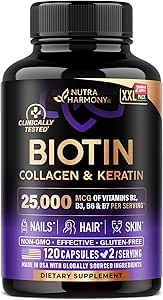
Biotin | Collagen | Hyaluronic Acid | Keratin - Clinically Tested Supplement - Hair Growth Support, Skin & Nails - 25...
Check Price on AmazonAs an Amazon Associate we earn from qualifying purchases.

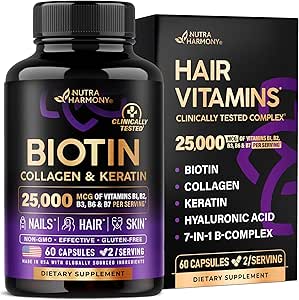
NUTRAHARMONY Biotin | Collagen | Hyaluronic Acid | Keratin - Support Normal Hair Growth Cycle - Skin & Nails - 25000m...
Check Price on AmazonAs an Amazon Associate we earn from qualifying purchases.

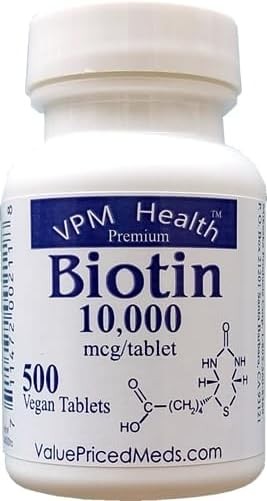
Biotin 10,000 mcg (500 Tablets) for Hair Growth, Skin, Strong Nails, biotin 10mg
Check Price on AmazonAs an Amazon Associate we earn from qualifying purchases.

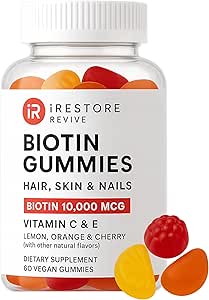
iRestore Biotin Gummies 10,000 mcg - 3 Natural Fruit Flavors, Hair Vitamins Multi Supplement for Hair Skin and Nails ...
Check Price on AmazonAs an Amazon Associate we earn from qualifying purchases.
To summarize as clearly as possible: there is no controlled clinical evidence that biotin supplementation improves hair growth, thickness, or quality in people who are not biotin-deficient. The one placebo-controlled trial found no benefit. The supplement industry has constructed a multi-billion-dollar market on case reports of deficient individuals, uncontrolled studies, and multi-ingredient products.
This does not mean biotin is a scam for everyone. If you are genuinely biotin-deficient, supplementation will absolutely help your hair. But biotin deficiency is rare, and if your hair is thinning, the cause is overwhelmingly more likely to be androgenetic alopecia, iron deficiency, thyroid dysfunction, stress (telogen effluvium), or hormonal changes – none of which will respond to biotin.
Bottom line: There is no controlled clinical evidence that biotin supplementation improves hair growth, thickness, or quality in people who are not biotin-deficient—the one placebo-controlled trial found no benefit, and the supplement industry has built a multi-billion-dollar market on case reports of deficient individuals, uncontrolled studies, and multi-ingredient products that cannot isolate biotin’s effects.
Does Biotin Actually Work for Brittle Nails? What Does the Evidence Say?
If there is one area where biotin supplementation has a defensible evidence base in non-deficient populations, it is brittle nails. The evidence is not overwhelming, but it is at least more than anecdotal.
What Have the Key Studies Found About Biotin for Nails?
Columbo et al. (1990): In a study of patients with brittle fingernails and onychoschizia, treatment with 2.5 mg (2,500 mcg) of biotin daily resulted in a 25 percent increase in nail thickness as measured by scanning electron microscopy. Splitting of nails was also reduced. This study was published in the Journal of the American Academy of Dermatology and provided objective measurement data rather than relying solely on patient self-report.
Hochman et al. (1993): In a retrospective case series of 45 patients with brittle nails who took 2.5 mg of biotin daily, 22 of 35 evaluable patients (63 percent) showed clinical improvement, while 13 (37 percent) reported no change. Average duration of treatment was 5.5 months. In a subset of 22 patients evaluated with scanning electron microscopy, 41 percent showed improvement in the lamellar appearance of the nail plate.
Floersheim (1989): In a Swiss study, 91 percent of subjects reported definite improvement in fingernail hardness after daily biotin treatment for an average of 5.5 months. While this was not a placebo-controlled trial, the response rate was notably high.
Recent Evidence – Biotin and Pyridoxine (2025): A study published in the Journal of Drugs in Dermatology in 2025 found that the combination of biotin and pyridoxine (vitamin B6) was effective for treating fingernail onychoschizia, suggesting potential synergistic effects.
What Are the Major Limitations of This Nail Research?
While these results are more encouraging than the hair data, significant limitations exist:
- No randomized, placebo-controlled trials. The nail studies are primarily open-label or retrospective, which means we cannot rule out placebo effects or natural improvement over time.
- Small sample sizes. The largest study included only 45 patients.
- Unclear mechanism. It is not entirely clear why biotin might help nails specifically. The hypothesis involves biotin’s role in fatty acid synthesis and keratin production, but the details are not well established.
- Dosing uncertainty. Most studies used 2.5 mg (2,500 mcg) daily, but whether lower or higher doses would be equally effective is unknown.
- Patient selection. These studies focused on patients with diagnosed brittle nail conditions, not the general population.
Should You Try Biotin for Brittle Nails? A Reasonable Assessment
The evidence for biotin and brittle nails is best described as “promising but preliminary.” If you have clinically brittle nails (onychoschizia or onychorrhexis), a trial of 2.5 mg of biotin daily for 6 months is reasonable based on the available data. The cost is low, the risk (apart from lab test interference, discussed below) is minimal, and the potential for benefit, while not proven by gold-standard trials, is supported by consistent findings across several small studies.
For people with normal nails who want them to grow faster or stronger, there is no evidence that biotin supplementation will help.
Bottom line: Biotin for brittle nails has modest supporting evidence—studies using 2.5mg daily for 5-6 months showed 63% clinical improvement in patients with onychoschizia (nail splitting), with 25% increase in nail thickness measured objectively, making this the one non-deficiency use case with reasonable preliminary support, though lacking gold-standard placebo-controlled trials.
Does Biotin Help Your Skin? What Does the Clinical Evidence Show?
The evidence for biotin and skin health is largely confined to the treatment of biotin deficiency and a handful of specific conditions.
How Does Biotin Deficiency Actually Affect Your Skin?
When genuine biotin deficiency is present, skin manifestations are prominent and often dramatic. The classic presentation includes periorificial dermatitis (the scaly rash around eyes, nose, and mouth), seborrheic dermatitis, and generalized dry skin. In infants, biotin deficiency can cause severe seborrheic dermatitis that responds rapidly to biotin supplementation – sometimes within days.
Case reports in infants have shown that 100 mcg to 10 mg of biotin daily produces dramatic improvements in rash, dermatitis, and associated alopecia when deficiency is present. These case reports are compelling but apply only to deficient individuals.
Can Biotin Actually Help With Seborrheic Dermatitis?
There is a theoretical rationale for biotin in seborrheic dermatitis, as the vitamin intercepts metabolic pathways implicated in the disease’s pathogenesis. However, the clinical evidence remains limited to case reports, predominantly in infants. No large-scale randomized controlled trials have evaluated biotin for seborrheic dermatitis in adults.
Can Taking Biotin Actually Cause Acne?
Anecdotal reports suggest that high-dose biotin supplementation may actually cause acne in some individuals. While no definitive scientific studies have proven this connection, several proposed mechanisms exist:
- Pantothenic acid (B5) competition. Biotin and vitamin B5 share the same intestinal absorption pathway (the sodium-dependent multivitamin transporter, SMVT). High-dose biotin may competitively inhibit B5 absorption, and B5 plays a role in regulating sebum production.
- Keratin overproduction. Biotin may stimulate keratin production, and in acne-prone individuals, excess keratin can contribute to clogged pores.
- Dose-response. Clinical observations suggest that biotin-associated acne may appear 2-6 weeks after starting supplementation, particularly at doses exceeding 300 percent of the daily value.
This is an ironic twist: some people taking biotin for cosmetic skin improvement may actually worsen their skin. If you start biotin and notice new breakouts, discontinuing the supplement is a reasonable first step.
Bottom line: Biotin evidence for skin health is limited to treating actual biotin deficiency (which causes periorificial dermatitis and seborrheic dermatitis) and lacks support for cosmetic use in non-deficient adults—a 2020 review concluded evidence is inadequate for general dermatological practice, and high-dose biotin may paradoxically cause acne through pantothenic acid competition or keratin overproduction.
Where Can You Buy High-Quality Biotin Supplements?
Based on the research discussed in this article, here are some high-quality biotin-specific options:
Can Biotin Interfere With Lab Tests? Understanding the Serious Risks
This is arguably the most important section of this article. If you take nothing else away from this review, understand this: biotin supplements can cause dangerous interference with laboratory tests, and this interference has contributed to at least one death.
What Is the FDA Warning About Biotin and Lab Tests?
On November 28, 2017, the FDA issued a safety communication warning that biotin in patient samples can cause clinically significant incorrect results on certain lab tests. The FDA has since updated this warning and continues to receive adverse event reports.
The interference occurs because many modern immunoassays (laboratory tests that use antibodies to measure specific molecules) rely on the biotin-streptavidin interaction as part of their chemistry. Streptavidin has an extraordinarily strong binding affinity for biotin, and test manufacturers use this binding to capture or separate molecules during the testing process. When excess biotin from supplements is present in a blood sample, it competes with the biotin used in the assay, producing incorrect results.
Which Specific Lab Tests Can Biotin Interfere With?
The list of affected tests is disturbingly long:
- Troponin (used to diagnose heart attacks): Biotin causes falsely LOW results, potentially masking an active heart attack
- Thyroid-stimulating hormone (TSH): Biotin causes falsely LOW results, mimicking hyperthyroidism
- Free T4 and Free T3: Biotin causes falsely HIGH results, further mimicking Graves’ disease
- Parathyroid hormone (PTH): Affected in either direction depending on assay design
- Human chorionic gonadotropin (hCG): False readings can affect pregnancy testing and cancer marker monitoring
- Prostate-specific antigen (PSA): Affected in some assay platforms
- Estradiol, testosterone: Affected on certain platforms
- 25-hydroxyvitamin D: Affected on some immunoassay platforms
- Ferritin, folate, vitamin B12: Various interference patterns
- N-terminal pro-B-type natriuretic peptide (NT-proBNP): Used in heart failure diagnosis
The direction of interference depends on the assay design. In competitive immunoassays (used for small analytes like T4, T3), biotin interference produces falsely high results. In sandwich immunoassays (used for larger molecules like TSH, troponin), biotin interference produces falsely low results.
Has Biotin Lab Interference Actually Caused Deaths?
The FDA reported one death directly related to biotin interference with a troponin assay. A patient taking high-dose biotin presented with symptoms consistent with a cardiac event, but their troponin test returned falsely low results. Based on this apparently normal troponin, the heart attack was missed. The patient died.
This is not a theoretical risk. This is a documented fatality.
What Do Documented Case Reports Show About Biotin Interference?
Beyond the death, numerous published case reports document serious consequences:
- A patient was incorrectly diagnosed with Graves’ disease (hyperthyroidism) because biotin interference caused falsely low TSH and falsely high T4 and T3 results. The patient was started on anti-thyroid medication they did not need.
- Patients have had false-positive hCG results, leading to concern for ectopic pregnancy or gestational trophoblastic disease.
- False PSA readings have caused either unnecessary biopsies or false reassurance in prostate cancer monitoring.
What Dose of Biotin Actually Causes Lab Test Interference?
The daily recommended intake of 30 mcg typically does not cause lab test interference. However, the supplements commonly sold for hair and nails – containing 5,000 to 10,000 mcg – can produce blood biotin concentrations at which interference occurs. Given that biotin’s plasma half-life is approximately 2 hours, the interference is most pronounced in the hours after taking a supplement, but may persist longer at high doses. Some sources report an effective serum half-life of up to 15 hours, meaning that even stopping biotin the night before a blood draw may not be sufficient to reduce interference.
What Should You Do Before Getting Lab Tests If You Take Biotin?
If you take any biotin-containing supplement (including many multivitamins and “hair, skin, and nails” formulas):
- Tell every healthcare provider. Always disclose biotin supplementation before any blood work.
- Stop biotin before lab tests. Most guidance suggests stopping biotin at least 72 hours before blood draws, though some experts recommend a full week for high-dose supplements.
- Question unexpected results. If lab results do not match your clinical picture, biotin interference should be considered.
- Check your multivitamin. Many multivitamins and B-complex supplements contain biotin in amounts that could potentially interfere with lab tests.
Bottom line: High-dose biotin (5,000-10,000 mcg) causes dangerous lab test interference by disrupting biotin-streptavidin immunoassays, producing falsely low troponin (masking heart attacks), incorrect thyroid tests, false hCG readings, and PSA errors—the FDA warns of at least one death from biotin-troponin interference, making it critical to stop biotin 72 hours before blood work and inform all healthcare providers.
Who Actually Needs to Take Biotin Supplements?
Given everything discussed above, the question becomes: who should actually be taking biotin supplements? The answer is a much smaller group than the supplement industry would have you believe.
Who Is Most Likely to Have Confirmed Biotin Deficiency?
This is the only group for whom biotin supplementation has clear, evidence-based support for hair, skin, and nail benefits. But who becomes deficient?
Chronic alcoholism. Chronic alcohol use significantly reduces plasma biotin levels through two mechanisms: impaired intestinal absorption of biotin and increased urinary excretion. Animal studies have demonstrated direct inhibition of intestinal biotin absorption by chronic alcohol feeding.
Inflammatory bowel disease (IBD). Individuals with Crohn’s disease, ulcerative colitis, or short bowel syndrome are at risk of biotin deficiency due to intestinal malabsorption. Suboptimal biotin levels have been documented in IBD populations.
Long-term anticonvulsant use. In a study of 264 people with epilepsy, anticonvulsant treatment for at least one year was associated with significantly lower serum biotin levels. Medications implicated include carbamazepine, primidone, phenytoin, and phenobarbital. These drugs appear to increase biotin catabolism and inhibit intestinal absorption.
Prolonged antibiotic therapy. Extended courses of broad-spectrum antibiotics can disrupt the gut microbiome’s production of biotin, potentially contributing to deficiency.
Parenteral nutrition. Individuals receiving long-term IV nutrition without adequate biotin supplementation are at risk.
Excessive raw egg white consumption. Avidin, a glycoprotein in raw egg whites, binds biotin with extraordinary affinity and reduces the risk of absorption. Cooking denatures avidin, so only raw eggs pose this concern. Historical case reports of “egg white injury” describe biotin deficiency in individuals consuming large quantities of raw eggs.
What Genetic Disorders Can Cause Biotin Deficiency?
Biotinidase deficiency occurs in approximately 1 in 112,000 live births (profound deficiency) and 1 in 129,000 (partial deficiency). This enzyme is required to release biotin from proteins and recycle it. Without treatment, affected children develop seizures, hypotonia, alopecia, dermatitis, and developmental delay. Newborn screening programs test for this condition, and lifelong biotin supplementation (typically 5-10 mg daily) is the treatment.
Holocarboxylase synthetase deficiency is even rarer and usually presents before age 3 months. This enzyme attaches biotin to the carboxylase enzymes. Treatment is also biotin supplementation, typically at higher doses (10-40 mg daily).
Do Pregnant Women Actually Need Extra Biotin?
This is a nuanced area. Research by Mock and colleagues has shown that approximately 50 percent of pregnant women develop metabolic markers of marginal biotin depletion, including abnormally increased urinary excretion of 3-hydroxyisovaleric acid (3-HIA), which reflects decreased activity of the biotin-dependent enzyme methylcrotonyl-CoA carboxylase.
Animal studies have raised serious concerns: in mice, a similar degree of marginal biotin deficiency produces fetal malformations at high rates, including cleft palate, micrognathia, and limb shortening in over 50 percent of affected fetuses. Whether this translates to human risk is unclear, but some researchers have suggested that biotin intake during pregnancy should be 2-3 times the Adequate Intake to provide a safety margin.
Most prenatal vitamins contain 30-300 mcg of biotin, which is likely adequate. The evidence does not support mega-dosing during pregnancy.
What Medical Conditions Can Actually Benefit From Biotin?
Individuals with conditions that impair nutrient absorption (celiac disease, cystic fibrosis, chronic diarrheal conditions) may benefit from biotin supplementation as part of a broader nutritional support strategy.
Bottom line: Only specific populations genuinely need biotin supplementation—those with confirmed deficiency from alcoholism, IBD, prolonged antibiotics/anticonvulsants, or parenteral nutrition; genetic disorders like biotinidase deficiency (1 in 112,000 births); pregnant women (50% show marginal deficiency); and people with clinically brittle nails—healthy adults eating varied diets get adequate biotin (30 mcg/day) from food and gut bacteria.
What Are the Common Biotin Myths That Need Debunking?
Do Higher Doses of Biotin Mean Faster Hair Growth?
Reality: There is no dose-response relationship between biotin intake and hair growth in non-deficient individuals. Your body’s carboxylase enzymes become fully saturated with biotin at intakes far below what supplements provide. Taking 10,000 mcg when your enzymes are already fully functional at 30 mcg is like trying to fill a glass that is already full – the excess simply spills over (in this case, into your urine).
Is Biotin Deficiency Common?
Reality: Biotin deficiency is one of the rarest nutritional deficiencies in the developed world. Between dietary sources (eggs, nuts, legumes, organ meats, whole grains) and bacterial synthesis in the gut, the overwhelming majority of healthy adults maintain adequate biotin status without supplementation. If you eat a reasonably varied diet, you are almost certainly getting enough.
Can Biotin Actually Make Your Hair Grow Faster?
Reality: Even if biotin supplementation could improve hair quality (which is unproven in non-deficient people), it would not increase the rate of hair growth. Hair growth rate is determined by genetics, hormones, age, and the hair growth cycle. The average rate is approximately 0.5 inches (1.3 cm) per month, and no supplement has been shown to significantly accelerate this.
Does Biotin Have Any Serious Side Effects?
Reality: While biotin is unlikely to cause direct toxicity even at high doses, it has two significant potential downsides: lab test interference (which can be life-threatening) and possible acne exacerbation. The “water-soluble equals safe” narrative ignores these real concerns. Additionally, money spent on unnecessary biotin is money not spent investigating the actual cause of hair loss.
Should You Try Biotin First If You Have Thinning Hair?
Reality: If your hair is thinning, the most likely causes are androgenetic alopecia (genetic pattern hair loss), iron deficiency, thyroid disorders, telogen effluvium (stress-related shedding), hormonal changes, or medication side effects. All of these are more common than biotin deficiency and have specific treatments. Starting with biotin delays proper diagnosis and treatment of the actual cause.
Do Biotin Shampoos Actually Work?
Reality: Biotin in shampoo is essentially a marketing gimmick. Hair is dead tissue once it emerges from the scalp, and applying biotin externally cannot change its structure. The hair follicle sits in the dermis and is nourished by blood supply, not by topical products that are rinsed off after minutes. While one study showed that topical biotin ointment could increase serum biotin levels, this does not mean a brief shampoo application has any meaningful effect.
If Your Hair Improves After Starting Biotin, Does That Prove It Works?
Reality: Correlation is not causation. Hair naturally cycles through growth (anagen), regression (catagen), and resting (telogen) phases. If you start biotin during a period of increased shedding, your hair will likely improve over the next few months regardless of what you take, because the shedding episode resolves naturally. This is regression to the mean, not a treatment effect.
Bottom line: Common biotin myths debunked—higher doses don’t mean faster hair growth (enzymes saturate at adequate intake), deficiency isn’t common (rare in healthy adults), biotin doesn’t accelerate hair growth rate (genetics determine 0.5 inch/month), water-soluble doesn’t equal safe (lab test interference is dangerous), topical biotin shampoos are marketing gimmicks, and perceived improvements likely reflect placebo effects or regression to the mean.
What Drug Interactions Does Biotin Have and Is It Safe?
What Are the Known Drug Interactions With Biotin?
Anticonvulsants: Carbamazepine, phenytoin, phenobarbital, and primidone all reduce biotin levels through increased catabolism and impaired absorption. People taking these medications may legitimately benefit from biotin supplementation, typically at 2-5 mg daily, under medical supervision.
Raw egg whites: Avidin in raw egg whites binds biotin with one of the strongest non-covalent interactions known in nature (dissociation constant of approximately 10^-15 M). Regular consumption of raw eggs (more than two per day) can impair biotin status. Cooking destroys avidin.
Broad-spectrum antibiotics: Long-term antibiotic therapy can reduce intestinal biotin synthesis by disrupting the gut microbiome. This is a concern primarily with prolonged courses, not typical short-term antibiotic use.
Alpha-lipoic acid: Some evidence suggests that alpha-lipoic acid may compete with biotin for transport by the sodium-dependent multivitamin transporter (SMVT), potentially reducing biotin absorption at high doses.
How Safe Is Biotin at High Doses?
Biotin is generally well-tolerated even at high doses. Studies have administered 10-50 mg daily to healthy adults without evidence of direct toxicity. The FNB did not establish a UL due to the absence of toxicity data.
However, “safe” is not the same as “harmless.” The two primary concerns with high-dose biotin supplementation are:
- Lab test interference (discussed extensively above) – this is a serious, documented safety issue.
- Delayed diagnosis – taking biotin for hair loss instead of investigating the actual cause can delay treatment of conditions like thyroid disease, iron deficiency, or autoimmune alopecia.
- Potential acne exacerbation – anecdotal but consistently reported.
There are no known serious drug-drug interactions with biotin at standard supplemental doses, but anyone taking medications should inform their prescriber about biotin use.
Bottom line: Biotin has known interactions with anticonvulsants (carbamazepine, phenytoin reduce biotin levels), raw egg whites (avidin binds biotin preventing absorption), broad-spectrum antibiotics (disrupt gut biotin synthesis), and potentially alpha-lipoic acid (competes for absorption)—while generally well-tolerated even at high doses, serious concerns include lab test interference, delayed diagnosis by masking actual hair loss causes, and possible acne exacerbation.
What Are the Best Biotin Products Based on the Evidence?
Given the evidence reviewed above, our recommendations are conservative and honest. We do not recommend high-dose biotin supplementation for the general population seeking improved hair or nail health. However, for the specific populations who may benefit, here are reasonable options:
What Biotin Dose Should You Take for Brittle Nails?
If you have clinically brittle, splitting nails (onychoschizia) and want to try biotin based on the limited evidence, a dose of 2,500 mcg (2.5 mg) daily for at least 6 months is what the studies used. Choose a standalone biotin product without unnecessary additives.
What Should You Take If You Have Biotin Deficiency?
If you have risk factors for deficiency (alcoholism, IBD, anticonvulsant use) and your physician has confirmed or suspects low biotin status, a moderate-dose supplement is appropriate.
How Much Biotin Should Pregnant Women Take?
Pregnant women should ensure their prenatal vitamin contains biotin. Most quality prenatal formulas include 30-300 mcg, which is appropriate. There is no evidence that high-dose biotin during pregnancy is needed or beneficial.
What’s the Best Evidence-Based Approach for Hair and Nail Health?
Rather than mega-dosing on biotin alone, a more evidence-based approach to hair and nail health includes ensuring adequate intake of iron, zinc, vitamin D, and protein – all of which have stronger evidence for hair health than biotin. A well-formulated multivitamin or targeted nutrient panel may be more useful than isolated biotin.
What Biotin Dose Is Needed for Biotinidase Deficiency?
Individuals with diagnosed biotinidase deficiency or holocarboxylase synthetase deficiency require medical-grade biotin supplementation at doses determined by their physician, typically 5-20 mg daily.
Which Biotin Products Should You Avoid?
We do not recommend 10,000 mcg biotin gummies marketed with promises of dramatic hair transformation. The evidence does not support this use, the doses create lab test interference risk, and the money is better spent on identifying and addressing the actual cause of hair concerns.
Bottom line: Conservative, evidence-based biotin recommendations include 2,500 mcg for clinically brittle nails (the dose studied), moderate doses for confirmed deficiency, prenatal vitamins with 30-300 mcg for pregnant women, and comprehensive multi-nutrient approaches for general hair health—we do not recommend 10,000 mcg supplements marketed for hair transformation as the evidence doesn’t support this use and the doses create serious lab test interference risk.
Related Reading
Looking to expand your knowledge of evidence-based supplementation for hair, nails, and overall health? These articles provide comprehensive research reviews:
-
Collagen Supplements: What the Science Actually Says About Skin, Joints, and Health Benefits - Understanding the clinical evidence for another popular beauty supplement
-
Vitamin D3 Dosage: How Much Do You Actually Need for Optimal Health? - Evidence-based vitamin supplementation guidance
-
Magnesium Glycinate vs Other Forms: Which Type Is Actually Best for Your Needs? - Bioavailability and form matter for B vitamins too
-
Omega-3 Supplements: Complete Evidence-Based Guide to Fish Oil, Krill Oil, and Algae Oil - Another supplement category with mixed clinical evidence
-
Ashwagandha: Does It Actually Work for Stress, Anxiety, and Testosterone? - Evaluating supplement marketing versus clinical reality
-
NAC (N-Acetylcysteine): Complete Evidence Review of Benefits, Dosage, and Safety - Research-backed supplementation strategies
-
Methylfolate vs Folic Acid: Why Bioavailable Forms Matter for B Vitamins - Understanding B vitamin metabolism like biotin
-
Best Supplements for Hair Growth: Biotin, Collagen, and What Actually Works
-
Keratin Supplements for Hair: Do They Work Better Than Biotin
-
Best Supplements for Hair Growth: What Actually Works According to Dermatologists
-
Best Supplements for Hair Growth and Thickness in Women Over 40
References
-
Walth CB, Treister AD, Engelman DE. Biotin for Hair Loss: Teasing Out the Evidence. Journal of Clinical and Aesthetic Dermatology. 2024;17(8):31-38. PMID: 39148962
-
Patel DP, Swink SM, Castelo-Soccio L. A Review of the Use of Biotin for Hair Loss. Skin Appendage Disorders. 2017;3(3):166-169. PMID: 28879195
-
Columbo VE, Gerber F, Bronhofer M, Floersheim GL. Treatment of brittle fingernails and onychoschizia with biotin: scanning electron microscopy. Journal of the American Academy of Dermatology. 1990;23(6 Pt 1):1127-1132. PMID: 2273113
-
Hochman LG, Scher RK, Meyerson MS. Brittle nails: response to daily biotin supplementation. Cutis. 1993;51(4):303-305. PMID: 8477615
-
Lipner SR. Rethinking biotin therapy for hair, nail, and skin disorders. Journal of the American Academy of Dermatology. 2018;78(6):1236-1238. PMID: 29057689
-
Biotin or Pyridoxine Versus Combined Regimen in the Treatment of Onychoschizia. Journal of Drugs in Dermatology. 2025. PMID: 39913222
-
U.S. Food and Drug Administration. Biotin Interference with Troponin Lab Tests – Assays Subject to Biotin Interference. FDA Safety Communication. Updated 2019. FDA
-
Mock DM, Quirk JG, Mock NI. Marginal biotin deficiency during normal pregnancy. American Journal of Clinical Nutrition. 2002;75(2):295-299. PMID: 11815321
-
Said HM, Chatterjee N, Haq RU, et al. Adaptive regulation of intestinal folate uptake: effect of dietary folate deficiency. American Journal of Physiology-Cell Physiology. 2000;279(6):C1889-C1895.
-
National Institutes of Health Office of Dietary Supplements. Biotin – Health Professional Fact Sheet. Updated 2024. NIH
-
Tong L. Structure and function of biotin-dependent carboxylases. Cellular and Molecular Life Sciences. 2013;70(5):863-891. PMID: 22869039
-
Almohanna HM, Ahmed AA, Tsatalis JP, Tosti A. The Role of Vitamins and Minerals in Hair Loss: A Review. Dermatol Ther (Heidelb). 2019;9(1):51-70. PMID: 30547302
-
Fiume MZ, Cosmetic Ingredient Review Expert Panel. Final report on the safety assessment of biotin. International Journal of Toxicology. 2001;20 Suppl 4:1-12. PMID: 11800048
-
Elston DM. Dietary supplements in dermatology: A review of the evidence for zinc, biotin, vitamin D, nicotinamide, and Polypodium. Journal of the American Academy of Dermatology. 2021;84(4):1042-1050. PMID: 32360756
-
AACC Guidance Document on Biotin Interference in Laboratory Tests. American Association for Clinical Chemistry. 2020. Source
Frequently Asked Questions
How long does it take for biotin to work for brittle nails?
The clinical studies used 2.5 mg daily for an average of 5-6 months before seeing improvement in nail splitting and thickness. Nail growth is slow, so any genuine effect takes months to become apparent. For confirmed biotin deficiency, hair and skin symptoms may improve within weeks to months of supplementation.
Who should actually consider taking biotin supplements?
Only specific populations genuinely need biotin supplementation: those with confirmed deficiency from alcoholism, IBD, prolonged antibiotics or anticonvulsants, or parenteral nutrition; people with genetic disorders like biotinidase deficiency; pregnant women (50% show marginal deficiency); and those with clinically brittle nails (onychoschizia). Healthy adults eating varied diets get adequate biotin from food and gut bacteria.
Recommended Products