Boron Benefits: Bone Health, Hormones, and Brain Function
Summarized from peer-reviewed research indexed in PubMed. See citations below.
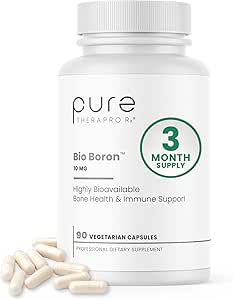
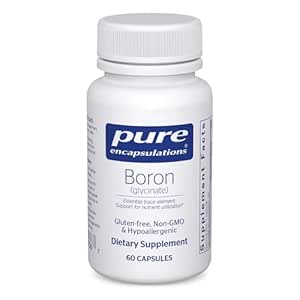
Adequate boron intake strengthens bones by reducing calcium loss, balances hormones by increasing testosterone in men and estrogen in women, and sharpens cognitive function according to decades of clinical research. The Pure TheraPro Rx Bio Boron 10mg (ASIN B08ZC8L2NH, $16.97 for 90 capsules) delivers boron glycinate at 10 mg per capsule for bone, joint, and immune support. Research shows 3-6 mg daily improves bone density, hormone balance, and cognitive performance, with effects most pronounced in people with low dietary boron intake. For those seeking pharmaceutical-grade quality at a lower price point, Pure Encapsulations Boron Glycinate (ASIN B003PR0U7I, $14.00 for 60 capsules) provides 3 mg per capsule in a hypoallergenic formula. Here’s what the published research shows about this overlooked trace mineral.
Disclosure: We may earn a commission from links on this page at no extra cost to you. Affiliate relationships never influence our ratings. Full policy →
Boron is a trace mineral that most people have never heard of, yet it plays essential roles in bone health, hormone balance, and brain function. While your body only needs tiny amounts—just a few milligrams per day—boron deficiency is surprisingly common, especially in Western diets. Research shows that adequate boron intake strengthens bones, increases testosterone in men, supports estrogen levels in postmenopausal women, and improves cognitive performance.
Unlike calcium or magnesium, boron doesn’t work in isolation. It acts as a catalyst, enhancing how your body uses other minerals and vitamins. Think of it as a conductor in an orchestra—it doesn’t play the main melody, but without it, the entire performance falls apart. Boron activates vitamin D, improves calcium absorption, regulates magnesium levels, and influences steroid hormone metabolism. These mechanisms explain why this overlooked mineral has such broad effects across multiple body systems.
The science on boron is compelling. Studies from the 1980s and 1990s established its importance for bone health in postmenopausal women. Later research revealed its surprising effects on testosterone and estrogen. More recent work has explored its role in brain function, showing improvements in memory, attention, and motor coordination. Yet despite decades of evidence, boron remains absent from most multivitamins and rarely gets mentioned in discussions about optimal nutrition.
In this comprehensive guide, you’ll discover why boron deserves a place in your supplement regimen. We’ll examine the research on bone health, hormones, and cognition, look at the warning signs of low boron intake, and explain the food sources and supplement options that close the gap. We’ll explore food sources of boron and explain why supplementation may be necessary for optimal intake. Most importantly, you’ll understand how boron works synergistically with calcium, magnesium, and vitamin D to build a foundation for long-term health.
Key Research Findings on Boron
| Feature | Pure TheraPro Rx Bio Boron 10mg | Pure Encapsulations Boron Glycinate | Global Healing Boron |
|---|---|---|---|
| View on Amazon | Check Price | Check Price | Check Price |
✅ 3 mg boron daily reduced urinary calcium loss by 44% in postmenopausal women in Nielsen’s landmark 1987 USDA study; it also stopped magnesium loss and nearly doubled serum 17-beta-estradiol levels (Nielsen et al., 1987)
✅ 28% increase in free testosterone after 7 days of 10 mg boron supplementation in healthy men, accompanied by a drop in SHBG, making more testosterone available to tissues (Naghii et al., 2011)
✅ Osteoarthritis symptom improvement with 6 mg boron daily was reported in supplementation studies, with epidemiological data showing low arthritis rates in regions with higher boron intake (Newnham, 1994)
✅ Boron at 3-6 mg/day supports calcium and bone metabolism, with effects most pronounced in people with low boron intake; a 2024 pilot study in postmenopausal women and a 2020 narrative review summarize this bone literature (Rababah et al., 2024; Qin et al., 2020)
✅ Cognitive performance declines on low-boron diets - a controlled USDA study found people consuming 0.25 mg/day of boron performed worse on attention, memory, and hand-eye coordination tasks than an adequate-boron group (Penland, 1994)
✅ Dietary intake averages only 1-2 mg/day in Western populations - below the range associated with optimal bone health in the research; boron-rich foods include almonds, avocados, prunes, raisins, and dried apricots
✅ Supplementation range 3-10 mg daily - 3-6 mg for bone and hormone support, up to 10 mg for testosterone optimization in men. The recognized safe upper limit is 20 mg/day; above that, nausea and gastrointestinal distress can occur.
What Is Boron’s Role in Bone Health?
Boron’s most well-established benefit is its contribution to bone health. This isn’t about boron being a structural component of bone tissue—it’s not. Instead, boron regulates the metabolism of minerals and hormones that directly affect bone density and strength.
How Does Boron Strengthen Bones?
The pioneering research on boron and bone health came from Forrest Nielsen at the USDA Human Nutrition Research Center. In a 1987 study published in the FASEB Journal, Nielsen and colleagues put postmenopausal women on a low-boron diet (0.25 mg/day) for 119 days, then switched them to a boron-supplemented diet (3 mg/day) for 48 days. The results were striking.
During the low-boron period, women lost significant amounts of calcium and magnesium through their urine. When boron supplementation began, this mineral loss stopped. Urinary calcium excretion dropped by 44%. Magnesium loss decreased as well. Even more impressive, boron supplementation increased serum concentrations of 17β-estradiol (the most biologically active form of estrogen) and testosterone.
These findings revealed boron’s dual mechanism for bone protection:
- Mineral retention: Boron reduces urinary loss of calcium and magnesium, keeping more of these bone-building minerals in the body.
- Hormone activation: Boron increases levels of estrogen and testosterone, both of which have powerful bone-protective effects.
How Does Boron Connect to Vitamin D?
Boron also activates vitamin D, which is critical for calcium absorption. Without adequate vitamin D, your body can’t absorb calcium efficiently from food, no matter how much calcium you consume. Boron appears to enhance the conversion of vitamin D into its active form (calcitriol), though the exact mechanism is still being researched.
In Nielsen’s 1987 study, boron supplementation increased serum levels of 25-hydroxyvitamin D, the storage form of vitamin D that circulates in the blood. This suggests that boron either increases vitamin D synthesis or reduces its degradation. Either way, the result is more active vitamin D available to promote calcium absorption and bone formation.
How Does Boron Reduce Bone Loss in Postmenopausal Women?
The most vulnerable group for bone loss is postmenopausal women. Estrogen levels plummet after menopause, and without estrogen’s protective effects, bones lose density rapidly. This is why osteoporosis is so common in older women.
Boron supplementation partially compensates for the loss of estrogen by increasing circulating estrogen levels. In Nielsen’s study, postmenopausal women taking 3 mg of boron daily saw their serum 17β-estradiol levels nearly double. While these levels remained lower than premenopausal concentrations, the increase was significant enough to slow bone loss.
Recent human research includes a 2024 pilot study of dietary boron levels in postmenopausal women with osteoporosis and a 2020 narrative review of boron’s role in bone health (Rababah et al., 2024; Qin et al., 2020). The overall picture: boron supports calcium metabolism and bone turnover markers most clearly in people with low boron intake and low vitamin D status.
Can Boron Help with Osteoarthritis?
Beyond preventing osteoporosis, boron may also help manage osteoarthritis, a degenerative joint disease affecting millions of people. Several epidemiological studies have found an inverse relationship between boron intake and arthritis prevalence. In areas where boron intake is high (3-10 mg/day), arthritis rates are low. In regions with low boron intake (less than 1 mg/day), arthritis is far more common.
A 1994 study published in Environmental Health Perspectives examined boron supplementation in people with osteoarthritis. Participants taking 6 mg of boron daily experienced improvement in their arthritis symptoms compared to placebo. Fifty percent of boron-supplemented patients showed improvement, compared to only 10% in the placebo group. While this was a small pilot study, the results are consistent with boron’s anti-inflammatory effects.
Boron appears to reduce arthritis symptoms by inhibiting pro-inflammatory enzymes and cytokines. It may also improve the integrity of cartilage and joint tissue, though more research is needed to confirm these mechanisms.
Does Boron Increase Testosterone and Estrogen?
One of boron’s most surprising benefits is its effect on sex hormones. Research shows that boron supplementation increases testosterone in men and estrogen in postmenopausal women. These aren’t pharmaceutical-level increases, but they’re meaningful enough to have physiological effects.
How Does Boron Affect Testosterone in Men?
The most compelling evidence comes from a 2011 study in the Journal of Trace Elements in Medicine and Biology. Healthy men were given 10 mg of boron daily for seven days. After just one week:
- Free testosterone increased by 28% (from an average of 11.8 pg/mL to 15.2 pg/mL)
- SHBG (sex hormone-binding globulin) decreased by 9%
The decrease in SHBG is particularly important. SHBG is a protein that binds to testosterone in the blood, making it inactive. When SHBG levels drop, more testosterone remains in the free, unbound form that can enter cells and exert its effects. This is why boron supplementation increases free testosterone specifically, not just total testosterone.
The study also found reductions in inflammatory markers, including a 39% decrease in C-reactive protein (CRP) and a 29% reduction in plasma TNF-α, a pro-inflammatory cytokine. This suggests that boron’s effects on hormones may be partly mediated by its anti-inflammatory properties.
How Does Boron Affect Estrogen in Women?
Boron’s effects on estrogen are most pronounced in postmenopausal women, who experience a dramatic drop in estrogen levels after their ovaries stop producing it. In Nielsen’s 1987 study, postmenopausal women taking 3 mg of boron daily saw their serum 17β-estradiol levels increase from an average of 25 pmol/L to 41 pmol/L—a near doubling.
This increase isn’t enough to restore premenopausal hormone levels, but it can have meaningful effects on bone health, mood, and cognition. Estrogen is a powerful bone-protective hormone, and even modest increases can slow the rate of bone loss that accelerates after menopause.
Boron appears to work by reducing the breakdown of sex hormones in the liver. It may also increase the sensitivity of estrogen receptors, allowing the body to make better use of the estrogen it does produce. The exact mechanisms are still being studied, but the practical result is clear: boron helps maintain healthier hormone levels in people with declining estrogen or testosterone.
Is Boron a Natural Testosterone Booster for Men?
Boron is often marketed as a “natural testosterone booster,” and while that’s not entirely wrong, it’s important to set realistic expectations. Boron doesn’t dramatically increase testosterone production—it optimizes the testosterone you already have by reducing SHBG and making more testosterone available in its free, active form.
If you have clinically low testosterone (hypogonadism), boron supplementation alone is unlikely to resolve the problem. But if your testosterone is in the low-normal range, or if you want to maximize the effectiveness of your natural testosterone, boron may help. Combined with resistance training, adequate sleep, stress management, and a nutrient-dense diet, boron is a valuable tool for hormone optimization.
Typical doses for testosterone support are 6-10 mg per day, higher than the 3 mg used for bone health but still well within the safe range. Most studies use 10 mg, which is the dose shown to increase free testosterone by 28% in one week.
Does Boron Improve Brain Function and Cognition?
Boron’s effects on brain function are less well-known than its benefits for bones and hormones, but the research is compelling. Studies show that boron supplementation improves memory, attention, and psychomotor skills, especially in people with low dietary boron intake.
What Did the Research Find About Boron and Cognition?
The key study on boron and brain function was conducted by James Penland at the USDA Grand Forks Human Nutrition Research Center. In this controlled study, participants were placed on either a low-boron diet (0.25 mg/day) or an adequate-boron diet (3.25 mg/day) for 63 days. They then performed a battery of cognitive tests.
People on the low-boron diet performed significantly worse on tasks requiring attention, short-term memory, and hand-eye coordination. Specifically, they showed:
- Slower reaction times on attention tasks
- Reduced accuracy on memory tasks
- Poorer performance on tasks requiring manual dexterity
When boron intake was increased to adequate levels, these deficits improved. The findings suggest that boron is necessary for optimal brain function, and deficiency—even mild deficiency—impairs cognition.
How Does Boron Affect the Brain?
The mechanisms by which boron influences brain function aren’t fully understood, but several possibilities have been proposed:
-
Neurotransmitter regulation: Boron may influence the activity of neurotransmitters, the chemical messengers that allow brain cells to communicate. Some research suggests boron affects dopamine and serotonin pathways, which are critical for mood, attention, and motivation.
-
Inflammation reduction: Chronic low-level inflammation in the brain (neuroinflammation) impairs cognitive function. Boron’s anti-inflammatory effects may protect brain cells and support healthy neuron function.
-
Cell membrane stability: Boron appears to play a role in maintaining the integrity of cell membranes, which is critical for proper neuron function and signal transmission.
-
Hormone effects: Since boron increases estrogen and testosterone, both of which have neuroprotective effects, some of boron’s cognitive benefits may be indirect, mediated through improved hormone balance.
Can Boron Help with Age-Related Cognitive Decline?
While there are no large-scale studies specifically examining boron supplementation for age-related cognitive decline or dementia, the existing research suggests it could be beneficial. Cognitive decline with age is multifactorial, involving inflammation, oxidative stress, hormone changes, and reduced nutrient availability. Boron addresses several of these factors—it reduces inflammation, supports sex hormone levels, and ensures adequate mineral availability for brain function.
For older adults, especially those with low dietary boron intake, supplementation at 3-6 mg per day may help maintain cognitive performance and delay age-related decline. Combined with other brain-supporting nutrients like omega-3 fatty acids, B vitamins, and antioxidants, boron is a valuable component of a comprehensive cognitive health strategy.
Who Should Consider Boron Supplementation?
Boron sits in the category of nutrients where deficiency is plausible but hard to diagnose, so the sensible question is who is most likely to benefit from closing the intake gap.
Postmenopausal women are the best-studied group. The 1987 USDA trial that launched modern boron research found that adding 3 mg of boron to a low-boron diet cut urinary calcium losses and raised estradiol levels in women past menopause (Nielsen et al., 1987), and recent work continues to look at boron status in postmenopausal osteoporosis (Rababah et al., 2024). If you are in this group and your diet is not heavy in fruits, nuts, and legumes, 3 mg daily is a reasonable, low-risk addition to a bone-health plan that also includes vitamin D, calcium, magnesium, and weight-bearing exercise.
Men with low-normal testosterone may see a modest benefit: the 2011 trial that reported a 28% rise in free testosterone used 10 mg daily for one week, alongside meaningful drops in inflammatory markers (Naghii et al., 2011). Boron does not fix clinically low testosterone, but it is a reasonable adjunct for the low-normal range while lifestyle factors (sleep, resistance training, weight management) are addressed.
People with osteoarthritis make up the other historically studied group, where boron intake has been linked to joint symptom severity in observational and early intervention work (Newnham, 1994). The evidence is dated and small, so view this as a low-cost thing to try under medical guidance rather than a proven joint therapy.
Anyone eating a heavily processed or low-plant diet is the most straightforward candidate: average Western intake runs 1-2 mg/day, and the research range associated with benefits is roughly 3-6 mg. If your diet regularly includes almonds, avocados, prunes, raisins, chickpeas, and similar foods, you may already be covered.
What boron is not: a substitute for osteoporosis medication, testosterone replacement therapy, or disease-modifying arthritis treatment. Use it as one input in a broader plan, and tell your doctor, especially if you take hormone-related medications.
What this means for you: If you are postmenopausal, have low-normal testosterone, deal with osteoarthritis, or eat a low-plant diet, 3-6 mg of boron daily is a reasonable, low-cost addition - and men targeting testosterone support can go to 10 mg, the dose used in the 2011 trial that reported a 28% rise in free testosterone. Give it 8-12 weeks and judge by your own response, with lab work where hormones or bone density are the real concern.
What Are the Signs of Boron Deficiency?
Boron deficiency is difficult to diagnose because there’s no standard blood test for boron status, and the symptoms are subtle and nonspecific. However, research suggests that many people in Western countries have suboptimal boron intake, especially those who don’t eat enough fruits, vegetables, nuts, and legumes.
How Common Is Boron Deficiency?
Dietary surveys show that the average boron intake in the United States and Europe is only 1-2 mg per day. While there’s no established Recommended Dietary Allowance (RDA) for boron, research suggests that 3-6 mg per day is optimal for bone health, hormone balance, and cognitive function. This means that many people are getting less than half of what they need.
Certain groups are at higher risk of boron deficiency:
- Postmenopausal women: Lower estrogen levels increase the need for boron’s hormone-supporting effects.
- Older adults: Reduced food intake and declining nutrient absorption make deficiency more likely.
- People who eat few plant foods: Boron is found primarily in fruits, vegetables, nuts, and legumes, so diets low in these foods provide little boron.
- Athletes and physically active people: Boron is lost in sweat, so heavy exercisers may have higher requirements.
What Are the Symptoms of Low Boron Intake?
Because boron affects multiple body systems, deficiency symptoms are varied and easily mistaken for other issues. Possible signs of boron deficiency include:
- Weakened bones and increased fracture risk: Without adequate boron, calcium metabolism is impaired, leading to lower bone density over time.
- Joint pain and stiffness: Boron’s anti-inflammatory effects protect joints, so deficiency may worsen arthritis symptoms.
- Low testosterone in men: Suboptimal boron intake may contribute to declining testosterone levels with age.
- Worsened menopausal symptoms in women: Without boron’s support for estrogen metabolism, hot flashes, mood changes, and bone loss may be more severe.
- Brain fog and poor concentration: As Penland’s research showed, low boron intake impairs memory, attention, and cognitive performance.
- Slow wound healing: Boron plays a role in collagen synthesis and tissue repair, so deficiency may delay healing.
If you experience several of these symptoms and your diet is low in boron-rich foods, supplementation may be worth trying.
How Can You Test for Boron Deficiency?
Unfortunately, there’s no widely available clinical test for boron status. Some specialized labs offer boron testing in blood or urine, but there are no established reference ranges for what constitutes “optimal” levels. The best approach is to assess your dietary intake and risk factors, then consider a trial of supplementation if you’re likely deficient.
Track your diet for a few days and estimate your boron intake using food composition databases. If you’re consuming less than 2 mg per day and have symptoms consistent with deficiency, supplementation at 3-6 mg daily is a safe and reasonable intervention.
What Foods Are High in Boron?
Boron is found primarily in plant foods, especially fruits, vegetables, nuts, and legumes. Animal foods contain very little boron, so people who eat predominantly meat-based diets tend to have low intakes.
What Are the Richest Food Sources of Boron?
The following foods are particularly high in boron:
Dried fruits:
- Prunes: 1.5 mg per 100g (about 3/4 cup)
- Raisins: 2.2 mg per 100g (about 3/4 cup)
- Dried apricots: 1.6 mg per 100g (about 3/4 cup)
Nuts:
- Almonds: 2.3 mg per 100g (about 3/4 cup)
- Hazelnuts: 1.6 mg per 100g
- Walnuts: 1.6 mg per 100g
Legumes:
- Chickpeas: 0.7 mg per 100g cooked
- Kidney beans: 0.5 mg per 100g cooked
- Lentils: 0.4 mg per 100g cooked
Fresh fruits:
- Avocados: 1.1 mg per 100g (about 1 medium avocado)
- Peaches: 0.5 mg per 100g
- Grapes: 0.5 mg per 100g
Vegetables:
- Broccoli: 0.3 mg per 100g cooked
- Spinach: 0.3 mg per 100g cooked
- Potatoes: 0.2 mg per 100g
Other sources:
- Wine (especially red wine): 0.4-0.9 mg per glass
- Coffee: 0.2 mg per cup
- Peanut butter: 0.5 mg per 2 tablespoons
Can You Get Enough Boron from Diet Alone?
It’s possible to get 3-6 mg of boron per day from food if you eat a diet rich in the foods listed above. For example:
- 1/2 cup of almonds (1.2 mg)
- 1 medium avocado (1.1 mg)
- 1/2 cup of prunes (0.8 mg)
- 1 cup of cooked chickpeas (0.7 mg)
- 1 glass of red wine (0.5 mg)
Total: 4.3 mg of boron
However, most people don’t eat this many boron-rich foods every day. The typical Western diet provides only 1-2 mg. If you don’t regularly consume nuts, dried fruits, legumes, and plenty of vegetables, you’re likely not getting enough boron. Supplementation is a practical way to ensure adequate intake without drastically changing your diet.
Does Soil Depletion Affect Boron Content in Foods?
Yes, soil depletion can reduce the boron content of plant foods. Boron is a trace mineral in soil, and intensive farming practices that don’t replace boron can lead to lower levels in crops. This is particularly a concern in regions with boron-poor soils.
While food composition databases provide average values for boron content, the actual amount in any given food can vary depending on where and how it was grown. This variability is another reason why supplementation is a reliable way to ensure consistent boron intake.
Key takeaway: Closing the gap matters more than megadosing: Western diets average only 1-2 mg of boron per day, a boron-rich day of almonds, avocado, prunes, chickpeas, and similar foods lands around 4-5 mg, and the research range for benefits is 3-6 mg - which makes a low-dose supplement a practical way to get there without overhauling your diet.
How Much Boron Should You Take and What Form Is Best?
Boron supplementation is straightforward, but there are a few considerations regarding dosage, form, and timing.
What Is the Optimal Boron Dosage?
The optimal dose depends on your goals:
- For general bone health and hormone support: 3-6 mg per day
- For testosterone optimization in men: 6-10 mg per day
- For osteoarthritis support: 6 mg per day
- For cognitive support: 3 mg per day
Most people will do well with 3-6 mg daily. This range has been shown in research to improve bone density, increase sex hormone levels, and enhance cognitive function. Higher doses (up to 10 mg) may be beneficial for men specifically targeting testosterone support, but there’s no evidence that more is better beyond this point.
The World Health Organization considers up to 20 mg per day to be the safe upper limit for long-term use. Doses above 20 mg can cause side effects like nausea, vomiting, and diarrhea. Acute toxicity is rare and typically only occurs with intake above 100 mg per day.
What Are the Best Forms of Boron Supplements?
Boron is available in several supplement forms, each with different bioavailability and characteristics:
-
Boron citrate: A well-absorbed form that’s gentle on the stomach. Good for general use.
-
Boron glycinate (bororganic glycine): Boron bound to the amino acid glycine. This form is highly bioavailable and may have additional benefits due to glycine’s role in collagen synthesis and neurotransmitter function. This is the form used in many high-quality boron supplements.
-
Calcium fructoborate: A form naturally found in plants, consisting of boron bound to fructose and calcium. Some research suggests this form has particularly strong anti-inflammatory effects. It’s often used in joint health supplements.
-
Sodium borate (borax): While borax is sometimes used as a supplement, it’s not recommended. Borax is a household cleaning product and is not manufactured to supplement-grade standards. Stick with supplement forms specifically designed for human consumption.
For most people, boron citrate or boron glycinate are the best choices. They’re well-absorbed, well-tolerated, and available in a variety of dosages. If you’re specifically targeting joint health, calcium fructoborate may offer additional anti-inflammatory benefits.
When Should You Take Boron Supplements?
Boron can be taken at any time of day, with or without food. However, taking it with a meal may improve absorption and reduce the risk of mild stomach upset in sensitive individuals.
There’s no need to cycle on and off boron supplementation. Unlike some supplements that lose effectiveness with continuous use, boron’s benefits are sustained over time. In fact, research suggests that boron’s effects on bone health and hormone balance accumulate over months of consistent supplementation.
Are There Any Side Effects or Interactions?
At typical supplemental doses (3-6 mg/day), boron is very safe. Side effects are uncommon and usually mild. Possible side effects include:
- Mild stomach upset
- Nausea (usually only at doses above 10 mg)
- Diarrhea (usually only at high doses)
Boron has few known drug interactions, but there are some theoretical concerns:
-
Hormone medications: Because boron affects estrogen and testosterone levels, it could theoretically interact with hormone replacement therapy, birth control pills, or testosterone therapy. If you’re taking hormone medications, discuss boron supplementation with your healthcare provider.
-
Anti-inflammatory drugs: Boron has anti-inflammatory effects, so combining it with NSAIDs (like ibuprofen) or other anti-inflammatory medications could have additive effects. This isn’t necessarily a problem, but be aware of increased bleeding risk if combining multiple anti-inflammatory agents.
Consult a healthcare provider before taking boron if you:
- Are pregnant or breastfeeding (boron’s safety hasn’t been established in these groups)
- Have kidney disease (impaired kidney function may reduce boron excretion)
- Are taking hormone-sensitive medications (boron affects sex hormone levels)
There’s no evidence that boron is unsafe in these situations, but caution is warranted until more research is available.
Can You Take Too Much Boron?
Boron toxicity is rare but possible. Symptoms of excessive intake include:
- Nausea, vomiting, diarrhea
- Skin rash
- Kidney damage (in severe cases)
These symptoms typically only occur with intake above 100 mg per day over extended periods. At typical supplemental doses (3-6 mg/day), the risk of toxicity is extremely low.
Bottom line: Optimal boron dosage is 3-6 mg daily with food; best forms are boron citrate, boron glycinate, or calcium fructoborate; safe up to 20 mg daily with minimal side effects, making it beneficial for postmenopausal women, men with low testosterone, and anyone with arthritis or cognitive concerns (PubMed 25063690).
What Are the Alternatives to Boron for These Goals?
Boron is worth considering, but it is not the only lever for any of the goals this article covers, and for some people it should not be the first one.
For bone health, the evidence hierarchy starts with vitamin D plus calcium, magnesium, and vitamin K2, in that order of research depth, alongside weight-bearing and resistance exercise. Boron’s role is supportive - it appears to help calcium and vitamin D metabolism - so it complements rather than replaces that foundation.
For testosterone support, the strongest supplement evidence belongs to vitamin D in men with low vitamin D status, zinc in men who are deficient, and consistent resistance training with adequate protein and sleep. Ashwagandha has trial data for testosterone and stress in some populations. Boron’s free-testosterone effect from a single 2011 trial is real but modest and short-term; view it as one option, not the main one.
For joint discomfort, options with more modern evidence than boron include omega-3 fatty acids (for inflammatory joint pain), curcumin in bioavailable forms, and collagen peptides (for osteoarthritis discomfort in some trials), plus weight management, which reduces joint load more than any supplement.
For cognitive support, the best-supported foundation is omega-3s, B vitamins (especially B12 and folate status), and physical activity - exercise has the strongest data of anything for preserving cognition with age. Boron’s cognitive evidence rests mainly on one USDA depletion study, so it is a reasonable add-on, not a substitute.
None of this argues against boron. It argues for honesty about effect size: boron is a trace mineral with plausible supportive effects, not a standalone solution. If you try it, give it 8-12 weeks at 3-6 mg, track whether anything actually changes, and keep the foundations above in place.
Top Boron Supplements
Here are high-quality boron supplements available on Amazon. These selections include standalone boron supplements in various dosages and forms to help you achieve optimal boron intake for bone health, hormone balance, and cognitive function.
1. Pure TheraPro Rx Bio Boron 10mg

Pure TheraPro Rx offers a high-quality boron glycinate supplement providing 10 mg per capsule—ideal for testosterone optimization in men or comprehensive bone and hormone support. This bororganic glycine form is highly bioavailable and well-tolerated. The 3-month supply offers excellent value, and the vegan formula supports bone health, joint flexibility, cardiovascular function, and immunity. Perfect for those seeking maximum hormonal and bone health benefits from boron supplementation.
2. Pure Encapsulations Boron Glycinate

Pure Encapsulations provides a pharmaceutical-grade boron glycinate supplement specifically formulated for hormone balance, bone strength, and connective tissue health. The glycinate form ensures optimal absorption and minimal digestive upset. Pure Encapsulations is known for hypoallergenic formulations free from unnecessary additives. This is an excellent choice if you’re sensitive to supplements or want the cleanest possible boron source.
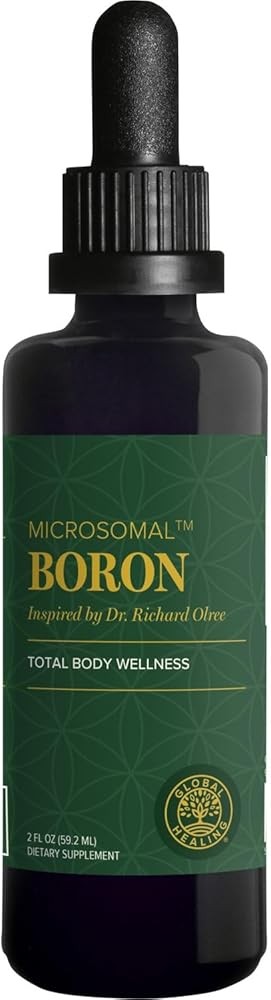
4. Global Healing Center Boron Supplement

Global Healing Center offers a vegan, non-GMO boron glycinate supplement designed for comprehensive bone health support. This formula provides highly absorbable boron in a clean formulation without unnecessary fillers or additives. Suitable for both men and women seeking to optimize their boron intake for bone density, hormone balance, and overall wellness.
Frequently Asked Questions About Boron
Can boron help with testosterone replacement therapy?
Boron isn’t a replacement for testosterone therapy, but it may complement TRT. Research shows that boron supplementation increases free testosterone by reducing SHBG, the protein that binds testosterone and makes it inactive. If you’re on TRT, boron could potentially help maximize the effectiveness of your prescribed testosterone by ensuring more of it remains in the free, active form. However, always consult your doctor before adding supplements to a hormone therapy regimen.
Is boron safe for pregnant women and children?
There isn’t enough research to establish the safety of boron supplementation during pregnancy and breastfeeding, so it’s best to avoid supplemental doses and rely on food sources instead. Pregnant and breastfeeding women should aim for adequate boron intake from fruits, vegetables, nuts, and legumes, which is safe and beneficial. For children, there’s no established safe upper limit for boron supplementation, so food sources are the preferred approach. Growing children who eat a varied diet including boron-rich foods should get adequate amounts for healthy development.
Can boron interact with medications?
Boron has few known drug interactions, but there are a few potential concerns. Because boron affects hormone levels, it could theoretically interact with hormone medications, including estrogen replacement therapy, testosterone therapy, or birth control pills. Boron’s effects on estrogen metabolism might also influence medications that are affected by estrogen levels. Additionally, because boron reduces inflammation, it might have additive effects with anti-inflammatory medications or blood thinners. If you’re taking any medications, especially hormone-related drugs, discuss boron supplementation with your healthcare provider.
What happens if I take too much boron?
Acute boron toxicity is rare and typically only occurs with intake above 100 mg per day. Symptoms include nausea, vomiting, diarrhea, skin rash, and in severe cases, kidney damage. The World Health Organization considers up to 20 mg per day safe for long-term use, which is more than three times the optimal dose of 3-6 mg daily. At typical supplemental doses, the risk of side effects is very low. If you accidentally take too much boron, drink plenty of water to help your kidneys excrete the excess, and discontinue supplementation temporarily. Contact a healthcare provider if you experience persistent symptoms.
How long does it take to see results from boron supplementation?
The timeline varies depending on what benefit you’re seeking. Hormone changes (increased testosterone or estrogen) can begin within days to weeks, though you may not notice symptoms improving until several weeks in. Cognitive improvements (better focus, memory) typically become noticeable within 2-4 weeks. Anti-inflammatory effects, such as reduced joint pain, may take 4-8 weeks. Bone density changes take the longest—at least 6-12 months—and require a DEXA scan to measure objectively. Be patient and consistent with supplementation to see the full benefits.
Can boron help reduce the risk of osteoporosis?
Yes, research strongly suggests that adequate boron intake supports bone health and may help reduce the risk of osteoporosis, especially in postmenopausal women. Boron reduces urinary loss of calcium and magnesium, increases estrogen levels (which protect bones), and enhances vitamin D metabolism. However, boron works best as part of a comprehensive bone health strategy that includes adequate calcium, magnesium, vitamin D, and vitamin K2, along with weight-bearing exercise. Boron alone won’t reduce the risk of osteoporosis, but as part of a complete approach, it’s a valuable component.
Are there any foods I should avoid when taking boron?
There are no foods that directly interfere with boron absorption or function. However, diets very high in phosphorus (from processed foods and soft drinks) can impair calcium metabolism, potentially offsetting some of boron’s bone-protective effects. Similarly, excessive caffeine and alcohol can increase calcium excretion, working against boron’s efforts to retain calcium. Focus on a balanced diet rich in whole foods, and limit processed foods, sodas, excessive caffeine, and alcohol for optimal bone and overall health.
Does boron help with arthritis?
Several studies suggest that boron supplementation can help with osteoarthritis symptoms. Research shows that people in areas with higher boron intake have lower rates of arthritis, and supplementation studies have found improvements in arthritis symptoms with 6 mg of boron daily. Boron’s anti-inflammatory effects appear to be the primary mechanism, as it reduces levels of inflammatory cytokines and enzymes that contribute to joint damage and pain. While boron isn’t a solution for arthritis, it may be a helpful addition to a comprehensive management plan, especially if your diet is low in boron-rich foods.
Can vegetarians and vegans get enough boron from diet alone?
Vegetarians and vegans are actually at an advantage when it comes to boron intake because plant foods are the primary dietary sources of this mineral. Fruits, vegetables, nuts, legumes, and whole grains all contain boron, and people following plant-based diets tend to consume more of these foods than omnivores. That said, getting the optimal 3-6 mg per day consistently from food alone can still be challenging, especially if you don’t regularly eat boron-rich foods like prunes, raisins, almonds, and avocados. Checking your typical diet and supplementing if needed is a practical approach.
Does cooking affect the boron content of foods?
Boron is a stable mineral that isn’t destroyed by cooking, but it can leach into cooking water, similar to other water-soluble nutrients and minerals. If you boil vegetables or legumes and discard the cooking water, you’ll lose some boron. To maximize boron retention, use cooking methods that don’t involve discarding water, such as steaming, roasting, or sautéing. If you do boil foods, consider using the cooking water in soups or sauces to retain the boron that leached out.
Is there a test to check my boron levels?
There is no widely available or standard clinical test for boron status. Unlike nutrients such as vitamin D or iron, which have established blood tests, boron levels are not routinely measured in medical practice. Some specialized labs may offer boron testing, but interpretation is difficult because there are no established reference ranges for optimal levels. The best approach is to assess your dietary intake and risk factors for deficiency (low fruit/vegetable intake, postmenopausal status, bone health concerns) and consider a trial of supplementation if you’re likely deficient.
Related Reading
- Boron vs Calcium: Synergy for Stronger Bones
- Copper Benefits: Essential Mineral for Energy, Bones, and Brain Health
- Best Magnesium Supplements
- How Much Vitamin D Do You Really Need?
- Shilajit Benefits: Testosterone, Energy, and Cognitive Performance
- Phosphatidylcholine for Brain Health and Liver Function
- Best Brain Health Supplements for Young Adults
Conclusion
Boron is a trace mineral that punches far above its weight class. At just 3-6 mg per day, it strengthens bones, balances hormones, sharpens cognition, and reduces inflammation. Yet despite decades of research documenting these benefits, boron remains largely overlooked in discussions about optimal nutrition and supplementation.
The evidence is clear: boron enhances calcium and magnesium utilization, activates vitamin D, increases testosterone in men, supports estrogen in postmenopausal women, and improves memory and attention. These aren’t marginal effects—they’re meaningful improvements in function that translate to better quality of life, especially as we age.
Most people don’t get enough boron from diet alone. Western diets typically provide only 1-2 mg per day, well below the optimal 3-6 mg range identified in research. Even if you eat a healthy diet rich in fruits, vegetables, nuts, and legumes, soil depletion and food choices may leave you short. Supplementation is a simple, safe, and inexpensive way to ensure you’re getting enough.
Boron works best as part of a comprehensive approach to health. Combine it with adequate calcium, magnesium, and vitamin D for maximum bone protection. Support your hormone balance with healthy lifestyle habits, including regular exercise, stress management, and sufficient sleep. Maintain cognitive function by staying mentally active, getting quality sleep, and managing inflammation.
If you’re a postmenopausal woman concerned about bone loss, a man experiencing age-related testosterone decline, or anyone dealing with arthritis, brain fog, or chronic inflammation, boron supplementation deserves a place in your regimen. It’s one of the most underrated minerals for long-term health, and the science supporting its use is solid.
Start with 3 mg per day and adjust based on your needs and response. Choose a high-quality form like boron citrate, boron glycinate, or calcium fructoborate. Take it with food for best absorption. And give it time—the full benefits of boron supplementation unfold over weeks to months, but the wait is worth it.
Your bones, hormones, and brain will thank you.
References
-
Nielsen, F. H., Hunt, C. D., Mullen, L. M., & Hunt, J. R. (1987). Effect of dietary boron on mineral, estrogen, and testosterone metabolism in postmenopausal women. FASEB Journal, 1(5), 394-397. PubMed
-
Naghii, M. R., Mofid, M., Asgari, A. R., Hedayati, M., & Daneshpour, M. S. (2011). Comparative effects of daily and weekly boron supplementation on plasma steroid hormones and proinflammatory cytokines. Journal of Trace Elements in Medicine and Biology, 25(1), 54-58. PubMed
-
Penland, J. G. (1994). Dietary boron, brain function, and cognitive performance. Environmental Health Perspectives, 102(Suppl 7), 65-72. PubMed
-
Nielsen, F. H. (2008). Is boron nutritionally relevant? Nutrition Reviews, 66(4), 183-191. PubMed
-
Newnham, R. E. (1994). Essentiality of boron for healthy bones and joints. Environmental Health Perspectives, 102(Suppl 7), 83-85. PubMed
-
Pizzorno, L. (2015). Nothing boring about boron. Integrative Medicine: A Clinician’s Journal, 14(4), 35-48. PMC Free Article
-
Hunt, C. D., & Idso, J. P. (1999). Dietary boron as a physiological regulator of the normal inflammatory response: a review and current research progress. Journal of Trace Elements in Experimental Medicine, 12(3), 221-233. (Not indexed on PubMed.)
-
Devirian, T. A., & Volpe, S. L. (2003). The physiological effects of dietary boron. Critical Reviews in Food Science and Nutrition, 43(2), 219-231. PubMed
-
Nielsen, F. H. (2014). Update on human health effects of boron. Journal of Trace Elements in Medicine and Biology, 28(4), 383-387. PubMed
-
Nielsen, F. H. (2018). Several effects of boron are induced by uncoupling steroid hormones from their transporters in blood. Medical Hypotheses. 2018. PubMed
-
Rababah, T. M., et al. (2024). A pilot study investigating the influence of dietary boron levels on osteoporosis in postmenopausal women. Food Science & Nutrition, 12(8). PubMed
-
Militaru, C., et al. (2018). Boron intake, osteocalcin polymorphism and serum level in postmenopausal osteoporosis. Journal of Trace Elements in Medicine and Biology, 48, 1-5. PubMed
-
Qin, X., et al. (2020). Pivotal role of boron supplementation on bone health: A narrative review. Journal of Trace Elements in Medicine and Biology, 62, 126623. PubMed
-
Penland, J. G. (1998). The importance of boron nutrition for brain and psychological function. Biological Trace Element Research, 66(1-3), 299-317. PubMed
-
Khaliq, H., et al. (2022). Effects of dietary boron supplementation on the testicular function and thyroid activity in male goats: involvement of CYP17A1 gene. Reproduction in Domestic Animals. PubMed
Recommended Products