BPC-157 Peptide for Healing and Tissue Repair: The Complete Science-Backed Guide
Summarized from peer-reviewed research indexed in PubMed. See citations below.
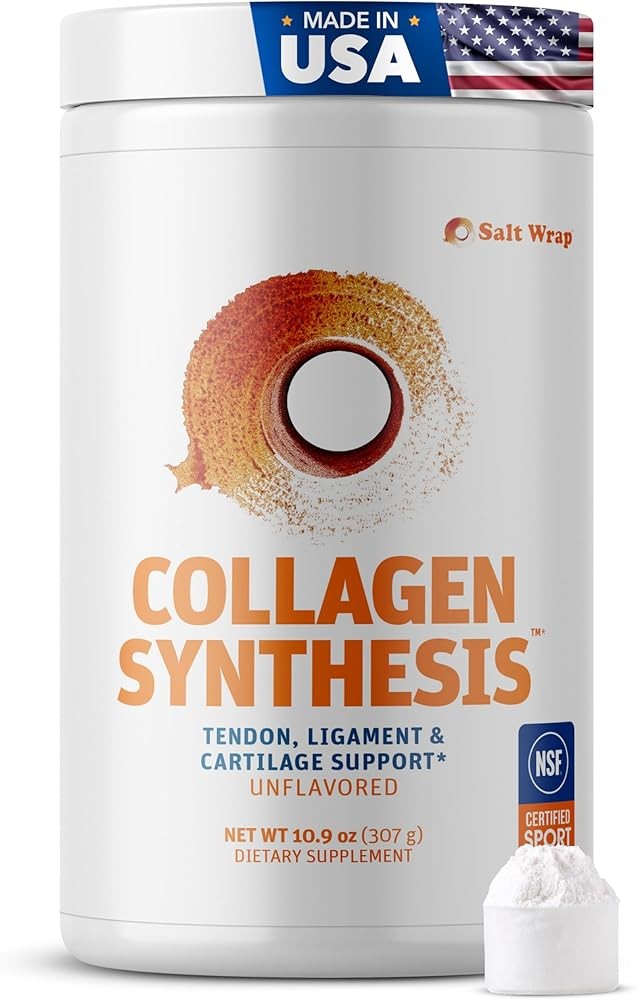
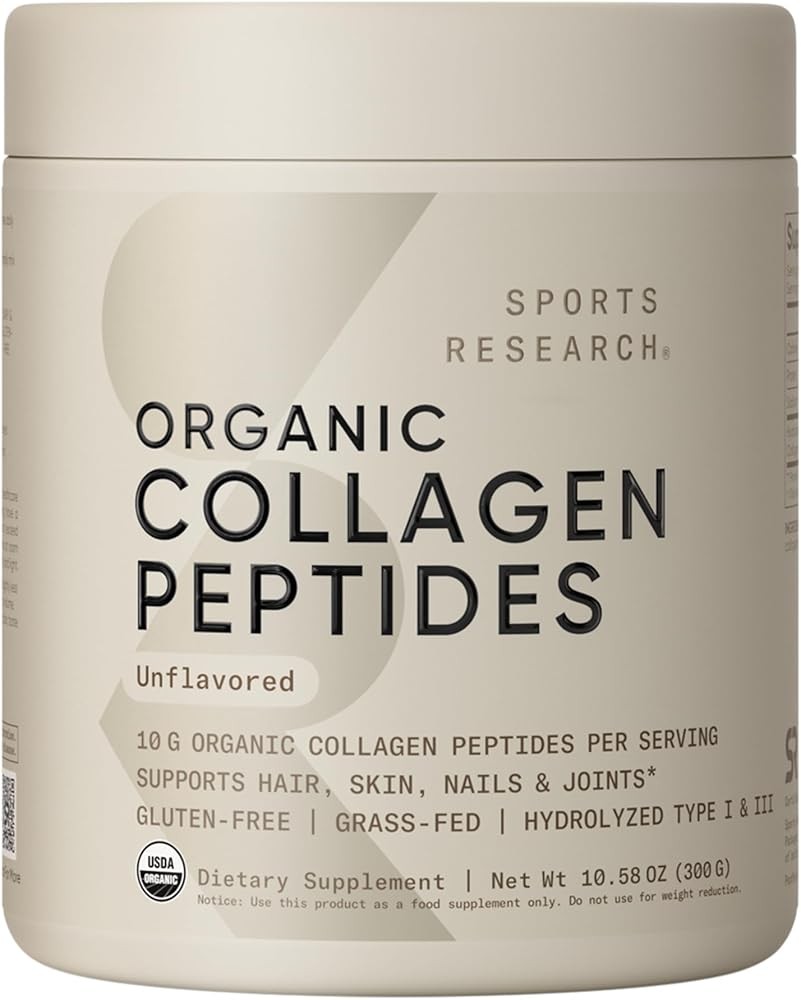
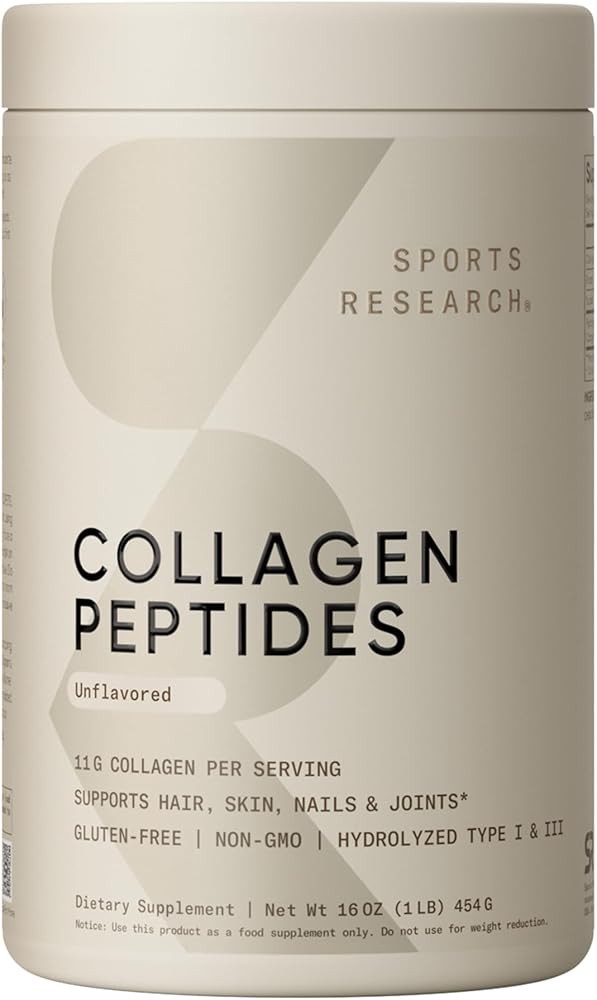
Tendon and ligament injuries can take months to recover naturally due to poor blood supply in connective tissues, while gut conditions like leaky gut and IBS often resist conventional treatment approaches. While BPC-157 itself is not available on Amazon, supportive collagen supplements are, and they supply the amino acid building blocks for tissue repair. SaltWrap Collagen Synthesis (ASIN B081PBMGYJ, $52.19), with its Fortigel and Tendoforte peptides, is our Best Overall pick for tendon and joint support. Sports Research Organic Collagen Peptides (ASIN B0C86RVNPS, $18.65) is the budget option, and Sports Research Collagen Peptides, 16oz (ASIN B00XQ2XGAA, $32.95), covers the same ground in the classic formula. Here’s what the published research shows about BPC-157 dosing and the supportive role of collagen supplementation in tissue healing.
Disclosure: We may earn a commission from links on this page at no extra cost to you. Affiliate relationships never influence our ratings. Full policy →
BPC-157 has emerged as one of the most talked-about peptides in regenerative medicine and sports recovery, with growing interest in gut health applications. Originally derived from a protective protein found in human gastric juice, this synthetic pentadecapeptide has shown remarkable healing properties in preclinical studies—from repairing torn tendons and ligaments to healing gastric ulcers and sealing leaky gut.
Athletes recovering from injuries, people with chronic digestive issues, and biohackers seeking faster recovery have turned to BPC-157 for its reported tissue repair capabilities. But what does the science actually say? How does it work at the molecular level? And how do you use it safely and effectively?
This comprehensive guide examines the research behind BPC-157, its mechanisms of action, dosing protocols, oral versus injectable administration, and stacking strategies, alongside the collagen products that support tissue repair.
What Is BPC-157?
BPC-157 stands for “Body Protection Compound-157,” a synthetic peptide consisting of 15 amino acids (a pentadecapeptide). It’s derived from a larger protective protein naturally present in human gastric juice, which explains its powerful gut-healing properties.
The peptide sequence is: Gly-Glu-Pro-Pro-Pro-Gly-Lys-Pro-Ala-Asp-Asp-Ala-Gly-Leu-Val
What makes BPC-157 unique is its remarkable stability. Unlike many peptides that break down quickly in the digestive tract or bloodstream, BPC-157 remains stable in human gastric juice and has a functional half-life that exceeds its biological half-life—meaning the healing processes it initiates continue long after the peptide itself has cleared from the system.
How Was BPC-157 Discovered?
BPC-157 was first isolated and synthesized by researchers studying the protective mechanisms of gastric juice. The original research focused on its ability to protect the stomach lining and recover ulcers, but subsequent animal studies revealed far broader regenerative capabilities.
Most BPC-157 research comes from a single research group in Croatia, led by Dr. Predrag Sikiric at the University of Zagreb. While this has raised questions about independent verification, the consistency and breadth of their findings across hundreds of animal studies have generated significant interest in the peptide’s therapeutic potential.
What Is BPC-157’s Regulatory Status?
It’s crucial to understand that BPC-157 is not FDA-approved for human use and is not recognized as a pharmaceutical drug by any major regulatory authority. It’s available through research chemical suppliers and peptide therapy clinics, but quality and purity can vary significantly.
The FDA has issued warnings about peptide therapies sold through unregulated channels, and BPC-157’s legal status exists in a gray area between research compound and unapproved drug. Anyone considering BPC-157 should understand they’re using an investigational substance without comprehensive human safety data.
Bottom line: BPC-157 is a synthetic 15-amino-acid peptide derived from a protein in human gastric juice, with remarkable stability and multi-tissue repair effects in animal research. It is not FDA-approved, human data are scarce, and quality varies significantly between suppliers. Most of the published work comes from a single Croatian research group, which matters when weighing the evidence (stability and brain-gut axis).
| Feature | SaltWrap Collagen Synthesis | Sports Research Organic Collagen | Sports Research Collagen (16oz) |
|---|---|---|---|
| View on Amazon | Check Price | Check Price | Check Price |
How Does BPC-157 Work at the Molecular Level?
BPC-157’s healing effects stem from several interconnected molecular pathways that promote tissue regeneration, reduce inflammation, and enhance cellular survival.
How Does BPC-157 Promote Angiogenesis and Blood Vessel Formation?
One of BPC-157’s primary mechanisms is promoting angiogenesis—the formation of new blood vessels. Animal studies and a 2025 systematic review show BPC-157 increases vascular endothelial growth factor (VEGF), a key protein that stimulates blood vessel development.
More blood vessels mean:
- Increased oxygen delivery to injured tissues
- Better nutrient supply for cellular repair
- Faster removal of metabolic waste and inflammatory debris
- Enhanced stem cell migration to injury sites
This explains why BPC-157 accelerates healing in tissues with naturally poor blood supply, such as tendons and ligaments.
How Does BPC-157 Affect Growth Hormone Receptor Expression?
Research shows BPC-157 enhances growth hormone receptor expression in tendon fibroblasts, the cells responsible for producing the collagen that forms tendon structure.
This effect appears within just 3 days of treatment and helps explain why BPC-157 accelerates collagen synthesis and tissue repair. Enhanced growth hormone signaling promotes:
- Increased protein synthesis
- Faster cell proliferation in damaged areas
- Improved tissue remodeling during recovery
How Does BPC-157 Modulate Nitric Oxide?
BPC-157 appears to regulate nitric oxide (NO) pathways, which play complex roles in healing:
- Beneficial effects: Moderate NO promotes vasodilation (blood vessel widening), improving circulation to injured areas
- Harmful effects: Excessive NO during inflammation can damage tissues through oxidative stress
Studies suggest BPC-157 maintains optimal NO balance—increasing it when circulation needs improvement while preventing excessive production that could delay healing. This dual action helps explain its effectiveness across diverse injury types.
How Does BPC-157 Increase Collagen Production?
Collagen is the structural protein that forms the foundation of tendons, ligaments, skin, and gut lining. BPC-157 increases collagen deposition in healing tissues through multiple mechanisms:
- Enhanced fibroblast proliferation (the cells that make collagen)
- Increased expression of genes encoding collagen proteins
- Improved organization of collagen fibers during tissue remodeling
The result is not just faster healing, but potentially stronger tissue structure in the repaired area.
What Are BPC-157’s Anti-Inflammatory Effects?
While some inflammation is necessary for healing, excessive or prolonged inflammation delays recovery. BPC-157 modulates inflammatory pathways without completely suppressing the immune response:
- Reduces pro-inflammatory cytokines (signaling proteins)
- Decreases inflammatory cell infiltration to injury sites
- Protects against oxidative damage from inflammatory free radicals
This anti-inflammatory action is particularly important for chronic injuries where excessive inflammation may help reduce risk of proper healing.
How Does BPC-157 Protect Cells and Support Survival?
Beyond promoting new tissue growth, BPC-157 protects existing cells from damage and death:
- Cytoprotective effects: Shields cells from toxic insults including NSAIDs, alcohol, and ischemia (restricted blood flow)
- Anti-apoptotic signaling: Reduces programmed cell death in injured tissues
- Mitochondrial protection: Preserves cellular energy production during stress
These protective mechanisms help minimize tissue damage during injury and create a more favorable environment for regeneration.
Bottom line: BPC-157 works through multiple synergistic pathways - angiogenesis, growth hormone receptor potentiation, nitric oxide modulation, increased collagen synthesis, anti-inflammatory effects, and cellular protection (systematic review, 2025; growth hormone receptor study).
How Does BPC-157 Help Gut Health?
One of BPC-157’s most well-established effects is promoting gastrointestinal healing and protection. Its origin from gastric juice proteins explains why it shows particularly strong effects in the digestive system.
How Does BPC-157 Speed Up Gastric Ulcer Recovery?
Animal studies demonstrate that BPC-157 counteracts NSAID toxicity and accelerates gastric ulcer healing, even when the damaging agent continues during treatment.
Mechanisms for ulcer recovery:
- Promotes epithelial cell regeneration (the cells lining the stomach)
- Increases mucus production that protects the stomach lining
- Enhances blood flow to the gastric mucosa
- Reduces acid secretion in damaged areas
- Protects against further damage while healing occurs
The protective effects are so robust that BPC-157 can accelerate ulcer recovery even when the damaging agent (like NSAIDs) continues during treatment.
How Does BPC-157 Help With Leaky Gut and Intestinal Permeability?
“Leaky gut” refers to increased intestinal permeability—when the tight junctions between intestinal cells become compromised, allowing larger molecules (including bacterial fragments and undigested food proteins) to pass into the bloodstream.
BPC-157 addresses leaky gut through several mechanisms:
- Strengthens tight junctions: The protein connections between intestinal epithelial cells
- Promotes epithelial cell regeneration: Replaces damaged cells with healthy ones
- Reduces intestinal inflammation: Calms immune activation that can further damage the intestinal barrier
- Enhances mucosal blood flow: Supports healing and nutrient delivery
These effects suggest potential benefits for conditions associated with increased intestinal permeability, including food sensitivities, autoimmune conditions, and inflammatory bowel diseases.
Can BPC-157 Help With Inflammatory Bowel Disease?
Animal models of inflammatory bowel disease (IBD), including both Crohn’s disease and ulcerative colitis analogues, show promising responses to BPC-157:
- Reduced inflammatory markers in intestinal tissue
- Decreased disease activity scores
- Improved histological appearance of intestinal architecture
- Faster recovery of the mucosal barrier
While these animal findings are encouraging, no human clinical trials have validated BPC-157’s effectiveness for IBD. Anyone with diagnosed IBD should work with a gastroenterologist rather than self-treating with experimental peptides.
Does BPC-157 Work for IBS and Functional Digestive Issues?
For irritable bowel syndrome (IBS) and other functional gastrointestinal disorders, the evidence is largely anecdotal from user reports rather than published research.
Theoretical mechanisms by which BPC-157 might help:
- Reducing visceral hypersensitivity (pain signal amplification in the gut)
- Modulating gut motility through effects on the enteric nervous system
- Reducing low-grade inflammation that may contribute to symptoms
- Improving gut barrier function
User reports suggest benefits for symptoms like bloating, cramping, irregular bowel movements, and food sensitivities, but these remain unverified by controlled studies.
How Does BPC-157 Protect Against NSAID-Induced Gut Damage?
One of the most well-documented effects of BPC-157 is its ability to counteract gastrointestinal damage caused by NSAIDs like ibuprofen, naproxen, and aspirin.
Studies show BPC-157 counteracts NSAID cytotoxicity by stabilizing intestinal permeability and supporting cytoprotection:
- Gastric ulcer formation from NSAID use
- Small intestinal damage (a common NSAID side effect often overlooked)
- Increased intestinal permeability caused by NSAIDs
- Bleeding and perforation risk
This protective effect works even when BPC-157 is administered after NSAID damage has already occurred, suggesting both preventive and therapeutic potential.
For people who require chronic NSAID use for pain management or anti-inflammatory effects, BPC-157 might offer a protective strategy, though this application remains investigational.
What Is the Timeline for Gut Healing With BPC-157?
Based on animal studies and user reports, the timeline for gastrointestinal improvement typically follows this pattern:
Days 3-7: Initial symptom reduction
- Decreased stomach pain or burning
- Reduced bloating and gas
- Less sensitivity to trigger foods
Weeks 2-4: Significant improvement
- Gastric ulcer healing visible on endoscopy in animal models
- Improved bowel movement regularity
- Reduced inflammatory markers
Weeks 4-8: Continued healing and stabilization
- Restoration of intestinal barrier integrity
- Normalized digestive function
- Reduced food sensitivities
Individual responses vary significantly based on the specific condition, severity, and whether underlying causes are also addressed.
Bottom line: BPC-157 demonstrates strong gut-healing properties in animal studies including gastric ulcer recovery, leaky gut repair, IBD symptom reduction, and protection against NSAID damage, with effects typically beginning within 3-7 days and substantial improvement at 2-4 weeks (PubMed 22950504, PubMed 32445447).
How Does BPC-157 Help With Musculoskeletal Injuries?
Beyond gut health, BPC-157 has gained attention for accelerating recovery from tendon, ligament, muscle, and bone injuries.
How Does BPC-157 Help With Tendon Injuries?
Tendons connect muscles to bones and have notoriously poor blood supply, making them slow to recover naturally. Research published in the Journal of Applied Physiology examined BPC-157’s effects on rat Achilles tendon injuries.
Key findings:
- Significantly faster healing compared to control groups
- Enhanced tendon-to-bone healing (critical for reattachment after tears)
- Improved biomechanical properties (strength) of healed tendons
- Increased cell proliferation and collagen organization at injury sites
Common tendon injuries where BPC-157 is used:
- Achilles tendinitis
- Tennis elbow (lateral epicondylitis)
- Golfer’s elbow (medial epicondylitis)
- Rotator cuff injuries
- Patellar tendinitis (jumper’s knee)
Timeline: Most users report initial pain reduction within 1-2 weeks, with significant functional improvement at 4-6 weeks for partial tears. Complete tears may require 8-12 weeks plus appropriate rehabilitation.
Does BPC-157 Help With Ligament Injuries?
Ligaments connect bones to bones, stabilizing joints. Like tendons, they have limited blood supply and recover slowly. Studies show BPC-157 accelerates ligament healing in animal models of MCL (medial collateral ligament) injuries.
Effects on ligament recovery:
- Faster return of biomechanical strength
- Improved collagen fiber alignment
- Enhanced revascularization of the injury site
- Reduced inflammatory response during early healing
Common ligament injuries where BPC-157 is used:
- Knee ligament sprains (ACL, MCL, PCL, LCL)
- Ankle sprains
- Wrist ligament injuries
- Shoulder instability (labral tears)
Timeline: Ligament sprains typically show initial improvement at 2-3 weeks, with substantial healing at 4-8 weeks depending on severity.
How Does BPC-157 Affect Muscle Recovery?
While less studied than tendon/ligament effects, BPC-157 appears to accelerate muscle healing after:
- Strains and partial tears
- Crush injuries
- Surgical trauma
- Overuse injuries
Mechanisms for muscle repair:
- Enhanced satellite cell activation (muscle stem cells)
- Increased capillary formation in muscle tissue
- Reduced inflammatory damage to muscle fibers
- Protection of neuromuscular junctions
Athletes report faster return to training after muscle injuries and reduced soreness after intense workouts, though controlled human studies are lacking.
Can BPC-157 Help With Joint Pain and Arthritis?
While not specifically an arthritis medication, BPC-157’s anti-inflammatory and tissue repair effects may benefit joint health:
- Reduced synovial inflammation (the lining of joints)
- Possible protective effects on cartilage
- Improved blood flow to joint structures
- Enhanced healing of surrounding tendons and ligaments that support joint stability
User reports suggest reduced joint pain and improved range of motion, particularly when joint issues involve soft tissue components rather than pure bone-on-bone arthritis.
Does BPC-157 Help With Bone Fractures?
Limited animal data suggests BPC-157 may accelerate bone healing through:
- Increased blood vessel formation at fracture sites
- Enhanced osteoblast activity (bone-building cells)
- Improved integration of bone with surrounding soft tissues
However, bone healing research is far less extensive than studies on soft tissue injuries. Standard fracture care remains the primary treatment approach.
What About Nerve Injuries and Peripheral Neuropathy?
Some animal studies indicate BPC-157 may support peripheral nerve regeneration:
- Accelerated recovery after nerve crush injuries
- Improved functional outcomes in nerve transection models
- Possible effects on neuropathic pain
These findings have led some people with neuropathy to try BPC-157, though human evidence is absent and results vary widely.
Bottom line: BPC-157 accelerates healing of tendon injuries (4-6 weeks typical improvement), ligament sprains (4-8 weeks), muscle strains (2-4 weeks), and shows preliminary evidence for joint pain and bone healing, primarily through enhanced angiogenesis, collagen synthesis, and inflammatory modulation (Journal Applied Physiology, PubMed 20225319).
What Is the Best Dosage Protocol for BPC-157?
BPC-157 dosing depends on the route of administration, condition being addressed, body weight, and injury severity. Since human clinical trials don’t exist, dosing protocols are extrapolated from animal studies and refined through user experience.
What Is the Injectable BPC-157 Dose?
Standard injectable dose: 250-500mcg once daily
Weight-based dosing: Approximately 2-3mcg per kilogram of body weight
- 150 lb (68 kg) person: 200-300mcg
- 180 lb (82 kg) person: 240-360mcg
- 200 lb (91 kg) person: 270-410mcg
Administration methods:
- Subcutaneous (under the skin): Most common, typically administered in abdominal area or near injury site
- Intramuscular: Used by some practitioners, may offer faster systemic absorption
- Local injection: Some inject directly near the injury site, though systemic administration appears equally effective
Injection frequency: Once daily, typically in the morning or pre-workout
What Is the Oral BPC-157 Dose?
Standard oral dose: 250-500mcg taken 1-2 times daily (500-1000mcg total daily)
Timing considerations:
- On empty stomach: 30-60 minutes before meals for maximum absorption
- For gut issues: Some take immediately before meals to maximize local contact with digestive tissue
- Split dosing: Dividing daily dose into morning and evening may maintain more stable levels
Oral bioavailability is lower than injectable, but BPC-157’s stability in gastric juice means some reaches the bloodstream intact. For localized gut healing, oral administration offers direct mucosal contact.
How Long Should You Use BPC-157?
Typical cycle length: 4-8 weeks
Protocol examples:
- Acute injury: 4-6 weeks at standard dose, then reassess
- Chronic injury: 6-8 weeks initially, potentially repeated cycles with 2-4 week breaks
- Gut healing: 4-6 weeks for acute issues, 6-12 weeks for chronic conditions
Why cycle instead of continuous use?
- Preserves receptor sensitivity
- Reduces theoretical long-term risks
- Allows assessment of sustained improvement
- Conservative approach given limited human safety data
Can You Combine Oral and Injectable BPC-157?
Some protocols use both routes simultaneously:
- Injectable for systemic tissue repair (tendons, muscles)
- Oral for concurrent gut healing
This combination approach lacks research validation but is used by some practitioners and users addressing multiple issues.
Should Dosing Change Based on Injury Severity?
Common adjustments based on severity:
Mild injuries (minor strains, early-stage tendinitis):
- Lower end of dosing range (200-300mcg injectable)
- Shorter cycle (4 weeks)
Moderate injuries (partial tears, significant inflammation):
- Standard dosing (300-400mcg injectable)
- Standard cycle (6 weeks)
Severe injuries (complete ruptures, post-surgical, chronic non-healing):
- Higher end of range (400-500mcg injectable)
- Extended cycle (8 weeks)
- Potentially repeated cycles
When Should You Take BPC-157?
Time of day: Morning administration is most common, though timing likely doesn’t dramatically affect results
Relationship to activity:
- Some take pre-workout to support training-induced tissue stress
- Others prefer evening to support overnight recovery processes
With or without food:
- Injectable: Food timing irrelevant
- Oral: Empty stomach generally recommended for systemic effects; with meals may enhance local gut contact
Bottom line: Injectable BPC-157 dosing is typically 250-500mcg once daily (about 2-3mcg/kg) for 4-8 weeks for musculoskeletal injuries; oral dosing is 250-500mcg taken 1-2 times daily (500-1000mcg total) on an empty stomach for gut healing, with cycles repeated after 2-4 week breaks as needed. These ranges are extrapolated from animal work and user experience, not human trials (systematic review, 2025; pharmacokinetic studies in animals).
Oral vs Injectable BPC-157: Which Route Is Best?
The choice between oral and injectable BPC-157 depends on the condition being addressed, convenience preferences, and comfort with injections.
What Are the Bioavailability Differences?
Injectable bioavailability: Estimated 14-51% depending on species studied
- Avoids first-pass metabolism through the liver
- Direct systemic circulation
- Predictable dosing
Oral bioavailability: Lower than injectable but still functionally active
- BPC-157’s gastric juice stability means some survives digestion
- Exact human bioavailability unknown
- Local gut effects even if systemic absorption is limited
Pharmacokinetic studies in animals show injectable administration produces higher plasma concentrations, while oral administration still generates measurable healing effects.
When Is Injectable BPC-157 Preferred?
Best uses for injectable:
- Musculoskeletal injuries: Tendons, ligaments, muscles, bones
- Systemic conditions: Where blood circulation to all tissues matters
- Maximum bioavailability: When you want highest possible tissue exposure
- Acute severe injuries: Where faster healing is priority
Advantages:
- Higher and more predictable blood levels
- Dose efficiency (less compound needed for same effect)
- Once-daily administration
Disadvantages:
- Requires injection supplies and technique
- Potential injection site reactions
- Higher cost per day typically
- Not suitable for people with needle aversion
When Is Oral BPC-157 Preferred?
Best uses for oral:
- Gastrointestinal conditions: Ulcers, gastritis, leaky gut, IBS, IBD
- NSAID protection: If taking anti-inflammatory medications chronically
- Convenience: No injection required
- Needle aversion: For people uncomfortable with injections
Advantages:
- Direct contact with gut mucosa
- No injection required
- Easy to administer
- May have lower theoretical risk
Disadvantages:
- Lower systemic bioavailability
- May require higher doses for musculoskeletal effects
- More frequent dosing sometimes recommended (twice daily)
Can You Switch Between Oral and Injectable?
Yes, some protocols involve:
- Starting injectable for acute injury then switching to oral for maintenance
- Using injectable during weeks 1-4, then oral weeks 5-8
- Alternating between routes in different cycles
There’s no pharmacological reason you can’t switch, though consistency within a cycle is generally recommended.
Does Injection Location Matter?
Local vs systemic injection:
Local injection theory: Injecting near the injury site delivers higher concentration to damaged tissue
Systemic injection evidence: Studies show BPC-157 is effective even when injected far from injury site, suggesting systemic circulation distributes it to healing areas
Current practice: Both approaches used
- Some inject subcutaneously in abdomen (like insulin)
- Others inject near injury site
- Both seem effective based on user reports
Since BPC-157 appears to preferentially accumulate at injury sites regardless of injection location, systemic (abdominal) injection may be equally effective and more comfortable than injecting into inflamed tissue.
What About Nasal Spray or Sublingual Administration?
Less common alternative routes:
- Nasal spray: Bypasses first-pass metabolism, potentially good bioavailability
- Sublingual: May improve absorption versus swallowing
These routes lack research validation and product availability is limited compared to injectable and oral forms.
Bottom line: Injectable BPC-157 offers higher bioavailability (14-51%) and is preferred for musculoskeletal injuries with typical 250-500mcg daily dosing; oral administration (500-1000mcg daily) is best for gut conditions providing direct mucosal contact, with both routes showing functional healing effects despite bioavailability differences (PMC 9794587).
Can You Stack BPC-157 With Other Peptides?
“Stacking” refers to combining multiple peptides with complementary mechanisms to potentially enhance results. BPC-157 is commonly combined with other regenerative peptides.
What Is the BPC-157 + TB-500 Stack?
TB-500 (Thymosin Beta-4) is another peptide with tissue repair properties. The BPC-157/TB-500 combination is one of the most popular peptide stacks for injury recovery.
Why they work well together:
- BPC-157: Focuses on angiogenesis, growth hormone potentiation, gut healing
- TB-500: Emphasizes actin regulation, cell migration, systemic anti-inflammation
Combined benefits:
- Broader spectrum of tissue repair mechanisms
- Potentially faster healing than either alone
- TB-500’s longer half-life complements BPC-157’s shorter half-life
Typical dosing:
- BPC-157: 250-500mcg daily
- TB-500: 2-5mg twice weekly (loading) then once weekly (maintenance)
What Is the GLOW Stack?
The “GLOW stack” combines three peptides:
- BPC-157: Tissue repair and gut healing
- TB-500: Cell migration and inflammation reduction
- GHK-Cu (Copper Peptide): Collagen stimulation and antioxidant effects
Proponents claim synergistic benefits through complementary pathways:
- BPC-157 initiates repair signaling
- TB-500 mobilizes repair cells to injury sites
- GHK-Cu enhances collagen production and protects against oxidative stress
Typical GLOW dosing:
- BPC-157: 250-500mcg daily
- TB-500: 2mg twice weekly
- GHK-Cu: 1-2mg 2-3 times weekly
Can You Stack BPC-157 With Growth Hormone or IGF-1?
Some advanced protocols combine:
- BPC-157 for angiogenesis and local tissue effects
- Growth hormone or IGF-1 for systemic anabolic support
Theoretical rationale:
- BPC-157 enhances growth hormone receptor expression
- Adding GH or IGF-1 may amplify the response
Important considerations:
- More complex and expensive
- Higher theoretical risk
- Requires more sophisticated understanding
- Best reserved for people already experienced with peptide use
Should You Add Peptides or Use BPC-157 Alone?
Consider BPC-157 alone if:
- First time using peptides
- Budget is limited
- Addressing a single specific condition
- Prefer simplicity
Consider stacking if:
- Experienced with peptide use
- Not seeing adequate results with single peptides
- Multiple concurrent issues (e.g., tendon injury plus gut problems)
- Working with knowledgeable practitioner
Bottom line: BPC-157 is commonly stacked with TB-500 or included in the “GLOW stack” with GHK-Cu. None of these combinations has been tested in published trials - stacking advice comes from practitioners and user forums, so view it as experimental (BPC-157 literature and patent review, 2025).
What Are the Side Effects and Safety Concerns of BPC-157?
Understanding the potential risks of BPC-157 is crucial given the lack of comprehensive human safety data.
What Are the Common Side Effects?
Most users report minimal side effects, but some experience:
Mild common effects:
- Mild nausea (especially oral administration)
- Fatigue or drowsiness
- Headaches
- Dizziness
- Injection site irritation (redness, tenderness)
Less common but reported:
- Joint pain (paradoxically, despite being used for joint issues)
- Anxiety or restlessness
- Panic attacks (rare but documented in user forums)
- Heart palpitations
- Insomnia
- Weakness
- Loss of appetite
Is BPC-157 Toxic or Dangerous?
A 2025 literature and patent review of BPC-157 summarizes the animal safety data:
- No acute toxicity at doses far exceeding therapeutic ranges
- No organ damage in repeated-dose studies
- No genotoxicity (DNA damage)
- No reproductive toxicity in animal models
However, absence of animal toxicity doesn’t guarantee human safety, especially with long-term use.
What Are the Theoretical Cancer Concerns?
BPC-157’s promotion of angiogenesis (blood vessel formation) raises theoretical concerns:
The concern: Cancer tumors require blood vessel formation to grow beyond small sizes. By promoting angiogenesis, could BPC-157 inadvertently support tumor growth?
What we know:
- No studies have examined BPC-157 in cancer models
- Angiogenesis-promoting drugs (like VEGF) are contraindicated in active cancer
- BPC-157’s effects on established tumors are completely unknown
Prudent approach:
- People with active cancer should avoid BPC-157
- Those with cancer history should consult an oncologist before use
- Regular cancer screening appropriate for anyone using angiogenesis-promoting compounds long-term
Can BPC-157 Cause Cardiovascular Issues?
Some users report heart palpitations or rhythm changes. Possible explanations:
- Nitric oxide modulation affecting vascular tone
- Changes in autonomic nervous system balance
- Individual sensitivity to peptide compounds
Anyone experiencing cardiac symptoms should discontinue use and consult a physician.
What Drug Interactions Should You Know About?
BPC-157 interactions are not well-studied, but potential concerns include:
NSAIDs: Paradoxically protective rather than dangerous—BPC-157 counteracts NSAID gut damage
Anticoagulants (blood thinners): Theoretical interaction due to effects on blood vessel formation and healing—use caution
Immunosuppressants: Unknown interaction, but both affect inflammatory pathways
Other peptides: Generally considered safe to combine, but increases complexity and unknowns
Is Long-Term BPC-157 Use Safe?
Short answer: Unknown
Why cycling is recommended:
- Preserves effectiveness (avoids receptor downregulation)
- Minimizes exposure to unknown long-term risks
- Allows natural healing processes to take over
- Conservative approach given data limitations
Most protocols involve 4-8 week cycles with 2-4 week breaks, rather than continuous year-round use.
Who Should NOT Use BPC-157?
Avoid BPC-157 if you:
- Have active cancer or history of cancer (without oncologist approval)
- Are pregnant or breastfeeding
- Are under 18 (developing bodies)
- Have uncontrolled cardiovascular disease
- Have severe anxiety or panic disorder
- Are uncomfortable with investigational compounds
What If You Experience Side Effects?
If mild effects (nausea, fatigue, headaches):
- Reduce dose by 50%
- Take with food (for oral)
- Ensure proper hydration
- Consider switching administration routes
If moderate or concerning effects (anxiety, palpitations, significant pain):
- Discontinue immediately
- Monitor symptoms
- Consult healthcare provider
- Do not resume without medical clearance
Bottom line: Most users report minimal side effects (occasional mild nausea, fatigue, injection site irritation), but less common reports include anxiety, heart palpitations, and insomnia. Theoretical cancer concerns exist because BPC-157 promotes angiogenesis, so people with cancer history, pregnancy, or cardiovascular disease should avoid it. Cycling (4-8 weeks on, 2-4 weeks off) is the conservative default given the absence of long-term human data (literature and patent review, 2025; musculoskeletal soft tissue review).
Our Top Recommendations
Note: BPC-157 itself is not available on Amazon. The products below are supportive supplements mentioned in this article that complement BPC-157 healing protocols by providing essential nutrients for tissue repair, collagen synthesis, and inflammation reduction.
What Supplements Support Tissue Healing?

Why it stands out: SaltWrap Collagen Synthesis uses Fortigel and Tendoforte, patented collagen peptide formulations with published research on tendon and joint support. The targeted peptide sequences are optimized for connective tissue healing, which makes the product a sensible companion to an injury recovery protocol. The unflavored formula mixes without added sugars or artificial ingredients.
Best for: Athletes recovering from tendon injuries, people with joint pain, those following structured tissue repair protocols.
Price: $52.19 per container
Why it stands out: Sports Research Organic Collagen Peptides delivers USDA-certified organic, grass-fed type I and III collagen at the lowest price in this guide. Type I and III collagen are the primary structural proteins in skin, tendons, ligaments, and gut lining - the tissues BPC-157 research focuses on. Organic certification means no hormones, antibiotics, or pesticides in the source.
Best for: Budget-conscious users seeking general collagen support, people prioritizing organic ingredients, daily maintenance dosing.
Price: $18.65 for a 10.58oz container (10g collagen per scoop)
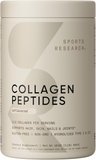
Why it stands out: The classic Sports Research Collagen Peptides formula is popular among users prioritizing skin health: type I collagen is the most abundant collagen in skin, and this formula’s amino acid profile supports dermal structure. The same collagen types also support gut lining and connective tissues.
Best for: Skin health optimization, anti-aging support, gut barrier support, general wellness maintenance.
Price: $32.95 for a 16oz container (11g collagen per scoop)
What Red Flags Require Stopping BPC-157 and Seeing a Doctor?
Because BPC-157 is an unapproved compound used without medical oversight, you need clear stopping rules. Stop use and contact a clinician if any of these occur:
- Signs of infection at an injection site: spreading redness, warmth, swelling, pus, or fever
- Cardiac symptoms: new chest pain, palpitations, fainting, or severe dizziness (BPC-157 affects nitric oxide pathways and vascular tone)
- Severe or worsening pain instead of improvement at the injury site
- Allergic-type reaction: hives, facial or throat swelling, trouble breathing
- New or worsening anxiety, panic, or insomnia that does not settle within a few days of stopping
- No measurable improvement after 4-6 weeks on a consistent protocol - this calls for a proper diagnosis (imaging, physical therapy assessment), not a higher dose or longer cycle
Before any planned surgery, stop BPC-157 at least 2-4 weeks in advance and tell your surgeon and anesthesiologist about all peptide use. Competitive athletes subject to drug testing should not use BPC-157 at all, since WADA prohibits it. And if you have IBD or another diagnosed condition, a gastroenterologist or sports medicine physician should direct your care - this peptide is not a substitute for diagnosis or standard treatment.
How to Source Quality BPC-157
Since BPC-157 is not FDA-approved and exists in a regulatory gray area, quality varies dramatically between suppliers.
What Should You Look for in a BPC-157 Source?
Third-party testing documentation:
- Certificate of Analysis (COA) from independent labs
- HPLC testing confirming peptide identity and purity
- Mass spectrometry verification
- Endotoxin testing
Proper storage and handling:
- Lyophilized (freeze-dried) powder form
- Stored at proper temperature (often refrigerated)
- Protected from light and moisture
- Includes bacteriostatic water for reconstitution
Transparent sourcing:
- Clear information about peptide synthesis
- Batch numbers for traceability
- Responsive customer service
What Are Red Flags for Low-Quality BPC-157?
Avoid suppliers that:
- Don’t provide testing documentation
- Make outlandish health claims
- Offer prices far below market averages (likely underdosed or contaminated)
- Have numerous complaints about product efficacy
- Ship from unknown international sources without proper customs documentation
Can You Find BPC-157 on Amazon?
Generally no. Amazon’s policies restrict unapproved peptides and research chemicals.
Occasionally products marketed as “BPC-157” appear on Amazon, but these are either:
- Mislabeled supplements containing collagen or amino acids
- Improperly listed products that will be removed
- Not actually containing BPC-157
The collagen supplements recommended in this article are legitimate products that support tissue healing through amino acid provision, but they are not BPC-157.
Where Do People Actually Buy BPC-157?
Common sources:
- Peptide therapy clinics (often requiring consultation)
- Research chemical suppliers online
- Compounding pharmacies (with prescription in some jurisdictions)
- International suppliers (variable legality and quality)
Due diligence required:
- Research supplier reputation extensively
- Read multiple independent reviews
- Request COA before purchasing
- Start with small quantities to verify quality
- Be aware of legal status in your location
How Should BPC-157 Be Stored?
Lyophilized powder (before reconstitution):
- Refrigerated (2-8°C / 36-46°F) for long-term storage
- Can be kept at room temperature for short periods
- Protect from light and moisture
- Shelf life typically 1-2 years when stored properly
Reconstituted solution:
- Must be refrigerated (2-8°C / 36-46°F)
- Use within 30 days after reconstitution
- Some sources say use within 14 days for maximum potency
- Protect from light (use amber vials or foil wrap)
What About Amazon Products for Supporting Tissue Healing?
While BPC-157 itself isn’t available on Amazon, supportive supplements that provide the building blocks for tissue repair include:
- Collagen peptides (as recommended above)
- Vitamin C (essential cofactor for collagen synthesis)
- Copper (required for collagen cross-linking)
- Zinc (supports wound healing and protein synthesis)
- Omega-3 fatty acids (anti-inflammatory support)
These won’t replicate BPC-157’s specific mechanisms but support the body’s natural healing processes through nutritional optimization.
What Questions Should You Ask Before Buying BPC-157?
From suppliers:
- “Can you provide the Certificate of Analysis for this batch?”
- “What is the purity percentage?”
- “How do you verify peptide identity?”
- “What are your storage and shipping conditions?”
- “What is your return/refund policy if testing doesn’t match claims?”
For yourself:
- “Do I understand the legal status in my area?”
- “Am I comfortable using an unapproved investigational compound?”
- “Have I researched this supplier thoroughly?”
- “Do I have realistic expectations about benefits and risks?”
- “Am I working with a knowledgeable practitioner?”
Related Reading
- BPC-157 Peptide for Healing: Gut, Joints, and Tissue Repair
- Best Peptide Supplements: BPC-157, Collagen Peptides, and What the Research Shows
- Best Collagen Supplements for Joint Health and Skin
- Collagen Benefits for Skin, Joints, and Gut Health
- Best Supplements for Gut Health: Probiotics, Prebiotics, and Digestive Enzymes
Conclusion: The BPC-157 Healing Potential
BPC-157 represents one of the most intriguing compounds in regenerative medicine, with impressive animal data suggesting powerful healing capabilities for both gastrointestinal and musculoskeletal conditions.
The promise:
- Accelerated healing for injuries that traditionally recover slowly
- Gut repair for conditions with limited conventional treatments
- Reduced inflammation without immune suppression
- Multiple complementary mechanisms of action
The reality:
- Almost no human clinical data
- Unknown long-term safety profile
- Unregulated quality in available products
- Potential for overstated marketing claims
Who might consider BPC-157:
- People with slow-healing tendon or ligament injuries
- Athletes recovering from musculoskeletal trauma
- Individuals with chronic gut issues not responding to conventional treatment
- Those who understand and accept the investigational nature and evidence limitations
Who should avoid BPC-157:
- People with active cancer or cancer history (without oncologist approval)
- Pregnant or breastfeeding women
- Children and adolescents
- Those uncomfortable with experimental compounds
- Competitive athletes subject to drug testing
The informed approach:
If you choose to use BPC-157:
- Understand you’re using an investigational compound
- Purchase from reputable suppliers with third-party testing
- Start with conservative doses
- Monitor for side effects carefully
- Use appropriate cycling (4-8 weeks on, 2-4 weeks off)
- Work with a knowledgeable healthcare provider if possible
- Track your progress objectively
- Discontinue if concerning symptoms develop
Looking forward:
BPC-157 desperately needs well-designed human clinical trials to:
- Establish true efficacy in human injuries and diseases
- Determine optimal dosing protocols
- Assess long-term safety
- Compare effectiveness to standard treatments
- Identify who benefits most
Until such studies exist, BPC-157 remains a fascinating peptide with strong biological plausibility and impressive animal data, but substantial unknowns for human use.
Your body has remarkable healing capacity. BPC-157 may enhance that capacity, but it’s not magic—it works best when combined with proper nutrition, adequate rest, appropriate activity, and patience for the healing process your body naturally knows how to execute.
This article is for informational purposes only and does not constitute medical advice. BPC-157 is not FDA-approved for human use. Consult qualified healthcare professionals before using any experimental compounds or supplements.
What Are the Practical Alternatives to BPC-157?
If you are hesitant about an unapproved injectable peptide - which is a reasonable position - the good news is that the goals BPC-157 is used for have better-studied alternatives.
For tendon and ligament injuries, the evidence-backed foundation is progressive loading and structured rehabilitation (eccentric training for Achilles and patellar tendons, for example), which has more human data than any peptide. Collagen peptide supplementation, as in the products above, adds modest benefit in some trials, and PRP injections have mixed but real clinical evidence under medical supervision.
For gut complaints, diagnosis comes first: IBS, IBD, SIBO, and bile acid diarrhea need different treatments, and a gastroenterologist can sort them out with tests rather than guesses. Proven supportive options include psyllium or other fibers, targeted probiotics, and - where deficiency or specific conditions warrant - prescription treatments.
For general recovery and inflammation, omega-3 fatty acids, curcumin in bioavailable forms, adequate protein, and sleep are the unglamorous but well-supported baseline. None of them mimics BPC-157’s animal-model effects, but all of them have human evidence behind them.
For the specific situations where BPC-157 is most discussed (chronic tendinopathy, post-surgical recovery, refractory gut symptoms), the responsible sequence is: get a diagnosis, exhaust conventional care, and only then consider experimental options - ideally through a clinic or practitioner experienced with peptides, with third-party-tested product and honest expectations about the evidence.
What Are the Main Research Gaps You Should Know About?
Five limitations should shape any decision about BPC-157:
- No human clinical trials. Nearly everything published comes from rat and mouse models, almost all of it from one Croatian research group. Animal results frequently fail to translate, and dosing, safety, and efficacy in humans remain formally untested.
- No human pharmacokinetic data. The bioavailability figures cited for injectable versus oral BPC-157 come from animal studies, and the human numbers are unknown.
- No long-term safety data. The theoretical concerns - angiogenesis and cancer, cardiovascular effects, interactions - are exactly that: theoretical, because nobody has run the studies that would resolve them.
- Unregulated products. As a research chemical, BPC-157 is not manufactured under pharmaceutical quality standards. Purity, dosing accuracy, and sterility depend entirely on supplier diligence.
- Anecdote is not data. User forums contain genuine reports of benefit, but also of anxiety, palpitations, and disappointment. Selection bias and placebo effects are unmeasured.
None of this means BPC-157 is useless - the animal data are extensive and consistent. It means the honest summary is “promising in animals, unproven in humans,” and that framing should guide how much risk, cost, and effort you invest.
References
-
Sikiric P, et al. Brain-gut axis and pentadecapeptide BPC 157: theoretical and practical implications. Current Neuropharmacology. 2016. PubMed 27138887
-
Vukojevic J, et al. Pentadecapeptide BPC 157 and the central nervous system. Neural Regeneration Research. 2022;17(3):482-487. PubMed 34380875
-
Gwyer D, et al. Gastric pentadecapeptide body protection compound BPC 157 and its role in accelerating musculoskeletal soft tissue healing. Cell and Tissue Research. 2019. PubMed 30915550
-
Emerging use of BPC-157 in orthopaedic sports medicine: a systematic review. HSS Journal. 2025. PubMed 40756949
-
Chang CH, et al. The promoting effect of pentadecapeptide BPC 157 on tendon healing involves tendon outgrowth, cell survival, and cell migration. Journal of Applied Physiology. 2011. PubMed 21030672
-
Pentadecapeptide BPC 157 (PL 14736) improves ligament healing in the rat. Journal of Orthopaedic Research. 2010. PubMed 20225319
-
Pentadecapeptide BPC 157 enhances the growth hormone receptor expression in tendon fibroblasts. Molecules. 2014. PubMed 25415472
-
Toxicity by NSAIDs: counteraction by stable gastric pentadecapeptide BPC 157. Current Pharmaceutical Design. 2013. PubMed 22950504
-
BPC 157 rescued NSAID-cytotoxicity via stabilizing intestinal permeability and enhancing cytoprotection. Current Pharmaceutical Design. 2020. PubMed 32445447
-
Stable gastric pentadecapeptide BPC 157 may recover brain-gut axis and gut-brain axis function. Pharmaceuticals. 2023. PubMed 37242459
-
Multifunctionality and possible medical application of the BPC 157 peptide: literature and patent review. Pharmaceuticals. 2025. PubMed 40005999
-
Stable gastric pentadecapeptide BPC 157: novel therapy in the gastrointestinal tract. Current Pharmaceutical Design. 2011. PubMed 21548867
Recommended Products