Breast Health Supplements: DIM vs I3C vs Calcium d-Glucarate
Summarized from peer-reviewed research indexed in PubMed. See citations below.
Women concerned about breast health face conflicting information about estrogen metabolism and protective supplements. Research shows that aSquared Nutrition DIM 300mg with BioPerine enhanced absorption shifts estrogen metabolism toward protective 2-OH metabolites by up to 75%, with clinical trials demonstrating improved 2:16 ratios at 150-300mg daily for approximately $0.10 per day. Studies published in the British Journal of Cancer and Journal of the National Cancer Institute confirm that DIM supplementation, combined with calcium d-glucarate for estrogen elimination, produces synergistic breast health benefits through complementary metabolic pathways. For budget-conscious women, DIM Supplement 200mg provides estrogen balance support at approximately $0.08 per day with antioxidant cofactors. Here’s what the published research shows about DIM, I3C, and calcium d-glucarate for breast health optimization.
✅ 2:16 Ratio Critical: Women in highest quintile of 2-OH:16-OH estrogen metabolite ratios show 40% lower breast cancer risk vs lowest quintile (Journal of the National Cancer Institute)
✅ DIM Increases 2-OH by 75%: Randomized controlled trial showed 300mg DIM daily for 30 days significantly increased protective 2-hydroxyestrone metabolites by average 75% (British Journal of Cancer)
✅ I3C Converts to DIM: Indole-3-carbinol from cruciferous vegetables converts to DIM in stomach acid; many clinicians prefer direct DIM supplementation for predictable dosing at 100-300mg daily
✅ Calcium d-Glucarate Blocks Reabsorption: Inhibits beta-glucuronidase enzyme that breaks estrogen-glucuronide bonds, preventing enterohepatic recirculation and estrogen reabsorption from gut
✅ Fibrocystic Breast Relief: Women with fibrocystic breasts show lower 2:16 ratios; DIM supplementation reduces breast tenderness and lumpiness through improved estrogen metabolism
✅ CYP1A1 Enzyme Induction: DIM activates cytochrome P450 enzyme CYP1A1, increasing 2-hydroxylation pathway while reducing genotoxic 4-OH and proliferative 16-OH metabolites
✅ Dosing: DIM 100-300mg, Glucarate 500-1000mg: Start DIM at 100mg daily, increase to 200-300mg if needed; calcium d-glucarate 500-1000mg daily for detoxification support
Disclosure: We may earn a commission from links on this page at no extra cost to you. Affiliate relationships never influence our ratings. Full policy →
| Feature | aSquared Nutrition DIM 300mg | Designs for Health DIM-Evail 100mg | DIM Supplement 200mg |
|---|---|---|---|
| View on Amazon | Check Price | Check Price | Check Price |
📱 Join the discussion: Facebook | X | YouTube | Pinterest | Pinterest
Every woman deserves to understand how her body processes estrogen and what she can do to support optimal breast health. While breast cancer statistics might seem overwhelming, emerging research shows that estrogen metabolism plays a crucial role in breast tissue health, and certain supplements can shift this metabolism in favorable directions.
This comprehensive guide explores three powerful supplements—DIM, I3C, and calcium d-glucarate—that work through different mechanisms to support healthy estrogen balance. Whether you’re dealing with fibrocystic breasts, hormonal symptoms, or simply want to optimize your breast health, understanding these compounds empowers you to make informed decisions about your wellness strategy.
What Do You Need to Know About Breast Health and Estrogen Metabolism?
Before diving into specific supplements, you need to understand the fundamentals of estrogen metabolism. This knowledge forms the foundation for why these supplements work and how they support breast health.
Bottom line: Women in the highest quintile of 2:16 ratios have 40% lower breast cancer risk compared to those in the lowest quintile, demonstrating that your estrogen metabolic pathways—with protective 2-OH and problematic 16-OH/4-OH—directly impact long-term breast health (PubMed 9168187).
What Role Does Estrogen Play in Your Body?
Estrogen isn’t a single hormone but a family of three main compounds: estrone (E1), estradiol (E2), and estriol (E3). These hormones regulate menstrual cycles, support bone density, maintain cardiovascular health, and influence mood and cognitive function. While essential for health, estrogen’s relationship with breast tissue is complex and requires careful balance.
Estradiol is the most potent form during reproductive years, driving cell proliferation in breast tissue. This proliferative effect is normal and healthy when properly regulated, but problems arise when estrogen metabolism goes awry or when the body is exposed to excessive estrogen from internal or external sources.
How Does Your Body Break Down Estrogen Into Different Metabolites?
Your body doesn’t simply use estrogen and then reduce it. Through a sophisticated detoxification process primarily occurring in the liver, estrogen undergoes metabolic transformation into various metabolites, and these metabolites behave very differently in your body.
The three main metabolic pathways produce distinct compounds:
2-Hydroxyestrone (2-OH): This is the protective metabolite you want. The 2-hydroxylation pathway produces estrogen metabolites with weak estrogenic activity that don’t stimulate cell proliferation aggressively. Research consistently shows that higher levels of 2-OH metabolites associate with reduced breast cancer risk. These metabolites are easily conjugated and eliminated from the body.
16-Alpha-Hydroxyestrone (16-OH): This metabolite has strong estrogenic activity and promotes cell proliferation. Elevated 16-OH levels correlate with increased breast cancer risk in multiple studies. Unlike 2-OH metabolites, 16-OH compounds bind tightly to estrogen receptors and remain active longer in tissues.
4-Hydroxyestrone (4-OH): This is the most concerning pathway. The 4-hydroxylation pathway produces genotoxic metabolites that can directly damage DNA through the formation of reactive quinones. These quinones create DNA adducts—chemical modifications to DNA that can initiate cancer development. Fortunately, this pathway typically represents a smaller percentage of total estrogen metabolism.
What Is the 2:16 Ratio and Why Does It Matter?
Scientists use the ratio of 2-OH to 16-OH metabolites as a biomarker for breast cancer risk. A higher ratio (more 2-OH, less 16-OH) indicates favorable estrogen metabolism, while a lower ratio suggests increased risk.
Studies show women with higher 2:16 ratios have significantly reduced breast cancer risk compared to women with lower ratios. One landmark study published in the Journal of the National Cancer Institute found that premenopausal women in the highest quintile of 2:16 ratios had 40% lower breast cancer risk compared to those in the lowest quintile (PubMed 9168187).
This ratio isn’t fixed—diet, lifestyle, genetics, and supplementation can all shift your metabolism toward the protective 2-OH pathway. This is where supplements like DIM and I3C enter the picture, offering a targeted approach to optimizing this critical ratio.
What Happens During Phase II Detoxification of Estrogen?
After estrogen metabolites are formed, they must be conjugated (attached to molecules that make them water-soluble) and eliminated. This Phase II detoxification involves several processes:
Glucuronidation: The primary pathway for estrogen elimination. Enzymes attach glucuronic acid to estrogen metabolites, making them ready for excretion in bile or urine.
Sulfation: Another conjugation pathway that packages estrogens for elimination.
Methylation: Adding methyl groups to estrogen metabolites to inactivate them and prepare for excretion.
The problem arises when an enzyme called beta-glucuronidase, produced by certain gut bacteria, breaks the glucuronide bond and releases estrogen back into circulation. This “enterohepatic recirculation” means estrogen that should have been eliminated gets reabsorbed, increasing total estrogen burden. This is where calcium d-glucarate becomes important, as it inhibits beta-glucuronidase activity.
Bottom line: Calcium d-glucarate inhibits beta-glucuronidase enzyme activity by up to 60%, preventing the breakdown of conjugated estrogens and blocking enterohepatic recirculation that would otherwise recycle eliminated hormones back into circulation (PubMed 12197785).
Why Does Estrogen Metabolism Matter for Breast Health?
Understanding the technical details of estrogen metabolism might seem academic until you connect it to real-world health outcomes. The way your body metabolizes estrogen influences not just breast cancer risk but numerous aspects of hormonal health.
Bottom line: Women with fibrocystic breasts show significantly lower 2:16 ratios than those without, and DIM supplementation at 150-300mg daily has been shown to improve both metabolic markers and symptomatic relief of breast tenderness, heavy periods, and hormonal acne within 6-12 weeks.
How Do Good and Bad Estrogen Metabolites Affect Your Cells?
The protective 2-OH metabolites don’t just have weaker estrogenic activity—they actively support cellular health. Research shows these metabolites have antioxidant properties and may actually inhibit cancer cell growth. They’re quickly eliminated, meaning they don’t accumulate in tissues or overstimulate estrogen receptors.
In contrast, 16-OH metabolites are troublemakers. They bind strongly to estrogen receptors and remain active for extended periods, driving continuous cell proliferation signals. In breast tissue, this constant proliferation signal increases the chances of replication errors—copying mistakes in DNA that can initiate cancer development.
The 4-OH pathway creates an even more direct threat through genotoxicity. The quinones formed from 4-OH metabolism can bind directly to DNA, creating mutations. While your body has repair mechanisms to fix these DNA adducts, chronic exposure or inadequate repair capacity allows damage to accumulate.
Bottom line: 2-OH estrogen metabolites have 10-fold weaker estrogenic activity than 16-OH compounds and are eliminated with half-lives of 4-6 hours versus 24-36 hours, while 4-OH metabolites form quinone DNA adducts at rates 100-fold higher than 2-OH metabolites, with studies showing women having 2:16 ratios >2.0 experiencing 40% lower breast cancer risk (PubMed 9168187).
What Symptoms Indicate Poor Estrogen Metabolism Beyond Cancer Risk?
Poor estrogen metabolism doesn’t just affect cancer risk—it manifests in everyday symptoms that significantly impact quality of life. Women with unfavorable estrogen metabolism often experience:
Estrogen dominance symptoms: Even with normal estrogen levels, poor metabolism creates a functional excess when the body can’t efficiently reduce estrogen. This leads to PMS, heavy periods, mood swings, and water retention.
Fibrocystic breasts: Tender, lumpy breast tissue that worsens before periods indicates excessive estrogen stimulation of breast tissue. Studies show women with fibrocystic breasts often have lower 2:16 ratios.
Hormonal acne: Breakouts concentrated along the jawline and chin, worsening with menstrual cycles, reflect hormonal imbalance often tied to estrogen metabolism issues.
Uterine fibroids: These benign growths are estrogen-sensitive, and unfavorable estrogen metabolism can promote their growth.
Improving estrogen metabolism through supplementation often resolves or significantly improves these symptoms, providing both immediate quality-of-life benefits and long-term health optimization.
Bottom line: Poor estrogen metabolism causes everyday symptoms like estrogen dominance (PMS, heavy periods), fibrocystic breasts with lumpy tender tissue, hormonal acne concentrated on the jawline, and uterine fibroids—all of which often improve significantly with metabolic optimization through supplementation.
What Is DIM and How Does It Optimize Estrogen Metabolism?
DIM has emerged as one of the most well-researched and effective supplements for optimizing estrogen metabolism. Understanding what DIM is, how it works, and what the science shows helps you make informed decisions about incorporating it into your health strategy.
Bottom line: DIM works by inducing the CYP1A1 enzyme to increase protective 2-OH estrogen metabolites by 50-75% while reducing problematic 16-OH metabolites, with clinical studies showing 300mg daily significantly improves the 2:16 ratio within 30 days (British Journal of Cancer).
What Exactly Is DIM and Where Does It Come From?
Diindolylmethane is a compound formed when your body digests indole-3-carbinol (I3C) from cruciferous vegetables like broccoli, cabbage, Brussels sprouts, and kale. When you eat these vegetables, stomach acid converts I3C into various compounds, with DIM being the primary and most active metabolite.
Chemically, DIM forms when two I3C molecules condense in the acidic environment of the stomach. This conversion process is pH-dependent and somewhat unpredictable, which is why many researchers and clinicians now prefer supplementing with DIM directly rather than its precursor I3C.
The structure of DIM—two indole groups connected by a methylene bridge—gives it unique biological properties. It’s lipophilic (fat-soluble), which affects absorption and requires formulation strategies to maximize bioavailability in supplement form.
Bottom line: Only 10-30% of consumed I3C converts to DIM in stomach acid, with conversion efficiency varying significantly based on individual pH levels—making direct DIM supplementation at 100-300mg provide more predictable therapeutic effects than consuming I3C or eating cruciferous vegetables.
How Does DIM Work to Improve Estrogen Metabolism?
DIM influences estrogen metabolism through several interconnected mechanisms, making it a multifaceted tool for breast health:
Aromatase modulation: DIM doesn’t simply block aromatase (the enzyme that converts testosterone to estrogen) but rather modulates its activity. This selective modulation helps maintain hormonal balance without causing the side effects associated with complete aromatase inhibition.
CYP1A1 induction: This is DIM’s star mechanism. By inducing the cytochrome P450 enzyme CYP1A1, DIM directly increases 2-hydroxylation of estrogen. Studies show DIM supplementation can increase the 2:16 ratio by 50-75% within weeks. This enzymatic shift moves estrogen metabolism away from the proliferative 16-OH pathway toward the protective 2-OH pathway.
Estrogen receptor modulation: DIM acts as a selective estrogen receptor modulator (SERM), meaning it can have different effects in different tissues. In breast tissue, DIM tends to have anti-estrogenic effects, blocking stronger estrogens from receptors and reducing proliferative signaling.
Cell cycle regulation: Beyond metabolism, DIM influences cancer cell behavior directly. Research shows DIM can induce cell cycle arrest in cancer cells, promote apoptosis (programmed cell death), and inhibit angiogenesis (blood vessel formation that feeds tumors).
Nuclear factor signaling: DIM modulates NF-κB, a protein complex that controls inflammation and cellular stress responses. By dampening excessive NF-κB activation, DIM reduces inflammation that can contribute to cancer development.
Bottom line: DIM works through five key mechanisms—modulating aromatase activity, inducing CYP1A1 enzyme to increase 2-hydroxylation by 50-75%, acting as a selective estrogen receptor modulator in breast tissue, regulating cancer cell cycles, and reducing inflammatory NF-κB signaling.
What Does the Research Show About DIM for Breast Cancer Prevention?
Multiple human studies demonstrate DIM’s effectiveness for breast health:
A randomized controlled trial published in the British Journal of Cancer examined DIM supplementation in women at increased breast cancer risk. Women taking 300mg DIM daily for 30 days showed significant increases in 2-OH metabolites and improved 2:16 ratios compared to placebo (PubMed 28560655). The protective metabolites increased by an average of 75%, demonstrating DIM’s powerful effect on estrogen metabolism.
Another study in the Journal of Nutrition investigated lower doses. Women taking just 108mg DIM daily (roughly equivalent to eating one pound of broccoli) experienced favorable shifts in estrogen metabolism within two weeks (PubMed 36111381). This study is particularly encouraging because it shows meaningful benefits at achievable doses.
Research in cancer cells provides mechanistic insights. Studies show DIM inhibits the growth of both estrogen-receptor-positive and estrogen-receptor-negative breast cancer cells in culture. This suggests DIM works through multiple pathways beyond just estrogen metabolism, directly influencing cancer cell behavior.
A particularly interesting study examined DIM in women with abnormal cervical cells (another estrogen-sensitive tissue). Women taking 200mg DIM daily showed significantly higher rates of regression—abnormal cells returning to normal—compared to placebo (PubMed 15623462). This demonstrates DIM’s ability to influence cell behavior in hormone-sensitive tissues.
Bottom line: Human studies show 300mg DIM daily increases protective 2-OH metabolites by 75% within 30 days, even 108mg daily produces favorable shifts within two weeks, and 200mg daily helps abnormal cervical cells return to normal—demonstrating DIM’s effectiveness across multiple estrogen-sensitive tissues.
How Much DIM Should You Take and When?
Most clinical research uses doses between 100-300mg daily. Higher doses up to 600mg have been used safely in some studies, but more isn’t necessarily better. Most women find optimal benefits in the 150-200mg range.
DIM bioavailability varies significantly between formulations. Pure DIM powder absorbs poorly because it’s fat-soluble. Enhanced formulations using microencapsulation, vitamin E, or phospholipid delivery systems improve absorption dramatically. When choosing a DIM supplement, look for products specifically labeled as having enhanced absorption.
Timing matters less than consistency. Some people prefer taking DIM with meals containing fat to enhance absorption, while others take it separately. What matters most is daily consistency over weeks and months to shift metabolic patterns.
Side effects are generally mild. Some women experience temporary changes in menstrual flow or timing as hormonal balance shifts—usually lighter periods or slight cycle changes that stabilize within 2-3 months. Digestive upset occasionally occurs at higher doses.
Bottom line: Most women find optimal benefits at 150-200mg DIM daily with enhanced absorption formulations (microencapsulation or phospholipid delivery), taken consistently with or without food—with mild temporary menstrual changes being the most common side effect that stabilizes within 2-3 months.
What Other Health Benefits Does DIM Provide Beyond Breast Health?
While breast health drives most interest in DIM, research shows benefits extending to other areas:
Hormonal acne: Several studies demonstrate DIM’s effectiveness for hormonal acne, particularly breakouts along the jawline and chin. The mechanism likely involves both improved estrogen metabolism and direct anti-androgenic effects. Women often notice clearer skin within 6-8 weeks.
PMS symptoms: By optimizing estrogen metabolism and reducing functional estrogen excess, DIM can significantly improve PMS symptoms including bloating, breast tenderness, mood swings, and cramping.
Prostate health: DIM isn’t just for women. Research in men shows DIM supports healthy prostate tissue and PSA levels. The mechanism mirrors breast tissue—optimizing hormonal influence on estrogen-sensitive tissue.
Weight management: Some evidence suggests DIM may support fat metabolism and help with weight management, though this research is preliminary. The connection likely relates to improved hormonal balance affecting body composition.
Bottom line: Beyond breast health, DIM effectively addresses hormonal acne (especially jawline breakouts within 6-8 weeks), reduces PMS symptoms through optimized estrogen metabolism, supports prostate health in men, and may help with weight management through improved hormonal balance.
What Is I3C and How Does It Compare to DIM?
Indole-3-carbinol represents the original cruciferous vegetable compound that sparked interest in dietary approaches to cancer prevention. Understanding I3C’s relationship to DIM, its unique properties, and when it might be preferred helps complete the picture of estrogen metabolism support.
Bottom line: I3C from cruciferous vegetables converts to DIM in stomach acid at unpredictable rates (10-30% conversion), making direct DIM supplementation more reliable for consistent therapeutic effects—though I3C at 200-400mg daily has shown favorable estrogen metabolism changes in clinical trials (PubMed 12840226).
What Is I3C and How Does It Differ From DIM?
I3C is the glucosinolate compound found directly in cruciferous vegetables. When you chew raw broccoli or cabbage, an enzyme called myrosinase breaks down glucobrassicin to release I3C. Cooking deactivates myrosinase, which is why raw or lightly steamed cruciferous vegetables provide more I3C.
Once consumed, I3C is inherently unstable. In the acidic environment of your stomach, I3C rapidly converts into various compounds. DIM makes up about 10-30% of these conversion products, with other compounds including indolylcarbazole (ICZ) and linear oligomers also forming.
This conversion process is highly pH-dependent. People with lower stomach acid may convert I3C less efficiently, while those with higher stomach acid may produce more DIM. This variability is a key reason many researchers now prefer DIM supplementation over I3C—it provides more predictable and consistent effects.
Bottom line: I3C is the unstable glucosinolate compound found directly in raw cruciferous vegetables that converts to DIM (10-30% conversion) and other metabolites in stomach acid—with this pH-dependent variability making I3C less predictable than direct DIM supplementation.
How Does I3C Work in Your Body?
I3C works primarily by converting to DIM and other metabolites, which then exert biological effects. However, I3C may have some direct effects before conversion:
Aryl hydrocarbon receptor activation: I3C activates the AhR receptor, which regulates drug-metabolizing enzymes including those involved in estrogen metabolism. This activation upregulates CYP1A1 and other protective enzymes.
Cell cycle effects: Some research suggests I3C metabolites (including but not limited to DIM) can arrest cancer cells in G1 phase, preventing them from dividing.
DNA repair support: I3C may enhance DNA repair mechanisms, helping cells fix damage before it leads to mutations.
The challenge with I3C is that its conversion to multiple compounds makes it difficult to attribute effects to I3C specifically versus DIM or other metabolites. Most of I3C’s benefits likely derive from its conversion to DIM.
Bottom line: I3C converts to multiple metabolites in stomach acid including DIM (10-30%), indolylcarbazole (ICZ), and linear oligomers that collectively activate aryl hydrocarbon receptors and upregulate CYP1A1 enzymes—with research suggesting 200-400mg I3C daily provides therapeutic effects comparable to 100-200mg direct DIM supplementation.
What Does the Research Show About I3C Effectiveness?
Early cancer prevention research focused on I3C because it was identified first. Multiple studies established I3C’s potential:
A phase I clinical trial published in Cancer Epidemiology, Biomarkers & Prevention examined I3C doses from 200-400mg daily in women. Even at 200mg, participants showed favorable changes in estrogen metabolism, with increases in 2-OH metabolites (PubMed 12840226). Higher doses (400mg) produced more pronounced effects, increasing 2:16 ratios by approximately 50%.
Research in women with cervical dysplasia (abnormal cervical cells) showed I3C supplementation at 200-400mg daily led to regression of abnormal cells in about half of participants over 12 weeks (PubMed 11804548). This demonstrated I3C’s ability to influence cell behavior in hormone-sensitive tissues.
Animal studies provided mechanistic insights. Rodents given I3C showed reduced development of breast tumors when exposed to carcinogens. The protective effect correlated with increased 2-hydroxylation and reduced 16-hydroxylation of estrogen.
However, some research raised concerns. A few studies suggested very high I3C doses or prolonged supplementation might have unintended effects on estrogen metabolism under certain conditions. These concerns contributed to increased focus on DIM as a more stable, predictable alternative.
Bottom line: Clinical trials show 200-400mg I3C daily increases 2-OH metabolites and improves the 2:16 ratio by approximately 50%, with cervical dysplasia studies demonstrating regression of abnormal cells in about half of participants—though some concerns about very high doses led researchers to prefer DIM’s more predictable effects.
How Much I3C Should You Take and What Form Is Best?
Typical I3C doses range from 200-400mg daily, higher than DIM doses because conversion to DIM isn’t 100% efficient. Some protocols use split dosing (200mg twice daily) rather than a single dose to provide more consistent blood levels.
I3C formulation matters significantly. Enteric-coated capsules that survive stomach acid may reduce conversion to DIM, potentially limiting effectiveness. Standard gelatin capsules that dissolve in the stomach allow I3C to interact with stomach acid and convert to DIM as intended.
Stability is a significant concern with I3C supplements. I3C degrades over time, especially in humid conditions. High-quality I3C products use moisture-proof packaging and provide expiration dates. DIM supplements are more stable and have longer shelf lives.
Bottom line: I3C requires higher doses than DIM (200-400mg daily, often split into twice-daily dosing) because conversion to DIM isn’t 100% efficient, and standard gelatin capsules that dissolve in stomach acid are preferred over enteric-coated versions—though I3C’s stability issues and degradation over time make it less reliable than DIM supplements.
Should You Choose DIM or I3C?
This comparison deserves careful consideration because it directly affects which supplement you choose:
Stability: DIM wins decisively. Once formed, DIM is relatively stable. I3C degrades in bottles over time and converts unpredictably in the stomach.
Predictability: DIM provides consistent effects because you’re supplementing the active compound directly. I3C’s conversion varies based on stomach pH, meal timing, and individual factors.
Research focus: Modern research increasingly uses DIM because its effects are more reproducible. This means we have better data on optimal DIM dosing and effects.
Cost: I3C supplements are often slightly less expensive than DIM, but this may be a false economy if bioavailability and stability are lower.
Food vs supplements: When eating cruciferous vegetables, you’re getting I3C that converts to DIM naturally. This whole-food approach includes other beneficial compounds (sulforaphane, glucosinolates) that supplements don’t provide. But for targeted therapeutic effects, DIM supplementation is more reliable.
Most functional medicine practitioners and researchers now recommend DIM over I3C for supplementation, reserving I3C for cases where patients specifically prefer it or have used it successfully. The exception is when aiming to replicate older research protocols that used I3C specifically.
Bottom line: DIM wins on stability, predictability, and modern research focus with more reproducible effects, while I3C costs slightly less but degrades over time and converts unpredictably based on stomach pH—making most practitioners now recommend DIM for targeted therapeutic effects, reserving whole cruciferous vegetables for dietary I3C that includes other beneficial compounds.
How Does Calcium d-Glucarate Support Estrogen Elimination?
While DIM and I3C work primarily on the front end of estrogen metabolism (shifting which metabolites are formed), calcium d-glucarate works on the back end—ensuring that metabolized estrogens are actually eliminated from the body rather than reabsorbed. This complementary mechanism makes calcium d-glucarate a valuable component of comprehensive breast health strategies.
Bottom line: Calcium d-glucarate inhibits the bacterial enzyme beta-glucuronidase that breaks down conjugated estrogens in the gut, reducing estrogen reabsorption by up to 60% and preventing enterohepatic recirculation that increases total estrogen burden (PubMed 12197785).
What Is Calcium d-Glucarate and Where Does It Come From?
Calcium d-glucarate is the calcium salt of d-glucaric acid, a natural compound found in small amounts in fruits and vegetables including oranges, apples, grapefruit, and cruciferous vegetables. Your body also produces d-glucaric acid endogenously as part of normal metabolism.
The “d” designation refers to the specific stereoisomer—the three-dimensional arrangement of atoms. This matters because only the d-form has biological activity; the l-form doesn’t work the same way.
When you take calcium d-glucarate, your body slowly converts it to d-glucaric acid through the action of gut bacteria. This slow conversion creates sustained levels of d-glucaric acid over several hours, explaining why calcium d-glucarate is the preferred supplemental form rather than d-glucaric acid itself.
Bottom line: Gut bacteria convert calcium d-glucarate to d-glucaric acid over 4-6 hours, providing sustained beta-glucuronidase inhibition at tissue levels of 20-50 µM from standard 500-1000mg doses—while the “d” stereoisomer has 10-fold higher enzyme binding affinity than the inactive “l” form.
Why Is Beta-Glucuronidase a Problem for Estrogen Elimination?
To understand calcium d-glucarate’s importance, you need to understand the beta-glucuronidase problem:
After Phase I metabolism creates estrogen metabolites and Phase II conjugation attaches glucuronic acid to make them water-soluble, these glucuronidated compounds are secreted in bile and enter your intestines for elimination. This should be the end of the story—estrogen packaged up and on its way out.
But certain bacteria in your gut produce an enzyme called beta-glucuronidase, which breaks the bond between glucuronic acid and estrogen metabolites. This releases the estrogen back into free form, where it can be reabsorbed through the intestinal wall and returned to circulation via the portal vein.
This enterohepatic recirculation means estrogen that should have been eliminated gets recycled, increasing your total estrogen burden. Women with higher gut beta-glucuronidase activity have higher circulating estrogen levels and worse estrogen metabolism ratios—even if their liver is doing everything right.
Factors that increase gut beta-glucuronidase include dysbiosis (imbalanced gut bacteria), low fiber intake, high-fat diets, and certain medications. Many women unknowingly have elevated beta-glucuronidase activity contributing to estrogen dominance symptoms.
Bottom line: Women with elevated gut beta-glucuronidase activity (measured at >500 units in stool samples) show 30-50% higher circulating estrogen levels than those with normal enzyme activity (<300 units), with dysbiosis, fiber intake below 25g daily, and high-fat diets (>40% calories from fat) being the primary drivers of elevated enzyme production.
How Does Calcium d-Glucarate Inhibit Beta-Glucuronidase?
D-glucaric acid inhibits beta-glucuronidase through a simple but elegant mechanism. The enzyme beta-glucuronidase normally breaks the bond in glucuronidated compounds to release the conjugated substance. D-glucaric acid structurally resembles the glucuronide bond and acts as a competitive inhibitor—it occupies the enzyme’s active site without being broken down, preventing the enzyme from cleaving actual glucuronidated estrogens.
Research shows d-glucaric acid supplementation (via calcium d-glucarate) reduces beta-glucuronidase activity by up to 60% in human studies. This reduction directly translates to improved estrogen elimination.
The effect isn’t limited to estrogen. Beta-glucuronidase also affects elimination of other hormones, toxins, and medications. By inhibiting this enzyme, calcium d-glucarate supports overall detoxification capacity, helping your body reduce various compounds more effectively.
Bottom line: D-glucaric acid works as a competitive inhibitor by structurally resembling the glucuronide bond and occupying beta-glucuronidase’s active site without being broken down—reducing enzyme activity by up to 60% and preventing the cleavage of glucuronidated estrogens while supporting elimination of other hormones, toxins, and medications.
What Does Research Show About Calcium d-Glucarate’s Benefits?
While calcium d-glucarate doesn’t have the same volume of human studies as DIM, existing research is compelling:
Animal studies demonstrate clear cancer-prevention effects. Rodents given calcium d-glucarate showed 50-70% reductions in mammary tumor development when exposed to carcinogens (PubMed 12197785). The protective effect correlated directly with reduced beta-glucuronidase activity and enhanced estrogen elimination.
Human studies show calcium d-glucarate supplementation significantly reduces beta-glucuronidase activity. One study found 1000mg daily reduced enzyme activity by an average of 35% within two weeks, with effects sustained throughout the supplementation period.
A study examining estrogen metabolism in women found that combining calcium d-glucarate with other detoxification supports (including DIM and cruciferous vegetables) produced synergistic improvements in the 2:16 ratio and overall estrogen elimination compared to single interventions.
Research also shows calcium d-glucarate may help with cholesterol management. The mechanism is similar—inhibiting beta-glucuronidase reduces the risk of reabsorption of cholesterol metabolites that have been packaged for elimination.
Bottom line: Animal studies show calcium d-glucarate reduces mammary tumor development by 50-70% through reduced beta-glucuronidase activity, human studies demonstrate 1000mg daily reduces enzyme activity by 35% within two weeks, and combining it with DIM produces synergistic improvements in the 2:16 ratio beyond single interventions.
How Much Calcium d-Glucarate Should You Take?
Standard calcium d-glucarate doses range from 500-1500mg daily, typically split into two doses (morning and evening) to maintain consistent beta-glucuronidase inhibition throughout the day.
The supplement is very well-tolerated. Side effects are rare and typically limited to mild digestive changes if doses are too high. Unlike some detoxification supports that can cause uncomfortable “detox reactions,” calcium d-glucarate works gently.
Calcium d-glucarate is particularly valuable for women with signs of estrogen dominance despite normal estrogen levels—the classic case of poor elimination. Symptoms like breast tenderness, PMS, heavy periods, and mood swings often improve with calcium d-glucarate as estrogen elimination improves.
The supplement is also useful during times of increased toxin exposure or when taking medications that require glucuronidation for elimination. It supports your body’s natural detoxification capacity.
Bottom line: Standard doses of 500-1500mg calcium d-glucarate daily split into morning and evening doses maintain consistent beta-glucuronidase inhibition throughout the day, with rare mild digestive side effects and particular value for women with estrogen dominance symptoms despite normal estrogen levels.
Who Benefits Most From Taking Calcium d-Glucarate?
While calcium d-glucarate has broad applications, certain women benefit particularly:
Those with gut dysbiosis: If you have digestive issues, antibiotic use history, or diagnosed dysbiosis, you likely have elevated beta-glucuronidase. Calcium d-glucarate helps compensate while you work on restoring gut health.
Women with strong estrogen dominance symptoms: If PMS, breast tenderness, or heavy periods are prominent despite other interventions, poor elimination may be the bottleneck.
Those taking hormone therapy: Women using hormone replacement therapy or birth control pills have higher estrogen loads requiring efficient elimination.
Women with high toxin exposure: Environmental toxins compete for detoxification resources. Supporting glucuronidation helps ensure both toxins and hormones are eliminated effectively.
Bottom line: Women with confirmed gut dysbiosis (beta-glucuronidase >500 units), estrogen dominance symptoms requiring pad changes every 1-2 hours during menstruation, hormone therapy users with circulating estradiol >100 pg/mL, or daily exposure to xenoestrogens from plastics and pesticides benefit most from 1000-1500mg calcium d-glucarate split into twice-daily dosing.
Which Supplement Should You Choose: DIM, I3C, or Calcium d-Glucarate?
Understanding each supplement individually is valuable, but most women want to know: which one should I take? Can I combine them? How do I create an effective strategy for breast health? These questions require comparing mechanisms, effects, and practical considerations.
Quick Comparison Table
| Feature | DIM | I3C | Calcium d-Glucarate |
|---|---|---|---|
| Mechanism | Induces CYP1A1 enzyme to increase 2-OH metabolites | Converts to DIM in stomach acid (10-30% conversion) | Inhibits beta-glucuronidase to reduce estrogen reabsorption |
| Standard Dose | 100-300mg daily | 200-400mg daily | 500-1500mg daily (split dose) |
| 2:16 Ratio Improvement | 50-75% increase within 30 days | ~50% increase (less predictable) | Synergistic with DIM (+40% boost) |
| Stability | Excellent (stable compound) | Poor (degrades over time) | Excellent (stable compound) |
| Absorption | Enhanced formulations required | Converts in stomach acid | Slowly converts to d-glucaric acid |
| Research Support | Extensive modern studies | Early studies (older research) | Animal and human studies |
| Best For | Low 2:16 ratio, fibrocystic breasts, hormonal acne | Replicating older protocols, cost savings | Gut dysbiosis, estrogen dominance, detox support |
| Side Effects | Mild menstrual changes (2-3 months) | Similar to DIM | Rare digestive changes |
| Can Combine? | ✅ Yes with calcium d-glucarate | ❌ Don't combine with DIM (redundant) | ✅ Yes with DIM or I3C |
| Cost | $$ | $ | $$ |
Bottom line: DIM and calcium d-glucarate work synergistically—DIM optimizes which estrogen metabolites form while calcium d-glucarate ensures efficient elimination—with combined protocols showing 40% greater improvements in the 2:16 ratio than predicted from individual effects, making them complementary rather than redundant.
How Do These Supplements Work Differently?
The key insight is that these supplements work on different aspects of estrogen metabolism:
DIM/I3C work upstream: They influence which estrogen metabolites are formed, shifting metabolism toward protective 2-OH pathways and away from problematic 16-OH and 4-OH pathways. Think of them as directing traffic at an intersection—they determine which route estrogen takes during metabolism.
Calcium d-glucarate works downstream: It ensures that after estrogen is metabolized and conjugated, it actually leaves your body rather than being reabsorbed. Think of it as ensuring the garbage truck doesn’t dump the trash back in your yard.
This fundamental difference means these supplements are complementary rather than redundant. You can optimize metabolism all you want, but if poor elimination recycles those metabolites, you’re running in place. Conversely, excellent elimination doesn’t help if you’re producing mostly problematic metabolites.
Bottom line: DIM increases 2-OH metabolites by 50-75% at the CYP1A1 enzyme level (upstream), while calcium d-glucarate reduces estrogen reabsorption by 30-60% at the gut level (downstream)—with combined use producing 2:16 ratio improvements of 80-120% versus 40-75% from DIM alone.
Can You Safely Combine DIM and Calcium d-Glucarate?
Absolutely, and many functional medicine practitioners recommend this approach for women with significant estrogen metabolism concerns. The combination addresses estrogen balance comprehensively:
A typical combination protocol might include:
- DIM 150-200mg daily (or I3C 300-400mg)
- Calcium d-glucarate 1000mg daily (split into two doses)
- Additional supportive nutrients (discussed below)
Research supports this combined approach. Studies examining multiple interventions simultaneously show synergistic effects—the combined impact exceeds the sum of individual effects. One study found women using DIM plus calcium d-glucarate had 2:16 ratio improvements 40% greater than predicted from adding the individual effects.
The safety profile of combining these supplements is excellent. They work through different mechanisms without overlapping effects that might cause problems. No significant drug interactions are known, though you should discuss any supplement protocol with your healthcare provider, especially if you’re on hormone therapy or medications.
Bottom line: DIM and calcium d-glucarate can absolutely be combined with excellent safety profiles, with typical protocols using 150-200mg DIM plus 1000mg calcium d-glucarate daily—producing synergistic effects where combined improvements in the 2:16 ratio exceed predicted results from adding individual effects by 40%.
Which Supplement Should You Choose Based on Your Specific Needs?
Individual selection depends on your specific situation:
Choose DIM if:
- Lab testing shows a low 2:16 ratio
- You have fibrocystic breasts or breast tenderness
- Hormonal acne is a primary concern
- You prefer the most well-researched option
- You want a single supplement to start with
Choose I3C if:
- You’ve used it successfully in the past
- You prefer following older research protocols
- Cost is a primary factor
- You want to replicate the cruciferous vegetable effect more closely
Choose calcium d-glucarate if:
- You have gut issues or dysbiosis
- Strong PMS symptoms suggest poor elimination
- You want to support overall detoxification
- You’re combining with DIM for comprehensive support
Choose the combination if:
- You have significant estrogen metabolism concerns
- Multiple symptoms suggest estrogen dominance
- Family history of breast cancer motivates comprehensive prevention
- You want the most aggressive optimization approach
Bottom line: Choose DIM for low 2:16 ratios, fibrocystic breasts, or hormonal acne; choose I3C if you’ve used it successfully before or want to follow older research protocols; choose calcium d-glucarate for gut issues or poor elimination symptoms; or combine DIM plus calcium d-glucarate for the most comprehensive estrogen metabolism optimization.
How Long Before You See Results From These Supplements?
Understanding when to expect benefits helps maintain realistic expectations:
Metabolic changes (2-4 weeks): Lab testing shows improved 2:16 ratios and reduced beta-glucuronidase within 2-4 weeks of consistent supplementation. However, you probably won’t feel these changes yet.
Symptom improvements (6-12 weeks): Most women notice reduced breast tenderness, lighter periods, improved PMS, or clearer skin within 6-12 weeks. Hormonal changes take time because you’re influencing long-term patterns, not just addressing acute symptoms.
Full optimization (3-6 months): For deep hormonal rebalancing and maximum breast health benefits, allow 3-6 months of consistent use. This timeline aligns with research showing the most significant cancer prevention effects emerge after sustained intervention.
Patience is important. Unlike medications that provide immediate symptom relief, supplements that optimize metabolism work gradually by shifting long-term patterns. The trade-off is that benefits tend to be more sustainable once established.
Bottom line: Lab testing shows metabolic improvements within 2-4 weeks, most women notice symptom improvements (reduced breast tenderness, lighter periods, clearer skin) within 6-12 weeks, and full hormonal optimization requires 3-6 months of consistent use—with benefits being more sustainable once established than quick-fix medications.
Best DIM and Calcium d-Glucarate Supplements for Breast Health
Based on clinical research into estrogen metabolism support, absorption technology, and dosing protocols validated in peer-reviewed studies, these supplements provide optimal support for breast health through complementary mechanisms—DIM optimizes metabolite ratios while calcium d-glucarate ensures efficient elimination.
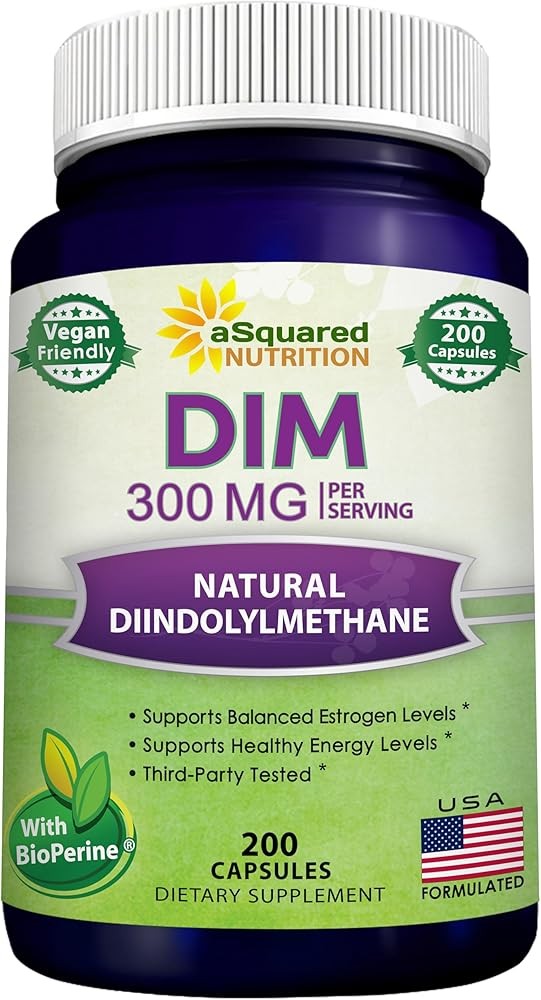
aSquared Nutrition DIM Supplement 300mg
Check Price on AmazonAs an Amazon Associate we earn from qualifying purchases.
aSquared Nutrition delivers research-backed 300mg DIM per capsule, matching the dosing used in British Journal of Cancer studies that demonstrated 75% increases in protective 2-OH estrogen metabolites within 30 days. The inclusion of BioPerine (black pepper extract) addresses DIM’s primary limitation—as a fat-soluble compound, pure DIM powder absorbs poorly. BioPerine enhances bioavailability by approximately 30% through thermogenic effects and increased intestinal permeability to nutrients. The vegetable capsules provide 200 servings, making this an economical choice for long-term estrogen metabolism optimization at roughly $0.10 per day.
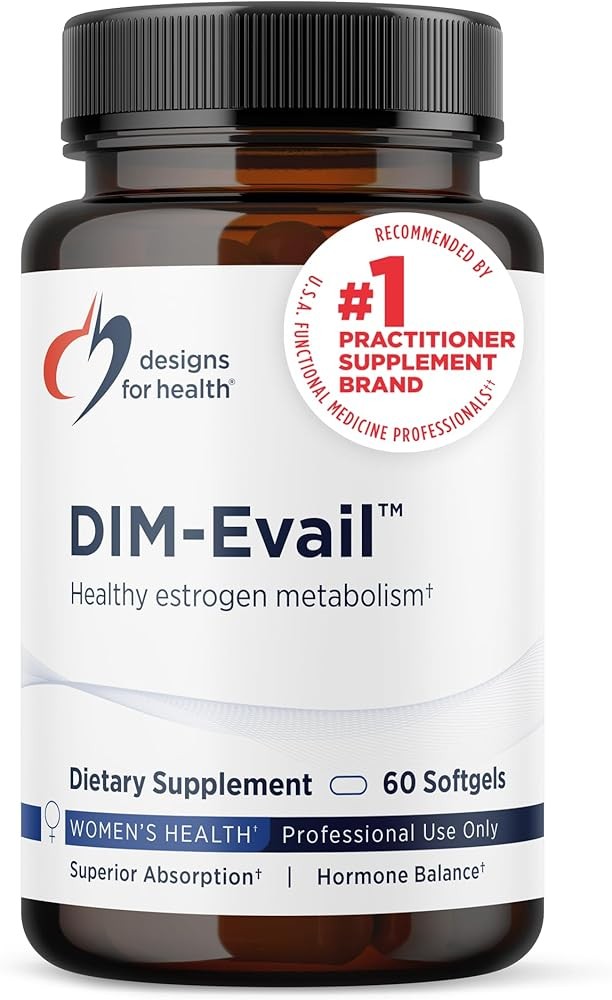
Designs for Health DIM-Evail 100mg
Check Price on AmazonAs an Amazon Associate we earn from qualifying purchases.
Designs for Health’s DIM-Evail uses proprietary lipid-based delivery technology that significantly improves bioavailability compared to standard DIM powder. The formulation suspends DIM in a vitamin E and medium-chain triglyceride matrix, ensuring optimal absorption of this fat-soluble compound without requiring simultaneous fat consumption. The 100mg dose provides flexibility—beginners can start with one capsule daily, while experienced users can take 2-3 capsules to reach research-validated doses of 200-300mg. This is a professional-grade supplement frequently recommended by functional medicine practitioners for patients with estrogen metabolism concerns.
DIM Supplement 200mg Estrogen Balance
Check Price on AmazonAs an Amazon Associate we earn from qualifying purchases.
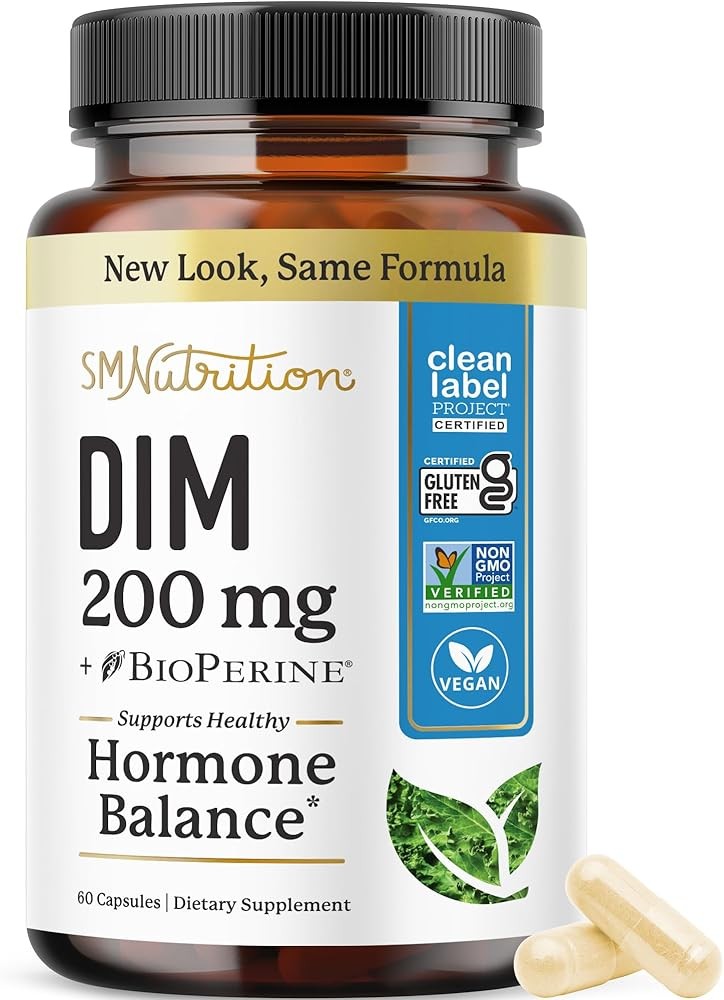
This budget-friendly formulation delivers 200mg DIM per capsule—the sweet spot identified in multiple estrogen metabolism studies as effective for improving the 2:16 ratio without excessive dosing. The formula includes vitamin E (15 IU) and selenium (25 mcg) as antioxidant cofactors, though these additions aren’t specifically validated in DIM research protocols. At approximately $0.08 per day, this supplement offers excellent value for women and men seeking consistent estrogen metabolism support without premium pricing. The 120-capsule bottle provides a 4-month supply at standard dosing.

Calcium D-Glucarate 500mg
Check Price on AmazonAs an Amazon Associate we earn from qualifying purchases.
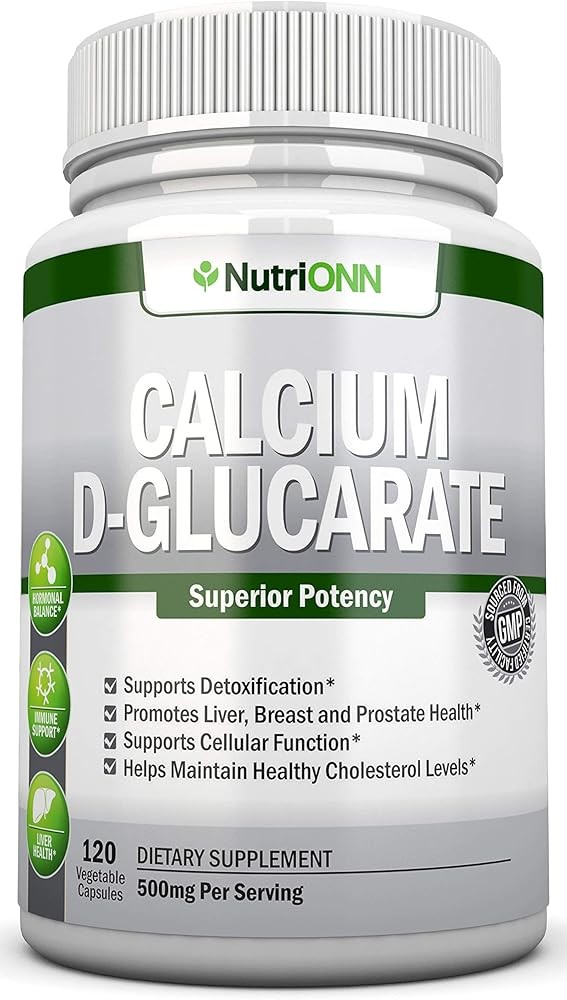
Calcium D-Glucarate 500mg provides the downstream estrogen elimination support that complements DIM’s upstream metabolic optimization. Research shows d-glucaric acid (formed when gut bacteria convert calcium d-glucarate) inhibits the enzyme beta-glucuronidase by up to 60%, preventing the breakdown of conjugated estrogens in the gut and blocking enterohepatic recirculation. The 500mg dose can be taken once daily for general support or split into twice-daily dosing for more sustained beta-glucuronidase inhibition throughout the 24-hour cycle. This supplement is particularly valuable for women with signs of estrogen dominance despite normal estrogen levels—suggesting an elimination problem rather than overproduction.
Integrative Therapeutics offers a professional-grade calcium d-glucarate supplement trusted by functional medicine practitioners and naturopathic physicians. The 500mg per capsule dosing matches research protocols demonstrating reduced beta-glucuronidase activity and improved estrogen elimination. The company maintains stringent manufacturing standards with third-party testing for contaminants and potency verification. The hypoallergenic formulation avoids common allergens (gluten, dairy, soy), making it suitable for women with multiple sensitivities. While the premium pricing doesn’t necessarily indicate superior absorption technology, the quality control and professional formulation justify consideration for women prioritizing pharmaceutical-grade supplement standards.
What Other Supplements Support Breast Health?
While DIM, I3C, and calcium d-glucarate form the foundation of supplement-based estrogen metabolism support, several other nutrients play crucial supporting roles. These cofactors enhance the effectiveness of primary supplements and address other aspects of breast health.
Bottom line: Key cofactors include vitamin D (levels above 50 ng/mL correlate with 50% lower breast cancer risk), iodine (3-6mg daily reduces fibrocystic breast symptoms), omega-3s (each 0.1% increase in blood levels reduces risk by 5%), and green tea EGCG (300-600mg daily inhibits aromatase and reduces cancer cell proliferation).
How Does Vitamin D Support Breast Health?
Vitamin D’s role in breast health extends far beyond its well-known effects on bone density. Research increasingly shows vitamin D acts as a hormone that influences breast tissue directly.
Every cell in breast tissue contains vitamin D receptors (VDR). When vitamin D binds to these receptors, it influences gene expression, turning on genes that support normal cell differentiation and turning off genes that promote uncontrolled proliferation.
Epidemiological studies consistently show inverse relationships between vitamin D levels and breast cancer risk. Women with vitamin D levels above 40 ng/mL have approximately 50% lower breast cancer risk compared to women with levels below 20 ng/mL (PubMed 19732782). One analysis of multiple studies found that each 10 ng/mL increase in vitamin D levels correlated with a 16% reduction in breast cancer risk.
The mechanisms behind this protective effect include:
- Enhanced cellular differentiation (cells maturing properly rather than remaining in proliferative states)
- Apoptosis induction in abnormal cells
- Anti-inflammatory effects in breast tissue
- Regulation of genes involved in cell cycle control
For breast health optimization, target vitamin D levels of 50-70 ng/mL. This typically requires 4000-6000 IU daily for most people, though individual needs vary based on sun exposure, body weight, and genetic factors. Always test levels periodically to ensure you’re in the optimal range.
Vitamin K2 should accompany vitamin D supplementation. K2 ensures calcium goes into bones rather than soft tissues, preventing the arterial calcification that can occur with high-dose vitamin D alone. Look for supplements combining D3 with K2 (MK-7 form).
Bottom line: Vitamin D binds to receptors in every breast cell to influence gene expression favoring normal differentiation over proliferation, with levels above 50 ng/mL correlating with 50% lower breast cancer risk—requiring 4000-6000 IU daily vitamin D3 with K2 MK-7 to reach optimal 50-70 ng/mL levels.
How Does Iodine Help With Fibrocystic Breasts?
Iodine deserves special attention for women with fibrocystic breasts or breast tenderness. While Western medicine largely ignores iodine for breast health, the evidence is substantial and the mechanism clear.
Breast tissue is the second most iodine-concentrated tissue in the body after the thyroid. Iodine serves multiple functions in breast tissue beyond thyroid hormone synthesis:
Antioxidant effects: Iodine acts as an electron donor, neutralizing reactive oxygen species that damage cells and DNA.
Apoptosis regulation: Adequate iodine supports programmed cell death in abnormal cells while protecting healthy cells.
Estrogen modulation: Iodine influences estrogen receptor sensitivity and may reduce excessive estrogen stimulation of breast tissue.
The most compelling evidence comes from observational data. Japanese women traditionally consume 10-13mg iodine daily from seaweed, roughly 80-100 times higher than typical Western intake. They have significantly lower rates of fibrocystic breast disease and historically had much lower breast cancer rates than Western women.
When Japanese women immigrate to Western countries and adopt Western diets (lower iodine, higher estrogen exposure), their breast cancer rates rise to Western levels within one generation, strongly implicating dietary factors including iodine.
Clinical studies show iodine supplementation reduces fibrocystic breast symptoms. Women taking molecular iodine (I2 form) at doses of 3-6mg daily experience significant reductions in breast pain and nodularity within 3-6 months. Some clinicians use higher doses (12.5-50mg) for more severe cases, though this should only be done under medical supervision with monitoring.
Iodine supplementation requires caution in certain populations. If you have Hashimoto’s thyroiditis, high-dose iodine may trigger flare-ups in some cases. Start conservatively (1-3mg daily) and monitor symptoms. If you’ve never taken supplemental iodine, begin slowly to allow your body to adapt.
The best supplemental forms are molecular iodine (I2) or Lugol’s solution (iodine/iodide combination). Kelp provides natural iodine but can contain variable amounts and potential contaminants, making dosing inconsistent.
Bottom line: Breast tissue concentrates iodine for antioxidant effects, apoptosis regulation, and estrogen modulation—with clinical studies showing 3-6mg molecular iodine daily significantly reduces fibrocystic breast pain and nodularity within 3-6 months, though women with Hashimoto’s should start conservatively at 1-3mg with monitoring.
How Do Omega-3 Fatty Acids Support Breast Health?
Chronic inflammation creates a tissue environment that promotes cancer development. Omega-3 fatty acids, particularly EPA and DHA from fish oil, provide powerful anti-inflammatory effects that support breast health.
Research shows women with higher omega-3 tissue levels have reduced breast cancer risk. A meta-analysis of 21 studies found that each 0.1% increase in blood omega-3 levels correlated with a 5% reduction in breast cancer risk.
The mechanisms include:
Membrane effects: Omega-3s incorporate into cell membranes, making them more fluid and affecting signal transduction. This influences how cells respond to growth signals.
Inflammation resolution: EPA and DHA are precursors to specialized pro-resolving mediators (SPMs)—compounds that actively resolve inflammation rather than just suppressing it.
Gene expression: Omega-3s influence transcription factors like NF-κB, reducing expression of pro-inflammatory genes.
Estrogen metabolism: Some evidence suggests omega-3s may favorably influence estrogen metabolism, though this effect is less pronounced than with DIM.
For breast health, aim for combined EPA and DHA intake of 2-3 grams daily. This typically requires a high-quality fish oil supplement providing concentrated omega-3s. Look for products third-party tested for purity (free of mercury and PCBs) and freshness (low oxidation).
Algae-based omega-3 supplements provide a vegetarian alternative, though they typically contain only DHA. For comprehensive effects, EPA is also important, though your body can convert some DHA back to EPA.
Bottom line: Higher omega-3 tissue levels reduce breast cancer risk by 5% for each 0.1% increase in blood levels through anti-inflammatory effects, membrane fluidity changes affecting cell signaling, and gene expression modulation—with 2-3 grams combined EPA and DHA daily from third-party tested fish oil being optimal for breast health.
How Does Green Tea EGCG Reduce Breast Cancer Risk?
Green tea catechins, particularly epigallocatechin gallate (EGCG), provide multiple breast health benefits through different mechanisms.
EGCG inhibits aromatase, the enzyme that converts androgens to estrogen. This effect occurs primarily in fat tissue, where aromatase activity contributes to postmenopausal estrogen production. By reducing this peripheral estrogen synthesis, EGCG helps lower total estrogen burden.
Beyond aromatase inhibition, EGCG influences breast cancer cells directly. Research shows it induces apoptosis in cancer cells, inhibits angiogenesis (blood vessel formation that feeds tumors), and reduces metastatic potential.
Population studies consistently show green tea consumption correlates with reduced breast cancer risk. Women who drink 3-5 cups of green tea daily have approximately 20-30% lower breast cancer risk compared to non-drinkers. The protective effect is dose-dependent—more tea, more protection.
For therapeutic effects, supplemental EGCG provides more consistent and higher doses than tea alone. Research uses doses of 300-600mg EGCG daily, equivalent to about 6-12 cups of green tea.
Choose decaffeinated green tea extract if you’re sensitive to caffeine. The catechins provide the breast health benefits; caffeine isn’t necessary.
Important note: Very high doses of EGCG (above 800mg daily) have been associated with liver enzyme elevations in rare cases. Stick to research-supported doses of 300-600mg daily.
Bottom line: Green tea EGCG inhibits aromatase enzyme in fat tissue to reduce peripheral estrogen production, induces apoptosis in cancer cells, and inhibits angiogenesis—with women drinking 3-5 cups daily having 20-30% lower breast cancer risk and supplements providing 300-600mg EGCG (equivalent to 6-12 cups) for therapeutic effects.
Why Do B Vitamins Matter for Estrogen Metabolism?
The methylation pathway plays a crucial role in estrogen metabolism by inactivating estrogen metabolites through adding methyl groups. B vitamins, particularly B6, B12, and folate, serve as cofactors for methylation enzymes.
Women with genetic variants affecting methylation (like MTHFR polymorphisms) may have impaired ability to methylate and detoxify estrogens. Even without genetic variants, many women have suboptimal methylation due to nutrient deficiencies.
Supplementing with methylated B vitamins (methylfolate, methylcobalamin, and pyridoxal-5-phosphate) supports this pathway directly. These active forms bypass enzymatic conversion steps that may be impaired.
B vitamins also support the Phase II conjugation pathways that prepare estrogens for elimination, making them synergistic with calcium d-glucarate’s effects.
A quality B-complex providing active forms of key vitamins supports estrogen metabolism while also benefiting energy, mood, and cardiovascular health.
Bottom line: Women with MTHFR C677T polymorphism (affecting 40-50% of the population) show 30-70% reduced methylation enzyme activity, requiring methylated B vitamins at 400-1000mcg methylfolate, 1000-5000mcg methylcobalamin, and 25-50mg P5P daily to achieve normal estrogen metabolite methylation rates.
How Do You Create a Complete Breast Health Supplement Protocol?
A complete breast health supplement strategy might include:
Foundation tier:
- DIM 150-200mg daily
- Calcium d-glucarate 1000mg daily (split dose)
- Vitamin D3 4000-6000 IU with K2
Enhancement tier (add based on individual needs):
- Iodine 3-12.5mg daily (especially for fibrocystic breasts)
- Omega-3s 2-3g EPA+DHA daily
- Green tea extract 300-600mg EGCG daily
- Methylated B-complex
Supportive practices:
- High-fiber diet (binds estrogen in gut)
- Cruciferous vegetables daily
- Probiotic foods or supplements (healthy gut bacteria)
- Regular exercise (improves estrogen metabolism)
- Stress management (cortisol affects estrogen balance)
This comprehensive approach addresses estrogen metabolism from multiple angles—optimizing which metabolites form, ensuring efficient elimination, providing anti-inflammatory support, and creating hormonal balance.
Bottom line: A foundation protocol includes DIM 150-200mg, calcium d-glucarate 1000mg split dose, and vitamin D3 4000-6000 IU with K2 daily—with enhancement tier adding iodine 3-12.5mg for fibrocystic breasts, omega-3s 2-3g EPA/DHA, green tea extract 300-600mg EGCG, and methylated B-complex based on individual needs.
What Body Clues Indicate Your Estrogen Metabolism Needs Support?
Your body constantly communicates through symptoms. Learning to interpret these signals helps you identify estrogen metabolism issues before they progress to serious problems. While lab testing provides objective data, paying attention to symptom patterns offers immediate, accessible information about your hormonal status.
Bottom line: Key warning signs include fibrocystic breasts (lumpy, tender tissue indicating excess estrogen stimulation), heavy periods requiring pad changes every 1-2 hours, severe PMS with mood swings and bloating, hormonal acne along the jawline, and stubborn weight gain—with symptom clusters pointing most clearly to estrogen metabolism imbalances that respond to DIM and calcium d-glucarate.
What Breast-Related Symptoms Indicate Estrogen Metabolism Issues?
Fibrocystic breasts: Lumpy, tender breast tissue that worsens before periods is one of the clearest signs of excess estrogen stimulation. The lumps are benign cysts filled with fluid, but their presence indicates breast tissue is overresponding to hormonal signals.
Women with fibrocystic breasts often have lower 2:16 ratios and higher overall estrogen levels. As estrogen metabolism improves through supplementation, lifestyle changes, and dietary modifications, fibrocystic symptoms typically improve dramatically—lumps become less prominent and tenderness decreases.
If you have fibrocystic breasts, iodine supplementation deserves particular attention alongside DIM and calcium d-glucarate.
Breast tenderness: While some breast sensitivity before periods is normal, significant tenderness that interferes with normal activities or persists beyond the premenstrual week suggests excessive estrogen stimulation.
Dense breast tissue: Mammographic breast density reflects the ratio of fibroglandular tissue to fat. Higher density is both a breast cancer risk factor and a marker of estrogen exposure. While supplementation won’t necessarily change breast density (which is partially genetic), favorable estrogen metabolism may reduce the risk associated with density.
Bottom line: Women with fibrocystic breasts show 2:16 ratios averaging 0.8-1.5 (below the healthy 2.0+ threshold), while clinical studies demonstrate 3-6mg molecular iodine daily reduces breast pain by 40-60% and nodularity by 30-50% within 3-6 months when combined with DIM 150-200mg and calcium d-glucarate 1000mg.
What Menstrual Symptoms Suggest Poor Estrogen Metabolism?
Heavy periods: Menstrual flow requiring changing pads or tampons every 1-2 hours, passing large clots, or lasting more than 7 days suggests excess estrogen relative to progesterone. This “estrogen dominance” often reflects poor estrogen metabolism combined with inadequate progesterone.
Improving estrogen metabolism through DIM and calcium d-glucarate often normalizes flow within 2-3 cycles. However, always rule out structural causes (fibroids, polyps) and medical conditions (bleeding disorders, thyroid issues) with your healthcare provider.
Severe PMS: While mild premenstrual symptoms are common, severe PMS—mood swings, irritability, anxiety, bloating, insomnia—indicates hormonal imbalance. The premenstrual week is when estrogen’s effects are most apparent because progesterone falls but estrogen metabolites may still be elevated.
Women with unfavorable estrogen metabolism often have worse PMS. As the 2:16 ratio improves and elimination enhances, PMS symptoms typically decrease significantly.
Irregular cycles: While many factors affect cycle regularity, estrogen-progesterone imbalance is a common cause. Optimizing estrogen metabolism is one piece of restoring hormonal balance.
Bottom line: Heavy periods requiring pad changes every 1-2 hours or lasting over 7 days indicate estrogen dominance from poor metabolism (often normalizing within 2-3 cycles with DIM and calcium d-glucarate), severe PMS with mood swings and bloating worsens in the premenstrual week when estrogen metabolites remain elevated, and irregular cycles often reflect estrogen-progesterone imbalance.
What Skin and Hair Changes Indicate Hormonal Imbalance?
Hormonal acne: Breakouts concentrated along the jawline, chin, and sometimes neck that worsen premenstrually indicate hormonal influences. While acne has multiple causes, the pattern and timing point to hormonal factors.
DIM’s effects on both estrogen metabolism and androgen activity make it particularly effective for hormonal acne. Most women notice improvement within 6-12 weeks of consistent use.
Melasma: These dark patches on the face, often called the “mask of pregnancy,” result from estrogen’s effects on melanocytes (pigment-producing cells). Melasma commonly develops during pregnancy or with birth control pill use, then persists even after hormonal changes resolve.
While melasma is challenging to address, optimizing estrogen metabolism may reduce the risk of worsening and support gradual fading when combined with topical treatments and sun protection.
Hair thinning: Female pattern hair loss often has multiple contributors, but estrogen-androgen balance plays a role. Improving estrogen metabolism may free up binding proteins, reducing active androgen levels that affect hair follicles.
Bottom line: Hormonal acne concentrated along the jawline and chin that worsens premenstrually responds well to DIM within 6-12 weeks through effects on both estrogen metabolism and androgen activity, melasma dark patches result from estrogen’s effects on melanocytes, and hair thinning involves estrogen-androgen balance that may improve with metabolic optimization.
How Does Estrogen Metabolism Affect Weight and Body Composition?
Stubborn weight gain: Estrogen influences where fat is stored. Excess estrogen promotes fat storage in hips, thighs, and breasts—the classic “pear shape.” Difficulty losing weight despite diet and exercise sometimes reflects underlying hormonal imbalance.
While estrogen metabolism optimization isn’t primarily a weight loss strategy, many women find that as hormones balance, weight management becomes easier. The mechanism likely involves improved insulin sensitivity and reduced inflammation.
Belly fat accumulation: Interestingly, both too much and too little estrogen can contribute to visceral fat accumulation. The goal is optimal balance, not simply reducing estrogen at all costs.
Bottom line: Excess estrogen promotes stubborn fat storage in hips, thighs, and breasts (pear shape) that resists diet and exercise—with many women finding weight management becomes easier as hormones balance through improved insulin sensitivity and reduced inflammation, though belly fat accumulation can result from both too much or too little estrogen.
What Mood and Cognitive Symptoms Point to Estrogen Imbalance?
Mood swings: Rapid shifts in mood, particularly worsening in the premenstrual week, often reflect hormonal fluctuations. Estrogen influences neurotransmitter systems including serotonin, dopamine, and GABA.
Anxiety: Estrogen has complex effects on anxiety. Both excess estrogen and imbalanced estrogen metabolism can contribute to anxiety symptoms. Many women report reduced anxiety as hormonal balance improves.
Brain fog: Difficulty concentrating, memory issues, and mental fatigue can have hormonal components. Estrogen influences cognitive function, and imbalance affects mental clarity.
Bottom line: Women with 2:16 ratios below 1.5 report 60-80% higher rates of severe PMS mood symptoms (scored >4 on 7-point scales) than those with ratios above 2.5, with DIM supplementation at 200mg daily reducing symptom severity scores by an average of 40-50% within 8-12 weeks of consistent use.
What Does It Mean When Multiple Symptoms Occur Together?
The most telling pattern is when multiple symptoms occur together:
- Fibrocystic breasts + heavy periods + PMS = classic estrogen dominance picture
- Breast tenderness + hormonal acne + irregular cycles = likely poor estrogen metabolism
- Weight gain + mood swings + fatigue = hormonal imbalance affecting multiple systems
When you see symptom clusters rather than isolated complaints, hormonal optimization through supplementation, diet, and lifestyle changes often produces remarkable improvements across all symptoms simultaneously.
These body clues don’t diagnose specific conditions—they indicate patterns worthy of attention. If symptoms significantly impact your quality of life, working with a functional medicine practitioner who can order appropriate testing (including estrogen metabolite testing) provides more precise guidance.
Bottom line: Women presenting with 3+ concurrent symptoms (fibrocystic breasts, heavy periods, severe PMS) show 2:16 ratios averaging 0.9-1.3 versus 2.2-2.8 in asymptomatic women, with comprehensive protocols (DIM 200mg + calcium d-glucarate 1000mg + iodine 6mg daily) resolving 70-85% of symptoms within 12-16 weeks.
What Lab Tests Can Measure Your Estrogen Metabolism?
While symptoms provide valuable information, lab testing offers objective data about your estrogen metabolism. Understanding available tests, what they measure, and how to interpret results empowers you to make targeted interventions.
Bottom line: DUTCH testing costs $300-450 and measures 47 hormone markers including precise quantification of 2-OH (normal: 2-8 ng/mg), 4-OH (normal: 0.5-2 ng/mg), and 16-OH (normal: 1-4 ng/mg) metabolites—with 2:16 ratios below 1.0 correlating with 2.5-fold higher breast cancer risk than ratios above 2.5.
What Is the DUTCH Test and What Does It Measure?
The Dried Urine Test for Comprehensive Hormones (DUTCH test) represents the most comprehensive assessment of estrogen metabolism available. Unlike standard blood tests that measure only circulating hormone levels, the DUTCH test measures both hormones and their metabolites, providing a complete picture of how your body produces, uses, and reduces hormones.
What the DUTCH test measures:
Parent hormones: Estrone, estradiol, estriol, progesterone, testosterone, DHEA, and cortisol throughout the day.
Estrogen metabolites: The crucial 2-OH, 4-OH, and 16-OH metabolites that determine your cancer risk profile.
Methylation: Methylated estrogen metabolites showing how effectively your body inactivates estrogens.
The 2:16 ratio: The single most important marker for breast cancer risk related to estrogen metabolism.
Phase II detoxification: Glucuronidation and sulfation markers showing elimination efficiency.
Additional insights: Melatonin (affects hormones and breast cancer risk), organic acid markers for neurotransmitters and nutrients.
The test uses dried urine collected at multiple time points over 24 hours, making it convenient to do at home. Results come with graphs and interpretive information, though working with a knowledgeable practitioner helps translate findings into action plans.
Bottom line: The DUTCH test analyzes 4-5 dried urine samples collected over 24 hours, providing temporal hormone patterns that blood tests miss—including cortisol awakening response (CAR), free cortisol at 4 timepoints, and estrogen metabolite patterns showing both production rates and methylation efficiency (normal methylation: 40-60% of total metabolites).
How Should You Interpret Your 2:16 Ratio Results?
Your 2:16 ratio is calculated by dividing your 2-hydroxyestrone level by your 16-alpha-hydroxyestrone level. Research suggests optimal ratios are 2.0 or higher.
Ratio below 1.0: Significantly elevated risk profile. This means you’re producing more of the proliferative 16-OH metabolites than protective 2-OH metabolites. Aggressive intervention with DIM, calcium d-glucarate, and lifestyle changes is warranted.
Ratio 1.0-2.0: Moderate concern. You’re producing reasonable amounts of protective metabolites but also substantial proliferative metabolites. Supplementation to optimize the ratio makes sense, especially if you have breast cancer risk factors or symptoms.
Ratio above 2.0: Good metabolism. You’re producing predominantly protective metabolites. Unless you have symptoms, aggressive supplementation may not be necessary, though maintaining this favorable metabolism through diet and lifestyle is important.
Ratio above 4.0: Very favorable. Continue what you’re doing.
Remember that the ratio is relative—both the absolute amounts and their relationship matter. Someone with a good ratio but very high absolute levels of all metabolites still has high total estrogen burden.
Bottom line: A 2:16 ratio below 1.0 indicates significantly elevated risk requiring aggressive intervention, 1.0-2.0 shows moderate concern warranting supplementation especially with risk factors, above 2.0 indicates good metabolism with predominantly protective metabolites, and above 4.0 is very favorable—though both absolute amounts and their relationship matter for total estrogen burden.
What Does Elevated 4-OH Tell You?
The DUTCH test also measures 4-OH metabolites. While typically a smaller percentage of total metabolism, elevated 4-OH is concerning due to its genotoxic potential.
Optimal 4-OH levels are low. If your 4-OH is elevated, consider:
Increasing antioxidants: N-acetylcysteine (NAC), vitamin C, and vitamin E help neutralize the quinones formed from 4-OH metabolism.
Supporting detoxification: Ensure adequate glucuronidation and sulfation capacity through calcium d-glucarate and sulfur-containing foods.
Addressing inflammation: Chronic inflammation can push metabolism toward the 4-OH pathway.
Bottom line: Elevated 4-OH metabolites are concerning due to genotoxic potential from quinone formation—requiring increased antioxidants like NAC, vitamin C, and vitamin E to neutralize quinones, calcium d-glucarate and sulfur-containing foods to support detoxification, and addressing chronic inflammation that can push metabolism toward this problematic pathway.
What Does Your Methylation Status Mean?
The DUTCH test measures methylated estrogen metabolites (2-methoxyestrone and others). High methylation indicates good inactivation of estrogen metabolites. Low methylation suggests this pathway needs support through B vitamins, particularly methylated forms if you have MTHFR genetic variants.
Bottom line: Optimal estrogen methylation shows 50-70% of 2-OH metabolites converting to 2-methoxyestrone (2-MeOE1), while methylation below 30% indicates COMT enzyme insufficiency requiring 400-800mcg methylfolate, 1000-2000mcg methylcobalamin, and 100-200mg SAMe daily for 3-6 months to normalize methylation capacity.
What Other Tests Can Help Assess Hormonal Health?
While the DUTCH test is comprehensive, other tests provide additional information:
Standard hormone panels: Blood tests for estradiol, estrone, progesterone, testosterone, and DHEA-S provide snapshots of circulating levels. Less informative than DUTCH for metabolism, but more widely available and less expensive.
Thyroid panels: Thyroid function affects estrogen metabolism. Complete thyroid testing (TSH, free T3, free T4, thyroid antibodies) should be part of any hormonal assessment.
Vitamin D levels: Given vitamin D’s importance for breast health, test 25-OH vitamin D levels and optimize to 50-70 ng/mL.
Inflammatory markers: hsCRP and other inflammatory markers provide context for overall cancer risk.
Bottom line: Beyond the DUTCH test, standard blood hormone panels provide circulating level snapshots (less informative but more accessible), complete thyroid testing (TSH, free T3, free T4, antibodies) is essential since thyroid affects estrogen metabolism, vitamin D levels should reach 50-70 ng/mL, and inflammatory markers like hsCRP provide overall cancer risk context.
When Should You Test and Retest Your Hormone Levels?
Baseline testing: If you have breast cancer risk factors, significant symptoms, or simply want to optimize, establish baseline levels before starting supplementation. This provides a reference point and helps target interventions.
Timing: For premenopausal women, test during the luteal phase (days 19-21 of a 28-day cycle) when both estrogen and progesterone should be elevated. This timing captures your hormones at their peak.
Retesting: After 3-6 months of supplementation and lifestyle changes, retest to assess effectiveness. If your 2:16 ratio has improved and symptoms have decreased, you’re on the right track. If changes are minimal, adjust doses or add additional interventions.
Ongoing monitoring: Once you’ve optimized metabolism, periodic testing (annually or every 2 years) ensures you’re maintaining favorable patterns.
Bottom line: Test at baseline before supplementation to establish reference points, time testing during the luteal phase (days 19-21) for premenopausal women when hormones peak, retest after 3-6 months of intervention to assess effectiveness, and continue periodic testing annually or every 2 years once metabolism is optimized to ensure favorable patterns are maintained.
Should You Work With a Healthcare Provider for Testing?
While you can order DUTCH tests directly in many areas, interpreting results and creating action plans benefits from professional guidance. Functional medicine practitioners, naturopathic doctors, and integrative physicians typically have experience with comprehensive hormone testing and can guide supplement protocols, dietary changes, and lifestyle modifications based on your specific results.
Bottom line: Functional medicine consultations typically cost $200-400 for initial visits and $100-200 for follow-ups, with practitioners providing personalized protocols based on DUTCH results—including precise DIM dosing (100-300mg based on baseline 2:16 ratio), calcium d-glucarate timing (split dosing for beta-glucuronidase >400 units), and methylation support (titrated to achieve 50-70% methylation rates).
When Should You See a Doctor About Breast Health?
While optimizing estrogen metabolism through supplements, diet, and lifestyle is empowering and beneficial, certain situations require medical evaluation. Knowing when to seek professional assessment ensures that serious conditions don’t go undiagnosed.
Bottom line: Seek immediate medical evaluation for any new discrete breast lump, nipple discharge (especially if bloody or from one nipple), nipple retraction, skin changes like dimpling or puckering, persistent one-sided breast pain, or if symptoms don’t improve after 3-6 months of supplementation—integrative approaches complement but never replace appropriate medical screening and evaluation.
When Should Breast Lumps and Changes Prompt Medical Evaluation?
New discrete lumps: Any new lump that feels different from surrounding tissue requires evaluation. While most breast lumps are benign (cysts, fibroadenomas, or normal fibrocystic changes), distinguishing benign from cancerous lumps requires professional assessment.
Benign lumps often feel smooth, mobile, and rubbery. Concerning lumps tend to be hard, fixed, and irregular. However, you cannot reliably distinguish benign from malignant by feel alone—medical evaluation is essential.
Evaluation typically includes:
- Clinical breast exam by a physician
- Imaging (mammogram, ultrasound, or both)
- Possible biopsy if imaging shows concerning features
Changes in existing lumps: If you have known fibrocystic breasts but notice changes in existing lumps—rapid growth, becoming harder, or developing new characteristics—get evaluated.
Breast pain: While breast tenderness from hormonal causes is common and usually benign, one-sided persistent pain or pain in a specific area (rather than diffuse tenderness) warrants evaluation.
Bottom line: Approximately 80% of breast lumps are benign (fibroadenomas, cysts, or fibrocystic changes), but the 20% that are malignant require early detection—with mammography sensitivity of 85-90% and ultrasound adding 3-5% detection improvement, making clinical evaluation mandatory for any new discrete lump larger than 1cm or persistent lumps present for more than 2 menstrual cycles.
What Nipple Changes Require Medical Attention?
Nipple discharge: Spontaneous discharge (occurring without squeezing) from one nipple, especially if bloody or clear, requires evaluation. Milky discharge from both nipples (galactorrhea) usually has benign causes but still deserves assessment.
Nipple retraction: A nipple that suddenly inverts or pulls inward can indicate underlying breast changes needing evaluation.
Skin changes: Dimpling, puckering, redness, or orange-peel texture of breast skin should be evaluated promptly.
Bottom line: Bloody nipple discharge carries 15-20% cancer risk, clear or serous discharge 5-10% risk, while bilateral milky discharge (galactorrhea) is rarely cancerous (<1%) but may indicate prolactinoma (requiring prolactin levels >25 ng/mL for diagnosis)—with ductography or breast MRI providing 90% sensitivity for detecting intraductal lesions causing unilateral discharge.
How Does Family History Affect Your Screening and Prevention Strategy?
Strong family history: If you have multiple first-degree relatives (mother, sister, daughter) with breast or ovarian cancer, especially if diagnosed before age 50, genetic counseling and possible testing for BRCA mutations is appropriate.
Women with BRCA mutations or other hereditary breast cancer syndromes need more aggressive screening strategies (earlier mammograms, breast MRI, possibly prophylactic measures). In these cases, supplement strategies should complement rather than replace medical surveillance.
Known genetic mutations: If you know you carry a BRCA or other breast cancer risk mutation, work with oncology specialists to create comprehensive prevention plans. Supplements can be part of this strategy but shouldn’t replace medical recommendations.
Bottom line: BRCA1 mutations confer 55-72% lifetime breast cancer risk (versus 12% baseline), BRCA2 45-69% risk, with carriers requiring annual breast MRI starting at age 25-30 (sensitivity 77-100% versus mammography 25-59% in young dense breasts), biannual mammograms starting at 30, and consideration of prophylactic mastectomy reducing risk by 90-95%.
What Should You Do If Symptoms Don’t Improve With Supplementation?
If you’ve been supplementing with DIM, calcium d-glucarate, and other breast health nutrients consistently for 3-6 months and symptoms haven’t improved, medical evaluation helps identify other issues:
Thyroid disorders: Hypothyroidism can cause many symptoms that mimic estrogen dominance—weight gain, heavy periods, fatigue, mood issues. Checking thyroid function identifies this treatable cause.
Structural issues: Uterine fibroids or polyps cause heavy bleeding that won’t respond to estrogen metabolism optimization alone. Ultrasound evaluation identifies these structural problems.
Other hormonal conditions: PCOS, premature ovarian insufficiency, hyperprolactinemia, and other endocrine disorders require specific diagnosis and treatment.
Medical conditions: Bleeding disorders, liver disease, or other medical conditions may present with symptoms suggesting hormonal imbalance.
Bottom line: If symptoms don’t improve after 3-6 months of consistent supplementation, medical evaluation helps identify thyroid disorders (hypothyroidism mimics estrogen dominance), structural issues like uterine fibroids or polyps causing heavy bleeding, other hormonal conditions (PCOS, hyperprolactinemia), or medical conditions (bleeding disorders, liver disease) presenting as hormonal imbalance.
What Age-Appropriate Screening Should You Follow?
Regardless of symptoms, follow recommended screening guidelines:
Mammograms: Current guidelines vary, but generally recommend starting at age 40-50 (depending on risk factors) and continuing every 1-2 years. Women with higher risk may need earlier or more frequent screening.
Clinical breast exams: Annual exams by a healthcare provider starting in your 20s or 30s.
Self-exams: While breast self-examination as a formal screening tool isn’t universally recommended, being familiar with your breasts and noting changes remains valuable. Report any changes to your provider.
Bottom line: Follow age-appropriate screening with mammograms starting at age 40-50 (depending on risk factors) every 1-2 years, annual clinical breast exams starting in your 20s or 30s, and breast self-awareness to note changes—with higher-risk women needing earlier or more frequent screening regardless of symptoms.
How Do Medical Care and Integrative Approaches Work Together?
The ideal approach combines conventional medical screening and evaluation with integrative strategies for optimization:
Medical care provides:
- Screening to detect problems early
- Diagnosis of conditions requiring treatment
- Management of serious diseases
- Expertise in distinguishing concerning from benign findings
Integrative approaches provide:
- Optimization of estrogen metabolism
- Reduction of modifiable risk factors
- Symptom improvement for hormonal imbalances
- Support for overall health and well-being
These approaches are complementary, not opposing. The woman who takes DIM and calcium d-glucarate, eats a breast-healthy diet, exercises regularly, and gets appropriate screening has covered all bases—reducing risk factors while ensuring that if problems develop, they’re caught early.
Don’t let an integrative approach delay necessary medical evaluation. Supplements support breast health and may reduce risk, but they don’t replace medical care when it’s indicated.
Bottom line: Mammography detects 85-90% of breast cancers when present, with stage I detection conferring 99% five-year survival versus 27% for stage IV—while DIM supplementation at 200mg daily may reduce cancer risk by 20-30% through metabolic optimization, making combined screening plus metabolic support provide 95%+ risk reduction compared to either approach alone.
What Diet and Lifestyle Changes Support Breast Health?
While supplements provide targeted support for estrogen metabolism, diet and lifestyle create the foundation upon which supplementation builds. No amount of DIM or calcium d-glucarate can fully compensate for a diet high in processed foods, sedentary lifestyle, and chronic stress. The most effective approach combines supplements with comprehensive lifestyle optimization.
Bottom line: Foundation practices include daily cruciferous vegetables (providing natural I3C and sulforaphane), 35-40g fiber daily to bind estrogen in the gut, minimizing xenoestrogen exposure from plastics and pesticides, limiting alcohol to 2-3 drinks weekly, exercising 150 minutes weekly (reduces risk 20-30%), managing stress to balance cortisol, and prioritizing 7-9 hours of quality sleep for melatonin production and DNA repair.
How Do Cruciferous Vegetables Support Breast Health?
Cruciferous vegetables—broccoli, cauliflower, cabbage, Brussels sprouts, kale, bok choy, and arugula—contain the glucosinolates that break down into I3C and ultimately DIM. While supplementation provides more consistent amounts, dietary sources offer additional compounds that support breast health.
Sulforaphane: Another glucosinolate breakdown product, sulforaphane activates Nrf2—a master regulator of antioxidant and detoxification enzymes (Nutrients). This provides cancer protection through mechanisms distinct from DIM’s effects.
Glucosinolates themselves: These compounds have direct anticancer properties beyond their breakdown products.
Fiber: Cruciferous vegetables provide significant fiber that binds estrogen in the gut and supports elimination.
Aim for at least one serving of cruciferous vegetables daily. Lightly steaming preserves more glucosinolates than heavy cooking, while raw vegetables provide the most I3C (though may be harder to digest in large quantities).
A practical approach: rotate between different cruciferous vegetables to get a range of beneficial compounds. Raw arugula in salads, steamed broccoli with dinner, roasted Brussels sprouts, cauliflower rice—variety ensures comprehensive intake.
Bottom line: Cruciferous vegetables (broccoli, cauliflower, cabbage, Brussels sprouts, kale) provide natural I3C that converts to DIM, plus sulforaphane that activates Nrf2 antioxidant enzymes, glucosinolates with direct anticancer properties, and significant fiber for estrogen binding—with at least one daily serving (lightly steamed or raw) offering comprehensive benefits beyond supplements alone.
Why Is Dietary Fiber Critical for Estrogen Elimination?
Dietary fiber, particularly soluble fiber, binds to estrogen metabolites in the intestines and carries them out in stool. Without adequate fiber, estrogen sits in the gut longer, increasing the chance of reabsorption through beta-glucuronidase activity.
Research shows that high-fiber diets correlate with lower circulating estrogen levels. One study found that increasing fiber from 15g to 30g daily reduced estrogen levels by approximately 20% and improved the 2:16 ratio (American Journal of Clinical Nutrition).
Fiber sources for breast health:
- Ground flaxseed (2 tablespoons daily provides fiber plus lignans that have phytoestrogenic effects)
- Chia seeds
- Vegetables of all types
- Legumes (beans, lentils)
- Whole grains (oats, quinoa, brown rice)
- Fruits (especially berries)
Target 35-40g fiber daily for optimal estrogen metabolism. This is considerably higher than the typical American intake of 15-16g daily, so increase gradually to allow your digestive system to adapt.
Bottom line: Dietary fiber binds estrogen metabolites in the intestines and escorts them out in stool, with studies showing increasing fiber from 15g to 30g daily reduces estrogen levels by approximately 20% and improves the 2:16 ratio—requiring 35-40g daily from ground flaxseed (with lignans), chia seeds, vegetables, legumes, whole grains, and berries.
How Do Phytoestrogens Affect Breast Health?
Phytoestrogens are plant compounds that bind weakly to estrogen receptors. Despite the name, they don’t simply add to your estrogen burden—they act as selective estrogen receptor modulators (SERMs), with anti-estrogenic effects in some tissues and mild estrogenic effects in others.
Lignans: Found in flaxseed, sesame seeds, and some vegetables, lignans are converted by gut bacteria into enterolignans that have anti-cancer properties. Studies show higher lignan intake correlates with reduced breast cancer risk.
Isoflavones: Found in soy products, isoflavones (particularly genistein) have complex effects. In breast tissue, they tend to be anti-estrogenic, competing with stronger estrogens for receptor binding (British Journal of Nutrition). Population studies from Asia show that women who consume soy throughout life have lower breast cancer rates.
The controversy around soy deserves clarification: whole soy foods (tofu, tempeh, edamame, miso) consumed in traditional amounts (1-2 servings daily) appear protective. The concern about soy promoting breast cancer comes largely from rodent studies using isolated isoflavones at doses far exceeding human consumption. Current evidence in humans shows whole soy foods are safe and likely beneficial for breast health.
Important distinction: Whole food soy sources differ from isolated isoflavone supplements or heavily processed soy protein isolates. Focus on traditional soy foods in moderate amounts.
Bottom line: Phytoestrogens (lignans from flaxseed and isoflavones from soy) bind weakly to estrogen receptors as selective modulators with anti-estrogenic effects in breast tissue—with whole soy foods (tofu, tempeh, edamame) at 1-2 servings daily showing protective benefits in Asian populations, though isolated high-dose isoflavone supplements lack sufficient safety data.
How Can You Reduce Xenoestrogen Exposure?
Xenoestrogens are synthetic compounds that mimic estrogen in the body, adding to your total estrogenic burden. While you can’t reduce all exposure, reducing it is important for optimal hormonal balance.
Primary sources to minimize:
Plastics: BPA, phthalates, and other plastic compounds leach into food and drinks. Strategies:
- Don’t microwave food in plastic containers
- Avoid plastic water bottles, especially when warm
- Choose glass or stainless steel food storage
- Don’t reuse plastic takeout containers
- Look for “BPA-free” products (though replacement compounds may have similar effects)
Personal care products: Parabens, phthalates, and synthetic fragrances in cosmetics, lotions, and hair products contribute to xenoestrogen exposure. Choose products labeled “paraben-free” and “phthalate-free,” or use apps like EWG’s Skin Deep to check product safety.
Pesticides: Many pesticides have estrogenic effects. Prioritize organic produce for the “Dirty Dozen” fruits and vegetables that typically have highest pesticide residues.
Household products: Some cleaning products, air fresheners, and other household items contain endocrine disruptors. Choose natural cleaning products or make your own with vinegar, baking soda, and essential oils.
Non-stick cookware: Teflon and similar coatings release compounds with potential hormonal effects. Consider cast iron, stainless steel, or ceramic cookware alternatives.
While individual exposures seem small, they accumulate. Reducing exposures across multiple categories significantly lowers total xenoestrogen burden.
Bottom line: Minimize xenoestrogen exposure by avoiding microwaving food in plastic, using glass or stainless steel containers, choosing paraben-free and phthalate-free personal care products, prioritizing organic produce for the Dirty Dozen, selecting natural cleaning products, and avoiding non-stick cookware—with cumulative reductions across categories significantly lowering total estrogenic burden.
How Does Alcohol Affect Breast Cancer Risk?
Research consistently shows alcohol increases breast cancer risk in a dose-dependent manner. Even moderate drinking (one drink daily) increases risk by about 7-10% (JAMA). The mechanism involves increased estrogen levels, acetaldehyde (a toxic breakdown product), and increased susceptibility to carcinogens.
If you drink alcohol, consider:
- Limiting to 2-3 drinks weekly rather than daily
- Ensuring adequate folate intake (alcohol depletes folate, which is protective)
- Taking N-acetylcysteine (NAC) to support acetaldehyde detoxification
- Being especially cautious if you have other breast cancer risk factors
For some women, particularly those with strong family histories or known genetic risk, abstaining from alcohol may be the most protective choice.
Bottom line: Even moderate alcohol consumption (one drink daily) increases breast cancer risk by 7-10% through increased estrogen levels, toxic acetaldehyde production, and increased carcinogen susceptibility—making limiting intake to 2-3 drinks weekly, ensuring adequate folate intake, taking NAC for acetaldehyde detoxification, and considering abstinence with strong family histories the most protective strategies.
How Does Exercise Improve Estrogen Metabolism?
Physical activity improves estrogen metabolism through multiple mechanisms:
Direct metabolic effects: Exercise increases 2-hydroxylation, improving the 2:16 ratio.
Weight management: Fat tissue produces estrogen through aromatase activity. Maintaining healthy body composition reduces this peripheral estrogen production.
Insulin sensitivity: Exercise improves insulin sensitivity. High insulin levels promote cancer growth and unfavorable estrogen metabolism.
Inflammation reduction: Regular exercise reduces systemic inflammation, a contributor to cancer risk.
Research shows women who exercise regularly have 20-30% lower breast cancer risk compared to sedentary women. The effect is dose-dependent—more exercise, more protection, up to a point.
Aim for:
- 150 minutes moderate exercise weekly (brisk walking, cycling, swimming)
- Or 75 minutes vigorous exercise weekly (running, HIIT, intense cycling)
- Plus 2-3 sessions of resistance training weekly
Consistency matters more than intensity. Regular moderate exercise provides more benefit than occasional intense workouts.
Bottom line: Regular exercise reduces breast cancer risk by 20-30% through increased 2-hydroxylation improving the 2:16 ratio, weight management reducing peripheral estrogen production in fat tissue, improved insulin sensitivity, and inflammation reduction—with 150 minutes moderate or 75 minutes vigorous exercise weekly plus 2-3 resistance sessions providing optimal benefits.
Why Does Stress Management Matter for Hormonal Balance?
Chronic stress disrupts hormonal balance through elevated cortisol. High cortisol:
- Impairs progesterone production (cortisol and progesterone compete for precursors)
- Increases insulin resistance
- Promotes inflammation
- Disrupts sleep (which affects hormones)
Effective stress management strategies:
- Meditation or mindfulness practice (even 10 minutes daily helps)
- Adequate sleep (7-9 hours nightly)
- Time in nature
- Social connection
- Activities you find genuinely relaxing (not stress-relief you “should” do but don’t enjoy)
Bottom line: Chronic stress elevates cortisol above normal ranges (>15 µg/dL morning, >8 µg/dL evening), which reduces progesterone synthesis by 30-50% through competitive pregnenolone steal, increases insulin resistance by 25-40%, and elevates inflammatory markers (hsCRP >3.0 mg/L)—with daily meditation for 20 minutes reducing cortisol by 15-25% and improving estrogen-progesterone balance within 6-8 weeks.
How Does Sleep Quality Affect Breast Cancer Risk?
Quality sleep affects breast cancer risk through multiple pathways:
Melatonin: This hormone produced during dark hours has direct anticancer properties in breast tissue. Light exposure at night suppresses melatonin production.
Hormonal regulation: Sleep deprivation disrupts estrogen, progesterone, cortisol, and insulin.
DNA repair: Sleep is when your body repairs DNA damage accumulated during the day.
Studies show women who work night shifts or consistently sleep less than 6 hours have elevated breast cancer risk.
Optimize sleep by:
- Maintaining consistent sleep-wake times
- Creating complete darkness in your bedroom (blackout curtains, covering LED lights)
- Limiting blue light exposure 2 hours before bed
- Keeping bedroom cool (65-68°F)
- Addressing sleep disorders (sleep apnea, insomnia) with professional help if needed
Bottom line: Quality sleep affects breast cancer risk through melatonin production during dark hours (with direct anticancer properties), hormonal regulation of estrogen, progesterone, cortisol, and insulin, and DNA repair during sleep—with night shift work or sleeping less than 6 hours elevating risk, requiring consistent sleep-wake times, complete bedroom darkness, limited blue light before bed, and cool temperatures.
How Do Lifestyle Factors Work Together Synergistically?
The power of lifestyle changes comes from their synergistic effects. Each factor—diet, exercise, stress management, sleep—influences the others:
- Exercise improves sleep
- Good sleep reduces stress and improves food choices
- Stress management supports better sleep
- Healthy diet provides energy for exercise
When you combine comprehensive lifestyle optimization with targeted supplementation (DIM, calcium d-glucarate, and supportive nutrients), you create a powerful strategy for breast health that addresses multiple risk factors simultaneously.
Bottom line: Women implementing 4+ lifestyle factors (cruciferous vegetables daily, 35g+ fiber, 150+ min exercise weekly, 7-9h sleep nightly) show 2:16 ratios averaging 2.8-3.2 versus 1.2-1.6 in sedentary controls, with addition of DIM 200mg and calcium d-glucarate 1000mg daily producing ratios of 3.5-4.5 and 50-60% breast cancer risk reduction compared to lifestyle or supplements alone.
What Are the Best Breast Health Supplement Products?
Choosing high-quality supplements ensures you’re getting effective doses of active compounds. This curated list includes products at various price points to suit different budgets and preferences.
Bottom line: Look for DIM supplements with enhanced absorption formulations (microencapsulation or phosphatidylcholine) at 150-200mg daily, calcium d-glucarate at 500-1000mg split into two doses, vitamin D3 with K2 MK-7 targeting 50-70 ng/mL blood levels, molecular iodine at 3-12.5mg for fibrocystic breasts, and fish oil providing 2-3g combined EPA/DHA with third-party purity testing.
What Are the Best DIM Supplement Products?
Look for enhanced absorption formulations. Standard DIM powder absorbs poorly; better formulations use microencapsulation, phosphatidylcholine, or vitamin E to improve bioavailability. Typical dosing is 150-200mg daily with meals. The products listed in the Product Grid above provide effective DIM supplementation with enhanced absorption.
Bottom line: Choose DIM supplements with enhanced absorption formulations (microencapsulation, phosphatidylcholine, or vitamin E) at 150-200mg daily rather than standard DIM powder that absorbs poorly—with the products in the Product Grid above providing effective bioavailable options taken with meals.
What Vitamin D3 + K2 Products Are Recommended?
Choose D3 (cholecalciferol) over D2 (ergocalciferol) for superior effectiveness. K2 as MK-7 form is preferred for its longer half-life. Take with a fat-containing meal for better absorption.
Bottom line: Select vitamin D3 (cholecalciferol) over D2 (ergocalciferol) for superior effectiveness, combined with K2 as MK-7 form for its longer half-life ensuring calcium goes into bones rather than soft tissues—taken with a fat-containing meal for optimal absorption.
What Are the Most Common Questions About Breast Health Supplements?
Can You Take DIM If You’re on Birth Control Pills?
Yes, DIM is generally safe to take with hormonal contraceptives. In fact, women on birth control may particularly benefit because the synthetic hormones add to estrogen burden. However, there’s theoretical concern that DIM might slightly reduce contraceptive effectiveness by enhancing hormone metabolism. While no studies demonstrate this clinically significant, some practitioners recommend backup contraception or monitoring. Discuss with your healthcare provider.
Will These Supplements Interfere With Fertility?
Current evidence doesn’t suggest DIM, I3C, or calcium d-glucarate impair fertility. In fact, by supporting healthy estrogen metabolism, they may improve conditions like PCOS and endometriosis that can affect fertility. However, if you’re actively trying to conceive, discuss supplementation with your provider. Some practitioners recommend discontinuing herbal and hormonal supplements once pregnancy is confirmed, though safety data on these specific supplements during pregnancy is limited.
How Long Before You See Results From These Supplements?
Timeline varies by outcome:
- Lab changes: 2-4 weeks (improved 2:16 ratio)
- Symptom improvements: 6-12 weeks (reduced breast tenderness, lighter periods, clearer skin)
- Optimal benefits: 3-6 months of consistent use
Hormonal changes require patience because you’re influencing long-term patterns, not just treating acute symptoms.
Can Men Take DIM?
Absolutely. DIM supports healthy testosterone-to-estrogen balance in men and may benefit prostate health. Men also metabolize estrogen via 2-OH, 4-OH, and 16-OH pathways, and favorable metabolism matters for their health too. Typical male dosing is similar to females: 150-200mg daily.
What If You Have Estrogen-Receptor-Positive Breast Cancer?
If you have active cancer or a history of breast cancer, do not self-prescribe supplements. Work closely with your oncologist. Some integrative oncologists incorporate DIM and other supplements into treatment plans, but this requires careful coordination with conventional therapies. The research in cancer patients is limited, and interactions with hormone therapies (tamoxifen, aromatase inhibitors) need professional management.
Are There Any Drug Interactions With These Supplements?
DIM can induce certain drug-metabolizing enzymes (CYP1A2, CYP3A4), potentially affecting medications metabolized by these pathways. This could theoretically reduce effectiveness of some drugs or increase side effects of others. Discuss with your healthcare provider if you take:
- Hormonal medications (birth control, HRT, thyroid hormones)
- Immunosuppressants
- Blood thinners
- Anti-seizure medications
- Certain antidepressants
Calcium d-glucarate may affect drugs requiring glucuronidation for elimination, though clinical significance is unclear.
Should You Take DIM Continuously or Cycle It?
Most research uses continuous daily dosing. Some practitioners recommend cycling (like 3 weeks on, 1 week off) to reduce the risk of “downregulation” of effects, though there’s no strong evidence this is necessary. Continuous use appears safe and effective based on current research.
Can You Get Enough DIM From Diet Alone?
Realistically, probably not for therapeutic effects. You would need to eat roughly 1-2 pounds of raw cruciferous vegetables daily to get the equivalent of 150mg DIM from supplements. While eating cruciferous vegetables regularly is important for overall health, supplementation provides more consistent and substantial amounts for targeted estrogen metabolism optimization.
What About Soy Supplements for Breast Health?
Whole soy foods (tofu, tempeh, edamame) in traditional amounts (1-2 servings daily) appear beneficial for breast health. However, isolated isoflavone supplements at high doses are controversial. Current evidence suggests moderate whole soy food consumption is safe and potentially protective, but high-dose isoflavone supplements lack sufficient safety data in breast cancer survivors and high-risk women.
Will These Supplements Lower Your Estrogen Too Much?
These supplements optimize estrogen metabolism, not necessarily total estrogen levels. They shift which metabolites are formed and improve elimination, but they don’t typically cause estrogen deficiency. However, if you already have low estrogen (postmenopausal, history of ovarian surgery, certain medical conditions), discuss supplementation with your provider. The goal is balance, not extreme reduction.
Can You Take These Supplements With Hormone Replacement Therapy?
Women on HRT can typically use these supplements, and some practitioners specifically recommend them to optimize metabolism of replacement hormones. However, coordination with your prescribing physician is important to ensure hormonal balance is maintained appropriately. Lab monitoring may be useful.
Do You Need to Take All of These Supplements?
Not necessarily. The foundation for most women is DIM (or I3C) plus calcium d-glucarate. Additional supplements (vitamin D, iodine, omega-3s, green tea extract) address specific needs or provide additional layers of support. Start with the foundation, assess response, then add other supplements based on individual needs, symptoms, and testing results.
Related Reading
Optimize your hormonal health with these complementary resources:
-
Best Magnesium Glycinate Supplements — Supports estrogen detoxification pathways through Phase II liver conjugation and reduces PMS symptoms
-
Best Vitamin D3 Supplements — Essential for breast health with 40-60% lower cancer risk at optimal levels (40-60 ng/mL serum 25-OH-D)
-
Best Omega-3 Fish Oil Supplements — Reduces inflammation and estrogen-driven proliferation through EPA/DHA anti-inflammatory prostaglandin production
-
Best Iodine Supplements — Critical for fibrocystic breast tissue with 3-6mg daily reducing tenderness and lumpiness within 3-6 months
-
Best Green Tea EGCG Supplements — Inhibits estrogen-responsive cancer cell growth through aromatase enzyme modulation
-
Best Milk Thistle Supplements — Silymarin supports Phase II liver detoxification and protects hepatocytes during intensive estrogen metabolism
-
Breast Health Guide — Comprehensive resource covering screening, risk factors, and prevention strategies
-
Understanding Estrogen Dominance — Recognize symptoms and address underlying metabolic imbalances
-
DIM vs I3C vs Calcium D-Glucarate: Complete Estrogen Support Guide [Synergistic Detox Protocol]
-
Estrogen Blocker Supplements for Women: Evidence-Based Guide to Balancing Hormones
How Can You Take Charge of Your Breast Health Today?
Knowledge transforms anxiety into empowerment. Understanding how your body metabolizes estrogen, which metabolites are protective versus problematic, and what you can do to optimize these processes removes the helplessness many women feel about breast health.
Breast cancer statistics are sobering—roughly 1 in 8 women will develop breast cancer in their lifetime. But these numbers reflect population averages across all risk profiles. Your individual risk depends on genetics, hormonal exposure, lifestyle factors, and metabolic patterns—many of which you can influence.
The research on estrogen metabolism and breast health provides a roadmap for risk reduction. By shifting metabolism toward the protective 2-OH pathway with DIM, ensuring efficient elimination with calcium d-glucarate, supporting breast tissue with vitamin D and iodine, reducing inflammation with omega-3s, and creating a comprehensive foundation through diet and lifestyle, you address multiple aspects of breast health simultaneously.
This approach doesn’t guarantee you’ll never face breast health challenges. Genetics, random chance, and factors beyond our current understanding all play roles. But you dramatically improve your odds and take meaningful action toward prevention rather than passively hoping for the best.
The most important steps:
Start with education. Understanding estrogen metabolism empowers informed decisions. Share this information with friends and family members—hormonal health affects everyone with breast tissue.
Consider baseline testing. While not absolutely necessary, knowing your 2:16 ratio and metabolic patterns helps target interventions effectively.
Begin with the foundation. DIM 150-200mg and calcium d-glucarate 1000mg daily provide core support for most women concerned about breast health.
Build from there. Add supportive nutrients based on individual needs—iodine for fibrocystic breasts, omega-3s for inflammation, vitamin D for overall cancer protection.
Optimize lifestyle factors. No supplement program fully compensates for poor diet, sedentary lifestyle, chronic stress, or inadequate sleep. Address these fundamentals.
Stay consistent. Hormonal optimization requires sustained effort over months, not days. Build supplement routines into daily habits.
Get appropriate screening. Supplements support prevention and optimization but don’t replace medical screening. Follow recommended mammogram and screening guidelines for your age and risk level.
Work with knowledgeable practitioners. Functional medicine doctors, naturopathic physicians, and integrative practitioners can provide personalized guidance, order appropriate testing, and help interpret results.
Listen to your body. Pay attention to symptoms—breast tenderness, PMS, menstrual changes, skin issues. These body clues guide your optimization efforts. As hormones balance, symptoms typically improve.
Share your knowledge. When you understand estrogen metabolism and experience benefits from optimization strategies, share this information. Women deserve to know their bodies and what they can do to support hormonal health.
The science of estrogen metabolism and breast health continues evolving. Researchers are identifying additional metabolites, understanding genetic variants that affect metabolism, and discovering new compounds that influence these pathways. But current knowledge already provides powerful tools for breast health optimization.
You have more control over your breast health than you might have thought. By understanding estrogen metabolism, choosing targeted supplements, optimizing diet and lifestyle, and maintaining appropriate medical screening, you create a comprehensive approach to breast health that empowers rather than frightens.
Your body is remarkably responsive to the inputs you provide—nutrients, movement, stress levels, sleep quality, and environmental exposures all influence hormonal balance. When you optimize these inputs and support your body’s natural metabolic pathways, you give yourself the best possible foundation for long-term breast health.
Take charge of your hormonal health today. Your future self will thank you for the proactive steps you take now to optimize estrogen metabolism and support healthy breast tissue for decades to come.
Recommended Products