Candida Overgrowth Supplements: Combat Yeast and Restore Gut Balance
Summarized from peer-reviewed research indexed in PubMed. See citations below.
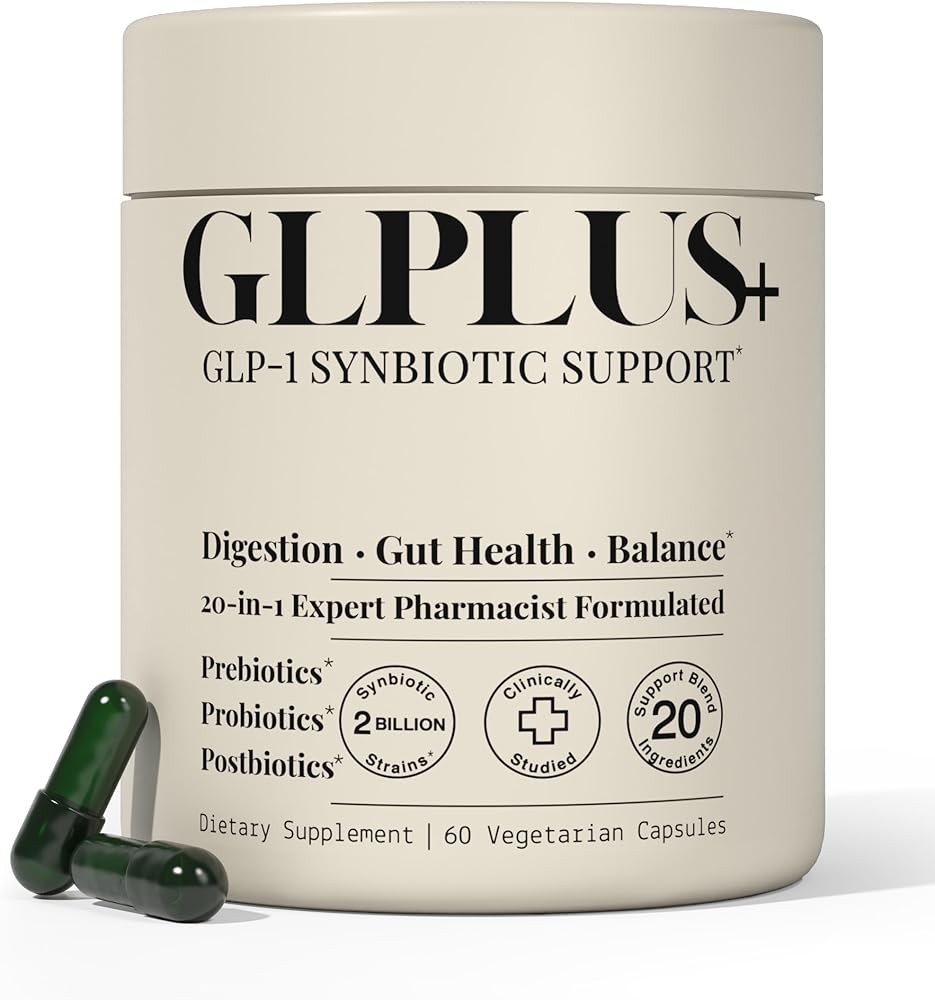
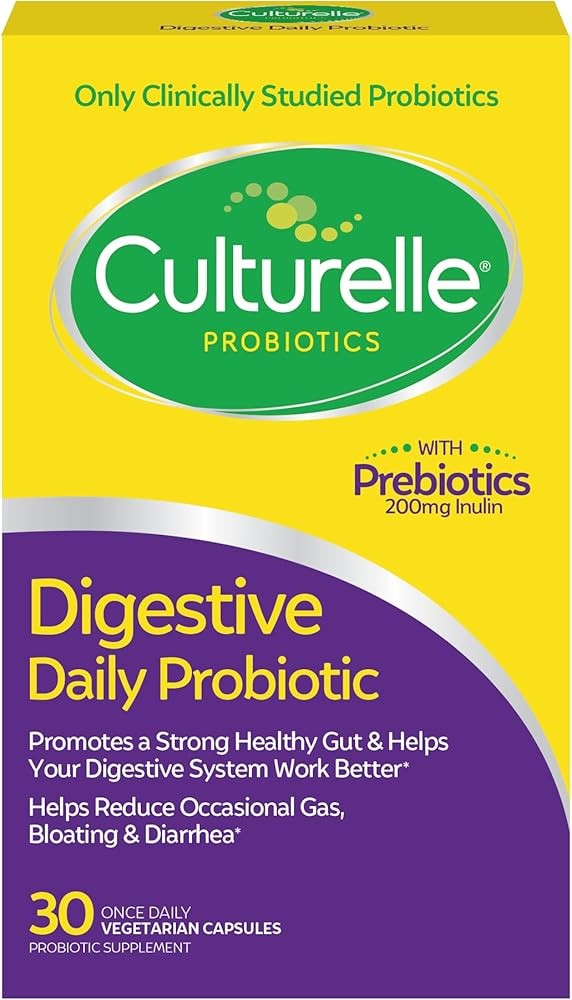
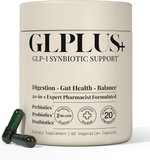
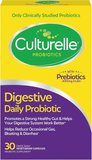
Small intestinal fungal overgrowth (SIFO) is increasingly recognized in people with unexplained gastrointestinal symptoms, with candida the most common fungus identified - some reports estimate it affects roughly a quarter of that population (Erdogan & Rao, 2015). GLP-1 Companion Gut Supplement (ASIN B0FZDXYQ31, $23.96) is our Best Overall pick: a 20-ingredient gut support formula pairing digestive enzymes and prebiotic fiber with probiotic and postbiotic strains. Culturelle Digestive Daily Probiotic (ASIN B0025ASIRK, $17.47) is the budget pick built on Lactobacillus rhamnosus GG, the most-studied probiotic strain. This guide covers which anti-candida supplements have real laboratory evidence, how biofilms defeat treatment, and a phased protocol for restoring gut balance. Here’s what the published research actually shows.
Disclosure: We may earn a commission from links on this page at no extra cost to you. Affiliate relationships never influence our ratings. Full policy →
Candida overgrowth has become one of the most controversial yet commonly diagnosed digestive issues in functional medicine. While mainstream medicine often dismisses candida as a concern only in immunocompromised patients, millions of people struggle with symptoms that resolve when yeast overgrowth is addressed. Understanding which supplements effectively combat candida, break down protective biofilms, and restore gut balance can transform your digestive health and overall wellbeing.
This comprehensive guide examines the science behind candida overgrowth, the anti-fungal supplements with the strongest laboratory evidence, and a phased protocol for bringing yeast back into balance.
What Is Candida Overgrowth and Why Does It Matter?
Candida albicans is a naturally occurring yeast that lives in your digestive tract, mouth, and other mucous membranes. In healthy individuals, candida exists in small amounts and causes no problems. Your immune system and beneficial bacteria keep candida populations in check.
Problems arise when candida transitions from its harmless yeast form into its invasive hyphal form, which produces finger-like projections that penetrate intestinal walls. This overgrowth, sometimes called Small Intestinal Fungal Overgrowth (SIFO), creates a cascade of digestive and systemic symptoms.
A 2015 review in Current Gastroenterology Reports summarized the evidence on small intestinal fungal overgrowth, noting that fungal overgrowth - candida species most often - is found in a meaningful minority of patients with unexplained gastrointestinal symptoms and frequently goes undiagnosed because standard testing does not look for it (Erdogan & Rao, 2015).
Bottom line: Candida overgrowth (SIFO) occurs when harmless yeast transforms into invasive fungal forms, is found in a meaningful minority of people with unexplained gut symptoms, and often goes undiagnosed because standard testing does not screen for fungal imbalance.
What Is the Difference Between SIFO and SIBO?
SIFO (Small Intestinal Fungal Overgrowth) and SIBO (Small Intestinal Bacterial Overgrowth) share similar symptoms but require different treatment approaches:
SIFO characteristics:
- Caused by fungal species, primarily candida
- Creates more systemic symptoms (brain fog, fatigue, skin issues)
- Often resistant to bacterial antibiotics
- Requires anti-fungal treatment
- Can create biofilm protection making it harder to reduce
SIBO characteristics:
- Caused by bacterial overgrowth in small intestine
- Primarily digestive symptoms (bloating, gas, diarrhea)
- May respond to certain antibiotics
- Often measured through breath testing
- Can coexist with SIFO
Many people have both conditions simultaneously, which explains why treating only bacteria doesn’t resolve all symptoms. A comprehensive approach addressing both fungal and bacterial imbalances often yields the best results.
Bottom line: SIFO (fungal) and SIBO (bacterial) can coexist and need different treatment approaches: fungal overgrowth calls for antifungals and tends to create more systemic symptoms, while bacterial overgrowth responds to antibiotics and causes primarily digestive complaints.
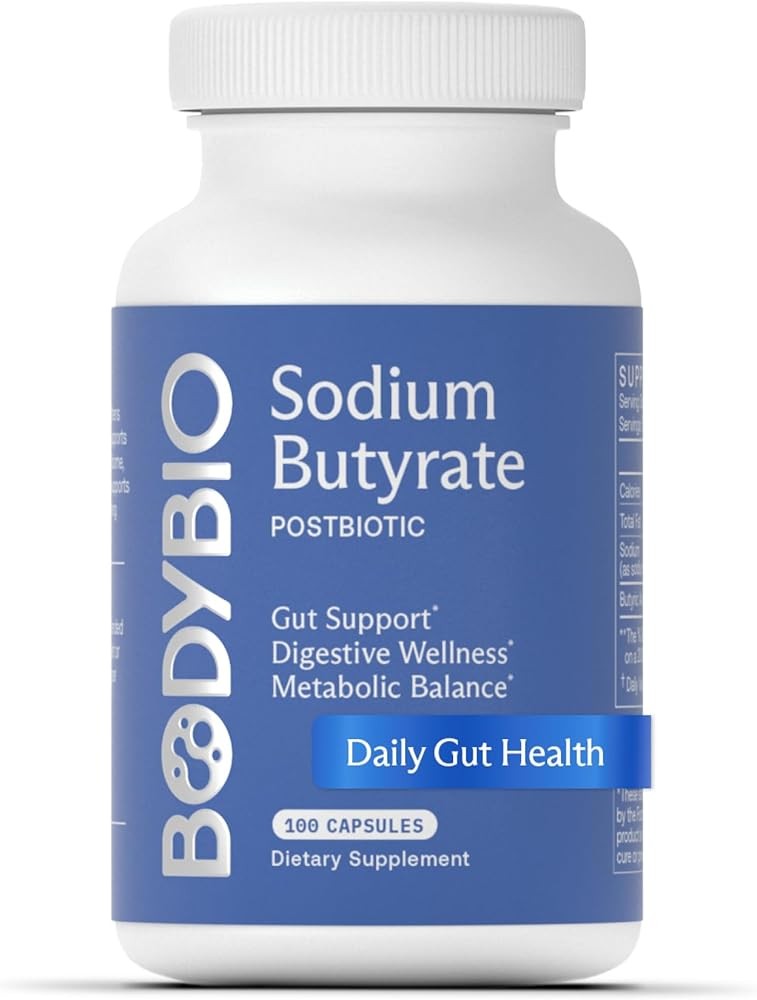
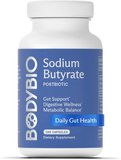
| Feature | GLP-1 Companion Gut Supplement | Culturelle Digestive Daily Probiotic | BodyBio Butyrate |
|---|---|---|---|
| View on Amazon | Check Price | Check Price | Check Price |
How Does Candida Become Pathogenic?
Candida overgrowth doesn’t happen overnight. Several factors must converge to allow yeast populations to expand beyond healthy limits:
Antibiotic use wipes out beneficial bacteria that normally compete with and suppress candida growth. Even a single course of broad-spectrum antibiotics can trigger candida overgrowth that persists for months.
High-sugar diets provide the perfect fuel for yeast proliferation. Candida thrives on glucose and simple carbohydrates, multiplying rapidly when these nutrients are abundantly available.
Weakened immunity from chronic stress, illness, or immunosuppressive medications allows candida to gain a foothold. Your immune system normally keeps yeast populations in check through various mechanisms.
Hormonal changes during pregnancy, menopause, or from birth control pills can alter the vaginal and gut environment, making candida overgrowth more likely.
Gut dysbiosis from any cause creates an environment where opportunistic organisms like candida can flourish. When your microbiome diversity decreases, protective gaps emerge.
Bottom line: Candida becomes problematic when antibiotics deplete protective bacteria, high-sugar diets fuel yeast growth, immunity is weakened, hormonal changes shift the mucosal environment, or microbiome diversity declines - the conditions that let a commensal yeast turn into an overgrowth.
What Are the Symptoms of Candida Overgrowth?
Candida overgrowth produces both localized digestive symptoms and systemic effects that can seem unrelated to gut health. This wide range of symptoms often leads to misdiagnosis or dismissal.
What Digestive Symptoms Does Candida Cause?
Chronic bloating and gas that worsens after eating carbohydrates or sugar is one of the hallmark signs. The fermentation of sugars by yeast produces gas that causes visible abdominal distension.
Irregular bowel movements ranging from constipation to diarrhea, often alternating unpredictably. Candida overgrowth disrupts normal gut motility and can damage intestinal lining.
Abdominal discomfort and cramping that comes and goes without clear triggers. The inflammatory response to candida overgrowth irritates intestinal tissues.
Food sensitivities that seem to multiply over time as intestinal permeability increases. Candida’s hyphal form damages tight junctions between intestinal cells, allowing partially digested proteins to enter the bloodstream.
What Systemic Symptoms Does Candida Cause?
Persistent fatigue that doesn’t improve with rest is extremely common with candida overgrowth. The metabolic byproducts of yeast, particularly acetaldehyde, are toxic and drain energy.
Brain fog and poor concentration result from these same toxic metabolites crossing the blood-brain barrier. Many people describe feeling “fuzzy” or unable to think clearly.
Skin issues including rashes, eczema, acne, and fungal infections appear as the immune system becomes overwhelmed. Candida can colonize skin directly or trigger inflammatory skin responses.
Sugar and carbohydrate cravings intensify as candida manipulates your appetite to ensure its food supply. Research suggests that gut microbes can influence food preferences through the gut-brain axis.
Recurrent yeast infections in women or oral thrush indicate systemic candida imbalance. When intestinal candida populations are high, vaginal and oral colonization becomes more likely.
Joint pain and muscle aches can develop as inflammatory cytokines circulate throughout the body in response to chronic candida presence.
Mood disturbances including anxiety and depression have been linked to gut dysbiosis. The gut produces significant amounts of neurotransmitters, and candida overgrowth disrupts this production.
Bottom line: Candida overgrowth is associated with digestive symptoms (bloating, gas, irregular bowel movements, cramping) and systemic ones (fatigue, brain fog, skin complaints, sugar cravings, recurrent yeast infections, joint aches, mood disturbance), plausibly driven by yeast metabolites such as acetaldehyde and by immune activation. The symptom lists above are the practical guide; most are supported by clinical reports rather than controlled trials.
How Can You Test for Candida Overgrowth?
Accurate diagnosis helps target treatment and track progress. Several testing options exist, each with advantages and limitations.
How Does Comprehensive Stool Analysis Test for Candida?
Modern DNA-based stool tests can identify candida species and quantify their levels. These tests also reveal bacterial imbalances, inflammation markers, and digestive function indicators.
The most useful stool tests measure:
- Candida species levels (albicans and non-albicans types)
- Beneficial bacteria populations
- Inflammatory markers like calprotectin
- Digestive enzyme function
- Short-chain fatty acid production
How Does Organic Acids Testing Detect Candida?
Urine organic acids testing detects metabolic byproducts of candida overgrowth. Elevated markers like arabinose and tartaric acid suggest active yeast overgrowth.
This testing method offers the advantage of capturing metabolic activity rather than just presence. You can have candida present without it being metabolically active and problematic.
How Does Candida Antibody Testing Work?
Blood tests measuring IgG, IgA, and IgM antibodies to candida indicate immune response to yeast overgrowth. High antibody levels suggest chronic exposure and immune activation.
However, antibody testing has limitations. Some people with candida overgrowth have weakened immune responses and may not produce elevated antibodies. Additionally, most people have some candida antibodies since we’re all exposed to yeast.
How Is Candida Diagnosed Clinically?
Many functional medicine practitioners diagnose candida overgrowth based on symptoms, health history, and response to treatment. If you have multiple risk factors and characteristic symptoms that improve with anti-candida protocols, empirical treatment may be reasonable.
The most telling factors include:
- Recent or frequent antibiotic use
- High sugar diet history
- Multiple systemic symptoms beyond digestion
- Recurrent vaginal or oral yeast infections
- Dramatic symptom improvement on low-sugar diet
Bottom line: Testing options include DNA-based stool analysis (identifies and quantifies candida species alongside bacterial balance and markers like calprotectin), urine organic acids (metabolic byproducts such as arabinose), and blood antibody panels (IgG, IgA, IgM) - each with real limitations. Many clinicians diagnose empirically from symptom patterns, antibiotic history, and response to a low-sugar diet, which is reasonable but not definitive.
What Are the Best Anti-Candida Supplements?
Numerous natural compounds demonstrate anti-fungal activity against candida. The most effective supplements work through multiple mechanisms to combat yeast, reduce the risk of regrowth, and support immune function.
What Are the Benefits of Caprylic Acid for Candida?
Caprylic acid is a medium-chain fatty acid derived from coconut oil that demonstrates potent anti-candida effects. This eight-carbon saturated fat disrupts candida cell membranes, causing cell death without harming beneficial bacteria.
Research published in the Journal of Medicinal Food found that caprylic acid inhibits candida virulence factors through multiple targets, including effects on the fungal cell membrane (PubMed 28922057). In a separate study, combining caprylic acid with carvacrol or thymol produced a synergistic antifungal effect, with a greater than 6-log reduction of pathogenic C. albicans in short-term exposures (PubMed 31334617).
Optimal dosing: 1,000-2,000mg three times daily with meals. Time-release formulations provide sustained anti-fungal activity throughout the digestive tract.
What to look for: Enteric-coated or time-release capsules that survive stomach acid and release in the small intestine where candida overgrowth occurs.
Bottom line: Caprylic acid (1-2g three times daily) disrupts candida cell membranes with fungicidal activity against multiple strains including drug-resistant types, working best in time-release formulations that target the small intestine.
How Does Oregano Oil Address Candida?
Oil of oregano contains carvacrol and thymol, powerful phenolic compounds with demonstrated anti-candida activity. Research shows oregano oil is as effective as some pharmaceutical anti-fungals while being gentler on beneficial gut bacteria.
A study found that oregano oil inhibited candida growth at very low concentrations and prevented biofilm formation, with up to 50% inhibition of biofilm adhesion and formation (PubMed 33915040). The phenolic compounds disrupt fungal cell membranes and interfere with cellular metabolism. Origanum oil at 0.25 mg/ml completely inhibited C. albicans growth in culture (PubMed 11855736).
Optimal dosing: 200-400mg of standardized extract (minimum 70% carvacrol) three times daily. Always take with food to minimize digestive irritation.
Important note: Oregano oil is potent and can cause die-off reactions. Start with lower doses and increase gradually.
Bottom line: Oregano oil (200-400mg standardized to 70%+ carvacrol three times daily) inhibits candida growth at low concentrations and limits biofilm formation in laboratory studies.
How Does Berberine Reduce Candida?
Berberine is a plant alkaloid extracted from several herbs including goldenseal, barberry, and Oregon grape. This bright yellow compound demonstrates remarkable anti-microbial properties against bacteria, fungi, and parasites.
Research showed berberine inhibits candida growth through multiple mechanisms: disrupting cell membrane integrity, interfering with energy production, preventing biofilm formation, and enhancing immune function (PubMed 32021094). This multi-targeted approach makes resistance development unlikely. Berberine caused alterations to plasma and mitochondrial membrane integrity and DNA damage, leading to cell death by apoptosis (PubMed 27021328). The MICs for standard Candida strains ranged from 10 to 160 μg/mL, with concentration-dependent biofilm inhibition rates of 19.89% to 96.93%.
Berberine also improves metabolic health, supporting blood sugar regulation that helps reduce the glucose available for yeast proliferation. Studies show berberine improves insulin sensitivity and reduces hemoglobin A1c levels.
Optimal dosing: 500mg three times daily before meals. This dosing pattern optimizes both anti-fungal effects and metabolic benefits.
Advanced option: Dihydroberberine offers 5-10x better absorption than standard berberine, allowing lower doses with equal or superior effects.
Bottom line: Berberine (500mg three times daily) addresses candida through multiple mechanisms—disrupting cell membranes, interfering with energy production, preventing biofilm formation (20-97% inhibition), and causing DNA damage that triggers fungal cell death.
How Does Pau D’Arco Work Against Candida?
Pau d’arco comes from the inner bark of Tabebuia trees native to South American rainforests. Indigenous peoples have used it for centuries to address fungal infections, and modern research validates these traditional applications.
The active compounds lapachol and beta-lapachone demonstrate significant anti-candida activity. Research published in Brazilian Journal of Microbiology found pau d’arco extracts inhibited candida albicans growth and prevented adhesion to intestinal cells, which is crucial for preventing colonization.
Optimal dosing: 500-1,000mg of standardized extract three times daily, or 2-3 cups of pau d’arco tea throughout the day.
What to look for: Products standardized for lapachol content ensure consistent anti-fungal activity.
Bottom line: Pau d’arco (500-1,000mg three times daily) contains lapachol and beta-lapachone that inhibit candida growth and reduce the risk of adhesion to intestinal cells, blocking colonization.
How Does Garlic Extract Combat Candida?
Garlic has demonstrated anti-fungal properties throughout history, and modern science confirms its effectiveness against candida. The key compound allicin forms when garlic is crushed or cut, releasing powerful sulfur-containing molecules.
Research showed that allicin inhibits multiple candida species, including azole-resistant strains, with efficacy comparable to fluconazole (PubMed 21204918). The mechanism involves disruption of cellular thiols, critical sulfur-containing compounds necessary for fungal survival (PubMed 10594976). Allicin-treated cells exhibited significant reduction in biofilm growth compared to fluconazole-treated and control cells (PubMed 21924600).
Fresh raw garlic provides the most allicin, but this causes digestive upset and strong odor for many people. Aged garlic extract offers gentler, odorless anti-fungal benefits with additional cardiovascular and immune support.
Optimal dosing: 600-1,200mg of aged garlic extract daily, or 2-4 grams of fresh crushed garlic if tolerated.
Pro tip: Crushing fresh garlic and letting it sit for 10 minutes before consuming maximizes allicin production.
Bottom line: Garlic extract (600-1,200mg aged garlic daily or 2-4g fresh garlic) inhibits candida including azole-resistant strains through allicin’s disruption of cellular thiols, with biofilm reduction comparable to fluconazole.
How Does Undecylenic Acid Suppress Candida Growth?
Undecylenic acid is an eleven-carbon unsaturated fatty acid derived from castor oil with specific anti-candida properties, including activity against the hyphal form that creates the most problematic symptoms.
Research demonstrates that undecylenic acid inhibits morphogenesis of candida into its invasive hyphal form (PubMed 10991877). Keeping yeast in its round form reduces tissue invasion and symptoms. Undecylenic acid inhibits biofilm formation effectively at concentrations above 3 mM, and the morphological transition from yeast to filamentous phase is abolished at concentrations above 4 mM (PubMed 26902505).
Optimal dosing: 200-400mg three times daily. Often combined with caprylic acid for synergistic effects.
Unique benefit: May be better tolerated than some other anti-fungals with fewer die-off reactions.
Bottom line: Undecylenic acid (200-400mg three times daily) inhibits candida morphogenesis into the invasive hyphal form and reduces biofilm formation at higher concentrations, keeping yeast in its less problematic round form.
How Does Grapefruit Seed Extract Work Against Candida?
Grapefruit seed extract (GSE) contains compounds formed during the extraction process that demonstrate broad antimicrobial activity. While its exact active constituents remain debated, clinical experience and some research support anti-candida benefits.
Dosing: 100-200mg three to four times daily or 10-15 drops in water twice daily for liquid extracts.
Caution: Quality varies significantly between brands. Some products contain added synthetic antimicrobials, so choose reputable manufacturers with third-party testing.
How Does Black Walnut Hull Address Candida?
Black walnut hull extract contains juglone, a compound with anti-fungal and anti-parasitic properties. While traditionally used more for parasites, it demonstrates activity against candida as well.
Dosing: 500-1,000mg daily of standardized extract. Often included in comprehensive anti-microbial formulas.
Note: Can cause digestive upset in some people. Start with lower doses and increase gradually.
Bottom line: Grapefruit seed extract (100-200mg 3-4x daily) and black walnut hull (500-1,000mg daily) provide additional anti-candida support, though quality varies and they’re often included in comprehensive anti-microbial formulas rather than used as standalone treatments.
How Do You Break Down Candida Biofilms?
One reason candida overgrowth proves so difficult to reduce is biofilm formation. Candida creates a protective matrix of extracellular substances that shields it from anti-fungals and immune cells. This slimy coating allows candida to persist despite treatment.
Research details how candida biofilms increase resistance to anti-fungal drugs by up to 1,000-fold compared to free-floating yeast cells (PubMed 18625775). These biofilms display innate resistance to multiple drug classes and are capable of withstanding antifungal concentrations 1000-fold higher than those that inhibit planktonic cells. Looking at these biofilms is essential for successful candida elimination.
How Does NAC Break Down Candida Biofilms?
NAC is an amino acid derivative that breaks down mucus and biofilms through its sulfur bonds. Research shows NAC disrupts candida biofilms and increases susceptibility to anti-fungal agents.
A study in Microorganisms found that NAC has fungistatic action against C. albicans biofilms and enhances the effect of conventional antifungal agents (PubMed 32629850). The proposed mechanism involves breaking disulfide bonds in the biofilm matrix. Separate research found NAC inhibits adhesion and biofilm formation of C. parapsilosis, partly by down-regulating the CpEFG1 gene (PubMed 38958241).
Dosing: 600-1,200mg twice daily on an empty stomach for maximum biofilm-disrupting effects.
Additional benefits: NAC supports glutathione production, liver detoxification, and respiratory health.
Bottom line: NAC (600-1,200mg twice daily on empty stomach) breaks disulfide bonds in biofilm matrix, reducing candida adherence by 33% and disrupting mature biofilms by 50-95%, while also down-regulating biofilm formation genes.
How Do Proteolytic Enzymes Dissolve Candida Biofilms?
Systemic enzymes including serrapeptase, nattokinase, and lumbrokinase digest the protein components of biofilms. Taking these enzymes on an empty stomach allows them to work systemically rather than just digesting food.
Dosing: Take proteolytic enzyme formulas on an empty stomach (2 hours after eating, 1 hour before next meal) for systemic biofilm-disrupting effects.
Timing strategy: Take enzymes in the morning and before bed for maximum systemic activity.
Bottom line: Proteolytic enzymes (serrapeptase, nattokinase, lumbrokinase) digest protein components of biofilms when taken on empty stomach (2 hours after eating, 1 hour before next meal), ideally in morning and before bed for maximum systemic activity.
How Do EDTA and Chelators Break Down Biofilms?
EDTA (ethylenediaminetetraacetic acid) binds minerals that candida uses to build biofilm structures. Removing these minerals destabilizes biofilms and makes candida more vulnerable to anti-fungals.
Application: Often found in biofilm-disrupting supplement formulas. Can also be used as a nasal rinse or orally in appropriate forms.
Bottom line: EDTA (ethylenediaminetetraacetic acid) binds minerals like calcium and magnesium that candida uses to build biofilm structures, destabilizing biofilms and making candida more vulnerable to anti-fungals—research shows biofilms increase drug resistance up to 1,000-fold, making EDTA-based biofilm disruption critical for treatment success.
How Should You Combine Biofilm Disruptors with Anti-Fungals?
The most effective protocols use biofilm disruptors 30-60 minutes before anti-fungal supplements. This timing allows the biofilm to be disrupted before introducing compounds that combat exposed candida cells.
Sample timing:
- 7:00 AM: Biofilm disruptor (NAC or enzymes) on empty stomach
- 8:00 AM: Anti-fungal supplements with breakfast
- 12:00 PM: Anti-fungal supplements with lunch
- 5:00 PM: Biofilm disruptor on empty stomach
- 6:00 PM: Anti-fungal supplements with dinner
Bottom line: Break candida biofilms (which increase drug resistance 1,000-fold) using NAC, proteolytic enzymes, or EDTA taken 30-60 minutes before anti-fungals to disrupt the protective matrix and expose yeast cells to treatment.
Clinical Research Evidence
While many anti-candida supplement studies use in-vitro (test tube) models, some human trials support their clinical effectiveness.
It is important to be direct about the evidence base: most of the anti-candida activity described in this guide comes from laboratory (in vitro) studies of specific compounds - caprylic acid, oregano oil, berberine, allicin, undecylenic acid, and NAC - not from large human trials of candida protocols. Human data on “candida overgrowth” treatment are thin, partly because the condition itself lacks a standardized diagnostic definition in mainstream medicine.
We could not verify published clinical trials supporting specific claims that appear in some marketing material - for example, that named three-month supplement protocols produce “marked improvement” in most patients - so this guide does not repeat them. What the laboratory evidence supports is that several natural compounds have genuine antifungal and biofilm-disrupting activity, and that a staged approach (biofilm disruption, antifungals, gut repair, diet) is biologically plausible. View the protocol below as a reasonable framework to discuss with a clinician, not as a validated treatment.
Bottom line: The honest state of the evidence: laboratory studies document genuine antifungal and biofilm-disrupting activity for caprylic acid, oregano oil, berberine, allicin, undecylenic acid, and NAC, and the staged protocol below is biologically plausible - but large human trials of “candida overgrowth” protocols are lacking, so view expectations accordingly and keep a clinician in the loop.
What is the Complete Candida Combat Protocol?
Successfully eliminating candida overgrowth requires a comprehensive, phased approach. Killing candida without addressing underlying causes or supporting gut repair leads to recurrence.
What Happens During Phase 1 Preparation?
Start with biofilm disruptors and immune support before introducing anti-fungals. This preparation phase reduces the severity of die-off reactions and improves overall treatment effectiveness.
Key actions:
- Begin NAC 600mg twice daily
- Add proteolytic enzymes on empty stomach
- Start high-quality probiotic
- Reduce sugar and refined carbohydrates
- Increase water intake to support detoxification
- Ensure regular bowel movements (critical for toxin elimination)
Bottom line: Phase 1 preparation (week 1) starts biofilm disruptors (NAC 600mg 2x daily, proteolytic enzymes), high-quality probiotics, reduces sugar/refined carbs, increases water intake, and ensures regular bowel movements before introducing anti-fungals—this reduces die-off severity.
What Happens During Phase 2 Combat Phase?
Introduce anti-fungal supplements gradually, rotating different compounds to reduce the risk of resistance and maintain effectiveness.
Week 2-3:
- Add caprylic acid 1,000mg three times daily
- Continue biofilm disruptors
- Monitor for die-off reactions
Week 4-5:
- Add oregano oil 200mg three times daily
- Reduce caprylic acid if using both, or alternate days
- Increase probiotic dosage
Week 6-8:
- Add berberine 500mg three times daily
- Continue rotation of anti-fungals
- May add pau d’arco or garlic for additional support
Rotation strategy: Some practitioners recommend using one anti-fungal for 4-5 days, then switching to another, to lower the chance candida adapts while keeping constant antifungal pressure.
Bottom line: Phase 2 combat phase (weeks 2-8) gradually introduces rotating anti-fungals—caprylic acid 1,000mg 3x daily (weeks 2-3), oregano oil 200mg 3x daily (weeks 4-5), berberine 500mg 3x daily (weeks 6-8)—while continuing biofilm disruptors and increasing probiotics.
What Happens During Phase 3 Gut Repair?
As candida populations decrease, focus shifts to healing intestinal damage and restoring healthy microbiome diversity.
Key supplements:
- L-glutamine 5-10 grams daily for intestinal lining repair
- Saccharomyces boulardii probiotic (beneficial yeast that competes with candida)
- Multi-strain probiotic with 50+ billion CFUs
- Zinc carnosine for mucosal healing
- Collagen peptides for tissue repair
- Continue lower doses of one anti-fungal as maintenance
Bottom line: Phase 3 gut repair (weeks 9-12) shifts focus to healing intestinal damage with L-glutamine (5-10g daily), Saccharomyces boulardii, multi-strain probiotics (50+ billion CFUs), zinc carnosine, collagen peptides, and lower maintenance doses of one anti-fungal.
What Does Phase 4 Maintenance and Prevention Involve?
After active treatment, implement practices that reduce the risk of recurrence:
- Limit sugar and refined carbohydrates long-term
- Take probiotics regularly
- Use anti-fungal supplements periodically (1 week per month)
- Address stress and support immune function
- Avoid unnecessary antibiotics; if needed, always follow with probiotics and short anti-fungal course
- Maintain healthy fiber intake to support beneficial bacteria
Bottom line: Phase 4 maintenance (ongoing) lowers recurrence risk: limit sugar and refined carbs long-term, take probiotics regularly, use antifungal supplements periodically (one week per month), manage stress, support immune function, avoid unnecessary antibiotics, and keep fiber intake high.
How Should You Eat to Starve Candida?
Supplements work best when combined with dietary changes that remove candida’s food source while nourishing beneficial bacteria.
What Foods Should You Reduce to Starve Candida?
Sugars and sweeteners of all types feed candida proliferation. This includes:
- White and brown sugar
- Honey, maple syrup, agave
- High-fructose corn syrup
- Artificial sweeteners (may alter gut microbiome)
Refined carbohydrates break down quickly into sugars:
- White bread, pasta, crackers
- Most cereals
- Baked goods and pastries
- White rice
Alcohol converts to sugar and contains yeast, both problematic for candida overgrowth.
Fermented foods require individual consideration. While they contain beneficial probiotics, some people react poorly during active candida overgrowth due to histamine content or yeast sensitivity. Reintroduce after the combat phase.
Bottom line: Reduce sugars during the strict 4-8 week initial phase (all types including white/brown sugar, honey, maple syrup, agave, high-fructose corn syrup, artificial sweeteners), refined carbohydrates (white bread, pasta, cereals, baked goods, white rice break down quickly into sugars), alcohol (converts to sugar and contains yeast), and consider temporarily avoiding fermented foods if they worsen symptoms due to histamine content.
What Anti-Fungal Foods Should You Emphasize?
Coconut oil contains caprylic acid and lauric acid, both anti-fungal. Use for cooking and add to smoothies.
Garlic and onions provide prebiotic fibers and anti-fungal compounds.
Cruciferous vegetables (broccoli, cabbage, Brussels sprouts) support liver detoxification and contain compounds that may inhibit candida.
Non-starchy vegetables provide fiber, nutrients, and very little sugar. Eat abundantly.
Healthy proteins from wild fish, grass-fed meat, pastured eggs stabilize blood sugar and provide building blocks for gut repair.
Healthy fats from avocados, olive oil, nuts, and seeds support satiety and reduce cravings.
Low-glycemic fruits in moderation after initial combat phase. Berries offer antioxidants with less sugar impact.
Bottom line: Emphasize anti-fungal foods including coconut oil (1-2 tablespoons daily contains caprylic/lauric acid), garlic (2-4g fresh crushed daily) and onions (prebiotic fibers and anti-fungal compounds), cruciferous vegetables (broccoli, cabbage, Brussels sprouts support liver detox), non-starchy vegetables (eat abundantly for fiber and nutrients), healthy proteins from wild fish/grass-fed meat/pastured eggs, healthy fats from avocados/olive oil/nuts/seeds, and low-glycemic berries after initial 2-3 week phase.
What Is the Candida Diet Timeline?
Weeks 1-2: Strictest phase - reduce all sugars, grains, and starchy vegetables. Focus on proteins, non-starchy vegetables, and healthy fats.
Weeks 3-8: Continue low-sugar approach but may add small amounts of quinoa, wild rice, or sweet potato if well-tolerated.
Weeks 9+: Gradually reintroduce whole grains and fruits in moderate amounts. Continue limiting refined sugars long-term.
Bottom line: Starve candida by eliminating sugars, refined carbs, alcohol, and fermented foods while emphasizing anti-fungal foods (coconut oil, garlic, cruciferous vegetables), non-starchy vegetables, healthy proteins and fats, with gradual reintroduction of whole grains after weeks 8-9.
How Do You Manage Candida Die-Off Reactions?
As anti-fungal protocols combat candida, dying yeast cells release toxins including acetaldehyde and other metabolic byproducts. This sudden toxic load can temporarily worsen symptoms, a phenomenon called the Herxheimer reaction or “die-off.”
What Are Common Candida Die-Off Symptoms?
- Fatigue and flu-like feelings
- Headaches
- Brain fog
- Digestive upset
- Skin breakouts
- Mood changes
- Increased joint or muscle pain
These symptoms typically peak 3-7 days after starting anti-fungals and gradually improve as your body clears the toxins. Understanding this is die-off rather than treatment failure helps you persist through this challenging phase.
Bottom line: Common candida die-off symptoms include fatigue, flu-like feelings, headaches, brain fog, digestive upset, skin breakouts, mood changes, and increased joint/muscle pain—these typically peak 3-7 days after starting anti-fungals as dying yeast releases toxins (Herxheimer reaction).
How Can You Minimize Die-Off Severity?
Start low and go slow: Begin anti-fungals at half-dose and increase gradually as tolerated. This gives your detoxification systems time to adapt.
Support detoxification:
- Drink plenty of water (half your body weight in ounces daily)
- Ensure daily bowel movements with fiber or magnesium if needed
- Consider liver support supplements (milk thistle, dandelion root)
- Dry brushing and Epsom salt baths support lymphatic drainage
- Light exercise promotes circulation and toxin elimination
Bind toxins: Activated charcoal or bentonite clay taken away from supplements and medications can bind toxins in the digestive tract. Take 1-2 hours away from other supplements.
Rest and reduce stress: Die-off is taxing on your system. Prioritize sleep and reduce demanding activities during the first weeks of treatment.
Consider slower protocols: If die-off is severe despite precautions, slow down the protocol. Effective candida elimination may take 8-12 weeks rather than rushing a 4-week program.
Bottom line: Manage candida die-off (Herxheimer reaction) by starting anti-fungals at low doses, drinking plenty of water, ensuring daily bowel movements, supporting liver detoxification, binding toxins with charcoal, and slowing the protocol if symptoms (fatigue, headaches, brain fog) become severe.
Safety Considerations and Contraindications
Natural anti-fungal supplements are generally safe for most people but require consideration of individual factors.
When Is Medical Supervision Needed for Candida Treatment?
- Pregnancy or breastfeeding (most anti-fungals not recommended)
- Immunocompromised conditions (HIV, organ transplant, chemotherapy)
- Liver or kidney disease (some supplements affect these organs)
- Taking blood thinners (garlic, proteolytic enzymes increase bleeding risk)
- Scheduled surgery (stop blood-thinning supplements 2 weeks before)
Bottom line: Medical supervision is needed for candida treatment if pregnant/breastfeeding (most anti-fungals not recommended), immunocompromised (HIV, organ transplant, chemotherapy), have liver/kidney disease, take blood thinners, or have scheduled surgery (stop blood-thinning supplements 2 weeks before).
What Are Potential Supplement Interactions to Watch For?
Berberine can lower blood sugar and may interact with diabetes medications. Monitor glucose levels closely and adjust medications with your doctor.
Oregano oil may slow blood clotting and interact with anticoagulants.
Garlic affects platelet function and shouldn’t be combined with blood thinners without medical supervision.
Always inform your healthcare provider about supplements you’re taking, especially before surgery or when starting new medications.
Bottom line: Watch for potential interactions—berberine (500mg 3x daily) lowers blood sugar significantly (monitor glucose closely with diabetes medications, may need medication adjustment), oregano oil slows blood clotting (can interact with anticoagulants like warfarin), garlic (600-1,200mg daily) affects platelet function (stop 2 weeks before surgery, avoid with blood thinners)—always inform healthcare provider about all supplements especially before surgery or when starting new medications.
When Should You Seek Medical Attention for Candida?
While natural protocols help most people, some situations require medical evaluation:
- Symptoms that worsen significantly during treatment
- Fever over 101°F
- Severe abdominal pain
- Blood in stool
- Signs of dehydration
- Symptoms that don’t improve after 8-12 weeks of comprehensive treatment
Systemic candida infections (candidemia) are serious medical emergencies occurring primarily in hospitalized or severely immunocompromised patients. The candida overgrowth discussed in this article refers to intestinal overgrowth, a different condition.
Bottom line: Natural anti-fungal supplements are generally safe but require medical supervision if pregnant/breastfeeding, immunocompromised, have liver/kidney disease, take blood thinners, or have scheduled surgery—seek medical attention for severe symptoms, fever, blood in stool, or no improvement after 8-12 weeks.
What Signs Show Your Candida Treatment is Working?
Your body provides feedback throughout the candida elimination process. Learning to interpret these signals helps you adjust your protocol effectively.
What Are Signs That Candida Is Dying?
Temporary symptom worsening in the first 1-2 weeks indicates die-off rather than treatment failure. This uncomfortable but positive sign means your protocol is working.
Changes in bowel movements may show yeast in stool (whitish coating or stringy material), increased frequency, or temporary changes in consistency as your gut microbiome shifts.
Increased thirst and urination reflect your body’s efforts to flush toxins released from dying candida.
Skin changes including temporary breakouts or rashes show toxin elimination through skin. This should improve within 1-2 weeks.
Bottom line: Signs candida is dying include temporary symptom worsening (die-off) in weeks 1-2, changes in bowel movements (yeast in stool, whitish coating), increased thirst and urination (toxin flushing), and temporary skin breakouts/rashes that improve within 1-2 weeks.
What Are Signs of Successful Candida Elimination?
Digestive improvements usually appear first:
- Reduced bloating and gas
- More regular, comfortable bowel movements
- Decreased food reactions
- Less abdominal discomfort
Energy increases as toxic burden decreases:
- Clearer thinking and improved focus
- Sustained energy throughout the day
- Better sleep quality
- Improved exercise tolerance
Systemic symptom resolution:
- Reduced sugar cravings
- Clearer skin
- Better mood stability
- Fewer headaches
- Decreased joint pain
- Resolution of recurrent yeast infections
Timeline: Most people notice initial improvements within 2-3 weeks. Significant progress typically occurs by 6-8 weeks, with complete resolution of symptoms by 12 weeks of comprehensive treatment.
Bottom line: Signs of successful candida elimination include digestive improvements (reduced bloating/gas, regular bowel movements, decreased food reactions), increased energy (clearer thinking, sustained energy, better sleep), and systemic symptom resolution (reduced cravings, clearer skin, better mood, fewer headaches, decreased joint pain)—most notice initial improvements within 2-3 weeks.
What Signs Indicate You Need to Adjust Your Protocol?
No improvement after 4 weeks suggests:
- Insufficient anti-fungal dosing
- Biofilm not being adequately disrupted
- Dietary compliance issues (hidden sugars)
- Reinfection from environmental sources
- Other concurrent gut issues (SIBO, parasites)
- Need for different anti-fungal compounds
Severe ongoing die-off indicates:
- Too aggressive protocol
- Inadequate detoxification support
- Need to slow down supplement introduction
- Insufficient water intake
- Constipation preventing toxin elimination
Bottom line: Adjust protocol if no improvement after 4 weeks (increase anti-fungal dosing, add biofilm disruptors, tighten diet, try different anti-fungals) or if severe ongoing die-off persists (reduce doses by half, take breaks, focus on one anti-fungal, increase detox support).
How Do You Stop Candida From Coming Back?
Successfully eliminating candida is only half the battle. Without addressing root causes and implementing prevention strategies, recurrence is common.
What Are Common Candida Reinfection Sources?
Environmental exposure: Candida is ubiquitous in the environment. You can’t reduce all exposure, but reducing high-concentration sources helps:
- Moldy environments (water damage, poor ventilation)
- Contaminated food storage containers
- Dirty dishcloths and sponges
- Poorly maintained humidifiers
Recontamination from partners: Candida can be transmitted between partners, and recurrent infections may warrant treating both partners to break the cycle.
Medication effects: Antibiotics, birth control pills, and corticosteroids all increase candida overgrowth risk. When these medications are necessary:
- Take high-quality probiotics during and after treatment
- Follow antibiotic courses with 1-2 weeks of anti-fungal supplements
- Consider alternative birth control methods if recurrent issues persist
- Work with your doctor to minimize corticosteroid use when possible
Bottom line: Common candida reinfection sources include environmental mold exposure (water damage, poor ventilation), recontamination from partners (may need treatment), and medication effects (antibiotics, birth control, corticosteroids)—when medications are necessary, take probiotics during/after and follow antibiotics with 1-2 weeks of anti-fungals.
What Are Long-Term Maintenance Strategies for Candida?
Probiotic supplementation: Regular use of multi-strain probiotics maintains healthy bacterial populations that compete with candida. Rotate between different probiotic formulas every few months for maximum diversity.
Periodic anti-fungal cycles: Using anti-fungal supplements for one week every 2-3 months helps keep candida from regaining dominance.
Blood sugar management: Maintaining stable blood sugar through diet, exercise, and stress management removes the glucose that fuels candida growth.
Immune support: Regular sleep, stress reduction, exercise, and nutrient-dense diet support the immune surveillance that keeps candida in check.
Gut barrier maintenance: Continue supporting intestinal integrity with L-glutamine, bone broth, and an anti-inflammatory diet to limit the intestinal permeability that can allow fungal translocation.
Bottom line: Cut recurrence odds by addressing environmental mold, treating partners when infections keep cycling, taking probiotics after antibiotics, running periodic antifungal cycles every 2-3 months, managing blood sugar, supporting immune function, and maintaining gut barrier integrity.
What Role Do Probiotics Play in Candida Treatment?
Probiotics represent a critical but often underappreciated component of successful candida elimination. These beneficial bacteria work through multiple mechanisms to suppress yeast overgrowth and restore gut balance.
How Do Probiotics Combat Candida?
Competitive exclusion is the primary mechanism. Beneficial bacteria compete with candida for nutrients and attachment sites on intestinal walls. When probiotic populations are robust, they occupy the ecological niches that candida would otherwise fill.
Production of anti-fungal compounds by certain probiotic strains directly inhibits candida growth. Lactobacillus species produce lactic acid and hydrogen peroxide, both of which create an inhospitable environment for yeast proliferation.
Immune system modulation occurs as probiotics interact with gut-associated lymphoid tissue. This interaction strengthens immune responses to candida while reducing inflammatory overreactions that damage intestinal tissues.
Biofilm disruption has been demonstrated with certain probiotic strains. Research shows that some lactobacilli may help reduce the risk of candida biofilm formation and even disrupt existing biofilms when present in sufficient quantities.
Bottom line: Probiotics (50-100 billion CFUs daily during treatment) combat candida through competitive exclusion (occupying ecological niches candida would fill), production of anti-fungal compounds (Lactobacillus produces lactic acid and hydrogen peroxide that create inhospitable environment for yeast), immune system modulation (interaction with gut-associated lymphoid tissue strengthens responses while reducing inflammation), and biofilm disruption (certain lactobacilli strains can disrupt existing candida biofilms when present in sufficient quantities).
What Are Key Probiotic Strains for Candida?
Lactobacillus acidophilus is one of the most studied strains for candida suppression. Laboratory research shows L. acidophilus can inhibit candida adhesion to intestinal cells and produces lactic acid and hydrogen peroxide, both of which create an unfavorable environment for yeast.
Lactobacillus rhamnosus GG demonstrates anti-candida effects in laboratory studies, including inhibition of candida filamentation and adhesion alongside support for intestinal barrier integrity.
Lactobacillus plantarum produces antimicrobial peptides that specifically target fungal pathogens. Research indicates this strain can reduce candida populations while promoting beneficial bacterial diversity.
Bifidobacterium species including B. longum, B. bifidum, and B. breve support gut barrier function and produce short-chain fatty acids that create unfavorable conditions for candida growth.
Saccharomyces boulardii deserves special attention. This beneficial yeast competes directly with candida for resources and attachment sites. Unlike bacterial probiotics, S. boulardii is resistant to antibiotics and thrives in the same conditions as pathogenic yeasts, making it uniquely effective.
Research found that live S. boulardii cells inhibit the filamentation (hyphae and pseudohyphae formation) of C. albicans proportional to the amount added (PubMed 19732158). S. boulardii significantly inhibits C. albicans adhesion to epithelial cell lines and reduces cytokine-mediated inflammatory host response (PubMed 20629753). In a mouse model of chemically-induced colitis, S. boulardii greatly reduced C. albicans colony forming units and decreased inflammation (PubMed 17885943). The recommended dosing is 250-500mg twice daily throughout the treatment protocol.
Bottom line: Key probiotic strains include Lactobacillus acidophilus (inhibits adhesion; produces lactic acid and hydrogen peroxide), L. rhamnosus GG (blocks filamentation in lab models; supports barrier integrity), L. plantarum, Bifidobacterium species, and especially Saccharomyces boulardii (250-500mg twice daily), the yeast that directly inhibits candida filamentation and adhesion in published studies.
What Is the Optimal Probiotic Dosing Strategy for Candida?
During preparation phase (Week 1): Start with 25-50 billion CFUs of multi-strain probiotic once daily. This allows your system to adjust without overwhelming die-off reactions.
During combat phase (Weeks 2-8): Increase to 50-100 billion CFUs daily, divided into morning and evening doses. Add S. boulardii 250mg twice daily.
During gut repair phase (Weeks 9-12): Maintain 50-100 billion CFUs daily with continued S. boulardii supplementation. Consider rotating different probiotic formulas to maximize strain diversity.
Long-term maintenance: Continue with 25-50 billion CFUs daily. Probiotics are not just for treatment; they help maintain the balanced gut ecosystem that keeps candida in check.
Bottom line: Optimal probiotic dosing for candida—preparation phase (week 1): 25-50 billion CFUs once daily, combat phase (weeks 2-8): 50-100 billion CFUs divided into morning/evening doses plus S. boulardii 250mg 2x daily, gut repair (weeks 9-12): maintain 50-100 billion CFUs with S. boulardii, long-term: 25-50 billion CFUs daily indefinitely.
What Are Good Probiotic Food Sources for Candida?
While supplements provide concentrated doses, probiotic-rich foods contribute to overall gut health. However, timing matters with candida protocols.
During active treatment, many people find fermented foods problematic due to histamine content or reactions to food-based yeasts. If fermented foods worsen symptoms, avoid them during the combat phase and reintroduce gradually during gut repair.
After successful treatment, incorporate:
- Sauerkraut and other fermented vegetables
- Kimchi (if spice is tolerated)
- Coconut yogurt or kefir (dairy-free options may be better tolerated)
- Kombucha in small amounts (watch for sugar content)
- Miso and tempeh (fermented soy products)
These foods provide diverse bacterial strains, prebiotic fibers, and beneficial compounds that support long-term gut health.
Bottom line: Probiotics address candida through competitive exclusion, anti-fungal compound production, immune modulation, and biofilm disruption—key strains include Lactobacillus acidophilus/rhamnosus/plantarum, Bifidobacterium species, and especially Saccharomyces boulardii (250-500mg twice daily) which directly inhibits candida filamentation and adhesion.
How Does Candida Affect Nutrient Absorption?
Candida overgrowth doesn’t just cause uncomfortable symptoms; it actively impairs your ability to absorb and utilize nutrients. This creates a vicious cycle where nutritional deficiencies weaken immune function, making candida elimination more difficult.
How Does Candida Damage Nutrient Absorption?
Intestinal inflammation triggered by candida overgrowth damages the brush border of intestinal cells where nutrient absorption occurs. The finger-like villi that increase absorptive surface area become blunted and dysfunctional.
Increased intestinal permeability (leaky gut) allows partially digested food proteins and toxins to enter the bloodstream while simultaneously reducing nutrient uptake. Your intestines become permeable to things that should stay out while blocking nutrients that should get in.
Disruption of digestive enzymes occurs as candida damages the cells that produce these critical proteins. Without adequate enzymes, you can’t break down food properly, leading to malabsorption even if you’re eating nutrient-dense foods.
Competition for nutrients means candida consumes vitamins and minerals you need. Candida particularly depletes B vitamins, magnesium, and zinc, all essential for immune function and candida elimination.
Bottom line: Candida damages nutrient absorption through intestinal inflammation (damaging brush border villi), increased permeability (leaky gut), disruption of digestive enzymes, and competition for nutrients (depleting B vitamins, magnesium, zinc needed for immune function and elimination).
What Are Common Nutrient Deficiencies with Candida Overgrowth?
B vitamins, especially B6, B12, and folate, become depleted as candida consumes them and intestinal damage impairs absorption. These vitamins are critical for energy production, neurotransmitter synthesis, and immune function. Deficiency symptoms include fatigue, brain fog, and mood disturbances that mirror candida symptoms.
Magnesium deficiency is extremely common with candida overgrowth. Magnesium is essential for over 300 enzymatic reactions, including those involved in immune function, detoxification, and stress response. Low magnesium worsens anxiety, sleep problems, muscle tension, and constipation.
Zinc depletion weakens immune function and impairs intestinal barrier integrity. Zinc is necessary for immune cell production and function, wound healing, and maintaining tight junctions between intestinal cells. Candida directly competes for zinc, and intestinal inflammation increases zinc loss.
Iron absorption becomes impaired as intestinal inflammation reduces absorption capacity. Iron deficiency causes fatigue, weakness, and reduced immune function. However, excess iron can feed candida, so iron supplementation should be guided by testing.
Vitamin D deficiency often coexists with candida overgrowth. While candida doesn’t directly cause vitamin D deficiency, low levels impair immune function and increase candida susceptibility. Vitamin D modulates immune responses and may help limit excessive inflammation.
Essential fatty acids, particularly omega-3s, become deficient as fat malabsorption develops. These fats are critical for reducing inflammation and supporting immune function.
Bottom line: Common nutrient deficiencies with candida include B vitamins (B6, B12, folate—causing fatigue, brain fog, mood issues, supplement with high-quality B-complex with methylated forms), magnesium (essential for 300+ enzymatic reactions—supplement 400-600mg glycinate/citrate daily for anxiety, sleep, muscle tension, constipation), zinc (30-50mg picolinate/glycinate daily weakens immunity and barrier integrity when deficient), iron (causes fatigue, test before supplementing as excess feeds candida), vitamin D (2,000-5,000 IU daily based on testing impairs immune function), and omega-3s (1-2g EPA/DHA daily critical for reducing inflammation).
How Can You Support Nutrient Repletion During Treatment?
Test, don’t guess. Comprehensive nutritional testing before and during candida treatment helps identify specific deficiencies and track repletion progress. Tests should include:
- Complete blood count (checking for anemia)
- Comprehensive metabolic panel
- Vitamin D, B12, and folate levels
- Magnesium (RBC magnesium more accurate than serum)
- Zinc
- Iron panel if indicated
Supplement strategically based on test results:
- High-quality B-complex with methylated forms (methylfolate, methylcobalamin)
- Magnesium glycinate or citrate 400-600mg daily
- Zinc picolinate or glycinate 30-50mg daily (away from copper)
- Vitamin D3 2,000-5,000 IU daily (adjust based on testing)
- Omega-3 fish oil providing 1-2 grams EPA/DHA daily
Support digestive function with:
- Digestive enzyme supplements with meals
- Betaine HCl if low stomach acid is suspected (symptoms include bloating after meals, feeling full quickly, undigested food in stool)
- Bile support with ox bile or herbs like dandelion if fat malabsorption is present
Eat nutrient-dense foods that provide bioavailable nutrients:
- Wild-caught fatty fish for omega-3s and vitamin D
- Grass-fed meat for B vitamins, iron, and zinc
- Organ meats (liver) for concentrated nutrients if tolerated
- Dark leafy greens for folate and magnesium
- Pumpkin seeds and shellfish for zinc
- Bone broth for minerals and gut-healing compounds
Bottom line: Candida overgrowth impairs nutrient absorption by damaging intestinal villi, increasing gut permeability, disrupting digestive enzymes, and competing for nutrients—leading to deficiencies in B vitamins, magnesium, zinc, iron, vitamin D, and omega-3s that require testing and strategic supplementation during treatment.
How Does Stress Affect Candida Overgrowth?
The relationship between stress and candida overgrowth is bidirectional and powerful. Stress promotes candida overgrowth, while candida overgrowth increases stress on your body and mind. Interrupting this cycle is essential for successful treatment and prevention.
How Does Stress Fuel Candida Growth?
Cortisol elevation from chronic stress directly feeds candida proliferation. Research shows that cortisol increases blood sugar levels, providing more glucose for yeast to consume. Cortisol also suppresses immune function, reducing your body’s ability to keep candida in check.
Immune suppression occurs as chronic stress reduces the activity of immune cells that normally suppress candida. Natural killer cells, neutrophils, and other immune components become less effective under sustained stress.
Intestinal permeability increases with chronic stress. Studies demonstrate that stress hormones disrupt tight junctions between intestinal cells, creating the leaky gut that allows candida to penetrate deeper into tissues.
Microbiome disruption results from stress-induced changes in gut motility, secretions, and immune function. Stress reduces beneficial bacteria populations while creating conditions favorable for opportunistic organisms like candida.
Eating pattern changes under stress often include increased sugar and refined carbohydrate consumption. Stress eating provides exactly the fuel candida needs to proliferate.
Bottom line: Stress fuels candida through cortisol elevation (raises blood sugar, suppresses immunity—studies show cortisol enhances candida virulence and biofilm formation), immune suppression (reduces natural killer cells and neutrophils), increased intestinal permeability (stress hormones disrupt tight junctions), microbiome disruption, and stress eating patterns (increased sugar consumption).
How Does Candida Create Stress in the Body?
Toxic metabolites from candida, particularly acetaldehyde, create oxidative stress and drain energy. Your body must work harder to detoxify these compounds, creating metabolic stress even during rest.
Nutrient depletion forces your body into a state of physiological stress. Without adequate B vitamins, magnesium, and other nutrients, your stress response systems can’t function properly.
Inflammatory cytokines released in response to candida overgrowth signal danger to your brain. This inflammatory state creates feelings of anxiety, overwhelm, and inability to cope with normal stressors.
Sleep disruption from candida symptoms and die-off reactions reduces restorative sleep, further elevating cortisol and impairing immune function. Poor sleep further elevates cortisol and impairs immune function.
Gut-brain axis dysfunction occurs as candida disrupts neurotransmitter production in the gut. Serotonin, GABA, and dopamine production all decline, directly affecting mood, anxiety, and stress resilience.
Bottom line: Candida can add to the body’s stress load through yeast metabolites that require detoxification, nutrient depletion, inflammatory signaling, and sleep disruption - which is why the treatment plan below pairs antifungals with sleep, stress management, and nutrient support rather than relying on supplements alone.
What Stress Management Strategies Help Candida Treatment?
Prioritize sleep above almost everything else. Aim for 7-9 hours nightly in a cool, dark room. Sleep is when your immune system does its most effective candida-addressing work.
Practice daily stress reduction:
- Meditation or mindfulness for 10-20 minutes daily
- Deep breathing exercises (4-7-8 breathing, box breathing)
- Gentle yoga or tai chi
- Nature walks
- Journaling
- Creative activities that engage your mind peacefully
Support adrenal function with adaptogenic herbs:
- Rhodiola rosea for energy and stress resilience
- Ashwagandha for cortisol regulation and anxiety reduction
- Holy basil for stress adaptation
- Phosphatidylserine to moderate cortisol spikes
Maintain blood sugar stability to reduce metabolic stress:
- Eat protein with every meal and snack
- Avoid long periods without food
- Reduce refined sugars and carbohydrates
- Include healthy fats for sustained energy
Set realistic expectations for treatment timeline and daily activities. Candida elimination requires weeks to months, not days. Pushing yourself too hard increases stress and slows healing.
Build support systems by informing family and friends about your treatment. Having people who understand why you’re following strict dietary protocols and may not feel your best reduces social stress.
Bottom line: Stress fuels candida through cortisol elevation (raising blood sugar), immune suppression, increased gut permeability, and microbiome disruption—while candida creates stress via toxic metabolites, nutrient depletion, inflammation, sleep disruption, and neurotransmitter dysfunction—break the cycle with sleep prioritization, daily stress reduction, adaptogenic herbs, blood sugar stability, and realistic expectations.
Building Your Personal Anti-Candida Protocol
Every person’s candida situation differs based on severity, duration, underlying causes, and individual biochemistry. Use these guidelines to customize your approach:
What Protocol Works for Mild Candida Overgrowth?
- Moderate dietary changes (reduce but do not eliminate all carbs)
- One primary anti-fungal supplement
- Basic probiotic support
- 4-6 week protocol may be sufficient
Bottom line: For mild candida overgrowth, use moderate dietary changes (reduce but don’t reduce all carbs), one primary anti-fungal supplement, basic probiotic support, and a 4-6 week protocol may be sufficient.
What Protocol Works for Moderate Candida Overgrowth?
- Strict anti-candida diet for 4-8 weeks
- Rotate 2-3 anti-fungal supplements
- Biofilm disruptor included
- High-quality probiotic
- 8-12 week protocol typically needed
Bottom line: For moderate candida overgrowth, use strict anti-candida diet for 4-8 weeks, rotate 2-3 anti-fungal supplements, include biofilm disruptor, high-quality probiotic, and expect 8-12 week protocol.
What Protocol Works for Severe or Chronic Candida Overgrowth?
- Very strict anti-candida diet for 8-12 weeks
- Comprehensive supplement protocol with rotation
- Aggressive biofilm disruption
- Multiple probiotic strains including S. boulardii
- Extensive gut repair phase
- May require 12-16 weeks or longer
- Consider working with functional medicine practitioner
Bottom line: For severe or chronic candida overgrowth, use very strict anti-candida diet for 8-12 weeks, comprehensive supplement protocol with rotation, aggressive biofilm disruption, multiple probiotic strains including S. boulardii, extensive gut repair phase, and expect 12-16+ weeks under functional medicine practitioner guidance.
What Factors Should You Consider When Customizing Your Protocol?
Previous antibiotic use: More extensive history requires longer, more aggressive treatment.
Immune status: Compromised immunity needs medical supervision and potentially pharmaceutical anti-fungals.
Concurrent conditions: SIBO, parasites, or other gut infections may need simultaneous or sequential treatment.
Age considerations: Children and elderly may need modified dosing and gentler approaches.
Pregnancy/breastfeeding: Requires medical supervision; most anti-fungal supplements not recommended.
Bottom line: Customize your candida protocol based on previous antibiotic use (multiple courses or recent use requires longer 12-16 week treatment vs 8-12 weeks for moderate cases), immune status (HIV/AIDS, organ transplant, chemotherapy requires medical supervision and pharmaceutical anti-fungals), concurrent conditions (SIBO, parasites, H. pylori may need simultaneous or sequential treatment—test first), age (children need 50% adult dosing, elderly may need gentler approaches starting at 25-50% standard doses), and pregnancy/breastfeeding status (most anti-fungals not recommended, requires medical supervision).
When Should You Consider Prescription Anti-Fungals?
While natural protocols help many people, some situations call for prescription medication. Understanding when pharmaceutical intervention is appropriate helps you make informed decisions with your healthcare provider.
What Situations Call for Prescription Anti-Fungals?
Severe, long-standing candida overgrowth that hasn’t responded to comprehensive natural protocols may need pharmaceutical intervention. If you’ve followed strict dietary changes and natural anti-fungals for 12-16 weeks without significant improvement, discuss prescription options with your doctor.
Immunocompromised conditions including HIV/AIDS, organ transplant recipients on immunosuppressants, and patients undergoing chemotherapy should not attempt to address candida overgrowth with natural protocols alone. These situations require medical supervision and often pharmaceutical anti-fungals.
Systemic candida infections are medical emergencies requiring immediate pharmaceutical treatment. These serious infections occur primarily in hospitalized patients and those with severely compromised immunity.
Rapid symptom control may be needed when candida symptoms are severely impacting quality of life. Starting with a short course of prescription anti-fungals while implementing dietary changes and natural protocols can provide faster relief.
Bottom line: Use prescription anti-fungals for severe long-standing candida that hasn’t responded to comprehensive natural protocols after 12-16 weeks, immunocompromised conditions (HIV/AIDS, organ transplant, chemotherapy requiring medical supervision), systemic candida infections (medical emergencies), or when rapid symptom control is needed for severe quality of life impact.
What Are Common Prescription Anti-Fungal Medications?
Fluconazole (Diflucan) is the most commonly prescribed oral anti-fungal for candida overgrowth. It works by disrupting fungal cell membrane synthesis. Typical dosing for intestinal candida is 100-200mg daily for 2-4 weeks.
Advantages include once-daily dosing and generally good tolerability. Disadvantages include potential liver effects (requiring monitoring), drug interactions, and development of resistant candida strains with overuse.
Nystatin is a non-absorbed anti-fungal that works only in the digestive tract. Because it’s not absorbed into the bloodstream, it has minimal systemic side effects but also can’t address candida outside the gut.
Typical dosing is 500,000-1,000,000 units three to four times daily. Nystatin is generally well-tolerated but may cause digestive upset. It works best for intestinal candida overgrowth rather than systemic issues.
Itraconazole (Sporanox) is another azole anti-fungal similar to fluconazole but with different pharmacokinetics. It’s sometimes used when fluconazole-resistant candida is suspected.
Ketoconazole was once commonly used but has fallen out of favor due to liver toxicity concerns. It’s rarely prescribed for candida overgrowth today.
Bottom line: Common prescription anti-fungals include fluconazole/Diflucan (100-200mg daily for 2-4 weeks—disrupts cell membrane synthesis, once-daily dosing, generally well-tolerated but requires liver monitoring), nystatin (500,000-1,000,000 units 3-4x daily—non-absorbed, works only in gut, minimal systemic effects), and itraconazole/Sporanox (for fluconazole-resistant candida).
How Can You Combine Natural and Pharmaceutical Approaches?
The most effective protocols often combine pharmaceutical and natural approaches:
Short-term pharmaceutical anti-fungal (2-4 weeks) to rapidly reduce candida populations while implementing:
- Strict anti-candida diet
- Biofilm disruptors
- Probiotics
- Immune support
- Stress management
Transition to natural anti-fungals for longer-term maintenance after the pharmaceutical course ends. This reduces reliance on azoles and keeps sustained antifungal pressure in place.
Continue gut repair and prevention strategies regardless of whether you use natural or pharmaceutical anti-fungals. Killing candida without addressing root causes and restoring gut health leads to recurrence.
Bottom line: Use prescription anti-fungals (fluconazole 100-200mg daily, nystatin 500,000-1,000,000 units 3-4x daily, or itraconazole) when natural protocols fail after 12-16 weeks, for immunocompromised patients, systemic infections, or rapid symptom control—combine with diet, biofilm disruptors, probiotics, and gut repair for best results.
What Environmental Factors Affect Candida Treatment?
Beyond supplements and diet, numerous environmental and lifestyle factors significantly impact candida treatment success. Optimizing these elements creates conditions that support yeast elimination and reduce the risk of recurrence.
How Does Mold and Environmental Yeast Exposure Affect Treatment?
Indoor mold exposure can perpetually reintroduce yeast and fungal spores that challenge your immune system and potentially contribute to candida issues. While dietary candida differs from environmental molds, chronic mold exposure taxes immune resources needed for controlling intestinal yeast.
Assess your home for mold problems:
- Water damage areas (past or present)
- Musty odors in basements, bathrooms, or closets
- Visible mold growth on walls, ceilings, or around windows
- Condensation problems indicating excess humidity
Address mold issues promptly:
- Fix all water leaks immediately
- Use dehumidifiers to maintain humidity below 50%
- Improve ventilation in bathrooms and kitchens
- Clean or replace moldy materials
- Consider professional mold remediation for significant problems
Air quality improvements support overall immune function:
- Use HEPA air purifiers in bedrooms and main living areas
- Change HVAC filters regularly (every 1-3 months)
- Avoid synthetic fragrances and harsh chemicals that burden detoxification systems
- Increase fresh air circulation when weather permits
Bottom line: Assess and address indoor mold exposure (water damage, musty odors, visible mold, condensation) by fixing leaks immediately, using dehumidifiers (keep humidity below 50%), improving ventilation, cleaning/replacing moldy materials, and using HEPA air purifiers—chronic mold exposure taxes immune resources needed for controlling intestinal yeast.
What Exercise and Movement Considerations Matter for Candida?
Moderate exercise supports candida elimination through multiple mechanisms. Physical activity improves circulation, delivering immune cells and nutrients to tissues while removing waste products. Exercise also reduces stress, improves sleep, and supports healthy blood sugar regulation.
However, exercise intensity matters during candida treatment. High-intensity exercise can be counterproductive during active die-off phases when your body is already stressed from toxin elimination.
Recommended activities during candida treatment:
- Walking 20-40 minutes daily
- Gentle yoga or stretching
- Swimming or water aerobics
- Tai chi or qigong
- Light cycling
- Rebounding (mini trampoline) for lymphatic drainage
Avoid during severe die-off or when feeling exhausted:
- Marathon training or long-distance running
- High-intensity interval training (HIIT)
- Heavy weightlifting to failure
- Competitive sports with high stress
As symptoms improve and energy returns, gradually increase exercise intensity. By the gut repair phase, you should be able to resume more vigorous activities.
Bottom line: Moderate exercise supports candida elimination through improved circulation, stress reduction, better sleep, and blood sugar regulation—recommended activities include walking (20-40 min daily), gentle yoga, swimming, tai chi, light cycling, rebounding—avoid high-intensity exercise (HIIT, marathon training, heavy weightlifting) during severe die-off phases.
How Can You Optimize Sleep for Better Immune Function?
Quality sleep is non-negotiable for successful candida elimination. Your immune system does its most effective work during deep sleep, producing and deploying the cells that keep candida in check.
Research shows that even partial sleep deprivation significantly impairs immune function. People who sleep less than 7 hours nightly have reduced natural killer cell activity, impaired cytokine production, and decreased antibody responses.
Sleep optimization strategies:
- Maintain consistent sleep/wake times, even on weekends
- Create complete darkness in bedroom (blackout curtains, cover LED lights)
- Keep bedroom cool (65-68°F is optimal for most people)
- Avoid screens for 1-2 hours before bed (blue light disrupts melatonin)
- Limit caffeine to morning hours only
- Avoid alcohol (disrupts sleep architecture)
- Consider magnesium glycinate 400mg before bed (supports sleep and muscle relaxation)
- Use relaxation techniques before bed (reading, gentle stretching, meditation)
If sleep problems persist despite these measures, consider:
- L-theanine 200-400mg for relaxation without sedation
- Glycine 3-5 grams for sleep quality improvement
- Melatonin 0.5-3mg (start with lowest dose)
- Herbal support from passionflower, valerian, or chamomile
Bottom line: Quality sleep is non-negotiable for candida elimination—optimize with consistent sleep/wake times, complete bedroom darkness, cool temperature (65-68°F), avoid screens 1-2 hours before bed, limit caffeine to morning, avoid alcohol, and consider magnesium glycinate 400mg before bed—research shows sleep deprivation significantly impairs immune cell function critical for controlling fungal infections.
How Does Oral Hygiene Affect Candida?
Oral candida overgrowth often accompanies intestinal candida issues. Your mouth harbors significant candida populations that can reinfect your digestive tract. Addressing oral yeast is essential for complete treatment.
Signs of oral candida:
- White coating on tongue
- Burning sensation in mouth
- Cracked corners of mouth (angular cheilitis)
- Altered taste perception
- Bad breath despite good hygiene
Oral hygiene practices to reduce candida:
- Brush teeth and tongue twice daily with soft-bristled brush
- Use tongue scraper to remove coating where yeast hides
- Oil pull with coconut oil for 10-20 minutes daily (coconut oil is anti-fungal)
- Rinse with diluted tea tree oil or oregano oil mouthwash
- Replace toothbrush monthly during treatment
- Avoid commercial mouthwashes with alcohol (disrupts oral microbiome)
- Consider xylitol as sweetener (inhibits yeast and bacteria)
If oral thrush is severe, discuss nystatin oral suspension with your healthcare provider. This topical anti-fungal works directly in the mouth without systemic absorption.
Bottom line: Oral candida overgrowth often accompanies intestinal issues—signs include white tongue coating, burning mouth sensation, cracked corners (angular cheilitis), altered taste, bad breath—address with brushing teeth/tongue twice daily, tongue scraping, oil pulling with coconut oil (10-20 min daily), diluted tea tree/oregano oil rinse, monthly toothbrush replacement, xylitol as sweetener.
How Do Water Quality and Hydration Impact Candida Treatment?
Adequate hydration is critical during candida treatment for several reasons. Water helps flush toxins released from dying yeast, supports kidney and liver detoxification, maintains healthy bowel movements for toxin elimination, and keeps mucous membranes healthy to resist candida colonization.
Aim for half your body weight in ounces daily. A 150-pound person should drink approximately 75 ounces (about 9 cups) of water daily, more during die-off phases or exercise.
Water quality matters. Chlorine in tap water has antimicrobial properties that can disrupt your gut microbiome. While you’re trying to reduce candida, you also need to support beneficial bacteria.
Consider:
- Carbon filter pitcher (removes chlorine, improves taste)
- Under-sink filtration system
- Whole-house filter if budget allows
- Improve osmosis for comprehensive purification (remineralize this water)
Avoid plastic water bottles when possible due to endocrine-disrupting chemicals. Glass or stainless steel containers are safer choices.
Bottom line: Adequate hydration is critical for flushing toxins from dying yeast, supporting detoxification, maintaining bowel movements, and keeping mucous membranes healthy—aim for half body weight in ounces daily (150-lb person = 75 oz), use filtered water (carbon filter removes chlorine that disrupts gut microbiome), avoid plastic bottles (endocrine disruptors).
What Personal Care Product Considerations Matter for Candida?
Endocrine-disrupting chemicals in personal care products can interfere with hormones that influence candida susceptibility. Xenoestrogens from plastics, parabens, and other chemicals may alter the gut and vaginal environment, promoting yeast overgrowth.
Switch to cleaner personal care products:
- Fragrance-free or naturally scented products
- Paraben-free lotions and cosmetics
- Aluminum-free deodorants
- Sulfate-free shampoos
- Natural menstrual products (organic cotton, menstrual cups)
For women with recurrent vaginal yeast infections:
- Avoid douching (disrupts healthy vaginal flora)
- Wear breathable cotton underwear
- Avoid tight pants and synthetic fabrics
- Change out of wet swimsuits and workout clothes promptly
- Consider boric acid suppositories for vaginal yeast (under healthcare provider guidance)
Bottom line: Endocrine-disrupting chemicals (xenoestrogens from plastics, parabens in lotions/cosmetics, synthetic fragrances) in personal care products can interfere with hormones influencing candida susceptibility by altering gut and vaginal environment—switch to fragrance-free, paraben-free, aluminum-free deodorants, sulfate-free shampoos, organic cotton menstrual products (avoid synthetic tampons/pads), avoid douching (disrupts healthy vaginal flora), wear breathable 100% cotton underwear (synthetic fabrics trap moisture), and change out of wet swimsuits/workout clothes within 30 minutes to reduce yeast-promoting moisture.
How Should You Track Candida Treatment Progress?
Successful candida treatment requires ongoing assessment and protocol adjustment based on your body’s responses. Systematic tracking helps identify what’s working and what needs modification.
How Should You Keep a Candida Treatment Journal?
Document daily:
- Symptoms severity (rate 1-10): bloating, fatigue, brain fog, skin issues, cravings, mood, energy
- Bowel movements: frequency, consistency, any visible yeast
- Supplements taken: types, doses, timing
- Dietary compliance: any deviations, how you felt afterward
- Die-off reactions: type and intensity
- Sleep quality: hours and restfulness
- Stress levels: daily rating and major stressors
- Exercise: type and duration
Weekly review of your journal reveals patterns:
- Which anti-fungals seem most effective?
- What timing of supplements minimizes die-off?
- Do certain foods trigger symptoms?
- Are you making progress or plateauing?
Bottom line: Keep a daily treatment journal documenting symptom severity (1-10 scale for bloating, fatigue, brain fog, skin, cravings, mood, energy), bowel movements (frequency, consistency, visible yeast), supplements taken (types, doses, timing), dietary compliance, die-off reactions, sleep quality, stress levels, and exercise—weekly review reveals which anti-fungals work best and if you’re progressing.
What Objective Markers Should You Track?
Beyond subjective symptoms, certain objective measures help assess progress:
Weekly weigh-ins can reveal fluid retention changes as inflammation decreases. Some people lose 5-10 pounds of water weight as candida-related inflammation resolves.
Monthly photos of skin conditions, tongue coating, or other visible symptoms provide objective evidence of improvement you might not notice day-to-day.
Retesting at 8-12 weeks using the same methods as initial diagnosis (stool tests, organic acids, or antibody testing) confirms whether candida levels have decreased.
Food reintroduction challenges after 8 weeks help determine if you’re healing. Can you tolerate small amounts of foods that previously caused symptoms? Successful healing allows gradual expansion of diet.
Bottom line: Track objective markers beyond symptoms—weekly weigh-ins (reveal fluid retention changes as inflammation decreases, some lose 5-10 lbs water weight), monthly photos (skin conditions, tongue coating, visible symptoms), retesting at 8-12 weeks (stool tests, organic acids, antibody testing confirm candida reduction), and food reintroduction challenges after 8 weeks (test if you can tolerate previously problematic foods).
When Should You Intensify Your Protocol?
Consider increasing anti-fungal intensity if:
- No improvement after 4 weeks of consistent protocol
- Initial progress has plateaued
- Symptoms return after initial improvement
- Die-off reactions have resolved but symptoms persist
Intensification options:
- Add another anti-fungal supplement to rotation
- Increase doses (if you started conservatively)
- Tighten dietary compliance
- Add biofilm disruptors if not yet included
- Increase probiotic dosage
- Consider short course of prescription anti-fungal
Bottom line: Intensify your protocol if no improvement after 4 weeks, initial progress plateaus, symptoms return after initial improvement, or die-off reactions have resolved but symptoms persist—intensification options include adding another anti-fungal to rotation, increasing doses, tightening dietary compliance, adding biofilm disruptors, increasing probiotic dosage, or considering short prescription anti-fungal course.
When Should You Ease Off Your Protocol?
Reduce protocol intensity if:
- Severe die-off reactions don’t improve after a week
- Excessive fatigue or weakness develops
- You feel worse rather than better as time goes on
- Lab work shows concerning changes (liver enzymes, blood counts)
Easing off strategies:
- Reduce anti-fungal doses by half
- Take periodic breaks (anti-fungals 5 days on, 2 days off)
- Focus on one anti-fungal instead of rotating multiple
- Emphasize diet and reduce supplement load
- Increase detoxification support
Bottom line: Ease off your protocol if severe die-off reactions don’t improve after a week, excessive fatigue/weakness develops, you feel worse rather than better over time, or lab work shows concerning changes—easing strategies include reducing anti-fungal doses by half, taking breaks (5 days on, 2 days off), focusing on one anti-fungal instead of rotating, emphasizing diet over supplements, and increasing detoxification support.
How Can You Reclaim Your Gut Health from Candida?
Candida overgrowth represents a significant but often overlooked contributor to chronic digestive and systemic symptoms. While mainstream medicine frequently dismisses candida concerns, the expanding research base and clinical experience confirm that intestinal yeast overgrowth causes real problems for many people.
The comprehensive approach outlined in this guide addresses candida through multiple mechanisms: disrupting protective biofilms, killing yeast with multi-targeted anti-fungal compounds, supporting your body’s detoxification of die-off toxins, repairing intestinal damage, restoring beneficial bacteria, and implementing dietary and lifestyle changes that reduce the risk of recurrence.
Success requires patience and persistence. Most people need 8-12 weeks of dedicated treatment to see complete resolution. The phased approach starting with biofilm disruption, progressing through intensive anti-fungal treatment, and concluding with gut repair and maintenance provides the most effective path to lasting results.
Understanding that candida elimination is not just about supplements but encompasses diet, stress management, sleep, environmental factors, and lifestyle modifications creates the foundation for lasting success. Each element supports the others, creating synergistic effects greater than any single intervention alone.
By understanding the science behind candida overgrowth, recognizing your body’s signals during treatment, implementing evidence-based natural protocols, and making supportive lifestyle changes, you can reduce candida overgrowth and restore the balanced, thriving gut ecosystem that supports optimal health.
Your gut health influences every aspect of wellbeing from energy and mood to immune function and disease resistance. Taking the time to properly address candida overgrowth pays dividends in improved digestion, sustained energy, mental clarity, and overall vitality. Start your journey toward gut balance today with the knowledge and tools to succeed.
Related Reading
- Best Probiotics for Gut Health: Strain-Specific Guide
- Best Supplements for IBS: Probiotics, Fiber, and More Reviewed by Research
- Best Probiotics for Bloating and Gas: A Strain-Specific Guide
- Florastor vs Saccharomyces Boulardii: Comparing Probiotic Yeast Supplements
- Best Supplements for Leaky Gut: What Research Says About Intestinal Permeability
- L-Glutamine for Gut Health: What the Research Says
- Best Digestive Enzyme Supplements: Who Actually Needs Them and Which Work
- Postbiotics vs Probiotics: What the Research Shows
- Best Supplements for Gut Health: Probiotics, Prebiotics, and Digestive Enzymes
Recommended Products