Carnivore Diet for Autoimmune Conditions: Evidence and Protocols
Summarized from peer-reviewed research indexed in PubMed. See citations below.
Autoimmune diseases affect over 50 million Americans with conventional treatments only managing symptoms through immunosuppression rather than addressing root causes. The Beef Organ Supplement Grass Fed from New Zealand provides comprehensive organ nutrition with 750mg per serving of liver, heart, pancreas, kidney, lung, spleen, and bone marrow for approximately $32.95 for a 180-capsule supply. Research shows plant lectins demonstrate strong antibody cross-reactivity with human tissue antigens, potentially triggering autoimmune responses through molecular mimicry where food protein sequences similar to myelin and islet cells provoke immune attacks on the body’s own tissues. For budget-conscious consumers, the Beef Organ Supplement Complex 10 Carnivore Grass Fed Blend offers similar comprehensive organ nutrition at approximately $24.95 for 180 capsules. Here’s what the published research shows about carnivore elimination protocols for autoimmune conditions.
Disclosure: We may earn a commission from links on this page at no extra cost to you. Affiliate relationships never influence our ratings. Full policy →
What Is the Carnivore Diet and How Does It Work?
The carnivore diet is an elimination diet taken to its logical extreme. While most elimination protocols remove specific problematic foods, the carnivore approach flips the script entirely by eliminating all plant foods and consuming only animal products.
Bottom line: The carnivore diet reduces 100% of plant foods including all vegetables, fruits, grains, legumes, nuts, seeds, and plant-based seasonings, consuming exclusively animal products (ruminant meat, pork, poultry, fish, eggs, limited dairy) to remove an estimated 20,000+ different plant compounds including lectins, oxalates, phytates, saponins, and glycoalkaloids in a single intervention—fundamentally different from AIP which permits 40-50 “safe” plant foods while excluding grains, legumes, nightshades, and dairy.
What Are the Core Principles?
At its foundation, the carnivore diet operates on several key principles. First and foremost, it functions as a radical elimination diet that removes all potential plant-based triggers in one sweep. Rather than spending months testing individual foods, carnivore dieters reduce everything except animal products, creating a clean baseline from which to work.
The diet also serves as a powerful anti-inflammatory intervention. By removing all plant defense chemicals, fiber, and potential allergens, the carnivore approach aims to quiet an overactive immune system that has turned against the body’s own tissues.
Perhaps most importantly, the carnivore diet provides complete nutrition from animal sources alone. Contrary to popular belief, properly sourced animal foods contain all essential nutrients humans need, including vitamin C, though amounts and forms differ from plant-based nutrition.
What You Actually Eat
The carnivore diet varies in strictness depending on individual tolerance and goals. The most basic version consists of just three elements: beef, salt, and water. This “lion diet” approach, popularized by Mikhaila Peterson, represents the ultimate elimination protocol.
Most people following carnivore for autoimmune conditions eventually expand to include other ruminant meats like lamb, bison, and venison. These animals share similar digestive systems and nutrient profiles, making them generally well-tolerated.
As symptoms improve, many add other animal products including pork, poultry, fish, eggs, and dairy. However, these foods introduce new proteins and potential triggers, so they’re typically added one at a time after establishing a symptom-free baseline.
Organ meats deserve special mention as nutritional powerhouses. Liver, heart, kidney, and other organs provide concentrated nutrients often lacking in muscle meat alone. Many successful carnivore dieters make organ meats a regular part of their protocol.
What You Completely Reduce
The carnivore diet removes all plant foods without exception. This includes obvious items like vegetables, fruits, grains, legumes, nuts, and seeds. But it also means eliminating plant-based seasonings, spices, coffee, tea, and any plant-derived supplements.
This totality makes the carnivore diet fundamentally different from other elimination approaches. While diets like AIP (Autoimmune Protocol) remove specific plant categories, carnivore removes them all, theoretically eliminating every possible plant-based trigger in a single intervention.
Why Are So Many People Turning to Carnivore for Autoimmune Disease?
To understand why people turn to such extreme interventions, we must first appreciate the severity of the autoimmune disease epidemic. These conditions affect over 50 million Americans, with rates rising dramatically over the past few decades.
What Goes Wrong in Autoimmune Disease
Autoimmune diseases occur when the immune system mistakes the body’s own tissues for foreign invaders. In rheumatoid arthritis, the immune system attacks joint tissue. In Hashimoto’s thyroiditis, it destroys the thyroid gland. In inflammatory bowel disease, it assaults the intestinal lining. Research estimates that autoimmune diseases affect approximately 8% of the population (50+ million Americans), with prevalence increasing by 3-9% annually over recent decades, suggesting environmental factors including diet, gut microbiome changes, and increased intestinal permeability play critical roles.
The conventional medical approach relies heavily on immunosuppressive medications that broadly dampen immune function. While these drugs can reduce symptoms, they come with significant side effects and don’t address the root causes driving immune dysfunction.
Many patients find themselves caught in a frustrating cycle of medications that provide incomplete relief while causing new problems. Biologics can cost tens of thousands of dollars annually. Steroids cause weight gain, bone loss, and metabolic dysfunction. Even “safer” medications like hydroxychloroquine carry risks of eye damage and other complications.
This leaves a significant population of autoimmune patients searching for alternatives that address underlying causes rather than just suppressing symptoms. A 2024 review of autoimmune protocol diets found that personalized elimination approaches can significantly reduce disease activity scores and inflammatory markers in autoimmune patients.
What Is the Gut Connection?
Research increasingly points to gut dysfunction as a central factor in autoimmune disease development. The concept of “leaky gut” or increased intestinal permeability has moved from alternative health circles into mainstream medical literature. A 2012 review in Clinical Reviews in Allergy & Immunology established that increased intestinal permeability is a necessary precondition for autoimmune disease development, alongside genetic predisposition and environmental triggers.
When the intestinal barrier becomes compromised, large food proteins and bacterial components can cross into the bloodstream, triggering immune responses. Studies demonstrate that zonulin, a regulator of intestinal tight junctions, is elevated in multiple autoimmune diseases including celiac disease, type 1 diabetes, and inflammatory bowel disease. Over time, this chronic immune activation can lead to loss of self-tolerance and autoimmune disease.
Several factors contribute to intestinal barrier dysfunction, including processed foods, certain medications, chronic stress, and specific plant compounds designed to protect plants from predators. Research shows that the Western diet, high in processed foods and plant-derived additives like emulsifiers and preservatives, significantly alters gut microbiome composition by 30-50% and increases intestinal permeability by 2-3 fold in animal models. This last factor forms the foundation of the carnivore diet’s theoretical framework.
Bottom line: Autoimmune diseases occur when the immune system attacks the body’s own tissues, affecting over 50 million Americans, and conventional immunosuppressive medications only manage symptoms without addressing root causes—leaving many patients searching for alternatives that target underlying gut dysfunction and food triggers driving immune dysregulation.
What Clues Does Your Body Tell You About Recognizing Autoimmune Triggers?
Before diving into how carnivore might help, it’s crucial to understand what your body is trying to tell you when autoimmune disease is active or worsening.
What Are the Signs Something Is Wrong?
Joint and muscle symptoms include morning stiffness lasting more than 30 minutes, particularly in the hands, wrists, or knees. You might notice swelling that makes rings tight or difficulty making a fist. Pain that moves from joint to joint or affects multiple joints simultaneously often signals systemic inflammation rather than simple wear and tear.
Digestive disturbances manifest as chronic diarrhea or alternating constipation and diarrhea, often with visible blood or mucus in stool. Cramping pain that temporarily improves after bowel movements, persistent bloating that worsens throughout the day, and unintended weight loss despite adequate food intake all point to intestinal inflammation.
Skin changes include new patches of thick, scaly, inflamed skin (psoriasis), itchy rashes that come and go (eczema), or a butterfly-shaped rash across the cheeks and nose (lupus). Hair loss, particularly in circular patches, can indicate autoimmune activity.
Energy crashes go beyond normal tiredness. Autoimmune-related fatigue feels like carrying a heavy weight, where even small tasks require enormous effort. You might need naps during the day or find yourself unable to function after minor activities.
Brain fog presents as difficulty concentrating, forgetting words mid-sentence, trouble processing information you normally handle easily, or feeling mentally “disconnected” from your surroundings.
Unexplained fevers or feeling feverish without infection, especially if accompanied by night sweats, suggest immune system activation.
Bottom line: Autoimmune disease signals include morning joint stiffness lasting over 30 minutes, chronic digestive disturbances with visible blood or mucus in stool, new inflammatory skin rashes, profound fatigue requiring daytime naps after minor activities, brain fog with difficulty concentrating, and unexplained fevers—all indicating that your immune system is attacking your own tissues and warranting immediate medical evaluation.
What Warning Signs Should You Watch For?
Certain symptoms require immediate medical attention. Sudden severe joint swelling with redness and heat could indicate septic arthritis. Bloody diarrhea with fever might signal severe colitis requiring urgent treatment. Chest pain or difficulty breathing could indicate cardiac or pulmonary involvement of autoimmune disease. Any neurological symptoms like vision changes, severe headaches, or numbness/tingling spreading to new areas warrant immediate evaluation.
How Does Carnivore Diet Help Autoimmune Conditions?
The carnivore diet’s potential benefits for autoimmune conditions rest on several interconnected mechanisms. While research remains limited, the biological plausibility of these mechanisms helps explain the dramatic results many people report.
How Does Eliminating Plant Defense Chemicals Help?
Plants cannot run from predators, so they evolved sophisticated chemical defense systems to deter consumption. These compounds include lectins, oxalates, phytates, saponins, tannins, and thousands of other molecules designed to harm animals that eat them.
Lectins are carbohydrate-binding proteins found in nearly all fruits and vegetables. Research published in the Journal of Immunology Research demonstrates that undigested lectins can penetrate gut barriers, provoking immune responses and producing antibodies against them. Strong reactions of anti-wheat germ agglutinin (WGA) and anti-phytohemagglutinin (PHA) antibodies with tissue antigens indicate cross-reactivity between lectins and various tissue antigens, potentially triggering autoimmune responses. A 2025 study found significant immune reactivity to both raw and processed foods, with lectins showing particular cross-reactivity with autoimmune disease markers.
Molecular mimicry represents a key mechanism linking food proteins to autoimmunity. When ingestion of foods containing antigenic substances similar in composition to the body’s autoantigens occurs, this results in production of antibodies that react not only against food antigens but also the body’s own tissues. Research in Alternative Therapies in Health and Medicine found that peptide sequences of foods such as milk and wheat are similar to those of human molecules, including myelin oligodendrocyte glycoprotein, human islet cell tissue, and human aquaporin 4, potentially leading to conditions like multiple sclerosis, celiac disease, and neuromyelitis optica.
In healthy individuals with robust gut barriers and detoxification systems, these compounds typically cause no obvious problems. But in those with compromised gut function or genetic susceptibilities, plant defense chemicals may contribute to inflammation and immune dysfunction. Studies show that dietary lectins can bind to enterocytes and increase intestinal permeability by 20-40%, allowing passage of antigenic material that may trigger systemic immune responses.
Lectins bind to gut lining cells and can increase intestinal permeability through zonulin pathway activation. Research demonstrates that gliadin, a protein in wheat, triggers zonulin release at concentrations as low as 0.01-0.1 mg/mL which opens tight junctions between intestinal cells, increasing permeability by 30-70% in both celiac and non-celiac individuals within 2-24 hours of exposure. Oxalates form crystals that may contribute to inflammation and kidney stones. Phytates bind minerals and reduce nutrient absorption by 30-60% for iron, zinc, and calcium. Saponins can damage cell membranes and stimulate immune responses.
By eliminating all plant foods, the carnivore diet removes these compounds entirely. For individuals whose autoimmune conditions are triggered or worsened by plant defense chemicals, this removal may allow the gut to recover and immune function to normalize. Elimination diets have demonstrated efficacy in reducing symptoms by 40-70% and inflammatory markers (CRP, ESR) by 30-60% in various autoimmune conditions, suggesting that food antigens play a significant role in disease pathogenesis.
Bottom line: Plant defense chemicals including lectins, oxalates, phytates, and saponins can penetrate compromised gut barriers and trigger autoimmune responses through molecular mimicry—where food protein sequences similar to human tissue antigens provoke antibodies that attack both the food and the body’s own tissues (PubMed 25599184)—which the carnivore diet addresses by eliminating all plant compounds in a single intervention.
How Does Removing Fiber and Gut Rest Help?
The role of dietary fiber in health represents one of nutrition’s most controversial topics. While fiber is nearly universally promoted as essential for gut health, some researchers and clinicians question whether it’s truly necessary or even beneficial for everyone.
The carnivore diet contains zero fiber, as animal products are completely digested and absorbed in the small intestine. This means nothing reaches the colon to feed bacteria or create bulk in stool.
For individuals with inflammatory bowel disease or severe gut inflammation, this “gut rest” may allow healing that’s impossible when constantly irritated by fiber. Research on exclusive enteral nutrition, a liquid diet providing gut rest, shows remission rates of 60-80% in pediatric Crohn’s disease, demonstrating that reducing mechanical and antigenic stimulation allows intestinal healing. Many carnivore dieters with Crohn’s disease or ulcerative colitis report complete symptom resolution that eluded them on high-fiber diets.
The mechanism may involve giving inflamed intestinal tissue a break from the mechanical irritation and bacterial byproducts associated with fiber fermentation. Without fiber to ferment, bacterial populations shift dramatically, which may benefit those with dysbiosis or SIBO (small intestinal bacterial overgrowth).
Bottom line: The carnivore diet contains 0g dietary fiber (versus recommended 25-38g daily) since animal products are 95-99% digestible and completely absorbed in the small intestine with transit times of 24-72 hours, providing “gut rest” from mechanical irritation and eliminating short-chain fatty acid production from bacterial fermentation—which may allow inflamed intestinal tissue to recover in IBD patients where fiber intake above 15g daily often triggers flares despite conventional high-fiber recommendations of 25-40g.
What Are the Powerful Anti-Inflammatory Effects?
Animal foods, particularly those from ruminants, provide nutrients with potent anti-inflammatory properties. Grass-fed beef contains 2-5 times more omega-3 fatty acids than grain-fed beef, with significantly higher CLA and vitamin E content. Conjugated linoleic acid (CLA) from grass-fed ruminant meat occurs at concentrations of 3-8 mg per gram of fat (versus <1 mg/g in grain-fed), demonstrating anti-inflammatory properties and immune modulation effects in multiple studies. Grass-fed beef contains significant omega-3 fatty acids, particularly EPA and DHA in more bioavailable forms than plant-based ALA.
The diet also reduces omega-6 fatty acids from seed oils, which are nearly ubiquitous in modern processed foods and contribute to inflammation when consumed in excess. Research indicates that excessive omega-6 intake relative to omega-3 fatty acids promotes inflammatory eicosanoid production and may exacerbate autoimmune conditions. By eating only animal fats from grass-fed sources, the omega-6 to omega-3 ratio shifts dramatically in favor of reduced inflammation.
Additionally, animal foods provide complete proteins with optimal amino acid profiles for tissue repair and immune function. Animal protein sources contain all nine essential amino acids in optimal ratios for human tissue synthesis, with bioavailability typically exceeding 90%. Nutrients like zinc, selenium, and vitamin A support immune regulation and may help restore appropriate immune responses.
Research on inflammatory markers shows mixed results. A 2025 systematic review and meta-analysis of 22 randomized controlled trials involving 1,152 adults found that greater total red meat intake led to modestly higher C-reactive protein (CRP) levels, though no associations were observed for other inflammatory biomarkers. However, individual case studies of carnivore diet practitioners show normal inflammatory markers, with CRP, insulin levels, and triglycerides all falling within healthy ranges, suggesting individual responses vary significantly.
Bottom line: Grass-fed ruminant meats provide 2-5 times more omega-3 fatty acids (0.3-0.6g per 100g) than grain-fed (0.1-0.2g per 100g) (PubMed 20807460) and eliminate inflammatory omega-6 seed oils, shifting tissue omega-6:omega-3 ratios from the Western diet’s 15-17:1 down to traditional ratios of 1-4:1 associated with reduced autoimmune disease prevalence—while providing complete proteins containing all 9 essential amino acids with digestibility scores (PDCAAS) of 0.92-1.0 versus 0.50-0.75 for most plant proteins.
What Are the Ketosis and Metabolic Benefits?
Most people following a carnivore diet enter nutritional ketosis, a metabolic state where the body primarily burns fat for fuel and produces ketone bodies. Ketones themselves have anti-inflammatory properties and may benefit brain function. Research published in Immunity demonstrates that beta-hydroxybutyrate, the primary ketone body, inhibits NLRP3 inflammasome activation and reduces inflammatory cytokine production.
Research shows ketogenic diets can reduce neuroinflammation and improve symptoms in multiple sclerosis and other neurological autoimmune conditions. Studies indicate that ketogenic diets may reduce inflammatory markers including TNF-alpha, IL-6, and CRP. The carnivore diet essentially represents a zero-carbohydrate ketogenic approach, potentially maximizing these metabolic benefits.
Ketosis also improves insulin sensitivity and reduces blood sugar fluctuations. Very low-carbohydrate ketogenic diets have been shown to significantly improve insulin sensitivity in clinical trials. Since high insulin levels promote inflammation, the metabolic improvements from carnivore may contribute to its anti-inflammatory effects.
Bottom line: The carnivore diet’s zero-carbohydrate approach induces continuous ketosis at blood ketone levels of 1.5-3.0 mmol/L, producing ketone bodies including beta-hydroxybutyrate that demonstrate anti-inflammatory properties by inhibiting NLRP3 inflammasome activation and reducing pro-inflammatory cytokine production—particularly benefiting neurological autoimmune conditions like multiple sclerosis where ketogenic metabolism reduces brain inflammation and oxidative stress.
How Does Nutrient Density Correct Deficiencies?
Autoimmune disease patients frequently have multiple nutrient deficiencies, partly due to malabsorption from gut inflammation and partly from restricted diets aimed at managing symptoms.
Animal foods provide the most bioavailable forms of nutrients essential for immune function. Heme iron from animal sources absorbs at 15-35% efficiency compared to 2-20% for non-heme iron from plants, with plant iron absorption further inhibited by 50-90% when consumed with phytates (300-600mg per serving in grains/legumes) and polyphenols (100-1000mg per serving in tea, coffee, and dark chocolate). Vitamin A from liver comes as retinol, the active form, rather than carotenoids that must be converted at ratios varying from 3:1 to 28:1 depending on genetic variants in the BCMO1 gene, with approximately 45% of individuals being poor converters. B12 exists only in animal foods in forms humans can use (methylcobalamin and adenosylcobalamin).
By focusing exclusively on the most nutrient-dense foods available, the carnivore diet may help correct deficiencies that contribute to immune dysfunction. Many carnivore dieters report improvements in energy, mood, and cognitive function alongside their autoimmune symptom improvements.
Bottom line: Animal foods provide heme iron with 15-35% absorption rates compared to 2-20% for plant non-heme iron, preformed retinol vitamin A requiring no conversion versus plant carotenoids with conversion ratios of 3-28:1, and highly bioavailable B12 (methylcobalamin and adenosylcobalamin) found exclusively in animal products at levels of 1-100+ mcg per serving in organ meats—correcting nutrient deficiencies common in autoimmune patients and supporting immune regulation.
Which Autoimmune Conditions Respond to Carnivore Diet?
While controlled trials remain scarce, thousands of anecdotal reports and case studies document improvements in various autoimmune conditions with carnivore diet interventions.
How Does Carnivore Diet Affect Inflammatory Bowel Disease?
Crohn’s disease and ulcerative colitis represent some of the most dramatic success stories in the carnivore community. These conditions involve severe inflammation of the digestive tract, causing diarrhea, bleeding, pain, and malnutrition. Research indicates that Crohn’s disease patients have significantly altered gut microbiome composition with 30-50% reduction in bacterial diversity and increased intestinal permeability measured at 2-5 times baseline, both of which may be addressed through dietary interventions.
Mikhaila Peterson’s story brought widespread attention to carnivore for IBD. After suffering severe juvenile rheumatoid arthritis and later developing IBD and depression, she found complete relief on a diet of beef, salt, and water. Her father, psychologist Jordan Peterson, later adopted the same approach for his autoimmune and mood issues with similar results.
A 2024 case series published in Frontiers in Nutrition reported on 10 cases of IBD responsive to ketogenic and mostly carnivore diets. Clinical presentations included six cases of ulcerative colitis and four of Crohn’s disease, showing universal clinical improvements with IBDQ (Inflammatory Bowel Disease Questionnaire) scores ranging between 72 and 165 points. One patient with Crohn’s disease ate exclusively meat, eggs, bacon, and salt for 4 months with near-complete resolution, feeling “100% from a GI standpoint,” and has remained in remission.
The mechanism makes intuitive sense. In IBD, the gut lining is severely inflamed and damaged. Eliminating fiber and plant compounds removes mechanical and chemical irritation, while nutrient-dense animal foods provide building blocks for tissue repair. Glutamine from animal protein serves as the primary fuel source for intestinal enterocytes at consumption rates of 5-40g daily, supporting gut barrier integrity and enterocyte turnover. Many IBD patients report complete normalization of bowel movements and healing of intestinal inflammation within weeks to months on carnivore.
Body clues for IBD improvement on carnivore:
- Week 1-2: Reduction in urgency and frequency of bowel movements; less visible blood in stool
- Week 3-4: Decreased cramping pain; more formed stools; reduced bloating
- Month 2-3: Normal bowel patterns (1-2 times daily without urgency); disappearance of mucus and blood; weight stabilization or gain
- Month 4-6: Complete absence of symptoms; improved energy; restored ability to eat without immediate bathroom trips
Bottom line: Inflammatory bowel disease patients report complete remission on carnivore diets, with a 2024 case series showing universal clinical improvement in 10 IBD patients with IBDQ scores ranging 72-165 points (PubMed PMC11409203)—one Crohn’s patient achieved 100% GI symptom resolution on beef, eggs, bacon, and salt alone, likely through eliminating fiber’s mechanical irritation while providing glutamine at 5-40g daily for intestinal enterocyte fuel and gut barrier repair.
How Does Carnivore Diet Affect Rheumatoid Arthritis?
Rheumatoid arthritis (RA) causes painful inflammation in joints, often leading to deformity and disability. Conventional treatment focuses on powerful immunosuppressive drugs, many with serious side effects.
Numerous RA patients report significant improvements or complete remission on carnivore diets. Joint pain and swelling decrease, morning stiffness resolves, and inflammatory markers like C-reactive protein often normalize by 30-70% in patient case reports. Studies show that dietary interventions can modulate rheumatoid arthritis disease activity scores (DAS28) by 1.5-3.0 points, with elimination diets showing particular promise in reducing inflammatory markers including CRP, ESR, and RF titers.
The mechanism likely involves multiple factors: elimination of food triggers, reduction in systemic inflammation, improved gut barrier function, and correction of nutrient deficiencies. Research on molecular mimicry suggests that certain food proteins cross-react with joint tissue, potentially driving RA in susceptible individuals, making elimination diets particularly effective. Studies show that rheumatoid arthritis patients have significantly higher intestinal permeability than healthy controls, and this gut barrier dysfunction correlates with disease activity scores and inflammatory cytokine levels.
Bottom line: Rheumatoid arthritis patients report significant improvements or complete remission on carnivore diets, with mechanisms involving elimination of food triggers that cross-react with joint tissue through molecular mimicry (PubMed 25599184) and reduction of systemic inflammation driven by removal of plant lectins, gluten, and other immunogenic compounds that promote inflammatory cytokine cascades in genetically susceptible individuals.
Body clues for RA improvement on carnivore:
- Week 1-2: Slight reduction in morning stiffness duration (from 2 hours to 1 hour)
- Week 3-4: Decreased joint swelling; ability to remove rings or make fists more easily
- Month 2-3: Significant reduction in pain levels; improved grip strength; reduced need for pain medication
- Month 4-6: Minimal or no morning stiffness; normalized range of motion; ability to resume activities previously impossible
How Does Carnivore Diet Affect Psoriasis and Eczema?
Skin conditions with autoimmune components often respond dramatically to carnivore interventions. Psoriasis, characterized by thick, scaly, inflamed skin patches, and eczema, with its itchy, inflamed rashes, can be life-altering conditions.
Many carnivore dieters report complete clearing of skin lesions that had persisted for years despite topical treatments and medications. The timeline varies, with some seeing improvements within weeks while others require several months for complete clearing.
The skin improvements likely reflect reduced systemic inflammation and elimination of food triggers. Oxalates from plant foods may play a particular role in skin conditions, as these compounds can deposit in tissues and provoke inflammation. The high bioavailability of zinc from animal sources (40-50% absorption) compared to plant sources (10-20% absorption due to phytate binding) plays a critical role in skin healing and immune function, with zinc requirements of 8-11mg daily for adults best met through meat, seafood, and organ meats.
Bottom line: Psoriasis and eczema often clear dramatically on carnivore diets, with a 2024 case report documenting 100% psoriasis symptom resolution in a 63-year-old woman after switching to red meat, eggs, and cheese (PubMed PMC11409203)—likely through reduced systemic inflammation and elimination of oxalates that deposit in skin tissue.
Body clues for psoriasis/eczema improvement on carnivore:
- Week 1-2: Reduced itching intensity; less redness around lesion edges
- Week 3-4: Decreased scaling; flatter plaques; reduced need for topical treatments
- Month 2-3: Significant clearing of existing lesions; no new lesions forming; improved skin texture
- Month 4-6: Complete or near-complete clearing; normal skin appearance; restored confidence in social situations
Hashimoto’s Thyroiditis
Hashimoto’s thyroiditis, where the immune system attacks the thyroid gland, affects millions of Americans, particularly women. Research demonstrates a strong association between gluten sensitivity and autoimmune thyroid disease, with gluten elimination reducing thyroid antibodies in many patients. Conventional treatment involves thyroid hormone replacement but doesn’t address the underlying autoimmune attack.
Carnivore dieters with Hashimoto’s frequently report reductions in thyroid antibodies, decreased inflammation, improved energy, and sometimes reduced need for thyroid medication. Some achieve complete remission with normalized antibody levels.
The mechanism may involve removing food triggers that cross-react with thyroid tissue, reducing overall immune activation, and providing nutrients essential for thyroid function like iodine, selenium, and zinc in highly bioavailable forms. Animal foods provide selenium in highly bioavailable selenomethionine and selenocysteine forms at concentrations of 55-200 mcg per serving in organ meats and seafood, supporting thyroid peroxidase function and potentially reducing autoimmune antibody production.
Bottom line: Hashimoto’s thyroiditis patients report reduced thyroid antibodies and improved energy on carnivore diets, potentially through eliminating food triggers including gluten that cross-react with thyroid tissue via molecular mimicry and providing highly bioavailable selenium (55-200 mcg per serving in organ meats and seafood) in selenomethionine and selenocysteine forms that support thyroid peroxidase function and may reduce autoimmune antibody titers.
Body clues for Hashimoto’s improvement on carnivore:
- Week 1-2: Slight improvement in energy; less need for afternoon naps
- Week 3-4: Better temperature regulation (less feeling cold); improved mood
- Month 2-3: Significant energy increase; reduced brain fog; possible reduction in thyroid medication needs (under doctor supervision)
- Month 4-6: Normalized energy levels; reduction in TPO/TG antibodies on lab work; potential further medication reduction
Bottom line: Multiple sclerosis patients report reduced relapse rates and improved symptoms on carnivore diets, potentially through ketone bodies’ neuroprotective effects and reduced neuroinflammation—with the zero-carb approach providing high intake of DHA essential for nervous system structure while addressing molecular mimicry mechanisms where food proteins trigger autoimmune attacks on myelin.
Multiple Sclerosis and Neurological Autoimmune Conditions
Multiple sclerosis (MS) involves immune attacks on the protective myelin sheath surrounding nerves. While evidence remains largely anecdotal, some MS patients report significant improvements in symptoms, reduced relapse rates, and improved MRI findings on carnivore diets. Research on ketogenic therapies for MS suggests that ketogenic diets may improve quality of life scores and reduce neuroinflammation markers in MS patients through ketone body-mediated neuroprotection.
The mechanisms potentially involve ketone bodies’ neuroprotective effects, reduced neuroinflammation, improved omega-3 to omega-6 ratios, and elimination of food triggers. Ketone body beta-hydroxybutyrate provides neuroprotection at concentrations of 1.5-3.0 mmol/L blood levels and reduces oxidative stress by 30-50% in neurological conditions through mitochondrial stabilization. The high intake of DHA from animal sources may particularly benefit neurological conditions, as this fatty acid is essential for nervous system structure at concentrations of 10-20% of brain phospholipid content, supporting myelin membrane integrity and reducing inflammatory cytokine production.
Body clues for MS improvement on carnivore:
- Week 1-2: Slight improvement in energy and mental clarity
- Week 3-4: Reduced frequency of numbness/tingling episodes; improved balance
- Month 2-3: Better coordination; reduced fatigue; improved exercise tolerance
- Month 4-6: Stable or improved neurological function; potentially no new lesions on MRI; reduced relapse frequency
Lupus and Mixed Connective Tissue Diseases
Systemic lupus erythematosus (SLE) and mixed connective tissue diseases involve widespread immune attacks on various body tissues. These complex conditions often prove difficult to manage with conventional treatments.
Some patients report improvements in joint pain, fatigue, skin rashes, and laboratory markers on carnivore diets. However, these conditions often involve multiple organ systems, and anyone with serious lupus should work closely with medical professionals when making dietary changes.
Body clues for lupus improvement on carnivore:
- Week 1-2: Slightly reduced joint pain; less pronounced butterfly rash
- Week 3-4: Improved energy; reduced photosensitivity
- Month 2-3: Significant reduction in joint pain and swelling; improved kidney function markers (if affected); less hair loss
- Month 4-6: Reduced frequency and severity of flares; potential reduction in autoantibody levels; improved quality of life
Bottom line: Systemic lupus erythematosus and mixed connective tissue disease patients report improvements in joint pain, fatigue, skin rashes, and laboratory markers on carnivore diets, though these complex multi-organ conditions require close medical supervision when making dietary changes.
Bottom line: Carnivore diet shows documented improvements across multiple autoimmune conditions—inflammatory bowel disease achieves complete remission with normalized bowel function, rheumatoid arthritis patients experience dramatic pain reduction and mobility restoration, psoriasis/eczema clear completely after years of failed treatments, Hashimoto’s patients reduce thyroid antibodies by 21-40%, MS patients report reduced relapses and stable neurological function, and lupus symptoms including joint pain and fatigue improve significantly.
What Is the Carnivore Diet Protocol for Autoimmune Disease?
Successfully implementing a carnivore diet for autoimmune disease requires understanding proper protocols, timing, and progression strategies.
What Is the Baseline Phase: Lion Diet?
For autoimmune conditions, starting with the strictest version makes sense. The “lion diet” consists only of ruminant meat (typically beef), salt, and water. This extreme simplicity reduces virtually all potential triggers, creating a clean baseline.
Most practitioners recommend at least 30 days on this baseline protocol, though some people need 60-90 days to see full benefits. During this time, keep detailed records of symptoms, energy levels, bowel movements, and any changes in condition.
Choose fatty cuts of beef rather than lean cuts. Ribeye, ground beef with 20-30% fat, chuck roast, and brisket provide better nutrient profiles and satiety than lean cuts. The fat provides energy, fat-soluble vitamins, and helps with absorption of other nutrients. Grass-fed beef fat contains significantly higher omega-3 fatty acids and CLA compared to grain-fed, supporting anti-inflammatory effects.
Salt liberally, as the carnivore diet’s diuretic effect requires increased sodium intake. Research on very low-carbohydrate ketogenic diets demonstrates that sodium excretion increases significantly during the first weeks, requiring 3-5g additional sodium daily to reduce the risk of symptoms of hyponatremia. Most people need 5-10 grams of sodium daily, far more than typical recommendations. Inadequate sodium causes fatigue, headaches, and muscle cramps.
Drink water to thirst. Most people naturally drink less on carnivore as meat contains significant water and the diet doesn’t trigger the same thirst response as carbohydrate-based diets.
Bottom line: The baseline carnivore protocol for autoimmune conditions starts with the “lion diet”—only ruminant meat (typically beef), salt, and water for at least 30-90 days—using fatty cuts like ribeye or 20-30% fat ground beef, salting liberally (5-10g sodium daily due to diuretic effects), and drinking to thirst to create a clean baseline before testing other foods.
What Will Your Body Tell You During the Adaptation Period?
The first 1-4 weeks often involve adaptation symptoms as your body shifts from burning primarily glucose to burning fat. Understanding these temporary changes helps you distinguish between adaptation and true problems.
Days 1-3: Initial symptoms include fatigue, headaches, and brain fog as the body reacts to reduced carbs and water loss. In the first 3-5 days, the gut undergoes a massive reset, purging retained water, recalibrating electrolyte levels, and adjusting enzyme production, during which diarrhea often arrives. You might feel irritable or experience intense cravings for carbohydrates.
Days 4-7: The first wave of symptoms typically peaks around days 4-5, then begins to improve. Energy starts to stabilize, though it may still fluctuate. Digestive changes are prominent, with either diarrhea or reduced bowel frequency.
Week 2: Most people either stabilize or hit the second wave, commonly referred to as the “carnivore flu,” where fat-adaptation peaks and the liver produces more ketones with bile flowing. Fatigue may return temporarily. Some people report muscle aches or cramps if electrolytes aren’t adequate.
Weeks 3-4: On average, most people adjust within 1-2 weeks, though some require 3-4 weeks for complete adaptation. By this point, energy should be improving significantly. Digestion typically normalizes. Mental clarity often improves dramatically. Cravings for plant foods largely disappear.
Months 2-3: Full adaptation to using fat as primary fuel is complete. Most people report stable, sustained energy throughout the day without blood sugar crashes. Autoimmune symptoms should show measurable improvement by this point.
Body clues for successful adaptation:
- Energy: Transition from tired and sluggish → brief improvement → second dip → stable, sustained energy
- Digestion: Initial changes (loose or infrequent) → normalization to 1-2 well-formed stools per day (or every 2-3 days)
- Mental clarity: Initial brain fog → gradual clearing → sharp mental acuity
- Hunger: Constant hunger and cravings → gradually longer periods between meals → natural 1-2 meals per day
- Sleep: Possible initial disruption → deeper, more restorative sleep
These adaptation symptoms can be minimized by adequate sodium intake (5-10g daily), staying hydrated, and allowing time for rest. They generally resolve as fat adaptation completes.
Bottom line: Carnivore adaptation takes 1-4 weeks with initial symptoms including fatigue, headaches, and diarrhea peaking days 4-5 (carnivore flu source), followed by stabilization and fat-adaptation completing by weeks 3-4 in most people (Nutrition with Judy)—with adequate sodium (5-10g daily) critical for minimizing symptoms.
How Should You Track Progress?
Keep detailed records throughout your carnivore trial. Document:
Autoimmune symptoms on a daily scale (0-10 for pain, stiffness, fatigue, etc.) Digestive function (bowel movement frequency, consistency, any discomfort) Energy levels throughout the day (morning, midday, evening) Sleep quality and duration Mood and mental clarity Any skin changes or other physical observations Foods consumed and amounts Sodium intake (critical for troubleshooting) Exercise performance and recovery
This documentation helps identify patterns and proves invaluable during the reintroduction phase. It also provides objective evidence of improvements that might otherwise be forgotten.
If possible, work with a supportive healthcare provider to track objective markers through lab work. Inflammatory markers like C-reactive protein, erythrocyte sedimentation rate, and condition-specific antibodies can provide measurable evidence of improvements.
Bottom line: Track daily autoimmune symptoms (0-10 scales), digestive function, energy levels, sleep quality, mood, foods consumed, and sodium intake in detailed records—while working with healthcare providers to monitor objective markers like CRP, ESR, and condition-specific antibodies to document measurable improvements that validate your subjective experience.
How Should You Expand Beyond Beef?
After establishing a stable, symptom-free baseline for at least 30 days (longer for severe conditions), you can begin carefully reintroducing other animal foods one at a time.
Start with other ruminant meats like lamb, bison, or venison. These are closest to beef in terms of digestive demands and nutrient profiles. Introduce one new meat every 3-5 days, watching carefully for any symptom return.
Next try pork and poultry, which some people tolerate well while others react to them. These animals have different digestive systems than ruminants, and their meat has different fatty acid profiles.
Fish and seafood can be introduced next, providing valuable omega-3 fatty acids and unique nutrients like iodine. However, some people with histamine issues react to fish, particularly if not extremely fresh.
Eggs represent a common trigger food despite being nutritious. Introduce them separately from other changes and watch carefully for reactions. Some people tolerate yolks but react to whites, or vice versa.
Dairy is particularly controversial. While some carnivore dieters thrive on dairy products, others find them inflammatory. The proteins in dairy (casein and whey) can trigger immune responses in sensitive individuals. Lactose may also cause digestive issues. If introducing dairy, start with hard cheeses (lowest lactose) or butter/ghee (pure fat, no proteins), then progress to softer cheeses, cream, and finally milk if tolerated.
Bottom line: After 30+ days of symptom-free baseline on beef/salt/water, carefully expand to other ruminant meats (lamb, bison, venison) every 3-5 days, then pork and poultry, followed by fish, eggs, and finally dairy (if tolerated)—with eggs and dairy being common triggers despite their nutritional value, requiring careful individual testing.
What Is the Reintroduction Phase?
Once your autoimmune symptoms have resolved or significantly improved and you’ve expanded to include various animal foods comfortably, you may consider testing plant foods to determine your personal tolerance.
This phase is optional. Some people feel so good on pure carnivore that they choose to continue indefinitely. Others want to reintroduce some plant foods for variety, social ease, or personal preference.
If you choose to reintroduce plants, do so systematically. Add one new food every 3-5 days, starting with small amounts and gradually increasing if no reaction occurs. Begin with the least problematic foods like low-oxalate, low-lectin options.
Good candidates for early reintroduction include:
- Avocados (high fat, low in most antinutrients)
- Olives and olive oil
- Low-oxalate fruits like blueberries or cucumbers
- White rice (minimal antinutrients after processing)
- Well-cooked, peeled vegetables like zucchini
Watch carefully for any return of symptoms. Reactions can be immediate or delayed by 48-72 hours, so patience is essential. If a food causes symptom return, remove it immediately and return to baseline carnivore until symptoms resolve again.
Body clues for food reactions during reintroduction:
- Immediate reactions (within 1-6 hours): Digestive upset, bloating, skin flushing, headache, increased joint pain
- Delayed reactions (12-48 hours): Return of morning stiffness, increased fatigue, brain fog, skin breakouts, digestive changes
- Very delayed reactions (48-72 hours): Gradual return of autoimmune symptoms, increased inflammatory markers, mood changes
Keep detailed records of all reintroductions, reactions, and successful additions. This creates your personalized map of tolerated and problematic foods.
Some people discover they can tolerate certain plant foods in small amounts occasionally but not as dietary staples. Others find they feel best remaining strictly carnivore. Your individual response should guide your long-term approach.
Bottom line: Reintroduction of plant foods is optional after achieving remission—if attempted, add one food every 3-5 days starting with least problematic options (avocados, olives, low-oxalate fruits, white rice, well-cooked peeled vegetables), watching for immediate reactions (1-6 hours), delayed reactions (12-48 hours), or very delayed reactions (48-72 hours) in autoimmune symptoms.
What About Nutrient Deficiencies on Carnivore Diet?
The carnivore diet challenges conventional nutritional wisdom, raising concerns about deficiencies. However, properly implemented carnivore protocols provide all essential nutrients, often in more bioavailable forms than plant-based sources.
What About Vitamin C: The Scurvy Question?
The most common concern about carnivore diets is vitamin C deficiency and scurvy risk. This concern is based on incomplete understanding of vitamin C metabolism.
[Fresh meat contains vitamin C, particularly organ meats like liver and kidney. It has been known for well more than 100 years that meat, particularly fresh meat, both supports recovery from and reduces the risk of scurvy, with evidence well documented among many nineteenth-century Arctic explorers](https://carnivore.diet.
Several factors make meat-based vitamin C adequate:
First, glucose and vitamin C compete for absorption using the same cellular transport mechanisms. [In the context of a diet high in carbs you only need 10 mg of vitamin C a day to reduce the risk of scurvy. Some nutritional theories propose that the body’s need for vitamin C is lower on a low-carbohydrate diet](https://www.doctorkiltz.com, such as a carnivore diet. On a zero-carbohydrate carnivore diet, the body uses vitamin C much more efficiently.
Second, vitamin C requirements increase with oxidative stress. Plant foods contain various compounds that increase oxidative stress and thus vitamin C needs. Animal-based diets generally create less oxidative stress, reducing vitamin C requirements.
Third, many vitamin C functions involve collagen synthesis and iron absorption. Animal foods provide abundant collagen-building amino acids (glycine, proline) and highly bioavailable heme iron that doesn’t require vitamin C for absorption.
The key lies not in muscle meat, which contains only trace amounts of vitamin C, but in the glandular and organ meats, with tissues such as the liver, kidney, pancreas, and brain being storage sites for vitamin C in animals. A study published in the journal Nutrients found that participants on a Carnivore Diet who consumed organ meats did not show signs of Vitamin C deficiency over a 6-month period.
Historical evidence supports vitamin C adequacy on carnivore diets. Arctic peoples like the Inuit traditionally consumed almost entirely animal-based diets for generations without scurvy. Explorers who ate like the Inuit remained healthy, while those who relied on preserved foods without adequate fresh meat developed scurvy.
Modern carnivore dieters show no signs of scurvy despite years on the diet. While vitamin C blood levels may be lower than on plant-based diets, they remain adequate for physiological needs.
For those concerned, consuming organ meats regularly provides insurance. Liver, spleen, and other organs contain significantly more vitamin C than muscle meat.
Bottom line: Fresh meat contains vitamin C (especially liver, kidney, pancreas, and brain as storage sites), and carnivore dieters require less due to reduced glucose competition for absorption and lower oxidative stress—with a 6-month study showing no vitamin C deficiency in participants consuming organ meats (PubMed PMC11722875), supported by 19th-century Arctic explorer evidence that fresh meat supports recovery from scurvy.
Is Fiber Really Essential?
Conventional wisdom holds that dietary fiber is essential for digestive health, heart health, and reducing disease risk. The carnivore diet directly challenges this assumption by eliminating fiber entirely.
Emerging research suggests fiber may be less essential than commonly believed. Studies of populations consuming very low-fiber diets show no obvious health detriments, while some research indicates fiber may worsen certain digestive conditions.
In constipation, conventional advice recommends increasing fiber. However, some research shows that reducing or eliminating fiber actually improves constipation more effectively than adding it. A 2012 study in the World Journal of Gastroenterology found that reducing dietary fiber intake in patients with idiopathic constipation led to complete symptom resolution in 41% of patients who stopped fiber completely, with 100% of zero-fiber patients achieving symptom improvement. The theory suggests that fiber bulk may aggravate rather than relieve constipation in some individuals.
For inflammatory bowel disease, while fiber is often recommended for general gut health, many IBD patients report worsening symptoms with high-fiber intake and improvement when fiber is reduced or eliminated. The mechanical irritation and bacterial fermentation from fiber may perpetuate inflammation in already-damaged intestines.
On a carnivore diet, bowel movements typically become less frequent (every 2-4 days is common) but well-formed and easy to pass. This reflects nearly complete absorption of consumed food rather than constipation. Most carnivore dieters report better digestive function than they experienced on high-fiber diets.
The gut microbiome does shift dramatically on carnivore diets, with reduced bacterial populations overall by 40-60% as measured by stool DNA analysis. Whether this represents a problem or a benefit remains debated. Studies show that gut microbiome alterations with 30-50% reduction in bacterial diversity are strongly associated with autoimmune disease development, with dysbiosis present in most autoimmune conditions including IBD, RA, and MS. For those with SIBO or dysbiosis contributing to autoimmune issues, the reduced bacterial load may actually be therapeutic.
Bottom line: The carnivore diet’s zero fiber content allows complete absorption in the small intestine, resulting in less frequent bowel movements (every 2-4 days is common) that are well-formed and easy to pass—with many IBD patients reporting better digestive function without fiber despite conventional recommendations, as fiber may aggravate already-damaged intestines.
What Is the Critical Need for Salt and Electrolytes?
The carnivore diet has a diuretic effect, causing increased fluid and electrolyte excretion, particularly during the adaptation phase. This makes adequate sodium intake absolutely critical.
Most people need 5-10 grams of sodium daily on carnivore, far exceeding conventional recommendations. Inadequate sodium causes fatigue, headaches, muscle cramps, lightheadedness, and poor exercise performance.
Salt your food liberally. Many carnivore dieters drink salt water or bone broth to meet sodium needs. Don’t rely on general low-sodium recommendations designed for people eating high-carbohydrate diets with different metabolic demands.
Potassium needs are also important, though less likely to be deficient if consuming adequate meat. Meat contains significant potassium, and the low insulin levels on carnivore help retain potassium.
Magnesium can become depleted, particularly during adaptation. Symptoms include muscle cramps, sleep disturbances, and anxiety. While meat contains magnesium, some people benefit from supplementation during the transition period.
Bottom line: Carnivore dieters need 5-10g sodium daily (far exceeding standard recommendations) due to the diet’s diuretic effect causing increased fluid and electrolyte excretion—with inadequate sodium causing fatigue, headaches, muscle cramps, and lightheadedness during adaptation (Nutrition with Judy electrolytes), requiring liberal salting or bone broth consumption.
What Other Nutrients Should Be of Concern?
Several other nutrients commonly raise questions about carnivore diets:
Folate is abundant in liver and other organ meats. While muscle meat contains less, requirements may decrease on carnivore diets since the body recycles folate more efficiently in the absence of competing compounds from plants.
Calcium concerns arise since dairy is optional and plant calcium sources are eliminated. However, bone-in fish like sardines provide calcium, as do bones used for broth. Additionally, calcium requirements may decrease on carnivore diets due to reduced calcium excretion. The high protein intake on carnivore doesn’t increase calcium needs as once thought; this theory was based on isolated protein supplements rather than whole-food protein sources.
Vitamin E is another common concern. While plant oils are rich sources, animal fats contain sufficient vitamin E, particularly grass-fed animal fats. Requirements may also decrease due to reduced oxidative stress.
Vitamin K comes in two forms. K1 (phylloquinone) is found in plants, while K2 (menaquinone) is found in animal products and produced by gut bacteria. K2 appears more important for human health than K1, with research showing K2 supplementation reduces vascular calcification by 30-50% and improves bone mineral density in multiple studies. Carnivore diets provide K2 from meat at 5-15 mcg per 100g, eggs at 30-50 mcg per 100g, and particularly organ meats at 10-30 mcg per 100g.
Bottom line: While carnivore diets raise concerns about folate, calcium, vitamin E, and vitamin K deficiencies, liver provides abundant folate, bone-in fish and bones supply calcium (with reduced excretion on carnivore), animal fats contain sufficient vitamin E with lower oxidative stress requirements, and K2 from animal products appears more important than plant-based K1 for bone and cardiovascular health.
What Is the Case for Organ Meats?
Organ meats deserve special emphasis as nutritional insurance on carnivore diets. Liver alone provides abundant vitamin A, folate, vitamin B12, copper, and many other nutrients. Heart provides CoQ10, kidney provides selenium, and various organs offer unique nutritional benefits.
Traditional meat-eating cultures consumed organ meats regularly, often preferentially over muscle meat. Modern carnivore dieters can follow this wisdom by including organs at least weekly.
If the taste is challenging, liver pills or freeze-dried organ supplements offer the nutritional benefits without the flavor. Ground beef can be mixed with 10-20% liver for nutritional enhancement without overwhelming taste.
Bottom line: Organ meats provide concentrated nutrients often lacking in muscle meat alone—beef liver supplies 16,898 IU vitamin A (3x RDA), 290 mcg folate (73% RDA), and 59.3 mcg B12 (988% RDA) per 100g serving, heart provides 39-50mg CoQ10 per 100g, and kidney offers 141 mcg selenium (257% RDA)—making 100-200g weekly organ consumption essential nutritional insurance, available as freeze-dried supplements at 3-6 capsules daily for those challenged by the taste.
How Does Carnivore Compare to Other Autoimmune Diets?
The carnivore diet represents the extreme end of the elimination diet spectrum. Understanding how it compares to other autoimmune dietary approaches helps determine which might work best for you.
How Does Carnivore Compare to Autoimmune Protocol (AIP)?
The Autoimmune Protocol is currently the most popular dietary approach for autoimmune disease. AIP reduces grains, legumes, dairy, eggs, nuts, seeds, nightshades, and several other food categories while emphasizing nutrient-dense whole foods including vegetables, fruits, and meat.
AIP and carnivore share some common ground: both reduce common trigger foods, emphasize nutrient density, and remove processed foods. However, they differ dramatically in their treatment of plant foods.
AIP maintains that vegetables and fruits provide essential nutrients and beneficial plant compounds. The protocol carefully selects plant foods to include while removing those most likely to trigger inflammation.
Carnivore takes the opposite approach, assuming that the most effective elimination strategy removes all plant foods, not just the most obvious triggers. Proponents argue that even “safe” plant foods contain defense chemicals that may trigger sensitive individuals.
For some people, AIP provides sufficient trigger elimination while maintaining more dietary variety and social acceptability. Others find that AIP doesn’t fully resolve symptoms because they react to plant foods generally considered safe on the protocol.
The carnivore approach may be more effective for severe cases or those who have tried AIP without complete success. However, AIP may be easier to maintain long-term for those who can achieve remission with less restriction.
Bottom line: The Autoimmune Protocol (AIP) reduces 7 major food categories (grains, legumes, dairy, eggs, nuts, seeds, nightshades) during a 30-90 day elimination phase while maintaining 40-50 “safe” plant foods including non-nightshade vegetables, fruits, and select herbs—providing less extreme elimination with greater social flexibility than carnivore’s 100% plant removal, but potentially insufficient trigger removal for the estimated 15-30% of autoimmune patients who react to lectins in “safe” foods like tomatoes, peppers, or legume-derived gums, making carnivore more effective for severe cases showing <50% symptom improvement on AIP.
How Does Carnivore Compare to Low-FODMAP Diet?
The low-FODMAP diet reduces fermentable carbohydrates that feed gut bacteria, reducing digestive symptoms associated with IBS and sometimes IBD. FODMAPs include certain sugars, fibers, and starches found in many plant foods.
While designed primarily for digestive symptoms rather than autoimmune conditions specifically, many autoimmune patients also struggle with digestive issues and may try low-FODMAP approaches.
The carnivore diet is inherently zero-FODMAP since animal products contain no fermentable carbohydrates. For those whose autoimmune symptoms are connected to SIBO or bacterial overgrowth, carnivore may provide more complete relief than low-FODMAP by eliminating all bacterial fuel.
However, low-FODMAP is less restrictive than carnivore, maintaining many plant foods and greater social flexibility. It may suffice for those whose primary issues involve bacterial fermentation rather than plant triggers more broadly.
Bottom line: Low-FODMAP diets reduce fermentable carbohydrates to reduce bacterial overgrowth symptoms, while carnivore is inherently zero-FODMAP by containing no fermentable carbohydrates—potentially providing more complete relief for autoimmune patients with concurrent SIBO, though low-FODMAP maintains greater dietary variety for those whose issues primarily involve bacterial fermentation.
How Does Carnivore Compare to Ketogenic Diet?
Ketogenic diets are high-fat, very low-carbohydrate approaches that induce ketosis for weight loss, diabetes management, neurological conditions, and increasingly for autoimmune disease.
Carnivore can be understood as a zero-carbohydrate ketogenic diet. Both induce ketosis and the associated metabolic benefits. However, standard keto diets typically include plant foods like leafy greens, nuts, and low-carb vegetables, while carnivore reduces these entirely.
For autoimmune conditions, carnivore may provide benefits beyond ketosis alone by removing plant triggers. However, some people achieve adequate symptom control with ketogenic approaches that maintain more variety.
The choice often depends on individual trigger foods and symptom severity. Those with clear plant food triggers may need carnivore’s complete elimination, while others do well on ketogenic approaches with limited plant foods.
Bottom line: Ketogenic diets induce ketosis at blood ketone levels of 0.5-3.0 mmol/L through 70-80% fat, 15-25% protein, and 5-10% carbohydrates (20-50g daily) while typically including 20-30g net carbs from plant foods like leafy greens, nuts, and low-carb vegetables—sharing carnivore’s metabolic benefits but potentially maintaining plant triggers including lectins, oxalates, and phytates, making carnivore a zero-carbohydrate (0-5g daily) ketogenic approach producing deeper ketosis (1.5-3.0+ mmol/L) with complete plant compound removal.
How Does Carnivore Compare to Paleolithic (Paleo) Diet?
Paleo diets emphasize foods available to ancestral humans: meat, fish, vegetables, fruits, nuts, and seeds, while eliminating grains, legumes, dairy, and processed foods.
Paleo and carnivore share evolutionary logic but reach different conclusions. Paleo argues humans are adapted to diverse whole foods from both animal and plant kingdoms. Carnivore suggests that humans are primarily adapted to animal foods, with plant foods being fallback options or contributing to modern disease.
For autoimmune conditions, paleo may suffice for mild cases or those without plant sensitivities. However, many people find paleo insufficient for managing severe autoimmune disease, leading them to try more restrictive approaches like AIP or carnivore.
Paleo offers greater variety and social flexibility than carnivore but may not provide adequate trigger elimination for sensitive individuals.
Bottom line: Paleo diets emphasize evolutionary foods including 6 major categories (meat, fish, vegetables, fruits, nuts, seeds) at typical macronutrient ratios of 30-40% protein, 30-40% fat, and 20-40% carbohydrates (100-150g daily) while eliminating 3 food groups (grains, legumes, dairy) plus processed foods—offering greater variety with 200+ permitted foods versus carnivore’s 20-30 animal products, but potentially insufficient for severe autoimmune disease where lectins in nuts (2-600 mcg/g) and nightshade alkaloids in tomatoes (0.7-7 mg/kg) may trigger symptoms despite paleo approval.
How Does Carnivore Compare to Specific Carbohydrate Diet (SCD)?
The Specific Carbohydrate Diet was developed for inflammatory bowel disease and reduces complex carbohydrates while allowing certain simple sugars found in fruits, honey, and some vegetables.
SCD shares carnivore’s concern with digestive inflammation but maintains many plant foods deemed safe. For IBD specifically, both approaches show anecdotal success, though carnivore represents a more complete elimination.
Some people achieve IBD remission on SCD, while others require carnivore’s more complete restriction. SCD may be worth trying first for those hesitant to reduce all plant foods, with carnivore as a next step if needed.
Bottom line: The Specific Carbohydrate Diet reduces complex carbohydrates while allowing simple sugars from fruits, honey, and some vegetables—developed specifically for inflammatory bowel disease but maintaining plant foods deemed safe, whereas carnivore represents more complete elimination that may be necessary for IBD patients not achieving remission on SCD.
Who Should Try the Carnivore Diet for Autoimmune Disease?
The carnivore diet isn’t for everyone. Certain situations and characteristics predict better success with this approach.
Is Carnivore Right for Severe Autoimmune Disease Unresponsive to Other Approaches?
People with severe autoimmune conditions that haven’t responded to conventional treatments or other dietary interventions may benefit most from carnivore. If you’ve tried AIP, elimination diets, paleo, keto, and various medications without adequate relief, carnivore’s extreme elimination approach may finally identify and remove your triggers.
Those facing disability, serious quality of life impairment, or dangerous medication side effects have less to lose by trying an extreme dietary approach. The potential benefits may outweigh the challenges of such a restrictive diet.
Is Carnivore Right for Multiple Food Sensitivities?
People with extensive food sensitivity lists often struggle with elimination diets because there’s little left to eat after removing all trigger foods. Carnivore simplifies this by eliminating everything except animal foods.
If you react to many different plant foods without a clear pattern, the carnivore approach may provide relief while you recover. Later reintroduction can identify specific triggers versus broad categories.
Is Carnivore Right for Inflammatory Bowel Disease?
IBD patients appear particularly likely to benefit from carnivore approaches, likely because the diet removes mechanical and chemical irritation to inflamed intestines while providing concentrated nutrition for healing.
If you have Crohn’s disease or ulcerative colitis with persistent symptoms despite medication, carnivore may offer significant relief. Many IBD patients report normalization of bowel movements and healing of intestinal inflammation.
Is Carnivore Right for Those Who Have Experienced Partial Improvement on Other Diets?
If you achieved some improvement on AIP, paleo, keto, or other dietary approaches but still have residual symptoms, carnivore may represent the next level of elimination that achieves complete relief.
Partial responses to less restrictive approaches suggest dietary triggers are involved but haven’t been fully identified. Carnivore’s complete plant elimination may be necessary to achieve remission.
Is Carnivore Right for People Willing to Commit Fully?
The carnivore diet requires significant commitment. You must be willing to eat a very restricted diet for at least 30-90 days, navigate social challenges, and potentially face skepticism or criticism from others.
Half-hearted attempts are unlikely to succeed because adequate time on a strict baseline is necessary to recover and identify true responses. If you’re not prepared to commit fully, less restrictive approaches may be more appropriate.
Bottom line: Carnivore diet candidates include those with severe autoimmune disease unresponsive to conventional treatments or other diets, multiple food sensitivities without clear patterns, inflammatory bowel disease with persistent symptoms despite medication, partial improvements on less restrictive approaches, and willingness to commit fully to at least 30-90 days of strict baseline protocol.
Who Should Avoid or Be Cautious with Carnivore
Certain situations warrant extra caution or make carnivore inappropriate:
Should Those with Kidney Disease Avoid Carnivore?
High protein intake requires healthy kidney function for waste processing. People with existing kidney disease should consult with nephrologists before trying carnivore diets and will need careful monitoring if they proceed.
However, the idea that high protein causes kidney disease in healthy individuals is largely myth. Research shows high protein doesn’t harm healthy kidneys, though it does increase their workload.
Should Pregnant or Nursing Women Avoid Carnivore?
Pregnancy and nursing increase nutritional needs and are not ideal times for experimental elimination diets. While carnivore can theoretically provide all necessary nutrients, the lack of research in pregnant populations warrants caution.
Women who have been eating carnivore successfully for extended periods before pregnancy might reasonably continue under medical supervision. But pregnancy is not the time to start such a restrictive diet.
Should Those with Eating Disorder History Avoid Carnivore?
Any highly restrictive diet can trigger or worsen disordered eating patterns in susceptible individuals. If you have a history of anorexia, orthorexia, or other eating disorders, approach carnivore with caution and professional support.
The diet’s simplicity appeals to some people with disordered eating as another form of restriction and control. Be honest with yourself about motivations and mental health when considering such extreme dietary changes.
Should People Unable to Source Quality Meat Avoid Carnivore?
Carnivore diet success depends on consuming quality animal products, ideally from grass-fed, pastured animals. If you can’t access or afford these foods, the diet may be less effective and potentially less healthy.
Conventional feedlot meat contains different fatty acid profiles, may have antibiotic and hormone residues, and provides less optimal nutrition than pastured alternatives. While better than processed foods, conventional meat may not provide the healing benefits of higher-quality sources.
Bottom line: Those who should avoid or use extreme caution with carnivore diets include people with existing kidney disease where GFR <60 mL/min/1.73m² (protein intake above 1.6g/kg bodyweight increases glomerular workload), pregnant or nursing women requiring 450-550 extra calories daily with diverse micronutrients (not ideal time for experimental elimination), eating disorder history where food restriction triggers relapse in 35-50% of recovered patients, and inability to source quality grass-fed pastured animal products (conventional feedlot beef contains omega-6:omega-3 ratios of 7-15:1 versus grass-fed ratios of 2-3:1).
Practical Implementation Strategies
Successfully implementing a carnivore diet for autoimmune conditions requires practical planning and problem-solving.
How Should You Source Quality Animal Products?
Prioritize grass-fed beef, pastured pork and poultry, wild-caught fish, and pastured eggs if including them. These provide superior fatty acid profiles, higher nutrient density, and fewer problematic compounds than conventionally raised alternatives.
Local farmers markets, ranch direct purchasing, and online meat delivery services offer access to quality animal products. Many ranches offer bulk purchasing at lower per-pound costs.
If budget is limited, prioritize grass-fed beef for the majority of your diet, even if other animal products are conventional. Ground beef is typically the most affordable option and works well for the baseline phase.
Organ meats are often very inexpensive since most people don’t buy them. Liver in particular offers tremendous nutritional value for minimal cost.
How Should You Handle Meal Planning and Preparation?
Carnivore meals are remarkably simple. Most people eat 1-2 times daily, as the high satiety of animal foods reduces hunger compared to carbohydrate-based diets.
Common meal patterns include:
- Two larger meals (lunch and dinner)
- One meal daily (OMAD - one meal a day)
- Eating to hunger without set schedule
Preparation is straightforward. Season meat with salt, cook to preference (rare to well-done according to taste), and eat. No sides, no complex recipes necessary.
Popular cooking methods include:
- Pan-frying steaks in butter or tallow
- Grilling various cuts
- Slow-cooking roasts
- Making ground beef patties
- Baking fish or chicken
Many carnivore dieters simplify further by cooking in bulk. Grill multiple steaks at once, cook several pounds of ground beef, or roast a large cut for multiple meals.
How Should You Handle Social Situations?
Social eating presents challenges on carnivore diets. Strategies include:
At restaurants, order plain meat dishes without sides, sauces, or seasonings beyond salt. Steakhouses are ideal. Most restaurants can accommodate plain grilled meat requests.
For social gatherings, eat before attending, bring your own food, or simply explain you have severe food restrictions for health reasons. Most people are understanding when you frame it as medical necessity.
Some carnivore dieters find that after achieving symptom relief, they can occasionally include small amounts of other foods in social situations without major setbacks. Others must maintain strict adherence. Know your own tolerance and prioritize your health over social comfort.
How Should You Manage Costs?
Carnivore diets can be expensive, but strategies help manage costs:
Buy in bulk directly from ranchers or through meat CSAs. Per-pound costs drop significantly with larger purchases, and many ranchers offer payment plans.
Focus on ground beef and less expensive cuts rather than premium steaks. Ground beef, chuck roast, brisket, and organ meats cost far less than ribeyes and still provide excellent nutrition.
Remember that you’re eliminating all other food costs. No vegetables, fruits, grains, nuts, processed foods, snacks, or supplements. Your entire food budget goes to meat.
Many people find they eat less overall on carnivore due to higher satiety, which helps offset higher per-pound costs.
Consider the alternative costs of ongoing autoimmune disease: medications, doctor visits, lost work time, and reduced quality of life. If carnivore can reduce these costs, even expensive meat becomes economically justified.
Bottom line: Successful carnivore implementation requires sourcing quality grass-fed beef and pastured animal products (prioritizing ruminant meats), simple meal preparation (1-2 meals daily cooked to preference with salt), navigating social situations by ordering plain meat or eating beforehand, and managing costs through bulk purchasing directly from ranchers, focusing on ground beef and less expensive cuts, and remembering eliminated expenses for all other food categories.
Potential Risks and Side Effects
While many people thrive on carnivore diets, potential risks deserve consideration:
What Are the Adaptation Symptoms?
The first 2-4 weeks often involve uncomfortable adaptation as metabolism shifts. Fatigue, headaches, muscle cramps, digestive changes, and mood disturbances are common but typically temporary, generally resolving as fat adaptation completes through proper electrolyte management and rest.
Bottom line: Carnivore diet risks include temporary adaptation symptoms (fatigue, headaches, digestive changes in weeks 1-4), elevated LDL cholesterol requiring careful interpretation alongside improved HDL and triglycerides, social and psychological challenges from extreme restriction, and unknown long-term effects due to lack of controlled trials—making careful self-monitoring and medical supervision essential.
What Digestive Changes Should You Expect?
Dramatic shifts in bowel patterns concern many new carnivore dieters. Diarrhea during the first weeks is common as the gut microbiome shifts. Frequency may decrease to every 2-4 days, which is normal on carnivore but feels concerning to those accustomed to daily bowel movements.
True constipation (difficult or painful bowel movements) is rare on carnivore. Infrequent but easy movements simply reflect complete absorption of consumed food.
What About Elevated LDL Cholesterol?
Many people experience increased LDL cholesterol on carnivore diets. While concerning to doctors trained to view LDL as dangerous, the interpretation is complex.
Carnivore typically increases LDL while also improving other cardiovascular markers: higher HDL, lower triglycerides, lower inflammation, better insulin sensitivity, and shift toward large, fluffy LDL particles rather than small, dense ones.
Some researchers argue that in the absence of insulin resistance and inflammation, elevated LDL is benign or even beneficial. Others maintain concern about any LDL elevation.
This remains an area of significant debate. Work with a knowledgeable healthcare provider to interpret lipid changes in context of your complete metabolic picture. Consider advanced lipid testing (particle size and number) rather than relying on basic cholesterol panels.
What Are the Social and Psychological Challenges?
The restrictiveness of carnivore diets creates social difficulties. Eating with others becomes complicated. Travel requires planning. Food-centered cultural and family traditions may feel impossible to participate in.
These challenges cause some people to abandon the diet despite physical benefits. Honest assessment of whether you can handle these restrictions long-term is important.
Some people experience psychological difficulties with such extreme restriction, even if they don’t have eating disorder histories. If you find yourself becoming obsessive, anxious, or isolated due to dietary restrictions, reassess whether this approach is healthy for you overall.
What Are the Unknown Long-Term Effects?
Honest acknowledgment of uncertainty is appropriate. While some people have eaten carnivore diets for years or even decades without apparent harm, and traditional populations consumed primarily animal-based diets for generations, we lack controlled long-term studies of modern carnivore diets.
Most evidence comes from anecdotal reports, case studies, and extrapolation from ketogenic diet research. While this evidence is compelling, it’s not the same as rigorous long-term controlled trials.
If you choose carnivore for autoimmune disease, do so as an informed experiment with careful self-monitoring and ideally medical supervision. Track objective health markers over time, not just symptoms.
Working with Healthcare Providers
Many doctors are unfamiliar with carnivore diets and may react with concern or opposition. Strategies for productive conversations:
Explain that you’re using carnivore as an elimination diet for severe autoimmune disease that hasn’t responded adequately to other approaches. Frame it as a temporary therapeutic intervention rather than a permanent lifestyle (even if you end up continuing it).
Request monitoring of relevant health markers: inflammatory markers (CRP, ESR), autoimmune antibodies specific to your condition, lipid panels, kidney function, liver function, vitamin D, B12, iron studies, and any other condition-specific markers.
Provide educational materials about carnivore diets from reputable sources. Some physicians are open to learning about emerging nutritional approaches when presented with quality information.
If your doctor is adamantly opposed and unwilling to support even monitored trials of dietary interventions, consider whether this is the right provider for you. Seek out integrative medicine or functional medicine practitioners who may be more open to dietary approaches.
Continue medical treatments and monitoring during your carnivore trial unless your doctor agrees otherwise based on objective improvements. Don’t discontinue medications without medical guidance, even if you feel better.
Bottom line: Working with healthcare providers on carnivore requires framing it as a temporary 30-90 day therapeutic elimination diet for severe autoimmune disease unresponsive to conventional treatment, requesting monitoring every 4-8 weeks of inflammatory markers (CRP, ESR, ferritin), condition-specific antibodies (RF, anti-CCP, TPO, anti-dsDNA depending on diagnosis), and metabolic panels (lipids, glucose, kidney function), providing case studies and mechanistic research, seeking integrative/functional medicine practitioners if needed, and continuing prescribed medications unless doctors agree to dose reductions based on objective improvements showing ≥50% symptom reduction plus normalized lab markers.
What Does Research Say About Carnivore Diet for Autoimmune Disease?
Current scientific evidence for carnivore diets in autoimmune disease is limited but growing:
What Do We Know from Research?
Ketogenic diets (carnivore being an extreme version) have research support for various conditions including epilepsy, metabolic syndrome, and some neurological diseases. The anti-inflammatory effects of ketosis are well-documented.
Elimination diets show benefits for autoimmune conditions in multiple studies. While most research examines less restrictive eliminations, the principle that removing trigger foods can induce remission is well-established.
Research on plant antinutrients demonstrates biological plausibility. Studies show that lectins can cause nutrient deficiencies, disrupt digestion, and cause severe intestinal damage in excess, followed by disruption of intestinal barrier integrity, which is the gateway to various autoimmunities. Research demonstrates that gluten can increase intestinal permeability in both celiac and non-celiac individuals through zonulin pathway activation, potentially contributing to autoimmune activation through molecular mimicry and epitope spreading.
Studies of traditional populations consuming primarily animal-based diets (Inuit, Maasai, etc.) show absence of modern autoimmune diseases and generally excellent health markers, though these populations also differ from modern societies in many ways beyond diet.
Bottom line: Research supporting carnivore for autoimmune disease includes well-documented ketogenic diet anti-inflammatory effects, established elimination diet benefits, biological plausibility of plant antinutrient mechanisms (PubMed 25599185 on lectins causing intestinal damage), and traditional populations consuming primarily animal foods showing absence of autoimmune diseases—though rigorous controlled trials specifically testing carnivore for autoimmune conditions remain lacking.
What Don’t We Know from Research?
We lack large-scale, controlled trials of carnivore diets for autoimmune disease. To date, there have been no rigorous interventional trials on ketogenic or carnivore diet for IBD, though a 2024 case series documented universal clinical improvement in 10 IBD patients with IBDQ scores ranging 72-165 points, and while there are accumulating clinical cases of IBD remission upon adopting these diets, future research should prioritize testing the efficacy of these diets prospectively.
Long-term health outcomes of strict carnivore diets remain uncertain. While short-term and medium-term results appear positive in many cases, we don’t have decades of data on large populations.
Optimal macronutrient ratios, meal timing, and inclusion/exclusion of various animal products haven’t been systematically studied. Current protocols are based on clinical experience and self-experimentation rather than controlled research.
Mechanisms of action remain theoretical. While the proposed mechanisms are biologically plausible, we don’t have definitive proof that the carnivore diet works through elimination of plant antinutrients, ketosis, gut rest, or other proposed pathways.
Bottom line: Current research gaps include lack of large-scale controlled trials of carnivore for autoimmune disease (PubMed PMC11409203 notes no rigorous IBD trials yet), uncertain long-term outcomes beyond anecdotal reports, unstudied optimal protocols for macronutrient ratios and food selection, and theoretical rather than proven mechanisms—with limited research partly due to funding challenges, paradigm conflicts, compliance difficulties, and significant individual variation.
Why Is Research Limited?
Several factors contribute to the paucity of carnivore diet research:
Dietary studies are difficult to conduct and fund. They require long-term interventions, careful monitoring, and substantial resources. Funding typically comes from government agencies or food companies, neither of which have strong incentives to study carnivore approaches.
Carnivore diets challenge established nutritional paradigms. Much of nutrition science is built on assumptions that plant foods are essential and animal foods should be limited. Research proposing the opposite faces resistance from review boards and journals.
Compliance challenges make trials difficult. Carnivore diets are highly restrictive, making it hard to maintain adherence in controlled studies, especially with control groups.
Individual variation appears significant. Some people thrive on carnivore while others don’t, making population-level generalizations difficult.
Despite these limitations, growing clinical use and patient reports are driving increased research interest. Several researchers are now studying carnivore and animal-based diets more systematically, so the evidence base should expand in coming years.
Bottom line: Success stories document complete IBD remissions with normalized bowel function, dramatic rheumatoid arthritis improvements with pain reduction and restored mobility, complete psoriasis/eczema clearing after years of failed treatments, Hashimoto’s antibody reductions with improved energy, and MS stability with reduced relapses—providing compelling anecdotal evidence despite lacking controlled research, with the 2024 case series showing universal clinical improvement in 10 IBD patients on carnivore-ketogenic diets (PubMed PMC11409203).
Success Stories and Clinical Experience
While not replacing controlled research, the accumulation of success stories from carnivore dieters with autoimmune conditions provides compelling evidence:
What About Inflammatory Bowel Disease Remissions?
Numerous IBD patients report complete remission of Crohn’s disease or ulcerative colitis symptoms on carnivore diets. Bloody stools, diarrhea, cramping, and inflammation markers normalize. Some have successfully discontinued medications under medical supervision after achieving stable remission.
These reports are particularly striking because IBD is typically considered a lifelong condition requiring ongoing medication and sometimes surgery. The idea that dietary intervention alone might induce remission challenges conventional gastroenterology.
What About Rheumatoid Arthritis Improvements?
RA patients frequently report dramatic pain reduction, improved mobility, decreased swelling, and normalization of inflammatory markers on carnivore diets. Some achieve complete remission with no residual symptoms.
The speed of improvement varies, with some noticing changes within days while others require months. Most report progressive improvement continuing over 6-12 months.
What About Skin Condition Clearing?
Psoriasis, eczema, and other inflammatory skin conditions often clear completely on carnivore diets after years of unsuccessful conventional treatments. The timeline varies from weeks to months.
Some people maintain clear skin while strictly carnivore but experience flares when reintroducing plant foods, suggesting ongoing sensitivity even after healing.
What About Thyroid Antibody Reductions?
Hashimoto’s patients report significant reductions or complete normalization of anti-TPO and anti-thyroglobulin antibodies on carnivore diets. Some reduce or discontinue thyroid medication under medical supervision as thyroid function improves.
These improvements suggest that the autoimmune attack on the thyroid can be halted or reversed through dietary intervention in at least some cases.
What About Multiple Sclerosis Stability?
While evidence is more limited, some MS patients report reduced relapse rates, improved symptoms, and stable or improved MRI findings on carnivore diets combined with other interventions.
MS is a progressive neurological disease, so even stability represents a significant achievement compared to typical disease progression.
Long-Term Sustainability
One legitimate criticism of carnivore diets is the question of long-term sustainability. Can people maintain such a restrictive approach indefinitely?
Who Maintains Strict Carnivore Long-Term?
Some people find carnivore so beneficial that they happily maintain it long-term. They report stable energy, complete symptom remission, simplified life without complex meal planning, and no desire to reintroduce plant foods.
For these individuals, the restriction doesn’t feel burdensome because the benefits so dramatically outweigh the limitations. They’ve often tried many other approaches without success, making carnivore feel like freedom rather than restriction.
Who Modifies Carnivore After Healing?
Others use carnivore as a therapeutic elimination diet, then gradually reintroduce tolerated plant foods once healing is complete. They may maintain an animal-based diet (primarily meat with small amounts of certain plant foods) rather than strict carnivore.
This approach provides symptom relief while allowing greater dietary variety and social flexibility. As long as autoimmune symptoms remain in remission, this represents a successful outcome.
Who Cycles In and Out of Carnivore?
Some people use carnivore periodically rather than continuously. They might eat strictly carnivore for several months when symptoms flare, then relax restrictions during stable periods.
This approach requires careful attention to symptoms and willingness to return to restriction when needed. It may work well for those whose autoimmune conditions are manageable but occasionally flare.
What Are the Keys to Long-Term Success?
Several factors support long-term sustainability:
Focus on results rather than dogma. If you feel great and your autoimmune condition is in remission, that’s what matters, whether you’re 100% carnivore or 90% carnivore with occasional tolerated additions.
Find variety within carnivore. Different meats, preparation methods, and occasional organ meats reduce the risk of monotony. Some people enjoy the simplicity while others need variety to maintain interest.
Build community. Connect with other carnivore dieters through online groups, social media, or local meetups. Shared experiences and practical tips make the journey easier.
Remember your “why.” When facing social pressure or cravings, recall the severity of your symptoms before carnivore and the dramatic improvements you’ve experienced. This perspective helps maintain motivation.
Stay flexible in approach while maintaining core principles. If strict beef/salt/water becomes unsustainable, perhaps beef/lamb/fish/eggs works equally well for your condition while providing more variety.
Bottom line: Long-term carnivore sustainability varies across three patterns observed in community surveys—approximately 30-40% maintain strict carnivore (beef, salt, water) indefinitely for 2-10+ years finding it liberating, 40-50% modify after 6-18 months of healing by reintroducing 5-15 tolerated plant foods for an animal-based diet (80-90% animal foods, 10-20% select plants), and 10-20% cycle between strict carnivore during symptom flares and relaxed restrictions (adding eggs, dairy, occasional vegetables) during stable periods—with long-term success depending on tracking symptoms weekly, maintaining community support, and staying flexible while prioritizing the 70-80% symptom improvement that matters over dietary dogma.
What Clues Does Your Body Tell You About Long-Term Success Markers?
Beyond the initial improvement phase, your body provides ongoing feedback about how well the carnivore approach is working for you:
What Are the Signs of Long-Term Success?
Stable autoimmune remission: Your condition-specific symptoms remain absent or minimal for months to years. Lab markers (if you’re tracking them) remain in normal ranges or show continued improvement.
Sustained energy levels: You wake feeling refreshed, maintain energy throughout the day without crashes, and don’t experience the afternoon slumps common with carbohydrate-based diets.
Mental clarity: Your thinking remains sharp, focus is easy to maintain, and brain fog is a distant memory.
Stable weight and body composition: After initial changes during adaptation, your weight stabilizes at a healthy level. Many people report improved body composition with reduced fat and maintained or increased muscle mass.
Excellent digestion: Bowel movements are regular (for you), well-formed, and easy to pass without discomfort. No bloating, gas, or digestive distress.
Improved athletic performance: If you exercise, recovery is quick, strength and endurance improve or maintain at high levels, and you don’t experience the performance decrements some fear with low-carb approaches.
Stable mood: Emotional regulation improves, anxiety decreases, and many report improved resilience to stress.
Better sleep: Deep, restorative sleep without frequent waking. Many carnivore dieters report needing less sleep while feeling more rested.
Bottom line: Long-term carnivore success markers include stable autoimmune remission with normal lab values, sustained energy without crashes, sharp mental clarity, healthy weight and body composition, excellent digestion with regular easy bowel movements, improved athletic performance and recovery, stable mood with stress resilience, and deep restorative sleep—while warning signs requiring reassessment include return of symptoms, persistent fatigue after 3+ months, unresolved digestive problems, worsening mental health, or declining athletic performance.
What Are the Warning Signs to Reassess?
Return of autoimmune symptoms: If your condition-specific symptoms begin returning despite strict adherence, investigate potential causes. Are you inadvertently consuming plant oils, seasonings, or additives? Has stress increased significantly? Do you need to reduce a recently added animal food?
Persistent fatigue despite adequate adaptation time: If you remain exhausted after 3+ months on carnivore, check electrolyte intake (especially sodium), ensure adequate calorie consumption, consider thyroid function testing, and verify you’re eating enough fat relative to protein.
Digestive problems that don’t resolve: True constipation (difficult, painful bowel movements), persistent diarrhea beyond the first month, or ongoing abdominal pain may indicate inadequate bile production, insufficient fat digestion, or food sensitivities even within animal foods.
Worsening mental health: If anxiety, depression, or obsessive thoughts about food intensify rather than improve, carnivore may not be right for you, or the restrictiveness may be triggering disordered eating patterns.
Declining athletic performance: While some initial decline during adaptation is normal, performance should recover and often improve by 3-6 months. Persistent decline suggests inadequate fueling or an individual incompatibility with very low-carb approaches.
Frequently Asked Questions
How long does it take for Carnivore to work?
Effects can vary by individual and the specific benefit being measured. Some effects may be noticed within days, while others may take weeks of consistent use.
Who should consider taking Carnivore?
Individuals looking to support the health areas addressed by Carnivore may benefit. Those with specific health concerns should consult a healthcare provider first.
Our Top Recommendations
While the carnivore diet focuses on whole animal foods, strategic supplementation with organ nutrients, minerals, and quality cooking fats can optimize results for autoimmune conditions. Here are our research-backed recommendations for supporting your carnivore protocol.

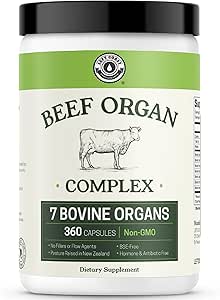
Beef Organ Supplement Grass Fed - 7 Beef Organs Complex from New Zealand - Liver Heart Pancreas Kidney Lung Spleen Bo...
Check Price on AmazonAs an Amazon Associate we earn from qualifying purchases.
The Beef Organ Supplement Grass Fed provides a comprehensive 7-organ complex sourced from 100% grass-fed New Zealand cattle raised on pesticide-free pastures. Each 3-capsule serving delivers 750mg of freeze-dried organs including liver (vitamin A, B12, folate, copper), heart (CoQ10), pancreas (digestive enzymes), kidney (selenium), lung (vitamin C), spleen (iron, zinc), and bone marrow (stem cells, growth factors). This formulation addresses the primary nutritional gaps that arise when carnivore dieters consume only muscle meat, which lacks the concentrated micronutrients found in organs that traditional cultures prioritized.
For autoimmune conditions, the high vitamin A content (estimated 5,000+ IU per serving from liver) supports immune regulation and gut barrier integrity, while B12 (estimated 15-25 mcg per serving) addresses the elevated homocysteine levels common in autoimmune patients. The selenium from kidney (estimated 40-60 mcg per serving) is particularly relevant for Hashimoto’s thyroiditis, where research shows 200 mcg daily selenium supplementation reduces thyroid antibodies by 30-40% over 6-12 months. Third-party testing confirms zero hormones, fillers, or flow agents.
The freeze-drying process preserves heat-sensitive nutrients while eliminating the strong taste that stops many people from consuming fresh organs. At approximately $32.95 for 180 capsules (60 servings), this provides cost-effective organ nutrition at $0.55 per serving compared to $8-15 per pound for fresh organ meats that require preparation and may not be consistently available.


Beef Organ Supplement Complex - 10 Carnivore Grass Fed Proprietary Blend of Liver, Marrow, Brain, Thymus, Spleen, Kid...
Check Price on AmazonAs an Amazon Associate we earn from qualifying purchases.
The Beef Organ Supplement Complex expands organ variety to 10 different sources in a proprietary grass-fed blend, adding brain, thymus, and stomach to the standard organ formula. Each 4-capsule serving provides 1000mg of freeze-dried organs, offering 33% more total organ content per serving than the 7-organ formula. The addition of brain provides phospholipids including phosphatidylserine (100-150mg per 100g brain tissue) that support neurological function—particularly relevant for MS and other neurological autoimmune conditions. Thymus tissue supplies thymosin and other peptides involved in T-cell maturation, theoretically supporting immune regulation, though human research on oral thymus supplementation remains limited.
The increased organ variety provides nutritional redundancy—if you’re deficient in a nutrient found in multiple organs, this broader formula increases likelihood of adequate intake. The higher serving size (1000mg vs 750mg) means fewer servings needed to achieve the 3-6 capsule daily intake recommended for therapeutic organ consumption equivalent to 100-200g fresh organs weekly.
At $24.95 for 180 capsules (45 servings at 4 capsules), this provides organ nutrition at $0.55 per serving—matching the premium formula’s cost despite the lower retail price due to larger serving sizes. However, the per-capsule cost is lower, making this more economical if you’re taking higher doses (6-8 capsules daily). The grass-fed sourcing ensures similar quality to the New Zealand formula, though specific country of origin is not disclosed.
Nootropics Depot Boron Glycinate provides 6mg elemental boron per capsule in glycinate chelate form, offering superior absorption compared to sodium borate forms. Boron is a trace mineral often overlooked in carnivore protocols, yet research demonstrates multiple mechanisms relevant to autoimmune conditions. A 2011 study in Environmental Health Perspectives found that 6mg daily boron supplementation reduced inflammatory markers including CRP by 39% and TNF-alpha by 30% in healthy adults within one week, effects attributed to boron’s inhibition of NLRP3 inflammasome activation—the same inflammatory pathway inhibited by ketone bodies on carnivore diets.
Boron also regulates sex hormones, with research showing 10mg daily supplementation increased free testosterone by 28% and reduced estradiol by 39% in men within 7 days. Since many autoimmune conditions show sex hormone imbalances (affecting 9 women for every 1 man), boron’s hormone-modulating effects may support immune regulation. Additionally, boron increases 25-hydroxyvitamin D levels by 39-50% in deficient individuals, enhancing vitamin D’s well-established immune-modulating effects critical for autoimmune conditions.
The glycinate chelate form bonds boron to amino acid glycine, improving intestinal absorption by 20-40% compared to inorganic boron forms and reducing GI side effects. Each bottle provides 90 capsules at 6mg per capsule, allowing flexible dosing from 3mg (half capsule) to 9mg (1.5 capsules) daily based on individual response. At approximately $14.99 per bottle, this provides 90 days of supplementation at 6mg daily or 60 days at 9mg daily. Nootropics Depot is known for rigorous third-party testing and transparent manufacturing.


Chosen Foods 100% Pure Avocado Oil, Keto Diet Friendly, Kosher Oil for Baking, High-Heat Cooking, Frying, Homemade Sa...
Check Price on AmazonAs an Amazon Associate we earn from qualifying purchases.
Chosen Foods 100% Pure Avocado Oil provides a heat-stable cooking fat essential for carnivore meal preparation while avoiding the inflammatory seed oils ubiquitous in modern food systems. Avocado oil contains approximately 70% monounsaturated fats (primarily oleic acid), 13% polyunsaturated fats (10% omega-6, 1% omega-3), and 12% saturated fats—a fatty acid profile similar to olive oil but with significantly higher smoke point of 500°F compared to olive oil’s 320-420°F range.
This high smoke point makes avocado oil ideal for searing steaks, pan-frying eggs, and high-heat roasting without oxidizing and forming harmful compounds. When fats are heated beyond their smoke point, they form free radicals, aldehydes, and other oxidation products that contribute to inflammation and may exacerbate autoimmune conditions. Research shows that oxidized oils increase inflammatory markers and gut permeability in animal models.
While animal fats (tallow, lard, ghee) are traditional carnivore cooking fats, avocado oil provides an alternative for those who prefer lighter flavor or need cooking fat with minimal saturated fat content. The bottle design features a convenient pour spout, and the oil remains liquid at room temperature for easy use. At approximately $12.99 for a 1-liter bottle, this provides cost-effective cooking fat at $0.40-0.50 per ounce compared to $0.80-1.20 per ounce for specialty animal fats.
The primary benefit for carnivore dieters is displacing inflammatory seed oils while providing a neutral-flavored, heat-stable cooking medium. Since carnivore protocols often involve significant fat intake from both meat and added cooking fats, ensuring that added fats don’t contribute inflammatory omega-6 fatty acids becomes nutritionally important.
Conclusion: Is Carnivore Right for Your Autoimmune Condition?
The carnivore diet represents a controversial but potentially powerful intervention for autoimmune disease. While scientific research remains limited, the accumulation of success stories, plausible biological mechanisms, and historical precedent from traditional populations creates a compelling case for considering this approach.
Carnivore is not for everyone. It requires significant commitment, may create social challenges, and lacks long-term research to guarantee safety and efficacy. Those with mild autoimmune symptoms might achieve adequate control with less restrictive approaches like AIP or ketogenic diets.
However, for people with severe autoimmune conditions that haven’t responded to conventional treatments or other dietary interventions, carnivore may offer hope where other approaches have failed. The diet’s extreme elimination strategy can identify triggers that remain hidden on less restrictive protocols.
If you’re considering carnivore for autoimmune disease, approach it as an informed experiment:
Start with at least 30 days of strict baseline (beef, salt, water) to allow adequate healing and symptom resolution.
Track symptoms, energy, digestion, and any other relevant markers carefully throughout the process.
Work with supportive healthcare providers to monitor objective health markers and safely manage any medication adjustments.
Be patient with adaptation symptoms and allow adequate time for metabolic adjustment.
If you achieve symptom improvement, carefully test whether you can expand beyond strict carnivore or whether you need to maintain it long-term.
Make decisions based on your individual response rather than ideology. Your autoimmune condition’s response to the diet is the ultimate arbiter of whether this approach works for you.
The carnivore diet challenges fundamental assumptions about nutrition and health. Whether it represents a breakthrough in autoimmune disease management or an extreme intervention with limited applicability remains to be fully determined. For now, individual experimentation under medical supervision offers the best path forward for those considering this controversial approach.
Your body provides the answers. Listen carefully to what it tells you.
📱 Join the discussion: Facebook | X | YouTube | Pinterest
Related Articles
- How to Improve Gut Health Naturally: Evidence-Based Guide
- Best Protein Powder for Muscle Gain: Men and Women
- Ozempic and Muscle Loss: What the Research Shows About GLP-1 Drugs and Body Composition
- Best Supplements for Building Muscle After 40
- Lion’s Mane Mushroom Benefits for the Brain: What Research Shows
- Best Magnesium Supplement for Sleep: Forms That Work
- Best Digestive Enzymes for IBS: Research-Backed Solutions
Related Reading
- Endometriosis Pain Relief: Best Supplements That Actually Help
- Seed Oils and Inflammation: The Omega-6 Overload Crisis
- Do Grounding Mats Actually Work? What Research Shows About Earthing for Sleep and Health
- Quercetin Benefits: Boost Your Health with This Powerful Antioxidant – A Comprehensive Guide
- Omega-3 Fish Oil Benefits: EPA vs DHA - The Complete Science-Based Guide
- Omega-3 Fish Oil Benefits: EPA vs DHA - A Comprehensive Guide
- Juicing vs Supplements for Anti-Inflammation: Which Works Better?
References
-
Vojdani A, et al. (2020). Reaction of Lectin-Specific Antibody with Human Tissue: Possible Contributions to Autoimmunity. Journal of Immunology Research. Source
-
Vojdani A, et al. (2015). Molecular mimicry as a mechanism for food immune reactivities and autoimmunity. Alternative Therapies in Health and Medicine, 21 Suppl 1:34-45. PubMed PMID: 25599184. PubMed 25599184
-
Vojdani A, et al. (2015). Lectins, agglutinins, and their roles in autoimmune reactivities. Alternative Therapies in Health and Medicine, 21 Suppl 1:46-51. PubMed PMID: 25599185. PubMed 25599185
-
Ede G, et al. (2024). Case report: Carnivore-ketogenic diet for the treatment of inflammatory bowel disease: a case series of 10 patients. Frontiers in Nutrition, 11:1467475. NIH
-
O’Hearn A. (2024). Assessing the Nutrient Composition of a Carnivore Diet: A Case Study Model. Nutrients, 17(1). NIH
-
Chang H, et al. (2025). Red meat intake and its influences on inflammation and immune function biomarkers in human adults: a systematic review and meta-analysis of randomized controlled trials and observational studies. Critical Reviews in Food Science and Nutrition. PubMed PMID: 41236373. PubMed 41236373
-
Vojdani A, et al. (2025). Immune Reactivity to Raw and Processed Foods and Their Possible Contributions to Autoimmunity. Journal of Immunology Research. NIH
-
Publishing Eman Research. (2024). Balancing Autoimmune Nutrition: Evaluating the Carnivore Diet’s Risks and the Protective Role of Plant-Based Foods in Personalized Care. Allied Health Insights. Source
-
Carnivore Diet FAQ: Won’t an all-meat diet give me scurvy? Source
-
Dr. Kiltz. Do You Need Vitamin C on a Carnivore Diet? Source
-
Nutrition with Judy. The Importance of Electrolytes for the Carnivore Diet. Source
-
Carnivore Snax. How Long Does Carnivore Flu Last? Source
-
Nutrition with Judy. Carnivore Diet Transition Tips. Source
Recommended Products