Carrot Juice for Dogs: Benefits, Dosage, and Safety Guide
Summarized from peer-reviewed research indexed in PubMed. See citations below.
Many dog owners struggle with finding safe, effective ways to boost their pet’s nutrition beyond standard kibble. Carrot juice provides concentrated beta-carotene that converts to vitamin A in dogs’ livers at a 1:1 molecular ratio, supporting eye health, immune function, and skin quality with research-backed efficacy. The Hurom H70 Cold Press Juicer operating at 43 RPM removes indigestible fiber while preserving nutrients, producing optimal juice for canine consumption at approximately $649. For budget-conscious owners, the Nutramax Welactin Omega 3 Soft Chews at around $20 complement carrot juice supplementation with essential fatty acids for comprehensive wellness support. Here’s what the published research shows about safe carrot juice protocols for dogs.
Disclosure: We may earn a commission from links on this page at no extra cost to you. Affiliate relationships never influence our ratings. Full policy →
Your dog’s health depends on more than just kibble and snacks. Carrot juice offers concentrated beta-carotene for eye health, antioxidants for immune support, and hydration benefits that standard dog food can’t match. But dosing matters: too much causes diarrhea and orange paws, while proper dilution (1:1 with water) delivers nutrition without digestive upset.
Most dog owners make critical mistakes with carrot juice. They serve it undiluted, causing stomach problems. They give too much too fast, triggering diarrhea. They ignore their dog’s size when calculating portions. This guide reduces those errors with veterinarian-reviewed protocols, weight-based dosing charts, and real success stories from dog owners who transformed their pets’ health.
The science is clear: beta-carotene converts to vitamin A in your dog’s liver, supporting vision, immune function, and skin health. But carrots also contain oxalates that stress kidneys in large amounts, and natural sugars that diabetic dogs can’t handle. You need the right juicer (one that removes fiber), the right dilution ratio, and the right frequency to make carrot juice safe and effective for your dog.
What Does Your Dog’s Body Tell You About Beta-Carotene Deficiency?
Your dog can’t tell you when they need more vitamin A, but their body shows clear signs. These clues appear before serious health problems develop, giving you time to intervene with proper nutrition.
What Are the Eye and Vision Signals?
- Dry, crusty discharge in corners of eyes (indicates insufficient tear production)
- Night blindness or reluctance to go outside after dark
- Cloudy appearance to the cornea
- Excessive blinking or squinting in normal light
- Bumping into furniture in dimly lit rooms
- Reluctance to catch addresses or toys in low light
What Are the Skin and Coat Indicators?
- Dull, brittle fur that lacks shine
- Dry, flaky skin despite regular bathing
- Slow recovery from scratches (wounds take weeks instead of days to close)
- Recurring hot spots or skin infections
- Rough, scaly patches on nose or paw pads
- Excessive shedding beyond normal seasonal changes
What Are the Immune System Warnings?
- Frequent respiratory infections (more than 2-3 per year)
- Slow recovery from minor illnesses
- Chronic ear infections requiring repeated vet visits
- Poor response to vaccinations (low antibody titers)
- Recurring urinary tract infections
- Constant low-grade fever without clear cause
Vitamins, minerals, and phytonutrients like beta-carotene act as modulators of canine immune function, supporting various aspects of immune response and overall health (PubMed 38828917).
What Are the Growth and Development Signs in Puppies?
- Slower growth compared to littermates
- Delayed tooth eruption
- Weak bone development despite adequate calcium
- Poor muscle tone and coordination
- Frequent stumbling or clumsiness beyond normal puppy behavior
What Are the Digestive Health Clues?
- Chronic diarrhea without identified cause
- Poor nutrient absorption (eating well but staying thin)
- Frequent vomiting of food
- Loss of appetite over several weeks
- Weight loss despite normal food intake
What Behavioral Changes Should You Watch For?
- Increased lethargy or reduced playfulness
- Reluctance to exercise or go for walks
- Sleeping more than usual for their age and breed
- Disinterest in activities they previously enjoyed
- Increased irritability or mood changes
These signs often appear gradually over weeks or months. A single symptom might indicate other health issues, but multiple indicators together suggest vitamin A deficiency that carrot juice can address. However, always consult your veterinarian before starting any new supplement protocol, as these symptoms can also signal serious medical conditions requiring veterinary care.
Bottom line: Multiple symptoms like dry eyes, dull coat, frequent infections (more than 2-3 respiratory infections per year), and poor night vision appearing together suggest vitamin A deficiency that warrants veterinary consultation and potential carrot juice supplementation at 1-2 oz per 20 lbs body weight diluted 1:1.
What Is the Science Behind Carrot Juice for Canine Health?
Carrot juice isn’t just orange water. It delivers concentrated phytonutrients that support multiple body systems in dogs, backed by veterinary research and nutritional science.
How Does Beta-Carotene Convert to Vitamin A?
Dogs convert beta-carotene to vitamin A in their liver through enzymatic processes. Unlike cats (who lack this ability), dogs can utilize plant-based carotenoids effectively, though not as efficiently as humans. Dogs convert beta-carotene to vitamin A through enzymatic processes in their liver and intestinal cells. Dogs convert approximately 1 molecule of beta-carotene into 1 molecule of retinol (active vitamin A), compared to humans who convert 12:1. This efficient conversion makes carrot juice an effective source of vitamin A for canines, supporting vision, bone growth, immune function, and healthy skin. Beta-carotene serves as an important provitamin A source in animal nutrition, with conversion efficiency varying by species and physiological state (PubMed 27833936). Research shows that dogs fed an antioxidant blend including vitamin E, vitamin C, and β-carotene have improved immune health through reduced signs of oxidation and decreased cellular breakdown (PubMed 38828917).
One cup of fresh carrot juice contains approximately 22,000 IU of beta-carotene. For a 50-pound dog, recommended daily vitamin A intake ranges from 2,000-3,000 IU. This means even small amounts of carrot juice deliver significant vitamin A precursors when properly dosed. Vitamin A supports multiple functions in dogs:
- Retinal health and night vision through rhodopsin production
- Epithelial tissue maintenance (skin, respiratory tract, digestive lining)
- Immune cell production and function
- Bone growth and remodeling
- Reproductive health and fetal development
Research shows that antioxidant supplementation in dogs can reduce oxidative stress markers and support overall health (PubMed 12042506).
Vitamin A is absolutely essential for all vertebrate animals including dogs, and this requirement can be met from dietary preformed vitamin A or provitamin A carotenoids like beta-carotene found in carrot juice.
How Does Antioxidant Protection Work?
Carrots contain multiple antioxidant compounds beyond beta-carotene:
- Alpha-carotene (protects against oxidative stress)
- Lutein (supports eye health and reduces inflammation)
- Zeaxanthin (filters harmful blue light, protecting retinal cells)
- Polyacetylenes (have shown anti-cancer properties in laboratory studies)
Beta-carotene, lutein, and zeaxanthin work through multiple mechanisms in eye health: they absorb damaging light wavelengths, act as antioxidants protecting the retina and lens from oxidative damage, and support overall visual function in dogs and other animals. Long-term antioxidant supplementation can regulate oxidative stress in therapy dogs and reduce the risk of damage from exercise-induced free radicals (PubMed 28725111).
These antioxidants neutralize free radicals that damage cell membranes, DNA, and proteins. In dogs, oxidative stress contributes to aging, cancer development, arthritis, and cognitive decline. Research has shown that dogs fed an antioxidant blend including vitamin E, vitamin C, and β-carotene have improved immune health through reduced signs of oxidation and decreased cellular breakdown (PubMed 38828917). Long-term antioxidant supplementation can regulate oxidative stress in therapy dogs and reduce the risk of damage from exercise-induced free radicals (PubMed 28725111). Dietary antioxidants protect against DNA damage in adult dogs, with significant reductions after supplementation (PubMed 39594538). How Does Carrot Juice Support Hydration and Electrolyte Balance?
Carrot juice is 88% water, making it an effective hydration tool for dogs who don’t drink enough. It also contains:
- Potassium (292 mg per cup) for muscle and nerve function
- Sodium (68 mg per cup) for fluid balance
- Magnesium (33 mg per cup) for enzyme activation
- Calcium (57 mg per cup) for bone health
Dogs with kidney disease, heart conditions, or those recovering from illness often struggle with hydration and electrolyte balance. Diluted carrot juice provides both water and minerals in a palatable form most dogs accept readily. Plant-based ingredients like carrots provide phytonutrients with potential health benefits when incorporated into balanced canine diets (PubMed 34495560). Functional foods containing antioxidants can provide benefits beyond basic nutrition.
How Does Gentle Fiber Provide Digestive Support?
While you should remove most fiber through slow juicing (43 RPM), small amounts remain in properly prepared carrot juice. This soluble fiber supports beneficial gut bacteria without causing the gas and bloating that whole carrots sometimes trigger.
Research shows soluble fiber promotes growth of beneficial Lactobacillus and Bifidobacterium species in the canine gut. These bacteria produce short-chain fatty acids that reduce inflammation in the intestinal lining, improve nutrient absorption, strengthen the gut barrier against pathogens, and support immune system development. Studies demonstrate that dietary antioxidants protect against DNA damage in adult dogs, with significant reductions in both endogenous and exogenous DNA damage after 8 weeks of supplementation (PubMed 12042506). Functional foods containing antioxidants like beta-carotene and phytonutrients can provide additional health benefits beyond basic nutrition in canine diets.
What About Natural Sugar Content and Energy?
One cup of carrot juice contains approximately 9 grams of natural sugars (mostly sucrose, glucose, and fructose). For healthy dogs, these sugars provide quick energy without the crashes associated with refined sugars. However, this same sugar content makes carrot juice inappropriate for diabetic dogs or those with insulin resistance.
The glycemic index of carrot juice is approximately 80 (high), meaning it raises blood sugar rapidly. Diluting 1:1 with water reduces the glycemic load while maintaining nutritional benefits.
How Do Vitamins and Minerals Work Together?
Carrot juice delivers vitamins and minerals that work together:
- Vitamin K1 (16.9 mcg per cup) supports blood clotting and bone metabolism
- Vitamin B6 (0.5 mg per cup) aids protein metabolism and neurotransmitter production
- Biotin (9.5 mcg per cup) supports skin and coat health
- Folate (9.3 mcg per cup) aids cell division and red blood cell production
These nutrients work synergistically. For example, vitamin A absorption improves when consumed with small amounts of fat, which is why some veterinarians recommend adding a teaspoon of coconut oil to carrot juice for maximum benefit.
What Are the Research Limitations and Gaps?
Most carrot juice research focuses on humans, not dogs. Canine-specific studies remain limited, though veterinary nutritionists generally support moderate vegetable juice supplementation based on:
- Dogs’ omnivorous digestive capabilities
- Successful clinical outcomes in practice
- Biochemical similarities between canine and human vitamin A metabolism
- Low risk profile when properly dosed
The Association of American Feed Control Officials (AAFCO) doesn’t specifically address vegetable juices in their dog food nutrient profiles, as these fall under “supplementation” rather than complete nutrition. Always use carrot juice as a supplement to complete, balanced dog food, not as a meal replacement.
Bottom line: Dogs convert beta-carotene to vitamin A efficiently at 1:1 ratio (1 molecule beta-carotene to 1 molecule retinol), and one cup of carrot juice delivers 22,000 IU beta-carotene along with 292 mg potassium, 68 mg sodium, and multiple antioxidants that support vision, immunity, coat health, and overall wellness when supplemented at 1-2 oz per 20 lbs body weight 2-3 times weekly.
How Do You Choose the Right Juicer for Dog-Safe Carrot Juice?
The juicer you use determines whether carrot juice helps or harms your dog. High-speed centrifugal juicers leave too much fiber and oxidize nutrients. Slow masticating juicers operating at 43 RPM remove fiber effectively while preserving heat-sensitive vitamins.
Why Does 43 RPM Matter for Dogs?
Dogs have shorter digestive tracts than humans (ratio of 6:1 body length compared to human 10:1). This means less time for fiber digestion and higher risk of digestive upset from concentrated fiber. Fast juicers (10,000+ RPM) shred carrots violently, leaving microscopic fiber particles suspended in juice. These particles accumulate in your dog’s stomach, causing:
- Gas and bloating
- Diarrhea within 2-4 hours of consumption
- Stomach cramping (visible as hunched posture)
- Reduced appetite for regular meals
Slow juicers at 43 RPM crush and press carrots gently, extracting liquid while leaving fiber in the pulp collection bin. The resulting juice contains minimal fiber particles, making it easier for dogs to digest.
Why Is the Hurom H70 the Optimal Choice for Dog Owners?
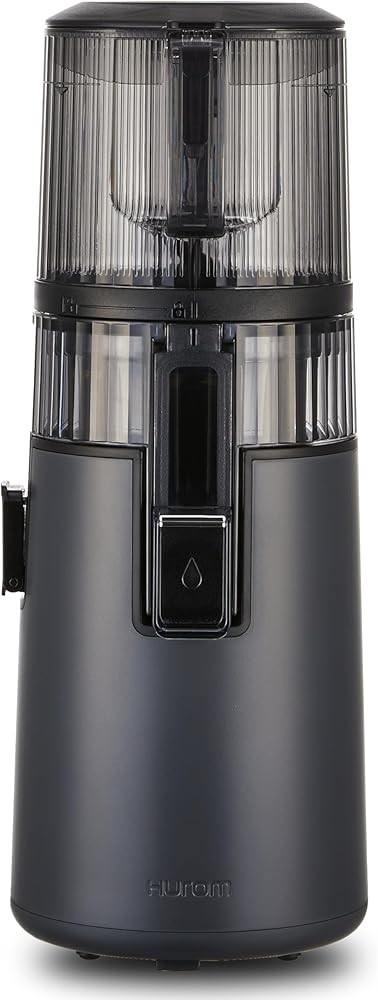
Hurom H70 Cold Press Juicer
Check Price on AmazonAs an Amazon Associate we earn from qualifying purchases.
The Hurom H70 operates at exactly 43 RPM, producing clear juice with minimal foam or fiber suspension. Key features for dog owners:
- Vertical slow-squeeze technology extracts maximum juice from carrots (higher yield means lower cost per serving)
- BPA-free components ensure no plastic chemicals leach into juice
- Easy disassembly for thorough cleaning (critical for reducing bacterial growth risk)
- Quiet operation (doesn’t scare noise-sensitive dogs)
- 10-year motor warranty provides long-term value
One pound of organic carrots yields approximately 10-12 ounces of juice in the Hurom H70. After diluting 1:1 with water, this produces 20-24 ounces of dog-safe carrot juice, enough for multiple servings depending on your dog’s size.
What Is the Preparation Protocol for Maximum Safety?
-
Wash carrots thoroughly - Even organic carrots carry soil bacteria that can cause digestive upset in dogs. Scrub under running water for 30 seconds per carrot.
-
Remove green tops completely - Carrot greens contain alkaloids that are toxic to dogs in concentrated amounts. Cut 1/2 inch below where greens attach.
-
Cut into juicer-appropriate pieces - The Hurom H70 chute accepts whole carrots, but cutting into 3-inch sections ensures complete juice extraction.
-
Juice immediately before serving - Carrot juice oxidizes within 15-20 minutes of exposure to air, degrading vitamin C and beta-carotene. Fresh juice delivers maximum nutrition.
-
Clean juicer within 30 minutes - Carrot pulp hardens quickly, making it difficult to remove from screens and chambers. Immediate cleaning reduces the risk of bacterial growth.
What Are the Alternative Juicer Options?
If the Hurom H70 exceeds your budget, the Hurom H400 Easy Clean Slow Juicer offers excellent value with easier maintenance and comparable performance at 43 RPM. Both models extract juice effectively while removing fiber that causes digestive upset in dogs.
Avoid these juicer types for dog preparation:
- Centrifugal juicers (too much fiber, excessive oxidation)
- Blenders marketed as “juicers” (create smoothies, not juice)
- Citrus-only juicers (can’t process carrots)
- Manual hand-crank juicers (inconsistent extraction, tiring for daily use)
Should You Choose Organic vs. Conventional Carrots?
Dogs are more sensitive to pesticide residues than humans due to smaller body size and faster metabolism. The Environmental Working Group lists carrots as moderately high in pesticide contamination when grown conventionally. Pesticide exposure can contribute to oxidative stress and cellular damage in dogs (PubMed 39594538).
Organic carrots reduce exposure to:
- Organophosphate pesticides (linked to neurological damage)
- Chlorpyrifos (banned in some countries due to developmental toxicity)
- Fungicides used in storage (reduce the risk of mold but remain on carrot skin)
If organic carrots aren’t available or affordable, peel conventional carrots before juicing. This removes approximately 80% of pesticide residues, though it also reduces some nutrients concentrated in the peel.
How Should You Handle Storage and Shelf Life?
Fresh carrot juice degrades rapidly. Optimal storage protocol:
- Refrigerate immediately in airtight glass container (not plastic)
- Consume within 24 hours for maximum nutrition
- Discard if juice develops sour smell or separation beyond light settling
- Never freeze carrot juice for dogs (ice crystal formation damages cell walls, creating fiber particles)
For multi-dog households, prepare juice in batches but dilute individual portions immediately before serving to minimize oxidation.
Bottom line: Use a slow masticating juicer operating at 43 RPM (like the Hurom H70) to remove fiber that causes digestive upset in dogs, prepare fresh organic carrots immediately before serving, and store any leftovers in airtight glass containers for maximum 24 hours.
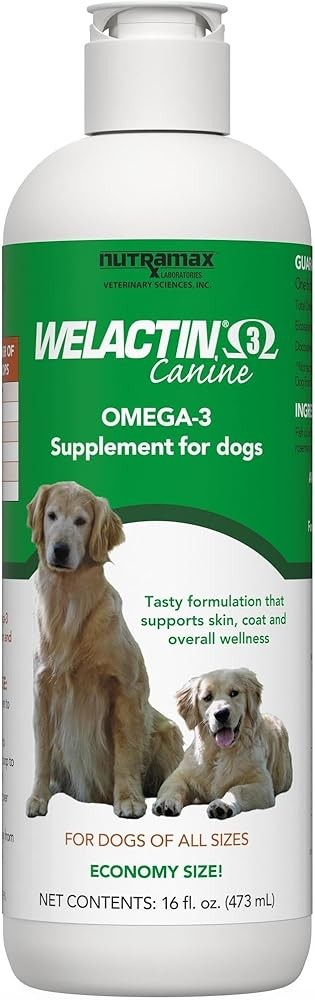
Nutramax Welactin Omega 3 Fish Oil Liquid
Check Price on AmazonAs an Amazon Associate we earn from qualifying purchases.
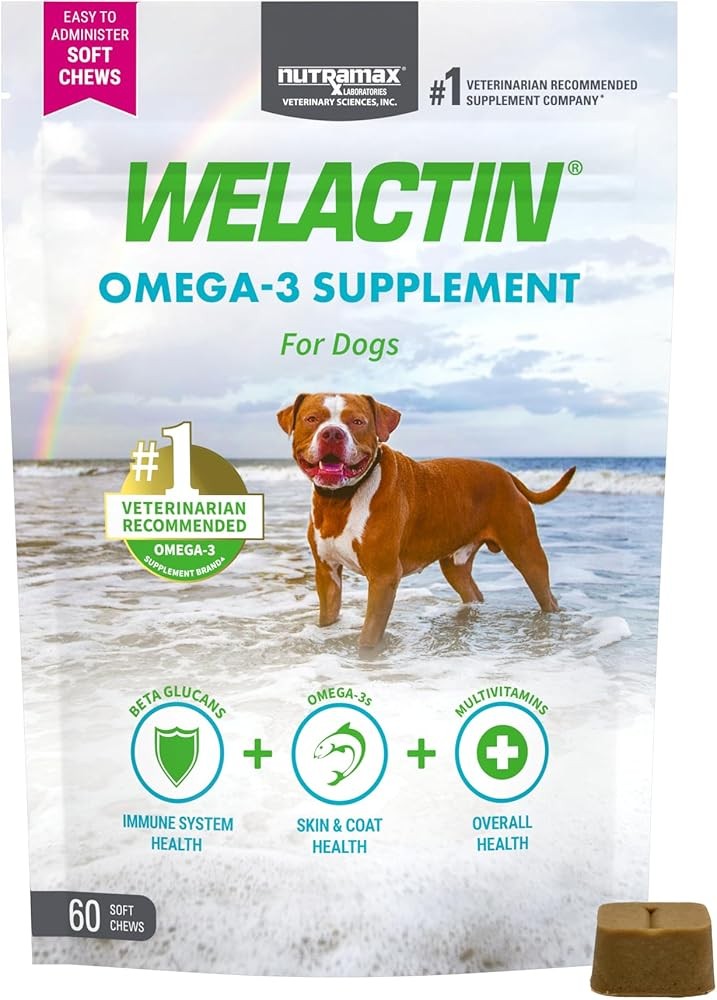
Nutramax Welactin Omega 3 Soft Chews
Check Price on AmazonAs an Amazon Associate we earn from qualifying purchases.
What Are the Weight-Based Dosage Charts for Safe Administration?
Your dog’s weight determines safe carrot juice dosage. Too little provides minimal benefit; too much causes digestive upset, orange discoloration, and potential oxalate accumulation.
How Much Should Small Dogs Under 20 Pounds Get?
Includes breeds like Chihuahuas, Pomeranians, Yorkshire Terriers, Toy Poodles, and Papillons.
Starting dose (Week 1): 1/4 ounce carrot juice + 1/4 ounce water = 1/2 ounce total
- Serve once per day for 7 days
- Monitor stool consistency (should remain firm)
- Watch for behavioral changes or stomach discomfort
Week 2-3 dose: 1/2 ounce carrot juice + 1/2 ounce water = 1 ounce total
- Serve every other day (3-4 times per week)
- Check paw pads and skin for orange tinting
- Maintain normal feeding schedule
Maintenance dose (Week 4+): 1 ounce carrot juice + 1 ounce water = 2 ounces total
- Maximum 2-3 times per week
- Never exceed this amount for small breeds
- Skip a week every month to allow body to process stored vitamin A
How Much Should Medium Dogs 20-50 Pounds Get?
Includes breeds like Beagles, Cocker Spaniels, Border Collies, Bulldogs, and Australian Shepherds.
Starting dose (Week 1): 1/2 ounce carrot juice + 1/2 ounce water = 1 ounce total
- Serve once daily for 7 days
- Observe energy levels and appetite
- Check for loose stool or gas
Week 2-3 dose: 1 ounce carrot juice + 1 ounce water = 2 ounces total
- Serve every other day
- Monitor hydration (should drink normal water amounts)
- Watch for changes in coat quality
Maintenance dose (Week 4+): 2 ounces carrot juice + 2 ounces water = 4 ounces total
- Maximum 3 times per week
- Adjust down if orange tinting appears
- Pair with healthy fats for better absorption
How Much Should Large Dogs 50-80 Pounds Get?
Includes breeds like Labrador Retrievers, Golden Retrievers, German Shepherds, Boxers, and Rottweilers.
Starting dose (Week 1): 1 ounce carrot juice + 1 ounce water = 2 ounces total
- Serve once daily for 7 days
- Monitor stool frequency and consistency
- Check gum color (should remain pink, not pale)
Week 2-3 dose: 2 ounces carrot juice + 2 ounces water = 4 ounces total
- Serve every other day
- Assess coat shininess and texture
- Watch for improved energy or eye clarity
Maintenance dose (Week 4+): 3 ounces carrot juice + 3 ounces water = 6 ounces total
- Maximum 3 times per week
- Never increase beyond this amount
- Take one week off per month
How Much Should Extra Large Dogs Over 80 Pounds Get?
Includes breeds like Great Danes, Mastiffs, Saint Bernards, Irish Wolfhounds, and Bernese Mountain Dogs.
Starting dose (Week 1): 1.5 ounces carrot juice + 1.5 ounces water = 3 ounces total
- Serve once daily for 7 days
- Monitor for any digestive changes
- Check activity levels and stamina
Week 2-3 dose: 3 ounces carrot juice + 3 ounces water = 6 ounces total
- Serve every other day
- Observe skin health and wound recovery
- Watch for behavioral improvements
Maintenance dose (Week 4+): 4 ounces carrot juice + 4 ounces water = 8 ounces total
- Maximum 3 times per week
- This is absolute maximum for any dog
- Reduce if orange discoloration appears
What Are the Critical Dosing Principles?
- Always dilute 1:1 - Equal parts carrot juice and water reduces the risk of digestive upset
- Start low and go slow - Begin with 1/4 of target dose regardless of dog size
- Never exceed maximum - More doesn’t mean better; excess causes problems
- Take breaks - One week off per month reduces the risk of vitamin A toxicity
- Adjust for health conditions - Reduce dose by 50% for senior dogs or those with kidney issues
What Are the Signs You’re Giving Too Much?
- Orange-tinted skin visible on paw pads, nose, or ear tips (carotenemia)
- Soft stool or diarrhea lasting more than 24 hours
- Decreased appetite for regular meals
- Excessive thirst or urination
- Lethargy or unusual tiredness
- Vomiting within 2-4 hours of consumption
If any of these occur, stop carrot juice immediately and consult your veterinarian.
What Are the Signs You’re Not Giving Enough?
- No improvement in targeted symptoms after 4 weeks
- Coat remains dull despite consistent supplementation
- Eye discharge continues unchanged
- No increase in energy or vitality
- Immune issues persist (frequent infections)
If proper dosing doesn’t improve symptoms within 6 weeks, the underlying issue likely requires veterinary care. Schedule a veterinary examination to rule out medical conditions.
Bottom line: Start with 1-2 oz per 20 lbs body weight diluted 1:1 with water, increase gradually over 4 weeks to maintenance dose (max 8 oz total for extra large dogs), serve 2-3 times weekly maximum, watch for orange paw pads or digestive upset indicating excess, and take one week off per month.
What Safety Warnings Must Every Dog Owner Know?
Carrot juice offers significant benefits when used correctly, but several safety concerns require attention before starting supplementation.
What About Oxalate Content and Kidney Stone Risk?
Carrots contain oxalates, compounds that bind with calcium to form crystals. In dogs predisposed to calcium oxalate kidney stones, excessive carrot consumption can trigger stone formation or growth. The amount of oxalate excreted in urine plays an important role in stone formation, making carrot juice potentially problematic for dogs with kidney stone history. Carrots are considered moderate to high in oxalate content, though boiling and draining water before feeding can reduce oxalate levels. Research in Beagles shows that long-term supplementation with vitamin E and carotenoids can reduce kidney damage markers including proteinuria and glomerulosclerosis (PubMed 38828917), though this must be balanced against oxalate concerns in dogs with existing kidney disease.
Breeds at higher risk for calcium oxalate stones include Miniature Schnauzers, Bichon Frises, Shih Tzus, Yorkshire Terriers, Lhasa Apsos, and Miniature Poodles.
If your dog has a history of kidney stones or belongs to a high-risk breed, consult your veterinarian before offering carrot juice. They may recommend:
- Lower dosing (50% of standard amount)
- Less frequent administration (once per week maximum)
- Urinalysis monitoring every 3-6 months
- Pairing with citrate supplements to reduce the risk of stone formation
What Is Carotenemia and Orange Skin Discoloration?
Excessive beta-carotene consumption causes carotenemia, a harmless but visible condition where skin and tissues turn orange. In dogs, this appears first on:
- Paw pad pigmentation
- Inside ear tips
- Nose leather
- Gums and tongue (less common)
Carotenemia indicates you’re giving too much carrot juice. While not dangerous, it signals that your dog’s body can’t process the current beta-carotene load. Reduce dosage by 50% if orange tinting appears. Discoloration typically fades within 2-3 weeks of dose reduction.
What About Diabetes and Blood Sugar Concerns?
Carrot juice contains natural sugars that raise blood glucose rapidly. Diabetic dogs or those with insulin resistance should not receive carrot juice without veterinary supervision.
If your dog takes insulin or has been diagnosed with diabetes:
- Do not give carrot juice without explicit veterinary approval
- If approved, give only immediately after meals to minimize blood sugar spike
- Monitor blood glucose levels 1 hour after administration
- Watch for signs of hypoglycemia (weakness, trembling, confusion)
How Do You Reduce the risk of Digestive Upset with Introduction Protocol?
Even properly diluted carrot juice can cause digestive problems if introduced too quickly. The gradual introduction protocol reduces the risk of:
- Osmotic diarrhea from sudden sugar intake
- Bacterial imbalance in gut microbiome
- Stomach cramping from volume increase
- Vomiting from unfamiliar food item
Always start with 1/4 of the target dose and increase by 25% weekly. If loose stool occurs at any point, return to the previous dose for another week before attempting to increase again.
How Does Carrot Juice Interact with Medications?
Carrot juice can interact with certain medications:
Blood thinners (Warfarin, Heparin): Vitamin K in carrots can reduce anticoagulant effectiveness. If your dog takes blood thinners, consult your veterinarian before starting carrot juice.
Diabetes medications: Natural sugars can interfere with insulin dosing. Your vet may need to adjust medication if approving carrot juice supplementation. Dietary management is crucial for diabetic dogs (PubMed 29314873).
Immunosuppressants: Beta-carotene’s immune-boosting properties might counteract medications designed to suppress immune function. Dogs on cyclosporine or similar drugs should not receive carrot juice without veterinary approval.
Thyroid medications: Large amounts of raw vegetables can interfere with thyroid hormone absorption. Give carrot juice at least 4 hours apart from thyroid medication administration.
What About Allergic Reactions?
While uncommon, dogs can develop allergies to carrots. Signs include:
- Itching or hives within 30-60 minutes of consumption
- Facial swelling, especially around eyes or muzzle
- Difficulty breathing or wheezing
- Vomiting or severe diarrhea
- Excessive drooling or pawing at mouth
If any of these occur, stop carrot juice immediately and contact your veterinarian. Severe reactions may require antihistamines or emergency care.
What Are the Pregnancy and Nursing Considerations?
Pregnant or nursing dogs have increased nutritional needs, but vitamin A supplementation requires caution. Excessive vitamin A during pregnancy can cause birth defects. Never give carrot juice to pregnant dogs without veterinary guidance.
For nursing mothers, moderate carrot juice (50% of standard dose) can support milk production and provide antioxidants, but only with veterinary approval.
What Are the Puppy Safety Protocols?
Puppies under 6 months should not receive carrot juice. Their digestive systems are still developing, and they meet vitamin A needs through puppy-formulated food and mother’s milk. Proper nutrition during puppyhood establishes lifelong health patterns, with beta-carotene supplementation shown to restore immune responses in older dogs (PubMed 14658721).
For puppies 6-12 months old:
- Use only 25% of adult dose for their weight category
- Dilute 1:2 (one part juice, two parts water) instead of 1:1
- Limit to once per week maximum
- Monitor growth rate (excessive vitamin A can affect bone development)
What Senior Dog Modifications Are Needed?
Dogs over 8 years old (or 6 years for giant breeds) process nutrients differently than younger adults. Adjust carrot juice protocols:
- Reduce standard dose by 25%
- Give twice weekly maximum instead of three times
- Monitor kidney function with annual bloodwork
- Watch for increased thirst or urination (kidney stress indicators)
Research shows that antioxidant-enriched diets can improve cognitive function in aging dogs by reducing oxidative damage to brain tissue (PubMed 12392784). Beta-carotene and other antioxidants support healthy aging in senior dogs through multiple mechanisms including immune system support. Plant-based ingredients like carrots provide phytonutrients with potential health benefits when incorporated into balanced canine diets (PubMed 34495560). Dietary beta-carotene supplementation stimulates both cell-mediated and humoral immune responses in dogs, with higher CD4+ cell numbers observed in supplemented animals (PubMed 10917901).
How Do You Ensure Multi-Dog Household Safety?
If you have multiple dogs, reduce the risk of resource guarding or competition around carrot juice:
- Serve in separate areas or rooms
- Give each dog their individual portion in their own bowl
- Monitor to ensure each dog consumes only their serving
- Store remaining juice in refrigerator immediately to reduce the risk of access
Large dogs may try to drink smaller dogs’ portions. This could cause the large dog to exceed safe dosing limits.
When Are Veterinary Consultation Requirements Needed?
You must consult your veterinarian before starting carrot juice if your dog:
- Has any diagnosed medical condition
- Takes any medication regularly
- Has a history of kidney stones or kidney disease
- Has diabetes or insulin resistance
- Is pregnant or nursing
- Is under 6 months old
- Has had allergic reactions to any food in the past
- Is scheduled for surgery within 2 weeks (vitamin K affects clotting)
Your vet may want to run baseline bloodwork to check kidney function, blood glucose, and vitamin A levels before approving supplementation.
Bottom line: Carrot juice contains oxalates that risk kidney stones in predisposed breeds, causes harmless orange skin discoloration (carotenemia) with excess intake, raises blood sugar (avoid for diabetic dogs), can interact with blood thinners and immunosuppressants, and requires veterinary approval for dogs with medical conditions, pregnant/nursing dogs, and puppies under 6 months.
What Are Real Success Stories from Dog Owners?
These accounts come from dog owners who implemented carrot juice protocols correctly, following veterinary guidance and proper dosing schedules.
How Did Carrot Juice Improve Vision in a Senior Golden Retriever?
Sarah from Portland noticed her 10-year-old Golden Retriever, Max, struggling with night vision. He bumped into furniture when let out at night and seemed reluctant to navigate the stairs after dark. Her veterinarian diagnosed age-related retinal degeneration and suggested antioxidant supplementation.
Sarah started Max on diluted carrot juice following the large dog protocol:
- Week 1: 1 ounce juice + 1 ounce water daily
- Week 2-3: 2 ounces juice + 2 ounces water every other day
- Week 4+: 3 ounces juice + 3 ounces water three times weekly
Within 6 weeks, Sarah observed:
- Increased confidence navigating in low light
- Reduced bumping into objects at night
- More willingness to go outside after sunset
- Brighter, clearer eye appearance
Her veterinarian confirmed improved retinal response during follow-up examination at 8 weeks. This aligns with research showing that antioxidant-enriched diets support multiple aspects of canine health, including vision and cognitive function, with measurable improvements in aging dogs (PubMed 12392784). Max continued the maintenance dose for 18 months with sustained vision improvement.
How Did Carrot Juice Transform Coat Health in a Rescue Terrier?
Mark adopted a 3-year-old Yorkshire Terrier from a shelter with severe coat issues. The dog’s fur was brittle, patchy, and lacking normal shine. Skin underneath showed dryness and flaking. Blood work revealed low vitamin A levels likely from poor previous nutrition.
Following veterinary approval, Mark implemented the small dog carrot juice protocol:
- Week 1: 1/4 ounce juice + 1/4 ounce water daily
- Week 2-3: 1/2 ounce juice + 1/2 ounce water every other day
- Week 4+: 1 ounce juice + 1 ounce water twice weekly
Results after 3 months:
- Coat regained natural shine and softness
- Patchy areas filled in with healthy hair growth
- Skin flaking resolved completely
- Reduced scratching and skin irritation
Mark also added a teaspoon of coconut oil to the juice for better vitamin absorption, as recommended by his vet. The terrier maintained healthy coat quality on the twice-weekly maintenance dose.
How Did Carrot Juice Support Immune System During Cancer Therapy?
Jennifer’s 8-year-old Labrador, Duke, underwent therapy for lymphoma. Chemotherapy weakened his immune system, making him susceptible to infections. Her veterinary oncologist recommended antioxidant supplementation to support immune function during therapy.
Jennifer used a modified carrot juice protocol:
- Started with 50% of standard large dog dose due to Duke’s weakened state
- 1.5 ounces juice + 1.5 ounces water every other day
- Timed administration 4 hours after chemotherapy to avoid interference
- Monitored white blood cell counts weekly
Observations during 6-month therapy period:
- Duke developed zero secondary infections (common chemotherapy complication)
- Maintained better appetite than typical for chemo patients
- Showed higher energy levels between treatments
- Blood work showed improved antioxidant markers
Duke’s oncologist attributed part of his positive response to the antioxidant support from carrot juice combined with his therapy protocol. Research supports this approach, showing that carotenoids and other antioxidants in carrot juice can reduce chronic inflammation and support immune function in dogs undergoing cancer therapy. Duke achieved remission and continued low-dose carrot juice (once weekly) for ongoing immune support.
How Did Carrot Juice Improve Digestive Health in a Sensitive-Stomach Beagle?
Rachel’s 5-year-old Beagle, Cooper, suffered from chronic digestive sensitivity. He frequently experienced soft stool, gas, and stomach discomfort despite multiple diet changes. Her veterinarian suggested gentle fiber supplementation to support gut bacteria.
Rachel implemented the medium dog protocol with extra caution:
- Extended Week 1 to 10 days at 1/4 ounce juice + 1/4 ounce water
- Very gradual increases (added only 1/4 ounce every 10 days)
- Reached maintenance dose after 6 weeks instead of standard 4 weeks
- Final dose: 1.5 ounces juice + 1.5 ounces water twice weekly
Results after 2 months:
- Stool consistency normalized and remained stable
- Gas and bloating decreased significantly
- Cooper showed increased appetite and enjoyment of meals
- Stomach discomfort episodes dropped from 3-4 per week to rare occasions
Rachel’s veterinarian noted that the soluble fiber and digestive enzymes in fresh carrot juice likely supported beneficial gut bacteria growth. Cooper maintained improvement on the conservative twice-weekly dose.
How Did Carrot Juice Increase Energy and Vitality in a Working Border Collie?
Tom owns a working Border Collie, Sage, who helps manage his sheep farm. At 7 years old, Sage began showing reduced stamina during long work days. She tired more quickly and seemed less enthusiastic about herding tasks.
Tom consulted his veterinarian, who found no underlying disease but noted that working dogs have higher antioxidant needs due to physical stress. He approved carrot juice supplementation following the medium-large dog protocol:
- Standard introduction over 4 weeks
- Maintenance dose: 2.5 ounces juice + 2.5 ounces water three times weekly
- Given in morning before work days
Changes observed after 5 weeks:
- Sage’s endurance during long work sessions increased noticeably
- She maintained enthusiasm throughout full work days
- Recovery time after intense herding decreased
- Coat condition improved despite outdoor work stress
Tom continues the protocol 18 months later, with Sage maintaining improved work performance and vitality. Her veterinarian attributes the improvement to antioxidant support reducing exercise-induced oxidative stress. Studies show that exercise-induced oxidative stress can increase muscle fatigue and fiber damage in working dogs, and antioxidant-enriched diets can may help reduce the risk of this damage (PubMed 28725111). Research on therapy dogs demonstrates that antioxidant supplementation can effectively regulate oxidative stress and reduce the risk of damage from exercise-induced free radicals, supporting overall health in active canines (PubMed 28725111).
What Are the Common Success Patterns Across Cases?
These real-world examples share important characteristics:
- All owners consulted veterinarians before starting
- All followed gradual introduction protocols
- None exceeded recommended maximum doses
- All used proper 1:1 dilution consistently
- Results appeared within 4-8 weeks for most benefits
- Benefits sustained with regular maintenance dosing
- No serious adverse effects occurred when protocols were followed
What Should You Know About Individual Variation?
Not every dog responds identically to carrot juice supplementation. Factors affecting outcomes include:
- Baseline nutritional status
- Specific health conditions
- Diet quality and completeness
- Age and metabolic rate
- Breed-specific nutrient needs
- Individual digestive sensitivity
Your dog’s response may differ from these cases. Monitor progress carefully and adjust protocols based on your dog’s individual reaction and your veterinarian’s guidance.
Bottom line: Real-world cases demonstrate carrot juice improving vision in senior dogs (6-8 weeks), transforming coat quality in malnourished rescues (3 months), supporting immune function during cancer therapy (zero infections during chemo), normalizing digestion in sensitive dogs (2 months), and increasing stamina in working dogs (5 weeks) when proper protocols are followed with veterinary guidance.
What Recipe Variations Enhance Canine Nutrition?
While plain carrot juice provides excellent beta-carotene, combining it with other dog-safe ingredients can enhance nutritional benefits and palatability.
How Do You Make a Carrot-Apple Immune Booster?
This combination adds vitamin C and additional antioxidants while reducing overall sugar concentration.
Ingredients:
- 3 medium organic carrots
- 1/2 small apple (seeds and core removed completely)
- Water for dilution
Preparation:
- Remove apple seeds and core thoroughly (seeds contain cyanide compounds toxic to dogs)
- Wash carrots and apple under running water
- Cut into pieces appropriate for your juicer
- Juice carrots first, then apple
- Dilute 1:1 with water immediately
Benefits:
- Vitamin C from apple supports immune function
- Quercetin in apple skin provides anti-inflammatory effects
- Combined antioxidants offer broader protection than carrots alone
- Slightly sweeter taste may appeal to picky dogs
Dosage adjustment: Use same amounts as plain carrot juice protocol for your dog’s weight. The apple replaces some carrot volume but doesn’t add new safety concerns.
How Do You Make Carrot-Celery Kidney Support?
This blend adds hydration and supports kidney function through celery’s diuretic properties.
Ingredients:
- 2 medium organic carrots
- 2 stalks organic celery (leaves removed)
- Water for dilution
Preparation:
- Wash carrots and celery thoroughly
- Remove celery leaves (can be bitter and contain higher oxalates)
- Cut vegetables into juicer-appropriate pieces
- Alternate carrot and celery through juicer for better extraction
- Dilute 1:1 with water
Benefits:
- Celery provides natural sodium for electrolyte balance
- Increased hydration from celery’s high water content
- Vitamin K from both vegetables supports blood health
- Lower sugar content than plain carrot juice
Dosage adjustment: Same as standard carrot juice protocol. Celery adds minimal calories but substantial hydration.
Caution: Not appropriate for dogs with kidney disease without veterinary approval, as celery’s diuretic effect can stress compromised kidneys.
How Do You Make a Carrot-Cucumber Hydration Blend?
Ideal for dogs who don’t drink enough water or for hot weather hydration.
Ingredients:
- 2 medium organic carrots
- 1/2 medium cucumber (peeled if conventionally grown)
- Water for dilution
Preparation:
- Peel cucumber if not organic (pesticides concentrate in skin)
- Wash carrots thoroughly
- Cut vegetables into appropriate pieces
- Juice together
- Dilute 1:1 with water
Benefits:
- Cucumber adds additional hydration (96% water content)
- Silica in cucumber supports joint health
- Very low sugar content compared to plain carrot juice
- Cooling effect beneficial for overheated dogs
Dosage: Same as standard protocol. This blend works especially well for dogs who need extra hydration but resist drinking plain water.
How Do You Make a Carrot-Sweet Potato Eye Health Formula?
This combination provides multiple carotenoids for comprehensive vision support.
Ingredients:
- 2 medium organic carrots
- 1/4 cup raw sweet potato (peeled)
- Water for dilution
Preparation:
- Peel sweet potato (skins can be hard to digest for some dogs)
- Wash carrots and sweet potato thoroughly
- Cut sweet potato into small cubes for easier juicing
- Juice vegetables together
- Dilute 1:1 with water
Benefits:
- Sweet potato adds different carotenoid types than carrots
- Higher vitamin E content supports cellular health
- Manganese supports bone and connective tissue
- Broader antioxidant profile for eye protection
Dosage adjustment: Reduce to 75% of standard carrot juice dose due to sweet potato’s higher calorie and carbohydrate content. Use maximum twice weekly instead of three times.
How Do You Add Healthy Fats for Better Absorption?
Beta-carotene is fat-soluble, meaning absorption improves when consumed with dietary fats. Consider adding small amounts of these to any carrot juice recipe:
Coconut oil: 1/4 teaspoon for small dogs, 1/2 teaspoon for medium dogs, 1 teaspoon for large dogs
- Provides medium-chain triglycerides
- Supports coat health
- Antimicrobial properties
Salmon oil: Same dosing as coconut oil
- Adds omega-3 fatty acids
- Anti-inflammatory benefits
- Supports joint health
Olive oil: 1/4 to 1 teaspoon based on dog size
- Monounsaturated fats support heart health
- Vitamin E enhances antioxidant effects
- Supports skin health
Add oil after juicing, stir well, and serve immediately for best results.
What Recipes Should You Avoid?
Never combine these ingredients with carrot juice for dogs:
Grapes or raisins: Toxic to dogs, can cause acute kidney failure Onions or garlic: Damage red blood cells, cause anemia Citrus fruits: Too acidic for most dogs, causes stomach upset Avocado: Contains persin, toxic to many dog breeds Tomatoes: Green parts contain solanine, toxic to dogs Spinach or kale: Very high oxalates, increase kidney stone risk beyond carrot levels alone
What Are Palatability Tips for Reluctant Dogs?
If your dog refuses carrot juice initially:
- Start with higher dilution ratio (1:3 juice to water)
- Add 1/4 teaspoon honey for sweetness (not for diabetic dogs)
- Freeze into small ice cubes for a address-like texture
- Mix with small amount of low-sodium bone broth
- Serve at room temperature rather than cold from refrigerator
- Pour over regular food rather than serving separately
Most dogs accept carrot juice readily, but these modifications help reluctant drinkers adjust to the new taste.
Bottom line: Combine carrot juice with apple (vitamin C + quercetin), celery (hydration + electrolytes), cucumber (extra hydration + silica), or sweet potato (diverse carotenoids) for enhanced benefits, add healthy fats like coconut or salmon oil (1/4-1 tsp) for better absorption, avoid toxic ingredients (grapes, onions, garlic, citrus, avocado, spinach, kale), and use palatability modifications (higher dilution, honey, bone broth, ice cubes, room temperature) for reluctant dogs.
How Does Carrot Juice Compare to Commercial Dog Supplements?
Many dog owners wonder whether fresh carrot juice offers advantages over commercial vitamin A or eye health supplements. Understanding the differences helps you make informed decisions.
What Are the Fresh Carrot Juice Advantages?
Whole food nutrition: Carrot juice delivers beta-carotene alongside dozens of phytonutrients that work synergistically. Commercial supplements typically isolate single compounds, missing the nutritional complexity of whole foods.
Natural form recognition: Dogs’ bodies evolved to recognize and process plant-based nutrients. Synthetic vitamins in supplements may not absorb as efficiently as naturally occurring forms.
Cost effectiveness: One pound of organic carrots ($2-3) produces enough juice for multiple doses. Commercial dog eye supplements cost $20-40 monthly.
No additives or fillers: Fresh juice contains only what you put in. Many commercial supplements include:
- Artificial preservatives
- Flow agents (reduce the risk of clumping)
- Artificial colors
- Unnecessary binding agents
Hydration bonus: Juice provides water along with nutrients. Supplements offer no hydration benefit.
Adjustable dosing: You control exact amounts with fresh juice. Commercial supplements come in fixed doses that may not match your dog’s needs.
What Are the Commercial Supplement Advantages?
Convenience: Tablets or liquids require no preparation time. Fresh juicing takes 5-10 minutes.
Shelf stability: Supplements last months or years. Fresh juice must be used within 24 hours.
Standardized potency: Each supplement dose delivers consistent nutrient amounts. Fresh juice varies based on carrot quality and growing conditions.
Broader nutrient profiles: Some supplements include multiple vitamins and minerals beyond what carrots offer:
- Vitamin E (supports vitamin A function)
- Zinc (crucial for immune health)
- Selenium (antioxidant mineral)
- Omega-3 fatty acids (reduce inflammation)
Travel convenience: Supplements travel easily. Fresh juice requires refrigeration and preparation equipment.
What Does a Head-to-Head Comparison Show?
| Factor | Fresh Carrot Juice | Commercial Supplements |
|---|---|---|
| Beta-carotene absorption | High (natural form) | Variable (depends on formulation) |
| Monthly cost | $8-12 | $20-40 |
| Preparation time | 5-10 minutes | None |
| Shelf life | 24 hours | 1-3 years |
| Additional nutrients | Dozens of phytonutrients | Usually isolated vitamins |
| Palatability | Most dogs enjoy | Some dogs resist pills |
| Dosage flexibility | Completely adjustable | Fixed doses |
| Hydration benefit | Yes | No |
What Is the Combination Approach?
Some veterinarians recommend using both fresh juice and targeted supplements for comprehensive nutrition:
- Fresh carrot juice 2x weekly for whole-food nutrition
- Commercial omega-3 supplement daily for anti-inflammatory support
- Vitamin E supplement with carrot juice for enhanced absorption
- Multivitamin on days without juice for nutritional insurance
This approach provides fresh food benefits while ensuring consistent nutrient intake through supplements.
When Do Supplements Make More Sense?
Choose commercial supplements over fresh juice if:
- Your dog refuses to drink carrot juice despite palatability modifications
- You lack time for regular juice preparation
- Your dog needs specific nutrient ratios for a medical condition
- You travel frequently and can’t maintain fresh juice routine
- Your veterinarian prescribes therapeutic supplement doses higher than food can provide safely
When Does Fresh Juice Make More Sense?
Choose fresh carrot juice over supplements if:
- Your dog enjoys the taste and accepts it readily
- You have time for regular preparation
- You prefer whole food nutrition over isolated compounds
- Cost is a significant factor
- Your dog has sensitivities to supplement additives
- You want hydration benefits along with nutrition
What Are the Quality Indicators for Commercial Supplements?
If choosing supplements, look for:
- NASC (National Animal Supplement Council) quality seal
- Third-party testing verification (ConsumerLab, USP)
- Lot number and expiration date clearly marked
- Manufacturing in GMP (Good Manufacturing Practice) certified facilities
- Clear ingredient list without proprietary blends
- Company provides batch testing results on request
What Are the Red Flags in Commercial Supplements?
Avoid supplements with:
- No NASC seal or third-party testing
- Proprietary blends hiding ingredient amounts
- Extreme marketing claims (“supports recovery from all eye diseases”)
- No contact information for manufacturer
- Prices far below market average (likely low quality)
- No expiration date or lot number
What Is the Bottom Line on Supplements vs. Fresh Juice?
Fresh carrot juice and commercial supplements both have legitimate places in canine nutrition. The best choice depends on your individual situation, dog preferences, time availability, and budget. Many successful dog owners use both strategically for optimal nutrition.
Consult your veterinarian about which approach or combination makes most sense for your dog’s specific health status and needs.
Bottom line: Fresh carrot juice offers whole-food nutrition, natural form recognition, lower cost ($8-12/month vs $20-40), adjustable dosing, and hydration benefits, while commercial supplements provide convenience, shelf stability, standardized potency, broader nutrient profiles, and travel ease—choose based on your dog’s preferences, your time availability, budget, and specific health needs, or use both strategically.
How Do You Monitor Your Dog’s Response and Adjust Protocol?
Successfully supplementing with carrot juice requires ongoing observation and willingness to modify protocols based on your dog’s individual response.
What Is the Week-by-Week Monitoring Schedule?
What Should You Monitor in Week 1 Introduction Phase?
Daily observations:
- Stool consistency and color (should remain normal firm brown)
- Appetite for regular meals (should not decrease)
- Energy levels (should remain stable or improve)
- Water consumption (should stay consistent)
- Any vomiting or stomach discomfort signs
Record: Date, exact dose given, timing relative to meals, any observations
Red flags requiring immediate protocol stop:
- Diarrhea lasting more than 6 hours
- Vomiting within 2 hours of consumption
- Refusal to eat regular meals
- Signs of allergic reaction (itching, swelling, hives)
What Should You Monitor in Week 2-3 Gradual Increase Phase?
Every-other-day observations:
- Coat quality changes (should start showing subtle improvement)
- Eye clarity and discharge (should begin reducing if previously present)
- Paw pad inspection for orange tinting (should see none yet)
- Gum color (should remain healthy pink)
- Stool consistency with increased dose
Record: Each dose given, weekly weight check, visible improvements noted
Adjustment indicators:
- If stool softens, return to previous dose for another week
- If no issues, proceed with planned dose increase
- If exceptional improvement seen, maintain current dose rather than increasing
What Should You Monitor in Week 4+ Maintenance Phase?
Weekly observations:
- Overall coat condition and shine
- Energy and vitality levels
- Any eye improvements if that was a target
- Paw pad color check (watch for orange tinting)
- Monthly weight check (should remain stable)
Quarterly checks:
- Comprehensive physical assessment
- Comparison photos of coat, eyes, overall appearance
- Veterinary wellness exam if your dog has underlying conditions
What Is the Physical Assessment Checklist?
Perform this quick assessment weekly during maintenance phase:
What Should You Check in Your Dog’s Eyes?
- Clarity of cornea (should be clear, not cloudy)
- Discharge amount and color (should be minimal, clear to light tan)
- Response to light (pupils should constrict appropriately)
- Navigation in low light (should show confidence)
What Should You Check in Your Dog’s Coat and Skin?
- Fur shine and texture (should be glossy, soft)
- Skin condition under fur (should be smooth, not flaky)
- Shedding amount (should be normal for breed/season)
- Any new hot spots or irritations (should be none)
What Should You Monitor in Your Dog’s Energy and Behavior?
- Playfulness and enthusiasm (should match or exceed baseline)
- Stamina during walks or play (should maintain or improve)
- Interest in activities (should remain engaged)
- Sleep patterns (should be normal for age)
What Should You Monitor in Your Dog’s Digestive Health?
- Stool consistency (should be firm, well-formed)
- Stool frequency (should be regular for your dog)
- Gas or bloating (should be minimal)
- Appetite (should be healthy and consistent)
What Are the Warning Signs Requiring Dose Reduction?
Reduce dose by 50% immediately if you observe:
- Orange tinting on paw pads, nose, or ear tips
- Soft stool for more than 2 consecutive days
- Decreased appetite lasting 48+ hours
- Increased thirst or urination frequency
- Lethargy or unusual tiredness
- Any vomiting after juice consumption
What Are the Warning Signs Requiring Complete Stop?
Stop carrot juice completely and consult veterinarian if:
- Severe diarrhea (watery, bloody, or lasting 24+ hours)
- Multiple vomiting episodes
- Signs of allergic reaction (facial swelling, difficulty breathing, hives)
- Complete appetite loss for 24+ hours
- Behavior changes suggesting pain (hunched posture, reluctance to move)
- Orange discoloration appearing rapidly (within days rather than weeks)
What Are the Positive Progress Indicators?
These signs suggest the protocol is working well:
- Gradual coat improvement over 4-6 weeks
- Increased shine and softness of fur
- Reduction in eye discharge if previously present
- Improved confidence in low-light navigation
- Stable energy levels or subtle increase
- Enthusiasm for the juice at serving time
- No digestive upset despite regular dosing
- Healthy appetite maintained for all meals
When Should You Increase the Dose?
Consider slight dose increase (10-15% more) only if:
- You’ve completed 8+ weeks at current maintenance dose
- Zero adverse effects have occurred
- Target improvements have plateaued but not fully resolved
- Current dose is still below maximum for your dog’s weight
- Your veterinarian approves the increase
Never increase beyond maximum recommended doses regardless of results.
When Should You Decrease the Dose?
Consider dose reduction even without problems if:
- Your dog has achieved target health improvements
- You want to find the minimum effective dose
- Your dog is transitioning to senior status
- Seasonal factors change (less outdoor activity in winter may require less antioxidant support)
What Long-Term Protocol Adjustments Are Needed?
What Summer Modifications Should You Make?
- May increase hydration-focused recipes (carrot-cucumber)
- Can reduce frequency if outdoor access to fresh grass increases vitamin A intake
- Watch for overheating (juice should not replace water access)
What Winter Modifications Should You Make?
- May increase frequency slightly (less outdoor activity = potentially lower nutrient intake from environment)
- Indoor dogs may benefit from consistent year-round dosing
- Consider adding immune-supporting variations during cold/flu season
What Senior Dog Adjustments Should You Make for Dogs 8+ Years?
- Reduce dose by 25% from adult amounts
- Decrease frequency to twice weekly maximum
- Monitor kidney function through annual bloodwork
- Watch for increased thirst or urination
How Do You Handle Puppy to Adult Transitions at 12-18 Months?
- Gradually increase from puppy dose (25% of adult) to full adult dose over 8 weeks
- Monitor growth rate (excessive vitamin A can affect bone development)
- Consult veterinarian before transition for large/giant breeds
What Are the Documentation Best Practices?
Keep a simple log including:
- Date and dose given
- Any observations (coat changes, energy, stool quality)
- Weekly weight (monthly for maintenance phase)
- Photos every 4 weeks for visual comparison
- Veterinary visit notes related to supplementation
This documentation helps identify patterns, proves value to skeptical veterinarians, and allows you to fine-tune protocols for optimal results.
Bottom line: Monitor stool consistency, coat quality, eye clarity, energy levels, and paw pad color weekly during introduction (Weeks 1-3) and maintenance phases, watch for warning signs requiring dose reduction (orange tinting, soft stool, decreased appetite, increased thirst) or complete stop (severe diarrhea, vomiting, allergic reactions), document progress with logs and photos, and adjust protocols seasonally and for life stage transitions (puppy to adult, adult to senior).
What Are Frequently Asked Questions from Dog Owners?
Q: Can I give my dog store-bought carrot juice instead of fresh?
A: Not recommended. Commercial carrot juice contains:
- Preservatives that can upset dog stomachs
- Added sugars beyond natural carrot sugars
- Pasteurization that destroys heat-sensitive nutrients
- Often concentrated form requiring different dilution ratios
- Possible additives like citric acid (stomach irritant for some dogs)
Fresh juice prepared at home ensures purity and maximum nutrition without unnecessary additives.
Q: My dog won’t drink the diluted juice. What should I do?
A: Try these palatability strategies:
- Increase dilution to 1:3 (juice to water) for milder taste
- Add 1/4 teaspoon raw honey (not for diabetic dogs)
- Mix with low-sodium bone broth instead of plain water
- Freeze into small ice cubes as a address
- Pour over regular food rather than serving separately
- Try the carrot-apple variation for sweeter taste
- Serve at room temperature (some dogs dislike cold liquids)
If your dog still refuses after trying these modifications, fresh carrot juice may not be the right supplement for them. Consider commercial beta-carotene supplements instead.
Q: Can I give carrot juice every day instead of 2-3 times per week?
A: No. Daily administration increases risks:
- Vitamin A accumulation (fat-soluble vitamin stores in liver)
- Carotenemia (orange skin discoloration) develops more rapidly
- Oxalate buildup increases kidney stone risk
- Natural sugars affect blood glucose regulation with daily intake
- Digestive system doesn’t get break to process accumulated fiber
The 2-3 times weekly schedule provides benefits while allowing body time to process and utilize nutrients between doses.
Q: How long until I see results?
A: Timeline varies by target benefit:
- Coat improvements: 4-6 weeks for noticeable shine and texture
- Eye health: 6-8 weeks for reduced discharge or improved night vision
- Energy levels: 3-5 weeks for subtle stamina increases
- Immune function: 8-12 weeks (measured by reduced infection frequency)
- Skin health: 4-8 weeks for reduced flaking and irritation
If you see zero improvement after 8-10 weeks of proper dosing, the underlying issue likely requires different intervention. Consult your veterinarian.
Q: Is carrot juice safe for puppies?
A: Not recommended under 6 months. Puppies get complete nutrition from puppy-formulated food and mother’s milk. Their digestive systems aren’t mature enough for supplementation.
For puppies 6-12 months:
- Use only 25% of adult dose for their weight
- Dilute 1:2 instead of 1:1
- Give once weekly maximum
- Requires veterinary approval
- Monitor growth rate carefully
Q: My dog has diabetes. Can they have carrot juice?
A: Only with explicit veterinary approval and close monitoring. Carrot juice contains natural sugars that raise blood glucose. If your vet approves:
- Give only immediately after meals (never on empty stomach)
- Use 50% of standard dose
- Monitor blood glucose 1 hour after administration
- Watch for hypoglycemia signs (weakness, trembling, confusion)
- Adjust insulin dosing as directed by vet
Many veterinarians prefer alternative beta-carotene sources for diabetic dogs.
Q: What’s the difference between carrot juice and just feeding my dog raw carrots?
A: Key differences:
- Fiber content: Whole carrots contain 3-4g fiber per carrot; juice removes most fiber
- Digestive ease: Juice requires no chewing or breakdown; easier for senior dogs or those with dental issues
- Concentration: Juice delivers more beta-carotene per volume than whole carrots
- Absorption: Liquid form may absorb more quickly than solid food
- Choking risk: Whole carrots can pose choking hazard for some dogs; juice reduces this
Both have value. Whole carrots provide dental benefits through chewing. Juice delivers concentrated nutrition without digestive strain.
Q: Can I use carrot juice to replace my dog’s vitamin supplement?
A: Not completely. Carrot juice primarily provides:
- Beta-carotene (vitamin A precursor)
- Some B vitamins
- Minerals (potassium, calcium, magnesium)
- Antioxidants
Most dog multivitamins also include:
- Vitamin D (carrots have none)
- Vitamin E (carrots have minimal amounts)
- Vitamin B12 (plant sources don’t provide this)
- Zinc, selenium, iron (carrots have small amounts)
Carrot juice supplements a complete diet but doesn’t replace comprehensive multivitamins. Consult your veterinarian about which supplements your dog actually needs.
Q: My dog’s paw pads turned orange. Is this dangerous?
A: The orange discoloration (carotenemia) is not dangerous but indicates excess beta-carotene intake. Action steps:
- Stop carrot juice immediately
- Orange color should fade within 2-3 weeks
- When restarting, use 50% of previous dose
- Monitor paw pads weekly
- If orange returns, reduce dose further
Carotenemia signals your dog’s body can’t process the current beta-carotene load. It’s a warning to reduce intake, not a medical emergency.
Q: Can I give carrot juice to my dog who has kidney disease?
A: Only with veterinary supervision. Concerns include:
- Oxalates in carrots can worsen kidney stone formation
- Potassium content may be inappropriate for kidney disease diets
- Vitamin A metabolism changes with kidney dysfunction
- Hydration needs differ for kidney disease patients
If your vet approves carrot juice for a dog with kidney disease:
- Use 25-50% of standard dose
- Give once weekly maximum
- Monitor kidney function through regular bloodwork
- Watch for increased thirst or urination
- Stop immediately if any symptoms worsen
Research shows that in Beagles aged 6-8 years, long-term supplementation with vitamin E and carotenoids can reduce kidney damage markers including proteinuria and glomerulosclerosis (PubMed 38828917). However, this must be balanced against oxalate concerns in dogs with existing kidney disease.
Q: How should I store leftover carrot juice?
A: Proper storage protocol:
- Transfer to airtight glass container immediately after juicing
- Fill container to top to minimize air exposure
- Refrigerate at 35-40°F
- Use within 24 hours maximum
- Discard if juice smells sour or shows separation beyond light settling
Never freeze carrot juice for dogs (ice crystal formation creates fiber particles). Never store in plastic (chemicals may leach into acidic juice).
Q: Can I add supplements or medications to carrot juice?
A: Generally not recommended:
- Most supplements absorb best on empty stomach or with food
- Medications have specific administration requirements
- Mixing may affect taste, causing dog to refuse juice
- Some supplements interact with beta-carotene absorption
Give carrot juice at least 2 hours apart from medications and supplements unless your veterinarian specifically directs otherwise.
Q: My dog has loose stool after carrot juice. Should I stop?
A: Temporarily reduce or stop, then restart more gradually:
- Stop juice for 48 hours
- Allow stool to return to normal consistency
- Restart at 50% of dose that caused problem
- Maintain that dose for 2 weeks
- If stool stays normal, increase by 25%
- Continue gradual increases every 2 weeks
If loose stool occurs at even minimal doses, your dog may have sensitivity to carrots or difficulty processing the sugar content. Consider alternative beta-carotene sources.
Bottom line: Fresh juice is safer than store-bought (no preservatives/added sugars), palatability issues can be solved with dilution/honey/bone broth/freezing, daily administration increases risks (stick to 2-3x weekly), results appear in 4-12 weeks depending on target benefit, puppies under 6 months should avoid it, diabetic dogs need explicit vet approval and blood glucose monitoring, juice provides more concentrated nutrition than whole carrots, carrot juice can’t completely replace multivitamins, orange paw pads signal harmless carotenemia requiring dose reduction, kidney disease dogs need vet supervision due to oxalates, store leftovers in airtight glass for max 24 hours, don’t mix with medications/supplements, and temporary loose stool requires dose reduction and gradual reintroduction.
What Are Our Top Recommendations?
📱 Join the discussion: Facebook | X | YouTube | Pinterest | Pinterest
Bottom line: Top recommended products include dog eye health supplements with 20 mg lutein, 4 mg zeaxanthin, and 6 mg astaxanthin per serving for vision support, plus omega-3 fish oils providing 1,000-2,000 mg EPA/DHA per dose for comprehensive skin, coat, joint, and immune wellness in dogs 25-75 lbs.
Related Reading
- Blueberry Juice for Dogs: Benefits, Dosage, and Safety - Antioxidant-rich berry juice protocols for canine health
- Cold Press Juicing for Dogs: Complete Safety Guide - Master juicing techniques and equipment selection for pet nutrition
- Dog-Safe Juice Recipes: Complete Guide - Veterinarian-approved juice combinations and preparation methods
- Apple Carrot Juice vs Dog Multivitamins: Which is Better? - Compare whole food nutrition to synthetic supplements
- Cucumber Celery Juice Dog Hydration Protocol - Electrolyte-rich juice formulas for active dogs
- Fresh Juice vs Commercial Dog Products: Nutritional Analysis - Research comparing homemade and store-bought nutrition
- Dogs Improve Human Gut Microbiome - The bidirectional health benefits of dog ownership
- Best Air Purifiers for Pet Dander Allergies - Create healthier indoor environments for you and your dog
Conclusion: Implementing Carrot Juice Safely for Your Dog
Carrot juice offers legitimate health benefits for dogs when implemented correctly. Beta-carotene supports eye health, immune function, and skin quality. Antioxidants reduce oxidative stress and may slow aging. Hydration and mineral content support overall wellness.
But success requires following veterinarian-approved protocols. Dilute 1:1 with water to reduce the risk of digestive upset. Start with 25% of target dose and increase gradually over 4 weeks. Never exceed maximum amounts for your dog’s weight category. Give 2-3 times weekly maximum, not daily. Take one week off per month to reduce the risk of vitamin A accumulation.
Use a slow masticating juicer operating at 43 RPM to remove fiber that causes stomach problems. The Hurom H70 produces optimal juice for dogs, extracting maximum nutrition while leaving problematic fiber in the pulp bin. Choose organic carrots when possible to avoid pesticide exposure.
Monitor your dog’s response carefully. Watch for coat improvements, increased energy, better eye clarity, and stable digestive health. Also watch for warning signs: orange-tinted paw pads indicating excess intake, loose stool suggesting too much too fast, or decreased appetite signaling the juice doesn’t agree with your dog.
Carrot juice supplements a complete, balanced diet. It doesn’t replace quality dog food, necessary medications, or veterinary care. Dogs with diabetes, kidney disease, or other medical conditions require veterinary approval before starting supplementation. Pregnant, nursing, or puppy dogs need modified protocols or should avoid carrot juice entirely.
The real success stories shared in this guide demonstrate what’s possible: improved vision in senior dogs, transformed coat quality in rescues, better immune function during illness, increased energy in working dogs. These results came from owners who followed proper protocols, monitored responses carefully, and worked with their veterinarians.
Start today with the appropriate protocol for your dog’s weight and health status. Prepare fresh juice using proper equipment. Dilute correctly and serve at the right frequency. Document your dog’s response and adjust as needed. Within 4-8 weeks, you should observe measurable improvements in targeted health areas.
Your dog depends on you for optimal nutrition and health care. Carrot juice offers a simple, natural way to support their wellbeing through concentrated whole-food nutrition. Implement it safely, monitor results carefully, and enjoy watching your dog thrive with improved vitality and health.
Bottom line: Implement carrot juice safely by using a 43 RPM slow juicer, diluting 1:1 with water, following weight-based dosing protocols, monitoring your dog’s response, consulting your veterinarian for medical conditions, and maintaining 2-3x weekly frequency with one week off monthly to achieve measurable health improvements in 4-8 weeks.
Recommended Products