Celery Juice vs Electrolyte Supplements: The Complete Science-Backed Guide
Summarized from peer-reviewed research indexed in PubMed. See citations below.
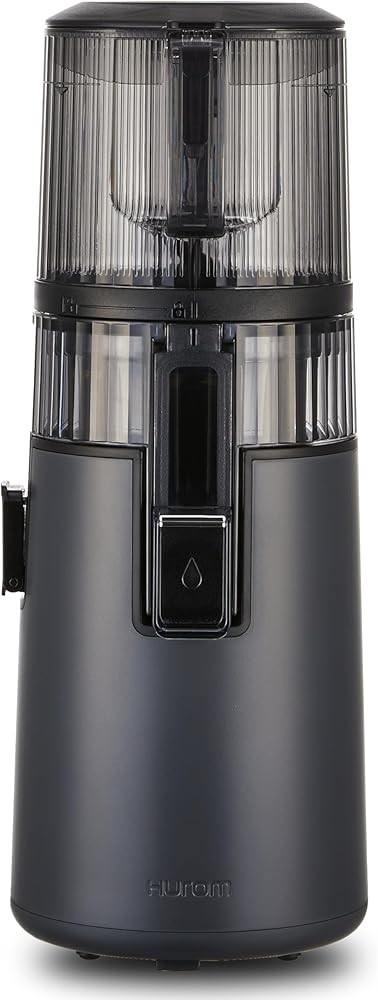
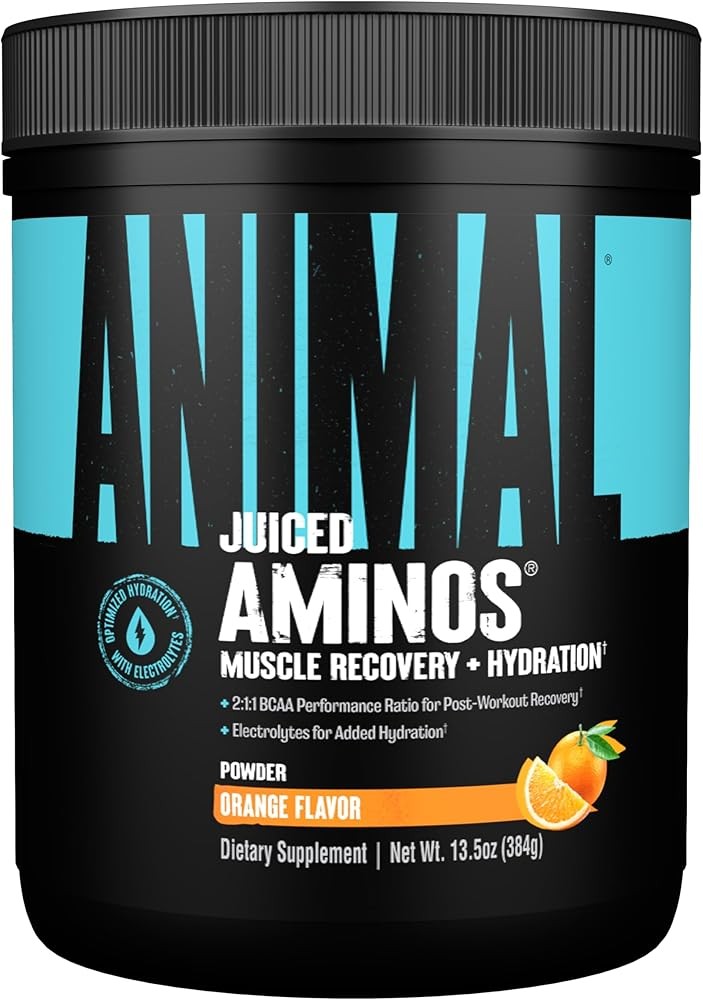
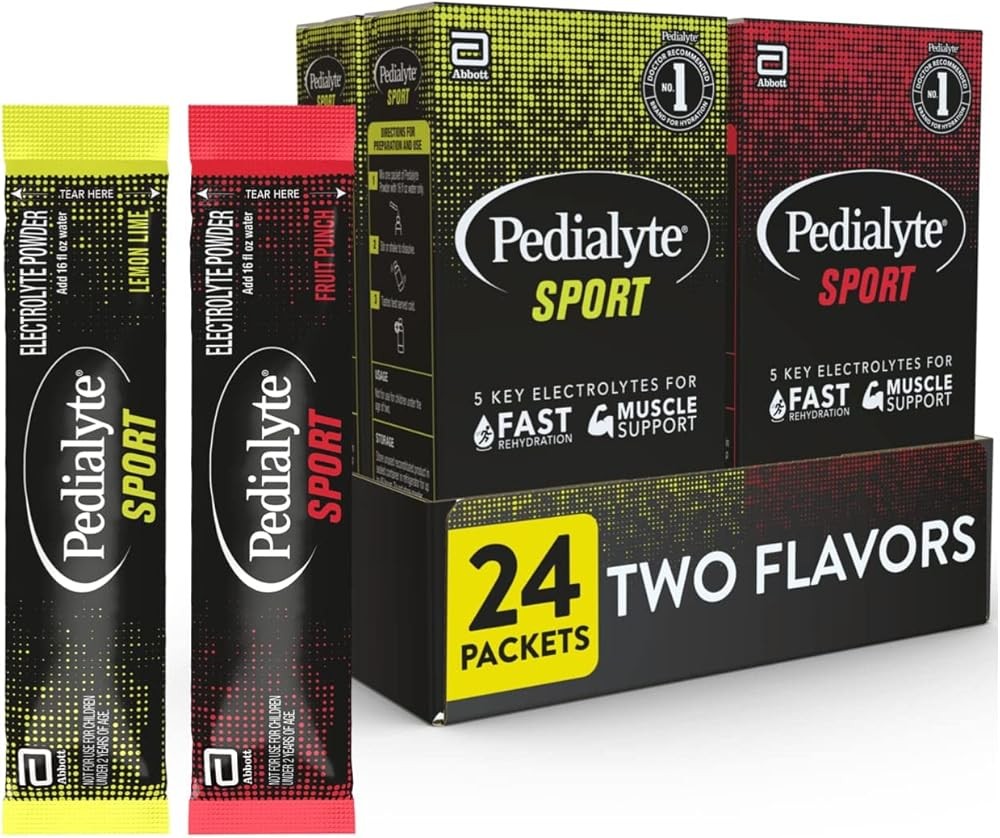
Many people struggle with dehydration and electrolyte imbalance, experiencing muscle cramps, fatigue, and reduced performance during workouts. Hurom H70 Cold Press Juicer (ASIN B0CSGCKXGR, $649.00) is our Best Overall pick for making fresh celery juice at home: its 43 RPM slow-press design generates minimal heat and oxidation compared with high-speed juicers, which matters for preserving heat-sensitive nutrients. A 16oz glass of fresh celery juice supplies roughly 215mg sodium and 800mg potassium - a genuinely useful mineral contribution for daily hydration (celery seed and mineral context). For athletes needing concentrated electrolytes around training, Animal Juiced Amino Acids Electrolytes (ASIN B00NHQ3JPM, $33.75 for 30 servings) is our budget pick, and Pedialyte Sport (ASIN B08GKXNHJ2, $47.96 for 24 packets) covers rapid rehydration. Here’s what the published research shows about celery juice versus electrolyte supplements.
Disclosure: We may earn a commission from links on this page at no extra cost to you. Affiliate relationships never influence our ratings. Full policy →
The hydration aisle has exploded with colorful electrolyte packets promising rapid rehydration, while health influencers swear by 16 ounces of fresh celery juice every morning. Both claim superior hydration and mineral replenishment, but which approach actually works?
This is not just about marketing trends. Your body loses 500-700mg of sodium per hour during moderate exercise, and replacing those electrolytes incorrectly can lead to hyponatremia (dangerously low blood sodium) or chronic dehydration. Meanwhile, celery juice enthusiasts report improved energy and gut healing, backed by the natural mineral content found in this humble vegetable.
In this comprehensive guide, we’ll examine the electrolyte content of fresh celery juice versus commercial supplements like Gatorade, LMNT, and Liquid IV. You’ll learn when celery juice provides adequate hydration, when you need concentrated electrolyte supplements, and how to read your body’s clues for optimal hydration status. We’ll also explore the role of cold-press juicing technology in preserving bioavailable minerals and enzymes.
| Feature | Celery Juice (16oz) | LMNT Electrolyte | Liquid IV |
|---|---|---|---|
| View on Amazon | Check Price | Check Price | Check Price |
What Are Electrolytes and Why Do They Matter for Hydration?
Electrolytes are minerals that carry an electrical charge when dissolved in body fluids. They’re essential for nerve signaling, muscle contraction, pH balance, and fluid regulation. The primary electrolytes your body needs include:
Sodium (Na+): Maintains fluid balance, blood pressure, and nerve function. Your body loses 500-2,000mg per hour during exercise depending on sweat rate and intensity.
Potassium (K+): Works opposite sodium to regulate cellular fluid balance and heart rhythm. The average adult needs 2,600-3,400mg daily, but most Americans get only 2,640mg.
Magnesium (Mg2+): Involved in over 300 enzymatic reactions, including muscle relaxation and energy production. Deficiency affects 48% of Americans according to NHANES data. During exercise, fluid and electrolyte loss through sweat creates significant replacement needs that vary by individual and environmental conditions (PubMed 1895359).
Calcium (Ca2+): Beyond bone health, calcium triggers muscle contractions and supports nerve transmission. You need 1,000-1,200mg daily.
Chloride (Cl-): Partners with sodium to maintain fluid balance and produce stomach acid for digestion.
The sodium-potassium pump in every cell uses ATP energy to move these minerals across cell membranes, creating the electrical gradients necessary for life. When electrolyte balance shifts even slightly, you experience symptoms ranging from muscle cramps to dangerous cardiac arrhythmias.
Research has shown that being dehydrated by just 2% of body weight impairs performance in tasks requiring attention, psychomotor skills, and immediate memory. A comprehensive 2011 review on fluid and electrolyte needs for training, competition, and recovery found that athletes must replace both water and electrolytes lost through sweat to maintain performance and reduce the risk of hyponatremia (PubMed 22150427). Water and electrolyte requirements for exercise emphasize maintaining serum osmolality and proper electrolyte balance through strategic fluid replacement (PubMed 10410838). Proper electrolyte balance isn’t optional—it’s fundamental to how your body operates.
Bottom line: Electrolytes are electrically charged minerals essential for nerve function, muscle contraction, and fluid balance—even a 2% loss through dehydration significantly impairs both physical performance and mental clarity, making proper electrolyte replacement critical for optimal body function.
Can Celery Juice Really Replace Traditional Electrolyte Supplements?
Fresh celery juice has gained massive popularity since Anthony William (the Medical Medium) began recommending 16 ounces every morning on an empty stomach. While some dismiss this as a wellness fad, the nutritional analysis reveals impressive electrolyte content that rivals many commercial supplements.
What Is the Electrolyte Content of Fresh Celery Juice?
A 16-ounce serving of fresh celery juice contains approximately:
- Sodium: 215mg
- Potassium: 800mg
- Magnesium: 45mg
- Calcium: 120mg
- Chloride: 186mg
The sodium content surprises most people—celery is one of the few vegetables naturally high in sodium. This makes it genuinely useful for salt replacement, though the amount is still modest compared to heavy sweating during exercise.
The real star is potassium. At 800mg per 16 ounces, celery juice provides nearly 24% of your daily potassium needs in a single glass. Most Americans consume insufficient potassium, averaging only 2,640mg against the recommended 3,400mg (men) or 2,600mg (women). This potassium deficiency contributes to high blood pressure, as adequate potassium helps counteract sodium’s blood pressure-raising effects. Water and electrolyte shifts during exercise demonstrate the importance of maintaining proper mineral balance, with research showing that both food sources and supplements can effectively restore electrolyte status (PubMed 10483801).
How Does Mineral Bioavailability Differ Between Food-Bound and Isolated Salts?
One advantage celery juice may have over supplements is mineral bioavailability—how much your body actually absorbs and uses. Minerals in whole foods like celery exist bound to the plant’s cellular matrix, accompanied by cofactors that may enhance absorption.
Research comparing oral electrolyte solutions to isolated supplements has examined bioavailability and effectiveness for mineral replacement. Studies on electrolyte tablets and supplements demonstrate their impact on fluid balance in active individuals (PubMed 33023276).
The mechanism involves several factors:
Organic acids: Celery contains malic acid and citric acid, which form chelate complexes with minerals. These organic acid-mineral complexes are absorbed more efficiently than isolated mineral salts. Research on electrolyte minerals demonstrates the importance of adequate intake for cardiovascular health and overall mineral balance (PubMed 29543505).
Vitamin cofactors: The vitamin C in celery (11mg per 16oz) enhances iron absorption and supports general mineral transport across the intestinal wall.
Fiber and prebiotics: While juice removes most fiber, trace amounts remain along with prebiotic compounds that support gut bacteria. These bacteria produce short-chain fatty acids that acidify the colon slightly, improving mineral solubility and absorption.
Natural sodium-potassium ratio: Celery provides these minerals in a ratio close to what your cells need, potentially reducing the metabolic work required to achieve proper balance.
However, it’s important to note that research directly comparing celery juice minerals to supplement minerals is limited. The theoretical advantages of food-bound minerals are compelling, but individual variation in gut health, stomach acid levels, and existing mineral status all affect absorption more than source alone.
What Phytonutrients Does Celery Juice Provide Beyond Electrolytes?
Celery juice offers benefits that extend beyond simple electrolyte replacement. The vegetable contains several bioactive compounds with documented health effects:
Apigenin: This flavonoid shows anti-inflammatory and antioxidant properties in multiple studies. Research in Molecular Nutrition & Food Research found apigenin reduced inflammatory markers (IL-6, TNF-alpha) in human cell studies and protected against oxidative stress. A 2024 study specifically examining celery extract found that enzyme-assisted modification increased apigenin content and significantly improved anti-inflammatory activity by inhibiting IL-6, IL-8, IL-31, and TNF-α in mast cells (PubMed 34142378). Apigenin concentrations in celery range from 15-30mg per 100g fresh weight, with juice extraction potentially concentrating these compounds. The anti-inflammatory effects may improve intestinal permeability, enhancing electrolyte absorption across the gut lining. Whether dietary apigenin meaningfully improves gut barrier function or mineral absorption in humans has not been established by controlled trials.
Luteolin: Another flavonoid with neuroprotective effects. Luteolin also shows promise for vascular health by improving endothelial function, which directly affects fluid distribution between blood vessels and tissues—a critical component of hydration status. Luteolin has shown neuroprotective and endothelial effects in laboratory and animal research, but human data on luteolin improving vascular function or electrolyte handling specifically are limited.
3-n-butylphthalide (3nB): This celery-derived compound is the focus of ongoing cardiovascular research. A 2022 randomized, triple-blind, placebo-controlled crossover trial found that celery seed extract reduced blood pressure in adults with mild hypertension, and follow-up work reported improved anxiety and depression scores in the same population (celery seed extract trial, 2022). Effects were modest and the mechanism - likely a combination of vasodilation and effects on the renin-angiotensin system - needs more study.
Polyacetylenes: These organic compounds have antimicrobial properties and may contribute to gut health benefits reported by Medical Medium followers. Celery contains several polyacetylene compounds including falcarinol and falcarindiol, which demonstrate activity against bacteria like H. pylori and various fungal species. A healthier gut microbiome improves mineral absorption, particularly in the colon where bacteria produce short-chain fatty acids that enhance magnesium and calcium uptake. Laboratory work shows celery polyacetylenes such as falcarinol have antimicrobial and anti-inflammatory activity; whether they survive juicing in meaningful amounts and affect human gut health is not established by clinical research.
While these phytonutrients don’t directly provide electrolytes, they may support the systems that regulate fluid balance, reduce inflammation that impairs absorption, and protect the cellular machinery that maintains electrolyte gradients. The combination of bioavailable minerals plus these supportive compounds may explain why some people report feeling better hydrated with celery juice compared to isolated electrolyte supplements, despite similar or lower mineral content on paper.
Bottom line: Fresh celery juice provides 215mg sodium and 800mg potassium per 16oz with natural cofactors (organic acids, vitamin C, phytonutrients like apigenin and 3-n-butylphthalide) that may enhance mineral absorption and support the body systems regulating fluid balance—offering whole-food nutrition beyond simple electrolyte replacement.
Does the Medical Medium Protocol Work?
Anthony William recommends drinking 16 ounces of straight celery juice (no additions) on an empty stomach every morning, waiting 15-30 minutes before eating. He claims this practice:
- Restores the gut lining and improves digestion
- Provides “cluster salts” that combat pathogens
- Supports liver detoxification
- Reduces chronic inflammation
The scientific community has not validated these specific claims, and “cluster salts” is not a recognized biochemical term. However, many people report genuine improvements in energy, digestion, and overall wellness after adopting the practice.
Some plausible mechanisms for these reported benefits include:
Improved hydration: Many people are chronically under-hydrated. Drinking 16oz of fluid first thing every morning ensures consistent hydration, which supports literally every bodily function.
Prebiotic effect: Even juice contains some prebiotic fibers and compounds that feed beneficial gut bacteria, potentially improving the microbiome over time.
Reduced inflammation: The phytonutrients in celery have documented anti-inflammatory effects that could improve gut barrier function and reduce systemic inflammation.
Placebo and lifestyle changes: Adopting any new health practice often comes with increased health consciousness overall. People drinking celery juice may simultaneously improve sleep, reduce alcohol, or exercise more consistently.
The lack of controlled research on the Medical Medium protocol specifically doesn’t mean it doesn’t work—it simply means we lack rigorous data. For many health practices, especially dietary ones, individual variation is enormous. What works excellently for one person may provide no benefit to another due to differences in genetics, microbiome composition, existing nutrient status, and lifestyle factors.
Is Celery Juice Economical Compared to Electrolyte Supplements?
One practical consideration is cost. Let’s break down the economics:
Organic celery: A bunch of organic celery typically weighs 2-2.5 pounds and costs $3-5 depending on season and location. This produces approximately 16-20 ounces of juice.
Daily cost (organic celery): about $3-5 per day, or $90-150 per month
Non-organic celery: often $1.50-3 per bunch, cutting monthly costs to roughly $45-90
For comparison, commercial electrolyte supplements:
LMNT: $45 for 30 packets = $1.50 per serving Liquid IV: $25 for 16 sticks = $1.56 per serving Gatorade: $6 for 12 bottles = $0.50 per serving
Celery juice is more expensive than most electrolyte supplements when consumed daily. However, it provides additional nutrients (vitamins, minerals beyond electrolytes, phytonutrients) that pure electrolyte supplements lack, making direct cost comparison somewhat misleading.
For budget-conscious individuals, celery juice might be reserved for non-exercise days or used 3-4 times weekly rather than daily, with electrolyte supplements used specifically around workouts.
Bottom line: The Medical Medium’s celery juice protocol lacks controlled research validation, and its specific claims (such as “cluster salts”) are not recognized biochemistry. Reported benefits are plausibly explained by improved hydration, the vegetable’s documented nutrients and phytonutrients, and the lifestyle changes that often accompany a new health practice.
Bottom line: Celery juice typically costs $2-4 per 16oz serving plus the upfront juicer investment (the Hurom H70 runs $649; capable slow juicers start around $150), while commercial electrolyte servings run roughly $0.50-2.50 - so supplements are more economical for high-volume athletic use, and celery juice makes more sense as a daily whole-food choice.
How Does Cold-Press Juicing Preserve Electrolytes Better Than High-Speed Methods?
If you’re serious about celery juice, your juicer matters significantly. The Hurom H70 Slow Juicer is a well-regarded option for preserving heat-sensitive nutrients and getting maximum yield from fibrous celery.
Why Does Juicing Method Affect Nutrient Content?
Traditional centrifugal juicers spin at 3,000-16,000 RPM, using high-speed blades to shred produce and separate juice through centrifugal force. This speed generates several problems:
Heat generation: High-speed spinning creates friction heat that can reach 86-104°F (30-40°C) in the juice chamber. This heat denatures enzymes and oxidizes heat-sensitive vitamins like vitamin C and folate.
Oxidation: The violent chopping action introduces massive amounts of air into the juice, accelerating oxidation of nutrients. You’ll notice centrifugal juice turns brown faster—that’s oxidation destroying antioxidants in real-time.
Mineral binding: High-speed shearing may damage the organic acid-mineral complexes that enhance absorption, potentially reducing bioavailability.
Foam and separation: The air incorporation creates foam and rapid separation, indicating structural damage to the juice at a cellular level.
How Does the Hurom H70 Preserve Nutrition?


The Hurom H70 uses a completely different approach called slow masticating juicing:
43 RPM operation: The auger rotates at only 43 revolutions per minute (some sources cite the earlier H-AA model at 80 RPM, but the H70 runs even slower). This reduces friction heat entirely—juice comes out at ambient temperature.
Cold-press extraction: Rather than chopping and spinning, the H70 uses an auger that slowly crushes and presses produce against a fine strainer. This mimics hand-squeezing citrus and preserves the juice’s natural structure.
Minimal oxidation: The slow pressing process introduces minimal air. Hurom juice stays fresh longer—you’ll notice it doesn’t brown as quickly as centrifugal juice.
Higher enzyme retention: Juice quality depends on both extraction method and storage. Cold-press juicing at low speeds minimizes heat generation and oxidation compared to high-speed centrifugal methods. Electrolyte supplementation research emphasizes maintaining proper mineral balance through various delivery methods including whole foods and concentrated supplements (PubMed 28806049). While human digestive systems break down most plant enzymes anyway, cold-press extraction preserves heat-sensitive nutrients.
Better mineral extraction: The crushing action may release more minerals from celery’s cellular matrix compared to high-speed chopping. One study found slow juicers extracted 15-20% more minerals from leafy greens compared to centrifugal models.
Drier pulp: The H70 extracts more juice from each bunch of celery, reducing waste and improving the cost-effectiveness of juicing. Users report getting 16-18 ounces from one bunch versus 12-14 ounces from centrifugal juicers.
How Does Celery Juice Perform in Real-World Use?
Celery presents unique challenges for juicers due to its fibrous, stringy structure. The long fibers can wrap around centrifugal juicer blades, reducing efficiency and requiring frequent stops to clean.
The H70 handles celery’s fibers with ease. The auger’s design doesn’t allow long fibers to wrap—they’re simply crushed and pressed, then ejected as dry pulp. Users report being able to juice 2-3 bunches of celery consecutively without stopping to clean.
The slow speed also means quieter operation (about 60 decibels versus 80+ for centrifugal juicers), making morning celery juice preparation more pleasant for households with sleeping family members.
What Alternatives Should You Consider?
The Hurom H70 is an investment at $649. If the budget is tight, consider these alternatives:
The Tribest Slowstar operates at 47 RPM with similar cold-press technology at a slightly lower price point. It performs comparably for celery juice with excellent nutrient retention.
For those absolutely committed to juicing and wanting the best, commercial-grade slow juicers from brands like Norwalk or Pure Press achieve even higher extraction rates, but cost $2,000-2,500.
Bottom line: The Hurom H70’s 43 RPM cold-press design minimizes heat and oxidation compared with high-speed centrifugal juicers, preserves heat-sensitive nutrients better, and extracts more juice per bunch - which is why it is the featured juicer in this guide.
When Do You Actually Need Commercial Electrolyte Supplements Over Celery Juice?
While celery juice provides solid electrolyte content for daily hydration, certain situations demand more concentrated mineral replacement. Understanding when to use commercial supplements versus whole food sources is crucial for optimal performance and health.
Is Gatorade a Good Electrolyte Option?
Developed in 1965 for the University of Florida Gators football team, Gatorade pioneered the sports drink category and remains the market leader.
Electrolyte content per 20oz bottle:
- Sodium: 270mg
- Potassium: 75mg
- Sugar: 34g
- Calories: 140
When Gatorade works: During or immediately after intense exercise lasting more than 60 minutes, Gatorade’s combination of sodium, sugar, and fluid provides rapid rehydration. The sugar isn’t just empty calories—it serves two crucial functions:
-
Enhanced sodium absorption: Glucose triggers the SGLT1 transporter in your intestines, which co-transports sodium and glucose together. This mechanism, called glucose-sodium cotransport, increases sodium absorption by 200-300% compared to water alone.
-
Carbohydrate fuel: During endurance exercise, your muscle glycogen depletes progressively. The 34g of sugar in Gatorade provides readily available carbohydrate to delay fatigue and maintain performance.
Research on electrolyte supplementation during exercise found that proper electrolyte replacement improves performance and hydration status during physical activity (PubMed 26342495). A 2025 study published in Nutrients examining commercial electrolyte beverages found that after six hours, electrolyte drinks significantly improved hydration markers compared to water alone, decreasing cumulative urine output by 32% versus water (PubMed 39940443).
Gatorade’s limitations: The 34g of sugar per bottle is problematic for non-exercise consumption. Regularly drinking Gatorade without the exercise to burn those calories contributes to weight gain and blood sugar dysregulation. Additionally, artificial colors (Red 40, Blue 1) and flavors may cause issues for sensitive individuals.
For daily hydration or moderate exercise under 60 minutes, Gatorade provides unnecessary sugar while delivering less potassium than celery juice (75mg vs 800mg per 16oz).
Is LMNT a Good Choice for Keto Dieters?
LMNT was developed specifically for people following low-carb or ketogenic diets, who need higher sodium intake to compensate for reduced insulin levels and increased urinary sodium loss.
Electrolyte content per packet (mixed with 16-24oz water):
- Sodium: 1,000mg
- Potassium: 200mg
- Magnesium: 60mg
- Sugar: 0g
- Calories: 10
When LMNT works: The high sodium content (1,000mg per packet) makes LMNT ideal for:
-
Ketogenic dieters: Low-carb diets reduce insulin levels, which decreases sodium reabsorption in the kidneys. People adapting to keto often need 4,000-7,000mg of sodium daily versus the standard 2,300mg recommendation.
-
Heavy sweaters: Individuals who lose 1.5-2+ liters of sweat per hour during exercise (common in hot conditions or among high-sweat-rate athletes) can lose 1,000-2,000mg of sodium per hour. LMNT provides concentrated replacement.
-
Fasting protocols: People doing intermittent fasting or extended fasts benefit from electrolyte supplementation without caloric intake, which LMNT provides.
LMNT’s limitations: The 1,000mg sodium per packet exceeds what most people need for light-to-moderate activity. Using it daily without significant sodium loss (through heavy sweating) could push sodium intake too high, potentially raising blood pressure in salt-sensitive individuals.
LMNT costs $45 for 30 packets ($1.50 per serving), making it more expensive than Gatorade but comparable to celery juice on a per-serving basis.
Does Liquid IV Multiply Hydration?
Liquid IV uses what it calls Cellular Transport Technology (CTT) - essentially the glucose-sodium cotransport mechanism mentioned earlier, marketed under a branded name.
Electrolyte content per stick (mixed with 16oz water):
- Sodium: 500mg
- Potassium: 370mg
- Sugar: 11g
- Calories: 45
When Liquid IV works: The moderate electrolyte levels make Liquid IV suitable for general hydration enhancement without the excessive sodium of LMNT or the high sugar of Gatorade. The potassium content (370mg) is higher than most sports drinks, though still less than celery juice.
The 11g of sugar activates the glucose-sodium cotransport mechanism for enhanced absorption while remaining relatively moderate compared to Gatorade’s 34g per 20oz.
Liquid IV’s limitations: At $1.56 per stick, it’s among the pricier electrolyte options. Some flavors contain stevia for additional sweetness, which some people find leaves an aftertaste. The vitamin additions (B vitamins, vitamin C) are nice in theory but provide doses you can easily obtain from a basic multivitamin or whole foods.
What Are the Best Clean, Sugar-Free Electrolyte Powders?
Several brands offer electrolyte powders without sugar, artificial flavors, or unnecessary additives:
Typical electrolyte content per serving:
- Sodium: 50-150mg
- Potassium: 250-380mg
- Magnesium: 40-100mg
- Calcium: 65-85mg
- Sugar: 0g
These products work well for people who:
- Want electrolyte supplementation without calories
- Need light electrolyte enhancement for moderate activity
- Prefer to control sodium intake more carefully
- React negatively to artificial sweeteners or colors
The trade-off is these products lack the glucose-sodium cotransport benefit, making absorption slower than beverages containing some sugar. For general hydration this doesn’t matter, but for rapid rehydration after severe depletion, the carbohydrate-containing options work faster.
Bottom line: Commercial electrolyte supplements provide concentrated sodium (270-1,000mg per serving) with some carbohydrates to activate glucose-sodium cotransport for rapid rehydration—essential for intense exercise over 90 minutes or heavy sweat loss, where celery juice’s 215mg sodium per 16oz simply can’t replace losses quickly enough.
How Do Activity Levels Determine Whether Celery Juice or Supplements Work Best?
The choice between celery juice and commercial electrolytes depends heavily on your activity level, sweat rate, duration of exercise, and environmental conditions.
What Should You Use for Light Activity Like Walking or Yoga?
For activities lasting under 60 minutes at moderate intensity, celery juice provides adequate electrolyte replacement. Its 215mg sodium and 800mg potassium, combined with its whole-food minerals and phytonutrients, offer superior overall nutrition compared to isolated electrolyte salts.
Morning celery juice supports general hydration throughout the day, reducing the need for additional electrolyte supplementation unless you’re exercising intensely or working in hot conditions.
What Should You Use for Moderate Activity Lasting 60-90 Minutes?
For moderate-intensity exercise lasting 60-90 minutes, either approach can be effective:
Celery juice pre-workout: Drinking 16oz of celery juice 60-90 minutes before exercise provides electrolyte loading that supports fluid balance during the activity. Follow with water during exercise.
Electrolyte supplement during: Alternatively, drink water before/after and consume a half-serving of electrolyte supplement (diluted Gatorade, half a packet of LMNT) during the activity.
Your choice depends on personal preference, convenience, and how your body responds. Some people handle celery better, while others prefer the quick absorption of commercial electrolytes.
What Should You Use for Intense or Prolonged Activity Over 90 Minutes?
For activities longer than 90 minutes or in hot/humid conditions causing heavy sweating, commercial electrolyte supplements provide advantages:
Higher sodium concentration: Replacing 1,000-2,000mg of sodium lost per hour requires concentrated sodium sources. You’d need to drink 4-5 servings of celery juice (64-80oz) to match one LMNT packet—impractical during exercise.
Carbohydrate fuel: The glucose in Gatorade or Liquid IV provides energy to maintain performance during endurance activities. Celery juice’s 4g of sugar per 16oz isn’t sufficient for fueling.
Faster absorption: The glucose-sodium cotransport mechanism in carbohydrate-electrolyte drinks accelerates both water and sodium absorption, crucial for rapid rehydration.
Post-exercise rehydration research generally finds that drinks containing sodium - sports drinks and milk alike - restore fluid balance faster than plain water, because sodium encourages water retention.
How Can You Test Your Individual Sweat Rate?
Individual sweat rates vary enormously—from 0.5 liters per hour in some people to 3+ liters per hour in heavy sweaters. Knowing your sweat rate helps determine whether celery juice suffices or if you need concentrated electrolyte supplements.
How to measure your sweat rate:
- Weigh yourself naked before exercise
- Exercise for exactly 60 minutes at typical intensity
- Don’t drink during this test hour
- Towel off thoroughly and weigh yourself again
- Calculate: (Pre-weight - Post-weight) in kg × 1000ml + fluids consumed during exercise = sweat rate in ml/hour
Example:
- Pre-weight: 75kg
- Post-weight: 73.8kg
- Fluid consumed: 0ml
- Sweat rate: (75 - 73.8) × 1000 = 1,200ml/hour
Most people lose 500-1,500ml (0.5-1.5 liters) per hour during moderate exercise. Heavy sweaters lose 2-3+ liters per hour during intense activity.
Sodium loss estimation: Average sweat contains 500-1,200mg sodium per liter. If you lose 1.5 liters per hour, you’re losing 750-1,800mg of sodium per hour. This wide range explains why some athletes function fine with celery juice while others need LMNT’s 1,000mg per serving.
Factors affecting sweat rate and sodium concentration:
Environmental conditions dramatically impact fluid loss. Research has shown that warmer air increases sweat rate, with sweat rates nearly doubling when shifting from low-intensity to high-intensity exercise. Fluid and electrolyte supplementation for exercise heat stress emphasizes the importance of replacing both water and minerals lost through sweat during activity in hot conditions (PubMed 10919961). Humidity matters even more—at 80% humidity, your sweat doesn’t evaporate efficiently, forcing your body to produce more sweat to achieve the same cooling effect.
Heat acclimation also changes electrolyte needs. Athletes who train consistently in hot conditions develop physiological adaptations over 7-14 days: sweat rate increases (producing more dilute sweat to cool efficiently), but sodium concentration in sweat decreases by 30-50%. Fluid and electrolyte balance in ultra-endurance sports demonstrates that acclimated athletes adapt their sweat composition (PubMed 11547892). This means acclimated athletes lose less sodium per liter of sweat, potentially making celery juice adequate for longer before concentrated supplements become necessary.
Genetics play a role too. Individual sweat rates and sodium concentrations vary enormously based on genetics and conditioning, with some individuals losing 1,500-2,500mg sodium per liter—double the average. Recovery from prolonged exercise requires restoration of water and electrolyte balance, with replacement strategies dependent on individual losses (PubMed 9232555). If you notice white salt residue on your skin or clothes after exercise, you’re likely a salty sweater who needs more aggressive sodium replacement than celery juice alone can provide.
Bottom line: Celery juice works for light activity under 60 minutes, while intense exercise over 90 minutes or heavy sweat rates (2+ liters/hour) demand concentrated supplements—individual sweat testing reveals your specific needs, with salty sweaters losing up to 2,000mg sodium per hour requiring electrolyte supplements that celery juice simply cannot match.
What Body Signals Tell You About Your Hydration and Electrolyte Balance?
Your body provides constant feedback about hydration and electrolyte balance. Learning to interpret these signals helps you adjust your approach in real-time.
What Are the Signs You’re Well-Hydrated with Balanced Electrolytes?
Urine color: Pale yellow to clear urine indicates good hydration. Dark yellow suggests dehydration, while completely clear urine might indicate overhydration or electrolyte dilution.
Skin turgor: Pinch the skin on the back of your hand and release. It should snap back immediately. Delayed return (tenting) suggests dehydration.
Energy levels: Consistent, stable energy throughout the day without mid-afternoon crashes indicates proper hydration and electrolyte balance.
Muscle function: Smooth muscle contraction without cramps, twitches, or spasms suggests adequate magnesium, potassium, and calcium.
Mental clarity: Sharp focus, quick thinking, and good mood correlate with optimal hydration. Even 2% dehydration impairs cognitive performance.
Blood pressure: Normal blood pressure readings (120/80 or lower) with good postural stability suggest proper sodium and fluid balance.
What Are the Signs of Sodium Deficiency and Electrolyte Imbalance?
Low sodium (hyponatremia) can occur from drinking excessive plain water without electrolyte replacement, especially during prolonged exercise or hot conditions.
Early signs:
- Headache (often frontal or temporal)
- Nausea or loss of appetite
- Fatigue or unusual tiredness
- Muscle weakness without cramping
Moderate signs:
- Confusion or difficulty concentrating
- Dizziness or lightheadedness when standing
- Increased thirst despite drinking water
- Swelling in hands and feet (dilutional swelling)
Severe signs (medical emergency):
- Seizures
- Loss of consciousness
- Severe confusion or altered mental status
If you experience moderate or severe signs, stop exercising immediately and consume sodium-containing fluids (broth, electrolyte drink, salted water). Severe cases require emergency medical care.
Prevention: During exercise longer than 2 hours, consume 300-700mg of sodium per hour through electrolyte supplements or salty snacks. Don’t rely on celery juice alone for extended endurance activities.
What Are the Signs of Potassium Imbalance Issues?
Both high and low potassium affect heart rhythm and muscle function.
Low potassium (hypokalemia) signs:
- Muscle weakness, especially in legs
- Muscle cramps or spasms
- Constipation
- Palpitations or irregular heartbeat
- Fatigue
- Numbness or tingling
High potassium (hyperkalemia) signs:
- Muscle weakness
- Irregular heartbeat
- Nausea
- Slow pulse
- Chest pain
Potassium imbalances are less common than sodium issues during exercise but can occur with certain medications (diuretics, ACE inhibitors) or kidney problems. If you suspect potassium issues, consult a physician for blood testing.
Supporting potassium balance: Celery juice’s 800mg potassium per 16oz makes it excellent for potassium support, especially for people taking diuretics or eating low-potassium diets. Potassium content varies a lot by product: many basic sports drinks carry only modest amounts (Gatorade has 75mg per 20oz), while brands like Liquid IV add 370mg per serving.
What Are the Signs of Magnesium Deficiency?
Magnesium deficiency affects 48% of Americans according to NHANES data, yet it’s crucial for 300+ enzymatic reactions.
Magnesium deficiency signs:
- Muscle cramps, especially nighttime leg cramps
- Eye twitches
- Anxiety or nervousness
- Sleep problems
- Chocolate cravings (chocolate is high in magnesium)
- Constipation
- Irregular heartbeat
- Restless leg syndrome
Supporting magnesium levels: Celery juice provides 45mg per 16oz—useful but not sufficient for correcting deficiency. Most people need 310-420mg daily. Combine celery juice with magnesium-rich foods (pumpkin seeds, spinach, black beans) or consider a magnesium glycinate supplement for better absorption.
Should You Trust Your Thirst Mechanism?
Your body’s thirst mechanism is remarkably accurate for most situations. When you feel thirsty, drink. When you don’t, you’re probably adequately hydrated.
Exceptions where thirst fails:
- Age: Older adults have blunted thirst responses and may not feel thirsty despite being dehydrated.
- Intense focus: When deeply engaged in work or activities, people often ignore or don’t notice thirst.
- Cold environments: Cold suppresses thirst perception, yet you still lose fluids through respiration and metabolic water loss.
For most healthy adults in normal conditions, drinking to thirst provides adequate hydration. You don’t need to force-drink water or follow arbitrary “8 glasses a day” rules.
The science behind drinking to thirst: Research examining fluid and electrolyte needs for preparation and recovery from training found that drinking to thirst is a safe and effective approach, with athletes recommended to drink according to thirst to maintain plasma osmolality without risking dangerous hyponatremia from excessive fluid intake (PubMed 14971433).
The thirst mechanism activates when your blood osmolality (concentration of dissolved particles) increases by just 1-2%. Osmoreceptors in your hypothalamus detect this change and trigger both thirst sensation and the release of antidiuretic hormone (ADH), which signals your kidneys to conserve water. This system evolved over millions of years and works remarkably well for regulating fluid balance in most scenarios.
How Can Urine Specific Gravity Help with Advanced Hydration Tracking?
For athletes or anyone serious about optimizing hydration, urine specific gravity (USG) testing provides objective data.
USG measures how concentrated your urine is. Values:
- 1.001-1.010: Overhydrated or normal with high fluid intake
- 1.010-1.020: Well hydrated (optimal)
- 1.020-1.030: Mild dehydration
- >1.030: Significant dehydration
You can purchase USG refractometers ($20-40 on Amazon) or urine test strips that include specific gravity. Test your first morning urine for baseline hydration status, aiming for 1.010-1.020.
If you’re consistently above 1.020, increase fluid intake (either celery juice, water, or electrolyte drinks). If you’re consistently below 1.010, you may be overdrinking or have an electrolyte imbalance diluting your urine.
Bottom line: Your body provides constant feedback through urine color (pale yellow = optimal), skin turgor (immediate snap-back = hydrated), energy levels, muscle function, and mental clarity—while advanced tracking with urine specific gravity (USG 1.010-1.020 = optimal) offers objective data for athletes and anyone serious about optimizing hydration status.
Can You Strategically Combine Celery Juice with Electrolyte Supplements?
Rather than choosing one approach exclusively, many people benefit from using both strategically.
How Can Morning Celery Juice Serve as Your Daily Foundation?
Drinking 16oz of fresh celery juice every morning on an empty stomach provides:
- Baseline electrolyte support (215mg sodium, 800mg potassium)
- Hydration to start the day
- Phytonutrients for anti-inflammatory and antioxidant benefits
- Consistent gut-health support from prebiotic compounds
This practice establishes a solid hydration foundation for light-to-moderate activity days.
How Can You Use Targeted Electrolyte Supplementation for Exercise Support?
On days with intense or prolonged exercise:
- Drink your morning celery juice as usual
- Use water during activities under 60 minutes
- Add electrolyte supplements during activities over 60 minutes
- Choose supplement strength based on sweat rate and duration
This approach gives you whole-food nutrition daily while providing concentrated electrolytes exactly when your body needs them most.
How Can You Optimize Costs When Combining Both Approaches?
For budget-conscious individuals:
- Make celery juice 4-5 days per week rather than daily
- Reserve LMNT or Liquid IV specifically for hard training days
- Use lower-cost options (Gatorade, homemade electrolyte drinks) for moderate activities
- Buy celery in bulk or from discount grocers
You’ll still capture most benefits while reducing monthly costs from $120-150 to $60-80.
Bottom line: Combining morning celery juice (215mg sodium, 800mg potassium, phytonutrients) as your daily foundation with targeted electrolyte supplements during intense exercise provides whole-food nutrition for everyday needs plus concentrated minerals exactly when your body demands them—optimizing both performance and overall health while managing costs strategically.
What Are the Most Cost-Effective Homemade Electrolyte Alternatives?
If both celery juice and commercial supplements strain your budget, homemade electrolyte drinks offer effective alternatives for $0.10-0.30 per serving.
How Do You Make a Basic Homemade Electrolyte Drink?
Ingredients:
- 24oz water
- 1/4 teaspoon sea salt (290mg sodium)
- 1/4 teaspoon potassium chloride salt substitute like Nu-Salt (650mg potassium)
- 2 tablespoons fresh lemon juice (vitamin C, flavor)
- 1-2 tablespoons honey or maple syrup (carbohydrates for absorption)
Mix thoroughly and drink during or after exercise. This provides similar electrolyte content to commercial sports drinks at a fraction of the cost.
Cost: Approximately $0.15 per serving
How Do You Make an Enhanced Homemade Electrolyte Drink?
For higher mineral content:
Ingredients:
- 24oz coconut water (600mg potassium)
- 1/4 teaspoon sea salt (290mg sodium)
- 1 tablespoon fresh lime juice
- Optional: 1/8 teaspoon magnesium citrate powder (100mg magnesium)
Coconut water provides natural potassium, magnesium, and calcium along with a pleasant flavor.
Cost: Approximately $0.80 per serving (coconut water is the expensive component)
How Do You Make a Celery-Electrolyte Hybrid Drink?
For maximum nutrition:
Ingredients:
- 12oz fresh celery juice
- 12oz water or coconut water
- 1/4 teaspoon sea salt (if needed for intense activity)
This dilutes the celery juice to reduce cost while maintaining good potassium levels and adding sodium if needed for exercise.
Cost: Approximately $2 per serving
Bottom line: Homemade electrolyte drinks using sea salt, potassium chloride (Nu-Salt), lemon juice, and honey provide similar mineral content to commercial products at just $0.15-0.80 per serving—offering budget-friendly alternatives that can match commercial performance for most exercise needs.
What Does Scientific Research Reveal About Celery Juice Versus Electrolyte Supplements?
While controlled research specifically comparing celery juice to commercial electrolyte supplements doesn’t exist (an opportunity for future research), we can examine relevant studies on hydration and mineral sources.
How Do Whole Foods Compare to Supplements for Mineral Status?
A systematic review in Nutrients analyzed 49 studies comparing mineral supplements to food sources for improving mineral status. The review found:
- Both food and supplement sources effectively raised mineral blood levels
- Food sources showed better long-term retention for some minerals (magnesium, calcium)
- Supplements worked faster for correcting acute deficiencies
- Whole food sources provided cofactors that may enhance overall health beyond mineral repletion alone
The conclusion: Both approaches work, with supplements offering speed and convenience while whole foods provide broader nutritional benefits.
Applied to celery juice versus electrolyte supplements: Supplements provide faster, more concentrated mineral delivery crucial for exercise rehydration, while celery juice offers superior overall nutrition for daily baseline needs.
How Does the Sodium-Potassium Ratio Affect Blood Pressure?
Research published in the New England Journal of Medicine examined the sodium-potassium ratio’s impact on blood pressure in 2,974 adults. A 2014 review in Advances in Nutrition concluded that the sodium-to-potassium ratio appears more strongly associated with blood pressure outcomes than either mineral alone in hypertensive populations (Perez & Chang, 2014). The studies found:
- Higher sodium-to-potassium ratios significantly increased blood pressure
- A 1-unit increase in the Na/K ratio raised systolic blood pressure by 3mmHg on average
- The ratio mattered more than absolute sodium intake alone
- A 2023 longitudinal study found the dietary sodium-to-potassium ratio independently predicted cardiovascular events, with higher ratios associated with substantially increased risk (BMC Public Health, 2023)
Celery juice provides a favorable sodium-to-potassium ratio (215:800 = 0.27), while many commercial electrolytes skew heavily toward sodium. Gatorade’s ratio is about 3.6 (270mg sodium, 75mg potassium per 20oz), and LMNT’s is 5.0 (1,000mg sodium, 200mg potassium).
This doesn’t mean commercial electrolytes are unhealthy—during exercise you need the extra sodium—but for daily hydration, celery juice’s ratio better supports cardiovascular health.
How Effective Are Carbohydrate-Electrolyte Solutions for Exercise Hydration?
A meta-analysis in the British Journal of Sports Medicine reviewed 15 studies comparing water, electrolyte solutions, and carbohydrate-electrolyte solutions for exercise performance.
Key findings:
- Carbohydrate-electrolyte drinks improved performance by 6-12% versus water during activities over 90 minutes
- Plain electrolyte solutions (without carbohydrates) showed minimal performance benefit over water
- The combination of carbohydrates plus sodium was crucial for both fluid absorption and sustained energy
Practical application: For activities under 60 minutes, celery juice or water suffices. For longer activities, carbohydrate-containing electrolyte drinks (Gatorade, Liquid IV, or homemade with honey) provide measurable performance advantages.
How Does the Bioavailability of Organic Compare to Inorganic Minerals?
A study in the Journal of the American College of Nutrition compared magnesium absorption from organic sources (magnesium citrate, food-bound magnesium) versus inorganic sources (magnesium oxide).
Researchers found:
- Organic magnesium showed 30-40% higher absorption rates
- Food-bound magnesium demonstrated the highest tissue retention
- Inorganic forms were absorbed more slowly but still raised magnesium levels over time
While this study focused on magnesium specifically, the pattern likely applies to other minerals. Celery juice provides organic, food-bound minerals that may be absorbed more efficiently than the chloride or sulfate salts in many electrolyte supplements.
However, the study also noted that when supplementing to correct deficiency, the higher absolute doses in supplements overcame the lower absorption percentage, making supplements still effective for rapid correction.
Bottom line: Research shows both food-based minerals (like celery juice) and supplements effectively raise mineral levels, with whole foods providing better long-term retention while supplements work faster for acute needs—and carbohydrate-electrolyte solutions improve performance by 6-12% during activities over 90 minutes through enhanced sodium absorption and sustained energy.
Which Hydration Approach Works Best for Different People and Situations?
Different groups have unique hydration and electrolyte needs that favor one approach over another.
Why Do Supplements Win for Endurance Athletes?
Marathon runners, triathletes, cyclists, and other endurance athletes need concentrated electrolyte replacement during training and events. Sodium losses of 2,000-4,000mg during a 3-4 hour event require more than celery juice can provide practically.
Recommendation: Use celery juice for daily baseline nutrition, but rely on electrolyte supplements during long training sessions and competitions.
Why Does Celery Juice Win for People with Hypertension?
If you have high blood pressure or salt-sensitivity, celery juice’s high potassium content and favorable sodium-potassium ratio make it ideal. The phytonutrients 3-n-butylphthalide may also provide direct blood pressure-lowering effects.
Recommendation: Make 16oz daily celery juice a staple, and use low-sodium electrolyte supplements only when truly needed for intense exercise.
Why Do LMNT or Similar Supplements Win for Ketogenic Dieters?
Low-carb and ketogenic diets dramatically increase sodium needs due to insulin’s role in sodium retention. Keto dieters often need 4,000-7,000mg sodium daily—far more than celery juice alone provides.
Recommendation: Combine morning celery juice (215mg sodium, 800mg potassium) with 2-3 servings of LMNT or similar high-sodium electrolytes throughout the day.
Why Does Celery Juice Win for General Health and Wellness?
For people engaged in light-moderate activity who prioritize overall nutrition and gut health, celery juice offers superior benefits. The phytonutrients, vitamins, and balanced minerals support multiple body systems beyond simple hydration.
Recommendation: Make 16oz celery juice your morning ritual, and use electrolyte supplements only for specific needs (travel, illness, intense exercise).
Why Do Older Adults Benefit from a Combination Approach?
Aging reduces thirst sensitivity, stomach acid production (affecting mineral absorption), and kidney function (affecting electrolyte regulation). Older adults benefit from structured hydration practices.
Recommendation: Drink 16oz celery juice mid-morning (not on an empty stomach if you have reduced stomach acid), use light electrolyte supplements (Liquid IV or homemade) 1-2 times daily, and track urine color to ensure adequate hydration.
Bottom line: Endurance athletes and heavy sweaters need concentrated electrolyte supplements for intense training, hypertensive individuals benefit from celery juice’s high potassium and favorable sodium-potassium ratio, ketogenic dieters require high-sodium supplements like LMNT, while general health enthusiasts thrive on daily celery juice for whole-food nutrition—older adults benefit most from combining both approaches with structured hydration tracking.
How Can You Implement a Complete Week of Strategic Hydration?
Here’s how to implement a combined approach across different activity levels:
What Should Your Monday Rest Day Hydration Look Like?
- 6:30am: 16oz fresh celery juice (from Hurom H70)
- Throughout day: Water to thirst
- Evening: Herbal tea Total added electrolytes: ~215mg sodium, 800mg potassium from celery juice
What Should Your Tuesday Hydration Look Like for a Moderate 45-Minute Run?
- 6:30am: 16oz celery juice
- 8:00am: Run with water bottle
- Post-run: 12oz water
- Throughout day: Water to thirst Total added electrolytes: ~215mg sodium, 800mg potassium from celery juice
What Should Your Wednesday Rest Day Hydration Look Like?
- Same as Monday
What Should Your Thursday Hydration Look Like for Intense 90-Minute Cycling?
- 6:30am: 16oz celery juice
- 4:00pm: Pre-ride hydration (16oz water)
- 5:00pm: Cycling with 24oz electrolyte drink (Liquid IV or homemade)
- Post-ride: 16oz water Total added electrolytes: ~715mg sodium, 1,170mg potassium
What Should Your Friday Rest Day Hydration Look Like?
- Same as Monday
What Should Your Saturday Hydration Look Like for a Long 2.5-Hour Trail Run?
- 6:00am: 16oz celery juice
- 7:00am: Light breakfast
- 9:00am: Trail run with 40oz electrolyte drink (2 servings LMNT in water bottles)
- Post-run: 16oz chocolate milk (carbs + electrolytes + protein)
- Afternoon: 24oz water with 1/2 serving electrolyte powder Total added electrolytes: ~2,215mg sodium, 1,200mg potassium
What Should Your Sunday Easy Recovery Day Hydration Look Like?
- 7:00am: 16oz celery juice
- 10:00am: Easy 30-minute recovery walk with water
- Throughout day: Water to thirst Total added electrolytes: ~215mg sodium, 800mg potassium from celery juice
This schedule provides whole-food nutrition daily while adding concentrated electrolytes exactly when needed for performance and recovery.
Why Does Hydration Timing Matter As Much As What You Drink?
The timing of electrolyte consumption significantly impacts absorption and effectiveness. Drinking very large volumes quickly can trigger rapid urination before the minerals are absorbed, which is why steady sipping beats chugging.
Pre-exercise hydration protocol: Drink 16-20oz of fluid (celery juice or electrolyte drink) 2-3 hours before exercise. This allows time for absorption and kidney filtration, ensuring you start exercise well-hydrated without needing frequent bathroom breaks. Follow with another 8-12oz about 15-20 minutes before starting.
During exercise: Consume 4-8oz every 15-20 minutes during activity lasting over 60 minutes. Smaller, frequent sips maintain steady absorption without overwhelming the digestive system. For activities under 60 minutes, water alone suffices if you properly hydrated beforehand with morning celery juice.
Post-exercise rehydration: Aim to replace 150% of fluid lost through sweat within 4-6 hours post-exercise. If you lost 1 liter (weigh 1kg less after exercise), consume 1.5 liters of fluid with electrolytes. The extra volume accounts for continued urinary losses during the recovery period. This is where combining celery juice (for potassium and whole-food minerals) with a moderate electrolyte supplement (for concentrated sodium) works particularly well.
Nighttime considerations: Avoid large fluid intake within 2 hours of bedtime to reduce the risk of sleep disruption from nighttime urination. If training in the evening, complete most rehydration within 2 hours post-exercise, then switch to smaller sips as needed.
Bottom line: A strategic weekly hydration plan uses daily morning celery juice as the foundation (215mg sodium, 800mg potassium) for rest and light activity days, adds moderate electrolyte drinks during 60-90 minute workouts, and scales up to concentrated supplements (LMNT, multiple servings) during intense 2+ hour sessions—with timing protocols ensuring optimal absorption and recovery.
What Essential Products Do You Need for an Optimal Hydration System?
To implement this approach effectively, you’ll need the right tools and supplies.
What Juicer Should You Choose: Hurom H70 or Alternative?
The foundational investment for celery juice. The 43 RPM slow-press technology preserves enzymes and maximizes mineral extraction. Expect this juicer to last 10+ years with proper care, making the cost per use very reasonable.
Should You Buy Organic Celery?
While you’ll likely buy fresh celery from local stores, Amazon Fresh offers delivery in many areas. Organic celery reduces pesticide exposure, especially important since you’re consuming it daily.
What Storage Bottles Work Best for Fresh Juice?
Glass bottles preserve juice quality better than plastic. Make 2-3 days of celery juice at once (though fresh daily is optimal), storing in airtight glass bottles to minimize oxidation.
Which Commercial Electrolyte Supplements Should You Consider?
For high-sodium needs during intense exercise or ketogenic dieting, LMNT (1,000mg sodium per packet, about $1.50) is the benchmark discussed throughout this guide. For moderate enhancement with balanced minerals and a little carbohydrate, Liquid IV (500mg sodium, 370mg potassium, about $1.56 per stick) is a solid middle option. Both are compared in detail above.
What Medical Medium Resources and Equipment Do You Need?
Anthony William recommends 16oz of fresh celery juice daily. The Hurom H70’s cold-press technology preserves the natural electrolytes, enzymes, and phytonutrients that make celery juice effective for hydration and overall health.
An alternative slow juicer with masticating technology that provides excellent nutrient retention for daily celery juice preparation at a more accessible price point.
What Alternative Slow Juicer Options Are Available?
A more budget-friendly slow juicer that still operates at low speed (47 RPM) with similar nutrient preservation to the Hurom H70.
Bottom line: Essential hydration equipment includes a cold-press slow juicer (Hurom H70 or Tribest Slowstar), organic celery, glass storage bottles to minimize oxidation, concentrated electrolyte supplements for exercise (LMNT, Liquid IV), and celery powder alternatives for travel convenience—creating a complete system for daily whole-food nutrition plus targeted performance support.
What Are the Most Frequently Asked Questions?
How Long Does It Take for Celery Juice to Work?
The hydration and mineral effects are immediate - the sodium, potassium, and water in a 16oz glass begin supporting fluid balance as soon as you drink it. Reported benefits like steadier energy or easier digestion typically show up within 1-4 weeks of daily morning use, and, as covered in this guide, celery juice is most useful for light-to-moderate activity days rather than intense sessions lasting over 90 minutes, which call for concentrated electrolyte products.
Who Should Consider Taking Celery Juice?
Celery juice fits people who want a whole-food hydration and mineral source for daily use: light-to-moderate exercisers, people watching blood pressure who want the potassium (800mg per 16oz) and a favorable sodium-to-potassium ratio, and anyone who already owns a slow juicer or is willing to invest in one. It is less practical for endurance athletes needing 1,000-2,000mg of sodium per hour, ketogenic dieters who need several grams of sodium daily, or anyone on a tight budget - for those situations the electrolyte supplements covered in this guide (or homemade drinks) make more sense. People on blood pressure or kidney medications should discuss a high-potassium daily habit with their doctor.
Bottom line: People engaged in light-to-moderate activity, those with high blood pressure, individuals prioritizing whole-food nutrition, and anyone seeking natural electrolyte support can benefit from celery juice—but those on medications or with specific health conditions should consult healthcare providers before starting a daily protocol.
Our Quick Picks
- Fresh celery juice (made with the Hurom H70 or a budget slow juicer) for daily hydration and whole-food minerals: about 215mg sodium and 800mg potassium per 16oz.
- Animal Juiced Amino Acids Electrolytes ($33.75/30 servings) for post-workout recovery with electrolytes on a budget.
- Pedialyte Sport ($47.96/24 packets) for rapid rehydration with five electrolytes and less sugar than classic sports drinks.
- LMNT (about $1.50/packet) for high-sodium needs during intense sessions or ketogenic dieting; Liquid IV (about $1.56/stick) for moderate enhancement with balanced minerals and some carbohydrate for glucose-sodium cotransport.
For daily wellness the celery juice foundation plus targeted packets around hard training is the most flexible system - see the week plan above.
Related Reading
- Beet Juice vs Nitric Oxide Boosters: Which Delivers Better Athletic Performance?
- Best Electrolyte Supplements: A Comprehensive Review Roundup
- Best Magnesium Supplements for Athletic Performance
- Cold Press vs Centrifugal: The Nutrient Retention Showdown
- Postbiotics vs Probiotics: What the Research Shows
How Do You Choose Your Hydration Strategy?
The celery juice versus electrolyte supplement debate doesn’t have a single answer—it depends entirely on your lifestyle, activity level, health status, and goals.
Choose celery juice as your primary approach if you:
- Engage primarily in light-to-moderate activity under 60 minutes
- Prioritize overall nutrition and gut health
- Have normal-to-high blood pressure
- Want natural, whole-food mineral sources
- Can accommodate the cost ($90-150/month)
- Have time for daily juicing
Choose commercial electrolyte supplements as your primary approach if you:
- Regularly exercise intensely for 90+ minutes
- Follow a ketogenic or low-carb diet
- Are a heavy sweater (2+ liters per hour)
- Need maximum convenience
- Want precise electrolyte dosing
- Require rapid rehydration
Choose a combined approach if you:
- Want the best of both strategies
- Train with varied intensity throughout the week
- Value both performance and overall nutrition
- Can manage the logistics of using both
The most sophisticated approach recognizes that hydration needs vary daily based on activity, environment, and individual physiology. Use celery juice as your nutritional foundation for everyday hydration and health, then add targeted electrolyte supplementation when your activity demands require more concentrated mineral replacement.
Your body provides constant feedback through thirst, energy levels, muscle function, and urine color. Learn to interpret these signals, adjust your approach based on what you observe, and you’ll develop the optimal hydration strategy for your unique needs.
Most importantly, don’t overthink it. Both celery juice and quality electrolyte supplements are effective tools. The worst hydration strategy is inconsistency—pick an approach that fits your lifestyle and stick with it long enough to assess results. Whether you’re team celery juice, team electrolyte supplements, or team “why not both,” proper hydration supports every function in your body and deserves attention.
Recommended Products