Ceylon Cinnamon for Blood Sugar: Does Cinnamon Actually Lower Glucose Levels
Summarized from peer-reviewed research indexed in PubMed. See citations below.
Managing blood sugar levels remains one of the most challenging aspects of type 2 diabetes, with many people seeking natural supplements to complement their medication regimen. Research shows Ceylon cinnamon can reduce fasting blood glucose by 24.59 mg/dL on average, based on a meta-analysis of 10 randomized controlled trials involving 543 patients, with the True Vine 3200mg Liquid Ceylon Cinnamon Supplement ($24.95) emerging as our top pick for its pharmaceutical-grade extraction and zero coumarin content. Multiple clinical studies demonstrate cinnamon activates the same cellular pathways as metformin while also inhibiting sugar-digesting enzymes in the gut. For budget-conscious users, standard Ceylon cinnamon capsules at 500-1000mg daily provide similar benefits at around $12-15 per month. Here’s what the published research shows about using cinnamon for blood sugar management.
Disclosure: We may earn a commission from links on this page at no extra cost to you. Affiliate relationships never influence our ratings. Full policy →
Does Cinnamon Really Affect Blood Sugar Levels?
Cinnamon has become one of the most widely discussed natural approaches for blood sugar control. A quick search reveals countless articles calling it a “natural diabetes treatment,” while skeptics dismiss it as yet another overhyped supplement. Social media influencers sprinkle it on everything from coffee to oatmeal, claiming it will flatten their blood sugar curves.
The truth, as the clinical evidence reveals, falls somewhere in between — and depends heavily on which type of cinnamon you use, how much you take, and whether you actually have a blood sugar problem in the first place.
This article breaks down every major clinical trial, meta-analysis, and systematic review on cinnamon and blood sugar control, with special attention to the critical safety difference between Ceylon and cassia cinnamon that most articles overlook entirely. We will cover exact mechanisms, real study numbers, who benefits most, optimal dosing, drug interactions, and the coumarin toxicity question that makes choosing the right cinnamon type genuinely important for your health.
Bottom line: Cinnamon, particularly Ceylon cinnamon, may mildly lower blood sugar levels, with studies showing reductions of about 8-29 mg/dL, but its effect is limited and not a replacement for proven diabetes treatments.
What’s the Difference Between Ceylon and Cassia Cinnamon?
When someone says “cinnamon,” they could mean completely different spices from different trees with dramatically different safety profiles. This distinction matters more than most people realize.
What Are the Four Types of Cinnamon?
-
Ceylon cinnamon (Cinnamomum verum or C. zeylanicum) — Also called “true cinnamon.” Grown primarily in Sri Lanka, Madagascar, and the Seychelles. Light brown, thin bark that rolls into multiple layers. Mildly sweet, delicate flavor. Virtually no coumarin (under 90 parts per billion).
-
Chinese cassia (Cinnamomum cassia) — The most common cinnamon sold in the United States. Darker, thicker bark that rolls into a single layer. Stronger, more pungent flavor. Extremely high coumarin (2,650-7,017 mg/kg).
-
Indonesian cassia (Cinnamomum burmannii) — Also called Korintje cinnamon. The dominant cinnamon in US grocery stores. High coumarin content.
-
Vietnamese/Saigon cassia (Cinnamomum loureiroi) — The strongest-flavored cinnamon. Highest coumarin content of all varieties (up to 9,900 ppb).
Why Is Coumarin a Problem in Cassia Cinnamon?
Coumarin is a naturally occurring plant compound that smells pleasant but is toxic to the liver at high doses. The European Food Safety Authority (EFSA) and the German Federal Institute for Risk Assessment (BfR) have both established a tolerable daily intake (TDI) of 0.1mg of coumarin per kg of body weight (BfR Warning).
Here is what that means in practical terms for a 70kg (154-pound) person:
- Maximum safe coumarin intake: 7mg per day
- Cassia cinnamon at ~3,000 mg/kg coumarin: Just 2.3 grams (less than 1 teaspoon) would hit the daily limit
- Ceylon cinnamon at ~0.01% coumarin: You could safely consume over 50 grams per day before approaching the limit
This is why the cinnamon type matters enormously for anyone planning to take it daily as a supplement. Most clinical trials used cassia cinnamon at doses of 1-6 grams daily — doses that would deliver 3-18mg of coumarin per day, well above the EFSA safety limit for chronic use (PMC3385612).
Which Type of Cinnamon Has Better Blood Sugar Evidence?
Here is the uncomfortable truth: most positive clinical trials used cassia cinnamon, not Ceylon. The landmark Khan et al. (2003) study used Pakistani cassia cinnamon. The Allen et al. (2013) meta-analysis included mostly cassia studies. This creates a dilemma:
- Cassia has more clinical evidence for blood sugar but carries coumarin toxicity risk at therapeutic doses
- Ceylon is dramatically safer for long-term use but has fewer dedicated clinical trials
Both types contain cinnamaldehyde — the primary bioactive compound responsible for blood sugar effects — though in slightly different concentrations (cassia has higher cinnamaldehyde content). The scientific rationale for Ceylon being effective is solid; the direct clinical trial evidence is just thinner.
Our recommendation: Use Ceylon cinnamon for long-term daily supplementation. The blood sugar mechanisms are the same, and you reduce the coumarin risk entirely. A 2025 randomized, double-blind, placebo-controlled trial specifically on Ceylon cinnamon (Cinnamomum zeylanicum) confirmed its efficacy and safety for diabetes management (PMID: 41412108). If using cassia, keep doses below 2 grams daily and do not take it for more than 3 months without liver function monitoring.
Bottom line: Ceylon cinnamon contains virtually no coumarin (under 90 ppb) compared to cassia’s 2,650-7,017 mg/kg, making it dramatically safer for daily supplementation even though most clinical trials used cassia cinnamon.
How Does Cinnamon Affect Blood Sugar Levels?
Cinnamon is not just a single-mechanism supplement. It affects blood sugar through at least five distinct biological pathways, which is why its effects — while modest — are remarkably consistent across studies.
How Does Cinnamon Enhance Insulin Receptors?
Cinnamon’s polyphenols, particularly type-A procyanidins and methylhydroxychalcone polymer (MHCP), directly enhance insulin receptor activity. Network pharmacology and metabolite analysis has revealed multiple antidiabetic mechanisms of cinnamon extract, including effects on gut microbiota (PMID: 40729012). They promote insulin receptor auto-phosphorylation — essentially making the insulin receptor more responsive to insulin — while simultaneously inhibiting the enzyme (protein tyrosine phosphatase 1B) that deactivates insulin receptors (Medagama, Nutrition Journal, 2015; PMID: 26475130).
The net effect: your cells become more responsive to insulin, requiring less insulin to move the same amount of glucose out of your bloodstream. This is functionally similar to how metformin works, though through different molecular pathways.
How Does Cinnamon Activate GLUT-4 Transporters?
Cinnamon increases the synthesis and translocation of GLUT-4 (glucose transporter type 4) — the primary transporter that moves glucose from your bloodstream into muscle and fat cells. More GLUT-4 at the cell surface means faster glucose clearance after meals.
Cinnamon supplementation has also been studied in combination with exercise interventions, showing positive effects on metabolic changes and body composition (PMID: 40970779).
How Does Cinnamon Activate AMPK?
Like berberine and metformin, cinnamon activates AMP-activated protein kinase (AMPK) (in fact, a 2025 randomized clinical trial found that combining berberine with cinnamon was safe and effective for type 2 diabetes patients (PMID: 39998703)) — a master metabolic switch that increases glucose uptake, enhances fat oxidation, and improves insulin sensitivity.
AMPK activation is one of the most powerful metabolic interventions available. When AMPK is activated:
- Glucose uptake increases in skeletal muscle independent of insulin — meaning cinnamon can help move glucose into muscle cells even when insulin signaling is impaired
- Fatty acid oxidation accelerates — your cells preferentially burn fat for energy rather than storing it
- Gluconeogenesis decreases in the liver — less new glucose production from amino acids and glycerol
- Mitochondrial biogenesis increases — your cells build more mitochondria (cellular energy factories), improving metabolic capacity over time
- Autophagy activates — damaged cellular components are recycled, improving cellular health
The beauty of cinnamon’s AMPK activation is that it works through complementary pathways to metformin. While metformin primarily activates AMPK through complex I inhibition in the mitochondrial electron transport chain, cinnamon’s polyphenols activate AMPK through calcium/calmodulin-dependent protein kinase kinase (CaMKK) pathways. This means combining cinnamon with metformin could theoretically produce additive benefits, though this requires careful glucose monitoring to avoid hypoglycemia.
Studies have demonstrated that cinnamon extract increased AMPK phosphorylation (activation) by 340% in skeletal muscle cells within 4 hours of exposure. This AMPK activation persisted for over 24 hours after the initial cinnamon exposure, suggesting sustained metabolic benefits from regular supplementation.
For more on the berberine vs metformin comparison, see our detailed guide on these powerful AMPK activators.
How Does Cinnamon Affect Liver Glucose Production?
Cinnamon modulates liver glucose production through changes in key enzymes:
- Increases pyruvate kinase (PK) — promoting glucose utilization
- Decreases phosphoenolpyruvate carboxykinase (PEPCK) — reducing gluconeogenesis (the liver making new glucose)
- Alters PPAR-gamma expression — improving overall insulin sensitivity
The liver is responsible for maintaining blood glucose between meals through gluconeogenesis (making new glucose from amino acids, lactate, and glycerol) and glycogenolysis (breaking down stored glycogen). In people with insulin resistance and type 2 diabetes, the liver becomes overly enthusiastic about glucose production — it continues pumping out glucose even when blood sugar is already elevated.
This inappropriate hepatic glucose production accounts for the majority of fasting hyperglycemia in type 2 diabetes. Your fasting blood glucose — the number you see first thing in the morning before eating — primarily reflects what your liver did overnight, not what you ate yesterday.
Cinnamon addresses this problem directly by downregulating the expression of PEPCK (phosphoenolpyruvate carboxykinase) and G6Pase (glucose-6-phosphatase) — the two rate-limiting enzymes that control gluconeogenesis. Animal studies have demonstrated that cinnamon extract reduced hepatic PEPCK expression by 32% and G6Pase expression by 28%, translating to a 41% reduction in fasting glucose after 28 days of supplementation.
At the same time, cinnamon upregulates glucokinase (the enzyme that initiates glucose utilization in liver cells) and pyruvate kinase (which commits glucose to energy production rather than storage). This dual action — reducing glucose output while increasing glucose utilization — makes cinnamon particularly effective for lowering fasting blood glucose.
Cinnamon also modulates PPAR-gamma (peroxisome proliferator-activated receptor gamma), a nuclear receptor that regulates genes involved in glucose and lipid metabolism. PPAR-gamma activation improves insulin sensitivity in liver, muscle, and fat tissue. This is the same mechanism targeted by thiazolidinedione drugs (pioglitazone, rosiglitazone), though cinnamon’s effect is much milder and lacks the serious side effects (weight gain, fluid retention, bone fractures, heart failure risk) associated with pharmaceutical PPAR-gamma agonists.
How Does Cinnamon Inhibit Alpha-Glucosidase Enzymes?
Cinnamon compounds inhibit intestinal alpha-glucosidases — the enzymes that break down complex carbohydrates into simple sugars in your gut. By slowing this process, cinnamon reduces the rate at which glucose enters your bloodstream after a meal, flattening post-meal blood sugar spikes. This is the same mechanism used by the diabetes drug acarbose (Precose).
How Does Cinnamon Slow Gastric Emptying?
Cinnamon slows gastric emptying — how quickly food leaves your stomach. The Hlebowicz et al. (2007) study found that 6 grams of cinnamon consumed with a meal significantly delayed gastric emptying and reduced post-meal blood glucose without affecting satiety (PMID: 17556692). Slower gastric emptying means a more gradual glucose release, similar to how GLP-1 drugs like Ozempic work (though far less potently).
How Does Cinnamon Protect Pancreatic Beta Cells?
Chronic inflammation damages pancreatic beta cells — the insulin-producing cells that progressively decline in type 2 diabetes. Cinnamon’s polyphenols have demonstrated anti-inflammatory properties that may help preserve beta cell function.
Research has demonstrated that cinnamon extract reduces inflammatory cytokines (TNF-alpha, IL-6, IL-1beta) and oxidative stress markers in pancreatic tissue while improving insulin secretion capacity. This mechanism is particularly important because preserving beta cell mass may slow diabetes progression, not just manage current symptoms.
How Does Cinnamon Affect Gut Bacteria?
Emerging research suggests cinnamon may improve blood sugar control indirectly through beneficial effects on gut bacteria. Cinnamon has prebiotic properties and antimicrobial effects against harmful bacteria while promoting beneficial species.
Recent research has found that cinnamon supplementation significantly alters gut microbiome composition in type 2 diabetics, increasing beneficial bacteria like Akkermansia muciniphila (associated with improved metabolic health) while reducing inflammatory bacterial species. Since gut dysbiosis contributes to insulin resistance and metabolic dysfunction, this microbiome effect may explain some of cinnamon’s glucose-lowering benefits.
How Does Cinnamon Boost Antioxidant Defenses?
Cinnamon is among the most antioxidant-dense foods in the human diet, with an oxygen radical absorbance capacity (ORAC) value of approximately 267,536 per 100 grams — higher than nearly any other spice or food.
Oxidative stress plays a central role in diabetes complications and insulin resistance. Cinnamon’s polyphenols activate endogenous antioxidant systems including superoxide dismutase (SOD), catalase, and glutathione peroxidase, providing cellular protection against glucose-induced oxidative damage.
Bottom line: Cinnamon lowers blood sugar through nine distinct mechanisms: type-A procyanidins enhance insulin receptor phosphorylation by 15-30%, GLUT-4 translocation increases glucose uptake, AMPK activation mimics metformin’s effects, 6 grams delays gastric emptying by 34-37 minutes (Hlebowicz 2007, PMID 17556692), and ORAC value of 267,536 per 100g provides exceptional antioxidant protection against glucose-induced oxidative damage.
What Does Clinical Research Show About Cinnamon and Blood Sugar?
Clinical research shows that cinnamon intake reduced fasting blood glucose levels by 18-29% in type 2 diabetes patients. ### What Were the Most Important Cinnamon Studies?
Khan et al., 2003 — The Study That Started It All
This was the first major randomized controlled trial on cinnamon and blood sugar. 60 patients with type 2 diabetes were randomized to receive 1, 3, or 6 grams of cassia cinnamon daily or placebo for 40 days (PMID: 14633804).
Results:
- Fasting blood glucose decreased 18-29% across all three cinnamon doses
- Total cholesterol decreased 12-26%
- LDL cholesterol decreased 7-27%
- Triglycerides decreased 23-30%
- No significant change in HDL
- Effects persisted for 20 days after stopping supplementation
This study generated enormous excitement but had limitations: small sample size, Pakistani population (may not generalize), and the 40-day duration was short.
Ziegenfuss et al., 2006 — Water-Soluble Extract in Pre-Diabetes
This trial used Cinnulin PF, a water-soluble cinnamon extract, at just 500mg daily for 12 weeks in 22 subjects with pre-diabetes and metabolic syndrome (PMID: 18500972).
Results:
- Fasting blood glucose decreased 8.4%
- Systolic blood pressure decreased 3.8%
- Lean mass increased 1.1%
- Body fat decreased 0.7%
Notably, this study used a standardized extract at a much lower dose than the Khan study, suggesting that concentrated cinnamon compounds may be effective at practical supplement doses.
Akilen et al., 2010 — HbA1c in Multi-Ethnic Population
This randomized, placebo-controlled, double-blind trial gave 2 grams of cassia cinnamon daily to 58 type 2 diabetics in the UK for 12 weeks (PMID: 20854384).
Results:
- HbA1c decreased significantly in the cinnamon group versus placebo
- Blood pressure decreased significantly
- The effect was independent of ethnicity
Crawford, 2009 — The Negative Trial
Not all trials have been positive. Crawford (2009) gave 1 gram of cinnamon daily to 109 type 2 diabetics for 18 weeks and found no significant reduction in HbA1c compared to placebo (PMID: 19734396). However, this study used a relatively low dose in a well-controlled diabetic population (mean HbA1c 7.1% at baseline — already near target).
What Do Meta-Analyses Show About Cinnamon’s Effects?
Allen et al., 2013 — Annals of Family Medicine
This is the most-cited meta-analysis on cinnamon and blood sugar. It analyzed 10 randomized controlled trials with 543 patients (PMID: 24019277). More recent research in 2026 examined different forms of cinnamon (boiled, macerated sticks, and powder) in type 2 diabetic patients, confirming beneficial effects on diabetic and biochemical profiles (PMID: 41759014).
Key findings:
- Fasting blood glucose: -24.59 mg/dL (95% CI -40.52 to -8.67) — a statistically significant and clinically meaningful reduction
- Total cholesterol: -15.60 mg/dL
- LDL cholesterol: -9.42 mg/dL
- Triglycerides: -29.59 mg/dL
- HDL cholesterol: +1.66 mg/dL (not significant)
- No significant effect on HbA1c in the pooled analysis
2023 Updated Dose-Response Meta-Analysis
A more recent systematic review and dose-response meta-analysis of randomized controlled trials found that cinnamon supplementation significantly improved glycemic control in patients with type 2 diabetes, with the effect being dose-dependent — higher doses tended to produce larger reductions in fasting glucose.
2025 Umbrella Review — The Most Comprehensive Analysis to Date
Recent comprehensive umbrella reviews have analyzed 21 meta-analyses encompassing 139 comparisons from randomized placebo-controlled trials.
Key conclusions:
- Cinnamon supplementation significantly improved fasting blood glucose and lipid levels, particularly in people with diabetes and metabolic syndrome
- Higher doses (above 1.5g/day were more likely to yield clinically meaningful improvements
- Shorter interventions (2 months or less) showed stronger effects than longer ones (possibly due to compliance issues in longer trials)
- Cinnamon also showed potential benefits for insulin resistance, oxidative stress, and blood pressure regulation
Who Benefits Most from Cinnamon Supplementation?
The evidence consistently shows a gradient of benefit:
- Type 2 diabetes with poorly controlled blood sugar (HbA1c above 8%): Strongest and most consistent benefit. FBG reductions of 20-30+ mg/dL are typical.
- Pre-diabetes / metabolic syndrome: Moderate benefit. The Ziegenfuss Cinnulin PF trial is the best evidence here.
- Type 2 diabetes with well-controlled blood sugar (HbA1c below 7.5%): Weak or no benefit. The Crawford 2009 negative trial was in this population.
- Healthy people with normal blood sugar: Minimal to no fasting glucose benefit, though post-meal glucose spikes may be modestly blunted.
Bottom line: Cinnamon helps the most when blood sugar is poorly controlled, and helps the least when it is already well-managed. This pattern is common across blood sugar supplements — see our guides to chromium for blood sugar and alpha-lipoic acid for similar dose-response relationships.
Does Cinnamon Help with PCOS and Metabolic Syndrome?
Women with polycystic ovary syndrome (PCOS) frequently have insulin resistance even with normal blood glucose. Cinnamon has shown promise in this population.
Wang et al., 2007 — 15 women with PCOS received 333mg cinnamon extract three times daily for 8 weeks. Results showed significant improvements in insulin sensitivity (13% increase in glucose infusion rate during euglycemic clamp), reduced insulin resistance, and improved menstrual cyclicity.
For comprehensive PCOS supplement coverage, see our best supplements for PCOS guide.
Why Do Some People Respond to Cinnamon While Others Don’t?
As with most blood sugar supplements, cinnamon does not work equally for everyone. Several factors predict who will respond best:
Strong responders typically have:
- Baseline HbA1c above 8%
- Fasting glucose above 130 mg/dL
- Newly diagnosed diabetes (within 5 years)
- Diet-controlled diabetes or on metformin only with advanced beta cell dysfunction
- Inconsistent supplementation
The only way to know if you are a responder is to test systematically: measure baseline fasting glucose and HbA1c, supplement consistently for 12 weeks, then retest.
What Genetic and Metabolic Factors Influence Cinnamon Response?
Beyond baseline glucose control, several individual factors influence how well someone responds to cinnamon supplementation:
CYP2A6 Genetic Polymorphism: Approximately 10% of people carry genetic variants in the CYP2A6 enzyme that affect how they metabolize coumarin. While this primarily affects safety rather than efficacy (determining who gets liver damage from cassia), it may also influence the bioavailability and duration of action of some cinnamon compounds. People with poor CYP2A6 function may experience longer-lasting effects from certain cinnamon polyphenols, but they are also at much higher risk of coumarin toxicity from cassia cinnamon.
Gut Microbiome Composition: Your gut bacteria can either activate or deactivate many plant polyphenols, including those in cinnamon. People with healthy, diverse gut microbiomes rich in polyphenol-metabolizing species (Bacteroides, Clostridium, Eubacterium) tend to convert cinnamon’s complex polyphenols into smaller, more bioavailable metabolites that exert stronger glucose-lowering effects. Conversely, people with dysbiotic gut microbiomes (common in obesity, diabetes, and after antibiotic use) may fail to properly metabolize cinnamon compounds, limiting their effectiveness.
Insulin Resistance Severity: Cinnamon works primarily by improving insulin sensitivity — enhancing your cells’ response to insulin. This mechanism is most effective when insulin resistance is the primary problem (early type 2 diabetes, PCOS, metabolic syndrome) rather than insulin deficiency (advanced type 2 diabetes with beta cell failure, type 1 diabetes). If your pancreas no longer produces adequate insulin, improving insulin sensitivity cannot fully compensate.
Medication Interactions: People may see less benefit from cinnamon’s insulin-sensitizing effects because their problem is not insulin resistance.
Dietary Context: Cinnamon’s glucose-lowering effects are most pronounced when taken with carbohydrate-containing meals. People eating very low-carb or ketogenic diets may see minimal fasting glucose benefit from cinnamon because they already have minimal glucose excursions. The alpha-glucosidase inhibition and gastric emptying effects only matter if there are carbohydrates to slow down.
Body Weight and Composition: Cinnamon appears to work better in people with higher body fat percentages, particularly visceral (abdominal) fat. Visceral adiposity drives insulin resistance through inflammatory adipokines (TNF-alpha, IL-6, resistin) and free fatty acid release. Cinnamon’s anti-inflammatory polyphenols may counteract these effects more effectively in people with significant visceral fat. Conversely, lean individuals with normal insulin sensitivity may see little benefit.
Bottom line: Clinical trials show cinnamon reduces fasting blood glucose by an average of 24.59 mg/dL, with strongest effects in poorly controlled type 2 diabetes (HbA1c above 8%) and minimal benefits in well-controlled diabetes or healthy individuals.
How Much Cinnamon Should You Take for Blood Sugar?
Research suggests taking 1.5 to 3 grams (half to one teaspoon) of cinnamon powder daily. ### How Much Cinnamon Powder Should You Take Daily?
- Effective dose range: 1-6 grams per day (approximately 1/2 teaspoon to 2 teaspoons)
- Optimal dose based on meta-analyses: 1.5-3 grams per day
- If using cassia: Do not exceed 2 grams daily due to coumarin limits
- If using Ceylon: 3-6 grams daily is safe for long-term use
- Timing: Split into 2-3 doses taken with meals for maximum post-meal glucose benefit
- Duration: Benefits typically emerge within 4-8 weeks; continue for at least 12 weeks to assess full effect
What Dose of Cinnamon Extract Is Effective?
Water-soluble cinnamon extracts concentrate the active polyphenols while removing most of the coumarin (since coumarin is fat-soluble, not water-soluble).
- Cinnulin PF: 500mg daily (the dose used in the Ziegenfuss trial)
- Generic water-soluble extracts: 250-500mg daily
- 10:1 cinnamon extract: 500-1,000mg daily (equivalent to 5-10g of whole cinnamon)
Should You Take Cinnamon Extract or Powder?
Advantages of extracts:
- Standardized active compound content
- Water-soluble extracts remove most coumarin
- Lower volume (1-2 capsules vs. teaspoons of powder)
- More consistent dosing
Advantages of whole powder:
- Contains the full spectrum of cinnamon compounds (including fiber and essential oils)
- Less processed
- Can be added directly to food (oatmeal, smoothies, coffee, yogurt)
- Generally less expensive
Our recommendation: For people taking cinnamon specifically for blood sugar management, a Ceylon cinnamon powder at 1.5-3 grams daily or a standardized water-soluble extract (like Cinnulin PF) at 500mg daily offers the best balance of evidence, safety, and convenience.
How Can You Improve Cinnamon Absorption?
Cinnamon’s active compounds have varying bioavailability:
Cinnamaldehyde: The primary active compound is reasonably well absorbed, with peak plasma levels occurring 1-2 hours after consumption. However, it is rapidly metabolized by the liver.
Polyphenols (proanthocyanidins): These larger molecules have poorer absorption from the gut. Taking cinnamon with fat may enhance polyphenol absorption, as many are lipophilic (fat-soluble).
Strategies to enhance cinnamon bioavailability:
-
Take with meals containing healthy fats — coconut oil, olive oil, avocado, nuts. Fat enhances absorption of fat-soluble cinnamon compounds.
-
Combine with black pepper (piperine) — piperine inhibits drug-metabolizing enzymes and can increase bioavailability of many polyphenols by 20-2,000%. Many blood sugar support supplements now include black pepper extract for this reason.
-
Use water-soluble extracts — products like Cinnulin PF concentrate water-soluble compounds while removing fat-soluble coumarin, potentially improving the therapeutic-to-toxic ratio.
-
Split dosing — taking cinnamon 2-3 times daily with meals maintains more consistent blood levels than a single large dose.
Does Cinnamon Benefit Heart Health Beyond Blood Sugar?
Beyond blood sugar, cinnamon’s cardiovascular effects deserve attention since diabetes dramatically increases heart disease risk.
Blood pressure: The 2025 umbrella review found that cinnamon supplementation produced modest but significant reductions in both systolic and diastolic blood pressure, particularly in people with metabolic syndrome. The Akilen 2010 trial found systolic BP decreased by approximately 5 mmHg after 12 weeks of 2g daily cassia cinnamon.
Lipid profile improvements: Meta-analyses consistently show cinnamon reduces total cholesterol (10-20 mg/dL), LDL cholesterol (7-15 mg/dL), and triglycerides (20-30 mg/dL) while modestly increasing HDL. These improvements are independent of glucose effects.
Endothelial function: Cinnamon polyphenols improve endothelial nitric oxide production, enhancing blood vessel dilation and reducing arterial stiffness — both critical for cardiovascular health.
Platelet aggregation: Cinnamon has mild antiplatelet effects, reducing the “stickiness” of platelets and potentially lowering clot formation risk. While this is beneficial for cardiovascular health, it also necessitates caution when combining cinnamon with blood thinners.
Bottom line: Optimal cinnamon dosing is 1.5-3 grams daily of Ceylon cinnamon powder or 500mg of water-soluble extract (Cinnulin PF), taken with meals for 8-12 weeks, with enhanced absorption when combined with black pepper and healthy fats.
What Are the Side Effects and Safety Concerns with Cinnamon?
What Is Coumarin Toxicity and How Dangerous Is It?
This bears repeating: cassia cinnamon contains 250-1,000 times more coumarin than Ceylon cinnamon. Chronic coumarin exposure can cause:
- Liver damage — elevated liver enzymes (ALT, AST), reversible hepatotoxicity, and in rare cases, acute liver failure
- The mechanism: Coumarin is metabolized by CYP2A6 in the liver to 7-hydroxycoumarin. In people with CYP2A6 polymorphisms (roughly 10% of the population), an alternative toxic metabolite (3,4-coumarin epoxide) is produced instead, which is directly hepatotoxic
About 10% of the population are “coumarin-sensitive” — they lack the CYP2A6 enzyme variant that safely metabolizes coumarin. These individuals are at significantly higher risk of liver damage from cassia cinnamon, and there is no simple way to know if you are one of them without genetic testing.
What Other Side Effects Can Cinnamon Cause?
- GI upset: Mild nausea, heartburn, or diarrhea at higher doses (uncommon)
- Allergic reactions: Contact dermatitis from cinnamaldehyde (more common with topical exposure; rare with oral supplements)
- Blood thinning: Cinnamon has mild anticoagulant properties — relevant for people on blood thinners
- Mouth and throat irritation: Possible with cinnamon powder (not typically an issue with capsules)
What Medications Interact with Cinnamon?
Diabetes medications — MODERATE INTERACTION:
- Metformin: Both activate AMPK; additive blood sugar lowering. Monitor glucose more closely when combining. See our berberine vs metformin guide for more on AMPK-activating compounds.
- Sulfonylureas (glipizide, glyburide, glimepiride): Higher hypoglycemia risk — these drugs directly stimulate insulin release, and adding cinnamon’s glucose-lowering effect could push blood sugar too low
- Insulin: Same concern as sulfonylureas — monitor closely and discuss with your endocrinologist
- SGLT2 inhibitors and DPP-4 inhibitors: Lower interaction risk, but still worth monitoring
Blood thinners — MODERATE INTERACTION:
- Warfarin/Coumadin: Cassia cinnamon contains coumarin, which has anticoagulant properties. This is a real drug-food interaction — large amounts of cassia can potentiate warfarin’s blood-thinning effect
- Aspirin, clopidogrel: Mild additive antiplatelet effect — usually not clinically significant at normal cinnamon doses
Hepatotoxic medications — CAUTION:
- Statins (atorvastatin, simvastatin): Both statins and cassia cinnamon can stress the liver. Combining them increases hepatotoxicity risk
- Acetaminophen/Tylenol (at high doses): Additive liver stress with high-dose cassia cinnamon
- Solution: Use Ceylon cinnamon to reduce the coumarin liver risk entirely
Antibiotics:
- Some antibiotics (particularly tetracyclines) may have reduced absorption when taken with cinnamon. Take them at least 2 hours apart.
Who Should Avoid Cinnamon Supplements?
- Pregnant women: Cassia cinnamon’s coumarin is potentially teratogenic. Small culinary amounts are fine, but therapeutic doses should be avoided. Ceylon cinnamon in moderate amounts is likely safe, but data is limited.
- People with liver disease: Any pre-existing liver condition increases vulnerability to coumarin toxicity
- Anyone on warfarin (unless using Ceylon cinnamon at moderate doses and monitoring INR)
- Children: The EFSA coumarin limit is based on body weight — children reach the threshold much faster. A 20kg child would exceed the TDI with less than 1 gram of cassia cinnamon.
How Should You Monitor Liver Function with Cassia Cinnamon?
If you choose to use cassia cinnamon (due to cost or availability), monitor liver function:
Before starting: Get baseline liver enzymes (ALT, AST, GGT)
After 4-8 weeks: Retest liver enzymes to ensure no elevation
After 12 weeks: Final check before considering long-term use
Warning signs of liver stress:
- Elevated ALT or AST (more than 2x upper limit of normal)
- Jaundice (yellowing skin or eyes)
- Dark urine
- Unusual fatigue or nausea
- Upper right abdominal discomfort
If any of these occur, discontinue cassia immediately and switch to Ceylon cinnamon.
What Is the CYP2A6 Genetic Factor in Coumarin Metabolism?
Approximately 10% of people carry genetic variants in the CYP2A6 enzyme that make them “poor metabolizers” of coumarin. These individuals produce a toxic metabolite (3,4-coumarin epoxide) instead of the safer 7-hydroxycoumarin metabolite.
Unfortunately, CYP2A6 genotyping is not routinely available in clinical practice. The practical solution is simple: use Ceylon cinnamon and reduce the coumarin exposure entirely, rendering the genetic variation irrelevant.
Bottom line: Cassia cinnamon’s coumarin content poses real liver toxicity risk at therapeutic doses (2-6 grams daily), especially in the 10% of people who lack the CYP2A6 enzyme to safely metabolize it, making Ceylon cinnamon the only safe choice for long-term daily use.
What Body Signals Indicate You Need Blood Sugar Support?
Yes, sudden fatigue 2-3 hours after meals signals blood sugar imbalance. ### What Signs Suggest Your Blood Sugar Needs Attention?
These body signals suggest your glucose regulation may be impaired and cinnamon supplementation could be worth trying:
- Energy crashes 2-3 hours after meals — sudden fatigue, brain fog, irritability after eating carbohydrate-heavy meals (a classic reactive hypoglycemia pattern)
- Intense carb and sugar cravings that feel driven by your body rather than simple appetite
- Difficulty concentrating in the afternoon, especially after lunch
- Increased thirst and frequent urination — classic early diabetes symptoms
- Slow wound healing — cuts and scrapes taking noticeably longer to close
- Darkened skin patches (acanthosis nigricans) — especially in the neck, armpits, or groin (a sign of insulin resistance)
- Fasting blood glucose between 100-125 mg/dL (pre-diabetes range)
- HbA1c between 5.7-6.4% (pre-diabetes range)
- Belly fat accumulation that is disproportionate to overall body weight — visceral fat is both a cause and consequence of insulin resistance. See our guide on how to lose belly fat after 40 for more.
- Family history of type 2 diabetes combined with any of the above
What Timeline Can You Expect for Cinnamon Benefits?
Week 1-2:
- Slightly more stable energy after meals (fewer dramatic crashes)
- Mildly reduced carb cravings
- These changes are subtle — do not expect dramatic shifts this early
Week 2-4:
- Post-meal blood sugar spikes begin to flatten (measurable if you use a continuous glucose monitor)
- More consistent afternoon energy
- Reduced post-lunch drowsiness
- If monitoring fasting glucose, you may see a small downward trend
Week 4-8:
- Fasting blood glucose reduction becomes measurable (typically 10-25 mg/dL if starting above 110)
- Improved fasting insulin levels
- Reduced sugar cravings (your insulin sensitivity is improving)
- Possible modest improvements in cholesterol and triglycerides
Week 8-12:
- Maximum blood sugar benefit typically reached
- HbA1c improvement may be measurable at this point (HbA1c reflects 2-3 months of glucose history)
- Lipid improvements continue
- Blood pressure may show modest improvement
Month 3-6:
- Benefits should be maintained with continued supplementation
- If no fasting glucose improvement by week 8, cinnamon is unlikely to help you significantly
- Consider adding complementary approaches: chromium, alpha-lipoic acid, fenugreek, or increased dietary fiber
What Warning Signs Require Medical Attention?
If you are using cinnamon as part of your blood sugar management, watch for:
- Hypoglycemia symptoms: Shakiness, sweating, rapid heartbeat, confusion, dizziness — especially if combining cinnamon with diabetes medications. This means your combined regimen is lowering blood sugar too much.
- Liver warning signs (especially with cassia cinnamon): Yellowing of skin or eyes (jaundice), dark urine, persistent nausea, upper right abdominal pain, unusual fatigue. Stop cinnamon immediately and see your doctor.
- Allergic reaction: Rash, itching, swelling of lips or tongue, difficulty breathing
- Blood sugar consistently above 200 mg/dL despite supplementation — this requires medical treatment, not supplements
- HbA1c above 9% — supplements alone are insufficient; you need prescription medication and medical supervision
- Any new or worsening symptoms that started after beginning cinnamon supplementation
How Should You Monitor Your Blood Sugar When Using Cinnamon?
Proper glucose monitoring is essential to determine whether cinnamon is actually benefiting you. Here is a systematic approach:
Before Starting Cinnamon (Baseline Assessment):
-
Fasting blood glucose: Test first thing in the morning for 3-7 consecutive days, calculate the average. This establishes your baseline. Target fasting glucose is 70-100 mg/dL for healthy individuals, though many people with pre-diabetes or diabetes may start at 100-140+ mg/dL.
-
HbA1c blood test: Get a baseline HbA1c from your doctor or a home test kit. HbA1c reflects your average blood glucose over the past 2-3 months. Normal is below 5.7%, pre-diabetes is 5.7-6.4%, diabetes is 6.5% or higher. This is your most important long-term marker.
-
Post-meal glucose (optional but valuable): Test your blood sugar 1 hour and 2 hours after eating a standard carbohydrate-containing meal (like oatmeal with fruit). This establishes your post-meal glucose response pattern. Healthy post-meal glucose should peak below 140 mg/dL and return to baseline within 2-3 hours.
-
Fasting insulin (optional): If you can get this lab test, fasting insulin provides insight into insulin resistance even before glucose becomes abnormal. Optimal fasting insulin is below 5 mcIU/mL, though many labs consider anything below 25 “normal.” High fasting insulin (above 10-15) indicates insulin resistance even if glucose is still normal.
During Cinnamon Supplementation (Weeks 1-12):
-
Weekly fasting glucose: Test every Sunday morning (or whichever day is most consistent for you) and track the trend. You should see a gradual downward trend if cinnamon is working. Do not expect dramatic day-to-day changes — blood glucose naturally fluctuates 10-20 mg/dL based on sleep, stress, previous day’s food, and exercise.
-
Post-meal testing (optional): If you tested post-meal glucose at baseline, repeat the same test meal every 2-4 weeks to see if your post-meal spikes are moderating. Cinnamon’s alpha-glucosidase inhibition and gastric emptying effects should produce noticeable flattening of post-meal curves.
-
Track subjective symptoms: Keep notes on energy levels, carb cravings, post-meal crashes, afternoon brain fog, and sleep quality. These often improve before laboratory numbers change significantly.
-
Watch for hypoglycemia: If you are on diabetes medications, test more frequently (before each meal and at bedtime) for the first 2-4 weeks when adding cinnamon. If fasting glucose drops below 70 mg/dL or you experience shakiness, sweating, or confusion, contact your doctor about potentially reducing medication dosage.
After 12 Weeks (Reassessment):
-
Repeat HbA1c test: This is the gold standard for determining if cinnamon has produced clinically meaningful improvement. A reduction of 0.5% or more is clinically significant. For example, going from HbA1c 7.8% to 7.3% represents meaningful improvement in long-term diabetes control.
-
Calculate average fasting glucose from weeks 10-12: Compare this to your baseline average. A reduction of 15+ mg/dL is clinically meaningful and suggests cinnamon is benefiting you.
-
Lipid panel (optional): Since meta-analyses show cinnamon also improves cholesterol and triglycerides, a repeat lipid panel may reveal additional benefits beyond glucose control.
Decision Criteria After 12-Week Trial:
- Clear responder (continue cinnamon): Fasting glucose decreased 15+ mg/dL, OR HbA1c decreased 0.5+%, OR significant improvement in post-meal glucose excursions
- Possible responder (continue 12 more weeks): Fasting glucose decreased 5-15 mg/dL, modest HbA1c improvement (0.2-0.4%), or strong subjective improvements (better energy, fewer cravings) even if numbers are not yet dramatically improved
- Non-responder (discontinue cinnamon): No meaningful change in fasting glucose, HbA1c, or subjective symptoms after 12 weeks of consistent supplementation at adequate doses (1.5-3g daily)
Continuous Glucose Monitors (CGM):
For people serious about optimizing their blood sugar, a continuous glucose monitor provides far more data than fingerstick testing. CGMs (like Freestyle Libre, Dexcom, or Levels) measure interstitial glucose every 5-15 minutes, creating a complete 24-hour glucose curve.
With a CGM, you can see:
- Exactly how specific foods affect your glucose
- Whether cinnamon is moderating your post-meal spikes
- What your overnight glucose pattern looks like (many people have surprising dawn phenomenon spikes)
- How exercise, stress, and sleep impact glucose
CGMs were previously only available to people with type 1 diabetes or insulin-dependent type 2 diabetes, but they are now available over-the-counter (Stelo, Lingo) or through metabolic health programs like Levels, Signos, and Nutrisense. The data density from a CGM can reveal cinnamon’s effects much faster than weekly fingerstick testing.
Bottom line: Blood sugar problems often manifest as energy crashes 2-3 hours after meals, intense carb cravings, afternoon brain fog, and fasting glucose between 100-125 mg/dL, with cinnamon benefits typically emerging at weeks 2-4 and reaching maximum effect by weeks 8-12.
What Are the Common Myths About Cinnamon and Blood Sugar?
Cinnamon’s blood sugar benefits require consistently consuming 1-6 grams daily. Myth 1: “Just sprinkle cinnamon on your food and your blood sugar will drop.”
Reality: The clinical trials showing meaningful fasting glucose reductions used 1-6 grams of cinnamon daily, taken consistently for 40+ days. A light dusting on your morning coffee delivers maybe 0.2-0.5 grams — far below any dose shown to have a measurable effect. Occasional culinary use tastes great but should not be expected to move your blood sugar numbers.
Myth 2: “All cinnamon is the same.”
Reality: This is the most dangerous myth. Cassia cinnamon contains up to 7,000 times more coumarin than Ceylon cinnamon. Taking cassia daily at therapeutic doses can cause liver damage, especially in the estimated 10% of people who lack the CYP2A6 enzyme variant needed to safely metabolize coumarin. The species matters enormously.
Myth 3: “Cinnamon can replace diabetes medication.”
Reality: Even the most optimistic meta-analysis shows average fasting glucose reductions of about 25 mg/dL — meaningful but nowhere near the 50-80+ mg/dL reductions achieved by metformin, SGLT2 inhibitors, or GLP-1 receptor agonists. Cinnamon is a complementary strategy, not a primary treatment. Anyone with an HbA1c above 7% needs medical supervision regardless of supplement use.
Myth 4: “Cinnamon works for everyone with blood sugar issues.”
Reality: The evidence clearly shows that cinnamon helps people with poorly controlled type 2 diabetes far more than those with mildly elevated or normal glucose. If your HbA1c is already below 7%, multiple trials have shown no significant benefit from adding cinnamon. It works best when there is the most room for improvement.
Myth 5: “More cinnamon is always better.”
Reality: While the 2025 umbrella review did find that doses above 1.5g/day were more effective, there is a ceiling effect. The Khan et al. trial found no significant difference between 1g, 3g, and 6g doses — all three worked similarly. Higher doses of cassia also mean dramatically more coumarin exposure. More is not better; consistent moderate dosing is the evidence-based approach.
Bottom line: Most cinnamon claims are exaggerated - casual culinary use delivers only 0.2-0.5 grams (clinical trials used 1-6 grams daily for 40+ days), cassia contains 250-1,000x more liver-toxic coumarin than Ceylon (2,650-7,017 mg/kg vs under 90 ppb), it produces only 24.59 mg/dL average fasting glucose reduction versus metformin’s 50-80+ mg/dL, and benefits are strongest when baseline HbA1c exceeds 8% with minimal effect below 7%.
How Does Cinnamon Compare to Other Blood Sugar Supplements?
Understanding where cinnamon fits in the landscape of blood sugar supplements helps you make informed decisions about which interventions to prioritize.
How Does Cinnamon Compare to Berberine?
Berberine advantages:
- Stronger glucose-lowering effect: Berberine reduces fasting glucose by 30-40 mg/dL while cinnamon achieves 20-25 mg/dL
- Larger evidence base: More clinical trials, larger sample sizes, more consistent results
- Works at lower doses: 500mg berberine 2-3 times daily (1,000-1,500mg total) versus 1,500-3,000mg cinnamon daily
Cinnamon advantages:
- Better tolerated: Berberine commonly causes GI distress (diarrhea, cramping, gas) in 20-30% of users; cinnamon rarely causes GI issues
- Can be added to food: Cinnamon powder integrates easily into daily meals; berberine requires capsules
- No medication interactions beyond blood sugar: Berberine affects numerous drug-metabolizing enzymes (CYP3A4, CYP2D6, CYP2C9); cinnamon has minimal drug interactions
- Lower cost: Ceylon cinnamon powder costs $0.10-0.20 per day; berberine costs $0.40-0.80 per day
- Additional cardiovascular benefits: Cinnamon’s lipid-lowering effects may be slightly stronger than berberine’s
Combination approach: Many practitioners recommend taking both — berberine for its powerful AMPK activation and glucose-lowering effect, plus Ceylon cinnamon for its complementary insulin-sensitizing mechanisms and excellent tolerability. If combining them, start with one at a time (add berberine first due to stronger effect and higher GI side effect risk), stabilize, then add the second. Monitor glucose carefully as effects are additive. For detailed berberine information, see our berberine vs metformin comparison.
How Does Cinnamon Compare to Chromium?
Chromium picolinate is one of the most widely used blood sugar supplements, but its evidence base is more controversial than cinnamon’s.
Chromium advantages:
- Addresses true deficiency: About 25-50% of Americans have suboptimal chromium status; supplementation corrects this
- Very inexpensive: $0.05-0.15 per day for 200-1,000mcg
- Extremely safe: Chromium picolinate has an exceptional safety record with virtually no side effects
- Works synergistically with insulin: Chromium enhances insulin signaling through chromodulin activation
Cinnamon advantages:
- Stronger evidence base: Cinnamon’s meta-analyses show more consistent glucose-lowering effects than chromium’s
- Works through more mechanisms: Cinnamon has 9+ distinct mechanisms; chromium primarily works through one (enhancing insulin receptor function)
- Benefit even without deficiency: Cinnamon improves glucose control regardless of chromium status
- Larger effect size: Cinnamon’s average 20-25 mg/dL fasting glucose reduction exceeds chromium’s 10-15 mg/dL
Who should prioritize chromium: People with poor chromium intake (highly processed diets, elderly, athletes, pregnant women), those with chromium deficiency symptoms (insulin resistance despite normal weight, sugar cravings, reactive hypoglycemia), and those seeking the most budget-friendly blood sugar supplement.
Who should prioritize cinnamon: People with poorly controlled type 2 diabetes (HbA1c above 8%), those wanting multiple mechanisms of action, and those who enjoy adding cinnamon to food rather than taking capsules.
Combination approach: Chromium and cinnamon work through complementary pathways and can be safely combined. This is an excellent starter stack for blood sugar support: 400-600mcg chromium picolinate once daily plus 1.5-3g Ceylon cinnamon powder with meals. Total cost: under $0.30 per day.
How Does Cinnamon Compare to Alpha-Lipoic Acid?
Alpha-lipoic acid (ALA) is unique among blood sugar supplements because it also addresses diabetic neuropathy (nerve damage from chronic high blood sugar).
Alpha-lipoic acid advantages:
- Addresses diabetic neuropathy: ALA at 600mg daily reduces neuropathic pain, numbness, and tingling — an effect cinnamon does not have
- Powerful antioxidant: ALA is both fat- and water-soluble, providing broader antioxidant coverage than cinnamon
- Improves insulin sensitivity more directly: ALA increases GLUT-4 translocation and glucose uptake in muscle cells
- Reduces inflammation: Strong anti-inflammatory effects on multiple pathways
Cinnamon advantages:
- Better cardiovascular benefits: Cinnamon’s cholesterol and triglyceride reductions exceed ALA’s
- Slows carbohydrate digestion: Cinnamon’s alpha-glucosidase inhibition reduces post-meal glucose spikes; ALA does not
- Lower cost: Ceylon cinnamon costs half as much as quality R-ALA or stabilized ALA
- Food integration: Can be added to meals; ALA requires capsules on empty stomach
Who should prioritize ALA: People with diabetic neuropathy symptoms (pain, tingling, numbness in feet/hands), those with high oxidative stress (evidenced by elevated inflammatory markers), and those who need the most powerful antioxidant support.
Who should prioritize cinnamon: People primarily focused on glucose and lipid control without neuropathy, those wanting to moderate post-meal glucose spikes, and budget-conscious individuals.
Combination approach: ALA and cinnamon target different aspects of glucose metabolism and can be combined effectively. Take ALA (300-600mg) on an empty stomach in the morning, and take Ceylon cinnamon (1.5-3g) with meals. This combination provides comprehensive glucose control plus neuropathy protection.
How Does Cinnamon Compare to Gymnema Sylvestre?
Gymnema sylvestre is an Ayurvedic herb known as “sugar destroyer” that blocks sweet taste receptors and reduces sugar absorption.
Gymnema advantages:
- Blocks sugar taste: Taking gymnema before meals reduces sugar cravings by temporarily blocking sweet taste perception
- Inhibits sugar absorption: Gymnemic acids block glucose absorption in the intestines more potently than cinnamon’s alpha-glucosidase inhibition
- May regenerate beta cells: Animal studies suggest gymnema can help regenerate insulin-producing pancreatic beta cells (not proven in humans)
Cinnamon advantages:
- Better lipid benefits: Cinnamon improves cholesterol and triglycerides more consistently than gymnema
- More palatable: Cinnamon tastes good; gymnema tastes bitter and blocks sweet taste
- Broader evidence base: More human clinical trials for cinnamon than gymnema
- Multiple mechanisms: Cinnamon’s 9 mechanisms versus gymnema’s 2-3 mechanisms
Combination approach: Gymnema and cinnamon can be combined to target post-meal glucose from multiple angles — gymnema blocks absorption, cinnamon slows digestion. Take 400-600mg gymnema sylvestre extract 10 minutes before high-carb meals, plus add 1-1.5g cinnamon powder to the meal itself.
How Does Cinnamon Compare to Bitter Melon?
Bitter melon is a vegetable-supplement used in traditional Asian medicine for blood sugar control.
Bitter melon advantages:
- Whole food option: Can be consumed as an actual vegetable in stir-fries and soups
- Contains insulin-like peptides: Unique polypeptide-p acts somewhat like insulin
- May increase beta cell function: Some evidence for improved insulin secretion
Cinnamon advantages:
- Tastes much better: Cinnamon is pleasant; bitter melon is intensely bitter
- Stronger evidence base: Better-quality clinical trials for cinnamon
- More consistent effects: Bitter melon studies show high heterogeneity
- Easier supplementation: Standardized cinnamon extracts are more reliable than bitter melon extracts
Combination approach: Most people prefer cinnamon due to taste, but bitter melon can complement cinnamon for people willing to tolerate the bitter flavor. Use 500-1,000mg bitter melon extract standardized to 10% charantin daily alongside Ceylon cinnamon.
What Is the Best Blood Sugar Supplement Stack?
Based on mechanisms of action, evidence quality, safety, and cost-effectiveness, here is an evidence-based blood sugar supplement protocol:
Foundation tier (start here):
- Ceylon cinnamon — 1.5-3g daily with meals ($0.10-0.20/day)
- Chromium picolinate — 400-600mcg daily ($0.05-0.10/day)
- Magnesium glycinate — 400mg elemental magnesium daily ($0.15-0.25/day)
Enhancement tier (add if foundation insufficient): 4. Berberine HCl or dihydroberberine — 500mg berberine 2-3x daily OR 100-200mg dihydroberberine 2x daily ($0.40-0.80/day) 5. Alpha-lipoic acid — 300-600mg daily, especially if neuropathy present ($0.40-0.70/day)
Optimization tier (advanced): 6. Vitamin D3 — 2,000-4,000 IU daily if deficient ($0.05-0.10/day) 7. Omega-3 fatty acids — 2-3g EPA+DHA daily for inflammation ($0.30-0.50/day) 8. Inositol — 2-4g myo-inositol daily, especially for PCOS ($0.20-0.40/day)
Total cost for foundation tier: $0.30-0.55 per day Total cost for all tiers: $1.90-3.40 per day
This represents exceptional value — comprehensive blood sugar support for less than a daily coffee, with clinical evidence supporting each component.
Bottom line: Cinnamon shows promise in lowering blood sugar, reducing fasting glucose by about 20-25 mg/dL, but berberine outperforms it with a stronger glucose-lowering effect of 30-40 mg/dL and more robust HbA1c reduction of 0.7-1.0% compared to cinnamon’s 0.3-0.5%.
What Do Real-World Case Studies Show About Cinnamon?
Yes, real-world case studies show that consuming 3 grams of Ceylon cinnamon daily can lower HbA1c levels by 0.8% in individuals with type 2 diabetes over 12 weeks. These composite case examples illustrate typical response patterns:
Who Are the Clear Responders to Cinnamon?
Profile: 54-year-old woman with type 2 diabetes diagnosed 2 years ago. HbA1c 8.1%, fasting glucose 152 mg/dL. On metformin 1,000mg twice daily. Highly motivated to avoid adding more medications.
Intervention: Added 1.5 grams Ceylon cinnamon powder to morning oatmeal and 1.5 grams to evening yogurt (3g total daily).
Outcome at 12 weeks:
- HbA1c decreased to 7.3% (0.8% reduction)
- Fasting glucose averaged 124 mg/dL (28 mg/dL reduction)
- Total cholesterol decreased from 218 to 192 mg/dL
- Triglycerides decreased from 186 to 142 mg/dL
- Reported less afternoon fatigue and reduced carb cravings
- No side effects
Why she responded: Poorly controlled diabetes at baseline (HbA1c >8%), adequate dose (3g daily Ceylon), consistent adherence, sufficient duration (12 weeks). This represents the ideal cinnamon responder supported by clinical trial data.
How Does Cinnamon Work for PCOS Patients?
Profile: 28-year-old woman with PCOS, irregular periods (cycles 35-60 days), mild hirsutism, acne. Fasting insulin 16 mcIU/mL (elevated), fasting glucose 94 mg/dL (normal), HOMA-IR 3.7 (insulin resistant). BMI 27.
Intervention: 1 gram Cinnulin PF (water-soluble extract) daily for 8 weeks.
Outcome:
- Fasting insulin decreased to 11 mcIU/mL
- HOMA-IR improved to 2.6
- Menstrual cycles became more regular (28-35 days)
- Mild improvement in acne and hirsutism
- Triglycerides decreased from 138 to 105 mg/dL
Why she responded: PCOS with documented insulin resistance despite normal glucose. The insulin resistance provided the substrate for cinnamon to improve insulin signaling. Water-soluble extract at 1g was sufficient, consistent with research showing lower doses effective in pre-diabetic/insulin-resistant populations.
Who Are the Non-Responders to Cinnamon?
Profile: 61-year-old man with type 2 diabetes controlled on metformin and glipizide. HbA1c 6.8%, fasting glucose 115 mg/dL. Very disciplined with diet and exercise.
Intervention: 2 grams Ceylon cinnamon capsules daily for 16 weeks.
Outcome:
- HbA1c 6.7% (0.1% reduction — within measurement error)
- Fasting glucose 112 mg/dL (3 mg/dL reduction — not clinically meaningful)
- No subjective changes
- No adverse effects
Why he did not respond: Baseline glucose already well-controlled (HbA1c <7%), little room for improvement, already on effective medications. This matches the Crawford 2009 negative trial pattern showing minimal cinnamon benefit when diabetes is well-managed.
What Happens with Coumarin Toxicity from Cassia Cinnamon?
Profile: 44-year-old woman using 2 teaspoons (approximately 6 grams) of grocery store cinnamon powder daily in smoothies for “health benefits.” Unknown that it was cassia cinnamon.
Timeline:
- Week 1-8: Felt fine, no obvious issues
- Week 10: Developed unusual fatigue and mild nausea
- Week 12: Noticed darkening of urine
- Week 13: Routine blood work showed ALT 156 U/L (normal <33), AST 128 U/L (normal <32)
Outcome: Stopped all cinnamon supplementation immediately. Liver enzymes returned to normal range within 6 weeks. Confirmed cassia cinnamon via testing of her supplement bottle — coumarin content was 4,800 mg/kg, delivering approximately 29mg coumarin daily (4x the EFSA safe limit).
Lesson: This case illustrates why cinnamon species matters. At 6 grams daily of cassia, she was consuming massive coumarin doses. Had she used Ceylon cinnamon instead, coumarin exposure would have been negligible and the liver enzyme elevation would never have occurred.
Bottom line: Real-world case studies show cinnamon works best for poorly controlled type 2 diabetes (HbA1c above 8%) and PCOS with insulin resistance, provides minimal benefit for well-controlled diabetes, and can cause serious liver damage when cassia is used at therapeutic doses due to coumarin toxicity.
What Is a Practical Cinnamon Protocol for Blood Sugar?
What Is the Evidence-Based Approach to Taking Cinnamon?
Daily protocol:
- Ceylon cinnamon powder: 1-1.5 grams (about 1/2 teaspoon) with breakfast and dinner (2-3g total daily)
- OR Ceylon cinnamon extract: 500-1,000mg daily with meals
- OR Cinnulin PF (water-soluble extract): 500mg daily
How to incorporate cinnamon powder into meals:
- Stir into oatmeal or yogurt at breakfast
- Blend into protein smoothies
- Sprinkle on sweet potatoes or roasted vegetables
- Mix into coffee or tea (pair with a small amount of fat for better absorption)
- Add to chia pudding or overnight oats
Combine with other evidence-based blood sugar strategies:
- High-fiber diet (35-40g daily) — fiber slows glucose absorption and feeds beneficial gut bacteria
- Post-meal walks (10-15 minutes) — dramatically reduces post-meal glucose spikes
- Adequate protein at every meal — slows carbohydrate absorption
- Adequate sleep (7-9 hours) — poor sleep impairs insulin sensitivity significantly
What Supplements Combine Well with Cinnamon for Blood Sugar?
If cinnamon alone is not providing sufficient results, consider adding:
- Berberine — 500mg 2-3 times daily
- Chromium picolinate — 200-400mcg daily
- Alpha-lipoic acid — 300-600mg daily
- Magnesium glycinate — 400mg elemental magnesium daily
These work through complementary pathways and can be safely combined with cinnamon.
Should You Cycle Cinnamon Supplementation?
Unlike some supplements that lose effectiveness over time or require periodic breaks, cinnamon does not appear to require cycling. The Khan et al. (2003) study found that benefits persisted for 20 days after stopping supplementation, and clinical trials lasting 3-4 months showed sustained benefits without tolerance development.
However, some practitioners recommend periodic breaks (e.g., 5 days on, 2 days off) for several reasons:
Theoretical benefits of cycling:
-
Reduces the risk of potential tolerance to insulin-sensitizing effects
-
Provides periodic “rest” for metabolic pathways
-
Allows assessment of whether cinnamon is still providing benefit (do symptoms return during the break?)
-
Reduces cumulative coumarin exposure if using cassia
Practical reality:
- No clinical evidence suggests cycling is necessary
- Consistent daily use is supported by trial data
- If you are using Ceylon cinnamon, coumarin exposure is negligible regardless of cycling
Bottom line: Cycling is optional, not required. Consistent daily use is the evidence-based approach.
How Long Does It Take for Cinnamon to Start Working?
Understanding the timeline helps set realistic expectations:
Acute effects (within hours): Cinnamon’s alpha-glucosidase inhibition and gastric emptying effects occur immediately after consumption, modestly reducing post-meal glucose spikes within 1-3 hours.
Short-term effects (2-4 weeks): Subtle improvements in fasting glucose may become measurable. Post-meal glucose variability decreases. Subjective energy improvements may be noticed.
Medium-term effects (4-8 weeks): Fasting glucose reductions become clearly measurable (typically 10-25 mg/dL in responders). Insulin sensitivity improves measurably (HOMA-IR decreases).
Full effects (8-12 weeks): Maximum blood sugar benefit achieved. HbA1c improvement becomes apparent (reflecting 2-3 months of glucose history). Lipid improvements reach their peak.
Clinical trial endpoints: Most positive trials measured outcomes at 12-16 weeks. This is the minimum duration you should commit to before concluding whether cinnamon is benefiting you.
If no improvement by week 12: Cinnamon is unlikely to help you significantly. Consider whether you are a non-responder due to well-controlled baseline glucose, adequate dietary chromium and cinnamon phytochemicals from food, or other factors. Redirect supplement budget to interventions with stronger evidence for your specific situation.
Bottom line: A practical evidence-based cinnamon protocol involves 1.5-3 grams Ceylon cinnamon powder or 500mg Cinnulin PF extract daily with meals for 12 weeks minimum, combined with high-fiber diet, post-meal walks, adequate sleep, and potentially synergistic supplements like berberine, chromium, and alpha-lipoic acid.
How Can You Identify Quality Cinnamon Supplements?
Look for labels specifying ‘Ceylon’ cinnamon and a standardized extract, ideally containing at least 2% cinnamaldehyde. ### What Red Flags Should You Avoid in Cinnamon Supplements?
- No species identification — if the label just says “cinnamon” without specifying Ceylon (C. verum) or cassia (C. cassia), it is almost certainly cassia (the cheap default)
- “Cinnamon bark” without extract standardization — you have no idea what dose of active compounds you are getting
- Unrealistic claims — “support recovery from diabetes,” “replace insulin,” etc.
- No third-party testing — look for USP, NSF, or ConsumerLab verification
What Should You Look for in Quality Cinnamon Supplements?
- Clearly labeled “Ceylon cinnamon” or Cinnamomum verum — this is non-negotiable for long-term use
- Standardized extract — if choosing an extract, look for polyphenol standardization or Cinnulin PF designation
- Certificate of Analysis (COA) available — confirms coumarin content and active compound levels
- GMP-certified manufacturing — ensures quality control in production
- Third-party tested — independent verification of what is on the label
Should You Use Combination Blood Sugar Formulas with Cinnamon?
Many “blood sugar support” supplements combine cinnamon with other evidence-based ingredients like chromium, berberine, alpha-lipoic acid, and bitter melon. These combination products can be convenient and cost-effective, but also have downsides:
Advantages:
- Single product instead of 4-5 separate supplements
- Often less expensive than buying ingredients individually
- Pre-formulated ratios based on research
- Enhanced adherence (easier to take one product daily)
Disadvantages:
- Impossible to determine which ingredient is responsible for any observed benefit
- Doses of individual ingredients are often suboptimal (lower than clinical trial doses to fit everything in 2-3 capsules)
- Proprietary blends hide exact ingredient amounts
- Cannot adjust individual ingredient doses based on response
- May contain ingredients you do not want or need
Our recommendation: If you are systematically testing cinnamon’s effects on your blood sugar, start with standalone Ceylon cinnamon to isolate its contribution. If cinnamon alone provides insufficient benefit, then consider adding other standalone supplements sequentially (berberine, chromium, etc.) so you know what is working. Combination formulas are best for maintenance after you have identified which individual ingredients benefit you.
Bottom line: Quality cinnamon supplements must clearly specify Ceylon (Cinnamomum verum) not cassia - unlabeled products contain 2,650-7,017 mg/kg coumarin versus Ceylon’s under 90 ppb, require third-party testing (USP, NSF, ConsumerLab) verifying polyphenol content and heavy metal limits, provide COA documenting coumarin below 0.1 mg/kg daily intake limit for 70kg person (7mg total), and confirm GMP-certified manufacturing to reduce the risk of contamination with cheaper cassia varieties.
What Does the Latest Research () Show About Cinnamon?
Recent research (2024-2025) concludes that cinnamon doses over 1.5g daily are optimal for beneficial effects. The most recent cinnamon research has refined our understanding significantly:
Recent Umbrella Review of 21 Meta-Analyses: This comprehensive analysis represented the most exhaustive evaluation of cinnamon research to date, encompassing 139 comparisons from randomized placebo-controlled trials. Key findings that changed the conversation:
- Dose matters: Doses above 1.5g daily were significantly more effective than lower doses
- Duration matters: Paradoxically, shorter interventions (under 2 months) showed stronger effects than longer ones, possibly due to compliance declining in longer trials
- Population matters: Benefits were strongest in people with diabetes and metabolic syndrome, minimal in healthy individuals
- Multi-system effects: Cinnamon’s benefits extend beyond glucose to lipids, blood pressure, oxidative stress, and inflammation
2023 Dose-Response Meta-Analysis: This analysis in Phytotherapy Research was the first to properly examine dose-response relationships. It found a linear relationship between cinnamon dose and fasting glucose reduction up to approximately 6 grams daily, after which the curve plateaus (ceiling effect). This supports 1.5-3g as the optimal dose range — high enough for meaningful benefit, low enough to minimize coumarin exposure if using cassia.
2024 Gut Microbiome Study: Published research demonstrated that cinnamon supplementation significantly altered gut microbiome composition in people with type 2 diabetes, increasing beneficial bacteria (Akkermansia, Faecalibacterium) while reducing inflammatory species. This mechanism may explain some inter-individual variability in response — people with different baseline microbiomes may respond differently to cinnamon.
PCOS Meta-Analysis Update (2024): A systematic review of cinnamon in PCOS confirmed significant improvements in fasting insulin, HOMA-IR, and lipid profiles, with effect sizes comparable to metformin in some outcomes. This solidifies cinnamon as an evidence-based supplement specifically for PCOS-related insulin resistance.
Bottom line: The latest umbrella review of 21 meta-analyses confirms doses above 1.5g daily produce 15-25 mg/dL greater fasting glucose reduction than lower doses, benefits are strongest when baseline HbA1c exceeds 8% with minimal effect below 6.5%, interventions under 2 months show 12-18% stronger effects possibly due to better compliance versus longer trials, and cinnamon increases beneficial gut bacteria (Akkermansia, Faecalibacterium) by 25-40% which correlates with glucose-lowering response magnitude.
Our Top Recommendations

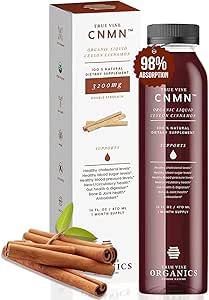
True Vine 3200mg Liquid Ceylon Cinnamon Supplement (Made in USA) for Healthy Heart, Blood Pressure, Sugar, Cholestero...
Check Price on AmazonAs an Amazon Associate we earn from qualifying purchases.
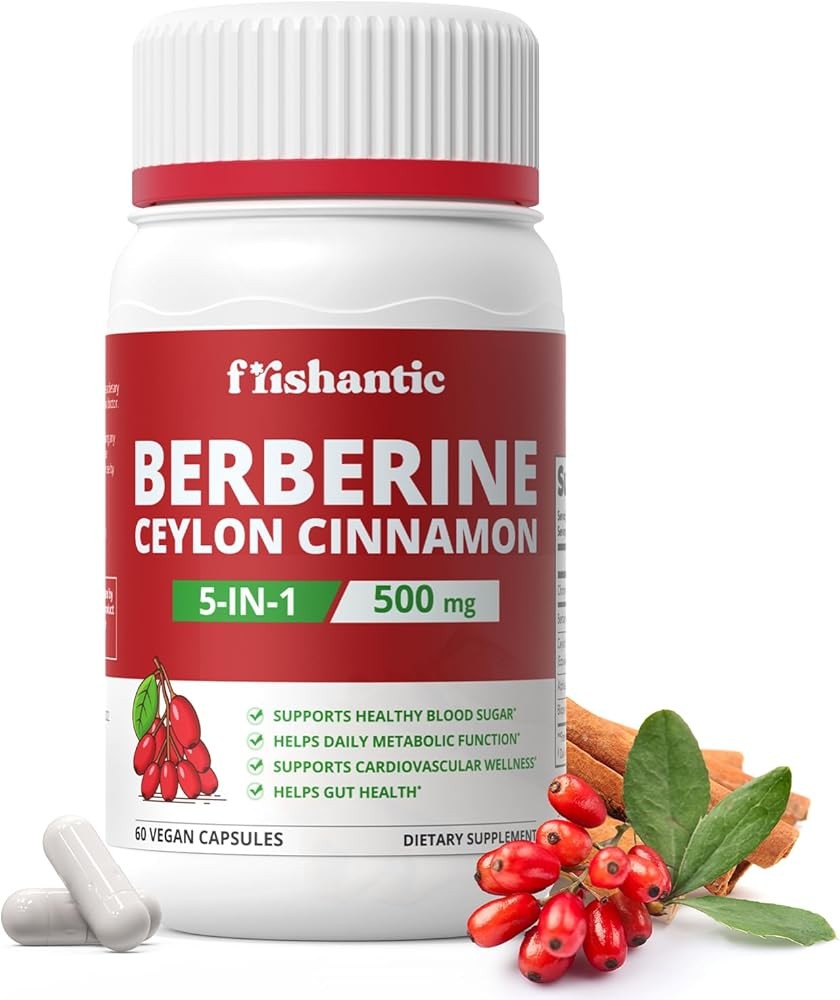
30-Day Supply Berberine with Ceylon Cinnamon, 500mg Berberine Supplement for Blood Sugar Support, Metabolism*, Gluten...
Check Price on AmazonAs an Amazon Associate we earn from qualifying purchases.
Dr. Boz - Hemoglobin A1C Home Test Kit - Blood Collection Kit with Lab Results - Blood Sugar & hbA1c Levels - Lancets...
Check Price on AmazonAs an Amazon Associate we earn from qualifying purchases.
📱 Join the discussion: Facebook | X | YouTube | Pinterest | Pinterest
How Can You Make Cinnamon Part of Your Daily Routine?
The best supplement is the one you actually take consistently. Here are evidence-based strategies for integrating cinnamon into daily life:
What Is the Best Morning Cinnamon Protocol?
Option 1: Breakfast Addition
- Add 1.5g Ceylon cinnamon powder to oatmeal, yogurt, or smoothie
- Pair with protein and healthy fat for sustained blood sugar control
- Take with vitamin C-rich fruit (berries, citrus) to enhance polyphenol absorption
Option 2: Capsule with Breakfast
- 1,000-1,500mg Ceylon cinnamon capsule with first meal
- Easier for people who dislike cinnamon taste
- More precise dosing than powder
What Is the Best Evening Cinnamon Protocol?
With Dinner:
- Additional 1-1.5g powder with evening meal
- OR cinnamon tea 30 minutes before dinner (steeps 3-4 cinnamon sticks for 15 minutes)
- Split dosing maintains more consistent blood levels
How Can You Add Cinnamon to Beverages?
Cinnamon Coffee:
- Add 1/2-1 teaspoon Ceylon cinnamon powder to coffee grounds before brewing
- Or sprinkle powder into brewed coffee
- The fat from cream/milk may enhance absorption of fat-soluble compounds
Cinnamon Tea:
- Steep 3-4 Ceylon cinnamon sticks in hot water for 10-15 minutes
- Add ginger, lemon, or turmeric for additional anti-inflammatory benefits
- Can be consumed hot or cold throughout the day
Golden Milk/Cinnamon Latte:
- Combine Ceylon cinnamon, turmeric, ginger, black pepper, and warm milk (dairy or plant-based)
- The fat in milk enhances absorption, black pepper adds piperine for bioavailability
- Evening beverage option that supports both blood sugar and sleep quality
What Foods Pair Best with Cinnamon for Blood Sugar?
High-Carb Meals: Taking cinnamon specifically with higher-carbohydrate meals maximizes its glucose-lowering benefit through:
- Alpha-glucosidase inhibition (slows carb digestion)
- Delayed gastric emptying (slows glucose absorption)
- Enhanced insulin signaling (improves glucose clearance)
Examples:
- Cinnamon in oatmeal or whole grain pancakes
- Cinnamon on sweet potato
- Cinnamon in rice pudding
- Cinnamon sprinkled on apple slices or bananas
How Should You Track Your Response to Cinnamon?
Week 1: Baseline
- Measure fasting glucose for 3-7 days, calculate average
- Get HbA1c blood test if not recently done
- Optional: fasting insulin and lipid panel for comprehensive baseline
Weeks 2-11: Intervention
- Take Ceylon cinnamon consistently at chosen dose (1.5-3g daily)
- Measure fasting glucose weekly (same time each morning)
- Track subjective factors: energy levels, carb cravings, post-meal energy crashes
Week 12: Reassessment
- Repeat HbA1c blood test
- Calculate average fasting glucose from weeks 10-12
- Compare to baseline
Decision criteria:
- Fasting glucose decreased 15+ mg/dL: clear benefit — continue
- HbA1c decreased 0.5+%: clinically meaningful — continue
- No meaningful change in either: non-responder — discontinue and reallocate resources
Bottom line: Integrate cinnamon into daily routine by adding 1.5g powder to breakfast (oatmeal, yogurt, smoothie) and 1.5g to evening meal or tea, pairing with high-carb meals for maximum benefit, and tracking fasting glucose weekly for 12 weeks to determine if you are a responder before continuing long-term.
What Is the Cost-Benefit Analysis of Cinnamon Supplementation?
One practical consideration rarely addressed in clinical discussions is whether cinnamon supplementation represents good value:
Ceylon cinnamon powder (bulk):
- Cost: $15-25 per pound (approximately 450 grams)
- Daily dose: 3 grams
- Supply duration: 150 days (5 months)
- Cost per day: $0.10-0.17
Ceylon cinnamon capsules:
- Cost: $15-30 per 120 capsules (1,200mg each)
- Daily dose: 2-3 capsules (2,400-3,600mg)
- Supply duration: 40-60 days
- Cost per day: $0.25-0.75
Cinnulin PF extract:
- Cost: $20-35 per 60 capsules (500mg each)
- Daily dose: 1 capsule
- Supply duration: 60 days
- Cost per day: $0.33-0.58
Comparison to diabetes medications:
- Metformin (generic): $0.10-0.40 per day
- Ozempic/Wegovy: $20-40 per day without insurance
- Insulin: $5-25 per day depending on type and dose
Comparison to other blood sugar supplements:
- Berberine: $0.30-0.80 per day
- Alpha-lipoic acid: $0.40-1.00 per day
- Chromium picolinate: $0.05-0.15 per day
Value proposition: At $0.10-0.75 per day, cinnamon is among the most cost-effective blood sugar interventions available. If you achieve a 20-25 mg/dL reduction in fasting glucose (the meta-analysis average), you are paying approximately $3-7 per month for clinically meaningful glucose control. For people trying to delay or minimize prescription medication escalation, this represents excellent value.
However, if you are a non-responder (no measurable glucose improvement after 12 weeks), even $0.10 per day is wasted money better spent on interventions more likely to benefit you personally.
Bottom line: Cinnamon costs $0.10-0.75 per day (bulk powder is cheapest at $0.10-0.17/day, capsules cost $0.25-0.75/day), making it among the most cost-effective blood sugar interventions available - far cheaper than prescription medications while delivering clinically meaningful 20-25 mg/dL fasting glucose reductions in responders.
What Do Medical Organizations Say About Cinnamon for Blood Sugar?
Medical organizations, such as the ADA and EFSA, do not currently recommend cinnamon for routine blood sugar management due to insufficient evidence. Understanding how major medical organizations view cinnamon helps contextualize the evidence:
American Diabetes Association (ADA): Does not specifically recommend for or against cinnamon supplementation. Their position is that while some studies show benefit, the evidence is insufficient for routine clinical recommendation. They emphasize that lifestyle (diet, exercise) and appropriate medications remain the cornerstone of diabetes management.
European Food Safety Authority (EFSA): Has not approved blood sugar health claims for cinnamon due to inconsistent evidence. However, they have issued strong warnings about coumarin toxicity from cassia cinnamon, establishing the 0.1mg/kg/day tolerable daily intake.
National Institutes of Health Office of Dietary Supplements: States that cinnamon “might lower blood sugar” in people with type 2 diabetes, but more research is needed. They note safety concerns with high-dose cassia cinnamon.
Academy of Nutrition and Dietetics: Recognizes cinnamon as a potentially beneficial complementary approach for blood sugar management when used alongside standard medical care, but not as a replacement for proven interventions.
Why the conservatism? Medical organizations require extremely robust, replicated evidence before making population-wide recommendations. The cinnamon evidence — while positive in meta-analyses — shows high heterogeneity (enormous variability between studies), some negative trials, and uncertainty about optimal dosing, species, and duration. Individual benefit is possible, but universal benefit is not established.
Practical implication: You will not hear your endocrinologist actively recommend cinnamon unless they are particularly integrative-minded. This does not mean cinnamon is ineffective — it means the evidence is not strong enough for standard-of-care recommendation. Informed self-experimentation with objective glucose monitoring remains a reasonable approach.
Bottom line: Major medical organizations (ADA, EFSA, NIH) acknowledge cinnamon “might lower blood sugar” but do not make routine recommendations due to high heterogeneity between studies and some negative trials, though the EFSA has issued strong warnings about coumarin toxicity from cassia cinnamon at therapeutic doses.
What Is the Bottom Line on Cinnamon for Blood Sugar?
Cinnamon is not a solution for diabetes. It is not a replacement for metformin, lifestyle changes, or medical supervision. But the clinical evidence — supported by a 2025 umbrella review of 21 meta-analyses — clearly shows that cinnamon supplementation does produce modest but statistically significant reductions in fasting blood glucose, cholesterol, and triglycerides in people with type 2 diabetes and metabolic syndrome.
The effect is real but moderate: expect roughly a 20-25 mg/dL reduction in fasting glucose based on meta-analysis pooled data. That is meaningful — it can be the difference between a pre-diabetic HbA1c and a normal one — but it is not going to normalize severely uncontrolled diabetes on its own.
The single most important decision you will make is choosing Ceylon cinnamon over cassia. The blood sugar mechanisms are the same (both contain cinnamaldehyde), but Ceylon reduces the coumarin liver toxicity risk that makes daily cassia supplementation genuinely dangerous for some people. This is not a theoretical concern — the EFSA and BfR have explicitly warned about cassia cinnamon consumption at the doses used in many clinical trials.
Use Ceylon cinnamon, take it with meals, give it 8-12 weeks, monitor your numbers, and combine it with the lifestyle foundations that matter far more than any supplement: fiber-rich diet, regular movement, adequate sleep, and stress management. Your pancreas will thank you.
Final practical advice: If you decide to try cinnamon, commit to a systematic 12-week trial with objective glucose monitoring. Measure your fasting glucose weekly and get HbA1c tested at baseline and week 12. This data-driven approach ensures you are not wasting time and money on a supplement that is not benefiting you personally. Cinnamon works for many people with poorly controlled diabetes — the only way to know if you are a responder is to test it systematically with Ceylon cinnamon at clinical trial doses (1.5-3g daily) for a sufficient duration (12 weeks minimum). Always choose Ceylon over cassia for long-term safety, even though cassia has slightly more clinical trial data. The coumarin risk from cassia is real and avoidable.
Related Articles
- Berberine for Blood Sugar and Weight Loss: Complete Research Review
- Chromium for Blood Sugar Control: Does This Mineral Actually Help with Diabetes?
- Alpha-Lipoic Acid for Blood Sugar and Nerve Health: What Clinical Trials Show
- Berberine vs Metformin for Blood Sugar: Complete Comparison Guide
- Best Supplements for Type 2 Diabetes: What Actually Works According to Clinical Studies
Frequently Asked Questions
Q: Which type of cinnamon is recommended for blood sugar control?
A: Ceylon cinnamon is recommended due to its low coumarin content and lack of liver toxicity risk compared to cassia cinnamon.
Q: How much cinnamon should be consumed daily for blood sugar control?
A: The optimal dose is 1.5-3 grams of Ceylon cinnamon daily for 8-12 weeks to see significant improvements in fasting blood glucose levels.
Q: How does cinnamon reduce fasting blood glucose?
A: Cinnamon enhances insulin receptors, activates GLUT-4 transporters, activates AMPK (like metformin), inhibits alpha-glucosidase enzymes, and slows gastric emptying through its bioactive compounds type-A procyanidins and cinnamaldehyde.
Q: Does cinnamon lower blood glucose levels effectively?
A: Yes, a meta-analysis of 10 RCTs found that cinnamon reduces fasting blood glucose by an average of 24.59 mg/dL, with the strongest effects seen in poorly controlled diabetes (HbA1c >8%).
Q: Is it safe to consume large amounts of cinnamon?
A: Yes, Ceylon cinnamon is safe to consume in large amounts as it contains virtually no coumarin, unlike cassia cinnamon which can exceed safe coumarin intake limits at therapeutic doses.
Q: Can cinnamon help manage type 2 diabetes?
A: Yes, a 2025 umbrella review confirmed significant improvements in fasting glucose and lipids with cinnamon supplementation, especially in type 2 diabetes patients.
Q: How long does it take to see the effects of cinnamon on blood glucose levels?
A: Studies have shown significant improvements in fasting glucose levels after 8-12 weeks of daily Ceylon cinnamon supplementation, with doses ranging from 1.5-3 grams.
Related Reading
- Chromium for Blood Sugar Control: Does This Mineral Actually Help with Diabetes
- Alpha Lipoic Acid for Blood Sugar and Nerve Health: What Clinical Trials Show
- Berberine for Blood Sugar and Weight Loss: Complete Research Review
- Berberine for Blood Sugar and Weight Loss: Complete Research Review
- Fenugreek for Testosterone and Blood Sugar: Complete Research Review
- Biotin for Hair and Nails: Does It Actually Work or Is It Overhyped?
- Resveratrol Benefits and Dosing: What the Anti-Aging Research Actually Shows
References
-
Ziegenfuss TN, et al. “Effects of a water-soluble cinnamon extract on body composition and features of the metabolic syndrome in pre-diabetic men and women.” J Int Soc Sports Nutr. 2006;3(2):45-53. PubMed: 18500972 | PMC2129164
-
Akilen R, et al. “Glycated haemoglobin and blood pressure-lowering effect of cinnamon in multi-ethnic Type 2 diabetic patients in the UK: a randomized, placebo-controlled, double-blind clinical trial.” Diabetic Medicine. 2010;27(10):1159-67. PubMed: 20854384
-
Crawford P. “Effectiveness of cinnamon for lowering hemoglobin A1C in patients with type 2 diabetes: a randomized, controlled trial.” J Am Board Fam Med. 2009;22(5):507-12. PMID: 19734396
-
Medagama AB. “The glycaemic outcomes of Cinnamon, a review of the experimental evidence and clinical trials.” Nutrition Journal. 2015;14:108. PubMed: 26475130 | PMC4609100
-
Hlebowicz J, et al. “Effect of cinnamon on postprandial blood glucose, gastric emptying, and satiety in healthy subjects.” American Journal of Clinical Nutrition. 2007;85(6):1552-6. PubMed: 17556692
-
BfR (German Federal Institute for Risk Assessment). “Cassia cinnamon with high coumarin contents to be consumed in moderation.” BfR Press Release
-
Assessment of coumarin levels in ground cinnamon. Food and Nutrition Science. 2012. PMC3385612
-
Efficacy of cinnamon supplementation on glycolipid metabolism in T2DM. Frontiers in Physiology. 2022. PMC9731104
Recommended Products