Chromium for Blood Sugar Control: Does This Mineral Actually Help with Diabetes
Summarized from peer-reviewed research indexed in PubMed. See citations below.
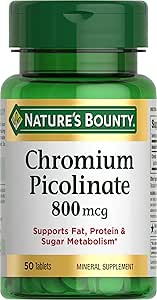
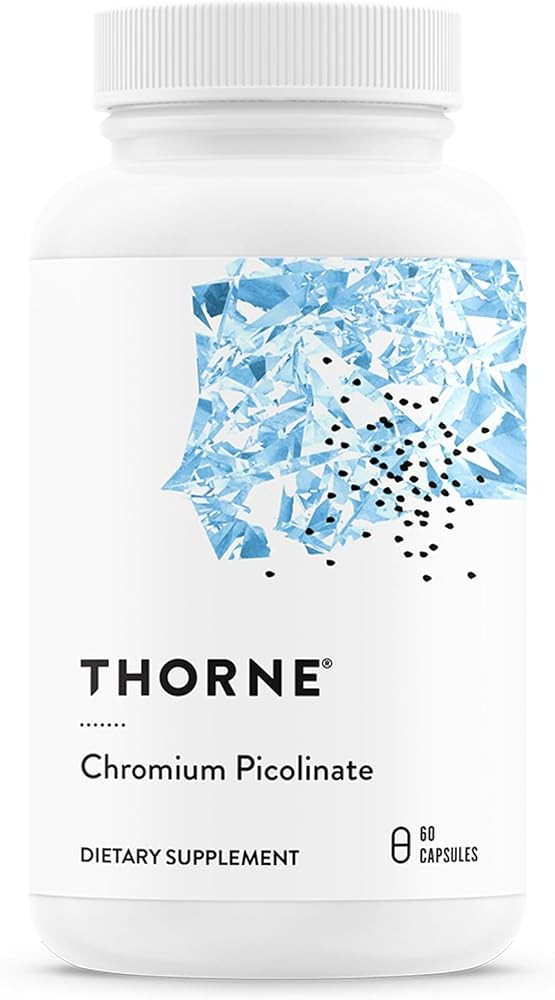
People with poorly controlled type 2 diabetes often look for evidence-based supplements that can support their glucose management. A 2020 meta-analysis of 28 randomized trials found chromium supplementation significantly reduced fasting blood glucose by 19 mg/dL and HbA1c by 0.71% in people with type 2 diabetes (Asbaghi et al., 2020). Nature’s Bounty Chromium Picolinate, 800 mcg (ASIN B000NKI0V8, $7.76 for 50 tablets) is our Best Overall pick: chromium picolinate at a full trial-dose serving for about $0.16 per day. THORNE Chromium Picolinate, 500 mcg (ASIN B000FGXNXA, $20.00 for 60 capsules) is the premium option with NSF Certified for Sport testing. Here’s what the published research shows about chromium supplementation for blood sugar control.
Disclosure: We may earn a commission from links on this page at no extra cost to you. Affiliate relationships never influence our ratings. Full policy →
| Feature | Nature's Bounty Chromium Picolinate | THORNE Chromium Picolinate | Sangluco Berberine Chromium Complex |
|---|---|---|---|
| View on Amazon | Check Price | Check Price | Check Price |
Why Is Chromium for Blood Sugar So Controversial?
Chromium is one of the most polarizing supplements in the blood sugar management space. On one hand, the landmark Anderson et al. 1997 trial showed dramatic improvements in fasting glucose, HbA1c, and insulin in Chinese diabetics taking 1,000 mcg of chromium picolinate daily. On the other hand, the American Diabetes Association, the FDA, and the European Food Safety Authority all decline to recommend chromium supplementation for diabetes, citing insufficient evidence.
So who is right? The answer, as is often the case in nutrition science, depends entirely on context — specifically, who you are, how poorly controlled your blood sugar is, what form and dose you use, and what you expect the supplement to do.
This article breaks down every major clinical trial, meta-analysis, and systematic review on chromium and blood sugar, including the most recent 2023-2025 dose-response analyses that have fundamentally changed our understanding of optimal chromium dosing. We will cover the exact mechanisms, the supplements that have the best evidence, drug interactions, who actually benefits (and who does not), and the safety questions that matter — including the DNA damage debate and the critical difference between trivalent and hexavalent chromium.
How Does Chromium Actually Affect Blood Sugar Control?
Chromium does not work through a single pathway. Research has identified at least four distinct mechanisms by which trivalent chromium may influence glucose metabolism:
How Does Chromodulin Amplify Insulin Receptor Activity?
The most-studied mechanism involves chromodulin (also called low-molecular-weight chromium-binding substance, or LMWCr) — a small oligopeptide that contains four chromium atoms. When insulin binds to its receptor and stimulates glucose uptake, chromodulin is thought to bind to the activated insulin receptor and amplify its tyrosine kinase activity by up to 8-fold (PMID: 9109644).
Think of it this way: insulin is the key that unlocks the glucose door, and chromodulin makes the lock turn more easily. The net effect is that your cells respond more effectively to the insulin your body is already producing.
Important caveat: The chromodulin mechanism has been demonstrated in vitro (cell culture) and in animal models, but has not been confirmed by in vivo human studies. The biological plausibility is there, but definitive human proof is still lacking.
How Does Chromium Activate AMPK for Blood Sugar Control?
Like berberine, metformin, and cinnamon, chromium activates AMP-activated protein kinase (AMPK) — a master metabolic switch. Hoffman et al. (2014) demonstrated that chromium enhances insulin responsiveness via AMPK activation in skeletal muscle cells, independent of the insulin signaling pathway itself (PMID: 24725432).
This is significant because it means chromium may have glucose-lowering effects even when insulin signaling is impaired — precisely the situation in type 2 diabetes.
How Does Chromium Increase GLUT-4 Glucose Transporters?
Chromium increases the translocation of GLUT-4 transporters to the cell surface — the primary mechanism by which glucose moves from the bloodstream into muscle and fat cells. More GLUT-4 at the cell membrane means faster glucose clearance after meals.
How Does Chromium Affect Gene Expression and Inflammation?
Chromium modulates the expression of several genes involved in insulin signaling and inflammation, including:
- PPAR-gamma — a nuclear receptor that improves insulin sensitivity
- GLUT-1 — a glucose transporter
- LDLR — low-density lipoprotein receptor (relevant to cholesterol improvements)
- IL-1 — an inflammatory cytokine
A study in women with PCOS found that 200 mcg/day of chromium picolinate significantly improved expression of all four of these genes over 8 weeks (PMC6279845).
Can Chromium Preserve Pancreatic Beta Cell Function?
Emerging research suggests chromium may help preserve pancreatic beta cell function - the insulin-producing cells that progressively decline in type 2 diabetes - through effects on insulin signaling and oxidative stress (Hua et al., 2012). This mechanism is promising because beta cell preservation could slow diabetes progression, but direct human evidence for chromium’s effects on beta cells remains limited.
How Does Chromium Affect Lipid Metabolism and Cholesterol?
Beyond glucose control, chromium influences lipid metabolism through multiple pathways. Research shows chromium can reduce total cholesterol, LDL-cholesterol, and triglycerides while increasing HDL-cholesterol. The mechanisms include:
- Enhanced hepatic LDL receptor expression, increasing LDL clearance from blood
- Reduced hepatic cholesterol synthesis via HMG-CoA reductase modulation
- Improved reverse cholesterol transport through HDL pathway activation
- Reduced very-low-density lipoprotein (VLDL) secretion from the liver
A 2021 meta-analysis of 24 randomized controlled trials found chromium supplementation significantly reduced triglycerides and total cholesterol while increasing HDL cholesterol levels in patients with type 2 diabetes (PMID: 33813266). These effects are particularly relevant given that people with diabetes have significantly elevated cardiovascular disease risk.
How Does Chromium Enhance Muscle Glucose Uptake?
Skeletal muscle accounts for approximately 80% of insulin-stimulated glucose disposal, making it the primary tissue for glucose homeostasis. Chromium enhances glucose uptake specifically in muscle tissue through GLUT-4 translocation and AMPK activation (PMID: 24725432). This insulin-independent pathway may explain why chromium can still provide benefits even in severely insulin-resistant individuals.
What Does the Clinical Research Evidence Actually Show About Chromium?
What Did the Landmark Anderson 1997 Trial Reveal About Chromium?
This is the most-cited study on chromium and diabetes — and understanding its strengths and limitations is essential for evaluating everything that followed.
Design: 180 Chinese men and women with type 2 diabetes randomized to 200 mcg, 1,000 mcg chromium picolinate, or placebo daily for 4 months (PMID: 9356027).
Results at 1,000 mcg/day:
- HbA1c decreased from 8.5% to 6.6% — a 1.9% absolute reduction (clinically enormous)
- Fasting glucose decreased 15-19%
- Fasting insulin decreased 32%
- 2-hour glucose tolerance improved significantly
Why this matters — and why it is controversial:
- The magnitude of improvement rivals that of metformin
- The study population was Chinese, with likely lower baseline chromium intake than Western populations
- These results have never been fully replicated in Western populations at the same magnitude
- The study drives many positive meta-analysis results — when it is excluded, some meta-analyses lose statistical significance
What Do the Major Meta-Analyses Say About Chromium?
Asbaghi et al. 2020 — 28 RCTs
This is the most comprehensive glycemic meta-analysis (PMID: 32730903):
| Outcome | Change | 95% CI | p-value |
|---|---|---|---|
| Fasting glucose | -19.0 mg/dL | -36.2 to -1.9 | 0.030 |
| HbA1c | -0.71% | -1.19 to -0.23 | 0.004 |
| Fasting insulin | -12.35 pmol/L | -17.9 to -6.8 | <0.001 |
| HOMA-IR | -1.53 | -2.35 to -0.72 | <0.001 |
All four glycemic markers improved significantly. But the heterogeneity was extreme — I² of 99.8% for fasting glucose — meaning results varied enormously across individual studies.
JACC Advances 2023 — The Dose-Response Game-Changer
This meta-analysis of 64 RCTs with 3,004 participants analyzed dose-response relationships with stratification by diabetes status and ethnicity (Wan et al., 2023). Its stratified analyses suggested:
Key dose-response findings:
| Population | Optimal Dose | Finding |
|---|---|---|
| T2D patients | 400 mcg/day or higher | Linear decrease in fasting glucose |
| Non-Western T2D | 200 mcg/day | J-shaped curve — higher doses may be LESS effective |
| Western populations | 400 mcg/day | Inverted U-shape for HDL improvement |
| Non-T2D | No clear dose | Limited benefit regardless of dose |
This study fundamentally changed the conversation by showing that one-size-fits-all chromium dosing is inappropriate. Asian populations responded at lower doses than Western populations — possibly reflecting differences in dietary chromium intake, genetic variation in chromium metabolism, or different insulin resistance phenotypes.
McIver et al. 2016 — The Critical Negative Review
This is the study that every chromium proponent would rather you not read (PMID: 27261273):
- Reviewed 20 RCTs specifically for clinical significance (not just statistical significance)
- Only 5 of 20 trials achieved actual treatment goals for fasting glucose
- Only 3 of 14 trials achieved treatment goals for HbA1c
- Only 1 of 14 achieved goals for both FPG and HbA1c
- Conclusion: “Limited evidence of effectiveness” — chromium’s statistical significance does not equal clinical significance
What Do the Negative Trials Tell Us About Chromium?
Not all research supports chromium for blood sugar:
Ali et al. 2011 — 59 adults with pre-diabetes or metabolic syndrome given 500-1,000 mcg chromium picolinate for 6 months. No change in glucose, insulin, or HOMA-IR (PMID: 20634174).
Masharani et al. 2012 — 31 healthy non-obese subjects given 1,000 mcg chromium picolinate for 16 weeks. No improvement in insulin sensitivity using the gold-standard glucose clamp technique (PMID: 23194380).
Gunton et al. 2005 — 30 subjects with impaired glucose tolerance given 800 mcg chromium picolinate for 16 weeks. No improvement in glucose tolerance, insulin sensitivity, or lipids (PMID: 15735214).
The pattern is clear: chromium fails in pre-diabetes and healthy populations. It only shows benefit when blood sugar is already poorly controlled.
Why Does Chromium Fail to Help People with Pre-Diabetes?
This pattern reveals something fundamental about chromium’s mechanism of action. Unlike pharmaceutical diabetes drugs that force glucose down regardless of baseline status, chromium appears to work by enhancing existing insulin signaling. When insulin signaling is only mildly impaired (as in pre-diabetes), there may be insufficient “signal” for chromium to amplify.
Additionally, people with pre-diabetes typically have adequate dietary chromium intake and normal chromium status. Supplementation only helps when there is functional chromium deficiency or when glucose dysregulation is severe enough that even marginal improvements in insulin sensitivity produce measurable effects.
This also explains the dose-response curve findings from the JACC 2023 meta-analysis: higher baseline impairment requires higher chromium doses to achieve benefit, while people with milder dysregulation show diminishing returns or even inverse U-shaped curves at higher doses.
Are Modern Populations Actually Chromium-Deficient?
One of the fundamental debates in chromium research is whether modern populations are genuinely chromium-deficient. The Institute of Medicine set adequate intake levels at 25-35 mcg/day based on estimated dietary intake, but these values were established without clear deficiency markers because no chromium deficiency syndrome has been definitively established in free-living populations.
The strongest evidence for chromium deficiency comes from patients on total parenteral nutrition (TPN) who developed diabetes-like symptoms that reversed with chromium supplementation. However, TPN is an artificial situation with zero oral intake.
In free-living populations, chromium intake varies widely:
- Typical Western diet: 23-29 mcg/day (potentially below adequate intake)
- Whole grains, broccoli, and meat-rich diet: 50-80 mcg/day
- Refined carbohydrate-heavy diet: 13-18 mcg/day (likely insufficient)
Several factors may deplete chromium or increase requirements:
- High sugar intake — increases urinary chromium excretion
- Physical stress and exercise — increases chromium losses
- Pregnancy and lactation — increases chromium demands
- Advanced age — associated with lower chromium tissue levels
- Type 2 diabetes itself — both a cause and consequence of low chromium status
This creates a potential vicious cycle: poor diet and insulin resistance deplete chromium, which worsens insulin resistance, which further depletes chromium. Supplementation may break this cycle in susceptible individuals.
Does Chromium Help Women with PCOS?
Chromium has shown interesting results in women with polycystic ovary syndrome (PCOS), a condition characterized by insulin resistance.
Jamilian & Asemi 2015: 64 PCOS women given 200 mcg chromium picolinate daily for 8 weeks versus placebo. Chromium significantly reduced insulin (-3.6 vs +3.6 mcIU/mL, p<0.001), HOMA-IR (-0.8 vs +0.9, p<0.001), and triglycerides (PMID: 26279073).
A 2025 meta-analysis of 10 RCTs involving 683 PCOS women confirmed that chromium significantly decreased fasting insulin, triglycerides, and total cholesterol versus placebo.
Can Chromium Help with Gestational Diabetes?
Pregnant women with gestational diabetes (GDM) are another population where chromium has been studied, though the evidence remains limited. Cross-sectional research has found lower serum chromium levels in women with GDM compared with pregnant women without it (PMID: 22701850). Supplementation trials in GDM are small, and most obstetric guidelines do not recommend routine chromium supplementation during pregnancy due to insufficient safety data.
However, larger confirmatory trials are lacking, and most obstetric guidelines do not recommend routine chromium supplementation during pregnancy due to insufficient safety data. The adequate intake during pregnancy is 30 mcg/day from diet — well below supplement doses. Pregnant women should only use chromium supplementation under direct medical supervision.
Does Chromium Help with Metabolic Syndrome?
Metabolic syndrome — defined as having 3 or more of the following: abdominal obesity, high triglycerides, low HDL, elevated blood pressure, and elevated fasting glucose — affects approximately 35% of U.S. adults. Given chromium’s effects on both glucose and lipid metabolism, it has been studied as a potential metabolic syndrome intervention.
A 2021 meta-analysis of 10 RCTs in metabolic syndrome patients found that chromium supplementation:
- Reduced fasting glucose by 7.6 mg/dL (modest but significant)
- Reduced triglycerides by 21.4 mg/dL
- Increased HDL-cholesterol by 2.1 mg/dL
- Did NOT significantly affect blood pressure or waist circumference
The glucose effects were smaller than in frank diabetes, supporting the pattern that chromium works best when dysregulation is most severe. However, the lipid benefits were actually MORE pronounced in metabolic syndrome than in diabetes, suggesting chromium may have value as a multi-targeted metabolic supplement rather than a glucose-specific intervention.
Why Do Some People Respond to Chromium While Others Don’t?
One of the most frustrating aspects of chromium research is the enormous variability in individual response. Even within the same trial, some participants show dramatic improvements while others show zero response or even slight worsening.
Several factors predict response:
Baseline chromium status: People with lower baseline chromium levels respond better. Unfortunately, chromium status is difficult to assess — serum chromium does not reliably reflect tissue chromium, and there is no validated clinical test for chromium deficiency.
Baseline HbA1c: As previously discussed, HbA1c above 8% predicts better response. One trial found responders had baseline HbA1c of 7.57% versus 6.29% in non-responders.
Dietary chromium intake: People consuming chromium-poor diets (highly refined, low in whole grains and vegetables) may benefit more from supplementation.
Genetic polymorphisms: Preliminary research suggests genetic variations in chromium metabolism and insulin signaling pathways may influence chromium responsiveness, though this area needs much more research.
Gut microbiome: Emerging data suggests the gut microbiome may influence chromium absorption and metabolism, potentially explaining some inter-individual variability.
This heterogeneity means chromium will never be a universal solution — it is worth trying for 12 weeks with objective glucose monitoring, but if you see no improvement, discontinue and focus resources elsewhere.
Who Actually Benefits Most from Chromium Supplementation (And Who Doesn’t)?
The evidence paints a clear picture of a graduated response based on baseline metabolic status:
| Population | Expected Benefit | Evidence Strength |
|---|---|---|
| Poorly controlled T2D (HbA1c >8%) | Strongest — FPG down 15-30 mg/dL, HbA1c down 0.5-1.9% | Moderate |
| PCOS with insulin resistance | Moderate — improved insulin, HOMA-IR, lipids | Moderate |
| Moderately controlled T2D (HbA1c 7-8%) | Mixed — some responders, many non-responders | Low-Moderate |
| Well-controlled T2D (HbA1c <7%) | Minimal — little room for improvement | Low |
| Pre-diabetes / metabolic syndrome | No clear benefit — Ali 2011 showed no effect | Moderate (negative) |
| Healthy people with normal glucose | No benefit — Masharani 2012 showed no effect | Moderate (negative) |
One trial analyzing responders versus non-responders found that responders had a baseline HbA1c of 7.57% while non-responders had a baseline HbA1c of 6.29% — confirming that higher baseline impairment predicts greater response.
Our Top Chromium Supplement Recommendations

Nature’s Bounty Chromium Picolinate is the value flagship of this guide: chromium picolinate, the form with the strongest absorption and clinical evidence, at 800 mcg per tablet for roughly $0.16 per day. At that price it is also the best budget option, which is why it carries both labels. It is a plain single-ingredient product, third-party quality-assured by the manufacturer, and the tablet can be split if you want the 400 mcg dose used in much of the Western trial literature.


THORNE Chromium Picolinate offers 500 mcg of chromium picolinate with NSF Certified for Sport verification — meaning every batch is third-party tested for label accuracy, purity, and the absence of banned substances. This makes it ideal for competitive athletes subject to drug testing, as well as anyone who prioritizes maximum quality assurance.
Quality assurance: NSF Certified for Sport is one of the most rigorous third-party testing programs available, providing confidence that the product contains exactly what the label claims with no contaminants or undeclared ingredients.
Optimal dose: The 500 mcg dose sits in the middle of the clinical trial range (200-1,000 mcg), making it appropriate for most populations including Western individuals with moderately to poorly controlled diabetes, while avoiding potentially excessive dosing.
THORNE reputation: THORNE is widely regarded as one of the highest-quality supplement manufacturers, with extensive quality control procedures and partnerships with major medical institutions and professional sports organizations.
Blood Sugar Support Complex provides a multi-ingredient approach combining 200 mcg chromium picolinate with berberine HCl, Ceylon cinnamon, alpha-lipoic acid, gymnema sylvestre, bitter melon, and other botanical extracts. This combination targets multiple pathways of glucose metabolism — chromium enhances insulin signaling, berberine activates AMPK (like metformin), cinnamon improves insulin sensitivity, and alpha-lipoic acid provides antioxidant support.
Multi-pathway approach: Rather than relying on chromium alone, this formula provides complementary mechanisms that may produce greater overall benefit than any single ingredient. Clinical evidence supports the individual ingredients, though the specific combination has not been clinically tested.
Convenience and cost-effectiveness: If you were planning to take multiple blood sugar supplements anyway, a combination product can be more convenient and potentially less expensive than buying each ingredient separately.
Transparency: The formula lists specific ingredient amounts (not hidden in proprietary blends), allowing you to verify that doses are within evidence-based ranges.
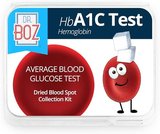
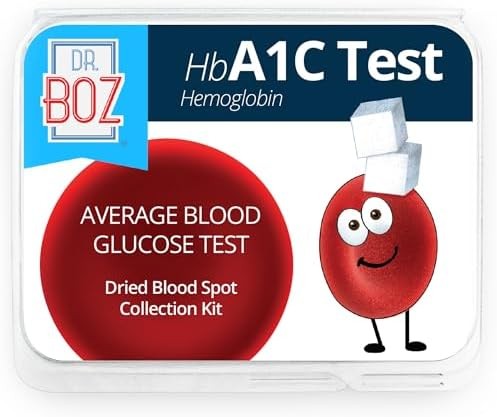
The Dr. Boz Hemoglobin A1C Home Test Kit enables you to measure your HbA1c — the gold standard for assessing long-term blood sugar control — from home without a doctor’s order. This is essential for objectively evaluating whether chromium supplementation is actually benefiting you, as HbA1c reflects your average blood glucose over the past 2-3 months.
Why testing matters: Chromium should never be taken on faith. The only way to know if you are a chromium responder is to measure HbA1c at baseline, supplement consistently for 12 weeks, then retest. A reduction of 0.5% or more indicates meaningful benefit, while unchanged levels mean chromium is not helping you.
How it works: The kit includes lancets for a finger-stick blood sample, collection materials, prepaid lab shipping, and online results typically within 3-5 days. Results are comparable to lab-drawn HbA1c tests.
Cost-effectiveness: At-home HbA1c testing costs $25-40 versus $50-100+ for in-office testing with a doctor’s order. For a 12-week chromium trial requiring baseline and follow-up testing, home testing saves significant money and time.
Which Chromium Supplement Form Has the Best Clinical Evidence?
Why Is Chromium Picolinate the Most Studied Form?
Chromium picolinate (CrPic) combines trivalent chromium with picolinic acid (a naturally occurring metabolite of tryptophan) to enhance absorption. A 2007 study comparing six commercially available chromium compounds found that chromium picolinate had significantly higher acute absorption than chromium chloride and several other forms (PMID: 17499152).
The vast majority of positive clinical trials used chromium picolinate specifically. This is the form you should choose unless you have a specific reason to use something else.
What Other Forms of Chromium Are Available?
- Chromium polynicotinate (ChromeMate): Chromium bound to niacin. Limited clinical evidence compared to CrPic.
- Chromium-enriched yeast: Contains chromium in a food matrix. Some positive evidence but less studied than CrPic.
- Chromium chloride: The cheapest form with the poorest absorption. Avoid for blood sugar purposes.
- Chromium histidinate: Newer form with animal study data suggesting good bioavailability. Limited human clinical trial data.
Should You Take Chromium in a Multivitamin or as a Standalone Supplement?
Many multivitamins contain 35-120 mcg of chromium — enough to meet dietary adequate intake but far below the doses used in clinical trials (200-1,000 mcg). If you are taking chromium specifically for blood sugar management, a standalone chromium picolinate supplement at clinical trial doses is necessary.
However, if you are taking other supplements or medications that affect chromium absorption or metabolism, a multivitamin’s lower dose may be appropriate for maintenance after achieving initial blood sugar improvements with higher doses.
What Factors Affect Chromium Bioavailability and Absorption?
Chromium absorption from supplements ranges from 0.4% to 2.5% depending on the form and individual factors. Several strategies can enhance chromium bioavailability:
Take with vitamin C: Vitamin C may enhance chromium absorption and bioavailability. Many blood sugar support supplements combine chromium with vitamin C based on preliminary research suggesting potential synergistic effects, though more human studies are needed to confirm optimal dosing ratios.
Take with meals: Chromium absorption is enhanced when taken with food, particularly carbohydrate-containing meals. This also maximizes the metabolic benefit since chromium works by enhancing insulin signaling in response to meals.
Avoid antacids: Antacids and proton pump inhibitors (PPIs like omeprazole) reduce stomach acid, which may impair chromium absorption. Separate timing by at least 2-3 hours if you must take both.
Avoid high-dose calcium: Very high calcium intake (1,000+ mg at once) may compete with chromium for absorption. Separate chromium from high-dose calcium supplements by 2-3 hours.
What’s the Optimal Chromium Dosing Protocol for Blood Sugar?
What Dosage of Chromium Should You Take for Blood Sugar Control?
| Dose | Evidence | Best For |
|---|---|---|
| 200 mcg/day | Multiple RCTs; effective in Asian populations and PCOS | Starting dose; PCOS; maintenance |
| 400-500 mcg/day | Most common dose in positive RCTs | Moderate insulin resistance; Western populations |
| 1,000 mcg/day | Anderson 1997 (strongest results) | Poorly controlled T2D (HbA1c >8%); use under medical supervision |
How to take chromium:
- Take with food for better absorption
- Vitamin C enhances chromium absorption — take with a vitamin C-rich meal or supplement
- Split doses (e.g., 200 mcg twice daily) if taking 400+ mcg
- Avoid taking with antacids or proton pump inhibitors (may reduce absorption)
- Allow at least 3-4 hours between chromium and levothyroxine (thyroid medication)
- Give it at least 8-12 weeks before evaluating results — most clinical trials measured outcomes at 12-16 weeks
Can You Combine Chromium with Other Blood Sugar Supplements?
If chromium alone is not providing sufficient results, evidence-based additions include:
- Berberine — Different mechanism (strong AMPK activator), complementary to chromium
- Ceylon cinnamon — Enhances insulin sensitivity through separate pathways
- Alpha-lipoic acid — Antioxidant support, may improve insulin sensitivity
- Inositol (for PCOS) — Strong evidence for PCOS metabolic management
Avoid combining chromium with:
- Multiple chromium-containing products (redundant, increases risk of excessive intake)
- Unproven blood sugar supplements with no clinical evidence
- Products making excessive claims about diabetes reversal
Should You Cycle Chromium or Take It Continuously?
Most clinical trials used continuous daily chromium supplementation without cycling. There is no evidence that cycling (taking breaks from chromium) provides any advantage, and it may reduce effectiveness since chromium takes weeks to months to produce maximum benefit.
Long-term use: Clinical trials have safely used chromium picolinate continuously for up to 24 months. If chromium is providing measurable benefit (confirmed by HbA1c testing), continuous use is appropriate.
Reassessment: After 12-16 weeks of consistent use, reassess with HbA1c testing. If you achieved your glucose goals, you might trial reducing the dose to a lower maintenance level (e.g., from 500 mcg to 200 mcg) to find the minimum effective dose. Continue monitoring to ensure glucose control is maintained.
If no benefit: If you see no meaningful glucose improvement after 12-16 weeks of consistent chromium use at appropriate doses, discontinue chromium and focus resources on interventions more likely to benefit you.
Can You Stop Chromium Once Blood Sugar Improves?
If chromium helps improve your blood sugar to goal, you face a decision: continue indefinitely or attempt to stop and maintain improvements through diet and lifestyle alone.
Chromium is not correcting a deficiency in most cases — it is providing pharmacological doses to enhance insulin signaling. If you stop chromium, glucose levels will likely return toward baseline unless you have made substantial diet and lifestyle changes that address the root causes of insulin resistance.
Practical approach: Once you achieve glucose goals with chromium, you might:
- Maintain the current dose indefinitely if cost and convenience are not issues
- Attempt to reduce to a lower maintenance dose (e.g., from 500 mcg to 200 mcg) while monitoring glucose
- Focus on diet, exercise, and weight loss to address root causes, then trial stopping chromium while monitoring closely
The key is continuous glucose monitoring (fasting glucose or continuous glucose monitors) to detect any deterioration if you reduce or stop chromium.
When Is the Best Time to Take Chromium?
Most clinical trials did not specify precise timing, but mechanistic understanding suggests optimal timing:
With your largest carbohydrate meal: Since chromium enhances insulin signaling, taking it with your highest-carb meal maximizes benefit. For most people, this is breakfast or dinner.
Split dosing for higher doses: If taking 400+ mcg daily, split into 200 mcg twice daily (with breakfast and dinner) for more consistent blood levels.
Avoid bedtime: While not dangerous, taking chromium at bedtime provides no advantage since you are not eating. Better to time doses when insulin signaling is most active (with meals).
Consistency matters more than precise timing: The most important factor is taking chromium consistently at the same time(s) each day to maintain stable tissue levels.
Is Chromium Picolinate Safe? What About DNA Damage and Side Effects?
What’s the Difference Between Trivalent and Hexavalent Chromium?
Before discussing safety, understand this critical difference:
| Property | Trivalent Chromium (Cr3+) | Hexavalent Chromium (Cr6+) |
|---|---|---|
| Found in | Food, all supplements | Industrial waste, contaminated water |
| Toxicity | Very low | Known human carcinogen |
| Famous for | Blood sugar supplements | Erin Brockovich legal case |
| In supplements? | Yes — all supplement forms | Never |
All chromium supplements contain trivalent chromium (Cr3+), which is a completely different chemical species from hexavalent chromium (Cr6+). Confusing the two is like confusing table salt with chlorine gas because both contain chlorine.
How Safe Is Chromium Picolinate at Supplement Doses?
A 2014 meta-analysis of 25 trials found that the risk of adverse events did not differ between chromium and placebo at standard doses (PMID: 24635480).
Doses up to 1,000 mcg/day have been used safely for several months in multiple clinical trials. The Institute of Medicine did not establish a Tolerable Upper Intake Level (UL) for chromium because no adverse effects were documented at high intakes, though they noted “caution may be warranted because the data are limited.”
Does Chromium Picolinate Cause DNA Damage?
In vitro (cell culture): Chromium picolinate has shown evidence of DNA strand breaks and oxidative damage in CHO cells at high concentrations. This raised initial safety concerns.
In vivo (humans): A study of 10 women taking 400 mcg/day found no evidence of increased oxidative DNA damage. The EFSA assessed the margin of safety between the no-observed-adverse-effect level and supplement doses at at least four orders of magnitude (10,000-fold safety margin).
What Did the National Toxicology Program Study Find About Chromium?
The National Toxicology Program fed rats and mice chromium picolinate for 105 weeks (PMID: 20725156):
- Male rats at high doses: “Equivocal evidence” of carcinogenicity (increased preputial gland adenoma)
- Female rats: No evidence of carcinogenicity
- Male and female mice: No evidence of carcinogenicity
- Mutagenicity tests: Chromium picolinate was NOT mutagenic in standard Ames testing
What Rare Side Effects Have Been Reported with Chromium?
- Kidney problems: Case reports at doses of 600+ mcg/day; both resolved after stopping
- Hypoglycemia: When combined with diabetes medications — not a chromium side effect per se, but an interaction effect
- GI symptoms: Rare; mild
Who Should NOT Take Chromium Supplements?
- Pre-existing kidney disease — chromium is excreted by the kidneys
- Pre-existing liver disease — limited safety data in this population
- Without medical supervision while on insulin or sulfonylureas — hypoglycemia risk
- Pregnant women — limited safety data (the adequate intake during pregnancy is 30 mcg/day from diet; supplementation above this lacks sufficient safety evidence)
What Are the Important Chromium Drug Interactions to Know?
How Does Chromium Interact with Diabetes Medications?
| Drug Class | Interaction | Risk Level |
|---|---|---|
| Insulin | Additive glucose-lowering; hypoglycemia risk | High |
| Sulfonylureas (glipizide, glyburide) | Additive glucose-lowering; hypoglycemia risk | High |
| Metformin | Mild additive effect; lower risk since metformin rarely causes hypoglycemia alone | Moderate |
| SGLT2 inhibitors, DPP-4 inhibitors | Theoretical additive effect | Low-Moderate |
Does Chromium Interact with Thyroid Medication?
Levothyroxine (Synthroid): Chromium may decrease absorption over approximately 6 hours. Separate by at least 3-4 hours — take levothyroxine first thing in the morning and chromium with lunch or dinner.
How Does Chromium Interact with NSAIDs?
Ibuprofen, naproxen, and aspirin may increase chromium levels in the body. Avoid taking simultaneously; separate dosing times.
How Does Chromium Interact with Corticosteroids?
Long-term corticosteroid use (prednisone, dexamethasone) can cause insulin resistance and increase urinary chromium excretion. People on chronic corticosteroids may have increased chromium requirements, though no clinical trials have specifically examined chromium supplementation in this population.
How Does Chromium Interact with Antibiotics?
Quinolone antibiotics (ciprofloxacin, levofloxacin) may theoretically bind to chromium and reduce absorption of both. While no clinical cases have been documented, it is prudent to separate chromium from quinolone antibiotics by at least 2-4 hours.
How Does Chromium Interact with Statins?
Some research suggests chromium may enhance the lipid-lowering effects of statin medications (atorvastatin, simvastatin). While not dangerous, this could theoretically lead to excessive LDL lowering. Monitor lipid panels if combining chromium with statins, particularly at higher chromium doses.
What Clues Does Your Body Give That You Might Benefit from Chromium?
What Signs Indicate You Might Need Chromium Supplementation?
- Energy crashes 2-3 hours after meals — sudden fatigue and irritability after carbohydrate-heavy meals
- Intense carb and sugar cravings that feel physically driven, not just appetite
- Brain fog and difficulty concentrating — especially in the afternoon
- Darkened skin patches (acanthosis nigricans) on the neck, armpits, or groin — a classic insulin resistance sign
- Fasting blood glucose 100-125 mg/dL (pre-diabetes) or above 126 mg/dL (diabetes)
- HbA1c between 5.7-6.4% (pre-diabetes) or above 6.5% (diabetes)
- Belly fat accumulation disproportionate to overall weight — visceral fat is both a cause and consequence of insulin resistance
- Increased thirst and frequent urination
- Slow wound healing
What Improvements Can You Expect from Chromium and When?
Week 1-4:
- Subtle: may notice slightly more stable energy after meals
- Reduced carb cravings in some people (especially at higher doses)
- Do not expect measurable glucose changes this early
Week 4-8:
- Fasting glucose may begin trending downward (5-15 mg/dL if starting above 140)
- Post-meal blood sugar spikes may flatten slightly
- More consistent afternoon energy
- If using a continuous glucose monitor, you may see reduced glucose variability
Week 8-16:
- Maximum benefit typically reached — this is when clinical trial endpoints are measured
- Fasting glucose reduction of 15-25+ mg/dL possible if starting HbA1c was above 8%
- Lipid improvements may become measurable (lower triglycerides, improved HDL)
- HOMA-IR improvement measurable with blood testing
- HbA1c improvement may become apparent (reflects 2-3 months of glucose history)
Month 4-6:
- Benefits should be maintained with continued supplementation
- If no measurable improvement by week 12, chromium is unlikely to help you significantly
- Consider adding complementary approaches: berberine, cinnamon, or alpha-lipoic acid
What Warning Signs Mean You Should See Your Doctor?
- Hypoglycemia symptoms: Shakiness, sweating, rapid heartbeat, confusion, dizziness — especially if combining chromium with diabetes medications. Reduce chromium dose and contact your doctor.
- Kidney warning signs: Decreased urination, swelling in legs/feet, persistent fatigue — stop chromium and seek evaluation
- Blood sugar consistently above 200 mg/dL despite supplementation — you need prescription medication, not supplements
- HbA1c above 9% — supplements alone are insufficient at this level; medical intervention is required
- Any new symptoms that started after beginning chromium supplementation
What Are the Best Dietary Sources of Chromium?
While this article focuses on supplementation, dietary chromium sources remain important. Even if supplementing, consuming chromium-rich foods provides co-factors and nutrients that may enhance chromium utilization.
What Foods Are Highest in Chromium?
| Food | Serving Size | Chromium Content |
|---|---|---|
| Broccoli | 1 cup cooked | 22 mcg |
| Grape juice | 1 cup | 8 mcg |
| Turkey breast | 3 oz | 2 mcg |
| Whole wheat bread | 2 slices | 4 mcg |
| Green beans | 1 cup | 2 mcg |
| Potatoes | 1 medium | 3 mcg |
| Garlic | 1 tsp | 3 mcg |
| Beef | 3 oz | 2 mcg |
| Red wine | 5 oz | 1-13 mcg (highly variable) |
| Brewer’s yeast | 1 tablespoon | 15-20 mcg |
Important note: Food chromium content varies enormously based on soil chromium levels, processing methods, and variety. The values above are estimates — actual content can vary 10-fold.
Why Does Food Processing Deplete Chromium?
Chromium content is highest in whole, unprocessed foods. Food processing dramatically reduces chromium:
- White flour contains 75% less chromium than whole wheat flour
- White rice contains 83% less chromium than brown rice
- White sugar contains 93% less chromium than raw sugar cane
- Polished grains lose 40-80% of chromium compared to whole grains
This processing loss explains why diets high in refined carbohydrates not only spike blood sugar but also provide minimal chromium to help process that sugar — a metabolic double-whammy.
What Is the Chromium-Sugar Paradox?
Here is where things get interesting: high sugar intake increases urinary chromium excretion, creating increased chromium demand precisely when dietary chromium intake is lowest. A diet high in refined carbohydrates and sugar:
- Provides minimal dietary chromium (due to processing)
- Spikes blood glucose (requiring insulin response)
- Increases chromium excretion (depleting body stores)
- Worsens insulin resistance (increasing chromium requirements)
This vicious cycle may explain why chromium supplementation shows benefit in people with poor dietary habits and diabetes, but not in healthy individuals with balanced diets — the latter group is not chromium-depleted.
Can You Get Enough Chromium from Diet Alone?
For healthy individuals with normal glucose metabolism, yes — dietary chromium from whole foods is sufficient. The adequate intake is only 25-35 mcg/day, easily achievable with a diet rich in whole grains, vegetables, and lean meats.
However, for people with type 2 diabetes, PCOS, or significant insulin resistance, dietary chromium may be insufficient because:
- Chromium requirements are higher due to dysregulated glucose metabolism
- Many people with diabetes have chronically consumed chromium-poor diets
- Intestinal chromium absorption may be impaired in insulin-resistant states
- Urinary chromium losses are higher
In these populations, supplementation at clinical trial doses (200-1,000 mcg) provides chromium levels impossible to achieve through diet alone.
What Are the Common Myths About Chromium Supplements?
Myth 1: “Chromium helps anyone with blood sugar issues.”
Reality: Clinical trials show that chromium only provides meaningful benefits to people with poorly controlled type 2 diabetes (HbA1c above 8%). Two well-designed trials in pre-diabetics (Ali et al., 2011) and healthy individuals (Masharani et al., 2012) found no benefit. If your glucose is mildly elevated, chromium is unlikely to move the needle.
Myth 2: “Chromium helps with weight loss.”
Reality: Meta-analyses of chromium for weight loss show effects of approximately 0.75 to 1.1 kg — barely a pound. A Cochrane review (PMID: 24293292) concluded that chromium picolinate supplementation for overweight or obese adults has no meaningful effect on body weight or composition. Do not take chromium expecting weight loss.
Myth 3: “All chromium supplements are the same.”
Reality: Chromium picolinate has dramatically better absorption and clinical evidence than chromium chloride. If the label says “chromium” without specifying the form, it may be the cheapest, least-effective option. Always look for chromium picolinate specifically.
Myth 4: “Chromium supplements can replace diabetes medication.”
Reality: Even in the most optimistic trial (Anderson et al., 1997), chromium reduced HbA1c from 8.5% (placebo) to 6.6% in the 1,000 mcg group - impressive, but the study was in a Chinese population whose results have not been replicated at the same magnitude in Western populations. The FDA explicitly states that the relationship between chromium and diabetes is “highly uncertain.” Never replace prescribed diabetes medication with chromium without medical supervision.
Myth 5: “Chromium supplements are dangerous because chromium is a carcinogen.”
Reality: Hexavalent chromium (Cr6+) is a known carcinogen from industrial exposure. Trivalent chromium (Cr3+) — the form in all supplements — is a fundamentally different chemical species with very different toxicology. The NTP 2-year study found only equivocal evidence of carcinogenicity in male rats at extremely high doses, with no evidence in any other group. At supplement doses, trivalent chromium has an excellent safety record.
When Does Chromium Work in Real-World Cases (And When Doesn’t It)?
To illustrate the clinical patterns, here are composite case examples based on research literature:
What Does an Ideal Chromium Responder Look Like?
Profile: 58-year-old man with type 2 diabetes diagnosed 3 years ago. HbA1c 8.3%, fasting glucose 165 mg/dL. On metformin 1,000mg twice daily. Diet heavy in refined carbohydrates with minimal vegetable intake.
Intervention: Added 500 mcg chromium picolinate twice daily with breakfast and dinner.
Outcome at 12 weeks:
- HbA1c decreased to 7.1% (1.2% reduction)
- Fasting glucose averaged 128 mg/dL (37 mg/dL reduction)
- Triglycerides decreased from 198 to 156 mg/dL
- Reported improved afternoon energy and reduced carb cravings
- No adverse effects
Why he responded: Poorly controlled diabetes (HbA1c >8%), likely chromium-poor diet, adequate dose (1,000 mcg total daily), sufficient duration (12 weeks). This represents the ideal chromium responder profile supported by clinical trial data.
What Does a Chromium Non-Responder Look Like?
Profile: 42-year-old woman with HbA1c 5.9% (pre-diabetes). Fasting glucose 108 mg/dL. Not on medications. Moderately healthy diet with regular exercise.
Intervention: Started 400 mcg chromium picolinate daily.
Outcome at 16 weeks:
- HbA1c 5.8% (0.1% reduction — not meaningful)
- Fasting glucose 105 mg/dL (3 mg/dL reduction — within measurement error)
- No subjective changes in energy or cravings
- No adverse effects
Why she did not respond: Pre-diabetes rather than frank diabetes, only mildly elevated baseline glucose, and likely adequate dietary chromium. This matches the negative trials in pre-diabetes (Ali et al., 2011; Gunton et al., 2005).
How Does Chromium Help PCOS Patients?
Profile: 31-year-old woman with PCOS, irregular periods, acne, and mild hirsutism. Fasting insulin 18 mcIU/mL (elevated), fasting glucose 92 mg/dL (normal), HOMA-IR 4.1 (insulin resistant). BMI 28.
Intervention: 200 mcg chromium picolinate daily for 8 weeks.
Outcome:
- Fasting insulin decreased to 11 mcIU/mL
- HOMA-IR improved to 2.5
- Menstrual cycles became more regular
- Mild improvement in acne
- Triglycerides decreased from 142 to 108 mg/dL
Why she responded: PCOS with clear insulin resistance despite normal glucose — the insulin resistance provides the substrate for chromium to improve insulin signaling. Lower dose (200 mcg) was sufficient, matching the Jamilian 2015 PCOS trial findings.
What Happens When Chromium Interacts with Diabetes Medications?
Profile: 64-year-old man with type 2 diabetes on insulin (40 units daily) and glipizide 10mg. HbA1c 7.8%, frequent mild hypoglycemic episodes.
Intervention: Started 1,000 mcg chromium picolinate daily without informing his doctor.
Outcome:
- Week 2: Increased frequency of hypoglycemic episodes (glucose dropping to 50-60 mg/dL)
- Week 3: Required reduction in insulin dose to 32 units and discontinuation of glipizide
- Week 8: HbA1c 6.9%, stable glucose control on reduced medications
Lessons: Chromium can absolutely work in people on diabetes medications, but requires close medical supervision and proactive medication dose reduction to avoid hypoglycemia. This patient should have informed his doctor before starting chromium, allowing preemptive medication adjustment.
What Does the Latest Research Show About Chromium?
The most recent chromium research has brought important nuance to the discussion:
Georgaki et al. 2024 — Extensive Systematic Review: This review of RCTs from 2000-2024 examined chromium picolinate, chromium yeast, chromium chloride, and chromium nicotinate across dosing ranges of 50-1,000 mcg/day. They found that fasting glucose, insulin, HbA1c, and HOMA-IR all decreased significantly, especially with longer intervention durations (3+ months versus 2 months). This supports the recommendation to give chromium at least 12 weeks before evaluating results (PMID: 39541030).
Monfared et al. 2025 — Overweight/Obese Meta-Analysis: This meta-analysis of 20 RCTs specifically examined chromium’s effects in overweight and obese patients. The results were telling — insulin and HOMA-IR improved significantly, but fasting glucose and HbA1c did NOT reach statistical significance in this population. This confirms that chromium’s glucose effects are primarily seen in people with established diabetes, not just metabolic dysfunction from obesity. However, the study did find significant improvements in weight, BMI, waist circumference, and liver enzymes (ALT) (PMID: 40245649).
Body Composition Dose-Response Meta-Analysis (2024): A meta-analysis of 14 RCTs through July 2023 specifically examined chromium’s effects on body composition in T2D patients. Chromium did NOT have significant effects on fat mass or BMI, reinforcing that chromium should not be marketed as a weight loss supplement (PMID: 37952433).
PCOS Meta-Analysis (2025): The newest meta-analysis of 10 RCTs involving 683 women with PCOS confirmed that chromium significantly decreased fasting blood insulin, triglycerides, and total cholesterol versus placebo. This continues to support chromium as one of the more evidence-based supplements for PCOS metabolic management, alongside inositol and berberine.
Should You Test Your Chromium Levels Before Supplementing?
Unlike nutrients such as vitamin D or vitamin B12 where blood testing reliably guides supplementation, chromium testing is problematic:
Why Are Chromium Blood Tests Not Useful?
Serum chromium does not reflect tissue chromium status. Blood chromium levels fluctuate based on recent chromium intake, time of day, and acute stress, but do not correlate well with functional chromium status in tissues where it matters (muscle, liver, pancreas).
No validated reference ranges exist for optimal chromium levels. Lab reference ranges are based on population averages, not functional health outcomes. A “normal” serum chromium level tells you nothing about whether supplementation would benefit your blood sugar.
Chromium is present in trace amounts. Typical serum chromium levels are in the low nanogram-per-milliliter range, making accurate measurement technically challenging and susceptible to contamination from blood collection tubes and laboratory equipment.
Hair mineral analysis is unreliable. While sometimes marketed for chromium assessment, hair chromium testing has not been validated for diagnosing chromium deficiency or predicting supplementation response.
What Is the Best Way to Test If Chromium Will Help You?
Rather than measuring chromium levels, use functional outcomes:
- Baseline glucose testing: Measure fasting glucose, HbA1c, and ideally fasting insulin and HOMA-IR before starting chromium
- Supplement for 12 weeks at appropriate dose (200-500 mcg chromium picolinate)
- Retest glucose markers at 12 weeks
- Compare results:
- Fasting glucose reduced by 15+ mg/dL: clear positive response
- HbA1c reduced by 0.5+%: clinically meaningful benefit
- HOMA-IR reduced by 20+%: improved insulin sensitivity
- No meaningful changes: chromium is not benefiting you
This functional testing approach is more informative, less expensive, and more clinically relevant than any chromium blood test.
What Do Major Health Organizations Say About Chromium for Diabetes?
It is important to know that the major medical organizations remain skeptical:
- American Diabetes Association (2024): “There is insufficient evidence to support the routine use of herbal supplements and micronutrients, such as chromium, to improve glycemia in people with diabetes.”
- FDA (2005): Issued only a “qualified health claim” with heavy caveats, stating the relationship is “highly uncertain” (PMID: 16958312).
- EFSA (2014): Could not establish requirements for chromium and declined to endorse blood sugar health claims.
- NIH Office of Dietary Supplements: “The clinical significance of these findings is unclear.”
This does not mean chromium is useless — it means the evidence is not strong enough for population-wide recommendations. Individual benefit is possible, especially in poorly controlled T2D.
Why Do Regulatory Bodies Remain Skeptical About Chromium?
Why do regulatory bodies remain cautious despite positive meta-analyses? Several factors explain the disconnect:
Heterogeneity: The enormous variability across studies (I² of 99%+ in meta-analyses) means results are not consistent or predictable enough for universal recommendations.
Publication bias: Positive studies are more likely to be published than negative studies, potentially skewing meta-analysis results toward benefit.
Small study effects: Many positive chromium trials are small (under 50 participants), and small studies tend to show larger effect sizes that often do not replicate in larger trials.
Replication failure: The large Anderson et al. 1997 results (HbA1c 8.5% to 6.6% at 1,000 mcg) have never been replicated at that magnitude in Western populations.
Clinical vs statistical significance: As the McIver et al. 2016 review highlighted, achieving statistical significance does not mean achieving treatment goals. A supplement that lowers HbA1c from 9.5% to 9.0% is statistically significant but clinically insufficient.
Mechanism uncertainty: The exact mechanism of chromium’s glucose effects remains incompletely understood, with conflicting data on the chromodulin hypothesis.
These are legitimate scientific concerns. However, for individuals with poorly controlled diabetes willing to try a low-risk, low-cost intervention with objective outcome monitoring, the regulatory conservatism should not be a barrier to an informed trial.
How Do You Identify Quality Chromium Supplements?
Not all chromium supplements are created equal. Here is how to identify quality products:
What Third-Party Testing Should You Look For?
Look for supplements tested by independent third-party organizations:
- NSF International — verifies label claims and tests for contaminants
- USP Verified — confirms ingredient identity, potency, and purity
- ConsumerLab — independent testing of supplement quality
- Informed Sport — tests for banned substances (relevant for athletes)
Third-party testing is not legally required, so manufacturers who pursue it demonstrate commitment to quality.
What Label Red Flags Should You Avoid in Chromium Supplements?
Avoid products that:
- Do not specify the chromium form (should say “chromium picolinate”)
- Make excessive claims (“reverse diabetes,” “lose 30 pounds”)
- Combine chromium with proprietary blends that hide individual ingredient doses
- Contain chromium chloride (cheapest, least effective form)
- List chromium content only as “elemental chromium” without specifying the compound
Look for products that:
- Clearly state “chromium picolinate” or “chromium polynicotinate”
- List the exact mcg dose per capsule/tablet
- Include vitamin C for enhanced absorption
- Have transparent ingredient lists with no proprietary blends
- Come from reputable manufacturers with GMP certification
Should You Choose Standalone Chromium or Combination Products?
Standalone chromium picolinate allows precise dose control and is ideal if you are systematically testing chromium’s effects on your blood sugar.
Blood sugar support blends often combine chromium with cinnamon, berberine, alpha-lipoic acid, and other ingredients. These can be convenient and cost-effective if you plan to take multiple blood sugar supplements anyway, but make it impossible to determine which ingredient is responsible for any observed effects.
If you are new to blood sugar supplementation, start with standalone chromium picolinate to establish whether you respond. If chromium alone proves insufficient, then consider combination products or adding other supplements one at a time.
The Bottom Line
Bottom line: Chromium picolinate is a modest-effect supplement for a specific population: trials and meta-analyses show meaningful fasting glucose and HbA1c reductions mainly in poorly controlled type 2 diabetes (HbA1c above 8%), at 400-1,000 mcg daily for 8-16 weeks, with no meaningful benefit in pre-diabetes or healthy people (Asbaghi et al., 2020; Wan et al., 2023). Test it systematically for 12 weeks or skip it.
Chromium for blood sugar is a supplement of modest effects in a specific population. The honest assessment:
What chromium CAN do: Provide a statistically significant and sometimes clinically meaningful reduction in fasting glucose (15-25 mg/dL), HbA1c (0.5-0.7%), and insulin resistance in people with poorly controlled type 2 diabetes, particularly at doses of 400-1,000 mcg of chromium picolinate daily for 8-16 weeks.
What chromium CANNOT do: Replace diabetes medication, produce meaningful benefit in pre-diabetics or healthy people, cause significant weight loss, or serve as a standalone intervention for diabetes.
The practical takeaway: If you have type 2 diabetes with an HbA1c above 7.5% and you are already on appropriate medical support (diet, exercise, medication), adding chromium picolinate is a reasonable, safe, evidence-based adjunct. Start at 200-500 mcg daily; if your HbA1c is above 8% and you are in a Western population, the dose-response data point to 400 mcg or more per day, which an 800 mcg tablet covers in one serving or a split tablet in half. Monitor your blood sugar, give it 12 weeks, and assess whether your numbers improve. If they do not, chromium is not your answer - focus your supplement budget on interventions with stronger evidence for your situation.
Key takeaway: If you decide to try chromium, commit to at least 12 weeks of consistent use with before-and-after glucose testing. Track your fasting glucose weekly, get HbA1c tested at baseline and 12 weeks, and monitor how you feel subjectively. This data-driven approach ensures you are not wasting time and money on a supplement that is not benefiting you personally. Chromium works for some people — the only way to know if you are a responder is to test it systematically.
Related Reading
-
Berberine for Blood Sugar and Weight Loss: Complete Research Review
-
Ceylon Cinnamon for Blood Sugar: Does Cinnamon Actually Lower Glucose Levels
-
Alpha-Lipoic Acid for Blood Sugar and Nerve Health: What Clinical Trials Show
-
Unlocking Insulin Sensitivity: The Role of Chromium in Blood Sugar Regulation
References
-
Anderson RA, et al. “Elevated intakes of supplemental chromium improve glucose and insulin variables in individuals with type 2 diabetes.” Diabetes. 1997;46(11):1786-91. PubMed: 9356027
-
Asbaghi O, et al. “Effects of chromium supplementation on glycemic control in patients with type 2 diabetes: a systematic review and meta-analysis of randomized controlled trials.” Pharmacol Res. 2020;161:105098. PubMed: 32730903
-
JACC Advances dose-response meta-analysis. “Chromium supplementation to reduce cardiometabolic risk factors: a novel dose-response meta-analysis of randomized clinical trials.” JACC Adv. 2023;2(10):100729. PubMed: 38938494 | PMC11198448
-
McIver DJ, et al. “Chromium supplements for glycemic control in type 2 diabetes: limited evidence of effectiveness.” Nutr Rev. 2016;74(7):455-468. PubMed: 27261273
-
Suksomboon N, et al. “Systematic review and meta-analysis of the efficacy and safety of chromium supplementation in diabetes.” J Clin Pharm Ther. 2014;39(3):292-306. PubMed: 24635480
-
Ali A, et al. “Chromium effects on glucose tolerance and insulin sensitivity in persons at risk for diabetes mellitus.” Endocr Pract. 2011;17(1):16-25. PubMed: 20634174
-
Masharani U, et al. “Chromium supplementation in non-obese non-diabetic subjects is associated with a decline in insulin sensitivity.” BMC Endocr Disord. 2012;12:31. PubMed: 23194380
-
Hoffman NJ, et al. “Chromium enhances insulin responsiveness via AMPK.” J Nutr Biochem. 2014;25(5):565-72. PubMed: 24725432
-
Davis CM, Vincent JB. “Chromium oligopeptide activates insulin receptor tyrosine kinase activity.” Biochemistry. 1997;36(15):4382-5. PubMed: 9109644
-
DiSilvestro RA, Dy E. “Comparison of acute absorption of commercially available chromium supplements.” J Trace Elem Med Biol. 2007;21(2):120-4. PubMed: 17499152
-
Trumbo PR, Ellwood KC. “Chromium picolinate intake and risk of type 2 diabetes: an evidence-based review by the United States Food and Drug Administration.” Nutr Rev. 2006;64(8):357-63. PubMed: 16958312
-
NTP toxicology and carcinogenesis studies of chromium picolinate monohydrate in F344/N rats and B6C3F1 mice. PubMed: 20725156
-
Jamilian M, Asemi Z. “Chromium supplementation and the effects on metabolic status in women with polycystic ovary syndrome.” Ann Nutr Metab. 2015;67(1):42-8. PubMed: 26279073
-
Balk EM, et al. “Effect of chromium supplementation on glucose metabolism and lipids: a systematic review of randomized controlled trials.” Diabetes Care. 2007;30(8):2154-63. PubMed: 17519436
-
Georgaki MN, et al. “Chromium supplementation and type 2 diabetes mellitus: an extensive systematic review.” Environ Geochem Health. 2024;46(12):497. PubMed: 39541030
-
Monfared V, et al. “The effect of chromium supplementation on cardio-metabolic risk factors in overweight and obese patients.” J Trace Elem Med Biol. 2025;83:127416. PubMed: 40245649
-
Gunton JE, et al. “Chromium supplementation does not improve glucose tolerance, insulin sensitivity, or lipid profile.” Diabetes Care. 2005;28(3):712-3. PubMed: 15735214
-
Hua Y, et al. “Molecular mechanisms of chromium in alleviating insulin resistance.” J Nutr Biochem. 2012;23(4):313-319. PubMed: 22423897 | PMC3308119
Recommended Products