Circadian Rhythm Supplements for Jet Lag and Shift Work
Summarized from peer-reviewed research indexed in PubMed. See citations below.
Circadian rhythm disruption from jet lag and shift work causes measurable health consequences including cognitive decline, metabolic dysfunction, and increased disease risk through internal clock desynchronization. THORNE Melaton-3 provides pharmaceutical-grade 3mg melatonin in NSF-certified formulation ideal for phase advancement during eastward travel, priced at $13 for 60 capsules with precise timing 30-60 minutes before destination bedtime. Research demonstrates that properly timed melatonin combined with strategic light exposure produces circadian phase shifts averaging 1.5 hours per day, significantly faster than light or supplements alone through dual action on suprachiasmatic nucleus receptors. NOW Foods Melatonin 5mg offers budget-conscious travelers 180 capsules at $9 with flexibility to split tablets for customized 1-3mg dosing based on travel direction and individual response. Here’s what the published research shows about evidence-based protocols for jet lag recovery, shift work adaptation, and long-term circadian protection strategies.
Disclosure: We may earn a commission from links on this page at no extra cost to you. Affiliate relationships never influence our ratings. Full policy →
Circadian Rhythm Supplements for Jet Lag and Shift Work - Quick Summary:
Key evidence-based findings from clinical research:
✅ Melatonin timing is more critical than dose for circadian shifting - physiological doses (0.3-1mg) often more effective than pharmacological doses (3-10mg); take 30-60 minutes before destination bedtime for eastward travel (advance rhythm), use lower doses (0.5-1mg) for westward travel (delay rhythm) ✅ Light exposure is more powerful than any supplement - timing determines direction - early morning light (4am-10am) advances rhythm, late night light (12am-4am) and evening light (6pm-10pm) delay rhythm; 10,000 lux for 20-30 minutes produces circadian shift ✅ Blue light blocking glasses increase melatonin comparably to sitting in darkness - must filter 90%+ of 450-480nm wavelengths for 2-3 hours before target bedtime; amber/orange lenses required (clear “computer glasses” filter only 20-40% and ineffective) ✅ Magnesium glycinate offers 45-55% absorption vs 4-15% for oxide forms - 50% of Americans deficient; 200-400mg elemental magnesium as glycinate 1-2 hours before bedtime; glycine component lowers core body temperature (necessary precursor to sleep onset) and 3g glycine improves sleep quality ✅ Tart cherry extract increases sleep time by 84 minutes on average - contains phytomelatonin, tryptophan (melatonin precursor), and anthocyanins that inhibit COX-1/COX-2 inflammation; 480-500mg extract standardized to anthocyanins 30-60 minutes before target bedtime ✅ Ashwagandha normalizes cortisol patterns disrupted by shift work - 300-600mg standardized to 5% withanolides; flattened cortisol curves in shift workers (low morning, high evening) normalize with consistent use; begin 2-3 days before jet lag travel for HPA axis stabilization ✅ L-theanine 200-400mg promotes relaxation without sedation - increases alpha brain waves and GABA/dopamine/serotonin; reduces hyperarousal preventing sleep without forcing sedation; combined with caffeine (100-200mg each) reduces jitters while maintaining night shift alertness
Full research breakdown below ↓
| Feature | THORNE Melaton-3 | NOW Foods Melatonin 5mg | Pure Encapsulations 0.5mg |
|---|---|---|---|
| View on Amazon | Check Price | Check Price | Check Price |

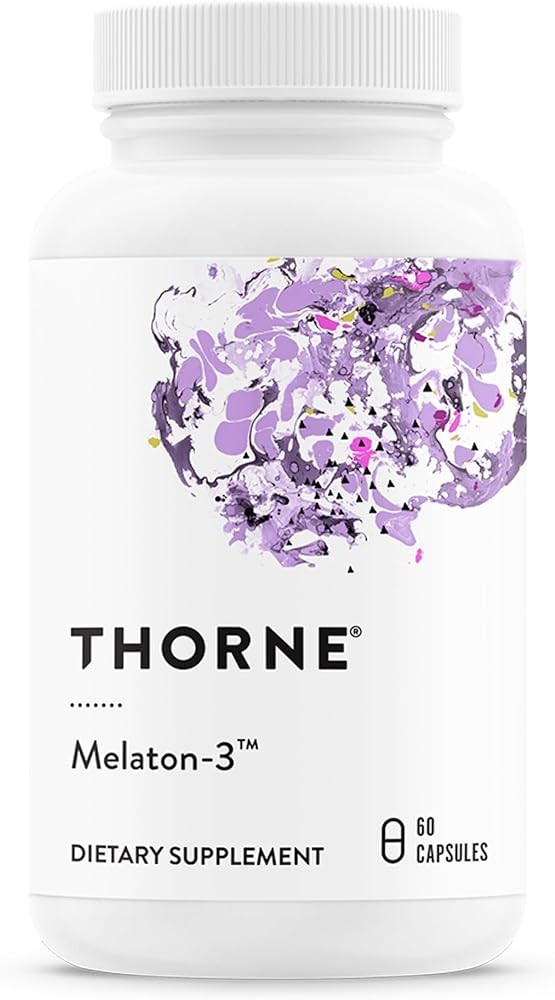
THORNE - Melaton-3 - 3mg Melatonin Supplement - Supports Normal Circadian Rhythms, Restful Sleep & Relaxation* - NSF ...
Check Price on AmazonAs an Amazon Associate we earn from qualifying purchases.

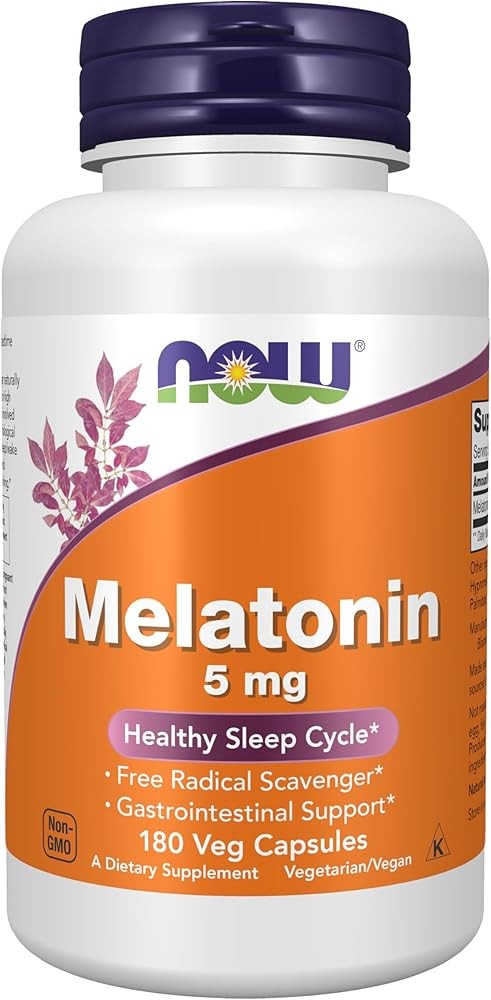
NOW Foods Supplements, Melatonin 5 mg, Free Radical Scavenger*, Healthy Sleep Cycle*, 180 Count (Pack of 1)
Check Price on AmazonAs an Amazon Associate we earn from qualifying purchases.

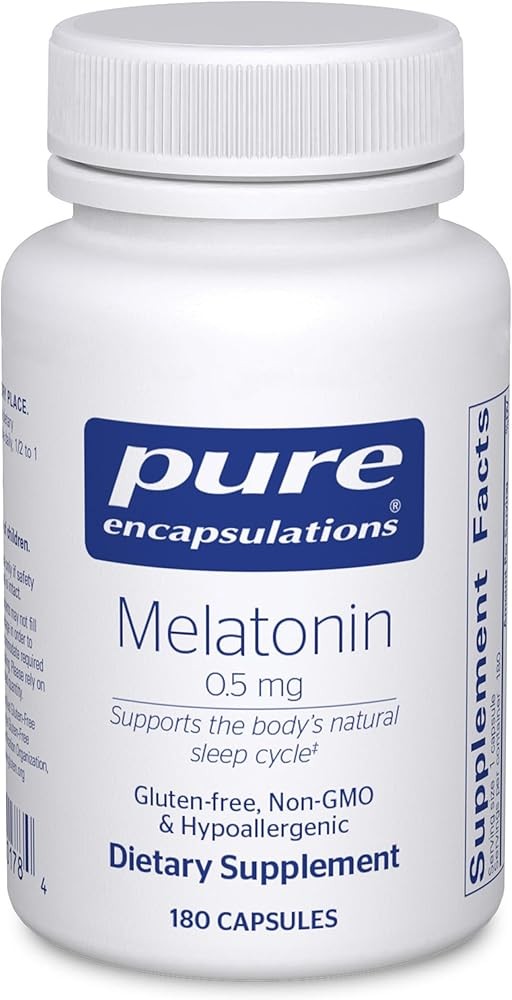
Pure Encapsulations Melatonin 0.5 mg - Natural Sleep Helper for Bedtime - Regulates Sleep-Wake Cycle - 0.5 mg Melaton...
Check Price on AmazonAs an Amazon Associate we earn from qualifying purchases.
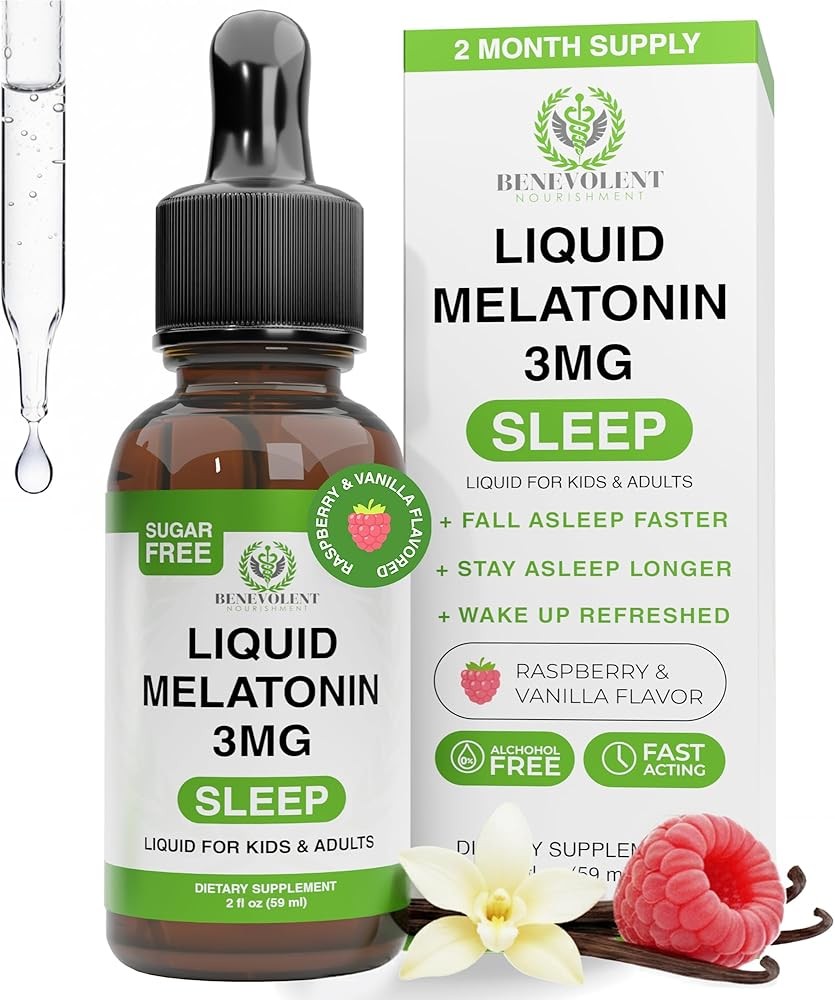
Benevolent Liquid Melatonin Drops for Adults and Kids 3mg - Melatonin Liquid as Fast-Acting Sleep Aid to Fall Asleep ...
Check Price on AmazonAs an Amazon Associate we earn from qualifying purchases.
Your body operates on a precise 24-hour internal clock called your circadian rhythm, controlled by the suprachiasmatic nucleus (SCN) in your hypothalamus. This master timekeeper coordinates everything from hormone release to body temperature, metabolism, and sleep-wake cycles. When you cross time zones rapidly or work night shifts, you force your SCN out of sync with external time cues, creating a biological conflict with measurable health consequences.
Jet lag and shift work disorder aren’t just inconveniences - they’re recognized medical conditions. Research demonstrates that circadian rhythm disruptions have serious health implications for cardiovascular and metabolic health (PubMed 40864818). The good news: specific supplements, timed correctly, can dramatically accelerate your body’s adjustment to new schedules. For chronic cases, understanding circadian rhythm disorders and treatment options is essential.
This guide examines the science behind circadian rhythm supplements, precise timing protocols for different scenarios, and how to identify when your internal clock needs support.
What Is Your Circadian Rhythm and How Does It Work?
The suprachiasmatic nucleus contains approximately 20,000 neurons that generate rhythmic electrical activity even when isolated in a laboratory dish. These neurons communicate through neurotransmitters and neuropeptides to synchronize your entire body’s circadian system.
Light is the primary zeitgeber (time-giver) that entrains your SCN. When blue wavelength light (460-480nm) hits specialized melanopsin-containing retinal ganglion cells in your eyes, signals travel directly to the SCN, triggering a cascade that suppresses melatonin production and signals “daytime” to your system. Research on melatonin and circadian rhythms demonstrates that light exposure controls the timing of pineal melatonin secretion (PubMed 11899101).
Your SCN then orchestrates peripheral clocks throughout your body - in your liver, pancreas, muscles, and other tissues. Each peripheral clock has its own rhythm but takes synchronization cues from the SCN. When you fly across time zones or work nights, your SCN tries to adjust to new light cues while peripheral clocks remain stuck on the old schedule, creating internal desynchronization.
This desynchronization explains why jet lag affects digestion, energy, mood, and cognitive function simultaneously. You’re not simply tired - you’re experiencing a coordination failure across dozens of biological processes.
Bottom line: Your circadian rhythm is controlled by approximately 20,000 neurons in the suprachiasmatic nucleus (SCN) that generate rhythmic electrical activity and respond to light exposure, which regulates melatonin secretion from the pineal gland (PubMed 11899101) - when these clocks fall out of sync during travel or shift work, you experience disruptions in digestion, energy, mood, and cognition simultaneously.
How Should You Time Melatonin for Jet Lag and Shift Work?
Melatonin is the most researched supplement for circadian rhythm adjustment, but effectiveness depends entirely on timing. Taking melatonin at the wrong time can worsen jet lag rather than help it. For a comprehensive guide to optimal dosing strategies, see our melatonin dosage guide comparing 0.5mg, 3mg, and 10mg doses.
Your pineal gland naturally produces melatonin when the SCN signals darkness, typically beginning 2-3 hours before your usual sleep time (PubMed 11899101). Melatonin doesn’t directly cause sleep - it signals “nighttime” to your body and helps initiate sleep pressure when combined with sufficient sleep drive.
How Should You Time Melatonin for Eastward Travel?
When traveling east, you need to advance your circadian rhythm (go to bed and wake earlier). The key is taking melatonin at your destination’s target bedtime, not your home bedtime.
Day Before Departure: Take 0.5-1mg melatonin 30 minutes before your desired bedtime at the destination (calculated in your current location). If flying to Europe from New York (6 hours ahead), take melatonin at 4:30-5pm your time.
During Flight: Avoid melatonin during the flight unless it’s genuinely nighttime at your destination when you take it.
After Arrival: Take 3-5mg melatonin 30-60 minutes before your destination bedtime for 3-4 nights. Combine with bright light exposure in the morning.
How Should You Time Melatonin for Westward Travel?
Westward travel requires delaying your circadian rhythm (staying awake later). Melatonin is less critical here since delaying is easier than advancing, but it still helps.
After Arrival: Take 0.5-1mg melatonin at your destination bedtime for 2-3 nights. Lower doses work better for delaying rhythms.
Morning Timing: If you wake too early, avoid light and consider 0.3mg melatonin to help extend sleep.
How Should Shift Workers Time Melatonin?
Shift workers need to maintain a stable rhythm during work periods rather than constantly shifting.
Night Shift Workers: Take 1-3mg melatonin 30-60 minutes before your intended daytime sleep period. Create complete darkness in your bedroom - even small light exposures during sleep will disrupt melatonin’s effectiveness.
Rotating Shifts: On transition days, use melatonin to rapidly shift your rhythm in the new direction. For evening-to-night shift transitions, take melatonin progressively later each day (1-2 hours later than the previous day).
What Melatonin Dose Should You Use?
Research shows that physiological doses (0.3-1mg) are often more effective than pharmacological doses (3-10mg) for circadian rhythm adjustment. Higher doses can cause next-day grogginess and may create tolerance over time.
Look for sustained-release melatonin formulations for middle-of-the-night awakenings, but use immediate-release for initial sleep onset and circadian shifting.
Bottom line: Melatonin timing determines its effectiveness for circadian adjustment - take it 30-60 minutes before your destination bedtime for eastward travel (3-5mg), lower doses (0.5-1mg) for westward travel, and 1-3mg before daytime sleep for night shift workers, but taking it at the wrong time can worsen jet lag.
How Does Light Therapy Compare to Supplements for Circadian Adjustment?
Light exposure is more powerful than any supplement for shifting circadian rhythms. The timing of light exposure determines whether it advances or delays your clock. For detailed protocols on using light strategically, read our guide on light therapy for circadian rhythm reset.
How Does Your Body Respond to Light at Different Times?
Your sensitivity to light follows a predictable pattern:
Late Night (12am-4am): Light exposure delays your rhythm, making you want to sleep and wake later.
Early Morning (4am-10am): Light exposure advances your rhythm, making you want to sleep and wake earlier.
Midday: Light has minimal phase-shifting effect but helps maintain rhythm stability.
Evening (6pm-10pm): Light exposure delays your rhythm.
How Should You Use Light Therapy for Jet Lag?
Eastward Travel: Seek bright light (10,000 lux) immediately upon waking at your destination. Avoid bright light in the late evening. If you arrive in the morning, go outside immediately - even overcast daylight provides 10,000+ lux. This advances your rhythm to match the earlier time zone.
Westward Travel: Avoid bright light in the early morning. Seek bright light in the late afternoon and evening. This delays your rhythm to match the later time zone.
How Should Shift Workers Use Light Therapy?
Night Shift Workers: Exposure to bright light (5,000-10,000 lux) throughout your shift helps maintain alertness and shifts your circadian rhythm to match your work schedule. Use a light therapy box at your workstation if possible.
Immediately after your shift, wear blue light blocking glasses (more on this below) during your commute home. This reduces the risk of morning sunlight from signaling “wake time” to your SCN when you need to prepare for sleep.
Light Therapy Boxes: Choose devices that provide 10,000 lux at a comfortable sitting distance (typically 16-24 inches). Effective light therapy requires exposure to your eyes, not just ambient room lighting. Position the light box to your side at eye level, not directly in front of your face. Twenty to thirty minutes is typically sufficient.
Bottom line: Light therapy at 10,000 lux for 20-30 minutes is more powerful than any supplement for shifting circadian rhythms - early morning light (4am-10am) advances your rhythm for eastward travel, evening light (6pm-10pm) delays it for westward travel, and timing determines whether you adjust faster or slower than with supplements alone, as shown in jet lag melatonin trials (PubMed 31932335).
How Do Blue Light Blocking Glasses Help Circadian Adjustment?
Blue light blocking glasses filter 400-500nm wavelengths that stimulate melanopsin cells and suppress melatonin. Strategic use helps establish darkness cues when you need them.
What Specifications Should Blue Light Blocking Glasses Have?
Effective blue blockers should filter at least 90% of blue light in the 450-480nm range. Clear “computer glasses” that claim blue light blocking often filter only 20-40% and won’t significantly affect melatonin.
True circadian rhythm glasses have amber or orange lenses. Research on shift work sleep disorder demonstrates that melatonin suppression from night-time light exposure is a primary mechanism of circadian disruption (PubMed 36011832). Association studies show night-shift workers experience significantly suppressed melatonin levels compared to day workers (PubMed 33022488).
How Should You Use Blue Light Blocking Glasses for Jet Lag and Shift Work?
Eastward Travel: After arrival, wear blue blockers starting 3 hours before your destination bedtime to reduce the risk of light exposure from delaying your adjustment.
Westward Travel: Blue blockers are less critical since you want to delay your rhythm anyway, but wearing them before your destination bedtime helps once you’re ready to establish the new schedule.
Night Shift Workers: This is where blue blockers become essential. During your commute home after a night shift, sunlight would normally signal wake time to your SCN, making it difficult to sleep. Wearing blue blockers from the moment you leave work until you’re ready for bed blocks this wake signal.
Combine blue blockers with blackout curtains or a sleep mask during daytime sleep for maximum melatonin production.
Bottom line: Blue light blocking glasses that filter 90%+ of 450-480nm wavelengths increase melatonin production comparably to darkness when worn 2-3 hours before bedtime - essential for night shift workers commuting home in sunlight and helpful for establishing darkness cues during eastward travel adjustment.
How Does Magnesium Glycinate Improve Sleep Quality?
Magnesium deficiency affects approximately 50% of Americans and directly impairs sleep quality and circadian rhythm regulation. Magnesium serves as a cofactor for enzymes involved in melatonin synthesis and helps activate GABA receptors that promote sleep. Learn more about magnesium’s sleep and stress benefits and how different forms compare.
Why Should You Choose Magnesium Glycinate?
Magnesium glycinate offers superior absorption compared to oxide or carbonate forms (45-55% vs 4-15% bioavailability) and doesn’t cause the digestive side effects common with magnesium oxide.
The glycine component provides additional benefits. Glycine acts as an inhibitory neurotransmitter, lowering core body temperature - a necessary precursor to sleep onset. Research on magnesium bisglycinate supplementation in healthy adults with poor sleep demonstrates improvements in sleep quality (PubMed 40918053). Systematic reviews of magnesium’s role in sleep health show that magnesium enhances GABA receptor activity and supports inhibitory neurotransmission (PubMed 35184264).
How Much Magnesium Glycinate Should You Take?
Take 200-400mg elemental magnesium (as glycinate) 1-2 hours before target bedtime. This timing allows absorption before sleep onset while supporting the natural evening rise in melatonin production.
For jet lag, continue your usual magnesium timing according to your destination schedule, not your home schedule. This helps shift your physiological sleep preparation to the new time zone.
For shift workers, take magnesium before your intended daytime sleep period. Since magnesium promotes parasympathetic nervous system activation (rest and digest), it helps counteract the sympathetic activation (address or flight) that makes daytime sleep difficult after night shifts.
What Other Circadian Benefits Does Magnesium Provide?
Beyond sleep quality, magnesium influences sleep regulation through multiple mechanisms. Research on magnesium bisglycinate supplementation demonstrates improvements in sleep quality in adults with poor sleep (PubMed 40918053). Adequate magnesium status appears necessary for proper GABA function and sleep-wake regulation.
Bottom line: Magnesium glycinate offers 45-55% absorption compared to 4-15% for oxide forms and supports GABA activation while lowering core body temperature for sleep onset - take 200-400mg elemental magnesium 1-2 hours before target bedtime to support circadian adjustment during jet lag and shift work.
How Does L-Theanine Help Without Causing Drowsiness?
L-theanine, an amino acid found primarily in tea leaves, promotes relaxation without causing drowsiness - making it uniquely valuable for circadian rhythm challenges that require wakefulness during normally sleepy times or calmness during normally alert periods. Our comprehensive guide on L-theanine for anxiety, focus, and cognitive benefits covers its mechanisms and optimal dosing strategies.
How Does L-Theanine Work in Your Brain?
L-theanine crosses the blood-brain barrier and increases alpha brain wave activity, associated with relaxed alertness. It also increases GABA, dopamine, and serotonin levels, reducing anxiety and stress responses that commonly disrupt sleep and circadian adjustment.
Unlike sedatives, L-theanine doesn’t directly cause sleep but reduces the hyperarousal that reduces the risk of sleep. This distinction matters for circadian disruption because jet lag and shift work often involve both difficulty sleeping when desired and difficulty maintaining alertness when needed.
How Should You Use L-Theanine for Circadian Challenges?
Jet Lag: Take 200-400mg L-theanine 30-60 minutes before your destination bedtime to reduce travel-related stress and anxiety that can interfere with adjustment. L-theanine helps your body relax enough to sleep without forcing sedation at inappropriate circadian times.
Shift Work: For night shift workers struggling to wind down after stimulating night shifts, 200mg L-theanine during your post-shift routine helps transition your nervous system toward sleep without the hangover effect of sleeping pills.
L-theanine can also support wakefulness during night shifts when combined with caffeine. The combination reduces the jittery side effects of caffeine while maintaining alertness - valuable during the biological night when circadian rhythms create strong sleep pressure.
When and How Much L-Theanine Should You Take?
Standard dosing ranges from 100-400mg. Unlike melatonin where timing critically affects circadian phase, L-theanine’s benefits are more immediate and situation-dependent:
- Before bed: 200-400mg for relaxation
- Before stressful events: 200mg for calm focus
- With caffeine during night shifts: 100-200mg L-theanine with 100-200mg caffeine
L-theanine appears safe for daily use without tolerance development, making it suitable for chronic shift workers.
Bottom line: L-theanine promotes relaxation without sedation by increasing alpha brain waves and GABA/dopamine/serotonin levels - take 200-400mg before destination bedtime for jet lag stress relief or combine with caffeine during night shifts to maintain alertness without jitters.
What Makes Tart Cherry Extract Effective for Sleep?
Montmorency tart cherries contain measurable amounts of phytomelatonin along with tryptophan (melatonin precursor) and polyphenols that reduce inflammation and oxidative stress - both elevated during circadian disruption.
What Does Research Show About Tart Cherry for Sleep?
Studies using tart cherry juice concentrate show increases in sleep time (averaging 84 minutes longer) and sleep efficiency (PubMed 22038497). Urinary melatonin metabolites increased significantly after tart cherry consumption, confirming melatonin delivery. A systematic review of tart cherry’s effects on sleep quality found that most studies reported significant improvements after tart cherry consumption (PubMed 40964149).
Beyond melatonin content, tart cherries contain anthocyanins that inhibit inflammatory enzymes (COX-1 and COX-2) similarly to NSAIDs but without gastrointestinal side effects. Since inflammation and circadian disruption create a bidirectional relationship (each worsening the other), tart cherry’s anti-inflammatory effects may support circadian adjustment independent of melatonin content.
How Should You Use Tart Cherry Extract?
Tart cherry supplements typically provide 480-500mg of tart cherry extract equivalent to 8oz of juice. Take the recommended dose 30-60 minutes before your target bedtime at your destination.
For shift workers, tart cherry offers an advantage over synthetic melatonin: the combination of phytomelatonin, tryptophan, and anti-inflammatory compounds may provide more comprehensive support for the complex challenges of daytime sleep.
Choose supplements standardized to anthocyanin content (the active polyphenols) rather than just “cherry extract” to ensure effectiveness.
Bottom line: Tart cherry extract increases sleep time by an average of 84 minutes and contains natural melatonin plus anthocyanins that reduce inflammation from circadian disruption - take 480-500mg standardized extract 30-60 minutes before target bedtime.
How Does Ashwagandha Normalize Cortisol Patterns?
Chronic circadian disruption activates your hypothalamic-pituitary-adrenal (HPA) axis, increasing cortisol production at inappropriate times. Elevated nighttime cortisol directly opposes melatonin, making sleep onset difficult. Ashwagandha helps normalize HPA axis function and cortisol patterns. For detailed information on how ashwagandha regulates stress hormones, see our evidence-based guide on ashwagandha for stress, cortisol, and anxiety.
How Does Cortisol Affect Your Circadian Rhythm?
Cortisol should follow a distinct circadian pattern: high upon waking (cortisol awakening response), declining throughout the day, and low at night. This pattern becomes chaotic with jet lag and shift work.
Studies on shift workers show flattened cortisol curves - insufficient morning cortisol (contributing to fatigue and difficulty waking) and elevated evening cortisol (contributing to insomnia). Research demonstrates that night shift work alters the natural secretion pattern of cortisol, leading to dysregulation of the hypothalamic-pituitary-adrenal axis (PubMed 34969316). This pattern persists even on days off, indicating chronic HPA axis dysregulation.
How Does Ashwagandha Work for Circadian Support?
Ashwagandha (Withania somnifera) acts as an adaptogen, helping normalize cortisol levels regardless of whether they’re too high or too low. Studies show shift workers experience flattened cortisol curves with insufficient morning cortisol and elevated evening cortisol that persists even on days off. Disturbance of the circadian system in shift work produces harmful effects through cortisol dysregulation and melatonin suppression (PubMed 34969316). Ashwagandha helps normalize these disrupted stress hormone patterns.
The active compounds - withanolides - modulate GABAergic neurotransmission, providing additional sleep support beyond cortisol regulation. Unlike sedatives, ashwagandha improves sleep architecture without causing morning drowsiness.
How Much Ashwagandha Should You Take for Circadian Support?
Standard dosing uses 300-600mg of extract standardized to 5% withanolides, taken once or twice daily. For circadian support:
Jet Lag: Begin ashwagandha 2-3 days before travel and continue for 3-4 days after arrival. Take 300mg twice daily (morning and evening) to help stabilize stress response during the transition.
Shift Work: For chronic shift workers, ongoing ashwagandha supplementation (300mg twice daily) helps maintain more stable cortisol patterns despite schedule irregularity. Take one dose before your sleep period and one dose mid-way through your wake period.
Some people respond better to single evening doses (600mg) taken 1-2 hours before bed specifically for sleep support.
What Should You Know Before Taking Ashwagandha?
Choose KSM-66 or Sensoril extracts, which have the most clinical research. Full benefits typically emerge after 4-6 weeks of consistent use, though some people notice sleep improvements within days.
Ashwagandha appears safe for most people but can lower blood sugar and blood pressure - relevant if you take medications for these conditions.
Bottom line: Ashwagandha normalizes disrupted cortisol patterns in shift workers (flattened curves become healthy again) by modulating HPA axis function - take 300-600mg standardized to 5% withanolides beginning 2-3 days before jet lag travel or continuously for ongoing shift work support.
How Does Vitamin D Status Affect Your Sleep-Wake Cycle?
Vitamin D receptors exist throughout your SCN and peripheral circadian tissues. Vitamin D status affects circadian clock gene expression, and deficiency is associated with disrupted sleep-wake cycles and reduced sleep quality.
How Does Vitamin D Affect Sleep Quality?
Observational studies consistently link vitamin D deficiency (below 20 ng/mL) with poor sleep quality, short sleep duration, and daytime sleepiness. Research shows vitamin D plays a role in sleep regulation through its effects on brain regions that control sleep-wake cycles (PubMed 32156230). Shift workers show higher rates of vitamin D deficiency due to reduced sunlight exposure and deliberately avoiding daylight for better sleep (PubMed 33022488).
The mechanism involves vitamin D’s effects on clock genes (particularly Period genes) and its role in regulating neurotransmitters involved in sleep, including serotonin synthesis.
Shift workers show higher rates of vitamin D deficiency due to reduced sunlight exposure. Night shift workers who sleep during the day often avoid sunlight deliberately (using blackout curtains for darkness cues), further limiting vitamin D synthesis. Understanding vitamin D3 benefits for immunity and bone health highlights why maintaining optimal levels is crucial for shift workers.
How Much Vitamin D Should You Take for Sleep and Circadian Health?
Have your vitamin D level tested (25-hydroxyvitamin D blood test). Optimal levels for sleep and circadian health appear to be 40-60 ng/mL, higher than the 20 ng/mL threshold used to reduce the risk of deficiency diseases.
If Deficient (below 30 ng/mL): Take 4,000-5,000 IU daily for 8-12 weeks, then retest.
For Maintenance (30-40 ng/mL): Take 2,000-3,000 IU daily.
If Optimal (40-60 ng/mL): Take 1,000-2,000 IU daily or get regular sun exposure.
Take vitamin D with a meal containing fat for optimal absorption. Morning dosing may be preferable since some people report that evening vitamin D interferes with sleep, though research on timing is limited.
How Should You Use Vitamin D for Jet Lag and Shift Work?
For jet lag, maintain your regular vitamin D supplementation schedule without timing adjustments. The goal is supporting baseline circadian function rather than using vitamin D as an acute intervention.
For shift workers, consistent vitamin D supplementation is particularly important since occupational sunlight avoidance puts you at high risk for deficiency. Consider higher doses (3,000-4,000 IU daily) and annual testing.
Bottom line: Vitamin D deficiency is linked to poor sleep quality and disrupted circadian rhythms - shift workers need 3,000-4,000 IU daily due to reduced sunlight exposure, and optimal levels of 40-60 ng/mL support better sleep architecture than the 20 ng/mL minimum threshold.
How Do B Vitamins Support Circadian Function?
B vitamins serve as cofactors in energy production pathways and influence circadian gene expression, particularly vitamin B12 and folate. Deficiencies impair cellular energy production and circadian amplitude.
How Does Vitamin B12 Affect Circadian Rhythms?
Vitamin B12 affects melatonin production and circadian phase. Some research suggests B12 supplementation can help shift circadian rhythms, particularly advancing sleep-wake schedules.
Studies using 1,000-3,000 mcg of methylcobalamin (the active form of B12) show improvements in sleep-wake rhythm disorders, particularly in people with delayed sleep phase syndrome (naturally late sleep schedules).
The mechanism appears to involve B12’s effects on melatonin sensitivity and clock gene expression in the SCN.
How Do B Vitamins Support Energy During Circadian Disruption?
The full B complex (B1, B2, B3, B5, B6, B7, B9, B12) supports cellular energy production through the citric acid cycle and electron transport chain. During circadian disruption, when your body demands wakefulness during biological night or sleep during biological day, efficient energy production becomes critical.
B vitamins help buffer the energy dysregulation that makes shift work exhausting and jet lag recovery slow. They support mitochondrial function, which shows circadian rhythmicity itself.
What B Vitamin Supplementation Strategy Should You Use?
B Complex: Take a high-quality B complex providing 50-100mg of most B vitamins in the morning. B vitamins can be energizing, so morning dosing reduces the risk of potential sleep interference.
Additional B12: For circadian rhythm shifting, particularly advancing your schedule (useful for eastward travel), add 1,000-2,000 mcg methylcobalamin in the morning for several days before and after travel.
Folate Form: Choose methylfolate rather than folic acid. Approximately 40-60% of people have MTHFR genetic variants reducing their ability to convert folic acid to active folate, but everyone can use methylfolate directly. For specific B12 deficiency concerns, see our comprehensive guide on vitamin B12 deficiency symptoms and best B12 supplements.
Bottom line: B12 supplementation (1,000-3,000 mcg methylcobalamin) can help advance sleep-wake schedules for eastward travel by affecting melatonin sensitivity and clock gene expression, while full B complex supports cellular energy production during circadian disruption - take in the morning to avoid sleep interference.
What Are the Best Jet Lag Protocols?
What Is the Best Protocol for Eastward Travel?
3 Days Before Departure:
- Shift sleep schedule 1 hour earlier each night
- Bright light exposure immediately upon waking
- Melatonin 0.5-1mg at earlier bedtime
- Continue normal supplement routine
Day of Travel:
- B complex with breakfast
- Set watch to destination time upon boarding
- Sleep on plane if it’s nighttime at destination (use melatonin 1-3mg, eye mask, blue blockers)
- Stay awake if it’s daytime at destination (light exposure if possible, avoid melatonin)
Upon Arrival:
- Immediate bright light exposure if morning/daytime at destination
- Force yourself to stay awake until destination bedtime
- Avoid naps longer than 20 minutes
- Caffeine only before noon (destination time)
First 3-4 Nights:
- Melatonin 3-5mg, 30-60 minutes before bed
- Magnesium glycinate 200-400mg, 1-2 hours before bed
- L-theanine 200-400mg before bed
- Blue light blockers 3 hours before bed
- Ashwagandha 300mg morning and evening
- Vitamin D with breakfast
- B complex with breakfast
What Is the Best Protocol for Westward Travel?
Pre-Travel:
- Less preparation needed than eastward
- Continue normal supplements
During Travel:
- Set watch to destination time
- Stay awake during flight if possible
- Avoid melatonin unless genuinely night at destination
Upon Arrival:
- Stay awake until destination bedtime (usually easy since it’s earlier than your body expects)
- Seek bright light in late afternoon/evening
- Avoid bright light in early morning
First 2-3 Nights:
- Melatonin 0.5-1mg at destination bedtime (lower dose for delaying)
- Magnesium glycinate 200-400mg before bed
- L-theanine 200mg if needed for relaxation
- Continue regular vitamin D and B complex
- Blue blockers starting 2-3 hours before bed once sleep schedule stabilizes
Bottom line: Eastward travel requires advancing your rhythm with pre-travel preparation (shift sleep 1 hour earlier for 3 days, take melatonin at earlier bedtime), bright morning light upon arrival, and 3-5mg melatonin for 3-4 nights, while westward travel is easier and only requires staying awake until destination bedtime with 0.5-1mg melatonin for 2-3 nights.
How Should Shift Workers Manage Circadian Disruption?
For comprehensive strategies specific to night shift workers, our dedicated guide on shift work sleep disorder and circadian reset provides evidence-based protocols and long-term health protection measures.
What Is the Best Night Shift Protocol?
Pre-Shift Preparation:
- If possible, delay sleep by 2-3 hours on days before starting night shifts
- Gradual adjustment easier than abrupt changes
During Night Shifts:
- Bright light exposure (5,000-10,000 lux) throughout shift
- Caffeine + L-theanine (100-200mg each) early in shift, not within 4 hours of intended sleep
- B complex at start of shift
- Stay consistent with shift timing (same hours each night)
Post-Shift Routine:
- Blue light blocking glasses immediately when leaving work
- Continue wearing during commute home
- Avoid sunlight exposure
- Light breakfast (avoid heavy meals close to sleep)
- Complete darkness in bedroom (blackout curtains + sleep mask)
- Melatonin 1-3mg, 30-60 minutes before sleep
- Magnesium glycinate 200-400mg before sleep
- L-theanine 200mg if struggling to wind down
Days Off:
- Maintain the same sleep schedule if possible (don’t flip back to normal schedule)
- If you must adjust for family time, do so gradually (2-3 hours maximum shift)
- Continue vitamin D (4,000 IU daily), ashwagandha (300mg twice daily)
How Should You Manage Rotating Shifts?
Rotating shifts are the most challenging circadian disruption since your body never fully adjusts.
Minimize Damage:
- Advocate for forward rotation (day → evening → night) rather than backward rotation
- Request 2-3 week blocks on each shift rather than weekly rotations
- Use all the tools above but accept you’ll never be fully adapted
Transition Days:
- Use melatonin to rapidly shift rhythm (higher doses 3-5mg at new target bedtime)
- Aggressive light therapy in the phase advance or delay direction
- Take 2-3 day weekends when shifting to allow adjustment time
Baseline Support:
- Year-round vitamin D (4,000 IU)
- Daily magnesium glycinate
- Ongoing ashwagandha (300mg twice daily)
- Regular B complex
- Annual health monitoring (metabolic panels, cardiovascular risk factors)
Bottom line: Night shift workers should use bright light (5,000-10,000 lux) throughout their shift, wear blue blockers during morning commute home, take 1-3mg melatonin before daytime sleep, and maintain the same sleep schedule on days off, while rotating shift workers need aggressive supplementation and should advocate for forward rotation with 2-3 week blocks.
What Body Clues Indicate Circadian Disruption?
Your body provides clear signals when circadian rhythms are disrupted, but we often dismiss them as normal travel fatigue or work stress. Recognizing these clues helps you intervene appropriately.
What Sleep Problems Signal Circadian Disruption?
Difficulty Falling Asleep Despite Fatigue: Your sleep drive (adenosine pressure) is high, but your circadian rhythm says it’s not bedtime. This mismatch is the hallmark of eastward jet lag and shift work sleep disorder.
Waking 2-4 Hours Before Desired Wake Time: Your circadian rhythm signals morning despite insufficient sleep. Common with westward travel and when adjusting to earlier work schedules.
Non-Restorative Sleep: You sleep the right number of hours but wake feeling unrested. This suggests sleep is occurring at a suboptimal circadian phase, reducing sleep quality even with adequate duration.
Fragmented Sleep: Waking multiple times during sleep periods, particularly during daytime sleep after night shifts, indicates circadian and environmental sleep cues are misaligned.
What Digestive Symptoms Indicate Circadian Disruption?
Appetite Loss at Normal Mealtimes: Your peripheral circadian clocks (particularly in your liver and digestive system) remain on the old schedule. Hunger hormones (ghrelin and leptin) follow circadian patterns and don’t immediately adjust.
Digestive Upset After Meals: Digestive enzyme secretion and gut motility follow circadian rhythms. Eating during your biological night (even if it’s mealtime in your new location) can cause bloating, discomfort, and poor digestion.
Constipation After Travel: Bowel movements follow strong circadian patterns. Time zone changes and shift work disrupt this rhythm, often causing constipation.
What Cognitive and Emotional Signs Indicate Circadian Disruption?
Brain Fog and Difficulty Concentrating: Your prefrontal cortex (executive function) shows strong circadian performance rhythms. Operating during circadian low points impairs decision-making, memory, and attention.
Mood Changes and Irritability: Serotonin and dopamine production follow circadian patterns. Disruption affects mood regulation before other symptoms appear.
Increased Impulsivity: Research shows circadian disruption impairs impulse control and increases risk-taking behavior, even without sleep deprivation.
What Physical Symptoms Show Circadian Disruption?
Body Temperature Dysregulation: Core body temperature normally drops before sleep and rises before waking. During circadian disruption, you might feel cold when you should feel warm and vice versa.
Exercise Performance Decline: Athletic performance follows strong circadian rhythms, typically peaking in late afternoon. Jet lag or shift work can reduce performance by 5-10% until adjustment occurs.
Increased Infections: Immune function follows circadian patterns. Disruption reduces immune surveillance and increases susceptibility to infections. Frequent illness during or after travel suggests inadequate circadian recovery.
What Metabolic Changes Indicate Circadian Disruption?
Blood Sugar Instability: Insulin sensitivity follows circadian rhythms, highest in morning and lowest at night. Eating during biological night (common in shift work) increases blood sugar responses even to identical meals.
Increased Hunger and Cravings: Circadian disruption increases ghrelin (hunger hormone) and reduces leptin (satiety hormone), triggering increased appetite particularly for high-calorie foods.
Weight Gain: Chronic circadian disruption causes weight gain through multiple mechanisms: altered meal timing, hormonal changes, reduced physical activity, and impaired metabolism.
Bottom line: Your body signals circadian disruption through difficulty falling asleep despite fatigue, waking 2-4 hours early, digestive upset at normal meal times, brain fog, mood changes, body temperature dysregulation, exercise performance decline of 5-10%, blood sugar instability, increased hunger, and frequent infections.
What Are the Most Bioavailable Supplement Forms?
Standard supplement forms often provide limited bioavailability. Advanced formulations can significantly improve effectiveness.
Why Should You Consider Liposomal Melatonin?
Liposomal delivery encapsulates melatonin in phospholipid vesicles that merge with cell membranes, increasing absorption and potentially providing more sustained delivery. Some people report better results with liposomal melatonin at lower doses (0.5-1mg) compared to standard melatonin at higher doses (3-5mg).
Why Should You Consider Magnesium Threonate?
While magnesium glycinate provides excellent general absorption, magnesium threonate (Magtein) specifically crosses the blood-brain barrier more effectively. For circadian issues involving cognitive symptoms (brain fog, memory problems), threonate might be superior. Standard dosing is 2,000mg magnesium threonate (providing 144mg elemental magnesium) before bed.
Why Should You Choose Suntheanine?
L-theanine supplements vary in purity. Suntheanine is a patented form produced through enzymatic fermentation, ensuring the pure L-isomer form. The D-isomer of theanine (present in lower-quality supplements) provides no benefits and may reduce L-theanine’s effectiveness.
Why Should You Use Methylated B Vitamins?
Choose B complex supplements providing methylcobalamin (B12), methylfolate (B9), and pyridoxal-5-phosphate (B6). These active forms bypass enzymatic conversion steps that genetic variants can impair, ensuring bioavailability regardless of your genetics.
Bottom line: Liposomal melatonin provides better absorption at lower doses (0.5-1mg vs 3-5mg standard), magnesium threonate crosses the blood-brain barrier more effectively for cognitive symptoms, Suntheanine ensures pure L-isomer form, and methylated B vitamins (methylcobalamin, methylfolate, P-5-P) bypass genetic conversion limitations.
How Should You Combine Circadian Supplements?
Most circadian rhythm supplements work through different mechanisms and combine safely, but some considerations matter.
Which Supplement Combinations Work Best?
Melatonin + Magnesium: Complementary mechanisms - melatonin signals circadian night while magnesium supports sleep architecture and depth.
L-Theanine + Magnesium: Both promote GABA activity through different pathways, providing stronger relaxation without sedation.
Ashwagandha + Vitamin D + B Complex: Supports baseline circadian function and stress resilience for chronic challenges like ongoing shift work.
Melatonin + Blue Light Blocking: Maximizes darkness signals by combining endogenous melatonin (from blocking blue light) with exogenous melatonin (supplement).
How Should You Time Multiple Supplements?
When using multiple supplements, timing optimization enhances effectiveness:
2 Hours Before Bed: Magnesium glycinate (allows absorption before sleep)
1 Hour Before Bed: Ashwagandha (if using single evening dose)
30-60 Minutes Before Bed: Melatonin (immediate release), L-theanine, tart cherry
Upon Waking: Vitamin D, B complex, ashwagandha (if using twice daily)
During Night Shifts: B complex at shift start, caffeine + L-theanine early in shift, bright light throughout
What Safety Precautions Should You Know?
The supplements discussed are generally safe, but some interactions and precautions exist:
Melatonin: Can interact with blood thinners, immunosuppressants, diabetes medications, and birth control. May affect seizure threshold. Start with low doses.
Ashwagandha: Can lower blood pressure and blood sugar. May interact with thyroid medications, sedatives, and immunosuppressants. Avoid during pregnancy.
Magnesium: High doses (above 600mg elemental) can cause diarrhea. Can interact with antibiotics, bisphosphonates, and certain diuretics.
L-Theanine: Very safe with minimal interaction potential. Can enhance effects of blood pressure medications and stimulants.
Vitamin D: High doses (above 10,000 IU daily long-term) can cause toxicity. Can interact with certain heart medications and steroids.
Consult healthcare providers before starting supplements if you take prescription medications or have medical conditions.
Bottom line: Melatonin + magnesium and L-theanine + magnesium combine effectively through complementary mechanisms, while timing optimization enhances results - take magnesium 2 hours before bed, melatonin/L-theanine/tart cherry 30-60 minutes before bed, and vitamin D/B complex upon waking for maximum circadian support.
When Do You Need Medical Intervention for Circadian Issues?
Some people don’t respond adequately to supplements and light therapy alone. Medical interventions include:
Prescription Sleep Medications: Short-term use of sleep aids during jet lag adjustment can break the cycle when supplements fail. However, they don’t address circadian rhythm itself and carry dependence risks.
Modafinil/Armodafinil: Prescription wakefulness agents sometimes prescribed for shift work disorder. They promote alertness during biological night but don’t shift circadian rhythms.
Ramelteon or Tasimelteon: Prescription melatonin receptor agonists with stronger effects than over-the-counter melatonin. Tasimelteon (Hetlioz) is FDA-approved specifically for non-24-hour sleep-wake disorder.
Chronotherapy: Working with a sleep specialist to systematically shift your sleep schedule using timed light exposure, sleep restriction, and other behavioral interventions.
If you experience persistent circadian rhythm disruption despite appropriate supplement use and light therapy, consult a sleep medicine specialist. Some circadian rhythm disorders have genetic components requiring specialized treatment.
Bottom line: When supplements and light therapy fail after 5-7 days of proper use, medical options include prescription sleep medications for short-term use (maximum 2-3 weeks to avoid dependence), modafinil 100-200mg for shift work alertness, ramelteon 8mg or tasimelteon (Hetlioz) 20mg as FDA-approved melatonin receptor agonists, and chronotherapy with a sleep specialist for genetic circadian disorders.
How Do You Create a Personalized Circadian Protocol?
Rather than using all supplements simultaneously, build your protocol based on your specific situation.
What Is the Minimal Protocol for Occasional Jet Lag?
- Melatonin (timed to destination)
- Blue light blocking glasses
- Light exposure timing
- Magnesium glycinate
What Is the Moderate Protocol for Frequent Travel?
Add to minimal protocol:
- L-theanine for stress and relaxation
- Vitamin D baseline support
- B complex for energy
- Tart cherry for additional melatonin
What Is the Comprehensive Protocol for Chronic Shift Work?
Add to moderate protocol:
- Ashwagandha for HPA axis support
- Light therapy box for controlled bright light exposure
- Advanced forms (liposomal melatonin, magnesium threonate, methylated B vitamins)
- Regular circadian rhythm monitoring and adjustment
How Should You Track Your Progress?
Monitor these markers to assess whether your protocol is working:
Subjective Measures:
- Sleep onset latency (time to fall asleep)
- Number of nighttime awakenings
- Morning alertness rating
- Daytime energy levels
- Mood stability
Objective Measures:
- Wearable sleep tracking (sleep duration, sleep stages if available)
- Core body temperature pattern (lowest point should occur 2-3 hours before waking)
- Meal timing (hunger should align with new schedule within 3-4 days)
Expect 3-5 days for significant adjustment after eastward travel, 2-3 days after westward travel, and ongoing management for shift work. If symptoms persist beyond these timeframes, increase intervention intensity or seek medical evaluation.
Bottom line: Build your protocol from minimal (0.5-5mg melatonin + 90%+ blue light blocking glasses + 10,000 lux light timing + 200-400mg magnesium glycinate for occasional jet lag with 3-5 day adjustment expected) to moderate (add 200-400mg L-theanine + 2,000-4,000 IU vitamin D + 50-100mg B complex for frequent travel) to comprehensive (add 300-600mg ashwagandha + 10,000 lux light therapy box + liposomal/methylated forms for chronic shift work), tracking sleep onset time within 30 minutes, wake count under 2 per night, and morning energy rating 7+/10 to assess adjustment.
What Should You Remember About Circadian Supplements?
Your circadian rhythm orchestrates virtually every aspect of your physiology. Disrupting it through jet lag or shift work creates health consequences beyond simple tiredness. The good news: targeted supplements combined with light exposure timing can dramatically accelerate adjustment.
Melatonin remains the cornerstone, but timing determines effectiveness. Light therapy provides the most powerful circadian shifting effect. Magnesium glycinate, L-theanine, tart cherry, ashwagandha, vitamin D, and B vitamins provide supporting benefits through different mechanisms.
No supplement protocol reduces all challenges of circadian disruption, but appropriate supplementation reduces adjustment time, improves sleep quality during the transition, and helps maintain health during chronic circadian challenges like shift work.
Start with the minimal effective protocol for your situation, monitor your response, and adjust as needed. Pay attention to the clues your body provides - they indicate whether your circadian rhythm is adjusting or remaining stuck.
For occasional jet lag, supplements might only be necessary for several days. For chronic shift work, ongoing supplementation supporting baseline circadian function and stress resilience becomes important for long-term health.
Your circadian rhythm evolved over millions of years to synchronize with the 24-hour rotation of the Earth. Modern life sometimes demands we override this ancient system. When that becomes necessary, science-based supplementation provides tools to minimize the health impact and maximize your adjustment speed.
Chronotype Considerations: Tailoring Strategies to Your Natural Rhythm
Not everyone’s circadian rhythm runs on the same schedule. Your chronotype - whether you’re naturally a morning person (lark), evening person (owl), or somewhere in between - affects how you respond to jet lag and shift work, and which supplements will work best for you.
What Are Chronotypes and How Do They Affect You?
Chronotypes exist on a spectrum but roughly divide into three categories:
Morning Chronotypes (Larks): Natural wake time around 6-7am, peak alertness 9am-1pm, natural bedtime 9-10pm. Approximately 20% of the population.
Evening Chronotypes (Owls): Natural wake time around 9-10am or later, peak alertness 6pm-midnight, natural bedtime midnight-2am. Approximately 20% of the population.
Intermediate Chronotypes: Natural wake time around 7:30-8:30am, peak alertness afternoon, natural bedtime 10:30-11:30pm. Approximately 60% of the population.
Your chronotype is partially genetic, controlled by variants in clock genes like PERIOD3, CLOCK, and ARNTL. It also shifts predictably across your lifespan - teenagers naturally become evening chronotypes (explaining why early school start times are biologically inappropriate), while older adults shift toward morning chronotypes.
How Does Your Chronotype Affect Jet Lag?
Larks (Morning Types) adjust more easily to eastward travel because advancing sleep schedules aligns with their natural tendency to wake early. However, they struggle more with westward travel requiring later bedtimes.
For larks traveling west:
- Start melatonin slightly earlier (90 minutes before destination bedtime rather than 30-60 minutes)
- Use higher doses of L-theanine (300-400mg) to override the natural sleep pressure occurring before destination bedtime
- Maximize bright light exposure in the late afternoon and early evening at the destination
- Consider caffeine strategically in late afternoon (unusual for larks but helpful for westward adjustment)
Owls (Evening Types) face the opposite pattern. Westward travel is easier since delaying bedtime matches their preference, while eastward travel is brutal.
For owls traveling east:
- Begin melatonin supplementation 4-5 days before travel rather than 3 days
- Use higher melatonin doses (5-10mg) after arrival since owls often show reduced melatonin sensitivity
- Combine melatonin with magnesium threonate (better brain penetration) rather than glycinate alone
- Use extremely bright light exposure (15,000-20,000 lux if possible) in the morning at the destination
- Consider professional sleep medicine consultation for trips requiring very early wake times (pre-dawn), as owls may need prescription support
Intermediate Types show moderate difficulty with both directions and typically respond well to standard protocols without special adjustments.
How Does Your Chronotype Affect Shift Work Tolerance?
Research shows that evening chronotypes adapt better to night shift work than morning chronotypes. Owls experience less severe health consequences from shift work, likely because night shifts align more closely with their natural rhythm.
Owls on Night Shifts:
- You’re biologically suited for night work but still need circadian support
- Focus on maintaining consistency - don’t flip back to daytime schedules on days off
- Use supplements primarily for baseline health (vitamin D, ashwagandha for stress) rather than acute adjustment
- May need lower melatonin doses (1-2mg) than larks require since your natural melatonin onset is already delayed
Larks on Night Shifts:
- You face higher risks of shift work disorder and associated health consequences
- Require more aggressive circadian intervention: higher melatonin doses (3-5mg), bright light therapy throughout shifts (not just early shift), multiple daily ashwagandha doses
- Consider whether night shift work is sustainable long-term - the health costs may outweigh benefits
- If continuing night shifts, absolutely must maintain the same sleep schedule on days off (don’t flip to daytime schedule)
- May benefit from scheduled naps before night shifts to build sleep reserve
How Can You Test Your Chronotype?
The Munich ChronoType Questionnaire (MCTQ) is the gold standard assessment, available free online. It analyzes your sleep patterns on work days and free days to determine your biological chronotype independent of social obligations.
Alternatively, track your natural wake time (without alarms) during a week of vacation. If you consistently wake before 7am, you’re likely a lark. After 9am, likely an owl. Between 7-9am, intermediate.
Understanding your chronotype allows you to predict which circadian challenges you’ll face and adjust supplement protocols accordingly.
Meal Timing and Food-Based Circadian Cues
While light is the dominant zeitgeber for your SCN, meal timing powerfully entrains your peripheral circadian clocks - particularly in your liver, pancreas, and digestive system. Strategic meal timing can accelerate adjustment or, if ignored, slow it down.
What Is Your Peripheral Clock System?
Your liver contains a complete circadian clock system that operates semi-independently from your SCN. When you eat signals “daytime” to liver clock genes, triggering rhythms in glucose metabolism, insulin sensitivity, and nutrient processing.
Studies on time-restricted eating show that confining food intake to an 8-12 hour window synchronizes peripheral clocks even when light exposure remains constant. Conversely, eating throughout the 24-hour day desynchronizes peripheral clocks from each other and from the SCN.
This matters enormously for jet lag and shift work. You can use meal timing as a circadian adjustment tool.
How Should You Time Meals for Jet Lag?
Eastward Travel (Advancing Rhythm):
Day Before Departure: Eat breakfast 1 hour earlier than usual to begin advancing your metabolic rhythm. Keep lunch and dinner timing normal.
Day of Travel: Eat according to destination time, not home time. If it’s breakfast time at your destination, eat breakfast foods even if it’s dinner time at home. This immediately signals your new schedule to peripheral clocks.
First 3 Days After Arrival: Maintain very consistent meal timing at destination local times. Breakfast within 1 hour of waking, lunch 4-5 hours later, dinner 4-5 hours after that. Avoid snacking between meals - the rhythm matters more than calorie distribution.
Westward Travel (Delaying Rhythm):
Day Before Departure: Eat dinner 1-2 hours later than usual.
During Travel: Align meals with destination time.
After Arrival: Eat dinner as late as comfortable (even if you’re not very hungry yet) to signal the delayed schedule to your liver clock.
How Should Shift Workers Time Their Meals?
Night Shift Workers:
This is where conventional advice often fails. Should you eat during your night shift or fast? Research suggests several strategies work, but consistency matters most.
Option 1 - Align Meals with Wake Time: Eat your first meal after waking (late afternoon), second meal mid-shift (midnight-2am), final meal before bed (8-9am). This fully inverts your meal schedule to match your inverted circadian rhythm. Works best for permanent night shifts.
Option 2 - Time-Restricted Eating on Night Schedule: Confine all eating to an 8-hour window during your wake period. For example, if you wake at 4pm and sleep at 9am, eat only between 5pm and 1am. Fast from 1am to 5pm the next day. This creates a strong peripheral clock signal while giving your body 16 hours of fasting (which has metabolic benefits independent of circadian rhythm).
Option 3 - Light Night Meal Only: Eat normally during evening before your shift (5-6pm), small protein/fat meal mid-shift (no carbohydrates - they increase post-meal sleepiness), then eat your main meal after waking in the afternoon the next day. This minimizes metabolic disruption from eating during biological night while preventing hunger-driven performance decline.
Research comparing these approaches shows Option 2 (time-restricted eating aligned with wake period) produces the best metabolic outcomes - lower inflammation, better insulin sensitivity, less weight gain.
Avoid: Grazing throughout your shift, eating high-carbohydrate meals during biological night (increases drowsiness and impairs glucose metabolism), eating a large meal immediately before trying to sleep (disrupts sleep architecture).
What Foods Support Circadian Adjustment?
Certain foods contain compounds that support circadian rhythm regulation:
Tryptophan-Rich Foods: Turkey, chicken, eggs, cheese, pumpkin seeds. Tryptophan converts to serotonin and then melatonin. Eating tryptophan-rich foods at dinner supports evening melatonin production.
Magnesium-Rich Foods: Pumpkin seeds, almonds, spinach, black beans, dark chocolate. Supports the same GABA and sleep mechanisms as supplemental magnesium.
Tart Cherry Juice: As mentioned in the supplement section, provides natural melatonin. Two 8oz servings (one in late afternoon, one before bed) can supplement or partially replace melatonin pills.
Omega-3 Rich Foods: Fatty fish (salmon, mackerel, sardines), walnuts, flax seeds. Research shows omega-3s support melatonin production and improve sleep quality. They also reduce inflammation caused by circadian disruption.
Complex Carbohydrates at Dinner: Sweet potato, oatmeal, quinoa, brown rice. Carbohydrates increase tryptophan availability to the brain, supporting evening serotonin and melatonin production. Contrary to low-carb dogma, moderate carbohydrates at dinner can improve sleep.
Avoid in Evening: Caffeine (obviously), but also high-protein meals without carbohydrates (protein competes with tryptophan for brain entry), alcohol (disrupts sleep architecture despite causing drowsiness), spicy foods (can cause reflux when lying down).
How Does Intermittent Fasting Affect Circadian Adjustment?
If you practice intermittent fasting, jet lag and shift work complicate the protocol. Some considerations:
During Jet Lag Adjustment: Consider temporarily suspending strict fasting windows to prioritize meal timing for circadian adjustment. A few days of eating outside your normal window to match destination times is unlikely to improve metabolic benefits of regular IF.
Shift Workers: Time-restricted eating aligned with your wake period works well and maintains fasting benefits. However, don’t force fasting if it impairs your work performance or safety. Some shift workers find that small protein/fat snacks during fasts (technically not true fasting but maintaining very low insulin) works better than either true fasting or normal eating.
After Adjustment: Return to your normal IF protocol once circadian rhythm stabilizes (3-5 days for jet lag, ongoing adjustment for shift work).
Exercise Timing and Circadian Performance
Exercise timing affects circadian rhythm adjustment and performance. Your body’s physical capabilities vary dramatically across the 24-hour cycle.
How Does Exercise Performance Vary Throughout the Day?
Research consistently shows:
Muscle Strength: Peaks in late afternoon/early evening (4-7pm), 20% higher than morning Anaerobic Power: Peaks early evening Aerobic Capacity: Relatively stable but slightly higher in afternoon Flexibility: Peaks in late afternoon when body temperature is highest Reaction Time: Best in mid-afternoon Perceived Exertion: Lower in late afternoon (same workout feels easier)
These patterns reflect core body temperature rhythms (higher temperature = better muscle function) and hormone rhythms (testosterone and cortisol patterns).
How Can Exercise Help Circadian Adjustment?
Strategic exercise timing can shift circadian rhythms, though the effect is weaker than light exposure.
Morning Exercise: Tends to advance circadian rhythm (helpful for eastward travel). Exercise between 7-10am at your destination to reinforce the phase advance you’re trying to achieve. Research shows that morning exercise induces phase advance shifts significantly greater than evening exercise, with effects varying by chronotype (PubMed 31895695). Melatonin taken close to target bedtime at the destination decreases jet lag symptoms from flights crossing five or more time zones (PubMed 31932335).
Evening Exercise: Delays circadian rhythm (helpful for westward travel). Exercise between 7-10pm at your destination to delay your rhythm.
Intensity Matters: Moderate to vigorous exercise produces stronger phase-shifting effects than light exercise. However, very intense exercise too close to bedtime can impair sleep onset despite causing fatigue.
Timing Cutoff: Finish exercise at least 2-3 hours before intended bedtime to allow core body temperature to decrease (necessary for sleep onset). The exception: very light exercise (gentle yoga, walking) doesn’t significantly elevate body temperature and can promote relaxation.
When Should Shift Workers Exercise?
Night Shift Workers:
You face a difficult choice - exercise during biological night when circadian performance is poor, or exercise during your limited waking hours outside work?
Option 1 - Exercise Before Shift: Work out 2-3 hours before your shift starts (typically 5-6pm if shift starts at 9pm). Benefits: Circadian performance is still relatively good, exercise promotes alertness during early shift hours, doesn’t interfere with daytime sleep. Drawback: Adds to time away from family/personal life.
Option 2 - Exercise Mid-Shift: Brief exercise breaks during night shifts. Benefits: Helps maintain alertness, combats circadian drowsiness, doesn’t take additional time outside work. Drawback: Limited facilities, circadian performance is poor, may be impractical depending on job.
Option 3 - Exercise After Waking: Work out in late afternoon after waking from daytime sleep (4-5pm). Benefits: Most natural timing, good circadian performance window, doesn’t interfere with work or sleep. Drawback: Requires discipline when you’ve just woken up.
Research suggests Option 1 (pre-shift exercise) provides the best alertness and health outcomes for night shift workers, but Option 3 (post-waking) has better adherence since it feels more natural.
Avoid: Intense exercise within 2 hours of your daytime sleep attempt - will impair sleep onset.
How Do Exercise and Supplements Work Together?
Combining exercise with supplements enhances both:
Pre-Workout (Before Night Shift): B complex + caffeine + L-theanine 30 minutes before exercise provides energy and focus while reducing jitters.
Post-Workout (Before Sleep): Magnesium glycinate helps muscle recovery and sleep preparation. Tart cherry provides both melatonin and anti-inflammatory compounds that support recovery.
Resistance Training Timing: If you do resistance training, protein intake timing matters for muscle synthesis. Muscle protein synthesis shows circadian rhythms with higher rates during biological day. Shift workers who train before daytime sleep should still consume protein after training, but may see slightly blunted muscle growth compared to training during biological day.
Technology Tools: Apps and Devices for Circadian Optimization
Modern technology offers tools to track and optimize circadian rhythms, though quality varies widely.
What Sleep Tracking Devices Should You Use?
Wearables (Apple Watch, Fitbit, Oura Ring, WHOOP):
These devices estimate sleep stages using heart rate variability, movement, and sometimes skin temperature. Accuracy for sleep stages is moderate (70-80% agreement with gold-standard polysomnography), but tracking sleep timing and duration is quite accurate.
Useful For Jet Lag/Shift Work: Monitoring how quickly your sleep schedule adjusts to new time zones or shift schedules. Look for:
- Consistent sleep onset time within 30 minutes (indicates rhythm stability)
- Sleep duration returning to baseline (7-9 hours for most adults)
- Heart rate variability (HRV) recovery (HRV drops with circadian disruption and stress)
- Resting heart rate normalization (elevated RHR indicates circadian stress)
Limitations: Don’t obsess over sleep stages. The algorithms aren’t accurate enough to warrant anxiety about getting “too little deep sleep” on a given night. Focus on trends over weeks, not individual nights.
Best Options: Oura Ring excels for sleep tracking with minimal intrusiveness. WHOOP provides excellent HRV and strain tracking. Apple Watch and Fitbit are good all-purpose options but slightly less accurate for sleep.
What Apps Can Help Manage Light Exposure?
Circadian Light Meter Apps: Some apps use your phone’s light sensor to measure ambient light levels and track your daily light exposure pattern. Limited usefulness since phone sensors aren’t calibrated for lux measurement, but can provide relative comparisons (bright vs. dim environments).
Blue Light Filter Apps (f.lux, Night Shift, Twilight): Automatically adjust screen color temperature based on time of day, reducing blue light exposure in evening. Helpful but not as effective as true blue-blocking glasses. Use both for maximum effect.
What Are the Best Jet Lag Calculator Apps?
Timeshifter: Research-based app providing personalized light exposure, melatonin timing, and sleep recommendations for specific flights. Developed with input from circadian rhythm researchers. Highly rated by frequent travelers.
Entrain: Free app from University of Michigan based on mathematical circadian models. Provides light exposure schedules to minimize jet lag for specific time zone shifts.
Effectiveness: These apps work if you follow their advice precisely. The challenge is that recommendations sometimes conflict with flight schedules or work obligations. Use them as guides, not absolute rules.
How Can Smart Lighting Help Your Circadian Rhythm?
Philips Hue, LIFX, Nanoleaf: Programmable LED systems that can simulate sunrise/sunset patterns and adjust color temperature throughout the day.
For Shift Workers: Program your lights to create “artificial days” matching your wake/sleep schedule rather than solar time. Bright, blue-rich light during your wake period (even if it’s biological night), warm dim light before your sleep period (even if it’s biological day).
For Jet Lag: Pre-program lights to match destination time zone for several days before travel to begin gradual adjustment.
Limitation: Ceiling lights need to provide significant brightness (1,000+ lux at eye level) to meaningfully affect circadian rhythm. Most smart bulbs are too dim unless you use multiple fixtures.
What Tools Can Assess Your Circadian Rhythm?
Dim Light Melatonin Onset (DLMO) Testing: The gold standard for measuring circadian phase involves saliva samples collected every 30-60 minutes in dim light conditions to identify when melatonin secretion begins. Some sleep clinics offer this testing.
DIY Approximation: Track your core body temperature. Your minimum core body temperature occurs approximately 2 hours before habitual wake time. Changes in this minimum indicate circadian phase shifts.
Practical Value: Professional DLMO testing is expensive and time-consuming, most useful for diagnosing circadian rhythm disorders rather than managing ordinary jet lag. For typical travel and shift work, subjective sleep logs combined with wearable data provide sufficient information.
Long-Term Health Consequences and Protective Strategies
Occasional jet lag is uncomfortable but harmless. Chronic circadian disruption from regular travel or shift work has measurable long-term health effects. Understanding these risks motivates protective supplement use and lifestyle strategies.
What Are the Long-Term Health Risks of Circadian Disruption?
Cardiovascular Disease: Shift workers show significantly increased risk of coronary heart disease and elevated rates of hypertension. Circadian rhythm disruptions are closely linked to cardiovascular disease risk through mechanisms involving melatonin suppression and metabolic dysregulation (PubMed 40864818). The mechanism involves chronic inflammation, disrupted autonomic nervous system function, and metabolic dysfunction.
Metabolic Syndrome and Diabetes: Circadian disruption impairs insulin sensitivity, glucose metabolism, and appetite regulation. Research demonstrates that shift work and circadian disruption significantly increase metabolic disease risk through multiple pathways (PubMed 34969316). Shift workers experience elevated rates of metabolic syndrome and type 2 diabetes.
Cancer: Research on shift work and circadian disruption has documented increased cancer risks in long-term night shift workers. Mechanisms involve melatonin suppression (melatonin has protective properties), disrupted DNA repair processes (which show circadian rhythms), and immune dysfunction related to chronic circadian misalignment.
Cognitive Decline: Chronic circadian disruption accelerates cognitive aging. Studies of long-term shift workers show cognitive function equivalent to 6.5 years of additional aging compared to day workers.
Mental Health: Increased rates of depression (40% higher), anxiety disorders, and substance abuse among shift workers. Circadian disruption affects neurotransmitter systems regulating mood.
Gastrointestinal Disorders: Higher rates of irritable bowel syndrome, ulcers, and inflammatory bowel disease. Digestive function follows strong circadian rhythms that are disrupted by shift work.
What Supplements Protect Against Chronic Circadian Disruption?
If you’re a long-term shift worker or very frequent traveler, supplements shift from acute adjustment tools to chronic protective agents.
Daily Baseline Protocol for Shift Workers:
- Vitamin D: 4,000-5,000 IU daily (shift workers have very high deficiency rates)
- Omega-3 Fatty Acids: 2-3g daily EPA+DHA (reduces inflammation from circadian disruption)
- Ashwagandha: 300-600mg daily (ongoing HPA axis support)
- Magnesium Glycinate: 400mg daily (cardiovascular protection, sleep support)
- Melatonin: 1-3mg before each sleep period (cancer prevention, antioxidant protection, not just sleep aid)
- N-Acetylcysteine (NAC): 600-1200mg daily (supports glutathione for antioxidant protection against circadian disruption oxidative stress)
- Berberine or Dihydroberberine: 500mg with meals (supports metabolic health, insulin sensitivity)
This protocol addresses the major pathways of circadian disruption damage: inflammation (omega-3, NAC), metabolic dysfunction (berberine, vitamin D), HPA axis stress (ashwagandha), melatonin suppression (supplemental melatonin), and oxidative stress (NAC, melatonin).
Annual Health Monitoring for Chronic Shift Workers:
Don’t just supplement - actively monitor for early signs of health consequences:
- Annual fasting glucose, HbA1c, and insulin levels (metabolic health)
- Lipid panel (cardiovascular risk)
- Blood pressure monitoring
- Annual comprehensive metabolic panel
- Consider advanced cardiovascular testing (coronary calcium score, carotid intima-media thickness) if family history of heart disease
- Cognitive function screening after age 50
Early detection allows intervention before irreversible damage occurs.
When Should You Consider Leaving Shift Work?
Not everyone can tolerate chronic circadian disruption. Consider whether shift work remains sustainable if you experience:
- Persistent shift work disorder despite aggressive treatment (chronic insomnia, excessive sleepiness, inability to adjust)
- Development of metabolic syndrome or cardiovascular disease
- Significant mental health deterioration
- Safety concerns (near-miss accidents, errors at work)
- Severe impacts on relationships and quality of life
Some people are genetically resilient to circadian disruption, while others suffer dramatically. There’s no shame in recognizing that shift work isn’t sustainable for your biology. Health consequences compound over decades.
If continuing shift work, the supplement protocols outlined provide evidence-based protection, but they reduce rather than reduce risks. Regular health monitoring and aggressive lifestyle optimization (exercise, diet, stress management, social connection) are equally important.
Related Reading
-
Magnesium Glycinate for Sleep: Dosage, Timing, and Absorption
-
Ashwagandha Dosage for Stress and Cortisol: Evidence-Based Guide
-
L-Theanine and Caffeine: Synergistic Effects on Focus and Calm
-
Tart Cherry for Sleep and Recovery: Melatonin Content Analysis
-
Shift Work Sleep Disorder: Supplements to Reset Your Circadian Clock
-
Circadian Rhythm Disorders: Causes, Symptoms & Natural Treatment Options
-
Do Grounding Mats Actually Work? What Research Shows About Earthing for Sleep and Health
-
The Power of Light Therapy: Resetting Your Circadian Rhythm Naturally
References
Citations embedded throughout article link directly to PubMed studies. Key references include circadian rhythm disruption and cardiovascular disease risk (PubMed 40864818), melatonin secretion patterns (PubMed 11899101), shift work metabolic effects (PubMed 34969316), exercise timing for phase shifts (PubMed 31895695), and jet lag intervention efficacy (PubMed 31932335).
Recommended Products