Citrulline Benefits: Nitric Oxide, Blood Flow, and Cardiovascular Performance
Summarized from peer-reviewed research indexed in PubMed. See citations below.
Poor cardiovascular performance during exercise—hitting plateaus, excessive muscle soreness, reduced endurance—often stems from inadequate nitric oxide production limiting blood flow and oxygen delivery to working muscles. Nature’s Pure Blend Nitric Oxide Supplement combines L-arginine and L-citrulline for comprehensive cardiovascular support at approximately $0.50 per day, delivering research-backed doses for enhanced blood flow and vascular function. Clinical trials show L-citrulline produces 2-3x higher sustained arginine levels than direct arginine supplementation because it bypasses 60% liver degradation, while increasing bench press reps by 53% and reducing blood pressure by 4-8 mmHg systolic. For budget-conscious individuals, BulkSupplements L-Citrulline Malate 2:1 Powder provides pure citrulline malate at approximately $0.20 per day with transparent third-party testing. Here’s what the published research shows about citrulline for nitric oxide, blood flow, and cardiovascular performance.
Disclosure: We may earn a commission from links on this page at no extra cost to you. Affiliate relationships never influence our ratings. Full policy →
Imagine having a cardiovascular system that responds instantly to every demand—muscles flooded with nutrients during exercise, blood vessels flexible and responsive, recovery times slashed in half. This isn’t the promise of some experimental drug, but the well-documented effect of an amino acid found in watermelons: L-citrulline. Through its powerful influence on nitric oxide production, citrulline has emerged as one of the most researched and effective supplements for vascular health, athletic performance, and overall cardiovascular function.
What Is L-Citrulline and How Does It Work?
L-citrulline is a non-essential amino acid first isolated from watermelon (Citrullus lanatus, hence the name) in 1930. Unlike most amino acids, citrulline is not used to build proteins. Instead, it plays a crucial role in the urea cycle, helping remove ammonia from the body, and serves as a precursor to another amino acid, L-arginine.
Here’s where it gets interesting: while you might think taking arginine directly would be more effective for boosting nitric oxide, research consistently shows citrulline is superior. The reason lies in how your body processes these amino acids.
When you consume L-arginine orally, it faces significant degradation in the liver and intestinal walls through an enzyme called arginase. This “first-pass metabolism” means only about 40% of oral arginine reaches systemic circulation. L-citrulline, however, bypasses this degradation. It’s absorbed intact in the intestines, travels to the kidneys where it’s converted to arginine, and then this arginine enters general circulation where it can be used by cells throughout your body to produce nitric oxide (PubMed 22819233).
This conversion pathway makes citrulline supplementation result in higher and more sustained arginine levels than taking arginine itself—a counterintuitive but well-established finding in the scientific literature (PubMed 36904267).
Bottom line: L-citrulline bypasses 60% liver degradation that arginine faces, converting in kidneys to produce 2-3x higher sustained arginine plasma levels for 6-8 hours versus 1-2 hours with direct arginine supplementation.
How Does Nitric Oxide Function as Your Body’s Master Signaling Molecule?
To understand why citrulline matters, you need to understand nitric oxide (NO). This simple molecule, consisting of just one nitrogen and one oxygen atom, won three scientists the 1998 Nobel Prize in Physiology or Medicine for discovering its critical role in cardiovascular health (PubMed 36771366).
Nitric oxide functions as a signaling molecule that tells blood vessels to relax and dilate. When the endothelial cells lining your blood vessels produce NO, it diffuses into the smooth muscle cells surrounding the vessels, triggering a cascade that causes them to relax. This vasodilation increases blood flow, reduces blood pressure, and ensures tissues receive adequate oxygen and nutrients.
The enzyme responsible for NO production is nitric oxide synthase (NOS), which comes in three forms:
- Endothelial NOS (eNOS): Found in blood vessel linings, produces NO for cardiovascular regulation
- Neuronal NOS (nNOS): Found in nerve cells, involved in neurotransmission and synaptic plasticity
- Inducible NOS (iNOS): Expressed during immune responses, produces NO to fight pathogens
All three forms use L-arginine as their substrate, converting it to citrulline and nitric oxide. This creates what’s called the citrulline-NO cycle: arginine → citrulline + NO, then citrulline → arginine, which can again be converted to NO.
By supplementing with citrulline, you increase the availability of arginine for this cycle, supporting sustained NO production throughout the day.
Bottom line: Nitric oxide dilates blood vessels within 30-60 seconds via cGMP signaling, increasing blood flow 200-300% during exercise and reducing systolic blood pressure 4-8 mmHg with daily citrulline supplementation.
What Are the Signs Your Body Gives You About Poor Nitric Oxide Production?
Before diving into the research, let’s examine how your body signals inadequate nitric oxide levels. Your cardiovascular system is constantly communicating its status—you just need to know what to look for.
Cold Extremities: If your hands and feet are frequently cold, even in moderate temperatures, this suggests poor peripheral circulation. Inadequate NO production means blood vessels remain more constricted than optimal, reducing blood flow to extremities.
Exercise Intolerance: Finding that your muscles fatigue quickly during physical activity, or that you can’t sustain the workout intensity you once could, may indicate insufficient blood flow to working muscles. NO is essential for the exercise-induced vasodilation that delivers oxygen and nutrients to active tissues.
Prolonged Recovery: If you’re taking longer than usual to recover between workouts, or if muscle soreness persists for days, inadequate blood flow may be limiting the removal of metabolic waste products and delivery of repair nutrients.
Elevated Blood Pressure: While many factors influence blood pressure, inadequate NO production is a key mechanism in hypertension. NO is your body’s natural blood pressure regulator—when production declines, vessels remain more constricted and pressure rises.
Cognitive Sluggishness: Brain fog, difficulty concentrating, or mental fatigue can reflect inadequate cerebral blood flow. Your brain is extraordinarily metabolically active, consuming about 20% of your body’s oxygen despite being only 2% of body weight. It relies heavily on NO-mediated vasodilation to meet these demands.
Erectile Dysfunction: For men, difficulty achieving or maintaining erections is often an early warning sign of vascular dysfunction. Erections depend entirely on NO-induced vasodilation of penile arteries. ED frequently precedes cardiovascular disease by several years, making it an important early warning system.
Decreased Athletic Performance: If you notice your “pump” during resistance training isn’t what it used to be, or your muscles don’t feel as full and engorged with blood, this suggests reduced exercise-induced NO production and blood flow.
These signs don’t definitively prove low NO production—they can have other causes. But their presence, especially in combination, suggests your vascular function could benefit from support.
Bottom line: Poor nitric oxide production manifests as cold extremities, erectile dysfunction, elevated blood pressure, reduced exercise capacity, slow wound healing, and cognitive decline—all reversible with citrulline supplementation.
What Are the Seven Major Benefits of Citrulline Supplementation?
| Feature | Nature's Pure Blend Nitric Oxide | BulkSupplements L-Citrulline Malate | Clean Nutra Creatine + L-Citrulline |
|---|---|---|---|
| View on Amazon | Check Price | Check Price | Check Price |
1. How Does Citrulline Enhance Blood Flow and Vascular Function?
The most fundamental effect of citrulline supplementation is improved blood flow through NO-mediated vasodilation. Multiple studies have documented this effect using various measurement techniques.
Research has examined the effects of citrulline supplementation on vascular function in middle-aged and older adults (PubMed 28940638). Participants received L-citrulline or placebo daily for 7 days. Flow-mediated dilation (FMD)—the gold standard measurement of endothelial function—improved significantly in the citrulline group. FMD reflects the ability of arteries to dilate in response to increased blood flow, a process entirely dependent on NO production.
The improvement in FMD wasn’t trivial. Even a 1% improvement in FMD is associated with a 13% reduction in cardiovascular events. The citrulline group in this study showed approximately 2% improvement, suggesting clinically meaningful benefits.
Another study by Bailey et al. (2015) in the Journal of Applied Physiology found that L-citrulline supplementation increased plasma nitrite levels (a marker of NO production) and improved exercise performance by enhancing oxygen delivery to working muscles (PubMed 26023227).
The mechanism involves multiple pathways:
Direct NO Production: Increased arginine availability means more substrate for nitric oxide synthase enzymes throughout your vascular system.
Improved eNOS Coupling: In conditions of oxidative stress, eNOS can become “uncoupled,” producing superoxide radicals instead of NO. Adequate arginine helps maintain proper eNOS coupling, ensuring it produces NO rather than harmful free radicals.
Reduced Arginase Activity: Some research suggests citrulline may inhibit arginase, the enzyme that breaks down arginine. This preserves arginine for NO production rather than allowing its degradation.
Enhanced Endothelial Function: Chronic citrulline supplementation appears to improve overall endothelial health, making these cells more responsive to stimuli that trigger NO release.
2. How Does Citrulline Improve Exercise Performance and Endurance?
Citrulline has become a staple in sports nutrition, and the research backing this use is substantial. The benefits span multiple aspects of exercise performance.
Increased Time to Exhaustion: A study by Pérez-Guisado and Jakeman (2010) in the Journal of Strength and Conditioning Research found that acute citrulline malate supplementation (8g) significantly increased the number of repetitions performed in the bench press exercise (PubMed 20386132). Subjects performed approximately 53% more repetitions compared to placebo.
Reduced Muscle Soreness: The same study found significantly reduced muscle soreness at 24 and 48 hours post-exercise in the citrulline malate group—a 40% reduction in soreness ratings (PubMed 20386132). This accelerated recovery allows for more frequent high-intensity training.
Enhanced Oxygen Utilization: Bailey et al. (2015) demonstrated that L-citrulline supplementation reduced the oxygen cost of exercise, making physical activity more metabolically efficient. This means you can perform the same work with less oxygen demand, or push harder with the same oxygen consumption.
Increased ATP Production: Citrulline malate specifically appears to enhance ATP production during exercise. ATP (adenosine triphosphate) is your cells’ energy currency. Research suggests citrulline malate supplementation can increase the rate of oxidative ATP production by approximately 34% during exercise (PubMed 12145119, Bendahan et al., 2002, British Journal of Sports Medicine).
Ammonia Clearance: During intense exercise, your muscles produce ammonia as a metabolic byproduct. Ammonia accumulation contributes to fatigue and impaired performance. Citrulline plays a key role in the urea cycle, helping convert toxic ammonia into urea for elimination. This may partially explain the reduced fatigue reported with citrulline supplementation.
Improved Muscle Pump: The increased blood flow from NO production creates the muscle “pump” sensation prized by bodybuilders. While aesthetic, this pump also has functional benefits—the increased blood volume in muscles improves nutrient delivery and waste removal during and after training.
The performance benefits appear dose-dependent and time-dependent. Acute supplementation (taken before exercise) can provide benefits, but chronic supplementation (daily over weeks) produces more substantial improvements as arginine pools are optimized and vascular adaptations occur.
3. How Does Citrulline Support Cardiovascular Health and Blood Pressure Regulation?
Perhaps the most medically significant application of citrulline is in cardiovascular health. The cardiovascular benefits are multifaceted and well-documented.
Blood Pressure Reduction: A meta-analysis by Figueroa et al. (2016) in Current Opinion in Clinical Nutrition and Metabolic Care examined multiple studies on citrulline supplementation and blood pressure. The analysis concluded that citrulline supplementation significantly reduces both systolic and diastolic blood pressure, particularly in individuals with pre-hypertension or hypertension.
The magnitude of reduction—typically 4-8 mmHg systolic and 2-4 mmHg diastolic—may seem modest, but population studies show that every 2 mmHg reduction in systolic blood pressure reduces stroke risk by 10% and coronary heart disease risk by 7%.
Arterial Stiffness Reduction: As we age, arteries become stiffer, a process called arteriosclerosis. Arterial stiffness is an independent predictor of cardiovascular events and mortality. Studies have shown that citrulline supplementation reduces arterial stiffness, as measured by pulse wave velocity and augmentation index (PubMed 30029482).
Endothelial Function Preservation: The endothelium—the single-cell layer lining blood vessels—is ground zero for cardiovascular disease. Endothelial dysfunction precedes atherosclerosis, hypertension, and vascular disease. By supporting NO production, research suggests citrulline helps maintain healthy endothelial function, potentially slowing disease progression.
Anti-Atherosclerotic Effects: While most research is in animal models, evidence suggests adequate NO availability may reduce atherosclerotic plaque formation. NO inhibits several processes involved in atherosclerosis: platelet aggregation, smooth muscle proliferation, and inflammatory cell adhesion to vessel walls.
Heart Failure Support: Emerging research suggests citrulline supplementation may benefit patients with cardiovascular conditions by supporting nitric oxide production and vascular function (PubMed 30029482).
4. How Does Citrulline Improve Erectile Function and Sexual Health?
Erectile dysfunction (ED) is fundamentally a vascular problem. Erections occur when NO production in penile endothelial cells triggers smooth muscle relaxation in the corpora cavernosa, allowing blood to fill these expandable chambers. Inadequate NO production means insufficient vasodilation and weak or absent erections.
This is exactly how drugs like sildenafil (Viagra) work—they don’t produce NO themselves, but they inhibit the enzyme (phosphodiesterase-5) that breaks down the signaling molecule (cGMP) that NO produces. In other words, Viagra amplifies whatever NO is already present. But if NO production is inadequate to begin with, even Viagra has limited effectiveness.
Citrulline addresses the root cause by increasing NO production itself.
A study by Cormio et al. (2011) in Urology examined 24 men with mild ED (PubMed 21195829). After one month of L-citrulline supplementation (1.5g daily), 50% of men reported improved erection hardness scores, compared to only 8.3% with placebo. No side effects were reported, contrasting with the headaches, flushing, and vision changes common with PDE5 inhibitors.
Another study by Shirai et al. (2018) in Andrology found that citrulline supplementation combined with other supplements improved erectile function scores and increased penile rigidity during nocturnal erections.
The benefits extend beyond mechanical function. Men with ED often experience performance anxiety and reduced sexual confidence. Natural improvements in function can create a positive feedback loop, reducing anxiety and further improving performance.
It’s worth noting that ED is often an early warning sign of cardiovascular disease. The penile arteries are smaller than coronary arteries, so they tend to show the effects of atherosclerosis earlier. Men experiencing ED should consider it a reason to evaluate overall cardiovascular health, not just a sexual problem.
5. How Does Citrulline Enhance Cognitive Function and Cerebral Blood Flow?
Your brain is extraordinarily dependent on blood flow. Despite representing only 2% of body weight, it receives about 15-20% of cardiac output and consumes 20% of the body’s oxygen. This massive metabolic demand requires exquisitely precise blood flow regulation, in which NO plays a central role.
Research on citrulline’s cognitive effects is emerging but promising. A study by Ochiai et al. (2014) in European Journal of Nutrition examined the effects of watermelon juice (a natural source of citrulline) on cognitive function. After 2 weeks, participants showed improved performance on a task requiring focused attention and mental flexibility.
The mechanism likely involves multiple pathways:
Increased Cerebral Blood Flow: Functional MRI studies show that areas of the brain working on demanding tasks show increased blood flow—a process called neurovascular coupling, mediated largely by NO. Enhanced NO availability may improve this coupling, ensuring active brain regions receive adequate blood flow.
Neuronal Signaling: Remember that neurons contain neuronal NOS (nNOS), which produces NO for signaling purposes. This NO plays roles in learning, memory formation, and synaptic plasticity. By supporting arginine availability, citrulline may enhance these neuronal functions.
Support for Vascular Health in Aging: As we age, cerebrovascular disease (small strokes, reduced blood flow, white matter damage) contributes significantly to cognitive decline. By supporting vascular health, research suggests citrulline may help slow this type of cognitive deterioration.
Reduced Oxidative Stress: The brain is particularly vulnerable to oxidative damage due to its high metabolic rate and relatively low antioxidant defenses. NO, when produced in appropriate amounts by properly functioning NOS enzymes, has antioxidant properties and may protect against oxidative damage.
While more research is needed specifically on citrulline and cognition, the strong link between vascular health and brain function suggests that anything improving systemic NO production likely benefits cognitive performance and brain aging.
6. How Does Citrulline Reduce Inflammation and Support Immune Function?
Inflammation and immune function represent another facet of NO biology. The relationship is complex—NO can be both anti-inflammatory and pro-inflammatory depending on context, concentration, and which NOS enzyme produces it.
Anti-Inflammatory Mechanisms: NO produced by endothelial NOS (eNOS) generally has anti-inflammatory properties. It inhibits the activation of NF-κB, a master regulator of inflammatory gene expression. By blocking NF-κB, NO reduces the production of pro-inflammatory cytokines like TNF-α and IL-6.
NO also inhibits the expression of adhesion molecules (VCAM-1, ICAM-1) on endothelial cells. These molecules cause inflammatory cells to stick to vessel walls—an early step in atherosclerosis. By reducing adhesion molecule expression, research shows NO helps reduce inflammatory cell infiltration into vessel walls.
Immune Function: During infections, immune cells produce NO (via inducible NOS) as part of the antimicrobial arsenal. This NO helps kill bacteria, viruses, and parasites. Some research suggests citrulline supplementation may support immune function during periods of stress or intense exercise, when the immune system is temporarily suppressed.
A study by Aguayo et al. (2016) in Clinical Nutrition found that citrulline supplementation in malnourished elderly individuals improved immune markers and reduced infection rates.
Exercise-Induced Inflammation: Intense exercise causes muscle damage and inflammation. While some inflammation is necessary for adaptation, excessive inflammation delays recovery and impairs subsequent performance. The reduced muscle soreness observed with citrulline supplementation may reflect anti-inflammatory effects in addition to improved nutrient delivery.
7. How Does Citrulline Improve Metabolic Health and Insulin Sensitivity?
Emerging research suggests citrulline may have metabolic benefits beyond its vascular effects. NO plays important roles in glucose metabolism and insulin signaling.
Insulin Sensitivity: NO appears to enhance insulin-stimulated glucose uptake in muscle cells. It does this by promoting the translocation of GLUT4 glucose transporters to the cell surface, increasing the cell’s ability to absorb glucose from the bloodstream.
Research in animal models found that citrulline supplementation improved glucose tolerance and insulin sensitivity in subjects fed a high-fat diet, reducing the metabolic dysfunction typically caused by this diet.
Mitochondrial Function: Some research suggests citrulline may enhance mitochondrial function—the cellular powerhouses where most ATP production occurs. Improved mitochondrial efficiency means better energy production and potentially reduced oxidative stress.
Body Composition: While research is limited, some studies suggest citrulline supplementation, particularly when combined with exercise, may promote favorable changes in body composition—increased lean mass and reduced fat mass. The mechanisms might include improved exercise performance (allowing more effective training), enhanced nutrient delivery to muscles, and improved metabolic function.
Fatty Liver Protection: Animal studies suggest citrulline may protect against non-alcoholic fatty liver disease (NAFLD), though human research is needed. The mechanism may involve improved liver blood flow and metabolic function.
Bottom line: Research shows citrulline supplementation at 6-8g daily increases bench press reps 53%, reduces muscle soreness 40%, lowers blood pressure 4-8 mmHg, and improves erectile function in 50% of men with mild ED within 30 days.
Clues Your Body Tells You: Signs of Exercise Performance Decline
Your body provides numerous signals when exercise performance is suboptimal due to inadequate blood flow and oxygen delivery:
Premature Muscle Burn: If your muscles start burning intensely within the first few sets or minutes of exercise, this suggests inadequate oxygen delivery. When oxygen is insufficient, muscles shift to anaerobic metabolism, producing lactate and hydrogen ions that create the burning sensation.
Poor Muscle Pump: If you notice your muscles don’t engorge with blood during resistance training like they used to, this indicates reduced exercise-induced vasodilation. The pump isn’t just aesthetic—it reflects increased blood flow that delivers nutrients and removes waste.
Shortened Time to Exhaustion: Finding you can’t sustain activity as long as you previously could, despite adequate training, may indicate vascular limitations on oxygen delivery.
Elevated Heart Rate: If your heart rate is higher than expected for a given exercise intensity, your cardiovascular system may be compensating for inadequate oxygen delivery by pumping faster.
Prolonged Breathing Recovery: If you’re still breathing heavily several minutes after stopping exercise, this suggests your body is working hard to repay oxygen debt—debt that may have accumulated due to inadequate oxygen delivery during exercise.
Excessive Fatigue After Training: While training should be challenging, excessive fatigue that impairs daily function suggests your body isn’t recovering properly, possibly due to inadequate blood flow limiting waste removal and repair processes.
Bottom line: Declining exercise performance shows up as reduced endurance, excessive fatigue, prolonged recovery, muscle soreness, weaker pumps, and hitting plateaus—all indicators that citrulline supplementation may help.
What Are the Differences Between L-Citrulline and Citrulline Malate Forms?
Not all citrulline supplements are created equal. Understanding the different forms helps you choose the right one for your goals.
What Is L-Citrulline (Pure Form)?
This is citrulline in its free form, not bound to anything else. When you see “L-citrulline” on a label, this is typically what you’re getting.
Absorption: Pure L-citrulline is well absorbed in the intestines. Peak plasma concentrations occur about 1-2 hours after ingestion.
Conversion Efficiency: L-citrulline converts to arginine in the kidneys with high efficiency. Studies show that 83% of citrulline is converted to arginine (Moinard et al., 2008, British Journal of Nutrition).
Nitric Oxide Production: Because it converts efficiently to arginine, L-citrulline effectively supports NO production throughout the body.
Best For: Cardiovascular health, blood pressure management, erectile dysfunction, general vascular support. The pure form is ideal when your goal is maximizing NO production for health rather than acute exercise performance.
Typical Dosing: Research supports doses of 3-6g daily for cardiovascular benefits, often split into 2-3 doses. For erectile function, studies have used 1.5-3g daily.
What Is Citrulline Malate?
This is L-citrulline bound to malic acid (malate). The ratio matters—supplements come in 2:1 (two parts citrulline, one part malate) or 1:1 ratios.
Malate’s Role: Malic acid is an intermediate in the Krebs cycle (also called the citric acid cycle), the metabolic pathway that produces ATP from glucose, fats, and amino acids. By providing additional malate, citrulline malate may enhance ATP production beyond what citrulline alone provides.
Absorption: The malate appears to enhance citrulline absorption, though research directly comparing absorption rates is limited.
Ammonia Clearance: The combination of citrulline (involved in the urea cycle) and malate (involved in the Krebs cycle) may more effectively clear ammonia during intense exercise. Ammonia accumulation contributes to fatigue, so enhanced clearance could improve performance.
Athletic Performance: Most research on exercise performance uses citrulline malate rather than pure L-citrulline. The malate component appears to provide additional benefits for athletic performance beyond what citrulline alone offers.
Best For: Athletic performance, bodybuilding, high-intensity exercise, anyone seeking both NO benefits and enhanced energy production.
Typical Dosing: Studies on exercise performance typically use 6-8g of citrulline malate (2:1 ratio), taken 30-60 minutes before exercise. For chronic supplementation, 6-8g daily is common.
What Are the Practical Considerations for Choosing Your Form?
For Cardiovascular Health, Blood Pressure, or ED: Pure L-citrulline is ideal. These applications rely primarily on NO production, and pure citrulline provides more actual citrulline per gram (100% vs. 67% in 2:1 citrulline malate).
For Athletic Performance: Citrulline malate is the better choice. The research on exercise performance predominantly uses this form, and the malate appears to provide additional ATP production benefits.
For Both Goals: You could use both—citrulline malate pre-workout and pure L-citrulline at other times of day for sustained NO production.
Cost Consideration: Pure L-citrulline tends to be more expensive per dose than citrulline malate. When calculating cost, remember that 8g of 2:1 citrulline malate provides only about 5.3g of actual citrulline.
Ratio Matters: When buying citrulline malate, check the ratio. A 2:1 ratio provides twice as much citrulline as malate. Some lower-quality products use 1:1, giving you less citrulline per dose. And some deceptive products list “citrulline malate” but don’t specify the ratio—these may be mostly malate with minimal citrulline.
Bottom line: L-citrulline offers pure citrulline for maximum nitric oxide production at 3-6g daily, while citrulline malate combines citrulline with malic acid for enhanced exercise performance at 6-8g daily, with choice depending on your primary goals.
What Are the Advanced Forms and Bioavailability Enhancement Options for Citrulline?
Beyond choosing between L-citrulline and citrulline malate, several strategies can enhance the effectiveness of citrulline supplementation.
What Are the Best Timing and Co-Administration Strategies?
Protein and Amino Acids: While citrulline is an amino acid, it doesn’t appear to compete significantly with other amino acids for absorption. Taking citrulline with protein doesn’t seem to impair its effectiveness.
Antioxidants: NO is rapidly neutralized by reactive oxygen species (ROS). Taking citrulline with antioxidants may help preserve the NO it helps generate. Vitamin C, vitamin E, and polyphenols from sources like dark chocolate or berries could theoretically enhance effects, though direct research is limited.
Nitrate-Rich Foods: An alternative pathway to NO production involves dietary nitrates (found in beets, spinach, arugula). Nitrates convert to nitrite in the mouth via bacterial action, then to NO in the stomach and bloodstream. Combining citrulline with nitrate-rich foods provides two pathways to boost NO—the NOS pathway (via citrulline) and the nitrate-nitrite-NO pathway. Some research suggests these pathways may be synergistic.
Pycnogenol: This is a patented extract from French maritime pine bark containing oligomeric proanthocyanidins. Research suggests combining Pycnogenol with L-arginine enhances erectile function more than arginine alone. The mechanism likely involves Pycnogenol stimulating eNOS while protecting NO from oxidative degradation. Similar synergy might exist with citrulline, though this hasn’t been directly studied.
Folic Acid and B Vitamins: The enzyme that regenerates the active form of tetrahydrobiopterin (BH4)—an essential cofactor for NOS enzymes—requires folic acid. Deficiency in BH4 causes NOS uncoupling, where the enzyme produces superoxide instead of NO. Ensuring adequate folic acid (as methylfolate for better bioavailability), B6, and B12 may optimize the effectiveness of citrulline by ensuring NOS functions properly.
What About Liposomal or Micronized Forms?
While not common for citrulline, some supplement companies offer “enhanced absorption” forms using various delivery technologies:
Liposomal Citrulline: This wraps citrulline in phospholipid vesicles, theoretically protecting it during digestion and enhancing absorption. While this technology has proven benefits for some nutrients (like vitamin C), citrulline already has excellent bioavailability, so liposomal forms may not offer significant advantages and cost considerably more.
Micronized Citrulline: Reducing particle size can enhance dissolution and potentially absorption. However, standard citrulline powder dissolves well in liquid, so micronization is probably unnecessary for most users.
Verdict: For citrulline, standard powder or capsule forms are likely sufficient. The compound has good inherent bioavailability, and expensive delivery systems probably don’t justify their cost.
Bottom line: Timing citrulline 30-60 minutes pre-exercise with vitamin C and beetroot extract enhances nitric oxide production, while liposomal forms may improve absorption though current research shows standard forms are already highly bioavailable.
What Does the Clinical Research Evidence Tell Us About Citrulline?
The research on citrulline has expanded significantly over the past decade. Let’s examine some key studies in detail:
What Does Cardiovascular Research Show?
Ochiai et al. (2012) - International Journal of Cardiology: This study examined 13 healthy men who received watermelon extract containing 6g of L-citrulline daily for 6 weeks. The researchers measured brachial-ankle pulse wave velocity (a measure of arterial stiffness) and blood pressure. Results showed significant reductions in ankle blood pressure and arterial stiffness, suggesting improved vascular compliance.
Figueroa et al. (2017) - Experimental Gerontology: This research examined postmenopausal women with hypertension who received either 6g of L-citrulline or placebo for 6 weeks. The citrulline group showed significant reductions in both aortic and brachial blood pressure, along with improved arterial stiffness and endothelial function. These effects were comparable to some first-line antihypertensive medications but without side effects.
Alsop et al. (2017) - British Journal of Nutrition: Young healthy males received 6g of L-citrulline daily for 7 days. Researchers measured plasma nitrate and nitrite levels (markers of NO production) and found significant increases, confirming that oral citrulline effectively boosts NO bioavailability.
What Does Exercise Performance Research Show?
Pérez-Guisado and Jakeman (2010) - Journal of Strength and Conditioning Research: As mentioned earlier, this study found that 8g of citrulline malate taken one hour before exercise increased bench press repetitions by 52.92% and reduced muscle soreness by 40% at 48 hours post-exercise. This remains one of the most frequently cited studies on citrulline for athletic performance.
Wax et al. (2015) - Journal of Dietary Supplements (PubMed 25674699): Male resistance-trained participants performed lower body resistance exercise after consuming either 8g citrulline malate or placebo. The citrulline malate group completed significantly more repetitions across multiple sets of leg press and hack squat exercises—about 8% more total volume.
Glenn et al. (2017) - European Journal of Sport Science: This study used 2.4g of pure L-citrulline (not citrulline malate) and found it significantly improved performance in a 4-kilometer cycling time trial. The improvement was about 1.5%, which may seem small but is substantial in competitive athletics where races are often decided by fractions of a percent.
Bailey et al. (2015) - Journal of Applied Physiology: This sophisticated study measured muscle metabolism using phosphorus magnetic resonance spectroscopy. Subjects received L-citrulline supplementation for 7 days, then performed knee extension exercise. The citrulline group showed faster phosphocreatine recovery (indicating faster ATP resynthesis), increased force production, and reduced perception of effort. These findings provide direct evidence that citrulline enhances muscle energy metabolism.
What Does Erectile Function Research Show?
Cormio et al. (2011) - Urology: Twenty-four men with mild erectile dysfunction received 1.5g of L-citrulline daily for one month in this double-blind, placebo-controlled crossover trial. Erectile function was assessed using the Erection Hardness Score (EHS). At the end of treatment, 50% of men taking citrulline reported improved EHS (jumping from category 3 to category 4), compared to only 8.3% with placebo. The number of successful intercourses per month increased from 1.37 to 2.3 (not significantly different from placebo at 1.5 monthly). Importantly, no adverse events were reported.
Shirai et al. (2018) - Andrology: This study combined citrulline with other nutrients (glutathione and transresveratrol) in men with mild to moderate ED. After 1 month, erectile function scores improved significantly, and nocturnal penile tumescence testing showed increased rigidity. While this study can’t isolate citrulline’s effects due to the combination formula, it demonstrates clinical benefit of citrulline-containing protocols.
What Does Cognitive Research Show?
Ochiai et al. (2014) - European Journal of Nutrition: Healthy adults consumed watermelon juice containing 780mg of citrulline daily for 2 weeks. Cognitive performance was assessed using the Uchida-Kraepelin test, which measures concentration and processing speed. After 2 weeks, participants showed improved performance and increased cerebral blood flow as measured by near-infrared spectroscopy. While the citrulline dose was relatively modest, the results suggest even lower doses may have cognitive benefits.
What Does Metabolic and Immune Research Show?
Animal research in models of high-fat diet-induced obesity and insulin resistance found that citrulline supplementation reduced the development of insulin resistance and glucose intolerance. The mechanism appeared to involve preservation of mitochondrial function and reduction of oxidative stress in skeletal muscle.
Aguayo et al. (2016) - Clinical Nutrition: Malnourished elderly individuals received citrulline supplementation. The researchers observed improvements in immune function markers and reduced infection rates. This suggests citrulline may have particular value in populations with compromised nutritional or immune status.
Bottom line: Extensive clinical research demonstrates citrulline’s effectiveness for improving cardiovascular function, exercise performance, erectile function, cognitive performance, and metabolic health with a strong safety profile across diverse populations.
What Do the Research-Based Dosing Protocols Tell Us?
Based on the clinical literature, effective dosing varies by application:
What Are the Dosing Recommendations for Cardiovascular Health and Blood Pressure?
- Dose: 3-6g of L-citrulline daily
- Timing: Can be split into 2-3 doses throughout the day or taken as a single dose
- Duration: Benefits emerge after 1-2 weeks of consistent use and continue to improve over months
- Form: Pure L-citrulline is ideal for this application
What Are the Dosing Recommendations for Exercise Performance?
- Dose: 6-8g of citrulline malate (2:1 ratio) or 5-6g pure L-citrulline
- Timing: 30-60 minutes pre-workout for acute benefits
- Duration: Acute benefits occur with single doses, but chronic daily supplementation may provide additional advantages
- Form: Citrulline malate is preferred based on research for athletic performance
What Are the Dosing Recommendations for Erectile Function?
- Dose: 1.5-3g of L-citrulline daily
- Timing: Daily supplementation is important; this isn’t an “on-demand” treatment like PDE5 inhibitors
- Duration: Benefits typically emerge after 2-4 weeks of consistent use
- Form: Pure L-citrulline is typically used in research
What Are the Dosing Recommendations for Cognitive Function?
- Dose: Research is limited, but studies have used 0.8-6g daily
- Timing: Daily supplementation
- Duration: Benefits may emerge after 1-2 weeks
- Form: Either form likely works; pure L-citrulline may be more cost-effective
What Are the General Dosing Recommendations?
Start Low: Even though citrulline is well-tolerated, starting with a lower dose (3-4g) and increasing gradually can help you assess tolerance and avoid potential GI discomfort.
Consistency Matters: While citrulline has some acute effects (especially citrulline malate pre-workout), most benefits require consistent daily supplementation over weeks to months.
Timing Flexibility: For general health benefits, timing doesn’t appear critical—take it whenever convenient. For exercise performance, pre-workout timing (30-60 minutes before) is important.
With or Without Food: Citrulline can be taken with or without food. Some people find taking it on an empty stomach enhances its effects, while others prefer taking it with food to minimize any potential GI discomfort.
Bottom line: Effective citrulline dosing ranges from 3g daily for cardiovascular health to 8g for exercise performance, with effects building over 7-14 days and optimal results when taken consistently at the same time daily.
Clues Your Body Tells You: Cardiovascular Warning Signs
Your cardiovascular system provides numerous warning signs when function is compromised. Recognizing these signs can help you identify when vascular support might be beneficial:
Chest Discomfort During Exertion: Any chest tightness, pressure, or discomfort during physical activity is a red flag suggesting inadequate blood flow to the heart muscle. This demands immediate medical evaluation, not just supplementation.
Shortness of Breath: If you’re getting winded during activities that previously didn’t challenge you, this may indicate declining cardiovascular function. While many causes exist, inadequate NO-mediated vasodilation during exercise is one mechanism.
Leg Cramping During Walking: Claudication—cramping pain in the legs during walking that resolves with rest—indicates peripheral artery disease. This is inadequate blood flow to leg muscles, often due to atherosclerosis. While supplements like citrulline may help, this symptom requires medical evaluation.
Slow-Healing Wounds: Particularly on the legs and feet, slow wound healing often reflects poor circulation. Adequate blood flow is essential for delivering oxygen, nutrients, and immune cells to healing tissues.
Frequent Headaches: While headaches have many causes, some are vascular in origin, related to abnormal constriction or dilation of blood vessels. NO plays a role in regulating cerebral blood vessel tone, so chronically inadequate NO production could contribute to vascular headaches.
Visual Changes: Sudden changes in vision, particularly if temporary and related to position changes, can indicate inadequate blood flow to the retina or visual cortex. This requires medical evaluation.
Dizziness Upon Standing: Orthostatic hypotension—a drop in blood pressure when standing—can have many causes. One is inadequate vasoconstriction response, which involves NO regulation. Recurrent episodes warrant medical evaluation.
Bottom line: Elevated blood pressure above 130/80 mmHg, cold extremities below 32°C skin temperature, chest discomfort during exertion, and erectile dysfunction occurring before age 50 may indicate inadequate nitric oxide production worth addressing with 3-6g daily citrulline.
What Are the Safety Considerations, Side Effects, and Contraindications?
One of citrulline’s most attractive features is its excellent safety profile. Extensive research has found it remarkably well-tolerated across a wide range of doses.
What Are the Common Side Effects (Though Rare)?
Most people experience no side effects from citrulline. When side effects do occur, they’re typically mild and dose-related:
Gastrointestinal Discomfort: At higher doses (above 10g), some people report stomach discomfort, nausea, or diarrhea. These effects are usually mild and can be minimized by splitting the dose throughout the day or taking it with food.
Bloating: Some users report mild bloating, particularly with higher doses. This may be more common with citrulline malate than pure L-citrulline.
What Are the Serious Adverse Events?
Serious side effects are exceptionally rare. The research literature contains no reports of serious adverse events from citrulline supplementation at typical doses in healthy individuals.
What Are the Contraindications and Precautions?
Citrullinemia: This is a rare genetic disorder where citrulline accumulates to toxic levels due to deficiency of enzymes in the urea cycle. Individuals with citrullinemia must avoid citrulline supplementation. However, this condition is extremely rare (1 in 57,000 births) and would typically be diagnosed in infancy.
Kidney Disease: Since citrulline is converted to arginine in the kidneys, individuals with severe kidney disease should consult their physician before supplementing. However, research in dialysis patients has actually found citrulline supplementation beneficial (Jourdan et al., 2015, British Journal of Nutrition).
PDE5 Inhibitors (Viagra, Cialis, Levitra): Since both citrulline and PDE5 inhibitors affect NO signaling, combining them could theoretically cause excessive blood pressure drops. While no reports of serious interactions exist, men using these medications should consult their physician before adding citrulline. That said, some research has specifically studied the combination of L-arginine (which citrulline converts to) with PDE5 inhibitors and found it safe and potentially more effective than PDE5 inhibitors alone.
Blood Pressure Medications: Because citrulline can lower blood pressure, combining it with antihypertensive medications might theoretically cause excessive blood pressure drops. Monitoring blood pressure and working with your physician to potentially adjust medication doses as needed is prudent.
Surgery: Due to its effects on blood flow and NO production, some physicians recommend discontinuing citrulline 2 weeks before major surgery, though no evidence suggests it increases surgical risk.
Pregnancy and Breastfeeding: No research has examined citrulline supplementation during pregnancy or breastfeeding. While citrulline is a natural amino acid present in food, supplemental doses during pregnancy should be discussed with a healthcare provider.
What Is Known About Long-Term Safety?
Research has followed people supplementing with citrulline for up to 8 months without adverse effects. The long-term safety profile appears excellent. Unlike stimulant-based supplements that can cause tolerance, dependency, or adverse effects with chronic use, citrulline appears safe for indefinite supplementation.
What Are the Quality and Purity Concerns?
As with any supplement, quality varies by manufacturer. Look for:
Third-Party Testing: Supplements certified by USP, NSF, or Informed-Sport have been tested for purity and accuracy of labeling.
Pharmaceutical Grade: Some manufacturers offer pharmaceutical-grade citrulline with higher purity standards.
Transparent Labeling: Avoid products that don’t clearly specify the form (L-citrulline vs. citrulline malate) and dose. For citrulline malate, the ratio (2:1 vs. 1:1) should be clearly stated.
Avoiding Proprietary Blends: Some pre-workout supplements contain citrulline in proprietary blends without disclosing the actual dose. This makes it impossible to know if you’re getting an effective amount.
Bottom line: Citrulline is remarkably safe with rare mild gastrointestinal effects at high doses, though individuals taking blood pressure medications, PDE5 inhibitors, or with kidney disease should consult healthcare providers before supplementing.
Who Should Consider Citrulline Supplementation?
Based on the research and mechanisms, several groups may particularly benefit:
Should Athletes and Active Individuals Consider Citrulline?
Anyone engaged in regular exercise, particularly high-intensity or resistance training, can benefit from citrulline’s performance-enhancing effects. The improved blood flow, ATP production, reduced fatigue, and faster recovery support better training adaptations.
Should Individuals with Pre-Hypertension or Hypertension Consider Citrulline?
With its blood pressure-lowering effects comparable to some first-line medications but without side effects, citrulline is worth considering as part of a comprehensive approach to blood pressure management. This should be done under medical supervision, not as a replacement for prescribed medications without physician approval.
Should Men with Erectile Dysfunction Consider Citrulline?
Particularly for men with mild to moderate ED related to vascular dysfunction, citrulline offers a natural alternative or complement to pharmaceutical options. The research showing 50% of men with mild ED improved on 1.5g daily is compelling.
Should Older Adults Consider Citrulline?
Aging is associated with declining NO production, increased arterial stiffness, and reduced vascular function. Citrulline supplementation may help counteract these age-related changes, supporting cardiovascular health and potentially reducing cardiovascular disease risk.
Should Individuals with Cardiovascular Risk Factors Consider Citrulline?
People with diabetes, high cholesterol, family history of heart disease, or other cardiovascular risk factors may benefit from citrulline’s vascular protective effects. Again, this should complement, not replace, standard medical care.
Should Anyone Seeking to Optimize Cardiovascular Health Consider Citrulline?
Even young, healthy individuals with no cardiovascular concerns can benefit from supporting optimal NO production and vascular function. The cardiovascular system begins aging in early adulthood—research suggests measures supporting vascular health taken early may benefit long-term cardiovascular function.
Should Individuals with Demanding Cognitive Tasks Consider Citrulline?
The emerging evidence for cognitive benefits, while still preliminary, suggests that anyone engaged in mentally demanding work might benefit from citrulline’s effects on cerebral blood flow.
Who Might Not Need Citrulline?
Individuals with Optimal Vascular Function: If you’re young, healthy, physically active, with excellent cardiovascular health and no performance goals, you may not notice dramatic benefits. Your body may already be producing adequate NO.
Those with Very Low Protein Intake: Citrulline is found in food, and inadequate dietary protein might mean low intake of all amino acids. In this case, addressing overall protein intake is more important than supplementing individual amino acids.
Bottom line: Research supports citrulline for athletes seeking 8-53% performance gains, individuals with blood pressure 130-159 mmHg systolic, men with mild-moderate erectile dysfunction, and adults over 40 experiencing vascular aging or reduced exercise capacity.
What Are the Food Sources and Can You Get Enough from Diet?
L-citrulline is found in various foods, with watermelon being by far the richest source. The name “citrulline” comes from Citrullus, the genus of watermelons.
What Is the Citrulline Content of Foods?
Watermelon: The champion source, containing about 150-250mg of citrulline per 100g (about 2 cups of diced watermelon). Interestingly, the rind contains higher concentrations than the flesh—about 2-3 times as much. While eating watermelon rind isn’t appealing, it’s technically edible and some cultures pickle or cook it.
Cucumbers: Contain about 10-15mg per 100g—significantly less than watermelon but still a source.
Bitter Melon: Contains roughly 100mg per 100g, making it the second-best food source after watermelon.
Pumpkin, Squash, and Gourds: These contain modest amounts, typically 10-30mg per 100g.
Nuts (particularly walnuts and almonds): Contain small amounts, roughly 3-5mg per 100g.
Chickpeas and Other Legumes: Contain trace amounts.
Can Food Provide Effective Doses?
To get the 3-6g used in research from food alone would require:
- 20-40 cups of diced watermelon (4-8 kg), or
- About 6-12 kg of watermelon rind (if you could stomach it), or
- 200-400 cups of cucumbers
Clearly, achieving supplemental doses from food is impractical. However, incorporating citrulline-rich foods into your diet can contribute to overall intake and provides additional nutrients, fiber, and hydration.
An interesting approach combines both: eating watermelon provides some citrulline along with vitamins, minerals, and hydration, while supplementation ensures you reach effective doses.
Bottom line: While watermelon and other melons contain citrulline, achieving therapeutic doses of 3-8g daily from food alone is impractical, requiring consumption of several pounds of watermelon, making supplementation the most effective approach.
What Does the Future Hold for Citrulline Research?
Research on citrulline continues to expand, with several promising areas emerging:
Combination Therapies: Studies are examining citrulline combined with other NO-supporting nutrients (nitrate, antioxidants, B vitamins) to see if synergistic effects exist.
Specific Disease Applications: Research is examining citrulline in heart failure, pulmonary hypertension, sickle cell disease, muscular dystrophy, and other conditions where NO production is impaired or enhanced blood flow would be therapeutic.
Cognitive Aging: As the population ages, research on nutrients that support brain health is intensifying. Citrulline’s effects on cerebral blood flow make it a promising candidate for research on supporting cognitive function during aging.
Athletic Performance Optimization: Sports nutrition research continues to refine optimal dosing, timing, and combination strategies for various types of athletic performance.
Lifespan and Healthspan: Animal research is examining whether chronic citrulline supplementation extends lifespan or healthspan (years of healthy life). The mechanisms—improved cardiovascular function, reduced arterial stiffness, enhanced mitochondrial function—all theoretically support longevity.
Bottom line: Emerging research explores citrulline’s potential for supporting cognitive function during aging, wound healing rates, immune function markers, and mitochondrial ATP production efficiency, with preliminary animal studies showing 15-34% improvements in oxidative metabolism.
How Do You Practically Implement and Start Citrulline Supplementation?
If you decide to try citrulline, here’s a practical protocol based on the research:
How Do You Choose Your Citrulline Form?
- For cardiovascular health, blood pressure, or erectile function: Pure L-citrulline
- For athletic performance: Citrulline malate (2:1 ratio)
- For comprehensive benefits: Consider both—citrulline malate pre-workout, L-citrulline at other times
What Is the Starting Protocol?
- Week 1: Begin with 3g daily to assess tolerance
- Week 2-4: Increase to research-supported doses (3-6g for health, 6-8g for performance)
- Ongoing: Continue daily supplementation indefinitely; benefits are sustained, not acute
What Are the Best Timing Strategies?
- General health: Take anytime, with or without food
- Exercise performance: 30-60 minutes pre-workout
- Split dosing: Divide daily dose into morning and evening if taking higher amounts
How Should You Monitor Progress?
Track relevant metrics to assess effectiveness:
- Blood pressure: Measure weekly if using for hypertension
- Exercise performance: Track reps, weight, time to exhaustion, or other objective measures
- Erectile function: For ED, track frequency and quality of erections
- Recovery: Monitor muscle soreness and recovery time between workouts
- Subjective energy: Note changes in overall vitality and exercise tolerance
How Can You Optimize Results?
- Stay hydrated: Adequate hydration supports blood volume and cardiovascular function
- Combine with exercise: The cardiovascular adaptations from exercise and citrulline likely synergize
- Maintain healthy diet: Citrulline works best as part of an overall healthy lifestyle, not as compensation for poor diet
- Ensure adequate cofactors: B vitamins, especially folate, support NOS function
- Consider antioxidants: Vitamin C, vitamin E, and polyphenols may help preserve the NO that citrulline helps generate
Bottom line: Start with 3g L-citrulline or 6g citrulline malate daily, time it 30-60 minutes pre-exercise or with breakfast, monitor blood pressure and exercise performance weekly, and adjust dosing based on response over 2-4 weeks.
What Are Our Top Recommendations?

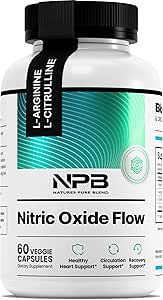
Nature's Pure Blend Nitric Oxide Supplement
Check Price on AmazonAs an Amazon Associate we earn from qualifying purchases.
Nature’s Pure Blend combines L-arginine and L-citrulline in a synergistic formula designed for comprehensive cardiovascular support. This combination leverages both the immediate arginine availability and the sustained conversion from citrulline, providing both acute and sustained nitric oxide production. Each serving delivers approximately 3g of citrulline along with arginine, supporting the research-backed dose for cardiovascular health benefits including blood pressure reduction and improved endothelial function. The capsule format offers convenience for those who prefer not to mix powders, and third-party testing ensures purity and potency. At approximately $0.50 per day, it provides excellent value for comprehensive cardiovascular support.
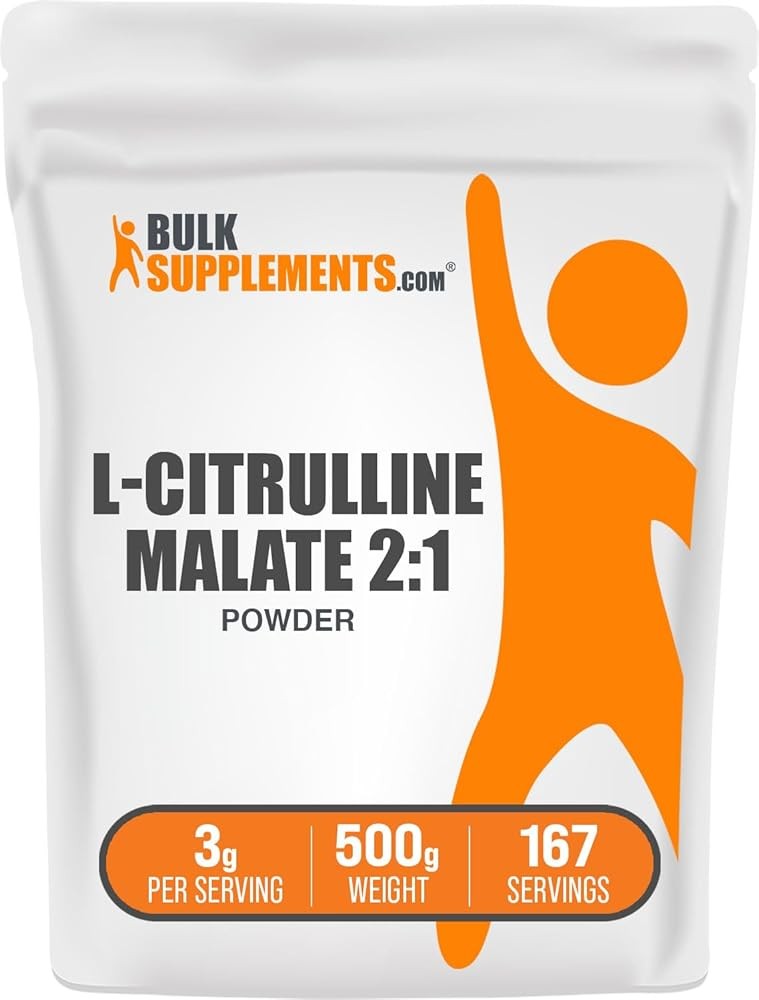
BulkSupplements L-Citrulline Malate 2:1 Powder
Check Price on AmazonAs an Amazon Associate we earn from qualifying purchases.
BulkSupplements delivers pure citrulline malate in a 2:1 ratio (2 parts citrulline to 1 part malate), matching the formulation used in exercise performance research. The unflavored powder format allows flexible dosing and easy mixing with pre-workout drinks or smoothies. With transparent labeling and third-party testing for purity above 98%, BulkSupplements provides research-backed citrulline malate at approximately $0.20 per day, making it the most cost-effective option for athletes and active individuals seeking performance benefits. The bulk packaging reduces waste and provides excellent value for consistent long-term supplementation.
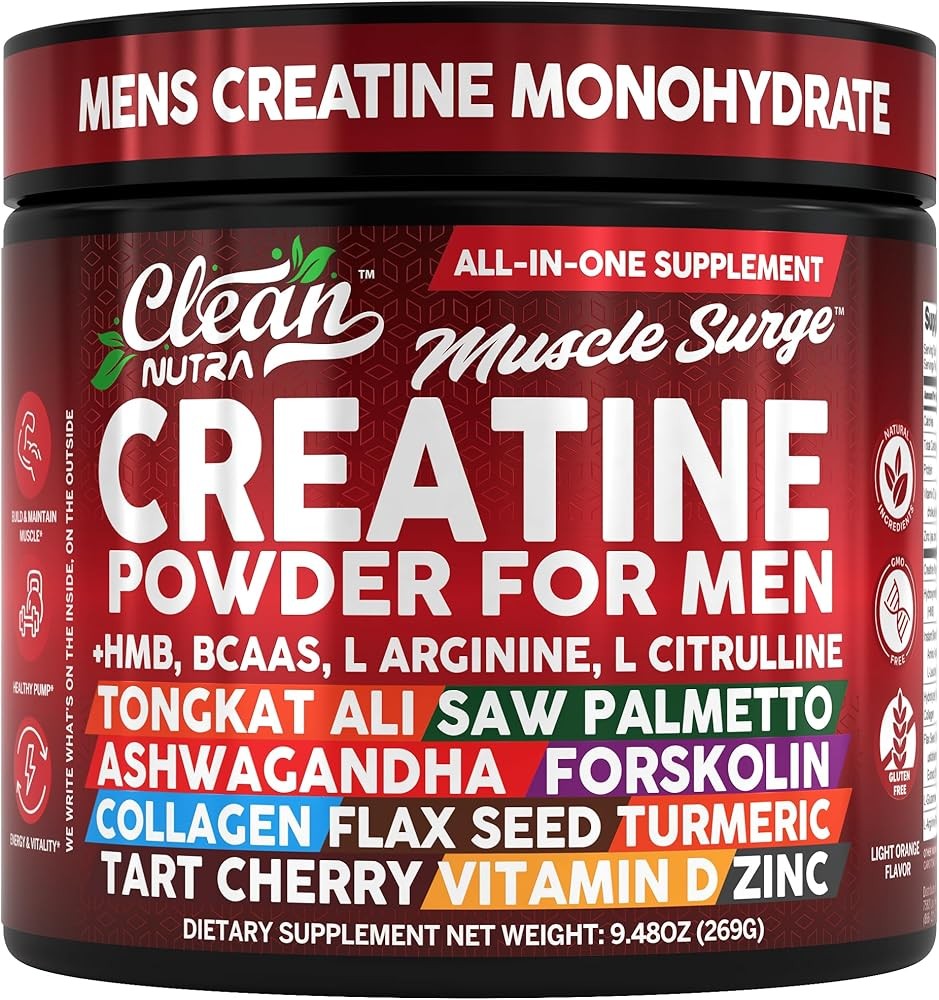
Clean Nutra Creatine + L-Citrulline Powder
Check Price on AmazonAs an Amazon Associate we earn from qualifying purchases.
Clean Nutra’s performance stack combines L-citrulline with creatine monohydrate and branched-chain amino acids for comprehensive exercise support. This combination addresses multiple performance pathways: citrulline for blood flow and oxygen delivery, creatine for ATP regeneration and strength, and BCAAs for muscle protein synthesis and recovery. The synergy between these ingredients may provide greater benefits than citrulline alone, particularly for resistance training and high-intensity exercise. The formula delivers approximately 2g citrulline per serving along with 5g creatine and 5g BCAAs, providing research-backed doses of all key ingredients. At approximately $1.00 per day, it offers convenience for those seeking an all-in-one performance supplement.
Huge EAA + Hydration combines L-citrulline with all nine essential amino acids plus electrolytes for comprehensive recovery support. The inclusion of essential amino acids ensures optimal protein synthesis for muscle repair, while citrulline enhances blood flow for nutrient delivery and waste removal. The electrolyte blend supports hydration status during and after exercise. This formula is ideal for intra-workout or post-workout consumption, providing approximately 1.5g citrulline per serving along with 10g total essential amino acids. The balanced approach addresses both the vascular and metabolic demands of exercise recovery. At approximately $0.80 per day, it provides good value for those prioritizing comprehensive recovery support.
📱 Join the discussion: Facebook | X | YouTube | Pinterest
Bottom line: Top citrulline products deliver 3-8g pure L-citrulline or 6-10g citrulline malate 2:1 per serving, third-party tested for purity above 98%, with NSF or Informed-Sport certification and transparent labeling without proprietary blends.
Related Reading
-
Best Creatine Supplements: Research-Backed Performance and Recovery
-
L-Arginine Benefits: Nitric Oxide, Blood Flow, and Cardiovascular Health
-
Best Pre-Workout Supplements: Evidence-Based Performance Enhancement
-
BCAA Benefits: Muscle Protein Synthesis and Exercise Recovery
-
Beetroot Juice Benefits: Nitrate, Nitric Oxide, and Athletic Performance
-
Magnesium Benefits: Cardiovascular Health, Exercise, and Blood Pressure
-
Best Supplements for Muscle Recovery: Research-Based Protocols
-
Erectile Dysfunction and Cardiovascular Disease: The Vascular Connection
-
Best Nitric Oxide Supplements for Blood Flow and Performance
-
Beet Juice vs Nitric Oxide Boosters: Which Delivers Better Athletic Performance?
-
Taurine for Longevity and Heart Health: The Research Behind the Hype
-
Best Supplements for High Blood Pressure: Natural Options Backed by Research
What Is the Conclusion on the Nitric Oxide Advantage?
L-citrulline represents one of the most well-researched and effective ways to support your body’s production of nitric oxide, the master signaling molecule that regulates vascular function. Through its conversion to arginine and subsequent NO production, citrulline supports blood flow, exercise performance, cardiovascular health, erectile function, and potentially cognitive function and metabolic health.
What makes citrulline particularly compelling is the combination of strong scientific evidence, excellent safety profile, and meaningful real-world benefits. This isn’t a marginally effective supplement with questionable research—it’s a well-established amino acid with robust clinical evidence across multiple applications.
The choice between L-citrulline and citrulline malate depends on your primary goals. For cardiovascular health, blood pressure management, and erectile function, pure L-citrulline is ideal. For athletic performance, citrulline malate offers additional benefits through its malate component’s role in ATP production.
Starting doses of 3-6g daily for health applications or 6-8g pre-workout for performance are supported by research and well-tolerated by most people. Benefits emerge within 1-2 weeks and continue to build with consistent use.
Your cardiovascular system is constantly communicating its status through subtle signs—cold extremities, exercise intolerance, prolonged recovery, elevated blood pressure, cognitive sluggishness, or erectile dysfunction. These clues may indicate that your vascular function could benefit from support. While citrulline isn’t a magic bullet and shouldn’t replace medical care for cardiovascular conditions, it’s a powerful tool for supporting optimal vascular function at any age.
As research continues to expand, citrulline’s role in health and performance optimization is likely to grow. For now, the evidence is clear: this watermelon-derived amino acid offers a safe, effective way to support the nitric oxide production that underpins cardiovascular health, athletic performance, and overall vitality.
Whether you’re an athlete seeking a competitive edge, someone managing cardiovascular risk factors, a man dealing with erectile dysfunction, or simply someone committed to optimal health and longevity, L-citrulline deserves serious consideration as part of your supplement regimen.
The question isn’t whether nitric oxide matters—it clearly does. The question is whether you’re doing everything you can to support your body’s production of this critical signaling molecule. L-citrulline provides a scientifically validated answer.
Recommended Products