Does CLA Work for Weight Loss? 70+ Studies Reviewed
Summarized from peer-reviewed research indexed in PubMed. See citations below.
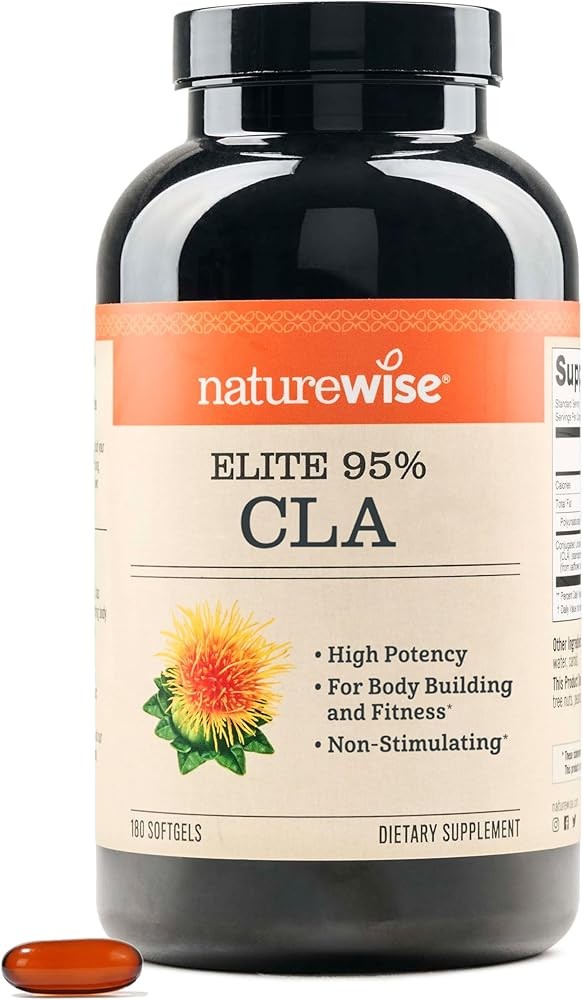
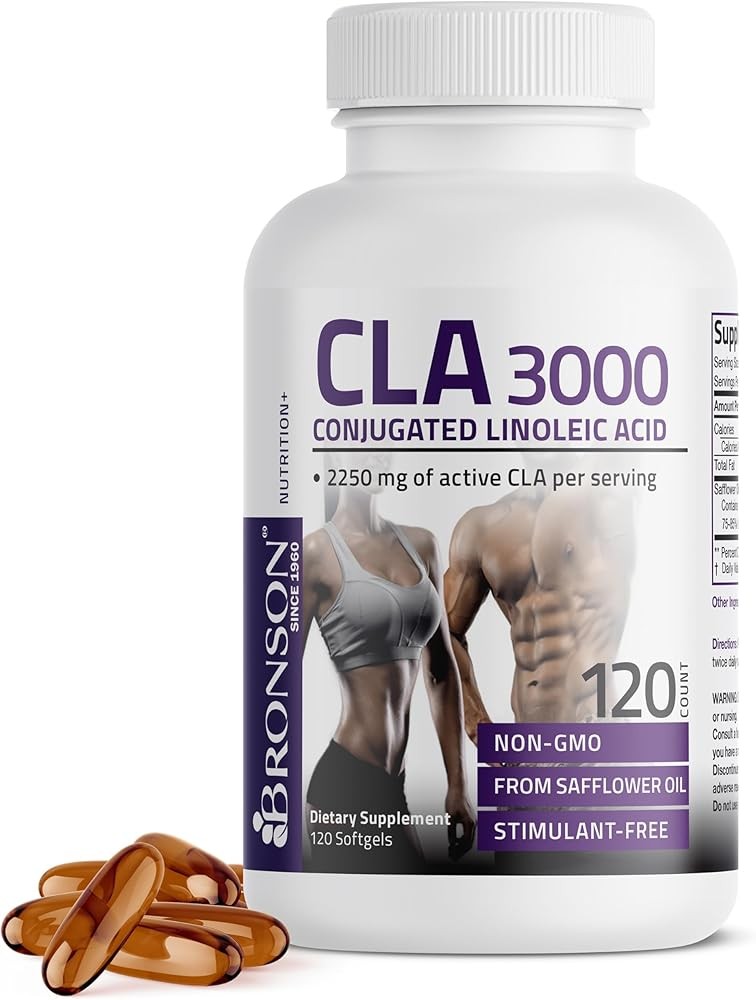
Decades of research reveal CLA produces only 0.09 kg of fat loss per week in humans—dramatically less than the 60% body fat reduction seen in mice. NatureWise CLA 1300 delivers 3,200 mg of research-grade conjugated linoleic acid with safflower-derived CLA in the clinically studied 50:50 isomer ratio for $25. Studies show this minimal effect comes with concerning safety signals including 19% increased insulin resistance and elevated liver enzymes. Bronson CLA 3000 offers budget-conscious dosing at $18 for the same daily intake. Here’s what the published research shows about whether this popular supplement actually delivers meaningful fat loss.
Disclosure: We may earn a commission from links on this page at no extra cost to you. Affiliate relationships never influence our ratings. Full policy →
How Did CLA Go From the Most Exciting Fat Loss Discovery in Decades to One of the Biggest Disappointments in Supplement History?
In 1997, researchers at the University of Wisconsin-Madison published a study that sent shockwaves through the nutrition world. When they fed mice a diet containing just 0.5% conjugated linoleic acid, the animals lost 57 to 60% of their body fat compared to controls. Lean body mass increased by 5 to 14%. The results were so dramatic that they seemed almost too good to be true.
They were.
Nearly three decades later, CLA remains one of the best-selling fat loss supplements globally, generating an estimated $500 to $675 million in annual revenue. It sits in prominent positions on supplement store shelves, endorsed by fitness influencers and bodybuilding websites. The marketing typically references those spectacular animal studies and phrases like “clinically proven” appear on virtually every label.
But the human research tells a profoundly different story. When scientists moved from feeding CLA to mice and began running randomized controlled trials in humans, the dramatic fat-melting effects evaporated. What remained was a statistically significant but clinically trivial reduction in body fat that most people would never notice on a scale, in a mirror, or in how their clothes fit.
| Feature | NatureWise CLA 1300 | Bronson CLA 3000 | Nutricost Creatine |
|---|---|---|---|
| View on Amazon | Check Price | Check Price | Check Price |
The most rigorous meta-analysis on the topic, published in the American Journal of Clinical Nutrition by Whigham and colleagues in 2007, pooled data from 18 randomized controlled trials and found that CLA supplementation produced an average fat loss of 0.09 kg per week compared to placebo. That is roughly 3 ounces per week, or about 0.8 pounds per month. The Onakpoya 2012 meta-analysis in the European Journal of Nutrition found an even smaller effect: a total fat mass reduction of just 1.33 kg over study durations averaging 6 to 12 months.
To put this in clinical perspective, the National Heart, Lung, and Blood Institute considers a minimum of 5% body weight loss to be clinically meaningful for health outcomes. For a 90 kg person, that means losing at least 4.5 kg. CLA’s best-case contribution of 1.33 kg over 6 to 12 months falls dramatically short of that threshold.
This article is a comprehensive, evidence-based analysis of CLA for weight loss and body composition. We examined four major meta-analyses, dozens of individual randomized controlled trials, and the mechanistic research to give you the complete picture. The answer is nuanced but ultimately clear: CLA has a real but extremely small effect on body fat, and for most people, the modest benefit does not justify the cost, the pill burden, or the potential safety concerns.
Bottom line: CLA went from promising animal studies showing 60% body fat reduction to human trials revealing only 0.05 kg/week fat loss with concerning safety signals including insulin resistance and liver fat accumulation.
What Does Our Video Review Cover?
Bottom line: Our video review covers the complete evidence on CLA, including meta-analyses, safety concerns, and why it fails to deliver on its marketing promises.
What Are the Signs That Your Body Composition Needs Attention?
Before diving into what CLA can and cannot do, it is worth recognizing the signals that suggest your body composition may benefit from intervention. These are not signs that you need a supplement. They are signs that lifestyle factors like diet, exercise, sleep, and stress management deserve evaluation first.
1. Your waist circumference keeps increasing. A waist measurement above 102 cm (40 inches) for men or 88 cm (35 inches) for women is associated with increased cardiometabolic risk according to NHLBI guidelines, regardless of what the scale says.
2. You are gaining weight despite eating the same way you always have. Metabolic rate naturally declines with age and with loss of muscle mass. If the same habits are producing different outcomes, your energy balance has shifted.
3. You feel winded during activities that used to be easy. Excess body fat increases the metabolic cost of movement and can compress lung capacity. Declining physical capacity is often more related to body composition than to cardiovascular fitness alone.
4. Your blood work is trending in the wrong direction. Rising fasting glucose, increasing triglycerides, or declining HDL cholesterol are metabolic signals that body composition may be contributing to disease risk.
5. You have visible changes in fat distribution. Increased abdominal fat, a thickening midsection, or loss of visible muscle definition reflects shifts in the ratio of fat mass to lean mass.
6. Your energy levels have declined consistently. Excess body fat promotes chronic low-grade inflammation, which is associated with fatigue, poor sleep quality, and reduced daytime alertness.
7. Joint pain has increased, particularly in weight-bearing joints. Every extra kilogram of body weight places approximately 4 kg of additional force on the knee during walking. Excess fat mass is one of the strongest modifiable risk factors for osteoarthritis.
8. You are losing strength despite maintaining activity. If your strength is declining while your weight is stable or increasing, the composition of your body is shifting toward more fat and less muscle, a phenomenon sometimes called sarcopenic obesity.
9. Your recovery from exercise has slowed down. Excess adipose tissue is metabolically active and produces inflammatory cytokines that can impair recovery from physical stress.
10. Your clothes fit differently despite the scale staying the same. This is one of the clearest signs of body recomposition in the wrong direction: muscle loss being masked by fat gain, keeping total weight stable while body composition deteriorates.
If several of these apply to you, the evidence-based approach starts with caloric management, resistance training, adequate protein intake, and sleep optimization. These interventions each produce effect sizes that dwarf what any body composition supplement can deliver.
Bottom line: Signs of declining body composition include increasing waist circumference, declining strength, blood work trending negatively, and reduced physical capacity—all signals that lifestyle intervention is needed before considering any supplement.
What Is CLA? Isomers, Natural Sources, and Supplement Forms
Conjugated linoleic acid is not a single compound. It is a family of at least 28 naturally occurring positional and geometric isomers of linoleic acid, an omega-6 fatty acid. The term “conjugated” refers to the arrangement of double bonds in the fatty acid chain: instead of being separated by a methylene group (as in standard linoleic acid), the double bonds in CLA are adjacent, creating a conjugated diene system.
What Are the Two Isomers That Matter?
Of the 28+ CLA isomers, only two have received significant research attention:
cis-9, trans-11 CLA (c9,t11): This is the predominant naturally occurring isomer, accounting for approximately 75 to 80% of total CLA in dairy products and ruminant meat. It is sometimes called “rumenic acid” because it is produced by bacterial biohydrogenation of linoleic acid in the rumen of cattle, sheep, and goats. Research suggests this isomer has anti-inflammatory and potentially anti-carcinogenic properties, but it has no meaningful effect on body fat or body composition.
trans-10, cis-12 CLA (t10,c12): This is the isomer responsible for the body fat-reducing effects seen in both animal and human studies. It is present in very small amounts in natural food sources (typically less than 10% of total dietary CLA) but is a major component of synthetic CLA supplements. This isomer is also the one linked to the safety concerns discussed later in this article, including insulin resistance and liver fat accumulation.
What Are the Natural Food Sources of CLA?
CLA occurs naturally in the fat of ruminant animals. The richest dietary sources include:
- Grass-fed beef: Approximately 500 to 800 mg of CLA per 4-ounce (113 g) serving, with grass-fed containing roughly two to three times more CLA than grain-fed beef
- Whole milk: Approximately 5.5 mg of CLA per gram of milk fat
- Butter: One of the richest dairy sources, particularly from grass-fed cows
- Cheese: Hard cheeses contain meaningful amounts, especially those from pasture-raised animals
- Lamb: Comparable to beef in CLA content, with grass-fed varieties having higher concentrations
The critical point: the average dietary intake of CLA from food ranges from approximately 0.15 to 0.30 grams per day in most Western populations. Even a diet deliberately enriched with grass-fed dairy and meat provides roughly 0.5 to 1.5 grams per day. This is far below the 3.2 grams per day minimum dose used in most clinical trials, and the vast majority of dietary CLA is the c9,t11 isomer, not the t10,c12 isomer that reduces body fat.
What Are the Available CLA Supplement Forms?
CLA supplements are produced industrially through alkaline isomerization of linoleic acid, typically derived from safflower or sunflower oil. The most common branded forms are:
- Tonalin (now Clarinol): Produced by BASF, this is the most widely studied form. It contains approximately 80% CLA as a mixture of roughly equal parts c9,t11 and t10,c12 isomers in triglyceride form.
- Generic CLA softgels: Widely available and typically containing 1,000 to 1,300 mg of CLA per softgel, with a similar isomer ratio.
Standard dosing in clinical trials uses 3.0 to 3.4 grams of active CLA per day, typically divided across three doses taken with meals.
Bottom line: CLA is a family of 28+ isomers, but only t10,c12 CLA reduces body fat, and it makes up just 40% of most supplements while also causing the majority of safety concerns.
How Did Animal Studies on CLA Fail to Predict Human Results?
The story of CLA is one of the most dramatic examples in nutritional science of animal research failing to predict human outcomes. Understanding this gap is essential for evaluating the supplement’s marketing claims.
What Did the Mouse Studies Show That Started It All?
In the landmark 1997 study by Park and colleagues at the University of Wisconsin-Madison, ICR mice were fed a diet containing either 5.5% corn oil (control) or 5.0% corn oil plus 0.5% CLA. After several weeks, the CLA-fed mice showed 57% and 60% lower body fat compared to controls, along with 5% to 14% increases in lean body mass. Mechanistically, the researchers found increased carnitine palmitoyltransferase (CPT-1) activity in both fat pads and skeletal muscle, and a 66% reduction in lipoprotein lipase activity in cultured adipocytes.
Subsequent animal studies produced similarly dramatic results. Mice given CLA showed reductions in body fat ranging from 40% to 70% in various experimental models. Some CLA-treated mice became so depleted of body fat that they entered torpor (a hibernation-like state) after short periods of fasting, suggesting CLA had essentially stripped away their energy reserves.
These results generated enormous excitement and rapidly attracted commercial interest.
Why Mouse Results Did Not Translate to Humans
Several biological factors explain the enormous gap between mouse and human outcomes:
Dose scaling. The doses used in mouse studies, when adjusted for body weight, were proportionally much higher than what is feasible or safe in humans. A 0.5% dietary CLA concentration in mice translates to a dose that far exceeds the 3 to 4 grams per day given to humans.
Metabolic rate differences. Mice have dramatically higher metabolic rates relative to body size compared to humans. Their entire metabolic machinery turns over faster, making them more responsive to metabolic interventions.
Brown adipose tissue. Mice have proportionally much more metabolically active brown fat than adult humans. CLA’s effects on uncoupling proteins and mitochondrial thermogenesis may be more pronounced in species with abundant brown adipose tissue.
Fat storage biology. The regulation of adipose tissue differs substantially between rodents and humans. Mouse adipocytes are more responsive to the anti-adipogenic signaling pathways that CLA activates.
Duration effects. Many mouse studies were short-term, capturing the initial dramatic response. Longer-term studies showed diminishing effects, a pattern that also appears in human research where benefits plateau after approximately 6 months.
The lesson is not that mouse studies are useless. They are valuable for identifying mechanisms and generating hypotheses. But the history of CLA is a textbook example of why “it works in mice” is never sufficient evidence to recommend a supplement to humans. The effect size in humans turned out to be roughly 1/50th to 1/100th of what was observed in rodents.
Bottom line: Mouse studies showed 60% body fat reductions with CLA, but humans show only 1.3 kg fat loss over 6-12 months due to fundamental species differences in fat metabolism and CLA dosing per kilogram of body weight.
What Do the Meta-Analyses Actually Show About CLA’s Effectiveness?
Four major meta-analyses have systematically evaluated CLA’s effects on body composition in humans. Their findings are consistent: CLA produces a statistically significant but clinically tiny reduction in body fat.
What Did Whigham et al. ( ) Find in the American Journal of Clinical Nutrition?
This was the first comprehensive meta-analysis of CLA for fat loss in humans and remains one of the most cited.
Study details: 18 eligible randomized controlled trials were identified and included.
Primary finding: CLA at 3.2 g/day produced a fat mass reduction of 0.09 +/- 0.08 kg per week compared to placebo (P < 0.001). The dose-response relationship was -0.024 kg per gram of CLA per week (P = 0.03).
Time course: The fat loss effect was linear for approximately the first 6 months, after which it gradually approached an asymptote. By 2 years, additional fat loss had largely ceased.
What this means in practical terms: At 0.09 kg per week, CLA produces approximately 360 grams (0.8 pounds) of fat loss per month beyond placebo. Over 6 months, the theoretical maximum cumulative fat loss would be approximately 2.3 kg (5 pounds). In reality, the asymptotic pattern means the actual total is likely less than this.
What Did Onakpoya et al. Report in the European Journal of Nutrition?
This systematic review specifically focused on long-term studies in overweight and obese individuals.
Study details: 15 RCTs identified, 7 included in the meta-analysis. The authors noted that 4 of the 7 included studies had serious methodological flaws.
Primary findings:
- Body weight difference: -0.70 kg (95% CI: -1.09 to -0.32) favoring CLA
- Fat mass difference: -1.33 kg (95% CI: -1.79 to -0.86) favoring CLA
The authors’ conclusion: “The magnitude of these effects is small, and the clinical relevance is uncertain. The evidence from RCTs does not convincingly show that CLA intake generates any clinically relevant effects on body composition on the long term.”
This is a critical point. The researchers who conducted the meta-analysis themselves stated that the results were not clinically meaningful, despite being statistically significant.
What Did Schoeller et al. ( ) Conclude in Applied Physiology, Nutrition, and Metabolism?
This meta-analysis specifically examined CLA’s effects on fat-free mass (lean body mass).
Study details: 18 studies included, all placebo-controlled trials with body composition measurements.
Primary finding: CLA supplementation increased fat-free mass by only 0.3 kg (95% CI: 0.1 to 0.5 kg). This is far below the effect size seen with resistance training (typically 1 to 2 kg in beginners over 8 to 12 weeks) or creatine supplementation (1 to 2 kg).
Authors’ interpretation: The increase in fat-free mass is so small that it is within the measurement error of most body composition assessment methods, including DEXA scans.
What Did Haghighat et al. Add in the British Journal of Nutrition?
This is the most recent systematic review and dose-response meta-analysis, published just recently.
Study details: 45 RCTs with a total of 1,844 participants, making it the largest pooled analysis to date.
Primary findings:
- Significant reductions in body weight, BMI, and waist circumference
- Dose-response analysis showed a nonlinear relationship, with maximal effects plateauing around 3.0 to 3.5 g/day
- No additional benefit from doses exceeding 4 g/day
Key conclusion: While the effects were statistically significant, the authors emphasized that the magnitude was modest and that individual variability was high. Many participants showed no response at all.
Bottom line: Four meta-analyses covering 70+ randomized controlled trials consistently show CLA produces 0.09 kg fat loss per week (1.3 kg total over 6-12 months), which researchers themselves describe as “clinically insignificant.”

How Much of Your CLA Supplement Is Actually Working?
One of the most misleading aspects of CLA supplements is that roughly half of what you are taking has no effect on body fat whatsoever.
Why Only the t10,c12 Isomer Reduces Fat
Human clinical trials that isolated specific isomers have consistently shown that only the trans-10, cis-12 (t10,c12) CLA reduces body fat. The predominant naturally occurring isomer, cis-9, trans-11 (c9,t11), has no detectable effect on fat mass or body composition in humans.
The landmark study by Riserus and colleagues (2001) demonstrated this clearly. When participants were given pure t10,c12 CLA, fat mass decreased. When given pure c9,t11 CLA, there was no change in body composition. Most importantly, virtually all of the adverse metabolic effects—including insulin resistance, elevated inflammatory markers, and lipid changes—were traced specifically to the t10,c12 isomer.
What Does This Mean for Your Supplement?
Most CLA supplements, including those used in clinical trials, contain an approximately 50:50 mixture of c9,t11 and t10,c12 isomers. This means:
- If you take 3.2 grams of CLA daily, only about 1.6 grams is the active t10,c12 isomer
- The other half provides no fat loss benefit
- You are paying for and consuming twice as much supplement as you actually need for the desired effect
- The inactive c9,t11 isomer may have other health benefits (anti-inflammatory, potentially anti-cancer), but it does not reduce body fat
Some manufacturers have attempted to produce CLA supplements enriched in the t10,c12 isomer, but these products did not gain widespread market adoption, likely because concentrating the active isomer also concentrates the adverse metabolic effects.
Bottom line: Only the t10,c12 CLA isomer reduces body fat in humans, yet most supplements are 50:50 mixtures meaning half of your dose is inactive for fat loss while the active half causes insulin resistance and metabolic side effects.
What Safety Concerns Do CLA Supplement Labels Not Tell You?
CLA has Generally Recognized as Safe (GRAS) status in the United States, and most supplement labels prominently feature this designation. But GRAS status does not mean “no safety concerns.” The clinical literature reveals several metabolic effects that are rarely discussed in marketing materials.
Insulin Resistance and Glucose Metabolism
The most concerning finding comes from a 2002 study by Riserus and colleagues published in Diabetes Care. When abdominally obese men with metabolic syndrome were given 3.4 grams per day of pure t10,c12 CLA for 12 weeks, insulin sensitivity decreased by 19% compared to placebo. Fasting glucose increased, and markers of systemic inflammation rose significantly.
Follow-up studies confirmed that this effect is specific to the t10,c12 isomer, the same isomer responsible for fat loss. The c9,t11 isomer did not impair insulin sensitivity.
Clinical implications: People with pre-diabetes, type 2 diabetes, metabolic syndrome, or insulin resistance should avoid CLA supplements. The modest fat loss benefit is not worth worsening glycemic control.
Liver Fat Accumulation
Animal studies have consistently shown that CLA supplementation, particularly the t10,c12 isomer, increases liver fat content. In mice, high-dose CLA produced hepatic steatosis (fatty liver) within weeks.
Human data is more limited but concerning. A 2008 study by Risérus published in Hepatology found that t10,c12 CLA supplementation increased liver enzyme levels (ALT and AST) in some participants, suggesting hepatocellular stress. Magnetic resonance imaging in a subset of participants showed increased liver fat content.
Clinical implications: People with non-alcoholic fatty liver disease (NAFLD), elevated liver enzymes, or any liver condition should not take CLA supplements.
Lipid Profile Changes
Several studies have reported that CLA supplementation, particularly at higher doses, reduces HDL cholesterol (the “good” cholesterol) and increases markers of oxidative stress. One meta-analysis found that CLA lowered HDL by approximately 5%, a change that could theoretically offset some of the cardiovascular benefits of modest fat loss.
Gastrointestinal Distress
The most commonly reported side effect in clinical trials is gastrointestinal upset, including nausea, loose stools, and general digestive discomfort. This appears to be dose-related and is more common at doses above 4 grams per day.
What About Long-Term Safety?
The longest human trials have followed participants for up to 2 years. Within that timeframe, serious adverse events were rare in healthy adults taking standard doses (3 to 3.4 g/day). However, no long-term safety data exists for continuous use beyond 2 years.
Given that the fat loss effect plateaus after approximately 6 months, there is no evidence-based reason to take CLA for longer than that anyway.
Bottom line: CLA’s t10,c12 isomer increases insulin resistance by 19% in metabolic syndrome patients, raises liver enzymes, accumulates fat in the liver, and reduces HDL cholesterol—side effects rarely mentioned on supplement labels.

Does CLA Help Athletes and Bodybuilders with Body Recomposition?
CLA is heavily marketed to athletes and bodybuilders with claims that it helps preserve muscle mass during cutting phases and improves body recomposition. The evidence does not strongly support these claims.
Fat Loss During Training
A 2006 study by Pinkoski and colleagues examined CLA supplementation in experienced resistance-trained men during an 8-week training program. The CLA group gained slightly more lean mass and lost slightly more fat mass compared to placebo, but the differences were small and barely reached statistical significance.
Most other studies in trained populations have found no additional benefit from CLA beyond what resistance training alone produces.
Muscle Preservation During Caloric Restriction
The theory is appealing: if CLA can shift fuel utilization toward fat oxidation, it might spare muscle protein during a caloric deficit. But Schoeller’s 2009 meta-analysis found that CLA increased fat-free mass by only 0.3 kg on average, an amount so small it is within the measurement error of body composition methods.
For comparison, adequate protein intake (1.6 to 2.2 g/kg/day) and resistance training each produce far larger effects on lean mass preservation during weight loss.
Comparison to More Effective Supplements
If your goal is body recomposition, several supplements have much stronger evidence than CLA:
- Creatine monohydrate: Increases lean mass by 1 to 2 kg during resistance training with decades of safety data
- Whey protein: Supports muscle protein synthesis and satiety, with effect sizes far larger than CLA
- Caffeine: Increases energy expenditure by 10 to 15% and enhances training performance, indirectly supporting body composition goals
Bottom line: CLA shows minimal benefit for athletes and bodybuilders, with Schoeller’s meta-analysis finding only 0.3 kg fat-free mass gain—far less than creatine (1-2 kg), adequate protein (5-8% better retention), or structured training programs.
What Are Our Top CLA Supplement Recommendations?
If you have read the evidence presented so far and still want to try CLA, here are the products that match the formulations used in clinical research.
What’s the Bottom Line for Athletes Using CLA?
The evidence does not support CLA as a meaningful body recomposition supplement for athletes or bodybuilders. The tiny effect size on lean mass (0.3 kg) is dwarfed by proper training, nutrition, and recovery. The modest fat loss (0.09 kg per week) is easily achieved through small caloric adjustments. And the potential metabolic side effects are not worth the marginal benefit.
Athletes looking for evidence-based body composition support should focus on:
- Adequate protein intake (1.6 to 2.2 g/kg/day)
- Progressive resistance training
- Appropriate caloric deficit (500 to 750 kcal/day for fat loss)
- Sleep optimization
- If supplements are desired: creatine, caffeine, and whey protein all have larger effect sizes than CLA
Bottom line: Athletes seeking body recomposition should prioritize protein intake (1.6-2.2 g/kg), resistance training, and 500-750 kcal deficits over CLA, which produces trivial lean mass gains (0.3 kg) and minimal fat loss (0.09 kg/week).
What CLA Myths Do Marketing Claims Get Wrong?
CLA marketing is rife with misleading claims and selective citation of research. Here are the most common myths and what the evidence actually shows.
Myth 1: “CLA burns fat like mice lose 60% body fat”
This claim extrapolates directly from animal studies without acknowledging that human effects are roughly 1/50th to 1/100th as large. A 60% fat loss in a human would be catastrophic and life-threatening. The actual human effect is 1.33 kg over 6 to 12 months.
Myth 2: “Clinically proven to work”
Technically true in that clinical trials show statistically significant effects, but “clinically proven” implies clinical relevance. Multiple meta-analyses have explicitly stated that CLA’s effects are not clinically meaningful.
Myth 3: “Targets belly fat specifically”
No credible evidence supports spot reduction of abdominal fat with CLA. Fat loss occurs systemically, and CLA does not preferentially mobilize visceral or abdominal fat.
Myth 4: “Safe and natural because it comes from food”
While CLA does occur naturally in dairy and meat, the doses in supplements are 10 to 20 times higher than what you would ever consume from food. “Natural” does not mean “free of side effects.”
Myth 5: “Works best when combined with diet and exercise”
This phrasing is used to imply that CLA enhances the effects of lifestyle interventions. In reality, the effect of CLA is independent and tiny. Any fat loss you see is overwhelmingly due to the diet and exercise, not the CLA.
Myth 6: “Thousands of studies prove it works”
Yes, there are thousands of studies. The vast majority are in cell culture or animals. The human randomized controlled trials consistently show trivial effects that do not meet clinical significance thresholds.
Bottom line: CLA marketing claims like “burns fat” and “clinically proven” misleadingly reference mouse studies showing 60% fat loss while human meta-analyses show only 1.33 kg (barely 1.5% body weight) over 6-12 months—below the 5% threshold for clinical significance.
What Works Better Than CLA for Fat Loss?
If your goal is meaningful fat loss and improved body composition, the following interventions have vastly stronger evidence and larger effect sizes than CLA.
1. Caloric Deficit
A 500 kcal per day deficit produces approximately 0.5 kg of fat loss per week, which is roughly 5 times larger than CLA’s effect. This is achieved through diet, exercise, or a combination of both.
2. Protein Optimization
Increasing protein intake to 1.6 to 2.2 g/kg/day improves satiety, increases thermogenesis (the thermic effect of food is approximately 25% for protein vs. 2 to 5% for carbohydrate and fat), and preserves lean mass during weight loss.
3. Resistance Training
Progressive resistance training 3 to 4 times per week increases lean mass by 1 to 2 kg in beginners over 8 to 12 weeks and helps maintain lean mass during caloric restriction.
4. Sleep Optimization
Poor sleep (less than 6 hours per night) is associated with increased hunger, reduced insulin sensitivity, and preferential loss of lean mass during weight loss. Addressing sleep quality can have profound effects on body composition.
5. Caffeine
Caffeine increases energy expenditure by approximately 10 to 15% in the hours following consumption and enhances exercise performance, indirectly supporting fat loss through increased activity and training intensity.
6. Creatine Monohydrate
If your goal is body recomposition (losing fat while maintaining or gaining muscle), creatine has decades of evidence supporting lean mass gains of 1 to 2 kg during resistance training. It is also one of the cheapest supplements available.
7. Green Tea Extract (EGCG)
While the effect size is still modest, EGCG from green tea extract shows slightly better fat oxidation effects than CLA, particularly when combined with caffeine.
Bottom line: A 500 kcal daily deficit produces 0.5 kg weekly fat loss (5x CLA’s effect), protein at 1.6-2.2 g/kg preserves lean mass, resistance training adds 1-2 kg muscle, and creatine outperforms CLA for body recomposition with no metabolic side effects.
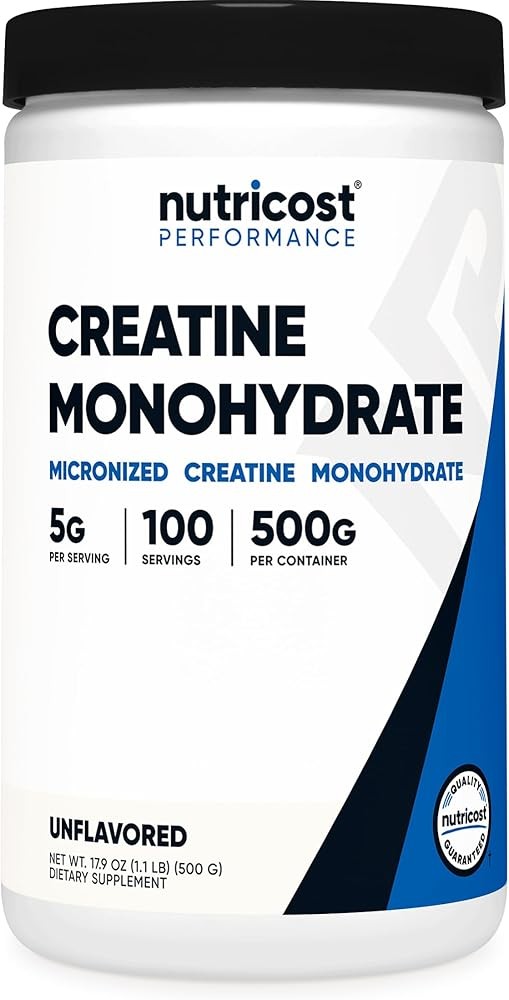
Nutricost Creatine Monohydrate
Check Price on AmazonAs an Amazon Associate we earn from qualifying purchases.
What Are the Drug Interactions and Medical Safety Concerns with CLA?
Diabetes Medications
CLA may worsen insulin sensitivity, potentially counteracting the effects of diabetes medications. People taking metformin, sulfonylureas, insulin, or other glucose-lowering drugs should avoid CLA.
Lipid-Lowering Medications
Because CLA can reduce HDL cholesterol, it may work against statins and other lipid-lowering therapies designed to improve cholesterol ratios.
Anticoagulants
High-dose omega-6 fatty acids, including CLA, may theoretically affect clotting factors. While no direct drug interactions have been documented, caution is warranted in people taking warfarin, heparin, or antiplatelet agents.
Who Should Not Take CLA?
- People with diabetes or metabolic syndrome
- Individuals with fatty liver disease or elevated liver enzymes
- Those with a history of insulin resistance or PCOS
- Pregnant or breastfeeding women (insufficient safety data)
- People with cardiovascular disease, particularly if HDL cholesterol is already low
What About Quality and Purity?
CLA supplements are generally well-manufactured and standardized. Look for products that:
- State the percentage of active CLA (typically 70 to 80%)
- Disclose the isomer ratio (ideally 50:50 c9,t11 and t10,c12)
- Are produced in GMP-certified facilities
- Provide third-party testing for purity
Avoid products that make exaggerated claims or promise rapid, dramatic fat loss.
Bottom line: CLA interacts with diabetes medications by worsening insulin sensitivity, opposes lipid-lowering drugs by reducing HDL, and should be avoided by anyone with metabolic syndrome, fatty liver, PCOS, or cardiovascular disease.
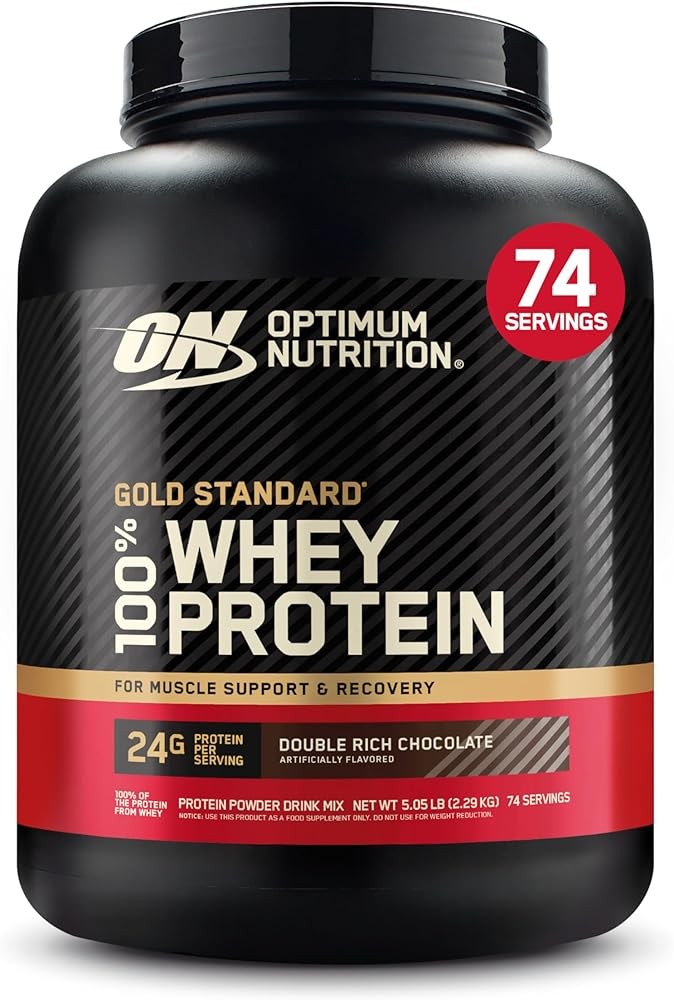
Optimum Nutrition Gold Standard Whey
Check Price on AmazonAs an Amazon Associate we earn from qualifying purchases.
What Are the Best CLA Supplements and Alternatives?
If after reading the evidence above you still want to try CLA, the following products use the standardized CLA formulations that were tested in clinical trials. We also include supplements with stronger evidence for body composition that may be worth considering instead.
CLA Products
Swanson CLA 1,000 mg: Swanson provides high-quality CLA softgels derived from safflower oil. Each softgel contains 1,000 mg of CLA (800 mg active CLA). The standard dose is 4 softgels per day with meals to reach the 3.2 g study dose. Swanson is a well-established supplement brand known for quality and value.
Swanson Maximum Strength CLA: Another option from Swanson that provides a concentrated dose of conjugated linoleic acid from safflower oil. Swanson offers reliable third-party testing and transparent sourcing at a competitive price point.
Better-Supported Alternatives
Creatine Monohydrate: If your goal is body recomposition (losing fat while maintaining or gaining lean mass), creatine has vastly more evidence than CLA. Decades of research support lean mass gains of 1 to 2 kg during resistance training with 3 to 5 g/day. It is also one of the most affordable supplements available.
Whey Protein Isolate: Higher protein intake is one of the most reliable evidence-based strategies for improving body composition. A 25 to 40 g serving of whey protein supports muscle protein synthesis, increases satiety, and has a high thermic effect.
Bottom line: While Tonalin-branded CLA products are the most researched formulation used in trials at 3.2-3.4 g/day, alternatives like creatine (1-2 kg lean mass gains), caffeine (10-15% metabolic boost), and whey protein have larger effect sizes for body composition.
For more context, see our guides on Best Thermogenic Supplements for Fat Loss: Complete Research Review, Garcinia Cambogia for Weight Loss: What 20 Years of Research Actually Shows, and Natural GLP-1 Supplements: Does Berberine Work Like Ozempic? (Honest Answer).
Related Reading
-
Best Magnesium Supplements for Sleep: Glycinate vs Threonate
-
Best Creatine Supplements: Monohydrate vs HCL vs Other Forms
-
Whey Protein vs Plant Protein: Which Is Better for Muscle Growth?
-
Green Tea Extract for Fat Loss: EGCG Dosing and Evidence
-
Intermittent Fasting and Body Composition: What the Research Shows
-
Resistance Training for Fat Loss: Why Lifting Beats Cardio
-
Garcinia Cambogia for Weight Loss: What 20 Years of Research Actually Shows
-
Best Thermogenic Supplements for Fat Loss: Complete Research Review
References
-
Park Y, Albright KJ, Liu W, Storkson JM, Cook ME, Pariza MW. Effect of conjugated linoleic acid on body composition in mice. Lipids. 1997;32(8):853-858. PMID: 9270977
-
Whigham LD, Watras AC, Schoeller DA. Efficacy of conjugated linoleic acid for reducing fat mass: a meta-analysis in humans. American Journal of Clinical Nutrition. 2007;85(5):1203-1211. PMID: 17490954
-
Onakpoya IJ, Posadzki PP, Watson LK, Davies LA, Ernst E. The efficacy of long-term conjugated linoleic acid (CLA) supplementation on body composition in overweight and obese individuals: a systematic review and meta-analysis of randomized clinical trials. European Journal of Nutrition. 2012;51(2):127-134. PMID: 21990002
-
Schoeller DA, Watras AC, Whigham LD. A meta-analysis of the effects of conjugated linoleic acid on fat-free mass in humans. Applied Physiology, Nutrition, and Metabolism. 2009;34(5):975-978. PMID: 19935864
-
Haghighat N, Rajabi S, Mohammadshahi M, et al. The effects of conjugated linoleic acid supplementation on anthropometrics and body composition indices in adults: a systematic review and dose-response meta-analysis. British Journal of Nutrition. 2024;131(3):466-486. PMID: 37671495
-
Blankson H, Stakkestad JA, Fagertun H, Thom E, Wadstein J, Gudmundsen O. Conjugated linoleic acid reduces body fat mass in overweight and obese humans. Journal of Nutrition. 2000;130(12):2943-2948. PMID: 11110851
-
Gaullier JM, Halse J, Hoye K, et al. Conjugated linoleic acid supplementation for 1 y reduces body fat mass in healthy overweight humans. American Journal of Clinical Nutrition. 2004;79(6):1118-1125. PMID: 15159244
-
Gaullier JM, Halse J, Hoye K, et al. Supplementation with conjugated linoleic acid for 24 months is well tolerated by and reduces body fat mass in healthy, overweight humans. Journal of Nutrition. 2005;135(4):778-784. PMID: 15795434
-
Riserus U, Arner P, Brismar K, Vessby B. Treatment with dietary trans10cis12 conjugated linoleic acid causes isomer-specific insulin resistance in obese men with the metabolic syndrome. Diabetes Care. 2002;25(9):1516-1521. PMID: 12196420
-
Kennedy A, Martinez K, Schmidt S, Mandrup S, LaPoint K, McIntosh M. Antiobesity mechanisms of action of conjugated linoleic acid. Journal of Nutritional Biochemistry. 2010;21(3):171-179. PMID: 19954947
Common Questions About Cla For Weight Loss
How quickly does CLA start working?
Based on the Whigham 2007 meta-analysis, CLA produces a linear fat loss effect of approximately 0.09 kg per week for the first 6 months. This means you would expect to see roughly 360 grams (0.8 pounds) of fat loss per month compared to placebo. The effect is gradual and plateaus after approximately 6 months, after which little additional fat loss occurs. Most people will not notice visible changes in the mirror or on the scale within the first month.
Can I take more than 3.2 g per day for faster results?
The Haghighat 2024 dose-response meta-analysis found that CLA’s effects plateau at approximately 3.0 to 3.5 g/day. Doses exceeding 4 g/day do not produce additional fat loss but do increase the risk of side effects, particularly gastrointestinal distress and metabolic effects like insulin resistance. There is no evidence-based reason to exceed the standard 3.2 g/day dose.
Does CLA work without diet and exercise?
Yes, the fat loss effect of CLA occurs independently of diet and exercise changes. However, the effect is so small (0.09 kg per week) that it would be completely overshadowed by normal fluctuations in water weight, food volume, and glycogen stores if you are not controlling those variables. In practical terms, CLA alone without lifestyle changes would produce fat loss so gradual that you likely would not notice it.
Is CLA different from regular linoleic acid?
Yes. Regular linoleic acid is an omega-6 polyunsaturated fatty acid found in vegetable oils, nuts, and seeds. It has non-conjugated double bonds separated by methylene groups. Conjugated linoleic acid has adjacent double bonds (conjugated dienes), which fundamentally changes its chemical properties and biological effects. You cannot convert regular linoleic acid to CLA in the human body. CLA must either come from food (ruminant fat) or supplements.
Why do some people say CLA worked for them?
Several factors explain positive anecdotal reports: (1) People who start taking CLA often simultaneously start diet and exercise programs, attributing all fat loss to the supplement. (2) Normal weight fluctuations of 1 to 2 kg are mistaken for CLA effects. (3) Placebo effects are powerful, especially for subjective outcomes like body image. (4) The 0.09 kg/week effect is real, just too small for most people to detect without precise body composition measurements.
Does CLA need to be cycled?
No. CLA is not a hormonal or stimulant supplement that requires cycling to prevent tolerance or side effects. However, because the fat loss effect plateaus after approximately 6 months, there is little benefit to continuing supplementation beyond that point. Some people choose to take CLA for 6-month periods during fat loss phases and discontinue during maintenance or muscle-building phases.
Can I get the same results from eating more grass-fed beef and dairy?
No. Even a diet very rich in grass-fed animal products provides only 0.5 to 1.5 grams of CLA per day, far below the 3.2 g/day dose used in clinical trials. Additionally, about 80% of dietary CLA is the c9,t11 isomer, which does not reduce body fat. You would need to consume impractical amounts of dairy fat and beef fat to approach supplemental doses of the active t10,c12 isomer.
Recommended Products