Cold-Press Juicing for Dogs: Why the Hurom H70 Is Essential for Canine Health
Summarized from peer-reviewed research indexed in PubMed. See citations below.
Many dog owners assume cold-press juicing is a nutritional upgrade for their pets, and juicer marketing leans hard into that idea with claims about preserved enzymes and 90-95% nutrient retention. The published research tells a more measured story: extraction method matters less than freshness and ingredient choice, slow masticating juicers do outperform high-speed centrifugal ones in some head-to-head studies, and the real value of vegetable juice for dogs is a modest, species-appropriate addition of micronutrients, hydration, and fiber-free produce, not a substitute for whole food or veterinary care. This guide walks through what the studies actually show, which vegetables are safe, how to dose juice by body weight, and which Hurom model makes sense for your household, with context on safe juicing practices and dog-safe juice recipes.
Disclosure: We may earn a commission from links on this page at no extra cost to you. Affiliate relationships never influence our ratings. Full policy →
| Product | Key Specs | Best For | Price |
|---|---|---|---|
| Hurom H70 Cold Press Juicer | Strainer-free, compact, self-feeding hopper, few parts | Small kitchens and daily single-dog servings | $649 |
| Hurom H320 Cold Press Juicer | Family-size hopper, pulp-control lever, fine and coarse strainers, quiet motor | Budget buyers and owners who want pulp control | $599 |
| Hurom H400 Cold Press Juicer | Wide-mouth hopper fits whole produce, easy-clean two-part auger chamber | Multi-dog households batch-juicing 2-3 days at a time | $749 |
What Does the Research Actually Say About Cold-Press vs Centrifugal Juice?
The most direct evidence comes from a 2019 study in Heliyon that compared juice extracted with a cold-press juicer against juice from a normal centrifugal juicer (Khaksar et al., 2019). Measured immediately after extraction, the two methods produced juice with no significant differences in ascorbic acid, total phenolic content, total carotenoids, or antioxidant capacity measured by FRAP and DPPH assays. The authors were blunt about what this means: their results “strongly question the claim regarding the superior quality of cold-pressed juices.” If your only goal is the nutrient content of fresh juice drunk within an hour, the machine matters far less than the produce.
Where method does matter is shelf life. In the same study, cold-pressed juice stored under home-refrigerated conditions held its antioxidant capacity and bioactive compound levels unchanged through day 5, with most parameters declining at day 6 and reaching their lowest values at day 7. Juice held at room temperature around 28°C lost quality within 48 hours. That finding has a practical translation for dog owners: if you batch-juice for the week, a slow cold-press machine gives you a wider safe window, but only if the juice goes into the refrigerator immediately and stays there.
The second head-to-head data point is a 2017 study in Food Science and Biotechnology that tested grape juice made four ways: low-speed masticating juicer, high-speed centrifugal juicer, blender, and plain grape flesh (Kim et al., 2017). Total polyphenols, total flavonoids, monomeric anthocyanins, and vitamin C were all highest in the low-speed masticating juice, in the order low-speed masticating greater than blender greater than high-speed centrifugal greater than grape flesh. DPPH radical scavenging and SOD-like activity were also significantly higher in the low-speed juice. One transparency note: that study was run by researchers affiliated with Hurom’s R&D center, so read the size of the reported gaps with some caution, but the direction matches the broader food-science literature on gentler extraction preserving heat- and oxygen-sensitive compounds.
A separate line of evidence explains why oxidation matters for a dog’s bowl. In dogs and cats, vitamin C regenerates vitamin E during free radical scavenging, so the two antioxidants work as a pair (Jewell et al., 2024). High-speed juicers whip air into the juice and generate friction heat, and both accelerate the oxidation that degrades vitamin C and polyphenols. That is the mechanistic argument for a slow masticating machine: not magic retention numbers, but less oxygen incorporation and less heat, which shows up as better-preserved antioxidants over hours and days rather than at the moment of extraction.
The storage half of the 2019 study also shows what actually degrades first. Principal component analysis tied the day-7 quality collapse primarily to two variables, ascorbic acid and FRAP antioxidant capacity, which means vitamin C oxidation is the leading edge of juice spoilage (Khaksar et al., 2019). For a pet, that is also the safety edge: vitamin C loss tracks the same oxidation and microbial growth that turns a sweet vegetable juice into something a dog should not drink. This is why the practical rules below are about time and temperature, not about which brand of machine preserves more “living enzymes.” Fresh juice is a perishable food, and the fastest way to destroy its value is to leave it warm.
The evidence shows: fresh juice from a slow masticating juicer and a centrifugal juicer starts out nutritionally similar, but slow-pressed juice keeps its antioxidants longer under refrigeration (steady through day 5 versus degrading within 48 hours at room temperature, per Khaksar 2019), and low-speed masticating extraction beat high-speed centrifugal for polyphenols, anthocyanins, and vitamin C in the 2017 grape-juice comparison. Buy cold-press for gentler extraction and a wider freshness window, and keep expectations realistic about the size of the nutrient gap.
What Are the Real Benefits of Vegetable Juice for Dogs?
Vegetable juice delivers three things a dog can genuinely use: water, micronutrients in an easily absorbed form, and phytonutrients that have real biological activity in canine tissue. It is not enzyme therapy, not a detox, and not a replacement for a balanced diet. With those boundaries set, here is what the evidence supports.
What Does the Research Show About Carotenoids and Aging Immunity?
Carrots are the classic dog juice base for a reason: they are cheap, sweet, and loaded with beta-carotene. Two controlled feeding studies in dogs give this real scientific footing. The first, in the Journal of Nutrition, fed female Beagles 0, 2, 20, or 50 mg of beta-carotene per day for eight weeks (Chew et al., 2000). Dogs receiving 20 or 50 mg per day had higher CD4+ cell numbers and a higher CD4:CD8 ratio, higher plasma IgG, and heightened delayed-type hypersensitivity responses to both a mitogen and a vaccine compared with unsupplemented dogs. Plasma beta-carotene rose in a dose-dependent manner, and interestingly, dogs classified as poor beta-carotene absorbers showed impaired immune responses even at the same intake.
The second study asked whether beta-carotene could reverse age-related immune decline, which is directly relevant to senior dogs (Massimino et al., 2003). Young and old dogs were fed a control diet or diets with supplemental beta-carotene over two-month periods. Age significantly lowered CD4+ T cell populations (47.2% of lymphocytes in young controls versus 33.7% in old controls), and beta-carotene restored the percentage in old dogs to 41.0%, no longer significantly different from the young group. T cell proliferation, which fell from 30,254 to 14,811 cpm with age, improved to 21,329 cpm with beta-carotene. Old dogs also showed weaker delayed-type hypersensitivity skin responses to both a plant mitogen and sheep red blood cells, and beta-carotene improved those responses, mostly within the first 24-48 hours after challenge. B cell proliferation, which age also depressed, improved with beta-carotene in the younger group, which suggests the carotenoid’s immune effects are not limited to one cell type.
The honest translation for juicing: these were supplementation studies using concentrated doses of 20-50 mg of beta-carotene per day, far more than a dog will get from a teaspoon of carrot juice. What they establish is that beta-carotene is biologically active in canine immunity and that older dogs are the population most likely to benefit. Carrot juice is a reasonable way to add a little of that pigment to a senior dog’s diet, not a way to reproduce clinical trial doses.
One more nuance cuts in the other direction: beta-carotene is a fat-soluble pigment locked inside plant cells, and its absorption improves substantially when vegetables are cooked and eaten with fat, which is why carrot nutrition research usually involves cooked or processed carrot products rather than raw juice. Raw carrot juice delivers some beta-carotene, but the same carrots gently steamed and mashed with a little of the dog’s regular food may deliver more of it in a more absorbable form. That is not an argument against occasional carrot juice, which dogs enjoy and which hydrates, but it is a reason not to see juice as the optimal delivery system for every nutrient in the vegetable.
How Does Vitamin C Work in a Species That Makes Its Own?
Dogs synthesize vitamin C in their livers, which makes the canine vitamin C story genuinely different from the human one (Gordon et al., 2020). The vitamin still has important physiological roles in dogs, including immune regulation, amelioration of oxidative stress, and tissue growth and maintenance, and it acts as a cofactor for producing catecholamines and vasopressin. Decreased vitamin C levels have been documented in a wide range of diseases, and the same review notes that companion animal data on therapeutic vitamin C is very limited, with the low risk and low cost of the vitamin making it a promising area for future study rather than an established treatment.
There is even a caution flag against reflexively supplementing sick dogs. A study of dogs admitted to a teaching hospital intensive care unit found that hospitalized dogs had significantly higher plasma ascorbic acid concentrations than healthy controls, with concentrations rising further in dogs hospitalized longer (Groth et al., 2012). The authors concluded that supplementation may not be indicated in dogs hospitalized in an ICU. The practical read for a dog owner: a healthy dog does not need vitamin C supplements, a sick dog’s vitamin C needs should be a veterinary call, and vegetable juice is simply one whole-food source of the vitamin plus other micronutrients, with no need to chase megadoses.
What Do the Canine Flavonoid Studies Actually Show?
The anti-inflammatory pitch for vegetable juice leans on polyphenols like quercetin, and here the canine-specific evidence is genuinely accumulating, though it is still test-tube level. A 2025 study in Animals stimulated canine peripheral blood mononuclear cells with E. coli and treated them with quercetin, luteolin, and grape seed proanthocyanidins at 25 and 50 µg/mL (Móritz et al., 2025). All three flavonoids significantly reduced intracellular oxidative stress and inflammatory cytokine production, including TNF-alpha, compared with infected controls, while showing only moderate antibacterial activity. The authors framed the findings as support for dietary flavonoids as potential adjuncts in managing canine chronic gastrointestinal inflammation, with in vivo validation still needed.
A follow-up 2026 study used LPS-stimulated canine duodenal explants, a closer model of the gut wall itself (Móritz et al., 2026). Quercetin, luteolin, and oligomeric proanthocyanidins all attenuated LPS-induced mucosal inflammation and reactive oxygen species production to varying degrees, and quercetin and luteolin produced pronounced downregulation of TNF-alpha. Again, this is promising in vitro work on compounds found in juice, not clinical proof that juiced vegetables reduce arthritis or gut inflammation in a living dog. What it does justify is treating flavonoid-rich vegetables as a sensible inclusion in a dog’s diet rather than as a medication.
What About Glucosinolates, Sulforaphane, and Detoxification?
Cruciferous vegetables like broccoli and kale contain glucosinolates, which are hydrolyzed by the enzyme myrosinase into bioactive isothiocyanates such as sulforaphane when the plant cells are crushed, which is exactly what juicing does (Labudda et al., 2026). Sulforaphane’s best-characterized mechanism is activation of the Keap1/Nrf2 axis, which regulates phase II detoxification enzymes, along with epigenetic effects such as histone deacetylase inhibition (Saito et al., 2025). In healthy human subjects, sulforaphane supplementation has enhanced detoxification markers and reduced inflammation, and the clinical trial literature now spans 84 registered trials, 39 of them published.
For dogs, this is background science, not a licensed claim. No canine trial data shows that juiced broccoli changes detoxification capacity in a dog, and cruciferous vegetables carry their own canine caveats: they can cause gas, and large amounts may matter for dogs with hypothyroidism. If you include broccoli or kale in dog juice, keep the amounts small and rotate vegetables rather than juicing the same brassica every batch.
Why Isn’t Juice an Enzyme Therapy for Dogs?
A recurring claim in juicer marketing is that raw juice supplies “living enzymes” that ease the aging dog’s pancreas. The veterinary literature tells a different story. Exocrine pancreatic insufficiency (EPI) in dogs is a real and serious condition in which the pancreas fails to produce digestive enzymes, and clinical signs appear when more than 85% of the pancreatic parenchyma is non-functional (Szkopek et al., 2024). The primary treatment is pancreatic enzyme replacement therapy, a lifelong veterinary treatment using products that contain lipases, alpha-amylase, and proteases. Plant and microbial enzymes are a promising research avenue, but no registered preparation containing all needed enzymes exists for clinical use.
Nothing in a glass of vegetable juice fixes EPI, and healthy dogs do not have an enzyme deficit that juice fixes. Put enzyme claims in the marketing column. The defensible benefits of dog juice are the ones above: hydration, carotenoids, vitamin C from whole food, and flavonoids, delivered in a form a dog can absorb without chewing through plant cell walls.
How Does Juice Help With Hydration in Older Dogs?
One underrated benefit of vegetable juice is simply water. Older dogs frequently drink less than they should: thirst perception fades, arthritis can make the trip to the bowl uncomfortable, and cognitive decline can interfere with normal drinking behavior. Chronic mild dehydration is a real concern in senior dogs because it concentrates the blood, stresses the kidneys, and slows nutrient delivery to tissues. Diluted vegetable juice is roughly 95% water with a little electrolyte content, and dogs that snub plain water will often take a familiar-smelling juice. That makes a tablespoon of diluted juice a legitimate hydration tool for a senior dog, used a few times a week, with the same caveat as everything else in this guide: kidney disease changes the rules, because juice also concentrates potassium and oxalates, so the vet conversation comes first for any dog with a renal diagnosis.
Key takeaway: the evidence-backed reasons to offer a dog small amounts of cold-press vegetable juice are hydration, beta-carotene (which restored several age-related immune declines in senior dogs in a controlled 2003 feeding study), vitamin C as a whole-food micronutrient rather than a supplement, and flavonoid intake supported by promising 2025-2026 canine in vitro studies. Enzyme replacement, detoxification, and anti-inflammatory drug effects are not on that list.
What Vegetables Are Safe to Juice for Dogs, and Which Are Toxic?
Choosing produce is the single highest-stakes decision in dog juicing, because the toxic list overlaps with some very popular human juice ingredients. The veterinary case literature here is not theoretical: grapes and raisins have caused acute kidney failure in dogs with no established safe dose, and onions destroy red blood cells at doses around half a percent of body weight in a single sitting (Eubig et al., 2005; Harvey et al., 1985). Case series show kidney damage appearing within 24-72 hours of grape ingestion, and the toxin is still unidentified, which is why the veterinary consensus is complete avoidance rather than dose management (Morrow et al., 2005; Downs et al., 2024).
What Vegetables Are Safest for Most Dogs?
| Vegetable | What It Offers | Serving Notes |
|---|---|---|
| Cucumber | Mostly water with mild mineral content | The gentlest first ingredient; dilute further for puppies or sensitive dogs |
| Celery | Water, minerals, mild anti-inflammatory compounds | Stringy but juices cleanly; a good base volume |
| Carrot | Beta-carotene, the pigment behind the canine immune studies above | Sweet; keep to half the blend or less |
| Zucchini | Water and gentle fiber-free bulk | Mild and well tolerated |
| Bell pepper | Vitamin C and carotenoids | Small amounts; green peppers are less sweet than red |
| Leafy greens (kale, spinach, parsley) | Carotenoids, vitamin K, flavonoids | Small amounts only; see oxalate and vitamin K cautions below |
| Broccoli | Glucosinolates, the sulforaphane precursors | Small amounts; can cause gas |
| Beet | Betaine and pigments | Small amounts; stains everything, and is higher in oxalates |
| Apple (seeds removed) | Flavor and mild sweetness | Seeds contain cyanogenic compounds; core them completely |
What Is Never Safe to Juice for Dogs?
Grapes and raisins top the list because of the acute kidney failure risk documented in the case literature cited above. Onions, garlic, chives, and leeks come second: they contain organosulfur compounds that oxidize hemoglobin and can produce hemolytic anemia, with garlic more potent by weight than onion (Harvey et al., 1985). Avocado contains persin, which is toxic to dogs in sufficient amounts. Xylitol, while not a vegetable, belongs on the same list because it is common in sugar-free juices and smoothie additives and causes rapid, dangerous insulin release in dogs (Murphy et al., 2018). Apple and cherry seeds contain cyanogenic glycosides and must be removed before juicing, and tomato leaves and stems (not the ripe fruit) carry solanine. When in doubt about any produce, the safe move is to leave it out; a dog loses nothing by skipping an unfamiliar vegetable.
Which Vegetables Need Moderation or a Vet’s Input?
Three categories deserve more than a blanket safe or toxic label. High-oxalate greens (spinach, Swiss chard, beet greens) concentrate oxalates in juice, which matters for dogs with chronic kidney disease or a history of calcium oxalate stones. Cruciferous vegetables are fine in small amounts but can cause gas, and very large regular amounts may matter for dogs with hypothyroidism because of their goitrogenic compounds. Vitamin K is the third: leafy greens are rich in it, and a sudden increase in dietary vitamin K can interfere with anticoagulant medication, so dogs on those drugs need explicit veterinary sign-off before leafy green juice becomes routine. Finally, regard any fruit or sweet vegetable as a sugar source: vegetable juice is not a sugar-free food, and diabetic and overweight dogs should only get juice with veterinary approval and careful vegetable choice.
Key finding: cucumber, celery, and carrot are the safest juice bases for most dogs; grapes, raisins, onions, garlic, chives, leeks, avocado, and xylitol are never safe and carry documented organ-damage risk in dogs; and oxalate-rich greens, goitrogenic brassicas, and vitamin K sources each need moderation or veterinary input for specific conditions.
How Do I Start Cold-Press Juicing for My Dog Safely?
Start with the assumption that juice is an occasional extra, not a daily ritual or a medicine. Our sister guide on whether juicing is safe for dogs uses weight-based teaspoon doses, and this guide follows the same conservative protocol because it is the one most consistent with veterinary thinking on novel foods.
Set expectations before the first batch: juice adds water and micronutrients, but it is not a meal, and it cannot replace the protein, fat, and balanced nutrition of a complete dog food. It also strips out the fiber that whole vegetables provide, which is one reason whole or pureed vegetables are often the better default for dogs that tolerate them. Think of juice as a hydration-rich extra with some genuine micronutrient value, offered on a schedule, with the same discipline you would apply to any other food extra: small amounts, safe ingredients, careful observation, and veterinary sign-off when a dog has health conditions.
What Is the Right Starting Dose by Weight?
Give the first serving once, diluted, and watch for 24-48 hours before offering more:
| Dog Weight | First Serving (diluted 1:1 with water) |
|---|---|
| Under 10 lbs | 1/2 teaspoon juice + 1/2 teaspoon water |
| 10-20 lbs | 1 teaspoon juice + 1 teaspoon water |
| 21-40 lbs | 2 teaspoons juice + 2 teaspoons water |
| 41-70 lbs | 1 tablespoon juice + 1 tablespoon water |
| Over 70 lbs | 1.5 tablespoons juice + 1.5 tablespoons water, never more than 2 tablespoons of juice per serving |
Offer juice at most 2-3 times per week, never daily, and never as a meal replacement. Use a 1:2 juice-to-water ratio for toy breeds and for any dog with a sensitive stomach. If your dog has diabetes, kidney disease, a history of pancreatitis, EPI, or any chronic condition, or is on medication, ask your veterinarian before introducing juice at all.
Which Vegetables Should I Choose, Caution, or Never Use?
The full produce-by-produce breakdown, including the veterinary toxicology citations, lives in the dedicated safe vegetables section below. The short version for a first batch: cucumber, celery, and carrot are the safest starting trio, grapes, raisins, onions, garlic, chives, leeks, and avocado are never allowed, and high-oxalate greens, cruciferous vegetables, and sweet fruit need moderation or veterinary sign-off depending on the dog.
Which Starter Blends Work Best?
Keep early blends to two or three ingredients so that if a dog reacts, you know which vegetable did it.
Gentle starter blend (most dogs): cucumber and celery in equal parts, with a small carrot for sweetness. Dilute 1:1 with water. This is the lowest-risk first juice because all three ingredients are mild and high-water.
Beta-carotene blend (senior dogs, after the starter passes): carrot with a small piece of apple (seeds removed) or a thin slice of bell pepper to balance flavor. Keep carrot to no more than half the volume of the blend, dilute 1:1, and remember this is a teaspoon-scale extra, not a bowl of juice.
Run every blend through the juicer, dilute it, and strain again if you want an ultra-smooth texture. Serve at room temperature or slightly chilled, never warm, and never with added salt, sugar, or any seasoning.
How Do I Monitor My Dog’s Response to Juice?
Watch three things in the first 24-48 hours after a new juice: stool quality (loose stool or a sudden increase in frequency means the serving was too large or the vegetable does not agree with the dog, so stop and retry at half the amount or skip that vegetable), skin and face (redness, itching, hives, or facial swelling are allergic signs and mean stop immediately and call your veterinarian), and energy and appetite (lethargy, vomiting, or refusing food after juice is a stop-and-call signal, not a “push through” one).
If a vegetable blend causes loose stool once, it may be the vegetable rather than juicing itself: drop that ingredient, keep the rest, and retry at half the dose after a few days. If two different blends both cause GI upset, juice is not working for that dog, and the honest answer is to stop and rely on whole foods instead.
Which Hurom Cold-Press Juicer Should You Buy for Your Dog?
All three picks below are real, current Amazon listings at verified prices, and all three are premium slow masticating machines from Hurom, the Korean company that essentially invented the category. They differ in size, hopper design, cleaning complexity, and price, not in core extraction philosophy. Our cold-press vs centrifugal nutrient retention analysis covers the method comparison in more depth.
One honest framing note before the picks: this guide reviews three Hurom machines because Hurom dominates the premium slow-juicer market and because the models bracket the real buying decisions (compact, family-size, and high-volume). The choice between them matters far less than the choice to juice safely, refrigerate promptly, and serve teaspoon-scale portions. If the model comparison below starts to feel like a contest between very similar appliances, that is because they are very similar appliances, and the differences that matter are hopper size, cleaning effort, and price.
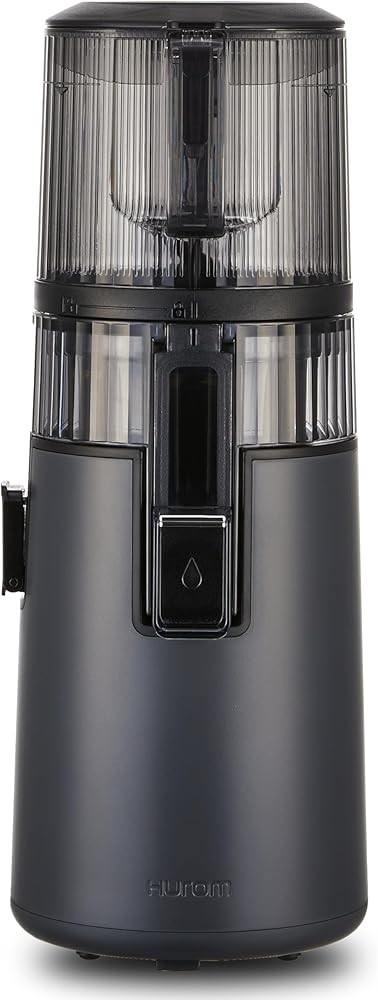
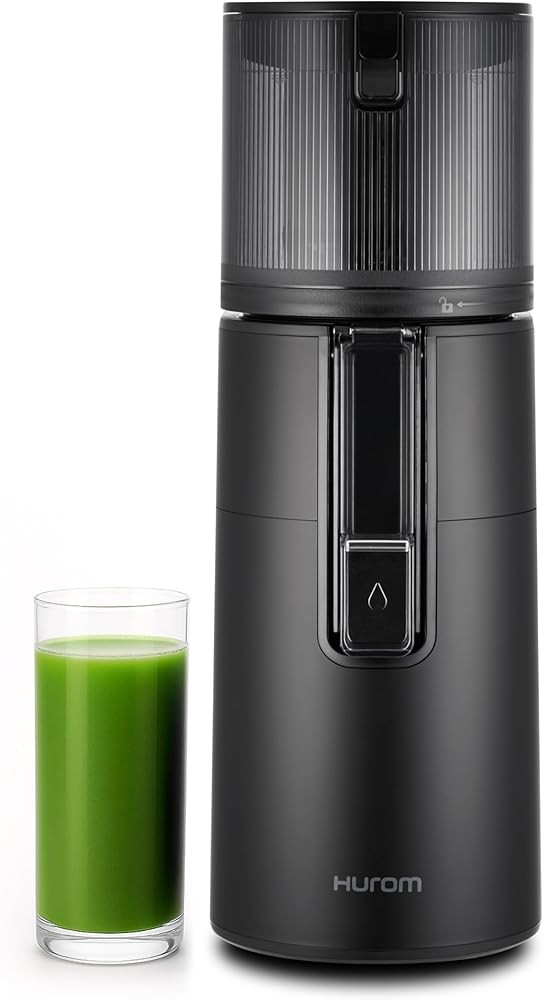
The Hurom H70 is the pick for most single-dog households because it removes the two biggest obstacles to regular juicing: mesh strainers and tedious cleaning. Its strainer-free design means there is no fine mesh to scrub pulp out of, and the machine breaks down into a small number of parts that rinse clean in a couple of minutes under running water. The self-feeding hopper accepts reasonably sized produce without constant pushing, and the compact vertical footprint fits on a small counter, which matters in kitchens where a second appliance has to earn its space.
The trade-off: the H70 is not built for marathon batch sessions. Its hopper is smaller than the H400’s wide-mouth version, so juicing for two or more dogs means feeding produce in several loads. At $649 it is also $50 more than the H320 below, and the two machines clean up similarly, so the H70’s case rests on its compact footprint and genuinely simple strainer-free design rather than on price.
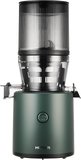
The Hurom H320 is the value pick, and it earns the label honestly: at $599 it undercuts the H70 by $50 while adding features the H70 lacks. The pulp-control lever with separate fine and coarse strainers is the standout, because dogs vary in how they tolerate pulp. A dog with a sensitive stomach may do better with fine-strained juice, while a dog that eats anything can take the coarser, higher-fiber version, and the H320 is the only model in this review that lets you choose at the flip of a lever.
Family sizing: the H320’s high-volume self-feeding hopper fits whole produce, so prep work is minimal even when you are juicing for a medium or large dog several times a week. Hurom markets the motor as near-silent, which matters if you juice before the household wakes or around noise-sensitive dogs. The cleaning story matches the H70: removable parts that rinse clean without special tools.
The trade-off: the H320 is a step up in footprint from the compact H70, so it needs a bit more counter space. And while it is the cheapest machine in this review, $599 is still a serious outlay for juice that a dog will consume by the teaspoon. If that price gives you pause, the alternatives section below is worth reading before you buy anything.
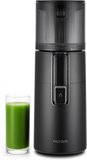
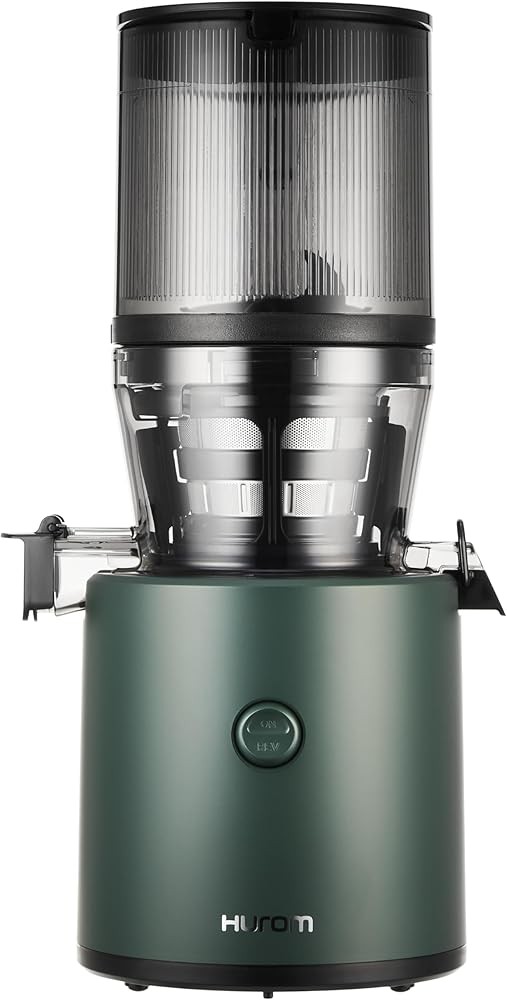
The Hurom H400 is the high-volume machine of the group, and its wide-mouth hopper is the defining feature. It swallows whole carrots, celery stalks, and cucumber sections without pre-cutting, which removes the most tedious part of batch juicing. The easy-clean chamber set uses a two-part auger design that Hurom says reduces the internal pieces you have to wash, and the machine includes a gauge window so you can see the pressing chamber during operation.
Who should buy it: households with two or more dogs, or anyone who wants to batch-juice every 2-3 days instead of cleaning a juicer daily. The wide mouth plus self-feeding hopper makes a 16-32 ounce batch session genuinely faster than the H70, and the storage research above supports a 48-72 hour batch window when juice goes straight into sealed glass in the refrigerator.
The trade-off: at $749 it is the most expensive machine here, and its footprint is the largest of the three. For a single small dog drinking a tablespoon of juice a few times a week, the H400 is overkill, and we would say so plainly: buy the H70 for compact daily use, the H320 for the best price and pulp control, and the H400 only when batch volume is the actual job.
What Should You Look for in Any Slow Juicer?
If you shop beyond these three Hurom models, the same evaluation criteria apply to any slow juicer, and they map directly to the evidence above. First, the mechanism: a masticating auger running at a few dozen RPM rather than a centrifugal blade spinning at thousands of RPM, because the 2017 grape-juice data showed gentler extraction preserving more polyphenols, anthocyanins, and vitamin C. Second, cleaning design: strainer-free machines, or machines whose strainers actually come apart, because a juicer that is miserable to clean ends up in a cabinet, and a cabinet juicer produces no juice at all. Third, hopper size and self-feeding: a self-feeding hopper is the difference between a two-minute batch and a fifteen-minute chore, and it matters more than almost any spec. Fourth, materials: food-contact parts should be BPA-free, with stainless steel where it touches acidic juice. Fifth, noise and footprint, which decide whether the machine fits your kitchen and your dog’s tolerance for appliance sounds. Warranty length and parts availability matter too, because slow juicers are simple machines that should last for years. Apply those filters, ignore marketing percentages about nutrient retention, and any reputable masticating juicer will do the job this guide describes.
What About Juice Storage, Cost, and Simpler Alternatives?
How Should You Store Dog Juice Safely?
The storage data from the 2019 comparison study translates directly into rules for dog juice: refrigerate immediately, keep it cold, and do not push the window. Juice left at room temperature lost quality within 48 hours, while refrigerated cold-press juice held steady through day 5 before declining at day 6-7 (Khaksar et al., 2019). For a pet, use the conservative end: glass containers filled to the top to minimize air, sealed lids, refrigeration at 36-40°F, and a 72-hour maximum before you pour it down the sink. Stir or shake before serving, because pulp settles and carries much of the fiber and phytonutrients. Never freeze and thaw dog juice repeatedly, and never serve juice that smells fermented or looks separated in a way that shaking does not fix.
What Does a Practical 3-Day Batch Plan Look Like?
For a household that juices for one medium dog, a batch plan removes the daily cleanup objection. Juice once every three days and store single-serving portions. A concrete example for a 40-pound dog at the top of its serving range (2 teaspoons of juice per serving, three servings per week): one small batch of one cucumber, two celery stalks, and one medium carrot yields roughly 8-10 ounces of juice, which is around 40-45 teaspoon servings, or more than two months of juice for that dog. Practical steps: chill the produce before juicing, run the batch, pour into small glass jars filled to the top (air is the enemy), cap immediately, refrigerate, and label each jar with the date. Pull one jar at a time, dilute it 1:1 with water at serving time, and never return an unfinished serving to the jar. On day 3, whatever is left goes down the sink: the research shows quality starting to slide at day 5 even refrigerated, and the 72-hour rule is the conservative safety margin for a pet.
How Much Does Dog Juicing Actually Cost?
A $599-749 juicer plus ongoing produce cost is a lot of money for a food that a dog eats by the teaspoon. Run the real numbers before buying. A 40-pound dog on the protocol above gets about 2 teaspoons of juice per serving, three times per week, which works out to roughly half a cup of juice per month. Assuming a masticating juicer extracts about 60% of produce weight as juice, here is the monthly picture for each weight class:
| Dog Weight | Serving (diluted 1:1) | Juice per Month (3x/week) | Produce Needed | Est. Cost per Month |
|---|---|---|---|---|
| Under 10 lbs | 1/2 tsp | About 1 fl oz | Under 0.1 lb | Under $1 |
| 10-20 lbs | 1 tsp | About 2 fl oz | About 0.1 lb | About $1 |
| 21-40 lbs | 2 tsp | About 4 fl oz | About 0.2-0.3 lb | $1-2 |
| 41-70 lbs | 1 tbsp | About 6 fl oz | About 0.3-0.4 lb | $2-3 |
| Over 70 lbs | 1.5 tbsp | About 9 fl oz | About 0.5 lb | $3-4 |
Those are estimates with conventional produce prices; organic produce and poor yields push them up. The pattern is the point: even for a large dog, monthly produce cost lands in single digits. A single cucumber, two celery stalks, and one small carrot cover a small or medium dog for weeks. The economics only shift if you are already juicing for your own household and the dog’s serving is a rounding error on produce you already buy. If you are buying a $649 machine mainly for the dog, that is a hobby purchase, and it is worth naming it as one.
What Are the Cheaper Alternatives to a $600 Juicer?
Before spending Hurom money, consider what the juice is actually replacing. For hydration and gentle vegetable nutrition, a plain blender with a fine strainer produces a similar result for a fraction of the price, and lightly steamed vegetables mashed or pureed whole retain their fiber, which is arguably better for most dogs than juice. Commercial dog food toppers and pumpkin or bone broth products deliver moisture and nutrients with zero equipment, prep, or spoilage risk. Our apple-carrot juice vs dog multivitamins comparison and fresh juice vs commercial dog products analysis walk through exactly these trade-offs with numbers.
If you do want a dedicated slow juicer but balk at Hurom pricing, other reputable masticating brands sell for less, and our cold-press vs centrifugal data review explains what to look for (low RPM, no mesh strainer if you hate cleaning, self-feeding if you batch). The machine does not need to cost $600 to make a tablespoon of carrot juice for a dog.
What this means for you: refrigerate dog juice in sealed glass, use it within 72 hours, and view a premium juicer as an optional convenience rather than a nutritional necessity. If you already juice for your family, adding a dog-sized serving costs almost nothing. If you do not, a blender, a strainer, or a commercial topper delivers most of the benefit for a fraction of $599.
When Should You Skip Juice and Call Your Vet First?
Juice is a food extra, and like any food extra it is not appropriate for every dog. The list of dogs who should skip it is longer than most juice marketing suggests.
Dogs with chronic disease. Diabetes: even vegetable juice contains natural sugars, and the carbohydrate load of carrot-heavy blends can move glucose, so diabetic dogs should only have juice with explicit veterinary approval and monitoring. Kidney disease: juice concentrates potassium and oxalates from whatever you put in the machine, and both matter in chronic kidney disease, so this is a vet question, not a recipe question. Pancreatitis or a history of it: any new dietary input carries risk, and juice has no proven role, so ask first. EPI: as covered above, enzyme replacement therapy is the treatment, and juice is irrelevant to it (Szkopek et al., 2024).
Medication interactions. Leafy greens are rich in vitamin K, which is directly relevant if your dog takes an anticoagulant; a sudden increase in dietary vitamin K can alter how the drug works. Any dog on prescription medication should get a vet’s sign-off before regular juice, with the specific vegetables disclosed.
Puppies and seniors. Puppies under six months have developing digestive systems and no nutritional need for juice, so the conservative call is to wait. Senior dogs are the population with the most to gain from beta-carotene-rich vegetables per the immune studies above, but they are also the most likely to have the chronic conditions listed here, so the vet conversation comes first.
Red-flag symptoms after juice. Vomiting, diarrhea (especially with blood), lethargy, facial swelling, hives, itching, coughing, or wheezing after juice means stop and call your veterinarian. Severe signs like collapse, seizures, or difficulty breathing are emergencies. When in doubt about any food for a dog with a health condition, the answer is a phone call to your vet, not a forum post.
The research verdict: juice offers real but modest benefits (hydration, beta-carotene for aging immune function in dogs, whole-food vitamin C, flavonoids with emerging canine in vitro data), it does not offer enzyme therapy, detoxification, or drug-level anti-inflammatory effects, and it should be skipped or vetted first for dogs with diabetes, kidney disease, pancreatitis, EPI, medication interactions, or any history of food allergy. Conservative teaspoon-scale servings, 1:1 dilution, safe vegetables only, refrigeration, and a 72-hour freshness limit cover the rest.
The Bottom Line
Bottom line: cold-press juicing for dogs is a reasonable occasional extra, not a health necessity. The strongest evidence supports small, diluted servings of low-sugar vegetables for hydration and beta-carotene, which a controlled 2003 study in senior dogs found restored several age-related immune declines (CD4+ populations from 33.7% back to 41.0% and T cell proliferation from 14,811 to 21,329 cpm with supplementation), plus flavonoids whose canine anti-inflammatory effects are promising but currently in vitro only (Massimino et al., 2003; Móritz et al., 2026).
Key takeaway: if you juice for your dog, use the weight-based teaspoon protocol (never more than 2 tablespoons of juice per serving for the largest dogs), dilute at least 1:1 with water, keep servings to 2-3 times per week, stick to safe vegetables, refrigerate in sealed glass, and discard after 72 hours. Skip juice entirely for dogs with diabetes, kidney disease, pancreatitis, EPI, or medication interactions until your veterinarian clears it.
The practical takeaway: buy the Hurom H320 at $599 if you want the best price and pulp control, the H70 at $649 for the most compact strainer-free design, and the H400 at $749 only for genuine multi-dog batch volume. Before buying any of them, check whether a blender, a fine strainer, or a commercial topper already covers what you actually need, because a tablespoon of carrot juice does not require a $600 machine.
Related Reading
- Is Juicing Safe for Dogs? Everything You Need to Know
- Cold-Press vs Centrifugal Juicing: Nutrient Retention Data
- Cucumber Celery Juice for Dog Hydration
- Juicing for Senior Dogs: Supporting Aging, Mobility, and Cognitive Health
- Carrot Juice for Dogs: Benefits, Dosage, and Safety Guide
- Juicing for Dogs After Surgery: Supporting Recovery, Healing, and Immune Function
- Dog Juice Recipes for Immune and Digestive Health
- Juicing for Dogs With Allergies
- Juicing Dogs: Kibble vs Raw Diet Considerations
References
-
Khaksar G, Assatarakul K, Sirikantaramas S. “Effect of cold-pressed and normal centrifugal juicing on quality attributes of fresh juices: do cold-pressed juices harbor a superior nutritional quality and antioxidant capacity?” Heliyon. 2019;5(6):e01917. PubMed: 31286079
-
Kim MJ, Jun JG, Park SY, et al. “Antioxidant activities of fresh grape juices prepared using various household processing methods.” Food Sci Biotechnol. 2017;26(4):861-869. PubMed: 30263614
-
Massimino S, Kearns RJ, Loos KM, et al. “Effects of age and dietary beta-carotene on immunological variables in dogs.” J Vet Intern Med. 2003;17(6):835-842. PubMed: 14658721
-
Chew BP, Park JS, Wong TS, et al. “Dietary beta-carotene stimulates cell-mediated and humoral immune response in dogs.” J Nutr. 2000;130(8):1910-1913. PubMed: 10917901
-
Gordon DS, Rudinsky AJ, Guillaumin J, Parker VJ, Creighton KJ. “Vitamin C in Health and Disease: A Companion Animal Focus.” Top Companion Anim Med. 2020;39:100432. PubMed: 32482285
-
Groth E, Honaker A, Osterbur K, et al. “Hyperascorbaemia in dogs admitted to a teaching hospital intensive care unit.” J Small Anim Pract. 2012;53(11):652-656. PubMed: 23020198
-
Móritz AV, Fónagy V, Psáder R, Jerzsele Á, Farkas O. “Anti-Inflammatory and Antioxidant Effects of Quercetin, Luteolin, and Proanthocyanidins in Canine PBMCs Stimulated with Escherichia coli.” Animals (Basel). 2025;15(24):3622. PubMed: 41463907
-
Móritz AV, Horváth NL, Márton RA, et al. “Anti-Inflammatory Effects of Flavonoids in an LPS-Induced In Vitro Model of Canine Chronic Enteropathy.” Animals (Basel). 2026;16(3):450. PubMed: 41681430
-
Szkopek D, Pierzynowski SG, Pierzynowska K, et al. “A review: Pancreatic enzymes in the treatment of chronic pancreatic insufficiency in companion animals.” J Vet Intern Med. 2024;38(4):2026-2033. PubMed: 38721836
-
Labudda M, Rybarczyk-Płońska A, Sobieszek KA, et al. “The Chemopreventive and Anticancer Potential of Glucosinolates and Their Hydrolysis Products from Cruciferous Vegetables.” Nutrients. 2026;18(5):751. PubMed: 41829922
-
Saito A, Ishikawa S, Yang K, Sawa A, Ishizuka K. “Sulforaphane as a potential therapeutic agent: a comprehensive analysis of clinical trials and mechanistic insights.” J Nutr Sci. 2025;14:e65. PubMed: 40988712
-
Jewell DE, Motsinger LA, Paetau-Robinson I. “Effect of dietary antioxidants on free radical damage in dogs and cats.” J Anim Sci. 2024;102:skae153. PubMed: 38828917
Recommended Products